Newly mobile, I had such high hopes for this trip to Bernard Park in the Wheatbelt metropolis of Northam. I walked the dog through the park the day before and saw plenty of bird activity. Everything was checked and packed carefully the night before and the car had a full tank of petrol. What could go wrong? I pulled up in the carpark just after dawn and the conditions were looking perfect. I could see and hear plenty of birds. Then I found out what could go wrong. Me! I just couldn’t do anything right. It was as if I’d never picked up a camera before. Forty years of photographic knowledge and experience had evaporated. A lot of the birds got so bored sitting around waiting for me to get my act together that they took off in search of a better photographer. I missed lots of sitters because I was just so slow in sorting out focus, exposure and composition. After an hour and a half of abject failure I threw in the towel and called it a day.
I’ve put the two best photos below and they are quite frankly very, very pedestrian.
Three Little Birds. Kanamit or Welcome Swallows (Hirundo neoxxena). Bernard Park, Northam, Western Australia.
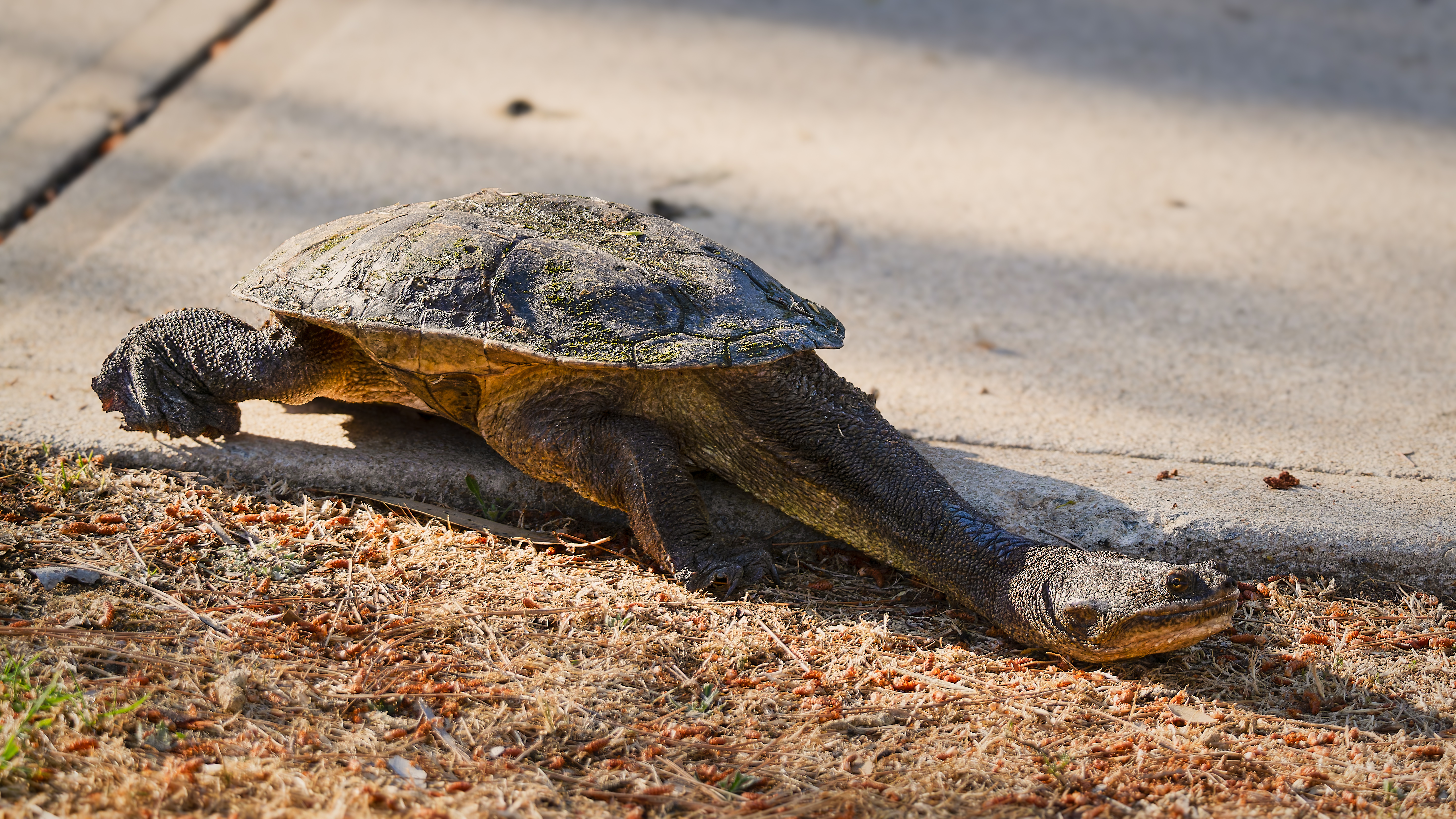
A female Choonya or Long-necked turtle aka oblong turtle (Chelodina oblonga) having laid its eggs slowly makes its way back to the safety of the river. Bernard park, Northam, Western Australia.
The only upside to the day was that I saw two of the Long-necked Turtles. It’s egg laying season for them and they come up from the river – no mean feet as the bank is very high and steep at this point – and lay their eggs. They will have hatched out at this spot and every year they will lay their eggs there. Their offspring will do the same. Thirty years ago I used to see turtles quite regularly, but now they are very rare so to see 2 within five minutes of each other was something rather special. This time of year sees the turtles try to cross busy roads to get to their nesting sites, so if you live in these areas please be careful as you drive. A word to the wise. If you ever feel the need to help one not get run over by picking it up and moving it to a safe location a word of caution. Make sure that the rear end is pointing away from your body. Long-necked Turtles void as a defence mechanism – it is an incredibly foul smelling mess that is very difficult to wash off yourself and out of your clothes. Once smelt never forgotten.
The issues regarding my blog that I spoke about a couple of weeks ago have not resolved. I still can’t link images from my account at 500px to my pages here at WordPress. I had extensive communications with both companies and each is blaming the other and I’m the meat in the sandwich. I hope in another couple of weeks to find a permanent solution.
Our poor old car started to sound as if it had a terminal condition. It produced an incredible range of noises from the engine and gearbox. With over 200,000 km on the clock it wasn’t surprising in someways. I took it into the mechanics and it came back with even more strange noises. So while we sorted out a replacement I’ve been somewhat grounded and most of the recent photography has taken place within the constrains of the garden. Most of it macro of various bugs that I’ve found, some of it shots of Bertie, our Miniature Bull Terrier puppy, as he plays. It’s been great fun.
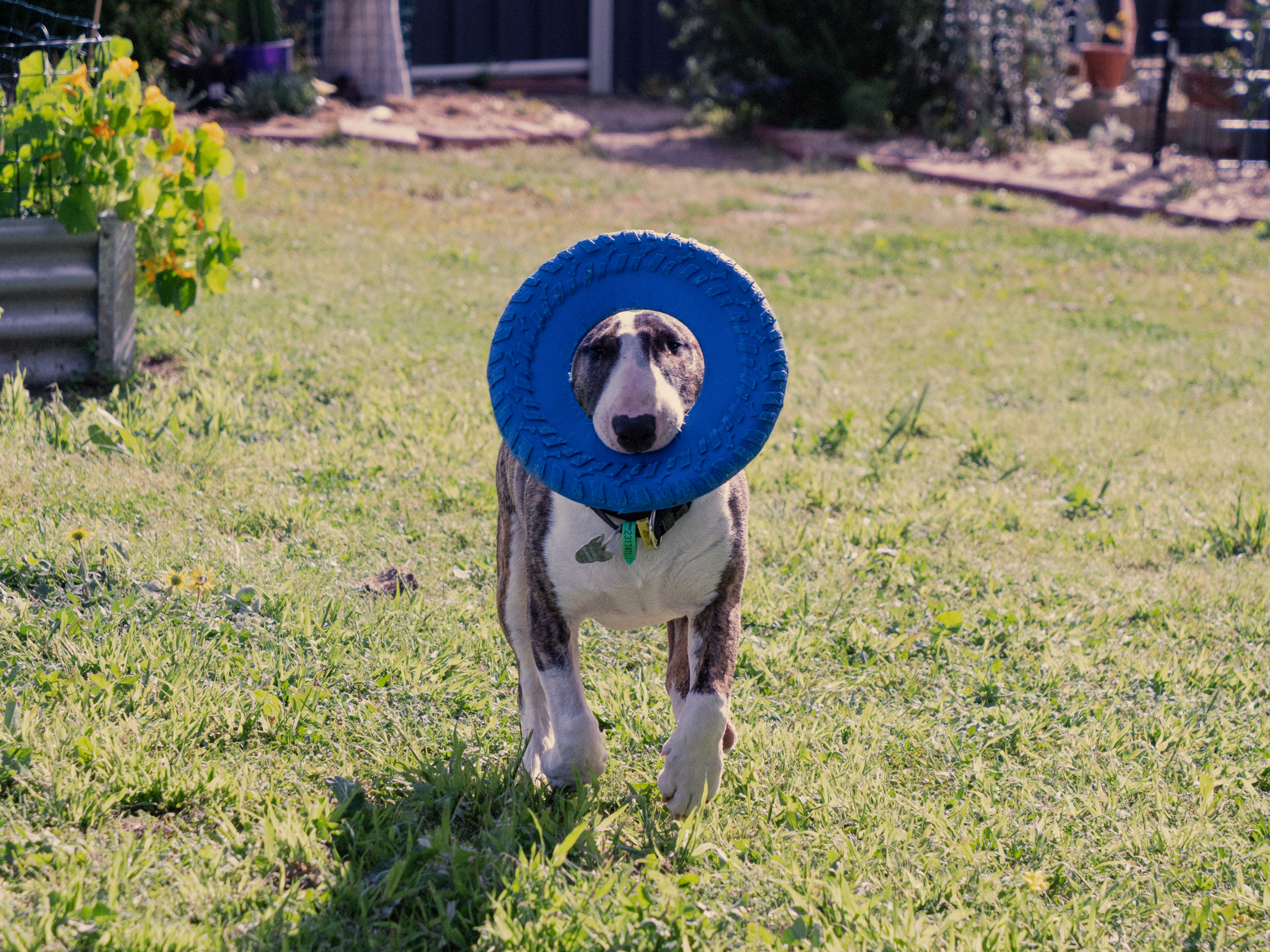
Bertie playing with his ring in the garden.
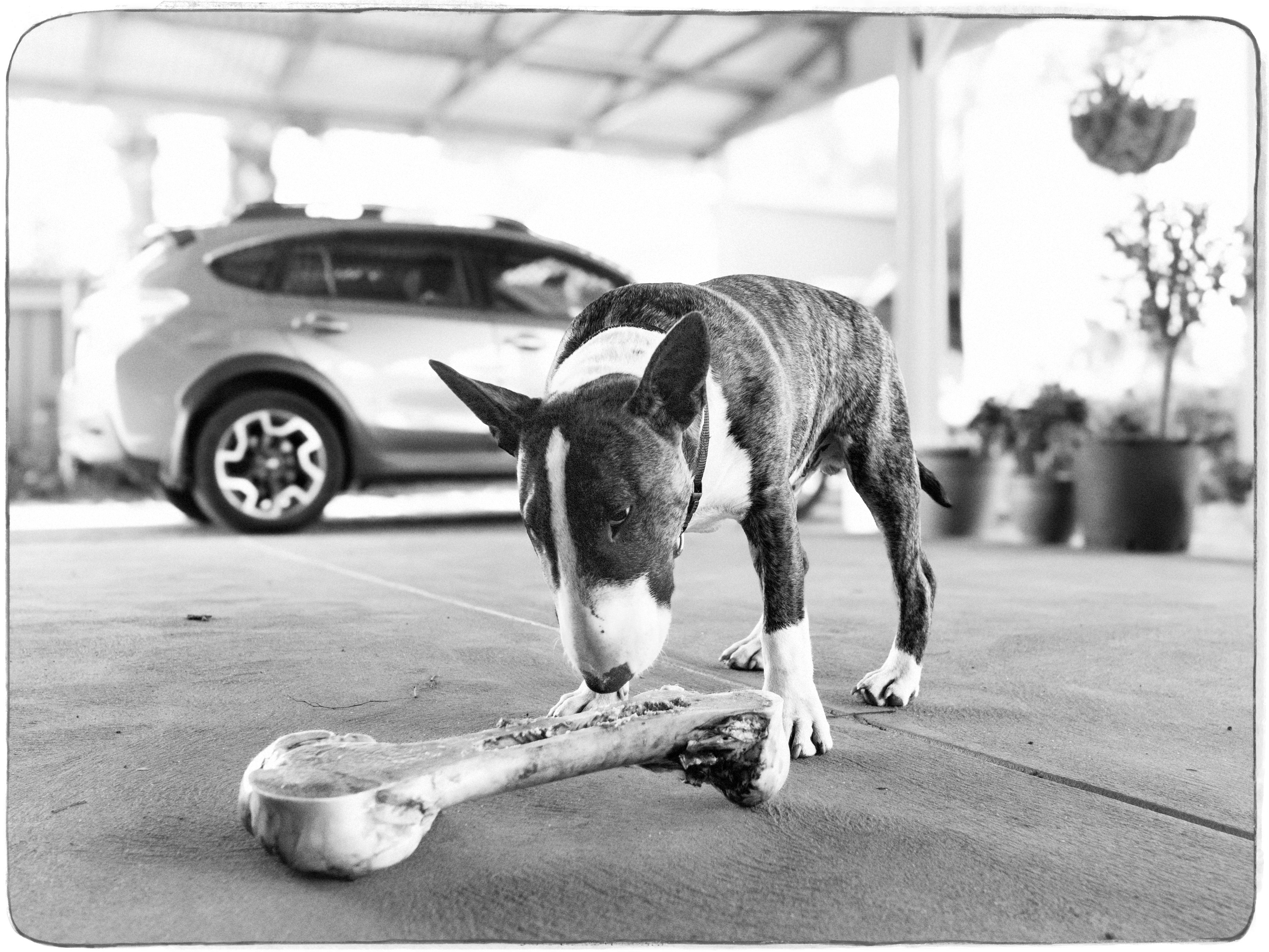
Bertie with his first marrow bone.
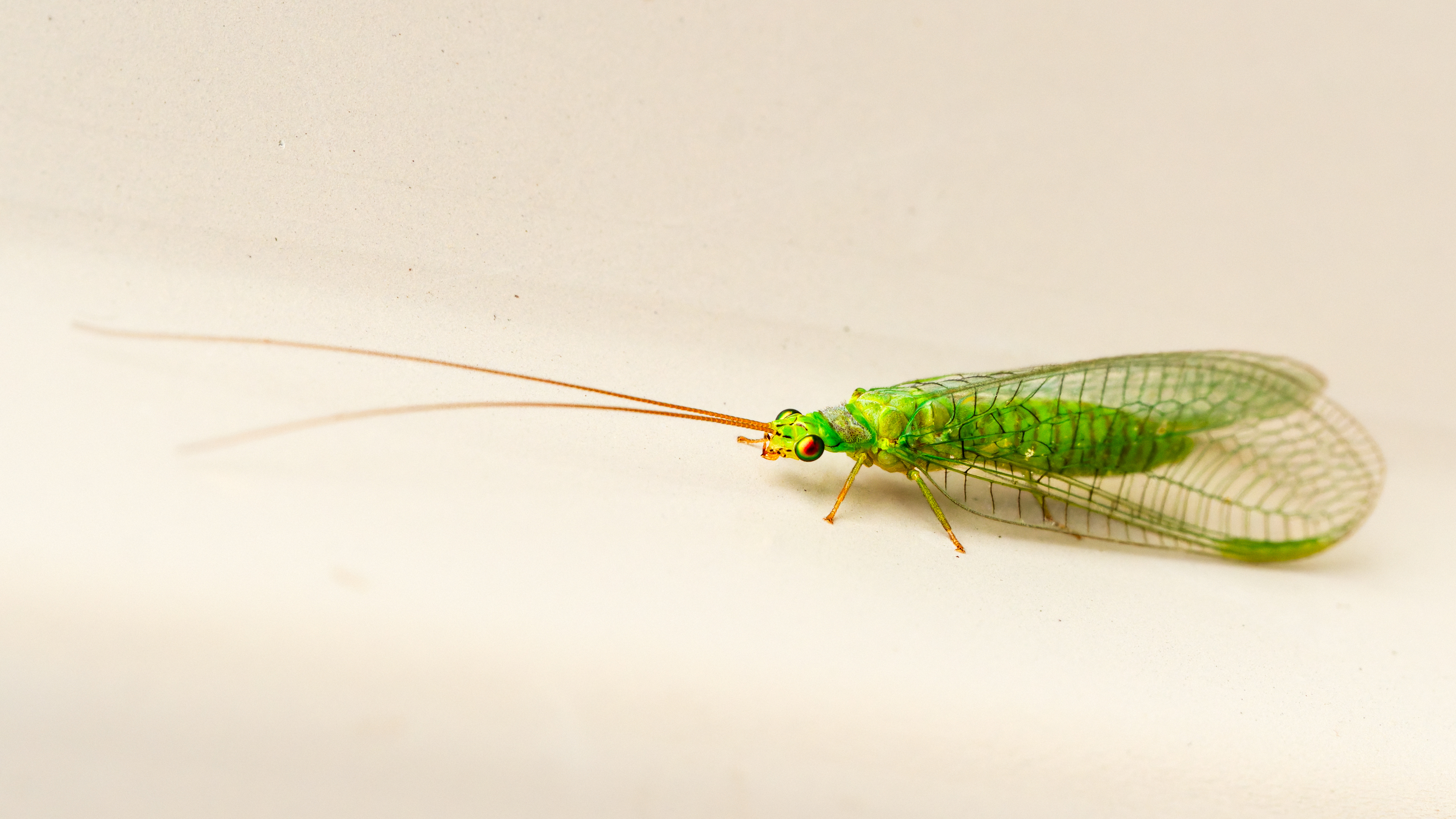
Green Lacewing, Mallada signatus. York, Western Australia.
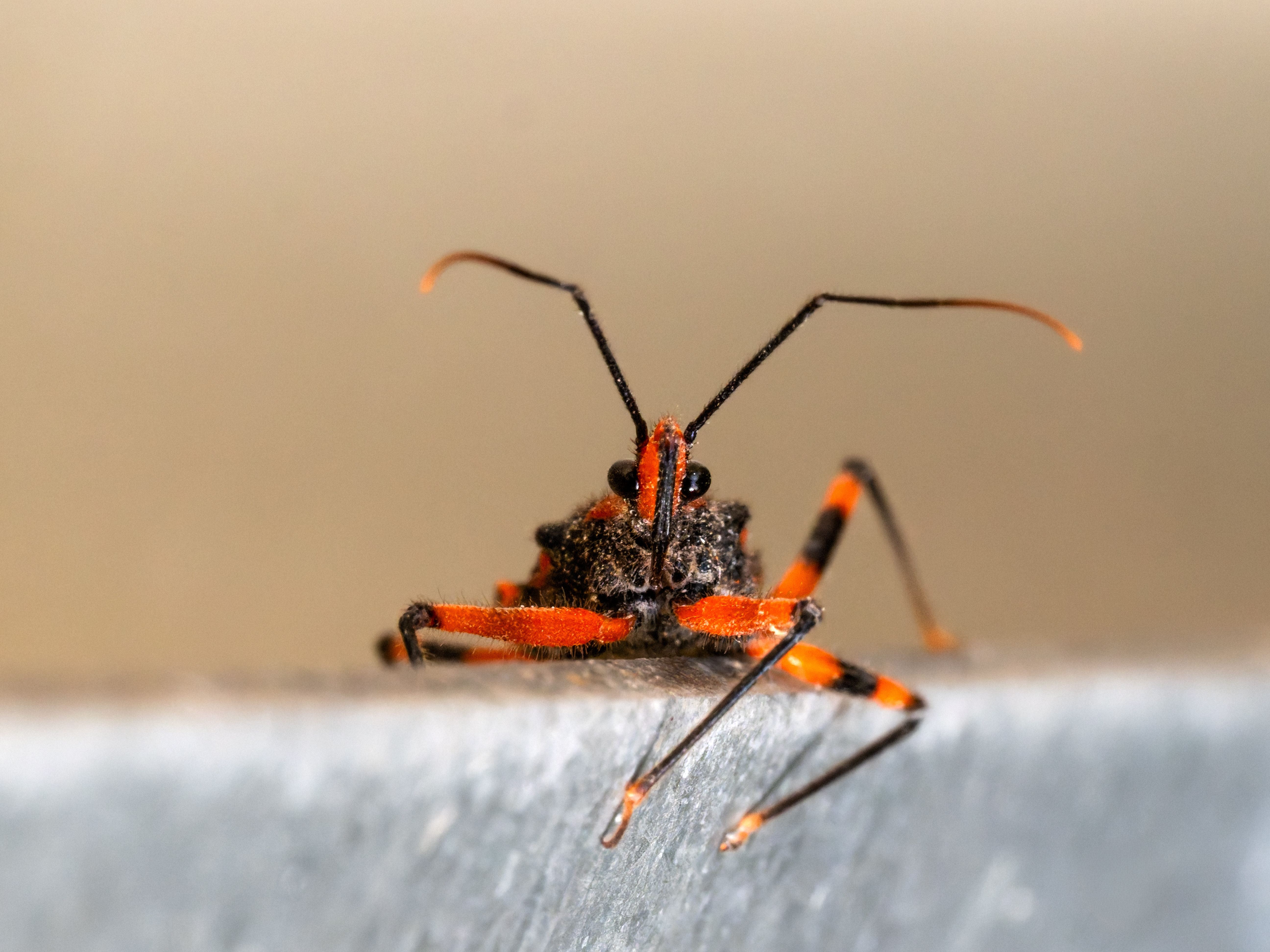
Red Tiger Assassin Bug, Havinthus rufovarius. York, Western Australia.
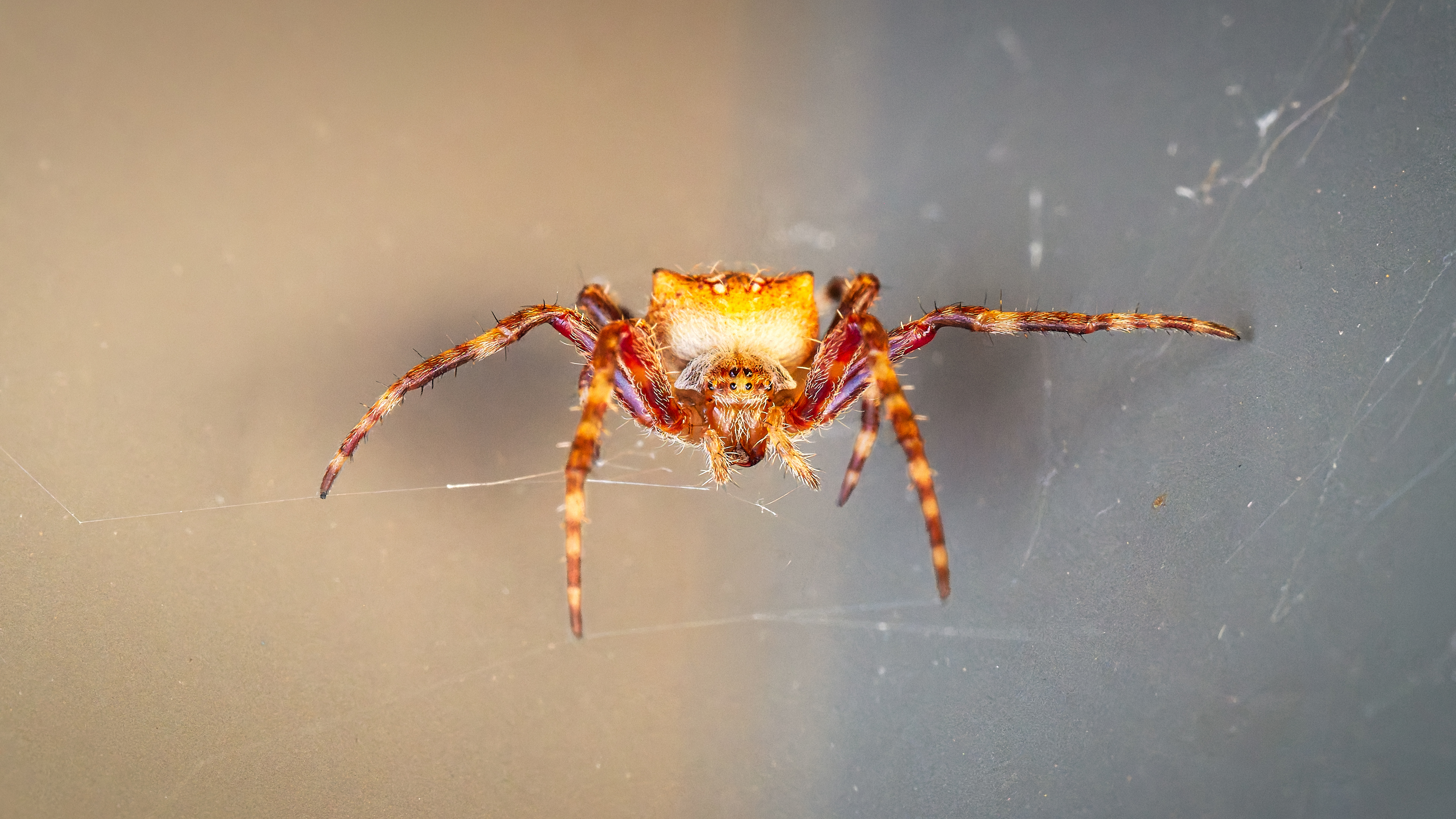
Dunno what sort of spider this is.
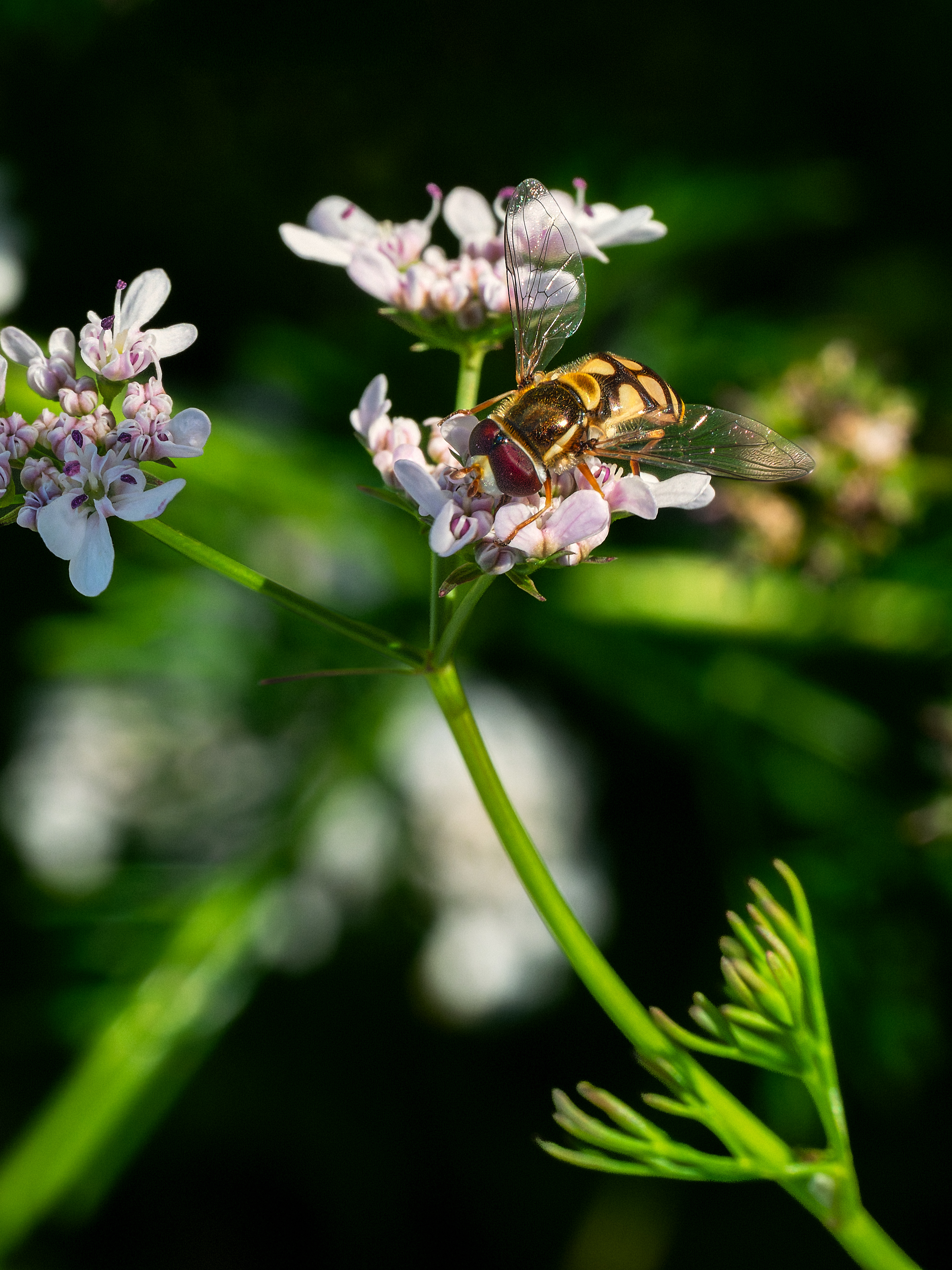
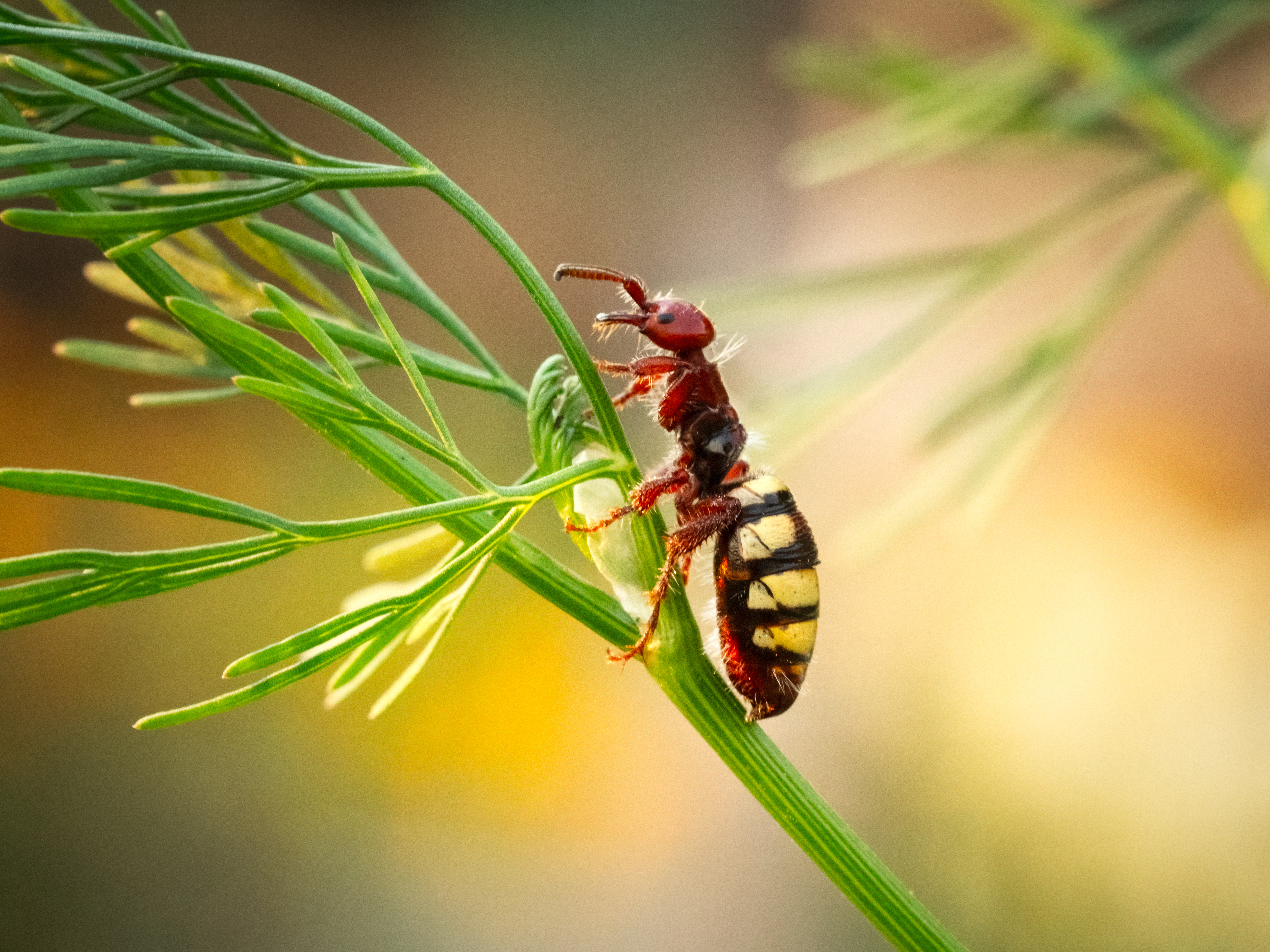
A male Yellow flower wasp feeding on the corriander.
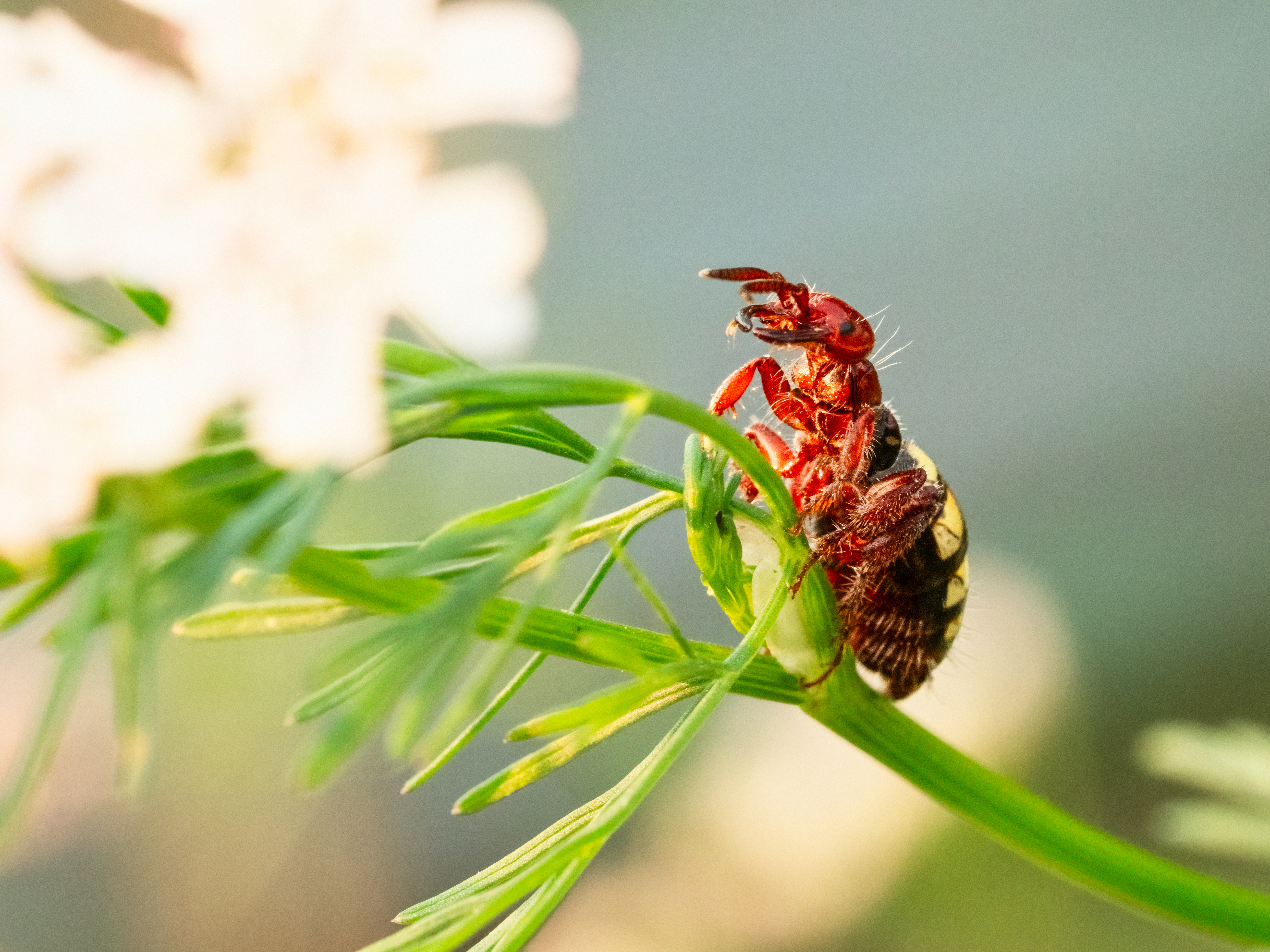
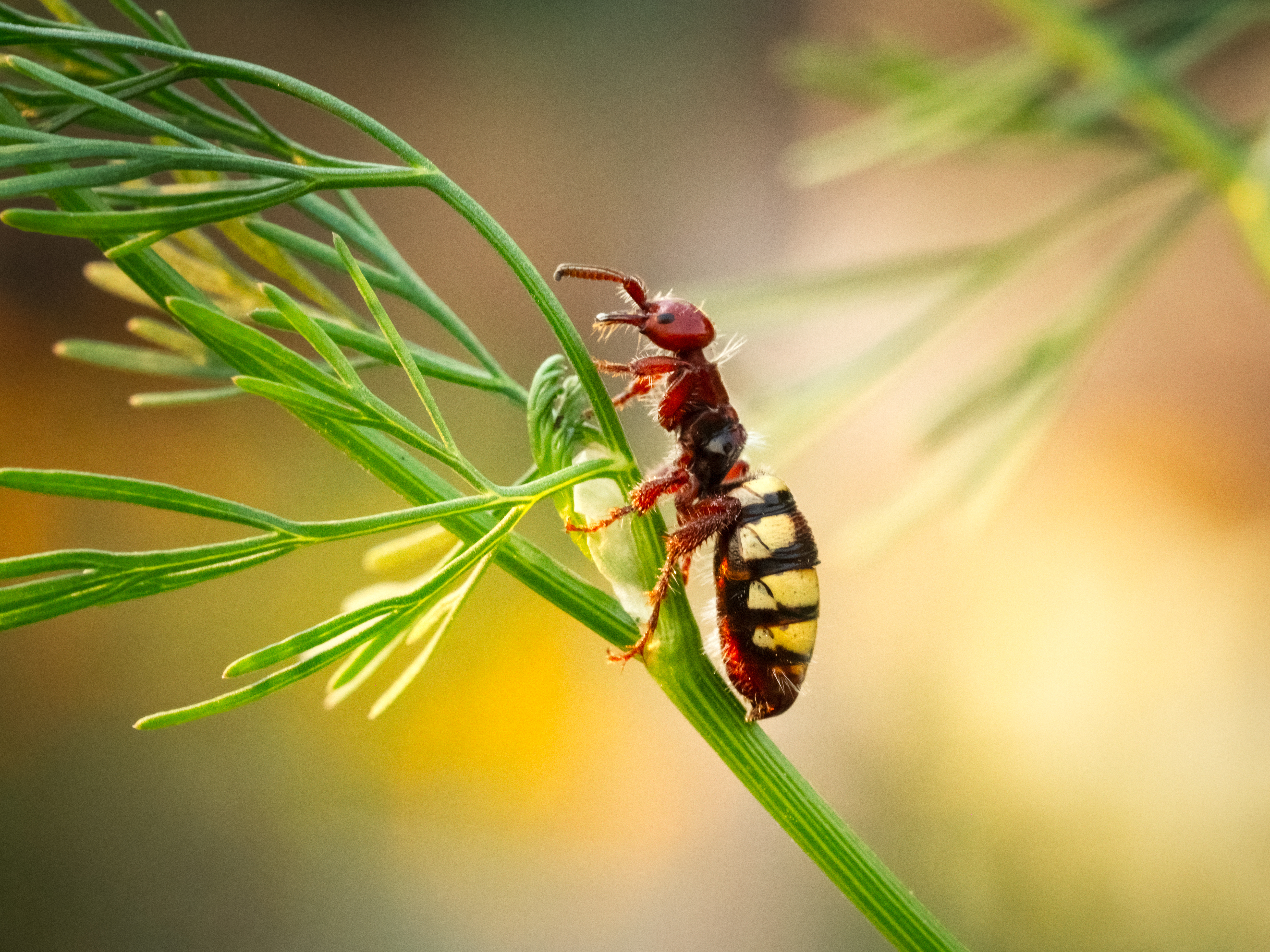
Last week I posted a photo of a mystery insect that I didn’t know what it was. Well it turns out it was a female Yellow Flower Wasp, which are flightless.
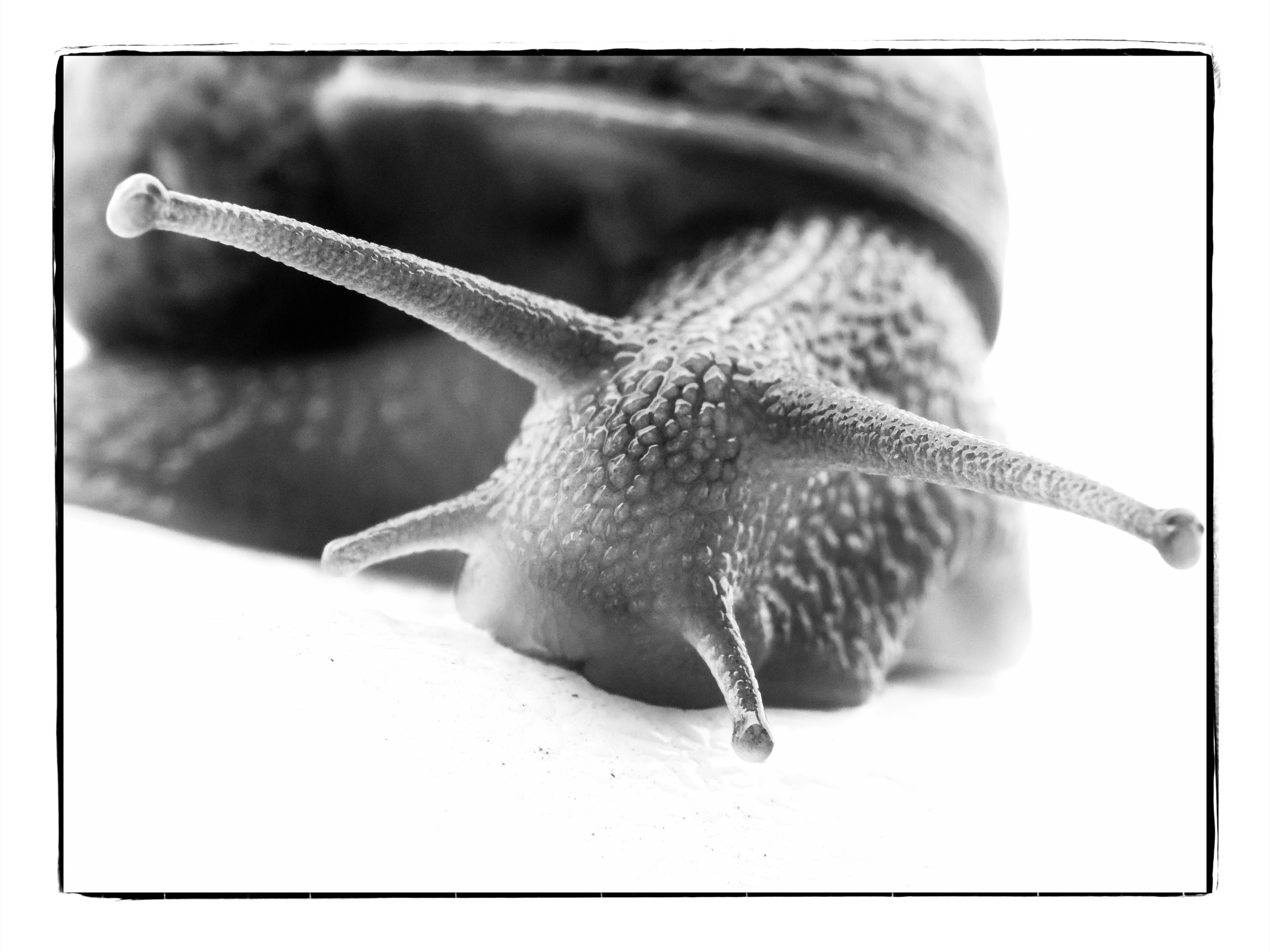
“Stay sill damn it!” Common garden snail, Cornu aspersum.
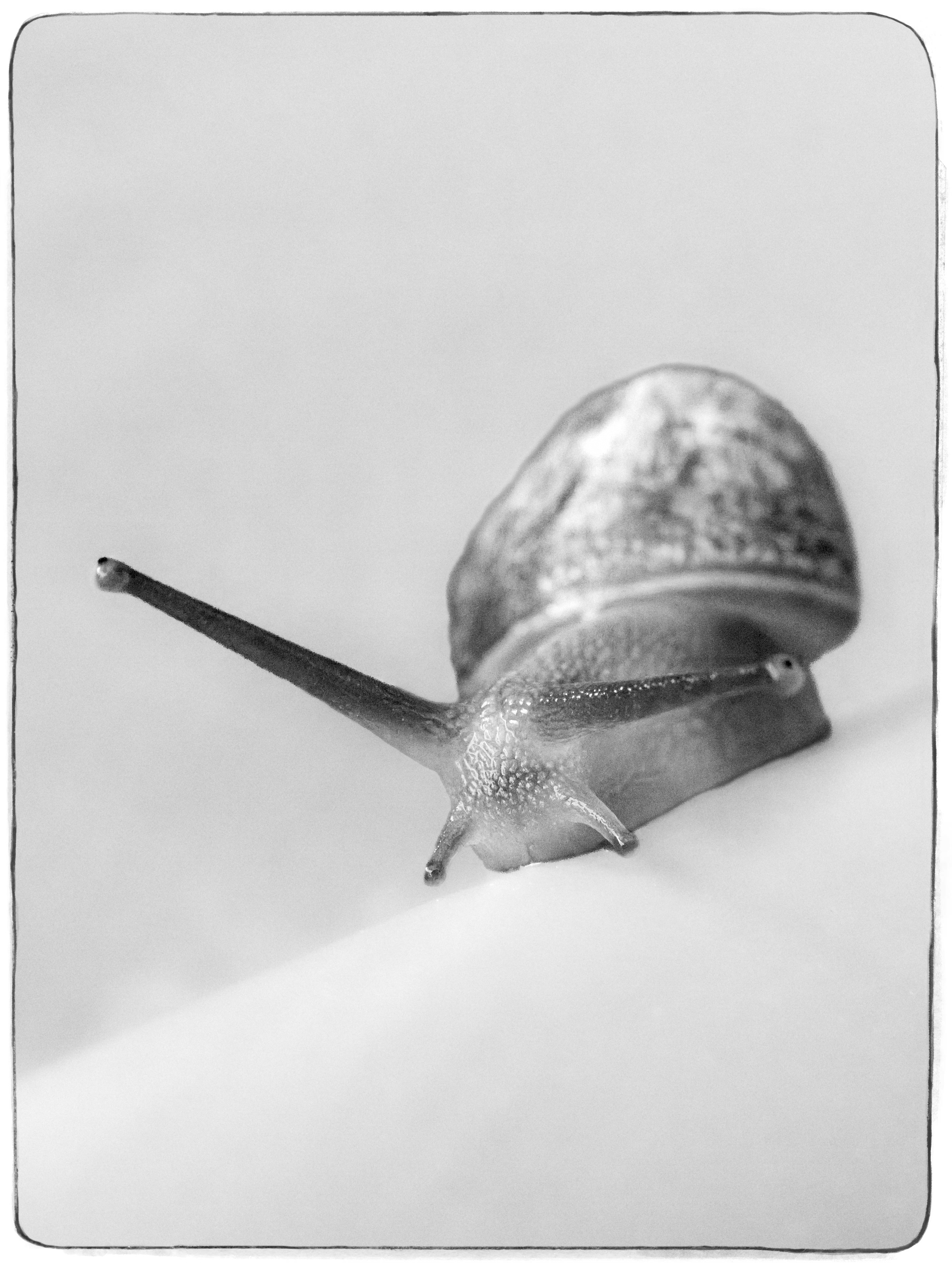
The recent orchid expeditionmade me get my macro lenses and flash out of the cupboard and consequently I’ve been playing around with it in the garden. I had this brilliant idea to improve my focus stacking technique by taking photos of snails. I mistakenly thought that they’d be a good subject as they don’t move much. I was very much mistaken. The little beggars move around quite a lot. The tentacles that their eyes are mounted on are in a constant state of motion and so my attempts at focus stacking failed. Not to be deterred I just stopped the lens down to f11 or f16 (well into diffraction territory on Micro Four Thirds) and just carried on taking picture of little critters in the garden.
Another fidgety snail.
The focus stack even failed on this. Dunno what I’m doing wrong.
Yikes! Don’t know what this was amongst the coriander.
Looks better in profile.
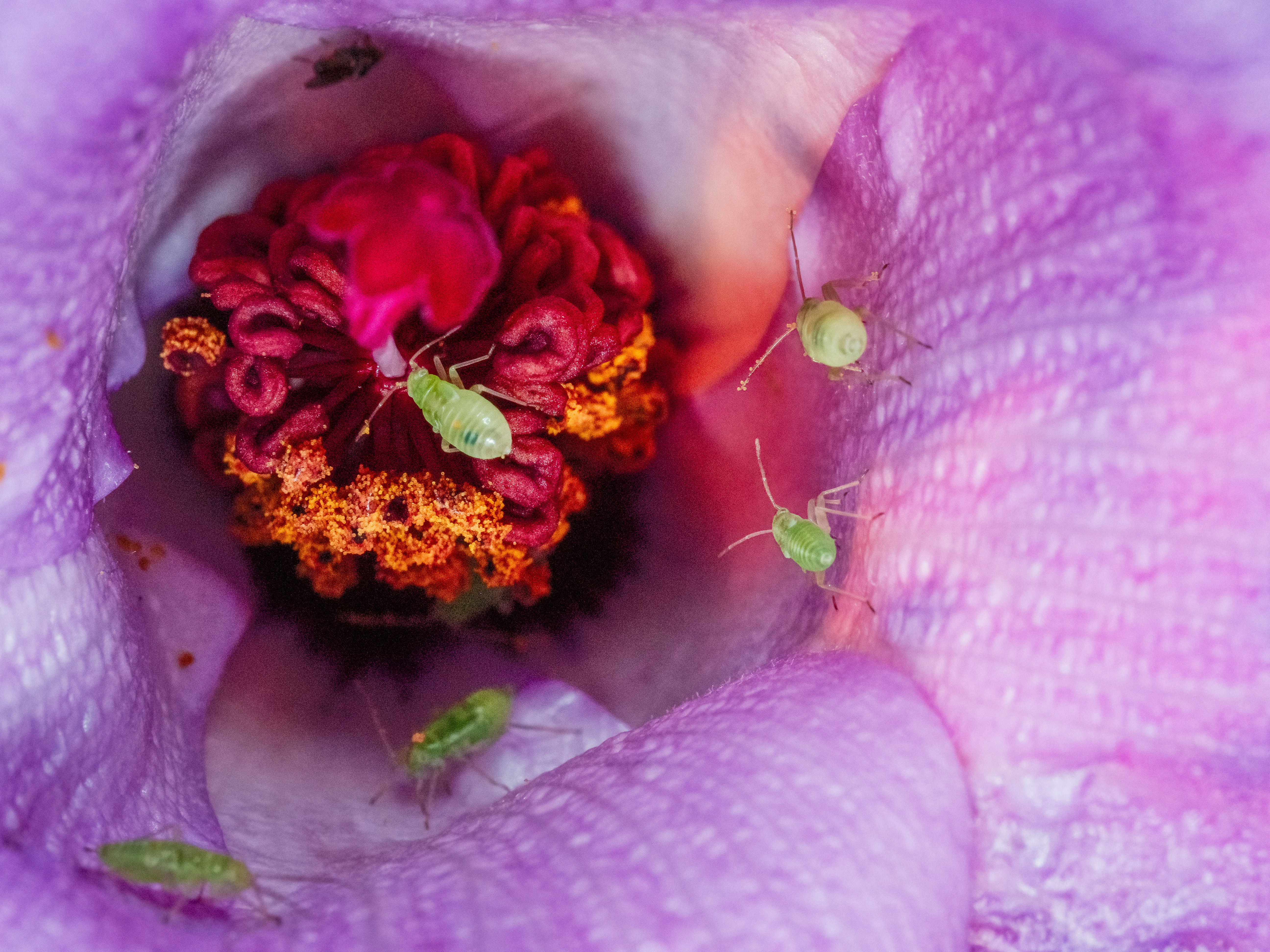
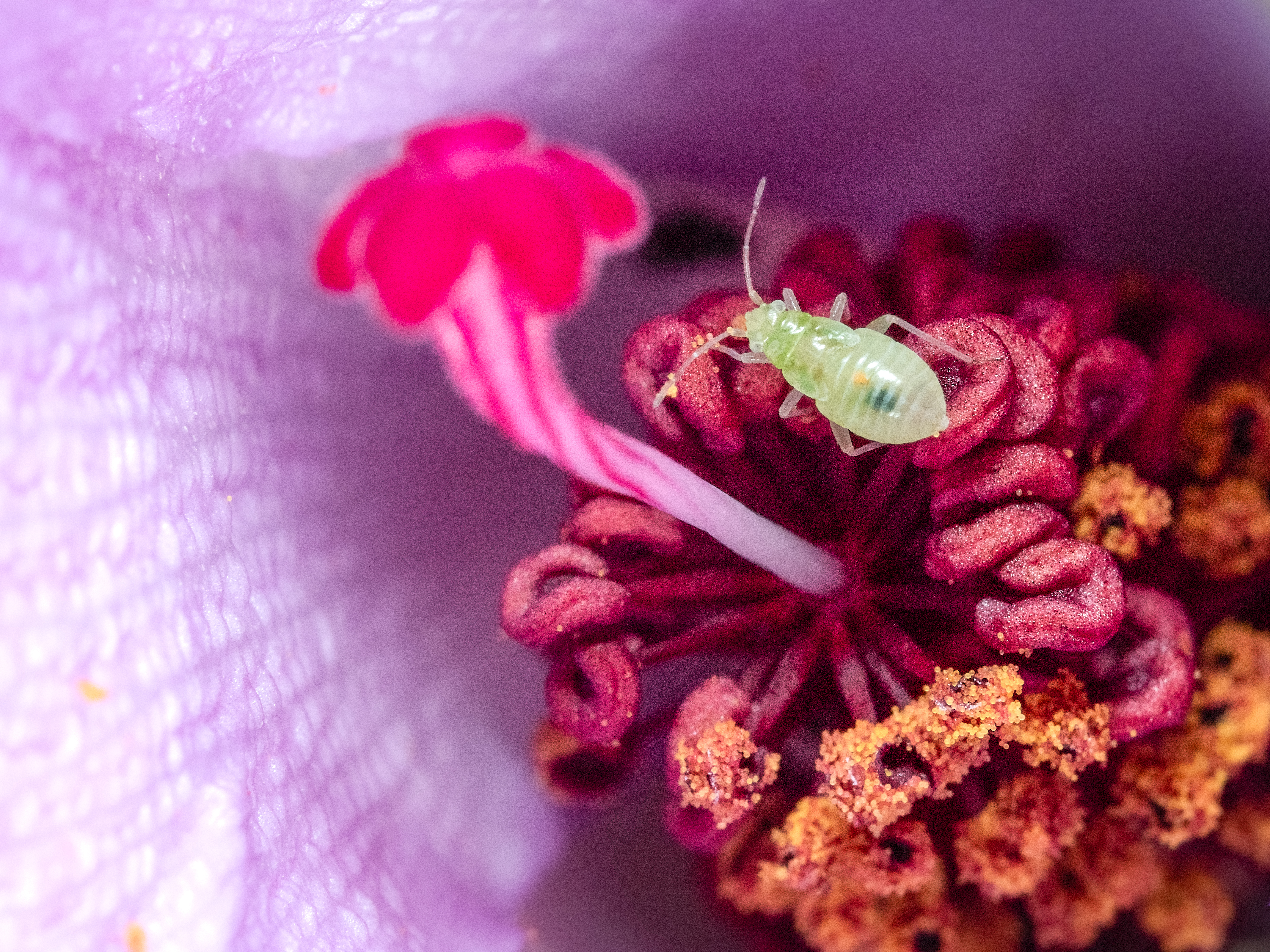
Oh dear! The Beloved Significant Other is not going to be happy with these aphids.
Things have taken a dire turn at Paul Amyes Photography. For some reason the links to the images are all of a sudden broken. I’m not sure what has happened, but it does mean that I’m having to go through all 616 pages and re-link the photos. It is a mammoth undertaking and will keep me occupied for some while.
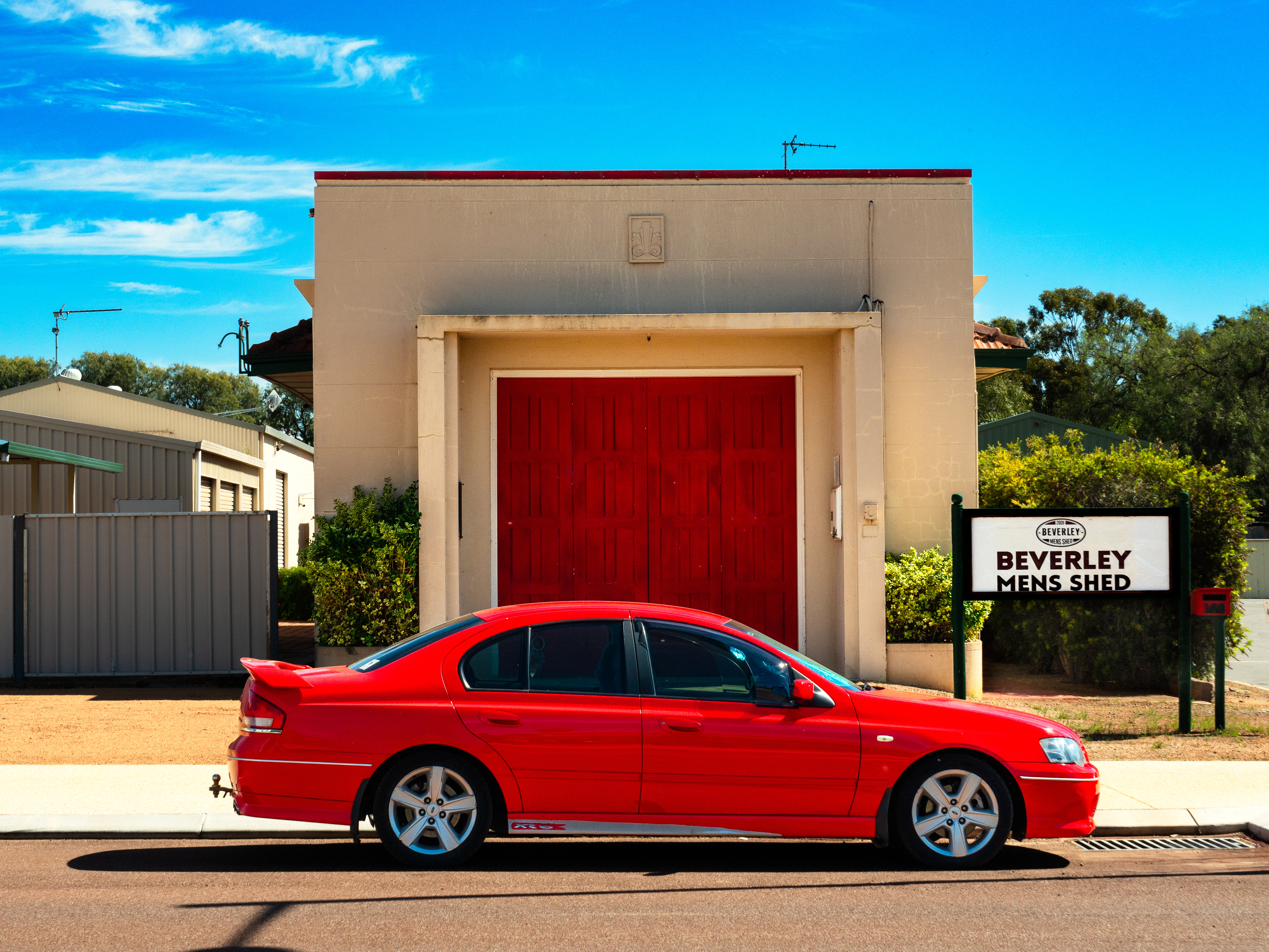
I saw the accompanying image when we went to Beverley for the Spring Equinox Flower Festival. I couldn’t resist the red and the blue. It was taken with one of my everyday cameras. I did take some photos of the flower exhibits, but, they were a bit meh when compared to this one.
According to the Cambridge Dictionary to say someone is as “high as a kite” is to say they are either intoxicated or extremely happy. Currently I’m in the extremely happy category as we have been having regular visits from a juvenile Black-shouldered Kite. It spends mosts of its time perched on the TV aerial and can often be heard chattering away – sort of a cross between a chirp and a squawk. We had a bit of a mouse plague earlier and this bird is probably the result of that. Normally Black-shouldered kites breed only once a year in the period August to January, but when there is an abundance of food they will breed twice.
A juvenile Black Shouldered Kite, Boorh-ga in Nyoongar, perching on our TV areial. (Elanus axillaris). York, Western australia. Olympus EM1x with OM System 100-400mm lens.
The photos are the best I’ve managed to get so far, but the up the chuff view point (a bird photography technical term) is never a good look. I’ve seen it hunting over the open fields in front of us so hopefully I’ll manage to get some birds in flight shots soon.
The morning mist on the Avon River. Western Australia. Panasonic G9 with Panasonic Leica 12-60mm f2.8-4 lens.
I like the pass of the seasons. I like how everything changes and provides different experiences. I like going out down the Avon River on a cold winters morning with thick mist. The experience is very different – vision is limited to around 5-10m and sounds are strangely muted. When looking for wildlife you think that nothing is near and then suddenly it looms out of mist. Sometimes I wonder who is more surprised at the encounter, me or the animal.
A femaleAustralian Wood Duck (Chenonetta jubata) and her twenty one ducklings swiming in the Avon River. Two weeks later I saw her and had just five remaining ducklings. Panasonic Lumix G9 mk ii with Panasonic Leica 100-400mm f4.5-6.3 lens.
Kakak or Little Pied Cormorant (Phalacrocorax melanoleucos). Panasonic Lumix G9 mk ii with PanaLeica 100-400mm lens.
A male Bambon or Rufous Whistler (Pachycephala rufiventris). Panasonic Lumix G9 mk ii with PanaLeica 100-400mm lens.
A female Bambon or Rufous Whistler (Pachycephala rufiventris). Panasonic Lumix G9 mk ii with PanaLeica 100-400mm lens.
The sun making an effort to break through the mist creates a warm haze. Doornart or Ring-necked Parrot (Barnardius zonarius subspecies semitorquatus). Panasonic Lumix G9 mk ii with PanaLeica 100-400mm lens.
Doolor or Silvereye (Zosterops lateralis) waiting for the sun to break through. Panasonic Lumix G9 mk ii with PanaLeica 100-400mm lens.
Living in a farming community the topic of conversation often turns to the weather. Right now people are talking about how little rain there has been, how cold it is, how they’re looking forward to summer, and how they’re worried about the forthcoming mother of all El Niño’s is coming with forecast temperatures for the Wheatbelt being in the mid to high 40sºC. The local farmers I’ve spoken with are all saying that crop yields will be severely impacted. Generally El Niños don’t effect us in Western Australia like they do in the Eastern States so hopefully this summer won’t too much of a feat of endurance.
I must confess that since we got our new puppy – Bertie – I’ve been rather busy. Time just seems to have slipped away. So the other morning when I was reading the news on ABC I came across a story about how the orchid season in the Wheatbelt had kicked off early. It caught me completely unawares. Normally what I do is draw up a list of what I want to see with when and where and then see where there is an overlap so I can get the most bang for my buck. Then I get my orchid kit together and make sure that everything works and is ready to go. That hasn’t happened this year. A mad whirlwind of frenetic activity saw me pack my bag and find an old list that for some reason I didn’t enact. So quickly organised I headed out on my first orchid hunt of the season.
Eastern Curly-locks. Wandoo National Park, Western Australia. Olympus EM1 mk ii with Olympus M.40-150mm F2.8 + MC-14 teleconverter.
The target species was the Eastern Curly Locks (Thelymitra maculata). I know of two places where they occur. One location, Wandoo National Park, is easy to get to and the plants are easily found near the road. That means orchid poachers often dig them up for selling illegally.The other spot I know (I won’t divulge its location) has more flowers, but,is harder to get to and involves a lot of walking and careful searching. Wandoo National Park was chosen as this was all a bit of a last minute decision.
Dwarf Pink Fairy Orchid, Caladenia reptans subspecies reptans. Olympus EM1 mk ii with Olympus M.40-150mm F2.8 + MC-14 teleconverter.
Dwarf Pink Fairy Orchid. Olympus EM1 mk ii with Olympus 60mm f2.8 macro lens.
Hare Orchid, Leporella fimbriata. Olympus EM1 mk ii with Olympus 60mm f2.8 macro lens
Banded Greenhood, Pterostylis vittata. Olympus EM1 mk ii with Olympus 30mm f/3.5 macro lens
From the description in the ABC article I was expecting to see quite a show as the areas has other species of orchid that should be in flower as well. As I walked through the bush I saw very little orchid activity. Out of the 8 species that should be flowering I saw 3 and there were only a few of those. At one point I wished I’d had my birding kit as I managed to flush several quail as I walked around. The irony being when I’ve gone birding there I didn’t see any. I zig zagged through the bush and didn’t find any Eastern Curly Locks. Dejected I settled for photographing some Dwarf Pink Fairy Orchids (Caladenia reptans subspecies reptans) and some Banded Greenhoods (Pterostylis vittata). I’d promised my partner I’d only be a couple of hours so I packed my kit away and headed back to the car. I took a slightly different route back as I didn’t want to go back through the tangle of sheaoak that had slowed me down while on the outward journey. I stopped to look at some carnivorous Red Ink Sundews (Drosera erythrorhiza) when out of the corner of my eye I spied 2 Eastern Curly Locks. So I had ticked the first orchid off of this years list.
Eastern Curly-locks aka Spotted Curly-locks, Thelymitra maculata. Olympus EM1 mk ii with Olympus 60mm f2.8 macro lens
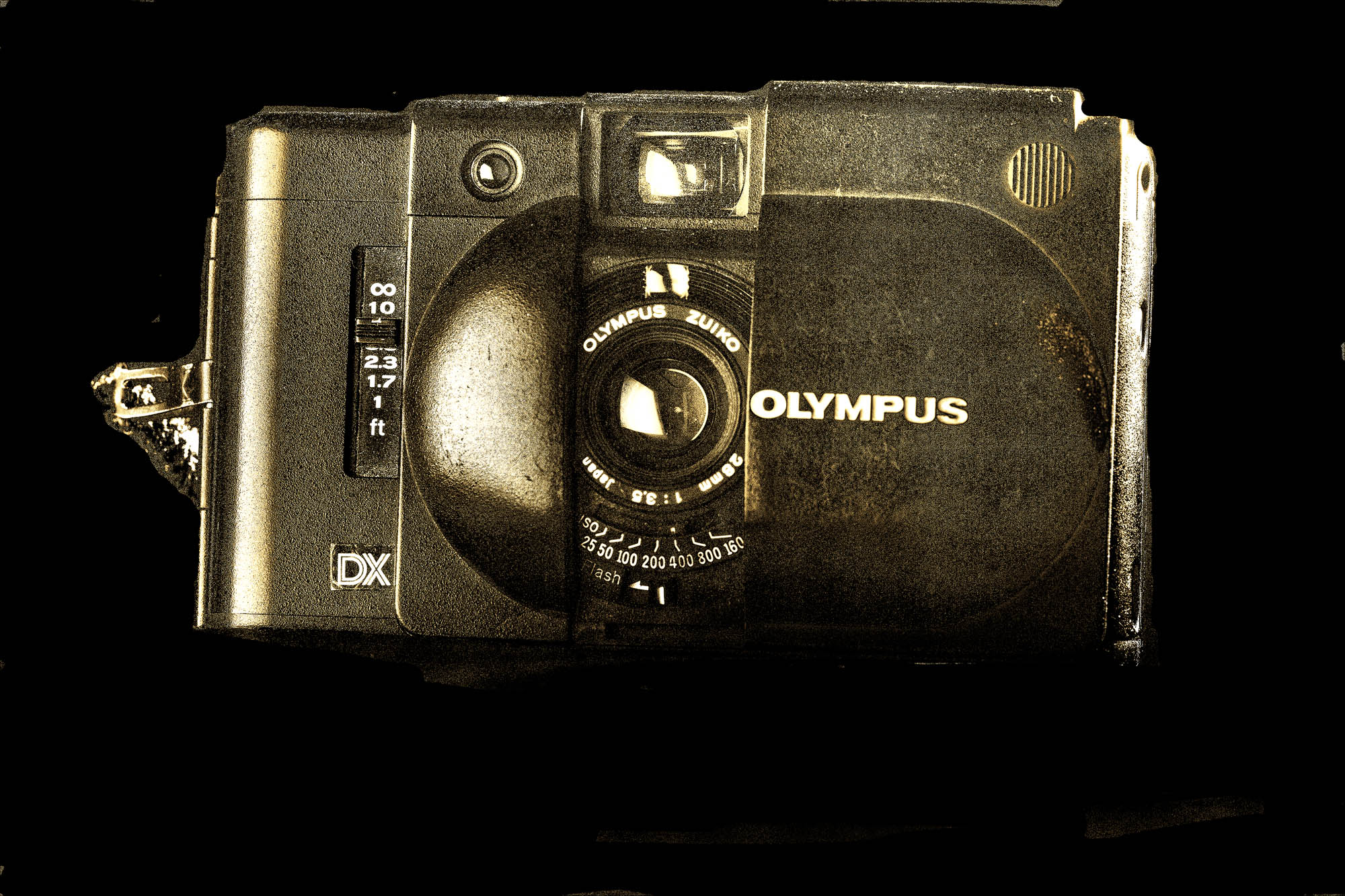
The best Every Day Camera I’ve ever had. If only some one could make a digital version with a full frame sensor. Stuff it just make it with a Micro Four Thirds sensor and I’d buy 2!
If you were to take a browse through photography social media sites you will see the proliferation of the acronym “EDC” which apparently stands for “Every Day Carry”. I particularly dislike the phrase – its origins lie in American military and survivalist culture where it meant a concealed weapon such as a gun or a knife. I particularly dislike how American culture has become part of photographic culture. We hear terms like “shooting”, “pull the pin”, or “pull the trigger”. But, having said that if we change the acronym EDC to mean Every Day Camera then I think it has a lot of merit.
My Leica D-Lux pimped out with its accessory grip, tripod adapter and Peak Designs Anchor Link.
Our recent trip to Cairns made me appreciate a small fully featured camera with a large sensor that could be carried around everywhere unobtrusively. For that trip I took my Leica D-Lux Type 109 and it did a fantastic job. But, it is getting long in the tooth and it has started to develop a few annoying little faults. Initially I just thought about getting it repaired, but when I found out that it would have to be shipped back to Leica’s factory in Germany at considerable cost even though it is a Panasonic Lumix from Japan in Leica fancy dress I decided to look for a replacement.
The Leica D-Lux compared with its predecessor the Panasonic Lunix LX5. Looking from the front there is not a lot of difference in the size despite the D_Lux having a sensor much larger than the LX5. Both are excellent Every Day Cameras.
At one point every camera manufacturer made such a camera, but then with the ubiquity of mobile phones with “reasonably” good cameras (but with lousy ergonomics and controls) they went out of fashion and if you wanted to buy one they were like hens teeth. Oh sure a few manufacturers continued to make them – Ricoh’s GR IV, Fuji’s X100vi, Sony’s RX1R Mark III , Panasonic’s L10, Leica’s Q3 and D-Lux 8 – but have you seen the price? Well in the consumer paradise that is Australia the price range is roughly $2000 – $12600. Definitely not for the financially embarrassed.On looking at the secondhand market I discovered a curious paradox. For cameras that nobody wanted just a few years ago they are now selling for a lot of money. For example a 12 year Leica D-Lux Type 109 camera is going for north of $2000. A lot of money to pay for an older second hand camera which will just as likely develop the same faults as mine just has. Another strategy is clearly needed.
Perhaps I didn’t need a built in zoom lens. Perhaps I could use a small camera body with a small interchangeable prime lens. Ideally I want a flat topped rangefinder styled camera with a viewfinder. If so I have a couple of likely candidates in the camera cupboard. So the other day when I had to go into Perth for the day I took three (yes three!) Small cameras fitted with a 35mm equivalent prime lens. It’s not important at this stage to say what I took, but it was quite interesting to see how much time I spent with each camera and lens combination and how much I enjoyed using them. What I discovered was that the specs aren’t that important. For this type of photography a central single AF point is perfectly adequate. In terms of the sensor, well anything more than 12Mp is overkill for my uses. The pictures either get shared with friends and family or put on social media. If I do want to print well 12Mp is good for a nice A3 print. Burst speed doesn’t have to be great – 4 fps is perfectly adequate if I need continuous shooting. Start up time is fairly important, but usually I wander around with the camera always on and have a spare battery in my pocket.
And whose truth would that be?
A chilly winters morning cycle ride.
A giant blue alien puts the local kangaroos to flight on St. George’s Terrace in Perth.
Perth’s street art is getting more interesting.
Another giant alien walking through Perth.
A pigeon flash mob in Forest Place.
Tweety Pie gangsta.
Everyday Cameras are also great for recording those special spontaneous moments that happen so the user interface needs to be intuitive to allow quick use such as when your new puppy does something really cute. They should also be able to be used single handed. I’m not a great advocate of doing that, but, sometimes situations present and you’ve only got one hand free.
Bertie posing in the garden
Cuteness overload
I’ve yet to make a decision on which one I shall use as the EDC – or I may just keep using all three on a rotation basis and possibly add other combinations to the mix.
One of the most common statements made on social media is “I’d like to photograph wildlife, but, there is none where I live”. In the next couple of posts I’d like to unpack this and suggest ways of finding wildlife in your location.
While Bertie can be pretty wild at times he is not wildlife.
Australia’s iconic Koala is an example of charismatic wildlife.
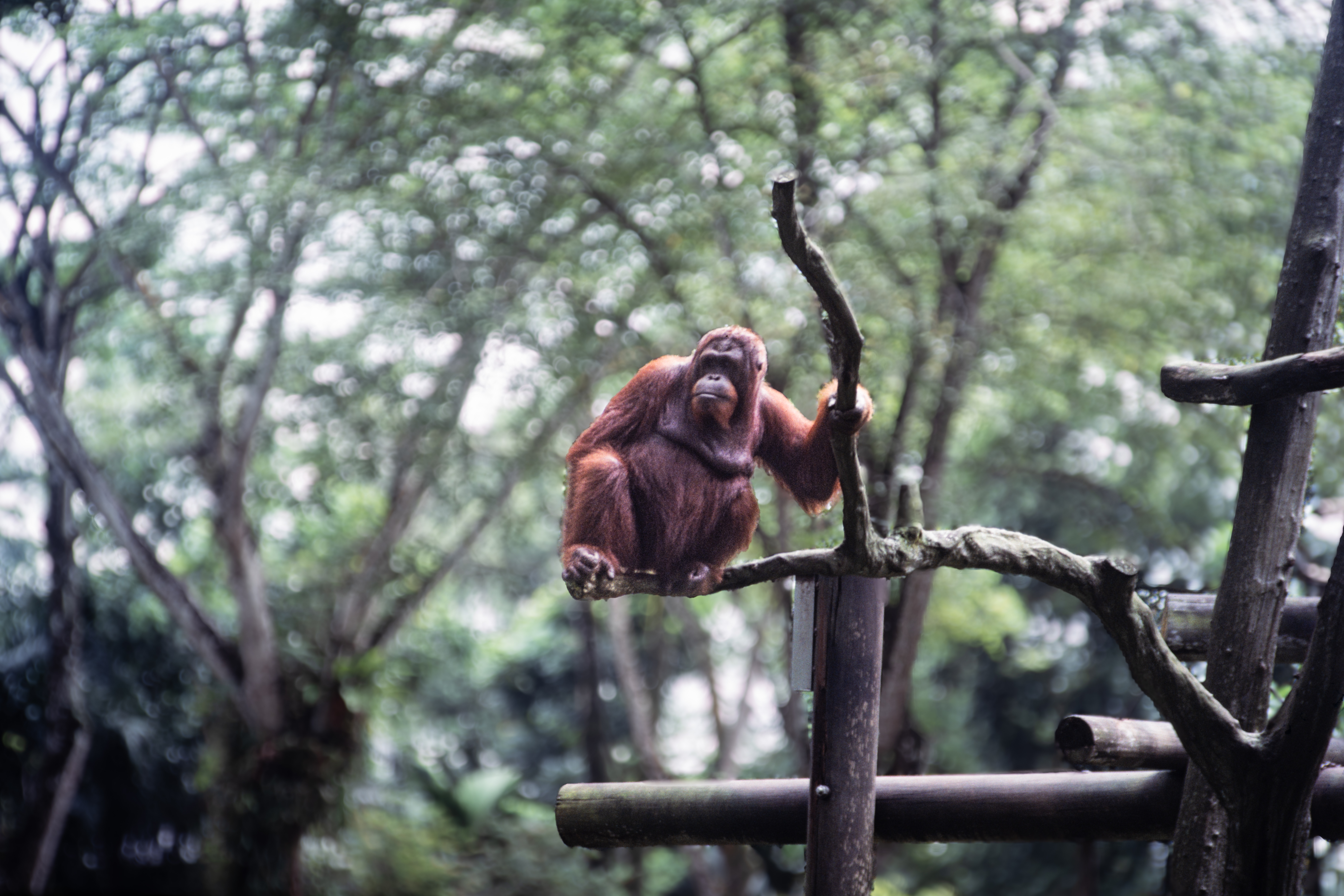
Orang-utans are another example.
Firstly we have to look at what people mean when they talk about wildlife. Wildlife is defined as undomesticated animals which can exist in their natural habitat, but has come to include all animals that live wild in an area without being introduced by humans. So that is a pretty broad definition and gives lots of scope. Having said that when most people talk of wildlife they tend to think only of certain charismatic species. Charismatic species are those animals which are visually appealing and generate public empathy to the extent that conservation groups and the media leverage those animals to the detriment of other species. The common features are that they are easily anthropomorphised, look cute, are large with big eyes, and they evoke strong positive emotions, making people want to protect them. Examples are giant pandas, gorillas, orang-utan, and koalas. The terms wildlife or wild animals cover a much broader range and includes animals rarely thought about.
Highly unlikely I’ll ever encounter a Polar Bear in the Wandoo National Park. Funnily enough I did photograph this one in Singapore which still seems highly unlikely.
We also have to take into account your location. In my case walking around my local national park expecting to photograph polar bears is delusional. To start any photographic project or endeavour you will have more success if you have accessibility, time, and certain equipment. The equipment side is the easy part of the equation and you don’t need vast sums of money and I’ve written about how to go about wildlife photography on a budget previously.
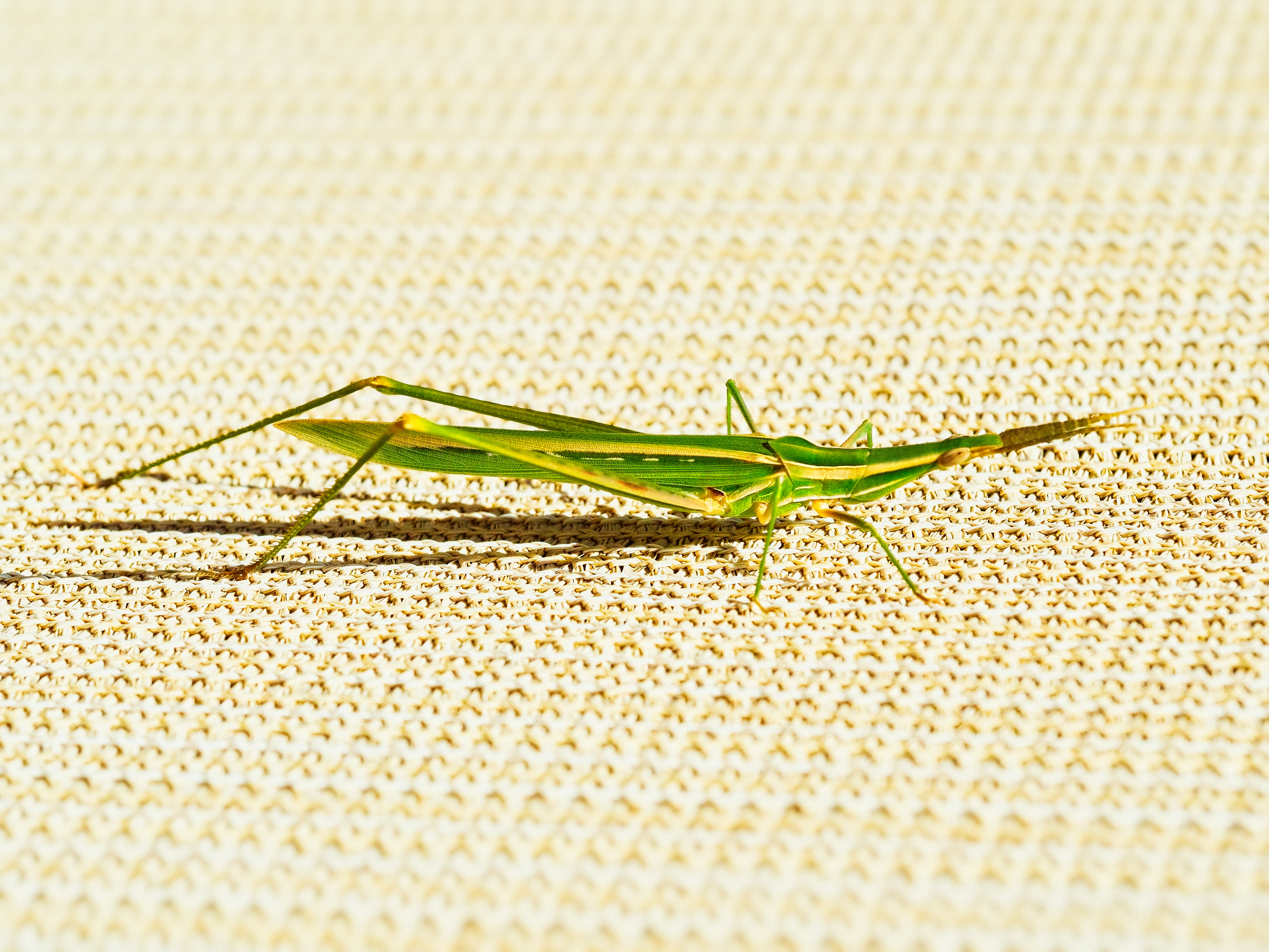
This Giant Green Slantface Grasshopper (Acrida conica) is not what comes to most people’s minds when thinking about wildlife.
The same could be said of this Blackbarred Mantis (Mantis octospilota).
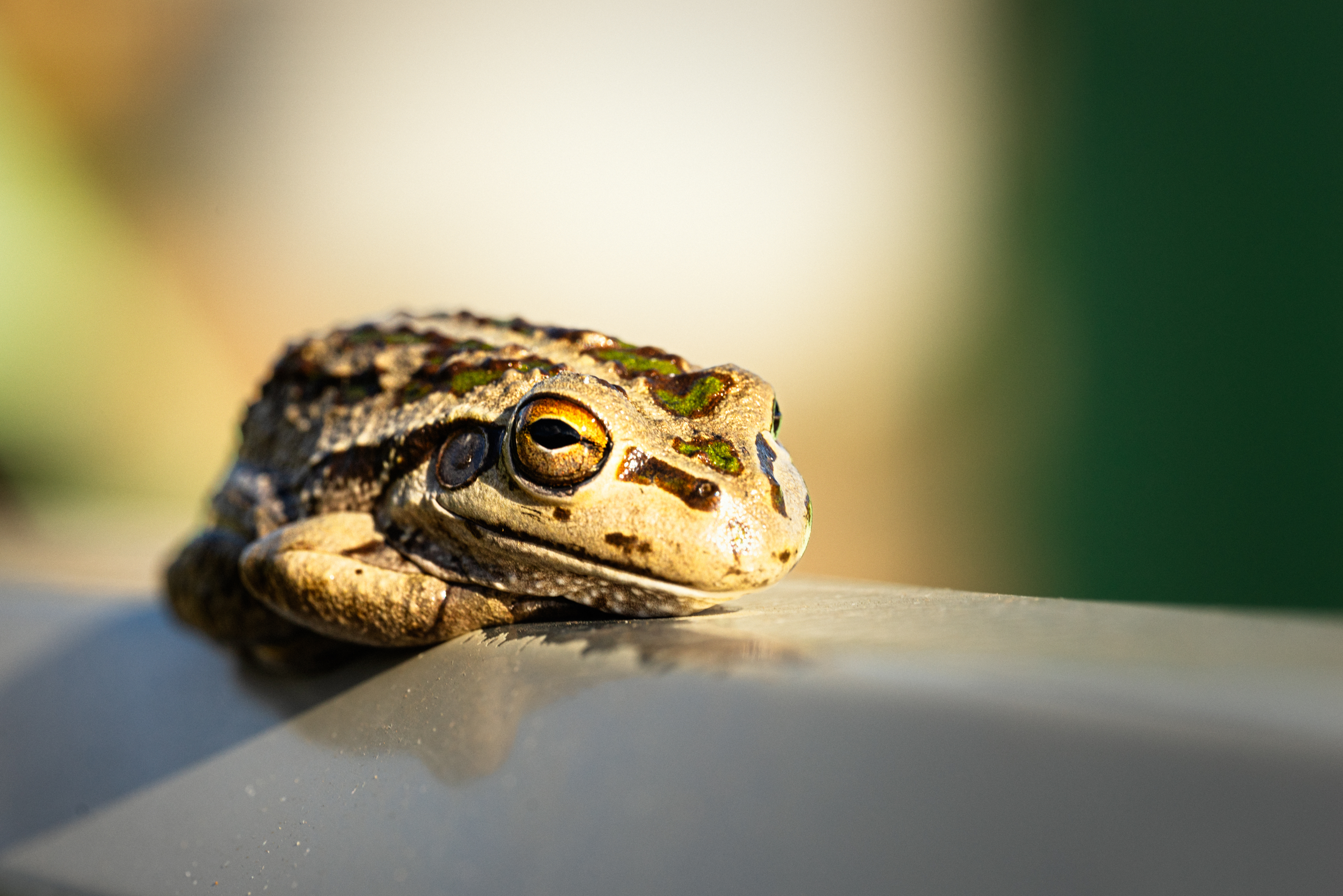
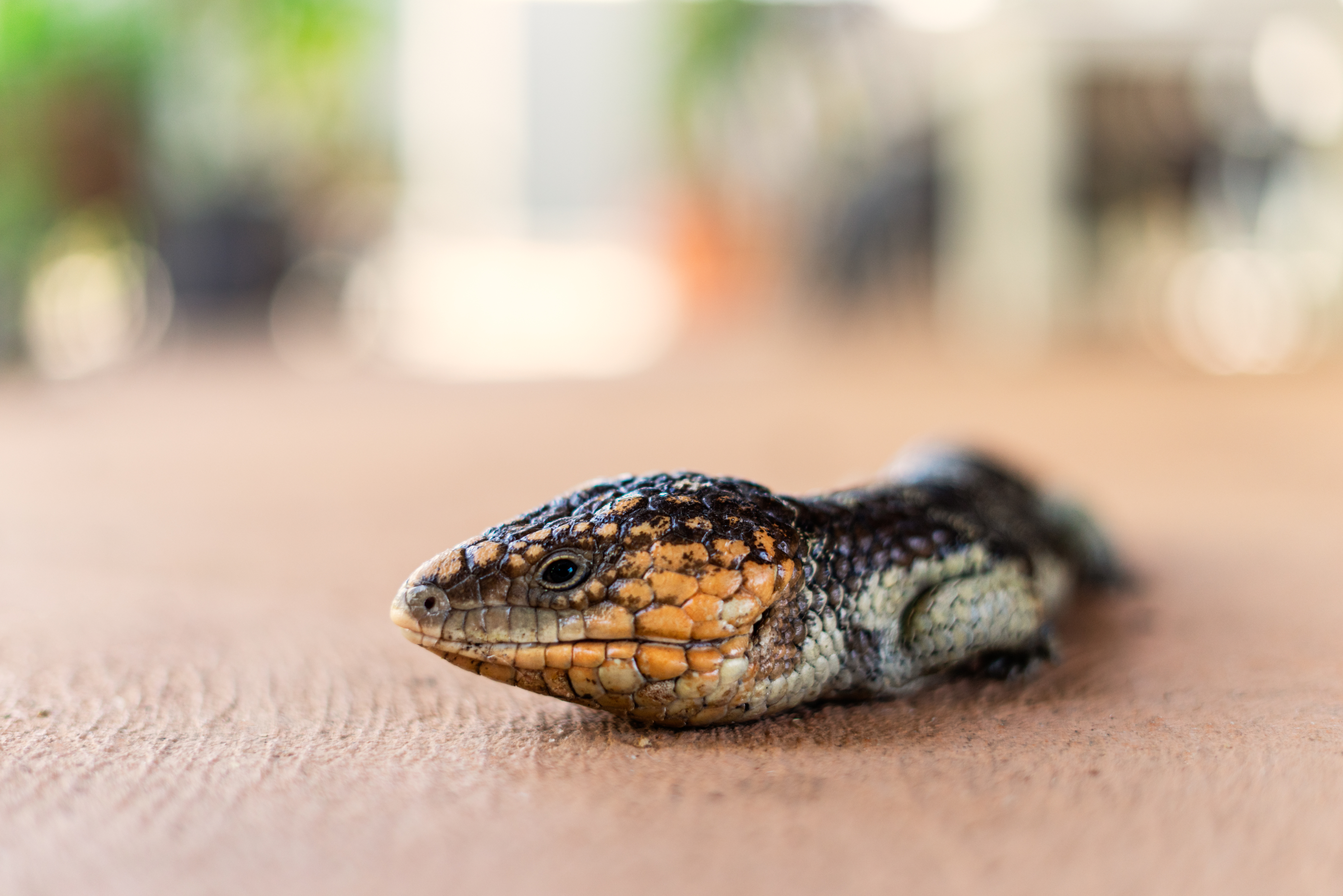
At this stage it is time to think about what you want to photograph. Most people decide to photograph birds as that is what most comes to mind when talking about garden wildlife. I’ve known a couple of people who have decided to photograph in invertebrates they find in their garden. I’ve seen YouTube videos where people have hedgehogs or foxes come to their garden and they’ve gone out to take pictures of them as their main subject. We have resident frogs and bob tailed lizards in the garden and have had goannas and gwardars come visit. I think the neighbours chickens attract them.
Motor Bike Frog [Litoria moorei (Copland 1957)]. Usually heard rather than seen.
Big Bob the Bob Tailed Lizard (Tiliqua rugosa) on the prowl on the back patio.
My first forays into wildlife photography were in the garden and I think this is one of the best places to start because you have access and can observe what is happening through out the day and all through the seasons. Also if it is your garden to can modify or make alterations to attract more animals. I realise that not everyone has this luxury, but I do believe that with a bit of planning and a small amount of expenditure you can bring in animals. For those who don’t have the privilege then perhaps you have some access to some communal areas or have a friend or relative that would let you use theirs. So what do you need to do do? Well I can’t be very specific as my experience is in the Wheatbelt of Western Australia which is probably very different to where you live. But the basic principal is that all animals need three things. Food, water and shelter. So if can provide those you’ll get wildlife. For more detailed information the following links will help you:-
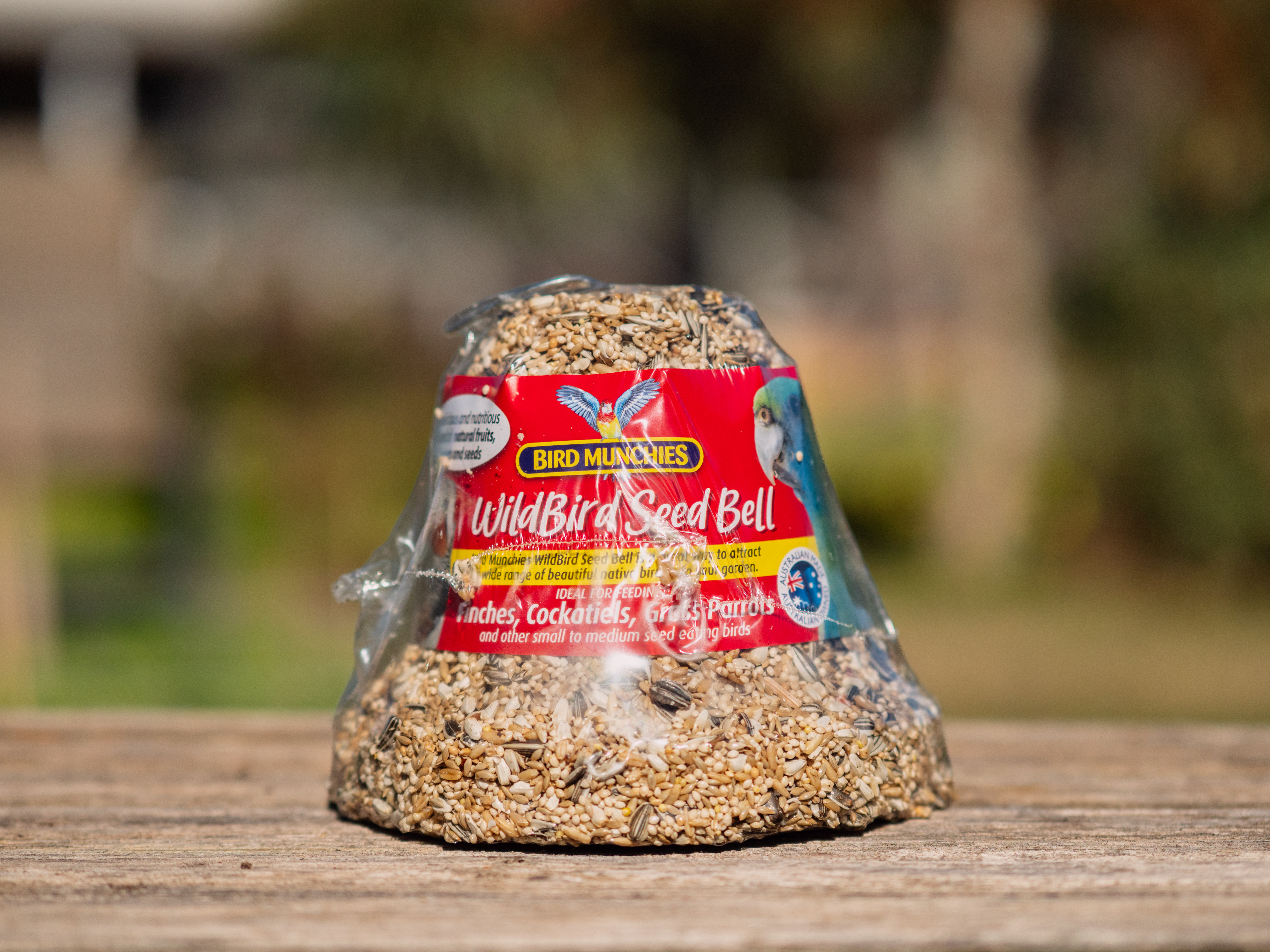
Inevitably the question of feeding wild birds comes up. Here in Western Australia it is illegal to feed native wildlife, including all native birds, without a license or lawful authority. Having said that around 30-50% of households do. The silly thing is you can walk into just about any supermarket and buy products for that explicit purpose. I suppose if you are going to do this do it so it benefits the animals in the long term. Give appropriate healthy food in small quantities so that they don’t become dependent on human handouts. In Western Australia with our long hot summers the best thing you can provide is water and plant native species that can provide food and shelter. Along with water we just put out seed which attracts Ring Necked Parrots, Galahs, Zebra Finches and laughing doves.
Although it is illegal to feed wildlife in Western Australia our local supermarket does a roaring trade in these seed bells.
Australian Ringneck or Ring-necked Parrot (Barnardius zonarius subspecies semitorquatus) making free use of the seed bell.
Don’t expect instant results. It can take a little time before the local wildlife population realises that you’ve put out food and water. Put the food and water out where there is cover not in the middle of a wide open space. Also think about what you’re trying to attract – it maybe necessary to provide sources at ground level if you want to see things like frogs and lizards.
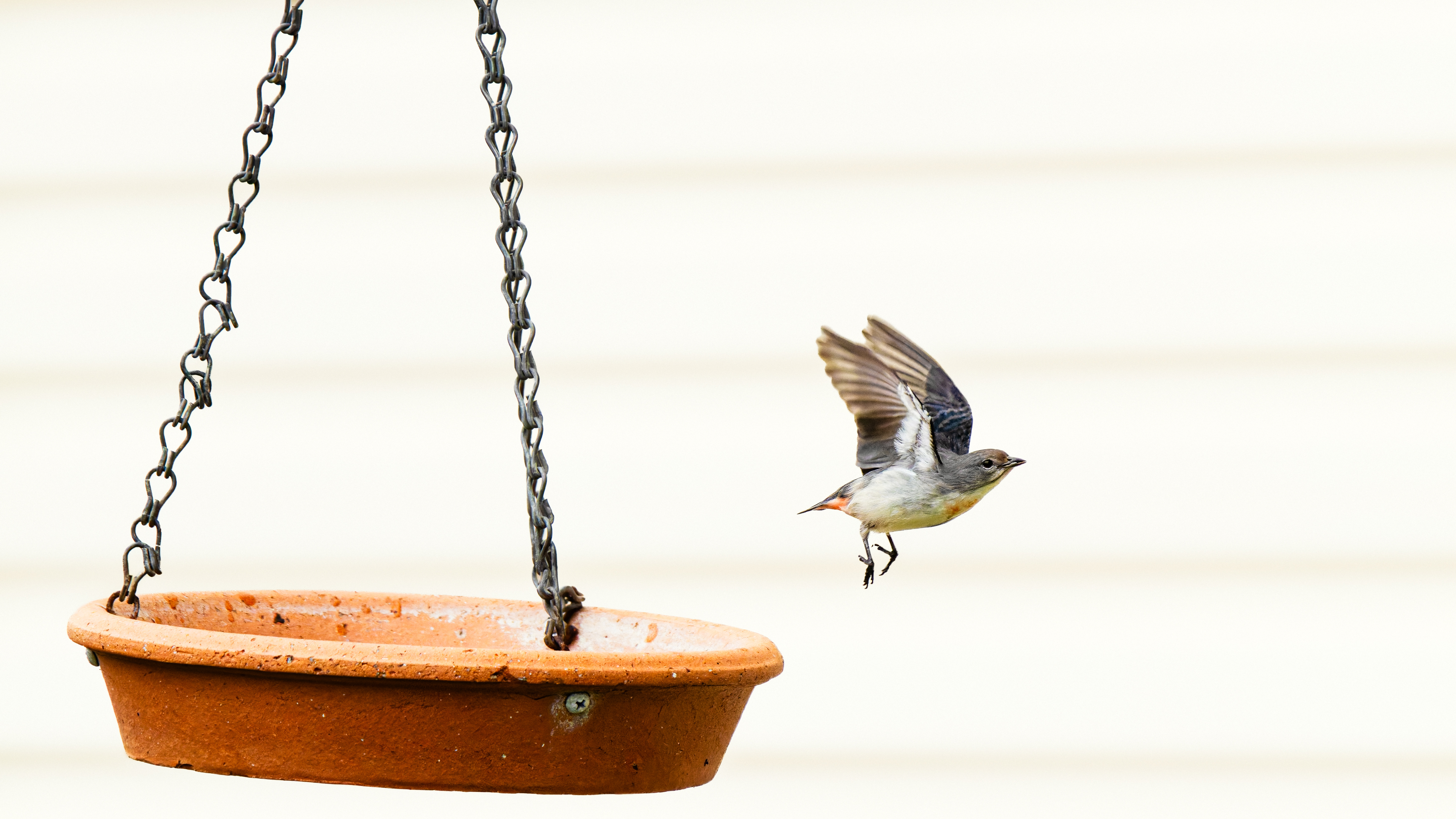
This photo of a Mistletoebird (Dicaeum hirundinaceum) leaving a bird bath was taken using a remote controlled camera.
Now that you’ve managed to attract animals to the garden how do you go about photographing them? Some people build a dedicated hide, other repurpose a shed or use a room in their house that faces onto the garden. Some use trail cameras. I don’t do any of those. I just wait quietly in the garden and photograph what turns up. A lot of the time I notice something interesting while doing something else and will just quietly slip into the house to retrieve my camera which is left permanently set up for birds. Lately I have been using my camera to photograph birds at the bird table and baths. I pre-set the focus and use a small aperture and trigger the camera via remote while I watch from a distance. All this is trial and error. You get a lot of duff photos, but occasionally you strike gold. As you find out what works and doesn’t you experiment with changing position and see how that effects things like the background.
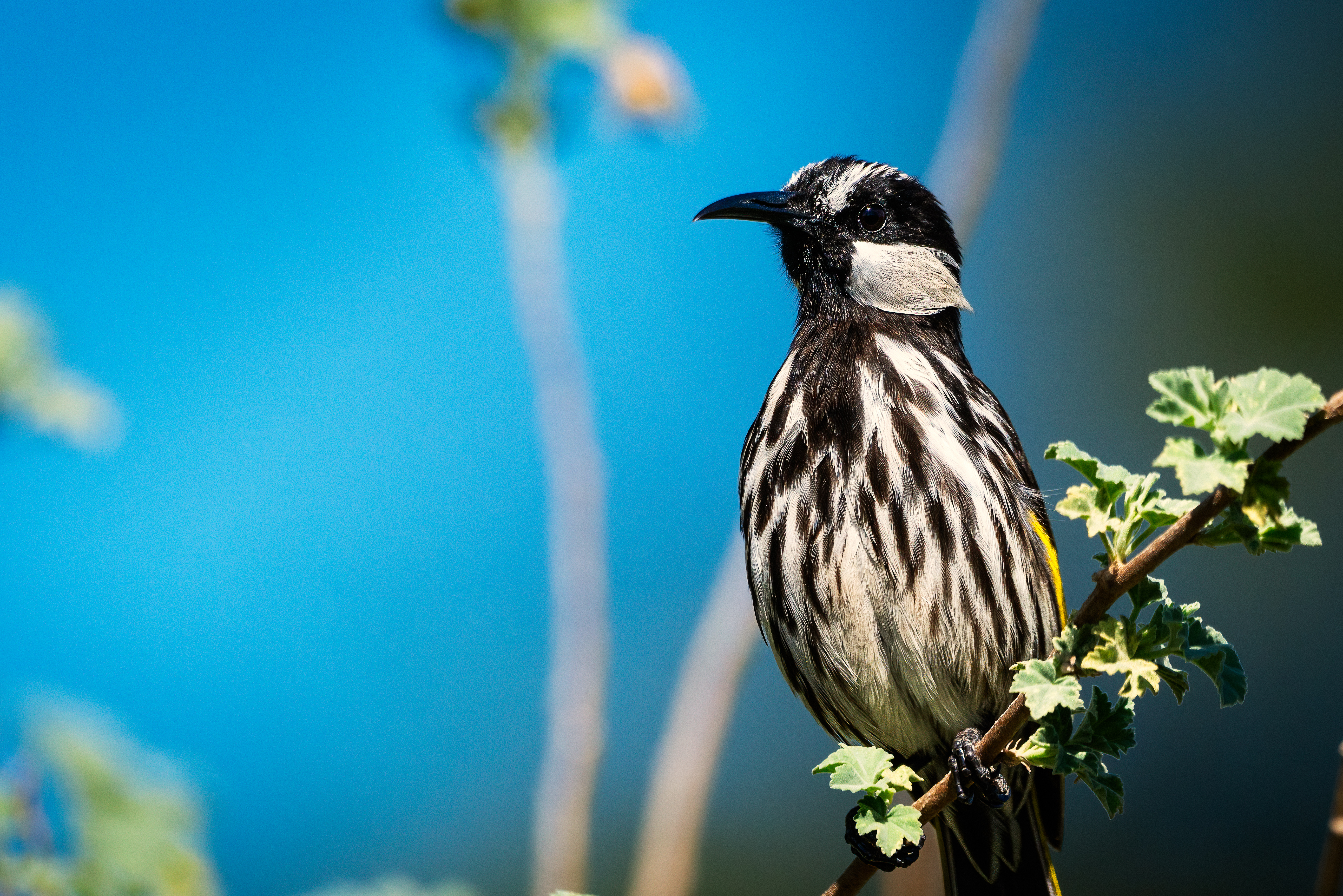
I saw this White-cheeked Honeyeater (Phylidonyris niger) while I was hanging out the washing. Luckily he obligingly stayed put while I got my camera.
I saw this Spiny-cheeked Honeyeater, Acanthagenys rufogularis while I was having a sundowner on the front veranda.
So why do I think the garden is a good place to start wildlife photography? Well it provides a readily available location where you can start to learn about animal behaviour. For example birds like to take off into the wind and many will defecate just before take off so if you see this happen you can time your shots to catch that moment.
If you know enough about bird behaviour photos such as this of a Zebra Finch (Taeniopygia guttata) become easier.
Djindjokoor or Brown Honeyeater (Lichmera indistincta) amongst grey saltbush.
It also gives you opportunity to fine hone your photographic skills. Learn how depth of field works with long and macro lenses. What shutter speeds you need to stop movement. How your cameras AF system works in different lighting conditions. At what level does the ISO have to get too before an image is unusable. This is important because it means that when you do go to a more “exotic” location you’ll have the skills to make the most of it.
The skills honed in my back garden allowed me to capture this photo of an Australian Hobby, Falco longipennis, feeding on a dragonfly at Gantheaume Point in Broome, Western Australia.
Another benefit is that when you need to be on location at dawn you can just fall out of bed and grab a coffee at just the right time rather than get up up a couple of hours before dawn and drive for ages while you’re still half asleep. Or you might be able to grab an hour or so after work.
I hope this helps to give you ideas and inspire you.












You must be logged in to post a comment.