‘Murder most fowl’*


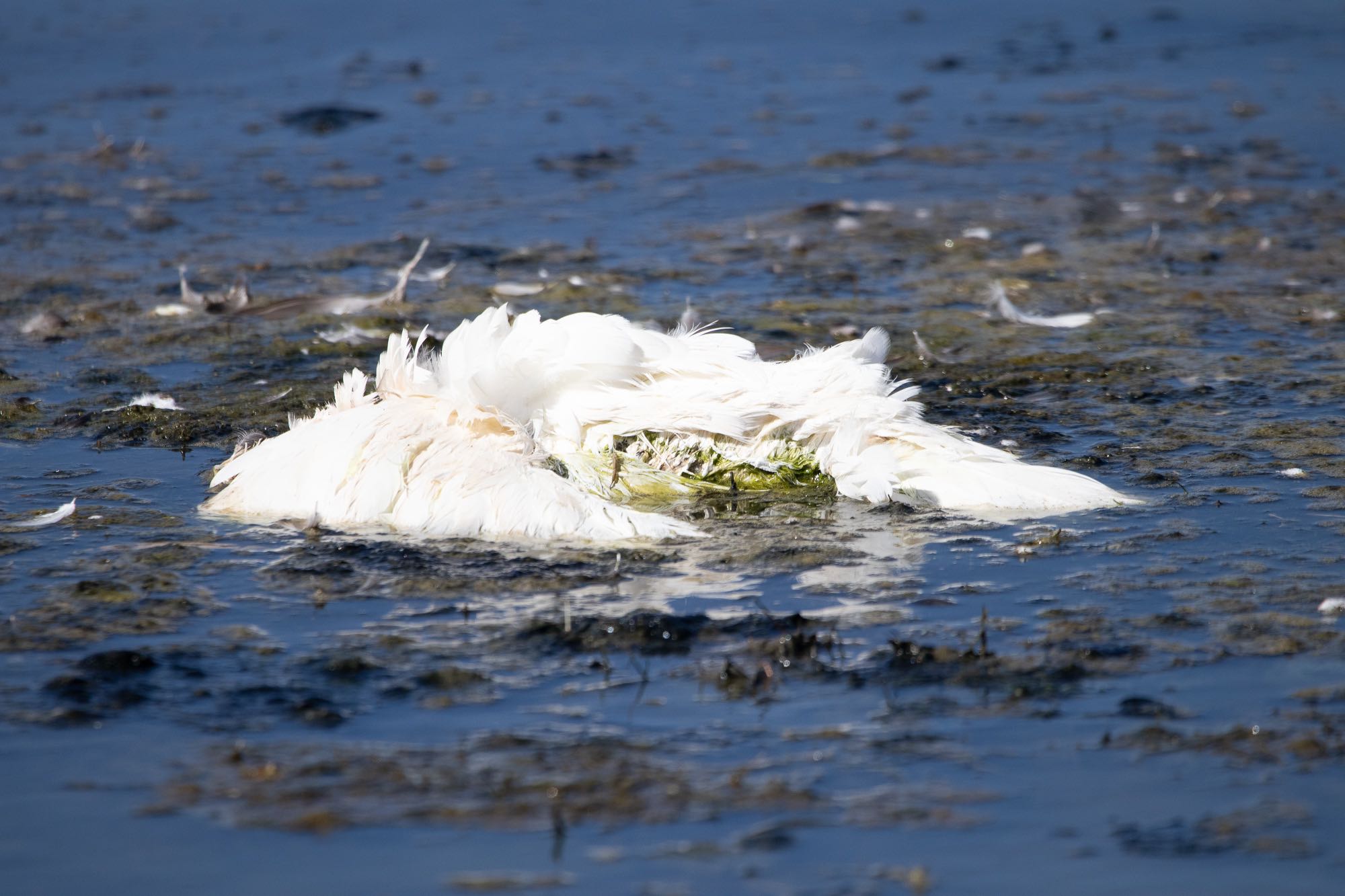
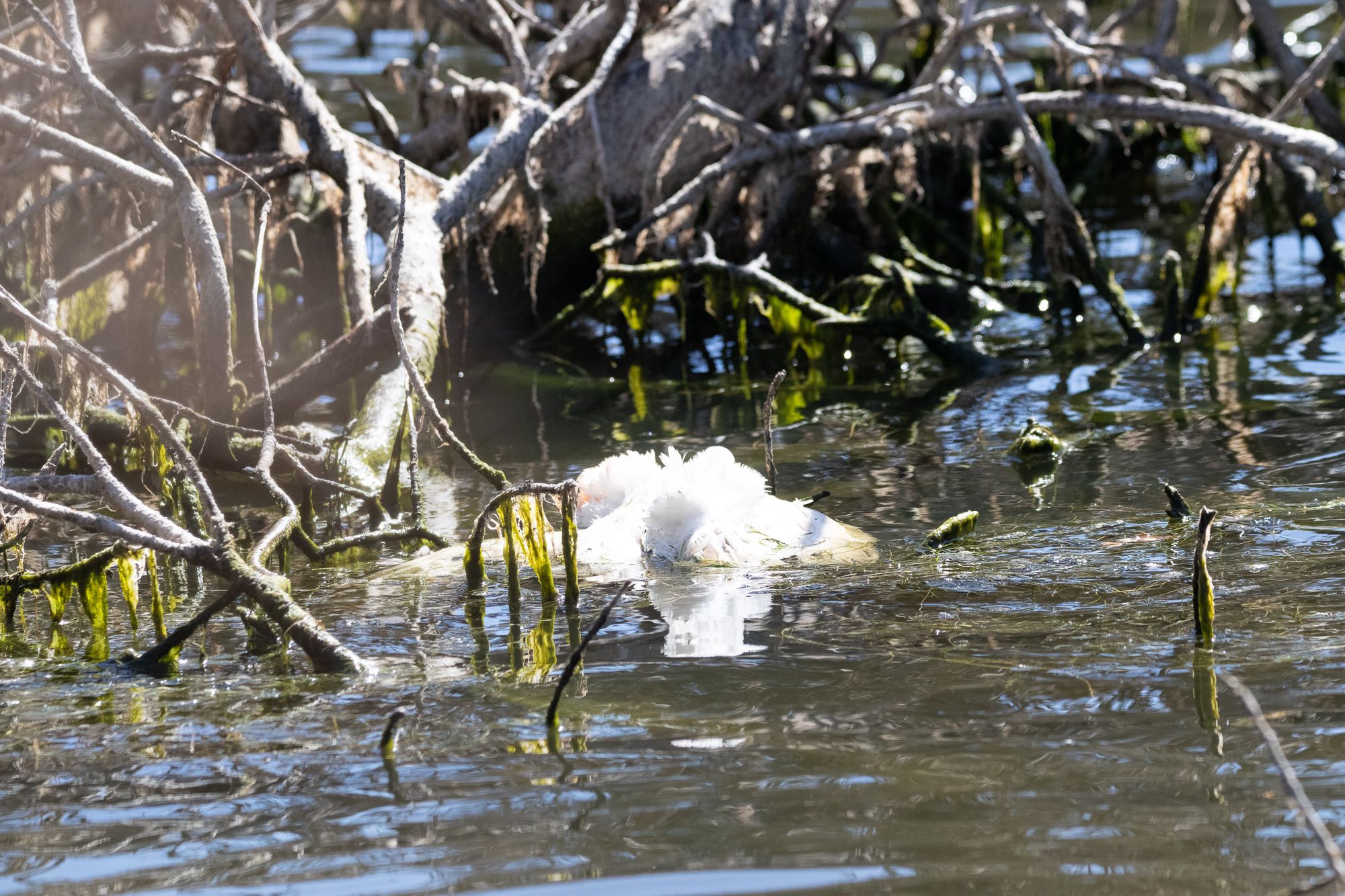
I’ve written before on the contentious issue of corellas in York and Western Australia as a whole. Most people here regard them as vermin that should be eradicated and that means killing as many as possible with all guns blazing. Well on the morning of February 29th while walking along the River Avon with my dog I counted over twenty dead corellas floating in the river and found one badly injured bird – it had one of its wings blasted off – in considerable distress in the bushes along the river bank which I subsequently put out of its misery. There were shotgun casings and wads scattered along the footpath and in bushes.  On checking with the Shire of York offices I was informed that they had used contractors to perform a cull of the birds on the weekend of he 24-25 February 2024. The area in which it was done is a recreational park with public foot paths running through it that abuts to residential properties.
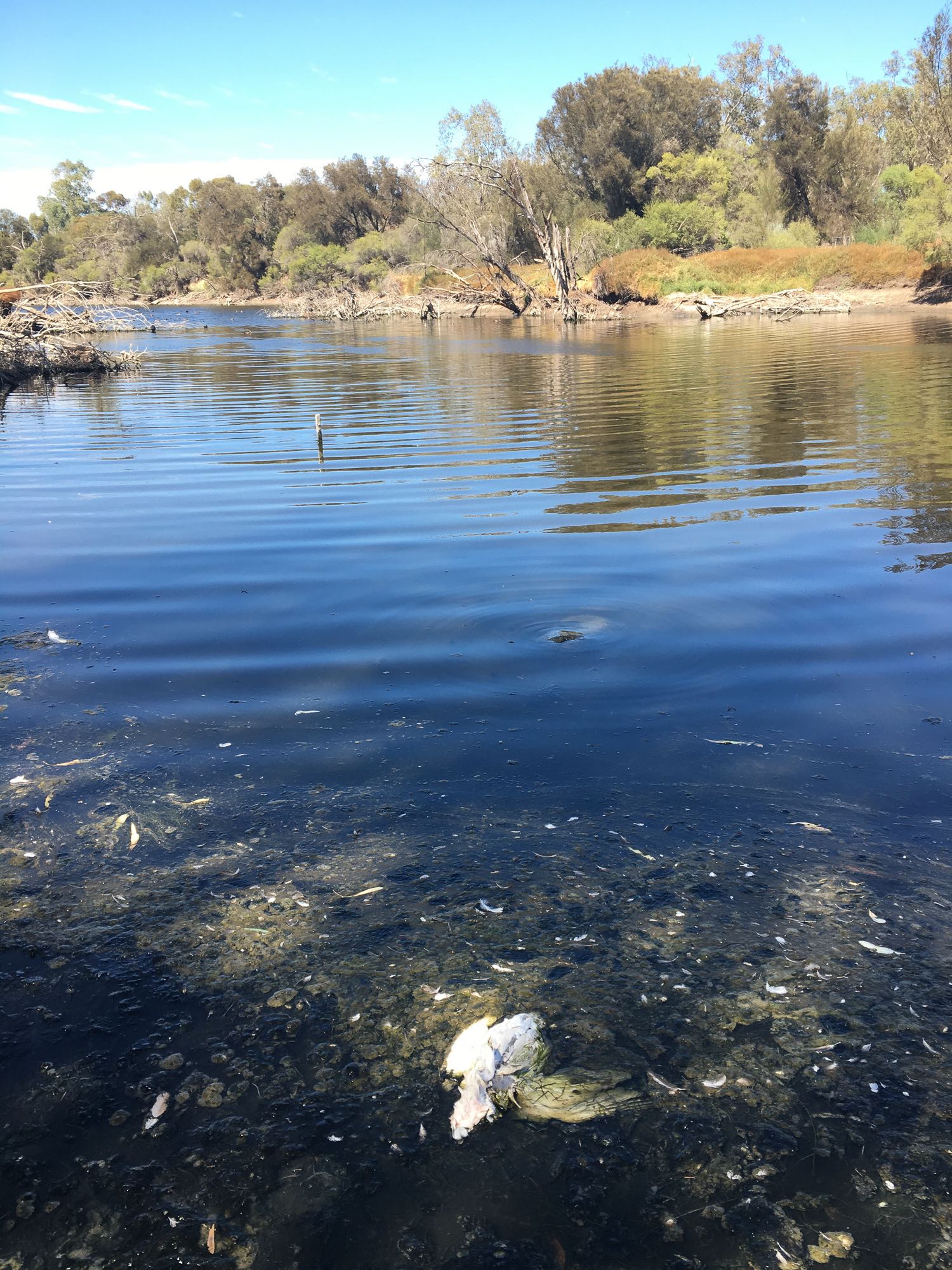


On searching online I found that the manner in which the operation was carried ignored guidelines as laid out by the RSPCA, Pest Smart, and the Centre for Invasive Species Solutions. Unfortunately these are only guidelines and not enforceable, but some of the practices are to do with public safety, environmental concerns and animal welfare and there is legislation for the breach of those.

Pest Smart state “Firearms are potentially hazardous. All people should stand well behind the shooter when an animal is being shot. The line of fire must be chosen to prevent accidents or injury from stray bullets or ricochets.” A considerable amount of the shooting had occurred on blind corners on the footpath where the shooter would have had no way of telling whether it was safe to shoot or not. Birdshot from a 12 bore shotgun as used here has a range of up to 50m making the its usage in public areas and at the rear of people’s properties quite a hazardous undertaking – checking with friends whose properties back on to the areas I found that none of them had been warned that the cull was taking place or to use their back gardens. 


The discarded cartridges and wads shows a disregard for littering what is a public recreation space. Also was lead or steel birdshot used? The use of lead shot has considerable environmental impact. In fact 29 countries have banned the use of lead shot for hunting birds because of its environmental impact. The plastic cartridge cases and wads don’t breakdown. The Virginia Institute of Marine Science have stated that shooters “using shotguns, plastic wads that contain the shot are discharged from the shell into the adjoining water. A wad is abandoned with every shot fired, and there is no practical way to recover spent wads which typically travel 30-50 yards.  Non-degradable plastic shotgun wads can present safety, nuisance, and environmental impacts in freshwater and estuarine waters.” The answer is to use casings and wading made out of vegetable biopolymers as detailed in this article in Guardian newspaper.

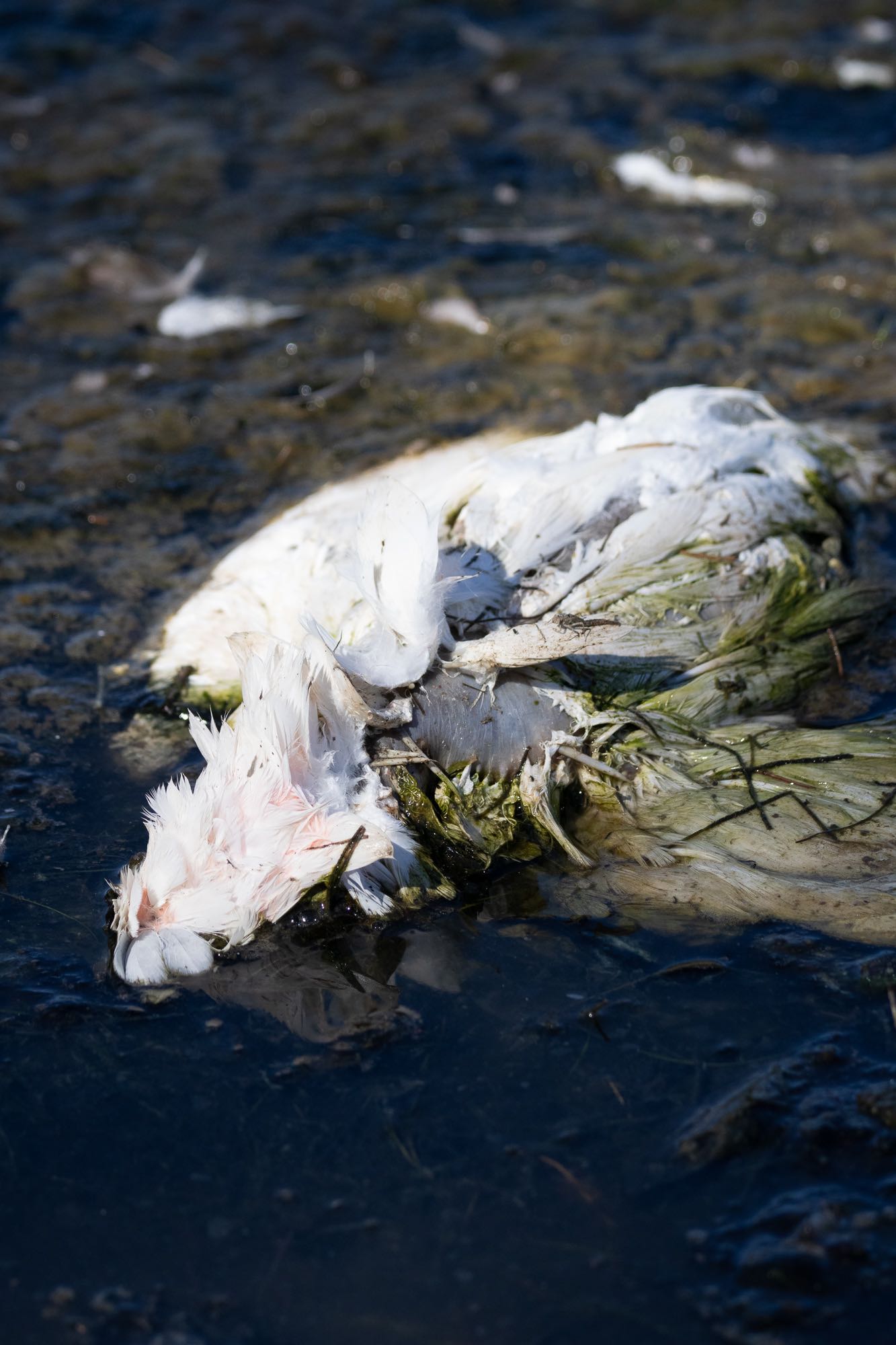
 

Plastic wads from the shotguns used in the corella cull.


Pest Smart also advise that “Wounded birds must be located and killed as quickly and humanely as possible with either a second shot preferably directed to the head or in restrained or immobile birds, a blow to the rear of the skull to destroy the brain If left, wounded birds can suffer from the disabling effects of the injury, from sickness due to infection of the wound, from pain created by the wound or from thirst or starvation if unable to drink or eat. Wing fractures, which increase the likelihood of being taken by a predator, are common in wounded birds.” Finding wounded birds is inexcusable and members of the public should not have to euthanise birds when the pest controller has botched his job. As to the dead birds “Killed birds must be collected and disposed of in an appropriate manner in accordance with acceptable practices as required by local councils and applicable state or federal regulations”. The contractors clearly did not do this as evidenced by the trail of dead corellas floating in the river. The not picking up the carcases and allowing them to rot in the river is a health hazard and demonstrates a blatant disregard for the residents and who live next to the river and the visitors who walk the banks. Very soon they are going to smell very badly and attract vermin. It is pollution. 


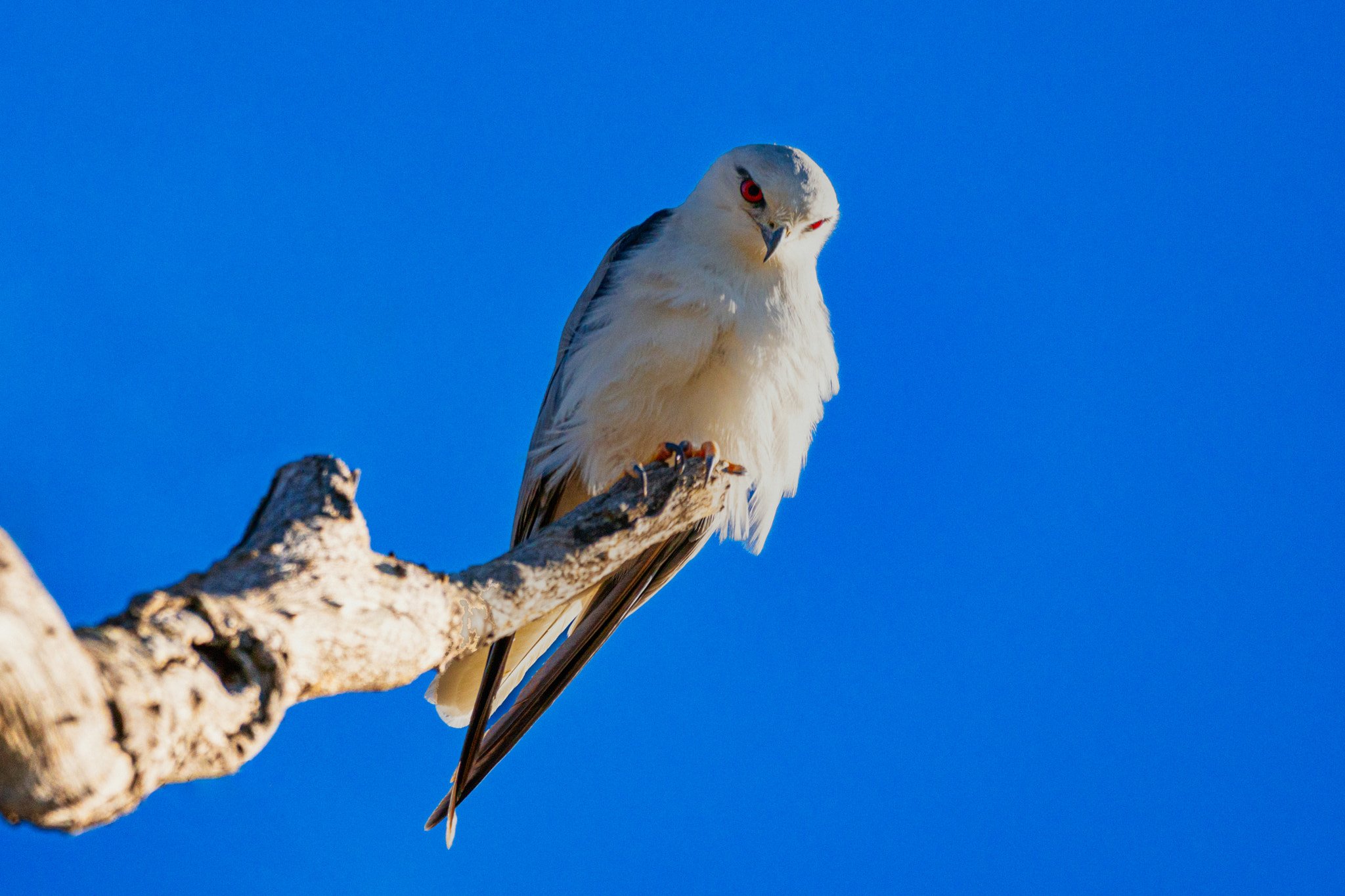
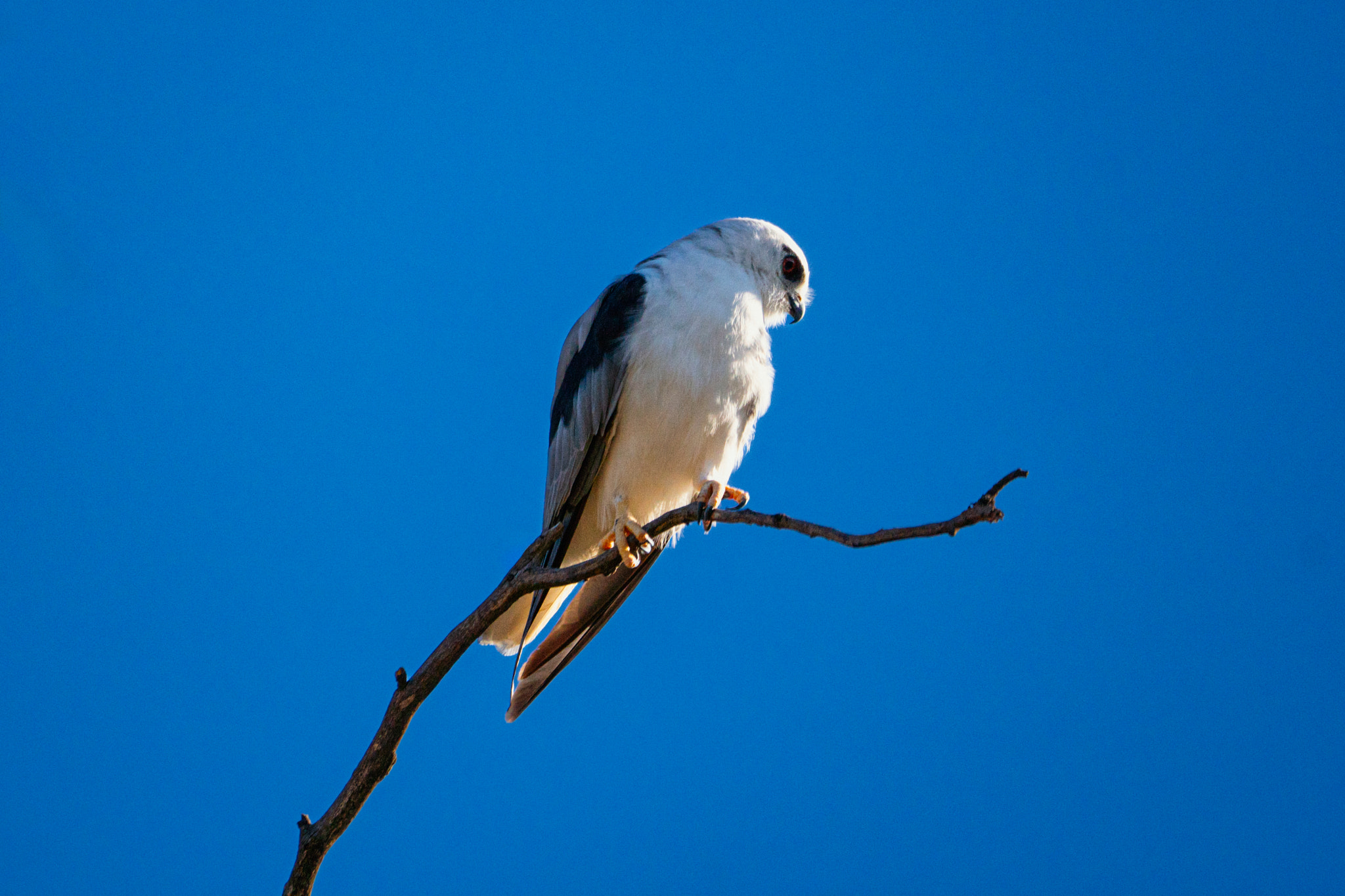
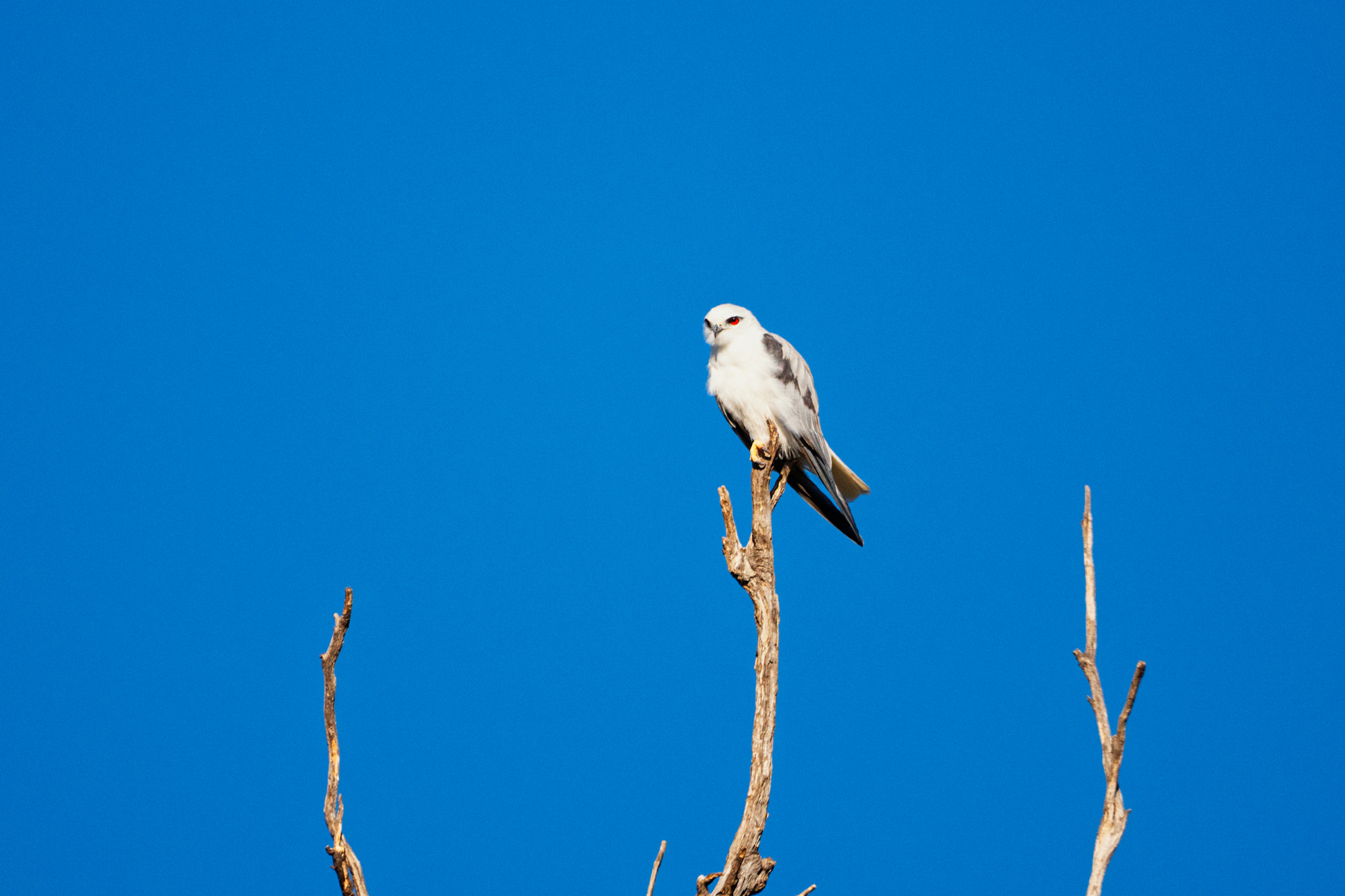
There are/were a pair of black shouldered kites that are nesting a raising young in that area. From a distance in poor light they resemble corellas. Pest Smart say “Shooters should have sufficient knowledge and skill to identify the bird species causing the damage. If the identification of the bird is in doubt it must not be shot.” They also say “Shooting in poor light conditions makes it difficult to correctly identify birds and to search for wounded birds. Also, accurate marksmanship may be compromised.” The weekend on which the cull was carried was overcast and it was continuously raining reducing visibility. Since weekend neither bird has been sighted nor heard. These are a protected species and the council would be responsible if they or their agents has destroyed them. 


Unfortunately this is not the first time that shire employees and/or their contractors have embarked upon behaviour that places the fauna and flora of the River Avon at risk. In the last 6 years shire employees and/or their contractors have destroyed animal habitat. Turtle nesting areas have been bulldozed and rainbow bee eater nesting sites have been destroyed. The shire has an appalling disregard for the environment and the fauna and flora that lives within it. 


Having taken the issue up with shire in person I was told to contact them by email and to date they have not commented on any of the issues raised. This is very concerning considering that another cull is planed for March using untrained members of the public. The prospect of a bunch of gun toting  myopic rednecks rampaging up and down the river shooting anything that moves has made me reconsider using the area totally. I suppose it won’t be long before a tourist gets asked to “squeal like a corella”.


* apologies to William Shakespeare the proper quote is “Murder most foul” from Hamlet, Act 1, Scene 5.
It’s Tough At The Top

Yoondoordo by Paul Amyes on 500px.com
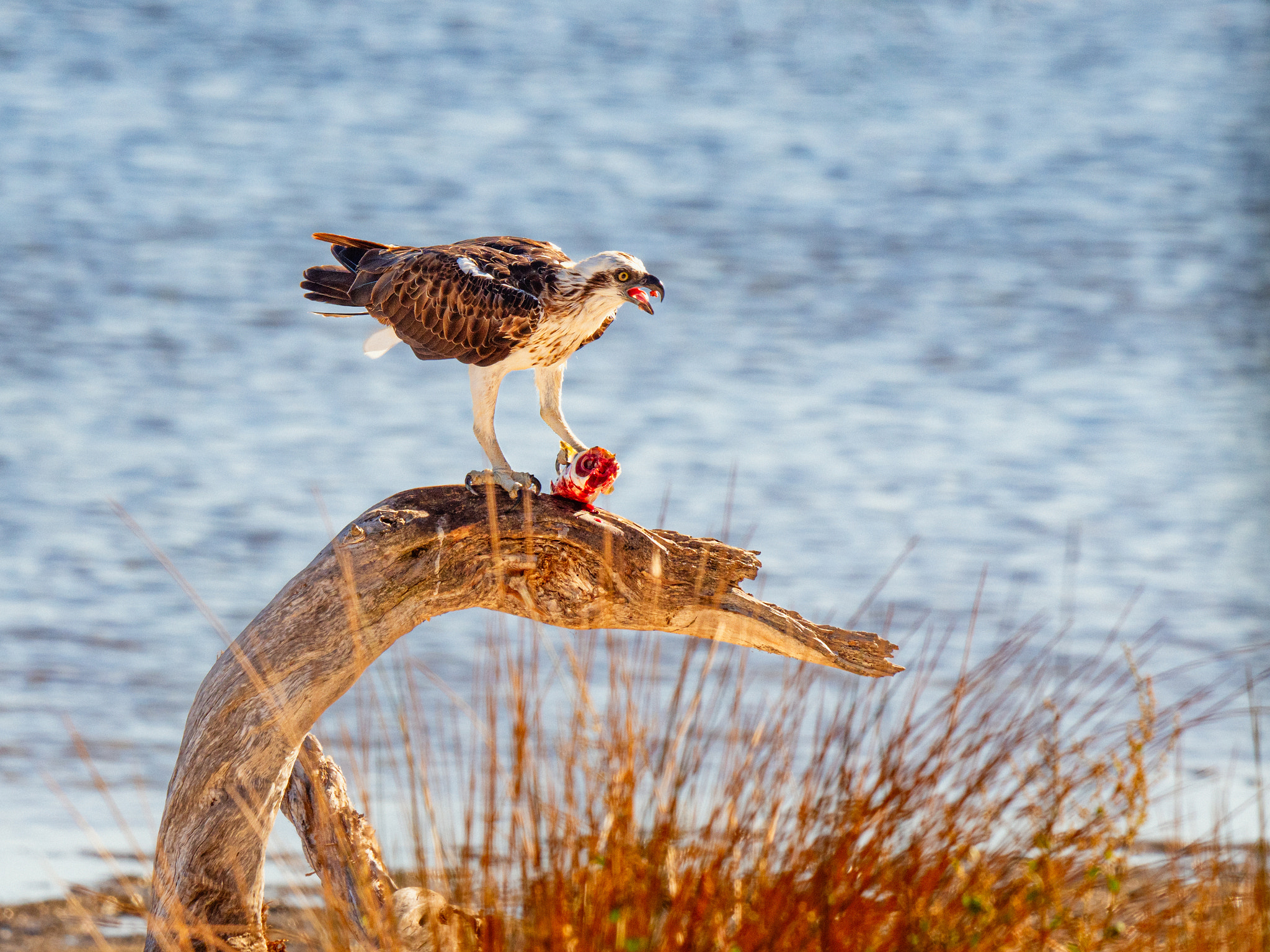
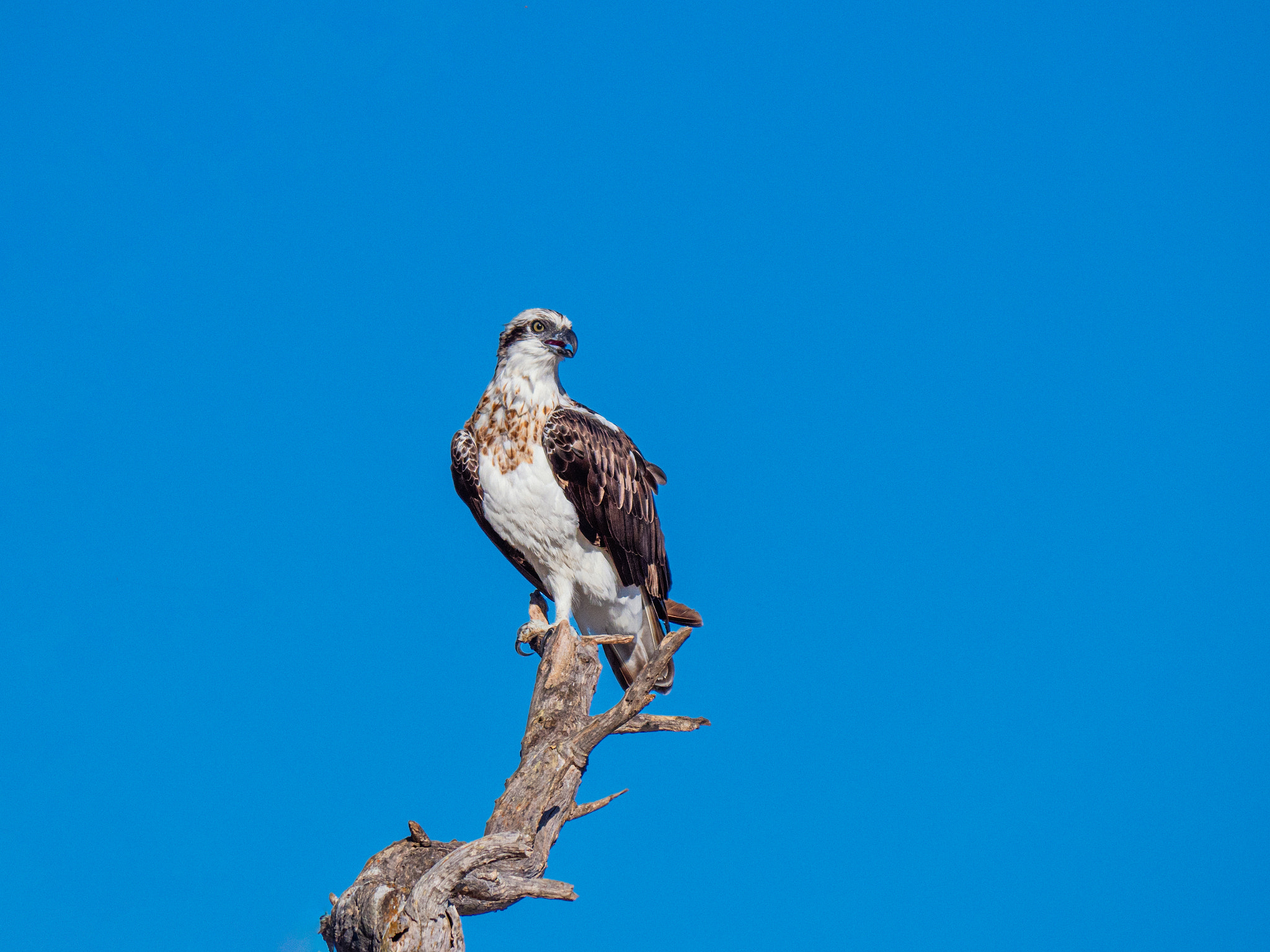
Life at the top looks pretty cruisy. Yoondoordo or Eastern Osprey.


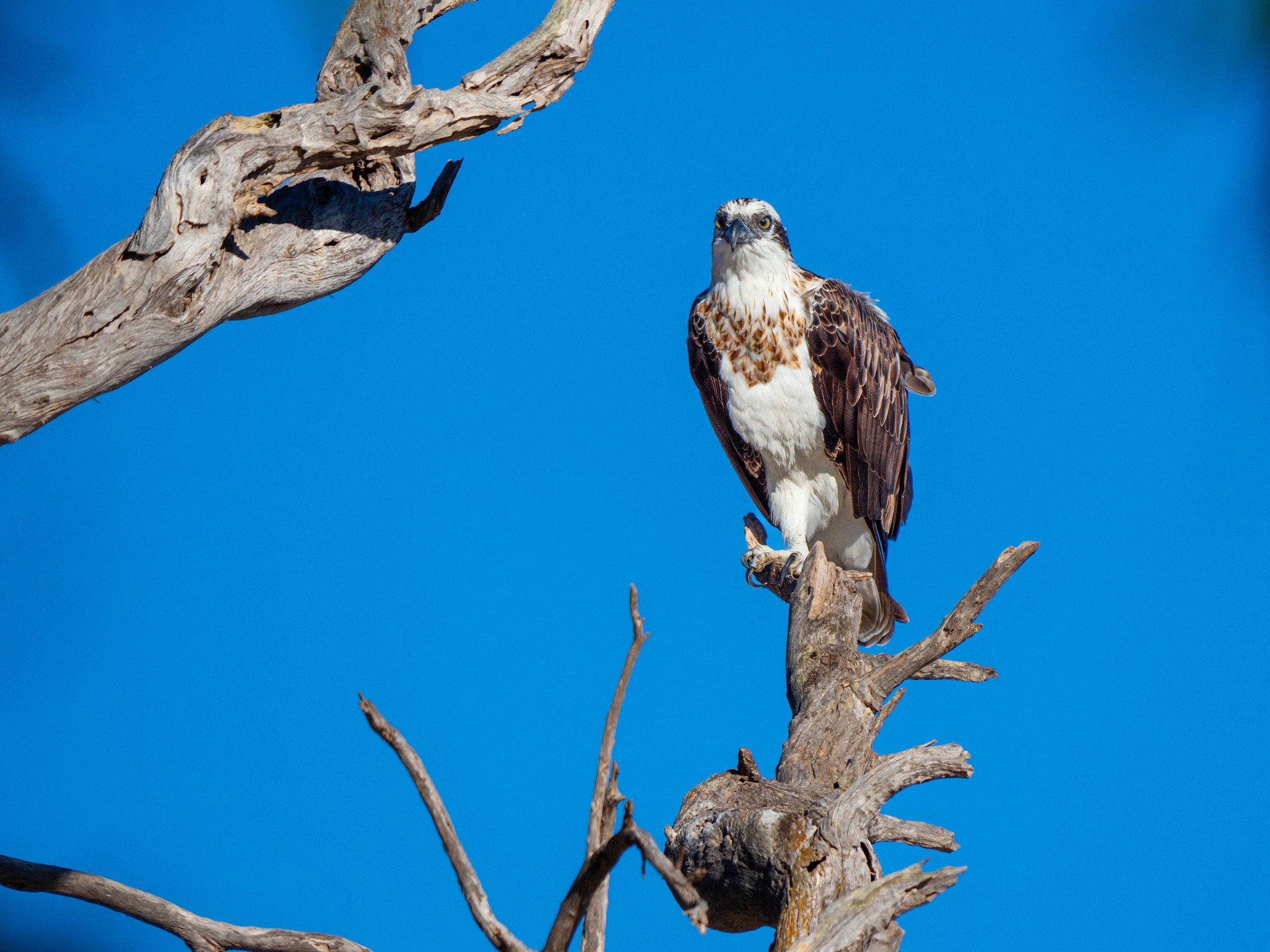
People think that being an apex predator is pretty easy. You get to eat what you want, go where you want, you are on the top tier of the ecosystem. Take for instance the story of the Eastern Osprey. Our protagonist sits heroically in the top of an old dead tree contemplating whether he should go and catch a fish for breakfast. He looks majestic – a master of the air and a ruthless hunter. Life looks good for the osprey.


Yoondoordo by Paul Amyes on 500px.com
Thinking about heading off for a spot of breakfast.


Yoondoordo by Paul Amyes on 500px.com
Nothing like a fresh fish in the morning.


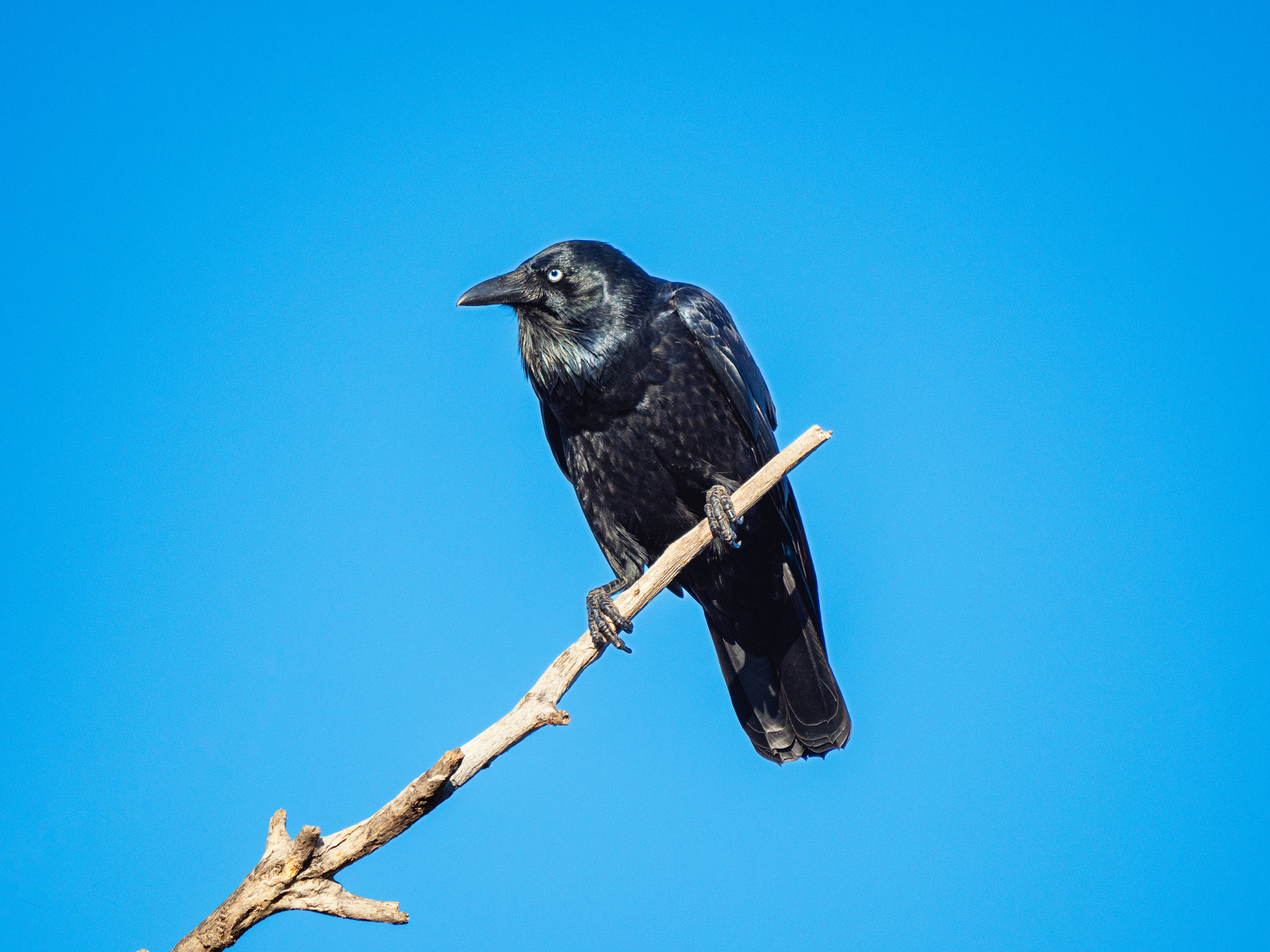
After a feed of fish the osprey sits himself in the top of a tree to allow the sun to dry out his feathers. It’s a chance to relax. Suddenly thwack! An Australian Raven decides he’s in the wrong place and attacks the Osprey from behind. Now you’d expect the osprey to put up a bit of a fight and assert his dominance him being the larger and more powerful bird. But he doesn’t and he skulks off to quieter spot.


20240214-Mandurah-0248-Edit-2
You just can’t relax for a minute.


20240214-Mandurah-0253-Edit
“Sod this for a game of soldiers. I’m out of here.”


The moral of the story is that is always someone who wants to knock you off of your perch.

Waardong by Paul Amyes on 500px.com
To the victor go the spoils.


Isn’t He Beautiful

Black Shouldered Kite by Paul Amyes on 500px.com

Looking intently for it’s next feed. Black Shouldered Kite, Elanus axillaris). York, Western Australia.


Black Shouldered Kite by Paul Amyes on 500px.com
Still looking.


Black Shouldered Kite by Paul Amyes on 500px.com
Another tree another view.


I’ve Broken My Duck

Ooooerrrr! That’s probably not the best thing to say in a blog about bird photography. Rest assured no ducks were harmed in the making of this blog entry.


Ngoonan by Paul Amyes on 500px.com
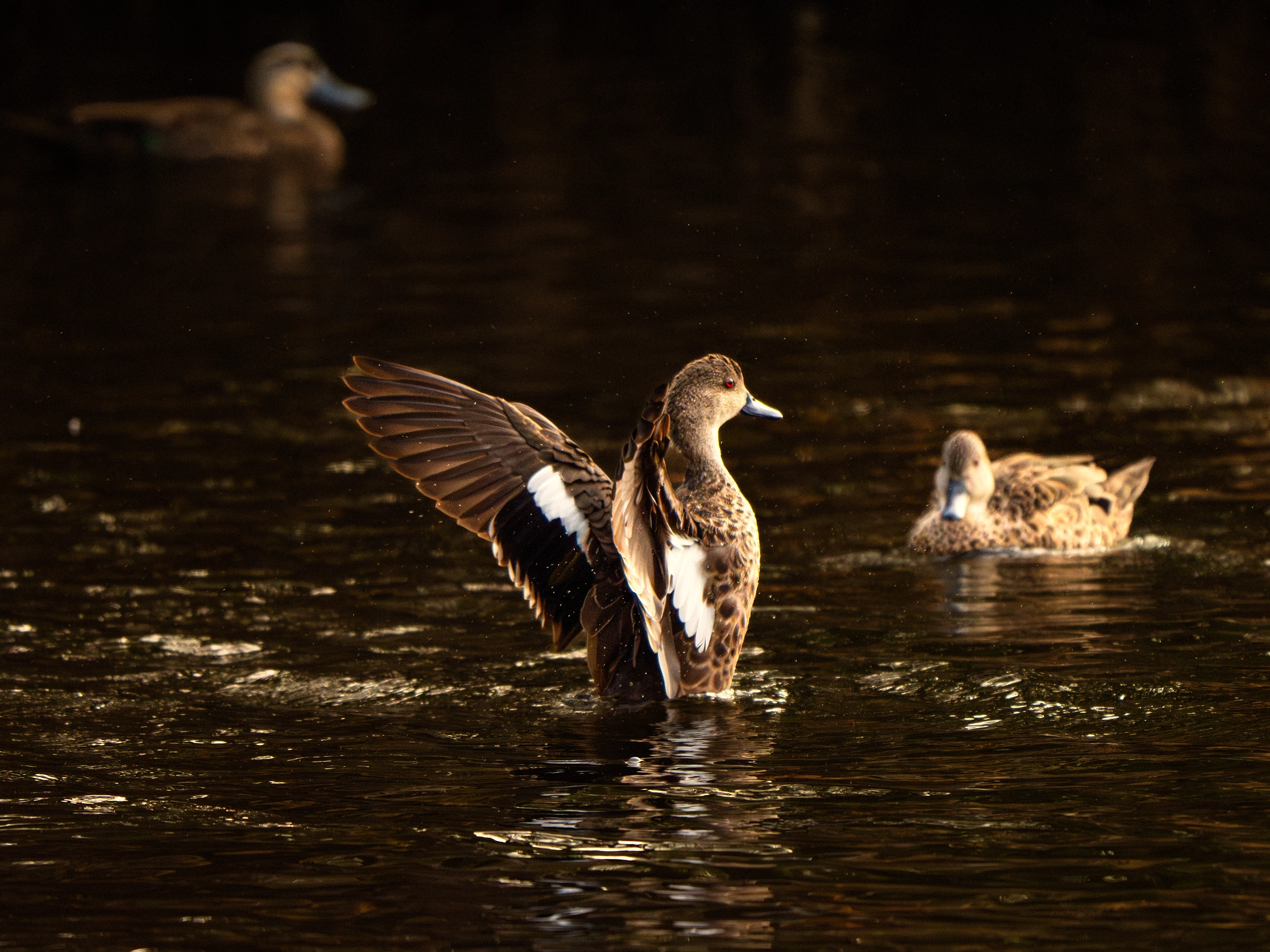
No ducks were harmed in the production of this blog. Ngoonan or Grey Teal (Anas gracilis). York, Western Australia.


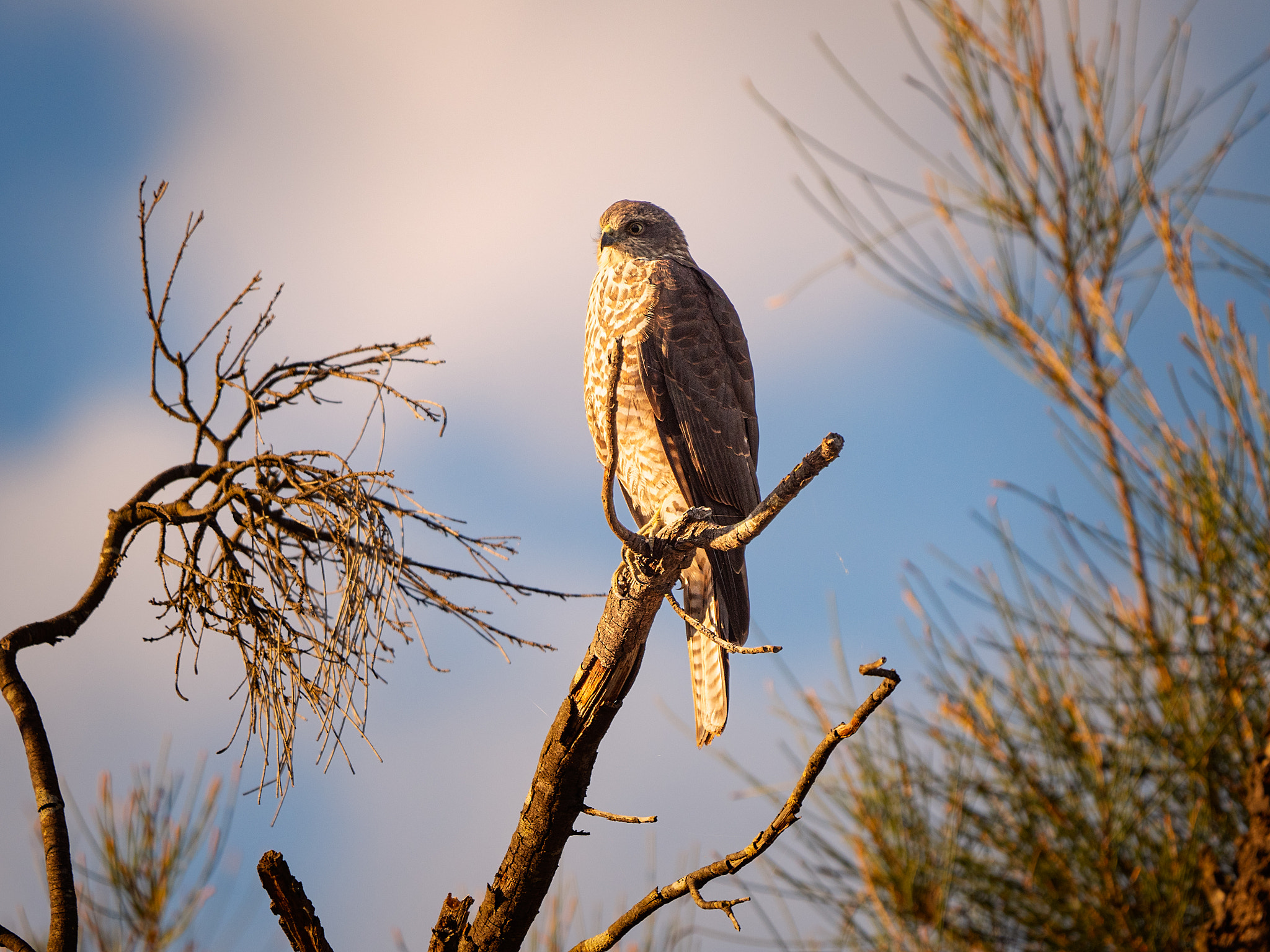
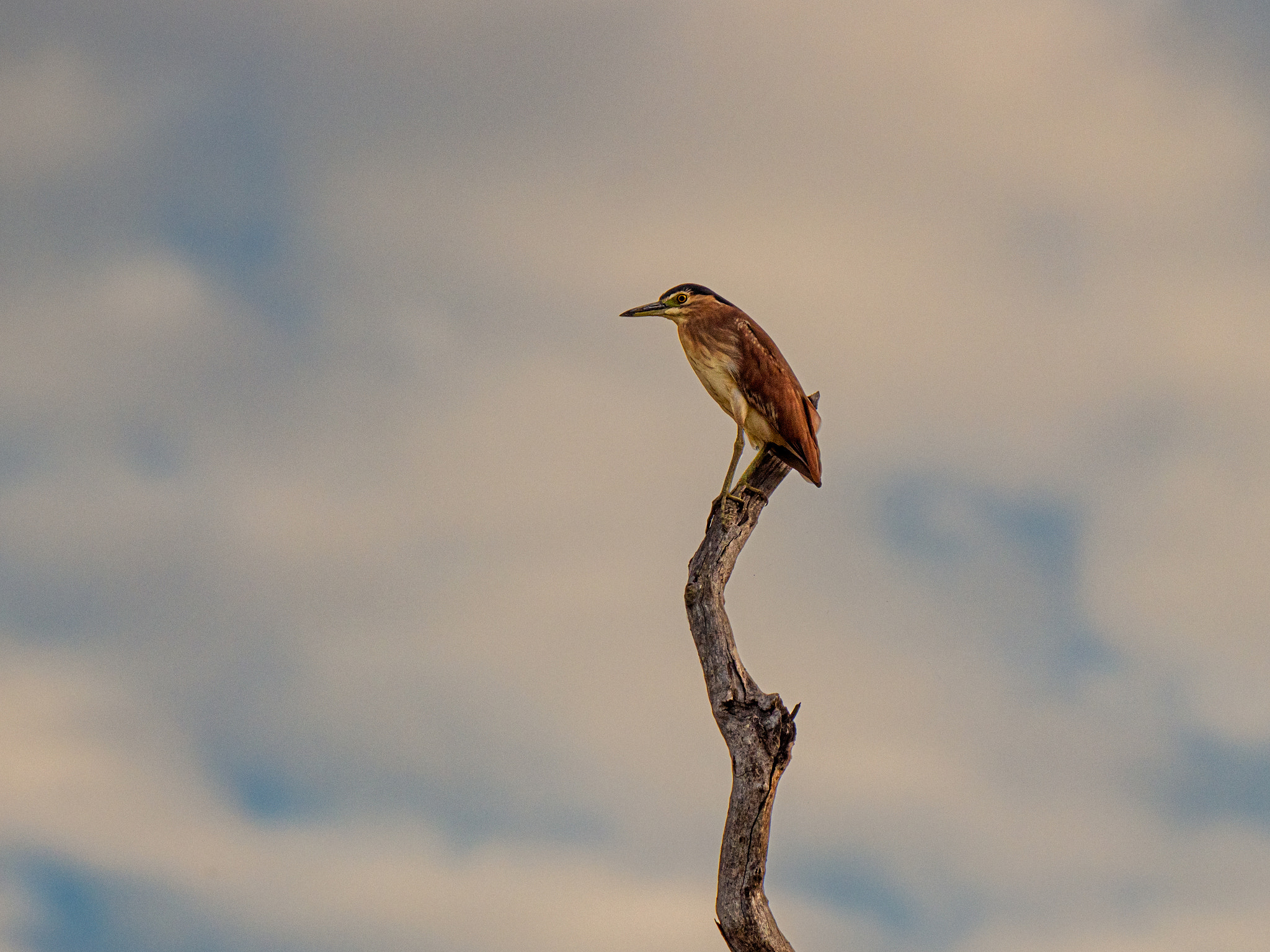
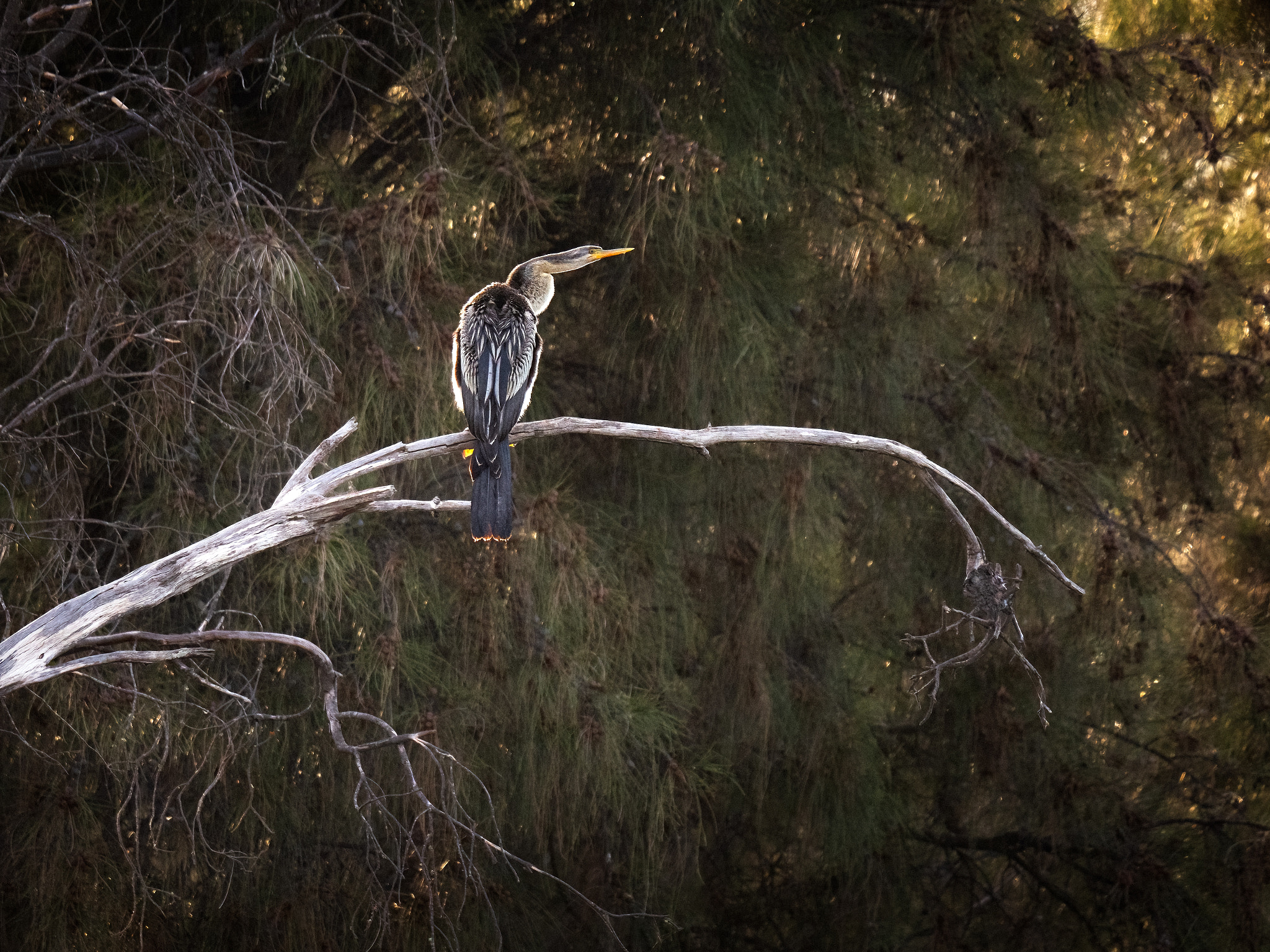
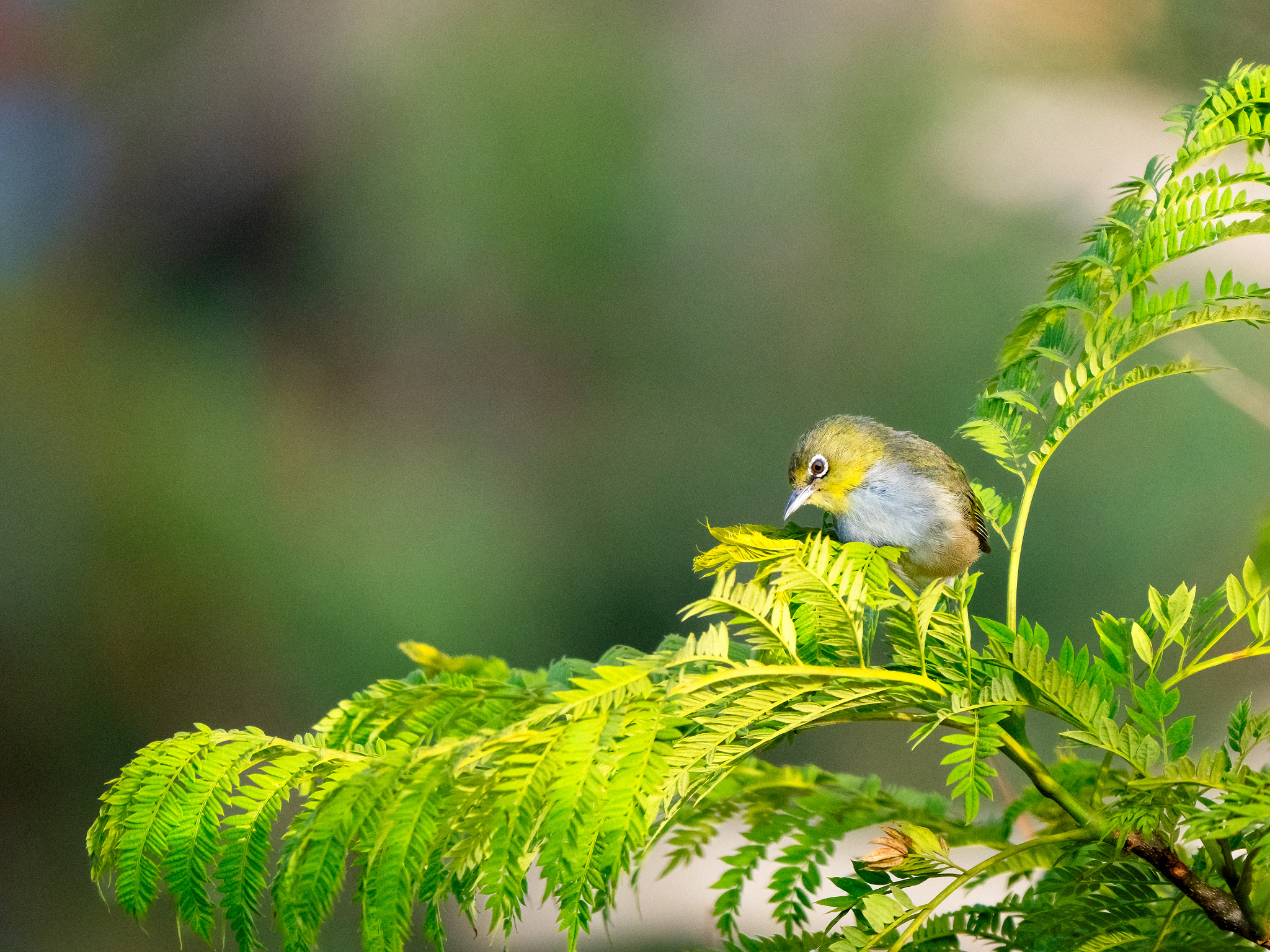
A little while ago I wrote about how my ability to photograph birds had deserted me. Well I can now report that yesterday morning I had a stonker of a morning. I parked up at my usual spot on the River Avon and before I had got my camera bag out of the car I could hear a couple of Brown Goshawks calling out to one another. I could only find one of the birds and it was obligingly sitting in the top of a tree and the first light of dawn was illuminating it nicely. I could hardly believe it! It just kept sitting there unfazed by my proximity and it was I who eventually moved on leaving it there calling out to its mate. This was the best start I’ve had in a very long time and if I’d seen nothing else this would have been tremendous. Just 20m further on and I found a pair of Nankeen Night Herons. By this time I had a grin that went from ear to ear. Walking up to Mile Pool things just got better and better.

Karkany by Paul Amyes on 500px.com
Karkany or Brown goshawk (Accipiter fasciatus) basking in the dawn light. York, Western Australia.


Ngalkaning by Paul Amyes on 500px.com
Ngalkaning or Nankeen Night Heron (Nycticorax caledonicus subsp mannillenis). York, Western Australia


Mimal by Paul Amyes on 500px.com
Mimal or Australian Darter (Anhinga melanogaster subspecies novaehollandiae). York, WEstern Australia.


Doolor by Paul Amyes on 500px.com
Doolor or Silvereye (Zosterops lateralis). York, Western Australia.


Kakak by Paul Amyes on 500px.com
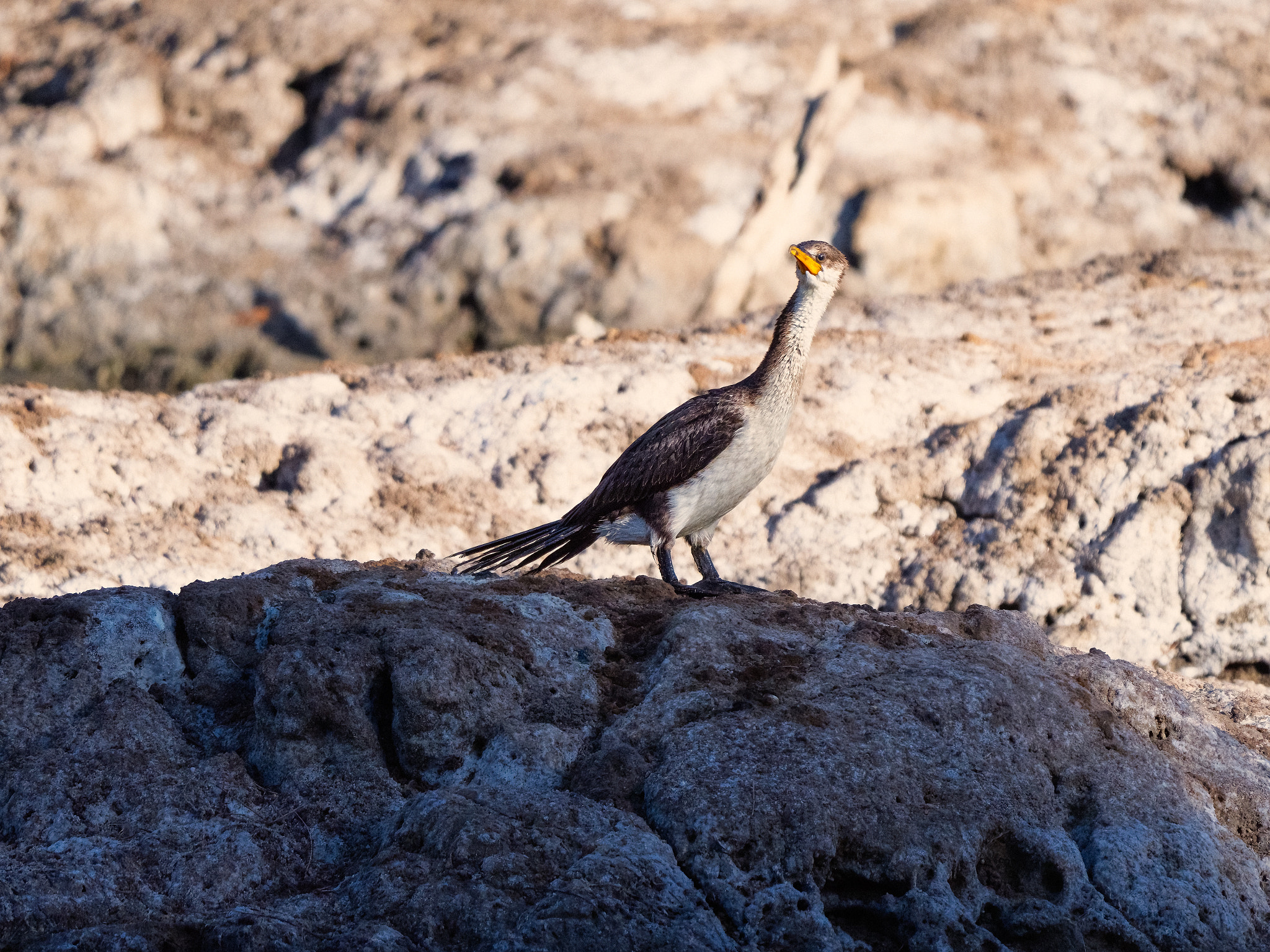
Kakak or Little Pied Cormorant (Phalacrocorax melanoleucos). York, Western Australia.


Western Inland Hunter by Paul Amyes on 500px.com
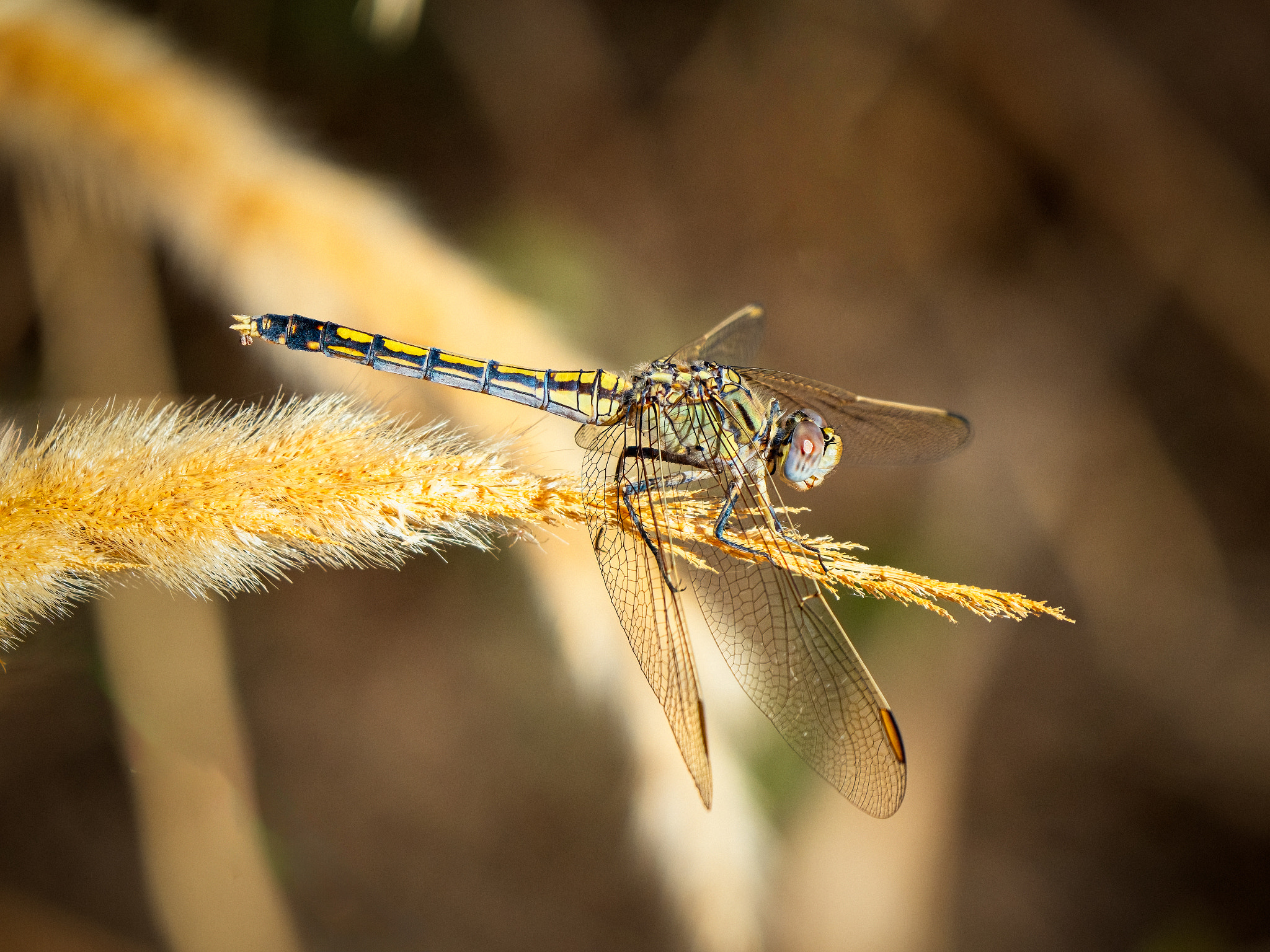
Western Inland Hunter, Austrogomphus collaris. York, Western Australia.


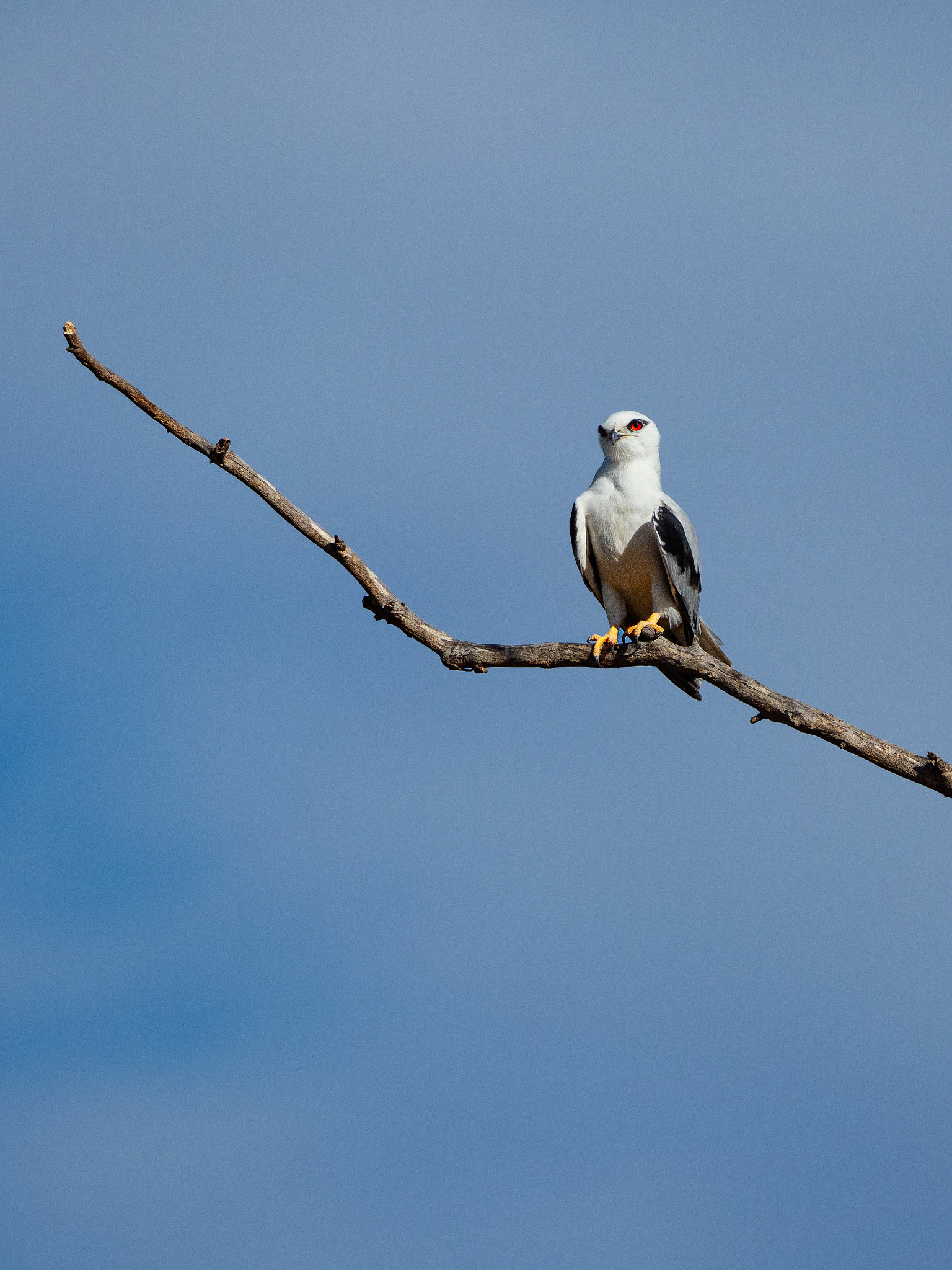
We’ve had some really hot days with temperatures exceeding 40ºC and this has meant there were a lot of birds congregated in the trees around the few remaining pools of water. By 8am the temperature was starting to soar and there was less bird activity. So I changed lenses and went looking for dragonflies and damselflies. I found some but the warmth had supercharged them and they were proving difficult to photograph as they would not sit still for very long. At 8:30am I decided that it was too hot and decided to call it a day. As I started to put my camera away I glimpsed a white bird sitting in the top of a dead tree. At first I thought it was just a corella, but there was something about the way it was moving made me think it was something else. Looking through the camera I could see those unmistakeable red eyes of a Black-shouldered Kite. Panic set in now as I didn’t have the right lens on. So calming myself down I changed lenses and started making my way closer to the bird. Usually what I do is wait for the bird to look in another direction then edge forward by a metre. I then stop take a few photos and then when it looks away again edge forward and take more photos. Like this I managed to get within 20m of the Kite. It looked quite relaxed spending most of its time scanning the ground below looking for food. After a little while it did a dump – birds often do this just before taking off, I suppose it lightens the load – and then took off in a lazy curve towards some taller trees. It was bloody brilliant! My only regret was that because there was insufficient cover I couldn’t get closer, but there’s always next time.


Black Shouldered Kite by Paul Amyes on 500px.com
Black Shouldered Kite, Elanus axillaris. York, Western Australia.


The Streets Are Paved With Photos

Something strange afoot … Raúl Cañibano’s Habana, 2023.


I came across a wonderful little piece in the Guardian the other about a photographer whom I’d never heard of before, but on looking at his work I was completely enthralled. The photographer is Raúl Cañibano from Cuba. His work falls into the categories of humanism and surrealism and follows in the traditions of Henri Cartier-Bresson, Elliot Erwitt, Walker Evans, Josef Koudelka and Sebastião Salgado. It is wonderful stuff and I would urge you to have a look at his work and maybe buy his books.

This genre of photography is one that for a number years I really wanted to practice without much success. There is this assumption that it is very easy – all you have to do is walk around and point your camera at everything you see and you’ll end up with “art”. It takes a great deal of dedication, patience and an eye that can spot “a significant moment in the continuous flux of life and captures it in a fraction of a second”. (p 104 Badger, G. 2007 “The Genius of Photography – how photography has changed our lives” Quadrille Publishing Ltd, London). Or to put it another way that nanosecond when all the individual elements of a photograph come together to create meaning. For years I have wanted to take a certain photograph that for me epitomises this ethos. I can see the image in my minds eye, but, I can never manage to make it happen. It is a simple concept but it has eluded me.


Durbar Square by Paul Amyes on 500px.com
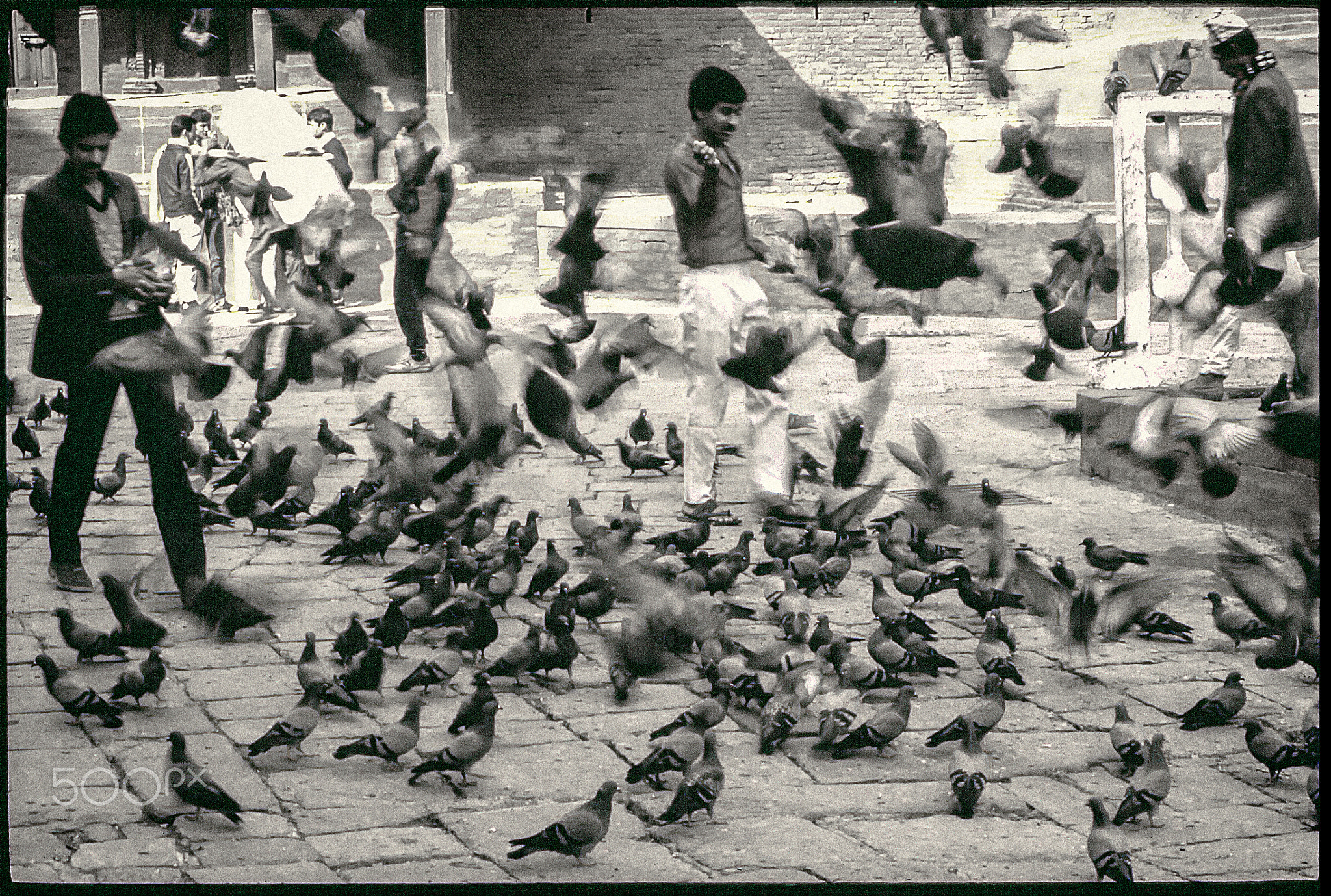
Walking through the feeding pidgeons in Durbar Square Kathmandu. Olympus OM4 with Sigma 75-210 lens, Kodak Ektachrome 100.


The idea is that a person walks into a large flock of pigeons that are feeding on the ground and as they do the birds take flight and we have a photo of a person surrounded by a swirling mass of birds.  As I said it is a very simple concept and not original in any shape or form. The occurrence happens frequently yet I just can’t nail it. The best attempt so far is one that I took in Nepal in 1987 (yes it’s been going on that long!). It’s an OK shot on one level, but it is really too cluttered to work. Fast forward to Monday and I was in Perth walking through Forest Place where there was a flock of pigeons feeding on the ground. Suddenly alert to the possibilities I caught out of the corner of my eye a small boy running around in that state of hyper excitement that only small boys can have. I immediately thought that at last it is finally going to happen. So as the little lad approached the birds I quickly framed up and set an appropriate aperture and shutter speed and waited for the decisive moment of the child scattering the flock and them taking flight around him. I could just see the finished photograph. So what happened? Well the little lad did indeed run among the pigeons and they just didn’t react. The whole episode was a tremendous anticlimax. Maybe one day it will happen.


The Kid Among The Pigeons
The Kid Among The Pigeons. Forest Place, Perth, Western Australia. Canon 5d with Canon EF 50mm f1.8 ii.