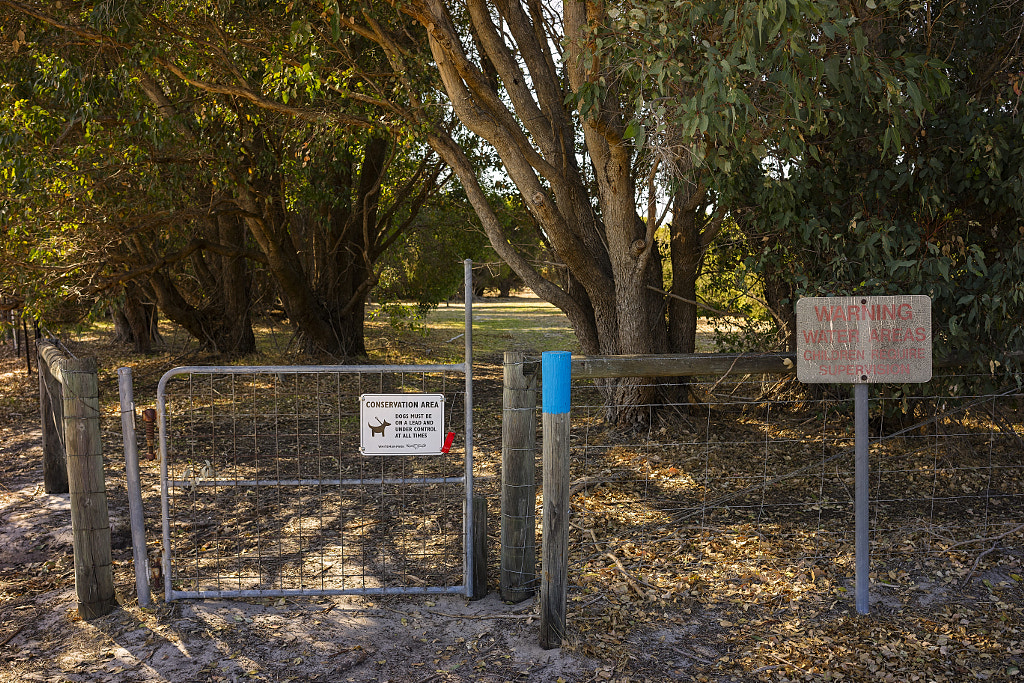
Follow the blue poles for the Werillyiup Trail in Whiteman Park.
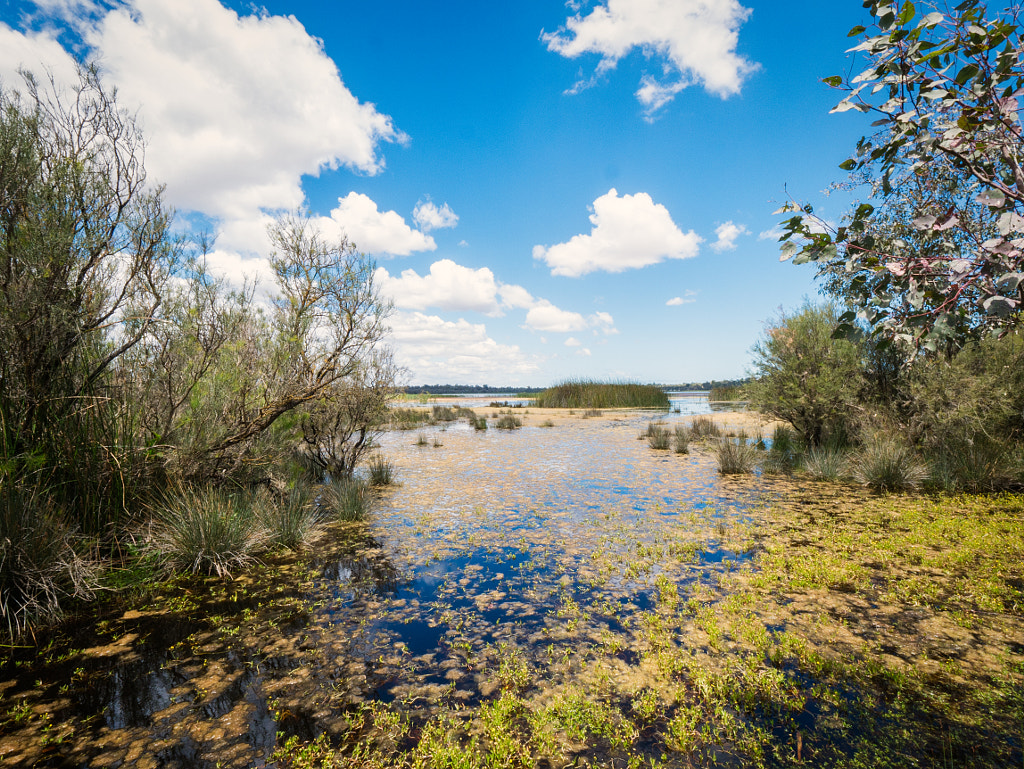
The Werrillyiup Trail in Whiteman Park is a 3Km jaunt around an area called Horse Swamp. So called because back in the early days of the Swan River Colony if horses escaped they invariably ended up at the swamp. The word Werrillyiup is is Nyoongar for “a swampy place” so from all this you’d expect to see quite a bit of water. Well for much of the year it is dry and really only fills in June with the coming of the winter rains. Each time I’ve been it’s been akin to walking around a large puddle. That’s not to detract anything away from it, it is just a statement of fact. What you will see though is an important wildlife refuge in a large ever-growing city. Western Grey Kangaroos are the most visible residents but there is a huge variety of birdlife here particularly in winter, spring and early summer. I’ve had more luck seeing raptors here than at any other location in Perth. EBird Australia has a listing of 101 species that can be seen at various times of the year around the swamp.
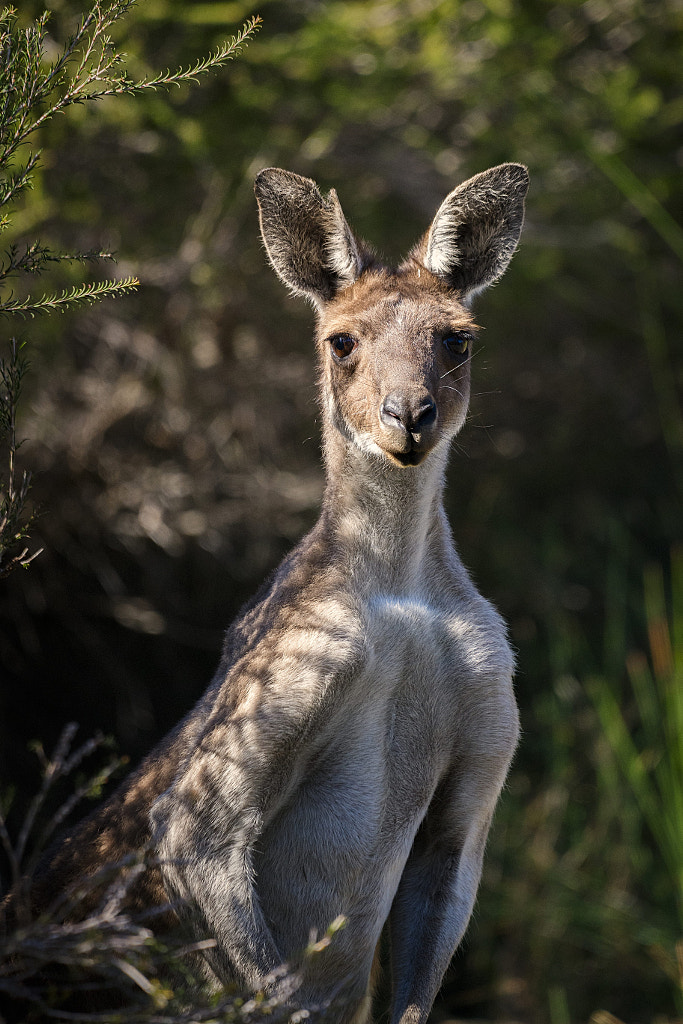
Western Grey Kangaroo, macropus fuliginosus, Whiteman Park, Western Australia.
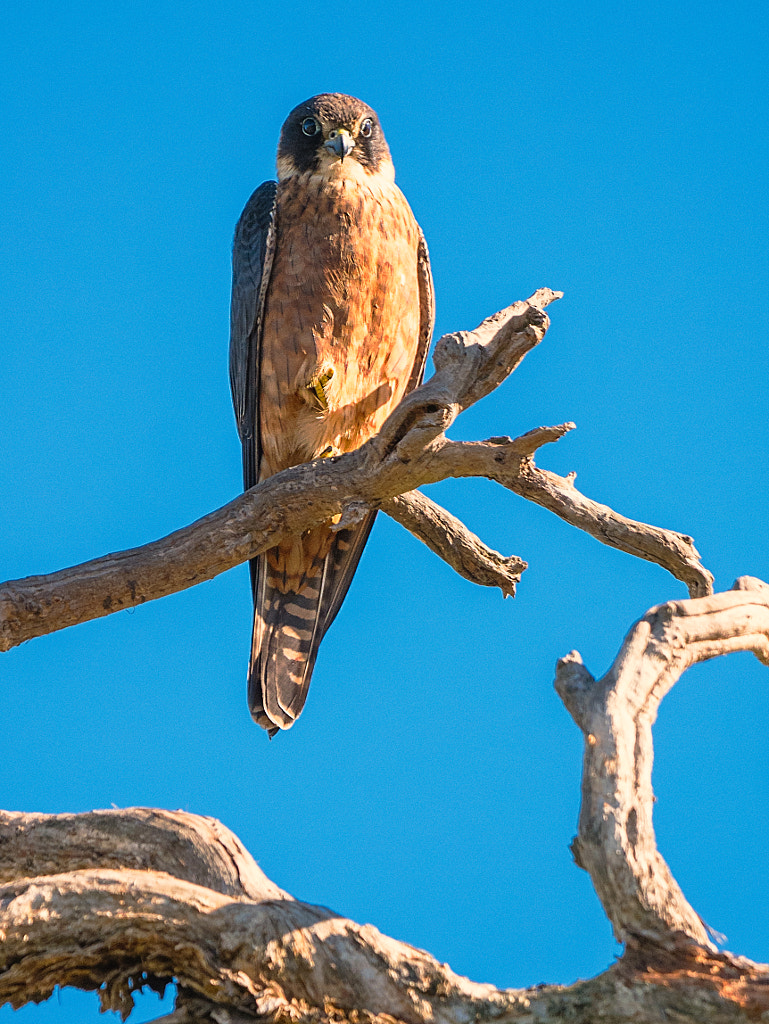
Australian Hobby (Falco longipennis longipennis). Whiteman Park, Western Australia.
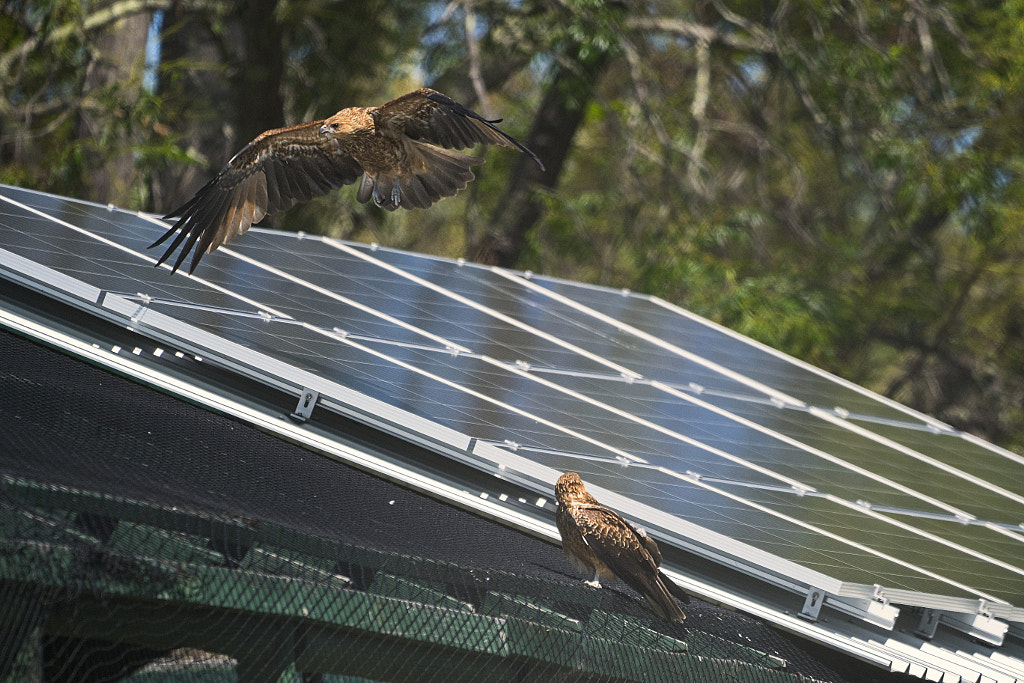
A pair of Whistling Kites seen flying round the aviaries on the edge of Whiteman Park.
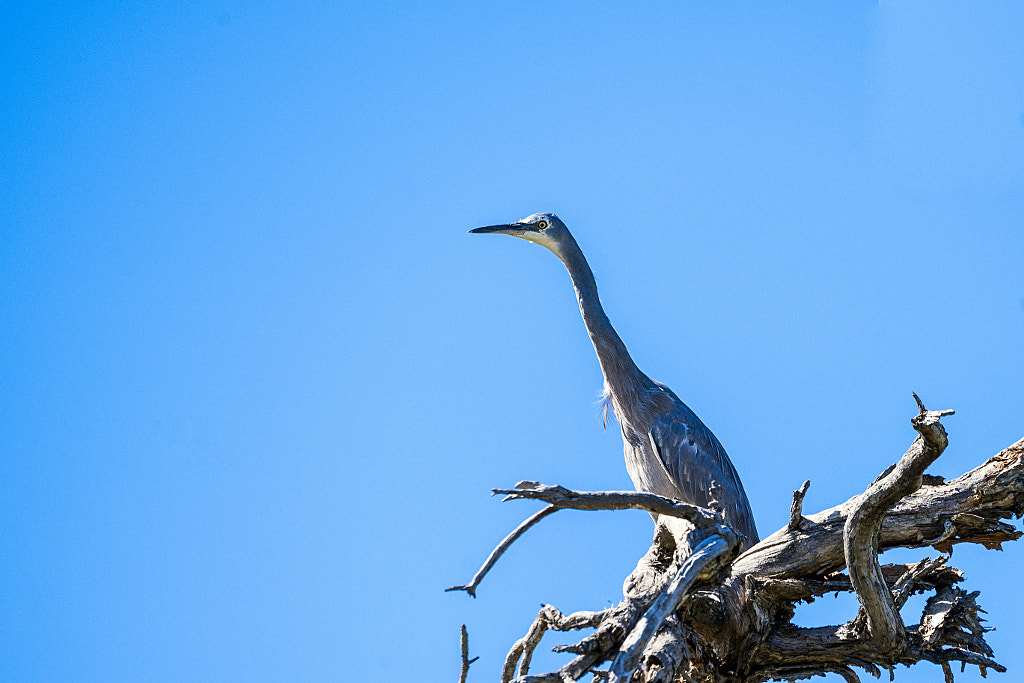
A white-faced heron looks out from its tree top perch over Horse Swamp. Whiteman Park, Western Australia.
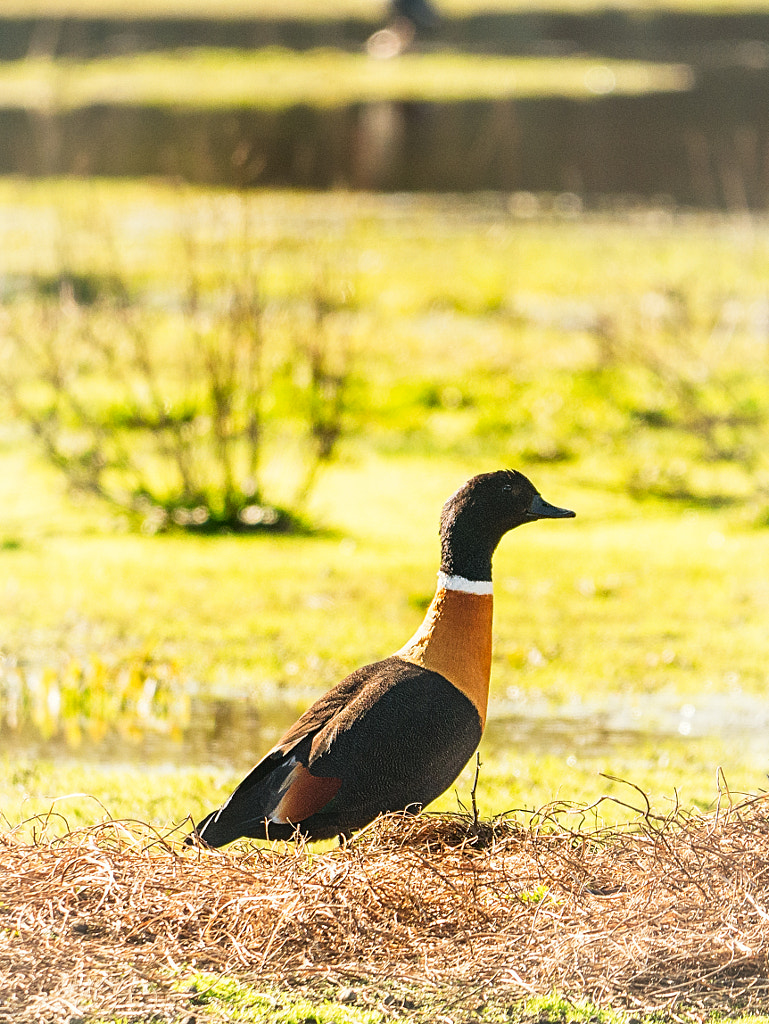
Australian Shelduck, Tadorna tadornoides, Whiteman Park, Western Australia.
After your leisurely walk around the swamp you can be revived at the excellent Guerrilla Hub Kiosk with a great coffee and some of their wonderful food. And if after all that you feel as if you’ve not communed enough with the wildlife you can always nip up to Caversham Wildlife Park and have your picture taken with a wombat.
Refreshment after a hard mornings walking and bird watching at the Guerrilla Hub kiosk in Whiteman Park.
Yours truly with one of Caversham Wildlife Park’s staff and a wombat.
The trails around the southern end of Lake Joondalup are popular with walkers and cylists alike.
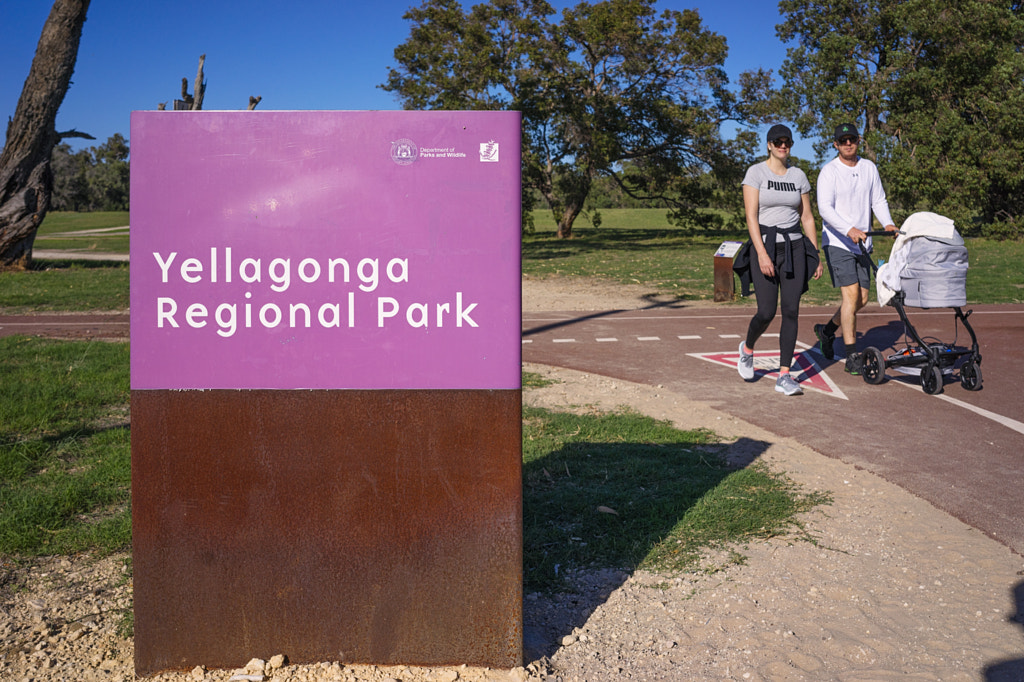
Last August I went up to Lake Goollelal in Yellagonga Regional Park and the other day while my partner was enacting her plan for total world domination in croquet I decided to visit the Park again but this time I thought I’d give the southern end of Lake Joondalup a go.
It’s a nice 4 1/2 Km walk taking in Perry’s Paddock, the southern part of the lake and Beenyup Swamp. I didn’t stick to the main paths but followed the smaller paths around as I wanted to see the local wildlife, and as it was a Sunday avoid the MAMILs thinking they’re riding the the Tour de France – more like the Tour de Farce from the look of some of them.
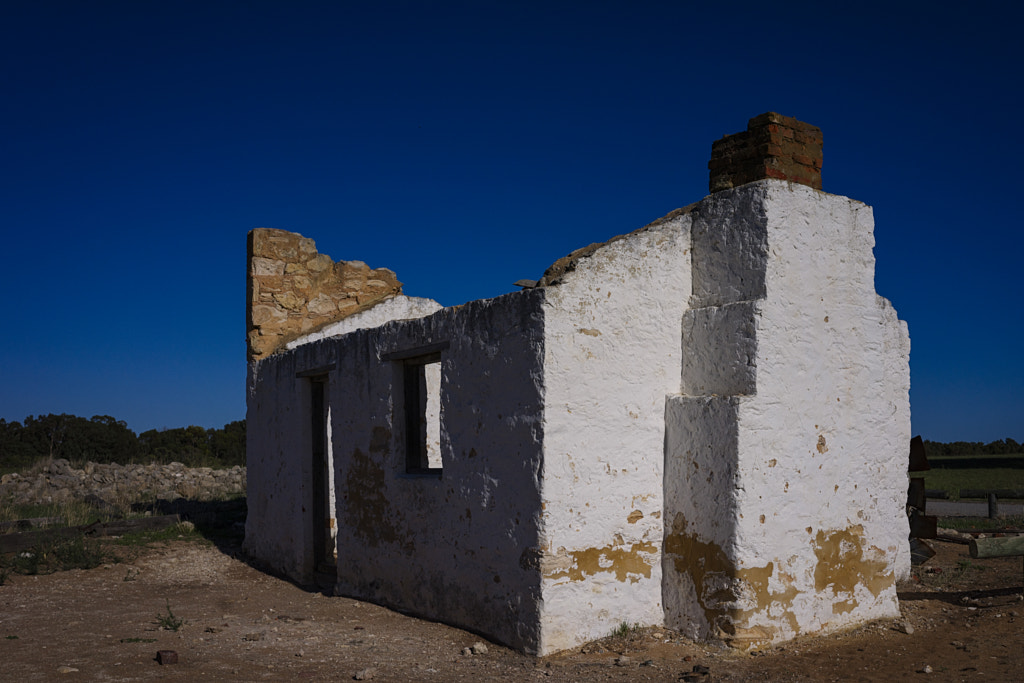
This building is known by a variety of names Linhay, LinhayCottage, Linhay Perry’s Shed. It was built in the 1860’s by George Shenton at Perry’s Paddock. The Paddock was one of the first land grants in Wanneroo area made in 1838.
Near the start of the walk there are some buildings, well the remains of them. They’re not building projects waiting for tradies to finish them but they are some of the earliest buildings to have been built in Wanneroo. The field they’re in is known as Perry’s Paddock and was one of the first land grants in the area made back in 1838. This isn’t what I came for as I was hoping to see birds on and around the lake.
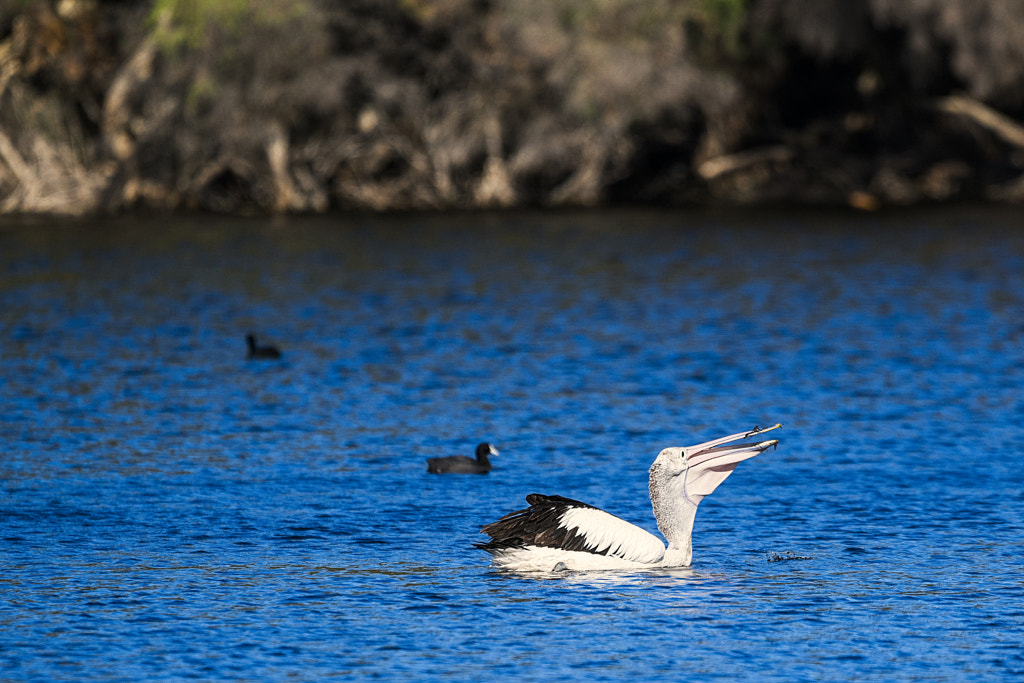
Boodelong or Australian Pelican (Pelecanus conspicillatus) feeding on Lake Joondalup in Yellagonga Regional Park.
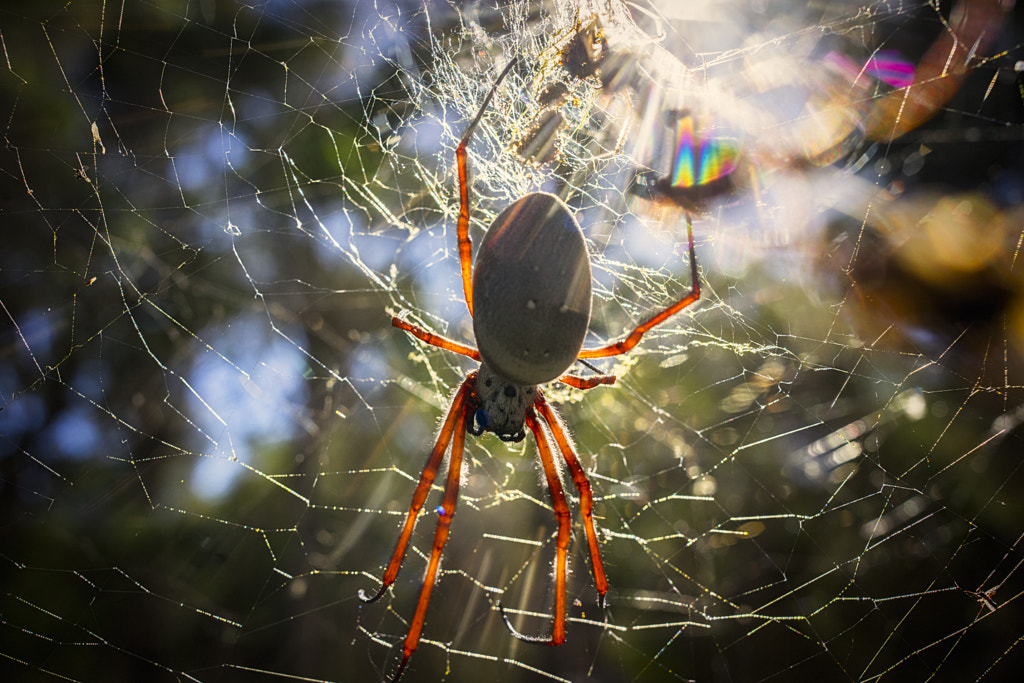
Unfortunately it’s not that easy to get to the lake side – it involves trying to creep through the thick bush on the lakeside without making any noise. One crack of dry twig and you’re rumbled and every birder miles around does a runner. The thick bush has other hazards – they’re thick with spider’s webs – really BIG webs. Where there are big spider’s webs there are BIG spiders. In this case they Golden Orb-Weaving Spiders so named as the webs have a slight gold hue to them. The webs are surprising tough and the female spiders that make them are not shy and are very visible which makes it difficult for those of a more nervous disposition not to scream when blundering through them like something out of Harry Potter. Screaming like a “girlie man” also does not help you creep up on birds unnoticed. Your fearless correspondent was undeterred as he knew that despite their size Golden Orb-Weaving Spiders are harmless unless you are an insect or a male of the species looking for an amorous liaison.
Golden Orb-Weaving Spider, Nephila edulis. Despite its size and their massive webs they are harmless to humans. Yellagonga Regional Park, Western Australia.
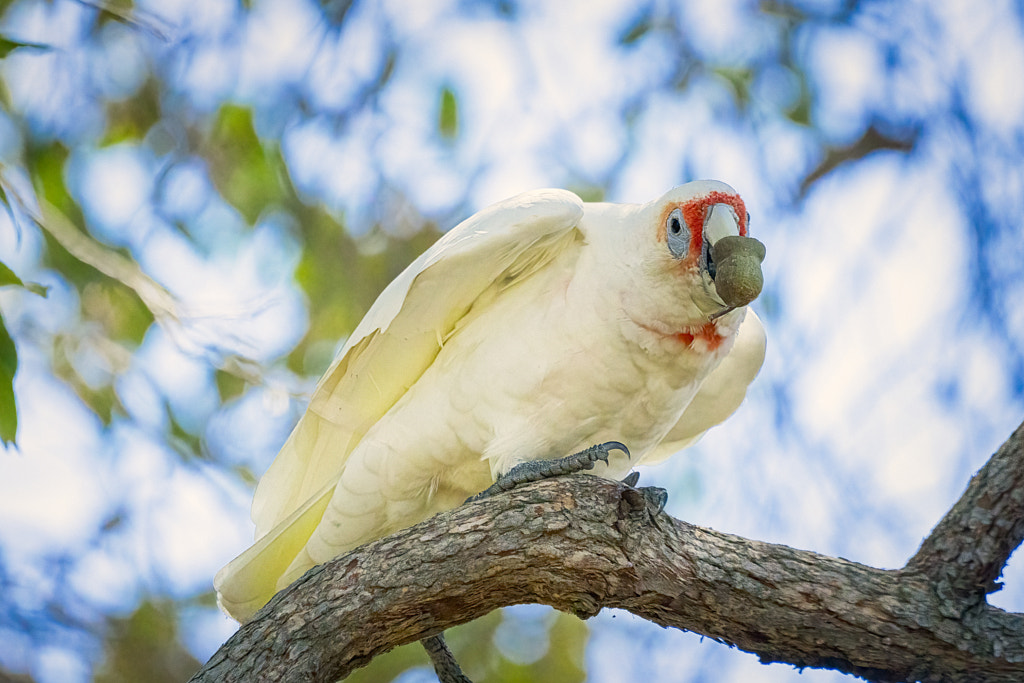
Manyt or the Western Corella (Cacatua pastinator subsp. derbyi). Yellagona Regional Park, Western Australia.
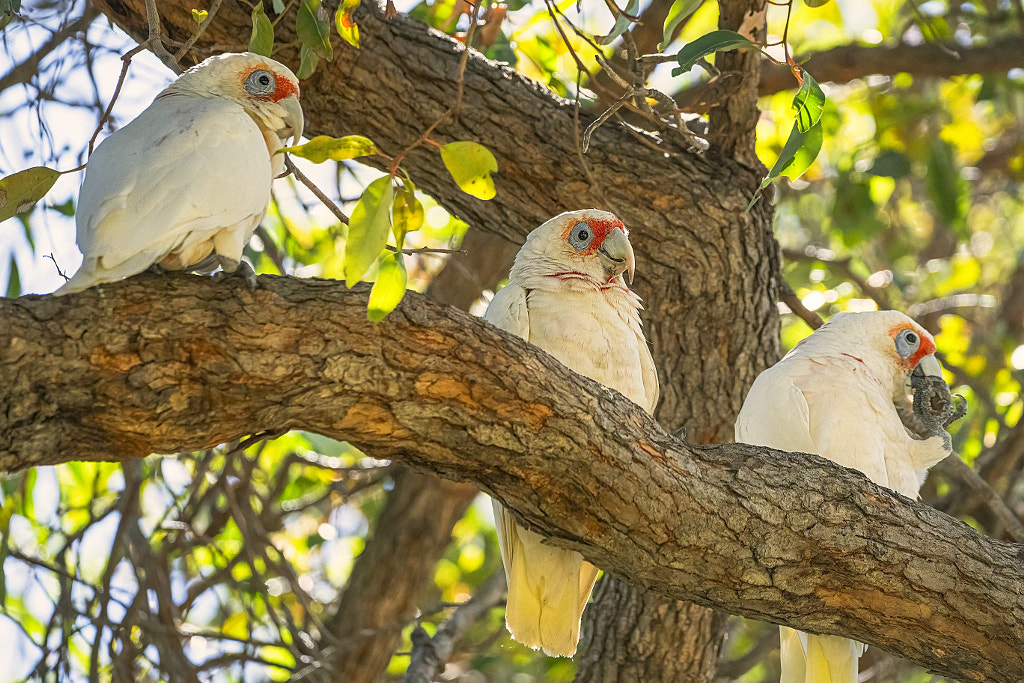
Three wise corellas – hear no evil, see no evil, and sorry my mouth is full. Yellagona Regional Park, Western Australia.
At least the corellas found my mad dance of jumping up and down and flapping my arms about while shrieking entertaining. Ah! I didn’t mean to say that! They would have if they’d have actually seen me do it – which of course they didn’t. Leaving the lake and heading down south takes you to Beenyup Swamp which provided an opportunity to see more birds and less spiders.
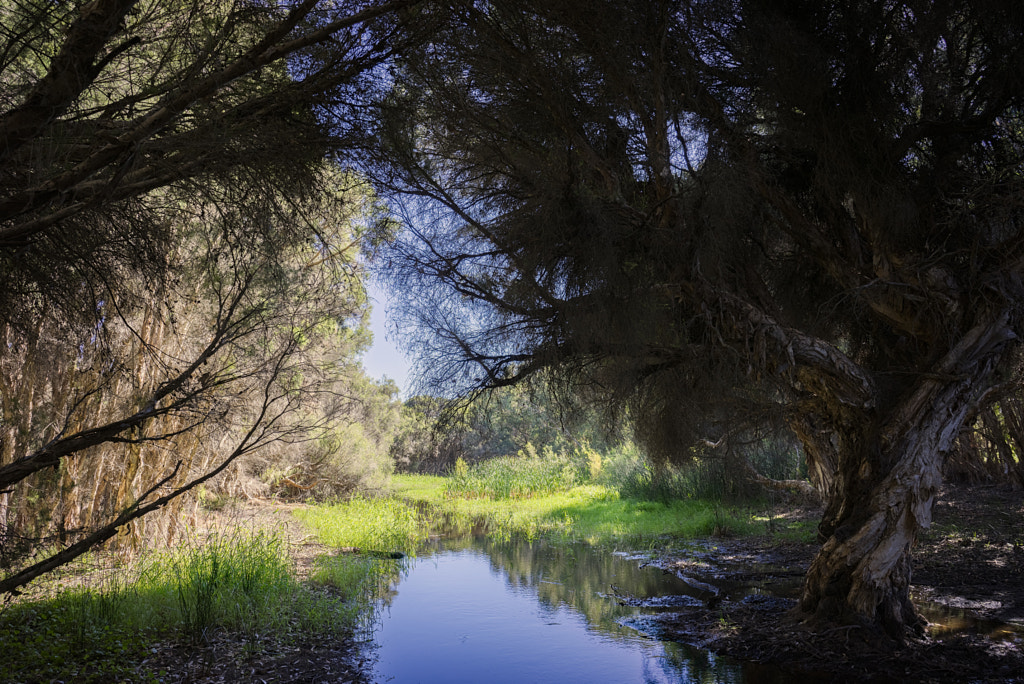
Beenyup Swamp in Yellagonga Regional Park.
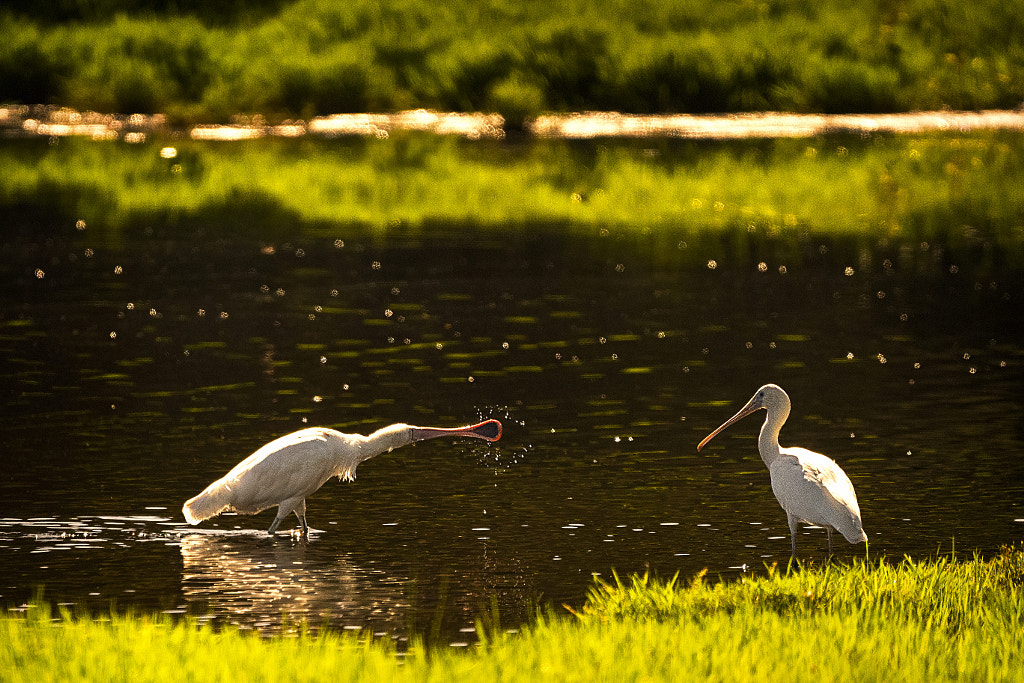
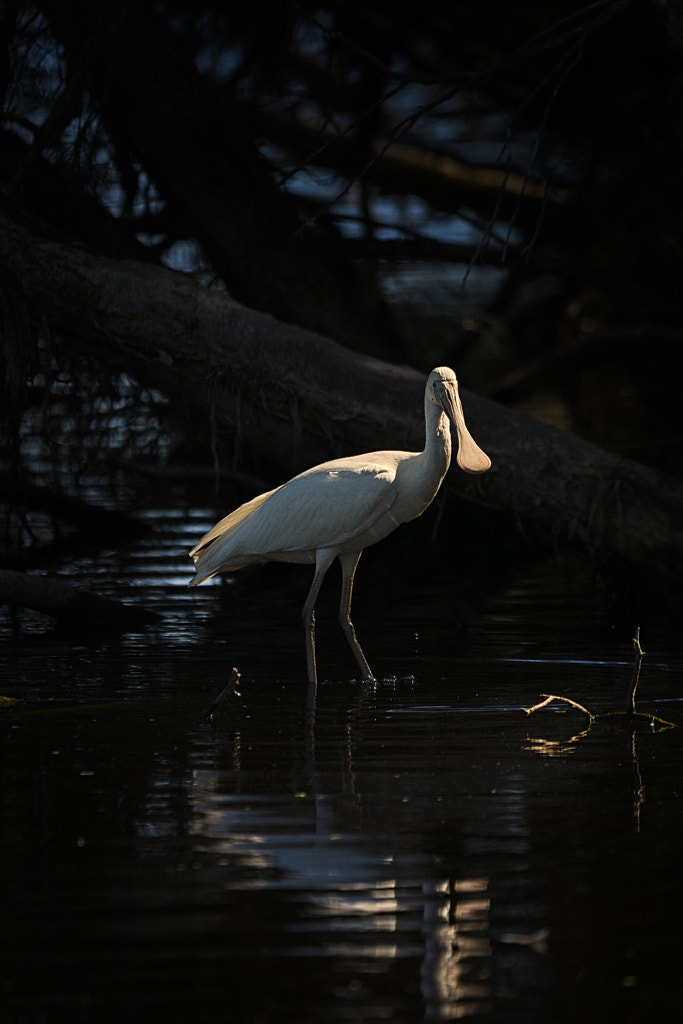
Melkullya or Yellow-billed Spoonbills, Platalea flavipes, feeding at Lake Joondalup in Yellangonga Regional Park.
Lurking in the shade of the swamp paperbark trees.
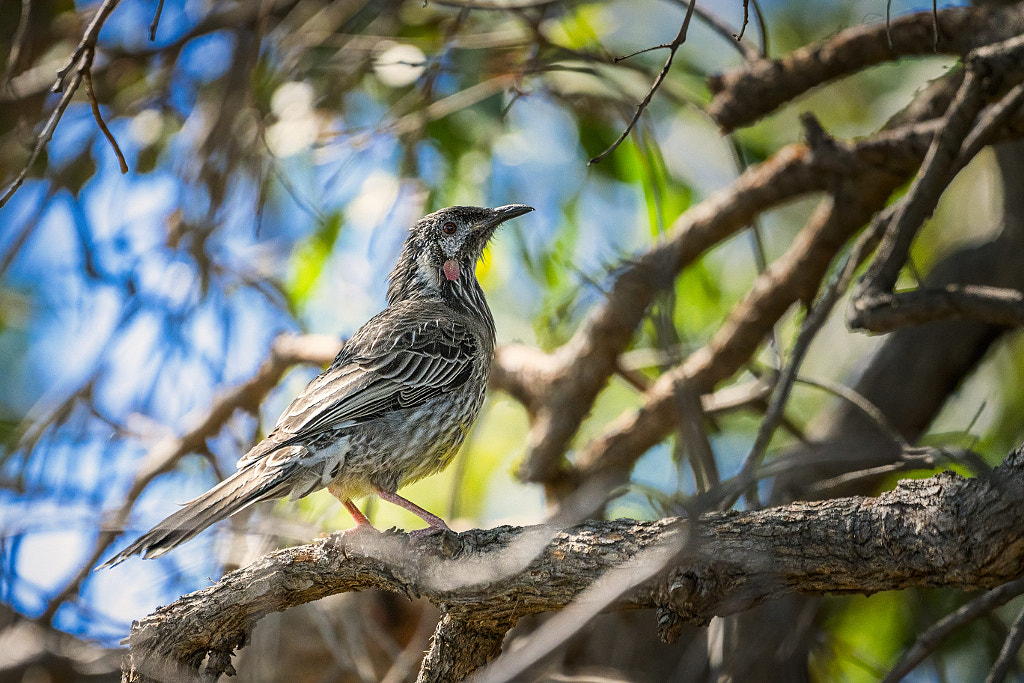
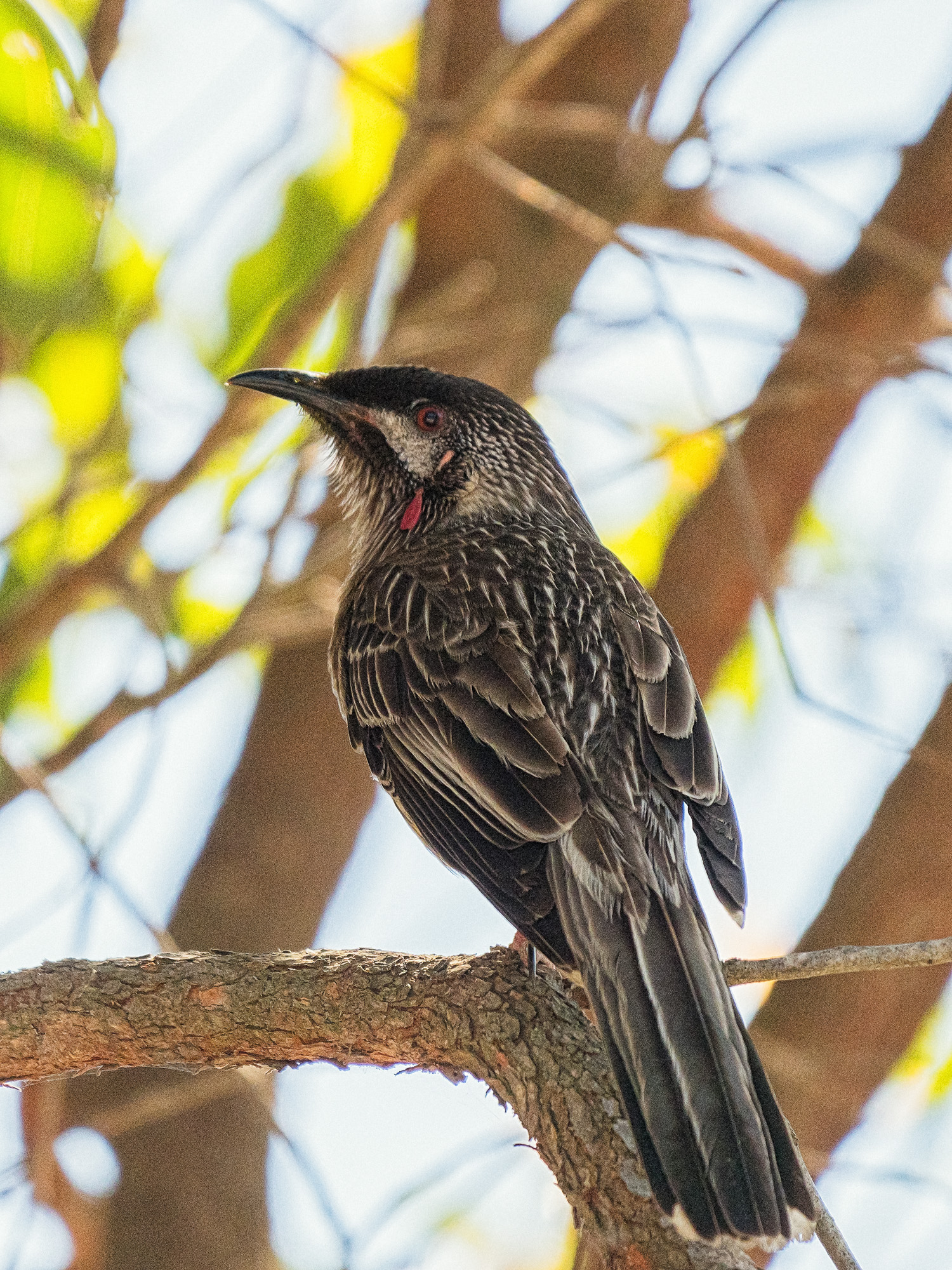
Red Wattle bird (Anthochaera carunculata subsp. woodwardi) known to the Nyoongar people as wodjalok. Yellagonga Regional Park.
Djitidjiti . The eponymous Willie Wagtail, Rhipidura leucophrys leucophrys. Yellagonga Regional Park, Western Australia.
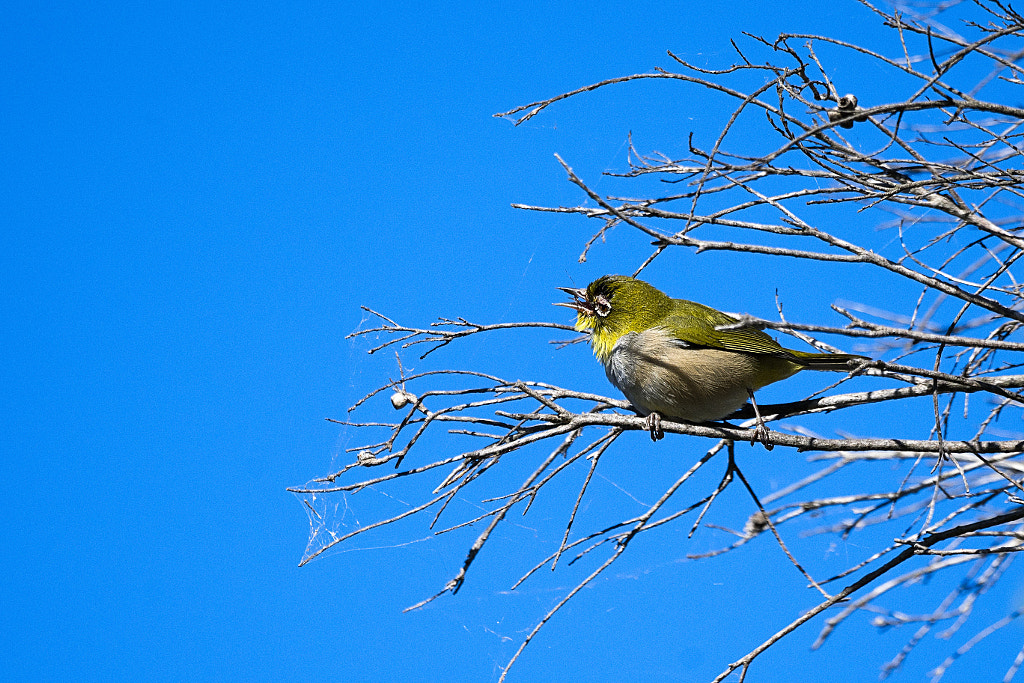
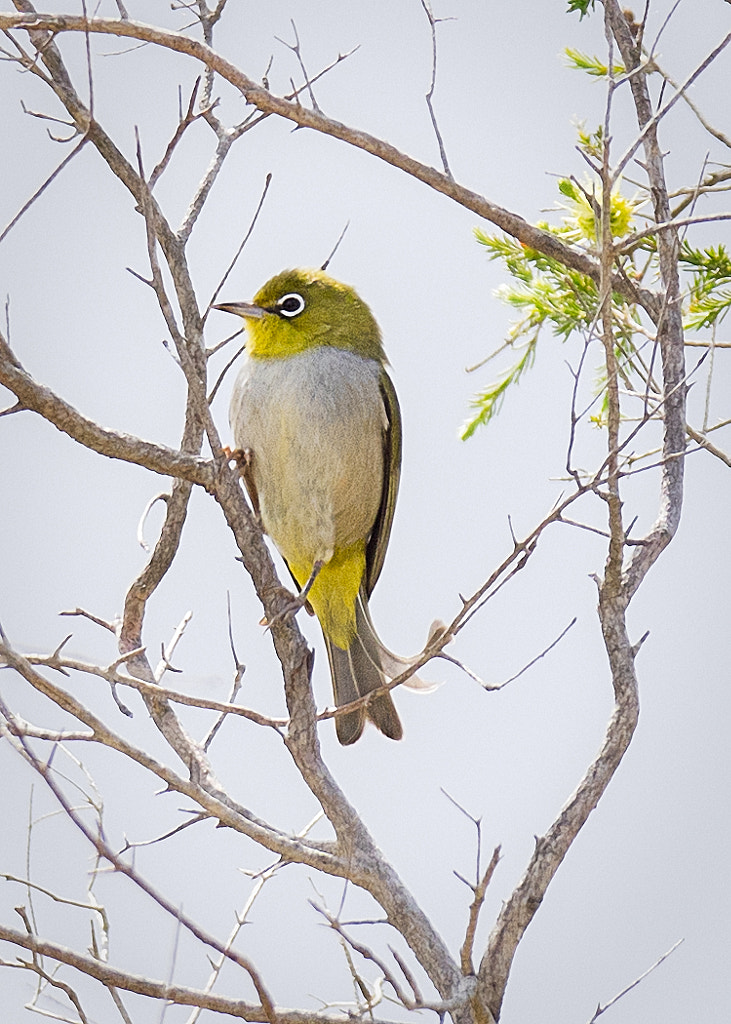
Despite their small size the Silvereye, Zosterops lateralis, has an incredibly loud birdsong. Yellagonga Regional Park, Western Australia.
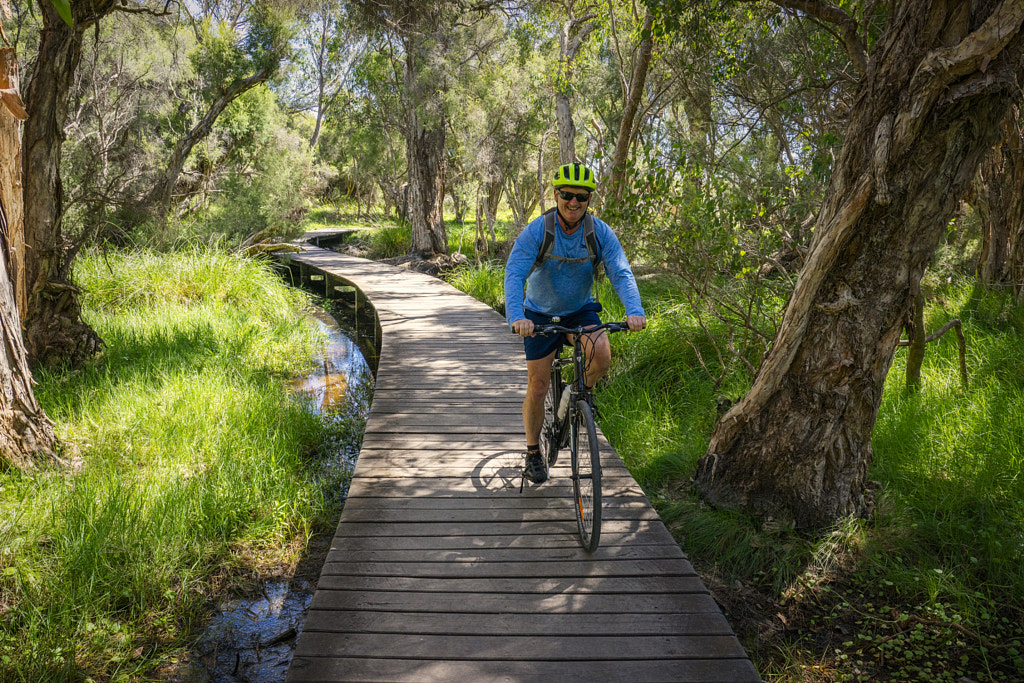
While walking along the Beenyup Swamp Broadwalk I did meet my first cyclist of the day who was definitely not a MAMIL and who was very apologetic for startling me. All in all a very pleasant walk and hopefully I’ll get back at a better time of year when there’ll be more bird activity.
Not a MAMIL. Cycling along the Beenyup Swamp Boardwalk in Yellagonga Regional Park.
At the Casa del Amyes we’ve gone a bit mad for things Spanish. The Spanglish is flying thick and fast and we’re even thinking of actually going there COVID 19 permitting. What’s brought on all this exuberant celebration of all things Iberian? Well a little while ago I posted about a Spanish inheritance. Well we’ve not inherited anything yet despite it going on for two years now. It’s what you get when your father-in-law played Monopoly in a small Spanish village with real houses and who developed the local aversion to all things to do with property titles, land taxes and capital gains taxes. Throw into the mix a convoluted legal system, dodgy Spanish lawyers weird inter family dynamics and we’ll probably not get our hands on anything for a few decades yet.
Catedral de la Encarnación de Almería.
We’ve been to Spain before. I can’t say it’s my favourite country to visit, but that’s probably due to the fact on my first visit a member of the Spanish Guardia Civil (the ones who wear Micky Mouse ears) was under the misapprehension that I was an English football hooligan and decided to introduce me to his truncheon – repeatedly – when I was really an innocent British InterRail tourist who was having a kip on a bench. I digress. So as I practically go everywhere with a camera I’ve started looking at my Spanish photos. A lot were taken on film (black and white, colour slide, and colour print) and then as technology advanced digitally. Now as the last time we visited was 2004, which was back in the Stone Age as far as digital photography is concerned, a lot has changed especially when it comes to software used to edit photos. So I’ve been re-interpreting those old 6 Mp (which was pretty bloody cutting edge back in 2004) with the latest iterations of Adobe Lightroom, AlienSkin’s Exposure and Topaz DeNoise AI.
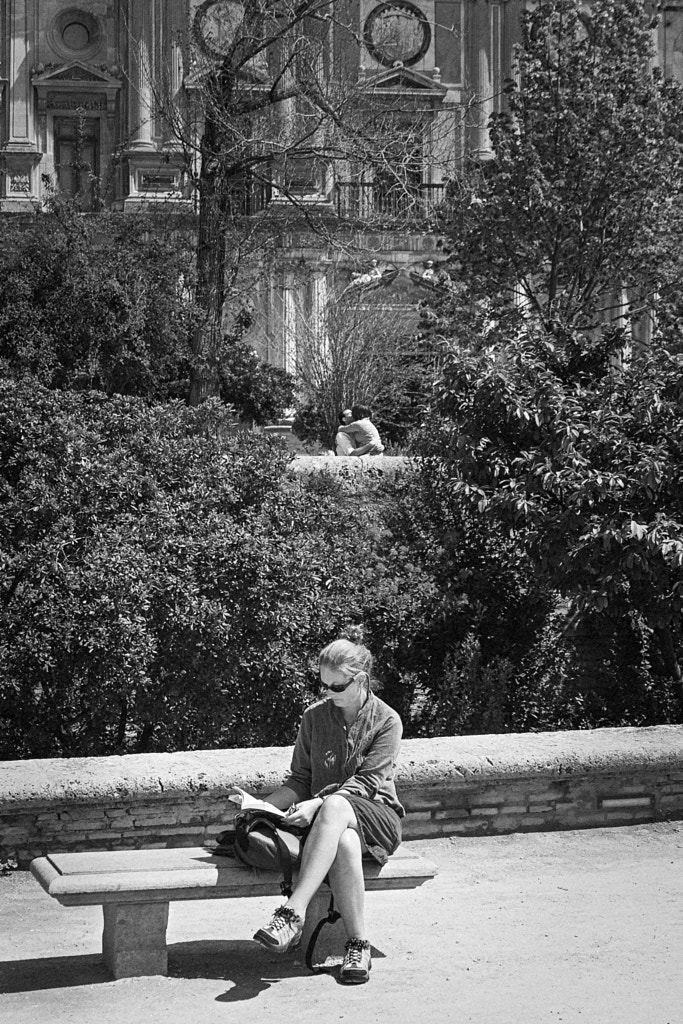
Reading in the gardens outside the Charles V Palace – Alhambra, Granada.
The Convento de San Francisco in the gardens of the Alhambra in Granada.
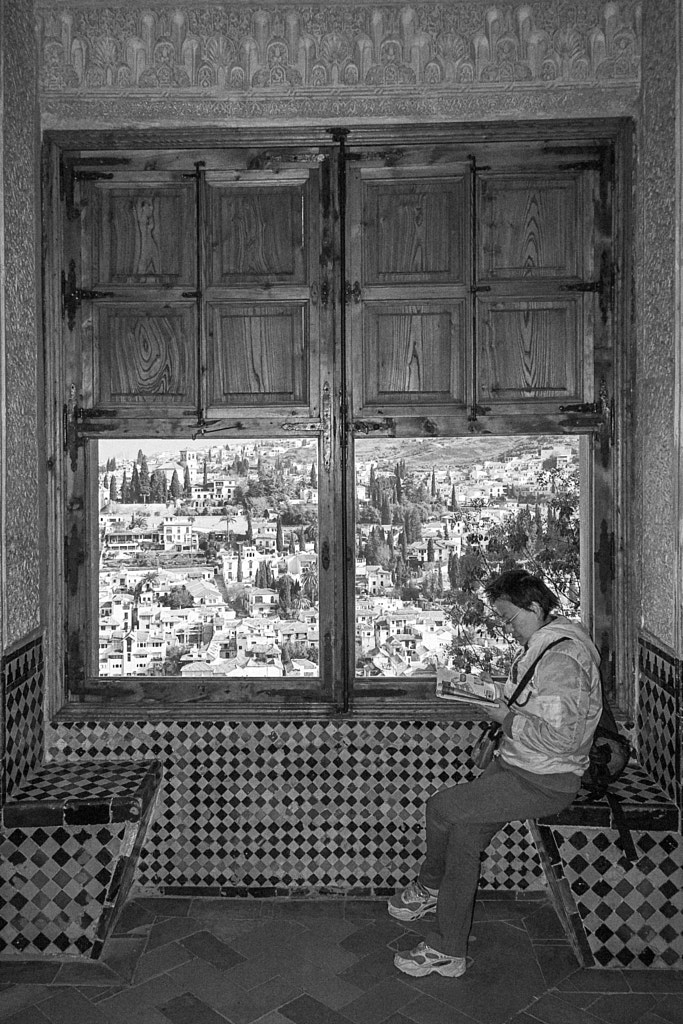
A tourist pauses to study the guidebook in La torre de Comares at the Alhambra. It’s amazing how using up to date applications such as Lightroom can recover highlight and shadow detail.
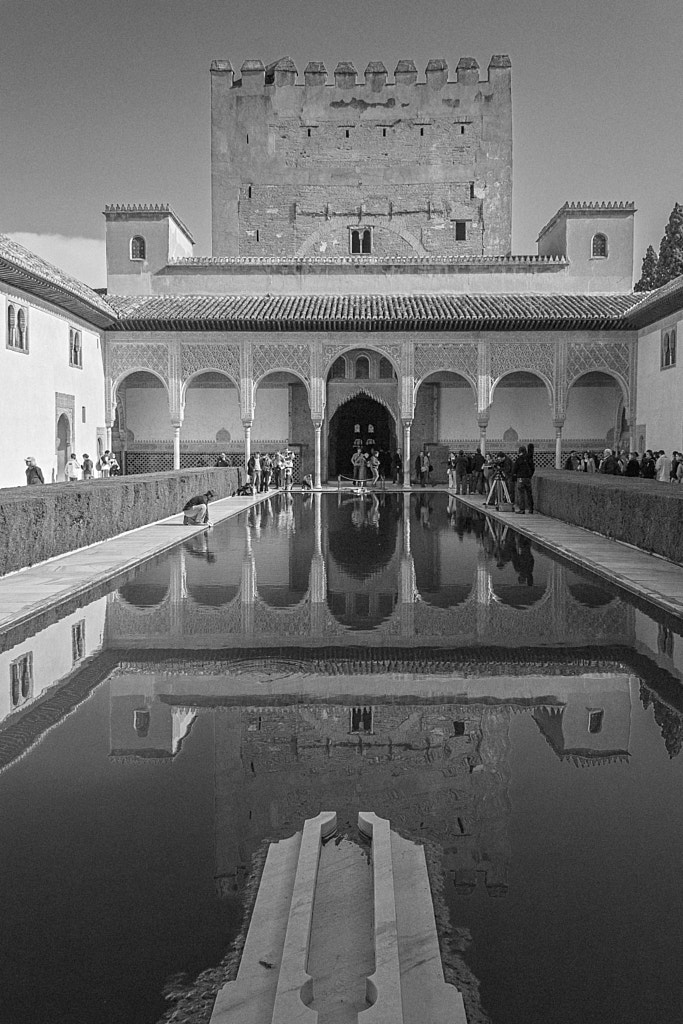
Tourists and a film crew visit the Court of the Myrtles in the grounds of the Alhambra.
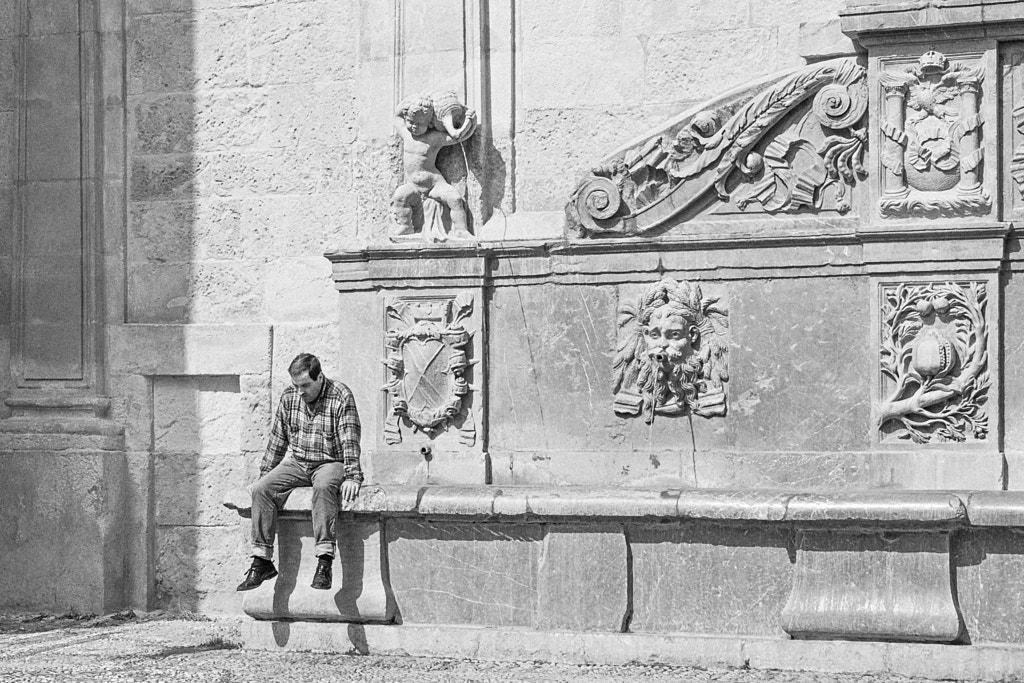
Sitting on the fountain at the Pilar de Carlos V at the Alhambra in Spain.
All the above photos were taken using a Canon EOS 300d which had by today’s standard poor dynamic range and poor high ISO performance. The difference is quite marked. So I’d honestly say it is worth revisiting your picture archive to see the quality you can wring out of those files using modern software.
Todays title is of course from the 1974 hit song Y Viva España, performed in English by Sylvia Vrethammar which was a cover of the Dutch song Eviva España by Belgian singer Samantha (Christiane Bervoets). It became a staple of drunken British tourists on the Costa Del Sol.
Low level cloud brings white out conditions to Bluff Knoll. Even in late spring the weather can be incredibly unpredictable. The Stirling Range is one of only a few places in Western Australia where snow falls.
Stirling Range National Park lies approximately one hours drive north of Albany in Western Australia’s Great Southern region. The reason most people visit the park is to climb Bluff Knoll which they believe to be the highest peak in Western Australia. Bluff Knoll is an imposing structure – it rises dramatically above the pan flat agricultural land surrounding the park – but the highest point in Western Australia it is not. That honour goes to Mount Meharry in Karijini National Park which is 1245m compared to Bluff Knoll’s 1093m. The other reason people visit Bluff Knoll is that it is the most easily accessible walk in the park being serviced by a road, having parking and a cafe. The trail is well signposted and is comparatively well surfaced and above all despite being steep in places anyone of reasonable fitness can do it. That cannot be said of some of the other walking routes within the park. There is good reason why Australia’s Special Air Service Regiment (SASR) train there.
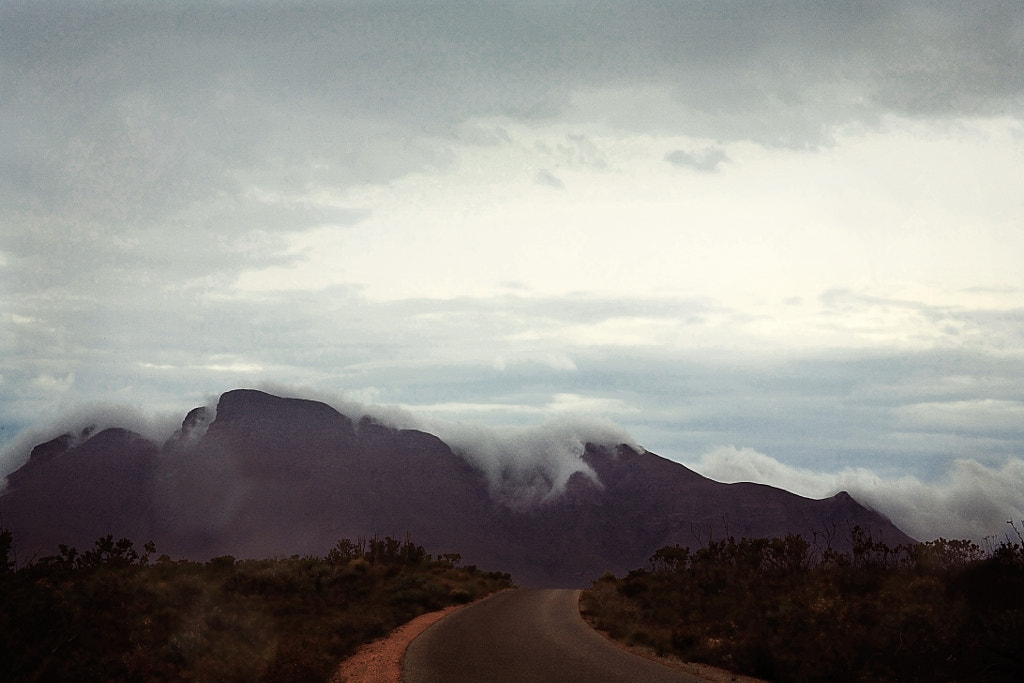
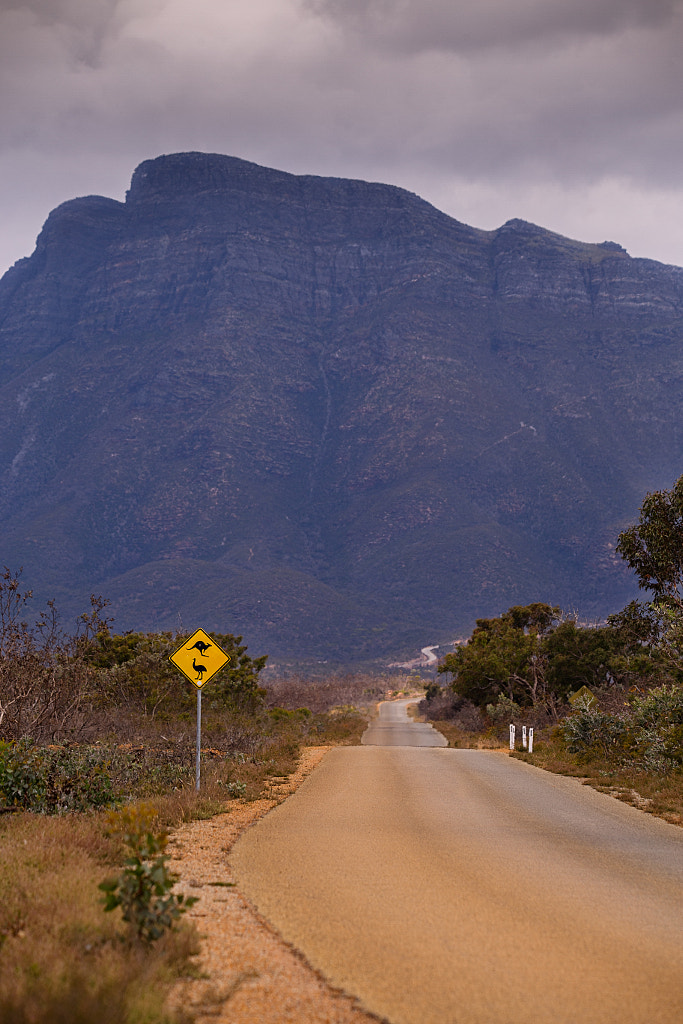
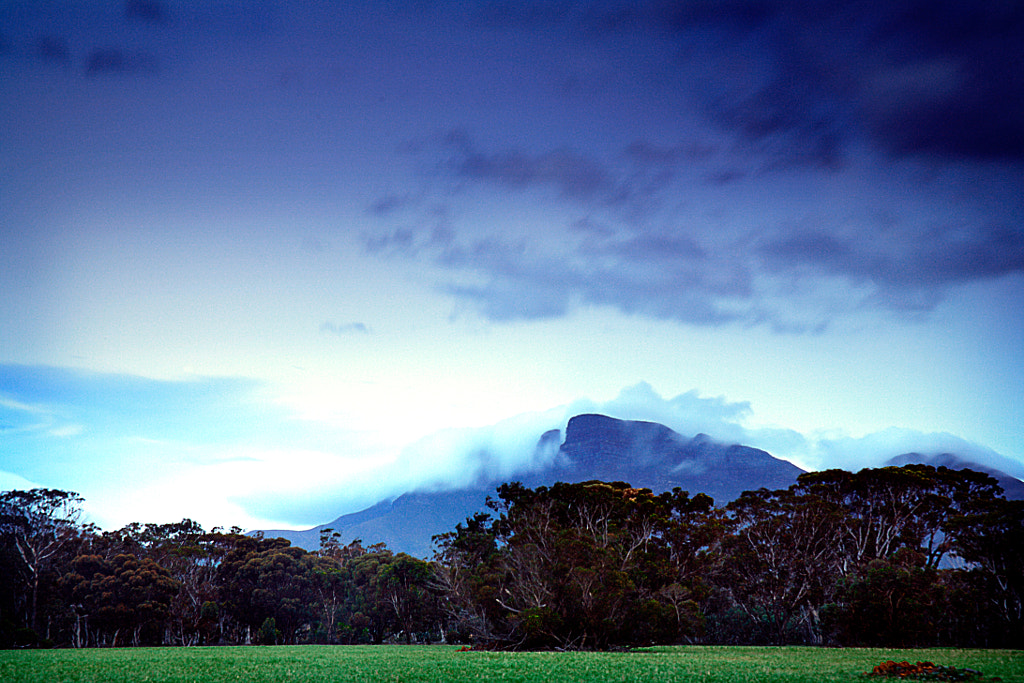
The road to Bluff Knoll in the Stirling Range National Park. At 1099m it is the highest peak in the Stirling Range. It is often surrounded by mist and low lying cloud.
Twilight in the Stirling Range and the peak of Bluff Knoll is being buffetted by a storm.
Highland areas such as the Stirling Range always have very variable weather and often in the extremes. The Qaaniyan and Koreng groups of the Nyoongar called Stirling Range Koikyennuruff or place of the swirling mist. Low lying cloud and mist often shroud the peaks even on bright sunny days. The Nyoongar believe Noatch, the spirit of the dead, lived in the mist and that evil witches lived on the high ridges and so tended to avoid going up onto the peaks. All I know is that it can be shorts and tee shirt weather at the base of Bluff Knoll but when you get to the top it can be very cold and wet. The fact that it is the only place where it snows with any regularity in Western Australia (any time between April and November) shows how difficult the weather can be. The weather is one of the main reasons why people get into strife when climbing Bluff Knoll, most are simply under equipped and under prepared. A Swedish acquaintance once told me there was no such thing as bad weather just poor choices of clothing and that is certainly borne out here. Things aren’t much better in summer as the park is very prone to bush fires so if you wish to visit make sure you are aware of what is happening in the park and whether the trails are open by checking with the Department of Biodiversity, Conservation and Attractions Parks Alerts System and then plan accordingly. The other reason why people get into trouble is that they leave the trail looking to find a short cut and then get disorientated and lost in the scrub.
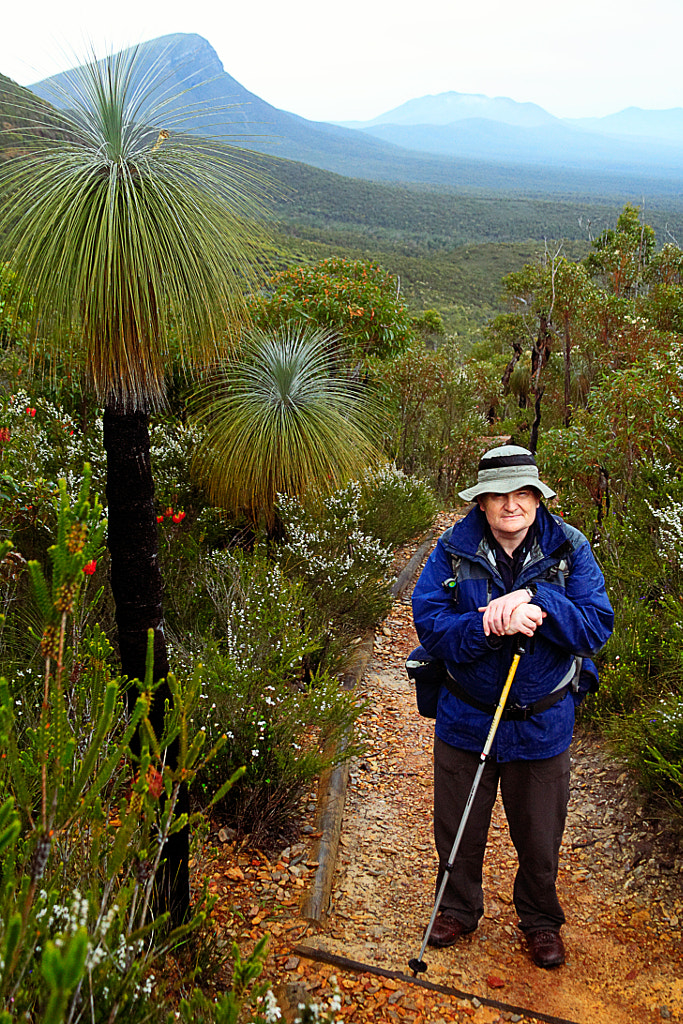
Pausing for a quick breather by a grass tree (xanthorrhoeaceae drumondii) while trudging up Bluff Knoll on a rainy morning.
I first intended to climb Bluff Knoll with my partner back in September of 2000 to celebrate her fortieth birthday but we never did it as I was run over by car. It wasn’t until October 2008 that we finally got round to doing it. Better late than never I suppose. It was a bit of a slog in cold wet weather but it was well worth the effort. We were staying at the Stirling Range Retreat which was then run by Ayleen Sands and her husband Tony. Ayleen ran orchid spotting trips and we did one and that opened my eyes to the biodiversity of the region and more specifically the amazing orchids that are found in Western Australia and I’ve been photographing orchids ever since. It was from Ayleen that we learnt that Stirling Range is an incredible biodiversity hotspot. In spring and early summer the 1500+ species of plants that can be found within the Park’s boundaries come into bloom. To put that into perspective the 1,159 km2 of the Stirling Range National Park contains more species of wildflowers that the 315,159 km2 of the British Isles.Some of these plants, such as the mountain bell (Darwinia leiostyla), are found no where else in the world. A staggering 123 species of orchid have been found in the Stirling Range National Park which works out to be about one third of the total number of orchid species that can be found inWestern Australia. There are more than 140 bird species, approximately 20 species of native animal – the most likely to be seen are western grey kangaroos. Rottnest Island isn’t the only place with quokkas they have been seen on the slopes of Bluff Knoll. The are more than 30 species of reptile and of course it would not be Australia without poisonous snakes. I initially went to climb Bluff Knoll but found so much more and have been back since and intend to go back again and again.
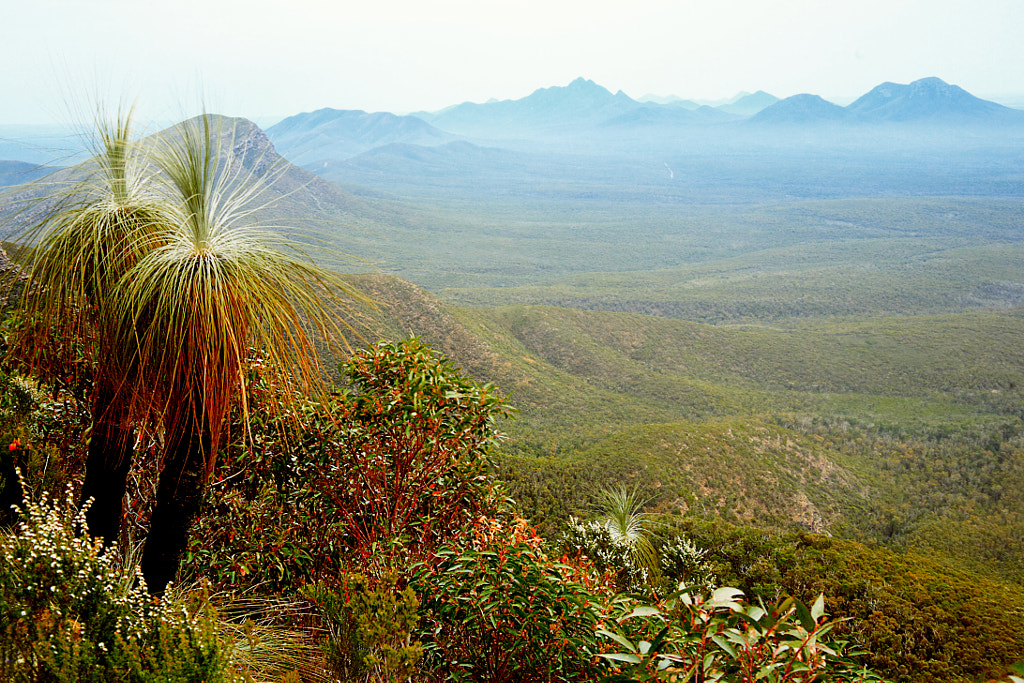
Looking west towards Yungermere Peak, Mount Success, and Coyanarup Peak while walking the traverse of Bluff Knoll. In the distance some of the early morning low lying cloud can still be seen fringing the mountain tops.
The Common Mountain Bell (Darwinia leiostyla) grows in the eastern and central Stirling Range, and can be readily seen on Bluff Knoll and Mount Trio.
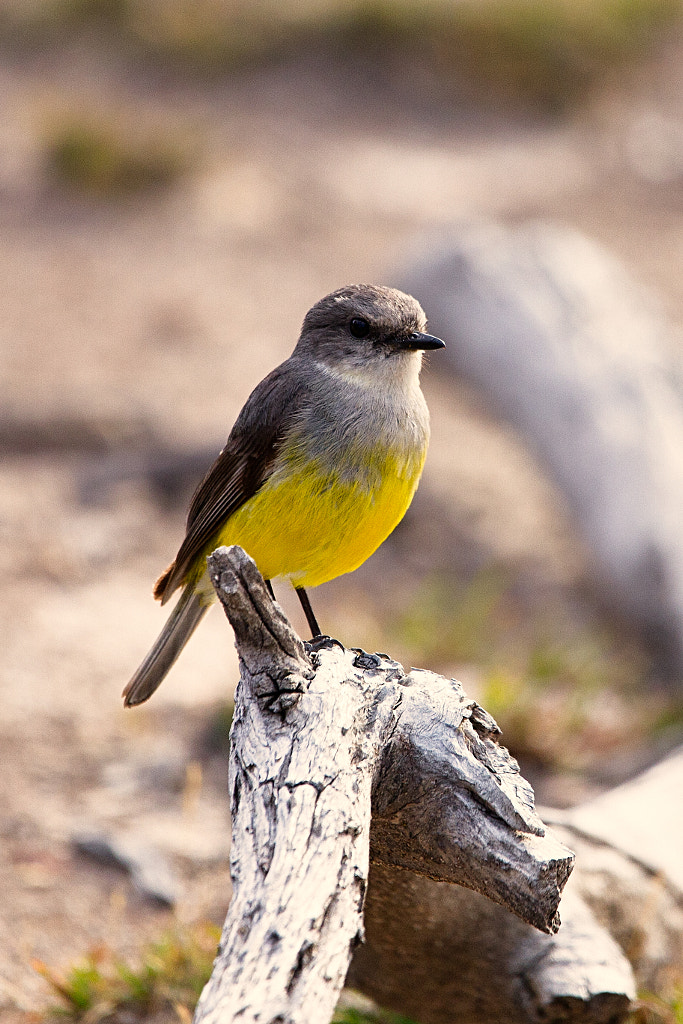
Western Yellow Robin, Eopsaltria griseogularis. Stirling Range National Park, Western Australia.
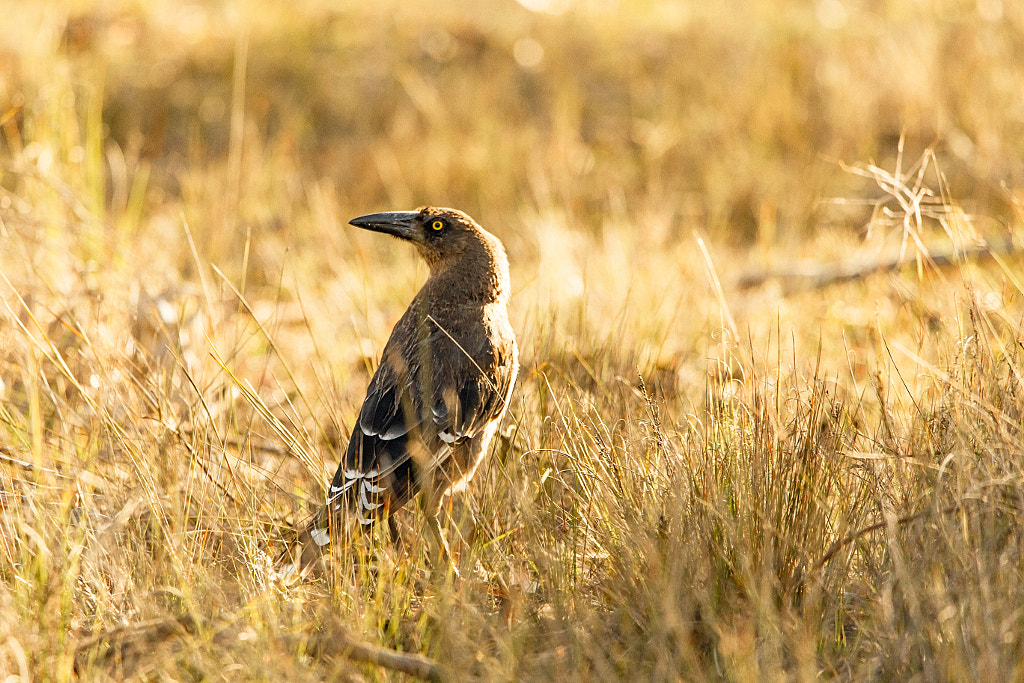
Grey Currawong, Strepera versicolor. Stirling Range National Park, Western Australia.
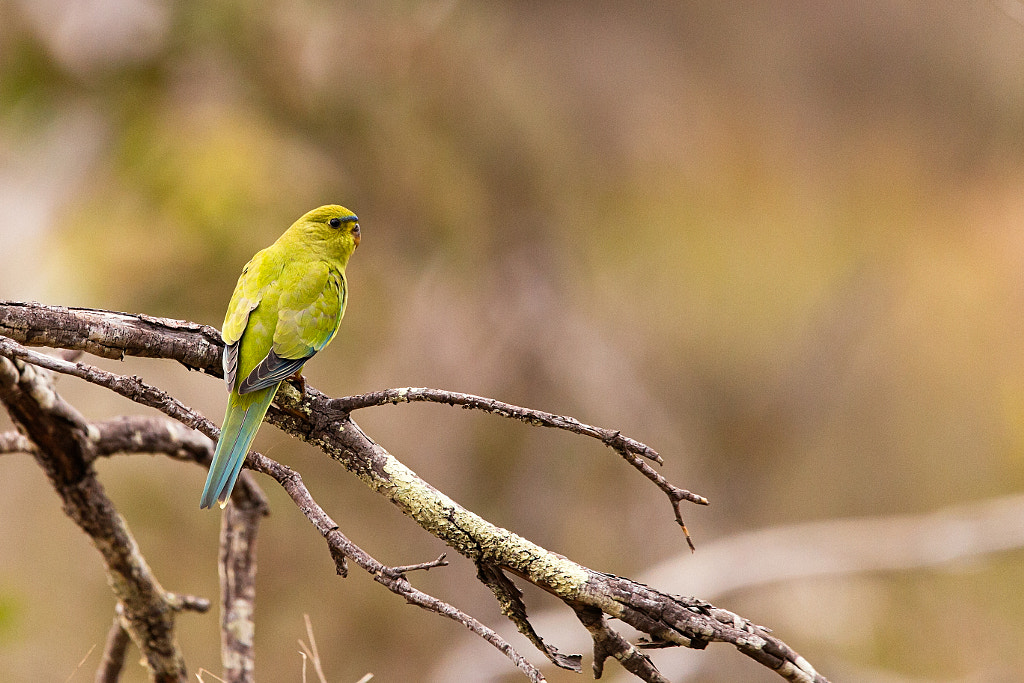
Elegant parrot, Neophema elegans subsp. carteri. Stirling Range National Park, Western Australia.
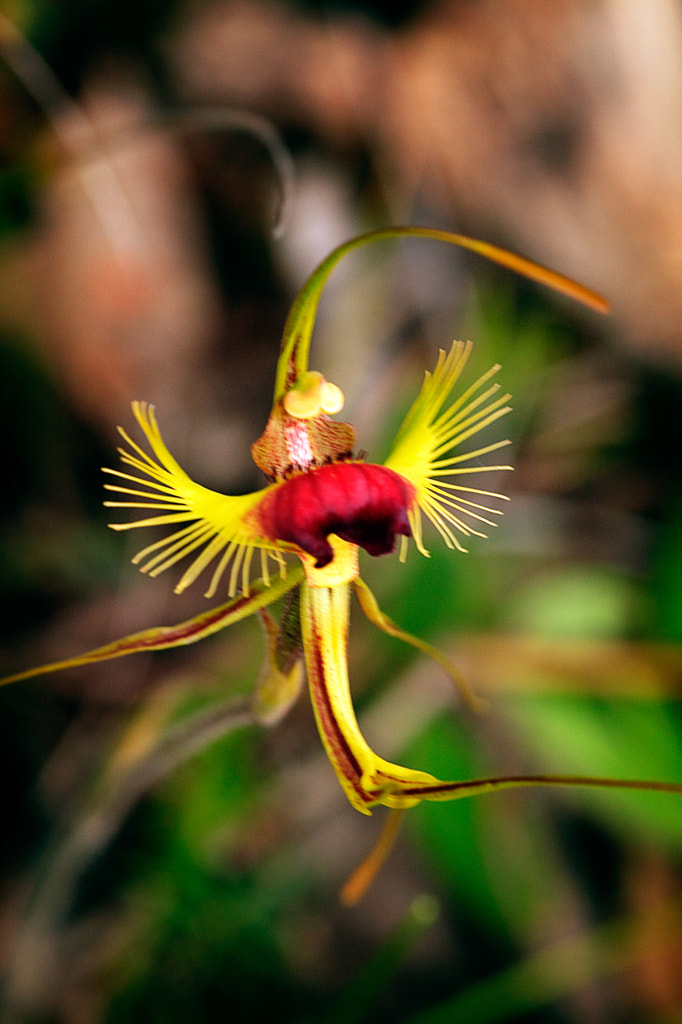
The Butterfly Orchid ((calendenia lobata)) is uncommon and rarely seen, it was first observed on Mt Toolbrunup in the Stirling Range National Park in 1991.
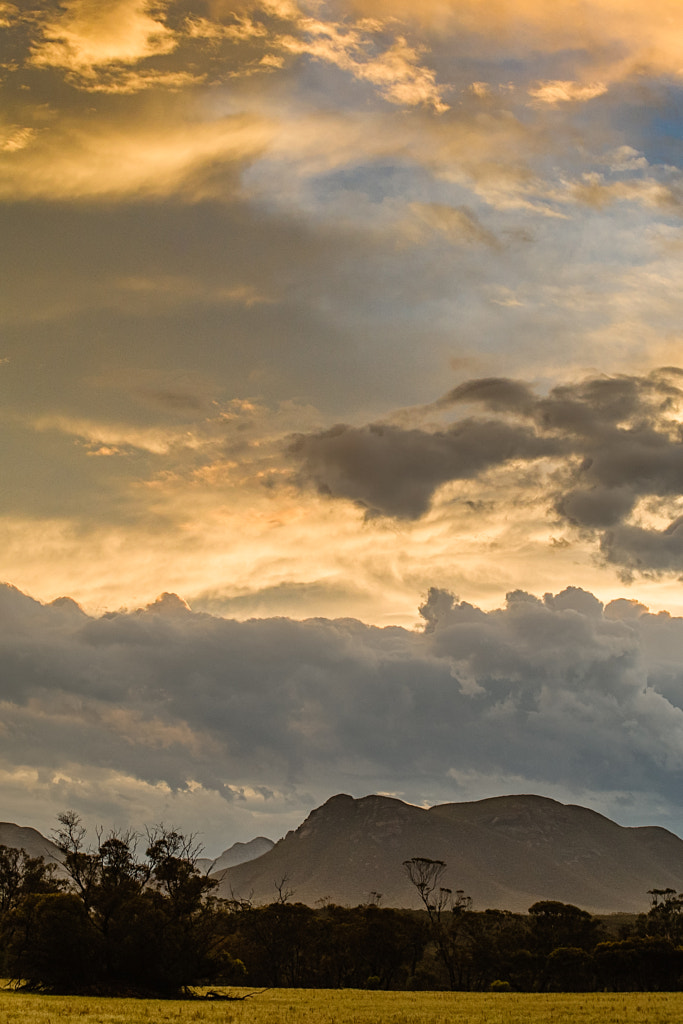
The sun sets behind Mount Trio in the Stirling Ranges of Western Australia. The everchanging weather in the Stirling Ranges can produce some dramatic skyscapes at sunset with spectacular cloud formations over the mountains.
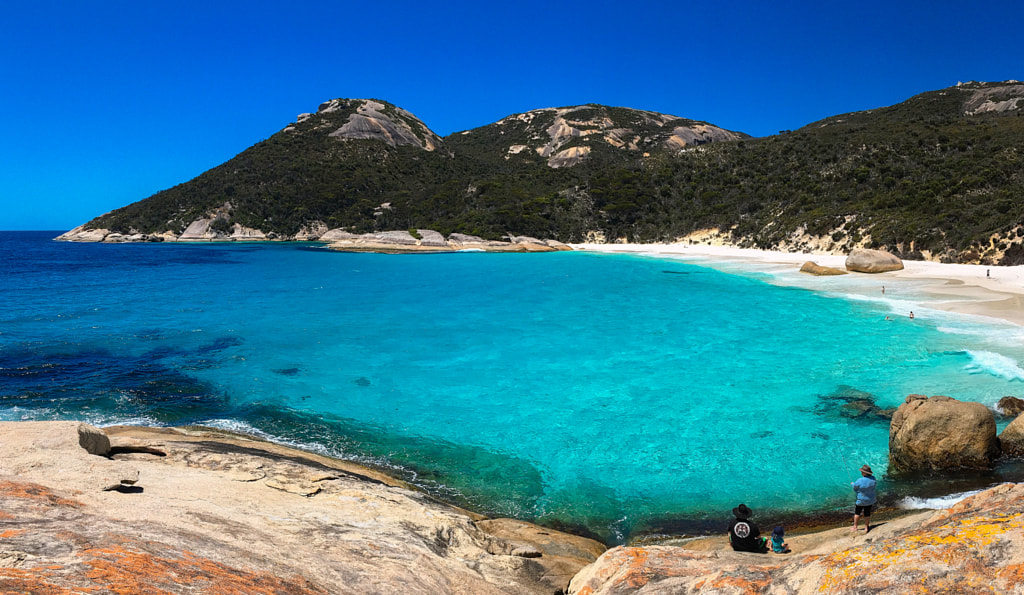
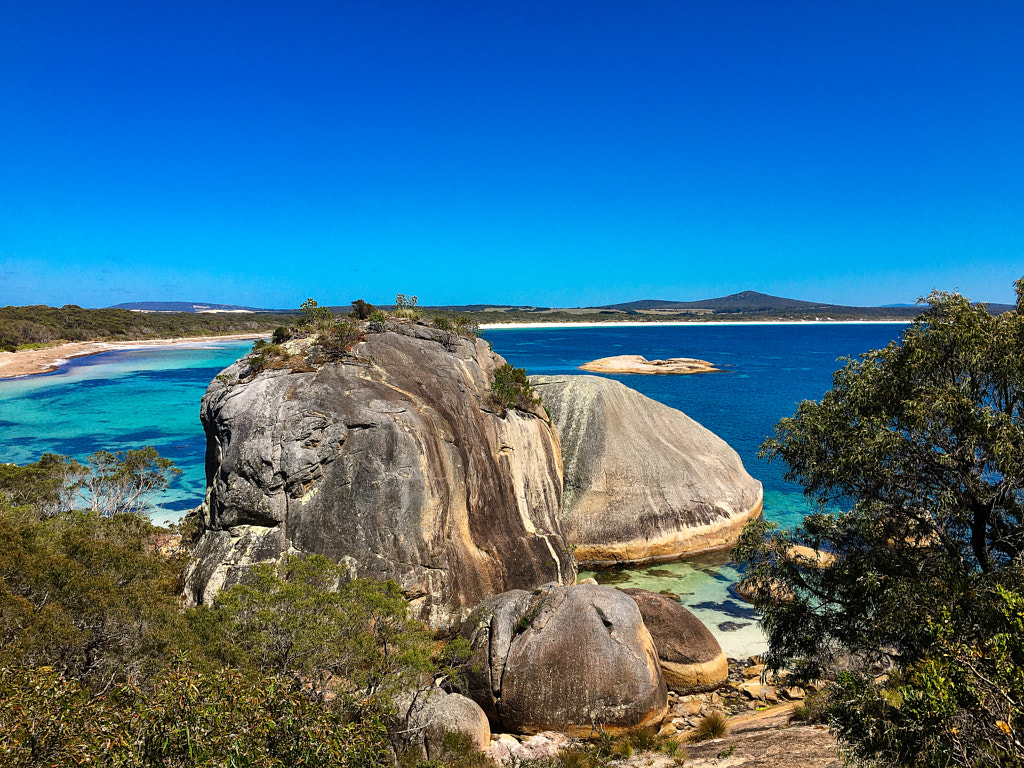
Sometimes you come across a place so stunningly beautiful words cannot describe it adequately. Two Peoples Bay is one of those places. I’m not going to write anymore.
Little Beach at Two Peples Bay in Western Australia.
Two Peoples Bay in Western Australia
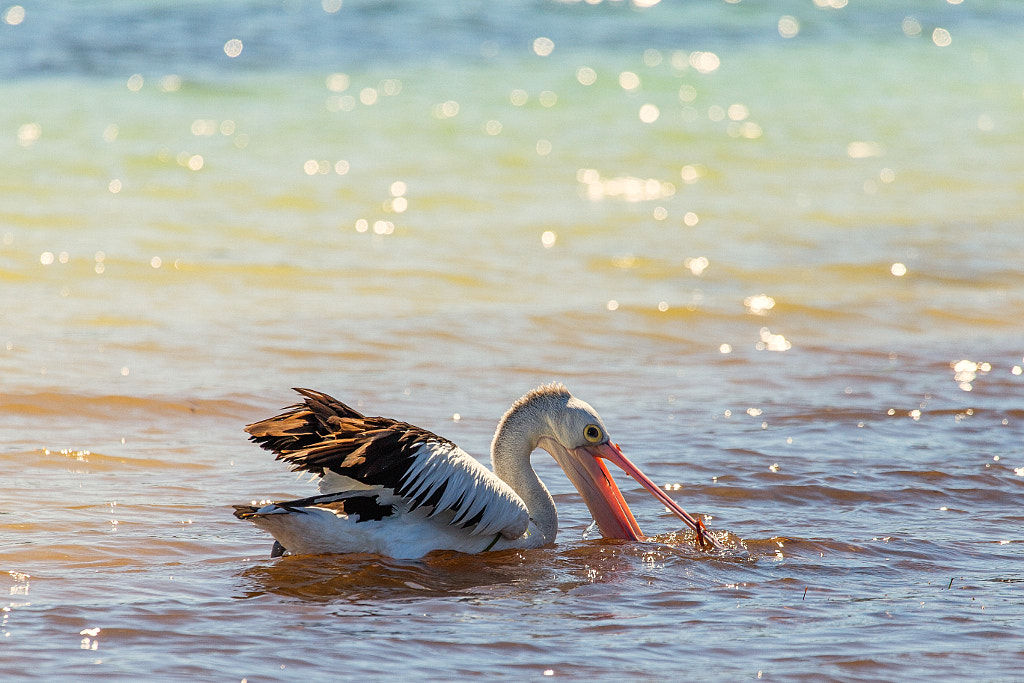
Australian Pelican, Pelecanus conspicillatus.
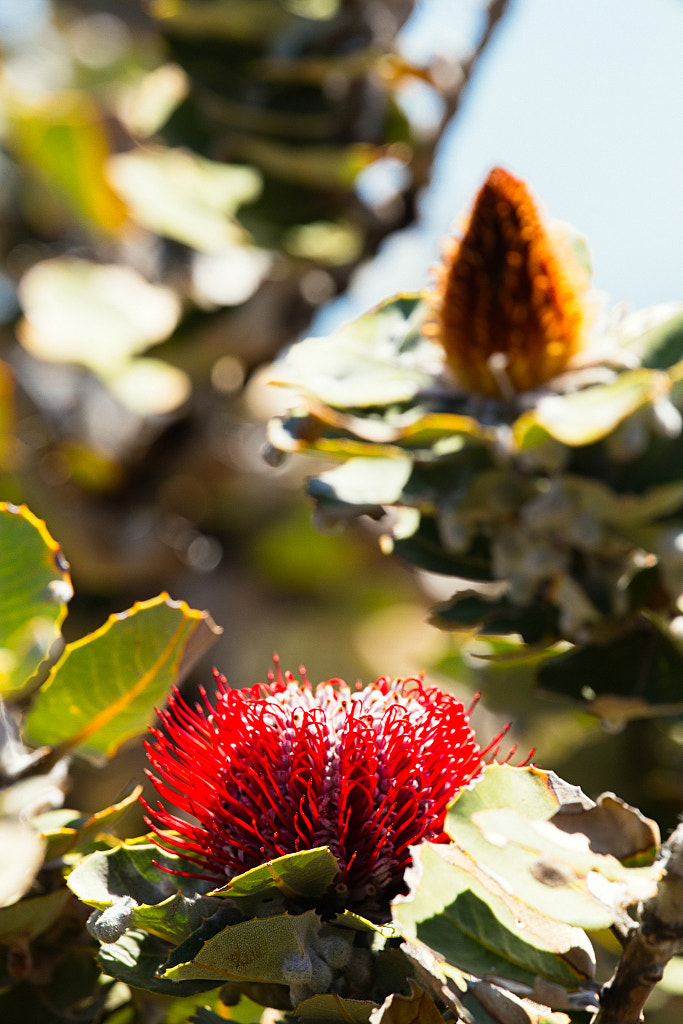
Scarlet Banksia, Banksia coccinea. Two Peoples Bay, Western Australia.
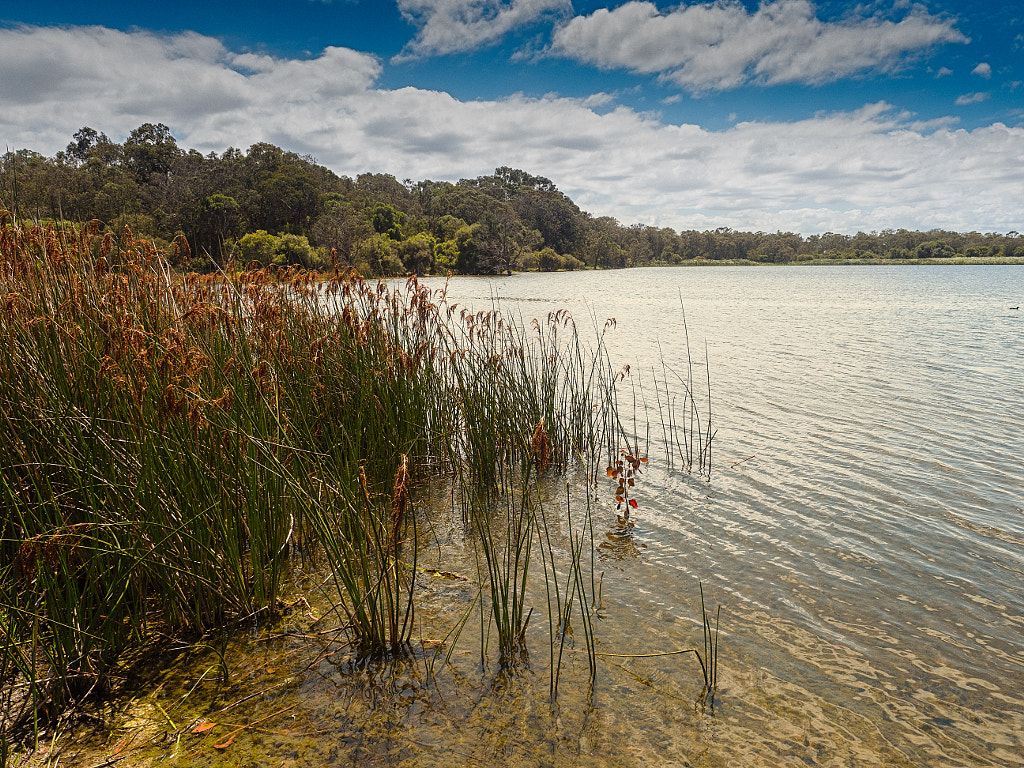
The south east bank of Lake Gwelup in Western Australia.
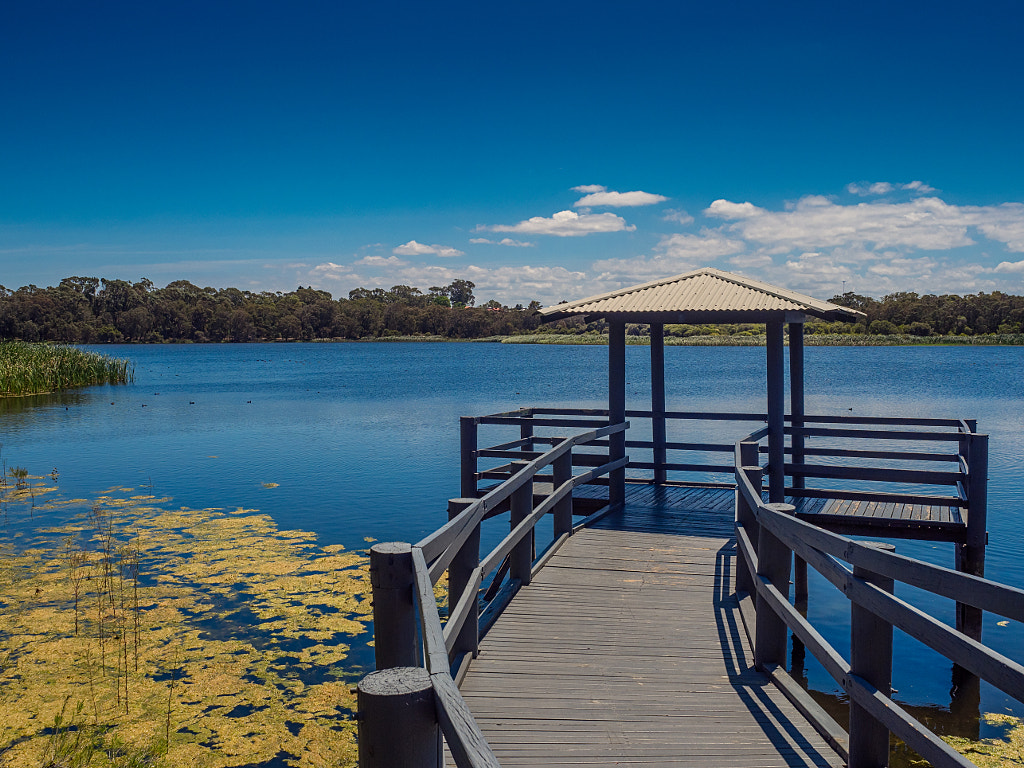
The bird observation platform that forms part of the Lake Gwelup Reserve Broadwalk on the south eastern shore of Lake Gwelup.
Lake Gwelup and the reserve that surrounds it is one of the few areas of wetland that is still relatively intact. This means that it is home to a wide variety of flora and fauna which is all the more surprising considering it is just 12 Km north of Perth’s CBD in the City of Stirling which with a population of 210,000 (2016 Census) is the largest local government area by population in Western Australia. The bush around the lake is comprised of Marri, Jarrah, Flooded Gum, Tuart (, Swamp Paperbark and several species of Banksia. The bush and the lake provided a habitat for birds (according to eBird Australia 110 species of bird have been sighted there), frogs (notably Moaning Frogs), and reptile species (e.g. dugites, skinks and long necked turtles). One of the strange facts that has prevented the land from being developed is that the peaty soils around the lake if disturbed release arsenic and iron sulphates. In the areas nearby that have been drained and reclaimed they have the highest concentrations of dissolved arsenic in the world – some 25000 ug/L (some 400 times higher than that identified as safe levels for drinking water).
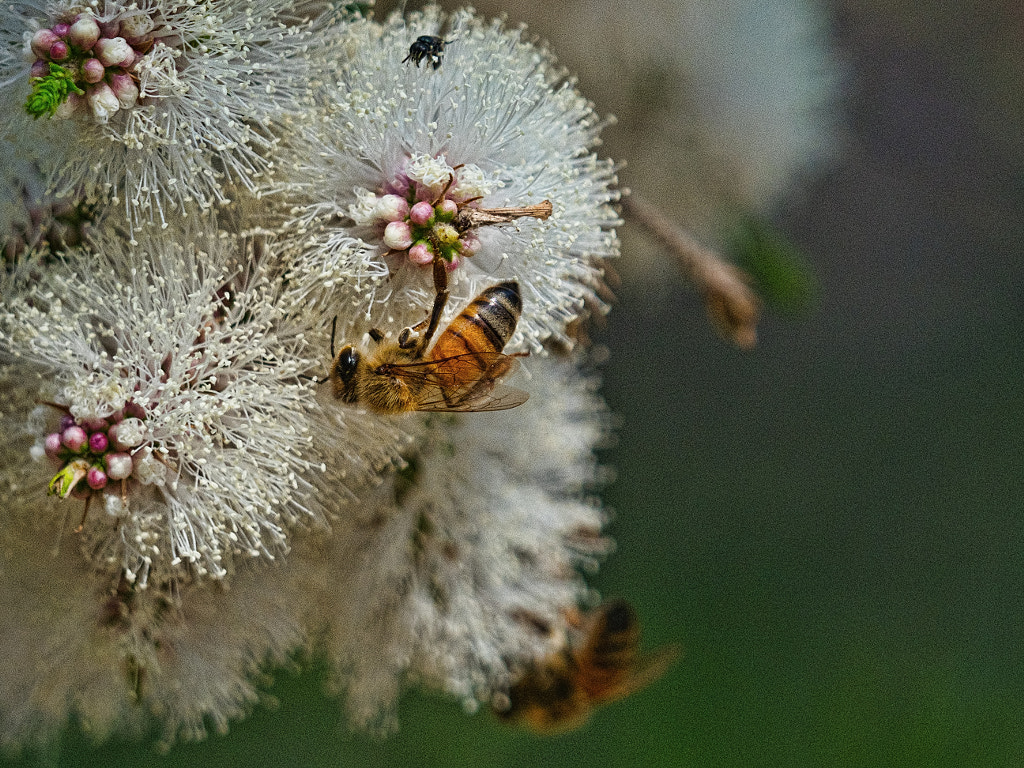
Bees feeding on the flowers of the Swamp Paperbark (Melaleuca rhaphiophylla). Lake Gwelup Reserve, Western Australia.
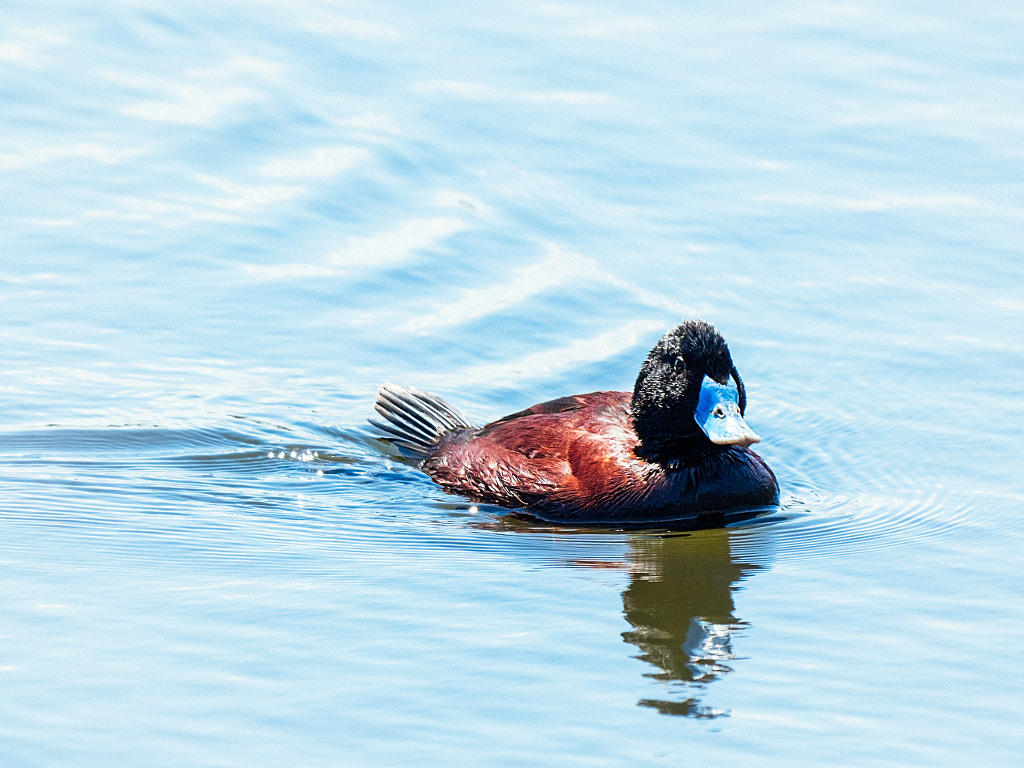
A male Blue-billed Duck (Oxyura australis) on Lake Gwelup in Western Australia.
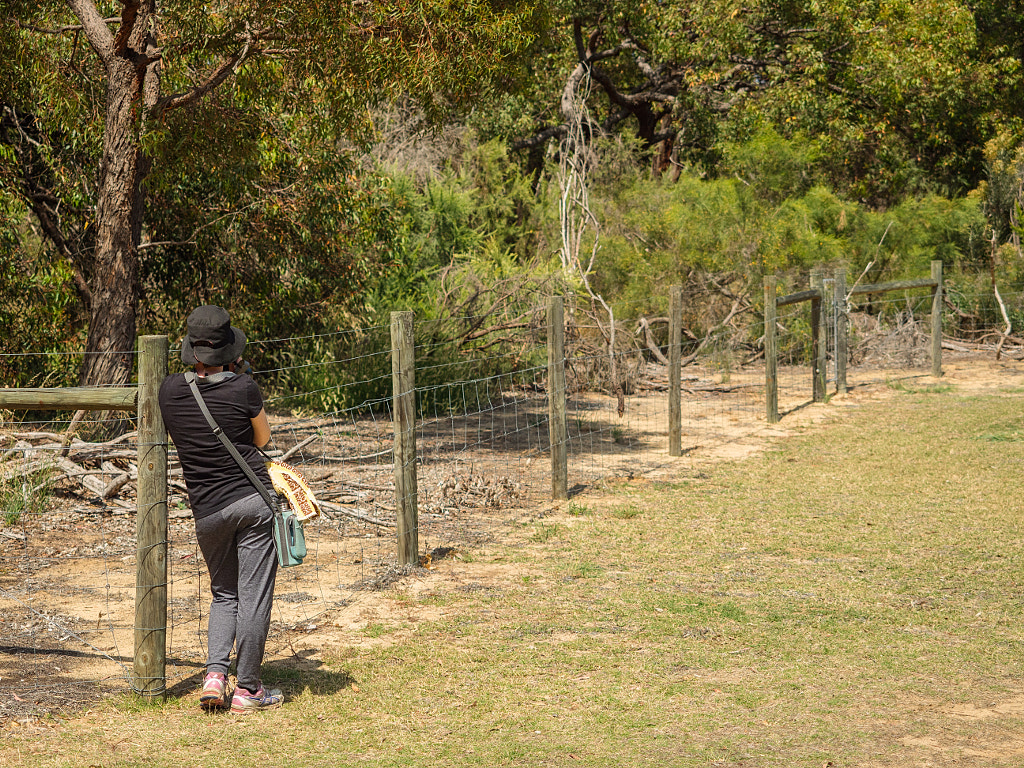
So what is there to see and do? Well there is a networks of paths around the lake and through the surrounding bushland and you can bring your best canine friend with you. There are BBQ’s and picnic shelters, public bathrooms, sail-shaded playground, sporting grounds and cricket nets for those who don’t feel the need to connect with nature. For those wanting a nature fix on the southern side is a broad walk and viewing platform that allows you to get up lose and personal with the wildlife. An interesting development is that the bush northwest of the lake is a breeding ground for Rainbow Bee-eaters. These migratory birds come from Papua New Guinea and Tropical Australia and build their nesting burrows in our summer time.The City of Stirling has taken measures to protect the nesting sites and at the same time promote them as a feature of the reserve encouraging people to come and see them. Something that the City of Armadale could learn from with their management of Forrestdale Lake. Conservation and protection doesn’t mean you have to fence people out. So when I went the other week I put together a 3.75 Km walk around the lake that also took in the Rainbow Bee-eater nesting site. It was a loverly walk and it was great to see people out enjoying the sunshine in such beautiful surroundings.
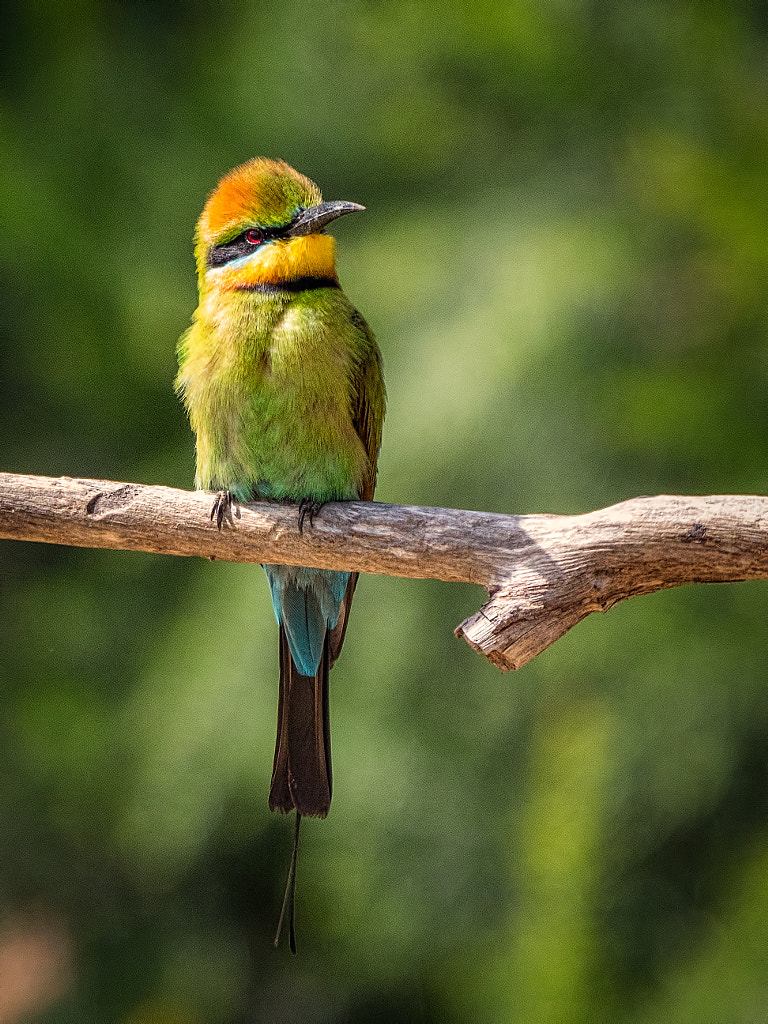
The breeding colony of Rainbow Bee-eaters (Merops ornatus) is quite a feature of the Lake Gwelup Reserve in Western Australia.
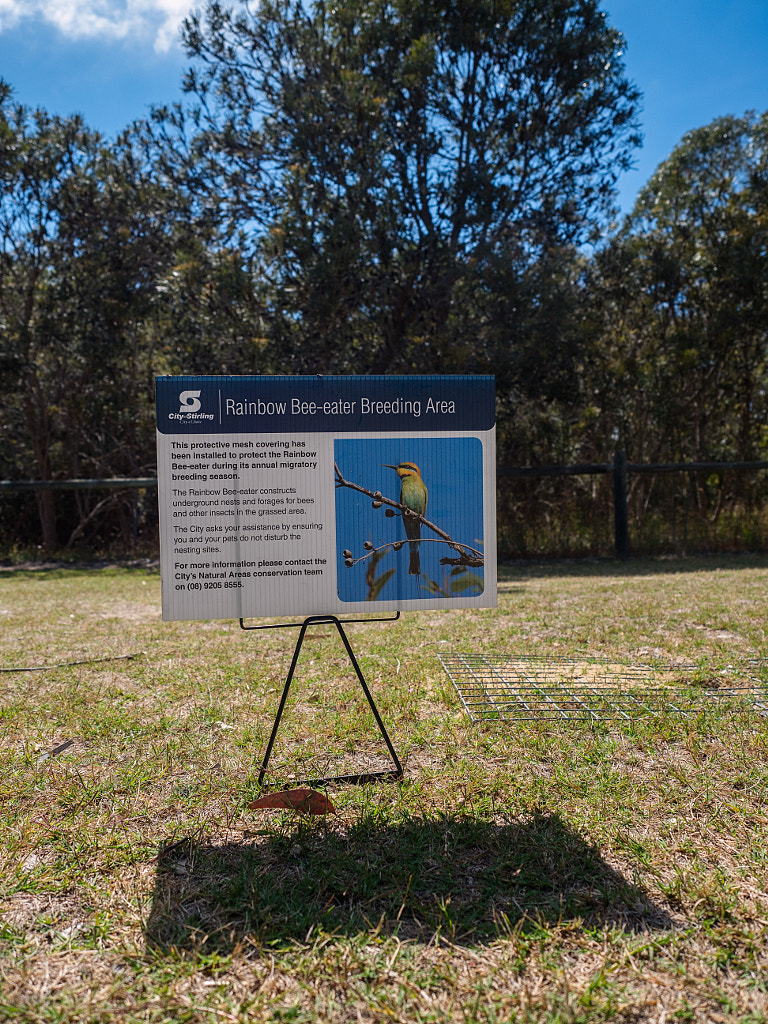
The City of Stirling, who administer Lake Gwelup Reserve, place signage up warning people of the presence of Rainbow Bee-eaters’ underground nests.
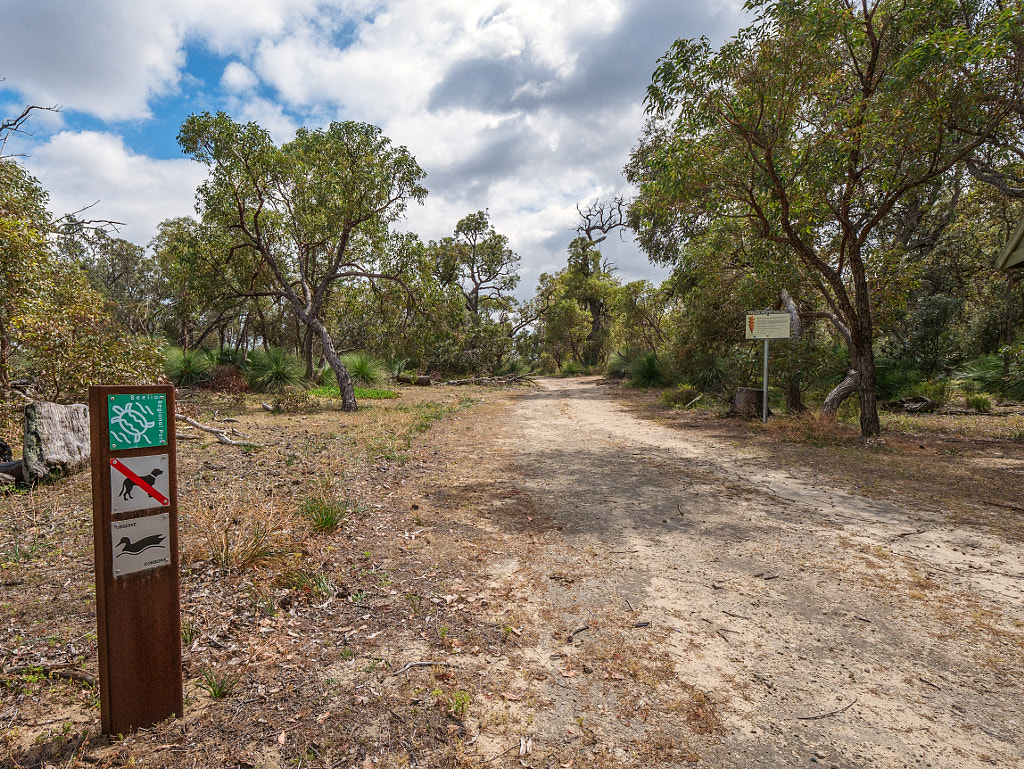
Once inside the reserve the walk trail is clearly signposted making it easy to enjoy the walk.
In my last blog post I gave a bit of a mauling to Forrestdale Lake as I found the whole nature walk experience quite unsatisfactory and frustrating. I mentioned that it was part of the Forrestdale and Thomsons Lakes Ramsar Site and that the experience at Thomsons Lake was much better. So this week I’ve decided to put up an excerpt about Thomsons Lake from my book Perth’s Best Bush, Coast and City Walks 2nd Edition. The Department of Commerce and Financial Affairs would have me remind you this book would make aperfect Christmas gift for anyone interested in walking in the Perth Metro Area and can be bought at all good bookstores or online for the bargain price of $29.99.
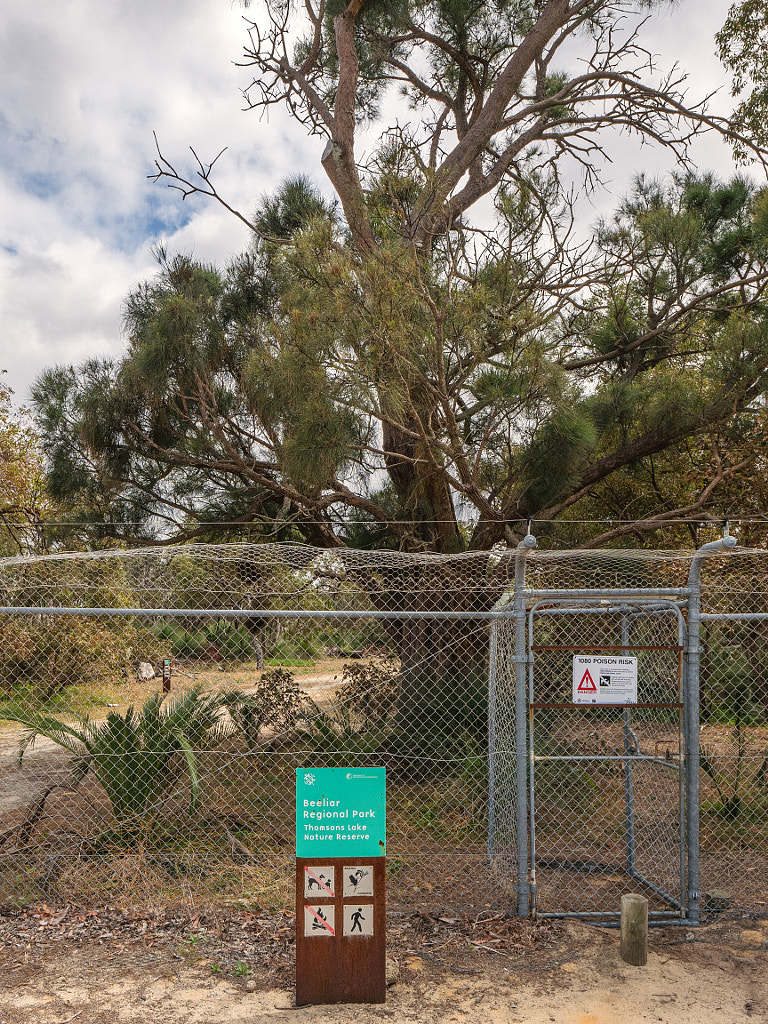
The entrance to Thomsons Lake reassembles that of a high security compound with its high electrified fence. This is to keep feral animals such as cats, dogs, and foxes out.
Grade: Medium
Time: 2 hours
Distance: 6.56Km
Season: Autumn, spring and summer. In late November the land around the lake can still be flooded. January to March and the lake dries up.
Where is it? 25Km south of Perth in Beeliar. Drive down the Kwinana Freeway and take the Russell Road exit.
Public Transport: Catch the 525 bus to Russell Rd After Hammond Rd (Stop Number 23864) and then walk 1.5Km to Thomsons Lake.
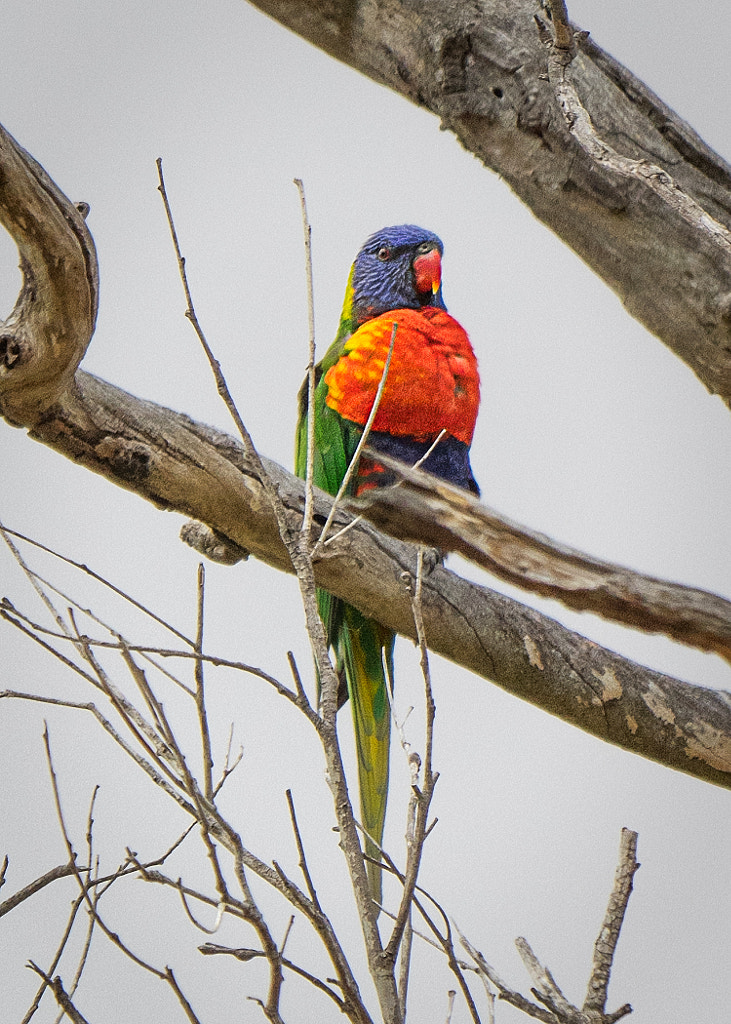
Rainbow Lorikeet, Trichoglossus moluccanus. Thomsons Lake, Western Australia.
Thomsons Lake (aka Jilbup Lake) is perhaps one of the most important freshwater lakes on the Swan Coastal Plain. Since the days of first European settlement 75% of the coastal plain has been drained for urban development. Thomsons Lake is an A class nature reserve of 509 ha of wetland. The lake supports around 10,000 waterbirds, of which are more than 1% of the world’s population of long toed stints (Calidris subminuta) which is a small wading bird that migrates from northern Asia to winter in Australia. The park is home to more than 50 species of waterbird, 86 species of “bush bird”, 9 species of frogs, 23 species of reptiles, 6 species of mammal and 15 species of ground orchid. Consequently getting into the park is like entering a maximum security prison, the reserve is encircled by 9.2 km of 2 m high electrified fence.
Australian painted lady (Vanessa kershawi). Thomsons Lake, Western Australia.
This walk ostensibly takes you around the lake’s shoreline, but as you walk round you pass through several distinct eco-systems. On the higher ground is the jarrah / banksia woodland of the coastal plain, there is a zone of flooded gums and swamp paperbarks, and particularly on the eastern side of the lake is a thick belt of rushes and grasses. Tiger snakes are common in wetlands and areas with an abundance of prey such as Thomsons Lake can support large populations. Their venom is very potent and the mortality rate for people who do not receive treatment is over 60%. Thankfully they are a shy creature and it is unlikely you will see one, but it pays to watch where you put your feet when walking through long grass at the lakeside.
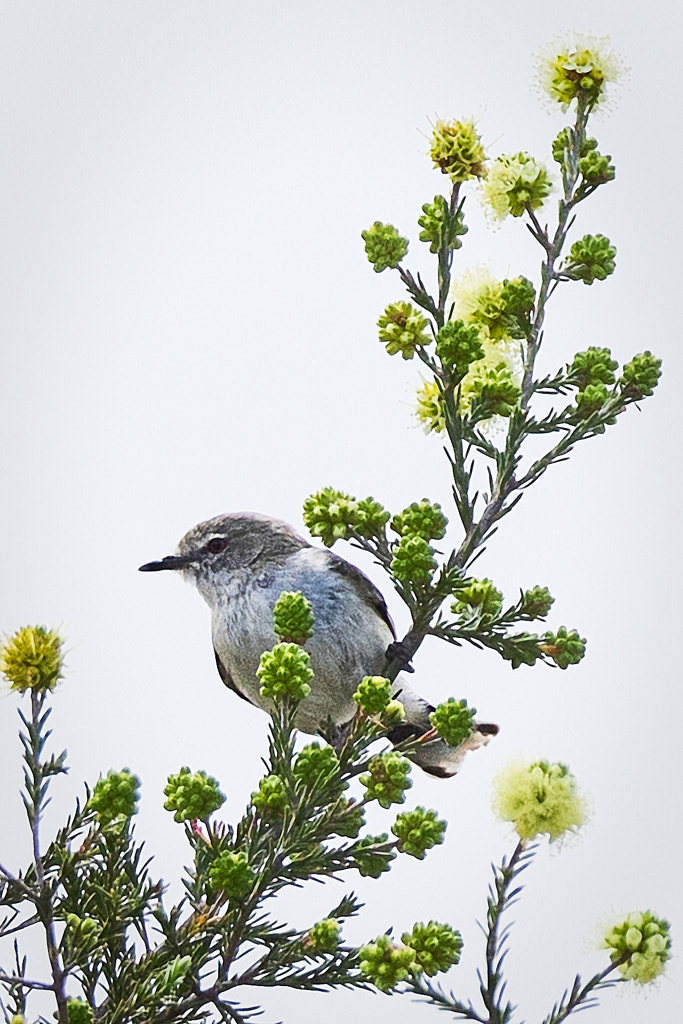
Western Gerygone (Gerygone fusca). Lakesided Walk – Thomsons Lake
From the car park enter through the double gate, there is an information board just inside on your right. Walk along the track and after 170m you reach a fork in the track take the left down to the lakeside. At the lake turn right.
During winter and spring this area is prone to flooding – I walked here in early November after a wet winter and I thought I was in a remake of the 1951 movie “The African Queen”. The water was knee deep in places and wellingtons would have been more appropriate than the walking shoes I had on. If you are here in late spring in the wet look in the mud at your feet carefully. You might notice small things hoping about. When I first noticed I thought they were just bugs but on closer inspection they were very small black frogs- smaller than a little finger nail. The bush on the lakeside of the path starts to thin out in places and using the cover of the reeds it is possible to move closer to the waterbirds on the lake shore and observe them.
The path dries out here and you return to a mixed woodland of flooded gum and jarrah.
At the Thomsons Lake Drainage Pumping Station you come to a crossroads. The left turning takes you down to the lake and when I went down I noticed a lot of quenda (southern brown bandicoot, Isoodon obesulus fusciventer) diggings along the path edge. As I got closer to the water I started to see the quenda in the long grass. Unfortunately they were too quick for me to take a photograph of them. Carry on straight over at the cross roads to continue the walk.
Another of the park’s access points, keep following the path you are on.
Turn right and follow the path back to where you parked your car.
Silvereye, Zosterops lateralis. Thomsons Lake, Western Australia.
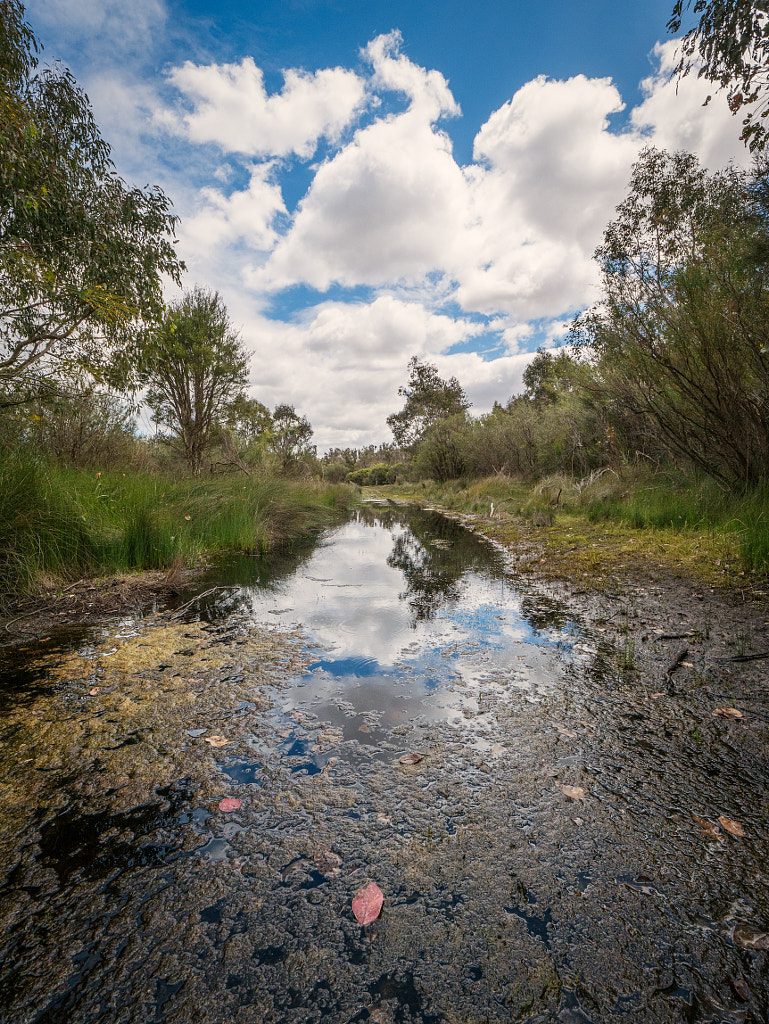
In winter and spring the track can be covered in water in places. A good excuse to break out the wellies.
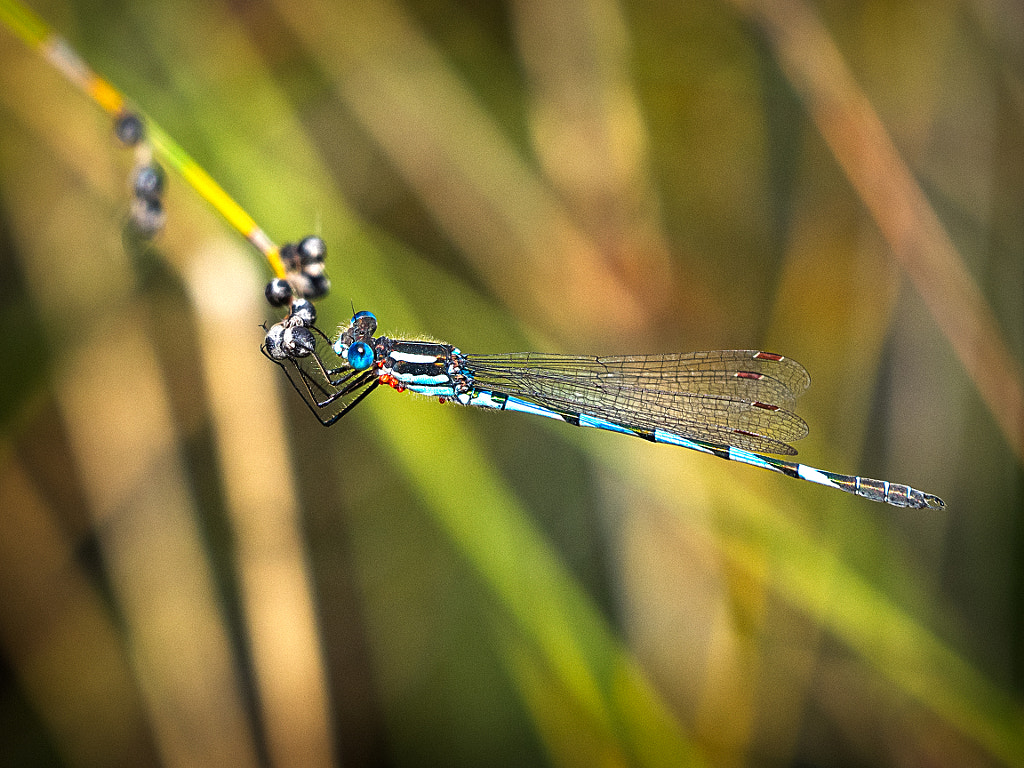
Blue Ringtail, Austrolestes annulosus. Thomsons Lake, Western Australia.
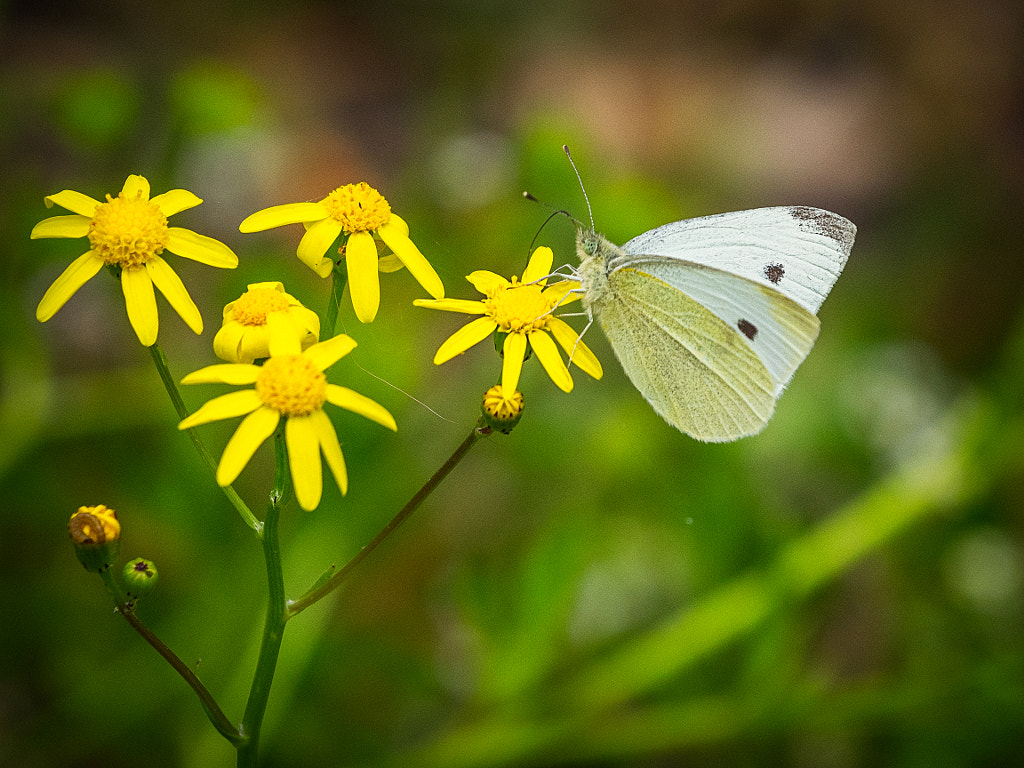
Small White (Pieris rapae). Thomsons Lake, Western Australia.
Thomson’s Lake is one of the most important freshwater lakes on the Swan Coastal Plain. It is an A Class nature reserve of 5099 hectares that supports 50 species of waterbird, 86 species of bushbird, 9 species of frogs, 23 species of reptiles, 6 species of mamals, and 15 species of ground orchids.
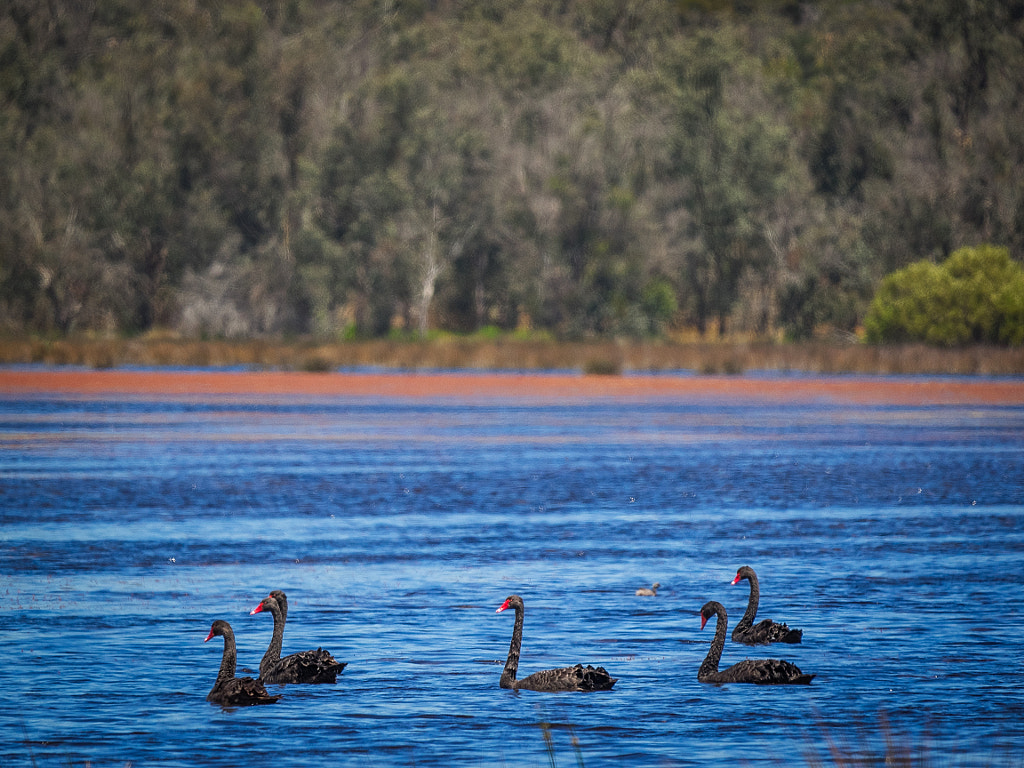
Black swans, Cygnus atratus. Thomsons Lake, Western Australia.
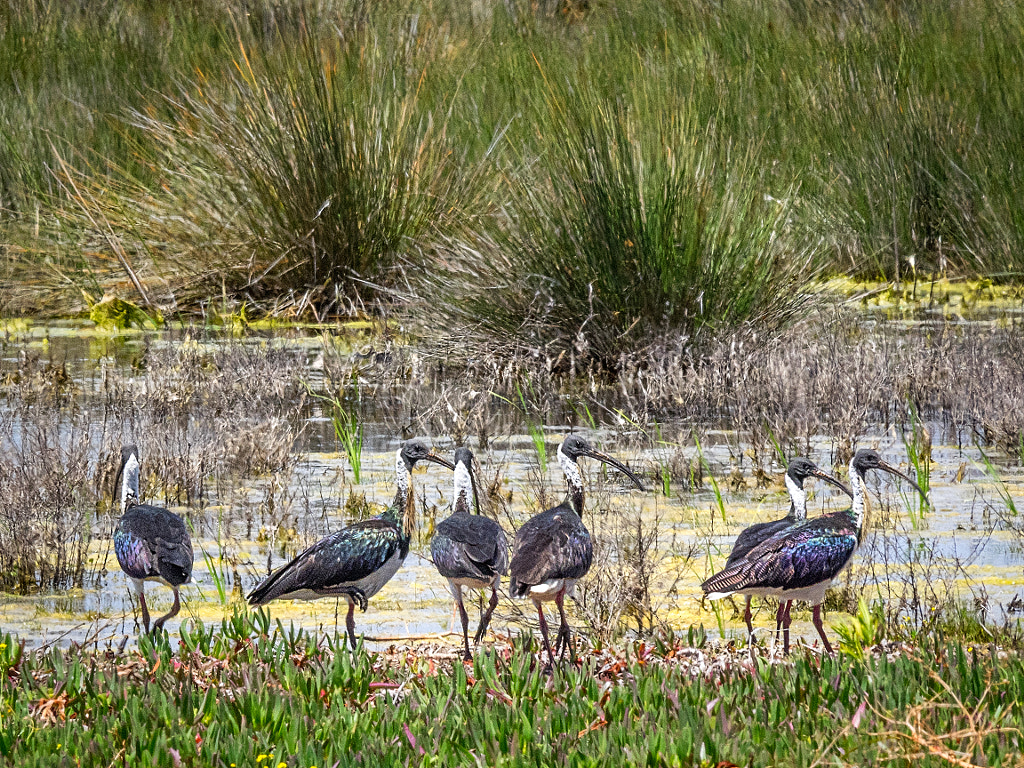
Straw-necked Ibis, Threskiornis spinicollis. Thomsons Lake, Western Australia.
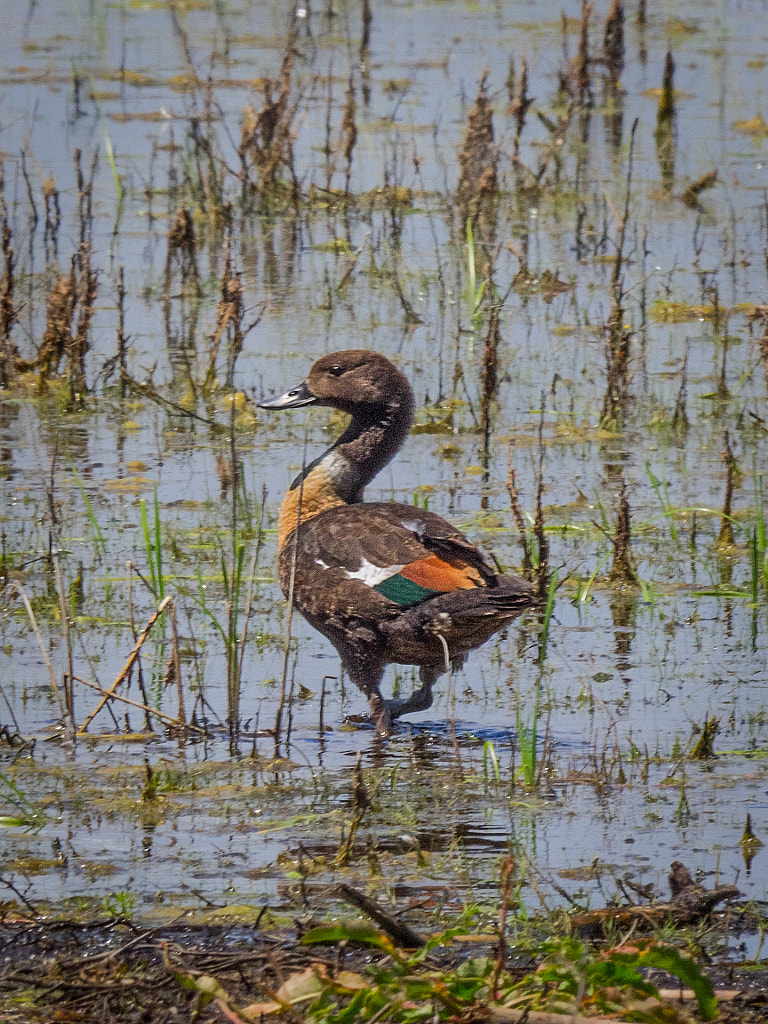
Australian Shelduck, Tadorna tadornoides. Thomsons Lake, Western Australia.
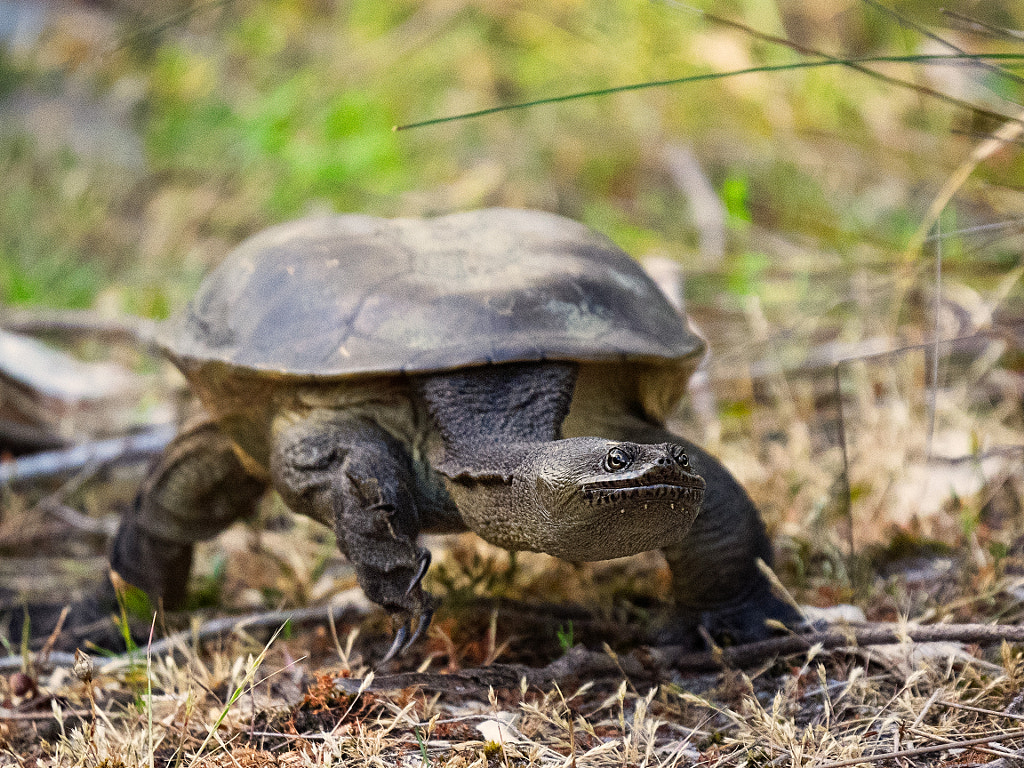
Choonya is the Nyoongar name for the Long-necked turtle, aka the oblong turtle (Chelodina oblonga). Thomsons Lake, Western Australia.
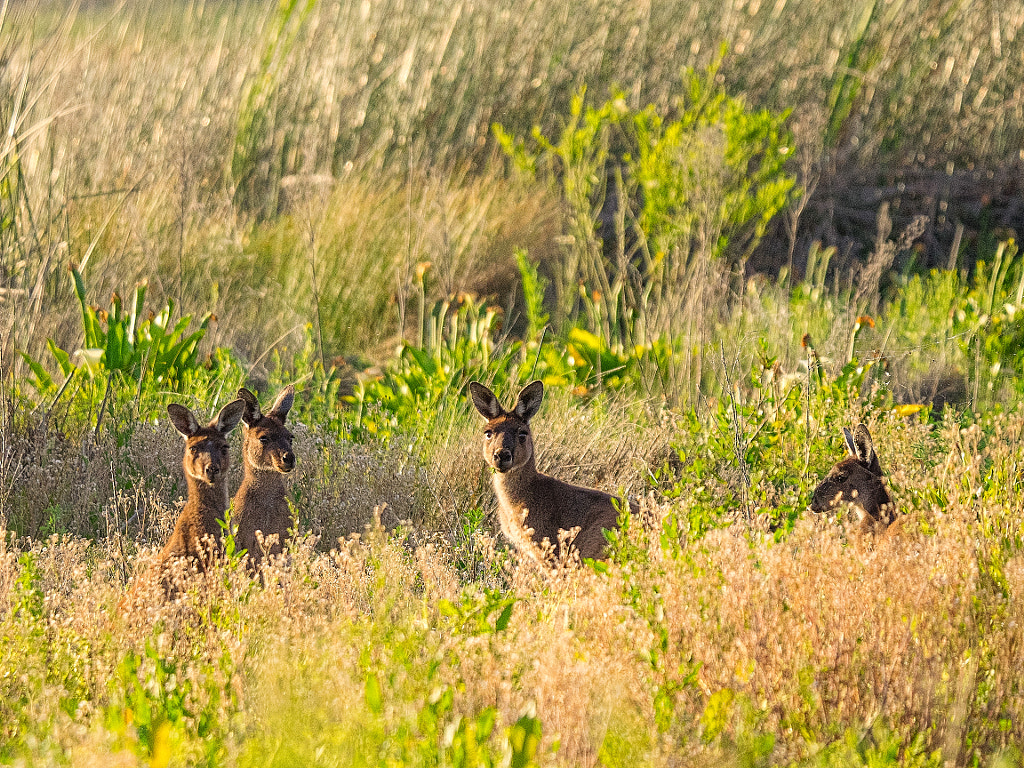
Sundown Mob*. Kangaroos out grazing in the evening at Thomsons Lake, Western Australia. * the collective term for a group of Kangaroos is “mob”.
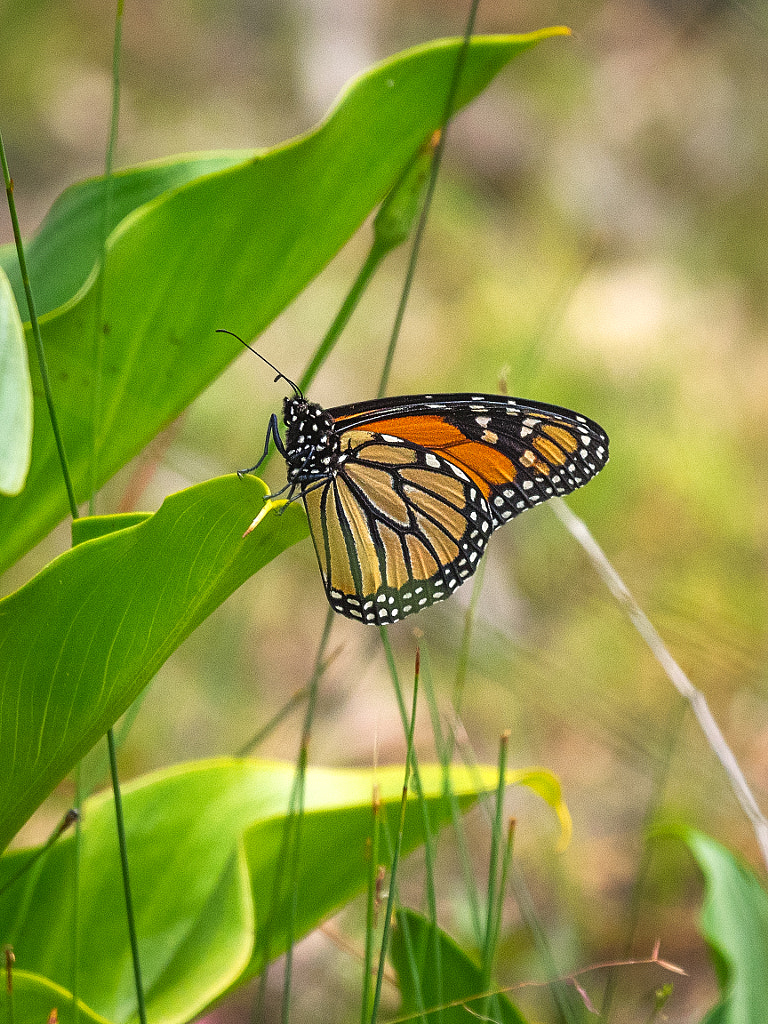
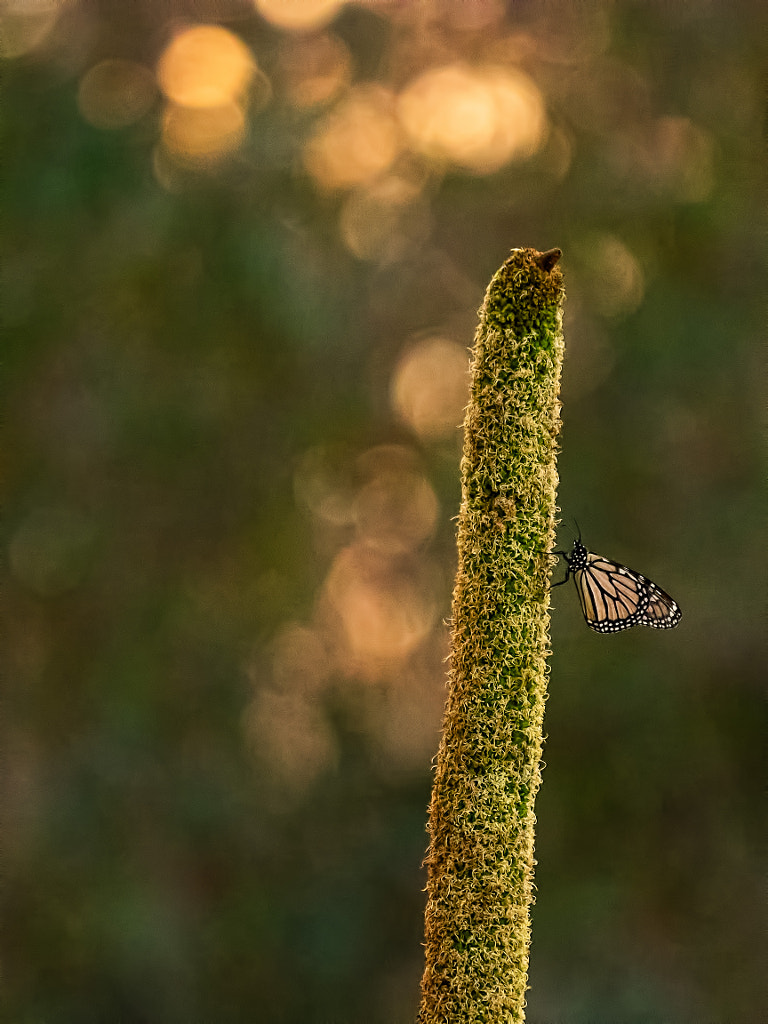
This Monarch butterfly, Danaus plexippus, prepares to roost for the night on a grass tree (Xanthorrhea preissii) flower spike. Thomsons Lake, Western Australia.
As I mentioned before this is an excerpt from my latest walking guide to Perth. It would make a wonderful Christmas present for anyone with an interest in walking.
Forrestdale Lake (originally Lake Jandakot, it was renamed in 1973) lies within the Forrestdale Lake Nature Reserve which is about 25 kilometres south of the Perth CBD on the southern fringes of the Perth metropolitan area. The lake is shallow and seasonal with a large area 220 to 245 hectares of open water when full. In June or July, Lake Forrestdale starts to fill, and about the end of September, it reaches its maximum depth which is somewhere between 200 and 500mm depending upon the winter rains and it usually dries out by mid-summer. That was not always the case as the lake used to hold a lot more water than it does now, and some years it did not dry up at all. Diminishing rainfall, and ground water extraction from government and private bores are some of the reasons for the lake’s decreasing water levels.
Before white fellas came Lake Forrestdale was a special place for the Whadjuk Nyoongar who camped around its shores and hunted long-necked turtles, waterfowl and their eggs; koonacs and gilgies, possums, kangaroos, quendas and many other animals that are now locally extinct. The first white settlers were William and Alfred Skeet in 1885 and they had a licence to fell and sell timber. Shortly after most of the land around the lake was cleared for farming and grazing despite that the lake continued to be a major breeding site, migration stop-over and semi-permanent drought refuge area for waterbirds so in 1957 the lake was gazetted as an “A” class nature reserve for the conservation of flora and fauna and to provide a location for recreational sailing. On 7 June 1990, along with Thomsons Lake 10 kilometres to the west, it designated under the Ramsar Convention as a wetland of international importance and both lakes form the Forrestdale and Thomsons Lakes Ramsar Site. It’s easy to see why. More than 20,000 waterbirds have been recorded on Forrestdale Lake. It regularly supports more than 1% of the national population of five shorebirds: red-capped plover (with up to 1,300 recorded at any one time), black-winged stilt (3,840), red-necked avocet (1,113), long-toed stint (up to 80), and curlew sandpiper (2,000). In some years it supports more than 10,000 ducks, including Australian shelduck (up to 1,650 counted), Pacific black duck (5,500), grey teal (9,000), Australasian shoveler (2,000), and hardhead (1,053). The lake is one of the few sites in Western Australia where little ringed plover and little stint have been recorded more than once, and it is the only location in the state where white-rumped sandpiper has been recorded. A comprehensive list of all the bird species seen at the reserve can be seen at eBird Australia.
The entyrance to the Forrestdale Lake Nature Reserve.
So when BSO (Beloved Significant Other) announced she was mounting a campaign to achieve croquet world domination I would use the opportunity of a weekend in Perth to have a gander at Forrestdale Lake Nature Reserve. So a quick peruse of the interwebs told me that the best place to start was was at the parking bay at the Skeet Memorial Park on Moore Street in Armadale. There I would find a comprehensive information board about the area and would also give me quick access to the bird observation platform. Having read all about all the different birds that use the lake I was expecting a birding nirvana. Unfortunately we’d had a dry winter and the water line was a good 600m from the platform which meant I had Buckley’s chance of seeing any water birds up close and personal.
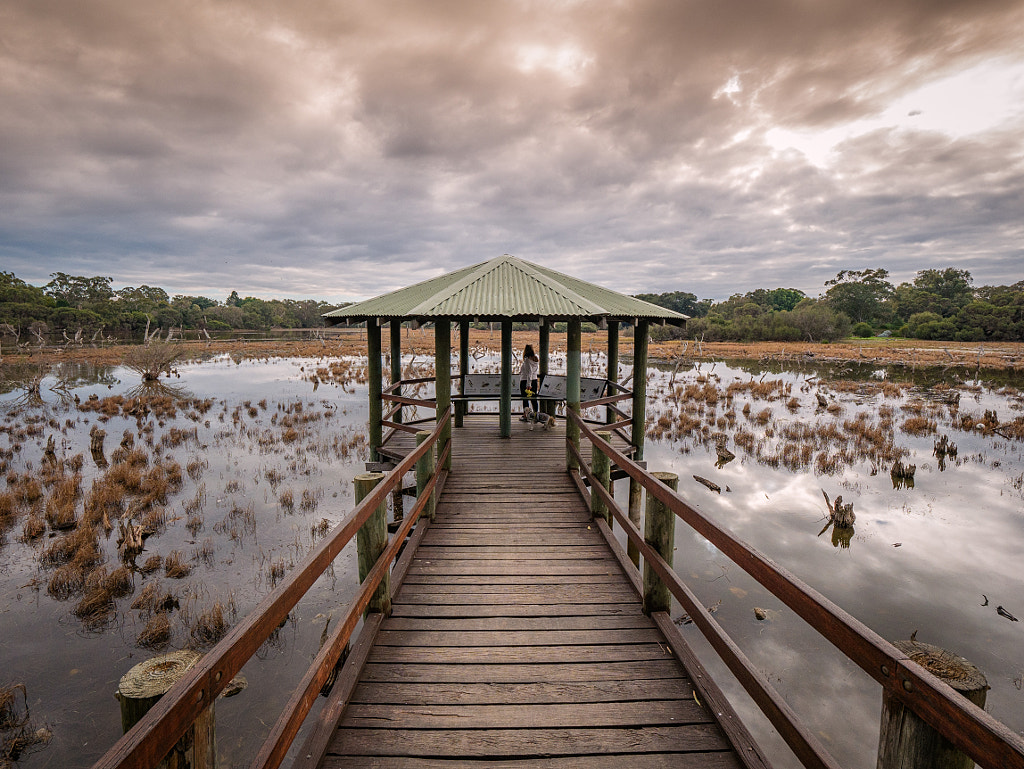
The bird observation platform at Forrestdale Lake.
Fall back plan was to walk around the lake and just photograph what I found on the way. Once you leave the main entrance area there is little signage except for the keep out variety which is attached to the continuous fence designed to, funnily enough, keep people out. It was quite a frustrating experience – I could hear plenty of bird activity on the other side of the fence but I had no way of getting closer. For much of the walk you are in a narrow corridor of about 5 or 6 metres between two substantial fences with signs saying you are under surveillance – it’s hardly a nature experience. I’ve been to military bases which are more friendly. I feel this is a hugely wasted opportunity. Thomson’s Lake is much more accessible to visitors, and the Spectacles also makes much of it Aboriginal cultural significance. I’ve written previously that if people are having less and less opportunities to interact with nature that will create an antipathy towards the natural world and consequently they will cease to care about it. So to get people to be more aware of environmental issues they must be encouraged to reconnect with nature. There is very little opportunity for the casual visitor to interact with all that Forrestdale Lake offers so in many ways it defeats its stated purpose of raising public awareness about the importance of this chain of wetlands. Normally I am very positive about these types of reserves and have written about them in the past in glowing terms. I don’t like being negative or critical, but I really do feel that this is a waste of resources.
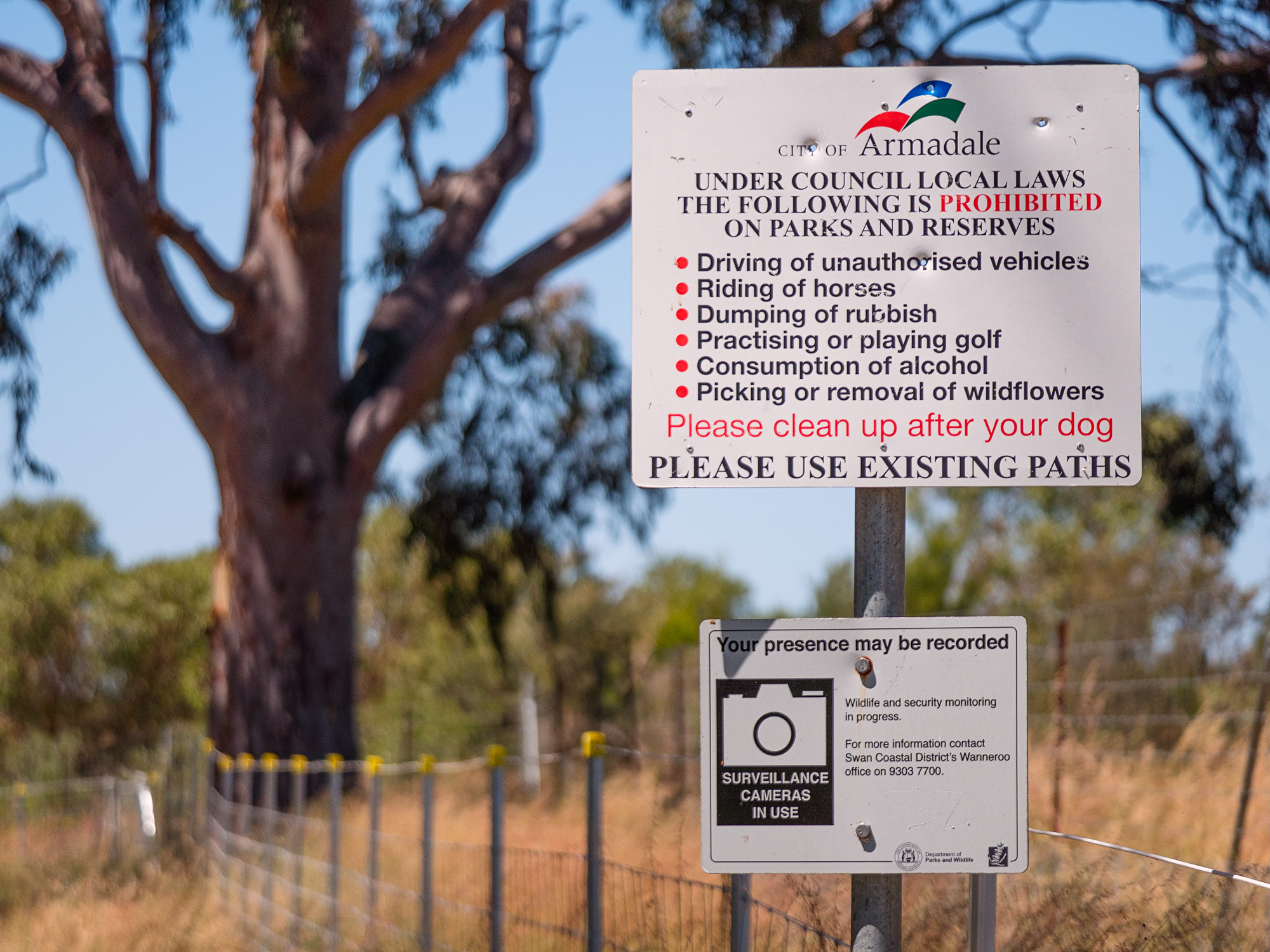
One of the many signs that warn you about unauthorised access.
The fence that rings the lake preventing unauthorised access.
Big brother is in full surveillance mode at Forrestdale Lake Nature Reserve.
Can I recommend the place as worth a visit? If you want a a bit of a walk with a nature experience then I would suggest that are better places and I’ve written about quite a few of them. If you are a die hard birder then I’d find out what the water levels are before visiting. There is little point in visiting if there is no water in the lake.
Red Wattlebird, Anthochaera carunculata subspecies woodwardi, at Forrestdale Lake Nature Reserve.
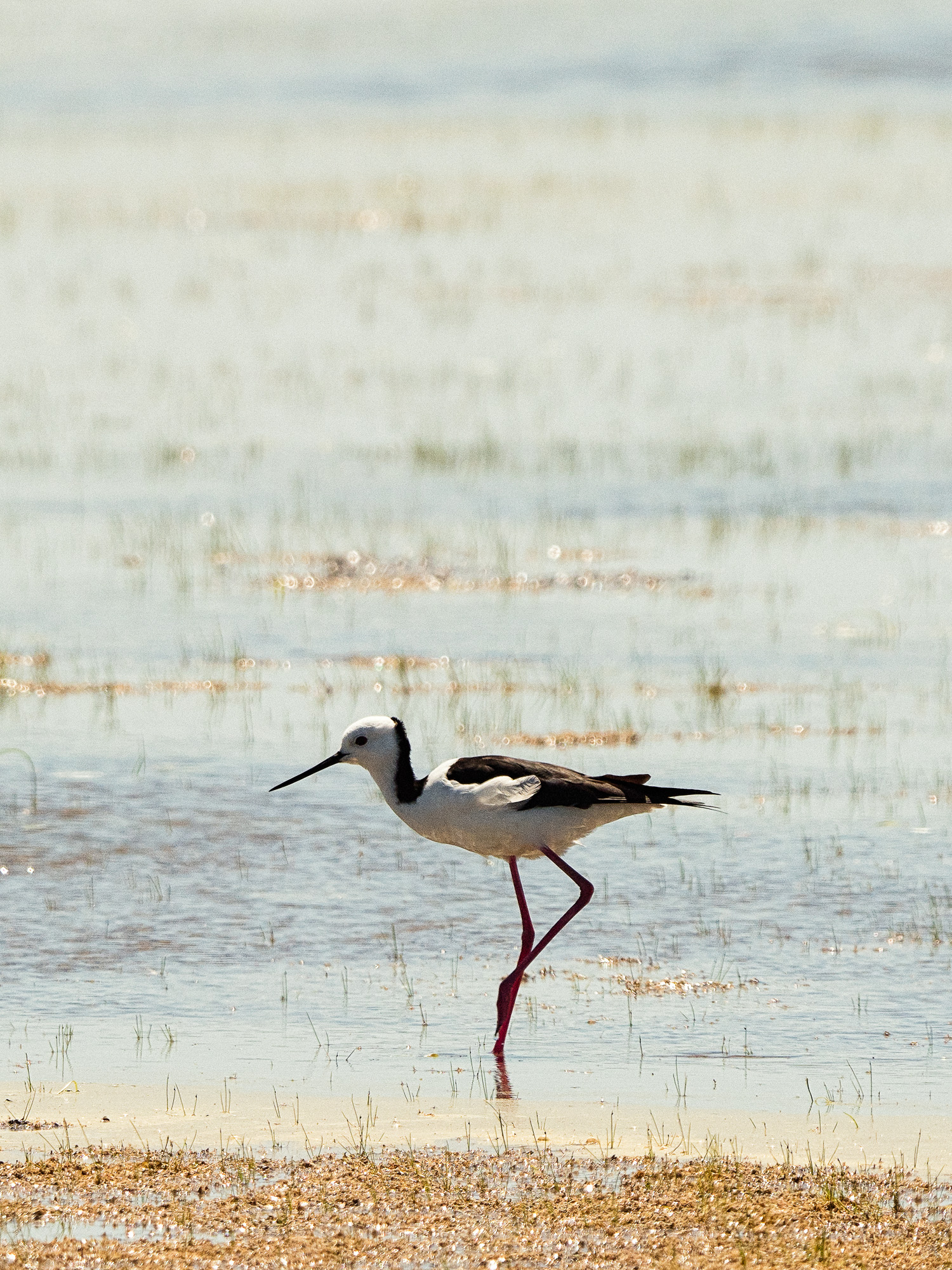
White-headed Stilt, Himantopus himantopus subsp. leucocephalus, Forrestdale Lake Nature Reserve.
Grey fantail, Rhipdiura albiscapa, Forrestdale Lake Nature Reserve.
Grey Butcherbird, Cracticus torquatus, Forrestdale Lake Nature Reserve.
Oh and BSO (Beloved Significant Other had a better time of it than I did and achieved world croquet domination – well she won the State Mixed Doubles for Golf Croquet.
2020 Croquetwest GC State Mixed Doubles. Forest Park Croquet Club, Mount Lawley, Western Australia.
2020 Croquetwest GC State Mixed Doubles. Forest Park Croquet Club, Mount Lawley, Western Australia.
Originally what is now Lake Claremont was a swamp with a series of small pools edged with reeds and then surrounded by paperbark trees. There was abundant plant an animal life and it was an important hunting and gathering place for the Mooro clan of the Nyoongar in the warmer months of the year.
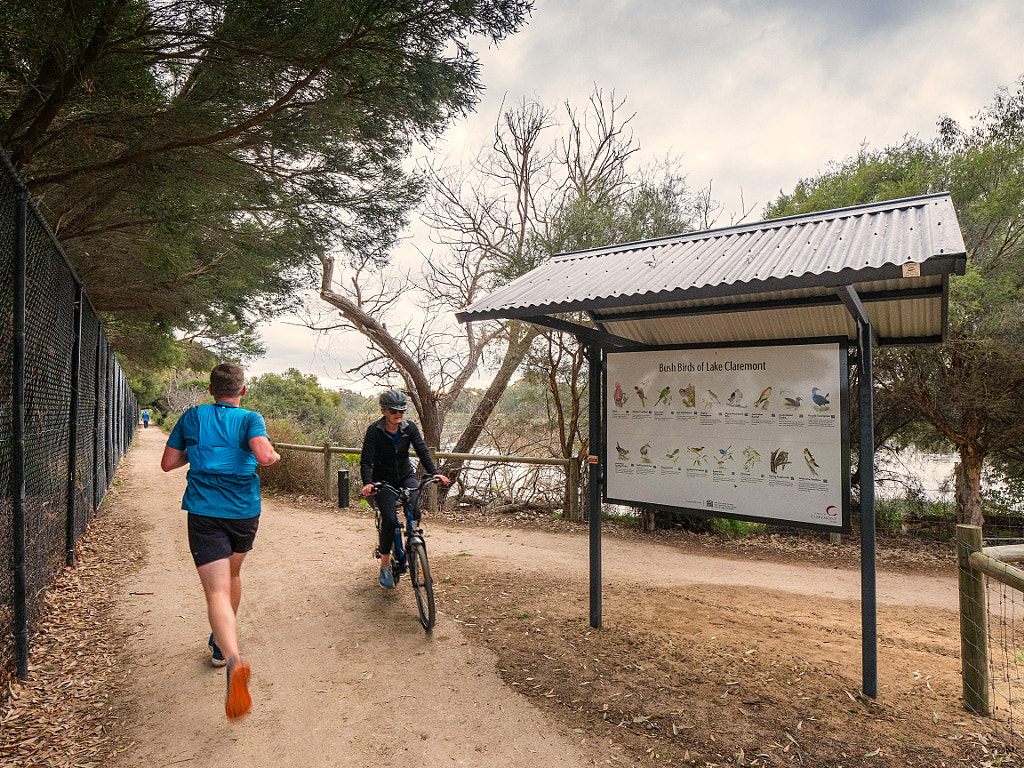
The bird observation platform allows visitors to watch the birds in the grasses and reeds at Lake Claremont.
In 1831 European settlers began to clear the land for farming and by the 1890’s there were market gardens and a then state of the art dairy farm. Things looked good and the area prospered. However, this state of affairs was short lived as by the turn of the Twentieth Century the water level rose and the farms were flooded and a permanent lake which rises and falls with the seasons was formed. In the 1950’s Claremont Town Council reclaimed large areas for a rubbish tip and renamed it Lake Claremont in the process. In the 1960’s it was decided to beautify the lake and its surrounds. Sections were infilled to create a golf course and the school playing fields. In time two small bird sanctuary islands were created and there has been a move to manage the the lake in a more ecological manner. The Friends of Lake Claremont are an enthusiastic and very active bunch of local residents and volunteers who have undertaken to assist in the conservation and enhancement of Lake Claremont. There activities have been crucial in weed eradication programs and revegetation projects working in tandem with pupils fromScotch College and Graylands Primary School. They also have annual public events including Clean Up Australia Day, National Tree Day and Celebrate Lake Claremont Day (community fair). More details can be found on their website.
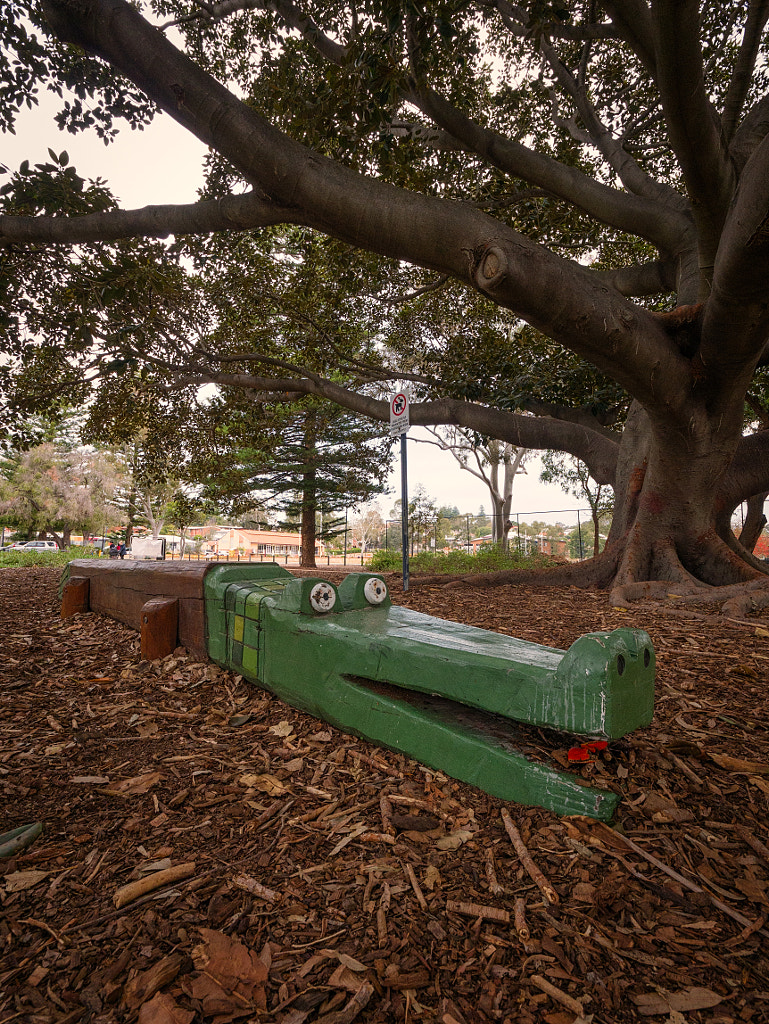
The infamous Lake Claremont crocodile. Lake Claremont, Western Australia.
So that was then and this is now. What does the lake offer today? Well the wetlands of the Swan Coastal Plain are internationally acknowledged as a bio-diversity hotspot having a greater number of endemic species than most other regions in Australia. Since colonisation three quarters of the wetlands have been drained for urban development. Those that remain are adversely effected by the introduction of feral animals and plants. In this context Lake Claremont is like a biosphere. In the past ten years or so eBird Australia has listed 116 species of bird that can be found on or around the lake which makes it somewhat of a birders paradise. The path around the lake and the bird observation platform make it easy to spot birds all year round. To make it so that you know what you are looking for you can down load an illustrated brochure listing the birds from the Town of Claremont website.
Lake Claremont has a dual use path around its edge which is popular with runners and cyclists.
In addition to the nature based activities there is a 3 Km dual use path that circumnavigates the lake which is very popular with walkers, runners and cyclists. Dogs are welcome on a lead. The walk is enjoyable all year round and if you start the car park and head off in a clockwise direction then you can stop at the TeeBox Cafe shortly before returning to the car park. For the youngsters who need to burn off some energy before looking at the ducks there are two playgrounds. If dad doesn’t care for looking at the ducks then he has the option of playing a quick nine holes of golf.
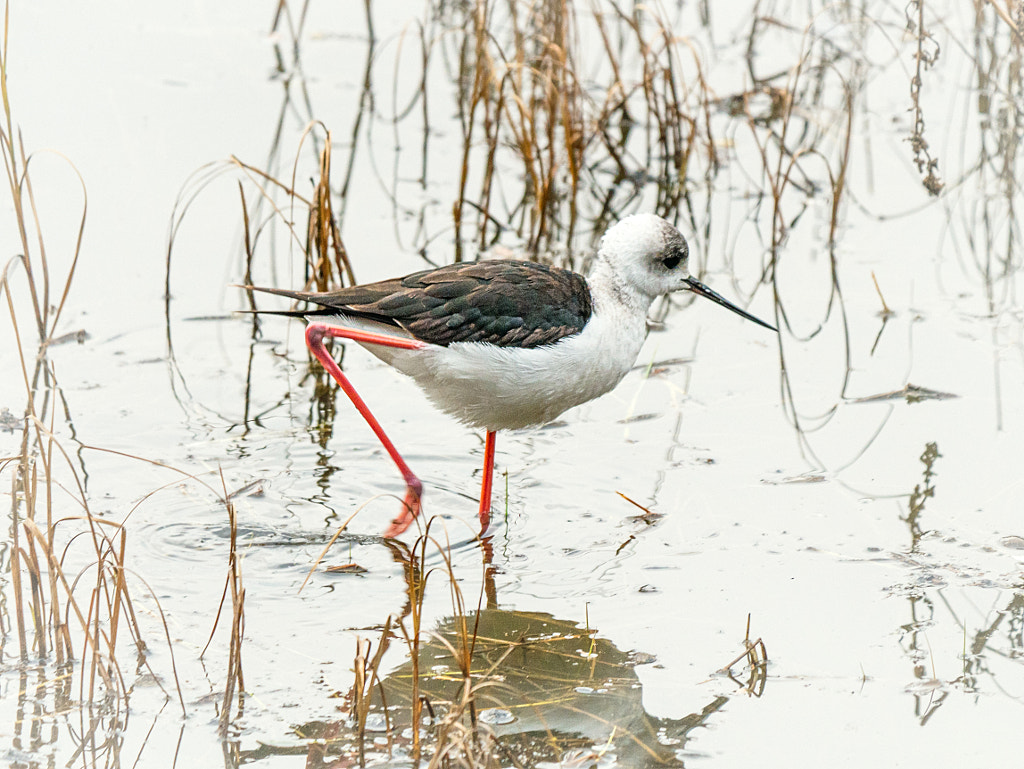
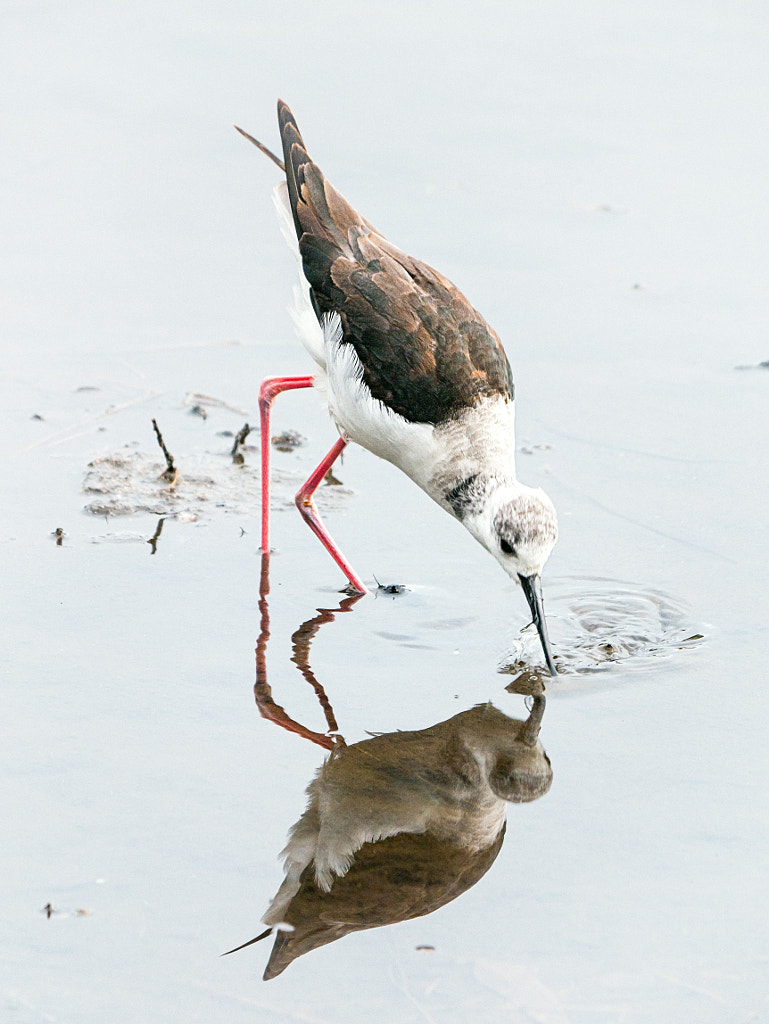
A juvenile pied stilt (Himantopus himantopus) at Lake Claremont, Western Australia.
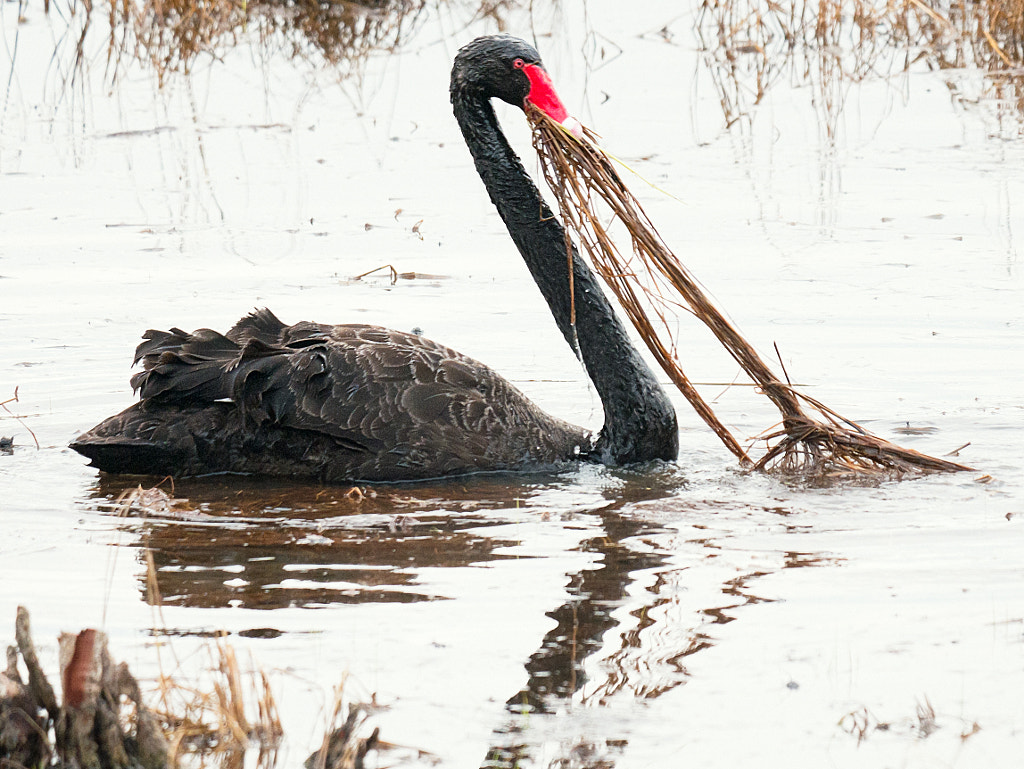
A black swan (black ) gathering nesting material at Lake Claremont, Western Australia.
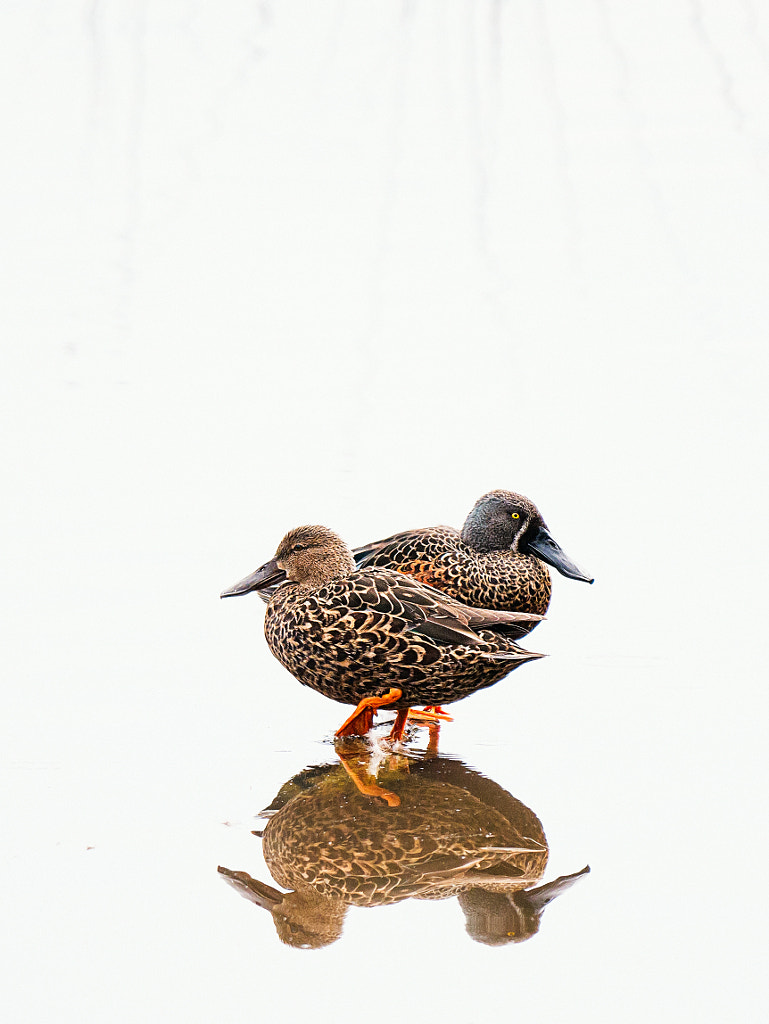
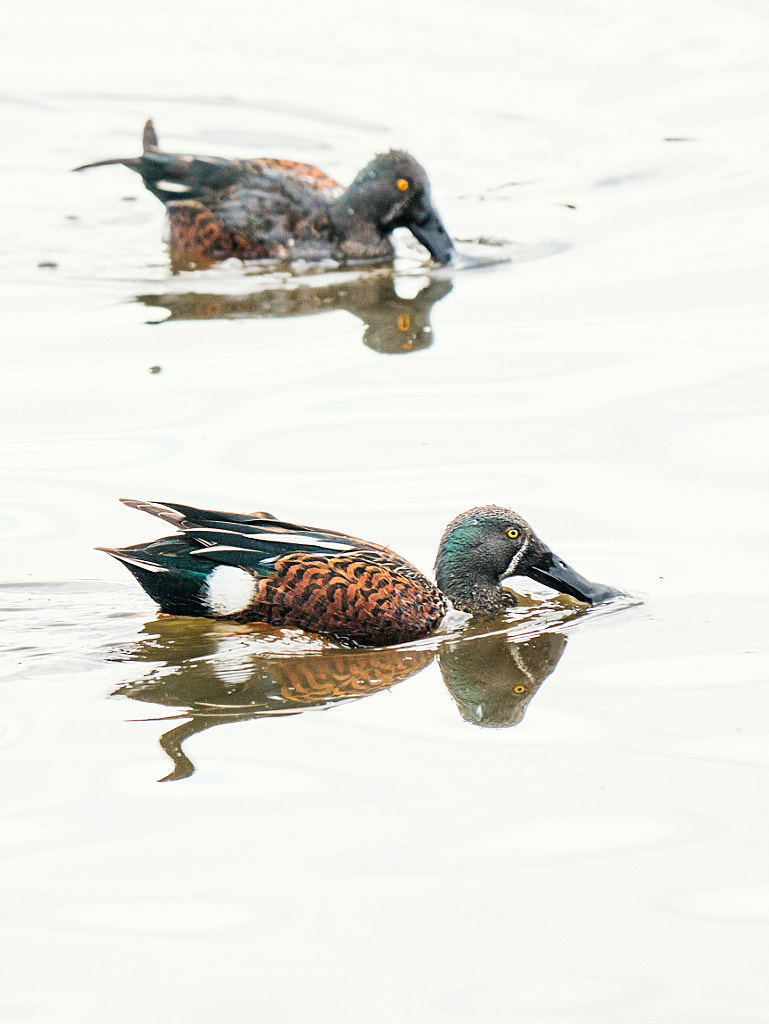
A pair of Australian Shovelers (Australian) at Lake Claremont, Western Australia.
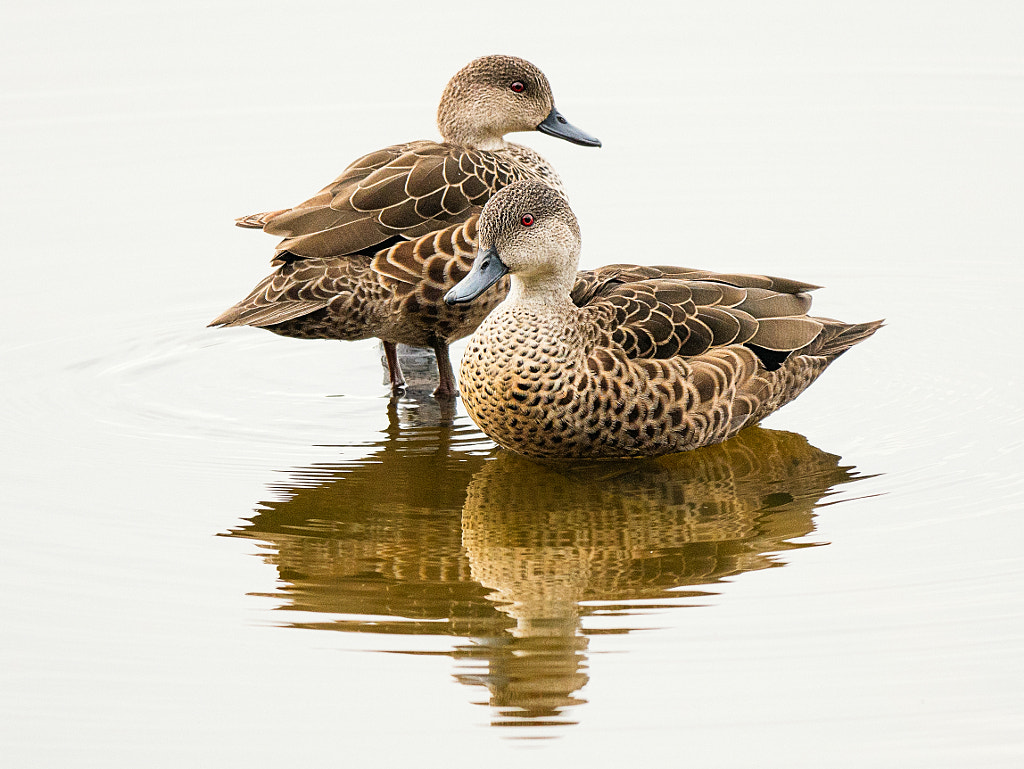
A pair of grey teals (Anas gracilis) at Lake Claremont in Western Australia.
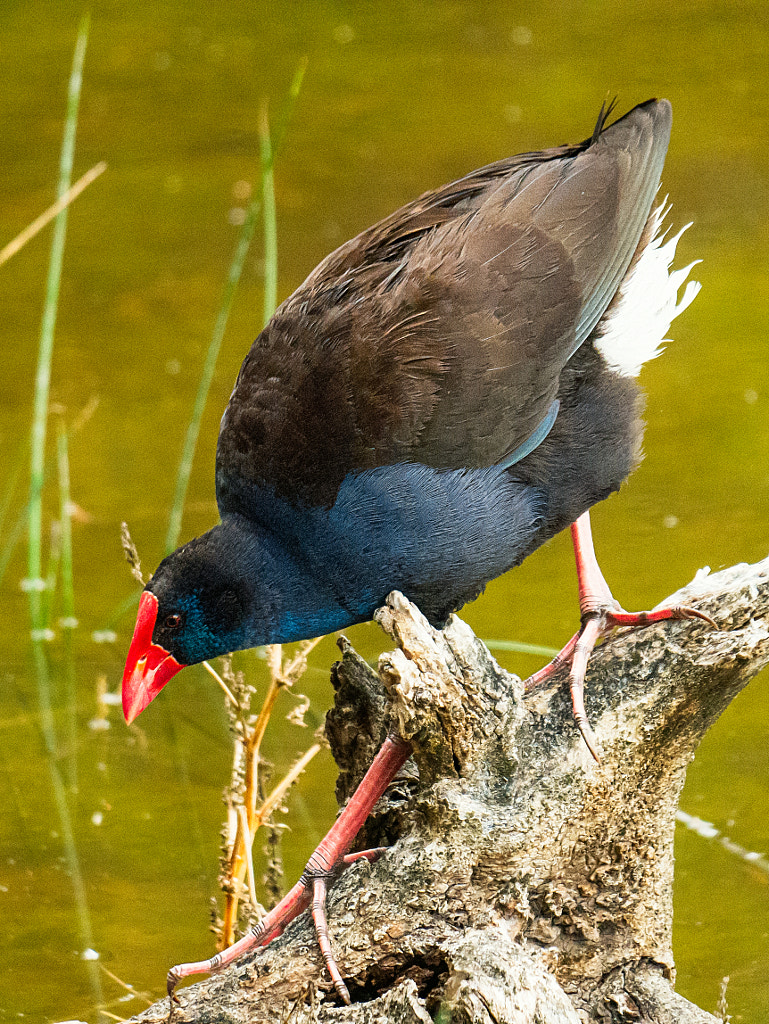
A purple swamp hen (Purple), Lake Claremont, Western Australia.
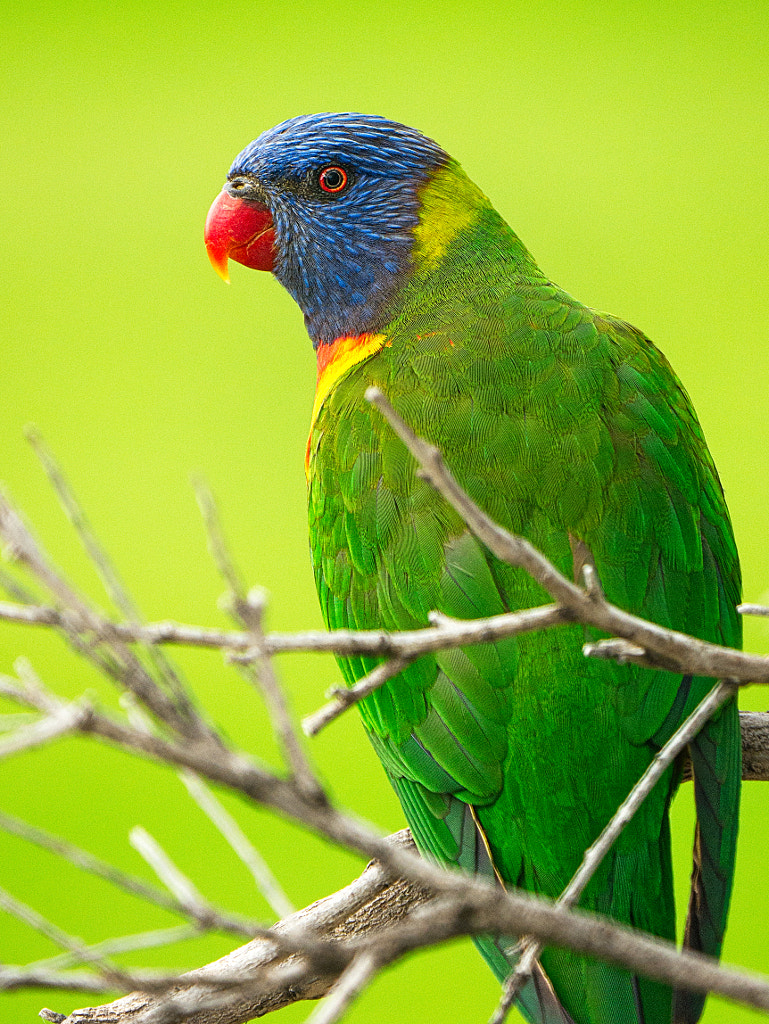
Rainbow lorikeets (Rain) were introduced to Western Australiafrom the eastern states of Australia. Lake Claremont, Western Australia.
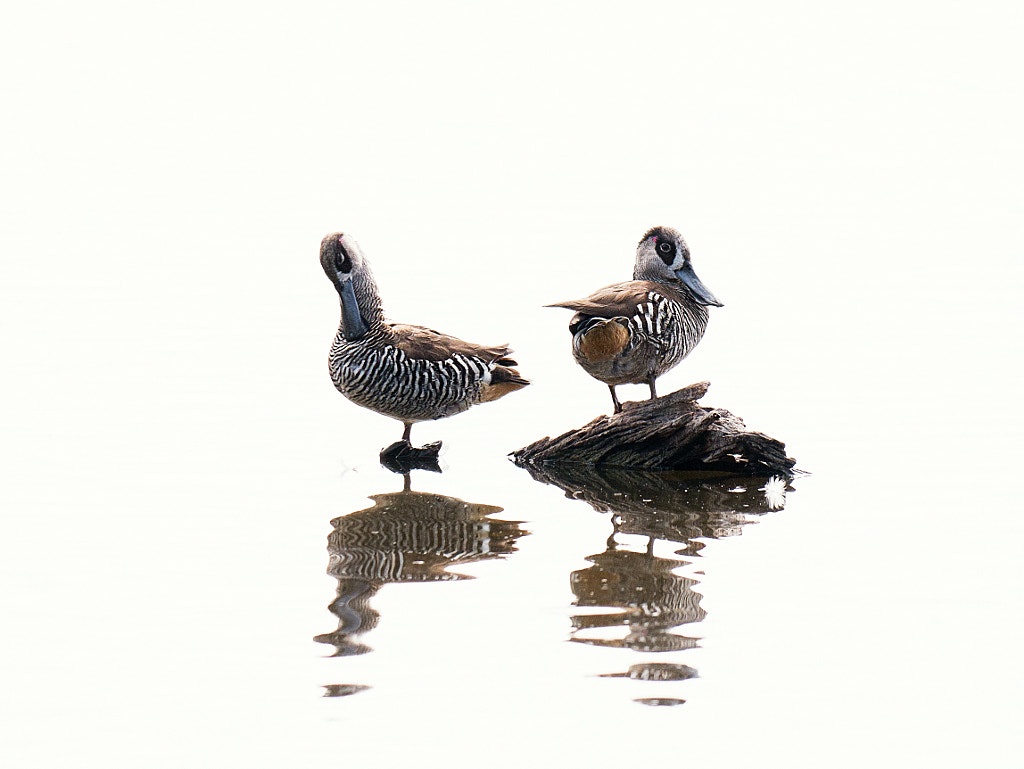
Pink-eared ducks (Malacorhynchus membranaceus) at Lake Claremont in Western Australia.
Called Dit by the Nyoongar this juvenile pied stilt (Himantopus himantopus) feeds at Lake Claremont, Western Australia.
Bardoongooba called Australian Shovelers (Anas rhynchotis) by European settlers can be readily seen on Lake Claremont.











You must be logged in to post a comment.