We had a new arrival. Bertie the Miniature Bull Terrier traveled all the way from far off Queensland to us in York, Western Australia.



We had a new arrival. Bertie the Miniature Bull Terrier traveled all the way from far off Queensland to us in York, Western Australia.
The world has become a very grim place at the moment now that the Mango Menace has unleashed “Operation Epic Fury” (really who comes up with these ridiculous names?) which means we have to take out a mortgage to buy a tank of petrol if we can find a servo with any in stock. So we decided to launch “Operation Numbat” whose sole function was to produce joy.

The goal was to spend a couple of nights at Dryandra and find a numbat. Easier said than done as we have been looking for around thirty years and never seen one. A numbat for the uninformed is smallish, about 30-40 cm long, marsupial that eats termites. It was once quite common across southern Australia, but was driven to the point of extinction when somebody thought that introducing foxes to Australia would be a good idea. There now exist only a few small isolated populations in Australia and Dryandra is one of them. The Western Australian state government introduced Operation Western Shield (another silly name) to protect vulnerable native fauna from feral foxes and cats. In Dryandra this is done with a combination of 1080 baiting and trapping. It’s reckoned that the programme has reduced the fox population by 80% (Marlow et al., 2015).
We weren’t there just for the numbats, we there for Woylies, Echidnas, birds and everything and anything wildlife related.

We arrived at Dryandra at at lunch time and once we’d eaten we set off to walk the Wandoo Walk (day walk) the start of which is located at the Old Mill Dam. The walk is 2.7 Km long and takes about 1 1/2 hours – more if you are looking for animals like we were. It is touted as being good for wildlife with a chance of seeing Numbats. Now the great thing about Numbats is that unlike other small marsupials they are diurnal, and to cap it off like sunning themselves in open areas which in theory should make them easier to see. I say in theory as we have been looking for over thirty years without any luck and I was hoping that this trip would be fruitful. It was a really enjoyable walk and we saw loads of birds – in fact I’d never seen so many Rufous Treecreepers in one day. But, when it came to Numbats we saw neither hide nor hair.


Just before sunset we decided to walk around the large open paddock adjacent to the Dryandra Lions Village where we were staying. Western Grey Kangaroos were grazing on the grass and then we saw something we’d never seen before. We’d spotted an Echidna wandering round looking for ants when it encountered another Echidna. Now Echidnas are incredibly solitary animals and are rarely seen in the company of others. The two animals sniffed each other carefully and then went on their separate ways continuing their search for ants. As I continued walking along the perimeter of the paddock I found another Echidna and it came quite close allowing me to get some nice close ups.


The morning saw us out on the Kawana Walk which is a 3.3Km walk through the Brown Mallet plantation, through the kwongan heath and then back through the Mallet trees. The varied landscape gives great opportunity to spot different birds, Kangaroos, Echidnas and fingers crossed Numbats. Again, like yesterday’s walk, we saw loads of wildlife – birds, kangaroos, and skinks – but no Numbats. It was hard not to feel a little dispirited at this stage. You plan trips and hope to see certain animals, like we did in our recent trip to Broome, but when you don’t find them you can feel very deflated even though you saw other animals.


After grabbing a quick drink I set off to walk down to the Old Mill Dam and sit in the hide there. Apart from seeing a Southern Slider Skink and a dragonfly I saw nothing. Desperation was really starting to set in now, so at 4pm we decided to go on a very slow drive around the park in the hoping that we’d see something. Driving along a deeply corrugated gravel road at 20Kph is enough to shake your fillings out of your teeth. It was torturous. At this stage your mind starts to play tricks on you. You so want to see that animal and you are desperately willing it to happen and every time a branch moves or a bird flies just above the ground you think NUMBAT! Your head twitches backwards and forwards trying to get a better glimpse of what wasn’t there. Suddenly at a junction just standing there as cool as you like was a Numbat just 20 metres away from the car. Gently stopping the car and winding the front passenger window down I managed to rattle off a few frames before it started moving. As it walked further round I could no longer shoot through the open window and I was having to use the front passenger quarter light window. At the time I knew this would seriously degrade the image quality, but I continued anyway in the hope that I might be able to salvage the images in post later. Then within 5 or 10 seconds it was off into the bush and we lost sight of it. We were both exhilarated – we had huge grins on our faces. We’d seen a Numbat! We had really seen a Numbat. Operation Numbat had been a huge success.


It’s now a week since that sighting and the memory of it still brings a huge smile to my face and a feeling of excitement. One Numbat isn’t enough – I want to back and see and photograph more. Hopefully it won’t take another 30 years to do it.
Or perhaps not.

The other day the Beloved Significant Other (BSO) came home from the local cemetery saying she’d seen lots of crows there with some even sitting on the grave stones. She suggested we go the next morning and try and get some suitably gothic photos.
Australian crows (Corvus coronoides) are not in fact crows, but are in fact ravens. They are highly intelligent birds using tools to help feed themselves, they’ve also been observed softening dried out hard food in water to make it soft enough to eat. As I said, very clever. For the local Nyoongar people the raven is called Waardong – the watcher – and is seen as crafty, cunning and very unpredictable. That is where our plan failed. There was no way we going to get close enough to get a photo. I approached using cover and while just trying to peek around the corner of a wall they’d immediately see me and all take off. I didn’t manage to get one single photo of a raven.

There were other birds at the cemetery and I thought that one of them – Wardawort or the Grey Butcherbird (Cracticus torquatus) – would make a suitable replacement for a raven. The Grey butcherbirds were far more approachable than the ravens and it was possible to get quite close which was great for taking photos. The problem was that they didn’t want to sit on top of the grave stones but rather they perched on the wrought iron work that surrounded some of the graves. I still took some pictures but they didn’t match what I’d envisioned – reality seldom does. Getting home I tried processing the the photos as black and white trying to give a suitably dark menacing tone. It just didn’t work. The Grey Butcherbirds didn’t have that spooky/menacing appearance that the ravens have. I also thought that the colour photos looked better, but they did not convey that gothic vibe I was trying to create.

It was a fun exercise. We did talk about how we might get the ravens to hang around. The most logical way would be to put down food for them on a regular basis and so change their behaviour. The ethics of that are a bit suss – get animals habituated to humans and dependent on hand outs just for a photo. Bit dodgy that one. We feed and water birds in our garden, but this is different. It is not our garden and the ravens are naturally wary of people. The birds in our garden are already habituated to us. We didn’t have to put out any food to encourage that. The only other way is to just keep going back over and over again. Who knows we may chance upon a raven that isn’t too fussed about people who is sitting on top of a grave stone and using it as an anvil so they open up snail shells. Preferably on a misty morning. I rather think that pigs might fly first.
“I’m waiting
Waiting for the tide to turn
Patience, patience, patience
Is one sure thing that I’ve learned”
By
Robert Cray, Mike Vannice and Dennis Walker
My last birding outing in Broome was to Town Beach – a whopping 5 minutes walk from where we were staying. It was the evening before we were due to leave Broome and I wanted to get some photos of the migratory shorebirds that are found in Broome at this time of year.

The tide was out and a long way to boot. Ideally I’d want the tide to be coming in as it would push all the birds closer to me. A receding tide would take them away from me. So the question was how to get close to the birds while avoiding the liquid mud that was between us. The obvious answer was the jetty as it extends 112m out from the shoreline. The only problem was that it is very high to account for Broome’s 10m+ tides. Then I noticed some kids playing on what appeared to be a lower level and watching them carefully I saw how they were accessing this level and I quickly took up position. Most of the birds were still a long way out – well over 500m. After watching for a while I saw that there were a few different species of bird that were closer to me, but even so I’d need to fit my 1.4 x teleconverter to my 100-400mm lens. Not ideal because of the hit on image quality and having a maximum aperture of f9 forcing the use of high ISOs and lower shutter speeds.


There were quite a few different species out on the mud. There was an Eastern Reef Egret and a Little Heron poking around amongst some rocks for something to eat. A Whimbrel stayed for ages going back and forth. Every now and again a little flock of assorted birds – Rudy Turnstones, Terek Sandpipers, Greater Sand-plovers and Grey-tailed Tattlers – would land and have a bit of a feed then something would spook them and they’d all take off again. It was brilliant and time just flew past. All too soon the sun was starting to dip below the horizon and the light levels were too low to continue photographing. All in all it was an excellent end to an excellent trip.


The title for this blog entry comes from the song by the great Robert Cray.

I enjoyed our trip to Broome immensely, it was great to see a region we’d never seen before at a time of year most people avoid. From a bird photography point of view things didn’t turn out how I’d expected them to. I must say that this is probably my fault as I’d been wanting to go for a while and as a result of reading numerous articles and watching countless videos on birding in Broome my expectations were probably too high.


We saw plenty of birds including eight new to me species. Photographing them was another thing all together. The first thing that made this difficulty was the heat and the humidity – lenses would fog up and take ages to clear. There was a lot of heat haze which combined with long focal lengths meant quite a lot of photos were unsharp. We didn’t experience these problems in Darwin, but then again we visited there at the end of the dry season. One of the ways to overcome this was by getting close to the subject and don’t shoot them at ground level. This worked very well with small bush birds and I got some nice photos with plenty of detail. The real problems set in when shooting the shorebirds. Firstly the tidal range in the Kimberley is huge – Town Beach has 10m+ tides and it can be 1 Km or more between the high tide mark and the water. You can of course walk out on the mud, but eventually it gets too soft and you sink into it – I speak from personal experience here. So a lot of the time the birds were a speck on the horizon and the OM System 100-400mm mk ii wasn’t long enough. I did try slapping on the 1.4 x teleconverter, but that magnified the heat haze problem and detail disappeared.


The best locations we visited were Kabbarli Lookout (Entrance Point and Port [Broome]), Minyirr Park and Town Beach. We didn’t go to the Broome Bird Observatory as the dirt road becomes almost impassable during the wet and the hire car companies don’t like you going down it. We’ll leave that one for a dry season visit. So yes I would love to go again.


Mangroves are a very new experience for me. My first real experience of them was in 2024 when we went to Darwin in the Northern Territory. So I was looking forward to having a look at the mangroves in Broome.

Mangroves are basically shrubs or trees that have adapted to living in the upper tidal zone in saline or brackish water. Their root systems have developed so they can resist tidal forces and cope with saltwater immersion. They stabilise coastal areas preventing coastal erosion and protect from tsunamis. At the same time they provide an important ecosystem that support an incredible diversity of species. In Broome the mangrove systems occur east and south of Roebuck Bay. The tidal range is huge which means a vast expanse of mud can be exposed at low tide. Now there were two things that put me off exploring when the tide was out. The first was that the mud is soft. I’d seen Reef Egrets and Striated Herons sink quite deep into it. The other was salt water crocodiles. They live in the tidal rivers, creeks, and mangroves around Broome. At Streeter’s Jetty there was a sign warning of the dangers of crocodiles and the Jetty does get closed if there is a sighting. So as you can see my exploration was a bit limited, but it was enjoyable and it was nice to see and photograph something a bit different.


That would be Gantheaume Point which is 6Km from Broome’s town centre. To get the most out of a visit you need a sunny day and a very low tide. The sunny day means that the incredible red rocks are sharply contrasted with the blue sky and aquamarine sea. It is quite stunning. The very low tide means that dinosaur footprints from the Early Cretaceous can be seen. When we visited we had the sunny day, but, the tide was well and truly in.

As I said previously we were visiting at the tail end of the wet season – think tropical storms that dump an incredible amount of water. So as we drove the final leg down to the car park along a dirt road we encountered some huge puddles. Like really big – so big that one of them had waves created by the off shore wind. At the car park we were met by a sign warning us of the dangers that were present. I could understand the one about unstable cliffs that could collapse, the one about deep holes that the unwary could fall into, but the one warning about the giant rubber ducks that pushed people off the cliffs was a bit of a mystery. Thankfully while we were there we did not see the rubber ducks and so felt quite safe.


Walking from the car park you see the old lighthouse keeper’s house and the lighthouse itself. About halfway up the lighthouse we could see the massive pile of sticks that is an Eastern Osprey’s nest and below that was an Osprey chowing down on a big fish. Now the Eastern Osprey is quite a big bird of prey, but every couple of minutes it paused eating to scan the environment for threats. Birds such as Australian Ravens and Masked Lapwings will attack them and drive them off, but it was also probably keeping an eye open for other birds of prey that would try and steal the fish.

According to the Indigenous Yawuru people the wet season, Man-gala, draws to a close and the next season, Marrul, starts and one of the markers for that change are the appearance of dragonflies. Thousands upon thousands of them. They were everywhere we went. I’ve never seen so many it was absolutely incredible. Gantheaume Point was no exception, heaps of them everywhere. A lot of smaller birds of prey feed on the large insects and there were a couple of Australian Hobby, which are a variety of small falcon, doing precisely that. They put on an incredibly acrobatic display darting in and out of the rocks chasing down their prey. They didn’t even bother to land when they caught one preferring to eat it in flight. It was simply sublime watching them.

By now we were absolutely drenched in sweat. The temperature and the humidity had taken its toll so we headed back to the car looking forward to the relief provided by air conditioning.

Ahhh! Broome in the wet season. Hot and wet it is. According to white Australians there are only two seasons in Broome – the “dry” from April to November and the “wet” from December to March. In the wet the temperature hovers around 35ºC with high humidity and sporadic rain. Considering that 75% of Broome’s 6m of rainfall occurs during the wet you can see that when it rains it certainly rains. Throw in the occasional tropical cyclone and the weather can get pretty extreme. So why on earth did we choose to visit Broome in the “wet”? One answer really. Birds. Thousands of birds fly down from northern Asia to Roebuck Bay to avoid the cold winters and we went to Broome to see them.
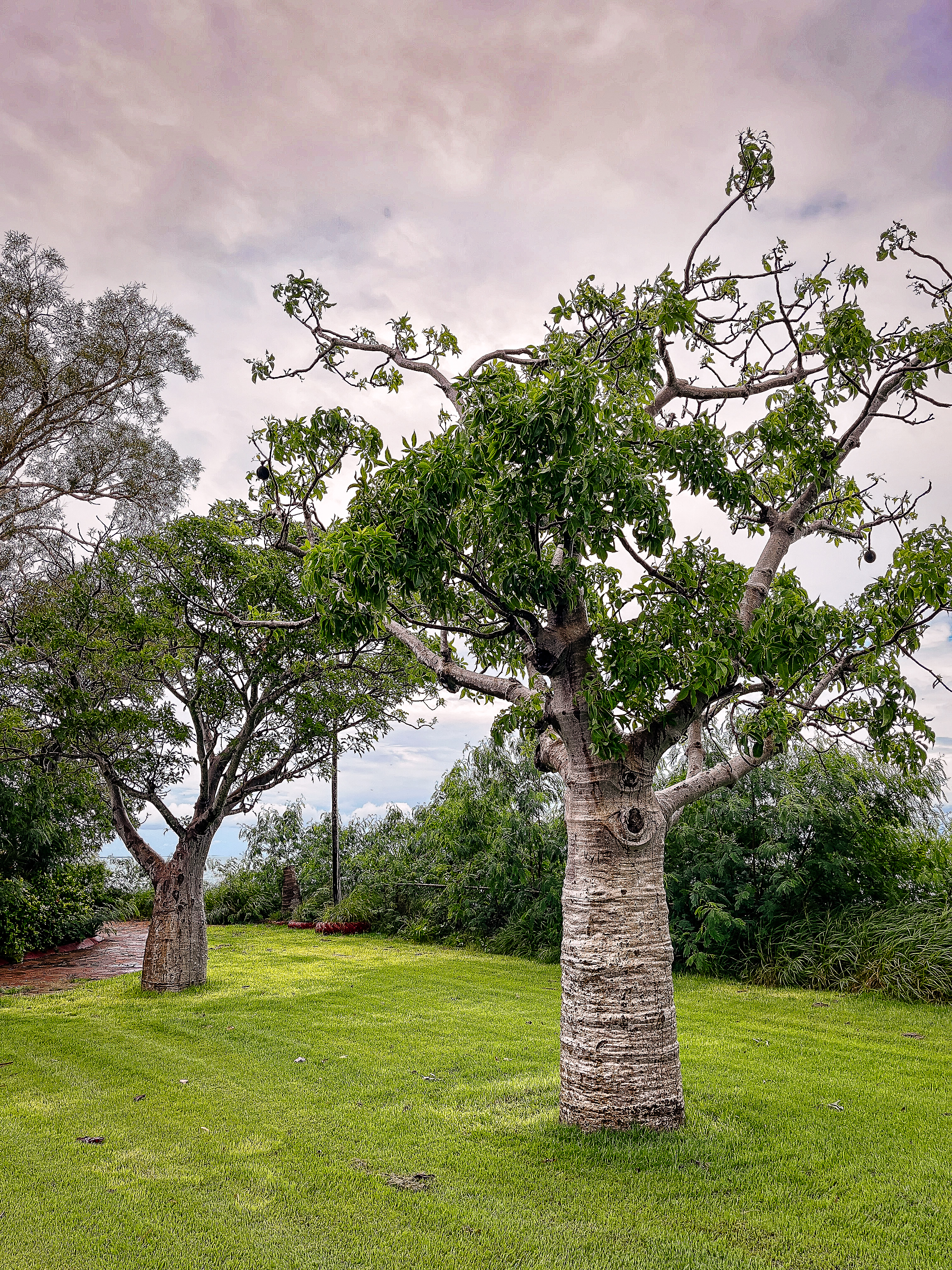
Broome, for my non Aussie readers, is located in the Kimberley a vast area roughly three times the size of England yet it has a population of less than 40,000. The town is 2,046 km north of Perth, and when we said we were going all our Australian friends thought we would drive up. Yup 2000 Km is seen as just up the road. Like driving from London to Bognor Regis. We took the sensible option and flew. When we arrived in Broome we disembarked the aircraft and found that the “international” airport was a strip of tarmac and a glorified tin shed in a paddock. As we climbed down the steps onto the tarmac it was like walking into a sauna. By the time we’d walked the 30m to the building we were wringing wet with sweat. My dear old Mum used to say “Horses sweat, men perspire, and ladies glow”. Well in Broome everybody just sweats – buckets and buckets.
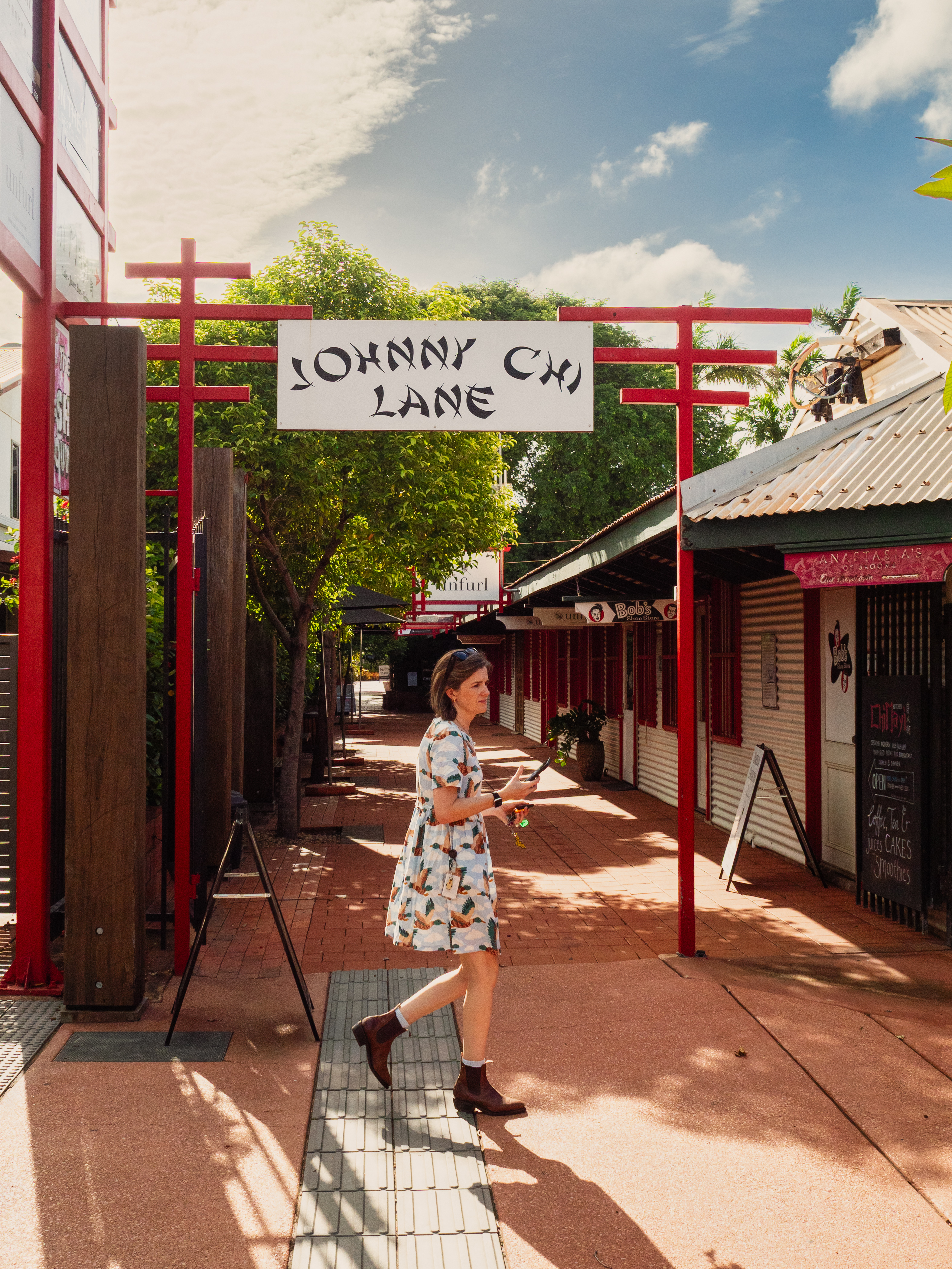
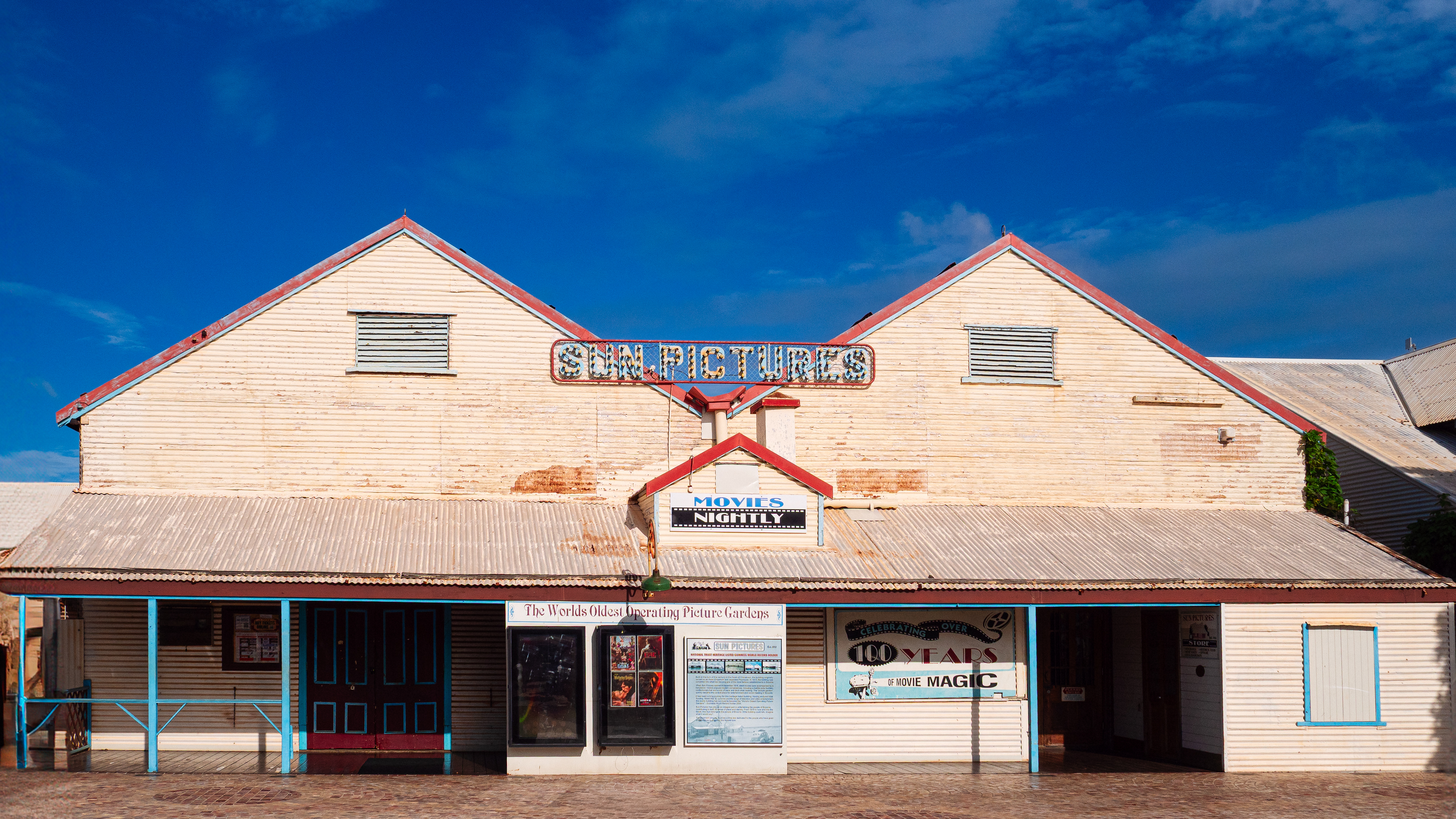
Broome has an interesting history which has led to it being the multicultural place it is today. The pearling industry put it on the map and at one time there were over 300 luggers which harvested enough oysters to supply 80% of the world’s demand for mother of pearl buttons. The industry relied initially on enslaved Aboriginal people, but a change in the law prohibiting this and the fact that the oysters were less common in shallow waters meant that indentured labourers from Japan, China, Malaysia, Indonesia, and the Philippines were brought in. They did the high risk job of diving because it was felt they were more suitable to it than white people. The reality was that whites wouldn’t work for such low wages and coloureds were considered more expendable. So at this stage Broome was very much a segregated town and this continued like this well into the 1970s. It was Alistair McAlpine who transformed Broome into the tourist destination it is now in the 1980’s with the establishment and international promotion of the Cable Beach Resort Club and the Pearl Coast Zoological Gardens among others. As more and more visitors flooded into the town attitudes began to change and tourist industries were established trading on the town’s multicultural heritage.
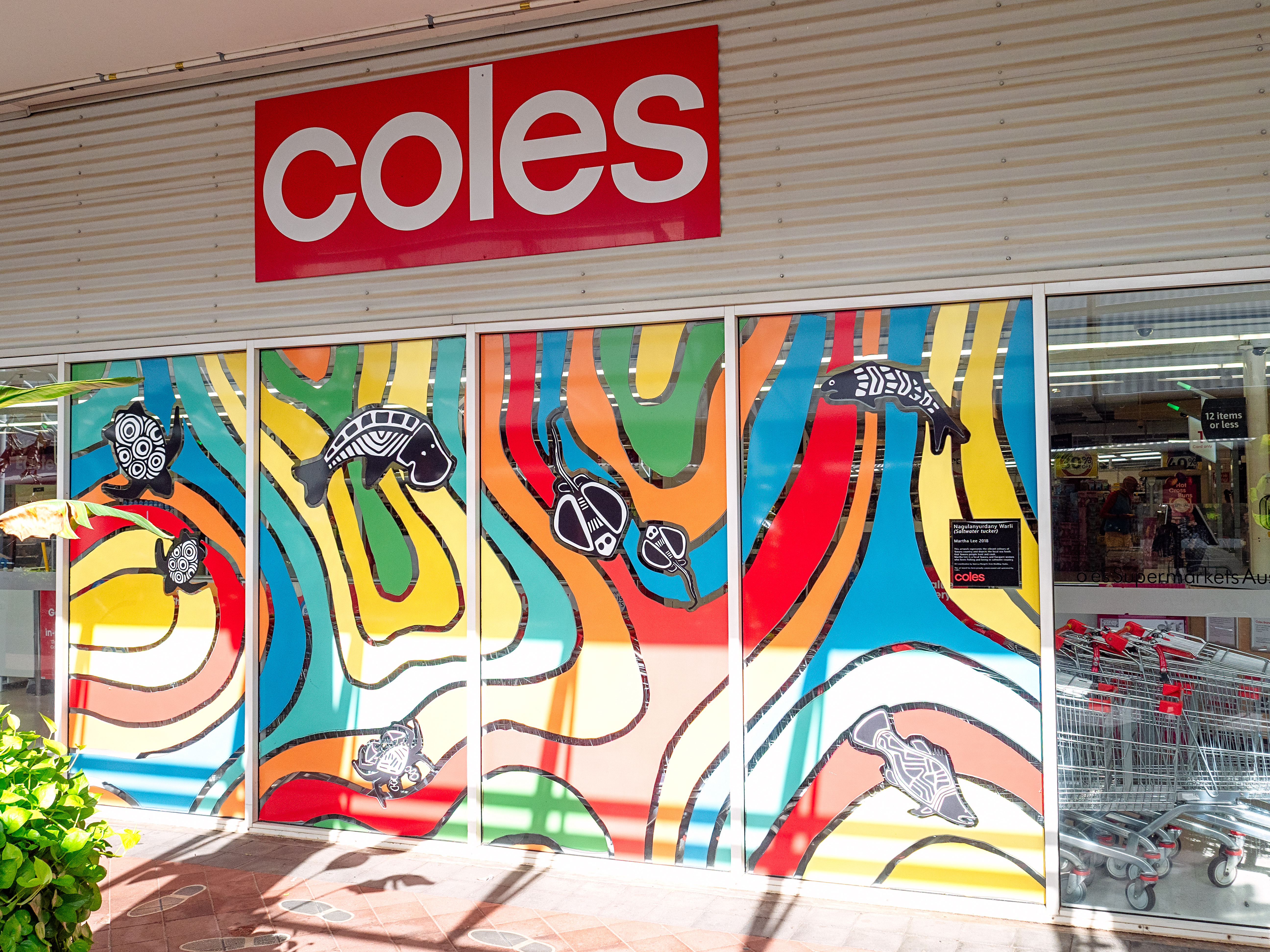
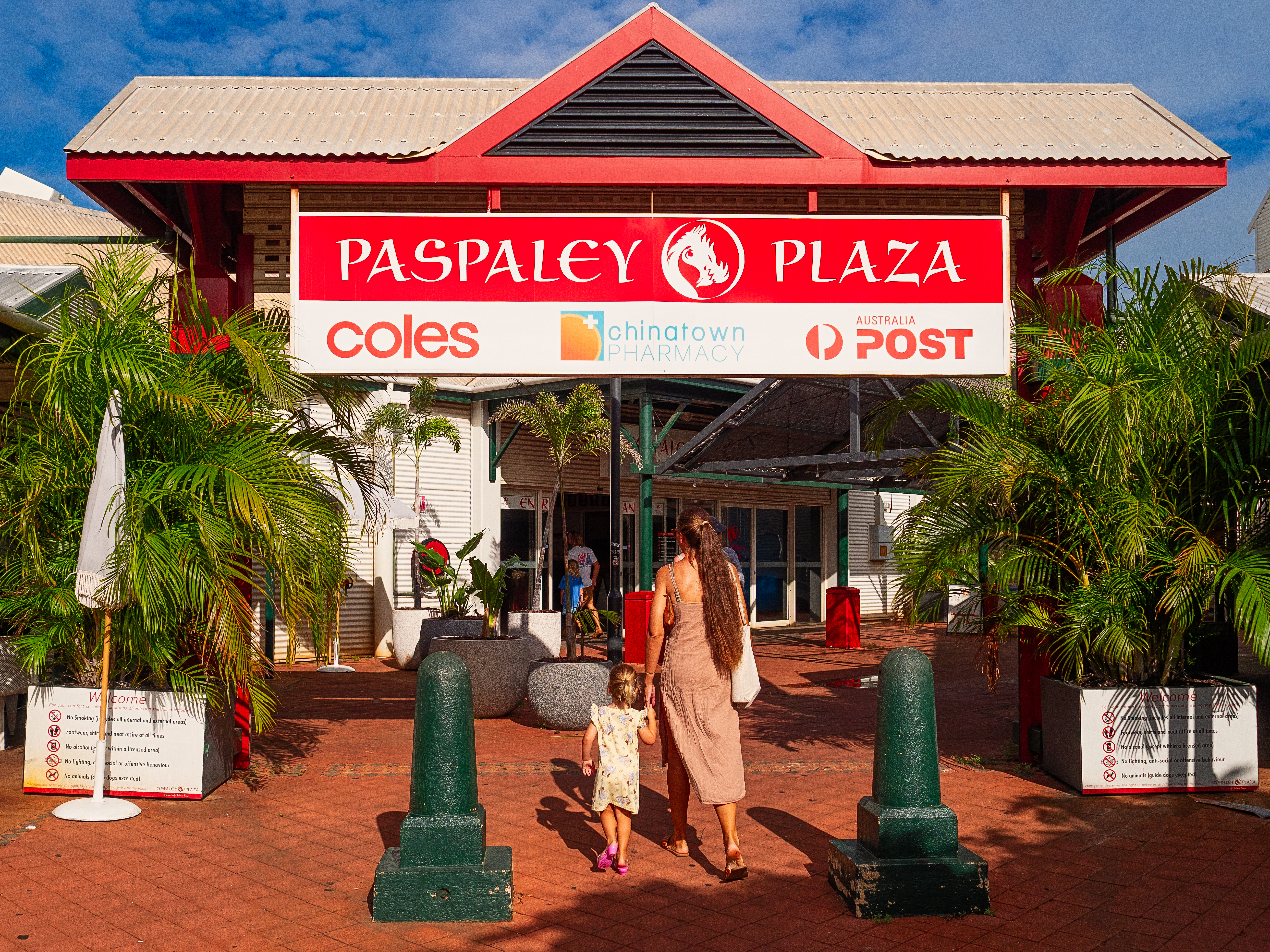
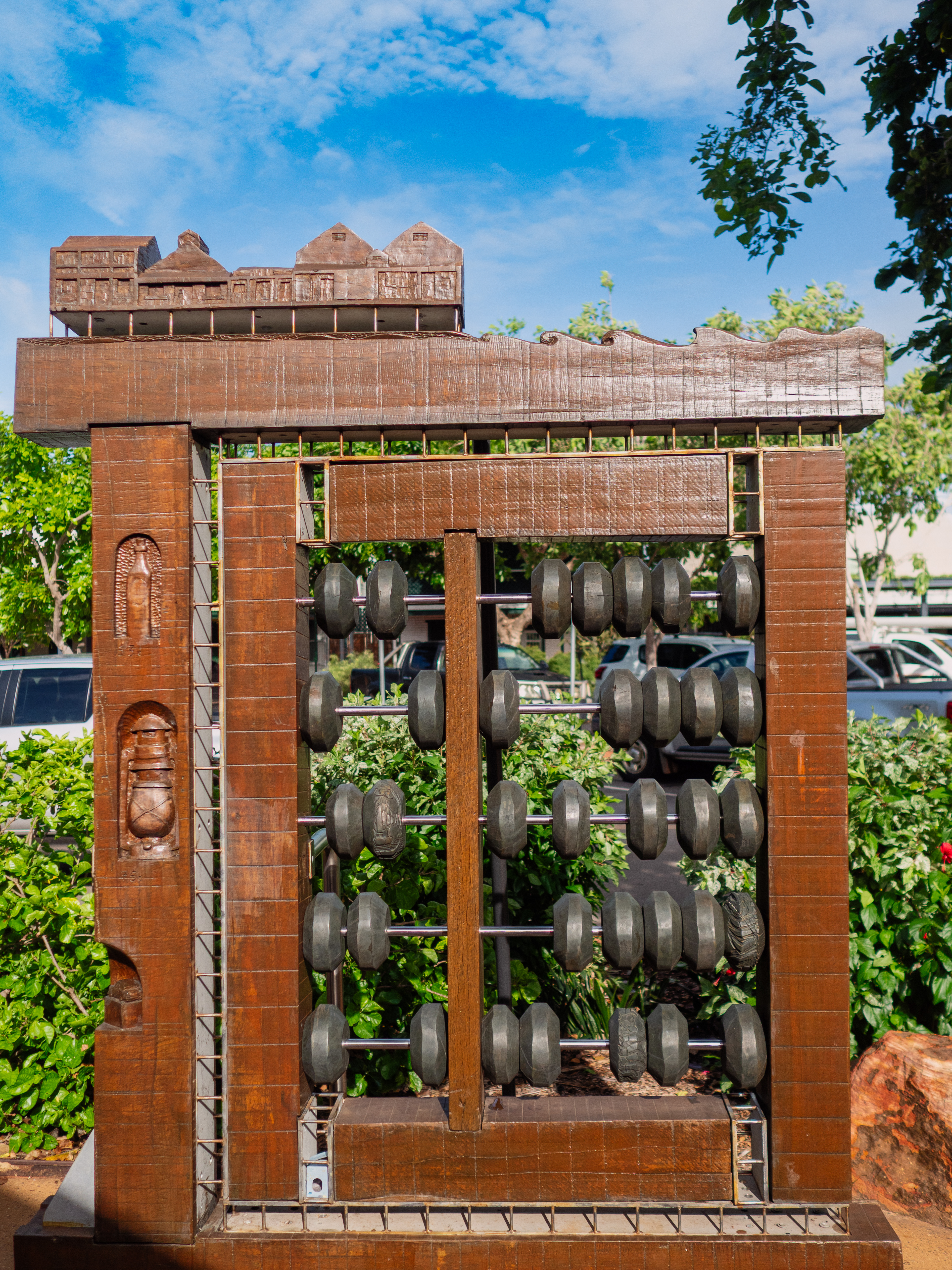
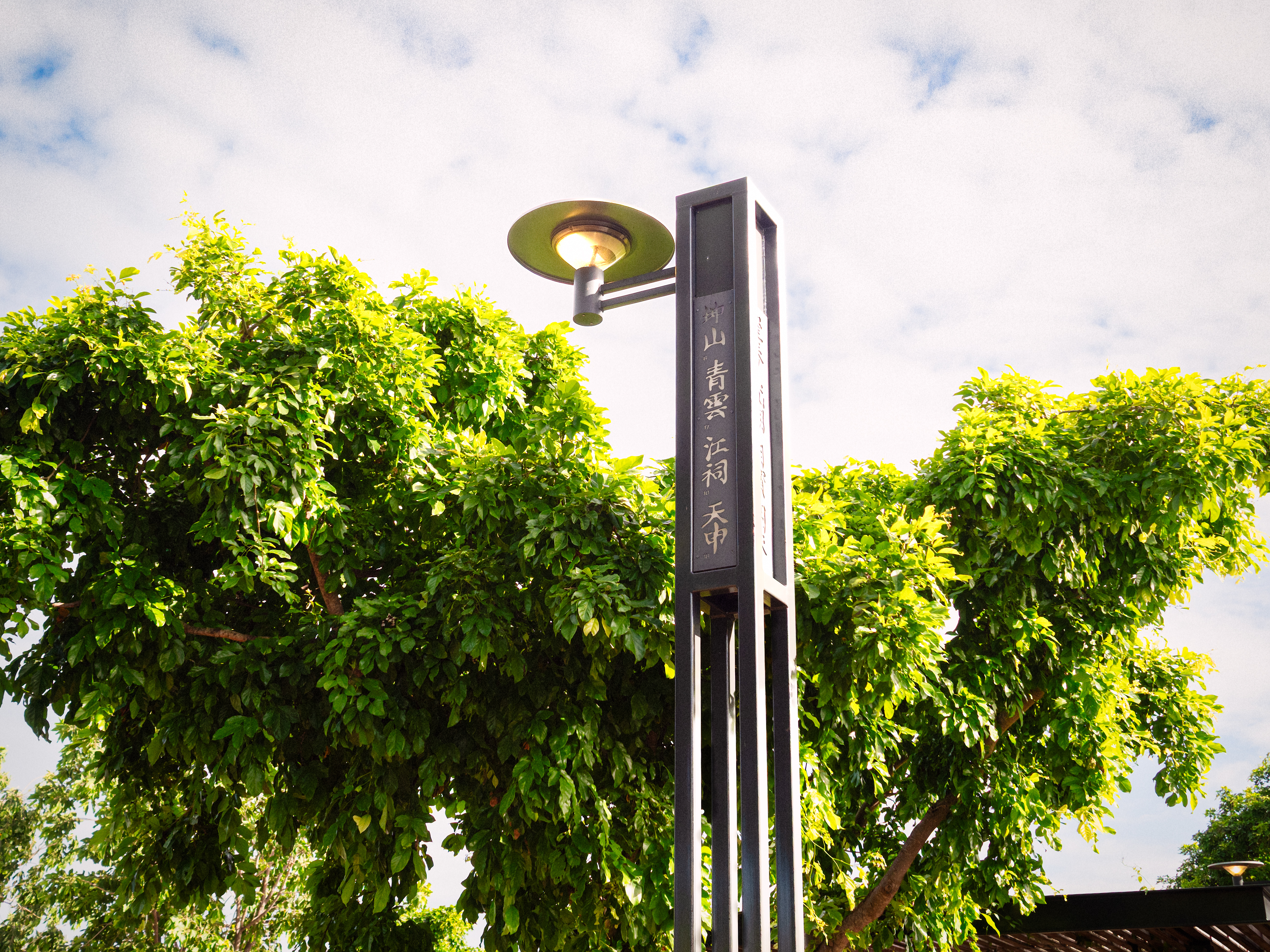
Our early flight from Perth meant that we had quite a bit of time to look around and so we visited Chinatown which was where the Asian crews of the pearl luggers lived and took their leisure – billiard saloons, opium dens and brothels. It definitely was Australia’s own wild west. It was interesting to see street signs still written using Hanzi. Even shops like Coles had entered into the multicultural vibe by using Aboriginal motifs on the windows and the staff uniform. We had a picnic lunch at Town Beach and then checked into our accommodation. An hour before sunset I walked around where we were staying and saw loads of different birds. Back at our accommodation and looking out over Roebuck Bay there was a magnificent setting sun and it was a fitting end to what had been a long day.
The title for this week’s post is a quote from Robin Williams’ Good Morning Vietnam.
…Hence, you long legged spinners, hence!”
Willian Shakespeare. A Midsummer Night’s Dream (Act 2, Scene 2)

I must say at the outset that I don’t like spiders very much. The bloody great hairy jobs in the Hobbit, Lord of The Rings and Harry Potter movies didn’t help much either. Coming to Australia has meant that the chances of coming into contact with some horrible large spider with a venomous bite have increased. However, of late that maybe changing. That could be because I’ve seen some rather cute jumping spiders and the rather spectacular looking Jewel Spiders. It maybe that I’ve just become desensitised by seeing so many, referred to as “flooding” in psychotherapy. Nah! Got to be honest the large hairy ones still give me the heebie-jeebies.


I think it was the jumping spiders that made me more comfortable about spiders as they are sort of cute with that turret head and the way that they look at you. I was particularly enamoured with the Shaggy Red-headed House Hopper (Hypoblemum villosum) I found in the laundry. He was tiny, no bigger than 5mm. Since then I’ve seen other varieties around the garden – they’re a bit bigger but I can tolerate them.


The jewel spiders are also quite attractive to look at. They come out around Christmas time, hence their more common name of Christmas Spider. What they and the jumping spider have in common is that they are not large nor are they poisonous.


The next spider I’ve become reasonably tolerant to is the Golden Orb Weaver (Nephila edulis). Now these are big – well the females are at 4cm in body length, the males don’t get much bigger than 6mm. Thankfully they are very reluctant to bite and when they do according to the Australian Museum “Symptoms are usually negligible or mild local pain, numbness and swelling. Occasionally nausea and dizziness can occur after a bite. Seek medical attention if symptoms persist.”. Re-reading that I now don’t feel reassured. The webs are what attracts me to them. They are magnificent creations at over 1 metre in diameter and the golden silk that they are made from shimmers spectacularly in the early morning light. I can’t walk past one without stopping to take a photo. So it’s very convenient that I’ve got one just outside the front door.

So far it sounds like I’m fairly tolerant to spiders. Well let me tell you there is one species that can induce a full on panic reaction that is the Huntsman Spider. It’s not that they are big – they are flippin’ big and have a leg span of 15cm and a large hairy body to boot. It’s the way they move and the speed of them as they run across the walls and disappear behind the sofa. They are the stuff of scary movies. If you should try and swat one with a rolled up newspaper or magazine they’re just as likely to snatch it off you and give you a good walloping. I don’t care how beneficial they are to have in the garden or that they are relatively harmless. “Relatively harmless” – who decides these things? That’s like saying Donald Trump is relatively harmless unless you live in the Middle East. Sorry I’ve gone off piste. Huntsman Spiders – well I don’t like having them in the house. They make me do the spider dance – it’s where you manically hop from leg to leg while swating the imaginary spiders on your body and screaming like an adolescent girl in a slasher B movie. Thankfully we have our resident house geckos and spider wasps to keep them away.

You must be logged in to post a comment.