Hope

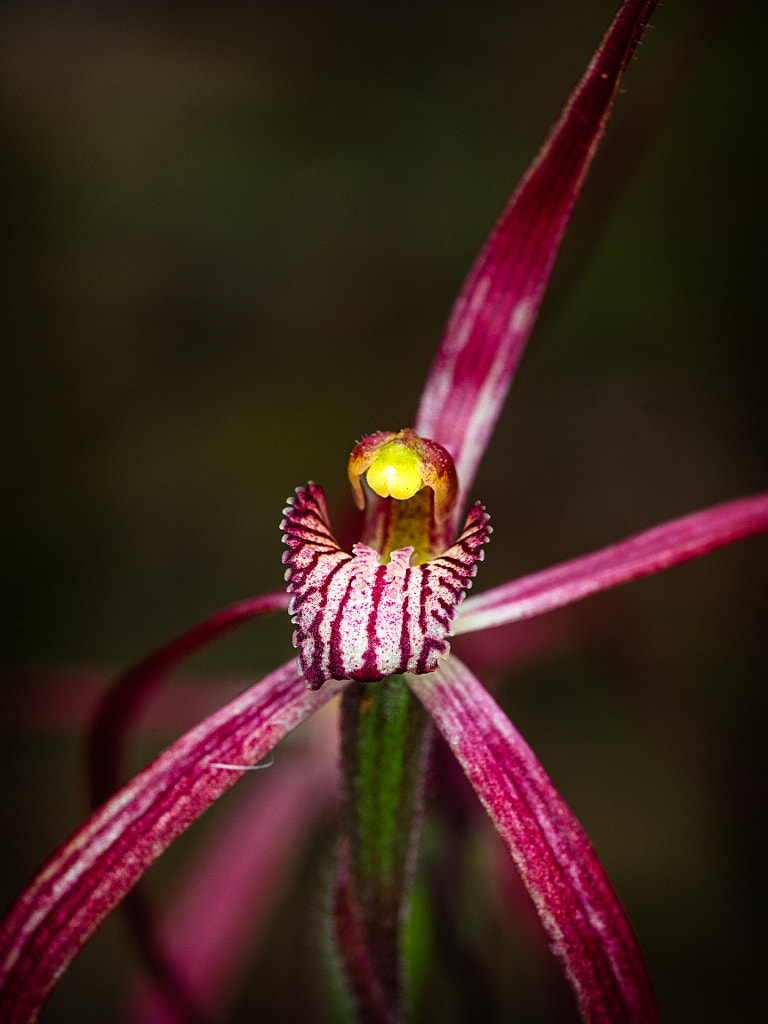
Clown Orchid by Paul Amyes on 500px.com

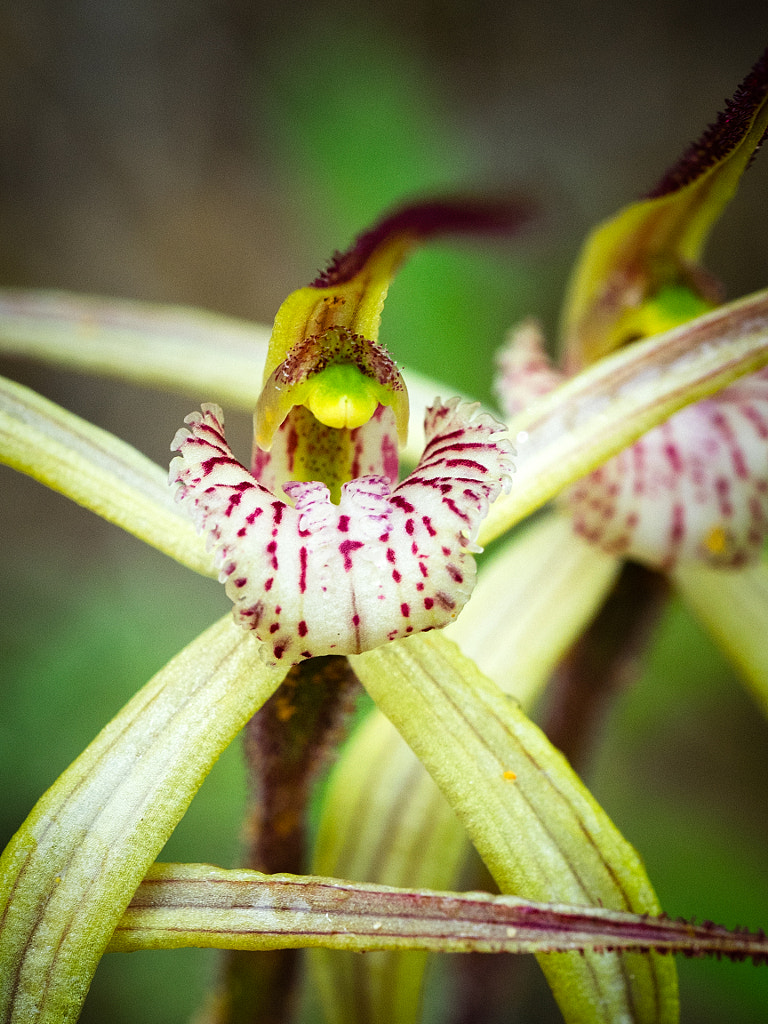
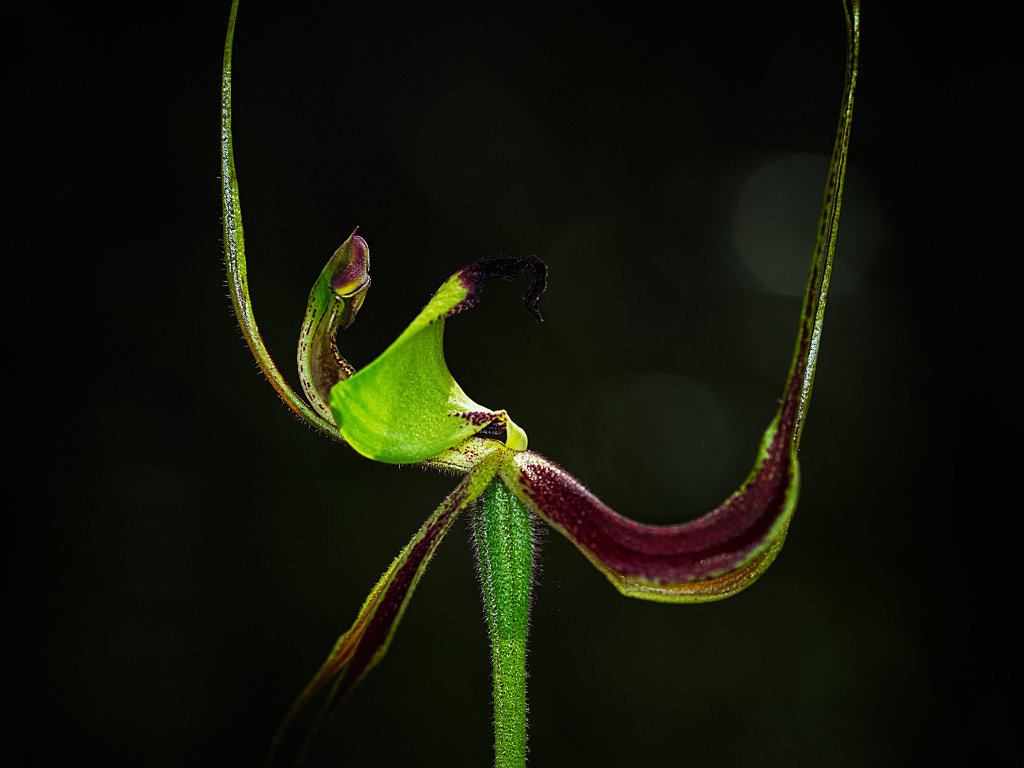
Caladenia roei goes by a number of common names which are Clown Orchid, Ant Orchid, Man Orchid, and Jack-in-the-box Orchid. Narrogin, Western Australia.


If you just look at the media you’d think that there’s not a lot of hope for the world. We’re in the middle of a global pandemic, there are bushfires raging on the west coast of America, eastern Australia was ravaged by bushfires earlier in the year, there’s a global recession – the list goes on and on. There seems very little hope left in the world. If you want to find some hope then you’re going to have to go looking for it.
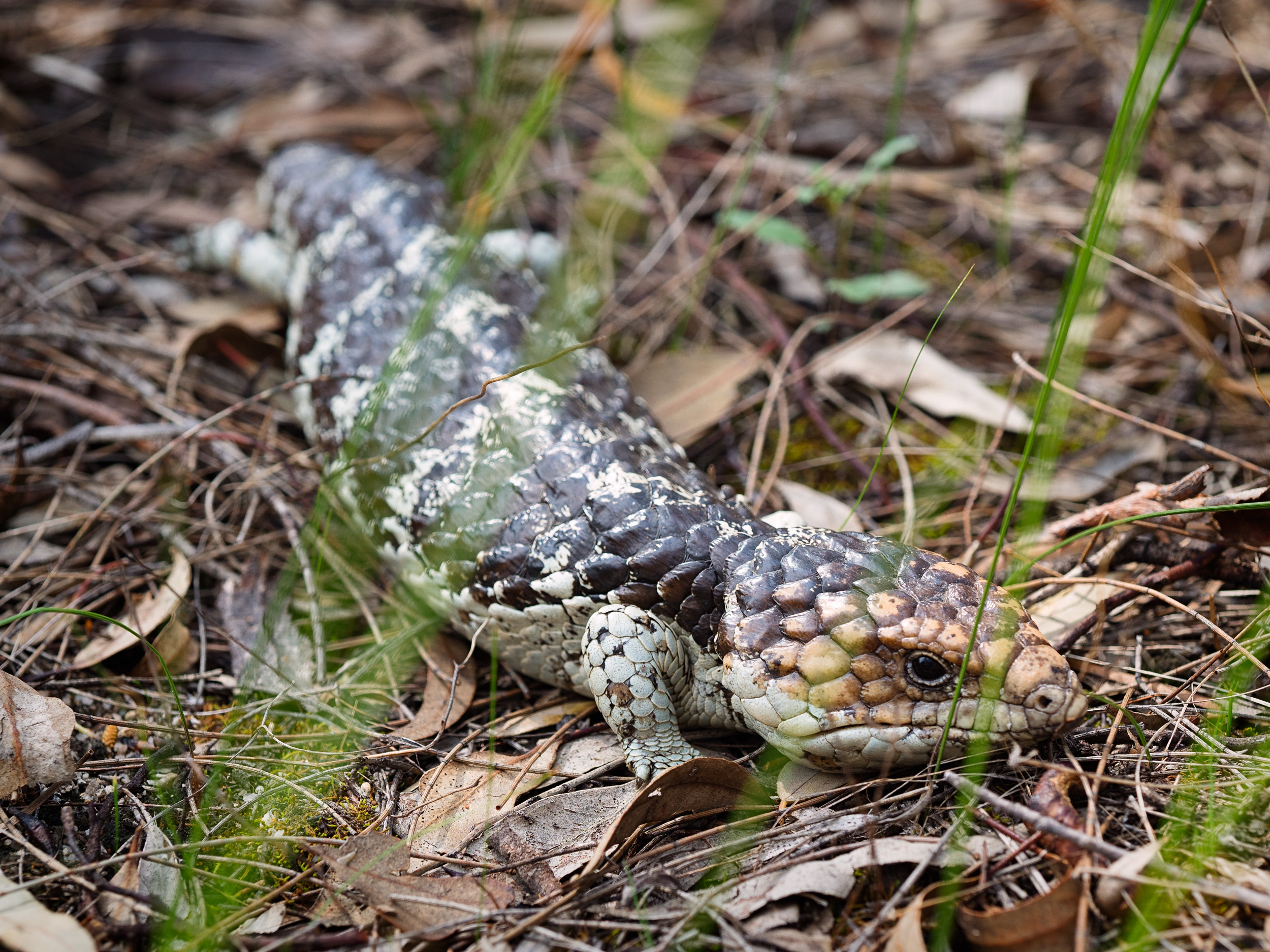
 

Yoorn is the Nyoongar name for the bob tailed lizard (Tiliqua rugosa). Narrogin, Western Australia.


Every now and again I come across a place that gives me hope for the present and the future.  They always take the form of a scrap of land that somebody has decided to regenerate. I’ve written about a couple of these places before – Lake Seppings and Lake Claremont.Both of these are examples of urban regeneration based around a lake. This month I’ve been out in the Wheatbelt exploring a reserve east of Narrogin. It’s a bush block in the middle of farm land that is being allowed to regenerate. To say it’s off the beaten track is an understatement. When you get there there is no access to it, no paths, no signs other than one telling you that it is a regeneration project. As you you make your way through the scrub you begin to notice something quite remarkable – there’s no evidence of any human visitation. No litter, no vehicle tracks, no foot prints. Nature is being left to itself and it is a wonderful sight. It’s not in anyway shape or form picturesque – just dense scrub fringing a granite outcrop.It’s hard country to move in as the scrub and the rocky uneven terrain make the going quite difficult in places, and then when you hit the rock it is quite steep and exposed.


The overly friendly echidna (tachyglossus aculeatus). Narrogin, Western Australia.. Narrogin, Western Australia.


Straight off the the things that were most noticeable were in the larger gaps between the trees where the sun hit the ground were amazing profusions of wildflowers – everlastings, orchids, all sorts. Then I started to stay still and just tune into the environment. The bird song was really loud and was made up the calls from lots of different species. Moving slowly I saw lots of different insects – spiders webs, butterflies,  different types of beetles that I’d never seen before. There was a lot of evidence of digging on the ground. The small holes the size of a saucer and a couple of centimetres deep were signs that kangaroos were looking for moist roots and tubers. The larger holes had me puzzled until I found the culprit- these were made by echidnas looking for ants and termites. At one point I stopped to photograph some flowers and I was lying in the leaf litter to do so when I felt something touch my foot. Ever mindful of snakes I looked and found not a snake but an echidna. I was having a close encounter of the spiny kind. As I came to the rock the trees thinned out and there were bob tailed lizards basking in the sun. On the rock itself there were crested dragons (Ctenophorus cristatus), they are virtually impossible to photograph as they are so quick in dashing to the protection of an overhanging rock or crevice.
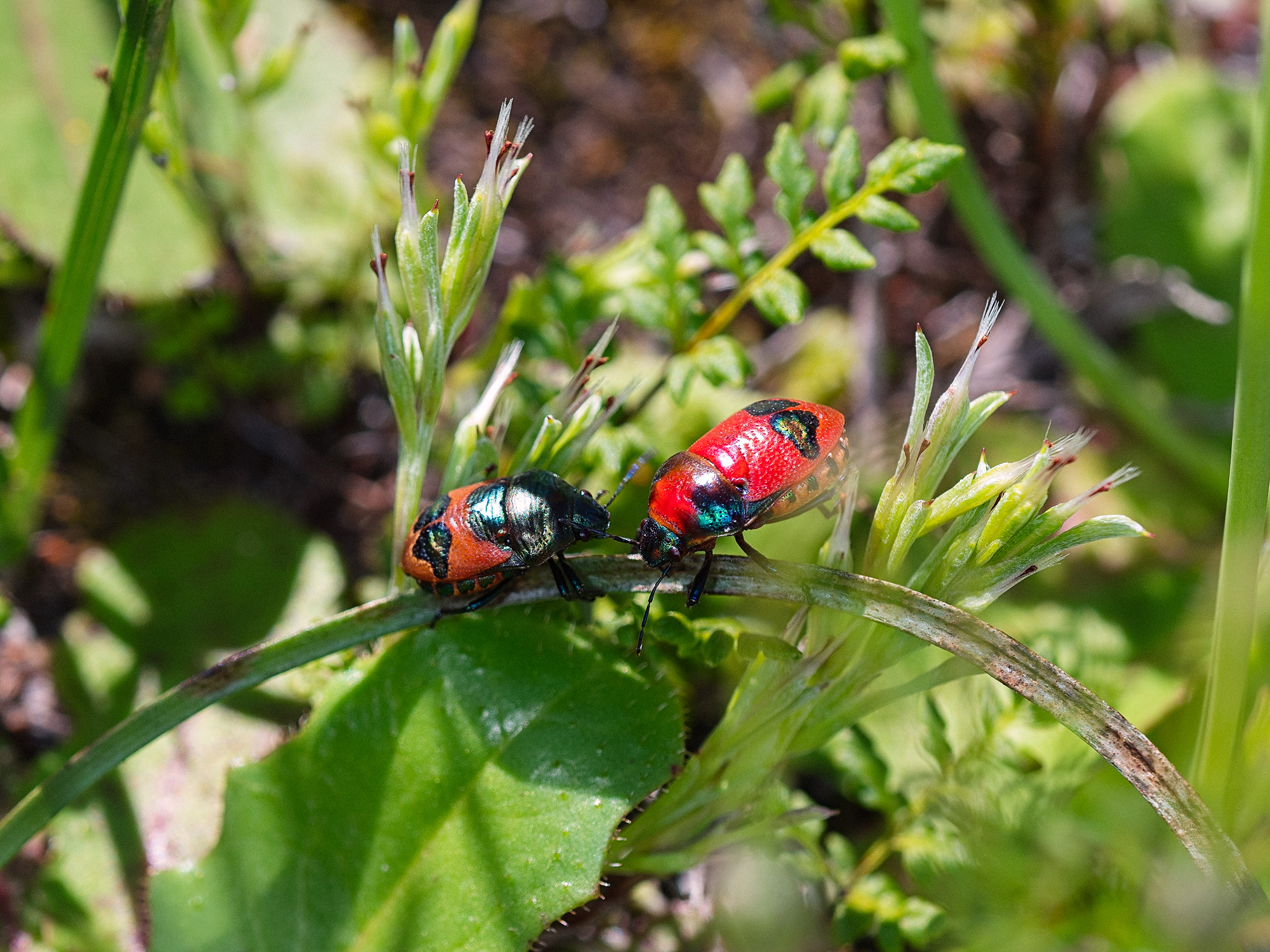
 

A pair of Australian Ground Shield Bugs meeting on a plant stem. Narrogin, Western Australia.


It would be tempting to over romanticise the place saying it was a return to the Garden of Eden or Paradise Regained. Looking at with a more down to each perspective it just illustrates how nature can recover if it is allowed to. There are no groups of volunteers here replanting and doing pest eradication as there was at Lakes Seppings and Claremont. It is just nature being allowed to do its thing and that is what gives me hope. So if you are feeling overwhelmed and hopeless with the current situation I can thoroughly recommend going to a nearby nature spot, or even your own garden, and thoroughly immersing yourself in it. Look up, look down, listen, even sniff. Just soak it all up and let it feed your soul.
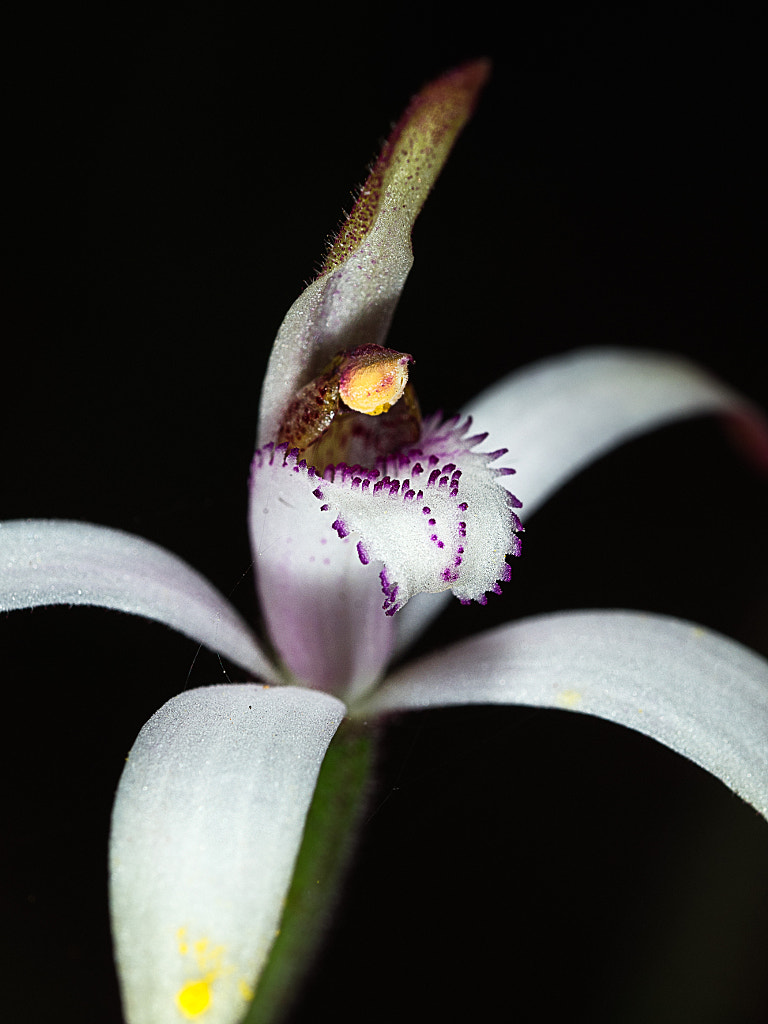
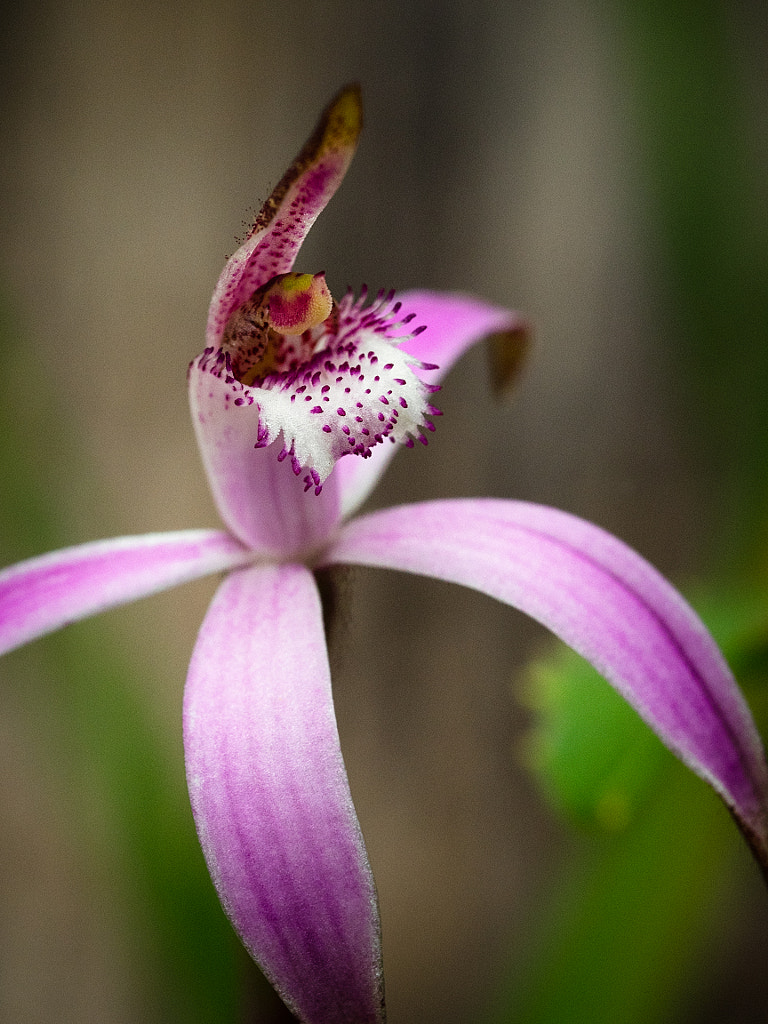
 

Candy Orchid by Paul Amyes on 500px.com
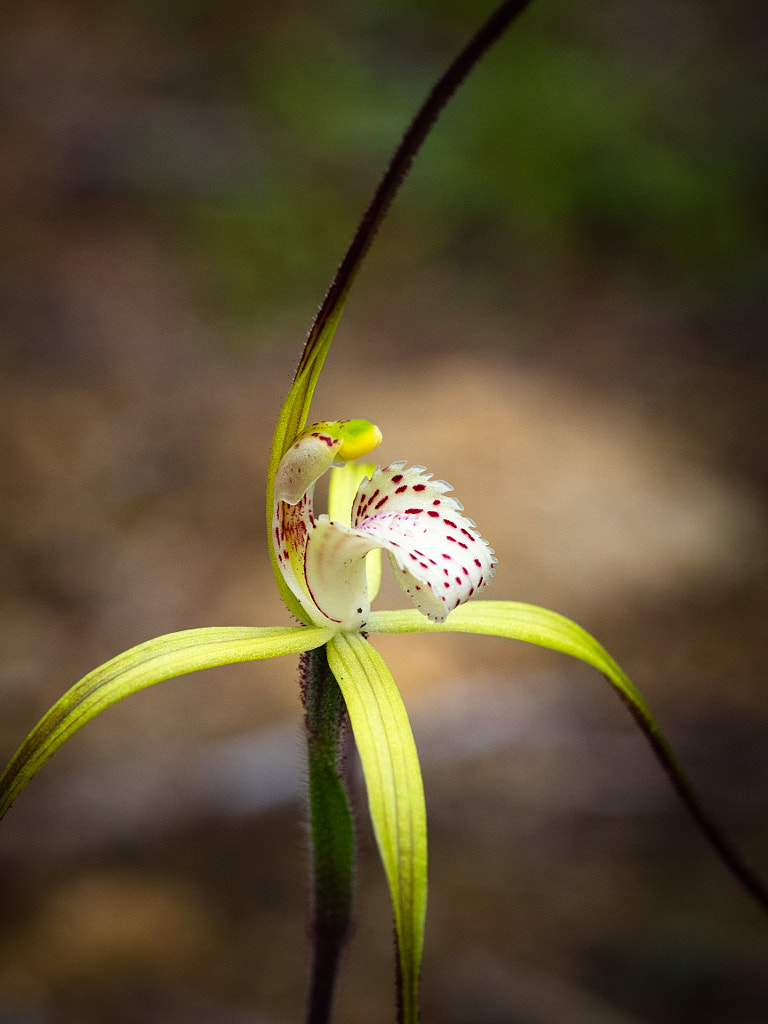
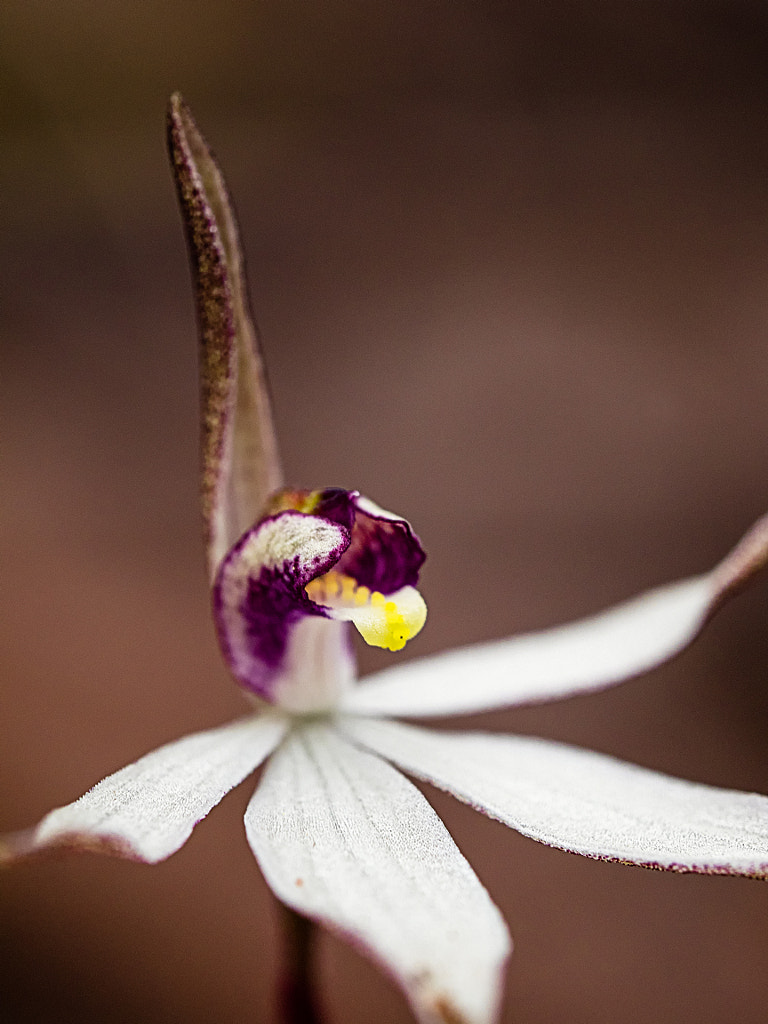
Candy Orchid, Caladenia hirta subsp. hirta. Narrogin, Western Australia.

The Hills Are Alive…

…  with flowers. Definitely not Julie Andrews and the ghastly singing Von Trapps.

When people think about Australian biodiversity and nature hot spots they automatically think of the rainforests of North Queensland, Kakadu National Park in the Northern Territory or Cradle Mountain-Lake St. Clair National Park in Tasmania. If prodded a little bit Western Australians might mention the Stirling Ranges National Park. But what if I were to tell you that there is a very significant region of biodiversity, a landscape that is still in its pristine state (i.e. has never been cleared) that is less than two hours drive from Perth? That it contains more than 1400 species of flowering plant, 24 of which are unique and not found anywhere else, there are 78 different species of bird, and there are ancient Aboriginal artefacts. So where is this place? Wongan Hills.

The name Wongan Hills comes from the Nyoongar Wongan Katta which means talking or whispering hills. The range of hills, which are about 10 north-west of the townsite are the largest single area of natural vegetation remaining in the northern wheatbelt. It is spring when everything happens – there is a truly spectacular display of wildflowers. I focus on native orchids and it is absolutely gobsmacking the number of different species and the sheer quantity of them. In the space of a morning’s walk around we found ten different species and they were totally new to me. Below are the fruits of that trip.


Pink Candy Orchid by Paul Amyes on 500px.com
Pink Candy Orchid, Caladenia hirta subsp. rosea. Christmas Rock, Wongan Hills, Western Australia.Exposure: manual 1/125 s at f/8.0, Iso 200. Olympus OMD EM1 with OLYMPUS M.60mm F2.8 Macro lens, TTL fill flash provided by Metz 15 MS-1 ring flash.


Chameleon Spider Orchid by Paul Amyes on 500px.com
Chameleon Spider Orchid, Caladenia dimidia. Christmas Rock, Wongan Hills, Western Australia. Olympus OMD EM1 with Olympus 60mm f2.8 macro lens, with Metz 15 MS-1 ring flash. Exposure: aperture priority 1/80 s at f/8.0 with -1 stop exposure compensation and TTL flash.


Yellow Spider Orchid by Paul Amyes on 500px.com
Yellow Spider Orchid, Caladenia denticulata subsp. denticulata. Christmas Rock, Wongan Hills, Western Australia. Exposure: manual 1/160th sec, f8, ISO 200 with TTL flash. Olympus OMD EM1, OLYMPUS M.60mm F2.8 Macro lens, Metz mecablitz 15 MS-1 ringflash.


Salt Lake Spider Orchid by Paul Amyes on 500px.com
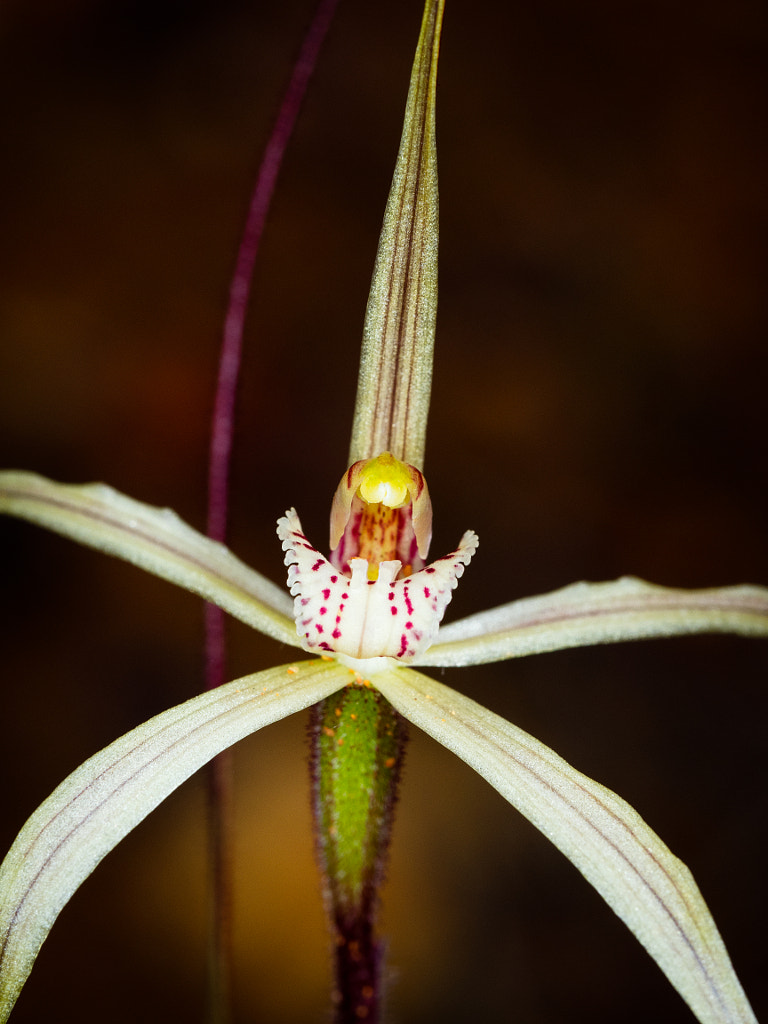
Salt lake spider orchid ( Caladenia exilis subsp. exilis). Roger’s Reserve, Wongan Hills, Western Australia. Olympus OMD EM1 with OLYMPUS M.60mm F2.8 Macro lens and Metz 15 MS-1 ring flash. Exposure: Manual mode, 1/250 s at f/8.0 ISO 200.


Clown Orchid by Paul Amyes on 500px.com
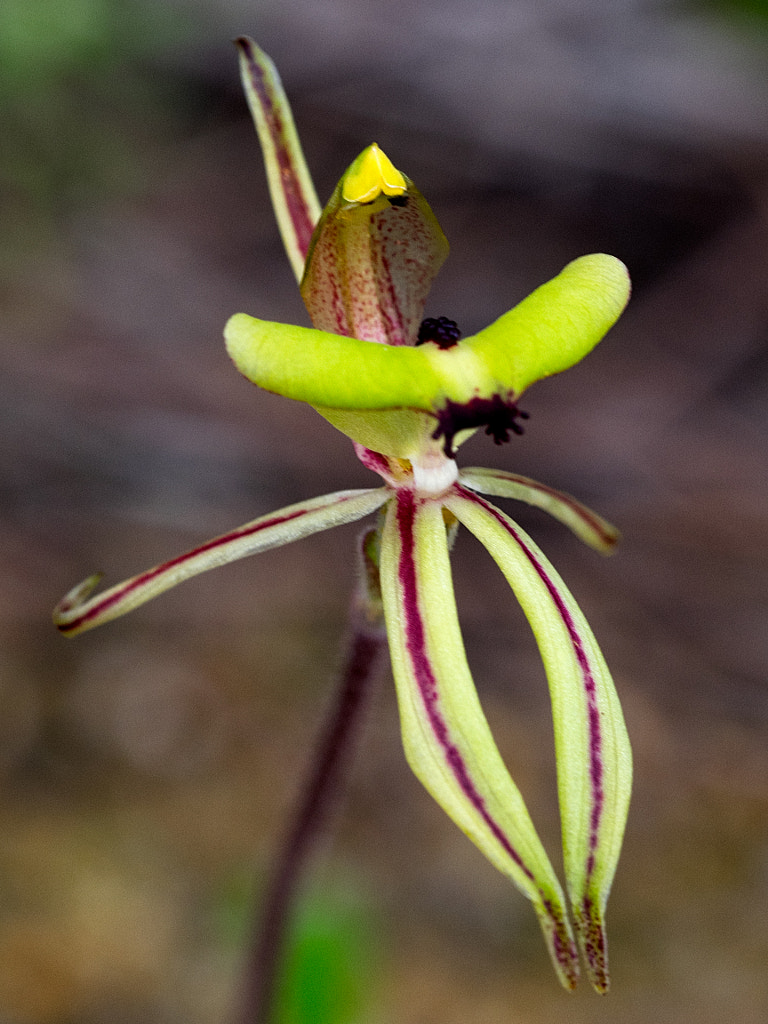
Clown orchid (Caladenia roei) also known as ant orchid, man orchid and jack-in-the-box orchid. Christmas Rock, Wongan Hills, Western Australia. Olympus OMD EM1 with OLYMPUS M.60mm F2.8 Macro lens and Metz 15 MS-1 ring flash. Exposure: aperture priority 1/50 s at f/8.0 at ISO 200 with -1 stop exposure compensation.


Mottled Donkey Orchid by Paul Amyes on 500px.com
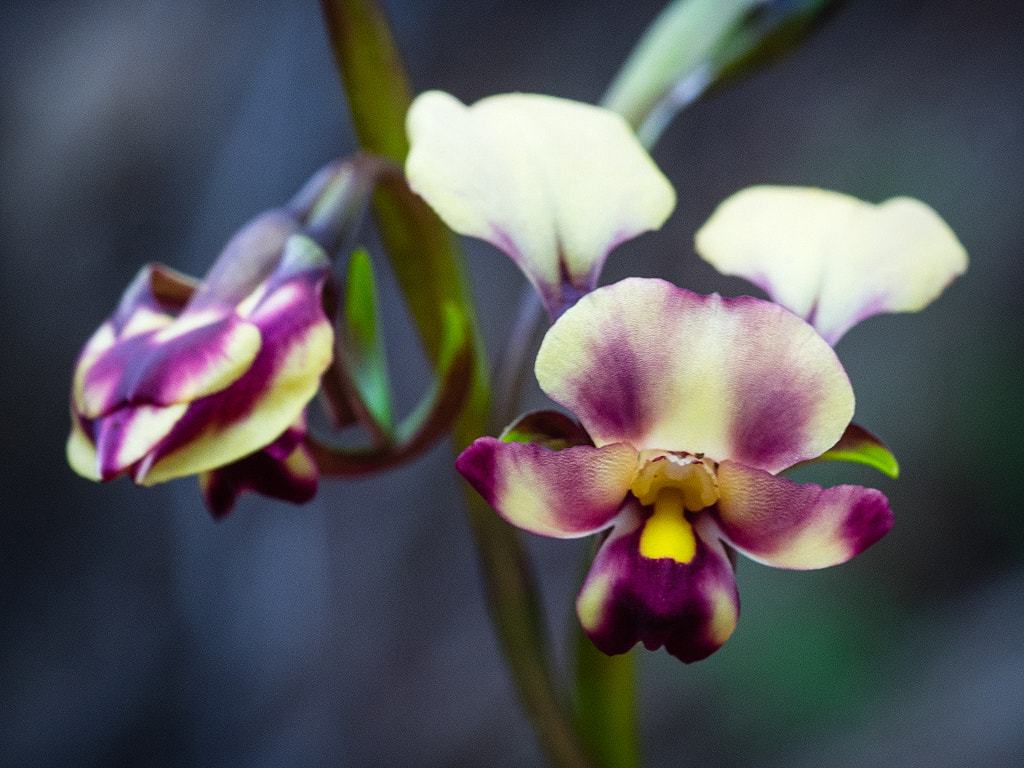
Mottled donkey orchid, Diursis sp. ‘Wyalkatchem’. Christmas Rock, Wongan Hills, Western Australia. Olympus EM1 with OLYMPUS M.60mm F2.8 Macro lens. Exposure: aperture priority mode 1/80 s at f/8.0 ISO 200 with -1 stop exposure compensation and flash from Metz 15MS-1 ring flash.


Yellow Granite Donkey Orchid by Paul Amyes on 500px.com
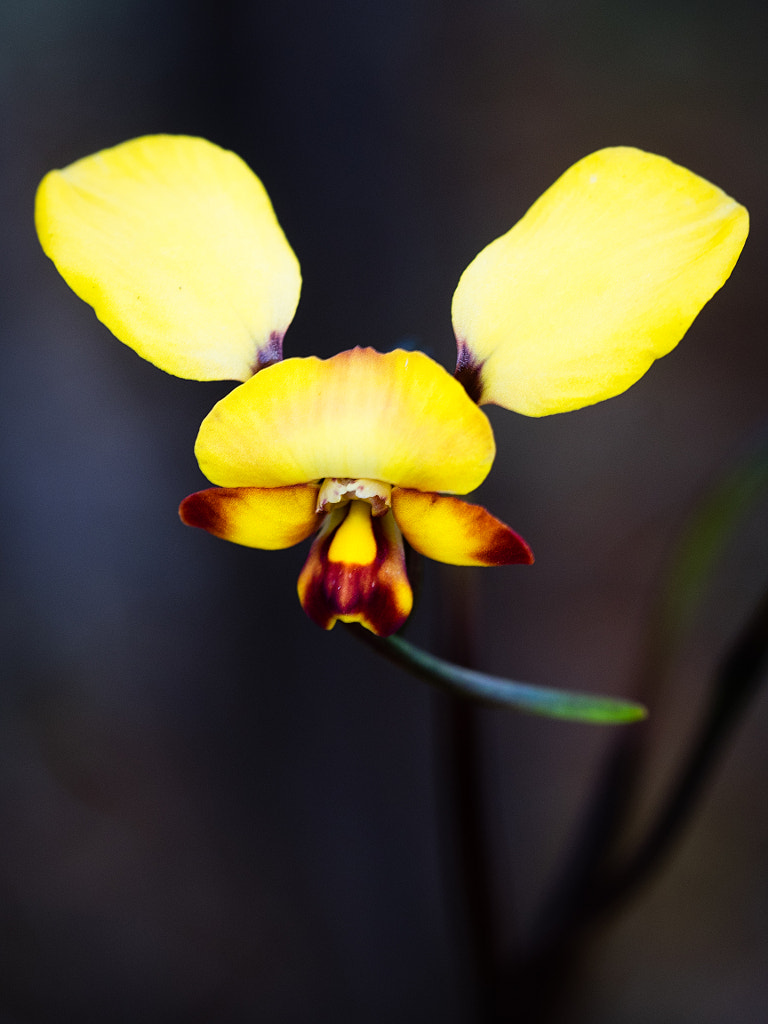
Yellow Granite Donkey Orchid, Diursis hazelii. Mount Matilda, Wongan Hills, Western Australia. Olympus OMD EM1 with OLYMPUS M.60mm F2.8 Macro lens and Metz 15 MS-1 ring flash. Exposure: Manual mode 1/100 s at f/4.0 ISO 200.


Sugar Orchid by Paul Amyes on 500px.com
Sugar Orchid, Ericksonella saccharata. Mount Matilda, Wongan Hills, Western Australia. Olympus OMD EM1 with OLYMPUS M.60mm F2.8 Macro lens and Metz 15 MS-1 ring flash. Exposure: Manual mode, 1/80 s at f/5.6 ISO 200.


Dainty Donkey Orchid by Paul Amyes on 500px.com
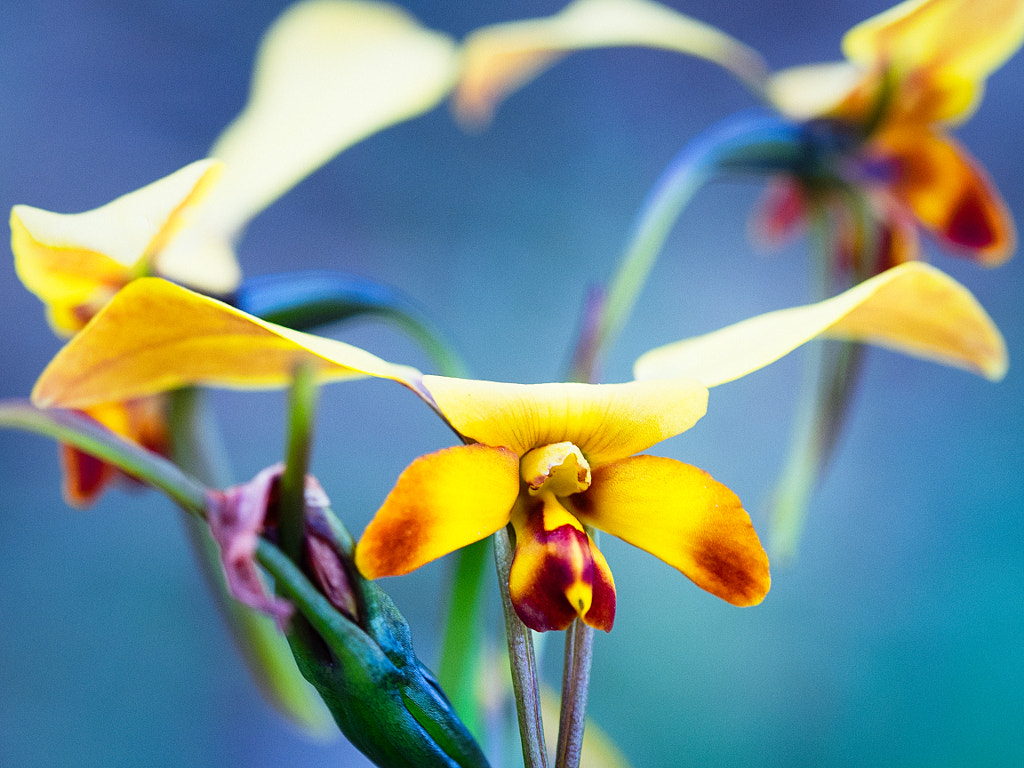
Dainty donkey orchid, Diuris sp. ‘north-western wheatbelt’. Rogers Reserve, Wongan Hills, Western Australia. Olympus OMD EM1 with OLYMPUS M.60mm F2.8 Macro lens and Metz 15 MS-1 ring flash. Exposure: aperture priority with -2 stops exposure compensation 1/125 s at f/5.6 ISO 200.


Crimson Spider Orchid by Paul Amyes on 500px.com
Crimson spider orchid, Caladenia footeana. Rogers Reserve, Wongan Hills, Western Australia. Olympus OMD EM1 with OLYMPUS M.60mm F2.8 Macro lens and Metz 15 MS-1 ring flash. Exposure: Manual mode, 1/200 s at f/8.0 ISO 200.