Augusta

Augusta is a small coastal town on the furthest southwest corner of Australia – next stop Antartica. It is home to roughly 1000 permanent residents and swells to over 5000 for the Christmas holidays.


When we first visited over thirty years ago we didn’t much care for the place. It looked boring, dreary, dull, and because we went in late winter had crappy weather. Thirty years later we’ve developed a new appreciation of the place. I suppose it seemed to my 28 year old self a bit like the English “Costa Geriatrica”,between Eastbourne and Worthing on the Sussex coast. When I went to Worthing in my late teens and early twenties It appeared that the average age of the population looked as if it was 109. It wasn’t helped by the fact that on the main road into the town was an enormous cemetery and crematorium.  But I digress and Augusta isn’t all about prostate problems and incontinence pads. Oh no! It is an amazing place because of it’s rich biodiversity and beautiful scenery. It has taken all these years for me to fully appreciate what it has to offer.
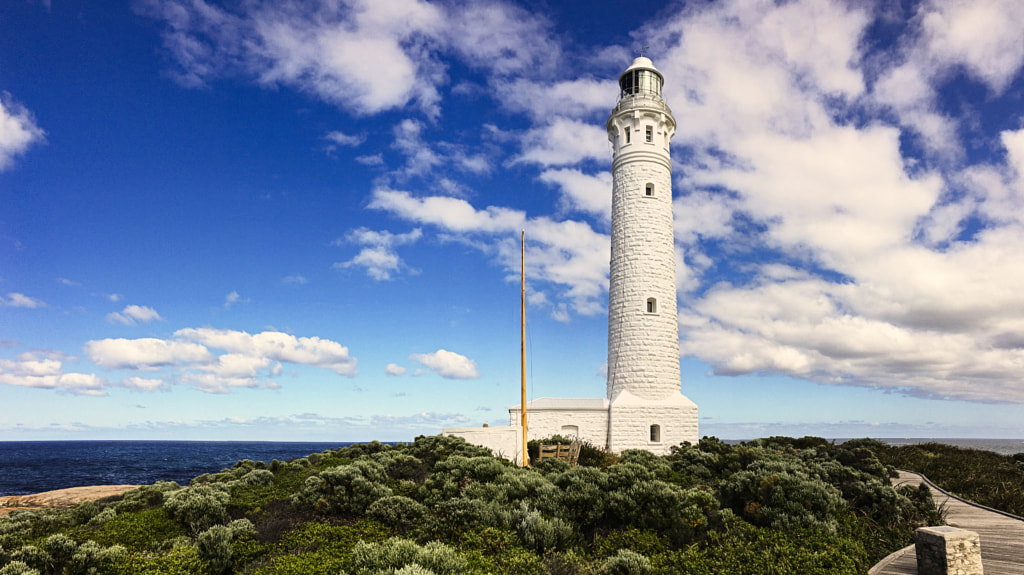
 

Cape Leeuwin Lighthouse by Paul Amyes on 500px.com
The Cape Leeuwin Lighthouse is continental Australia’s most south westerly point. The 39m tall lighthouse was built in 1895 and automated in 1982. As well as being an important navigational aid it also functiona as a weather station.

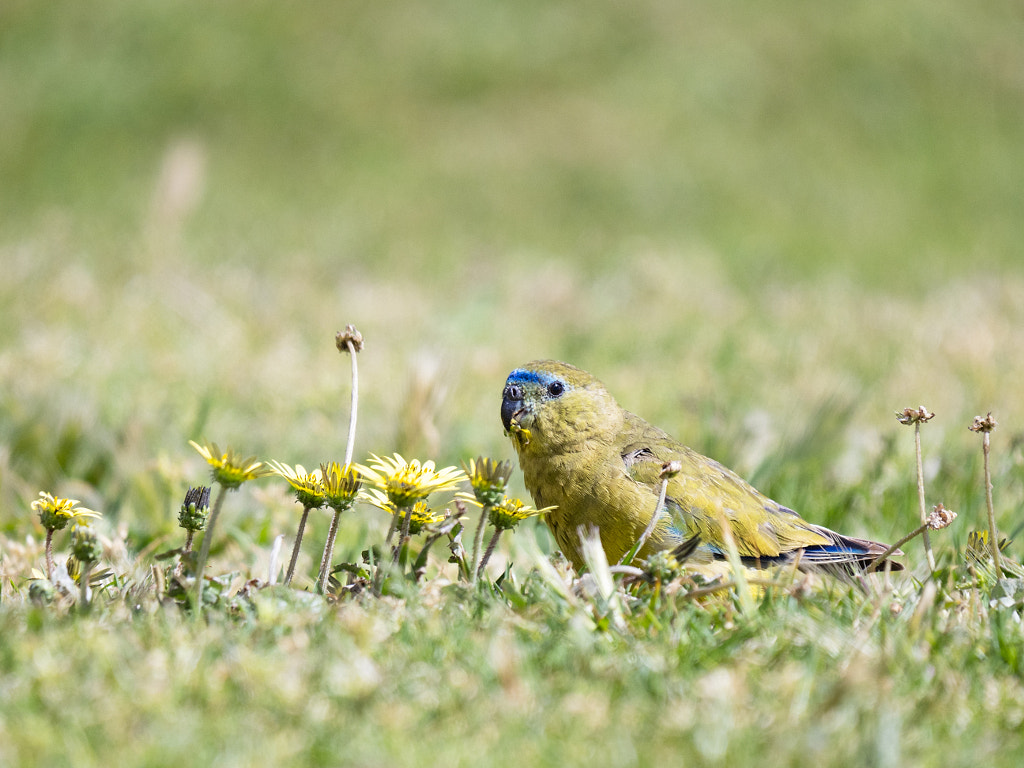
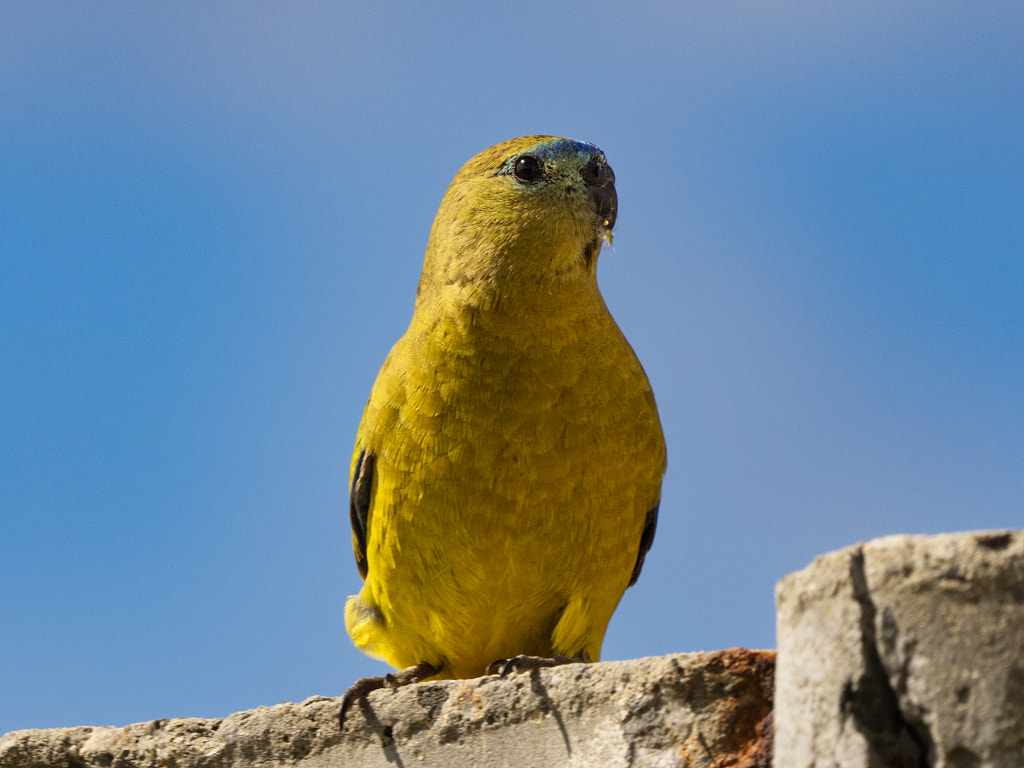
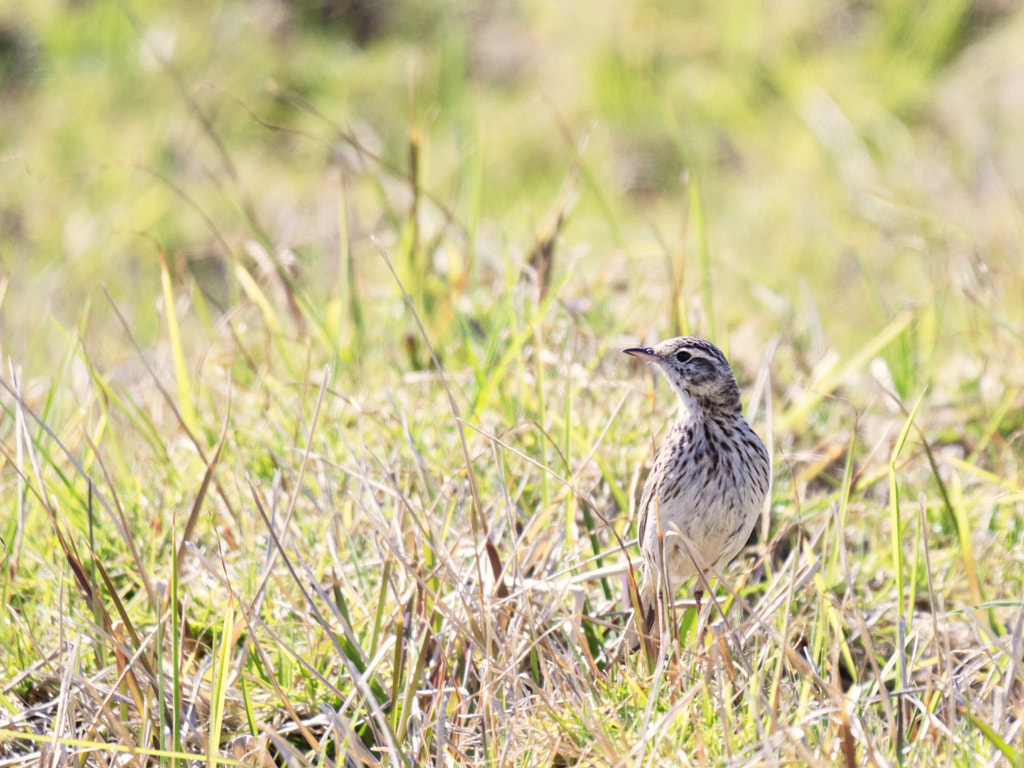
We’ve just got back from a wonderful break down there. It was fantastic to walk in the forest, along the coast and observe nature. Our first port of call so to speak was the Cape Leeuwin Lighthouse. Not because I have a thing about large phallus shaped buildings but because we wanted to see Rock Parrots (Neophema petrophila). I have tried to photograph them before at Denmark but not had much luck. The main reason is that their colouring means that they blend in perfectly with the grasses and sedges found on the coast. At the Cape Leeuwin Lighthouse the parrots often feed on the lawns surrounding the buildings. Well maintained cut lawn would mean less foliage for the parrots to hide in. I settled into place and while I waited an Australian Pippit bobbed around in the longer grass at the edge of the lawn. After a while five or six rock parrots landed and started to feed. I waited patiently and as luck would have they moved closer and closer to me. After a while I had this distinct impression that someone or something was behind me watching. I slowly stood up and turned around and there on the water tank behind me was a solitary rock parrot. I was so close I could have reached out and touch it. Amazing stuff! Thankfully he/she was happy to sit there while I grabbed a few photos.

 

“You’ll find the rock parrots over there!” Welcome Swallow, Hirundo neoxxena. Cape Leeuwin, Western Australia.


Waradjoolon by Paul Amyes on 500px.com
This Australian Pipit, Anthus australis, was the warm up act for the main star of the show. Cape Leeuwin, Western Australia.


Rock Parrot by Paul Amyes on 500px.com
Rock Parrot, Neophema petrophila. Cape Leeuwin, Western Australia.


Rock Parrot by Paul Amyes on 500px.com
“Whose a pretty boy?” Rock Parrot, Neophema petrophila. Cape Leeuwin, Western Australia.


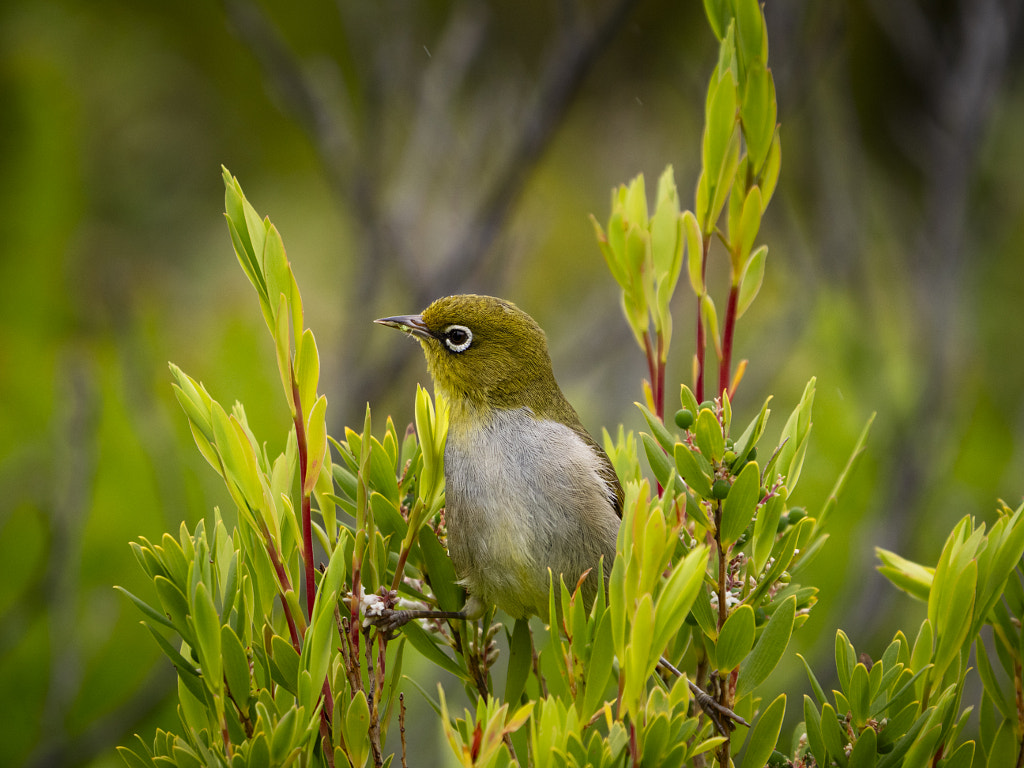
Our next foray was to Hamelin Bay where we hoped to find Southern Emu-wrens  in the bush behind the dunes. Despite it hammering down with rain I did manage to find some, but taking a photo of them was another story. Those little buggers are fast and they don’t sit still for very long at all. All I got for my troubles was very wet and some photos of Silvereyes. We admitted defeat and retreated back to Augusta for an excellent fish and chip lunch.
 

Doolor by Paul Amyes on 500px.com
Silvereye, Zosterops lateralis. Hamelin Bay, Western Australia.


In-between looking for birds I also spent some time looking for orchids. It is amazing to go to a place you’ve visited several times before but still find new and unusual species It was also very nice to meet a couple from Queensland who drive over very year to see Western Australia’s orchids. That is dedication!
 

Pink Fairies Orchid by Paul Amyes on 500px.com
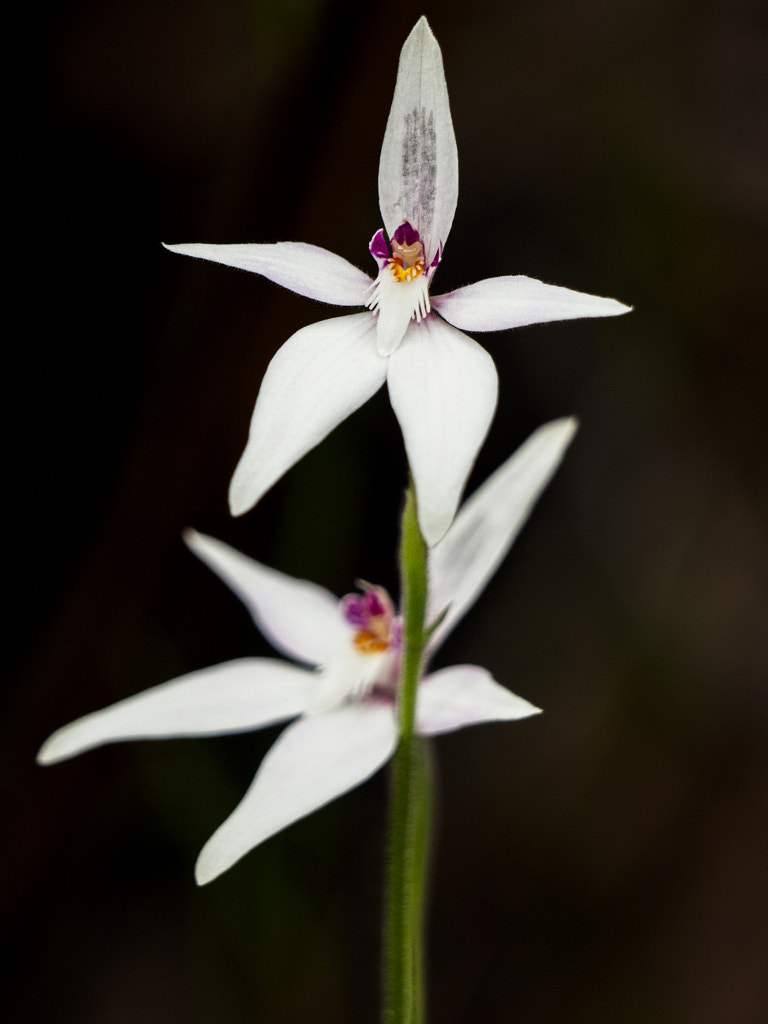
The albino form of the pink fairies orchid, caladenia latifolia. Jewel Cave, Deepdene, Western Australia.


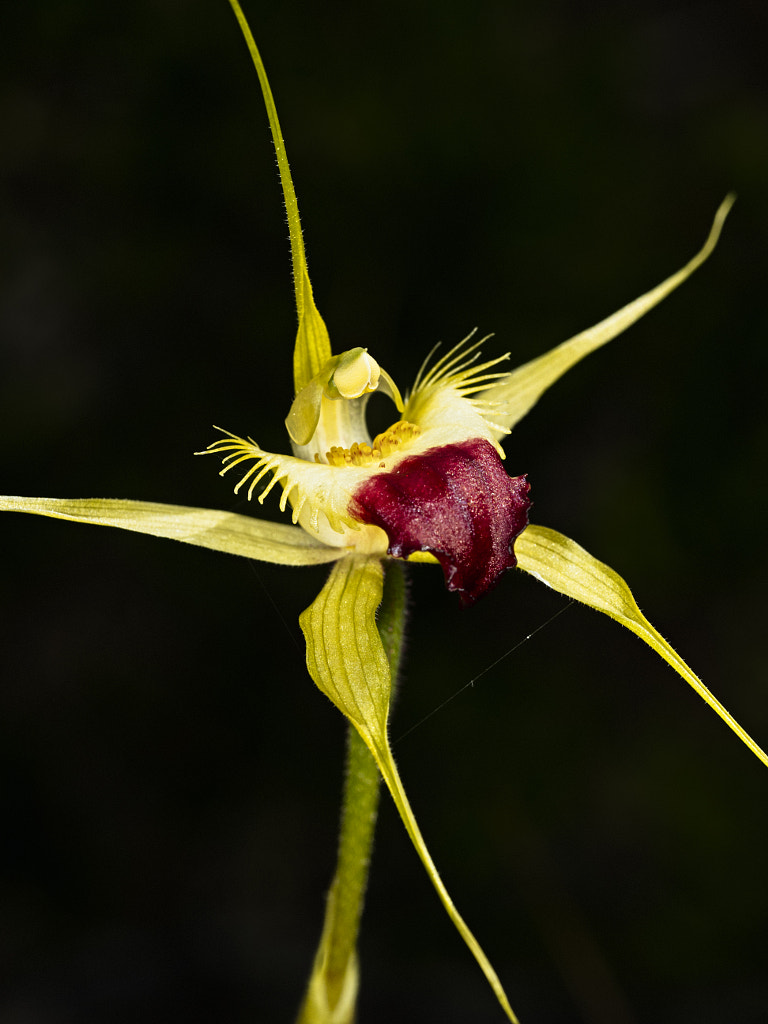
Lodge's Spider Orchid by Paul Amyes on 500px.com
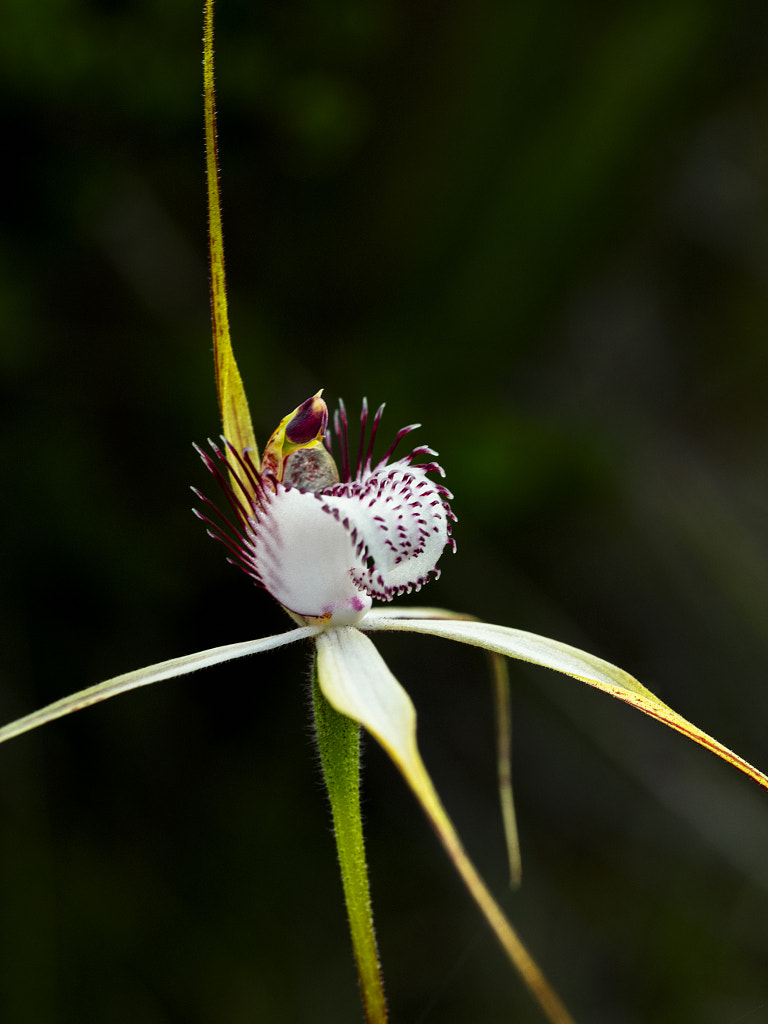
Lodge’s Spider Orchid, Caladenia lodgeana. Flat Rock, Augusta, Western Australia.


Funnel-tipped Spider Orchid by Paul Amyes on 500px.com
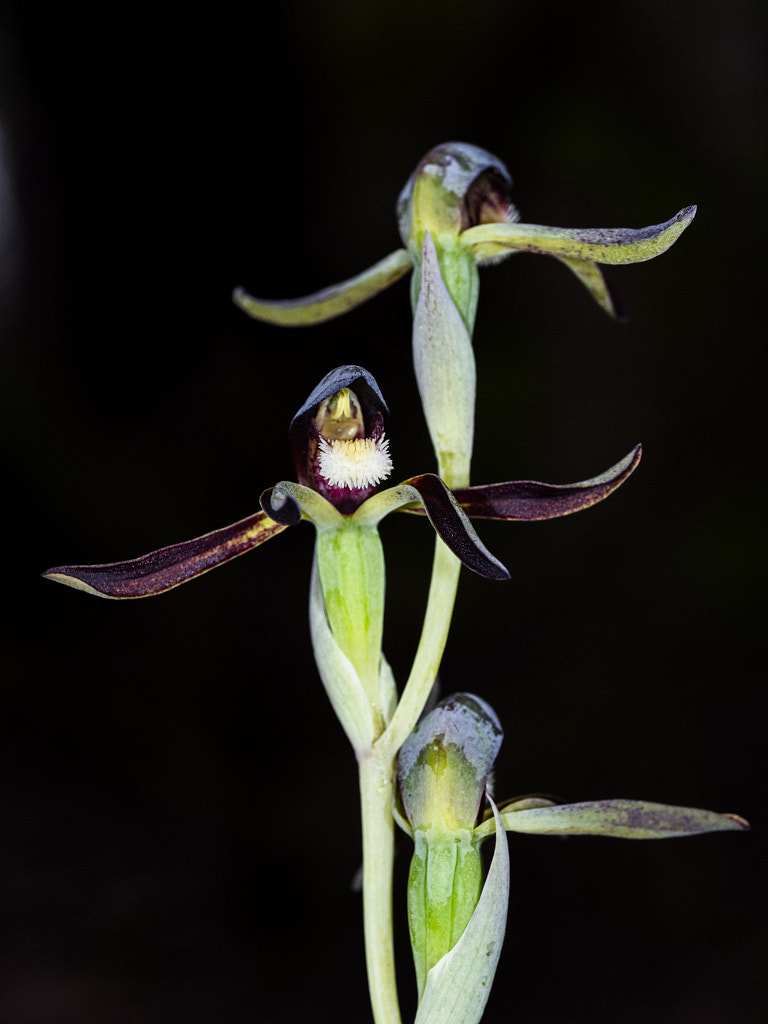
Funnel-tipped Spider Orchid, Caladenia infundibularis. Flat Rock, Augusta, Western Australia.


Augusta Bee Orchid by Paul Amyes on 500px.com
Augusta Bee Orchid, Diuris sp Augusta. Flat Rock, Augusta, Western Australia.


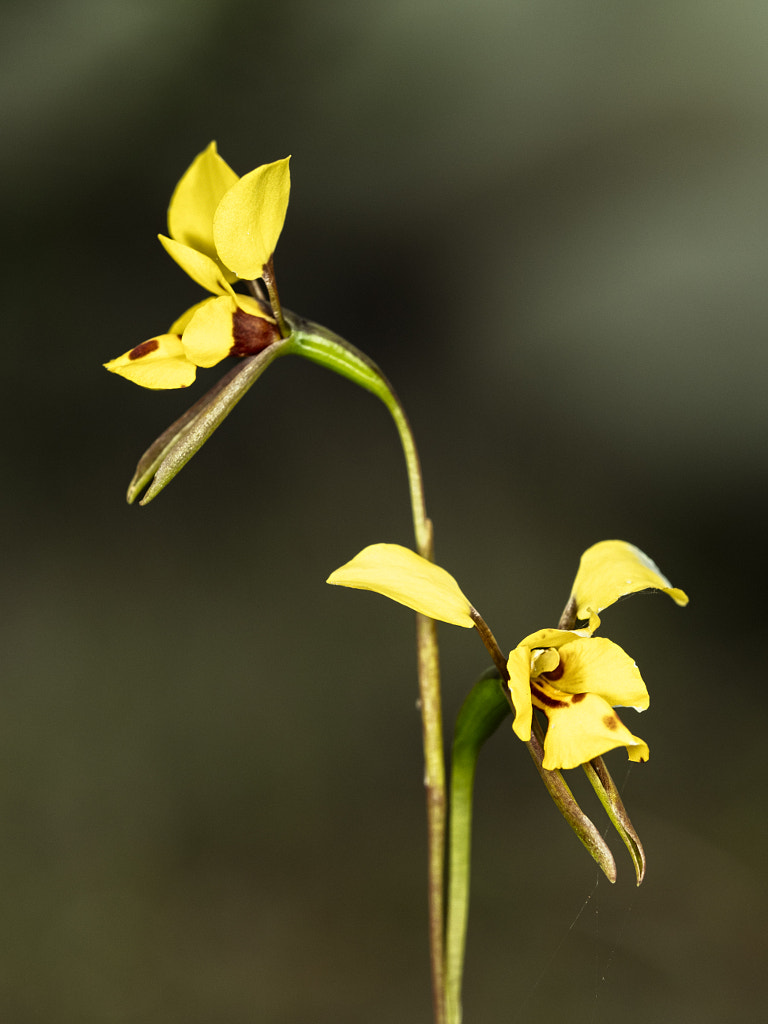
Dusborough Donkey Orchid by Paul Amyes on 500px.com
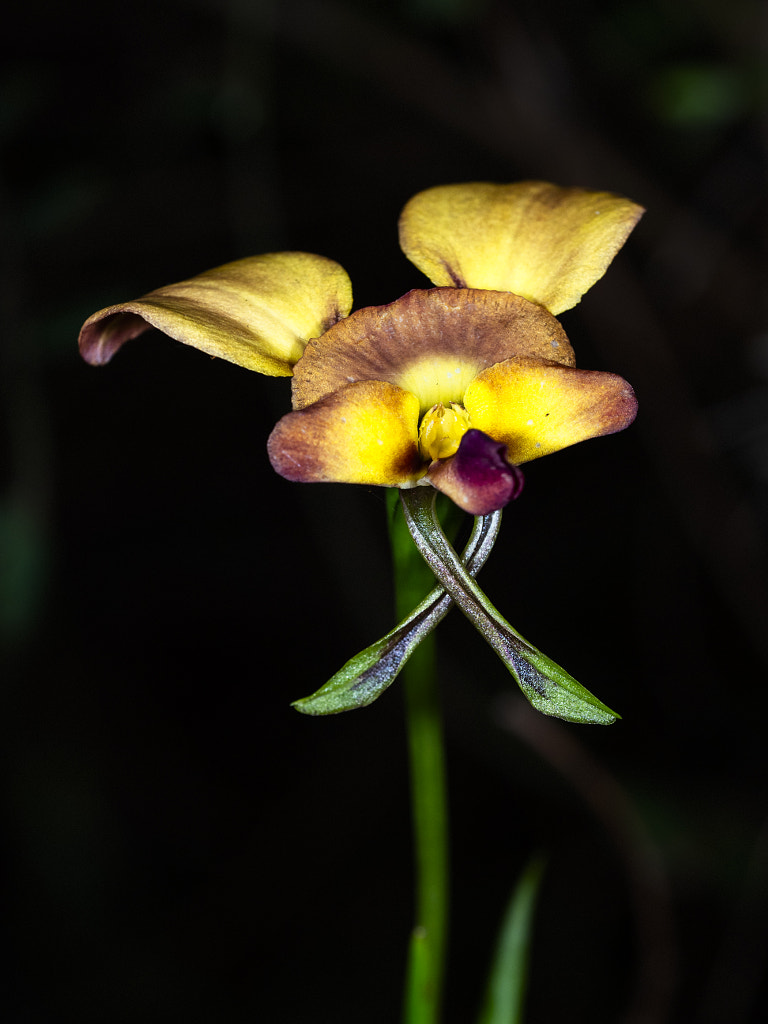
Dusborough Donkey Orchid, Diuris jonesii. Flat Rock, Augusta, Western Australia.


Rattle Beaks by Paul Amyes on 500px.com
Rattle Beak Orchid, Lyperanthus serratus. Flat Rock, Augusta, Western Australia.


Swamp Mignonette Orchid by Paul Amyes on 500px.com
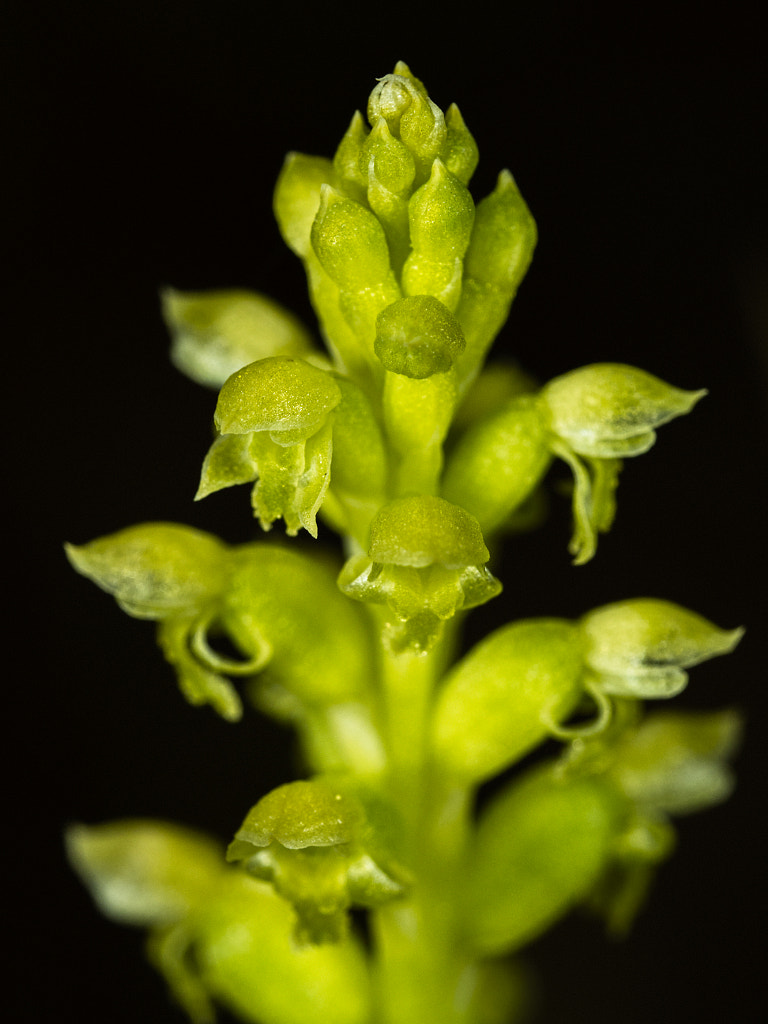
Swamp Mignonette Orchid, Microtis atrata. Flat Rock, Augusta, Western Australia.


Common Mignonette Orchid by Paul Amyes on 500px.com
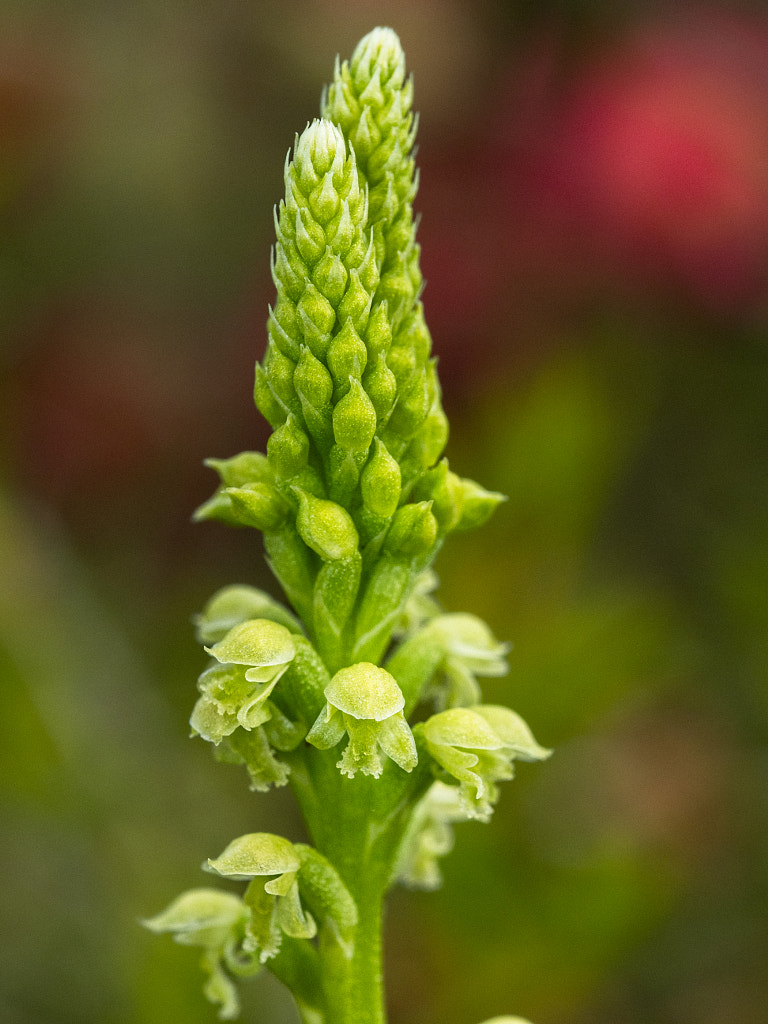
Common Mignonette Orchid, Microtis media subsp. media. Flat Rock, Augusta, Western Australia.


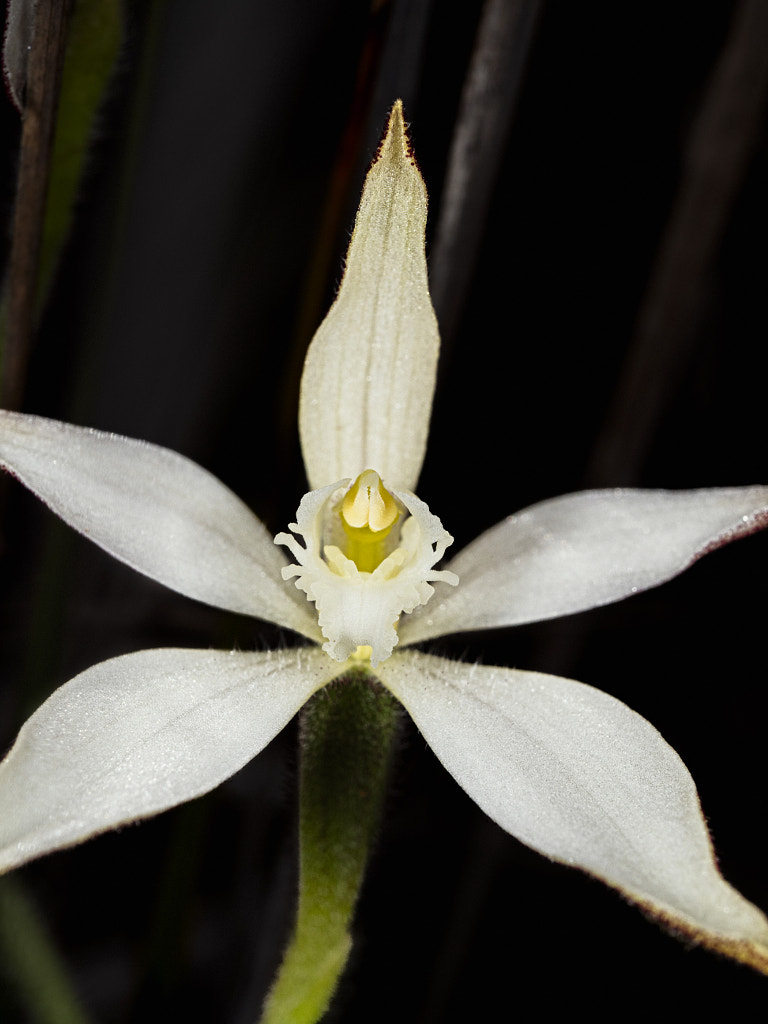
White Fairy Orchid by Paul Amyes on 500px.com
White Fairy Orchid, Caladenia marginata. Flat Rock, Augusta, Western Australia.


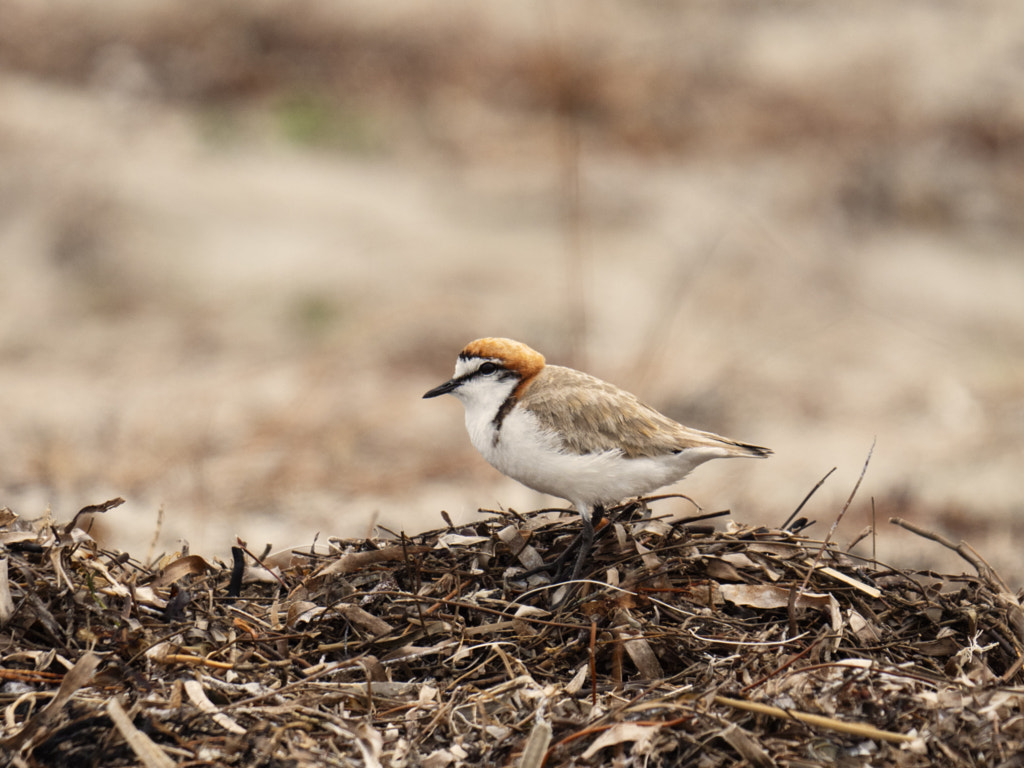
My last session photographing birds came entirely by accident. We were taking Frida, our wayward bull terrier, for her morning walk on the dog beach when we saw some small birds scurrying around among the grasses and washed up seaweed. We took her back to the car and I grabbed my camera. After a bit of a smelly crawl through piles of seaweed I was delighted to find some Red-capped Plovers and proceeded to lie there taking photos for nearly an hour.
 

Red-capped Plover by Paul Amyes on 500px.com
Red-capped plover, Charadrius ruficapillus. Augusta, Western Australia.


In many ways it was sad when it came time to leave. Mainly because we’d had a really good time but also with the realisation that the area is about to profoundly change. It seems that every bit of spare land is being turned into housing estates. Hundreds of project homes are being packed eve to eve on small blocks of land. Within a short while this will have a detrimental effect on the environment as forest and coastal heathland is cleared. What is sadder is that the housing isn’t needed. At the start of this article I said that only just over 1000 people live permanently in Augusta and according to Shire of Augusta Margaret River 44% of the buildings are unoccupied. We have watched the suburban sprawl spread in the Cape to Cape region starting at Dunsborough and slowly spreading to Margaret River and now inexorably down to Augusta. Many years ago a friend who worked for what has become Landgate which is the Western Australian’s land management department in charge of surveying, titles and planning. He said he’d seen plans to develop the Cape to Cape region to such an extent that the only forest left would be a thin fringe along the major roads. Then I didn’t want to believe him, but now I can see it is happening. Hopefully it won’t take thirty years for other people to realise what is so special about the region and try and stop this senseless development.
And I Still Haven’t Found What I’m Looking For*


Bamborn by Paul Amyes on 500px.com
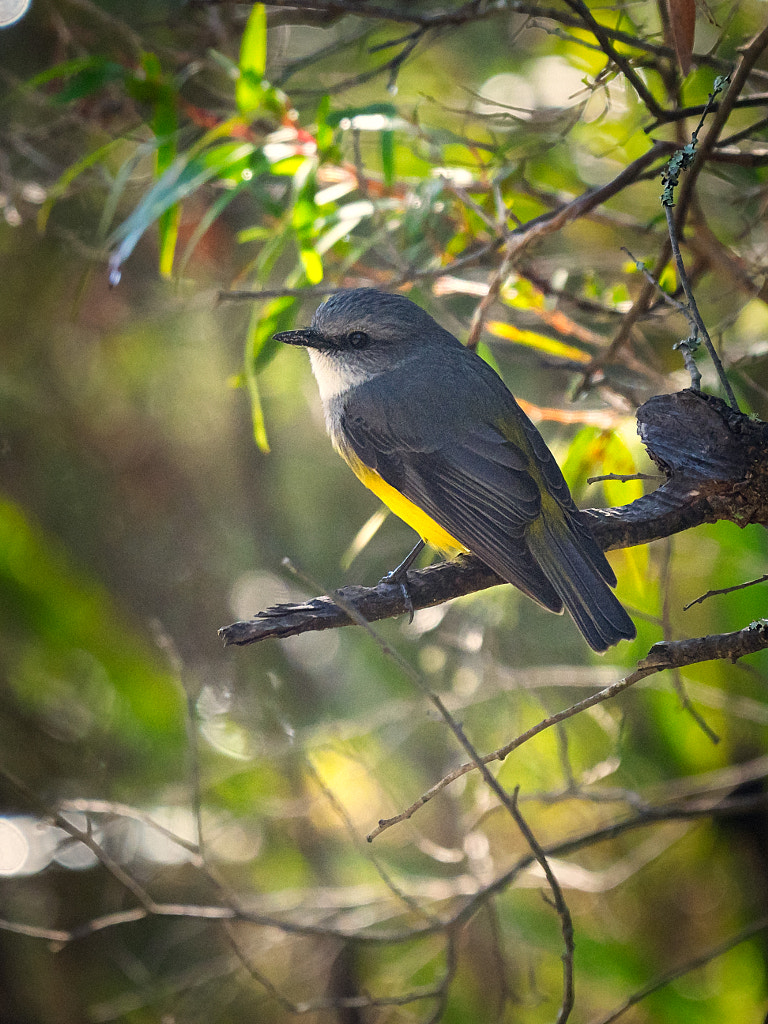
I’d gone to Locke Nature Reserve near Busselton looking for common helmet and midge orchids, but they weren’t flowering. This Western Yellow Robin (Eopsaltria griseogularis) and its mate kept darting in and out of the bush as I walked along the track so I photographed them instead.

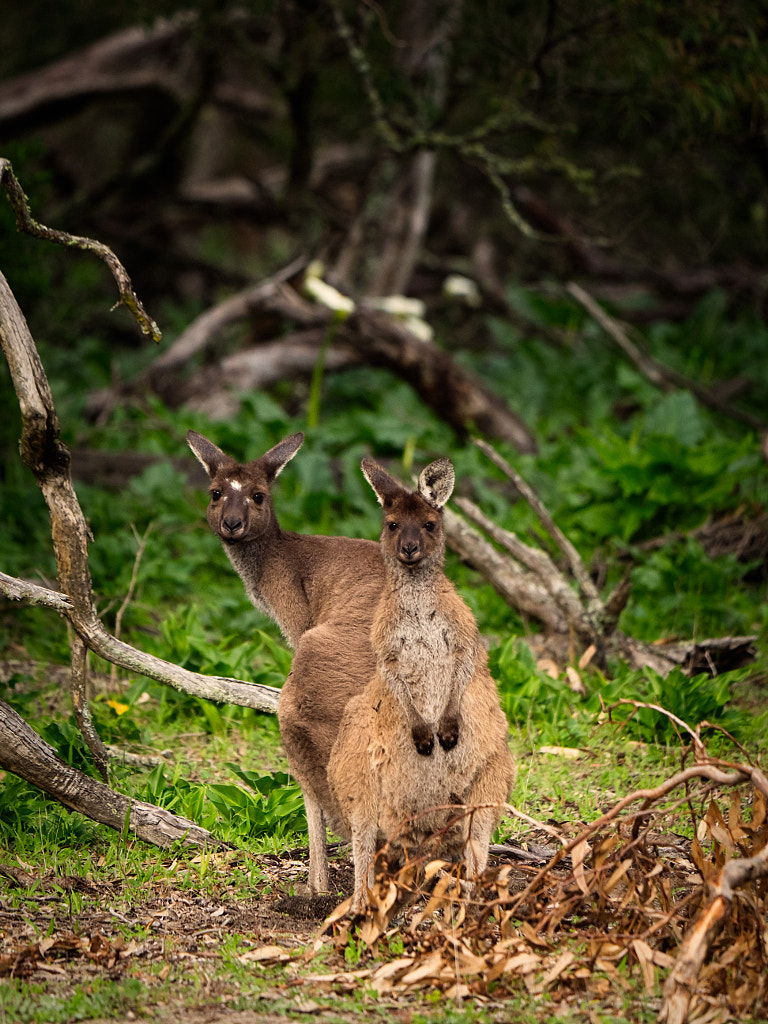
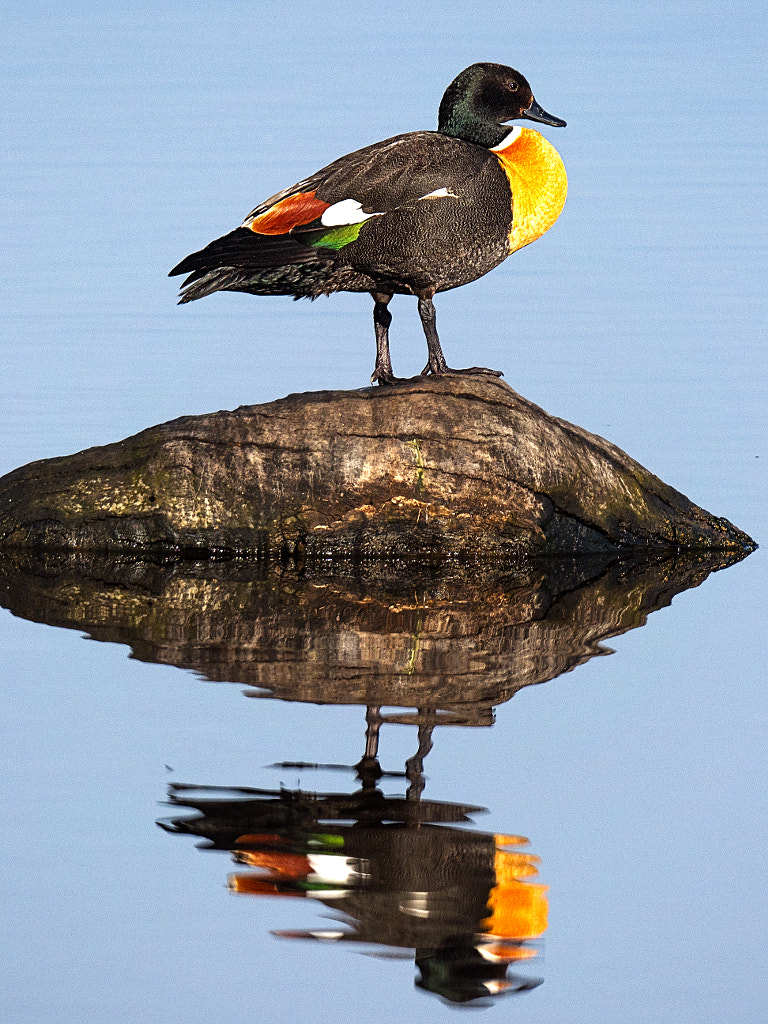
This nature photography lark is a lot harder than it looks. I follow a couple of YouTube channels from the UK that weekly show the host going out to some location to photograph and /or film a particular animal or plant. They always find it and always get   good images. My experience is a bit different to that. I find that you can go out with all the best intentions in the world,  but if nature isn’t playing ball then you don’t get anything. I’ve lost count of the number of times that I’ve set out to look for the Cleopatra’s Needles Orchid (Thelymitra apiculata) driving 100’s of kilometres to find absolutely nothing. Take last weekend. We were down in the South West of Western Australia as my partner was again playing in a croquet tournament. So I’d researched what was about in terms of birds and orchids and set out to several locations with a specific list of what I wanted to photograph. The first stop was Malbup Creek Bird Hide where I wanted to see tawny frogmouths and white-bellied sea-eagles. Well I spent a nice morning at the hide without seeing them. I did get a nice shot of a shelduck and the local kangaroos were hamming it up for a photo.


Koorak by Paul Amyes on 500px.com
Not the white-bellied sea-eagle I was looking for. Still he’s a very handsome Australian Shelduck.


Yongka by Paul Amyes on 500px.com
No tawny frogmouths to be seen let alone be photographed. The Western Grey Kangaroos were keen to oblige.
The next stop was Locke Nature Reserve looking for common helmet and midge orchids. Well after a couple of hours of scrabbling around in the undergrowth fighting off the unwanted attentions of the local mosquitoes I’d found lots of them, but none in flower. There were some Splendid Fairywrens in the nearby bushes but they really didn’t want their picture taken and kept dancing out of the way every time I got close. On the walk back to the car a couple of Western Yellow Robins flew slightly ahead of me. They would stop and perch periodically and I was lucky enough to grab a few frames.
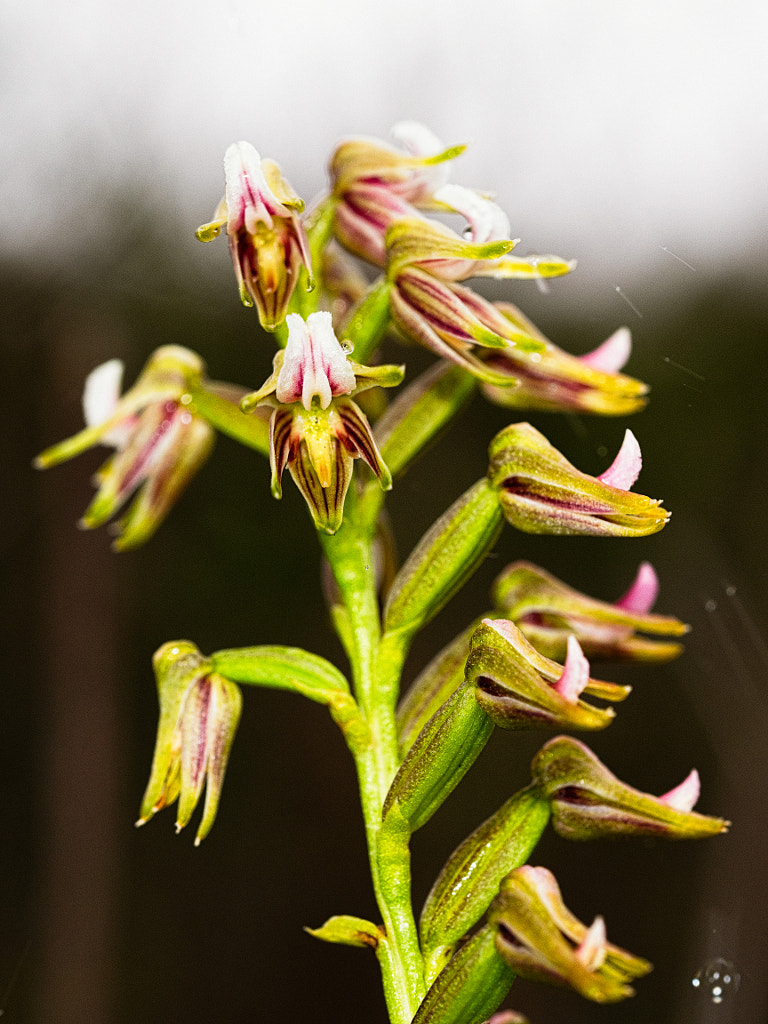
My last spot was Westbay in Augusta looking for scented autumn leek orchids. Now I’d seen them before at this location and knew where to go. They weren’t there. Not a one was to be seen. But I did find some autumn leek orchids – close enough so I photographed them. Funnily enough the autumn leek orchid has a much more pleasant scent than the scented variety which has decidedly unpleasant pong.
Autumn Leek Orchid by Paul Amyes on 500px.com
Autumn Leek Orchid, Prasophyllum parvifolium. Westbay, Augusta, Western Australia
So there you have it another rewarding trip. I may not have found what I was looking for but I found other things and really enjoyed my time in the bush and that is what it is all about.
* This weeks musical reference is of course U2’s song I Still Haven’t Found. My favourite version is the one on 1988’s Rattle and Hum album.