Garden For Wildlife

Where To Find Wildlife – part 1


One of the most common statements made on social media is “I’d like to photograph wildlife, but, there is none where I live”. In the next couple of posts I’d like to unpack this and suggest ways of finding wildlife in your location.


While Bertie can be pretty wild at times he is not wildlife.


Australia’s iconic Koala is an example of charismatic wildlife.


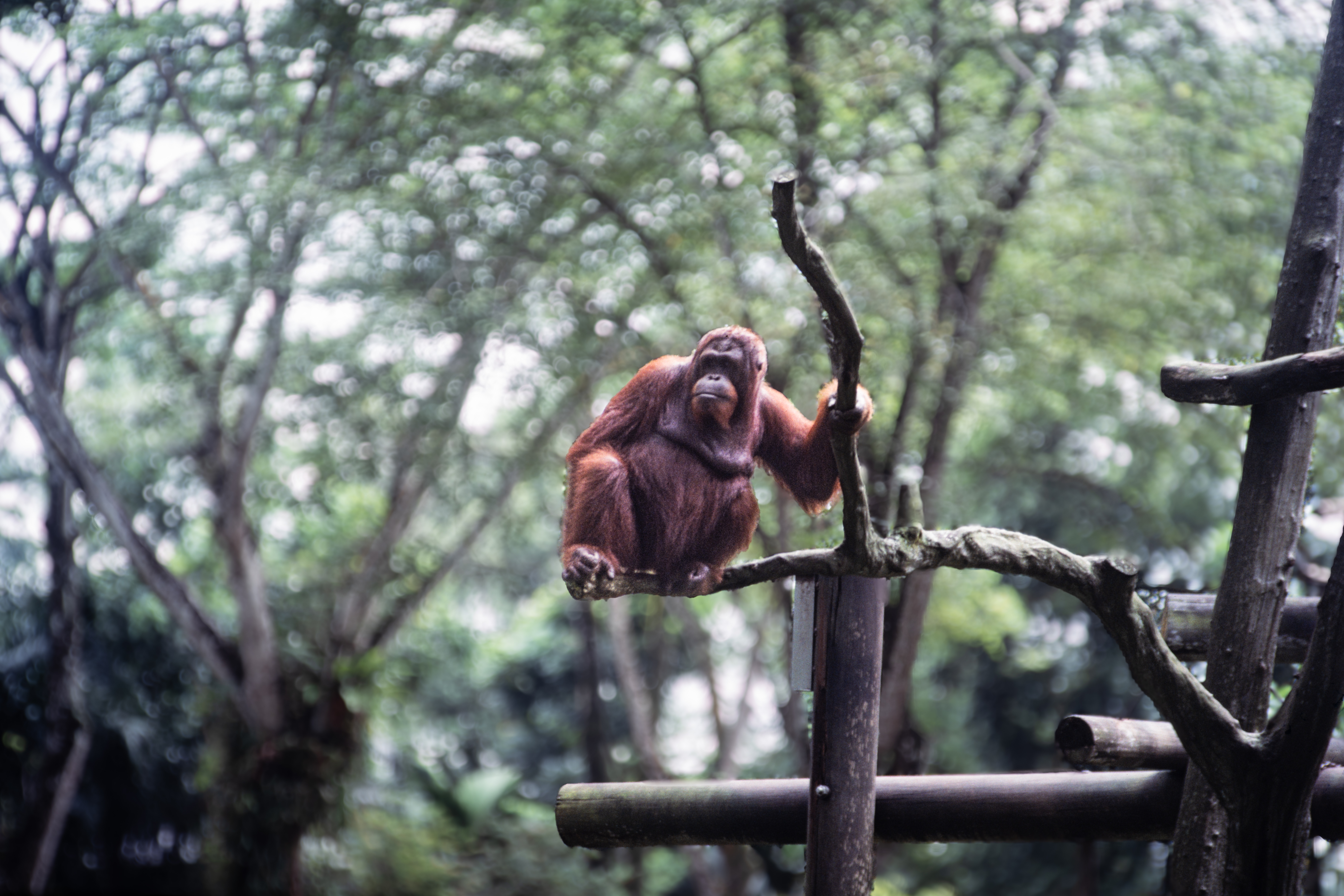
Orang-utans are another example.

Firstly we have to look at what people mean when they talk about wildlife. Wildlife is defined as undomesticated animals which can exist in their natural habitat, but has come to include all animals that live wild in an area without being introduced by humans. So that is a pretty broad definition and gives lots of scope. Having said that when most people talk of wildlife they tend to think only of certain charismatic species. Charismatic species are those animals which are visually appealing and generate public empathy to the extent that conservation groups and the media leverage those animals to the detriment of other species. The common features are that they are easily anthropomorphised, look cute, are large with big eyes, and they evoke strong positive emotions, making people want to protect them. Examples are giant pandas, gorillas, orang-utan, and koalas. The terms wildlife or wild animals cover a much broader range and includes animals rarely thought about.


Highly unlikely I’ll ever encounter a Polar Bear in the Wandoo National Park. Funnily enough I did photograph this one in Singapore which still seems highly unlikely.


We also have to take into account your location. In my case walking around my local national park expecting to photograph polar bears is delusional. To start any photographic project or endeavour you will have more success if you have accessibility, time, and certain equipment. The equipment side is the easy part of the equation and you don’t need vast sums of money and I’ve written about how to go about wildlife photography on a budget previously.
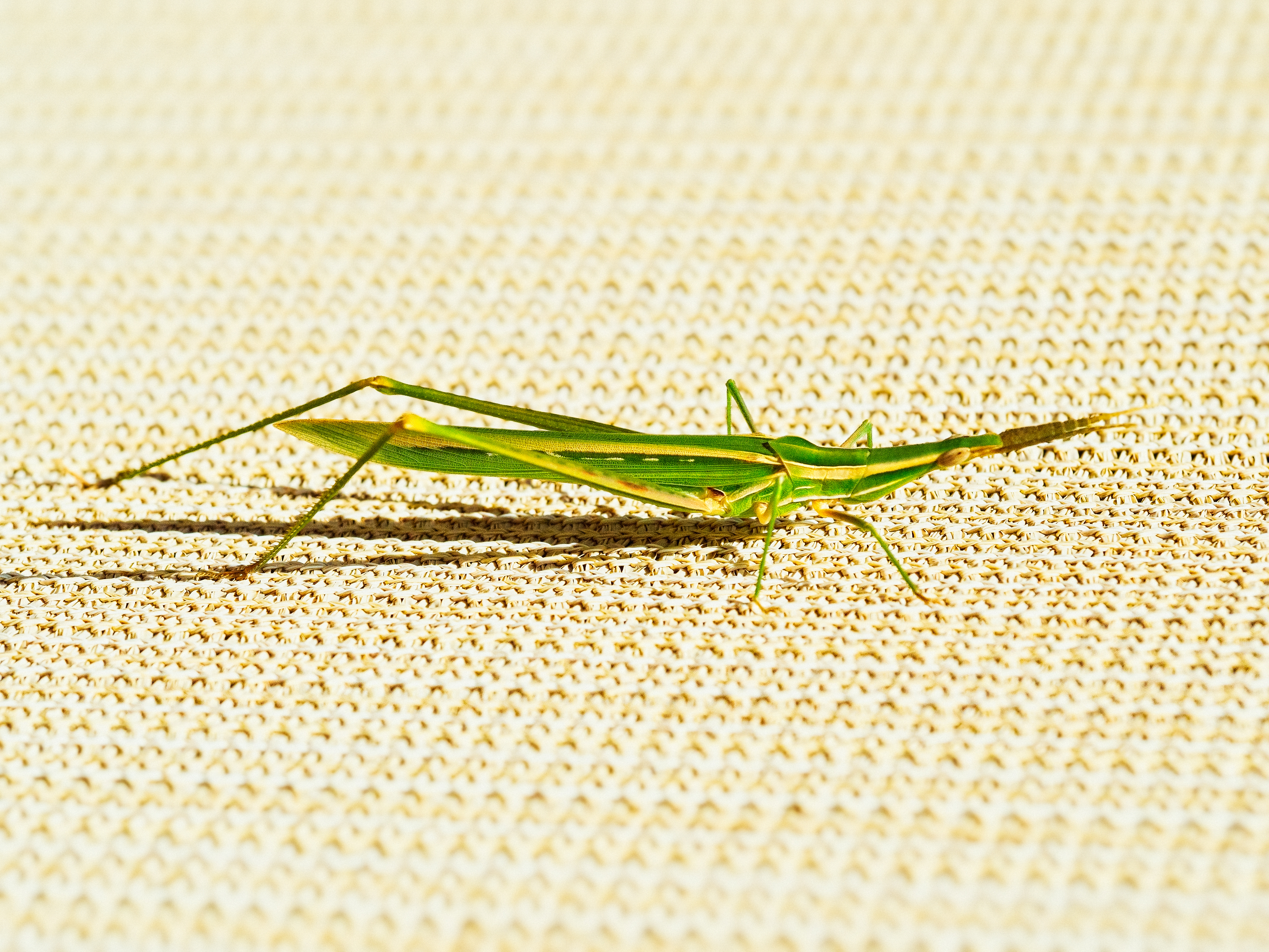
 

This Giant Green Slantface Grasshopper (Acrida conica) is not what comes to most people’s minds when thinking about wildlife.


The same could be said of this Blackbarred Mantis (Mantis octospilota).


At this stage it is time to think about what you want to photograph. Most people decide to photograph birds as that is what most comes to mind when talking about garden wildlife. I’ve known a couple of people who have decided to photograph in invertebrates they find in their garden. I’ve seen YouTube videos where people have hedgehogs or foxes come to their garden and they’ve gone out to take pictures of them as their main subject. We have resident frogs and bob tailed lizards in the garden and have had goannas and gwardars come visit. I think the neighbours chickens attract them.
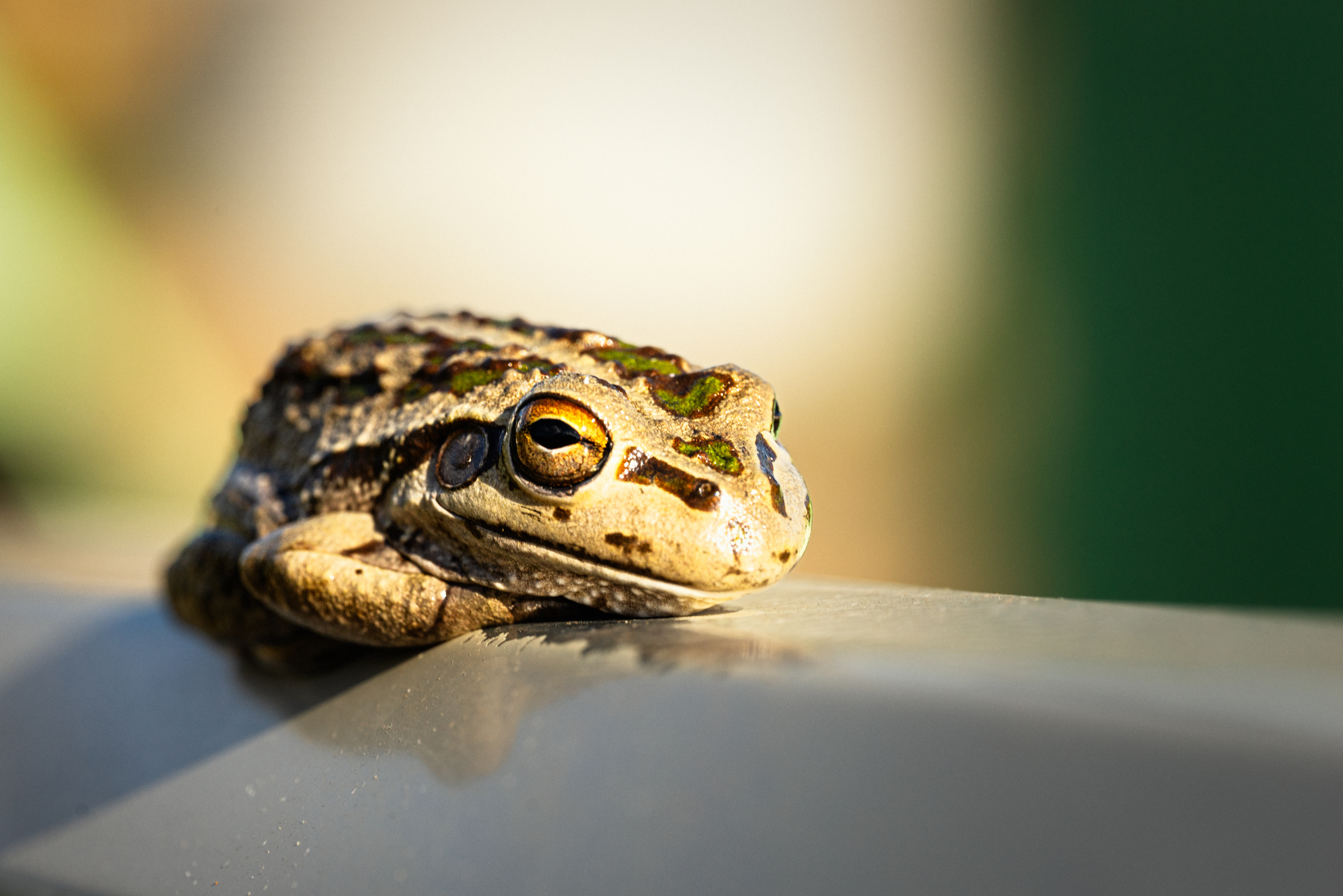
 

Motor Bike Frog [Litoria moorei (Copland 1957)]. Usually heard rather than seen.


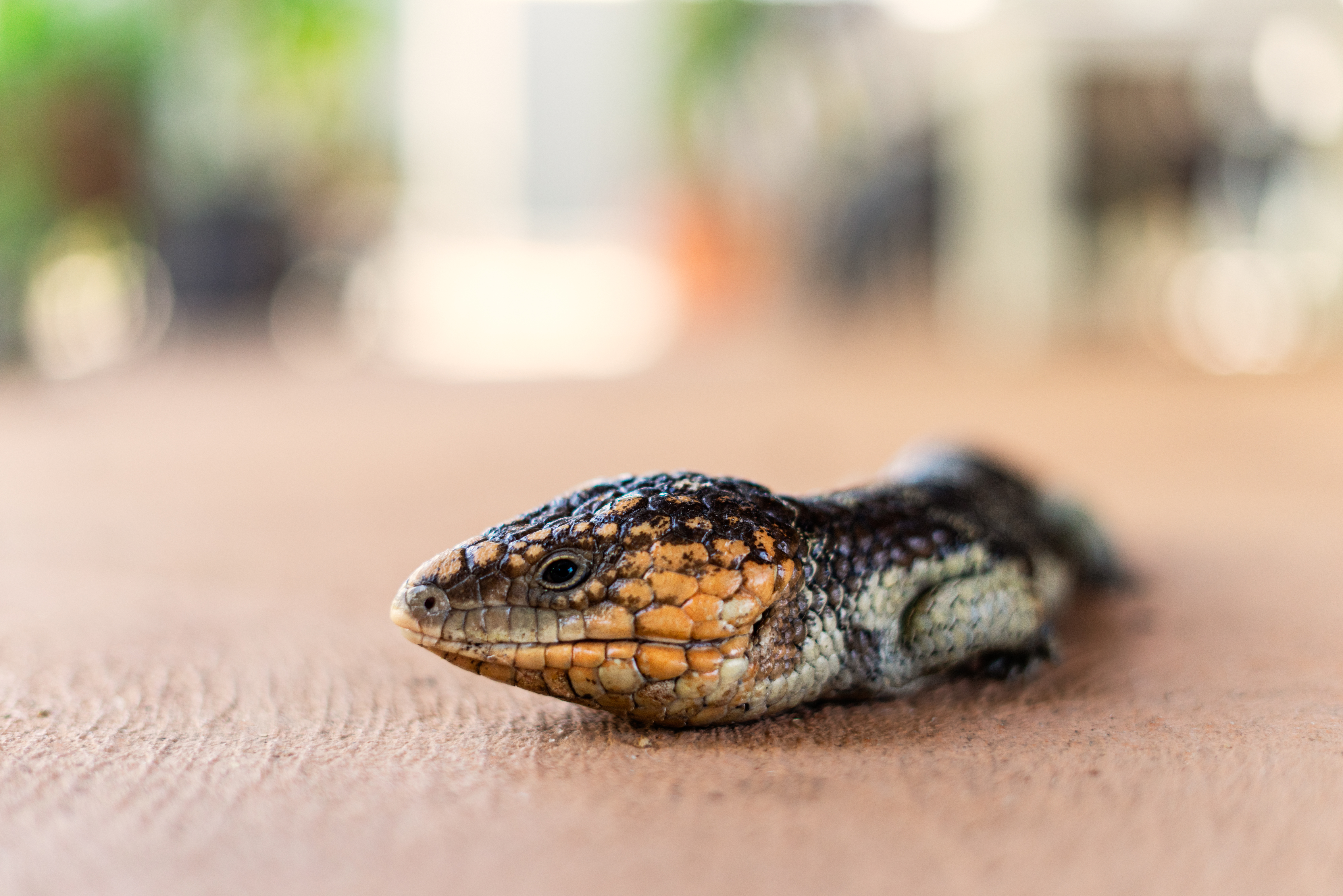
Big Bob the Bob Tailed Lizard (Tiliqua rugosa) on the prowl on the back patio.


My first forays into wildlife photography were in the garden and I think this is one of the best places to start because you have access and can observe what is happening through out the day and all through the seasons. Also if it is your garden to can modify or make alterations to attract more animals. I realise that not everyone has this luxury, but I do believe that with a bit of planning and a small amount of expenditure you can bring in animals. For those who don’t have the privilege then perhaps you have some access to some communal areas or have a friend or relative that would let you use theirs. So what do you need to do do? Well I can’t be very specific as my experience is in the Wheatbelt of Western Australia which is probably very different to where you live. But the basic principal is that all animals need three things. Food, water and shelter. So if can provide those you’ll get wildlife. For more detailed information the following links will help you:-

Inevitably the question of feeding wild birds comes up. Here in Western Australia it is illegal to feed native wildlife, including all native birds, without a license or lawful authority. Having said that around 30-50% of households do. The silly thing is you can walk into just about any supermarket and buy products for that explicit purpose. I suppose if you are going to do this do it so it benefits the animals in the long term. Give appropriate healthy food in small quantities so that they don’t become dependent on human handouts. In Western Australia with our long hot summers the best thing you can provide is water and plant native species that can provide food and shelter. Along with water we just put out seed which attracts Ring Necked Parrots, Galahs, Zebra Finches and laughing doves.
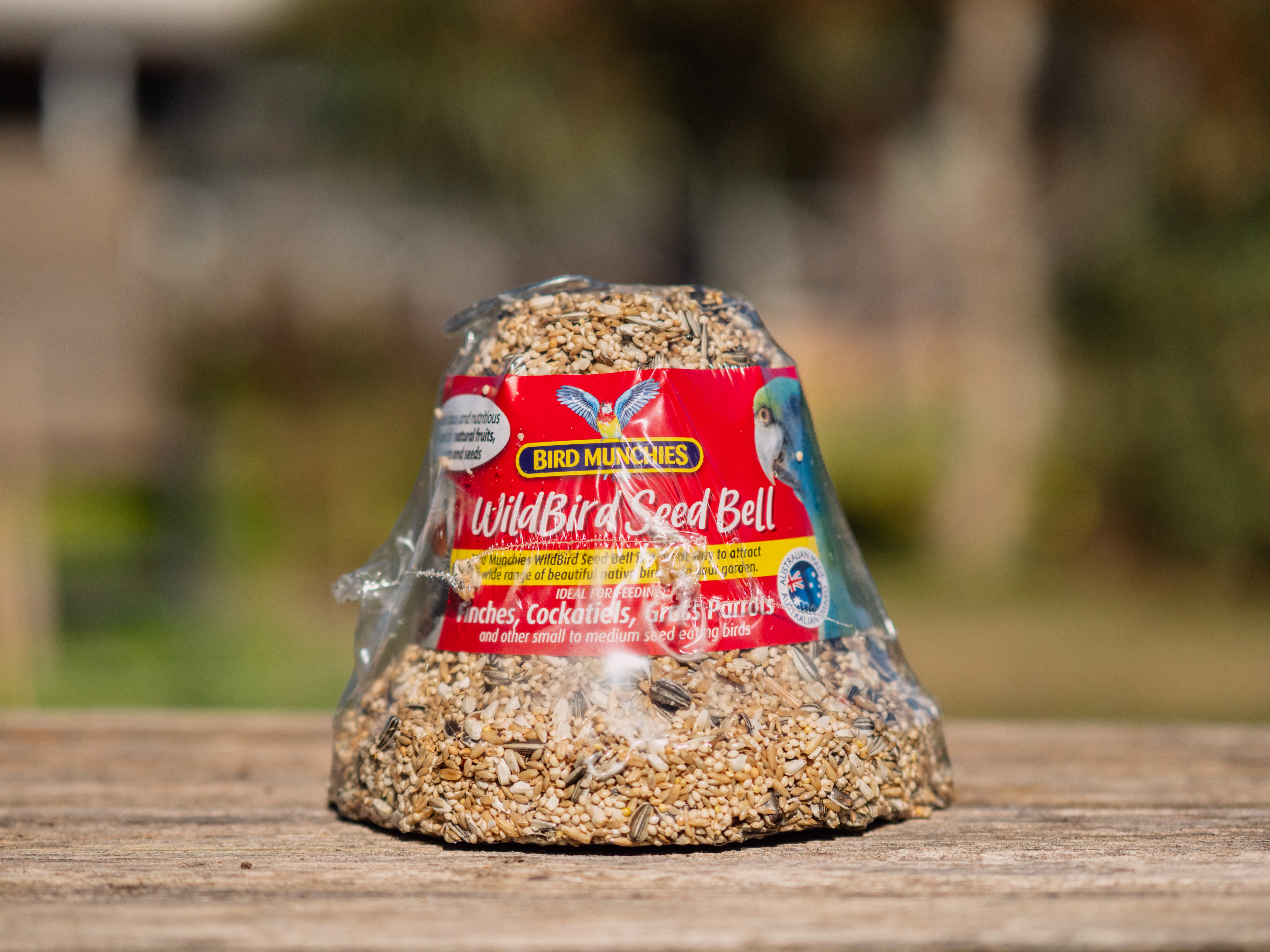
 

Although it is illegal to feed wildlife in Western Australia our local supermarket does a roaring trade in these seed bells.


Australian Ringneck or Ring-necked Parrot (Barnardius zonarius subspecies semitorquatus) making free use of the seed bell.


Don’t expect instant results. It can take a little time before the local wildlife population realises that you’ve put out food and water. Put the food and water out where there is cover not in the middle of a wide open space. Also think about what you’re trying to attract – it maybe necessary to provide sources at ground level if you want to see things like frogs and lizards.
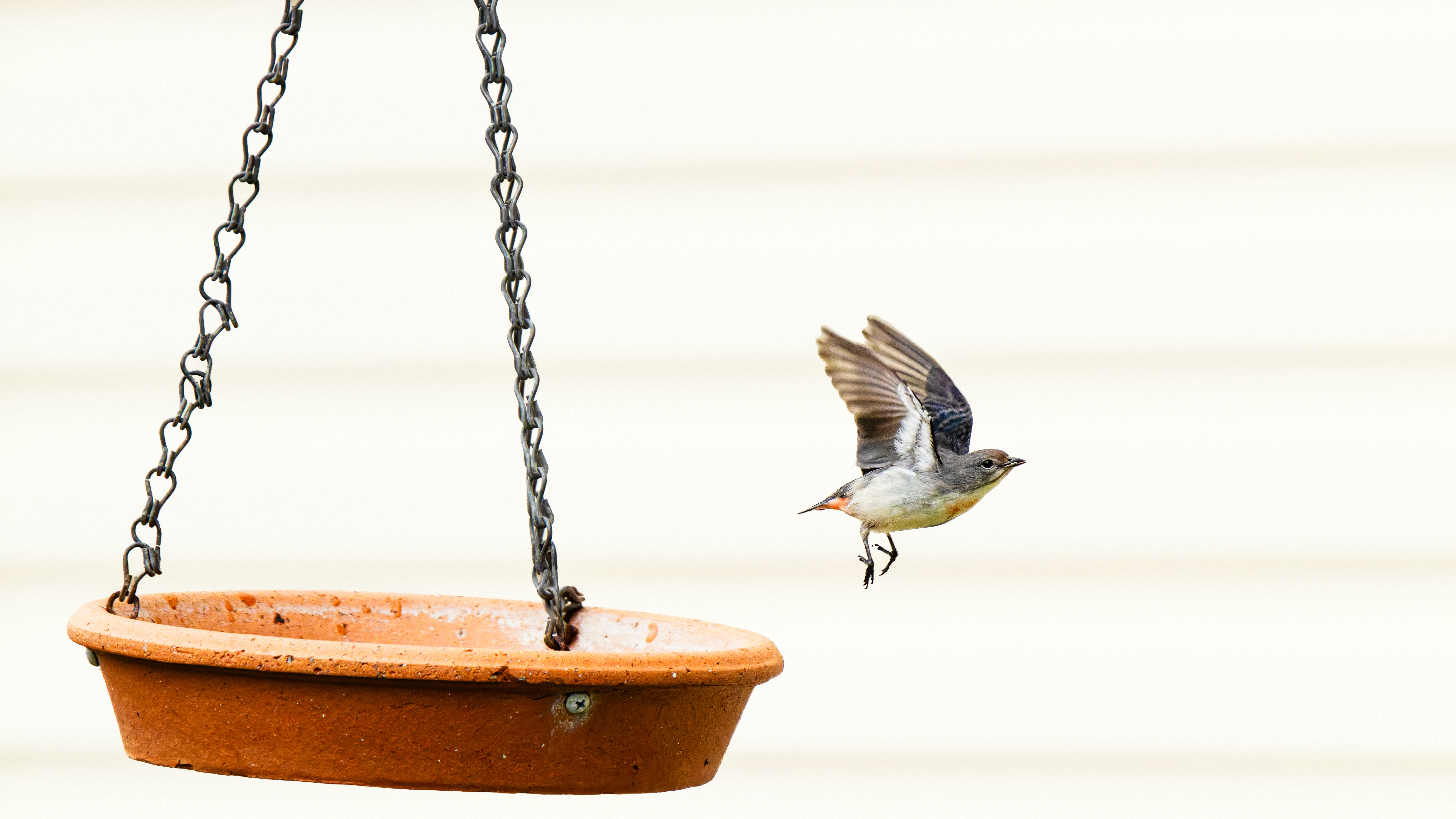


This photo of a Mistletoebird (Dicaeum hirundinaceum) leaving a bird bath was taken using a remote controlled camera.


Now that you’ve managed to attract animals to the garden how do you go about photographing them? Some people build a dedicated hide, other repurpose a shed or use a room in their house that faces onto the garden. Some use trail cameras. I don’t do any of those. I just wait quietly in the garden and photograph what turns up. A lot of the time I notice something interesting while doing something else and will just quietly slip into the house to retrieve my camera which is left permanently set up for birds. Lately I have been using my camera to photograph birds at the bird table and baths. I pre-set the focus and use a small aperture and trigger the camera via remote while I watch from a distance. All this is trial and error. You get a lot of duff photos, but occasionally you strike gold. As you find out what works and doesn’t you experiment with changing position and see how that effects things like the background. 
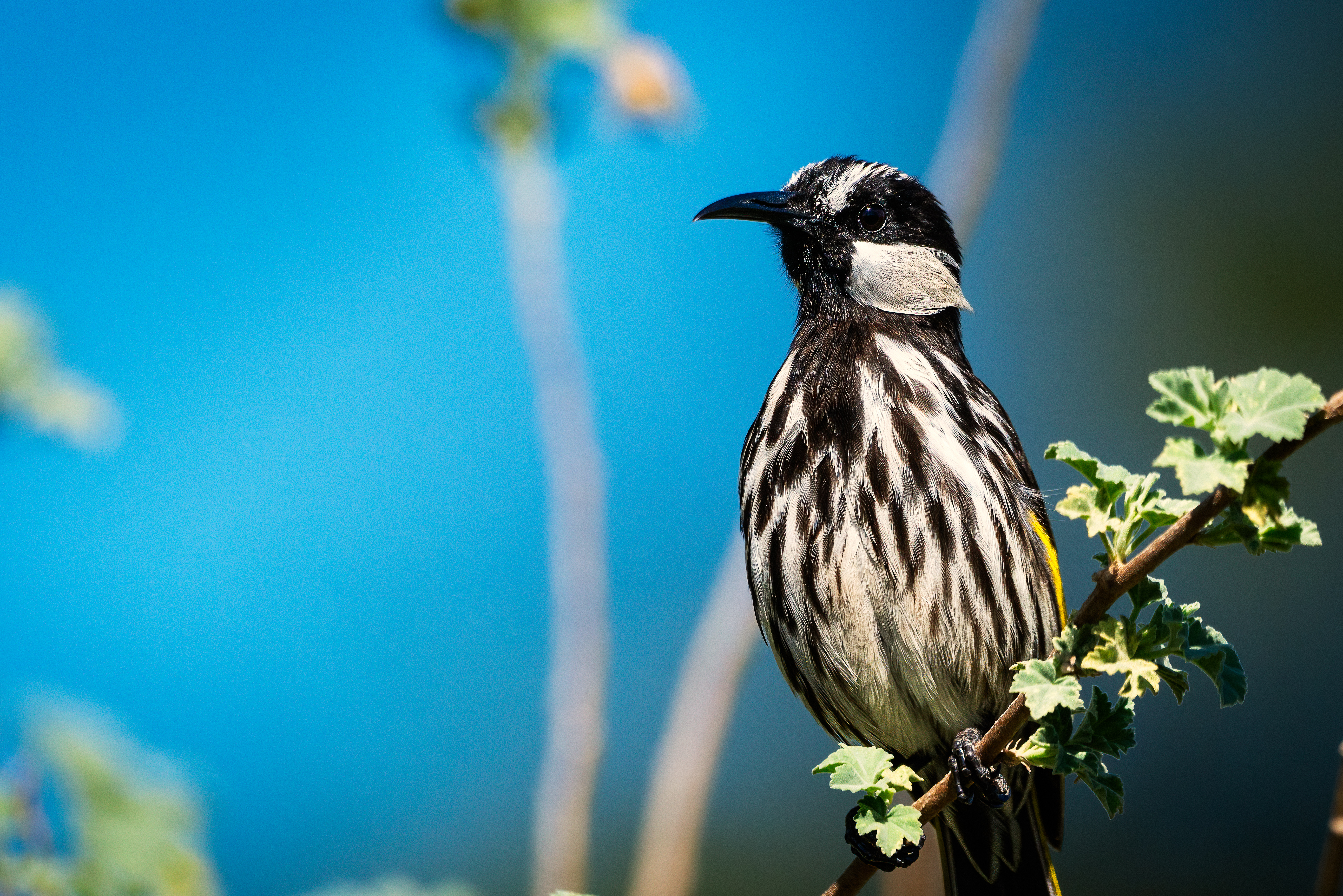
 

I saw this White-cheeked Honeyeater (Phylidonyris niger) while I was hanging out the washing. Luckily he obligingly stayed put while I got my camera.


I saw this Spiny-cheeked Honeyeater, Acanthagenys rufogularis while I was having a sundowner on the front veranda.


So why do I think the garden is a good place to start wildlife photography? Well it provides a readily available location where you can start to learn about animal behaviour. For example birds like to take off into the wind and many will defecate just before take off so if you see this happen you can time your shots to catch that moment.


If you know enough about bird behaviour photos such as this of a Zebra Finch (Taeniopygia guttata) become easier.


Djindjokoor or Brown Honeyeater (Lichmera indistincta) amongst grey saltbush.


It also gives you opportunity to fine hone your photographic skills. Learn how depth of field works with long and macro lenses. What shutter speeds you need to stop movement. How your cameras AF system works in different lighting conditions. At what level does the ISO have to get too before an image is unusable. This is important because it means that when you do go to a more “exotic” location you’ll have the skills to make the most of it. 


Australian Hobby by Paul Amyes on 500px.com
The skills honed in my back garden allowed me to capture this photo of an Australian Hobby, Falco longipennis, feeding on a dragonfly at Gantheaume Point in Broome, Western Australia.


Another benefit is that when you need to be on location at dawn you can just fall out of bed and grab a coffee at just the right time rather than get up up a couple of hours before dawn and drive for ages while you’re still half asleep. Or you might be able to grab an hour or so after work.

I hope this helps to give you ideas and inspire you.

Operation Numbat

The world has become a very grim place at the moment now that the Mango Menace has unleashed “Operation Epic Fury” (really who comes up with these ridiculous names?) which means we have to take out a mortgage to buy a tank of petrol if we can  find a servo with any in stock. So we decided to launch “Operation Numbat” whose sole function was to produce joy.


Dryandra, Western Australia.


The goal was to spend a couple of nights at Dryandra and find a numbat. Easier said than done as we have been looking for around thirty years and never seen one. A numbat for the uninformed is smallish, about 30-40 cm long, marsupial that eats termites. It was once quite common across southern Australia, but was driven to the point of extinction when somebody thought that introducing foxes to Australia would be a good idea. There now exist only a few small isolated populations in Australia and Dryandra is one of them. The Western Australian state government introduced Operation Western Shield (another silly name) to protect vulnerable native fauna from feral foxes and cats. In Dryandra this is done with a combination of 1080 baiting and trapping. It’s reckoned that the programme has reduced the fox population by 80% (Marlow et al., 2015). 

We weren’t there just for the numbats, we there for Woylies, Echidnas, birds and everything and anything wildlife related.


Day 1


Wandoo Walk by Paul Amyes on 500px.com
Helen on the Wandoo walk at Dryandra, Western Australia.

We arrived at Dryandra at at lunch time and once we’d eaten we set off to walk the Wandoo Walk (day walk) the start of which is located at the Old Mill Dam. The walk is 2.7 Km long and takes about 1 1/2 hours – more if you are looking for animals like we were. It is touted as being good for wildlife with a chance of seeing Numbats. Now the great thing about Numbats is that unlike other small marsupials they are diurnal, and to cap it off like sunning themselves in open areas which in theory should make them easier to see. I say in theory as we have been looking for over thirty years without any luck and I was hoping that this trip would be fruitful. It was a really enjoyable walk and we saw loads of birds – in fact I’d never seen so many Rufous Treecreepers in one day. But, when it came to Numbats we saw neither hide nor hair.


Jacky Winter by Paul Amyes on 500px.com
Jacky Winter, Microeca fascinans. Dryandra, Western Australia.


Djini by Paul Amyes on 500px.com
Djini or Rufous Treecreeper (Climacteris rufa), Dryandra, Western Australia.


Djini by Paul Amyes on 500px.com


Just before sunset we decided to walk around the large open paddock adjacent to the Dryandra Lions Village where we were staying. Western Grey Kangaroos were grazing on the grass and then we saw something we’d never seen before. We’d spotted an Echidna wandering round looking for ants when it encountered another Echidna. Now Echidnas are incredibly solitary animals and are rarely seen in the company of others. The two animals sniffed each other carefully and then went on their separate ways continuing their search for ants. As I continued walking along the perimeter of the paddock I found another Echidna and it came quite close allowing me to get some nice close ups.


Dryandra Lions Village is comprised of old forestry bush cottages.


Nyingarn by Paul Amyes on 500px.com
A pair of Nyingarn or Short Beaked Echidnas aka Spiny Anteaters (Tachyglossus aculeatus). Dryandra, Western Australia.


Nyingarn by Paul Amyes on 500px.com
Nyingarn or Short Beaked Echidna.


Day 2

Kawana Trail information board. Dryandra, Western Australia.


The morning saw us out on the Kawana Walk which is a 3.3Km walk through the Brown Mallet plantation, through the kwongan heath and then back through the Mallet trees. The varied landscape gives great opportunity to spot different birds, Kangaroos, Echidnas and fingers crossed Numbats. Again, like yesterday’s walk, we saw loads of wildlife – birds, kangaroos, and skinks – but no Numbats. It was hard not to feel a little dispirited at this stage. You plan trips and hope to see certain animals, like we did in our recent trip to Broome, but when you don’t find them you can feel very deflated even though you saw other animals. 


Djini by Paul Amyes on 500px.com
More Rufous Treecreepers


Miyamit by Paul Amyes on 500px.com
Miyamit or Yellow-plumed Honeyeater (Ptilotula ornatus).


Yongka by Paul Amyes on 500px.com
Yongka or Western Grey Kangaroo (Macropus fuliginosus).


Buchanan’s snake-eyed skink, Cryptoblepharus buchananii. Dryandra, Western Australia.


My companion in the Old Mill Dam hide – a Southern Slider (Lerista dorsalis). Dryandra, Western Australia.


After grabbing a quick drink I set off to walk down to the Old Mill Dam and sit in the hide there.  Apart from seeing a Southern Slider Skink and a dragonfly I saw nothing. Desperation was really starting to set in now, so at 4pm we decided to go on a very slow drive around the park in the hoping that we’d see something. Driving along a deeply corrugated gravel road at 20Kph is enough to shake your fillings out of your teeth. It was torturous. At this stage your mind starts to play tricks on you. You so want to see that animal and you are desperately willing it to happen and every time a branch moves or a bird flies just above the ground you think NUMBAT! Your head twitches backwards and forwards trying to get a better glimpse of what wasn’t there. Suddenly at a junction just standing there as cool as you like was a Numbat just 20 metres away from the car. Gently stopping the car and winding the front passenger window down I managed to rattle off a few frames before it started moving. As it walked further round I could no longer shoot through the open window and I was having to use the front passenger quarter light window. At the time I knew this would seriously degrade the image quality, but I continued anyway in the hope that I might be able to salvage the images in post later. Then within 5 or 10 seconds it was off into the bush and we lost sight of it. We were both exhilarated – we had huge grins on our faces. We’d seen a Numbat! We had really seen a Numbat. Operation Numbat had been a huge success.


At long last! A Numbat (Myrmecobius fasciatus). Dryandra, Western Australia.


Numbat on the move. Shooting through the glass of a car window gives less than optimum image quality.


I love this pose, but the image quality is shot to hell.


Maybe it works better as a black and white.


It’s now a week since that sighting and the memory of it still brings a huge smile to my face and a feeling of excitement. One Numbat isn’t enough – I want to back and see and photograph more. Hopefully it won’t take another 30 years to do it.

The Werillyiup Trail


Werillyiup Trail by Paul Amyes on 500px.com

Follow the blue poles for the Werillyiup Trail in Whiteman Park.


The Werrillyiup Trail in Whiteman Park is a 3Km jaunt around an area called Horse Swamp. So called because back in the early days of the Swan River Colony if horses escaped they invariably ended up at the swamp. The word Werrillyiup is is Nyoongar for “a swampy place” so from all this you’d expect to see quite a bit of water. Well for much of the year it is dry and really only fills in June with the coming of the winter rains. Each time I’ve been it’s been akin to walking around a large puddle. That’s not to detract anything away from  it, it is just a statement of fact. What you will see though is an important wildlife refuge in a large ever-growing city. Western Grey Kangaroos are the most visible residents but there is a huge variety of birdlife here particularly in winter, spring and early summer. I’ve had more luck seeing raptors here than at any other location in Perth. EBird Australia has a listing of 101 species that can be seen at various times of the year around the swamp.


Yongka by Paul Amyes on 500px.com

Western Grey Kangaroo, macropus fuliginosus, Whiteman Park, Western Australia.


Australian Hobby by Paul Amyes on 500px.com

Australian Hobby (Falco longipennis longipennis). Whiteman Park, Western Australia.


Djando by Paul Amyes on 500px.com
A pair of Whistling Kites seen flying round the aviaries on the edge of Whiteman Park.


Wyan by Paul Amyes on 500px.com

A white-faced heron looks out from its tree top perch over Horse Swamp. Whiteman Park, Western Australia.


Australian Shelduck by Paul Amyes on 500px.com
Australian Shelduck, Tadorna tadornoides, Whiteman Park, Western Australia.


After your leisurely walk around the swamp you can be revived at the excellent Guerrilla Hub Kiosk with a great coffee and some of their wonderful food. And if after all that you feel as if you’ve not communed enough with the wildlife you can always nip up to Caversham Wildlife Park and have your picture taken with a wombat.


Refreshment after a hard mornings walking and bird watching at the Guerrilla Hub kiosk in Whiteman Park.


Yours truly with one of Caversham Wildlife Park’s staff and a wombat.

Lake Claremont


Originally what is now Lake Claremont was a swamp with a series of small pools edged with reeds and then surrounded by paperbark trees. There was abundant plant an animal life and it was an important hunting and gathering place for the Mooro clan of the Nyoongar in the warmer months of the year.


Lake Claremont by Paul Amyes on 500px.com
The bird observation platform allows visitors to watch the birds in the grasses and reeds at Lake Claremont.


In 1831 European settlers began to clear the land for farming and by the 1890’s there were market gardens and a then state of the art dairy farm. Things looked good and the area prospered. However, this state of affairs was short lived as by the turn of the Twentieth Century the water level rose and the farms were flooded and a permanent lake which rises and falls with the seasons was formed. In the 1950’s Claremont Town Council reclaimed large areas for a rubbish tip and renamed it Lake Claremont in the process. In the 1960’s it was decided to beautify the lake and its surrounds. Sections were infilled to create a golf course and the school playing fields. In time two small bird sanctuary islands were created and there has been a move to manage the the lake in a more ecological manner. The Friends of Lake Claremont are an enthusiastic and very active bunch of local residents and volunteers who have undertaken to assist in the conservation and enhancement of Lake Claremont. There activities have been crucial in weed eradication programs and revegetation projects working in tandem with pupils from  Scotch College and Graylands Primary School. They also have annual public events including Clean Up Australia Day, National Tree Day and Celebrate Lake Claremont Day (community fair). More details can be found on their website.


Lake Claremont by Paul Amyes on 500px.com
The infamous Lake Claremont crocodile. Lake Claremont, Western Australia.

So that was then and this is now. What does the lake offer today? Well the wetlands of the Swan Coastal Plain are internationally acknowledged as a bio-diversity hotspot having a greater number of endemic species than most other regions in Australia. Since colonisation three quarters of the wetlands have been drained for urban development. Those that remain are adversely effected by the introduction of feral animals and plants. In this context Lake Claremont is like a biosphere. In the past ten years or so eBird Australia has listed 116 species of bird that can be found on or around the lake which makes it somewhat of a birders paradise. The path around the lake and the bird observation platform make it easy to spot birds all year round. To make it so that you know what you are looking for you can down load an illustrated brochure listing the birds from the Town of Claremont website.


Lake Claremont by Paul Amyes on 500px.com
Lake Claremont has a dual use path around its edge which is popular with runners and cyclists.

In addition to the nature based activities there is a 3 Km dual use path that circumnavigates the lake which is very popular with walkers, runners and cyclists. Dogs are welcome on a lead. The walk is enjoyable all year round and if you start the car park and head off in a clockwise direction then you can stop at the TeeBox Cafe shortly before returning to the car park. For the youngsters who need to burn off some energy before looking at the ducks there are two playgrounds. If dad doesn’t care for looking at the ducks then he has the option of playing a quick nine holes of golf.


Dit by Paul Amyes on 500px.com
A juvenile pied stilt (Himantopus himantopus) at Lake Claremont, Western Australia.


Marli by Paul Amyes on 500px.com
A black swan (black ) gathering nesting material at Lake Claremont, Western Australia.


Bardoongooba by Paul Amyes on 500px.com
A pair of Australian Shovelers (Australian) at Lake Claremont, Western Australia.


Kalyong by Paul Amyes on 500px.com
A pair of grey teals (Anas gracilis) at Lake Claremont in Western Australia.


Kwilom by Paul Amyes on 500px.com
A purple swamp hen (Purple), Lake Claremont, Western Australia.


Rainbow Lorikeet by Paul Amyes on 500px.com
Rainbow lorikeets (Rain) were introduced to Western Australiafrom the eastern states of Australia. Lake Claremont, Western Australia.


Wimbin by Paul Amyes on 500px.com
Pink-eared ducks (Malacorhynchus membranaceus) at Lake Claremont in Western Australia.


Dit by Paul Amyes on 500px.com
Called Dit by the Nyoongar this juvenile pied stilt (Himantopus himantopus) feeds at Lake Claremont, Western Australia.


Bardoongooba by Paul Amyes on 500px.com
Bardoongooba called Australian Shovelers (Anas rhynchotis) by European settlers can be readily seen on Lake Claremont.


Where’s Yer Bin?

No this is not the racist joke joke about  people from ethnic minorities and prison. This is a sensible post about ibis. Now not a lot of people know this – but there are three species of ibis in Australia. The most well known is the Australian White Ibis (Threskiornis molucca) also commonly known as the Australian Bin Chicken and sometimes referred to as the tip turkey thanks to its habit of rummaging in rubbish. I think we can all agree it is not a very good looking bird,  in fact it looks a little primeval.


Not So White Ibis by Paul Amyes on 500px.com
Australian white ibis, Threskiornis molucca, and not a bin in sight. Herdsman Lake, Western Australia


The second ibis that people may be aware of is the Straw-necked Ibis (Threskiornis spinicollis)and they are fairly widespread and can be found around shallow fresh water bodies. They have not succumbed to an urban diet of rubbish but feed on aquatic insects, molluscs, frogs, and on land, they thrive on grasshoppers, crickets, and locusts.


Straw-necked Ibis by Paul Amyes on 500px.com

Straw-necked Ibis, Threskiornis spinicollis. Herdsman lake, Western Australia


The third is one that most people are unaware of, and that is the Glossy Ibis (Plegadis falcinellus).  Seen in dull flat light the bird appears to be a dark dirty brown colour, but it is when it is seen in strong directional light its plumage takes on an iridescent green-and-purple gloss. One might almost say that for an ibis it is a good looking bird. They, like their straw-necked cousins, can be found foraging around large shallow fresh water bodies for  frogs, snails, aquatic insects and spiders. This is also our most cosmopolitan ibis being found not just in Australia but also  in warm regions of Europe, Asia, Africa,  and the Atlantic and Caribbean regions of the Americas.


Glossy Ibis by Paul Amyes on 500px.com
Juvenile glossy ibis, Plegadis falcinellus. Herdsman Lake, Western Australia.

Back Yard Birds 3

Carnaby's Black-cockatoos, by Paul Amyes on 500px.com
Carnaby’s black-cockatoos, Zanda (Calyptorhynchus) latirostris, preening prior to roosting. York, Western Australia. Canon EOS 6d with Sigma Contemporary 150-600mm f5-6.3 lens. Exposure: 1/250 sec, f6.3 at ISO 6400.

Ok Ok if the last backyard birds was a little stretch over what is my backyard this one is a huge leap – across the road. From my neighbour across the road’s front garden came this delightful occurrence – Carnaby’s Black-cockatoos roosting. These large cockatoos are now endangered thanks to widespread land clearing so it was fantastic to have them visit the neighbourhood.