To The Point


That would be Gantheaume Point which is 6Km from Broome’s town centre. To get the most out of a visit you need a sunny day and a very low tide. The sunny day means that the incredible red rocks are sharply contrasted with the blue sky and aquamarine sea. It is quite stunning. The very low tide means that dinosaur footprints from the Early Cretaceous can be seen. When we visited we had the sunny day, but, the tide was well and truly in.


Danger! by Paul Amyes on 500px.com
Danger! Killer Rubber Ducks.


As I said previously we were visiting at the tail end of the wet season – think tropical storms that dump an incredible amount of water. So as we drove the final leg down to the car park along a dirt road we encountered some huge puddles. Like really big – so big that one of them had waves created by the off shore wind. At the car park we were met by a sign warning us of the dangers that were present. I could understand the one about unstable cliffs that could collapse, the one about deep holes that the unwary could fall into, but the one warning about the giant rubber ducks that pushed people off the cliffs was a bit of a mystery. Thankfully while we were there we did not see the rubber ducks and so felt quite safe.


Lighthouse by Paul Amyes on 500px.com
The lighthouse at Gantheaume Point, Broome Western Australia.


Eastern Osprey Nest by Paul Amyes on 500px.com
Halfway up the lighthouse was an Eastern Osprey nest.


Eastern Osprey by Paul Amyes on 500px.com
Just below the nest was an Eastern Osprey, Pandion cristatus subs leucocephalus) eating a fresh fish. Gantheaume Point, Broome Western Australia.


Eastern Osprey by Paul Amyes on 500px.com
Eastern Osprey, Pandion cristatus subs leucocephalus) eating a fresh fish whilst perched on the Gantheaume Point lighthouse.


Walking from the car park you see the old lighthouse keeper’s house and the lighthouse itself. About halfway up the lighthouse we could see the massive pile of sticks that is an Eastern Osprey’s nest and below that was an Osprey chowing down on a big fish. Now the Eastern Osprey is quite a big bird of prey, but every couple of minutes it paused eating to scan the environment for threats. Birds such as Australian Ravens and Masked Lapwings will attack them and drive them off, but it was also probably keeping an eye open for other birds of prey that would try and steal the fish.


Wandering Glider by Paul Amyes on 500px.com
Everywhere we went there were thousands of dragonflies. Wandering Glider Dragonfly (Pantala flavescens). Broome South Wastewater Treatment Plant, Broome, Western Australia.


According to the Indigenous Yawuru people the wet season, Man-gala, draws to a close and the next season, Marrul, starts and one of the markers for that change are the appearance of dragonflies. Thousands upon thousands of them. They were everywhere we went. I’ve never seen so many it was absolutely incredible. Gantheaume Point was no exception, heaps of them everywhere. A lot of smaller birds of prey feed on the large insects and there were a couple of Australian Hobby, which are a variety of small falcon, doing precisely that. They put on an incredibly acrobatic display darting in and out of the rocks chasing down their prey. They didn’t even bother to land when they caught one preferring to eat it in flight. It was simply sublime watching them.


Australian Hobby by Paul Amyes on 500px.com
Australian Hobby, Falco longipennis, feeding on a dragonfly. Gantheaume Point, Broome Western Australia.


By now we were absolutely drenched in sweat. The temperature and the humidity had taken its toll so we headed back to the car looking forward to the relief provided by air conditioning.


Exploring by Paul Amyes on 500px.com
The scenery was pretty impressive too. Helen exploring the rocks at Gantheaume Point, Broome Western Australia.


Chance…

… favours the prepared mind.”  Louis Pasteur, December 7, 1854, and in 161BC the Roman playwright Terrance said that “fortune favours the brave” in his play Phormio.


All of which basically means that if you have the necessary mind set be bold enough to seize the opportunities that present themselves. That is what happened the other evening. We had found a new possible nesting site for Rainbow Bee-eaters here in York and the beloved significant other suggested we go and have a closer look the other evening. So I picked up my Sony A7r2 with Sigma 150-600mm lens and we drove down to the location. On getting there there was not a Rainbow Bee-eater to be seen. In fact there weren’t many birds about at all. Scanning the tree tops we soon found out why. In the top of a dead tree were a pair of Australian Hobbys. These beautiful birds of prey will take small flying birds so everything had taken cover. The Hobbys looked magnificent against the bright blue sky. I only managed a short burst before they resumed flying up and down the river bank looking for something to eat.


Wowoo by Paul Amyes on 500px.com
Wowoo or Australian Hobby (Falco longipennis) are often seen in pairs whilst out hunting.


The adapted Sigma 150-600mm doesn’t focus very fast on the Sony A7r2 and the 5 frames per second burst rate isn’t exactly the best, but, it was all good enough for the task in hand.

The Werillyiup Trail


Werillyiup Trail by Paul Amyes on 500px.com

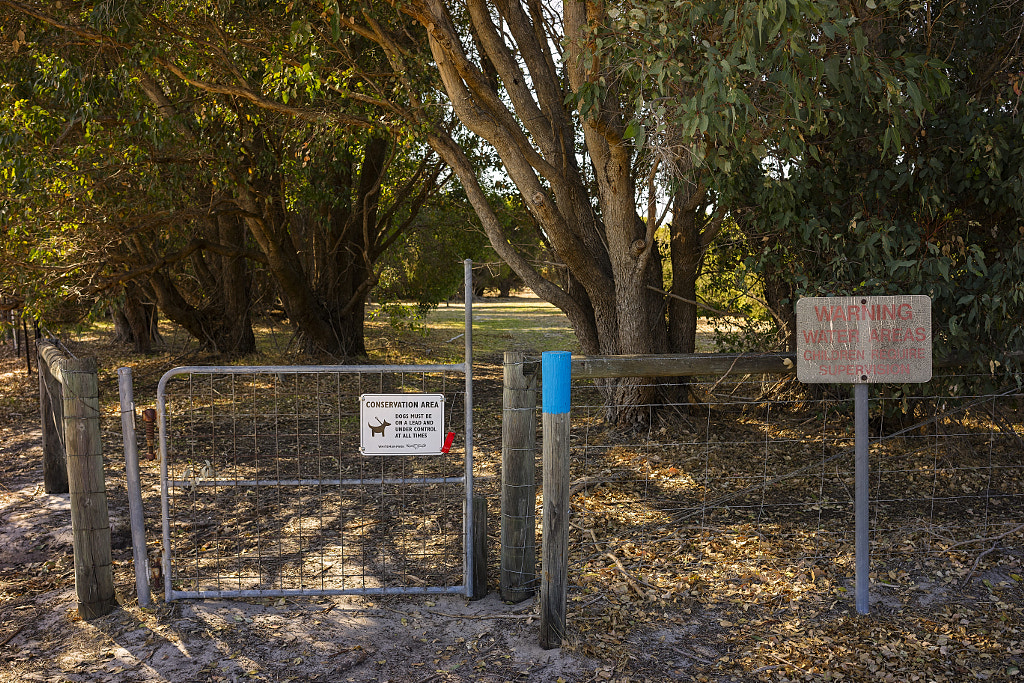
Follow the blue poles for the Werillyiup Trail in Whiteman Park.


The Werrillyiup Trail in Whiteman Park is a 3Km jaunt around an area called Horse Swamp. So called because back in the early days of the Swan River Colony if horses escaped they invariably ended up at the swamp. The word Werrillyiup is is Nyoongar for “a swampy place” so from all this you’d expect to see quite a bit of water. Well for much of the year it is dry and really only fills in June with the coming of the winter rains. Each time I’ve been it’s been akin to walking around a large puddle. That’s not to detract anything away from  it, it is just a statement of fact. What you will see though is an important wildlife refuge in a large ever-growing city. Western Grey Kangaroos are the most visible residents but there is a huge variety of birdlife here particularly in winter, spring and early summer. I’ve had more luck seeing raptors here than at any other location in Perth. EBird Australia has a listing of 101 species that can be seen at various times of the year around the swamp.


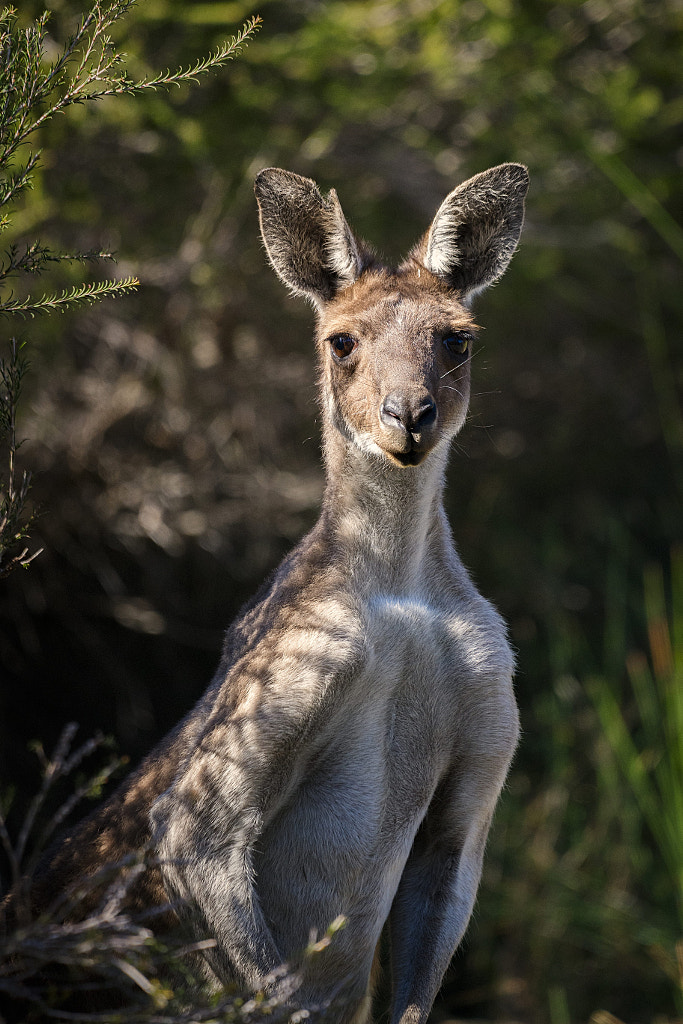
Yongka by Paul Amyes on 500px.com

Western Grey Kangaroo, macropus fuliginosus, Whiteman Park, Western Australia.


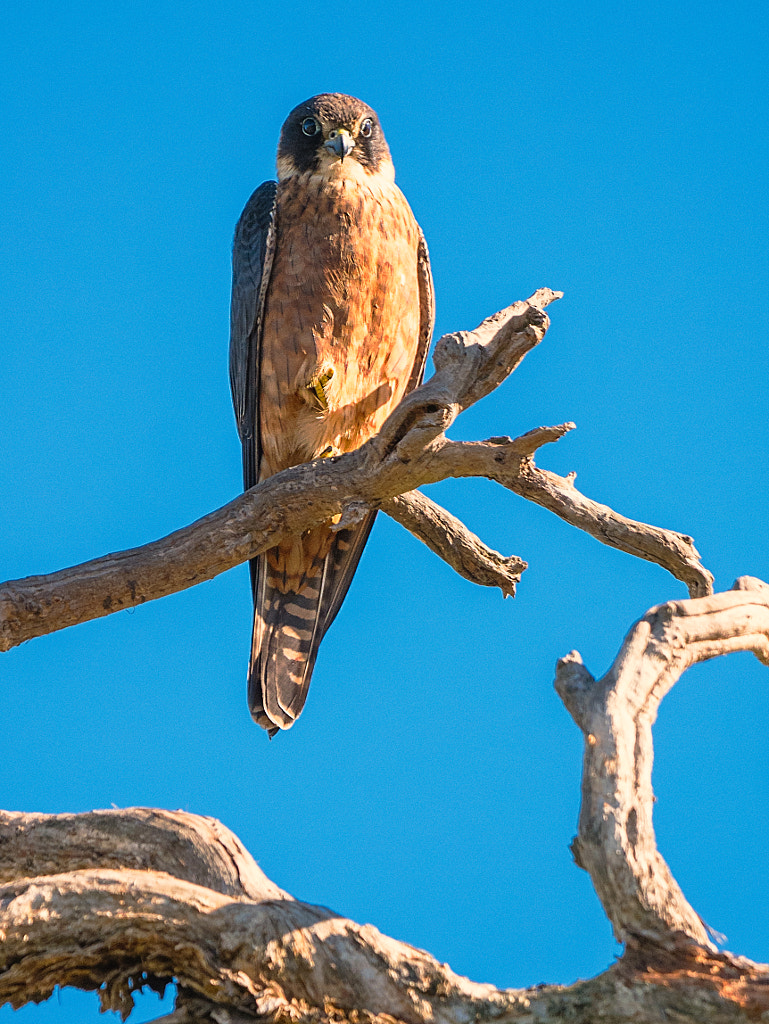
Australian Hobby by Paul Amyes on 500px.com

Australian Hobby (Falco longipennis longipennis). Whiteman Park, Western Australia.


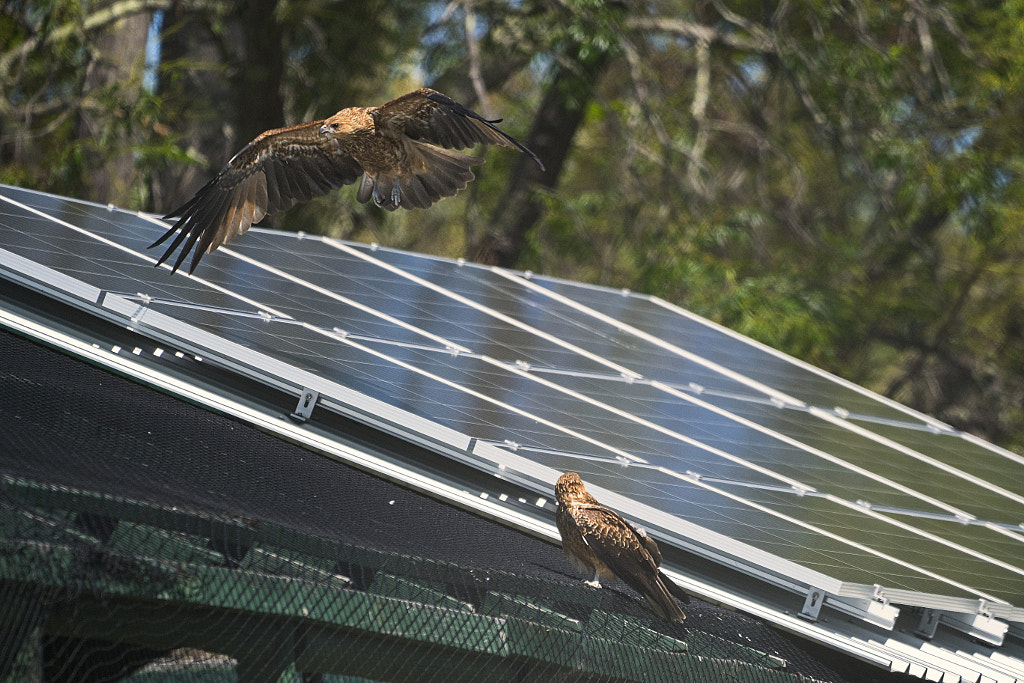
Djando by Paul Amyes on 500px.com
A pair of Whistling Kites seen flying round the aviaries on the edge of Whiteman Park.


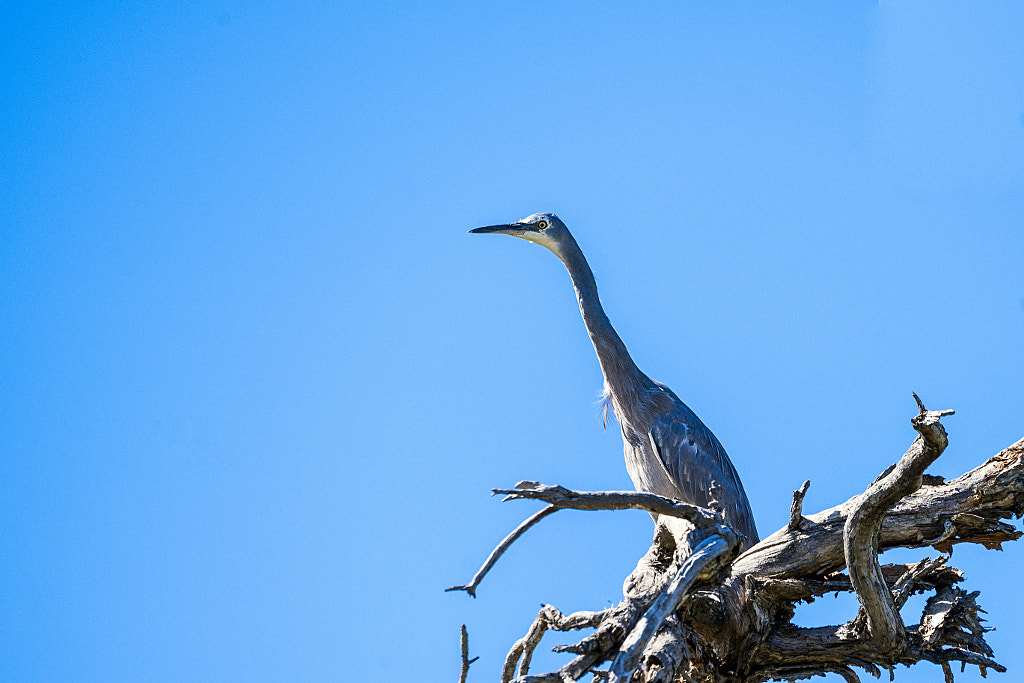
Wyan by Paul Amyes on 500px.com

A white-faced heron looks out from its tree top perch over Horse Swamp. Whiteman Park, Western Australia.


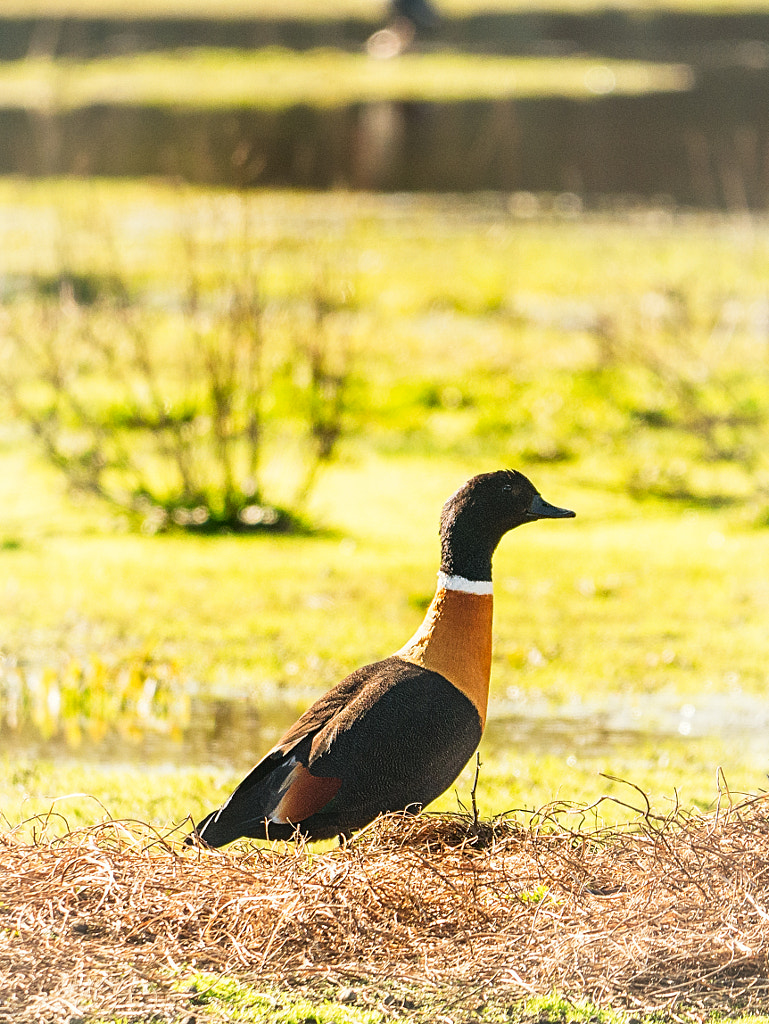
Australian Shelduck by Paul Amyes on 500px.com
Australian Shelduck, Tadorna tadornoides, Whiteman Park, Western Australia.


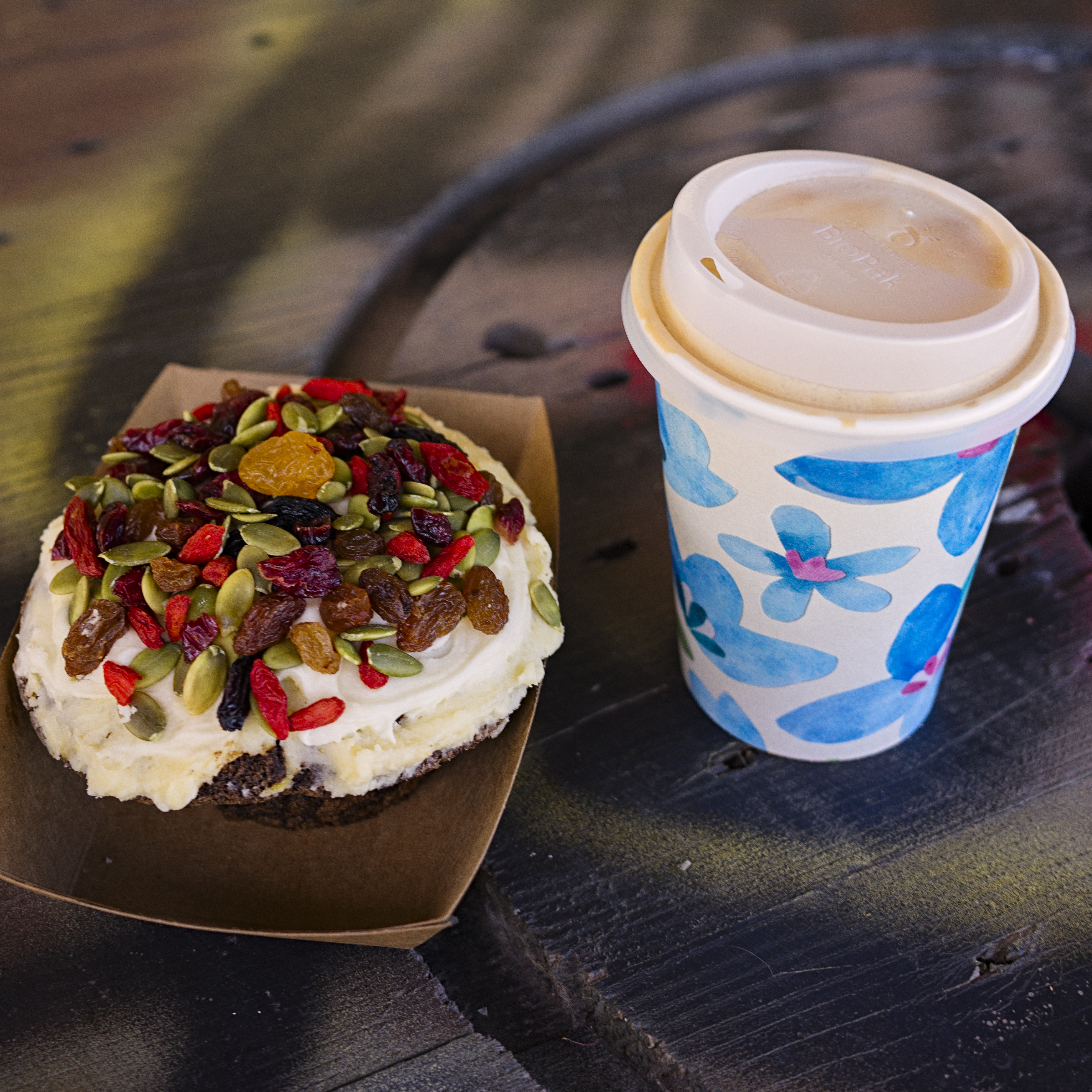
After your leisurely walk around the swamp you can be revived at the excellent Guerrilla Hub Kiosk with a great coffee and some of their wonderful food. And if after all that you feel as if you’ve not communed enough with the wildlife you can always nip up to Caversham Wildlife Park and have your picture taken with a wombat.


Refreshment after a hard mornings walking and bird watching at the Guerrilla Hub kiosk in Whiteman Park.


Yours truly with one of Caversham Wildlife Park’s staff and a wombat.