Swanning Around

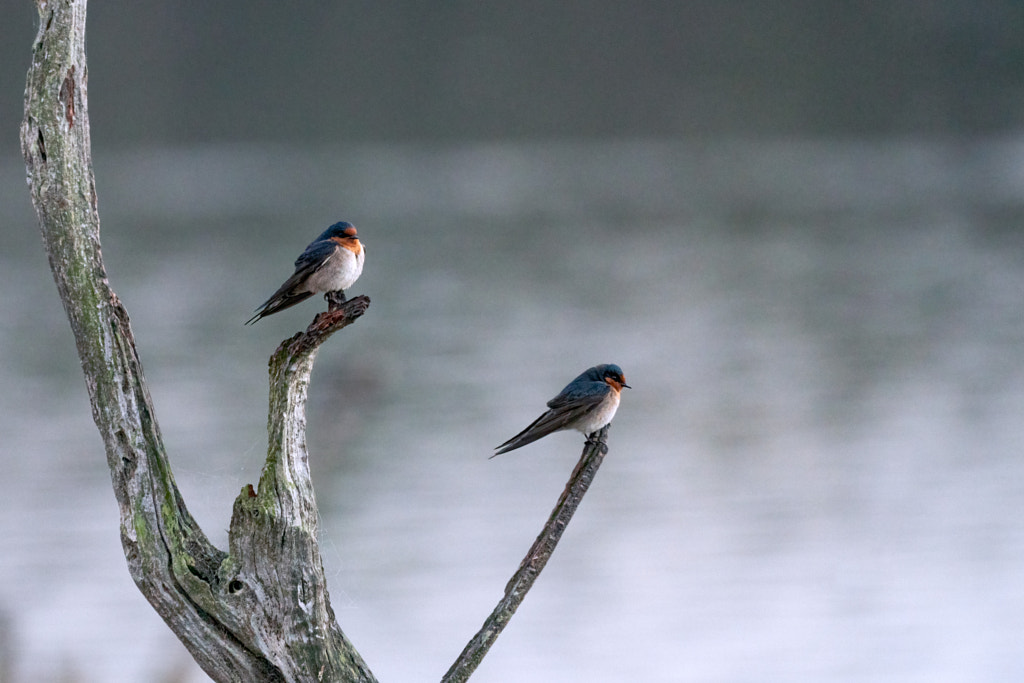
A couple of weeks ago I posted about all the Ibis nesting at Tomato Lake and how it heralded the start of the breeding season for them. Well this week the Black Swans at lake Claremont were building nests and pairing off and spring is just round the corner. It was an uninspiring morning, the rain was bucketing down and the usually frenetic Welcome Swallows looked unimpressed.
 

Kanamit by Paul Amyes on 500px.com
Kanamit or Welcome Swallow (Hirundo neoxxena) looking unhappy in the rain. Lake Claremont, Western Australia.


A bit further on amongst the reeds the swans were busy in spite of the inclement weather.
 

Maali by Paul Amyes on 500px.com
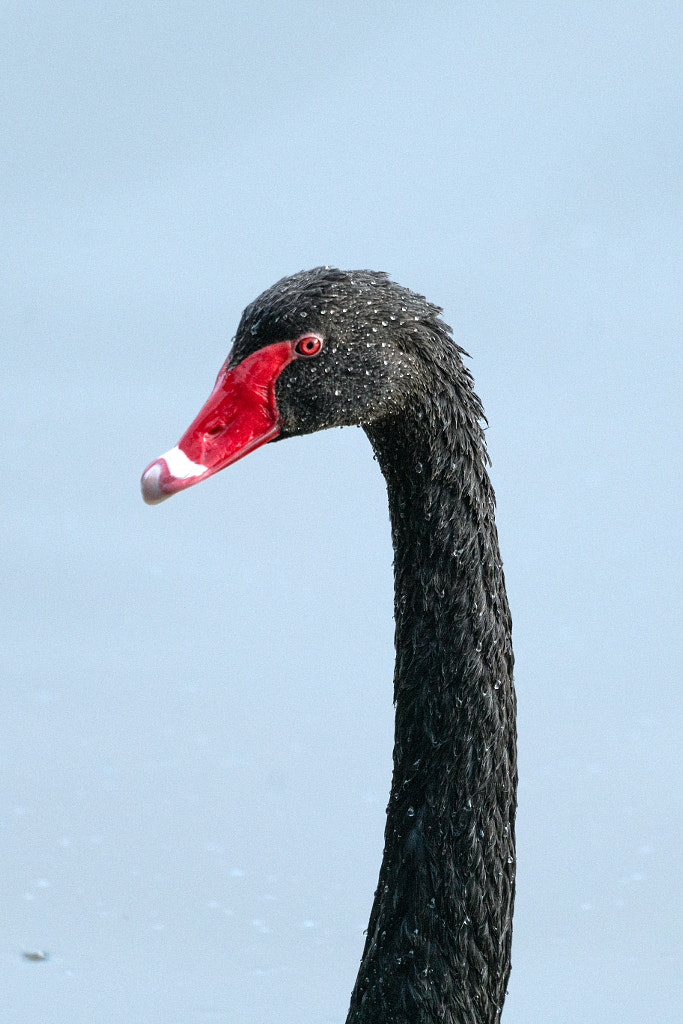
This swan was very obliging and allowed me to take its photo.


Maali by Paul Amyes on 500px.com
A female black swan sits on the nest while the male gathers more nesting material.


Elsewhere on the lake things were much more advanced  with the Shelducks as there were several mothers escorting very young ducklings out on the water.


Nyimarak by Paul Amyes on 500px.com
No water wings in sight. A Shelduck takes her young brood out for a swim on Lake Claremont.


I was a bit apprehensive about walking in the rain. My usual camera – an Olympus OMD EM1 mk ii and its Panasonic Leica 100-400mm f4-6.3 – are incredibly resistant to rain fall, but this time I was out with my Sony A7r2 and the Sigma 150-600mm whose weather sealing leaves a bit to be desired. Thankfully the combination worked flawlessly and lived to tell the tale. It was, however, its last outing. I’ve developed quite bad arthritis in my right hand, elbow, and shoulder and find the larger full frame cameras too much to handle so I’m going to put it all up for sale. Getting older really sucks sometimes.
The Werillyiup Trail


Werillyiup Trail by Paul Amyes on 500px.com

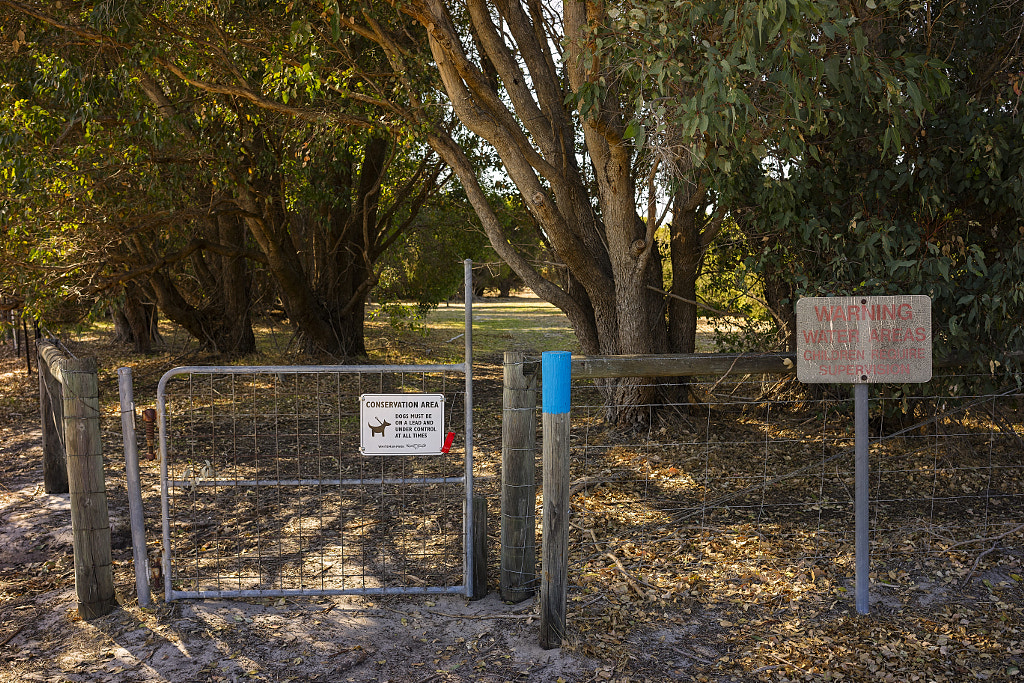
Follow the blue poles for the Werillyiup Trail in Whiteman Park.


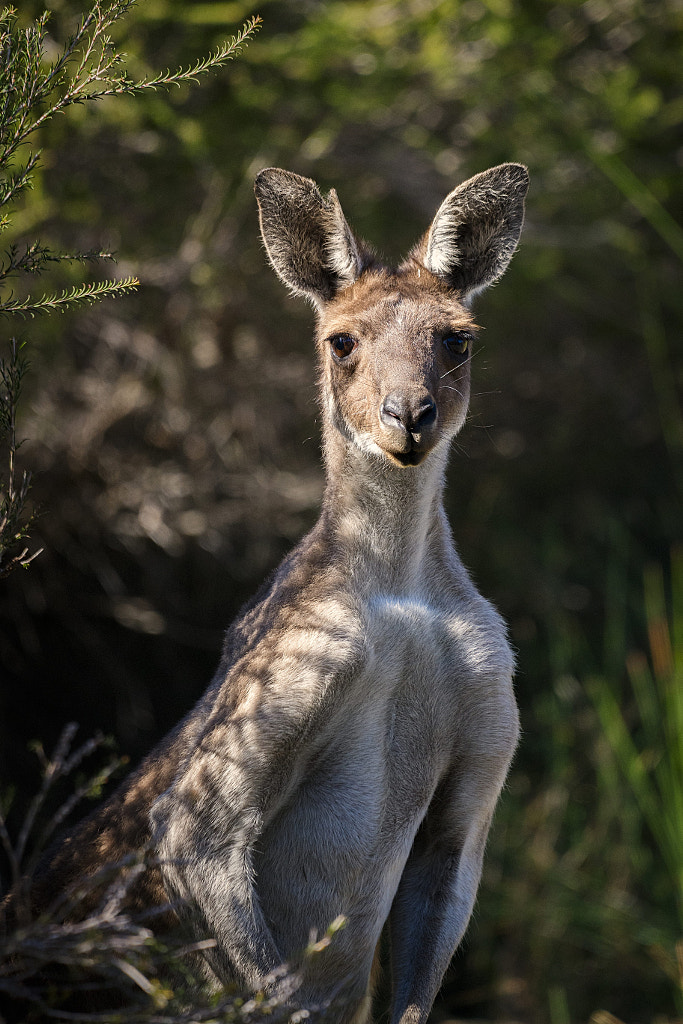
The Werrillyiup Trail in Whiteman Park is a 3Km jaunt around an area called Horse Swamp. So called because back in the early days of the Swan River Colony if horses escaped they invariably ended up at the swamp. The word Werrillyiup is is Nyoongar for “a swampy place” so from all this you’d expect to see quite a bit of water. Well for much of the year it is dry and really only fills in June with the coming of the winter rains. Each time I’ve been it’s been akin to walking around a large puddle. That’s not to detract anything away from  it, it is just a statement of fact. What you will see though is an important wildlife refuge in a large ever-growing city. Western Grey Kangaroos are the most visible residents but there is a huge variety of birdlife here particularly in winter, spring and early summer. I’ve had more luck seeing raptors here than at any other location in Perth. EBird Australia has a listing of 101 species that can be seen at various times of the year around the swamp.


Yongka by Paul Amyes on 500px.com

Western Grey Kangaroo, macropus fuliginosus, Whiteman Park, Western Australia.


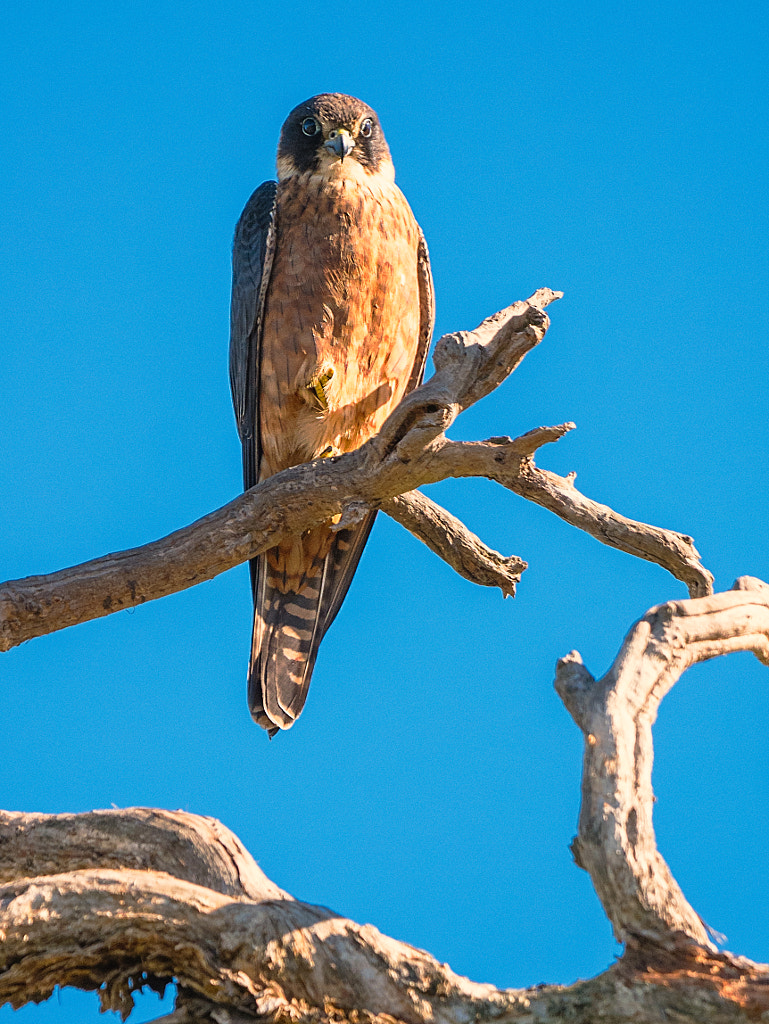
Australian Hobby by Paul Amyes on 500px.com

Australian Hobby (Falco longipennis longipennis). Whiteman Park, Western Australia.


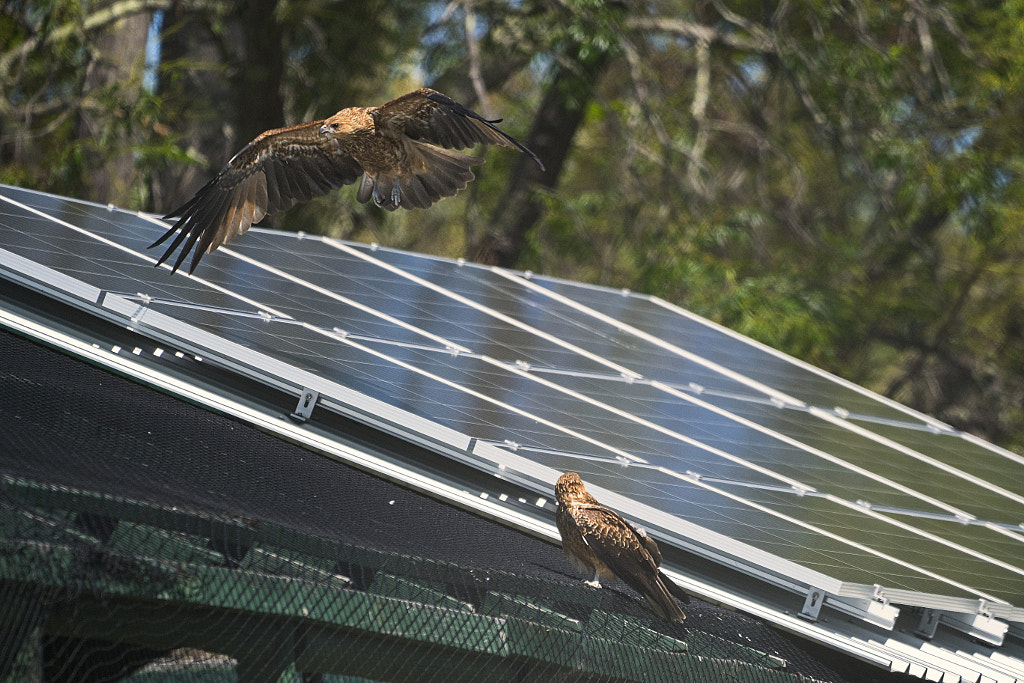
Djando by Paul Amyes on 500px.com
A pair of Whistling Kites seen flying round the aviaries on the edge of Whiteman Park.


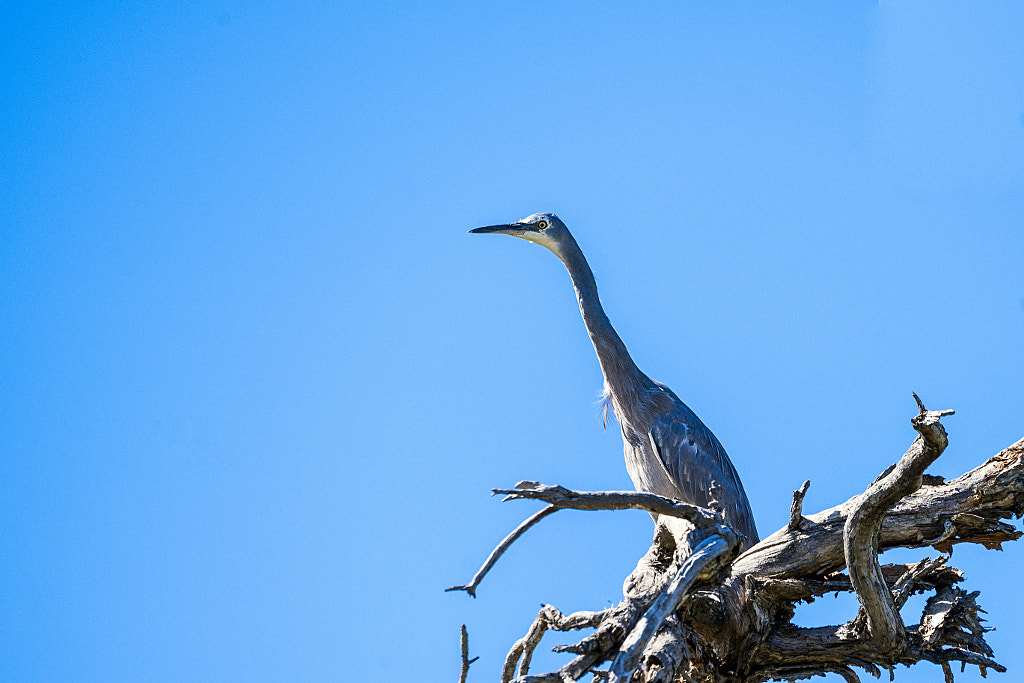
Wyan by Paul Amyes on 500px.com

A white-faced heron looks out from its tree top perch over Horse Swamp. Whiteman Park, Western Australia.


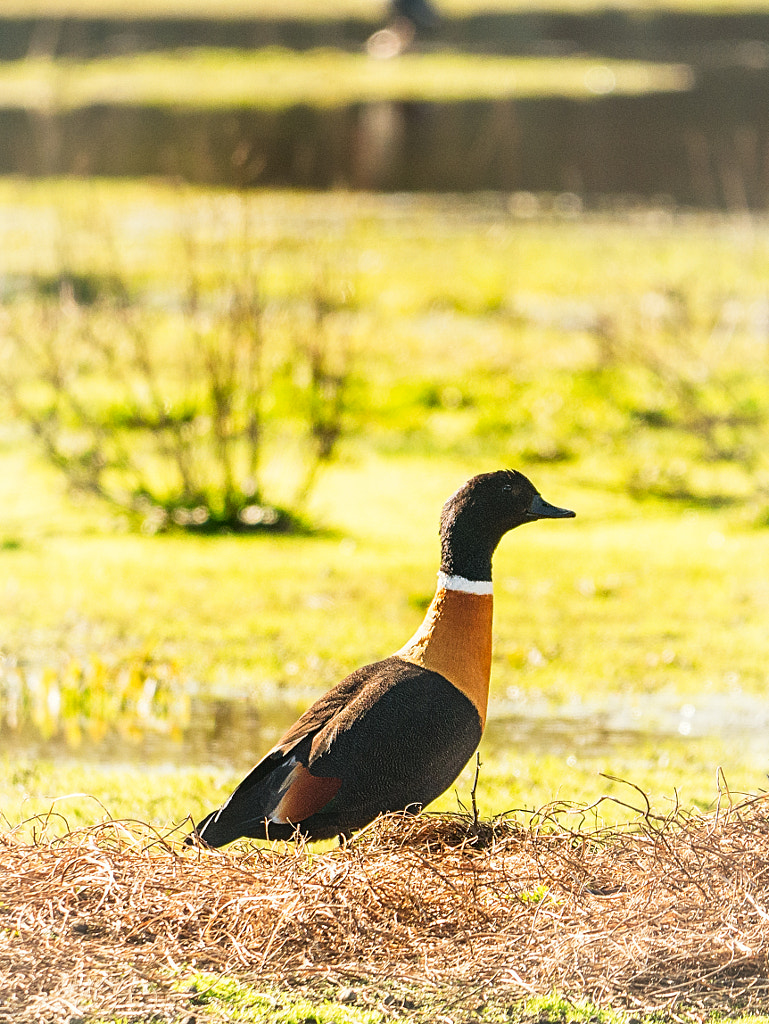
Australian Shelduck by Paul Amyes on 500px.com
Australian Shelduck, Tadorna tadornoides, Whiteman Park, Western Australia.


After your leisurely walk around the swamp you can be revived at the excellent Guerrilla Hub Kiosk with a great coffee and some of their wonderful food. And if after all that you feel as if you’ve not communed enough with the wildlife you can always nip up to Caversham Wildlife Park and have your picture taken with a wombat.


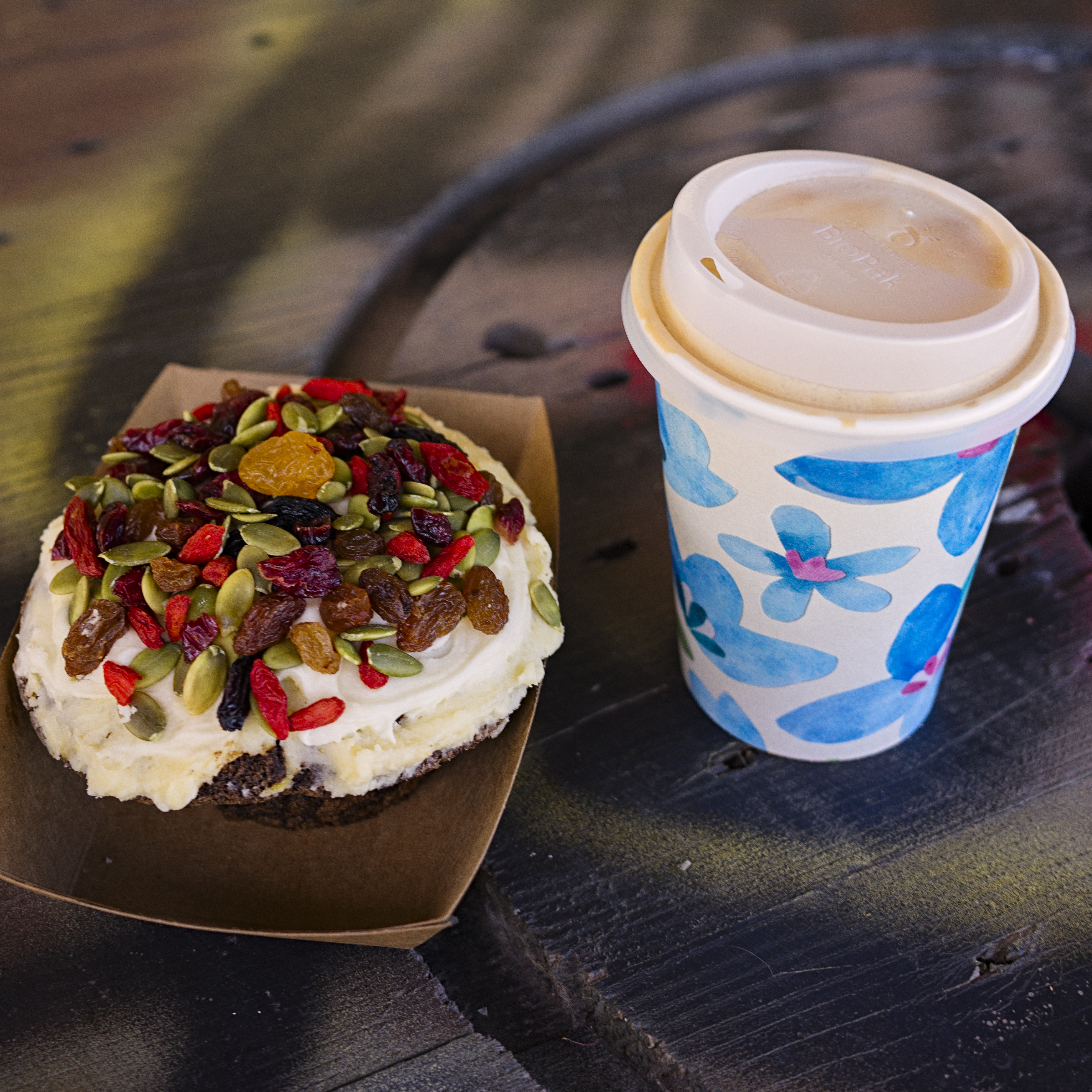
Refreshment after a hard mornings walking and bird watching at the Guerrilla Hub kiosk in Whiteman Park.


Yours truly with one of Caversham Wildlife Park’s staff and a wombat.