Welllllllll…not strictly true. This Nankeen Kestrel was on the power pole on the nature strip in front of our house. Another metre and it would have been in the front garden so I’m claiming it. They often perch there in the cooler months to either observe the field opposite for small animals or to eat the small animal they’ve just caught. This one was running an observation post.
A nankeen kestral (Falco cenchroides) uses the power pole on our nature strip to watch for prey in the field oppersite. Canon EOS 6d with Sigma 150-600mm f5-6.3 lens. Exposure: 1/500 sec, f7.1 at ISO 100.
Well it seems that the COVID-19 restrictions have been in place for an age. Here in Western Australia the social distancing requirements aren’t as strict as some places, but we still aren’t able to go where we want and do what we want. It makes me more appreciative of what my parents went through growing up in the Great Depression and then after that the Second World War. But anyway to keep myself from going totally mad I’ve been working on a few projects. This one is to document all the birds that come into our backyard. I’ve not got them all by any means. Some are very elusive and just don’t want their photos taken for some reason. Can’t imagine why. Here is a selection form the last couple of weeks.
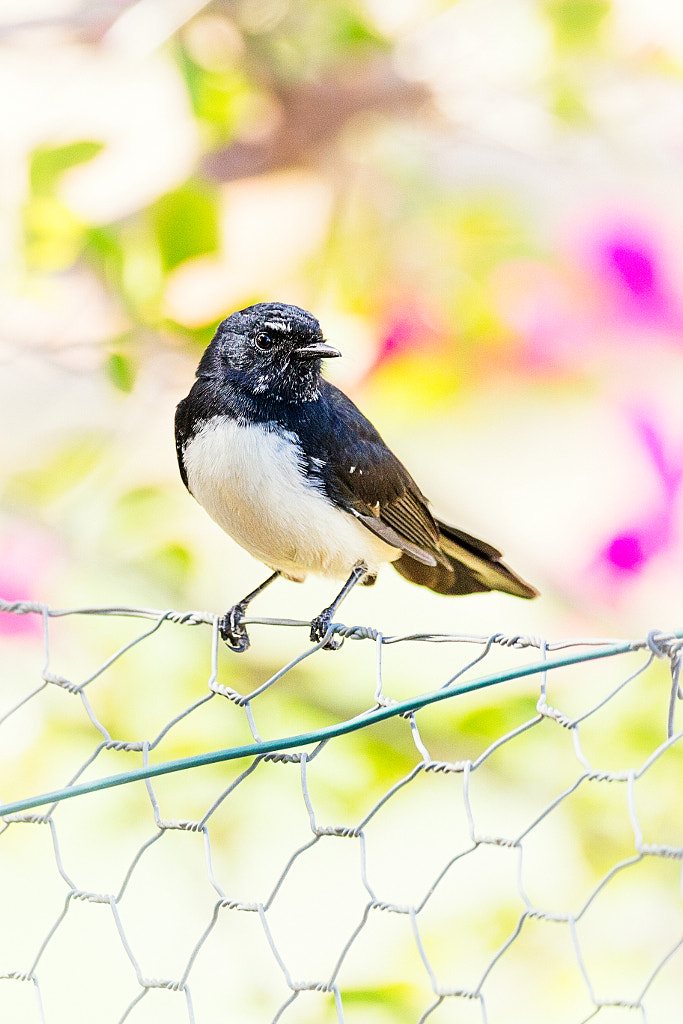
Willie Wagtail on the back fence. York, Western Australia. Canon EOS 6d with Sigma 150-600mm f5-6.3 Contemporary lens. Exposure: 1/500 sec, f7.1 at ISO 1600.
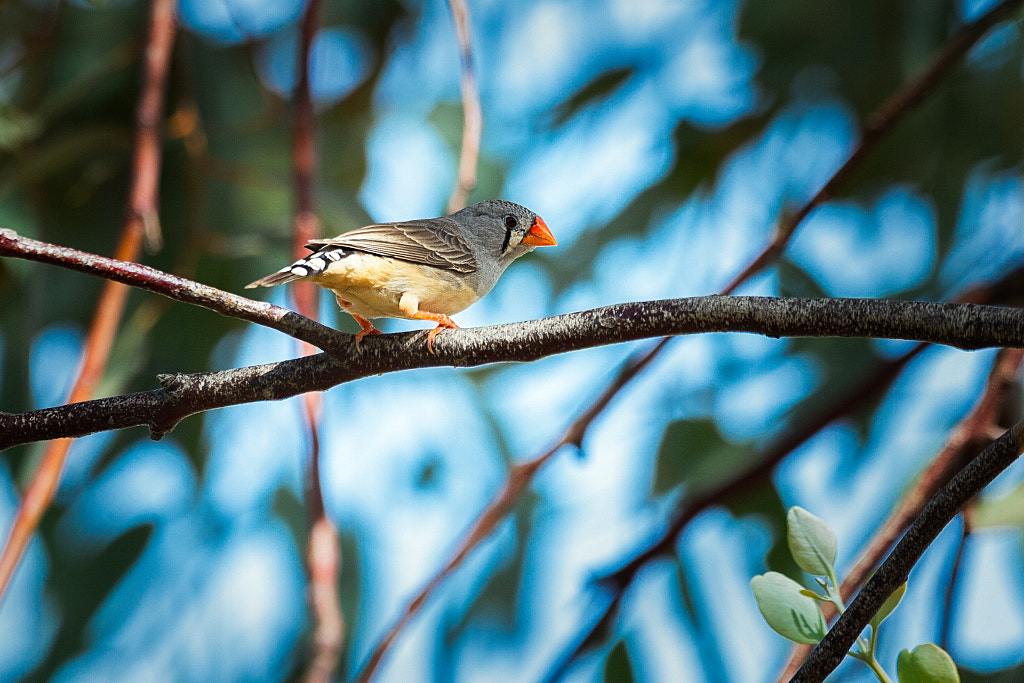
Zebra finch, Taeniopygia guttata. York, Western Australia. Canon EOS 6d with Sigma 150-600mm f5-6.3 Contemporary lens. Exposure: 1/500 sec, f6.3 at ISO 400.
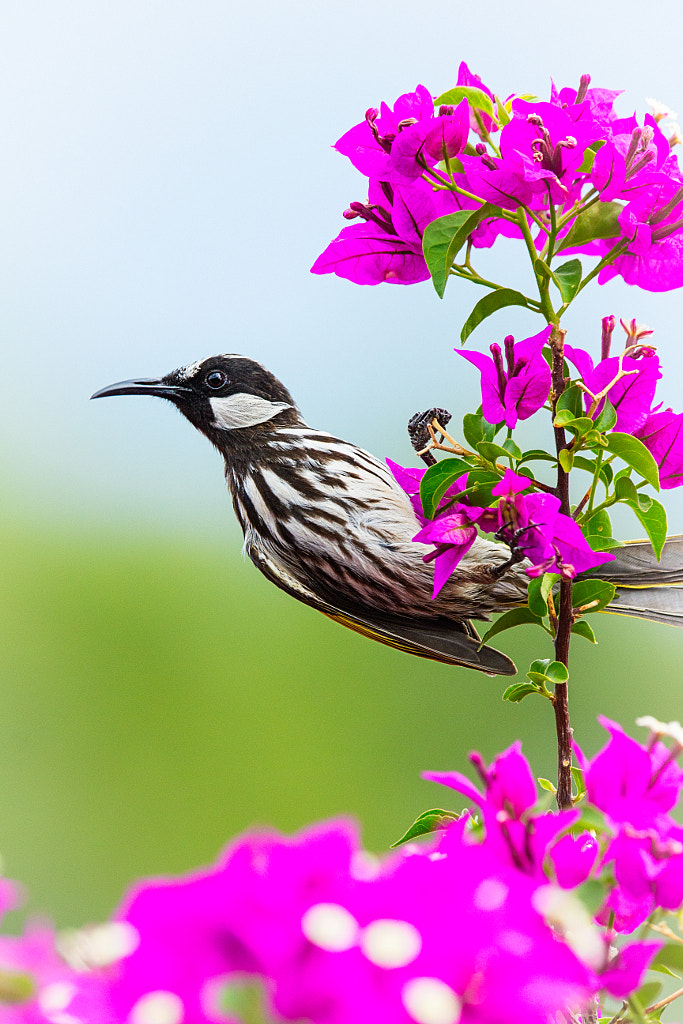
White-cheeked Honeyeater, W, in my back garden. York, Western Australia. Canon EOS550d with Sigma 150-600mm f/5-6.3 DG OS HSM Contemporary lens. Exposure: 1/500 sec, f7.1 at ISO 500.
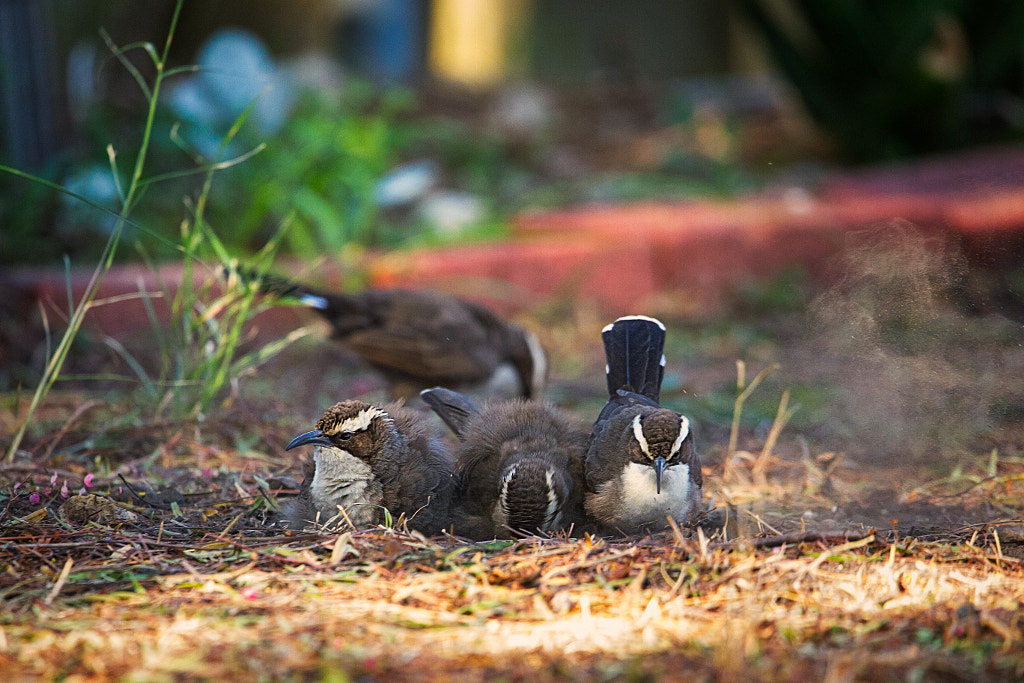
White browed babblers (White) breaking the social distancing rules by communal dust bathing. York, Western Australia. Canon EOS 6d with Sigma 150-600mm f5-6.3 lens. Exposure: 1/500 sec, f6.3 at ISO 5000.
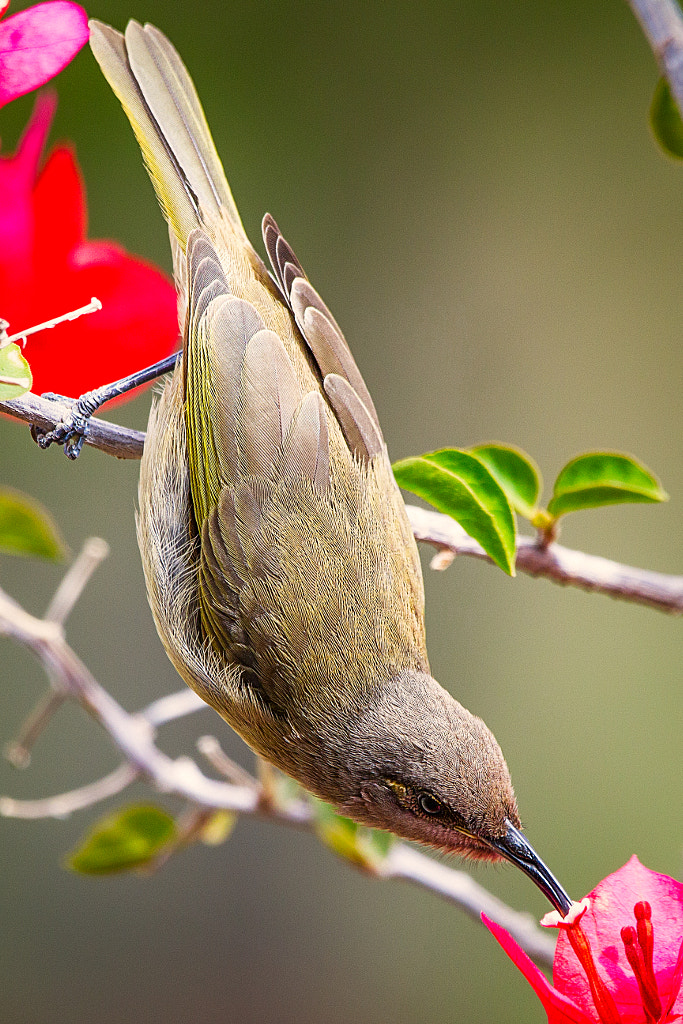
Brown Honeyeater, Brown, in my back garden. York, Western Australia. Canon EOS 550d with Sigma 150-600mm f5-6.3 lens. Exposure: 1/500 sec, f6.3 at ISO 320.
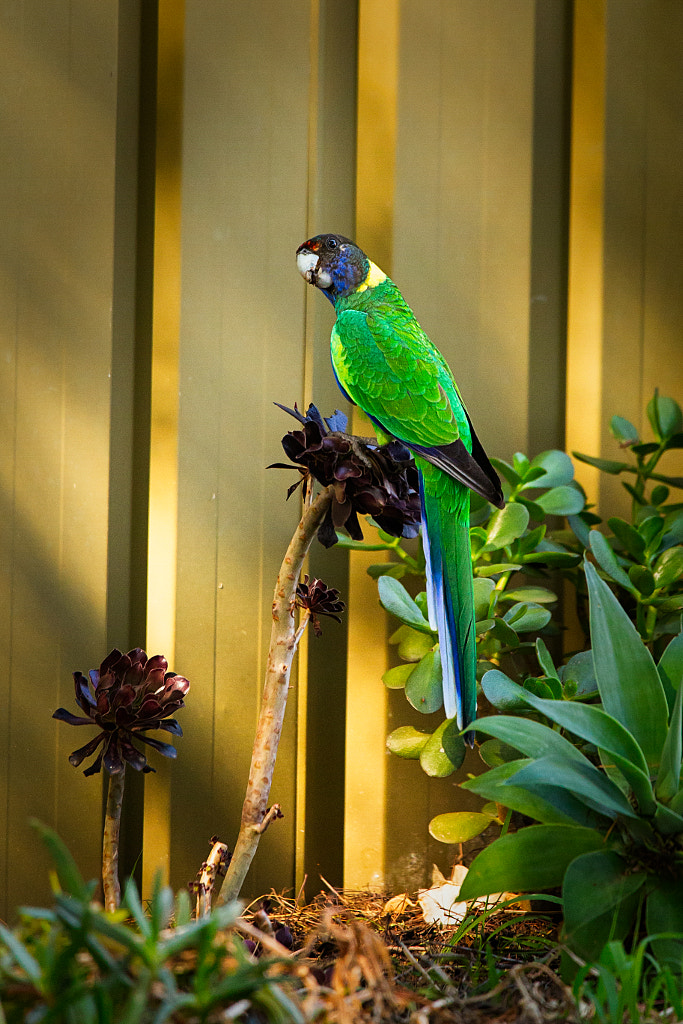
Australian Ringneck aka twenty-eight parrot,Aus. York, Western Australia. Canon EOS 6d with Sigma 150-600mm lens. Exposure: 1/500 sec, f6.3, at ISO 6400.
Well that’s it for this week. Stay safe, keep positive and try and keep busy.
This could have been titled Hyden – the return. Hyden is a small town in the middle of the Wheatbelt in Western Australia some 292Km east of Perth. Regular readers will remember that we’ve been before and maybe somewhat perplexed as to why we’d bother to visit again. Well Hyden’s claim to fame is Wave Rock which is a large granite rock face that has been eroded in the shape of a perfect breaking wave. More than 100,000 tourists make their way there very year. Most just stay about an hour before zooming off to another destination to get the perfect instagram shot without taking any time to see what else is there. A great shame really as there is so much more to offer. When I wrote about our previous visit I concentrated more on other sites and the Aboriginal heritage of the area. This time I’ll look at what Hyden has to offer in terms of the natural world.
We decided to make a three day trip and on our way we’d stop off in Corrigin whose main claim to fame is the being the holder of the world record for the number of dogs in a ute and being the home to a dog cemetery. You’d be forgiven for thinking that Corrigin is a bit obsessed with dogs. Anyway it was a nice spot to break the journey, stretch the legs, make the bladder gladder etc. Corrigin does have a pretty impressive wildflower drive which begins just opposite the dog cemetery just on the outskirts of town. Most people just pull up in their car, jump out and walk a couple of metres. They then declare that there’s nothing to see and rush off in a cloud of red dust. Just take your time and have a poke about and you’d be amazed at what you can find. Here are a few examples.
Sugar Candy Orchid, Caladenia hirta subsp. hirta. Wildflower Drive, Corrigin, Western Australia. Panasonic Lumix G85 with Olympus mZuiko 60mm f2.8 macro lens and Metz 15MS-1 flash. Exposure: AE priority 1/200 sec, f4 at ISO 400 with -1 stop exposure compensation.
Chameleon Spider Orchid, Caladenia dimidia. Wildflower Drive, Corrigin, Western Australia. Panasonic Lumix G85 with Olympus mZuiko 60mm f2.8 macro lens and Metz 15MS-1 flash. Exposure: AE priority 1/100 sec, f4 at ISO 400 with -1 stop exposure compensation.
Blood Spider Orchid, Caladenia filifera. Wildflower Drive, Corrigin, Western Australia.
Slender Spider Orchid, Caladenia pulchra. Wildflower Drive, Corrigin, Western Australia.
Sugar Orchid, Ericksonella saccharata. Wildflower Drive, Corrigin, Western Australia.
When we got to Hyden we drove out to the Wave Rock Resort on the shore of Magic Lake which is where we were staying. The lake is quite startling. It’s not very big but is comprised of crystal clear salt water with a gypsum base. That pale coloured lake bed combined with the water makes a giant reflector that takes on the colours of the sky so as the day progresses the lake changes colour. To add to it’s other worldly qualities is that it lies in the middle of a salt plain which is fairly uniform in colour and is covered in mainly scrubby bush and a smattering of trees. It all made me want to get the tripod and graduated neutral density filters out.
Magical Magic Lake. A canoe on Magic Lake beach at sunset. Western Australia. Panasonic G85 with Panasonic Leica 8-18mm f2.8-4 lens and +3 stop graduated neutral density filter. Exposure: AE priority 1/8 sec, f11 at ISO 200 with +1 stop exposure compensation.
Magical Sunset. Magic Lake at sunset. Hyden Western Australia.
The next day we decided to combine the Wave Rock Walk Circuit with the Hippo’s Yawn Loop and the Breakers Trail to create a loop that would take us from the resort up to the Hippo’s Yawn then along the bottom of the rock out to the Breakers picnic area and then back to our accommodation at the resort. The best part of it was that we could take the dog as it is all very pet friendly. Along the way we hoped to see more orchids and birds as we passed through the salt plain and into the bush at the base of the rock.
Old fence posts march across the salt flats at Magic Lake near Hyden in Western Australia. Panasonic Lumix G85 with Panasonic Leica 100-400mm f4-6.3 lens. Exposure: 1/250 sec, f8 at ISO 200.
Crested pigeon, Ocyphaps lophotes, Magic Lake, Hyden, Western Australia. Panasonic G85 with LEICA DG 100-400/F4.0-6.3 lens. Exposure: Shutter priority 1/500 sec, f6.3 at ISO 200 with -1/3 stop exposure compensation.
Known to the Nyoongar as Kayibort the Black-faced woodswallow, Artamus cinerus, can be seen on the shores of Magic Lake, Hyden, Western Australia. Panasonic G85 with LEICA DG 100-400/F4.0-6.3 lens. Exposure: shutter priority 1/500 sec f6.3 at ISO 200.
Salt Lake Spider Orchid, Caladenia exilis subsp. exilis. Magic Lake, Hyden, Western Australia. Panasonic g85 with OLYMPUS M.60mm F2.8 Macro lens. Exposure: aperture priority 1/640 sec, f4 at ISO 200 with +2/3 stop exposure compensation.
Yellow Spider Orchid, Caladenia denticulata subsp. denticulata. Magic Lake, Hyden, Western Australia. Panasonic G85 with OLYMPUS M.60mm F2.8 Macro lens. Exposure: aperture priority 1/125 sec, f8 at ISO 1000 with -1/3 stop exposure compensation.
When we got to the base of the rock the vegetation changed from the scrub of the salt plain to thick bush fed by the water run off from the rock. We both enjoyed pocking around in the undergrowth looking for flowers, taking photos of each other and trying to dissuade Frida, our dog, from trying to climb up the rock face in search of interesting holes. It was amazing to see so many orchids – the blue beards were like a carpet in places. It was absolutely wonderful to see.
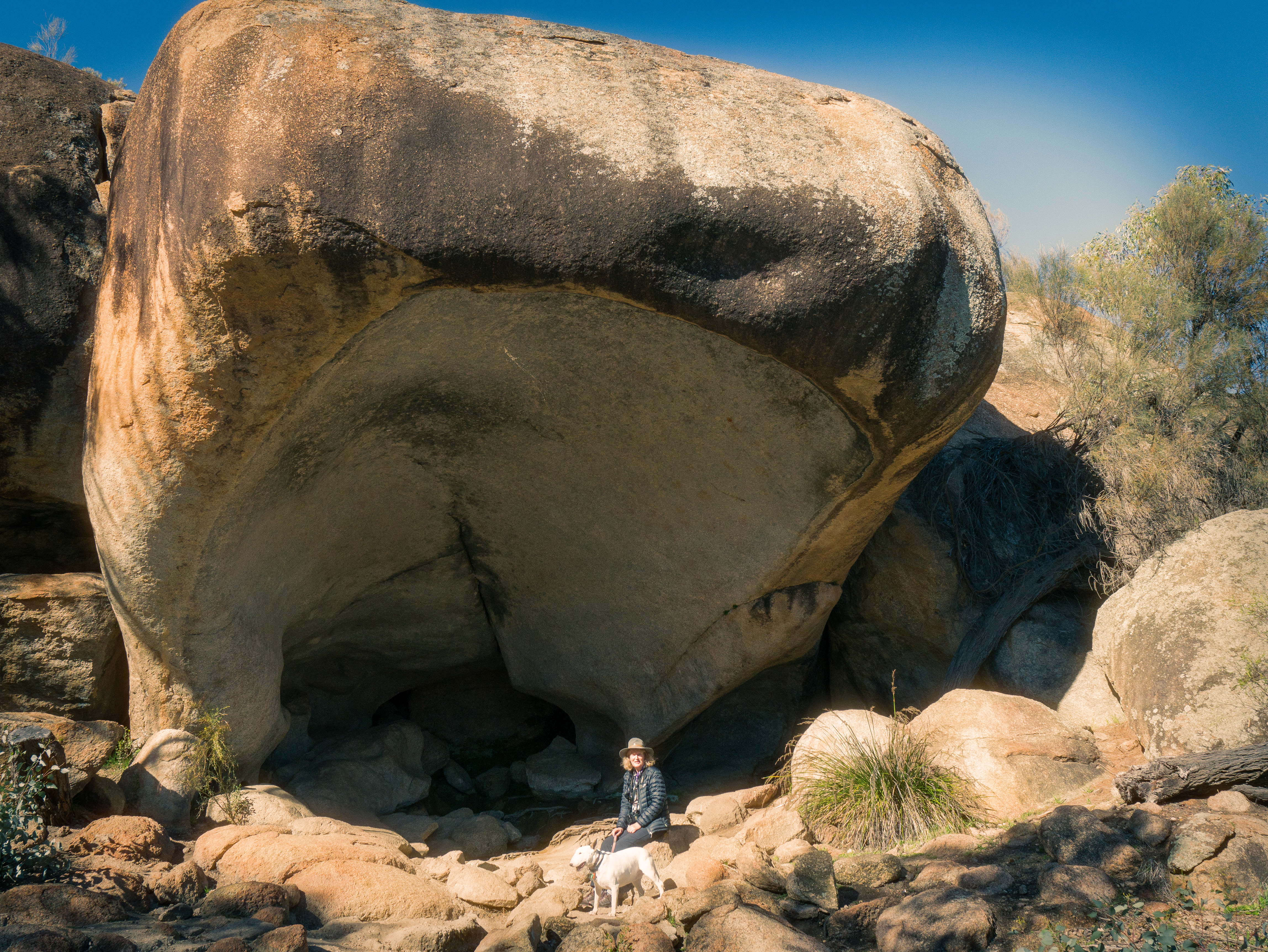
Helen and Frida at Hippo’s Yawn near Hyden in Western Australia.
Jug orchid, or recurved shell orchid (Pterostylis recurva). Wave Rock, Western Australia.
Blue beard or blue fairy orchid (Pheladenia deformis),. Wave Rock, Western Australia.
All in all we had a great time. There is so much to see and do that we’re already talking about going again. If you are planning a trip to Wave Rock there is a whole lot more to it than posing for a selfie for Facebook on the rock.
The Emu Fence at Wave Rock Resort. Hyden, Western Australia. iPhone SE in panorama mode. Exposure: 1/1400 sec, f2.2 at ISO 25.
… it’s a bit like fishing. There’s always the one that got away. It doesn’t matter how prepared you think you are the opportunity presents and disappears in a nano second. One of my photography lecturers used to talk about what he called ‘the retrospective drive home’ where you analyse everything you did and didn’t do that contrived to create that missed opportunity. The frustrating thing is as you try and tell someone about it they invariably say “A photograph or it didn’t happen”. Well this time I’ve got the photos to prove it! Sort of.
The other day I was walking along the Swan River foreshore at Claremont when I saw an Osprey drop like a stone from the air and scoop up a fish. In less than the blink of an eye it was over. I was ready the camera was out of the bag and had a long lens fitted, it was switched on and the settings were optimised. So what did I get?
The osprey making its escape with catch of the day.
With some Photoshop magic this is what I got.
That was the best I could get – pathetic isn’t it? There I am with (hang on the other half may read this) an untold amount of money tied up in photo equipment and this is it! I remember watching the original Bladerunner where they had a fancy doodad that could extract a useable photo out of some ridiculous enlargement. You know that film was set in 2019 and it is now 2018 and we haven’t got that fancy photo doodad let alone flying cars. The future is such a disappointment. So as I walk away from the scene looking dismally at the LCD on the back of the camera I’m mentally kicking my backside.
Half an hour later I hear a commotion coming from the water. A shoal of fishing flapping on the surface coming on to the shoreline. Low and behold a fin and then a head break the surface. It’s a pair of bottle nosed dolphins driving fish into the shore. With the relaxes of a dead cat I leap into action and fire off a burst.
Indo-Pacific Bottle Nosed Dolphins can often be seen in in Freshwater Bay. They often drive shoals of fish into towards the shore to make hunting easier. They also feed on the crabs found on the sandbar.
Well this time I got a sharp photo of something recognisable as a dolphin. But that is the best I got. This wildlife photography lark is hard – the wildlife aren’t giving me chance.
Yellow-billed Spoonbill (Platalea flavipes) on the banks of the River Avon in York, Western Australia. Olympus OMD EM1 with OLYMPUS M.75-300mm F4.8-6.7 II lens. Exposure: 1/250 s at f/6.7 ISO 800.
There’s no denying that summer and autumn here in the Wheatbelt of Western Australia is hot. The best time of day is just after sun up – the air is cool and refreshing. That is when I take Frida for her daily walk. Sometimes I also take a camera as well and on this morning I was rewarded with this yellow-billed spoonbill backlit by the sun.






You must be logged in to post a comment.