Whether The Weather

Whether the weather be fine

Or whether the weather be not,

Whether the weather be cold

Or whether the weather be hot,

We’ll weather the weather

Whatever the weather,

Whether we like it or not.

Anonymous


Winter
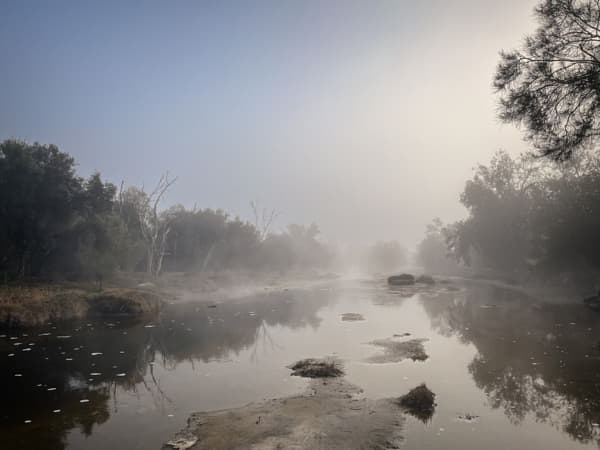
The morning mist on the Avon River. Western Australia. Panasonic G9 with Panasonic Leica 12-60mm f2.8-4 lens.


I like the pass of the seasons. I like how everything changes and provides different experiences. I like going out down the Avon River on a cold winters morning with thick mist. The experience is very different – vision is limited to around 5-10m and sounds are strangely muted. When looking for wildlife you think that nothing is near and then suddenly it looms out of mist. Sometimes I wonder who is more surprised at the encounter, me or the animal.


Family Outing by Paul Amyes on 500px.com
A femaleAustralian Wood Duck (Chenonetta jubata) and her twenty one ducklings swiming in the Avon River. Two weeks later I saw her and had just five remaining ducklings. Panasonic Lumix G9 mk ii with Panasonic Leica 100-400mm f4.5-6.3 lens.


Kakak by Paul Amyes on 500px.com
Kakak or Little Pied Cormorant (Phalacrocorax melanoleucos). Panasonic Lumix G9 mk ii with PanaLeica 100-400mm lens.


Bambon by Paul Amyes on 500px.com
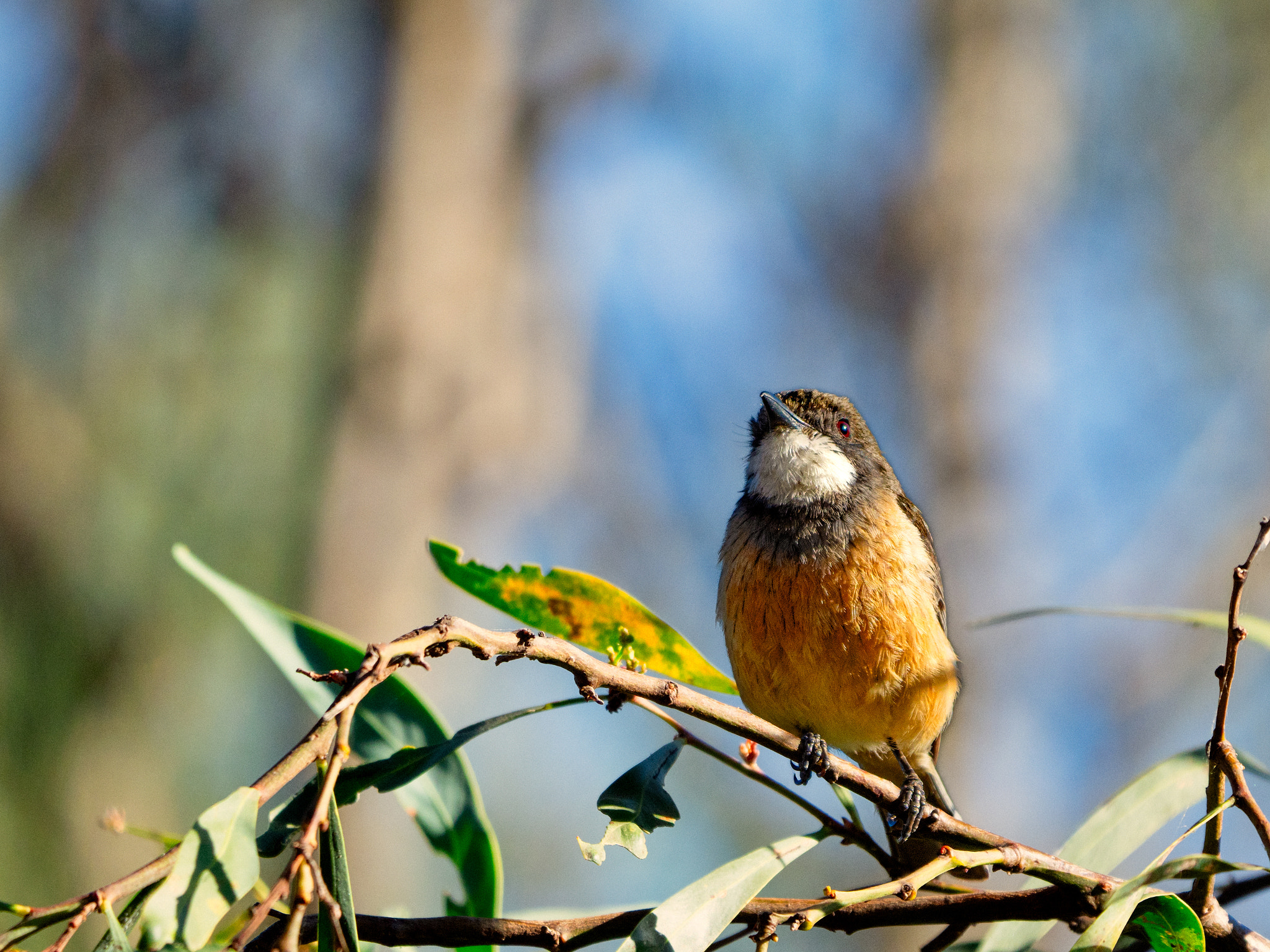
A male Bambon or Rufous Whistler (Pachycephala rufiventris). Panasonic Lumix G9 mk ii with PanaLeica 100-400mm lens.


Bambon by Paul Amyes on 500px.com
A female Bambon or Rufous Whistler (Pachycephala rufiventris). Panasonic Lumix G9 mk ii with PanaLeica 100-400mm lens.


Doornart by Paul Amyes on 500px.com
The sun making an effort to break through the mist creates a warm haze. Doornart or Ring-necked Parrot (Barnardius zonarius subspecies semitorquatus). Panasonic Lumix G9 mk ii with PanaLeica 100-400mm lens.


Doolor by Paul Amyes on 500px.com
Doolor or Silvereye (Zosterops lateralis) waiting for the sun to break through. Panasonic Lumix G9 mk ii with PanaLeica 100-400mm lens.


Living in a farming community the topic of conversation often turns to the weather. Right now people are talking about how little rain there has been, how cold it is, how they’re looking forward to summer, and how they’re worried about the forthcoming mother of all El Niño’s is coming with forecast temperatures for the Wheatbelt being in the mid to high 40sºC. The local farmers I’ve spoken with are all saying that crop yields will be severely impacted. Generally El Niños don’t effect us in Western Australia like they do in the Eastern States so hopefully this summer won’t too much of a feat of endurance.
Oh Happy Day!!!!!

Bit of an odd morning today. It was a distinctly grey day and I wasn’t intending to take any photos. While getting set to take the dog out for a walk along the river at Blandstown the Beloved Significant Other said she was taking her binoculars to look for birds. I thought about taking mine but when I saw that they were in a pouch with my camera I just grabbed the whole shebang.

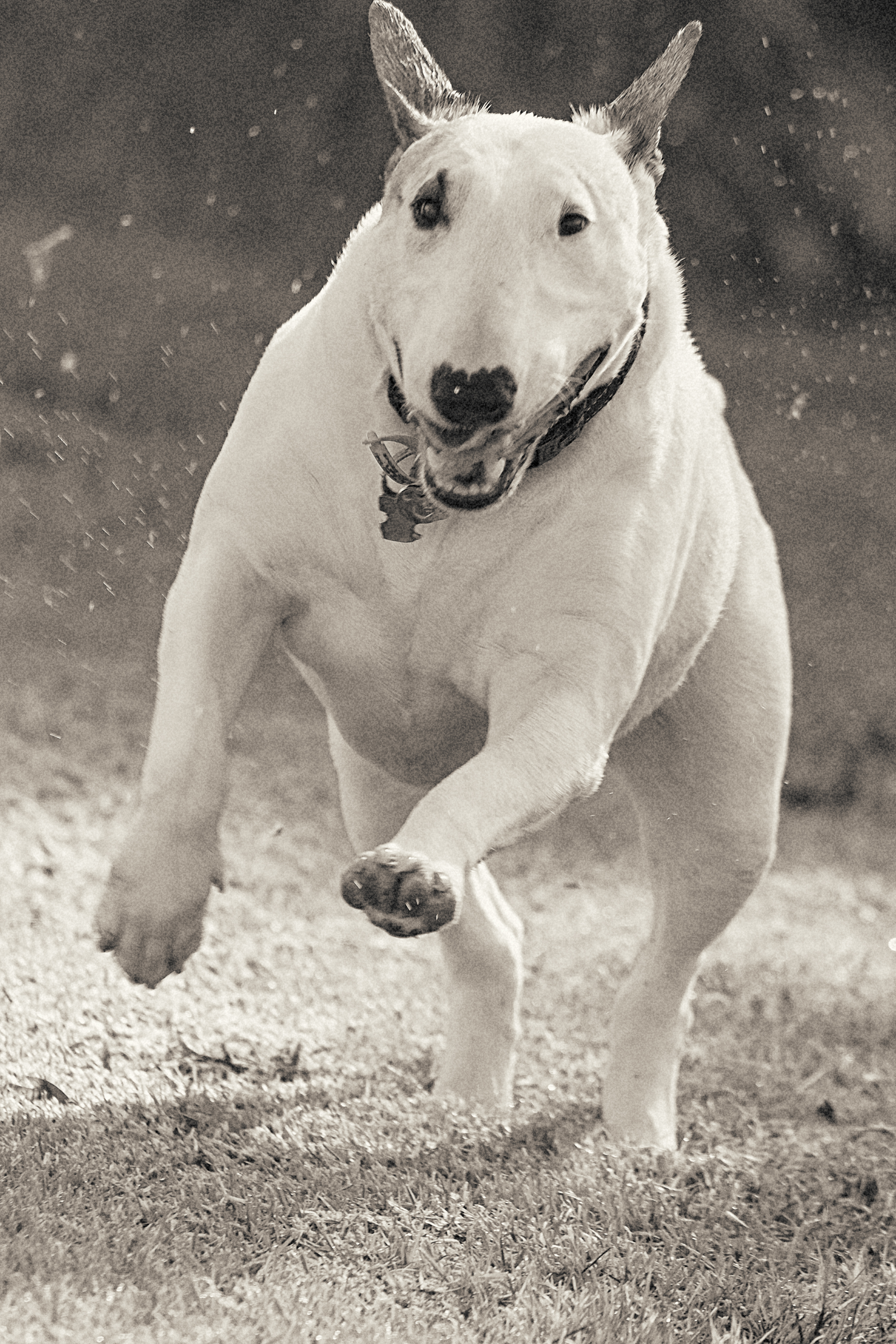
When we got there I wasn’t sure whether Frida – our dog – would walk. She is very old now and has to all intents and purposes given up on walking. She loves a ride in the car, but you can’t guarantee that she’ll get get out for a walk. With a bit of assistance she got out and was quite happy to head towards the river. When she was young long grass would send her silly and she would madly runabout causing mayhem. At 13 with arthritis in one of her back legs and kidney problems it doesn’t happen very often anymore but all that long grass along the river and she was off!


A hairy wrecking ball with four legs. Frida mid bully run when she was a lot younger.


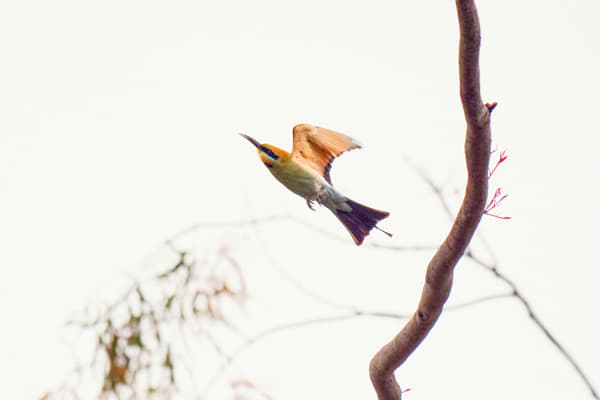
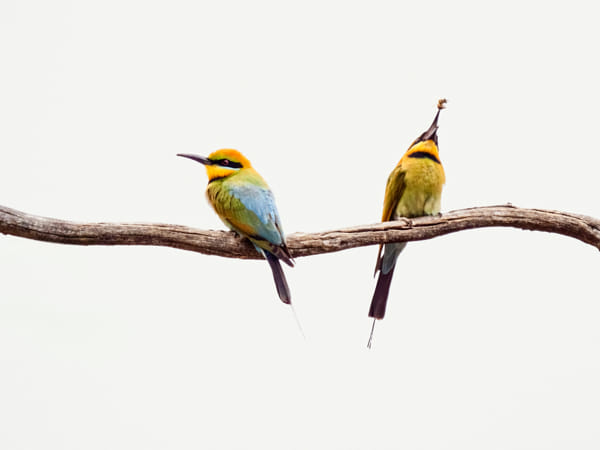
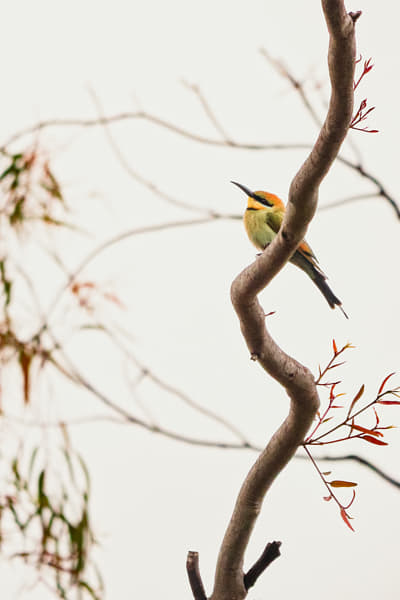
While trying to avoid being bowled over by a deranged bull terrier the Beloved Significant Other said she thought she could see a Rainbow Bee-eater. Oh how I scoffed. “Impossible” said I. “They don’t arrive back from Northern Australia and Papua New Guinea until November.” I added being all ‘knowledgeable’. But when I raised the camera up and looked there was a female Rainbow Bee-eater, and listening very carefully I could just make out the chirping call of another. Never had I seen one this early in York before. I’d read that in some areas of southern Australia the winters are becoming much milder and some of the birds aren’t migrating north in autumn. Whether that applied to these birds I don’t know.


Birin-birin by Paul Amyes on 500px.com
Birin-birin or Rainbow Bee-eater (Merops ornatus). York, Western Australia.


Birin-birin by Paul Amyes on 500px.com


So as we headed home I couldn’t work out what had made me the happier. The fact that Frida had just had a bully run or that I’d seen the Rainbow Bee-eater. Probably both. Oh! I did photograph some other birds. Here they are below.


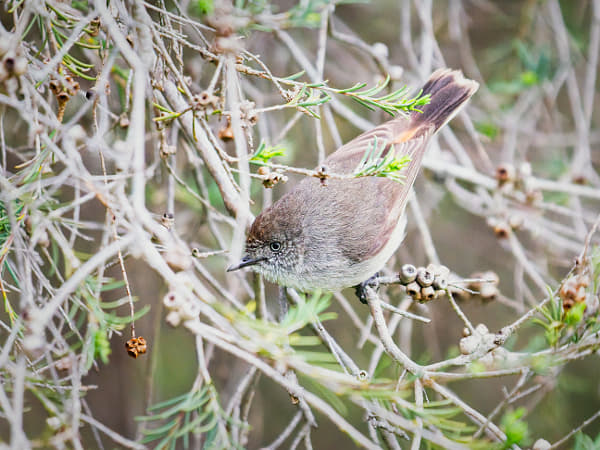
Chestnut-rumped Thornbill by Paul Amyes on 500px.com
Chestnut-rumped Thornbill, Acanthiza uropygialis. York, Western Australia.


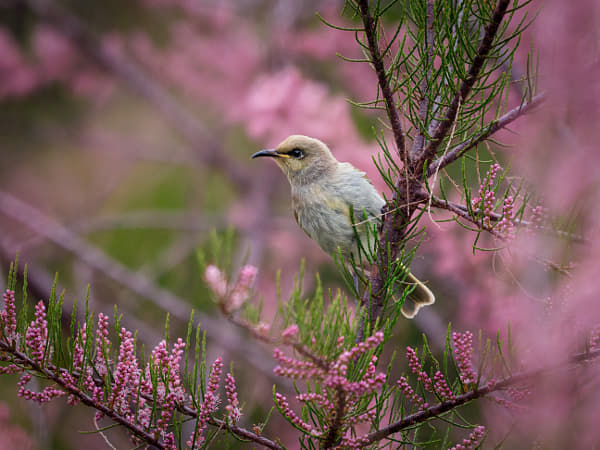
Djindjokoor by Paul Amyes on 500px.com
Juvenile Djindjokoor or Brown Honeyeater (Lichmera indistincta). York, Western Australia.


All Fogged Up

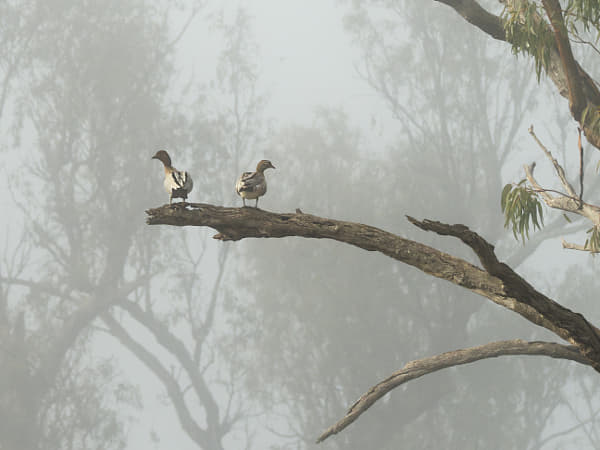
We’ve had a lot of cold, dank, foggy mornings along the Avon River lately. It must be cold as most of the duck population has taken to perching in trees while waiting for the day to warm up.


Morning Mist by Paul Amyes on 500px.com
The weak winter sun tries to burn off the thick winter mist in the Avon Valley.


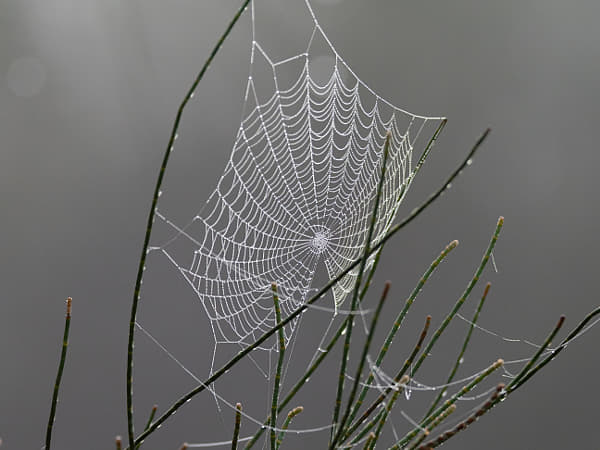
Dew On A Web by Paul Amyes on 500px.com
The mornings dew on a spider’s web. Avon Walk Trail, Western Australia.


Marangana by Paul Amyes on 500px.com
Marangana or Australian Wood Duck (Chenonetta jubata).


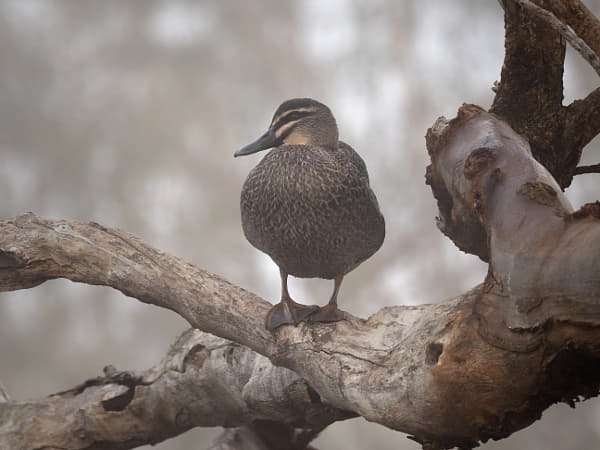
Ngowonan by Paul Amyes on 500px.com
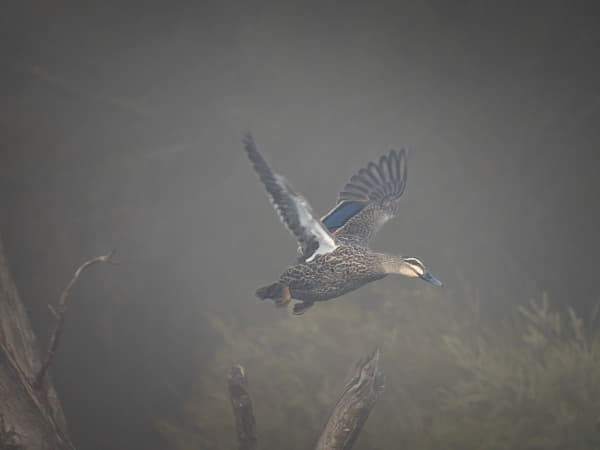
Ngowonan or Pacific Black Duck (Anas superciliosa).


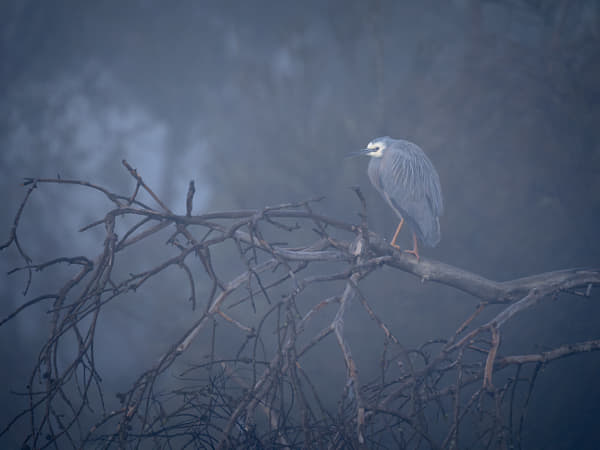
Wayan by Paul Amyes on 500px.com
Wayan or White Faced Heron (Ardea novaehollandiae) hunkered down against the cold.


Kaaka-baaka by Paul Amyes on 500px.com
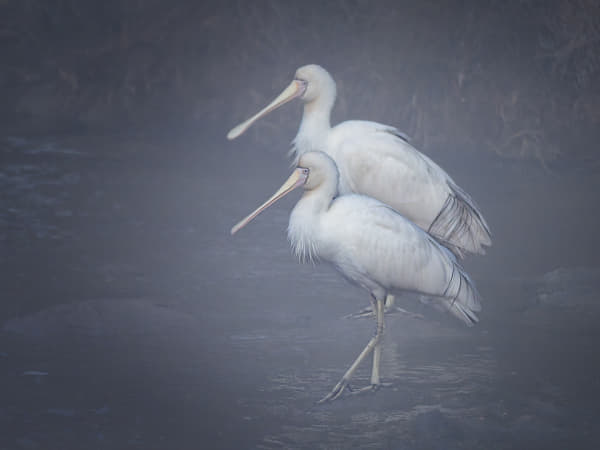
This pair of Kaaka-baaka or Yellow-billed Spoonbills (Platalea flavipes) braved the cold and were wading in the river looking for food.


Ngowonan by Paul Amyes on 500px.com
“Time I was off”. Ngowonan or Pacific Black Duck (Anas superciliosa).


Overall I was actually quite impressed that my Olympus EM1x could find focus in these dark low contrast situations.

Hotter Than…

… than a Vindaloo Curry with extra chilli and a side serving of chilli. Man has it been hot. I mean it’s been so hot that your eye balls sweat. Try and take a cold shower to cool down and the water coming out of the cold tap is hot. The dog refuses to go for a walk because the pavement is blisteringly hot. We did get a little respite for a day, the temperature dropped by 10º to 34ºC and everyone said it was chilly enough to look for a sweater. The third round of the seventh circle of Dante’s Inferno is a great Plain of Burning Sand scorched by great flakes of flame falling slowly down from the sky and it is an apt description of this summer here in the Wheatbelt of Western Australia. Cyclone Sean has a lot to answer for.

Kaa-kaa or Laughing Kookaburra by Paul Amyes on 500px.com
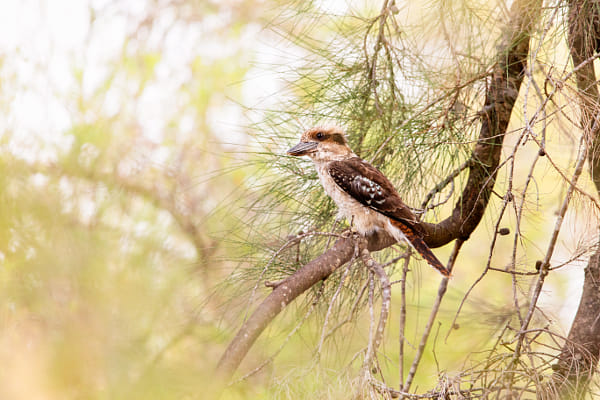
A very happy looking Kaa-kaa or Laughing Kookaburra (Dacelo novaeguineae).Avon Trail, York, Western Australia.


Yet I’m amazed how the natural world carries on. The Rainbow Bee-Eaters chicks have successfully fledged and are busy building themselves up for the long flight north at the end of March. Splendid Fairy Wrens, Thornbills and Silvereyes still look for insects in the undergrowth. Kookaburras, crows and magpies can be seen looking for the unwary to feed upon. The farmers paddocks are now just bleached stubble. The mice and other small animals that live in them have nowhere to hide and are easy pickings for the Black Shouldered Kites and Nankeen Kestrels.


Djer-djer by Paul Amyes on 500px.com
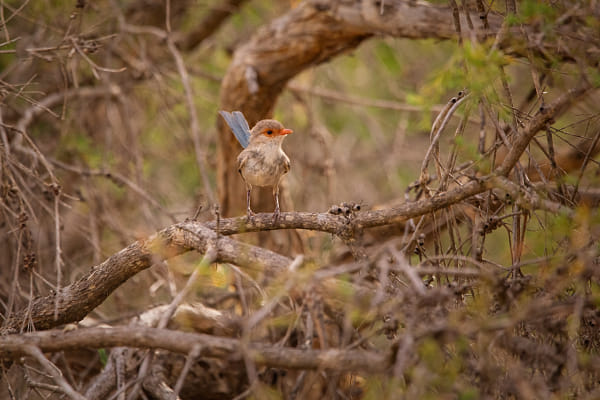
Female Djer-djer or Splendid Fairy-wren (Malarus splendens subs splendens). Avon Trail, York, Western Australia.


Birin-birin by Paul Amyes on 500px.com
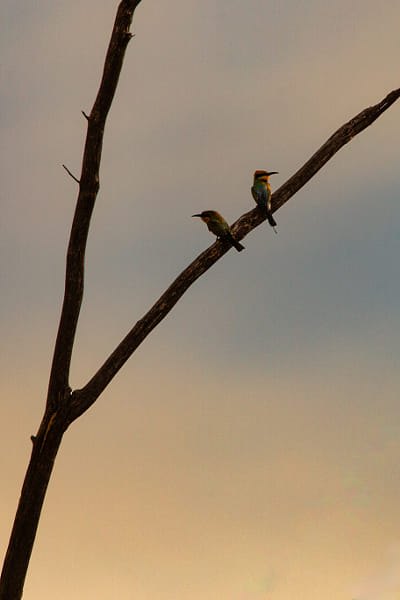
Birin-birin or Rainbow Bee-eaters (Merops ornatus) in the last light of the day. Avon Trail, York, Western Australia.


Walking along the river in the early morning or late evening it’s possible to see the birds, but they quickly retreat to places of deep shade as the temperatures rise. Come about 10 o’clock in the morning until about five in the afternoon they are almost totally silent. Despite the heat there is still quite a volume of water in the river. It is the water that enables the wildlife to survive.


Kaa-kaa or Laughing Kookaburra by Paul Amyes on 500px.com

Kaa-kaa or Laughing Kookaburra (Dacelo novaeguineae).Avon Trail, York, Western Australia.

The Dutiful Father

They say “familiarity breeds contempt” and I think that is true of one of Australia’s most common birds – the Magpie-lark (Grallina cyanoleuca). They are one of the few species of Australian birds that have benefited from land clearance and urbanisation and so they are seen in most towns and cities. Most people are so accustomed to their presence in environment that they barely give them a thought. I must say that I am one of them. If I look at my photo library in the last twenty years I’ve only taken 11 photos of a Magpie-lark while in the last five years I’ve taken 77 photos of White-faced Herons.


Diliboort by Paul Amyes on 500px.com
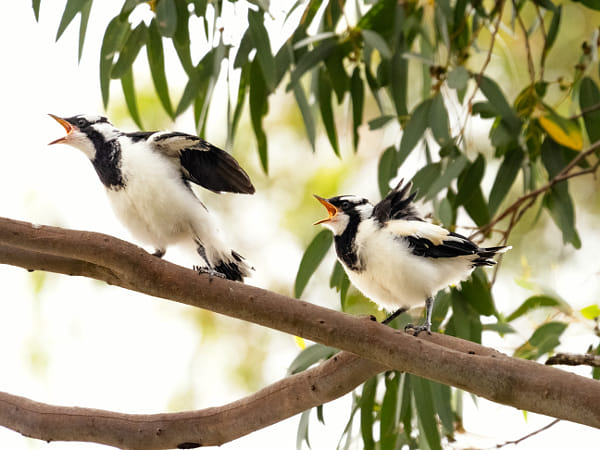
Feed Me! Fledgling Diliboort or Magpie-larks (Grallina cyanoleuca) demanding food. Avon Walk Trail, York, Western Australia.


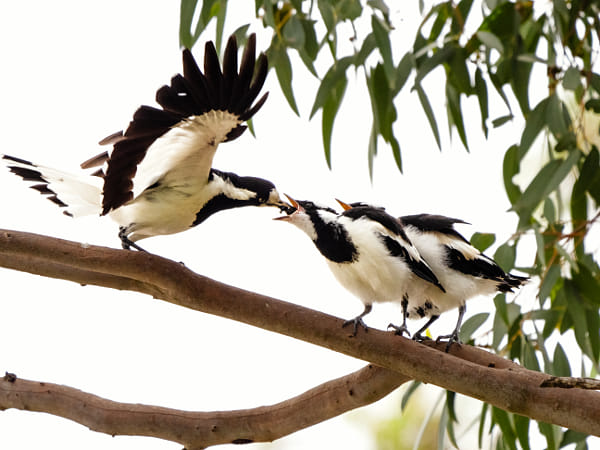
The other day I’d been on a Kingfisher stakeout and I was just walking up the river to see what the Rainbow Bee-eaters were up to. When I noticed this pair of male fledgling Magpie-larks creating a hullabaloo. Waiting a few minutes I saw an adult male fly in and feed them. He was very conscientious making sure to feed each one in turn. He’d then fly off and walk around the grass in the park looking for bugs and worms and when he had a beak full he return back to his charges. In the half an hour I watched them I didn’t once see the mother. Perhaps she was taking a well earned rest somewhere.


Diliboort by Paul Amyes on 500px.com
Dad diligently obliges.


So watching and photographing those interactions has made me double the number of photos of Magpie-larks in my library and reminded me not to ignore the less charismatic birds.

The Happy Couple

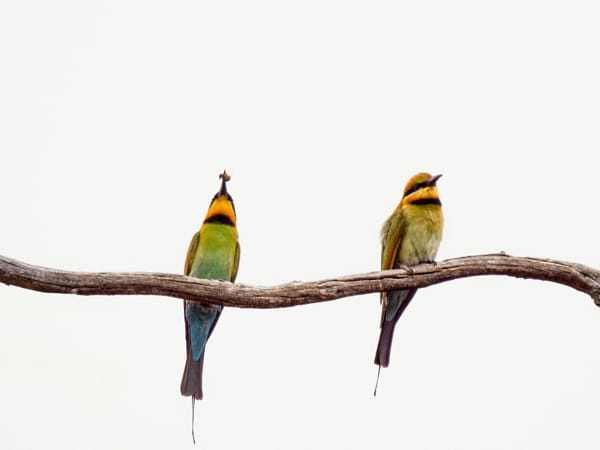
I’ve been enjoying watching the Rainbow Bee-eaters. This year it appears that only one breeding pair have returned to York. This is the lowest number I’ve seen in York in the last twenty years. Despite that the pair we have make for delightful watching.


Birin-birin by Paul Amyes on 500px.com
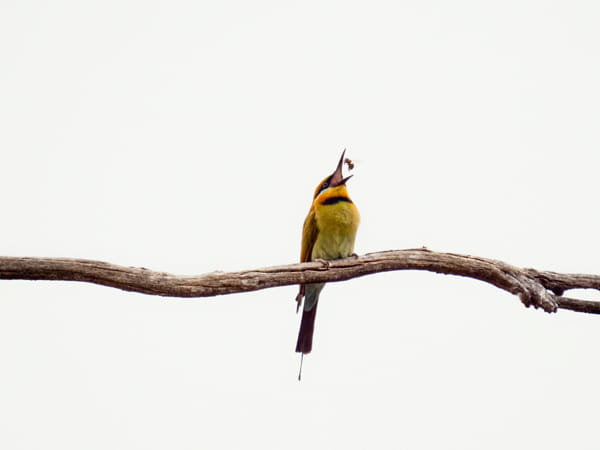
The female Rainbow Bee-eater playing with her food (a bee naturally) the male isn’t impressed.


Birin-birin by Paul Amyes on 500px.com
The male leaves her to get on with it.


Birin-birin by Paul Amyes on 500px.com
A couple of minutes later he returns with his own bee.


Birin-birin by Paul Amyes on 500px.com
His turn to enjoy a meal.


Just Splendid

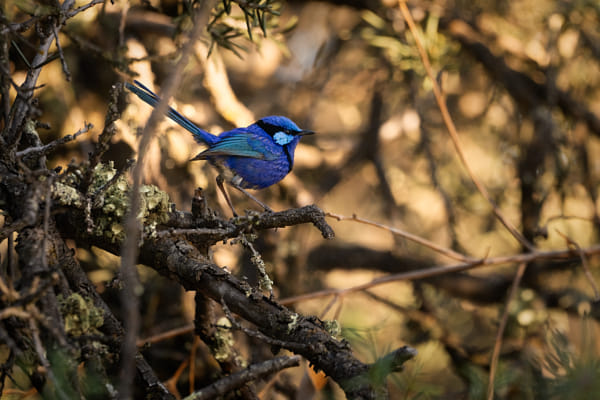
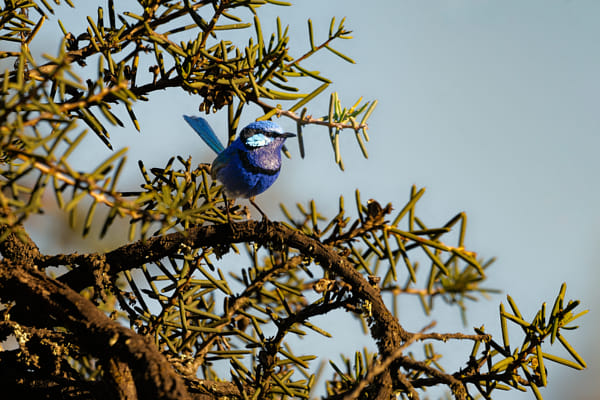
One of the delights of walking through any natural environment at this time of year is seeing male Splendid Fairy Wrens in their breeding plumage. I regularly walk along the Avon River photographing the birds I see, and I hadn’t seen one for a couple of years. Usually they can be seen in the dense low level foliage or on the ground feeding on insects, but over the last few years the wonderful folk at the York River Conservation Society have been clearing out the feral plants and replanting natives. This unfortunately meant that there wasn’t a lot of undergrowth to provide suitable habitat. But joy of joys now that the bush is growing nicely and maturing the Splendid Fairy Wrens are back! It is terrific to see them again.

Djer-djer by Paul Amyes on 500px.com
They’re back! Djer-djer or Splendid Fairy-wren (Malurus splendens). Avon Walk Trail, York, Western Australia.


Djer-djer by Paul Amyes on 500px.com
Oh baby are they back!


Where’d They All Go?

Trying to get interesting Bird In Flight (BIF) shots is tricky down by the river. The river is fringed by trees and this causes the auto focus system on my camera to get confused, which means it locks onto the trees rather than the bird. The end result is lots of photos of out of focus birds. But this week I had the bright idea of standing on the South Street bridge. Usually the birds fly up and down the river and so they’d be coming straight at me with no confusing background. I say usually as I stood on that bridge for over an hour and there were no birds flying or otherwise. Very frustrating to say the least. So I decided to cut my losses and take a walk up the river to see if I could find anything higher up. Zip! Zilch! De nada! So where do all the birds go? Had they gone on a day trip somewhere? Do they just hide? It was quickly turning out to be a complete washout. Feeling a little crest fallen as I was making my way back to the car I came across a couple of Bambon or Rufous Whistlers in the trees at Monger’s Crossing. They’re one of my favourite birds and I can listen to them sing for ages. They were obliging enough to hang around long enough for me to take a couple of photos. This lifted the spirits somewhat.


Bambon by Paul Amyes on 500px.com
Bambon or Rufous Whistler (Pachycephala rufiventris). Avon Walk Trail, York, Western Australia.


Bambon by Paul Amyes on 500px.com
Getting ready to sing.


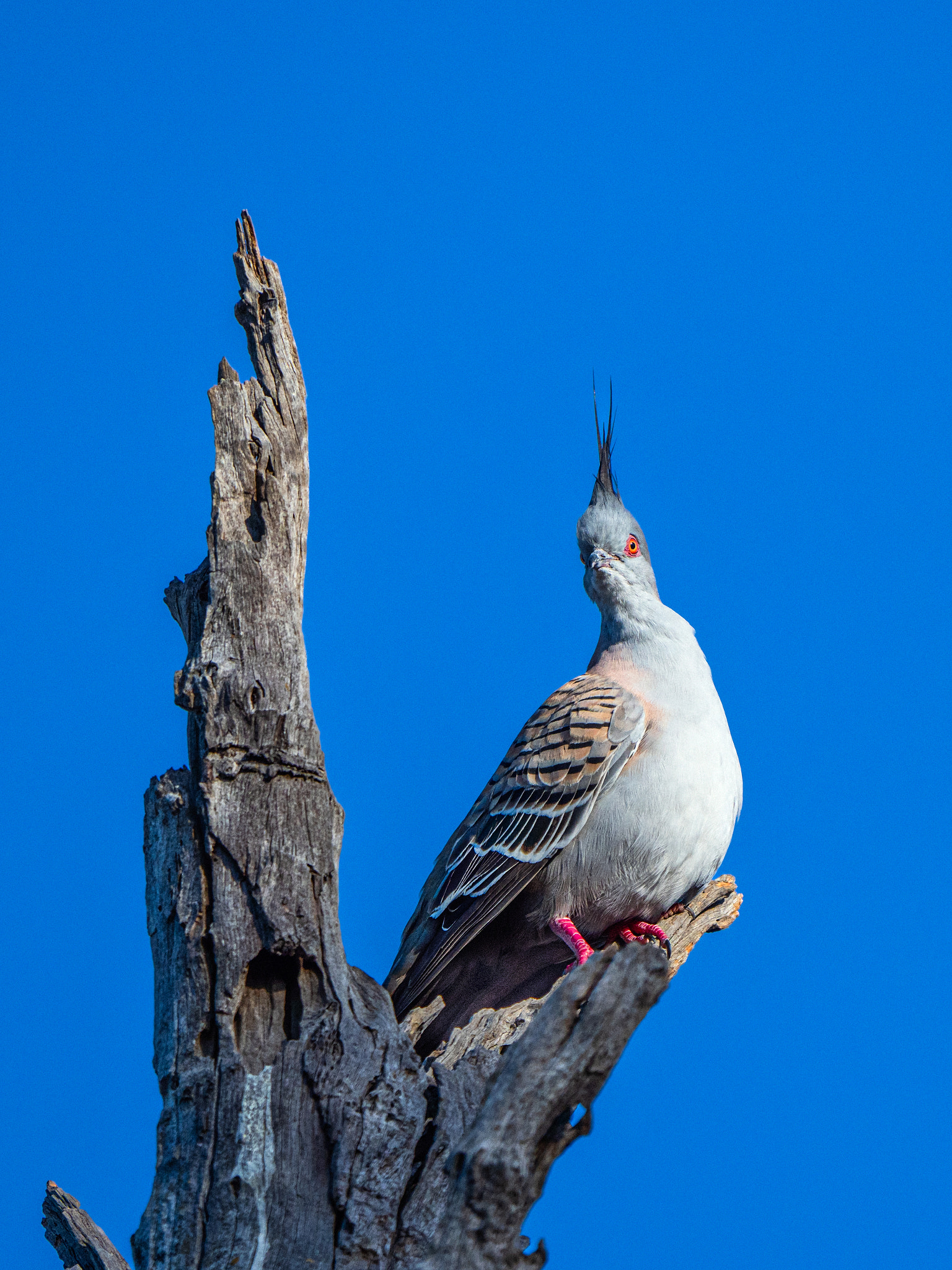
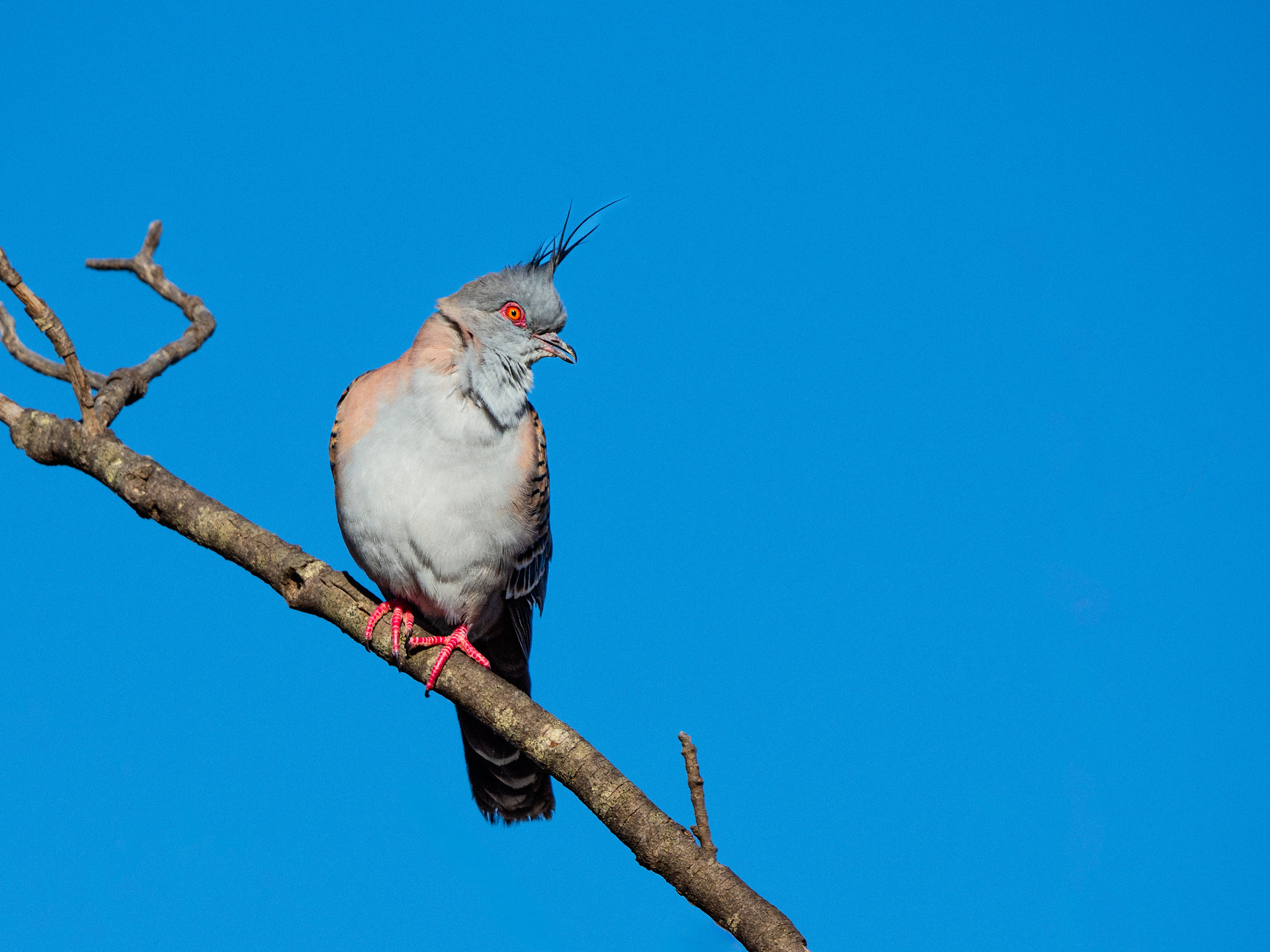
Just before the Swing Bridge there are a couple of dead trees on the river bank and they are a popular perch for kingfishers, but this time they being used by some Kakara or Crested Pigeon (Ocyphaps lophotes). The first one looked a bit startled when it saw me, but the other was very chilled. They have the most amazing red eyes. The brilliant blue of the sky made for a nice background.


Kakara by Paul Amyes on 500px.com
This crested pigeon got a bit of a fright when it saw me.


Kakara by Paul Amyes on 500px.com
Those red eyes are worthy of Hammer House of Horror film. “Revenge Of The Evil Undead Pigeon”.


So it wasn’t a wasted morning after all.

They’re Back!!!

Birin-birin by Paul Amyes on 500px.com
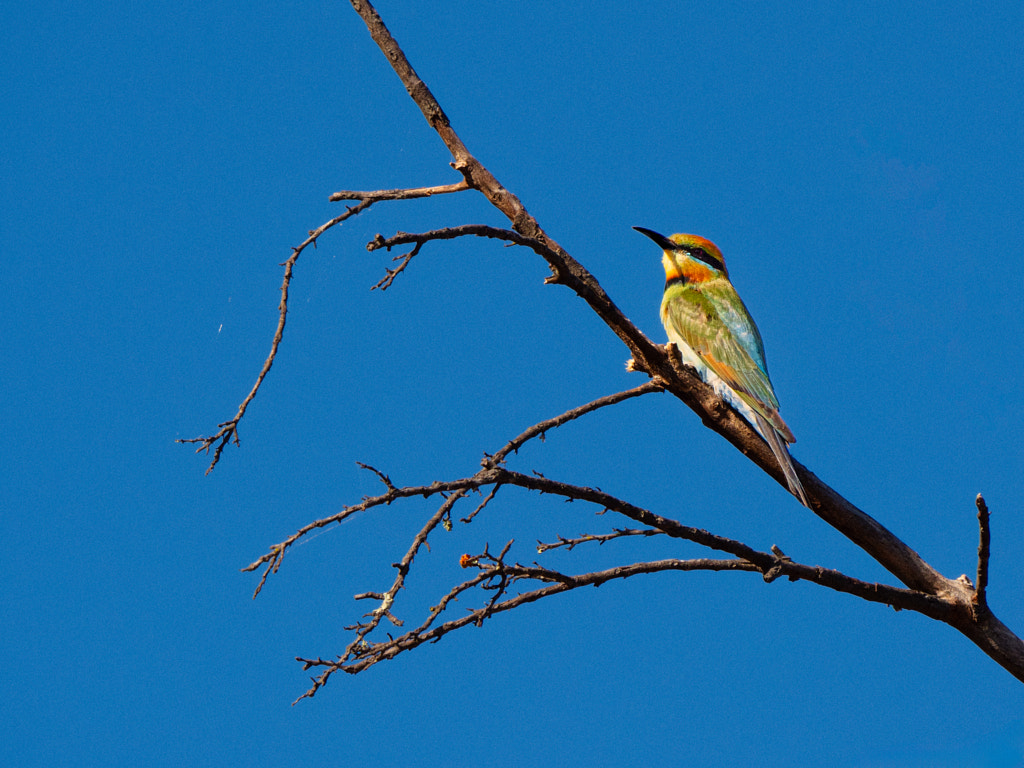
Birin-birin or Rainbow Bee Eater (Merops ornatus). Avon Walk Trail, York, Western Australia.


So after their long flight from Far North Australia and Papua New Guinea the rainbow bee eaters have returned. Not the best photograph of a rainbow bee eater, but it makes me happy that they’ve returned to the banks of River Avon. They’ve dug their burrows and we’re now waiting for the eggs to hatch because this will mean a huge amount of activity from both parents as they catch enough food for the chicks.


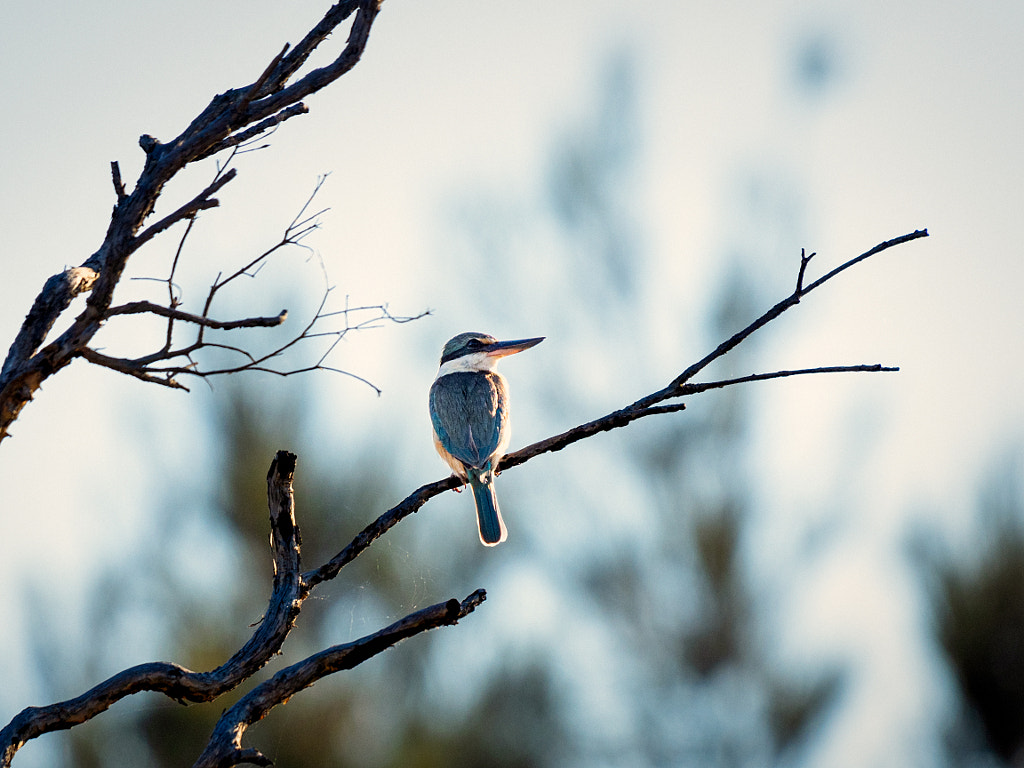
I was also happy to see a red-backed kingfisher as they’re not very common in these parts. From a distance I thought it was a one of its cousins – a laughing Kookaburra as they share a similar profile. I don’t know the Nyoongar name for the red-backed kingfisher so if anyone out there does know I’d much appreciate you telling me.

Red-backed Kingfisher by Paul Amyes on 500px.com
Red-backed Kingfisher, Todiramphus pyrrhopygius. Avon Walk Trail, York, Western Australia.


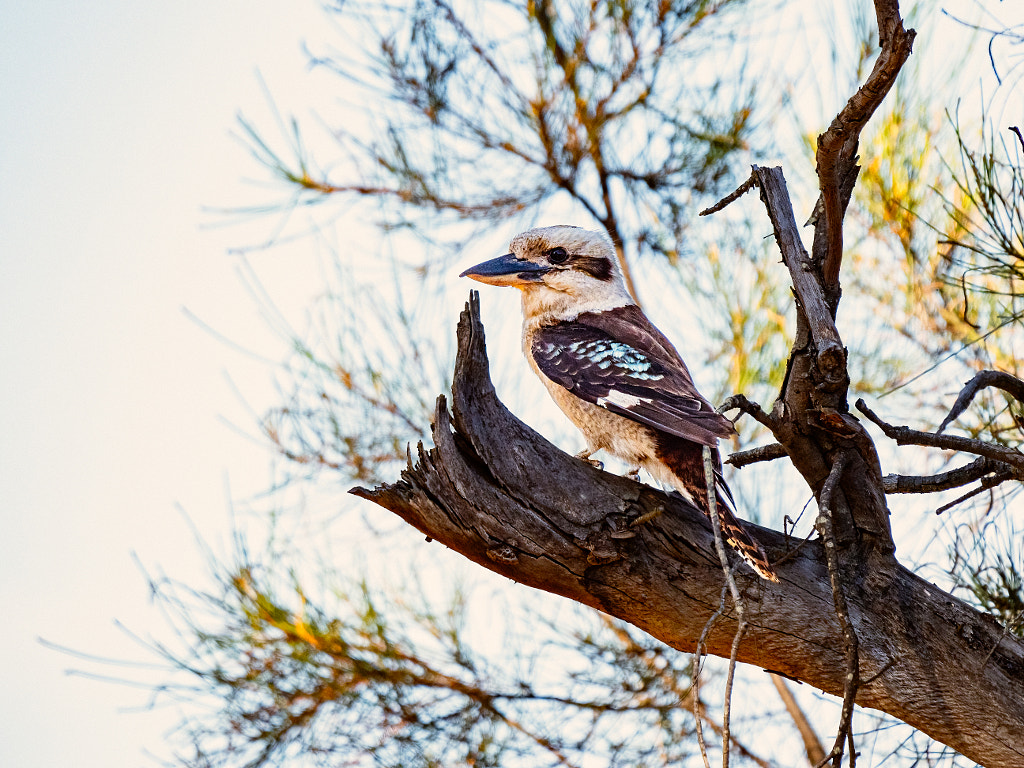
Kaa-kaa by Paul Amyes on 500px.com

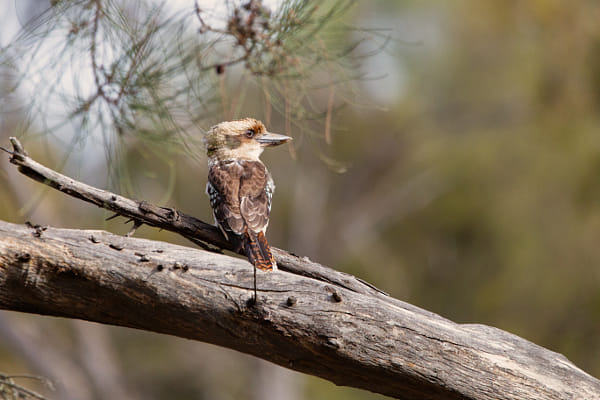
Kaa-kaa, Laughing Kookaburra (dacelo novaeguineae). Avon Walk Trail, York, Western Australia.