Thomsons Lake – Lakeside Walk


Lakesided Walk - Thomsons Lake by Paul Amyes on 500px.com
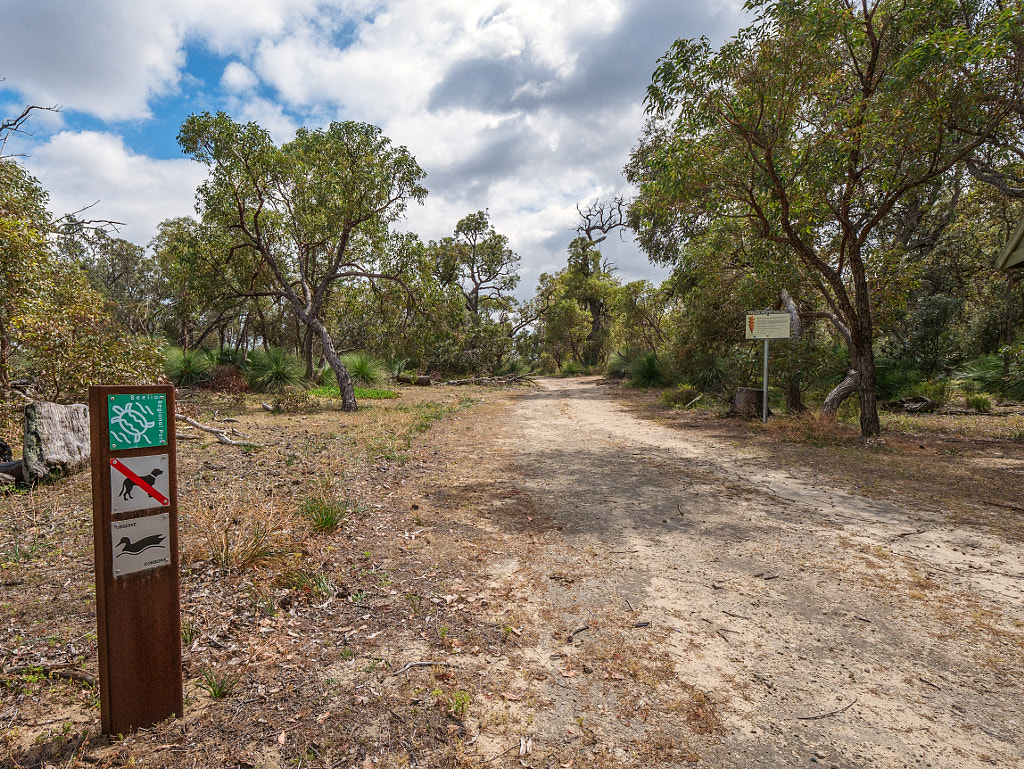
Once inside the reserve the walk trail is clearly signposted making it easy to enjoy the walk.


In my last blog post I gave a bit of a mauling to  Forrestdale Lake as I found the whole nature walk experience quite unsatisfactory and frustrating. I mentioned that it was part of the Forrestdale and Thomsons Lakes Ramsar Site and that the experience at Thomsons Lake was much better. So this week I’ve decided to put up an excerpt about Thomsons Lake from my book Perth’s Best Bush, Coast and City Walks 2nd Edition. The Department of Commerce and Financial Affairs would have me remind you this book would make a  perfect Christmas gift for anyone interested in walking in the Perth Metro Area and can be bought at all good bookstores or online for the bargain price of $29.99.


Lakesided Walk - Thomsons Lake by Paul Amyes on 500px.com
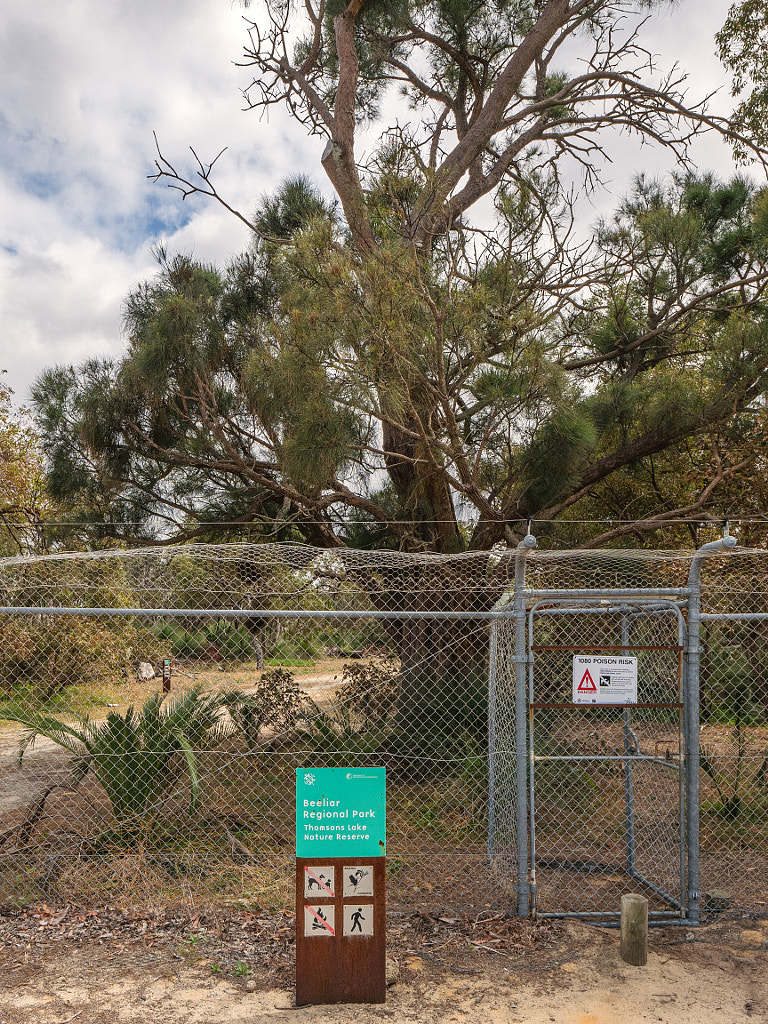
The entrance to Thomsons Lake reassembles that of a high security compound with its high electrified fence. This is to keep feral animals such as cats, dogs, and foxes out.


Grade: Medium

Time: 2 hours

Distance: 6.56Km

Season: Autumn, spring and summer. In late November the land around the lake can still be flooded. January to March and the lake dries up.

Where is it? 25Km south of Perth in Beeliar. Drive down the Kwinana Freeway and take the Russell Road exit.

Public Transport: Catch the 525 bus to Russell Rd After Hammond Rd (Stop Number 23864) and then walk 1.5Km to Thomsons Lake.

Parking: Yes

Dogs: No

Further Information: https://parks.dpaw.wa.gov.au/site/thomsons-lake . For more information on birdwatching in the park http://birdingwa.iinet.net.au/sites/beeliar.htm


Lakesided Walk - Thomsons Lake by Paul Amyes on 500px.com
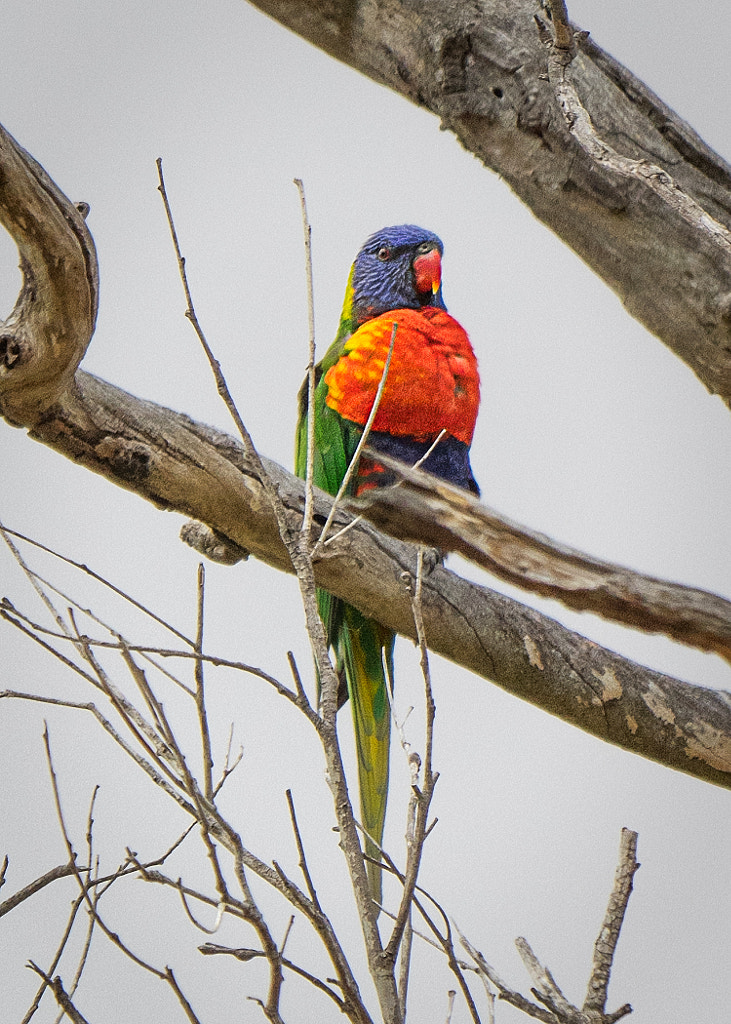
Rainbow Lorikeet, Trichoglossus moluccanus. Thomsons Lake, Western Australia.


Thomsons Lake (aka Jilbup Lake) is perhaps one of the most important freshwater lakes on the Swan Coastal Plain. Since the days of first European settlement 75% of the coastal plain has been drained for urban development. Thomsons Lake is an A class nature reserve of 509 ha of wetland. The lake supports around 10,000 waterbirds, of which are more than 1% of the world’s population of long toed stints (Calidris subminuta) which is a small wading bird that migrates from northern Asia to winter in Australia. The park is home to more than 50 species of waterbird, 86 species of “bush bird”, 9 species of frogs, 23 species of reptiles, 6 species of mammal and 15 species of ground orchid. Consequently getting into the park is like entering a maximum security prison, the reserve is encircled by 9.2 km of 2 m high electrified fence.
 

Lakesided Walk - Thomsons Lake by Paul Amyes on 500px.com
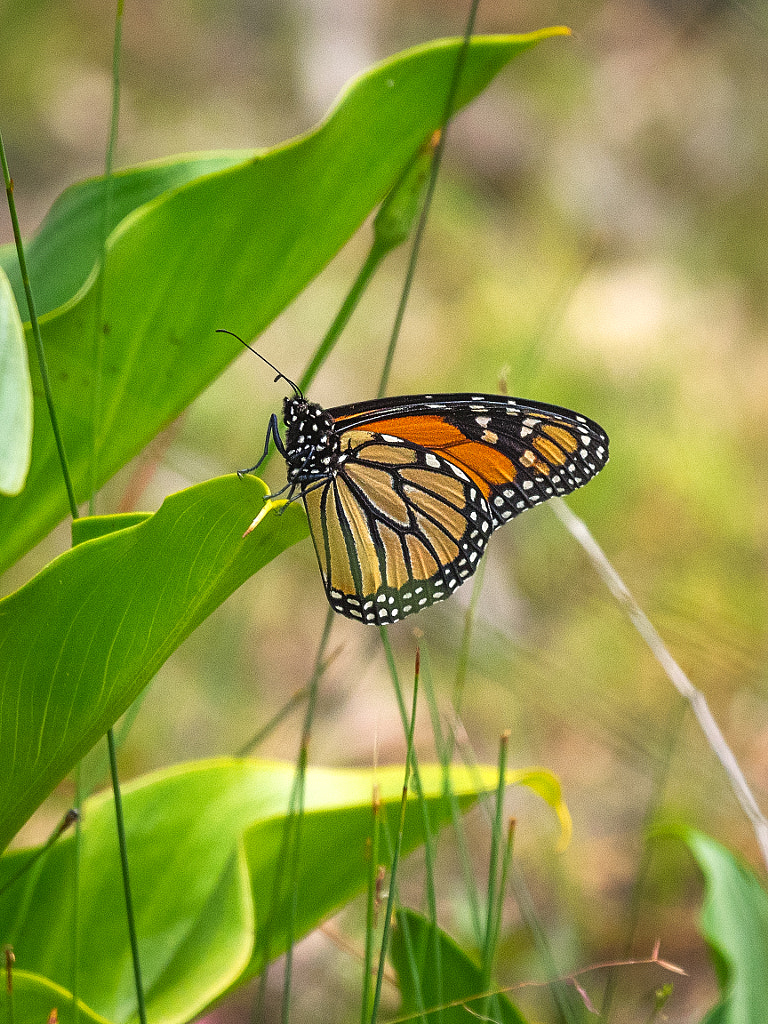
Australian painted lady (Vanessa kershawi). Thomsons Lake, Western Australia.


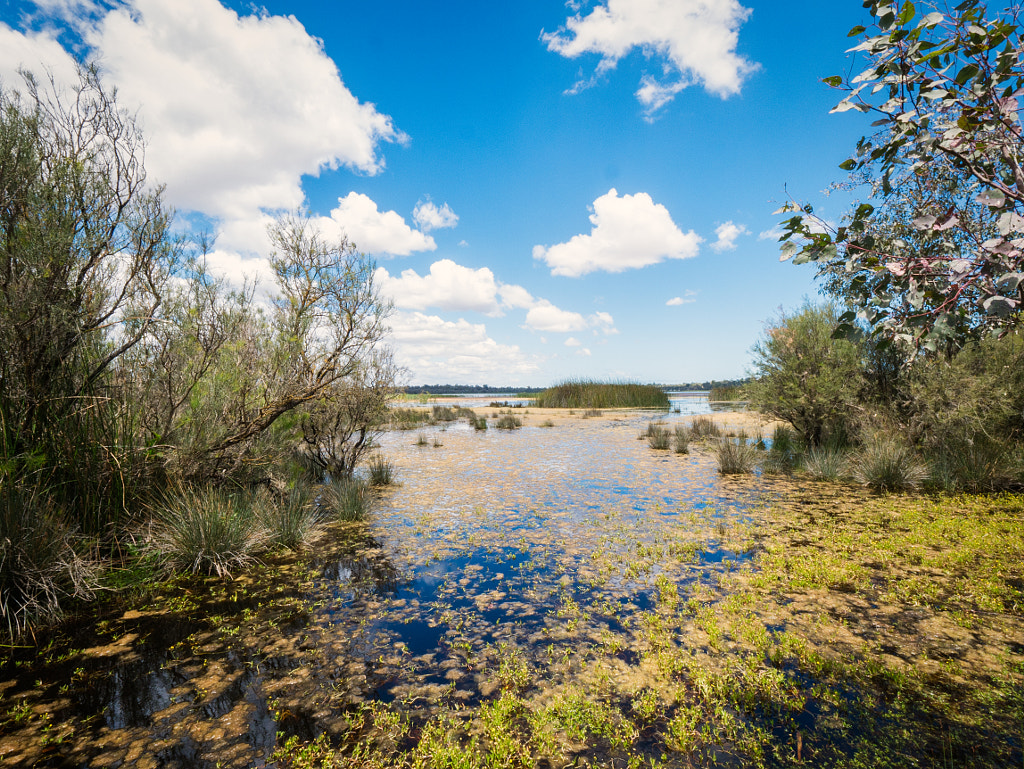
This walk ostensibly takes you around the lake’s shoreline, but as you walk round you pass through several distinct eco-systems. On the higher ground is the jarrah / banksia woodland of the coastal plain, there is a zone of flooded gums and swamp paperbarks, and particularly on the eastern side of the lake is a thick belt of rushes and grasses. Tiger snakes are common in wetlands and areas with an abundance of prey such as Thomsons Lake can support large populations. Their venom is very potent and the mortality rate for people who do not receive treatment is over 60%. Thankfully they are a shy creature and it is unlikely you will see one, but it pays to watch where you put your feet when walking through long grass at the lakeside.
 

Lakesided Walk - Thomsons Lake by Paul Amyes on 500px.com
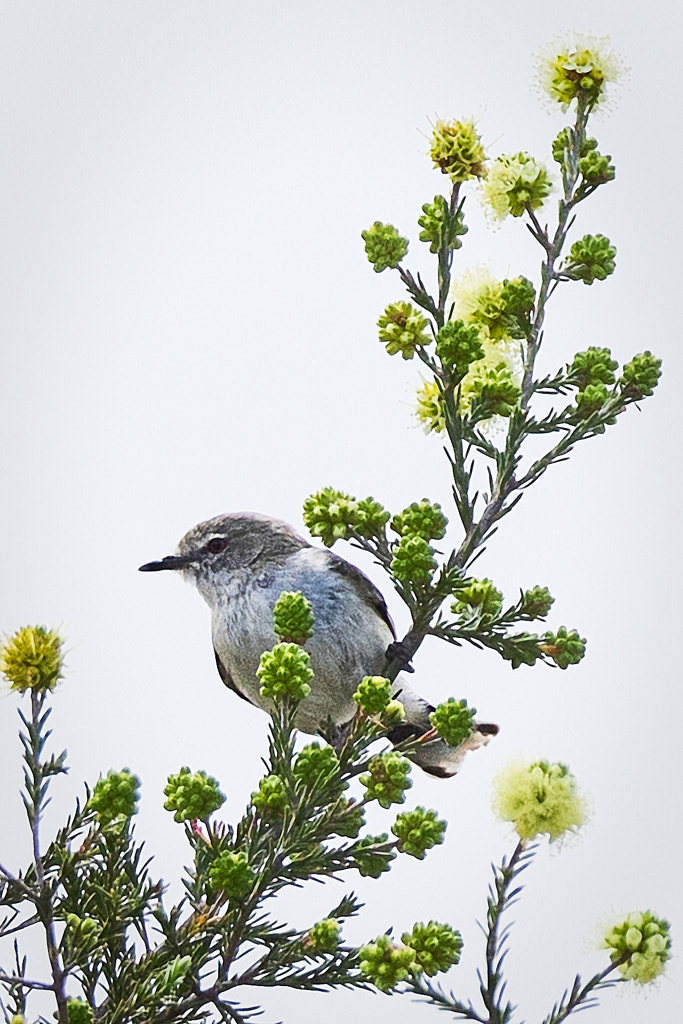
Western Gerygone (Gerygone fusca). Lakesided Walk – Thomsons Lake


  1. From the car park enter through the double gate, there is an information board just inside on your right. Walk along the track and after 170m you reach a fork in the track take the left down to the lakeside. At the lake turn right.
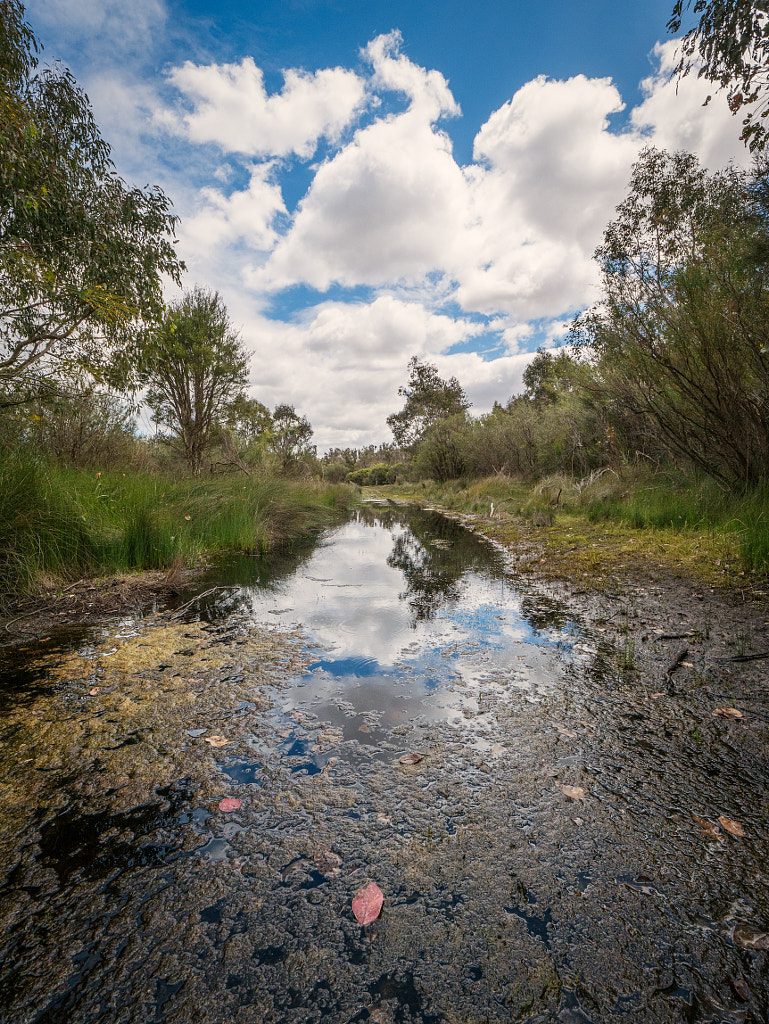
  2. During winter and spring this area is prone to flooding – I walked here in early November after a wet winter and I thought I was in a remake of the 1951 movie “The African Queen”. The water was knee deep in places and wellingtons would have been more appropriate than the walking shoes I had on. If you are here in late spring in the wet look in the mud at your feet carefully. You might notice small things hoping about. When I first noticed I thought they were just bugs but on closer inspection they were very small black frogs- smaller than a little finger nail. The bush on the lakeside of the path starts to thin out in places and using the cover of the reeds it is possible to move closer to the waterbirds on the lake shore and observe them.
  3. The path dries out here and you return to a mixed woodland of flooded gum and jarrah.
  4. At the Thomsons Lake Drainage Pumping Station you come to a crossroads. The left turning takes you down to the lake and when I went down I noticed a lot of quenda (southern brown bandicoot, Isoodon obesulus fusciventer) diggings along the path edge. As I got closer to the water I started to see the quenda in the long grass. Unfortunately they were too quick for me to take a photograph of them. Carry on straight over at the cross roads to continue the walk.
  5. Another of the park’s access points, keep following the path you are on.
  6. Turn right and follow the path back to where you parked your car.
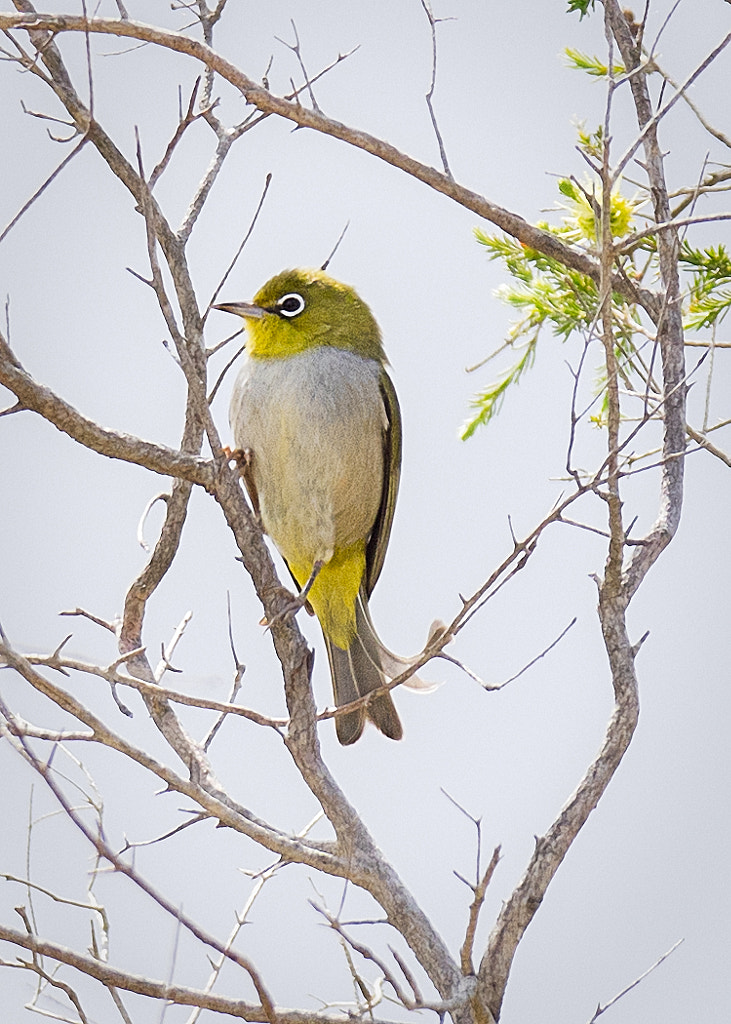
 

Lakesided Walk - Thomsons Lake by Paul Amyes on 500px.com
Silvereye, Zosterops lateralis. Thomsons Lake, Western Australia.


Lakesided Walk - Thomsons Lake by Paul Amyes on 500px.com
In winter and spring the track can be covered in water in places. A good excuse to break out the wellies.


Lakesided Walk - Thomsons Lake by Paul Amyes on 500px.com
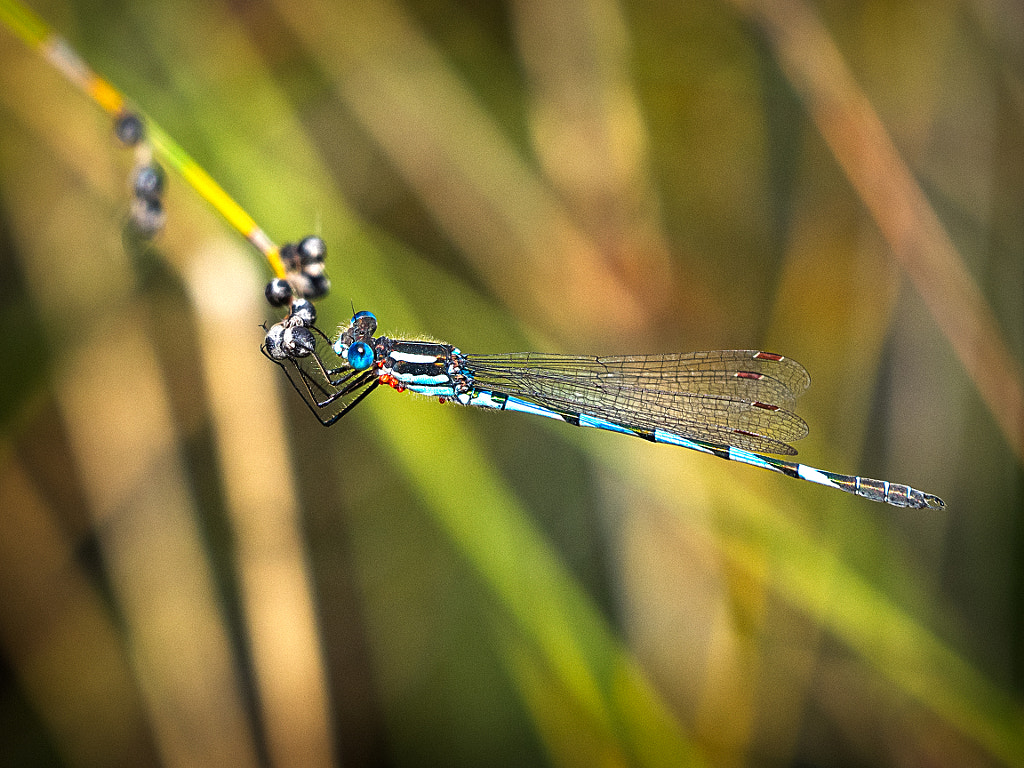
Blue Ringtail, Austrolestes annulosus. Thomsons Lake, Western Australia.


Lakesided Walk - Thomsons Lake by Paul Amyes on 500px.com
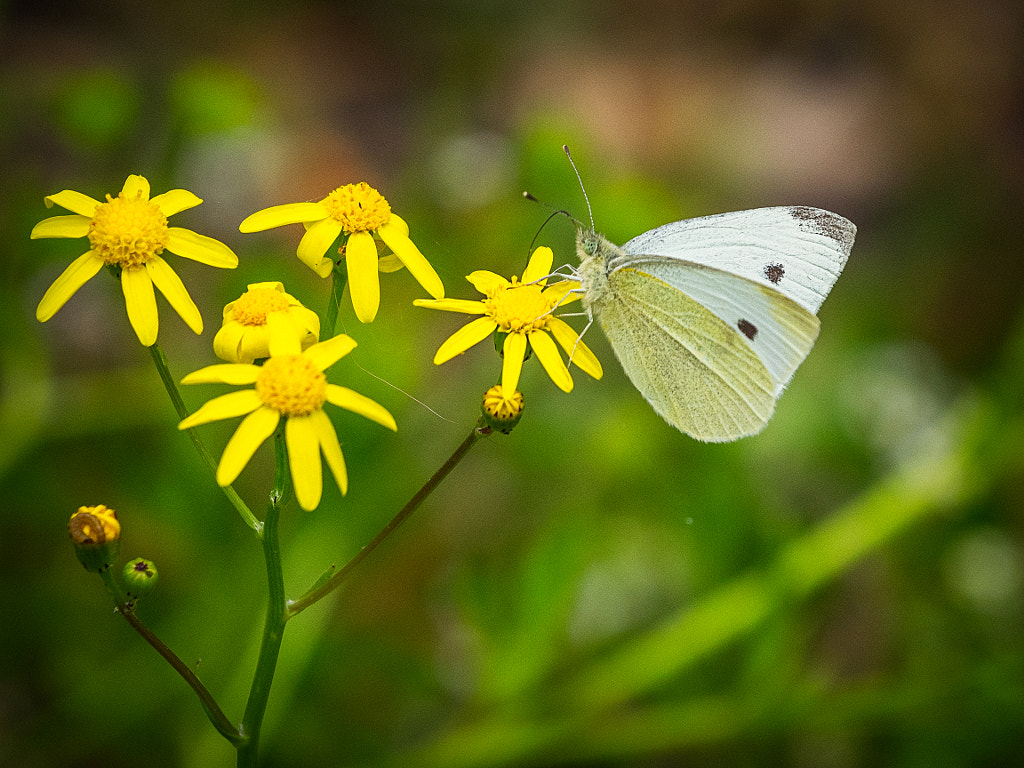
Small White (Pieris rapae). Thomsons Lake, Western Australia.


Lakesided Walk - Thomsons Lake by Paul Amyes on 500px.com
Thomson’s Lake is one of the most important freshwater lakes on the Swan Coastal Plain. It is an A Class nature reserve of 5099 hectares that supports 50 species of waterbird, 86 species of bushbird, 9 species of frogs, 23 species of reptiles, 6 species of mamals, and 15 species of ground orchids.


Lakesided Walk - Thomsons Lake by Paul Amyes on 500px.com
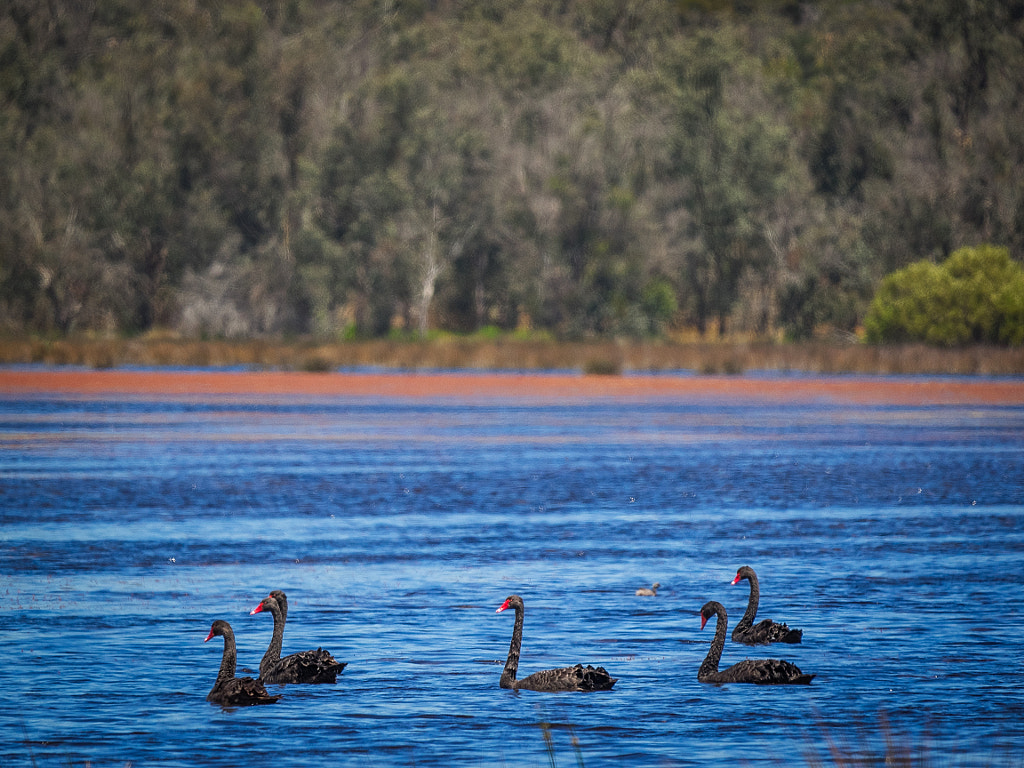
Black swans, Cygnus atratus. Thomsons Lake, Western Australia.


Lakesided Walk - Thomsons Lake by Paul Amyes on 500px.com
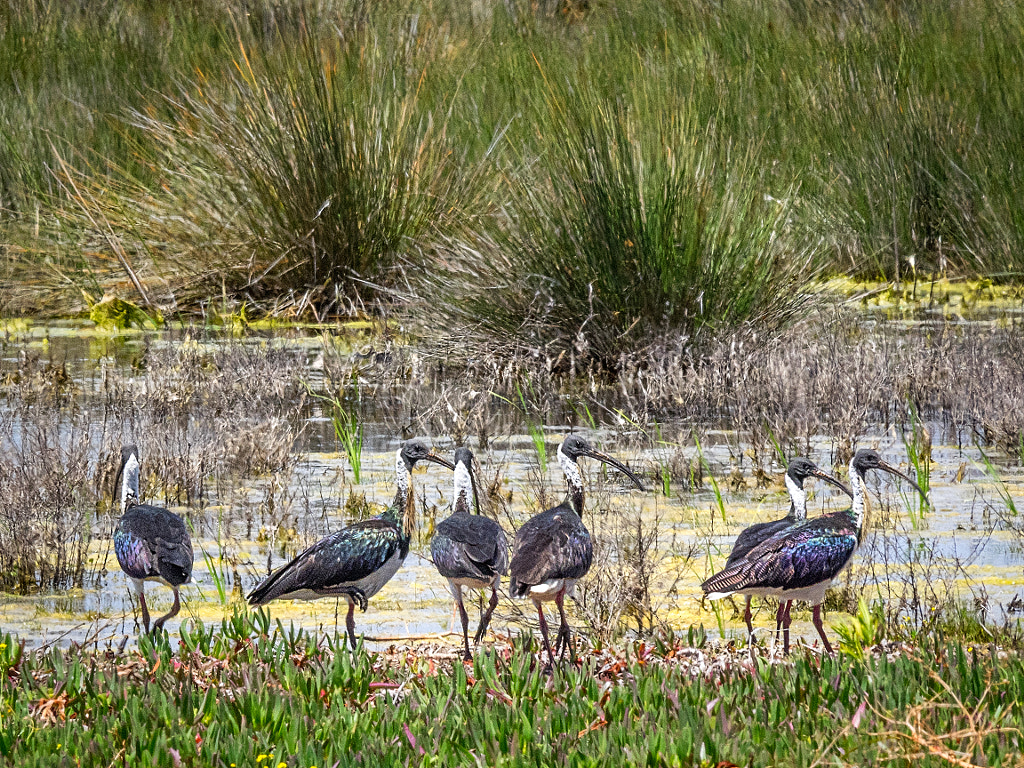
Straw-necked Ibis, Threskiornis spinicollis. Thomsons Lake, Western Australia.


Lakesided Walk - Thomsons Lake by Paul Amyes on 500px.com
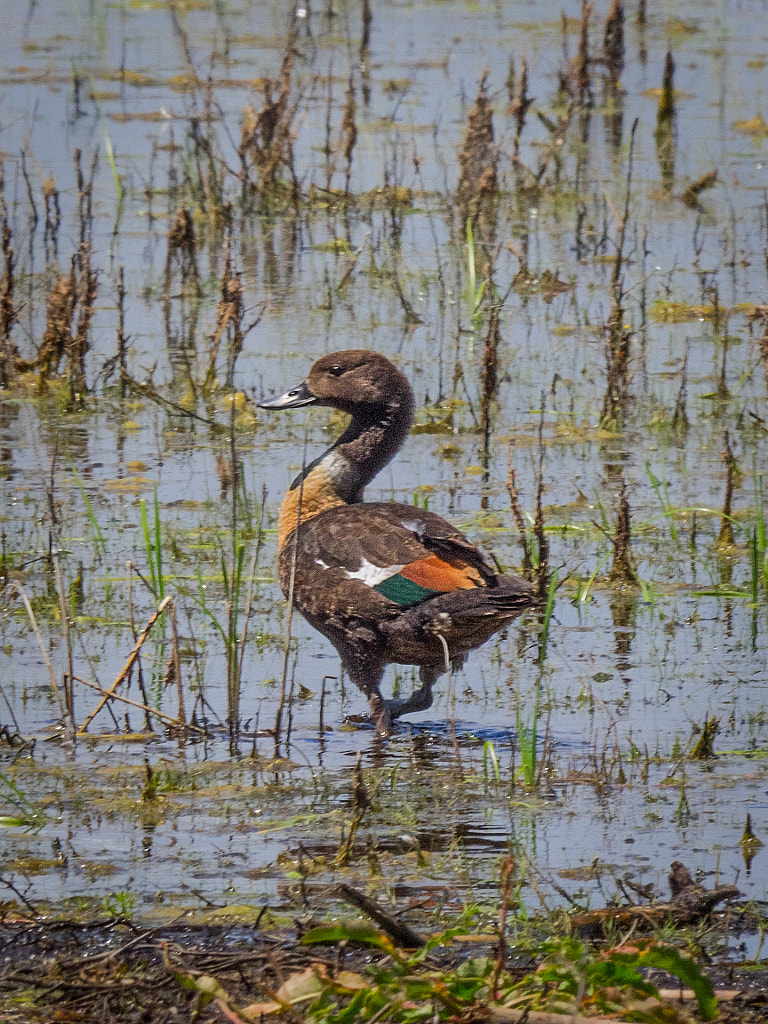
Australian Shelduck, Tadorna tadornoides. Thomsons Lake, Western Australia.


Choonya by Paul Amyes on 500px.com
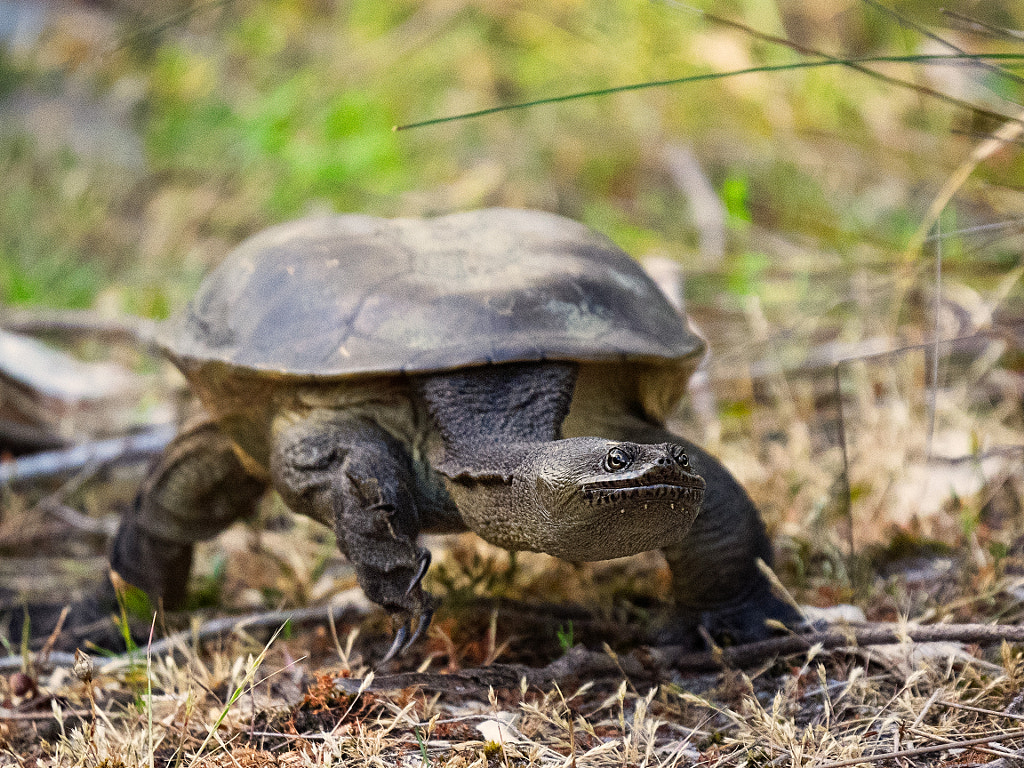
Choonya is the Nyoongar name for the Long-necked turtle, aka the oblong turtle (Chelodina oblonga). Thomsons Lake, Western Australia.


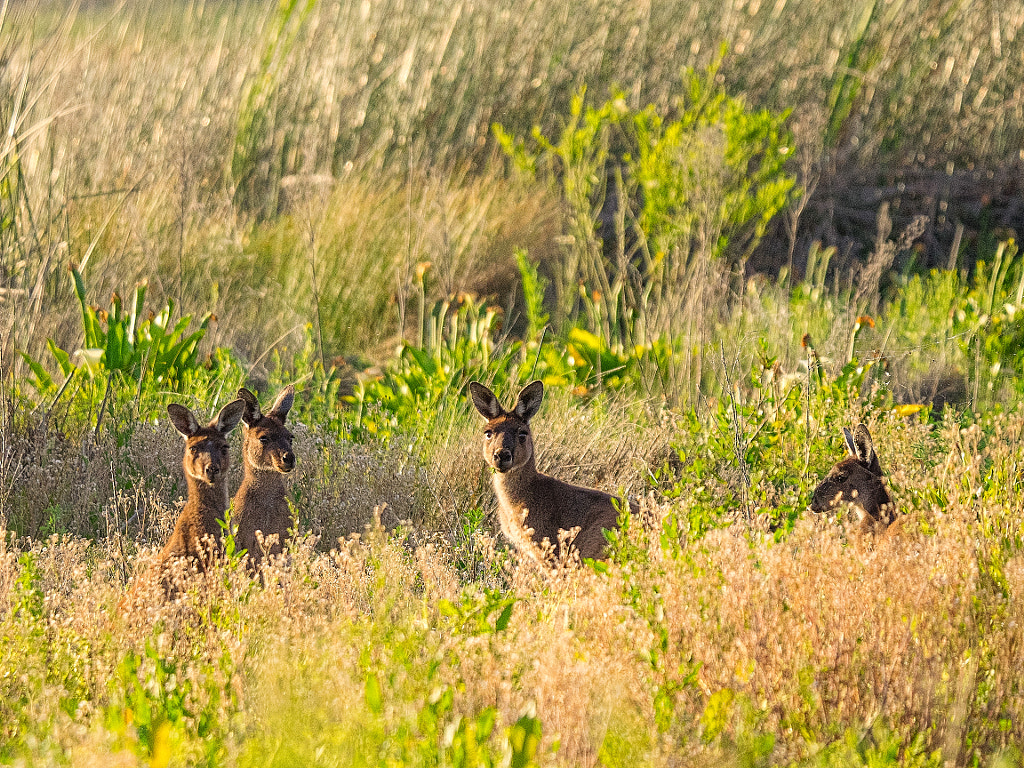
Sundown Mob* by Paul Amyes on 500px.com
Sundown Mob*. Kangaroos out grazing in the evening at Thomsons Lake, Western Australia. * the collective term for a group of Kangaroos is “mob”.


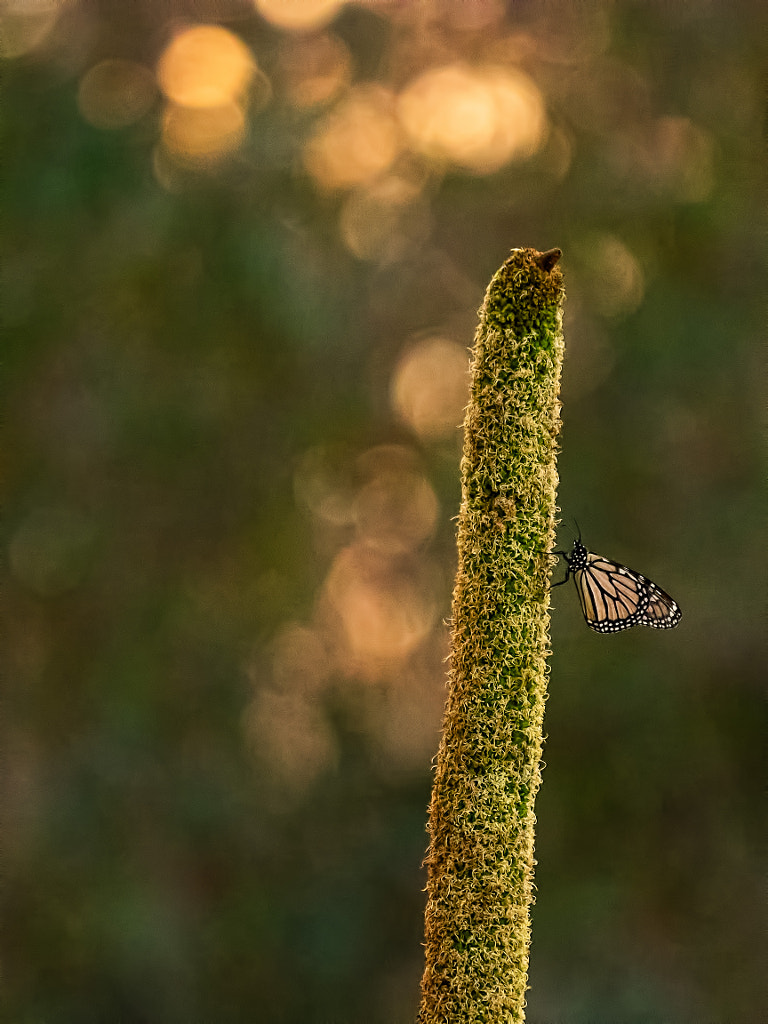
Boornarr Dreaming by Paul Amyes on 500px.com
This Monarch butterfly, Danaus plexippus, prepares to roost for the night on a grass tree (Xanthorrhea preissii) flower spike. Thomsons Lake, Western Australia.


As I mentioned before this is an excerpt from my latest walking guide to Perth. It would make a wonderful Christmas present for anyone with an interest in walking.

Bibra Lake Bird Walk


South of the Swan River is a string of lakes known as the Beeliar Wetlands which are a chain of twenty six lakes stretching from Manning Lake in Hamilton Hill to Madura Swamp near Mandurah Wetlands. Nineteen of those lakes and associated wetlands have been incorporated into the Beeliar Regional Park. This extensive belt of wetlands that has been widely acknowledged as a biodiversity hot-spot having a greater number of endemic species than most other regions in Australia. Within this the Nyoongar with their hunter-gatherer life-style managed the land with their fire-stick farming and survived by hunting and trapping a variety of game, including kangaroos, possums and wallabies; by fishing using spears and fish traps; as well as by gathering an extensive range of edible wild plants, including wattle seeds.  Since colonisation three-quarters of these wetlands have been drained for urban development. What remains has suffered untold damage through the introduction of feral animals and plants. Thankfully Australia is a signatory of the Ramsar Convention and several key wetlands on the Swan Coastal Plain have been set aside for conservation. Bibra Lake is the fourth lake (heading southwards) in that chain of lakes that makes up Beeliar Regional Park. Whitefellas believe that they discovered the lake in 1842 and named it after the bloke who bought the land in 1843, one Benedict von Bibra. The Nyoongar say they have known about the lake since time began and to them it known as Walubup.

I first went to Bibra Lake about thirty years ago and thought it was a bit boring and hadn’t been back until the other week. I was called upon for driving duties for the Beloved Significant Other (BSO) and I was left with a morning to kill. So I looked in my copy of Birding Sites around Perth by Ron Van Delft (sadly out of print and unavailable now) and saw that Bibra Lakes was nearby and rated as a good location for birding. The down side to this was that we were experiencing the first major cold front of winter and that meant it was bucketing down and blowing a gale. So suitably swathed in Gore-Tex and equipped with a suitably weather resistant camera I headed off to walk around the lake not expecting to see much.


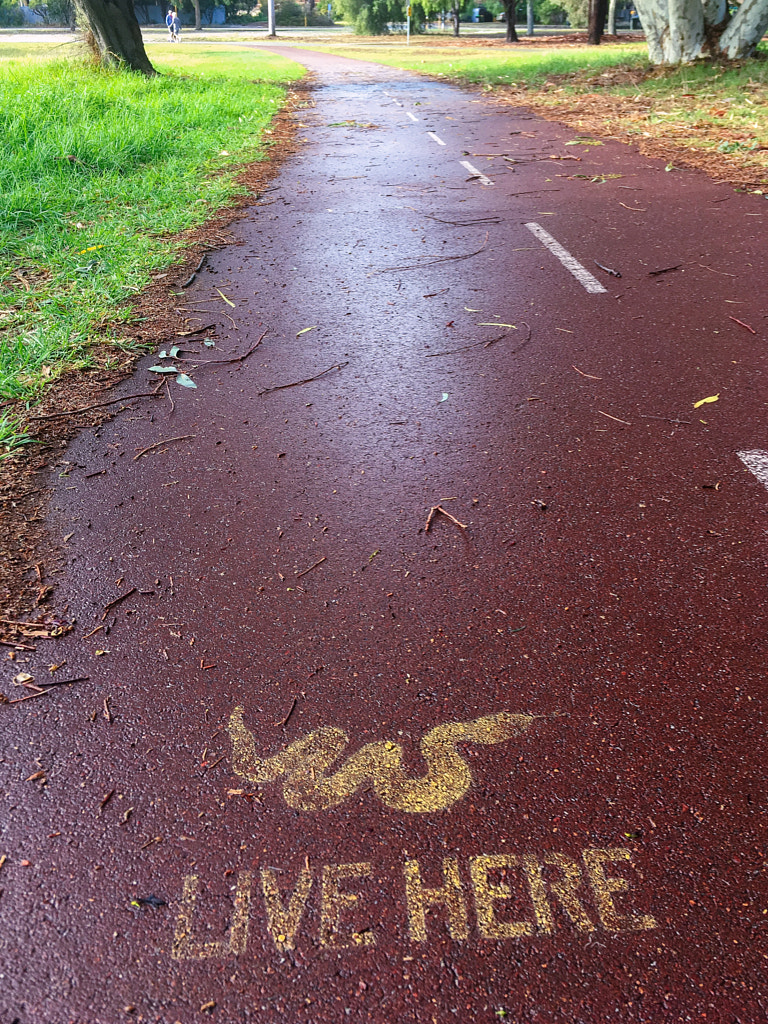
Live Here by Paul Amyes on 500px.com
A comforting warning painted on the cycle path that runs around Lake Bibra. It was cold and wet in winter so not much chance of a snakey encounter.


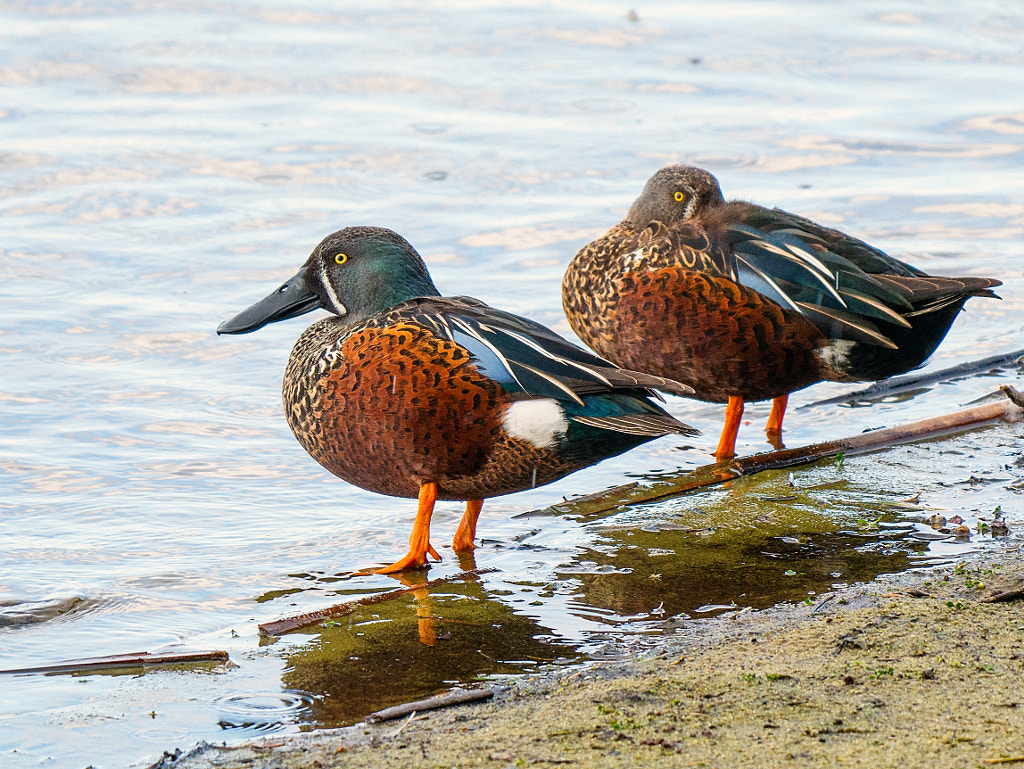
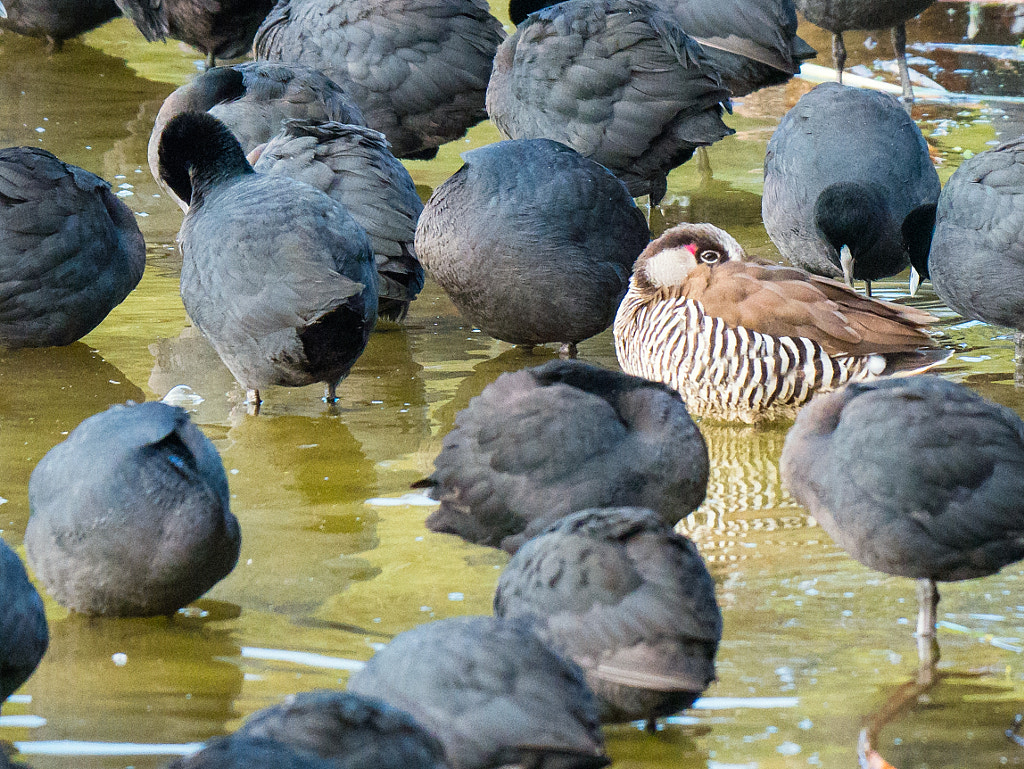
Initially I thought that with it raining I had more chance of photographing ducks as it was the perfect weather for them. There were quite a number of different species on the shore and the water. I was quite taken by the Shovelers and the Pink Eared Ducks. The Shovelers are quite a string looking duck with colouring and almost disproportionately large bills. They can often be seen foraging in shallow water where they filter water through their bills insects looking for insects, crustaceans and a variety of plants. Such a specialised mode of feeding means that they are limited to certain types of habitat such as freshwater swamps and lakes with large reed beds. Shovelers also tend to hang out with pink-eared ducks which are so called because of the patch of pink feathers on the sides of the drakes head. Like the Shovelers they too are filter feeders. As the walk moved through areas of paperbark and sheoak trees then smaller insect eating birds were seen such as Willie Wagtails, Grey Fantails, Silvereyes, and various types of wrens. Over all as I did the 8.5 Km walk I saw 18 different species of bird which I felt was a pretty good haul considering the weather conditions. So I’ve revised my opinion of Bibra Lakes and will not wait another 30 years before my next visit.


Australasian Shoevelers by Paul Amyes on 500px.com
Australasian Shoevelers, Spatula rhynchotis. Bibra Lake, Western Australia. Panasonic Lumix G85 with Panasonic LEICA DG 100-400/F4.0-6.3 lens. Exposure: 1/400 sec, f6.3 at ISO 250.


Keeping A Low Profile by Paul Amyes on 500px.com
A pink-eared duck (Malacorhynchus membranaceus) keeping a low profile while amongst Eurasian coots (Fulica atra). Bibra Lake, Western Australia. Panasonic Lumix G85 with Panasonic LEICA DG 100-400/F4.0-6.3 lens. Exposure: 1/500 sec, f6.3 at ISO 3200.


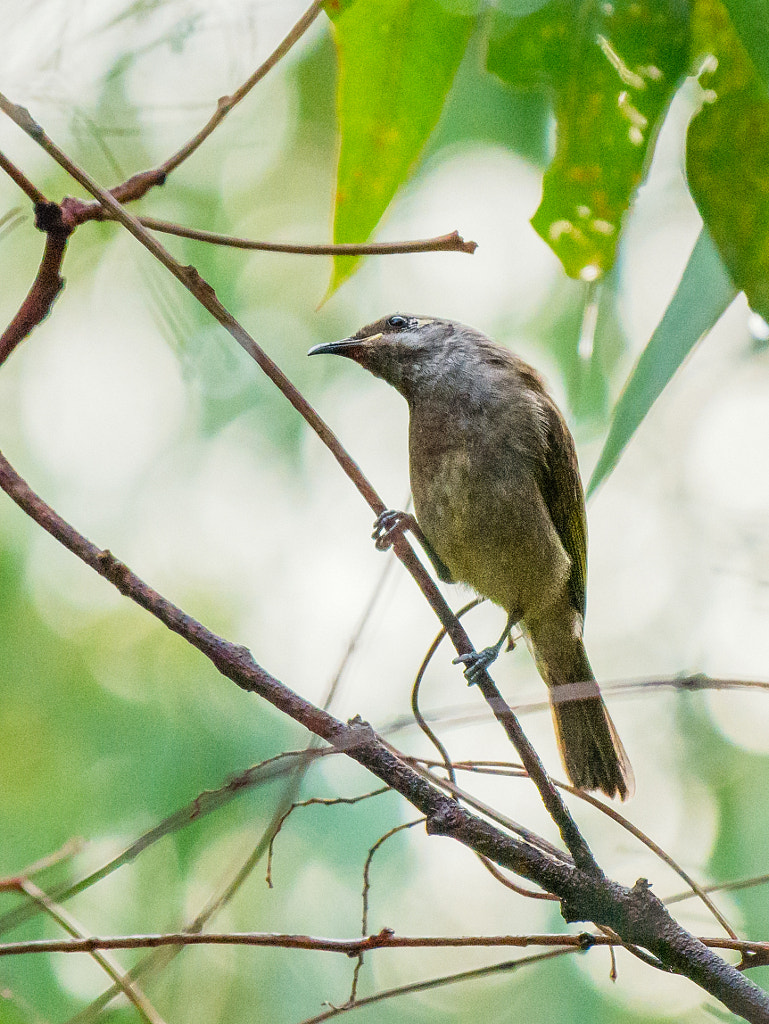
Brown Honeyeater, by Paul Amyes on 500px.com
Brown Honeyeater, Lichmera indistincta. Bibra Lake, Western Australia. Panasonic Lumix G85 with Panasonic LEICA DG 100-400/F4.0-6.3 lens. Exposure: 1/500 sec, f6.3 at ISO 2500.


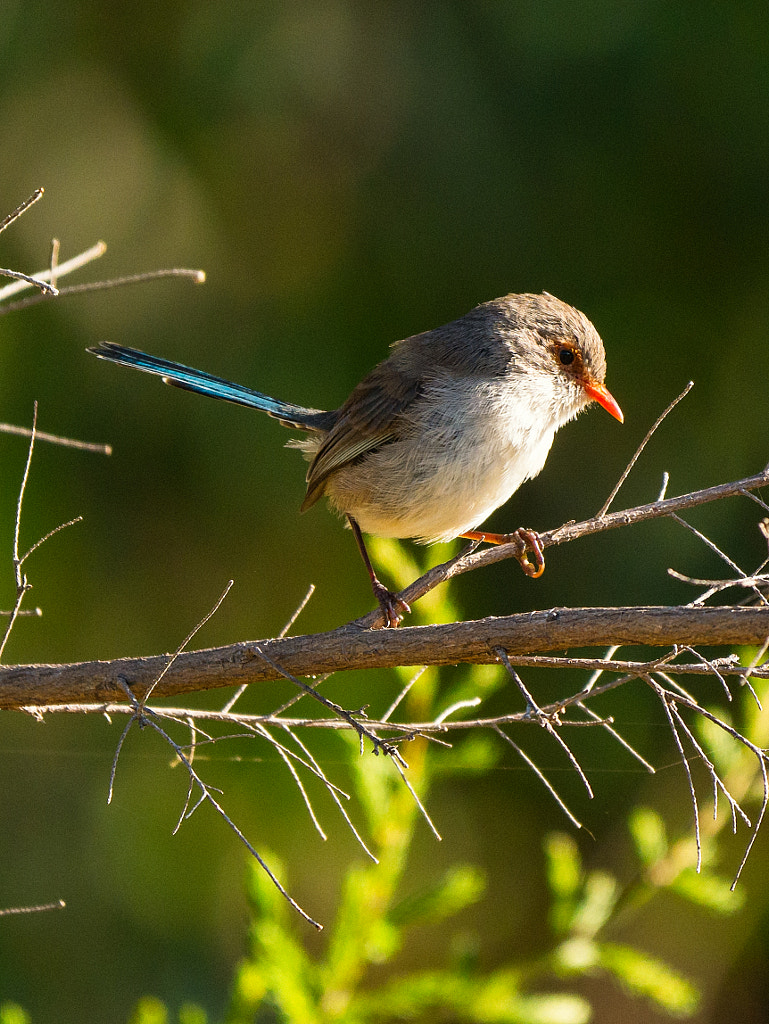
Varigated Fairy-wren by Paul Amyes on 500px.com
Varigated Fairy-wren, Malurus lamberti. Bibra Lake, western Australia. Panasonic Lumix G85 with Panasonic LEICA DG 100-400/F4.0-6.3 lens. Exposure: 1/500 sec, f6.3, ISO 320.


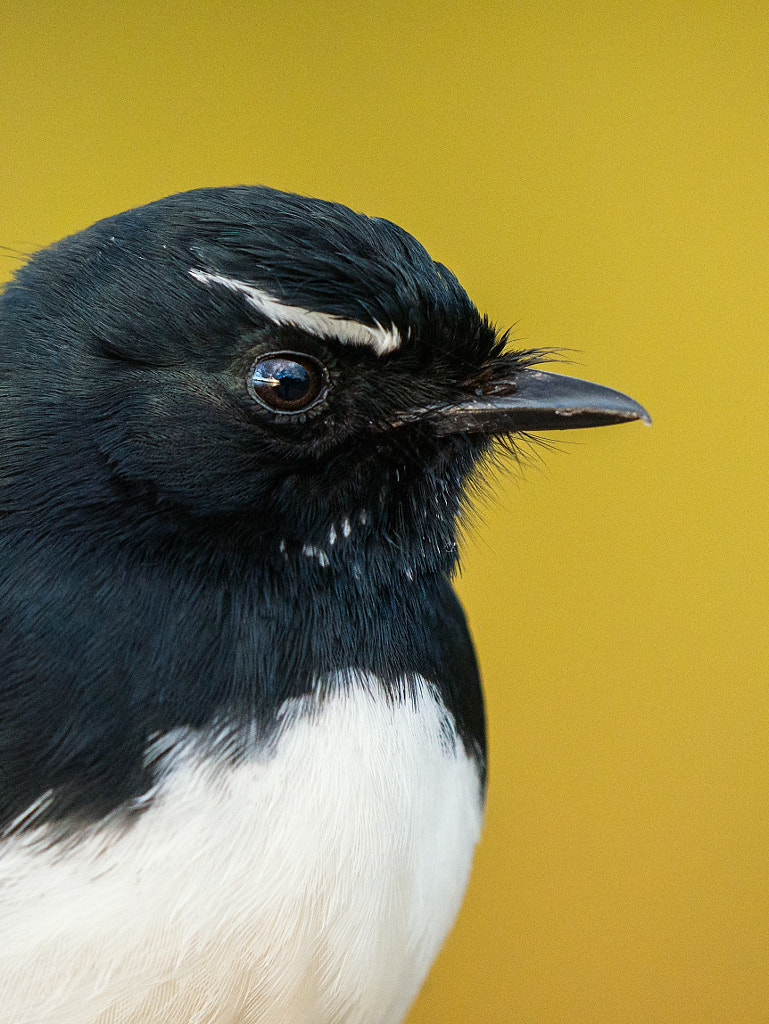
Willie Wagtail by Paul Amyes on 500px.com
Willie Wagtail, Rhipidura leucophrys leucophrys, Bibra Lake. Panasonic Lumix G85 with Panasonic LEICA DG 100-400/F4.0-6.3 lens. Exposure: 1/500 sec, f6.3 at ISO 1600.


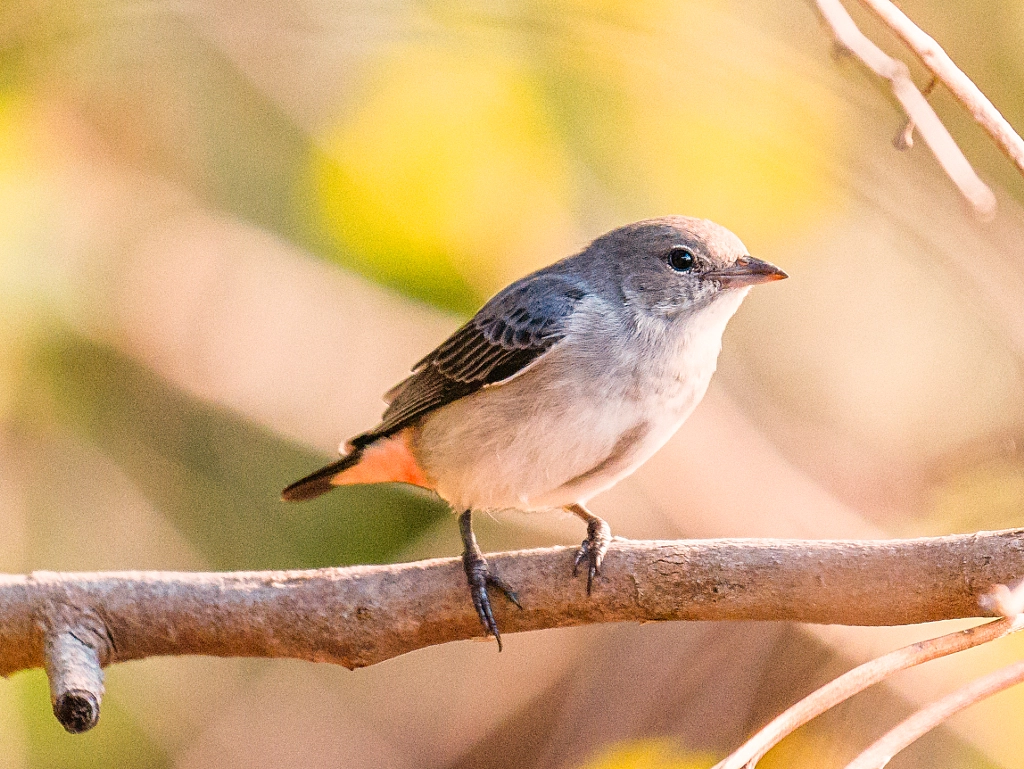
Mistletoebird by Paul Amyes on 500px.com
A female mistletoebird, Dicaeum hirundinaceum, at Bibra Lake in Western Australia. Panasonic Lumix G85 with Panasonic LEICA DG 100-400/F4.0-6.3 lens. Exposure: 1/500 sec, f6.3 at ISO 2000.


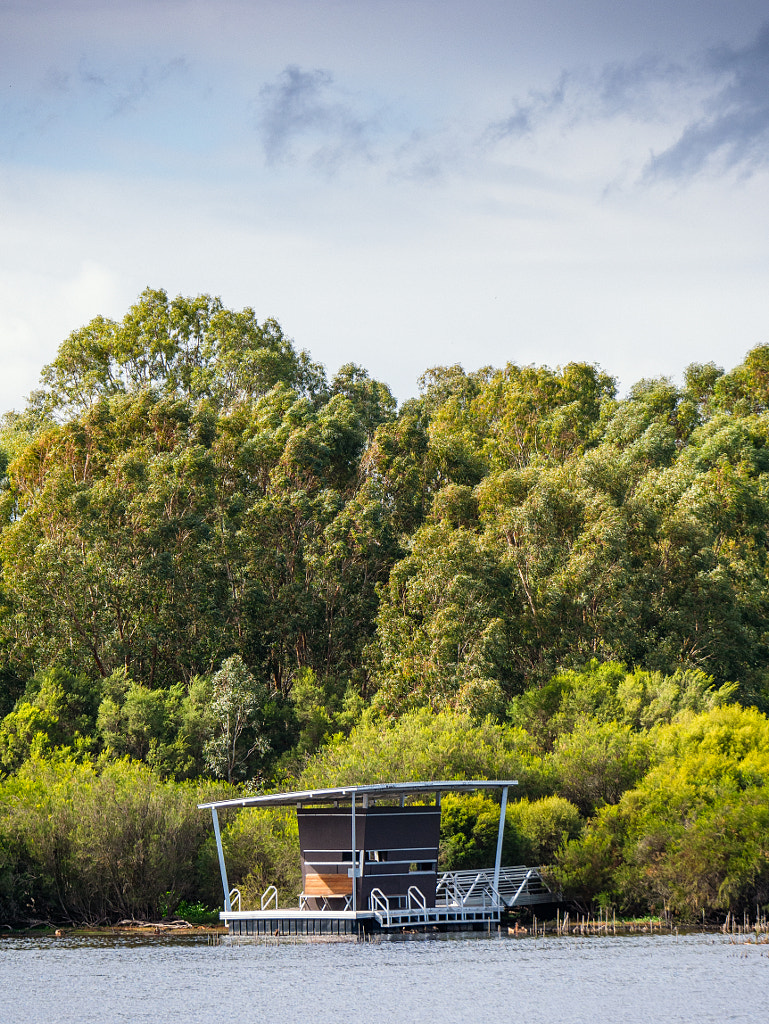
Bibra Lake by Paul Amyes on 500px.com
Bibra Lake is part of the Beeliar Wetlands which is an internationally recognised birding hotspot. This is one of two bird hides that have been buit at Bibra Lake.


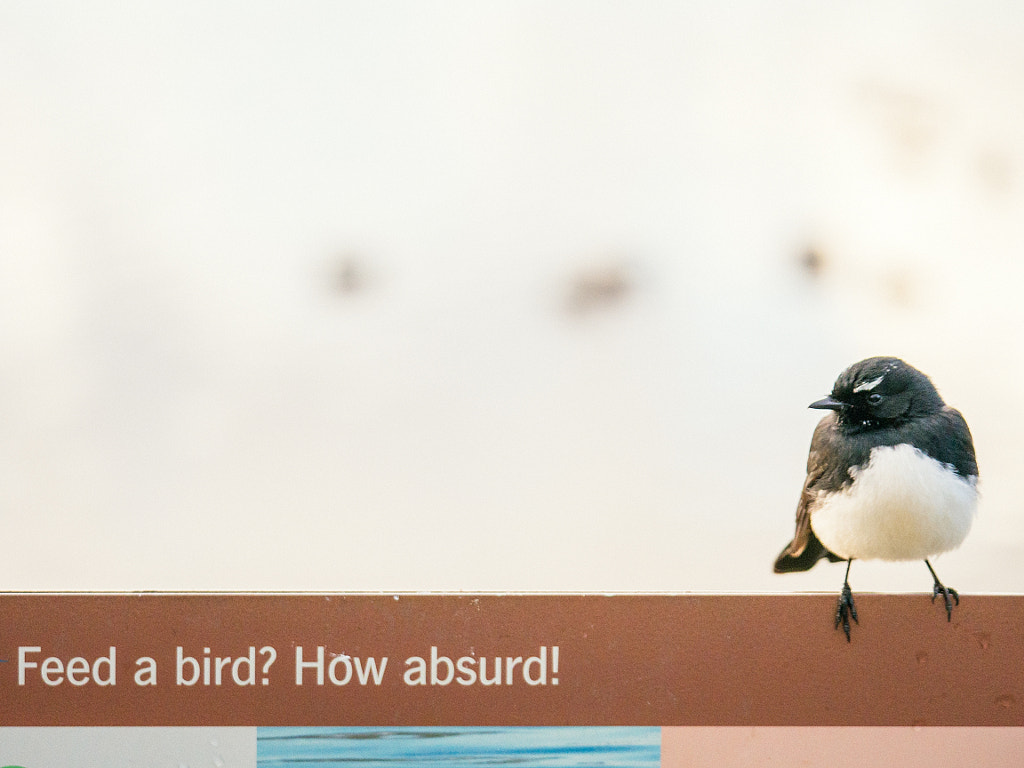
Feed A Bird? by Paul Amyes on 500px.com
Don’t feed the birds sign at Bibra Lake complete with Willie Wagtail, Rhipidura leucophrys leucophrys. Panasonic Lumix G85 with Panasonic LEICA DG 100-400/F4.0-6.3 lens. Exposure: 1/500, f4, ISO 250.

If you are interested in the birds that can be seen at Bibra Lakes, and indeed throughout the Beeliar Wetlands Birding WA has a useful webpage that gives info on the species that can be seen and where. Birdlife Australia put out a couple of useful brochures which can be got from regional visitors centres or downloaded as PDFs from their website. The brochures are:


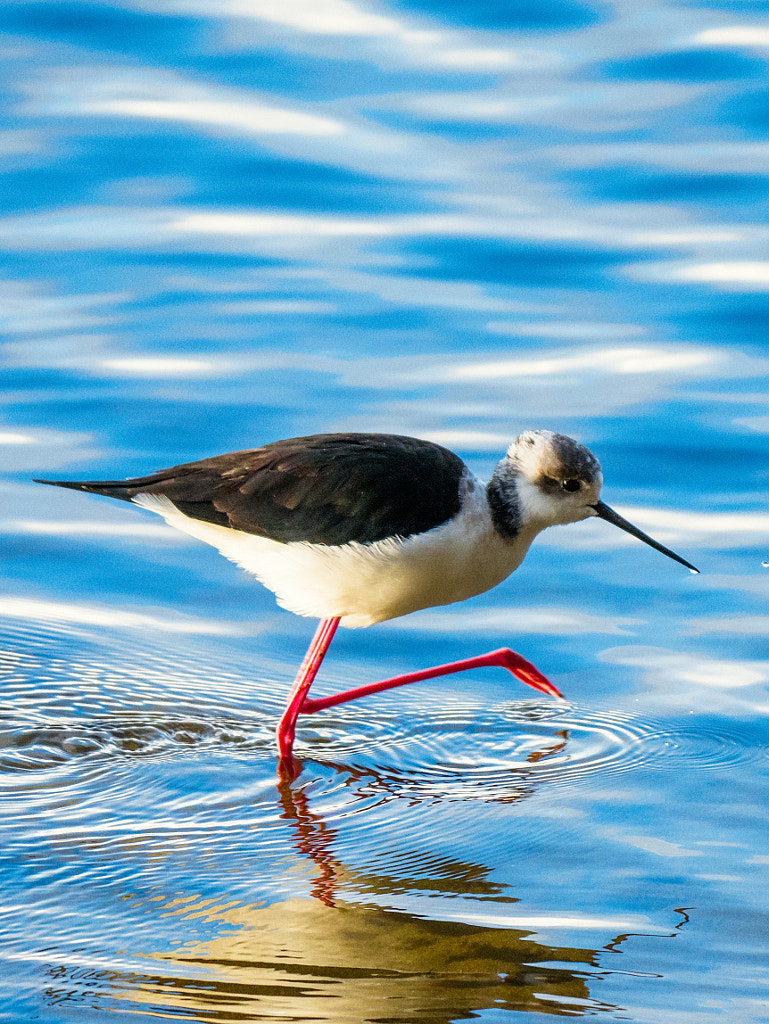
White-headed Stilt. by Paul Amyes on 500px.com
White-headed Stilt, Himantopus himantopus subsp. leucocephalus. Bibra Lake, Western Australia. Panasonic Lumix G85 with Panasonic LEICA DG 100-400/F4.0-6.3 lens. Exposure: 1/500 sec, f6.3 at ISO 1600.