The Decisive Moment

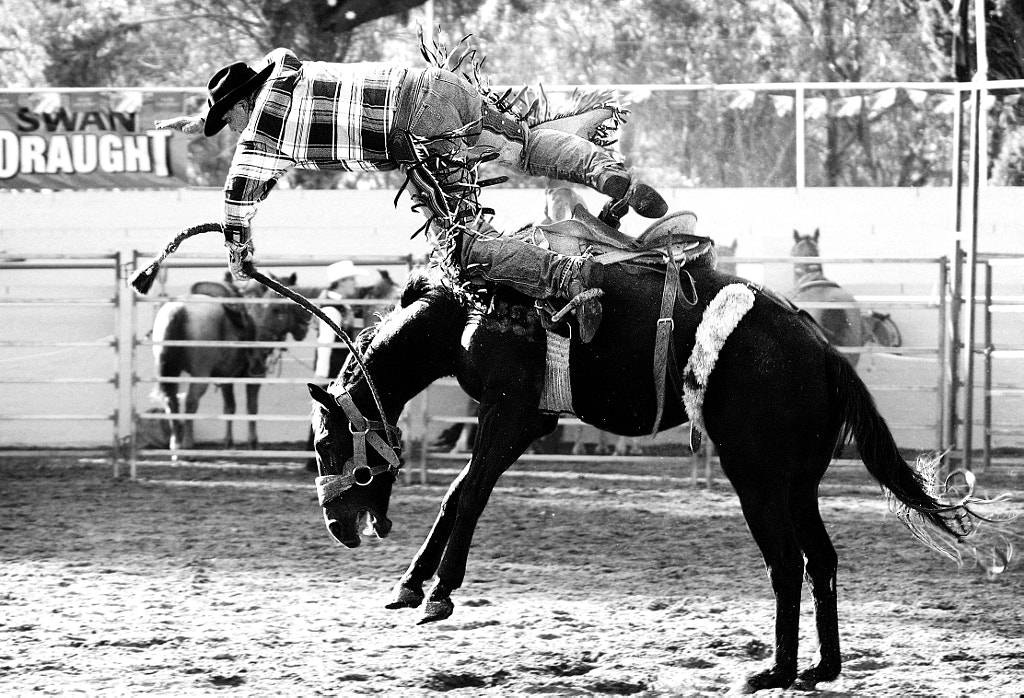
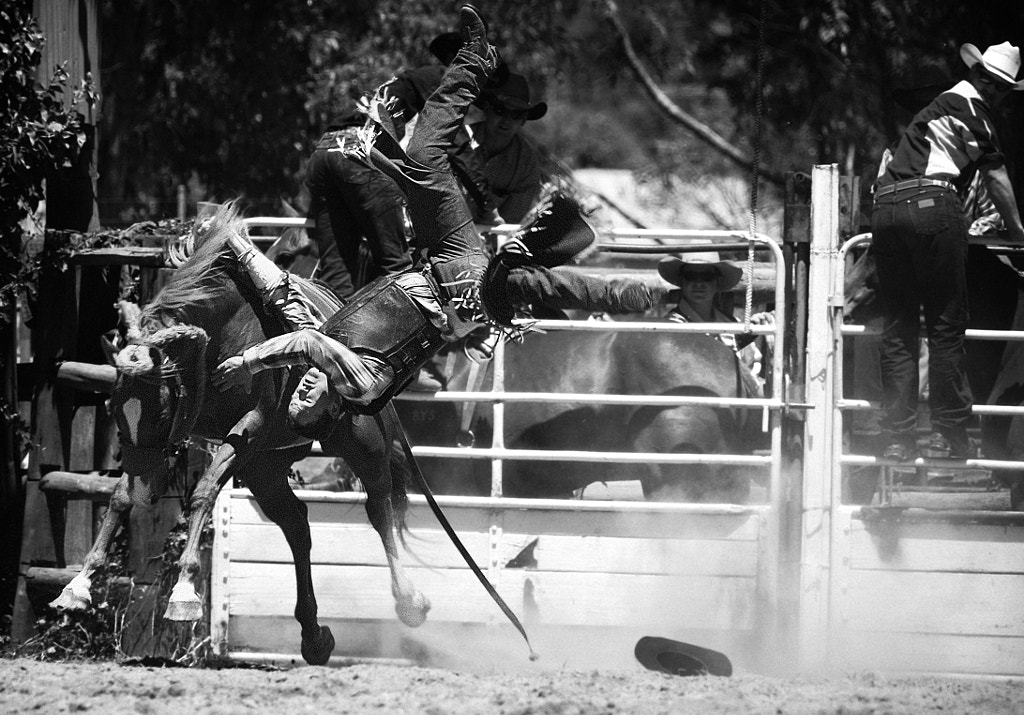
8 Seconds Is A Long Time by Paul Amyes on 500px.com
They say that Bronco riding is like holding on to the exterior door handle of a car doing 50 Km per hr. No wonder that 8 seconds seems such a long time.


Recently I put the above image up on my Instagram feed from a project I did back in 2004-8 called Broncos and Bulls. It elicited the following response:


“the rodeo is ALWAYS going to give you the opportunity of dramatic photos. …”


Initially I was going to put a short witty reply up, but then I started to think about it. “Will the rodeo always give the opportunity of dramatic photos?”.

In 1952 a French photographer by the name of Henri Cartier-Bresson is credited with coming up with the notion of the decisive moment. In fact it was the English title of his book of photographs. The original French title was “Images à la Sauvette” which is quite an awkward phrase to translate into English. It has been variously translated as “images on the run”, “stolen images” and “images on the fly”. In the end it was Bresson’s American publisher who settled on the phrase the “decisive moment“. The book is hugely influential and Bresson has become one of the Titans of Twentieth Century photography and the phrase has come to define a whole genre of photography. Unfortunately it is misunderstood because it doesn’t just mean capturing the apex of action but rather it is “the instant when a prescient photographer anticipates a significant moment in the continuous flux of life and captures it in a fraction of a second”. (p 104 Badger, G. 2007 “The Genius of Photography – how photography has changed our lives” Quadrille Publishing Ltd, London). Or to put it another way when all the individual elements of a photograph come together to create meaning. Reams and reams of literature have been published by far cleverer people than I debating the whole notion and Bresson himself was only too aware that the whole concept could be corrupted.

Behind the Gare Saint-Lazare by Henri Cartier-Bresson. Considered by many to be one of the most influential photos of the Twentieth Century because it became the epitome of Cartier-Bresson’s “Decisive Moment”.

Jean Clair (Director of the Musée Picasso in Paris) in his essay that is included in the major retrospective book about Bresson ( pp47-55 Galassi, P; Delpire, R. et al, 2003, ‘Henri Cartier-Bresson – the man, the image, and the world’ Thames Hudson, London) likened the decisive moment to the ancient Greek word kairos  which was used to describe how an archer using intuition would let an arrow fly to hit the right spot.  This I feel is a flawed analogy because it reinforces the notion of the photographer as hunter stalking his prey with the one singular intention, but photography is not that simple. The American photographer Sam Abel in his 2008 book ‘The Life of a Photograph’ (National Geographic Society, Washington) states that are a whole series of acts which culminate in a photograph.  Firstly the photographer has to pre-visualise the photo, then they have to seek out the opportunity and put themselves into the position when all the elements of lighting and composition come together, and then after the picture has been taken select the picture that most captures the intention. So rather than a singular point of time the photographer is looking at a series of decisive moments which have to evolve. After the photograph has been taken and published/viewed then the photograph takes on a whole new life and is imbued with new meaning by its viewers. 
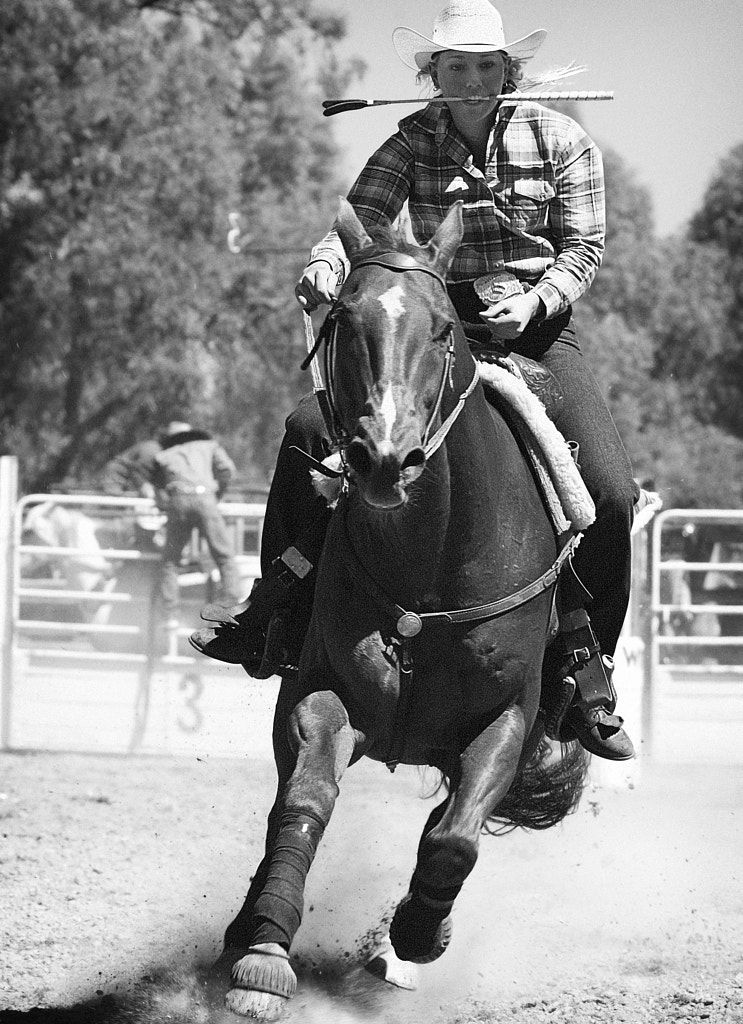


Ride Hard by Paul Amyes on 500px.com
Barrel racing at Boddington Rodeo.

So getting back to the original statement “the rodeo is ALWAYS going to give you the opportunity of dramatic photos. …” the answer is yes and no. The event gives an opportunity it is up to the photographer to seize that opportunity through preparation, creative vision, and technical capability. Just turning up at a rodeo with a camera doesn’t mean that you’ll come away with a good photo. Just like going to MacDonalds won’t make you a hamburger.
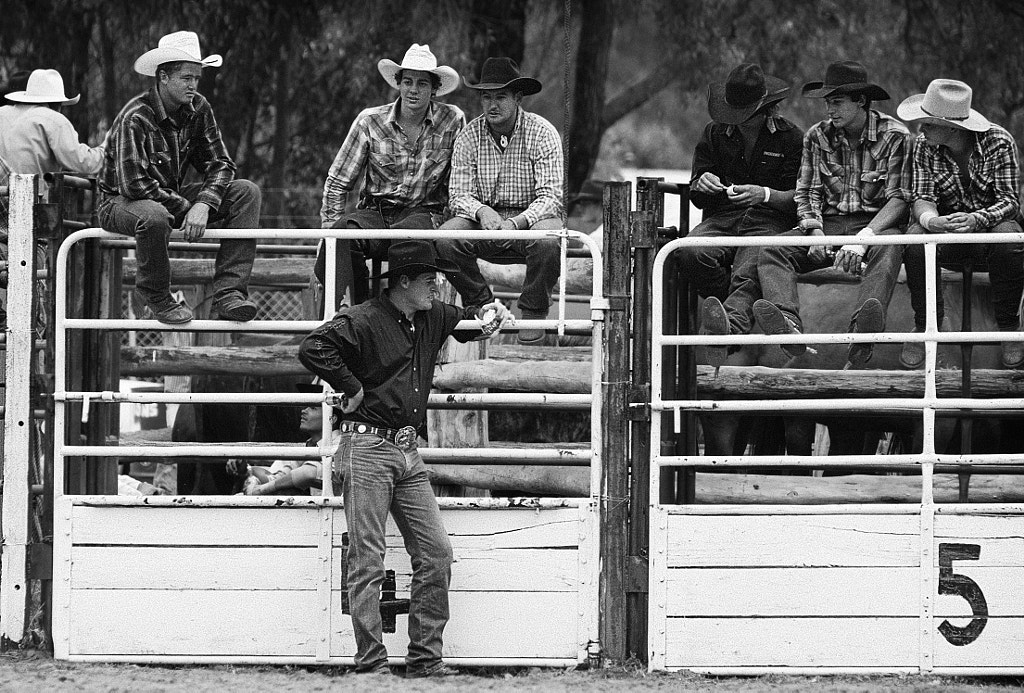
 by Paul Amyes on 500px.com
Waiting for the start.

I’ve included the rest of the photos from the project Broncos and Bulls because the whole series was shot using the principle of the decisive moment to form a visual story. As I said previously this was done in 2004-8 and since then I have moved away from the subject and the style, but my current photographic interests are still based upon Bresson’s ideas.
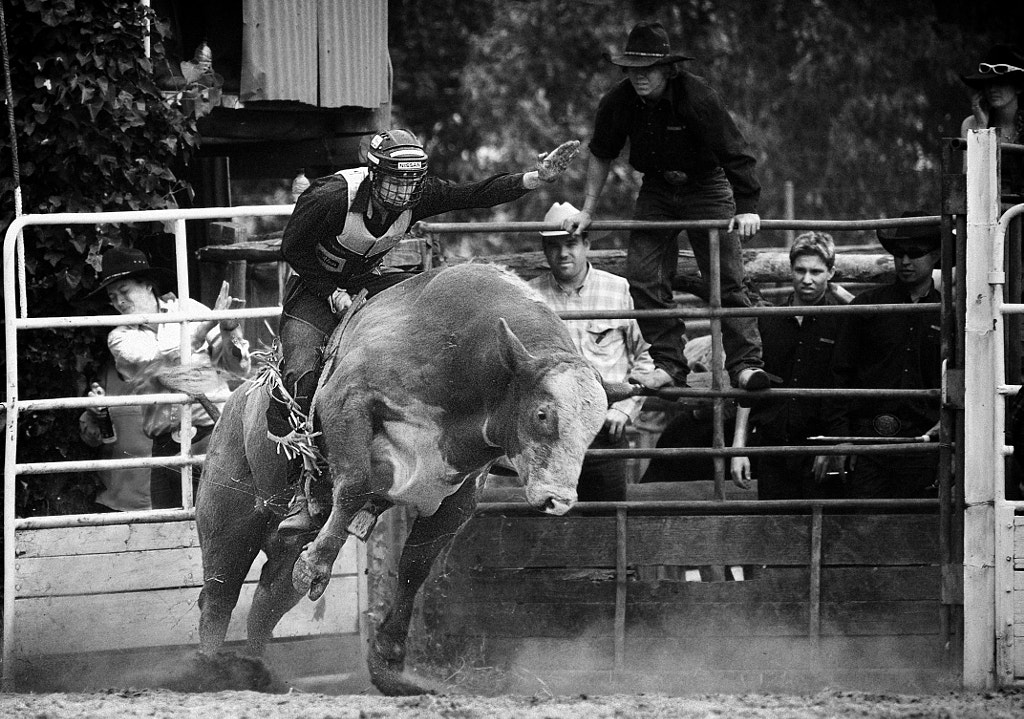
 

The Next Generation by Paul Amyes on 500px.com
The Next Generation. Rodeos are are big event in Western Australian country towns and attract an audience of all ages.


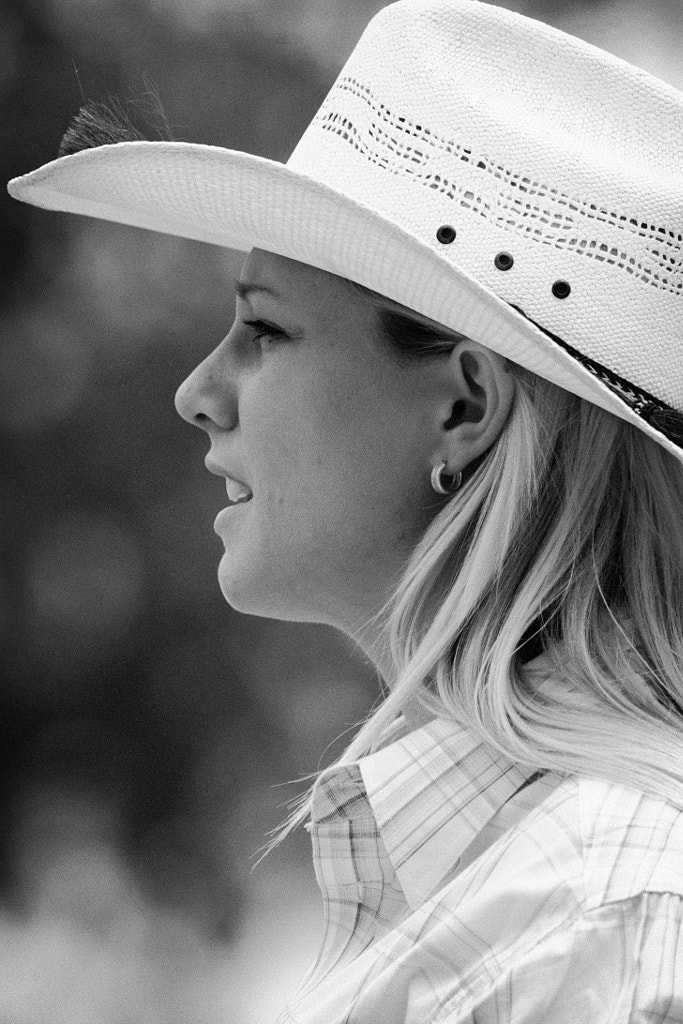
Nice Hat by Paul Amyes on 500px.com
Nice Hat! Spectators dress for the occaision at the Boddington Rodeo.


Matt's Free Fall by Paul Amyes on 500px.com
Matt’s Free Fall. Matt, El Caballo’s Extreme Rodeo compere tries his hand at bronco riding with catastrophic results.


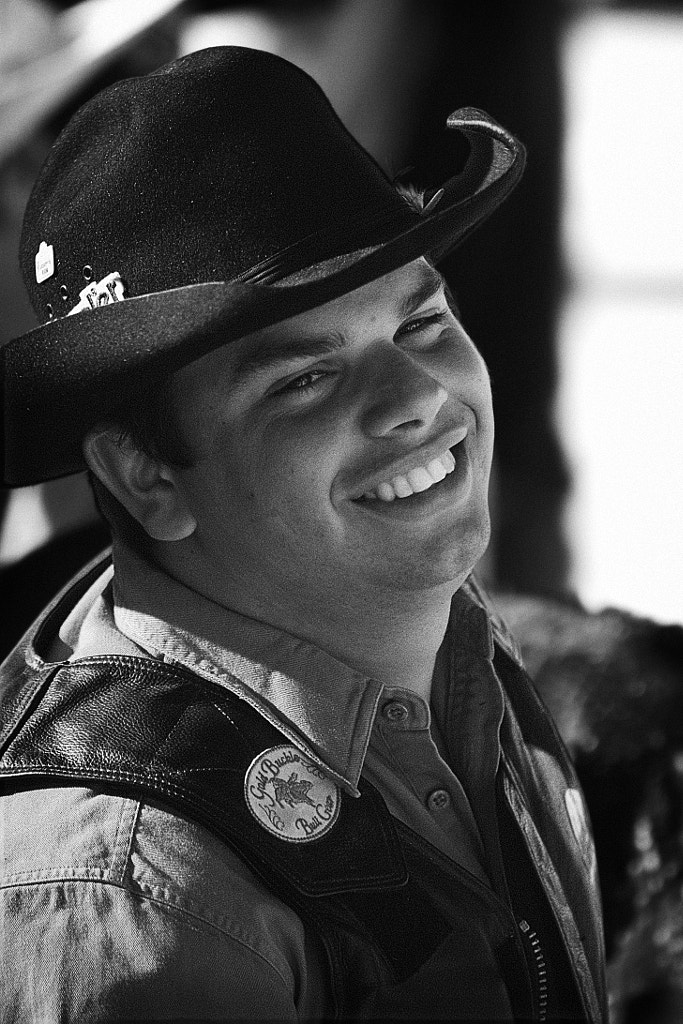
Chilled Out by Paul Amyes on 500px.com
Damon Metcalf relaxes behind the chutes before the pro bull riding event.


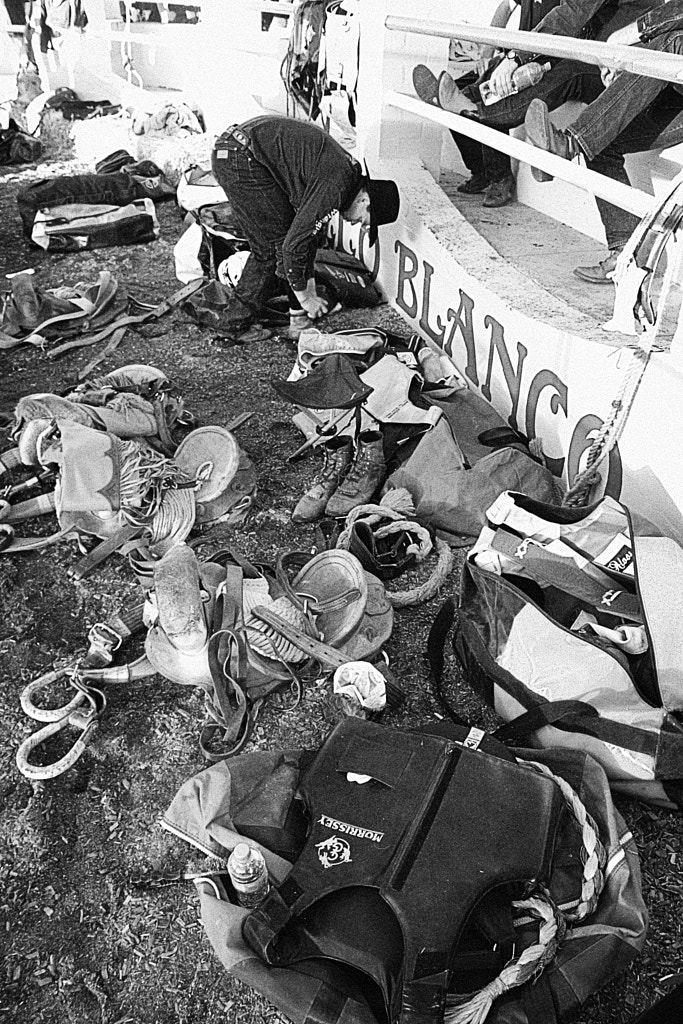
Sorting The Kit Out by Paul Amyes on 500px.com
Preparation is the name of the game and the competitors at El Caballo Rodeo meticulously sort through their kit before competing.


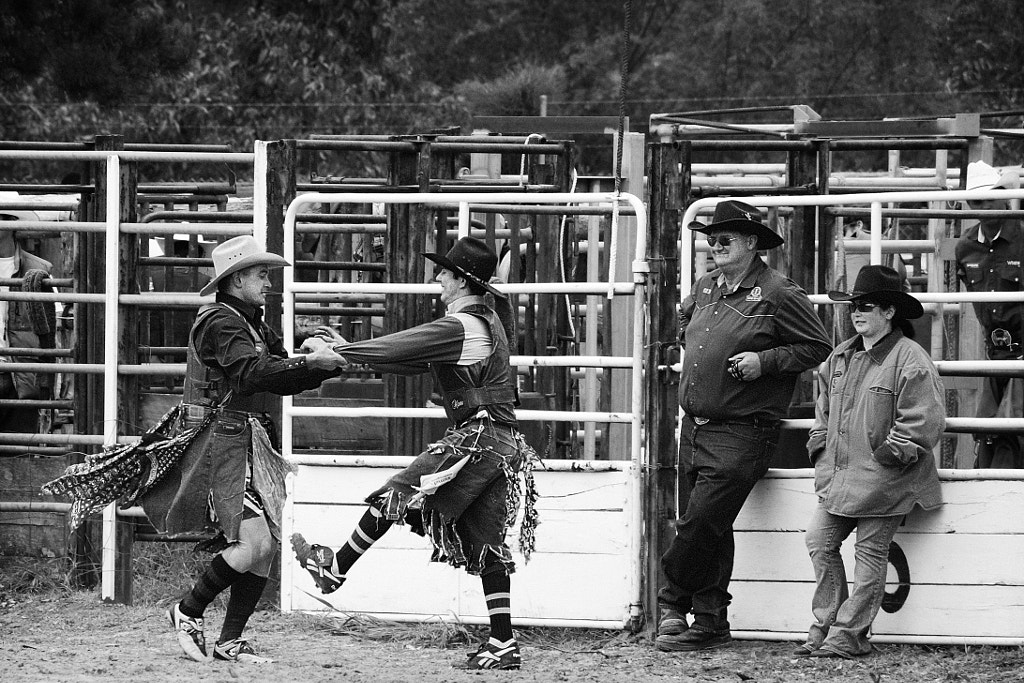
Rodeo Clowns Clowning by Paul Amyes on 500px.com
The rodeo clowns had a ball.


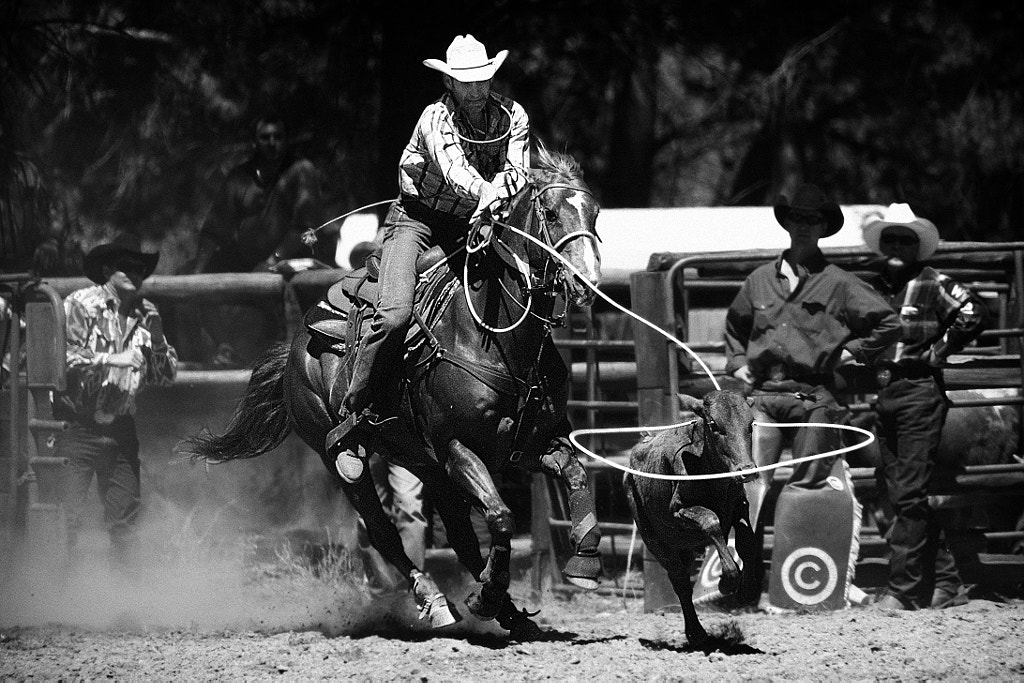
Gotcha!!! by Paul Amyes on 500px.com
Gotcha!!! Steer roping competition. Boddington Rodeo, Western Australia.


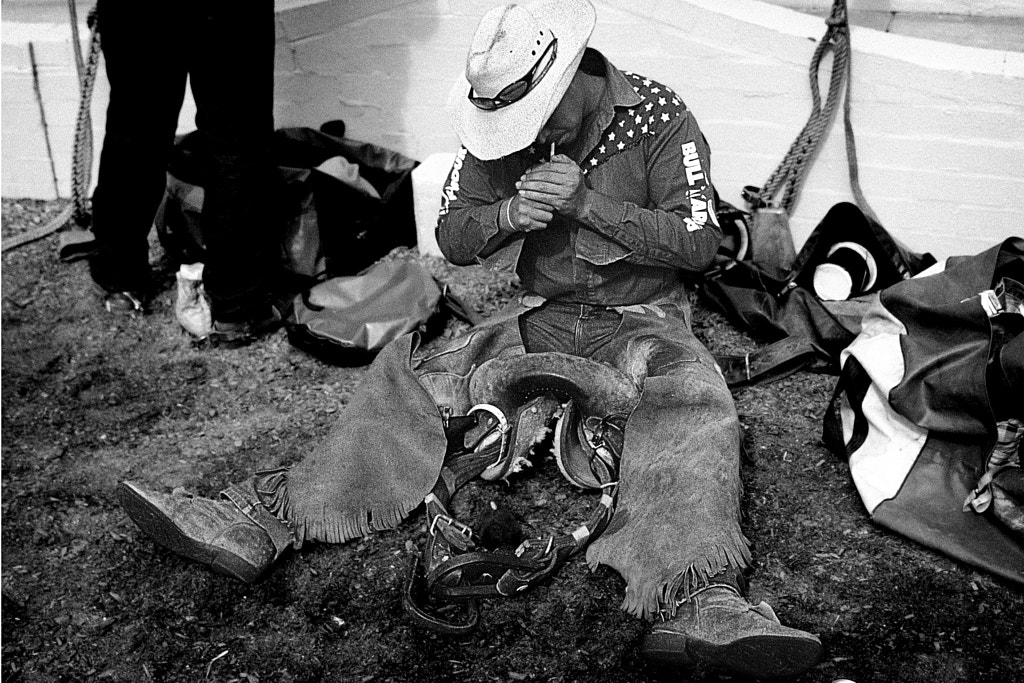
Smoko by Paul Amyes on 500px.com
Having a quick smoko while getting ready. El Caballo.


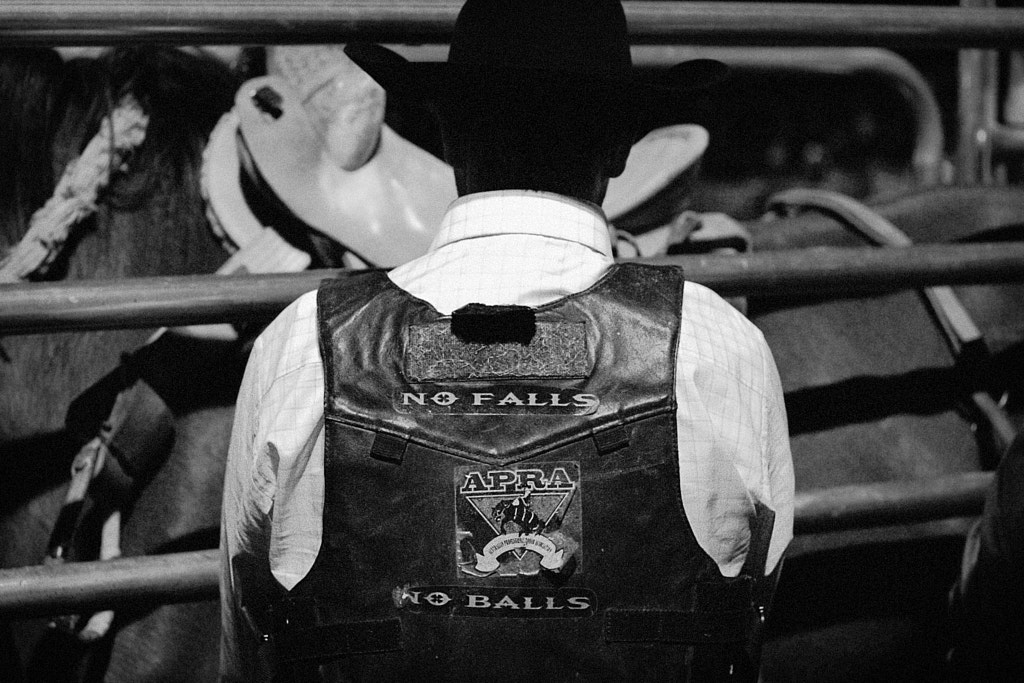
No Falls No Balls. by Paul Amyes on 500px.com
No Falls No Balls. Attitude is everything at the rodeo. El Caballo, Western Australia.


The Liquorice Allsorts by Paul Amyes on 500px.com
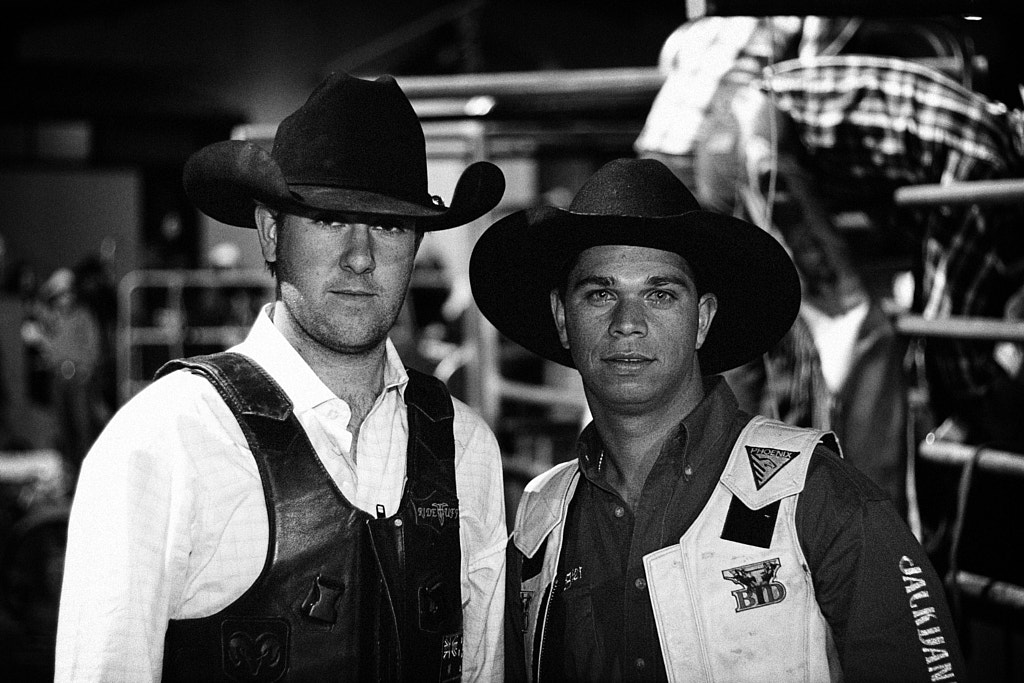
These two called themselves liquorice all sorts. El Caballo, Western Australia.


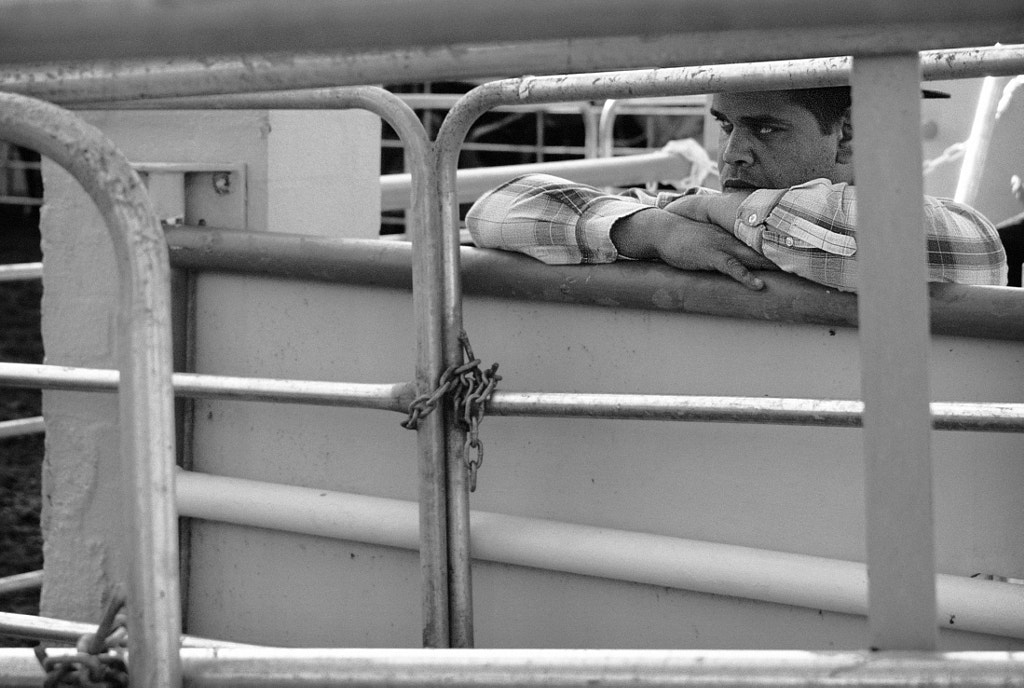
Apprehensive by Paul Amyes on 500px.com
Waiting in the chutes. El Caballo, Western Australia, 2007


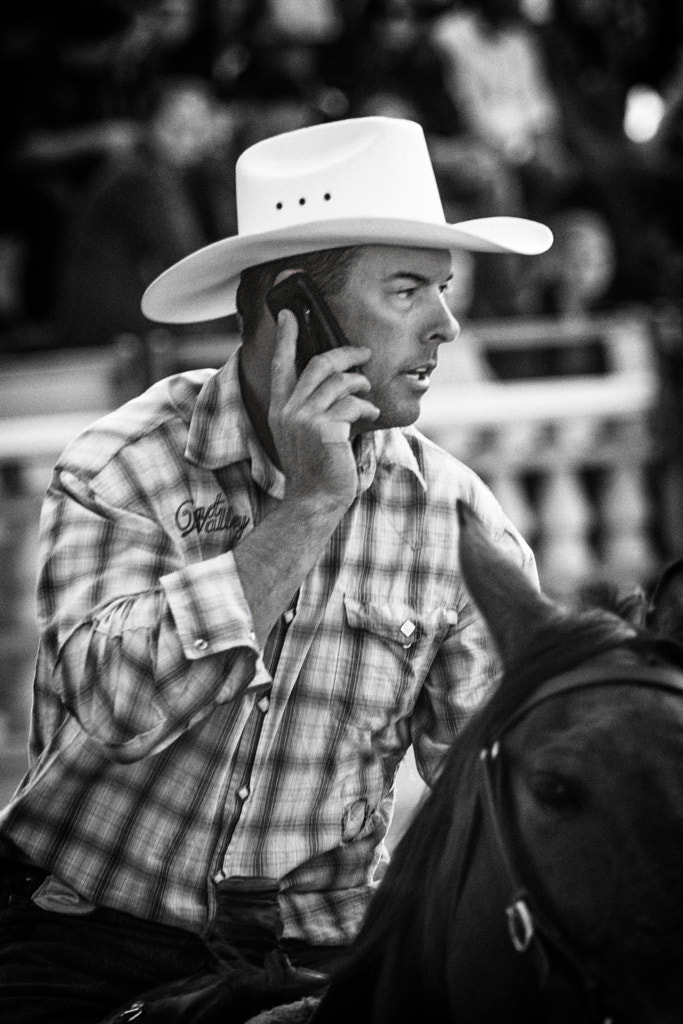
No Hands Free On A Horse by Paul Amyes on 500px.com

No Hands Free On A Horse. “Can you call back later – I’m kinda busy.”

2016 In Review

Faversham
The Faversham vintage van in Avon Terrace, York, Western Australia. Olympus OMD EM-1 with Olympus OM Zuiko 35-105mm f3.5-4.5 lens. Exposure: 1/200 sec, f5.6 ISO 400.


If you have slightly geeky bent, and to be honest if you are reading a photography blog it’s pretty much a given that you have, then Adobe’s Lightroom has several useful tools. One of the ones I’ve been looking at is the ability to look at your photographic work for a specific time frame, and in this case it’s for the year 2016. You can also look at the cameras and lenses you used for that period which enables you to see what patterns of equipment usage emerge. It might ultimately save you money i.e. if you have a hankering for an expensive lens you can look back on your past year to see if that focal length/s you used and whether the objective lens of your desires is one you’d actually use or not. This has actually happened to me – a while back I was working on my project Broncos and Bulls and I felt that the Canon EF 75-300 f4-5.6 IS was costing me shots as it wasn’t the fastest lens to focus and the images at the long end were pretty soft. I wanted a Canon 100-400 L IS but my then preferred local dealer didn’t have one in stock and after waiting nearly 3 months they informed they couldn’t get one. I allowed them to talk me into buying the Canon 70-200 f2.8 L IS with the Canon x2 converter which they had in stock. Their logic was that I’d end up using the 70-200 much more and would hardly use it combined with the teleconverter. Now looking back through my Lightroom library I can see that I’ve hardly used the 70-200 at all on its own and virtually all the times I have used it was in conjunction with the teleconverter. I should have stuck to my guns and gone to another dealer and that way I’d have a lens that met my needs gave and gave good image quality rather than put up with a convenient compromise.


Gotcha!!! by Paul Amyes on 500px.com
Gotcha. Steer roping, Boddington Rodeo Western Australia. Canon EOS 5D with Canon 70-200 f2.8 IS L and x2 converter. Exposure: 1/800 s at f/5.6 ISO 200
 So what have I deduced about my photography for 2016? Well I’ll start with commenting on 2015 – for that year over half my photographic output was shot with a DSLR (50:50 split between full frame and APS-C). In 2016 that dropped to 10% the other 90% was shot on mirrorless. The DSLR was only used for some macro work (radio controlled TTL flash), some architecture (a specialised lens) and one event where I had a crisis of confidence and didn’t think the mirrorless cameras would cope with high ISOs and low light focussing. When I look at lens usage it comes as a big surprise that one-quarter of the images were taken using adapted lenses and these with a focal range of between 15-135mm in full frame terms. Hmmm well I knew I preferred shorter lenses than


Quairading Railway Station by Paul Amyes on 500px.com
Aboriginal art at Quairading Railway Station, Western Australia. Sony A7r with Olympus OM Zuiko 24mm f2.8 lens. Exposure: 1/4000, f8 at ISO 400.

longer already, the main thing is that I enjoyed using legacy lenses and was more than happy with them in terms of image quality. I don’t have to use legacy lenses at all as I have 20 to 600mm covered by modern dedicated AF lenses. For work where it is appropriate I will use the legacy lenses because they give a certain aesthetic that I like which is a less digital and clinical look.


York Mill by Paul Amyes on 500px.com
As you drive into York on the Great Southern Highway standing tall on your left is the historic York Flour Mill built in 1892, home to The York Mill. Sony A7r with Voigtlander 15mm f4.5 Super Wide – Heliar lens. Exposure: 1/25 sec, f16 at ISO 100.

Well what will 2017 bring. Well for 2016 I experimented with finding a certain look. For 2017 will be more project driven as I have found the style I wanted and now want to put it to practice. There will be at least one new book (work on that has already started) and there will be some multi media projects. So exciting times indeed.


Hillside Farmhouse by Paul Amyes on 500px.com
Hillside Farmhouse was designed by Sir Talbot Hobbs, a leading architect and built in 1911 for Morris Edwards in the historic Wheatbelt town of York in Western Australia. Sony A7r with Olympus OM Zuiko 35-105mm f3.5-4.5 lens mounted via a Fotodiox adapter, Cokin circular polarizing filter and +3 stop graduated neutral density filter. Exposure 4 seconds, f16, ISO 50.


I hope for my readers that 2017 will be all that you hope and that you’ll be healthy and happy.


Everlastings by Paul Amyes on 500px.com
Everlastings on Mount Brown in York, WA. Sony A7r with Olympus OM Zuiko 135mm f2.8 lens. Exposure: aperture priority with +1 stop exposure compensation, 1/1000th sec, f2.8 at ISO 100.


Happy Birthday

The Mobile Kit
The Canon EOS5d – the first “affordable” dSLR with a 35mm sensor.

On 22 August 2015 the Canon EOS 5d turned ten years old – my own 5d turned 10 last week. Now they reckon dog years are seven for every human year. In terms of digital photography I reckon ten years equates to over a hundred human years as technology has advanced so fast. Despite that the original 5d, or if you want to really annoy the anally retentive Canon fan bois over on the DPReview forums the 5d Classic, is still more than a capable camera, in fact I would go onto say that if you don’t shoot video and don’t print any larger than A3+ you don’t need anything else. If all you do is post shots on Flickr and Facebook then I would say you’re over gunned and look for a Canon EOS 300d! Why was it so special – well it was the first “affordable” dSLR with a 35mm sized sensor. That meant a lot back in 2005 because a lot photo enthusiasts and pros had cut their teeth shooting 35mm film and had got used to a certain look with particular focal lengths. The advent of the cropped sized sensor (APS-C for Canon and DX for Nikon) meant that we couldn’t just look at a scene and say that calls for a 85mm lens, or a 24mm lens. No we had all these funny focal lengths and the other annoying thing was the camera and lens manufacturers didn’t populate their lens line ups with high quality cropped factor lenses – a fact that is still true today. So when the 5d was announced I thought at last I can get my favourite focal lengths back. I literally ran to my then favourite retailer PRA and placed my order. Since then my 5d has been in constant use, there are some 14,000 images in my Lightroom catalogue taken with that camera and it hasn’t missed a beat. It still gets used on a regular basis because those 12.8 Mp render an image beautifully. Many of the cameras detractors said that it had an atrocious auto focus system but I never had any problems with mine.


2007 Boddington Rodeo, Boddington, WA.
Gotcha!!! 2007 Boddington Rodeo, Boddington, WA. The 5d in full on action mode, something a lot of people said was impossible.


2005 Perth H2O Gravity Games

A lot of people complain that Canon sensors are crippled when it comes to dynamic range, again it has never been something that has caused me any problems.

Photograph 2006 Avon Descent by Paul Amyes on 500px
Hot Air Balloons over the Avon River in Northam, Western Australia. Canon EOS 5D, Canon  75-300mm f/4-5.6 IS USM lens. Exposure 1/1000 s at f/5.6 ISO 400.


 An Evening Walk Down The Lane. by Paul Amyes on 500px
A walk down the lane at sunset. York, Western Australia. Canon EOS5d, Canon EF 28-135 f3.5-5.6 IS lens, Cokin 2 stop graduated neural density filter, Cokin circular polarizing filter. Exposure 20.0 s at f/22.0 ISO 100 in manual mode.


Long exposures such as the shot above and below didn’t cause any problems, just a little judicious use of noise reduction software in post.


Photograph York CBH Nocturne by Paul Amyes on 500px
York CBH Nocturne. Train been filled at the York CBH grain handling facility in York, Western Australia. Canon EOS 5D with Canon EF24mm f/2.8 lens. Exposure: manual mode 20.0 s at f/4.0 ISO 800.


As I said earlier I’m still happily using the camera after ten years and in that time quite a few other cameras have come and gone. I think the EOS5d deserves the appellation Classic because it helped a lot of photographers recover their preferred means of working with focal lengths, it quickly became a mainstay of a lot of working photographers, and it established the idea of the prosumer full frame sensor in camera market. Will it last another ten years? I don’t think so as a working camera. The problem is that the spares are no longer manufactured to keep the camera going. I’ll still continue to use mine until it fails but not as a mission critical camera.


Tessellated Pavement
Tessellated Pavement. Canon EOS5d with EF28-135mm f/3.5-5.6 IS USM lens. Cokin filters – 3 stop ND filter, 2 stop grad, and circular polarizing filter. Exposure: 1.6 s at f/11.0 ISO 100.


As always clicking on an image will take you through to my online gallery.