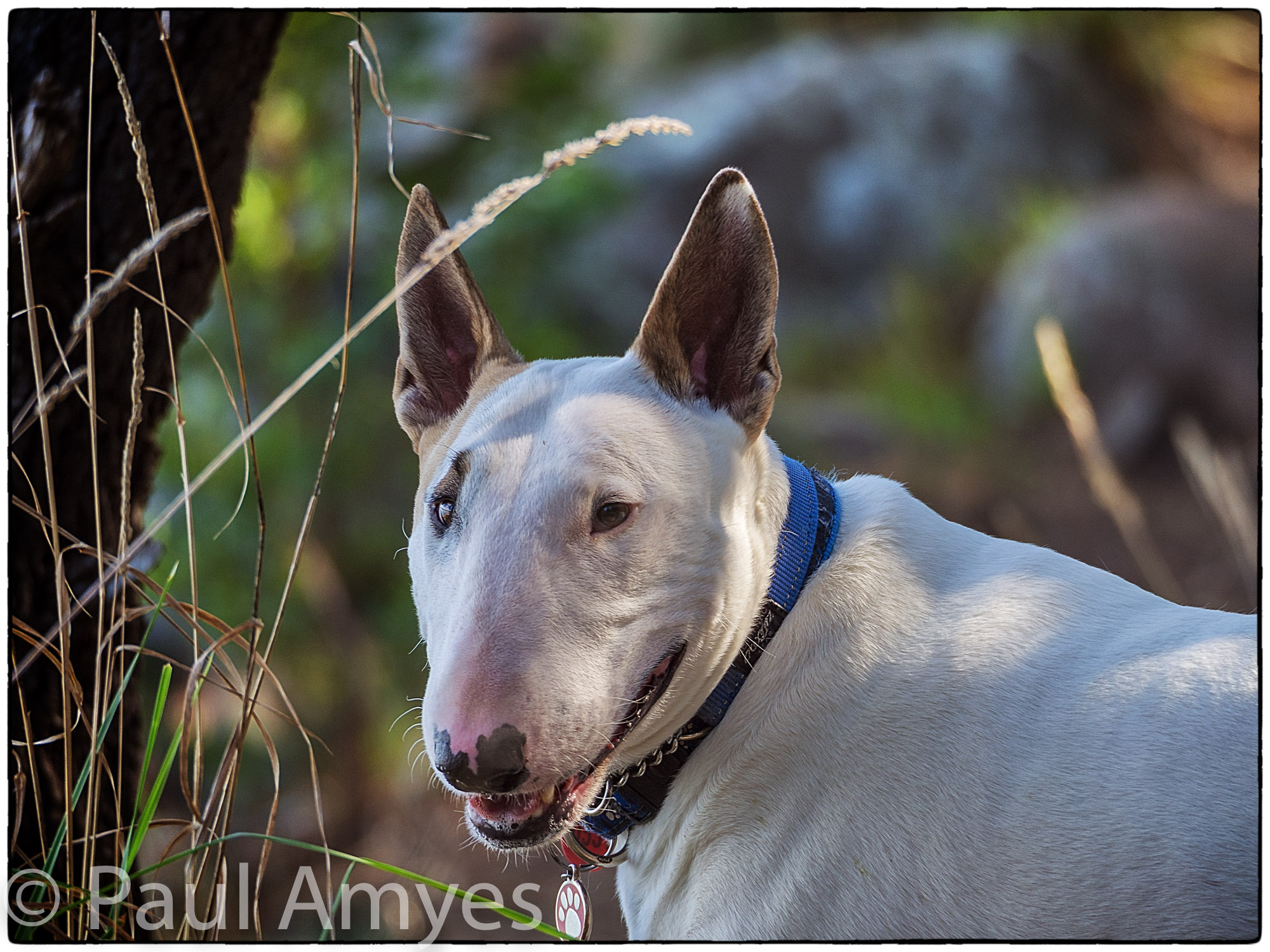
We had a new arrival. Bertie the Miniature Bull Terrier traveled all the way from far off Queensland to us in York, Western Australia.
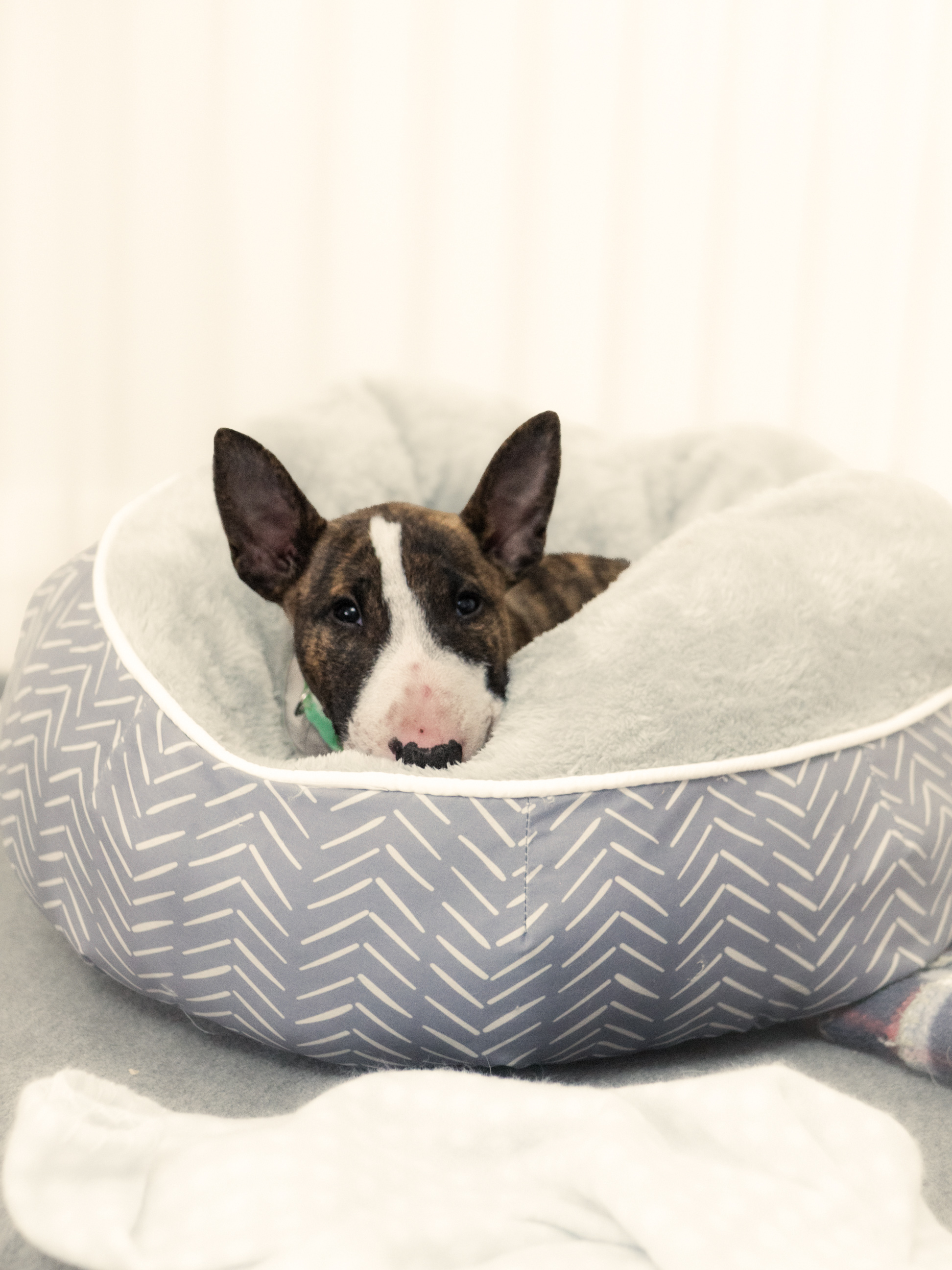
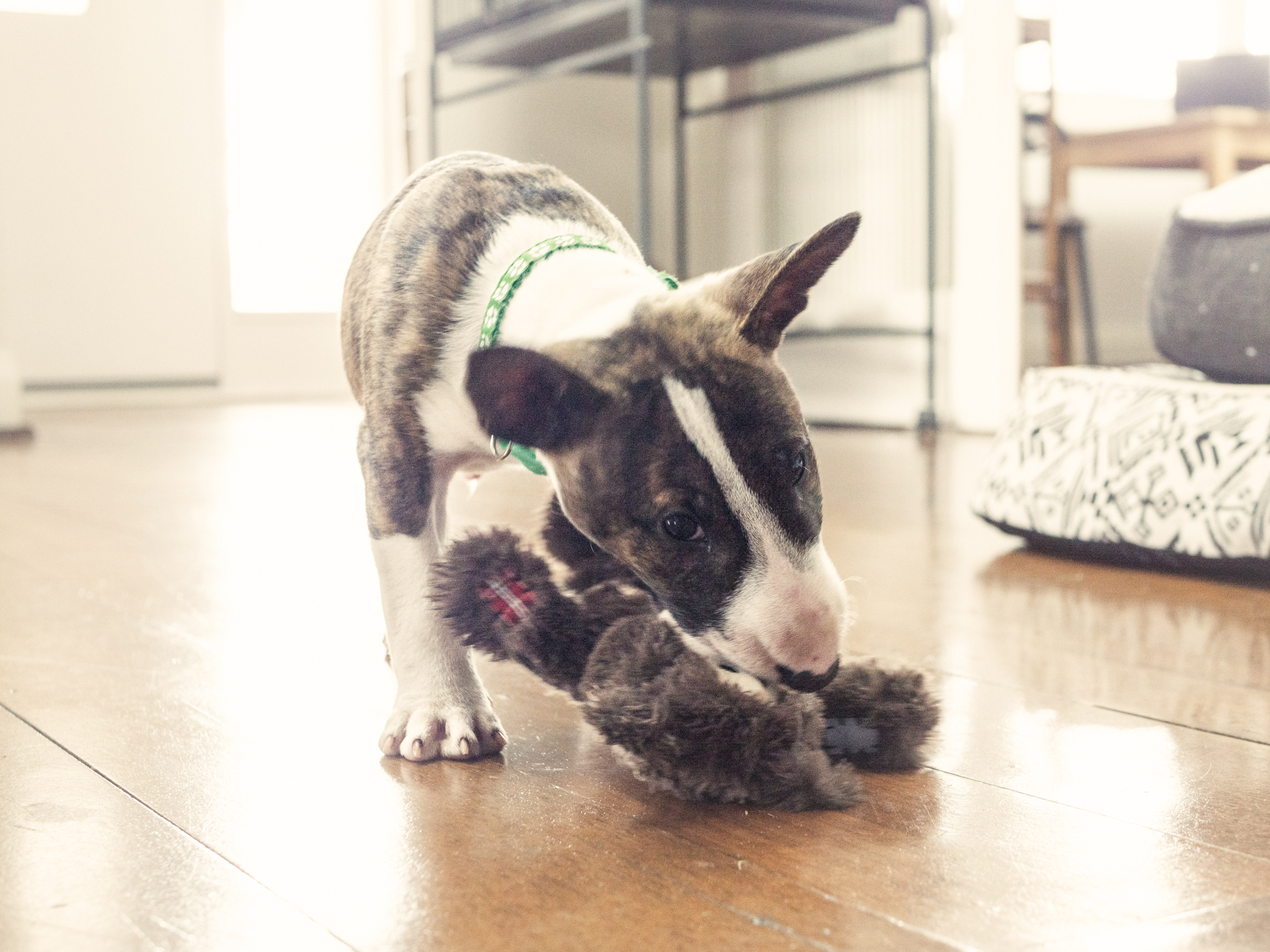
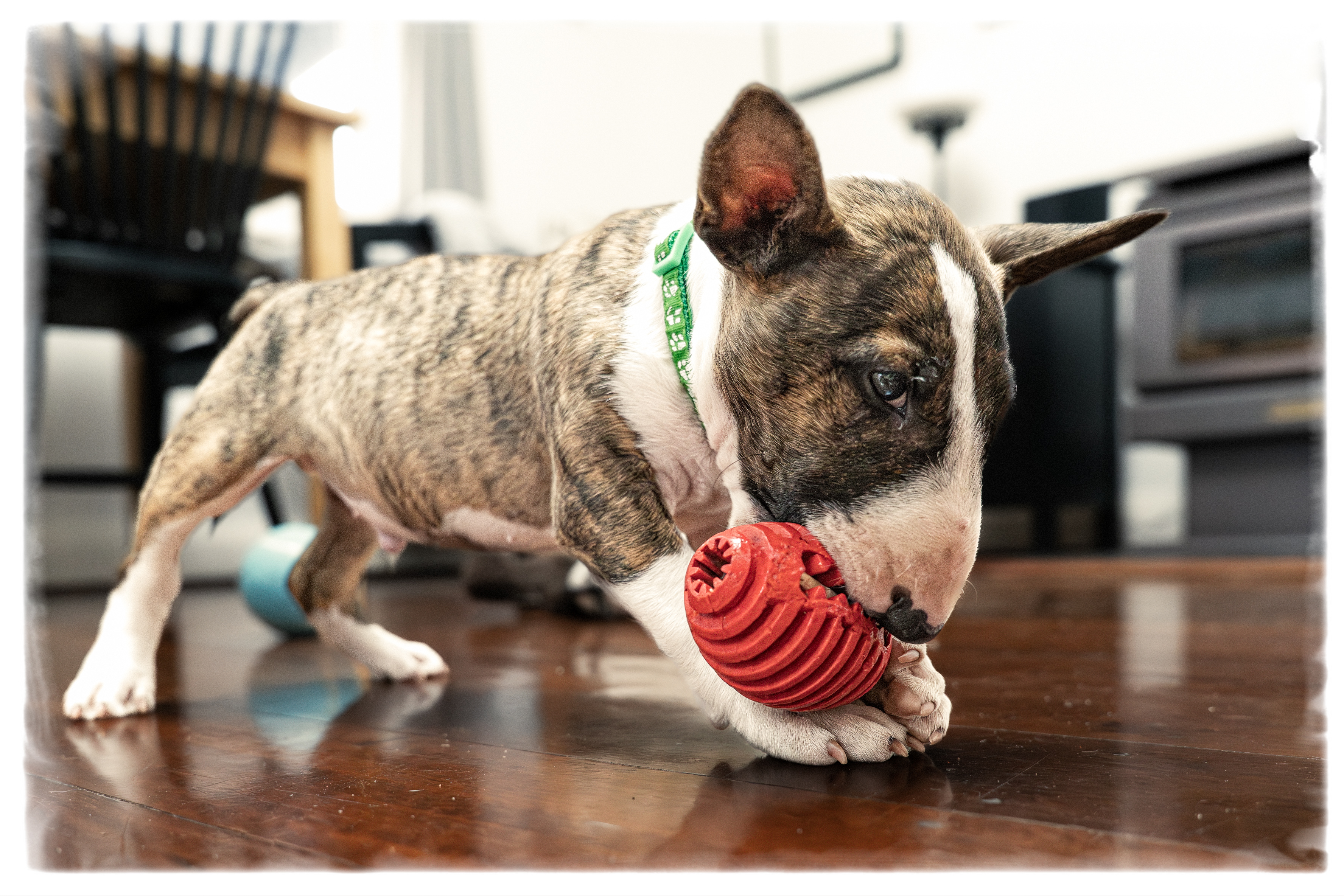
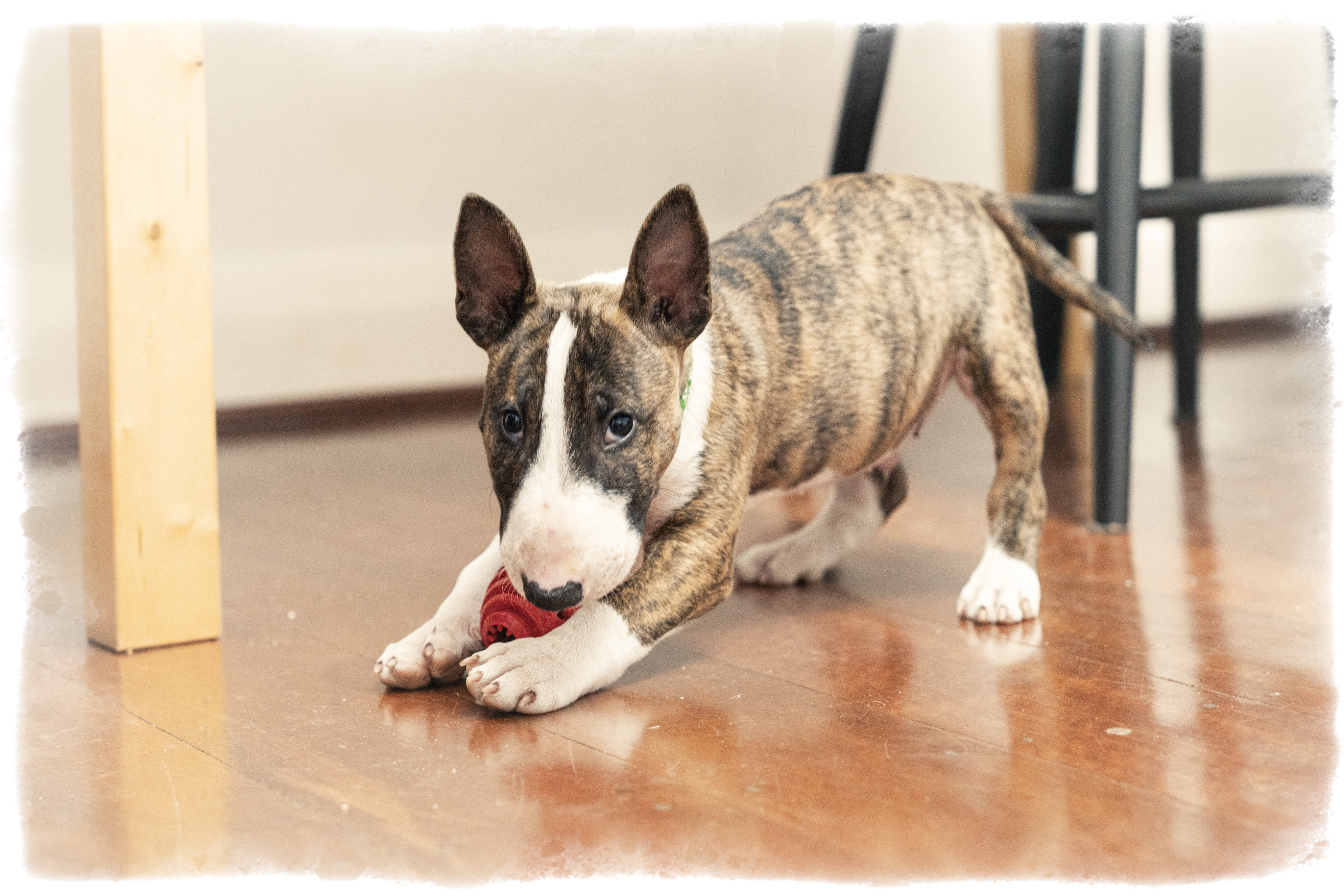

We had a new arrival. Bertie the Miniature Bull Terrier traveled all the way from far off Queensland to us in York, Western Australia.
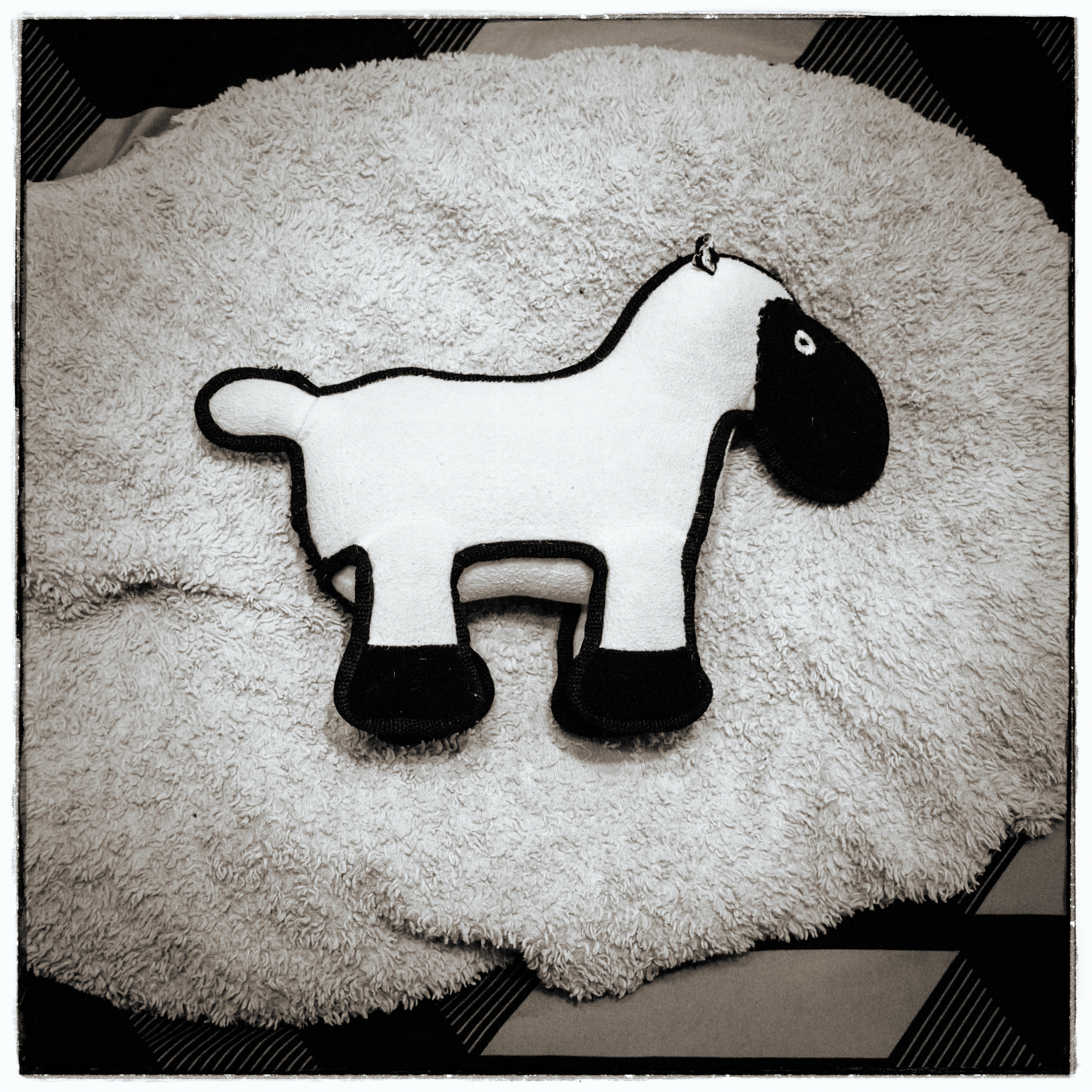
It only seems like yesterday when I blogged about the arrival of Frida into our lives, and now 13years later I’m writing that she has passed away.
It has been an incredibly strange few days with no Frida. While she wasn’t a noisy dog the house seems so quiet now. I didn’t realise how much of a presence she was in our lives. If you went to the washing line she went with you. Every time I cooked she was sitting beside me. She’d follow us into the bathroom and wait while we showered. Now that constant presence has gone and the silence is deafening.
These videos are how I like to remember her.
Bit of an odd morning today. It was a distinctly grey day and I wasn’t intending to take any photos. While getting set to take the dog out for a walk along the river at Blandstown the Beloved Significant Other said she was taking her binoculars to look for birds. I thought about taking mine but when I saw that they were in a pouch with my camera I just grabbed the whole shebang.
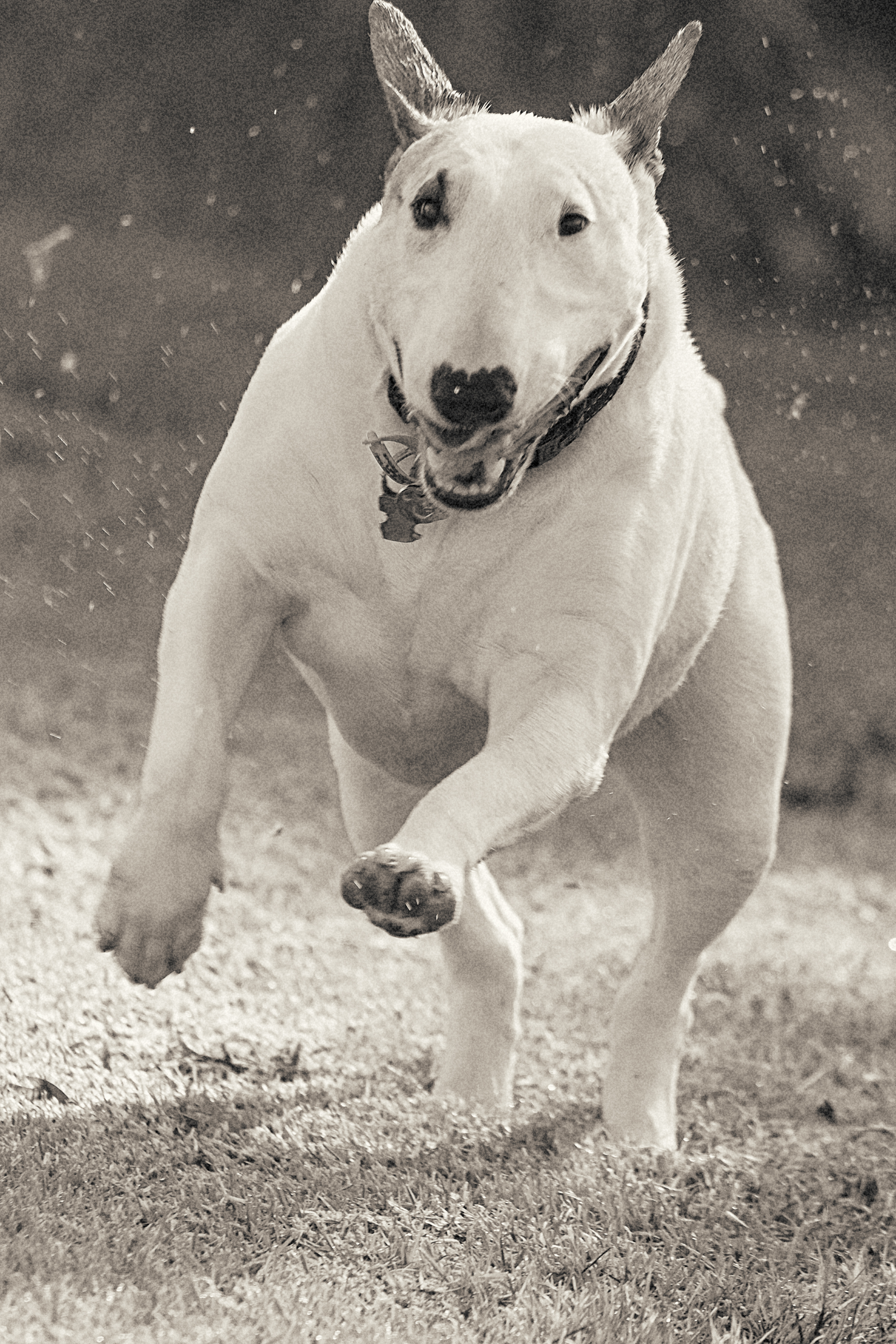
When we got there I wasn’t sure whether Frida – our dog – would walk. She is very old now and has to all intents and purposes given up on walking. She loves a ride in the car, but you can’t guarantee that she’ll get get out for a walk. With a bit of assistance she got out and was quite happy to head towards the river. When she was young long grass would send her silly and she would madly runabout causing mayhem. At 13 with arthritis in one of her back legs and kidney problems it doesn’t happen very often anymore but all that long grass along the river and she was off!
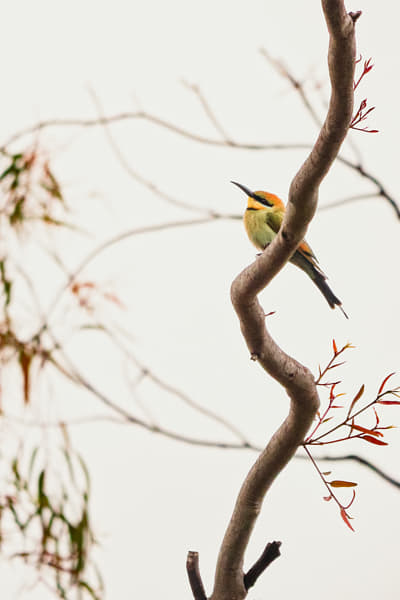
While trying to avoid being bowled over by a deranged bull terrier the Beloved Significant Other said she thought she could see a Rainbow Bee-eater. Oh how I scoffed. “Impossible” said I. “They don’t arrive back from Northern Australia and Papua New Guinea until November.” I added being all ‘knowledgeable’. But when I raised the camera up and looked there was a female Rainbow Bee-eater, and listening very carefully I could just make out the chirping call of another. Never had I seen one this early in York before. I’d read that in some areas of southern Australia the winters are becoming much milder and some of the birds aren’t migrating north in autumn. Whether that applied to these birds I don’t know.
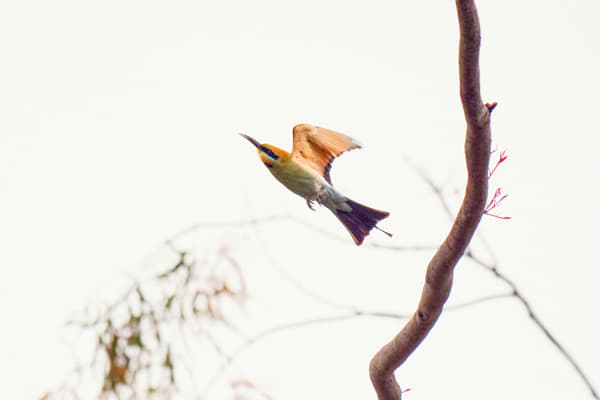
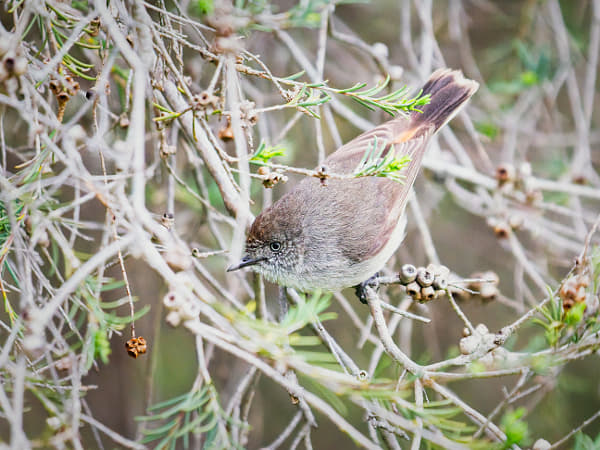
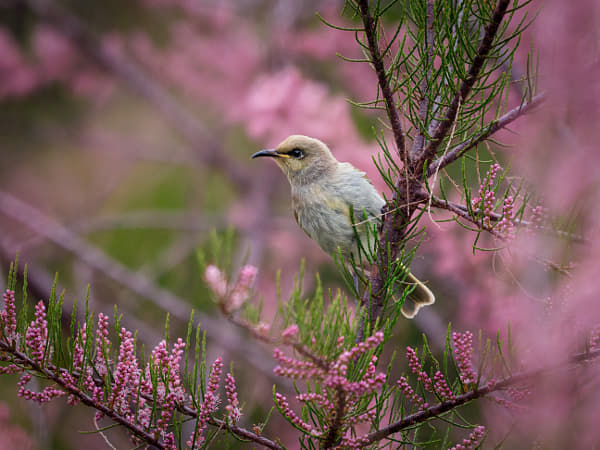
So as we headed home I couldn’t work out what had made me the happier. The fact that Frida had just had a bully run or that I’d seen the Rainbow Bee-eater. Probably both. Oh! I did photograph some other birds. Here they are below.

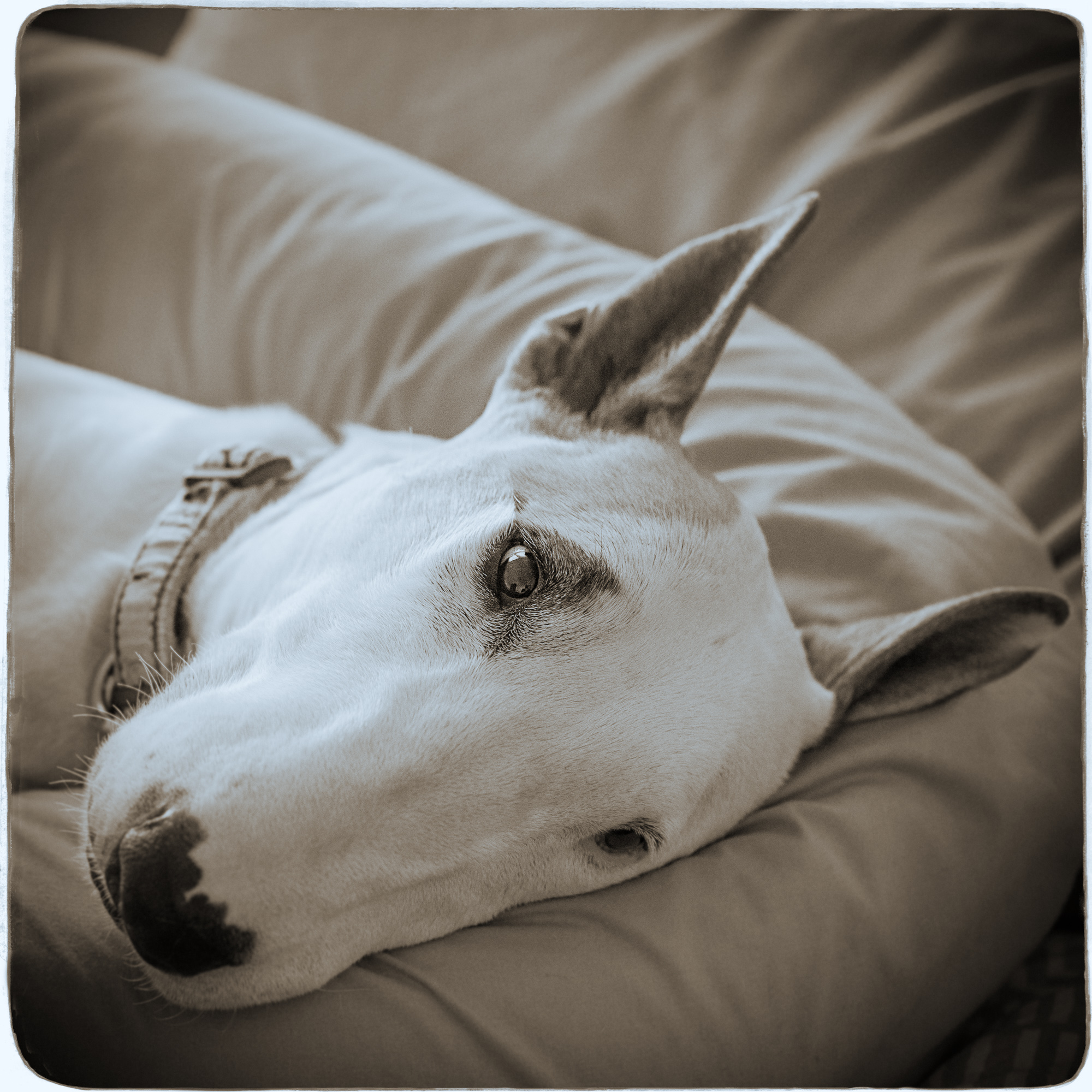
This is the natural state of the English Bull Terrier. Most people have this image of them being highly aggressive canine fighting machines, but the reality is that they prefer comfortable beds, cuddling up to blankets or preferably people, and sleeping.
…to this

Every now and then something miraculous happens and the Bull Terrier will erupt into a highly excited state where it runs at full tilt round and round. Heaven help anyone who gets in the way as its like being hit by a fury anti-tank missile. This is known as the “bully run“. It usually lasts about 2 minutes then the normal state is resumed.
Been playing with a new lens – and so far I’ve been very impressed and it’s made me reconsider my camera system. I’ll put up a full report in the next week or two. Here are a couple of photos to whet your appetite.
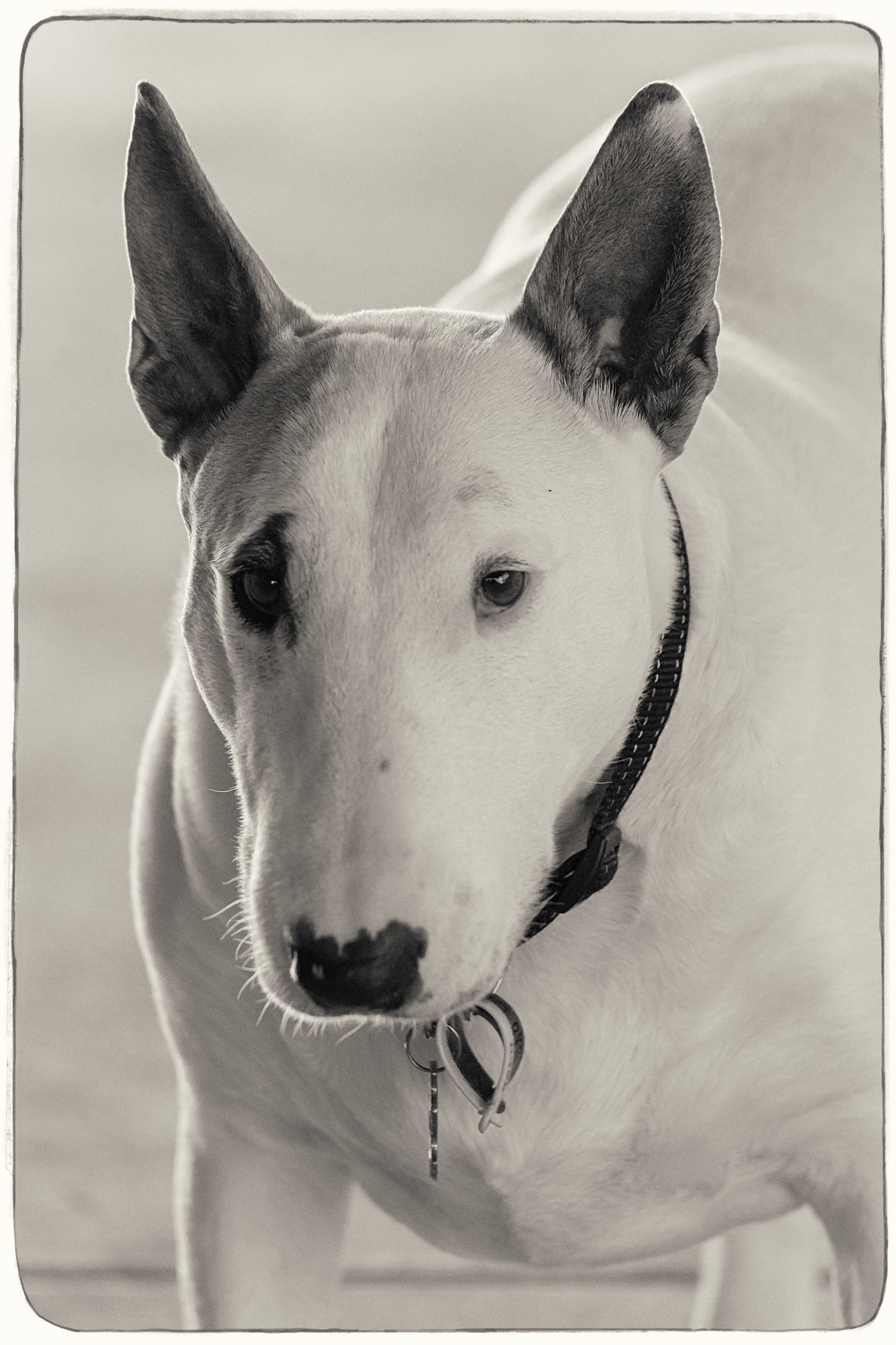
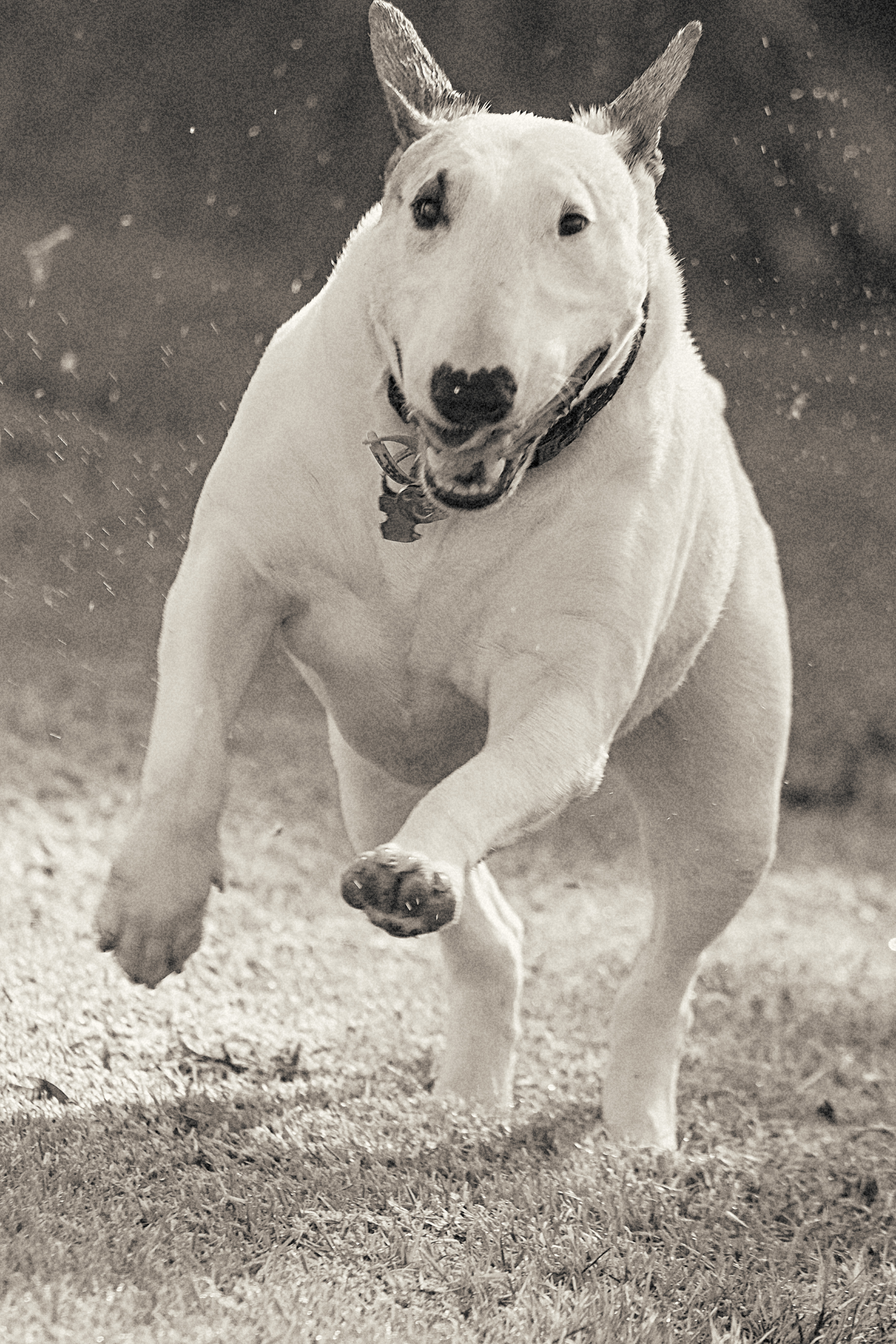
Both shots were taken with the Canon 6d, which continues to amaze me with its picture quality, and converted to monochrome in AlienSkin’s Exposure 4.


This is Frida. I wouldn’t say we own her, more like she deigns to live with us. Anyway she had surgery to remove a lump last week, and she is now taking recovery very seriously. The lump turned out to be benign 😊👌.


The Olympus m.Zuiko 75-300mm f4.8-6.7 mk ii (which shall now on referred to as the 75-300) is an updated version of their original super telephoto zoom for the micro four thirds format.Yes I said super telephoto zoom because that is what it is as it is equivalent to a 150-600mm lens in 35mm sensor terms.


Keeping up with the m4/3s promise of smaller cameras and lenses this lens does not disappoint. It fits comfortably in the hand is quite a bit smaller than my Canon 75-300mm f3.5-5.6 IS which only covers half the focal range when mounted on my EOS5d. There are rumours on the various forums that the lens is designed and built by Sigma, but there is no evidence of that fact when looking at it. The 75-300 is largely constructed from engineering plastic and has a metal mount. There is no weather sealing. The lens extends while zoom, roughly doubling its length, there is no lens creep which is nice. While not heavy it feels reassuringly dense in the hand and not at all cheap and wobbly like some budget zoom lenses.The filter diameter is 58mm which it shares with the 40-150mm f4-5.6 and means that filters won’t be too pricey. Optically the lens has 18 elements in 13 groups, two of which are ED glass and one is Super ED (extra low dispersion). These exotic elements are there to minimise chromatic aberration throughout the zoom range. They certainly do the job for when I open up images shot with the 75-300 in Lightroom they are remarkably free of CA. The lenses elements are coated with Olympus propriety ZERO (Zuiko Extra-low Reflection Optical) coatings and I’ve found the lens to be quite resistant to backlit flare, however flare can be induced by bright light sources just outside of the frame so I would heartily recommend the use of a lens hood. Unfortunately Olympus does not include one in the box.
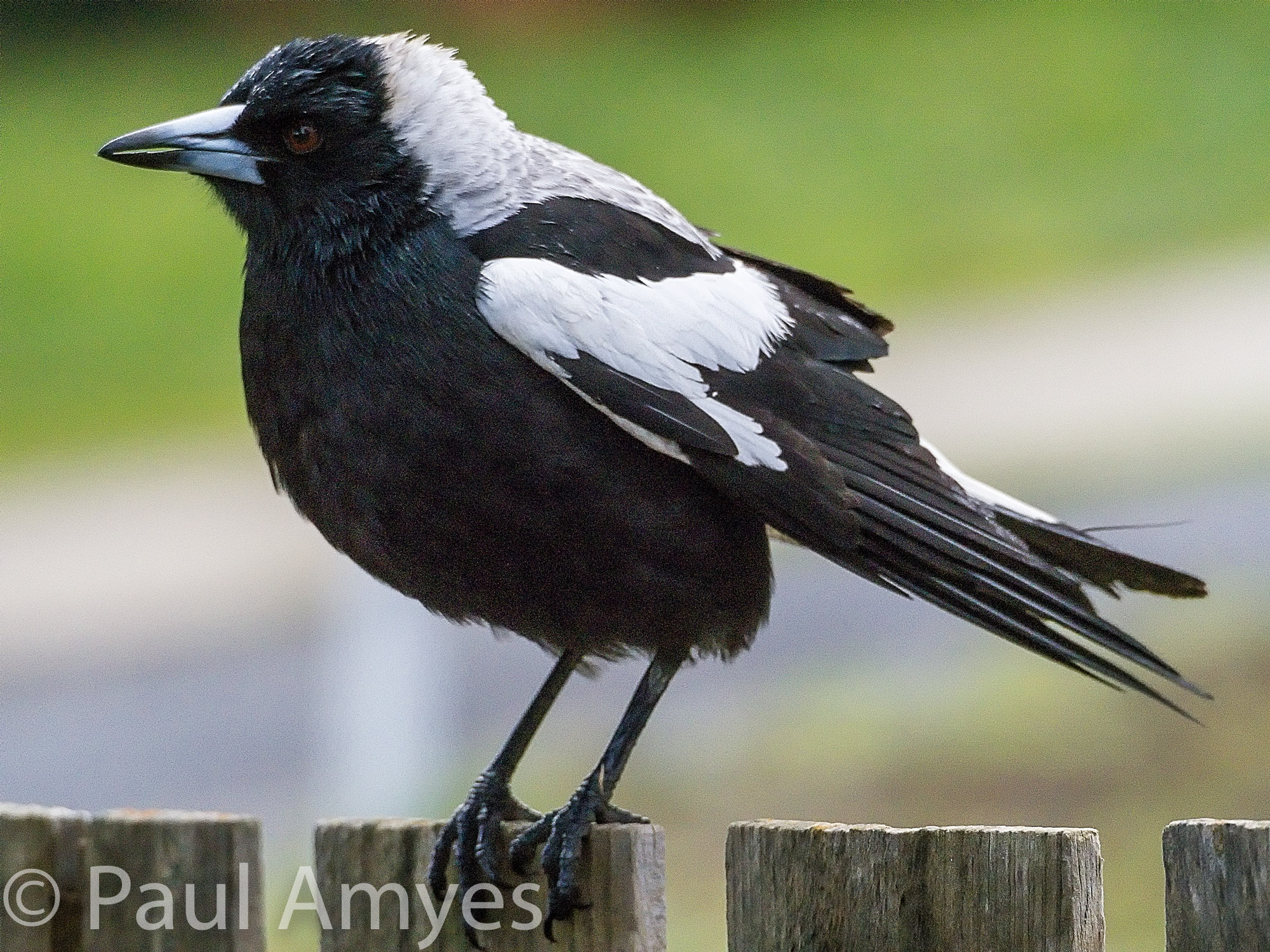
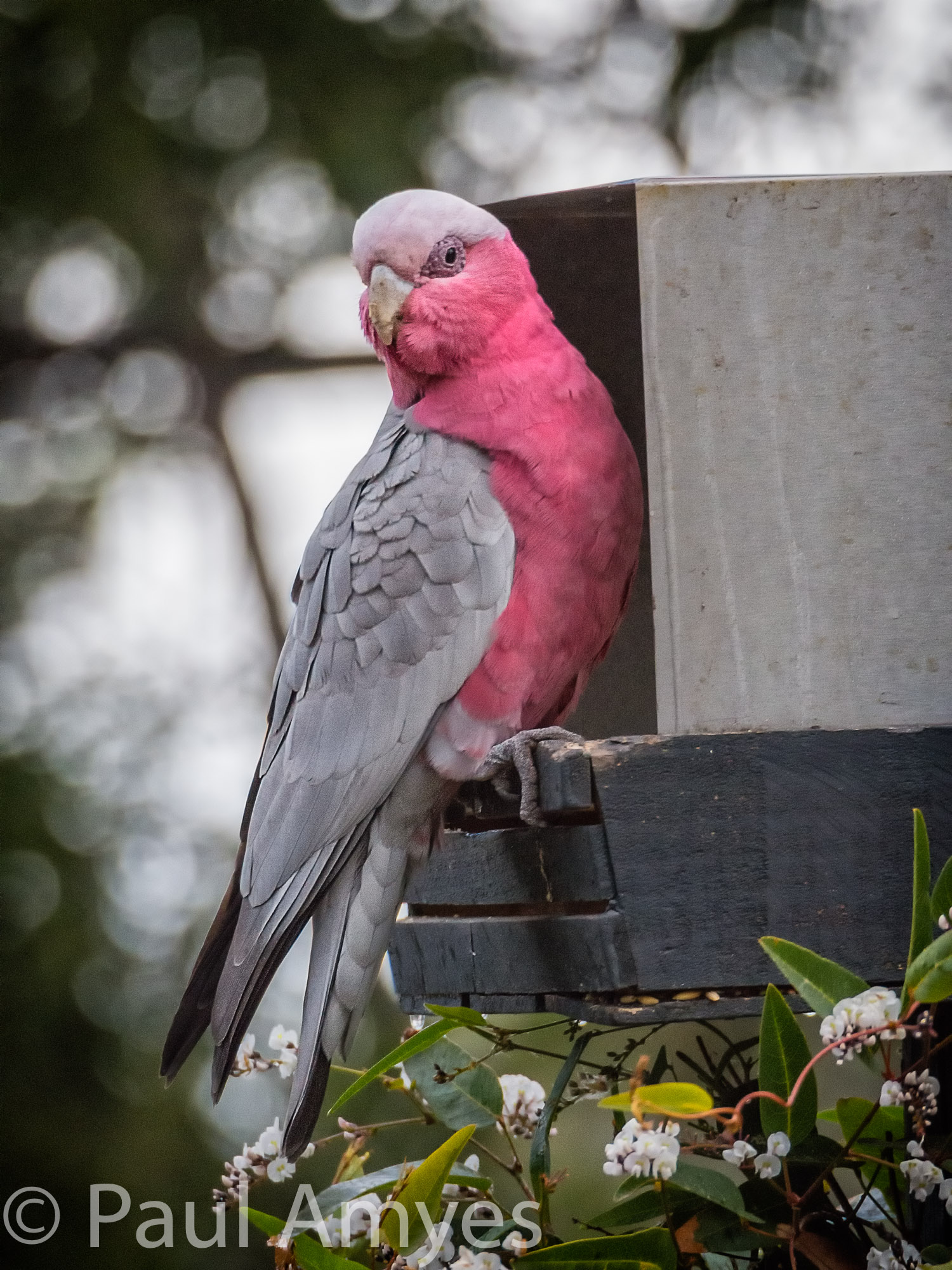
Performance wise the 75-300 is remarkably good for a lens of this price and zoom range. The AF is quick and precise when shooting stills on both my EM-10 and EP-5, and quite a lot slower when shooting video. Optically the lens is very sharp up until the 200mm mark and then it does soften slightly, but this is not at all unusual with zoom lenses, which is unfortunate because this lens will be bought more for its uses at 300mm than 75mm. There is not a lot of love for this lens on the internet forums where it is harshly criticised for it performance at the long end, but from my experience with it it’s not as bad as people make out. I wonder whether camera shake is a contributing factor here. While Olympus bodies have In Body Image Stabilisation (IBIS) there is a limit to what it can achieve and we have to remember that this is the equivalent of a super telephoto 600mm lens in full frame terms and not many people would expect to handhold one of those and get tack sharp results. When using the lens on a tripod and monopod it certainly delivers the goods. When handholding I would certainly recommend not using a shutter speed of lower than 1/300th sec even when using IBIS.


Downsides of the 75-300. Well the slow maximum aperture will be a drawback for many, and I’ve read many threads where people have stated they would have preferred a constant f4. This all very well but lens design is a compromise and such a lens would be very large and heavy and cost considerably more. Personally I don’t mind using higher ISOs to keep the shutter speeds up as I’m happy to clean up my images with Niksoft’s Denoise. Another downside is when shooting video – this is not really a lens for run and gun style shooting, it is much to long to effectively control shooting handheld. Even on a tripod the lens showed up the failings of my fluid head for when panning there was quite a pronounced shudder when using it at its longest end.
Overall I feel that the few drawbacks are outweighed by the positives and I like this lens a lot. It is a very good lens when one considers the price. In Oz a full frame equivalent will cost at least double. I would recommend the 75-300 to anyone who was prepared to accept the trade offs involved i.e compact size and affordability versus the slow maximum aperture and the slight softening of the image at the long end. At the time of writing this there is only one other alternative, the Panasonic Lumix G.Vario 100-300mm f4-5.6 OS, which is at the same price point and has a similar performance. I would only consider the Panasonic over the Olympus if I was shooting on a Panasonic camera which has no IBIS. Both Olympus and Panasonic are introducing higher performance lenses at the 300mm focal length at some time in the near future, but I think we’ll find they are considerably bigger and more expensive.
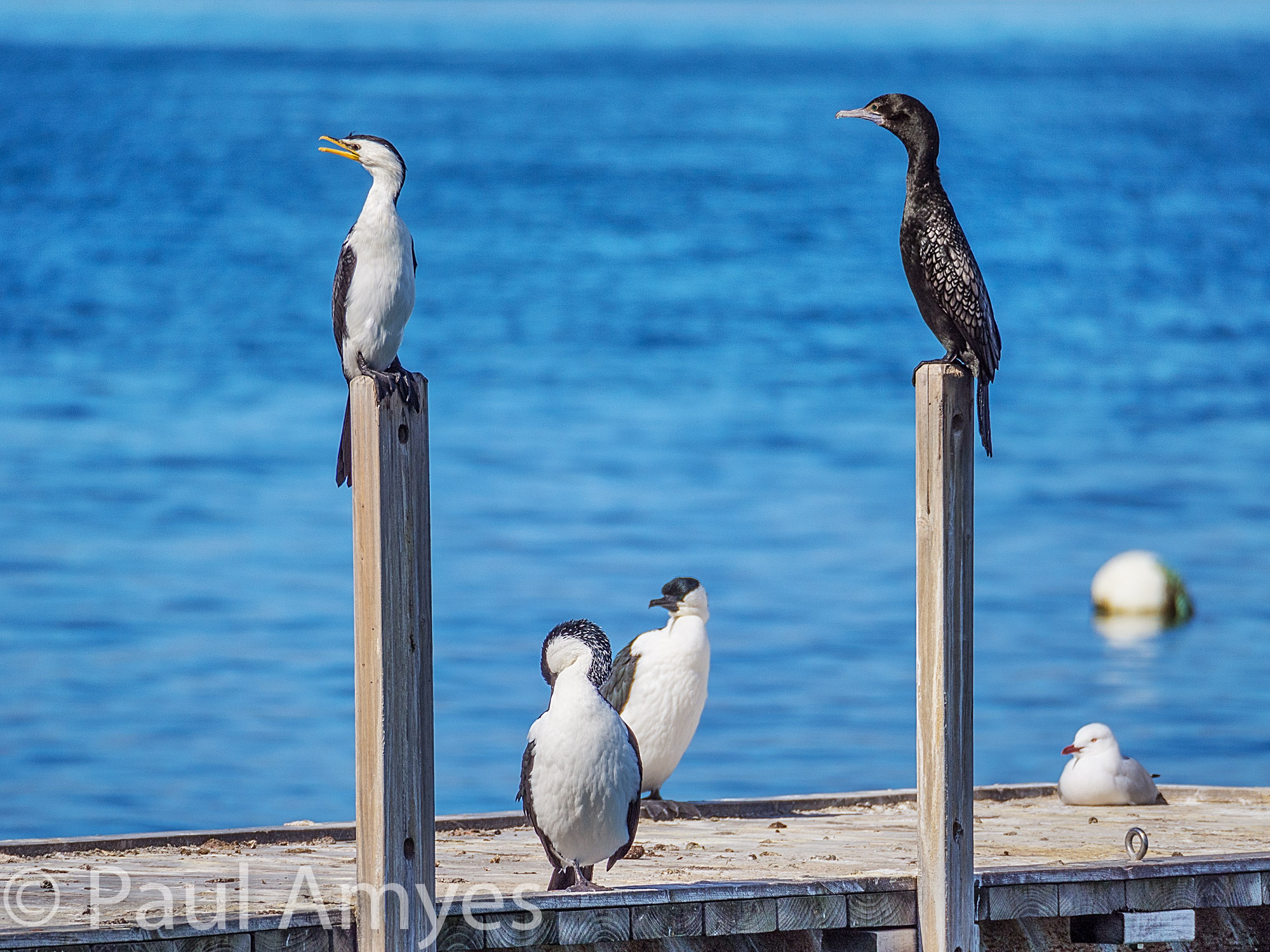
So if you fancy doing a bit of sport or wildlife photography then I would thoroughly recommend this lens to all Olympus users.
You must be logged in to post a comment.