“Weaving spiders, come not here…

…Hence, you long legged spinners, hence!”

Willian Shakespeare. A Midsummer Night’s Dream (Act 2, Scene 2)
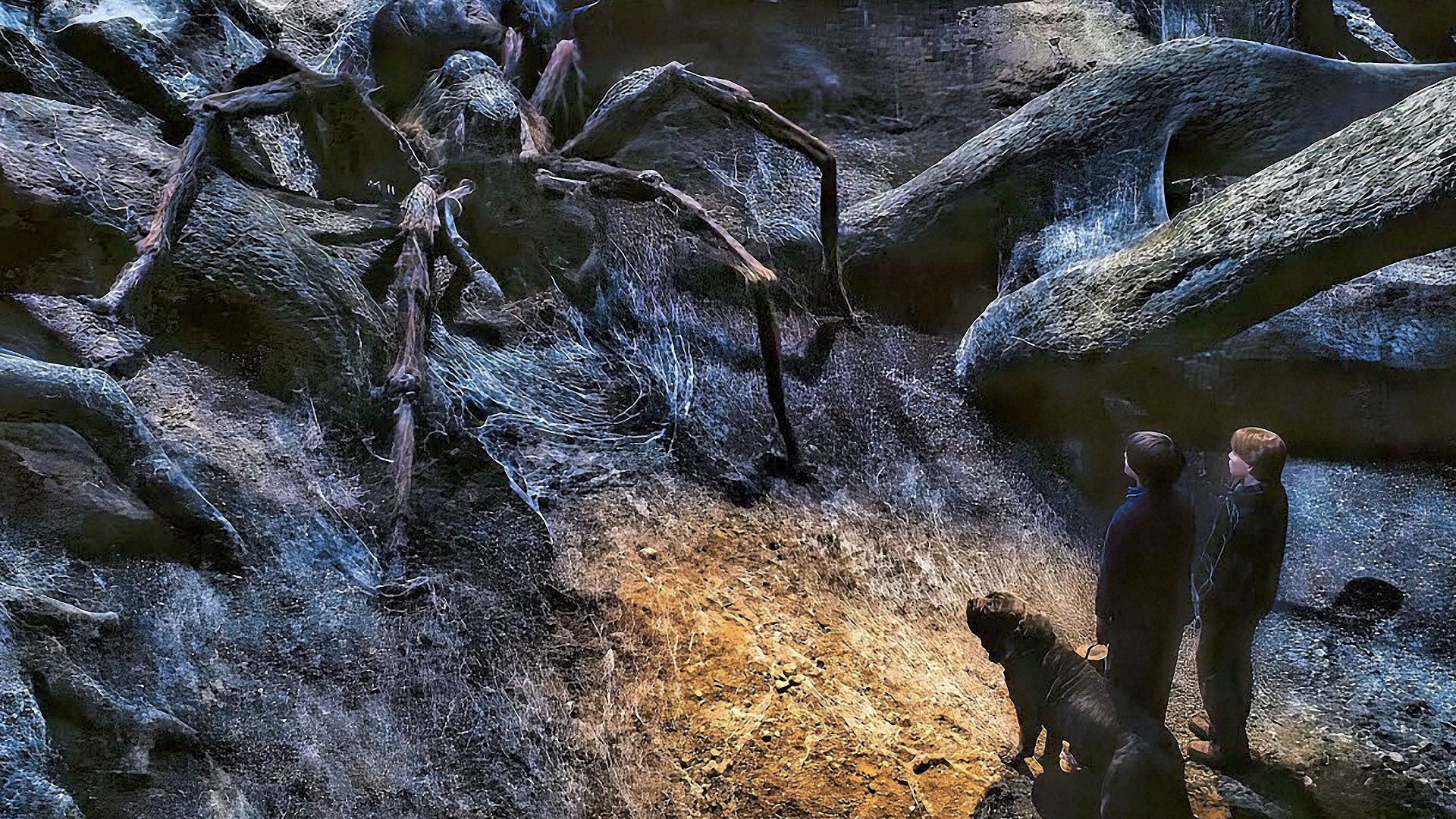
 

“Run Harry! Run!”


I must say at the outset that I don’t like spiders very much. The bloody great hairy jobs in the Hobbit, Lord of The Rings and Harry Potter movies didn’t help much either. Coming to Australia has meant that the chances of coming into contact with some horrible large spider with a venomous bite have increased. However, of late that maybe changing. That could be because I’ve seen some rather cute jumping spiders and the rather spectacular looking Jewel Spiders. It maybe that I’ve just become desensitised by seeing so many, referred to as “flooding” in psychotherapy. Nah! Got to be honest the large hairy ones still give me the heebie-jeebies.
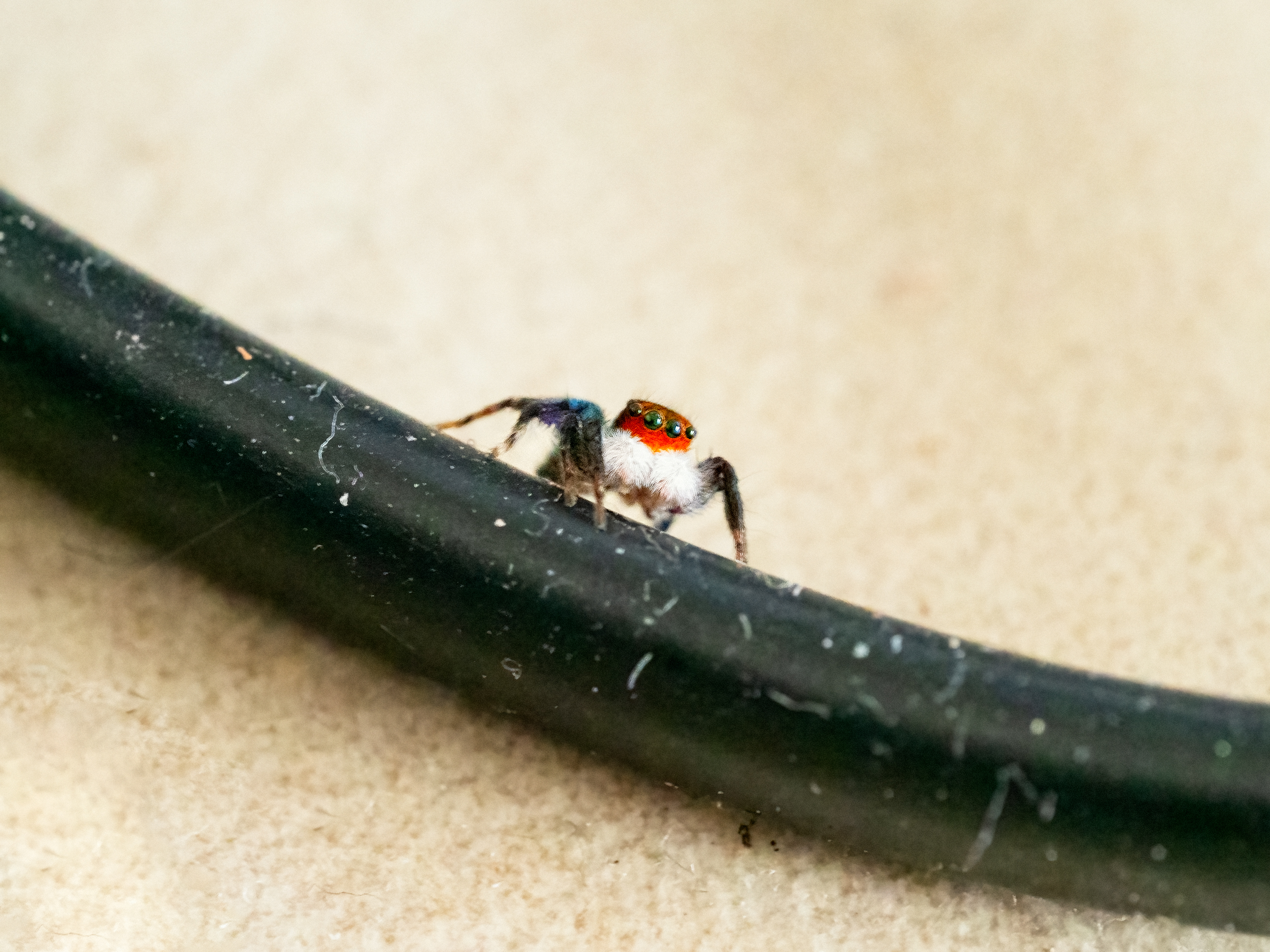
 

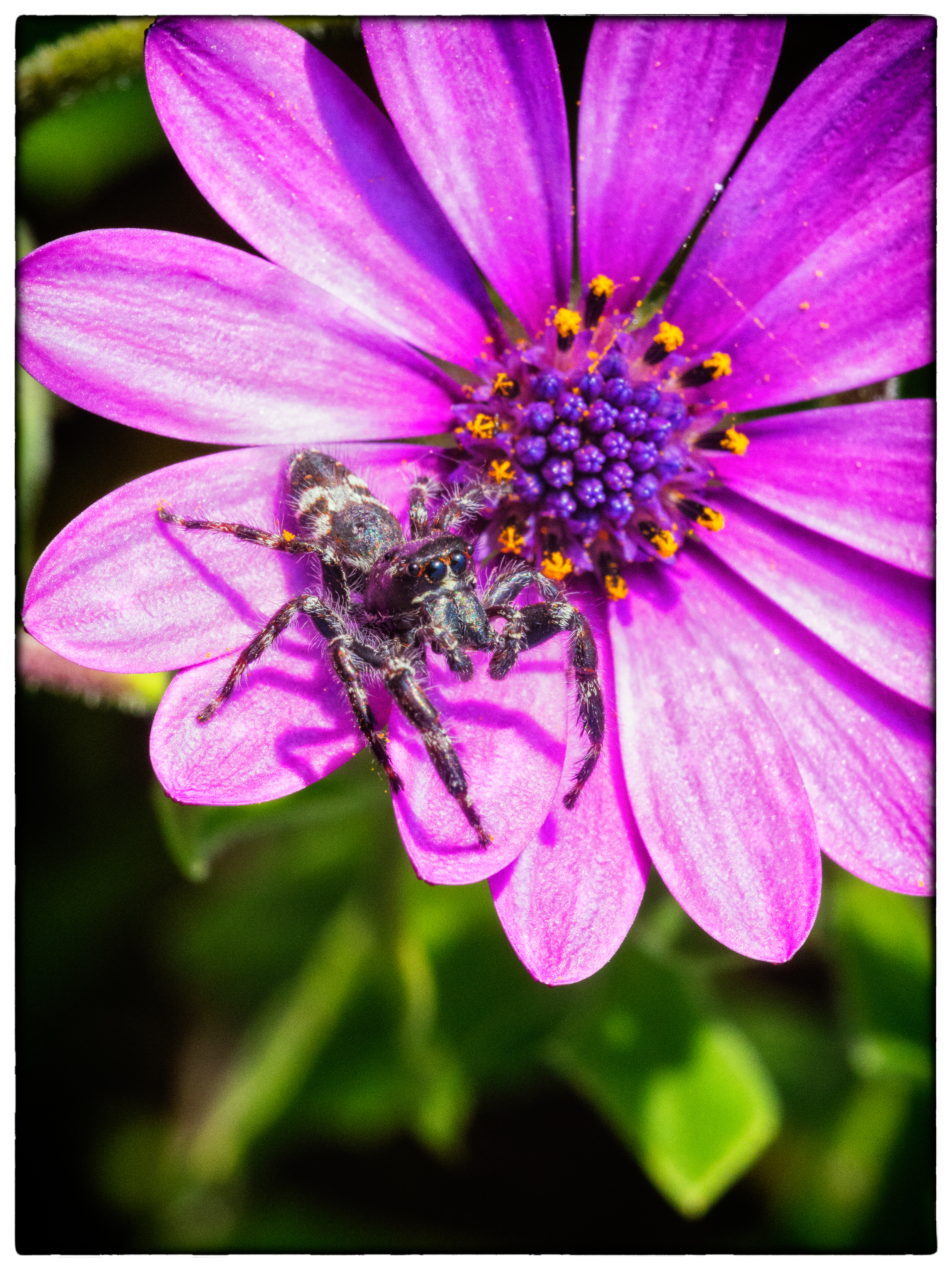
Shaggy Red-headed House Hopper (Hypoblemum villosum) sitting on the flex of our iron in the laundry. They grow between 4-8mm long.


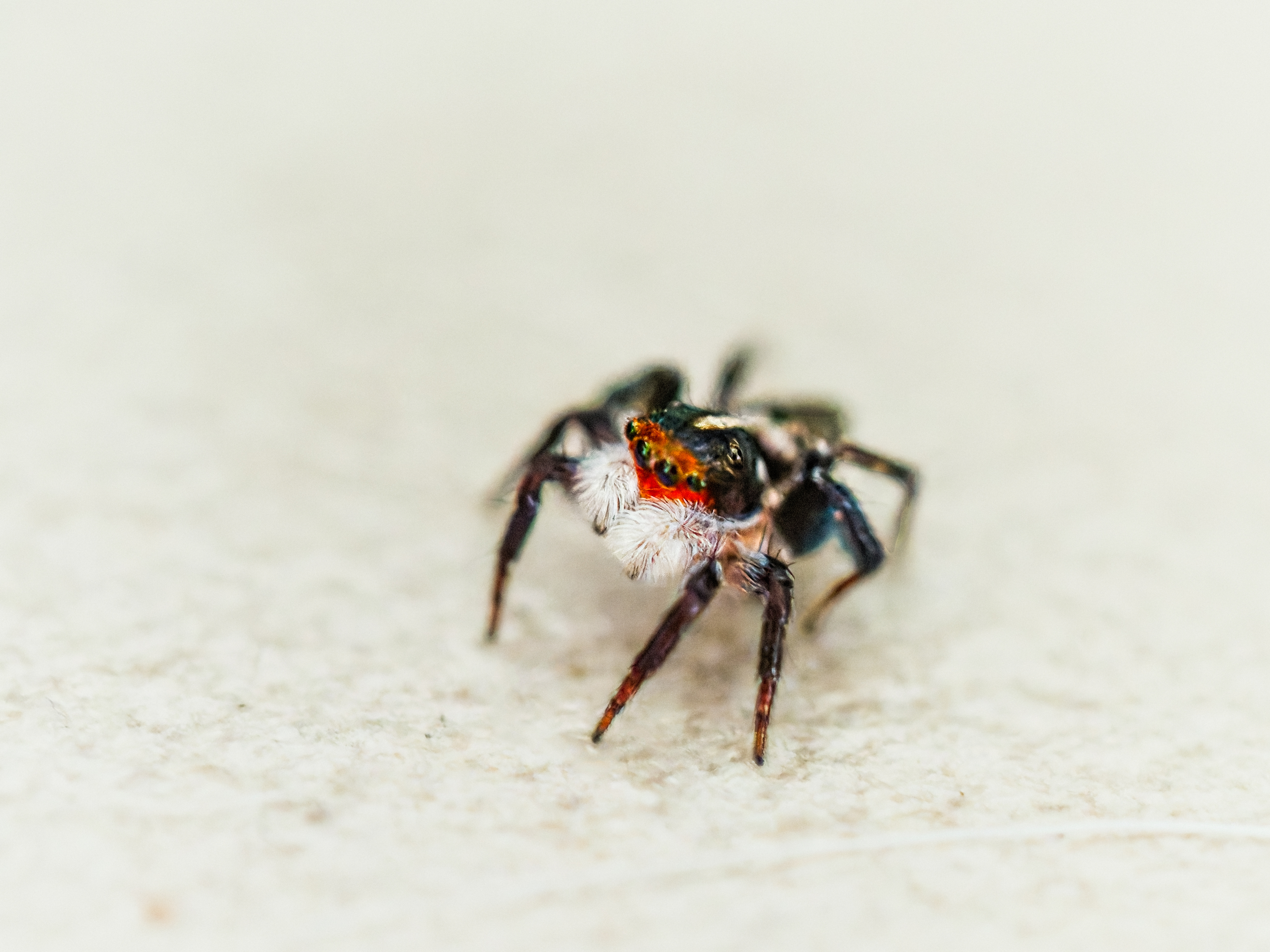
A different view of the Shaggy Red-headed House Hopper (Hypoblemum villosum). They grow between 4-8mm long.


A male jumping spider (Sandalodes superbus), another species of Jumping Spider, found in the garden. I like the way they look up at you.


I think it was the jumping spiders that made me more comfortable about spiders as they are sort of cute with that turret head and the way that they look at you. I was particularly enamoured with the Shaggy Red-headed House Hopper (Hypoblemum villosum) I found in the laundry. He was tiny, no bigger than 5mm. Since then I’ve seen other varieties around the garden – they’re a bit bigger but I can tolerate them.
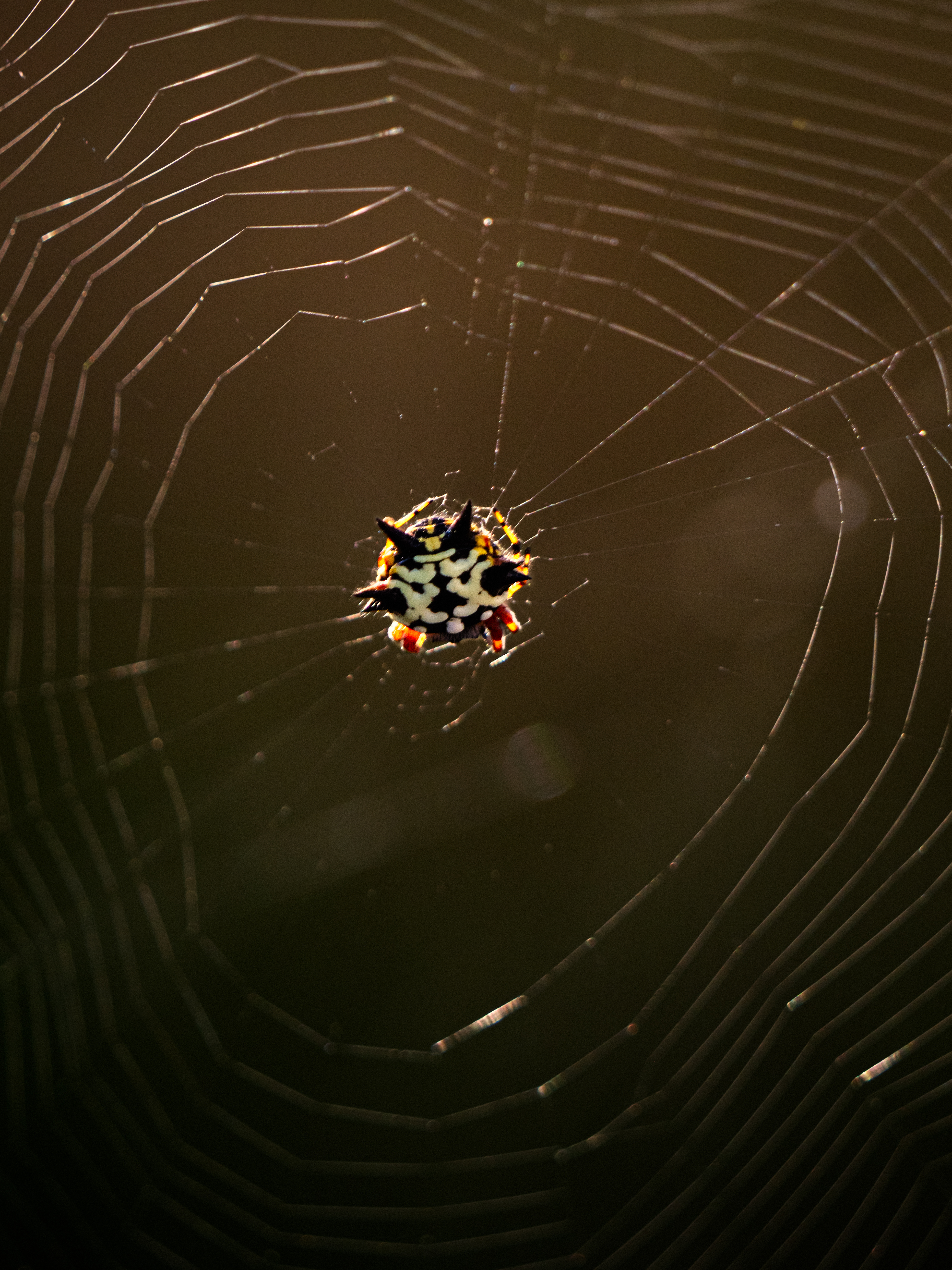
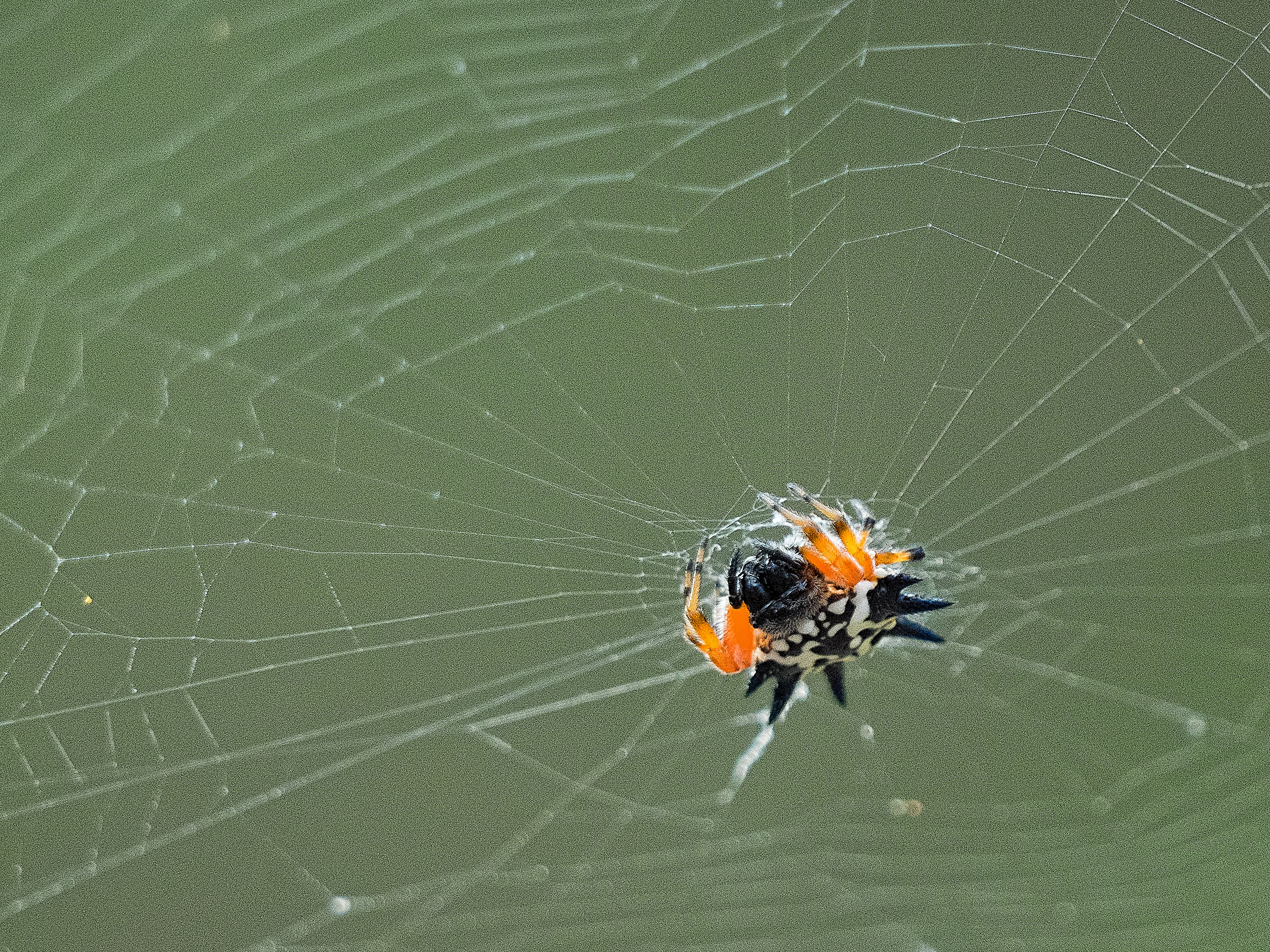
 

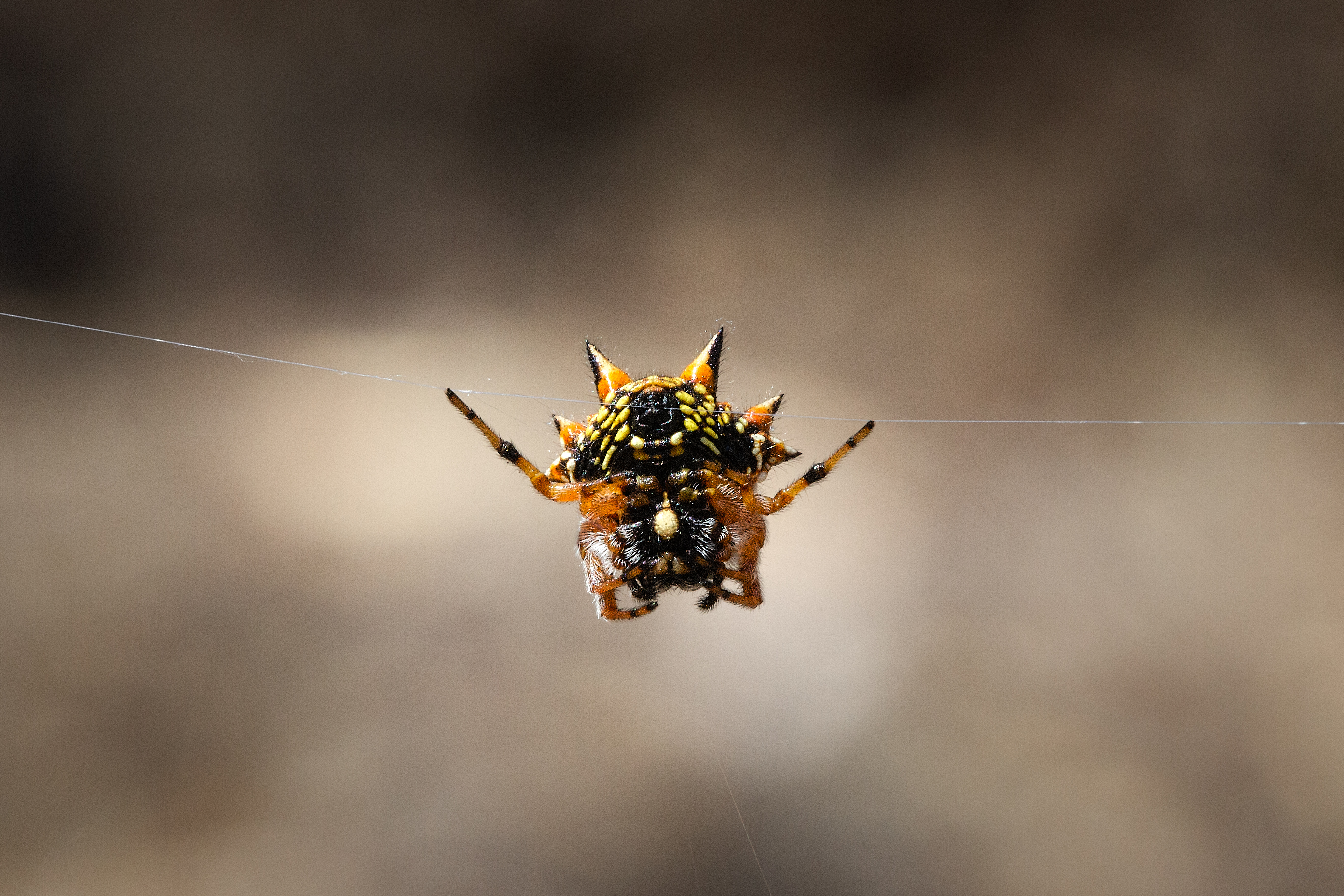
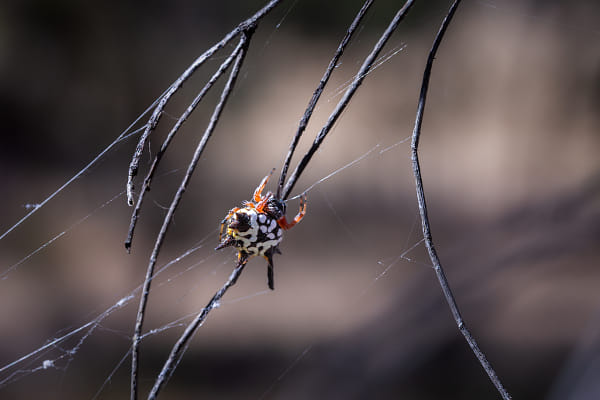
Jewel spiders (Austracantha minax) are often called Christmas spiders as they are commonly found during December and January. Oyster Bay, Western Australia.


Christmas spiders or jewel spiders (Austracantha minax) can be readily found in the usndergrowth surrounding Thomsons lake in Western Australia.


The Christmas Spider or jewel spider (Austracantha minax) is associated with the comming of Christmas in Western Australia.


The jewel spiders are also quite attractive to look at. They come out around Christmas time, hence their more common name of Christmas Spider. What they and the jumping spider have in common is that they are not large nor are they poisonous.
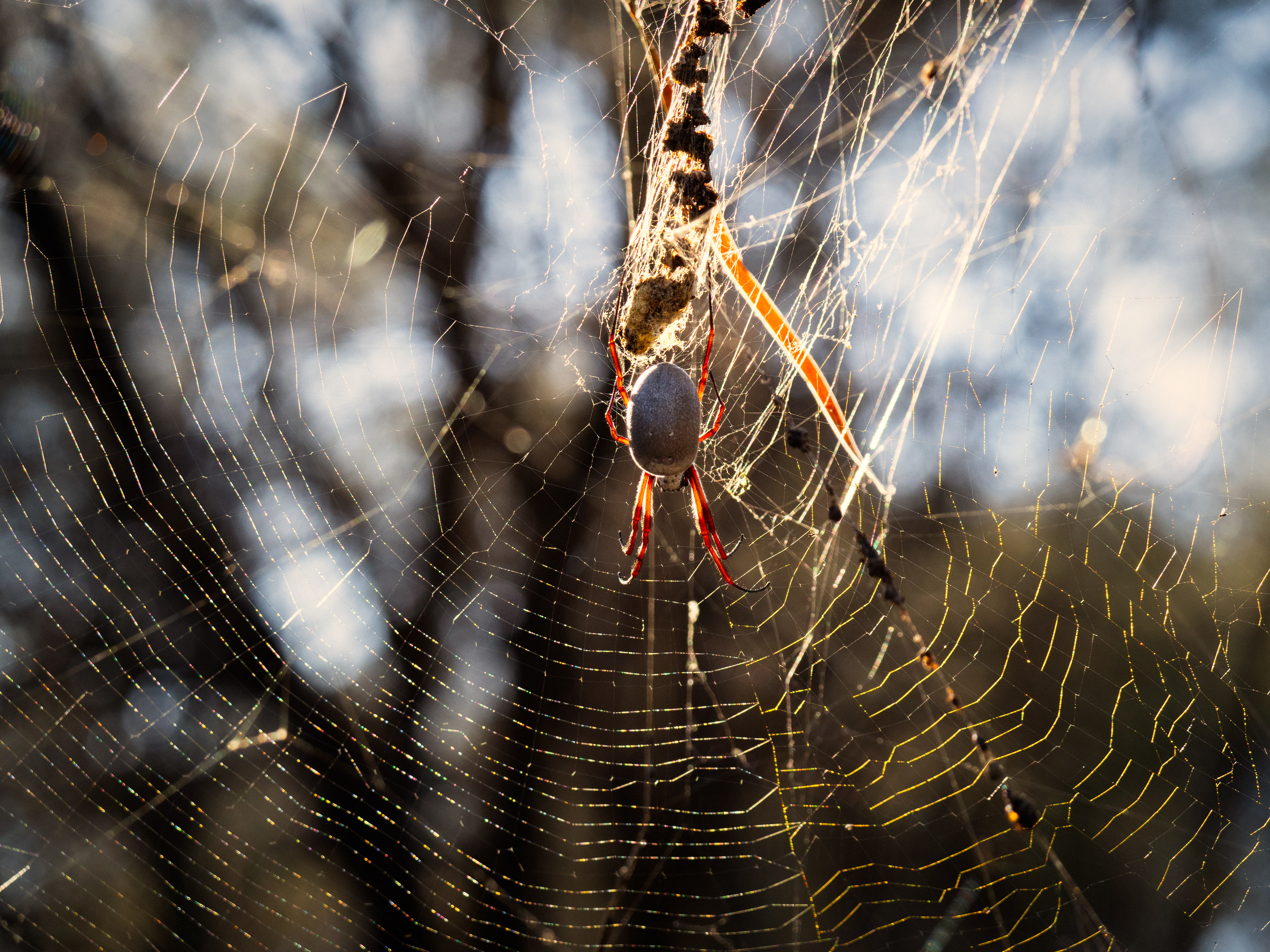
 

The Golden orb weaving spider, Nephila edulis., is so called because of its web that takes on a golden sheen. York Western Australia.


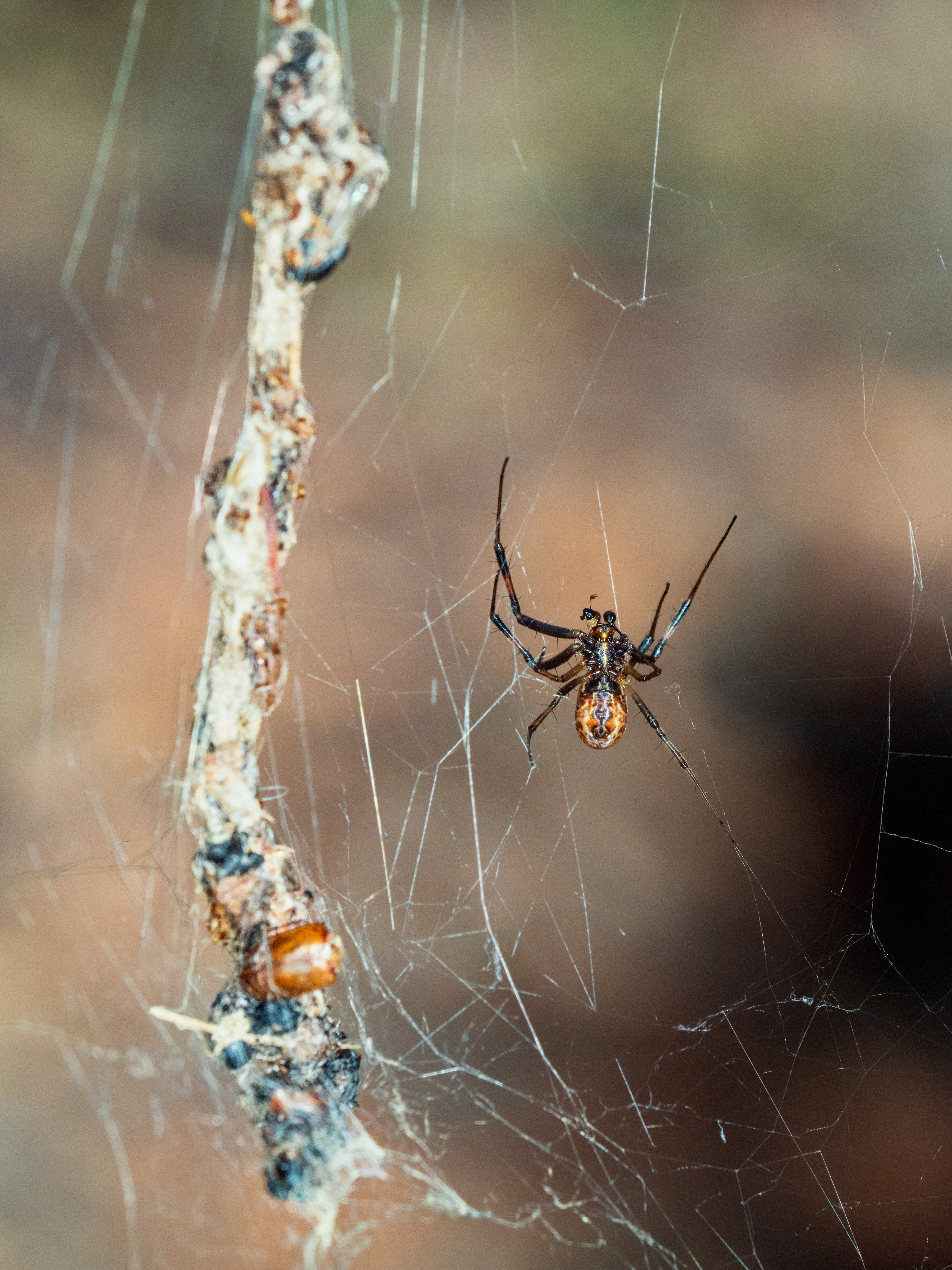
A female Golden Orb-weaving Spider (Nephila edulis) in our front garden. That messy tangled bit hanging down is the larder.


Male Nephila edulis or Golden Orb Web Spider. He’s only 6mm in length while his mate can be up to 4cm. Let’s hope he doesn’t end up in the larder after the deed is done.  Oswaild Sargent Reserve, York, Western Australia.


The next spider I’ve become reasonably  tolerant to is the Golden Orb Weaver (Nephila edulis). Now these are big – well the females are at 4cm in body length, the males don’t get much bigger than 6mm. Thankfully they are very reluctant to bite and when they do according to the Australian Museum “Symptoms are usually negligible or mild local pain, numbness and swelling. Occasionally nausea and dizziness can occur after a bite. Seek medical attention if symptoms persist.”. Re-reading that I now don’t  feel reassured. The webs are what attracts me to them. They are magnificent creations at over 1 metre in diameter and the golden silk that they are made from shimmers spectacularly in the early morning light.  I can’t walk past one without stopping to take a photo. So it’s very convenient that I’ve got one just outside the front door.
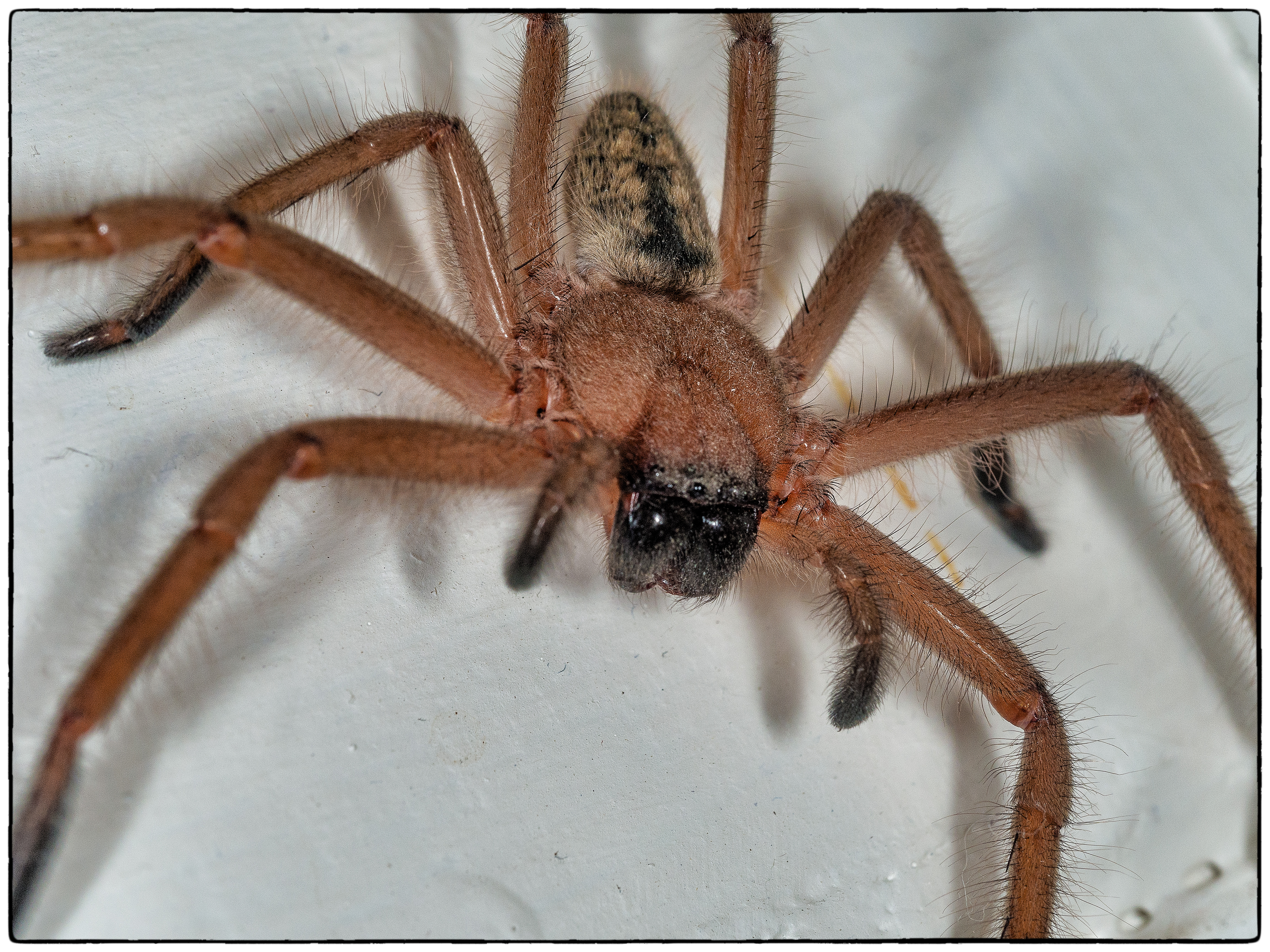
 

The huntsman spider (Delena cancerides) can grow to the size of the palm of your hand and is often found in peoples homes. You don’t need a macro lens to photograph these. As far as I’m concerned a long telephoto helps keep the distance between me and it.


So far it sounds like I’m fairly tolerant to spiders. Well let me tell you there is one species that can induce a full on panic reaction  that is the Huntsman Spider. It’s not that they are big – they are flippin’ big and have a leg span of 15cm and a large hairy body to boot. It’s the way they move and the speed of them as they run across the walls and disappear behind the sofa.  They are the stuff of scary movies. If you should try and swat one with a rolled up newspaper or magazine they’re just as likely to snatch it off you and give you a good walloping. I don’t care how beneficial they are to have in the garden or that they are relatively harmless. “Relatively harmless” – who decides these things? That’s like saying Donald Trump is relatively harmless unless you live in the Middle East. Sorry I’ve gone off piste.  Huntsman Spiders – well I don’t like having them in the house. They make me do the spider dance – it’s where you manically hop from leg to leg while swating the imaginary spiders on your body and screaming like an adolescent girl in a slasher B movie. Thankfully we have our resident house geckos and spider wasps to keep them away.
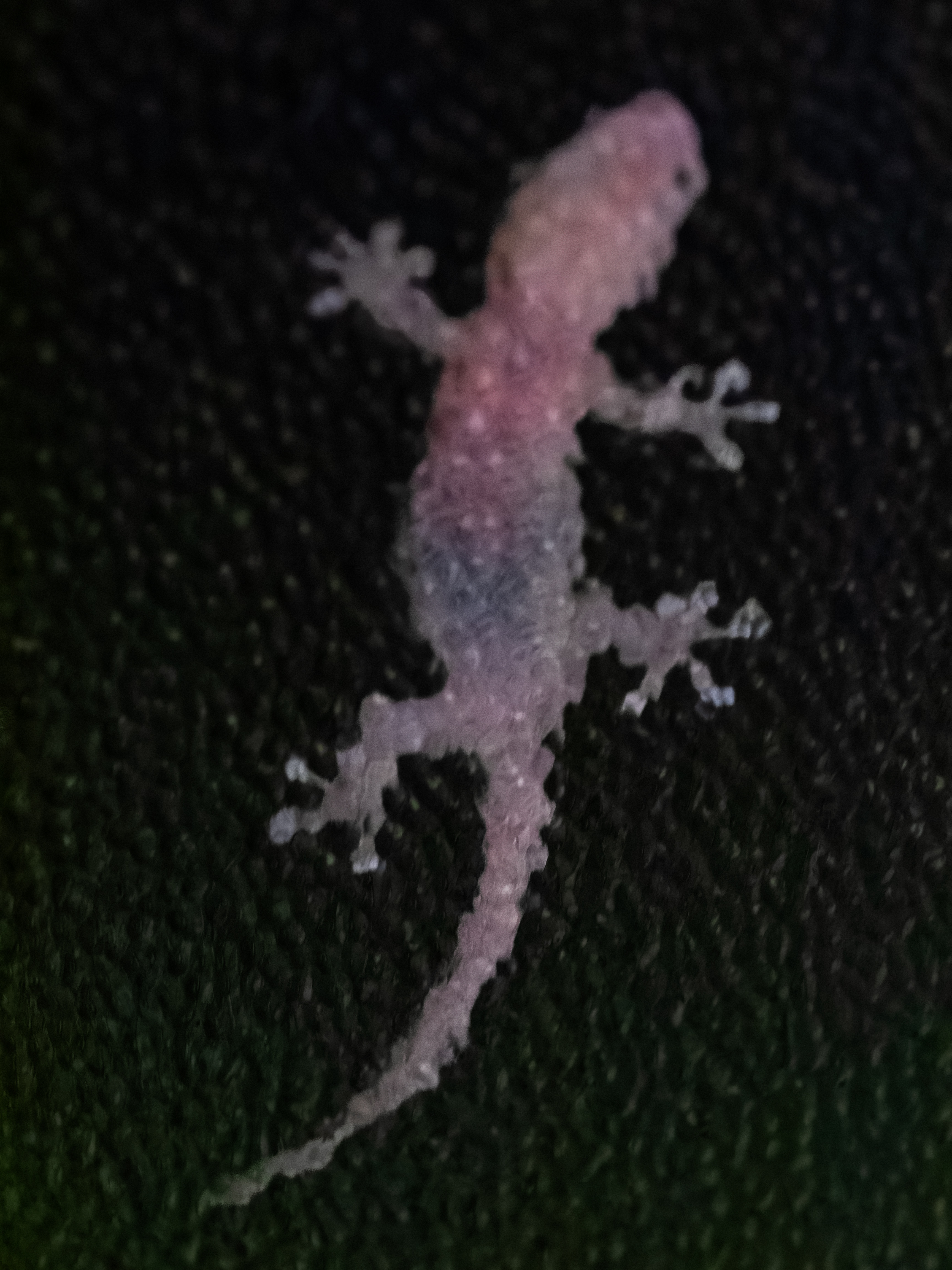
 

My saviour! Bibdjool or Marbled Gecko, aka house gecko (Christinus marmoratus) on our back window at a previous house. York, Western Australia.

Christmas Spider

What could be better than spending Christmas morning than looking for Christmas Spiders aka Jewel Spiders.


Christmas Spider by Paul Amyes on 500px.com

The Christmas Spider or jewel spider (Austracantha minax) is associated with the comming of Christmas in Western Australia.
Christmas Spider by Paul Amyes on 500px.com


Anastasis

190206-Albany-0248-Edit.jpg by Paul Amyes on 500px.com
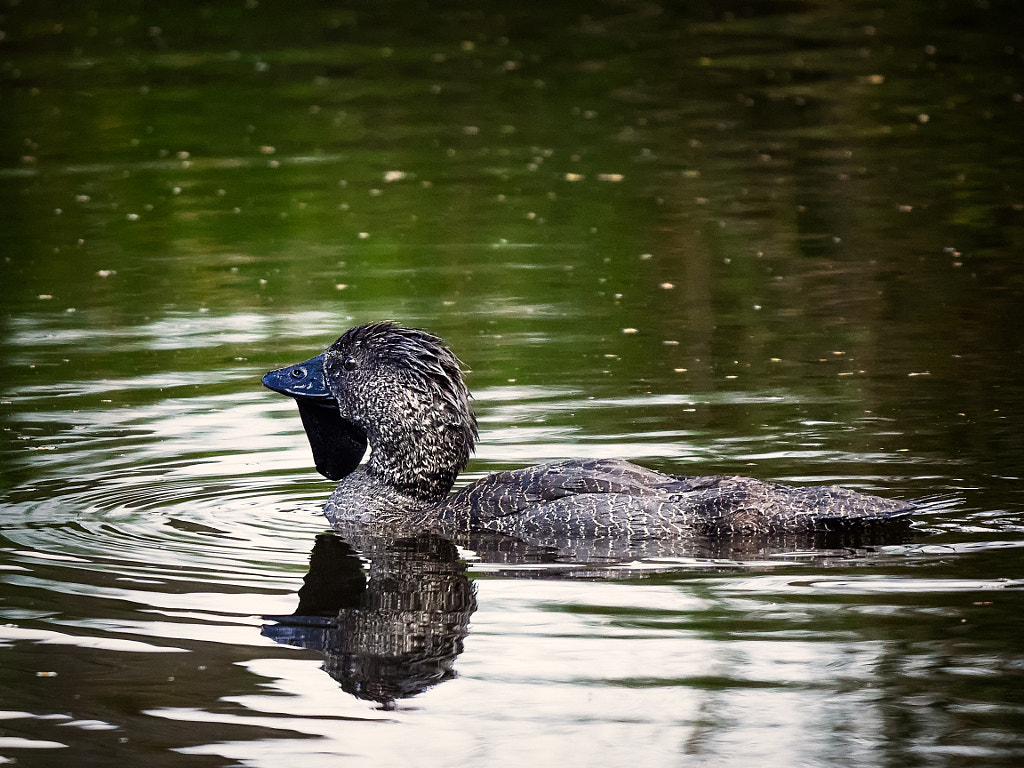
Male Musk duck (Biziura labata) at Lake Seppings, Albany, Western Australia. Olympus OMD EM1 mk ii with Panasonic Leica 100-400mm f/4-6.3 lens. Exposure: 1/1000 sec, f6.3, ISO 1600 with +0.7 stops exposure compensation


Anastasis –  from Ancient Greek ἀνάστασις (anástasis, “resurrection”).

A funny name for a blog post about Lake Seppings in Albany, Western Australia, but it does describe what happened.


20191228-Albany-0257-Edit.jpg by Paul Amyes on 500px.com
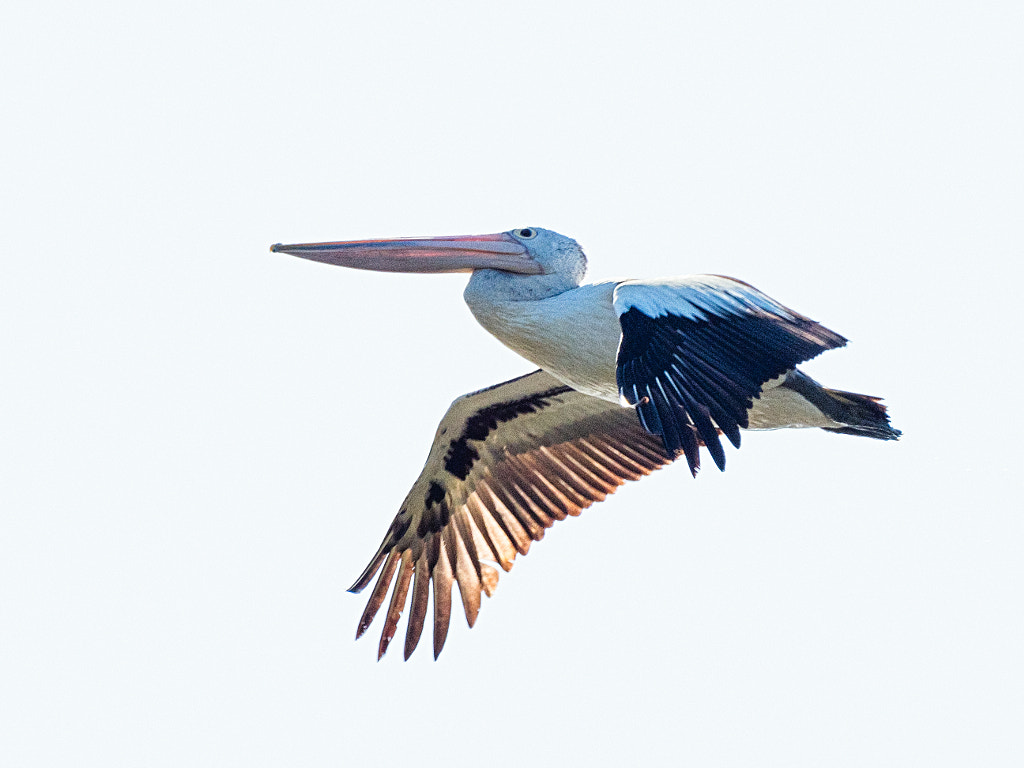
Australian Pelican, Pelecanus conspicillatus, Lake Seppings, Western Australia. Olympus OMD EM1 mk ii with Panasonic Leica 100-400mm f4-6.3 lens. Exposure 1/1000, f10, ISO 200.


Way back in the Nyittiny (creation times) the spirit Djrat walked on the earth and created south coast of Western Australia and as he walked he left a footprint which filled with water and created a freshwater lake 1.1 Km long and 400m wide. The Minang group of the Nyoongar called this place Tjuirtgellong or “place of the long necked turtle” which was an important food source for them in the summer months. The lake was surrounded by a variety of vegetation. Fringing the lake are bullrushes, sedges, and reeds reeds. Further back were Western Australian peppermint trees, spearwoods, paperbarks, native willows, wattles, banksias and melaleuca. All this provided habitat  for over 100 different bird species including Australian white ibis, yellow-billed spoonbil,  white-faced heron, blue-billed duck, musk duck, black swan, hoary-headed grebe, Australian pelican, Eurasian coot, spotless crake, masked lapwing, dusky moorhen, purple swamphen and buff-banded rail. 


Purple swamp hen by Paul Amyes on 500px.com
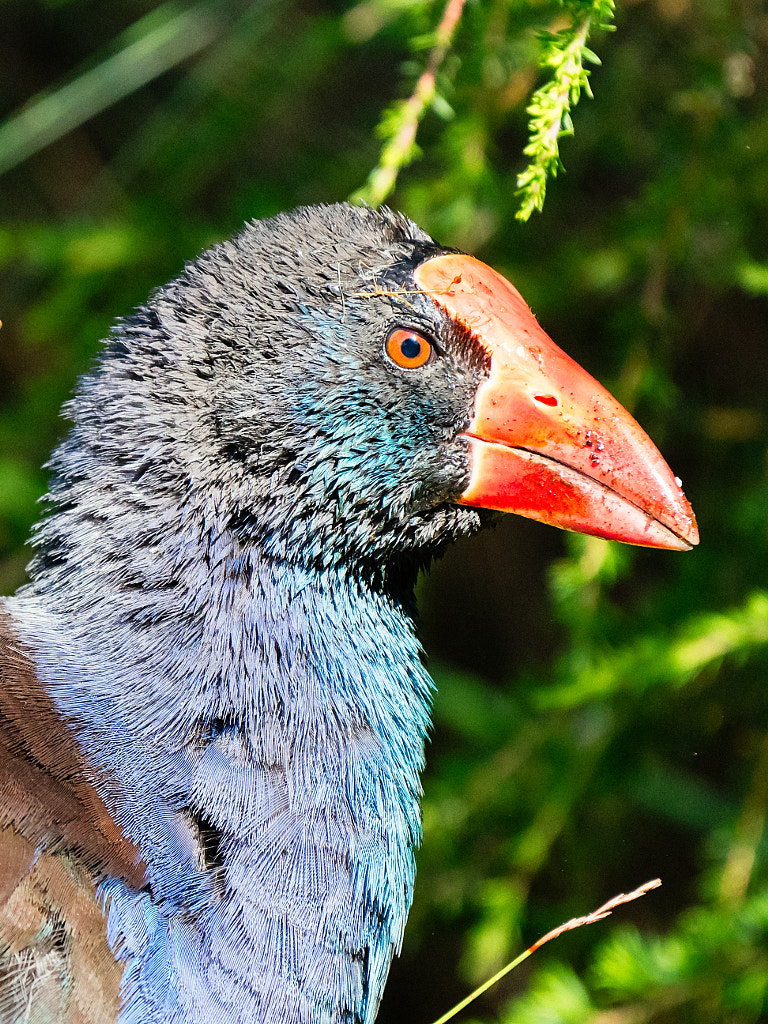
Purple swamp hen, Porphyrio porphyrio, Lake Seppings, Western Australia. Olympus OMD EM1 mk ii with Panasonic Leica 100-400mm f4-6.3 lens. Exposure: 1/1000 sec, f6.3 at ISO 2000.


20191228-Albany-0277-Edit.jpg by Paul Amyes on 500px.com
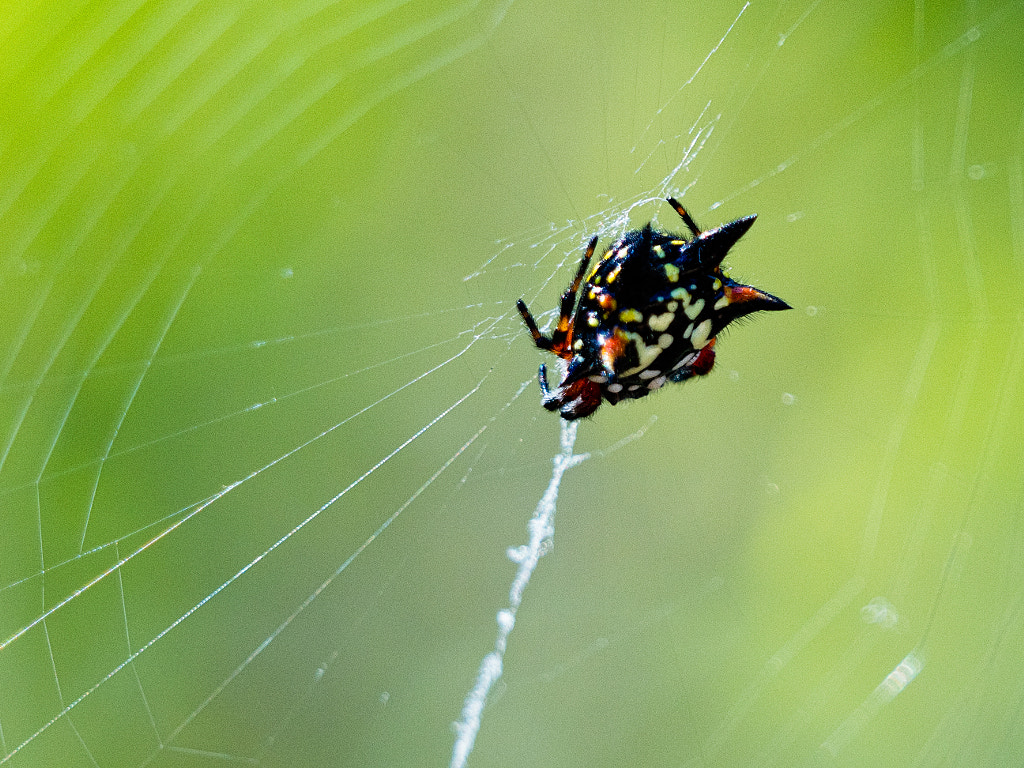
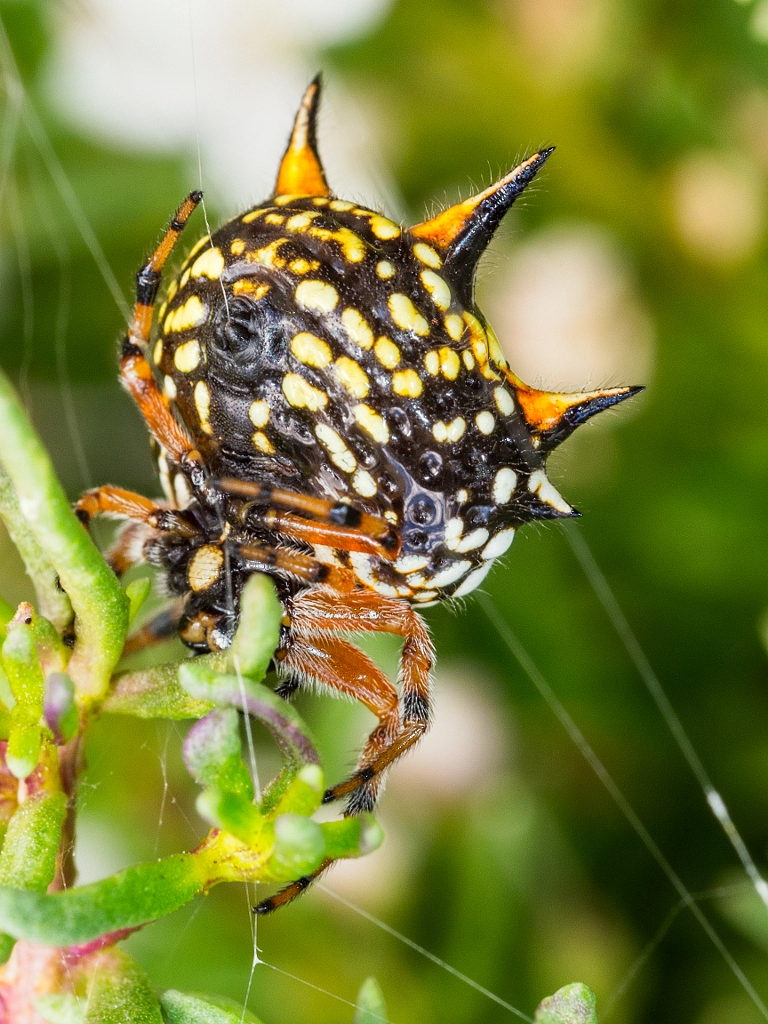
Jewel spiders (Austracantha minax) are often called Christmas spiders as they are commonly found during December and January. Lake Seppings, Western Australia. Olympus OMD EM1 mk ii with Panasonic Leica 100-400mm f4-6.3 lens. Exposure: 1/250 sec, f8, ISO 320.


All was fine and dandy until 1790 when the British explorer George Vancouver arrived. While he was mapping King George Sound he didn’t see any Minang but saw plenty of evidence that they were around and he later wrote that he found a ‘native village; fresh food remains near a well-constructed hut; a kangaroo that had apparently been killed with a blow to the head; a fish weir across what is now called the Kalgan River; and what appeared to be systematic firing of the land.’ (R. Appleyard. ‘ Vancouver’s Discovery and Exploration of King George’s Sound’ in Early Days, Journal and Proceedings of the Western Australian Historical Society, 1986, pp.86-97). That was the start of colonial settlement. As far as the lake is concerned well initially the settlers tried to do the right thing and in 1887 the Albany Municipal Council applied to the state government for permission to make the Lake and some of its surrounding bushland a botanical park. This lasted up until 1900 when it became a rubbish dump for the city of Albany. This sad state continued until 1972 when it was decided by the department of fisheries and fauna to turn the lake into a water fowl reserve.  Very quickly the community got on board with initially a bird-walk being established by the Apex club of Albany in 1980. By 2004 a walk around the lake had been completed and the lake was given protected status. In 2018 there was a ‘community planting’ of some 22,000 trees and understory plants to provide a ‘biodiversity corridor’ and habitat for endangered wildlife such as the western ring tailed possum.


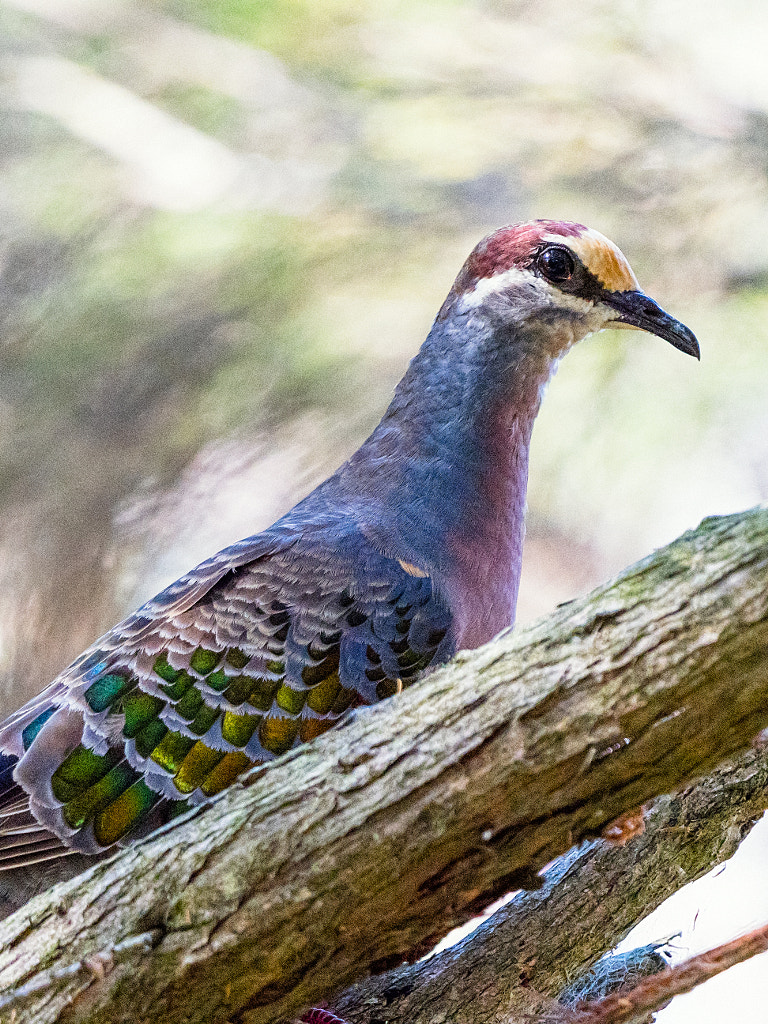
Brush Bronzeing, by Paul Amyes on 500px.com
Brush Bronzeing, Phaps elegans, Lake Seppings, Western Australia. Olympus OMD EM1 mk ii with Panasonic Leica 100-400mm f4-6.3 lens. Exposure: 1/1000 sec, f5.7 at ISO 2500.


Every time we go to Albany I always visit Lake Seppings. I love walking around the edge of the lake and observing all the wildlife. I see it in many ways as a beacon of hope. The local community came together and have made a serious and worthwhile attempt to restore the lake to what it once was it still has a long way to go before it reaches its former status but it is a very good start. For the Nyoongar I hope that the recent claim for compensation for the loss of their traditional lands succeeds and can bring them some way of moving forward.


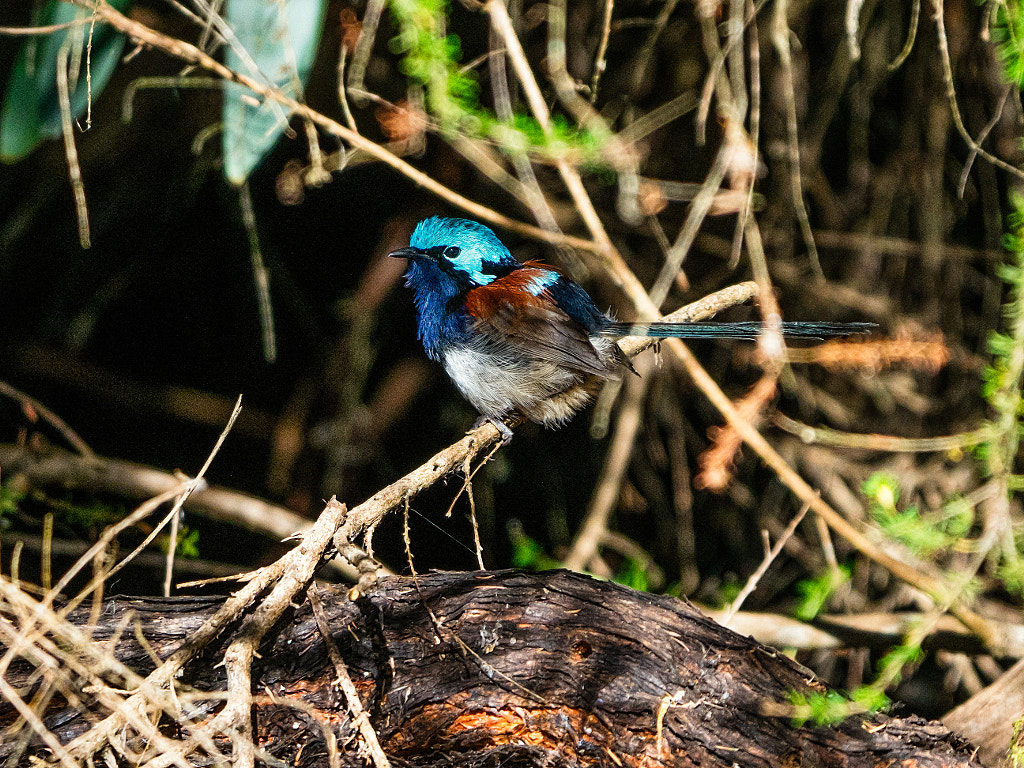
Red-winged Fairy-wren by Paul Amyes on 500px.com
Red-winged Fairy-wren, Malarus elegans, Lake Seppings, Western Australia. Olympus OMD EM1 mk ii with Panasonic Leica 100-400mm f4-6.3 lens. Exposure: 1/1000, f7.1 at ISO 1000 with -1 stop exposure compensation.


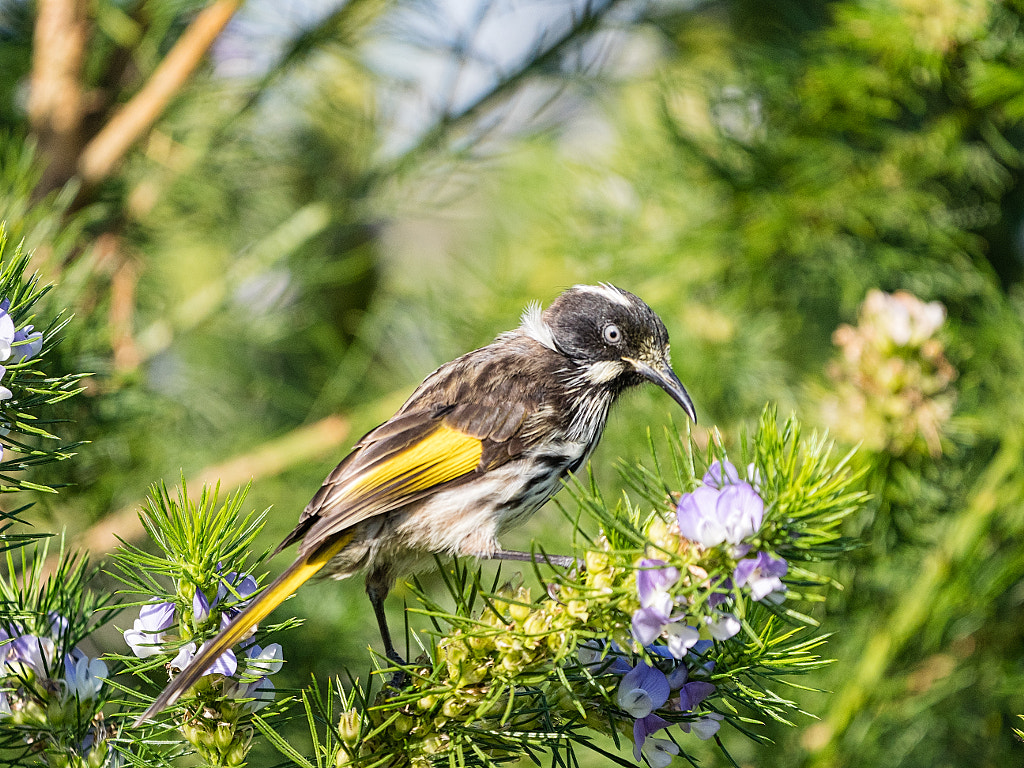
New Holland Honeyeater by Paul Amyes on 500px.com
New Holland Honeyeater, Phylidonyris novaehollandiae subsp. longirostris, Lake Seppings, Western Australia. Olympus OMD EM1 mk ii with Panasonic Leica 100-400mm f4-6.3 lens. Exposure: 1/1000 sec, f6.3at ISO 800.


Christmas Spider

Christmas Spider by Paul Amyes on 500px.com
The Christmas spider, aka jewel spider, (Austracantha minax astrigera) so-called because they are most commonly seen in December and January. York, Western Australia. Olympus OMD EM10 Mki with OLYMPUS M.60mm F2.8 Macro paste and Metz 15 MS-1 ringflash. Exposure: aperture priority 1/20 sec, f8 ISO 200 with -1 stop exposure compensation.