
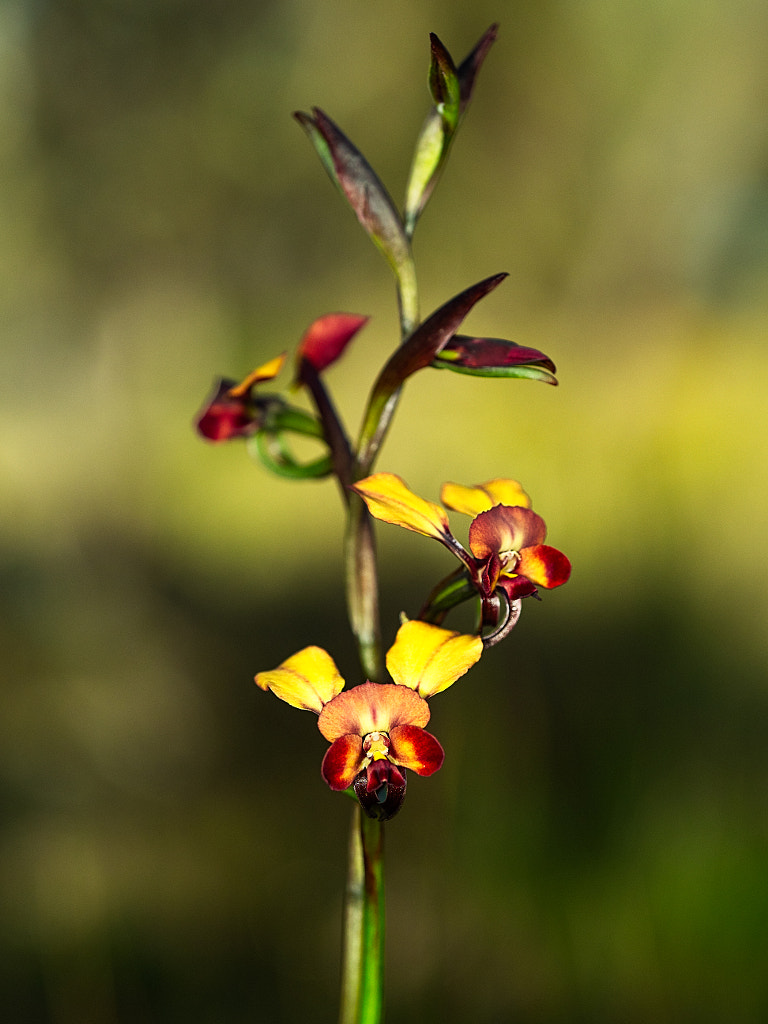
The past week has been very difficult in terms of feeling motivated and optimistic. The news about COVID 19 in the Eastern Staes of Australia is not good. While we are nowhere near having the deaths that other places have had the walls of fortress Australia have been well and truly breached and the virus has established a beachhead in New South Wales and is fanning out to Victoria and Queensland.
To make matters even worse The United Nations’ Intergovernmental Panel on Climate Change (IPCC) has released a report warning that the Earth’s temperature will have risen since industrialisation 1.5ºC within the next decade and that it was a “code red for humanity”. If that wasn’t bad enough the Australian government responded in its predictable manner. Firstly some elements of the government dismissed the report as “fear porn”. Then our erstwhile prime minister Scott Morrison announced announced that Australia won’t be setting any goals to reduce greenhouse emissions but would rather rely on technology to solve the problem. Except that they won’t because this week it was also announced that those who have adopted solar panels to generate electricity will now be slugged with a “sun tax”. Australia “has the highest uptake of solar globally” with around 29% of homes with rooftop solar PV providing 28% of Australia’s electricity. This has placed the electricity utilities under considerable strain as the coal powered electricity stations have become unprofitable and the networks will need to be upgraded to cope with any further expansion of alternative energy generation. The choice was upgrade and reduce profitability or place a charge on solar panel owners to offset the costs. So now we have a situation where the government is impeding the uptake of technology that can reduce CO2 emissions. This isn’t the only area where our government has stepped in to make new technologies unappealing. Australia has one of the lowest uptakes of electric vehicles in the world yet according to an article on the ABC “since 2018, the proportion of Australians who would consider buying an electric vehicle as their next car has stayed at about 50 per cent” yet our government refuses to provide incentives for the purchase. This takes the form of the government refusing to adopt carbon targets for the reduction of greenhouse emissions and increase fuel efficiency standards. Morrison also ran an anti electric car campaign at the last election. The current managing director of Nissan Australia Stephen Lester has said “Clear and consistent direction from governments is a critical signal to car makers to prioritise the importation of the latest low and zero-emissions vehicles for Australian consumers.”. Volkswagen the world’s largest EV maker will not export any to Australia, their Australian general manager Michael Bartsch has said “Australia has some of the most lax environmental standards in the world …We are a Third World dumping ground in terms of automotive technology.”. So when Scott Morrison says we will do our bit globally by adopting the latest technology he is patently lying. Current government policy is just to keep the mining industry profitable so our political classes can retire onto the boards of the mining companies.
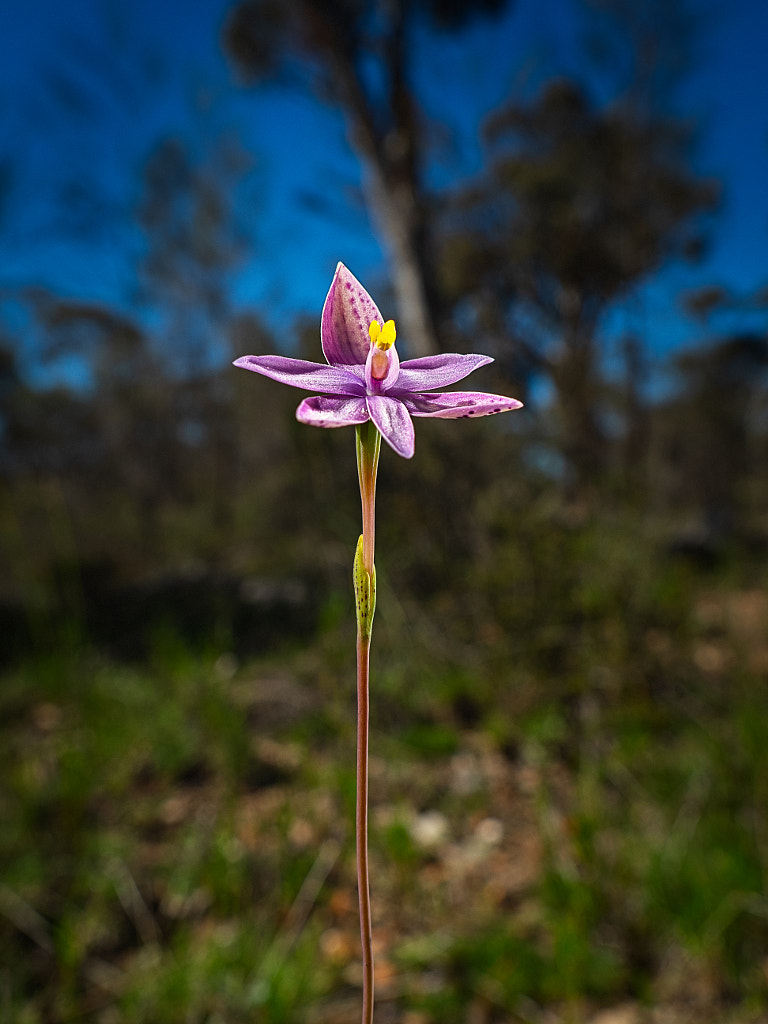
So after all this I wasn’t in the best frame of mind and I decided to out go to a local reserve and look for some orchids and just generally hang out in nature and recharge. Unfortunately when I got there the ground had been all churned up by 4WDs and the signs and fence posts had been used for a bonfire. At this point despair well and truly took over and I felt there was little point to anything because it seemed that if COVID didn’t get you then climate change certainly would and the behaviour of people would only accelerate this. I have been environmentally aware and trying my best to reduce my carbon foot print since the early 1980’s but it now seemed all in vain and that we’re going backwards. I walked around the Wandoo woodland for a couple of hours just thinking everything is futile.
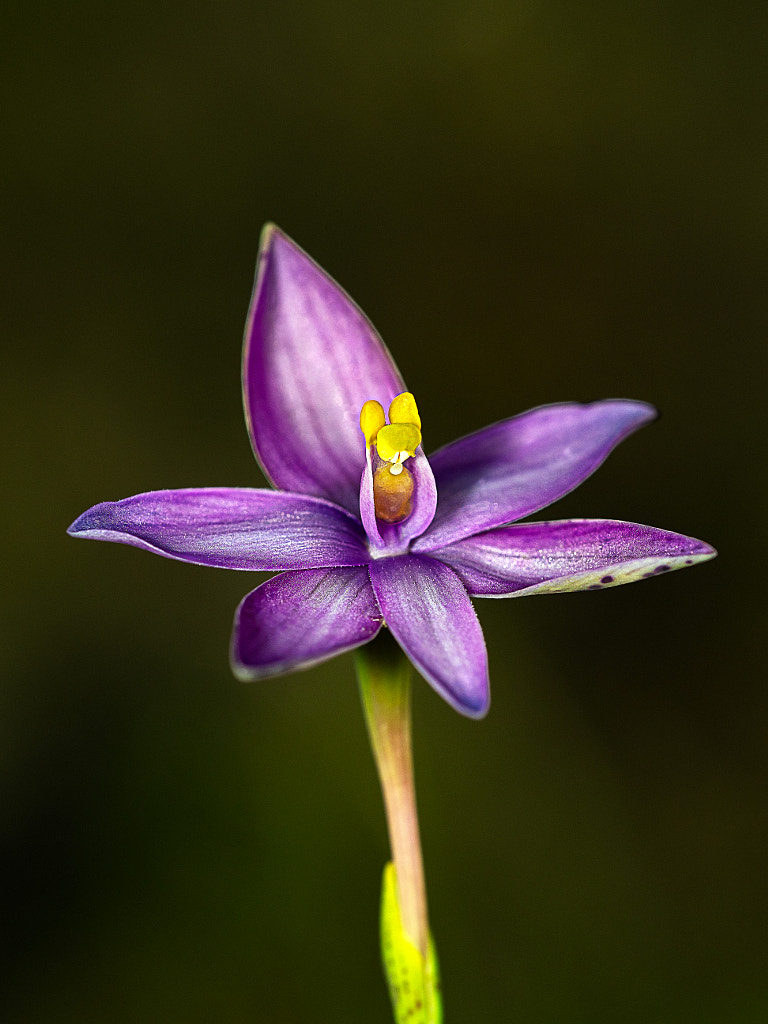
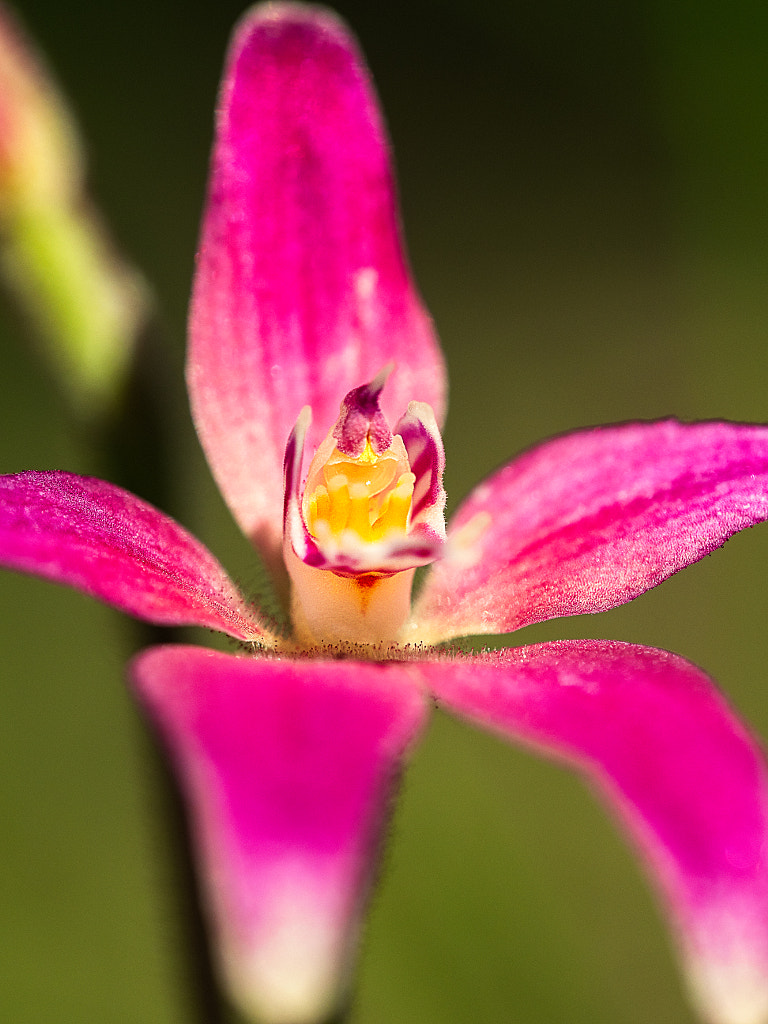
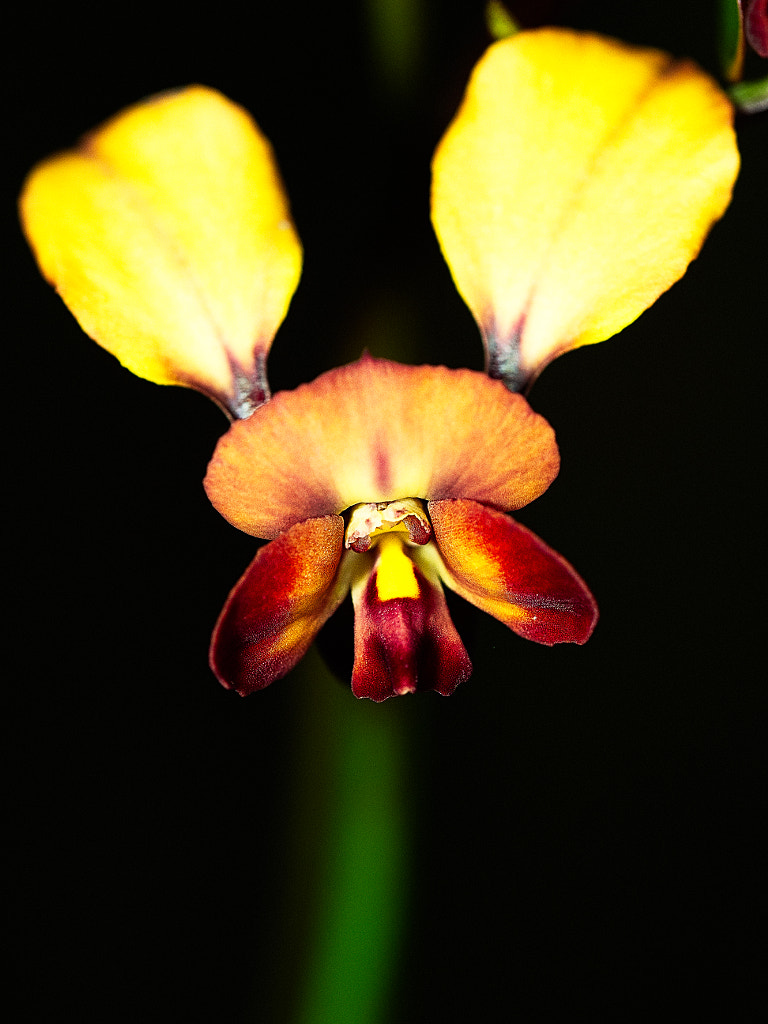
Come Friday I went out to another reserve, one that is harder to access. It was just marvellous. Within minutes of getting out of the car I found a hard to find orchid that I’d been looking for over the past 14 years. That certainly improved my mood. I followed a Kangaroo trail for a couple of hundred metres and found an incredible display of little pink fairy and cowslip orchids. A close encounter with a bob tailed lizard sunning itself and then an echidna only further enhanced my mood. Since then I realised that the natural world is spectacular and being out in it can restore the psyche. The environment is not yet dead as I had just experienced. Give it a chance and it will continue to support and amaze us. We, that is everyone, just have to give it a helping hand.
Apparently according to the Australia Talks National Survey 72% of Australians say climate change is a big concern but this doesn’t change the way we vote. It seems that we’d all much rather vote for a tax break rather a better environmental policy. If we think about the Earth as our home it seems that we would rather vote for someone who promised an extra $5 a week but would bulldoze our house rather than vote for someone who’d protect our home but make us pay and extra $5 a week in tax. At this stage you probably think I’m just anti the current Liberal Nationals Coalition Government, but the truth is Labour are no better. Both parties fudge the issue of climate change and don’t offer any practical solutions. So if elections aren’t the answer what is?
Mahatma Gandhi famously said “Be the change that you wish to see in the world.” So the change stars with us. Our actions no matter how small and insignificant they may appear magnify exponentially when we all do them. If you want some help on things to do to make the world a better place then I suggest the The Lazy Person’s Guide to Saving the World from the United Nations Sustainable Development Goals. Another good place to start is the #youneedtoknow 170 actions to transform our world. You don’t have to do them all just pick a couple of suggestions at first and see how you go. As you do this make sure you spend some time in the natural environment. Firstly because it will make you feel better, calmer and more relaxed. Secondly to experience and see what you’re hoping to save.
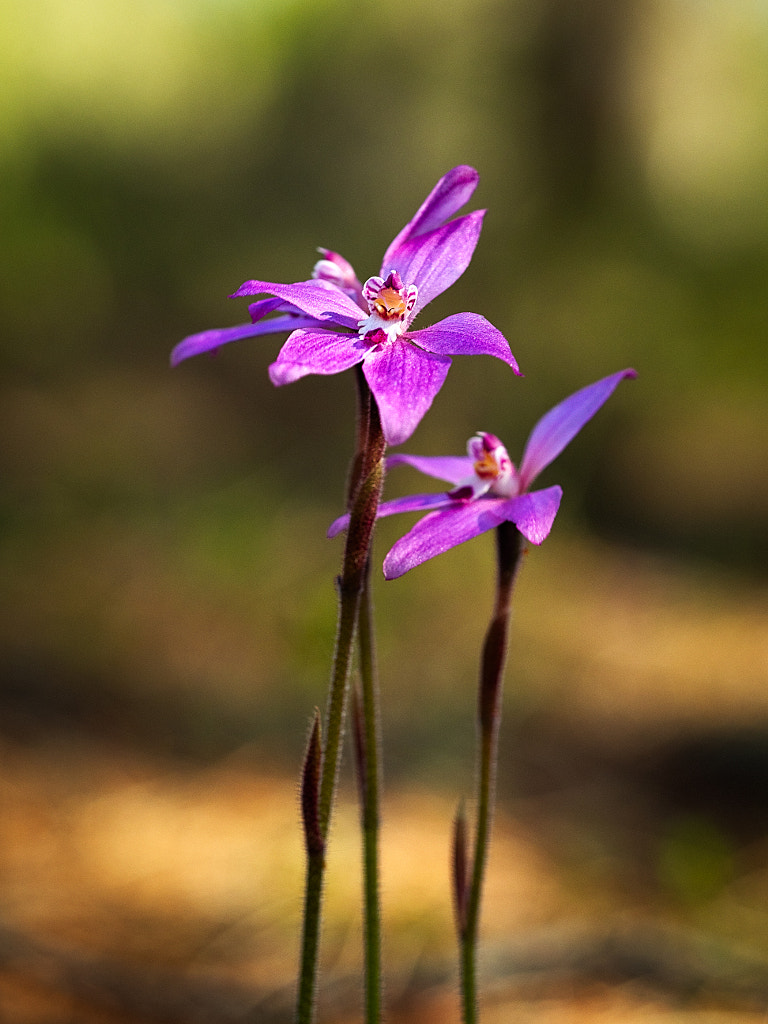
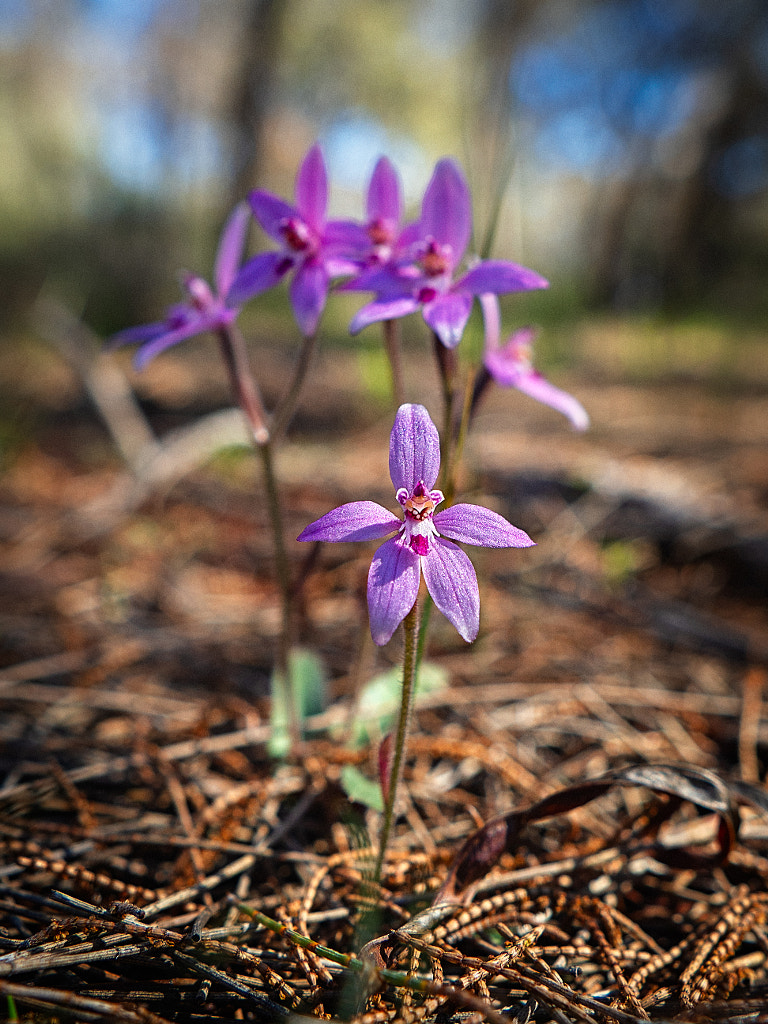
Little Pink Fairy Orchid aka the dwarf pink fairy orchid, Caladenia reptans subspecies reptans.
You must be logged in to post a comment.