

We fancied a bit of change in scenery – well to be honest a lot of change. We wanted tropical climes, interesting new animals and places we’d never seen before and we didn’t want a lot of hassle. So we headed off up to Darwin in the Northern Territory of Australia for a few days. Why Darwin? Well it’s within Australia. It has birds from Papua New Guinea and Indonesia as well as quite a few found nowhere else. At the turn of the season – end of the “dry” heading towards the “wet” it was great value for money.
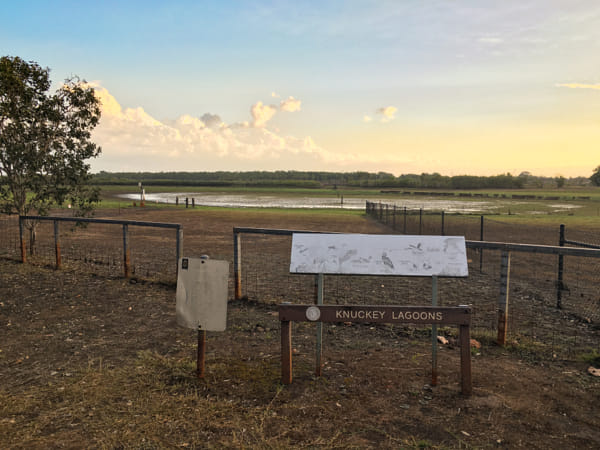
For photographing birds it is ideal. At the end of the dry there is very little water about so the wildlife tends to concentrate around the few permanent water sources which makes finding them a little easier. More by luck than planning our accommodation was near a pearler of a location – Knuckey Lagoons. We went there twice, once at dawn and the other time at dusk and both time were great with different birds being active.
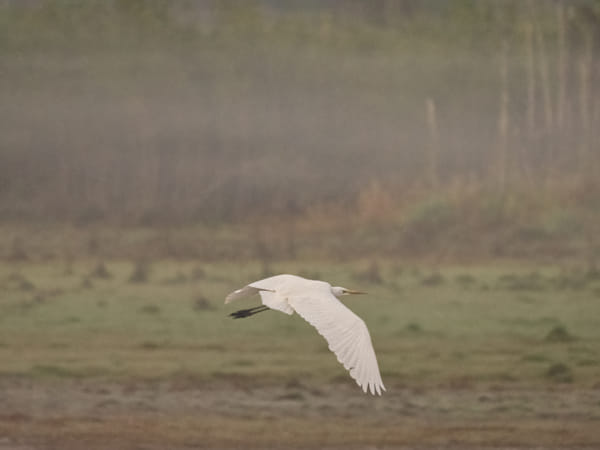
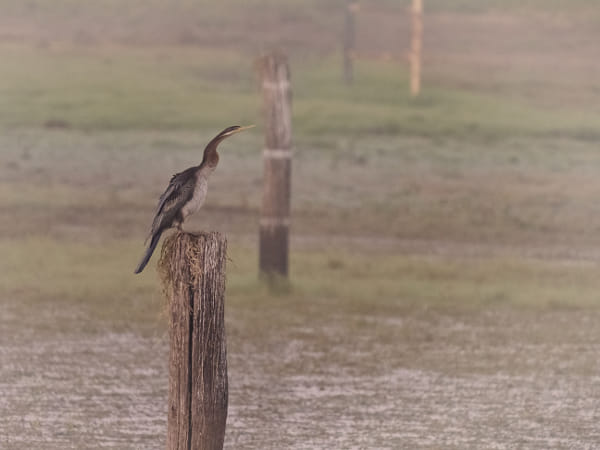
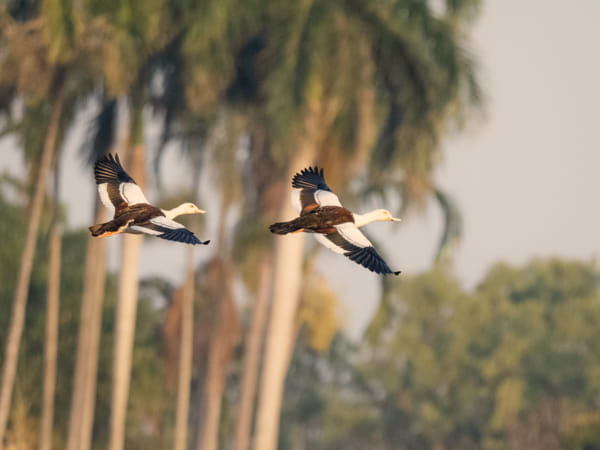
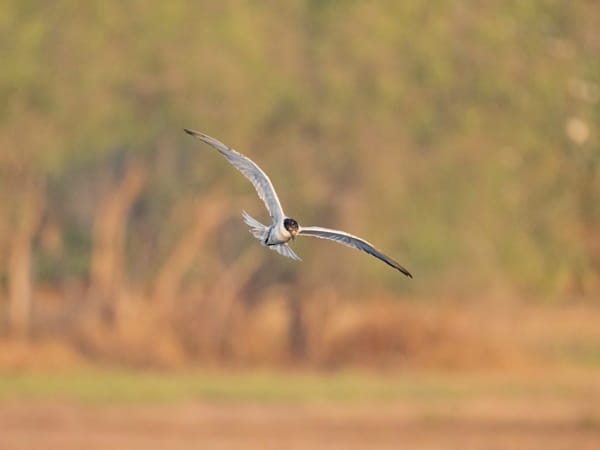
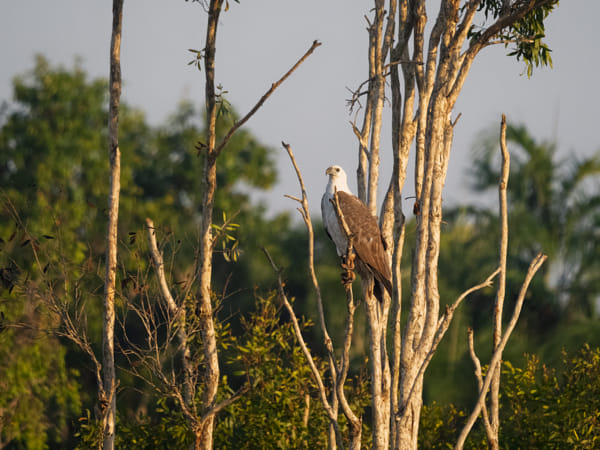
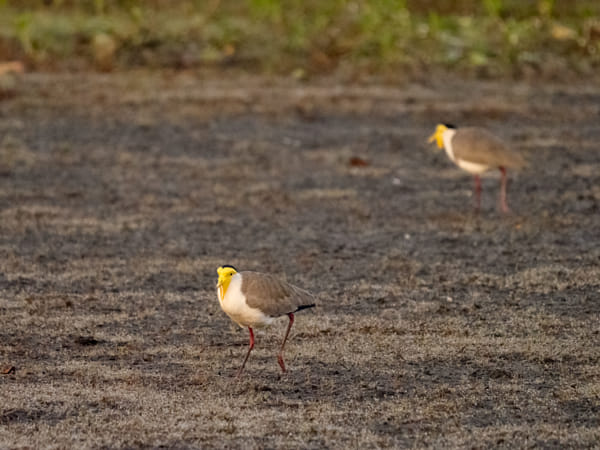
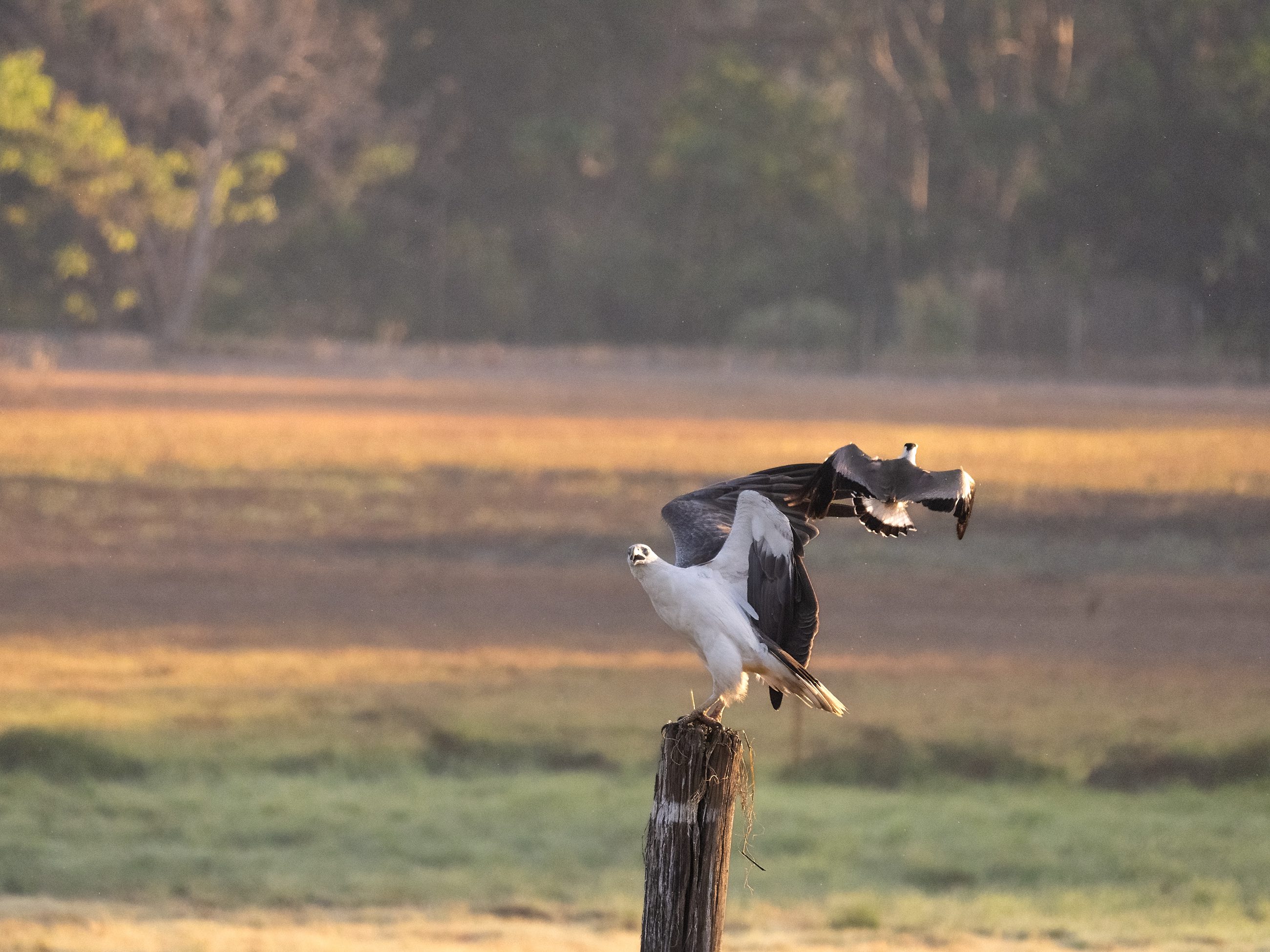
In the morning when we arrived we initially thought that our presence had spooked the birds, but actually we were the least of their problems as various raptors flew over looking for a meal. I was excited to see a white-bellied sea eagle as I’d never seen one before. Even more exciting was watching the masked lapwings drive it off. Black kites made regular forays, but try as I might I just could not get a good photograph of one – they were either too quick or too faraway. There were wading birds aplenty – Great Egrets, Wood Sandpipers, Sharp-tailed Sandpipers, Comb-crested Jacanas, Straw-knocked Ibis, Pied Herons, White-necked Herons are just a few to mention. This one spot delivered 12 species that I’d never seen before. It was like being a kid in a sweet shop, I didn’t know where to look. In fact for the first hour it was a bit overwhelming as I just didn’t know what to concentrate on.


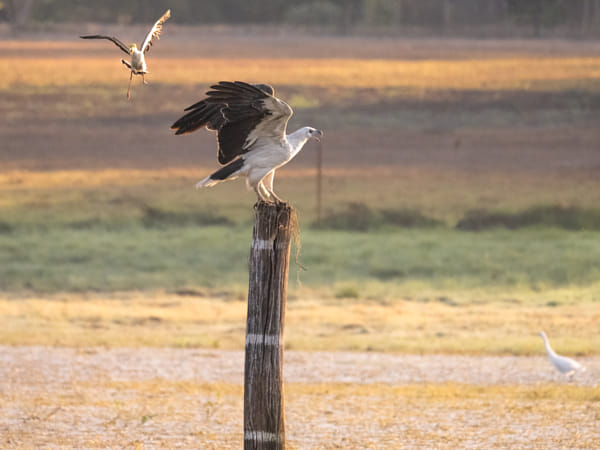
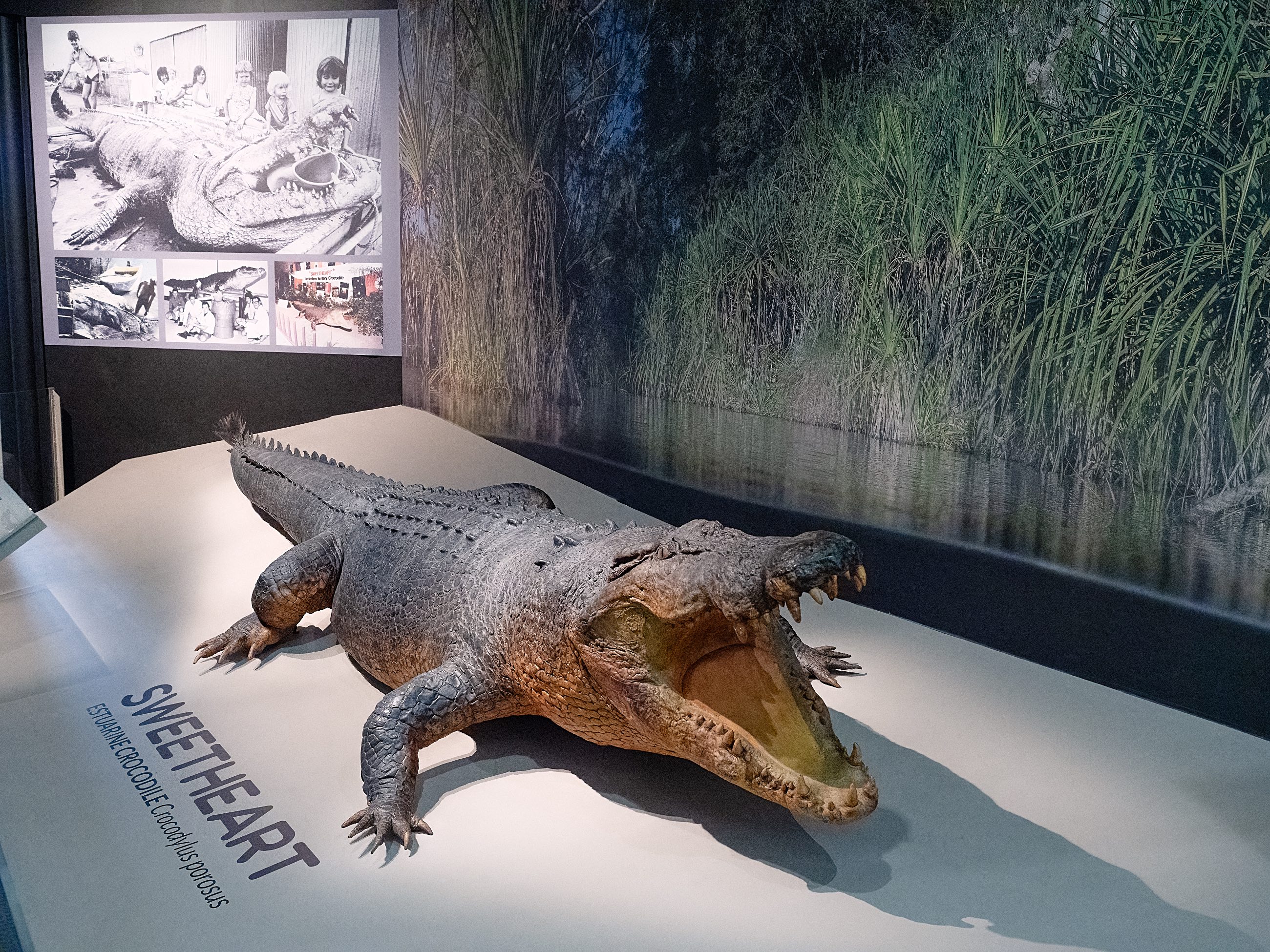
The only drawback was my equipment. I took the Olympus EM1x that I have on loan and wrote about here. It worked very well apart from struggling with autofocus when the the light levels were low and there was a bit of a mist on the lagoon. Lens wise I wish that I’d had something longer than my Panasonic Leica DG Vario 100-400mm f4-6.3. That would mean looking at the OM System M.Zuiko ED 150-600mm F5.0-6.3 IS lens which would give a 35mm equivalent of 1200mm which on paper sounds just the ticket. But the reality is that that it weighs 2.065 Kg. Apparently the lens is based on a Sigma design and I have a similar lens which weighs roughly the same and it is a real chore to take out. OK if I’m working from the back of a car, but a real PITA if I’m having to carry it any distance. So if I bought the OM System 150-600 there is every chanced that I’d end up leaving it at home and taking the the Panasonic 100-400. For those who would say get closer there were signs on the banks of most waterways around Darwin warning about crocodiles so you can understand why I was not so keen to start wading in the water. Having said that the only crocodile we did see was a stuffed on in the Museum and Art Gallery of the Northern Territory (MAGNT Darwin).

It was an epic trip and it has really whetted our appetite for more travel and so we’re already planning our next ones.
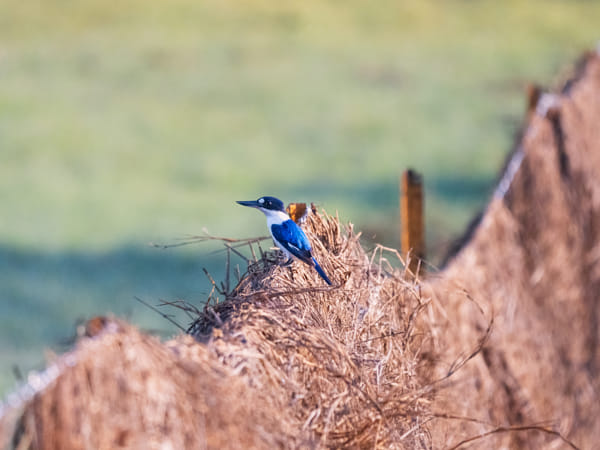
The farewell committee. A Little Kingfisher (Ceyx pusilla) sitting on the fence as I left Knuckey Lagoon.
 paulamyes
You must be logged in to post a comment.