Alone…

…most definitely not!


Yongka by Paul Amyes on 500px.com
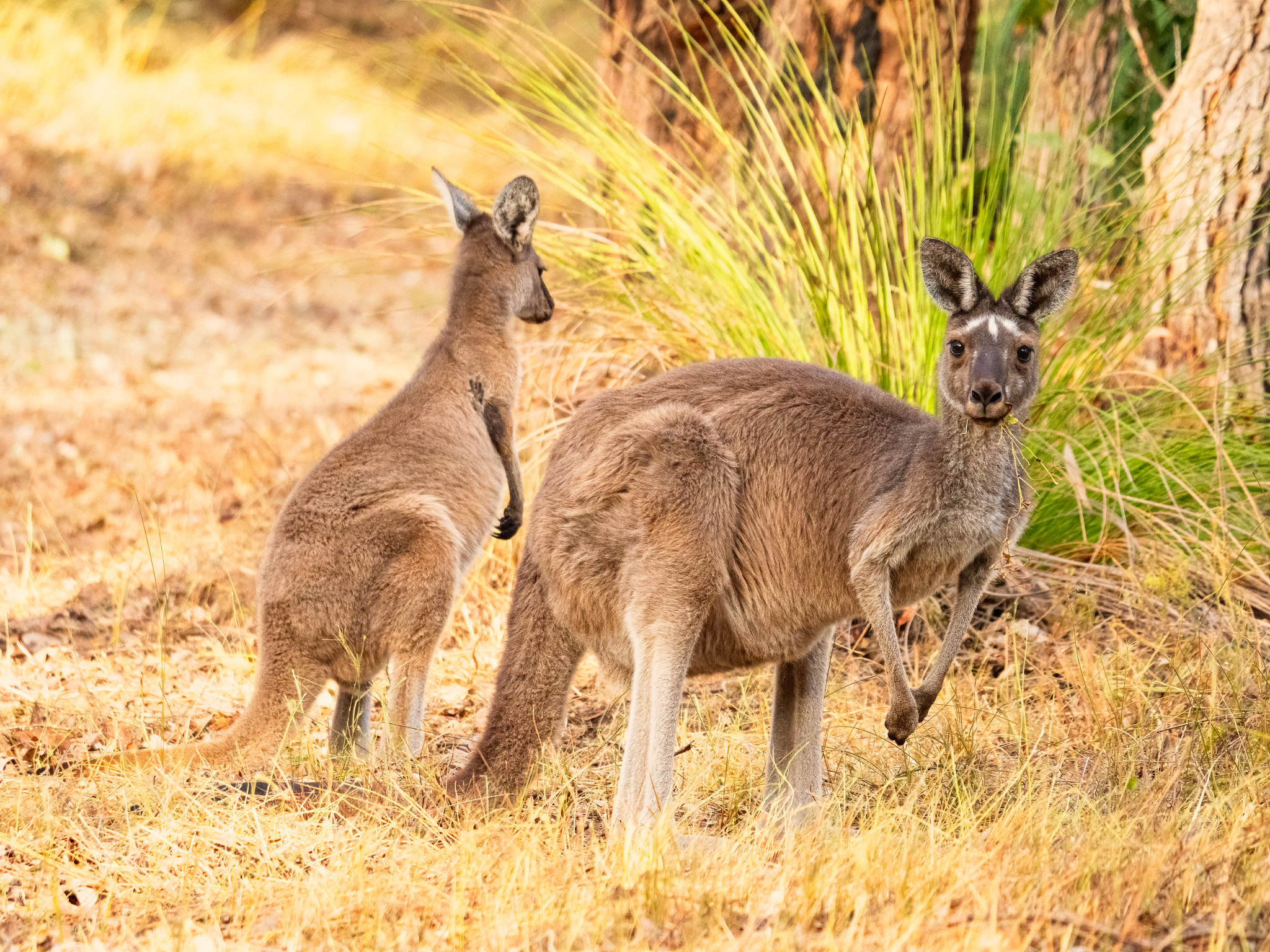
The girls stop grazing to welcome me. Yongka or Western Grey Kangaroos (Macropus fuliginosus) at Lake Leschenaultia, Western Australia.


Not having had kids I loose track of things like school holidays so when I arrived at Lake Leschenaultia at 6:30 am the other day I was surprised with how many kids were playing on the foreshore at the top end of the lake. It was only as I passed the packed camping area I realised we must still be in the Easter holidays. The other thing that caught me off guard was the water level. I’ve never seen it so low – you could walk out in the reed beds. The water birds were staying in what was left of the water out in the middle and any attempt to approach them meant that you were quickly up to your knees in black sticky smelly mud.Not what I had gone for and I was torn between heading back home or heading down to the forested area at the far end of the lake in the hope that it would be quite and I’d have a chance of seeing some wildlife. I decided to stay and try and make the most of being there – it was after all a beautiful morning. The sun was  peaking over the tree tops and gave the forest a nice warm glow and it was the perfect temperature for a walk around the lake. As I walked down the path along the lakeside I met a couple Kangaroos who looked equally nonplussed  at the hoard of screaming children. We looked at each other for a few minutes and they got back to the serious business of grazing.
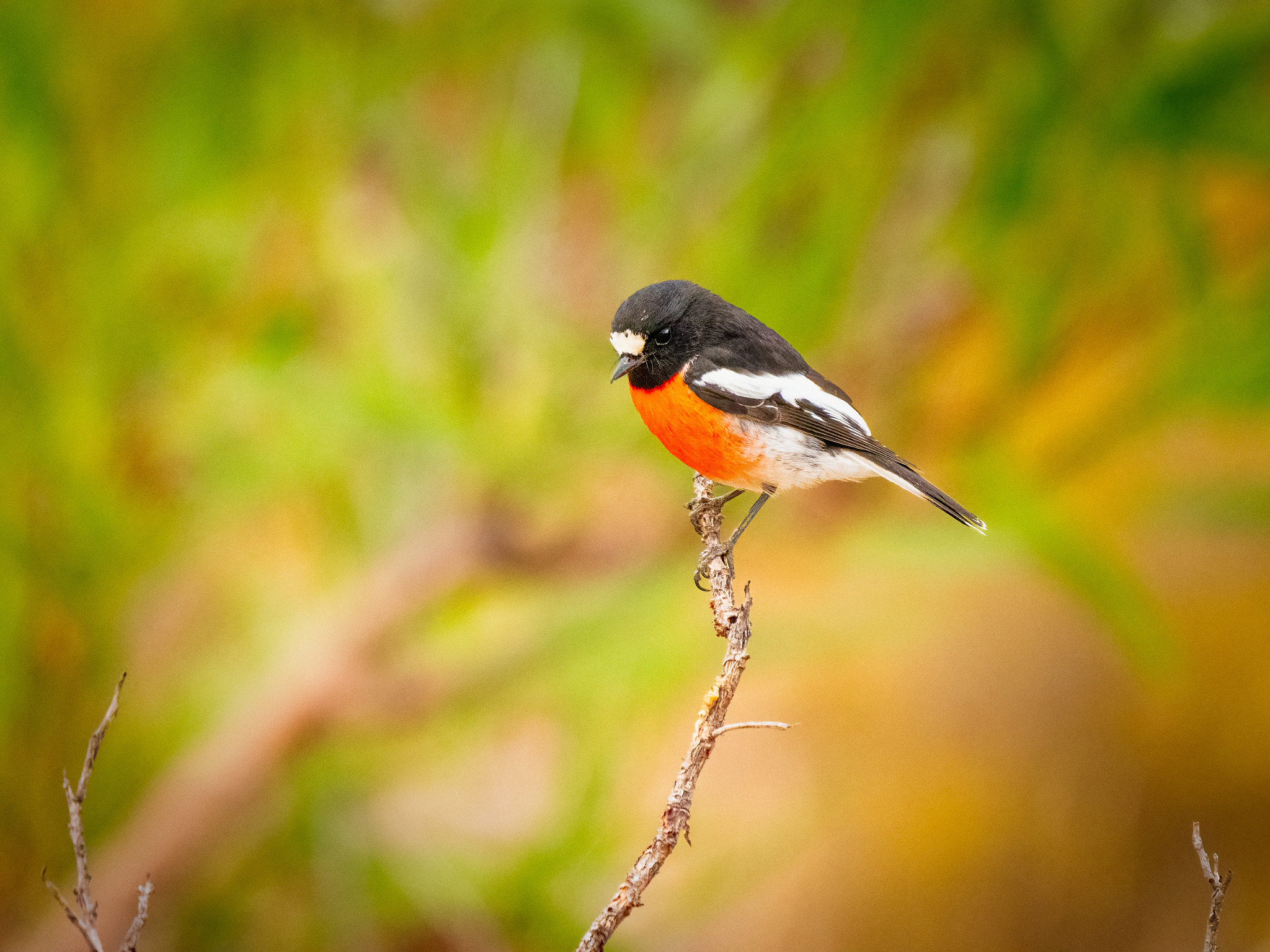
 

Dermokalitj by Paul Amyes on 500px.com
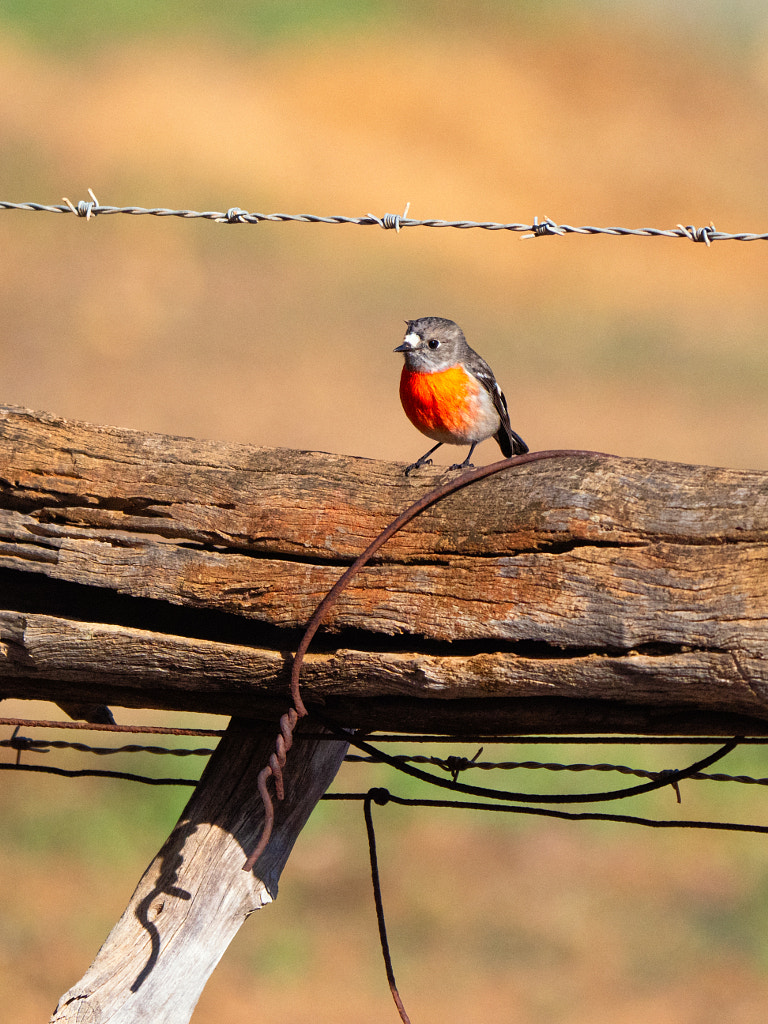
Dermokalitj or Scarlet Robin (Petroica boodang). Lake Leschenaultia, Western Australia.


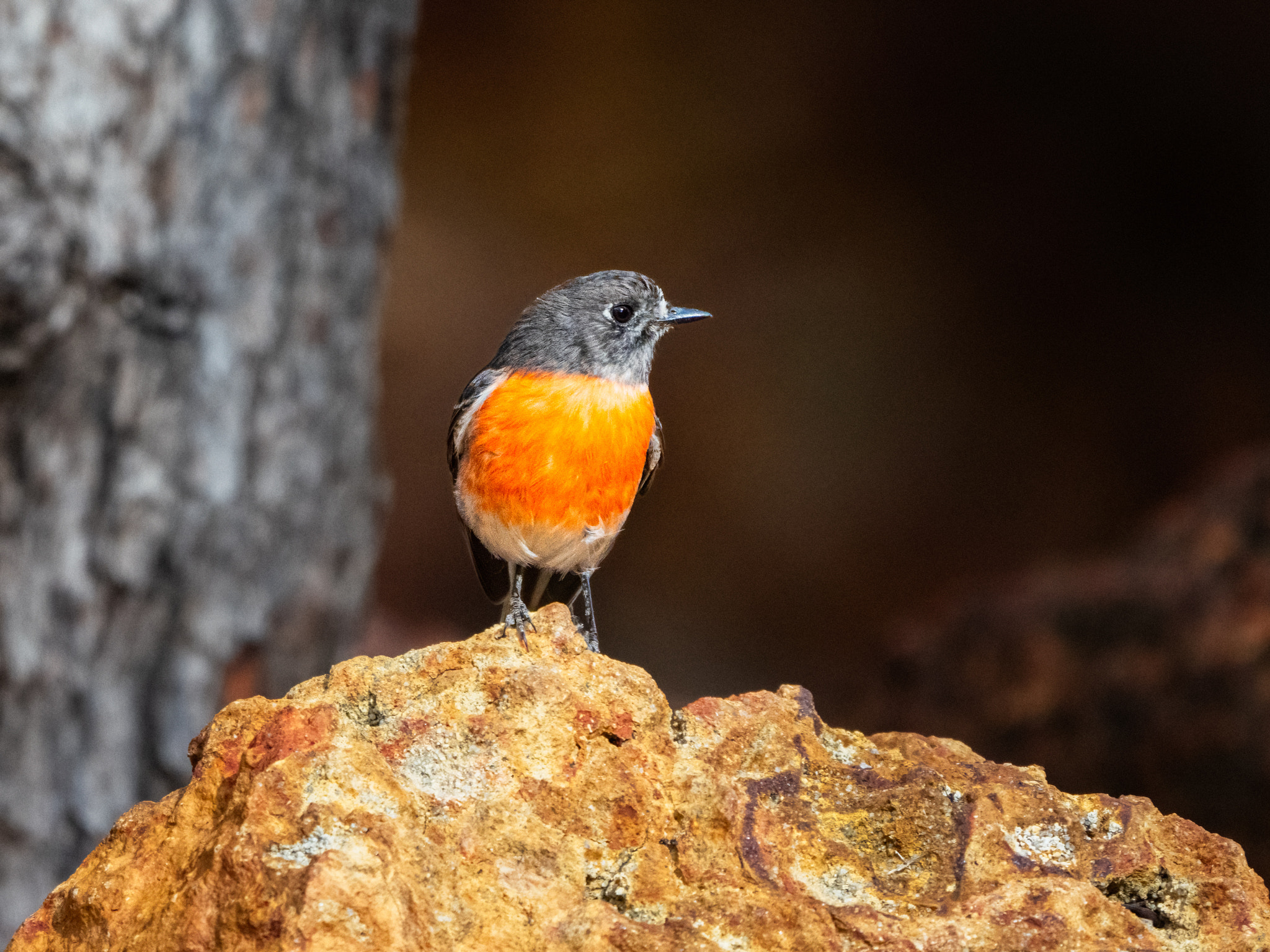
Dermokalitj by Paul Amyes on 500px.com
Dermokalitj or Scarlet Robin (Petroica boodang). Lake Leschenaultia, Western Australia.


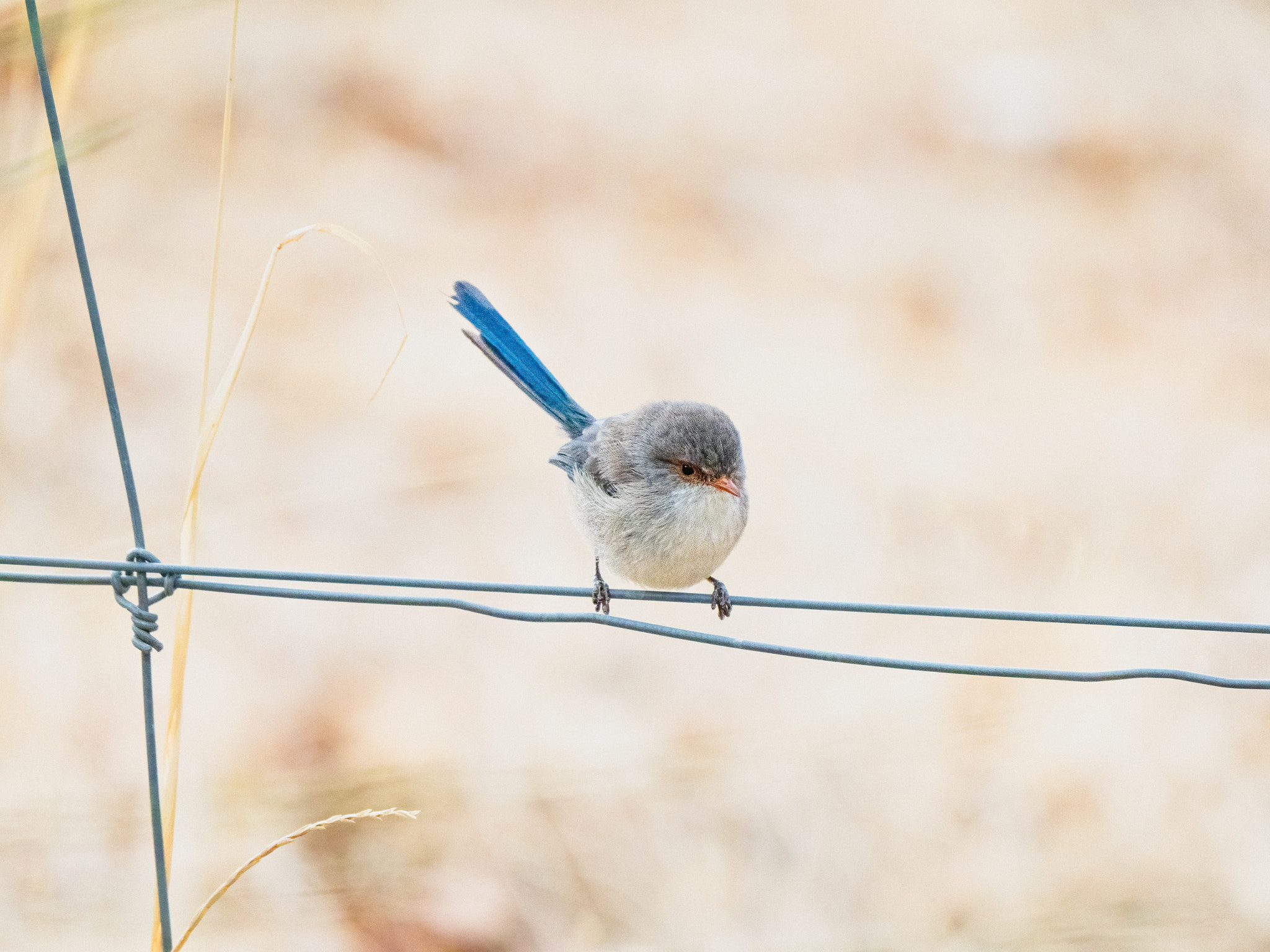
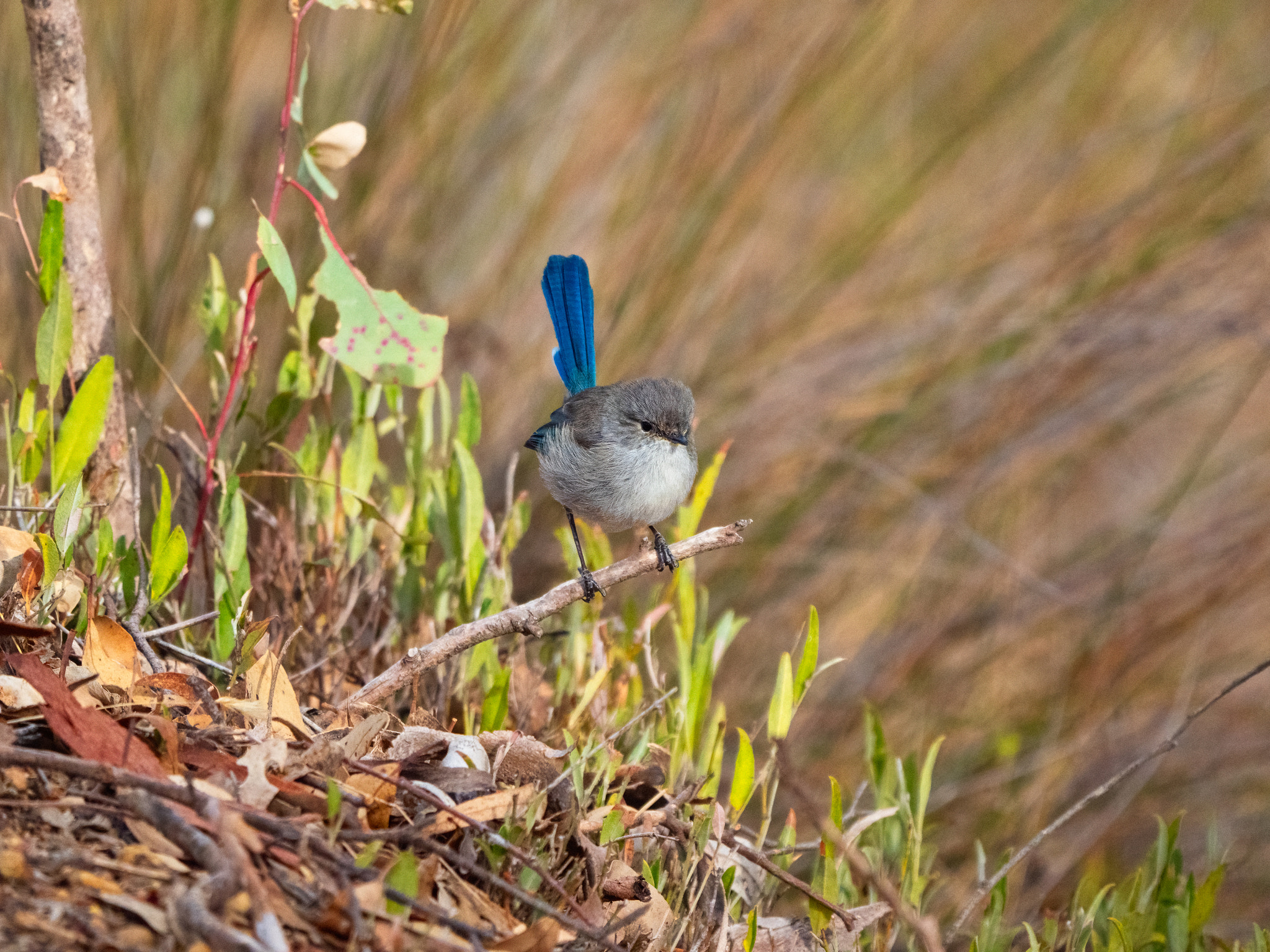
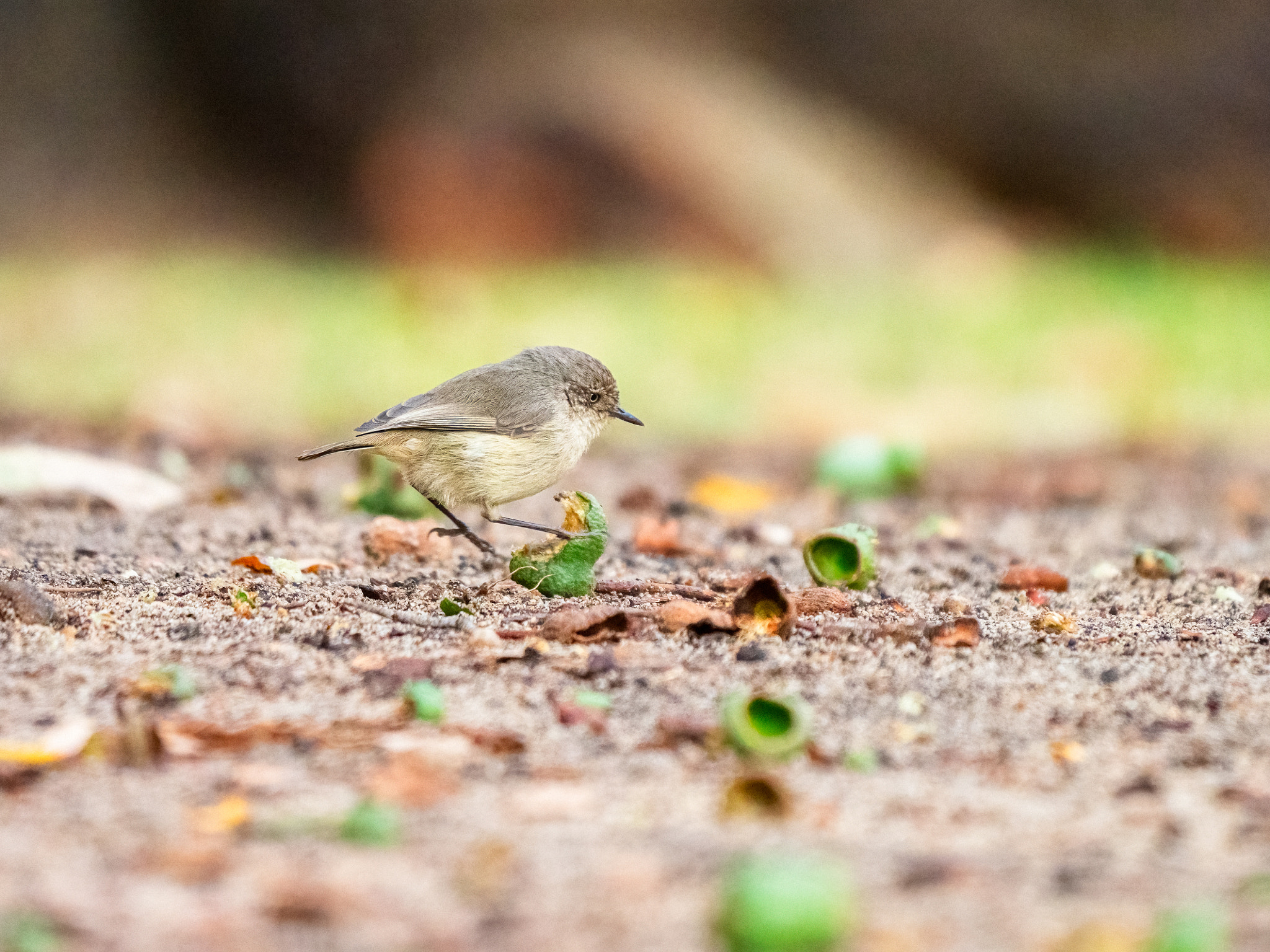
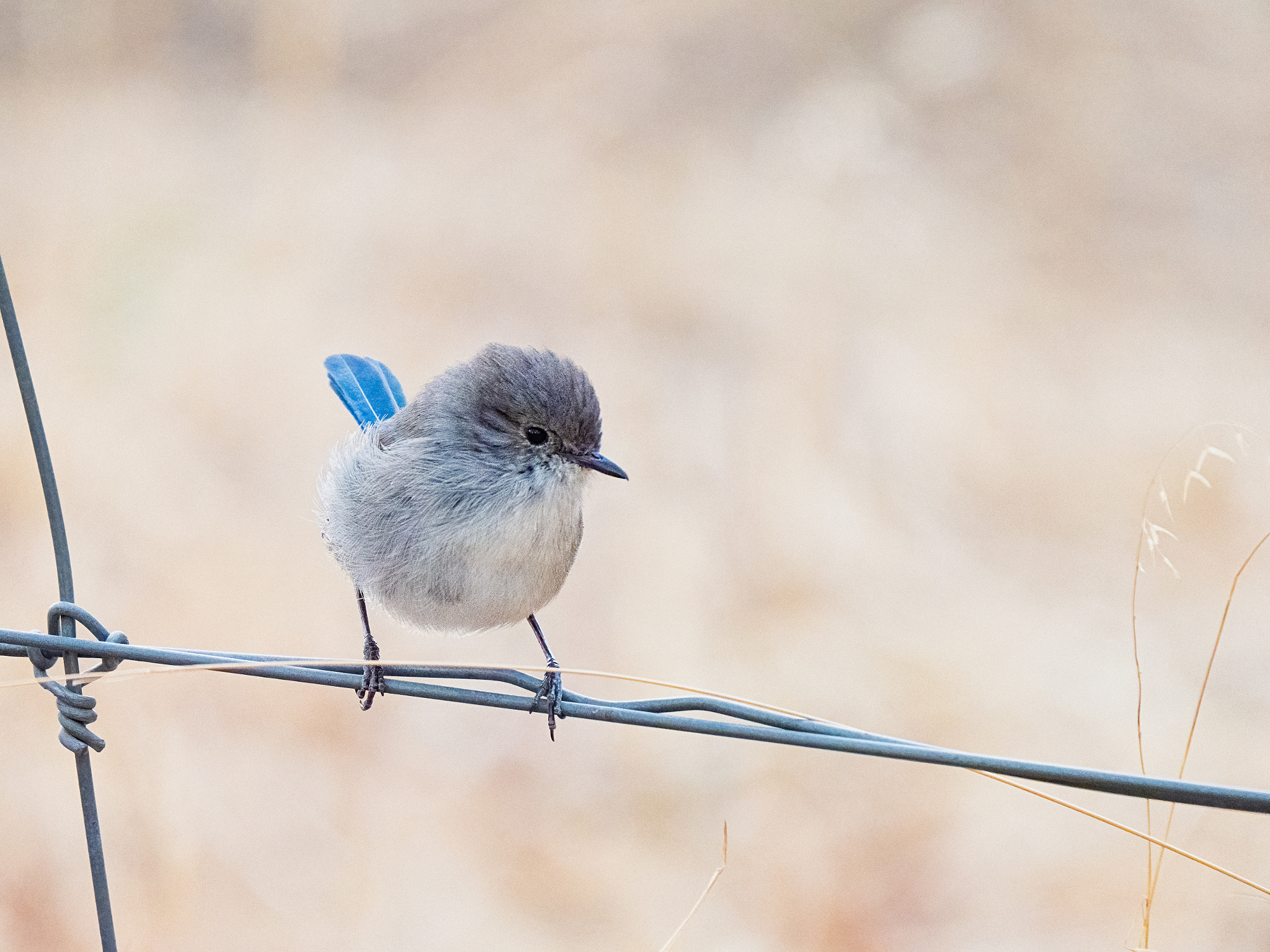
Strolling down to the boundary fence I was happy to note that the air was still and there were loads of midges and mosquitoes flying around. Passerine birds follow the clouds of insects through the forest and feed on them so this meant I had a good chance of photographing robins, wrens, tree creepers, pardalotes and thornbills. I wasn’t disappointed a couple of male Scarlet Robins (Petroica boodang) stopped what they were doing to have a good look at me. The females stayed in the thicker bush eating. There were heaps of Splendid Fairy-wrens (Malarus splendens) dancing about in the understory and on the forest floor. They look like mechanical toys the way they move about with sudden jerky movements. That makes following them through the viewfinder of a camera with a long lens very tricky, but, if you’re quiet and still they will come quite close to you – which makes photographing them a bit easier. The males had shed their brilliant blue plumage that is characteristic of the mating season and were in their drab grey colouring with bright blue tails. Like this they are virtually indistinguishable from the females with the only difference being that they have a dark grey beak while the females have an orange one. If wrens are tricky to photograph then Western Thornbills (Acanthiza inornata) can make you weep with frustration. No bigger than 10cm they bounce erratically around on the forest floor and in the undergrowth with considerable speed rarely pausing. They don’t have the tolerance to be near people which often means when you do get one to sit still long enough to be photographed they are a tiny spec in the frame. Walking back to the dam wall there is a terraced picnic area that enabled me to get at their eye level and conceal me at the same time. I managed to get off a few frames as the birds worked their way quickly through the grass.
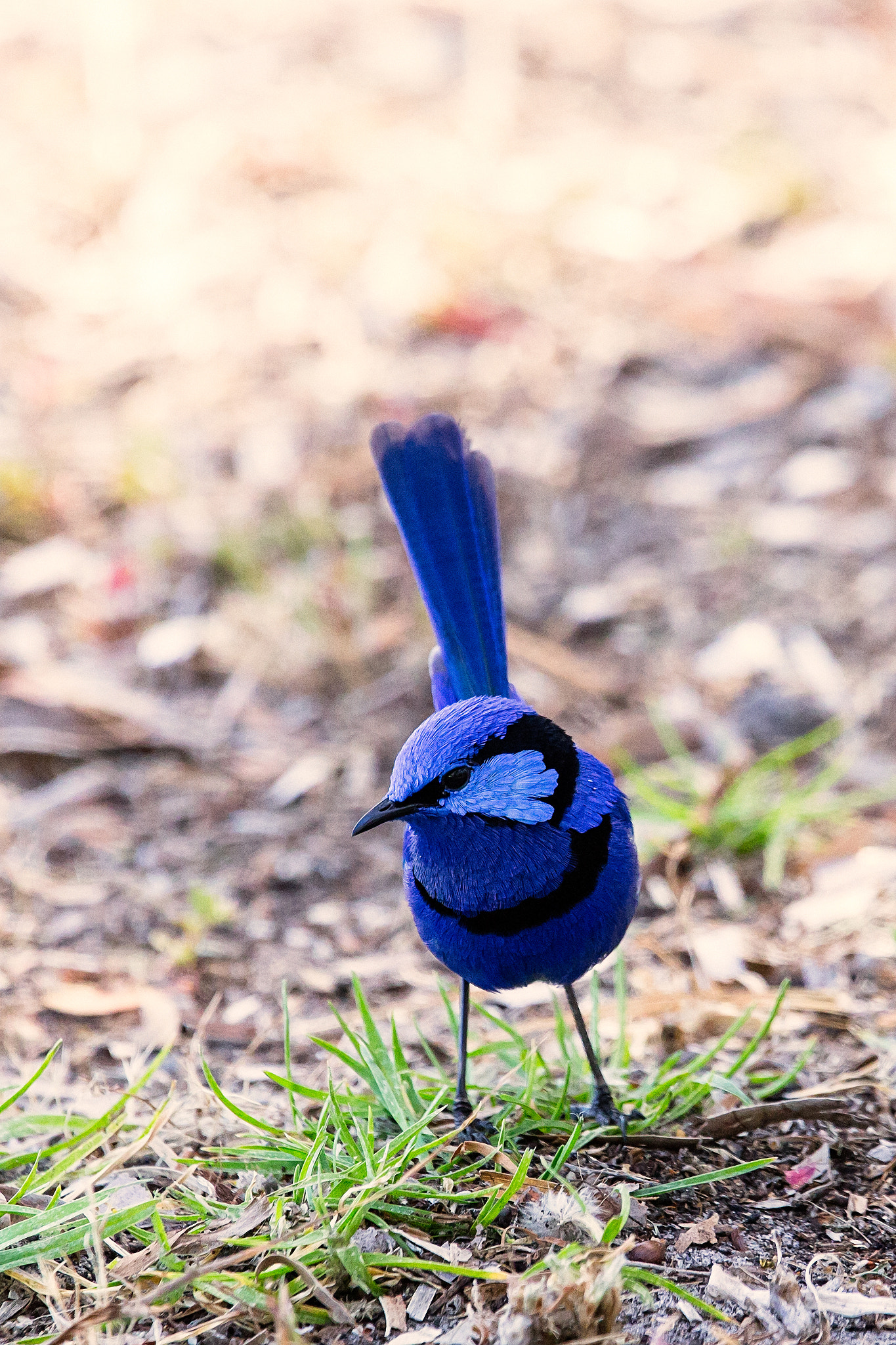
 

Djorrdjilya by Paul Amyes on 500px.com
A male splendid fairy-wren (Malurus splendens) in full breeding season plumage. Cheyne’s Beach, Western Australia.


Djer-djer by Paul Amyes on 500px.com
Male Djer-djer or Splendid Fairy-wren (Malarus splendens subsp splendens) outside the breeding season. Lake Leschenaultia, Western Australia.


Djer-djer by Paul Amyes on 500px.com
Female Djer-djer or Splendid Fairy-wren (Malarus splendens subsp splendens). Lake Leschenaultia, Western Australia.


Djer-djer by Paul Amyes on 500px.com
Male Djer-djer or Splendid Fairy-wren (Malarus splendens subsp splendens) in a more picturesque setting.


Djobool-djobool by Paul Amyes on 500px.com
The tiny hyper-kinetic Djobool-djobool or Western Thornbill (Acanthiza inoranta) at Lake Leschenaultia, Western Australia.


I was glad I stayed and persevered. Yes the conditions weren’t conducive to photographing the species I wanted, but being flexible and altering the plan made for a very enjoyable morning out.
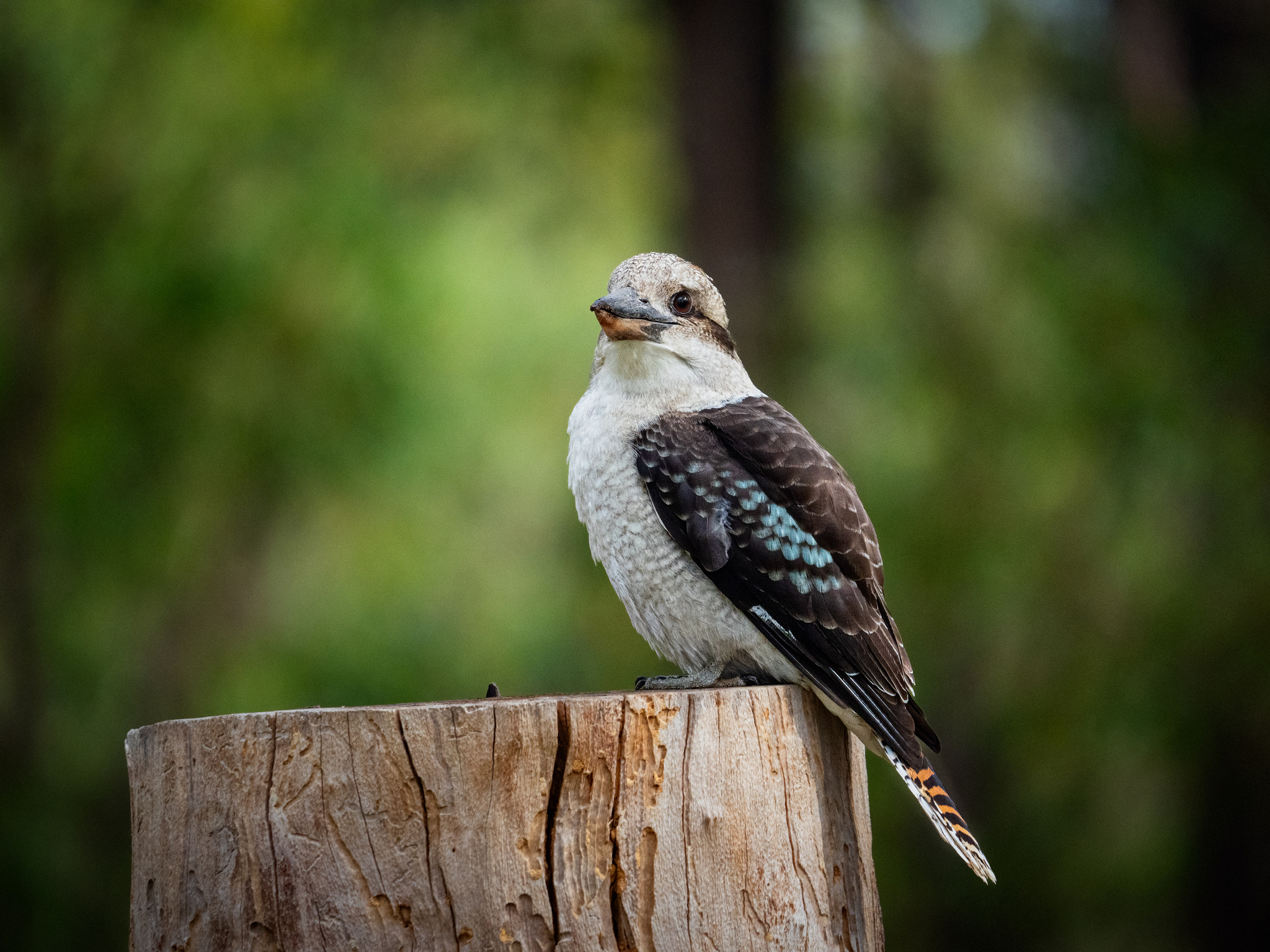
 

Kaa-kaa by Paul Amyes on 500px.com

This Kaa-kaa or Laughing Kookaburra (Dacelo novaeguineae) saw me off as I left Lake Leschenaultia.

Frolicking In The Woods

The last few weeks I’ve been concentrating on the Avon River and I wanted a change. So early one morning I got up so I could be in the wandoo woodland of Mount Ronan’s Nature Reserve as the sun comes up. There is nothing like the first rays of the sun hitting the trunks of the wandoo trees. The golden rays illuminate their pale bark and they all but glow in the warm light.


Wardawort by Paul Amyes on 500px.com
Wardawort or Grey Butcherbird (Cracticus torquatus). Mount Ronan Nature Reserve, Western Australia.


I got off to a promising start – as I pulled up I was greeted by a mob of kangaroos. They weren’t so keen to see me however and took off into the bush. There was an incredibly loud melodious piping and warbling coming from the tops of the trees. At first I thought it was magpies singing a bit strangely, but after closer inspection I found it was about a dozen grey butcher birds  calling out to each other. What was amazing about it was they were all singing the same phrases taking turns with no gaps. You would be forgiven for thinking it was one bird as the performance was so seamless. It was like a choir recital.


Djini by Paul Amyes on 500px.com
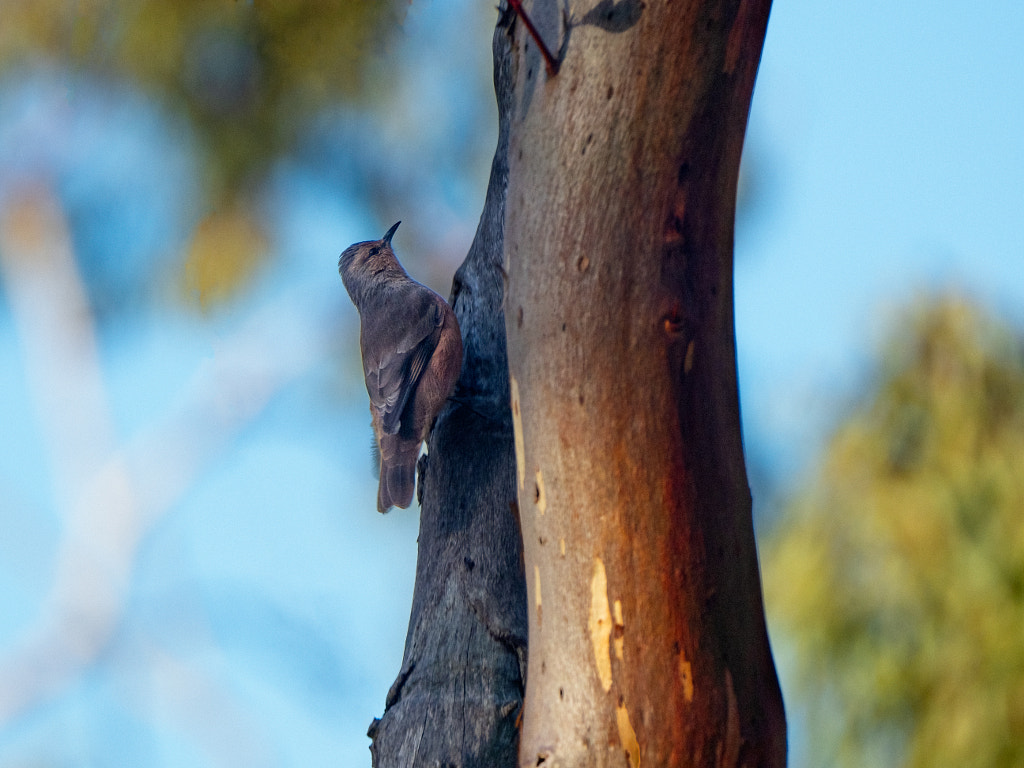
Djini or Rufous Treecreeper (Climacteris rufa) climbing up the trunk of a tree. Mount Ronan Nature Reserve, Western Australia.


Djini by Paul Amyes on 500px.com
Djini or Rufous Treecreeper (Climacteris rufa) taking some time out in the sun. Mount Ronan Nature Reserve, Western Australia.


Stalking animals in the wandoo forests is hard as the trees shed bark, twigs, branches and leaves in great quantities which means that the ground is covered in a thick crunchy mulch and no matter how hard you try to move quietly you always end up making a racket. The end result is that it is hard to get close enough to take photos. The ideal approach is to sit down and wait for the birds to come to you. After about half an hour I could hear the sound of small birds chasing insects and was rewarded with several rufous tree creepers. A few minutes later and I could see one climbing up the trunks of a tree to foraging for insects and grubs – I’ve never seen one going down they always seem to climb, and when they get as far up as they want the glide down to the ground or the next tree.


Djida by Paul Amyes on 500px.com
Djida or Yellow-rumped Thornbill (Acanthiza chrysorrhoa). Mount Ronan Nature Reserve, Western Australia.


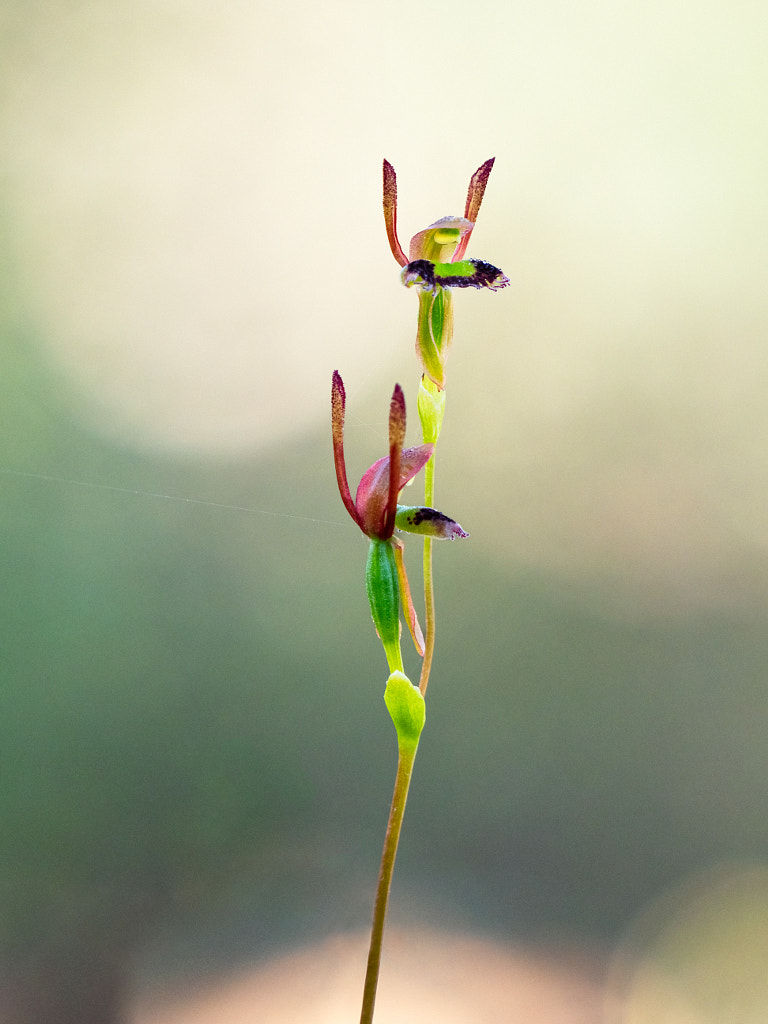
As I continued to walk around the forest I must confess that I lost focus as I spotted a couple of orchids. It was annoying that I only had my bird photography rig with me and nothing really suited to photographing very small flowers. From that point on I was trying to watch for birds while looking on the ground for orchids. It is an impossible task. 


Fringed Hare Orchid by Paul Amyes on 500px.com
Hare Orchid or Fringed Hare Orchid (Leporella fimbriata). Mount Ronan Nature Reserve, Western Australia.


Common Bunny Orchid by Paul Amyes on 500px.com
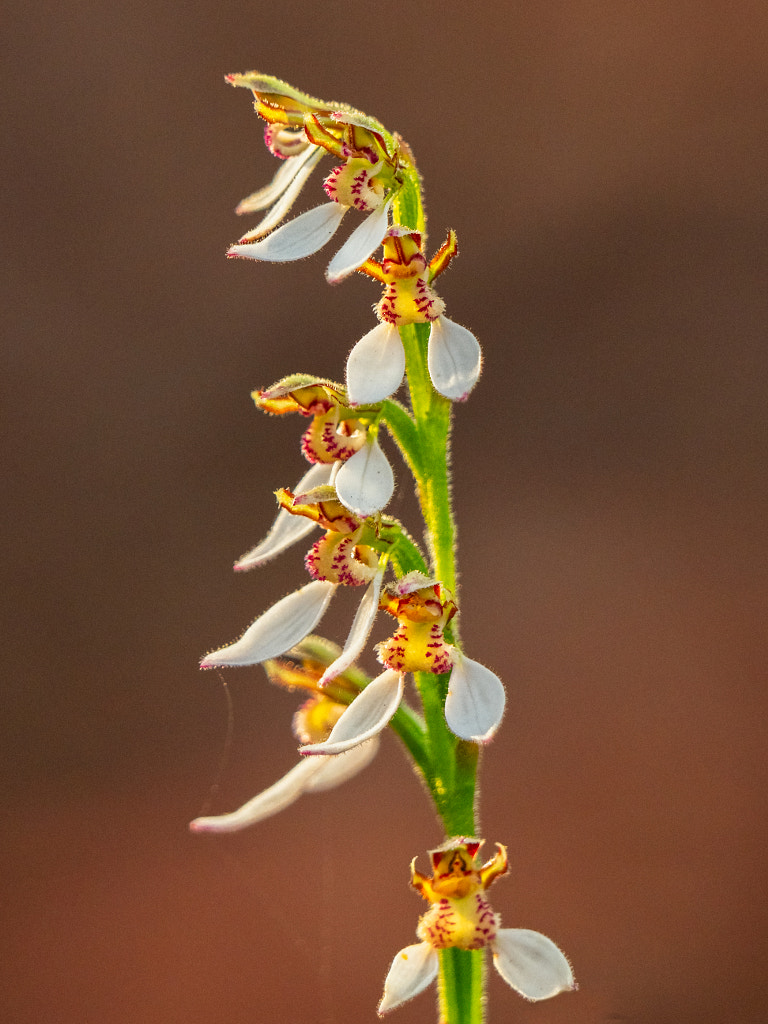
Common Bunny Orchid, Eriochilus dilatatus subsp. multifloris. Mount Ronan Nature Reserve, Western Australia.


By 9:30 the best light had gone so I decided to call it a day and walk back to the car. Waiting for me was a female red-capped robin sitting on the fence. She was quite obliging and sat for a while allowing me to take her photo.


Dermokalitj by Paul Amyes on 500px.com
Female Dermokalitj or Scarlet Robin (Petroica boodang aka Petroica multicolour subsp campbelli). Mount Ronan Nature Reserve, Western Australia.


Moonset by Paul Amyes on 500px.com
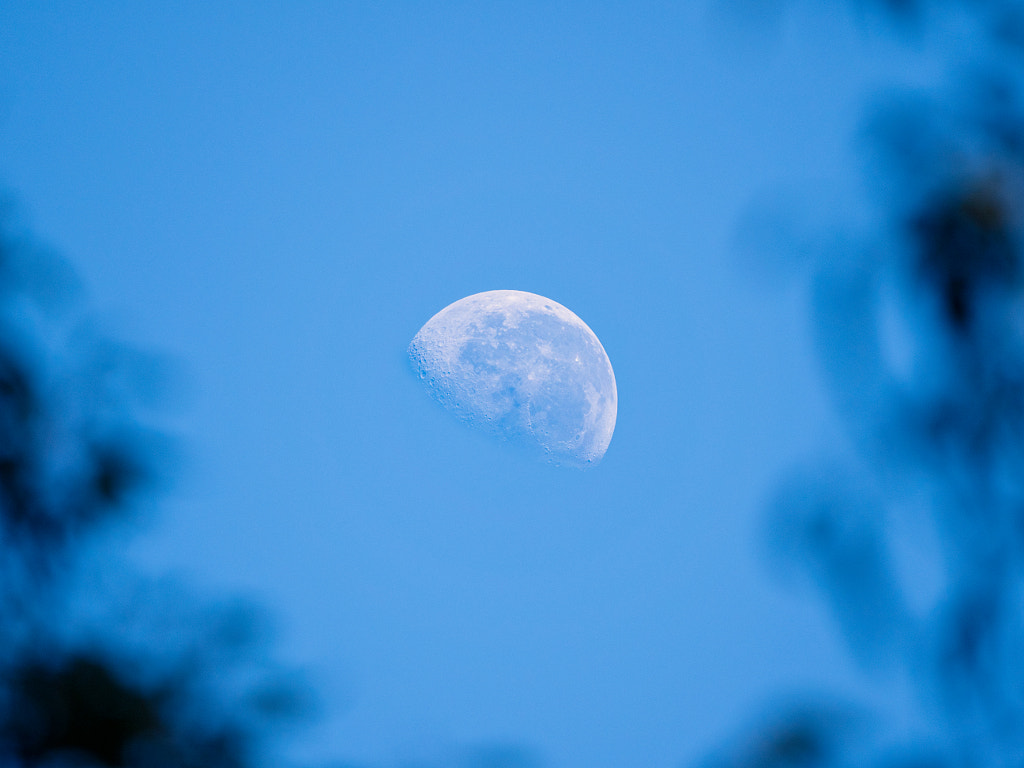
Moonset over Mount Ronan Nature Reserve, Western Australia.