Karrak – the Red-Tailed Cockatoo

Karak or Red-tailed Black Cockatoo (Calyptorhynchus banksii subs samueli) feeding on Cape Lilac AKA WhiteCedar (Melia azedarch). York, Western Australia.


The last couple of weeks I’ve been thrilled to see Red-Tailed Cockatoos (Calyptorhynchus banksii), called Karrak by the Nyoongar, feeding in the Cape Lilac trees of our neighbours. 


Karak or Red-tailed Black Cockatoo (Calyptorhynchus banksii subs samueli) feeding on Cape Lilac AKA WhiteCedar (Melia azedarch). York, Western Australia.


There are four subspecies found in Western Australia – Cb. Naso (referred to as the Forest Red-tailed Black Cockatoo), Cb. Samueli (the Inland Red-tailed Black Cockatoo), Cb. macrorhynchus (sometimes referred to as the Great-billed Cockatoo, Banksian Black-Cockatoo, or Banks’ Black-Cockatoo), and the recently discovered Cb. Escondidusa. Now which species the ones in our neighbourhood are I couldn’t tell you – probably Inland or Forest Red-Tailed Black Cockatoos. All I know that is according to the experts we shouldn’t have any, but here they are.

The Nyoongar creation story for the Red-Tailed Black Cockatoo.


Ngoolyak or Carnaby’s Black-cockatoo (Calyptorhynchus latirostris). Yanchep National Park, Western Australia.


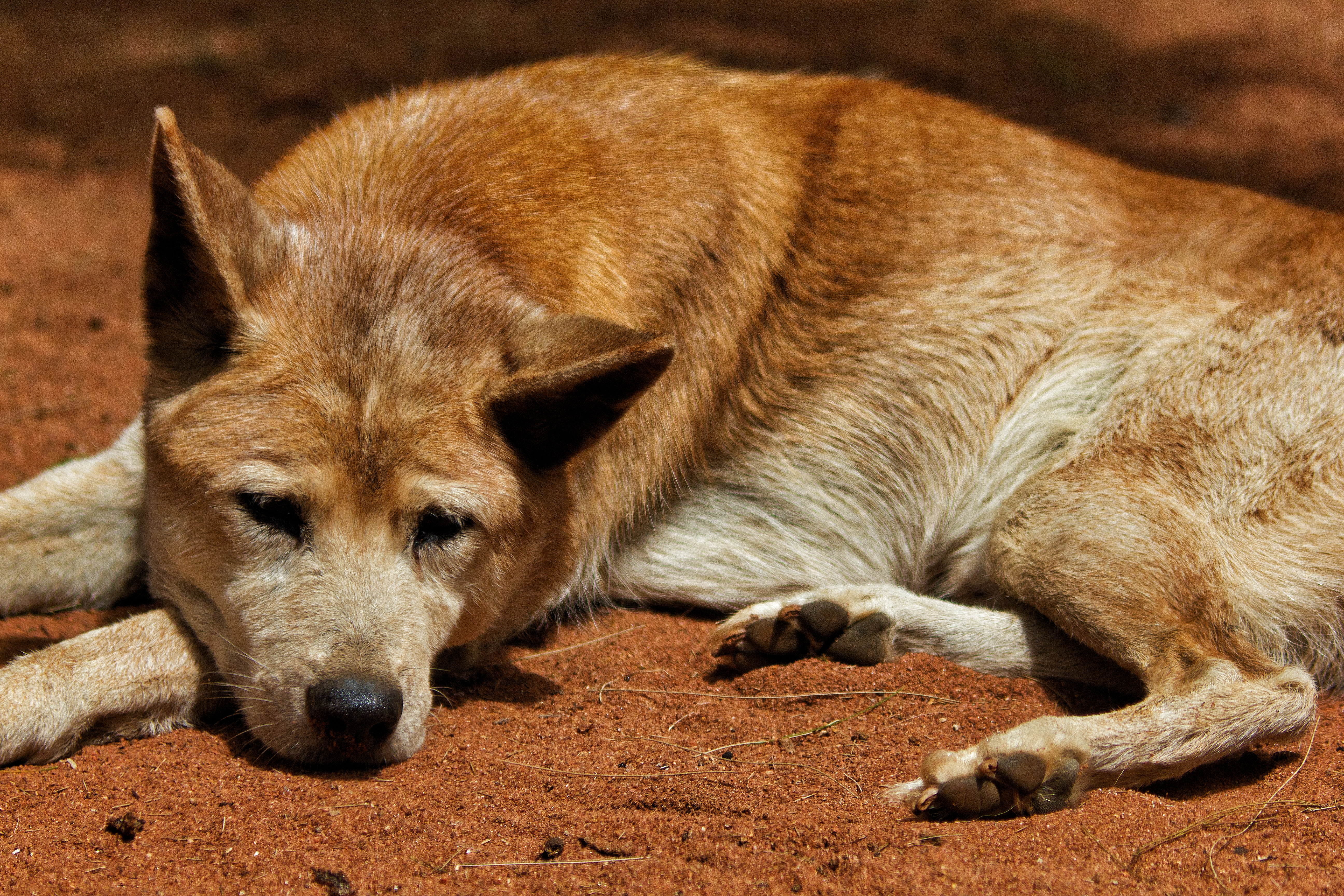
Dwert the Dingo


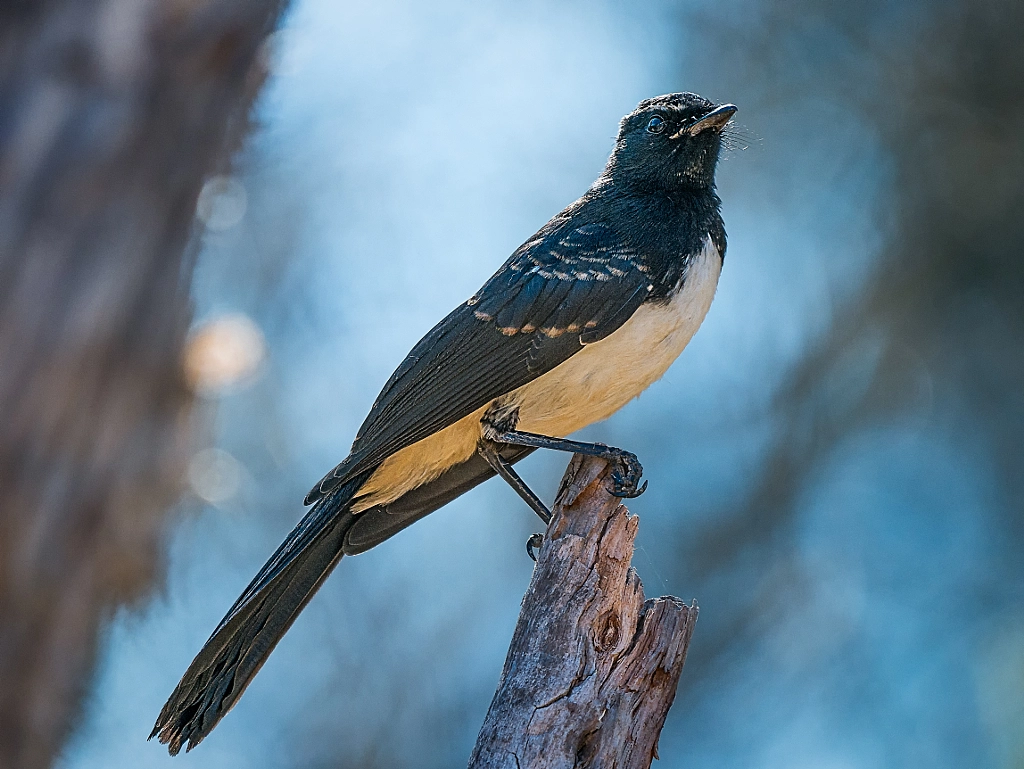
Djidi-djidi or Willie Wagtail (Rhipidura leucophrys). Avon Walk Trail, York, Western Australia.


Kwilom or purple swamp hen (Porphyrio porphyrio subsp bellus) picking over vegetation on shore of the lake. Lake Leschenaultia, Western Australia.


One day Ngoolyak the white-tailed black cockatoo saw a fight between Dwert the Dingo and Djidi-djidi the Willie Wagtail. Ngoolyak sided with Dwert and joined the fight. Kwilom the Purple Swamp Hen saw the commotion and tried to break them up. He picked some sedge and started beating Ngoolyak across his back to get him to back off. Ngoolyak started screaming and tried to fend off the blows by raising his tail. The sedge oozes red sap when it is cut and it left great red marks where it struck. As he screamed Ngoolyak’s voice became hoarse and he could no longer make his normal call of “wola” and the screeching sounded more like “Karrak!” instead, and that is how Ngoolyak the White-tailed Cockatoo became Karrak the Red-tailed Cockatoo.

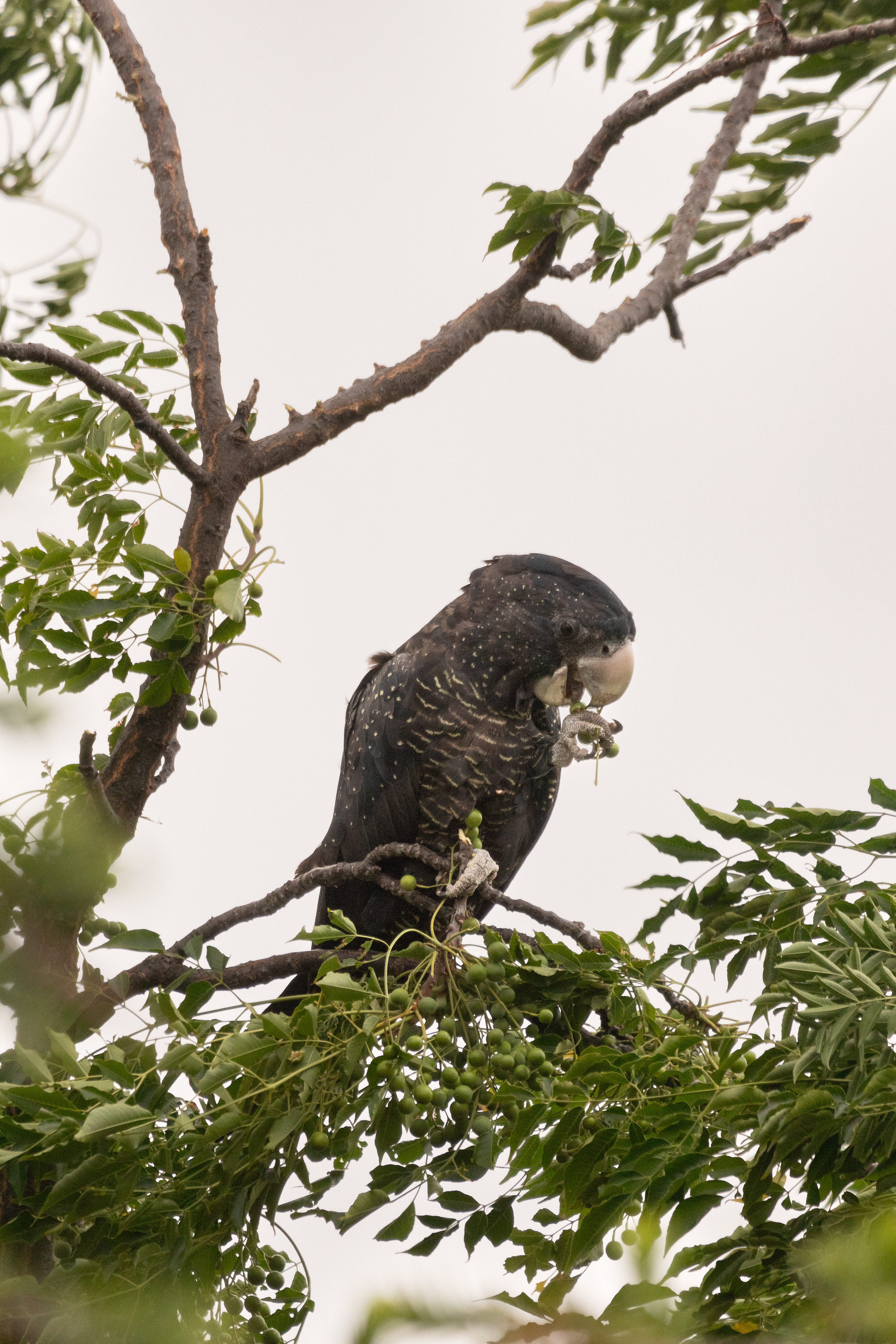
 

Karak or Red-tailed Black Cockatoo (Calyptorhynchus banksii subs samueli) feeding on Cape Lilac AKA WhiteCedar (Melia azedarch). York, Western Australia.


Karak or Red-tailed Black Cockatoo (Calyptorhynchus banksii subs samueli) feeding on Cape Lilac AKA WhiteCedar (Melia azedarch). York, Western Australia.


Walks With Emus

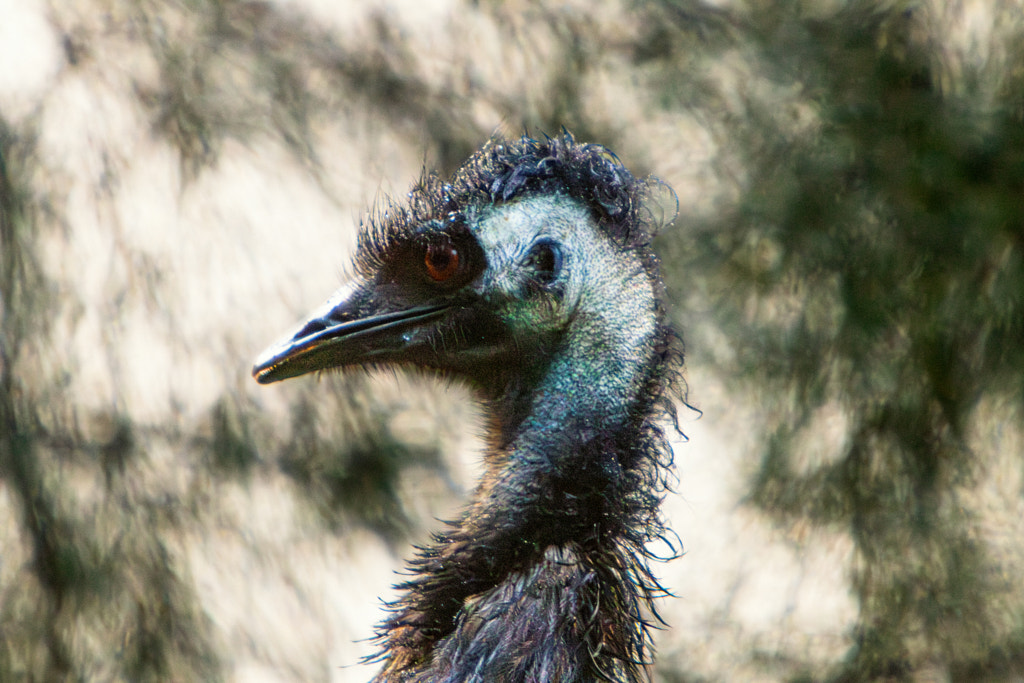
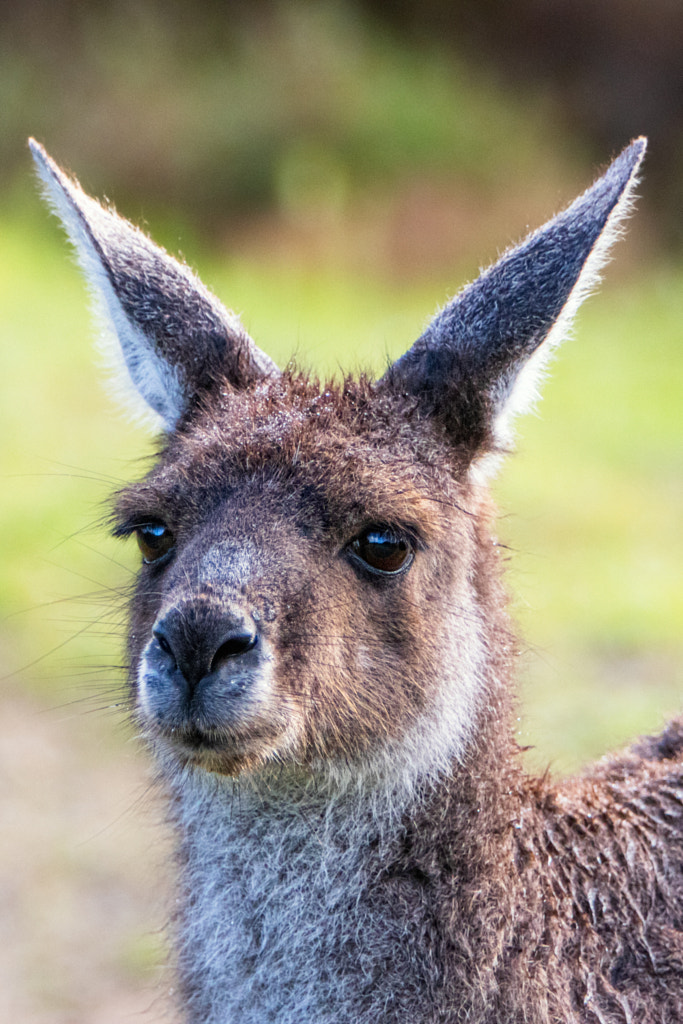
Thursday was my first trip into the Perth Metro in ages – I’d gone to get the car serviced and so had a day to kill. The weather was horrid, lots of rain and not very warm so killing time was not a thrilling prospect. Usually I walk over the Causeway Bridge, around Heirisson Island and then into the Perth CBD. With the rain falling and nearby construction work making a racket I didn’t expect to see much so imagine my surprise when I literally bumped into an Emu.  Now people living overseas expect that we have kangaroos running down the high streets koalas hanging out of every tree and sharks and crocodiles waiting to eat people in every small pool of water. Well it’s just not like that, and seeing an emu wandering round the metro area is pretty unusual occurrence. Poor thing didn’t look very well – it had a very large open wound on its left side. Emus can be a little bit intimidating as they’re not adverse to walking right up to you and looking you in the eye and some of the ones I’ve met do this by looking down at me. Well this one played pretty cool and just walked with me for about 500m and every time I stopped to take a picture it stopped and waited. We met up with a couple of kangaroos who were very wary of the emu. They kept a very close eye on it – didn’t pay me any attention at all. Once we got past the lake it decided it had had enough and walked back up the track making that odd sound of theirs which sound like someone has turned a plastic bucket upside down and is banging on it like drum.


Wetj by Paul Amyes on 500px.com
My companion for a walk on Heirisson Island.


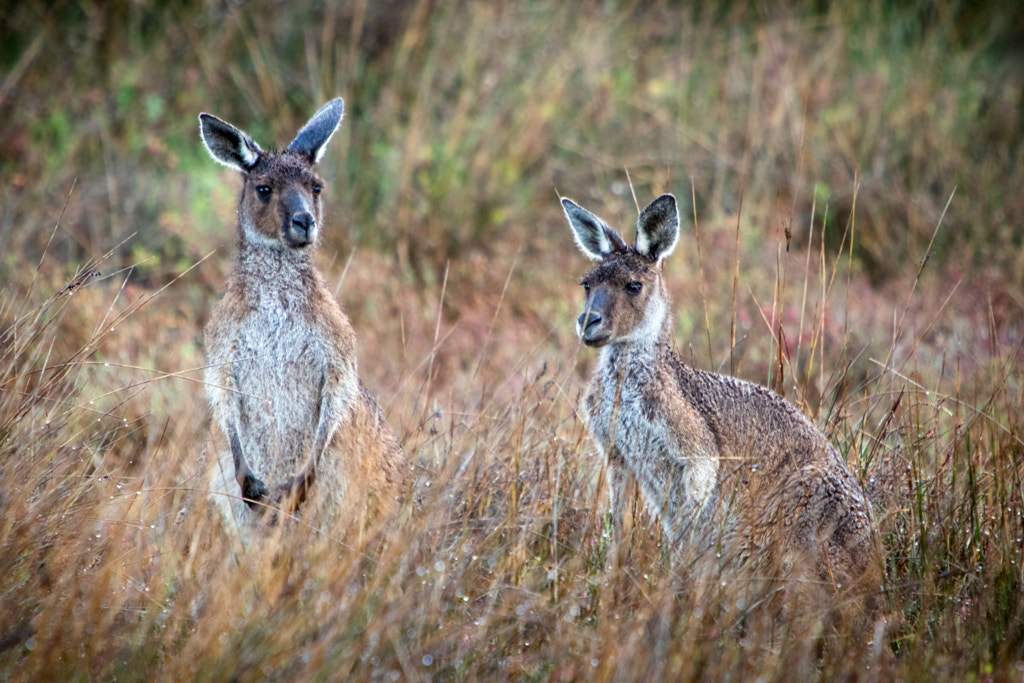
Yongka by Paul Amyes on 500px.com
The girls are too impressed with their new neighbour and were content to remain at a distance and watch.


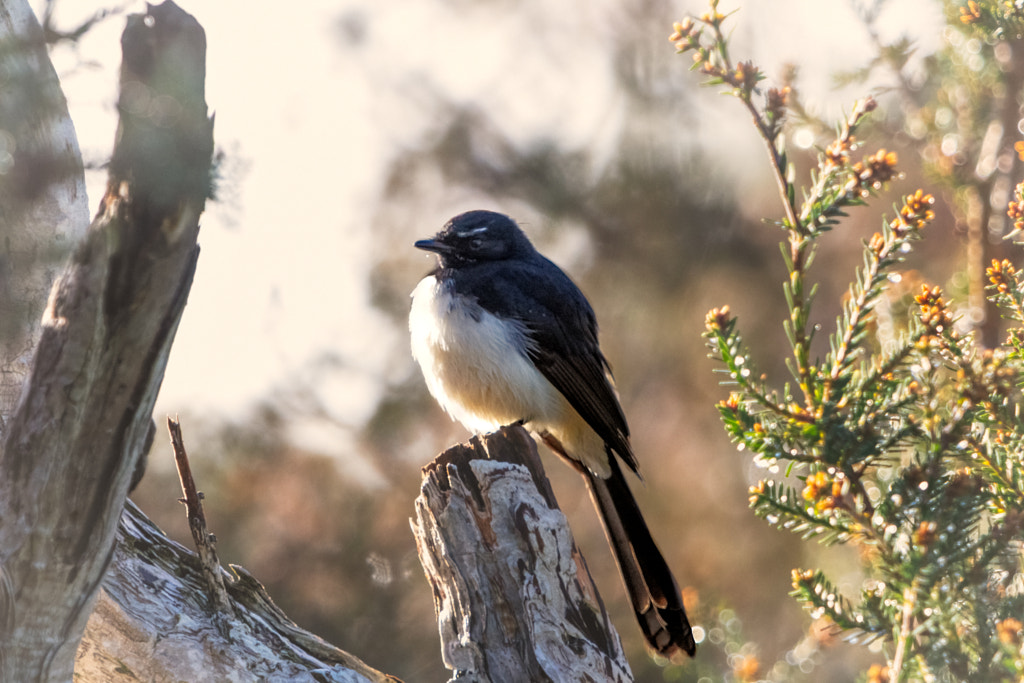
Djidi-djidi by Paul Amyes on 500px.com
A willie wagtail hunkered down against the rain.


As I walked back to the Causeway I was joined by a young female kangaroo. She was very curious and wanted to know if I had anything to eat. She did did this by pawing at my hand – obviously other visitor have been feeding them so they can get selfies. She didn’t seemed fussed when no food appeared and she was content to follow me round to the gate and watch me leave.


Yongka by Paul Amyes on 500px.com

My companion for the walk to the exit.

Djidi Djidi

Djidi Djidi by Paul Amyes on 500px.com
The djidi djidi or Willy Wagtail (Rhipidura leucophrys leucophrys). York, Western Australia. Panasonic Lumix G85 with Panasonic LEICA DG 100-400/F4.0-6.3 lens. Exposure: 1/800 sec, f6.3 at ISO 640.


Willy Wagtails or Djidi Djidi as the Nyoongar call them can be found throughout the Australian bush. They are perhaps the most common bird in Western Australia. White fellas think of them as comical bossy little birds that will swoop larger animals and people in an effort to shoo them out of their territory. This is the Nyoongar story of how they came into being.

A long time ago there was a lazy old man called Wardong. Wardong was given the job of looking after the children while everyone went hunting. Wardong would lie in the shade under a tree and shout at the children to get them to bring him food and drink. Now the children got pretty fed up with being bossed around by Wardong, and being mischievous they decided to get their own back. So while the old man was sleeping the djidi djidi (mischievous ones) they took his food away and then began to run round and round him tormenting him. This made Wardong really mad, and the madder he got the more the djidi djidi tormented him. Suddenly he couldn’t take any more and he did some magic and turned all the little children into little birds. With that Wardong went back to his tree, lay down and went to sleep with a big smile on his face. When everybody returned from hunting that evening they asked Wardong where all the children were. The children seeing their parents and grand parents started flying around and crying asking to be turned back, but there was nothing that could be done. The elders were furious and called Wardong a lazy good for nothing scavenger. One of them went even further and said “Wardong you will be a scavenger for the rest of your life!” And with that he turned Old Wardong into a crow. Wardong is the Nyoongar name for crows. Now if you go into the bush you will see that the djidi djidi can’t stand to have wardong anywhere near them and when they see him they fly round and round his head tormenting him until he goes away.