A Over T

If you are a regular reader you may recall that I recently wrote about having one of those magical days where everything goes right. Well yesterday was the anthesis of that.


Noolarko by Paul Amyes on 500px.com
Noolarko or Black-faced Cuckoo Shrike (Coracina novaehollandiae) waiting for the clouds to break and the first rays of the sun to light up the day.


We had decided to get up early and walk along the River Avon here in York, so come 5am I bounced out of bed (Haha! As if!) and quickly got dressed. As I quickly had a coffee and piece of toast the rain began to fall. It was one of those summer downpours with big fat lazy raindrops that hit the parched dirt and release that wonderful petrichor. These downpours don’t generally last long and this one was no different so we headed out. On arriving at the river it was quiet, very quiet. In fact unnervingly quite. A complete absence of bird sound apart from a rooster making it’s presence known, but, that doesn’t count. It’s very unusual to be out at dawn and not hear birds singing. I thought normal activity would be resumed when the sun broke through the clouds so we carried on walking. A pair of Black-faced Cuckoo Shrikes perched high up in a dead tree gave me something to point my camera at. Not thrilling photos but a start nonetheless. A bit further on and the clouds had now cleared and we were greeted by a brilliant cobalt blue sky and a steady procession of Galahs flying in formation. I managed to get some photos of them. I’d wanted for ages to get a shot of Galahs flying against a back drop of a brilliant blue sky – the contrast of their pink feathers and the blue. Doing something I never normally do I looked at the rear of the camera and when I saw the sequence of photos  I could see that I had achieved that goal. I was at this point feeling rather pleased with myself. The Bible warns us that “Pride comes before a fall” (Proverbs 16:18) and little did I realise that I was about to become literally acquainted with it.


Djakal-ngakal by Paul Amyes on 500px.com
Djakal-ngakal or Galah (Cacatua roseicapilla) fly past.


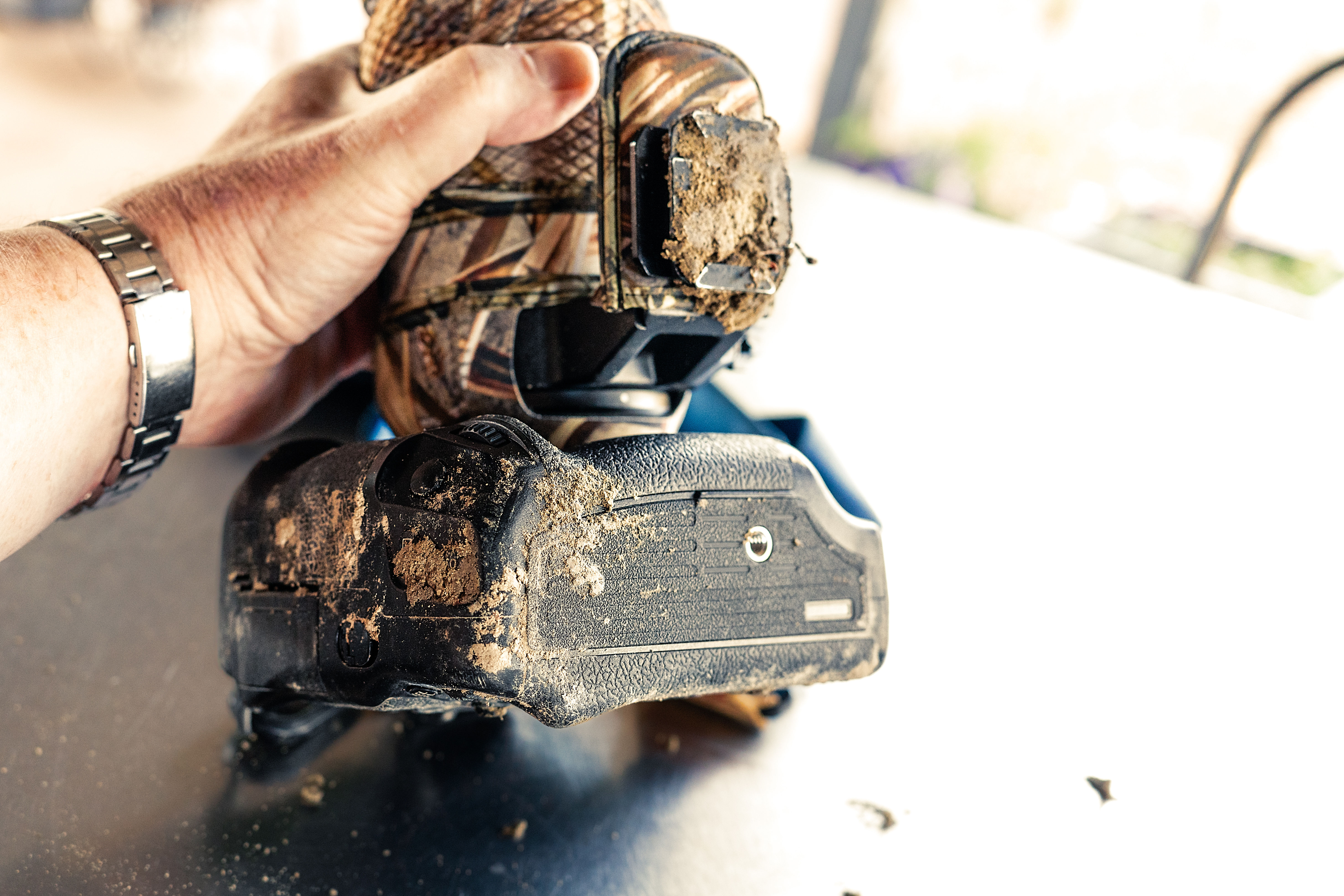
Turning round we walked back the way we had come and then onto a spot where we could access the river bed. As we broke cover from the bushes we set what seemed like every duck in York flying. Whoops! Then I had this urge to see what if anything was around the corner. When suddenly it happened. You know how people often say that when something catastrophic happens time slows down and everything happens in slow motion? Well that didn’t happen. One minute I’m vertical the next bang and I’m prostrate in the mud with incredible pain shooting up my arm and from my hip. Necessity meant that I just lay still for a bit to see if the pain subsided. I quickly realised at this point that I wasn’t seriously hurt because I was more concerned that my camera had survived the cataclysm than about any injuries I’d sustained. I also became aware of the beloved significant other calling out. She had tried to get over to me but hadn’t got very far as she didn’t want to befall the same fate. Gingerly I got onto all fours and crawled to a firmer spot and got up. I was covered from head to toe in evil smelling river mud – my camera wasn’t much better.
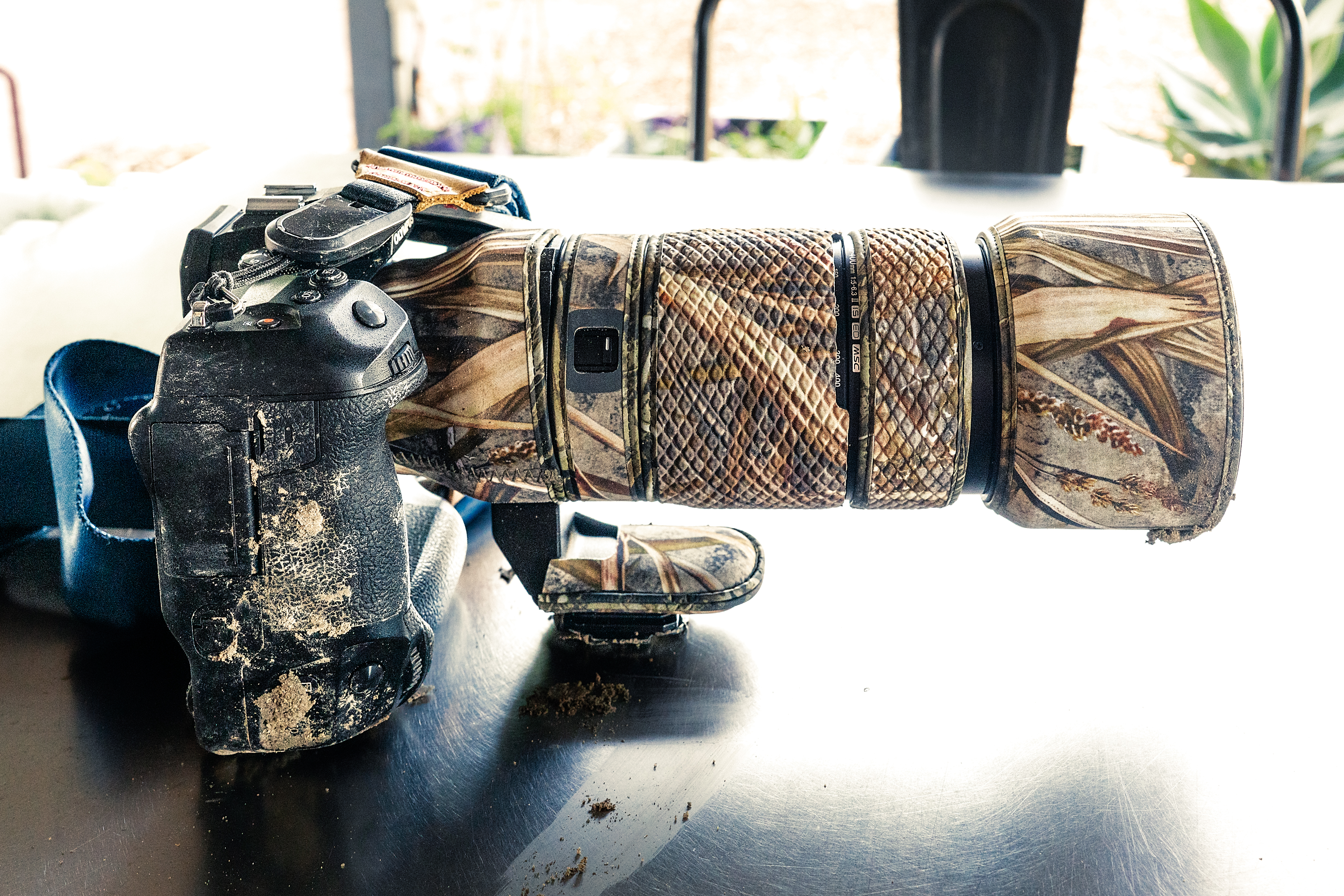
 

After a dramatic fall while out birding this morning the Olympus EM1x and OM System 100-400mm look a little worse for wear.


Sitting here writing this my camera and I have scrubbed up well. It works perfectly – a testament to ruggedness of Olympus cameras. Me – I’m a bit sore, but there is no major damage.

Note to self: don’t go walking along the river bed just after it has rained – it is very slippy.
Is This A Stick I See Before Me?

Apologies to William Shakespeare – Macbeth Act 2 scene 1


Desperate to get out of the house we grabbed the opportunity to go on an overnight trip to Narrogin. This might surprise people as Narrogin is not really known as a tourist destination and it was forecast to be 40ºC. There was madness in my method. Firstly Narrogin is a good jumping off point for Dryandra (I’ll save that for a later post). Secondly to photograph wildlife in hot weather you really need to find permanent water sources and the locations we’d chosen both had that. Thirdly you have to able to reach those locations at either first or last light. Narrogin fitted the bill. So the plan was to set out mid morning and take a leisurely drive down to Narrogin, get some lunch and check into our accommodation, then about an hour before sunset head out to the Narrogin Railway Dam.


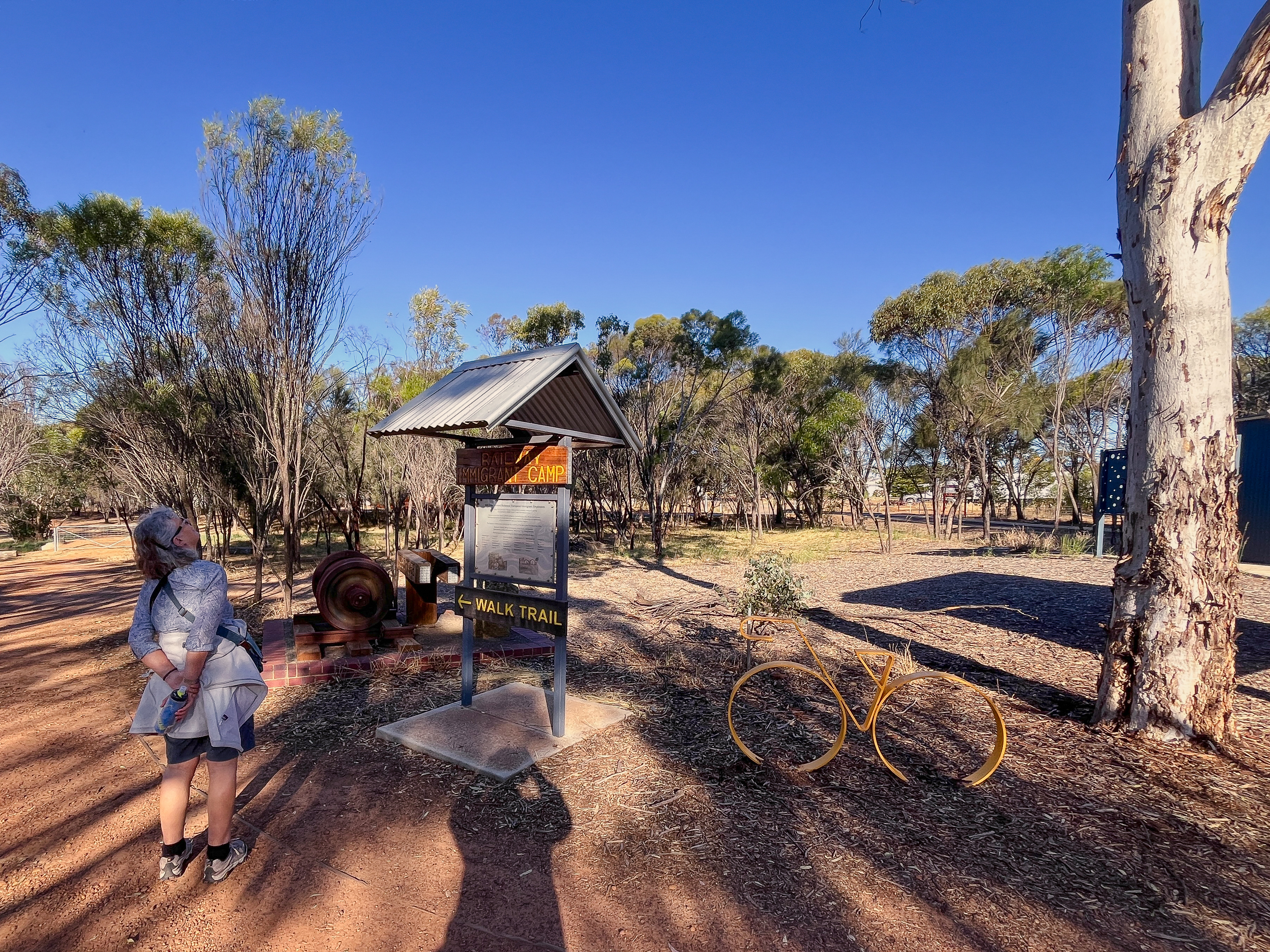
Helen looking for birds. Narrogin Railway Dam, Western Australia.


There’s not a lot of water. Narrogin Railway Dam, Western Australia.


The water level at the dam was very low, but at least there was some. So we followed the 650m Dam Walk keeping a firm eye on the canopy of the surrounding eucalypts. A lot of the birds we did see appeared very heat stressed – holding their wings out and panting. Nothing appeared to be going down to the water’s edge for a drink though. After our first lap my partner decided as it was still very hot that she’d had enough and went back to the car while I started to walk along part of the Archibald Park Trail. This was where things got very interesting.


Djakal-ngakal by Paul Amyes on 500px.com
A Djakal-ngakal or Galah (Cacatua roseicapilla) feeling the effects of the heat. Narrogin Railway Dam, Western Australia.


Kaa-kaa by Paul Amyes on 500px.com
Kaa-kaa or Laughing Kookaburra (Dacelo novaeguineae). Narrogin Railway Dam, Western Australia.


Delyip by Paul Amyes on 500px.com
Juvenile Delyip or Red-capped Parrot (Platycercus spurius). Narrogin Railway Dam, Western Australia.


Noolarko by Paul Amyes on 500px.com
Noolarko or Black-faced Cuckoo Shrike (Coracina novaehollandiae). Narrogin Railway Dam, Western Australia.


Now I’m in my 60’s and my eyesight isn’t what it once was. This has led to quite a few embarrassing moments when searching for birds. Like the time I followed this small white object moving erratically along a beach thinking it was a dotterel, but, when I finally got close I found it was a scrunched up white paper bag. I’ve lost count of the number of times I’ve stalked what I thought was a bird in a tree only to find out it was part of a dead branch. In fact I’ve come to expect that will happen every time I go out. Well this time I was walking along the path by the bank of the dam and I’d just seen a Black-faced Cuckoo Shrike and a Red Wattle Bird when out of the corner of my eye I spotted a tree with what could be if I squinted a bit a largish bird. My initial reaction come on be serious you’re seeing things again it’s a dead bit of tree. So instead of stalking it I decided to keep walking. It was only just a I drew parallel with the tree that I noticed that the stick blinked (Pro wildlife tip #1 sticks don’t blink).


Djoowi by Paul Amyes on 500px.com
A Djoowi or Tawny Frogmouth (Podargus strigoides) doing stick impressions. Narrogin Railway Dam, Western Australia.


“Oh my goodness!” Or words to that effect. I had just found a Tawny Frogmouth. Now although Frogmouths are quite common they are a tricky bird to find. Their camouflage is incredible and their habit of roosting in the forks of trees makes them very difficult to see. Their main defence is to sit completely with their head up and eyes shut  pretending to be a stick. In fact this was only the third time I’d seen one in the wild. To say I was happy would be an understatement. Unlike metal detectorists birders don’t dance when they find something – we might allow ourselves a quiet smile. I went to bed that night a very happy boy.

So, day one of the birding trip had a brilliant start – couldn’t ask for better.

Settled For The Night by Paul Amyes on 500px.com
Settling in for the night with the television


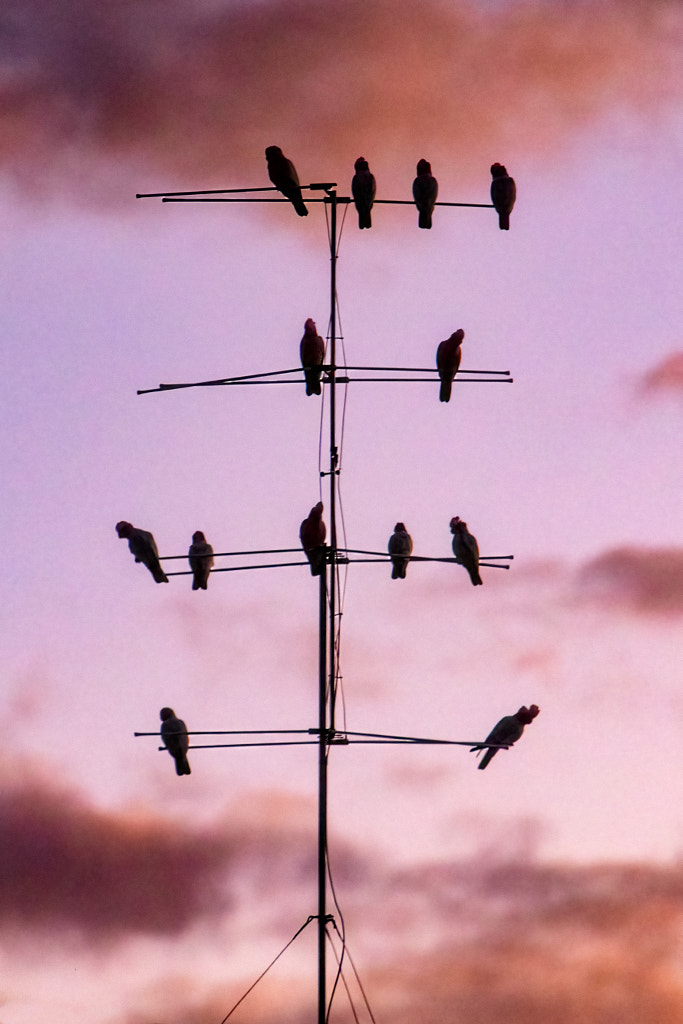
Our neighbours TV aerial pays host to a gang of Pink and Grey Galahs.

Garden Life

Deep in the heart of a garden in suburban Tasmania lies an abundance of wildlife living unnoticed.

Gardens For Wildlife Tasmania

For the inquisitive camera nerds the clip was filmed with the following:

  • Sony ActionCam HDR-AS20
  • Olympus OMD EM-10
  • Olympus M.Zuiko 60mm f2.8 macro lens
  • Olympus M.Zuiko 40-150mm f4-5.6
  • Sigma 70-210mm f4-5.6 UC zoom in OM mount adapted to m4/3 with a cheap EBay adapter.
  • Zoom H2n Handy Recorder
  • RØDE VideoMic Pro

Location! Location!

Standing on the beach looking out to Mount Wellington.

Well with the help of a horde of minions Paul Amyes Photography (PAP), the global producer and purveyor of photo media par excellence, has relocated from the Wheatbelt of Western Australia to the Southern Beaches of Tasmania. Now as anyone with any kind of aspiration to any sort of global domination will know that one of the keys to success is a top-secret location, preferably hidden on a tropical island in an extinct volcano or a vast subterranean labyrinth of tunnels under a suitably gothic city scape. Well we’re no different, we have established our headquarters on a gargantuan private estate that is patrolled by a roving multitude of attack possums and killer quolls. We tried to get the more ferocious Tasmanian Devils, but the double whammy effect of Devil Facial Tumour and Tasmanian motorists decimating their numbers means that are too few in number and therefore they just won’t work for peanuts. However, there was a slight problem with the plan. Being top-secret and heavily guarded made setting up telecommunication links very difficult. The technicians either didn’t know where to find us or were put to flight by the packs of marauding marsupials. After four weeks with only dodgy mobile phone reception and non- existent 3G mobile internet we finally relented and gave out our address and told security to take the day off. With the arrival of the electric interwebs social intercourse can now resume and we can open for business again. Hoorah!


One of the deadly attack possums


A killer quoll

Seriously folks our move to Tassie went smoothly and we are now planning to re-launch the business. Consequently over the next couple of months the blog and website will be re-worked and refreshed. Blogging will continue, but I hope it will become a little more focussed on the launch of new projects, products and services. Shortly after arriving I was invited to The Mercury’s short film festival as my film had been short listed for an award. Alas I did not win anything (the competition was just too good) I have been emboldened to take my film making more seriously and will look at gaining more skills and then using them to produce a lot more work with aim of taking on editorial and commercial projects.

The neighbours are very friendly