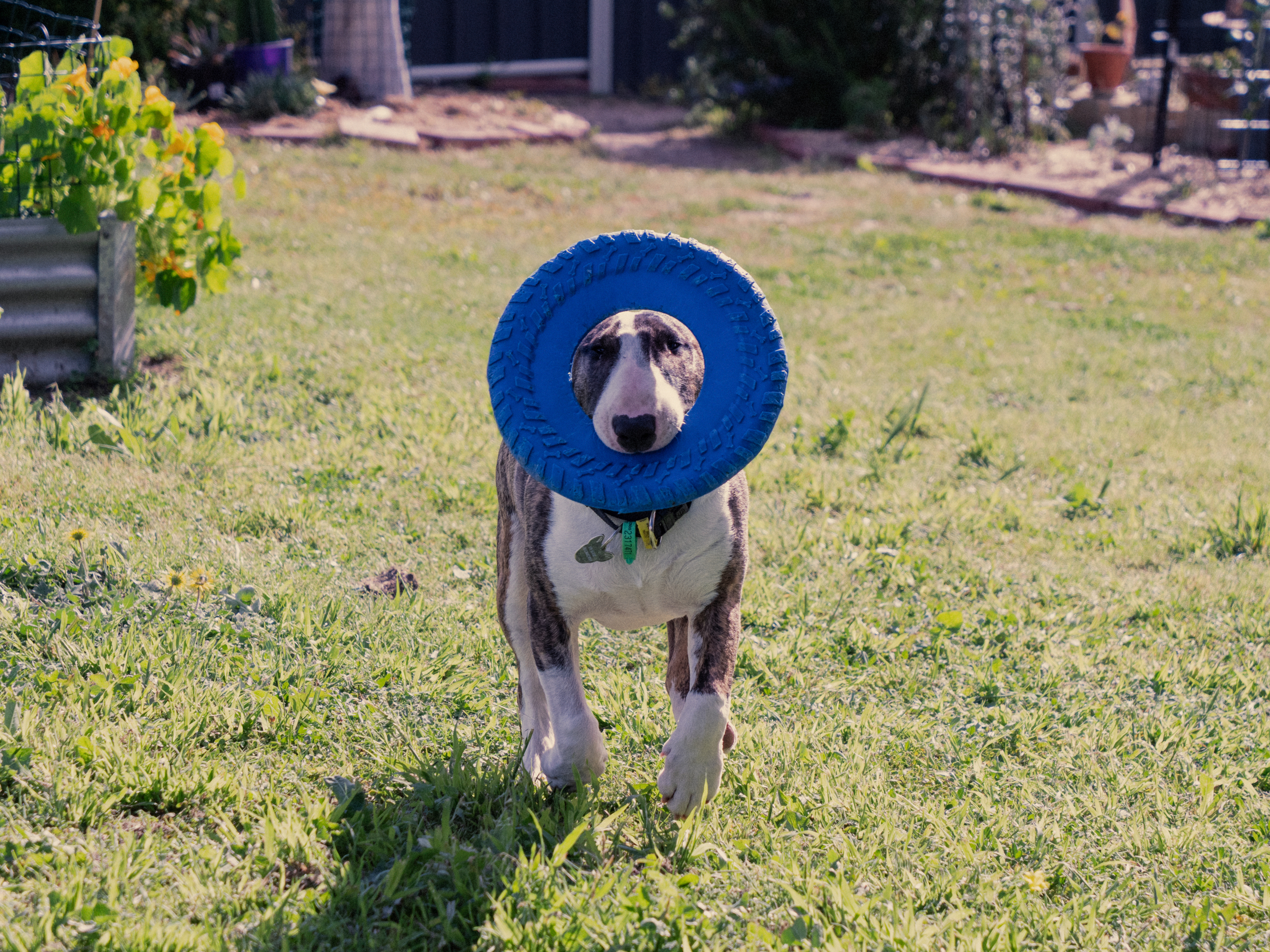
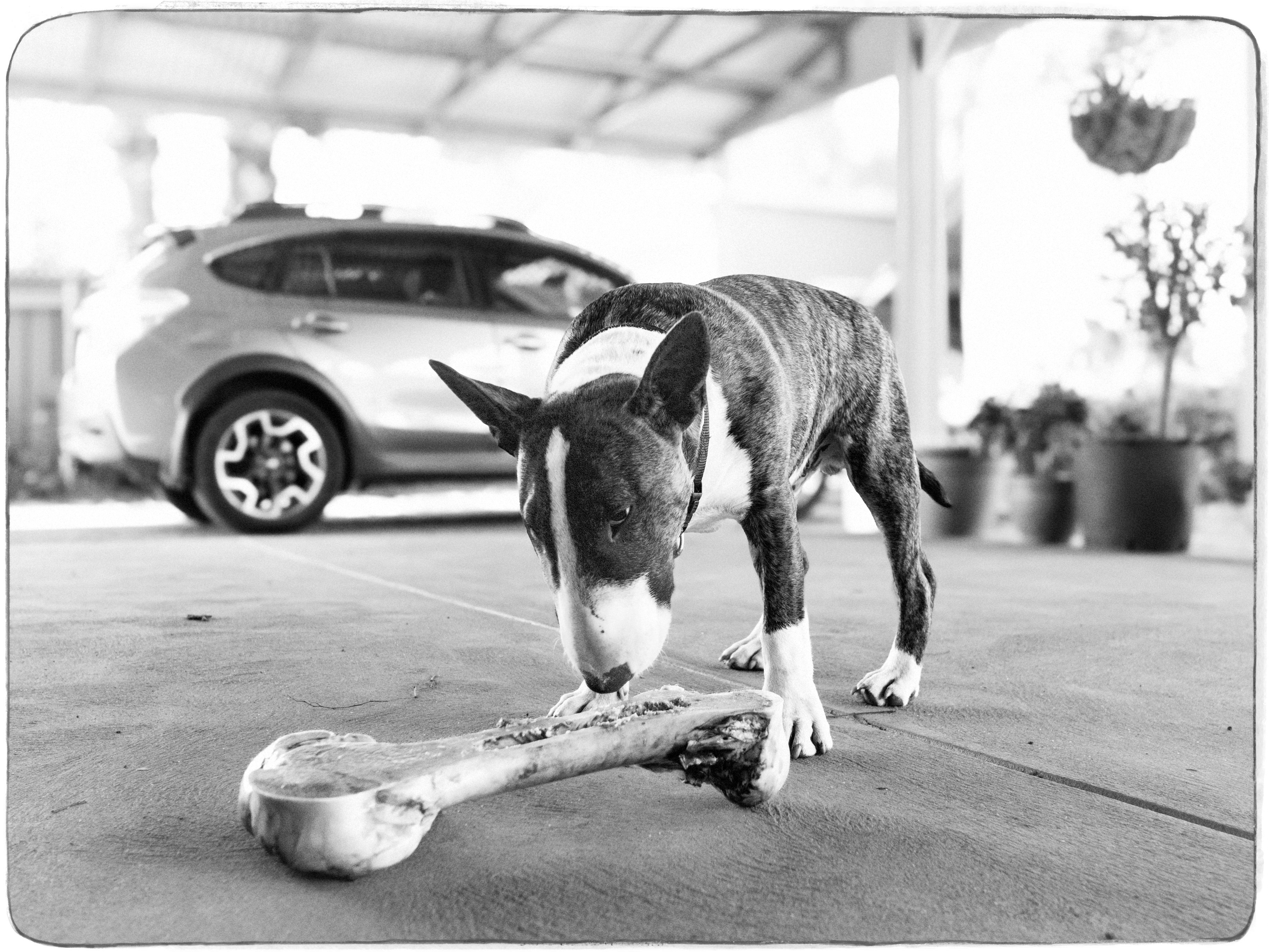
Our poor old car started to sound as if it had a terminal condition. It produced an incredible range of noises from the engine and gearbox. With over 200,000 km on the clock it wasn’t surprising in someways. I took it into the mechanics and it came back with even more strange noises. So while we sorted out a replacement I’ve been somewhat grounded and most of the recent photography has taken place within the constrains of the garden. Most of it macro of various bugs that I’ve found, some of it shots of Bertie, our Miniature Bull Terrier puppy, as he plays. It’s been great fun.
Bertie playing with his ring in the garden.
Bertie with his first marrow bone.
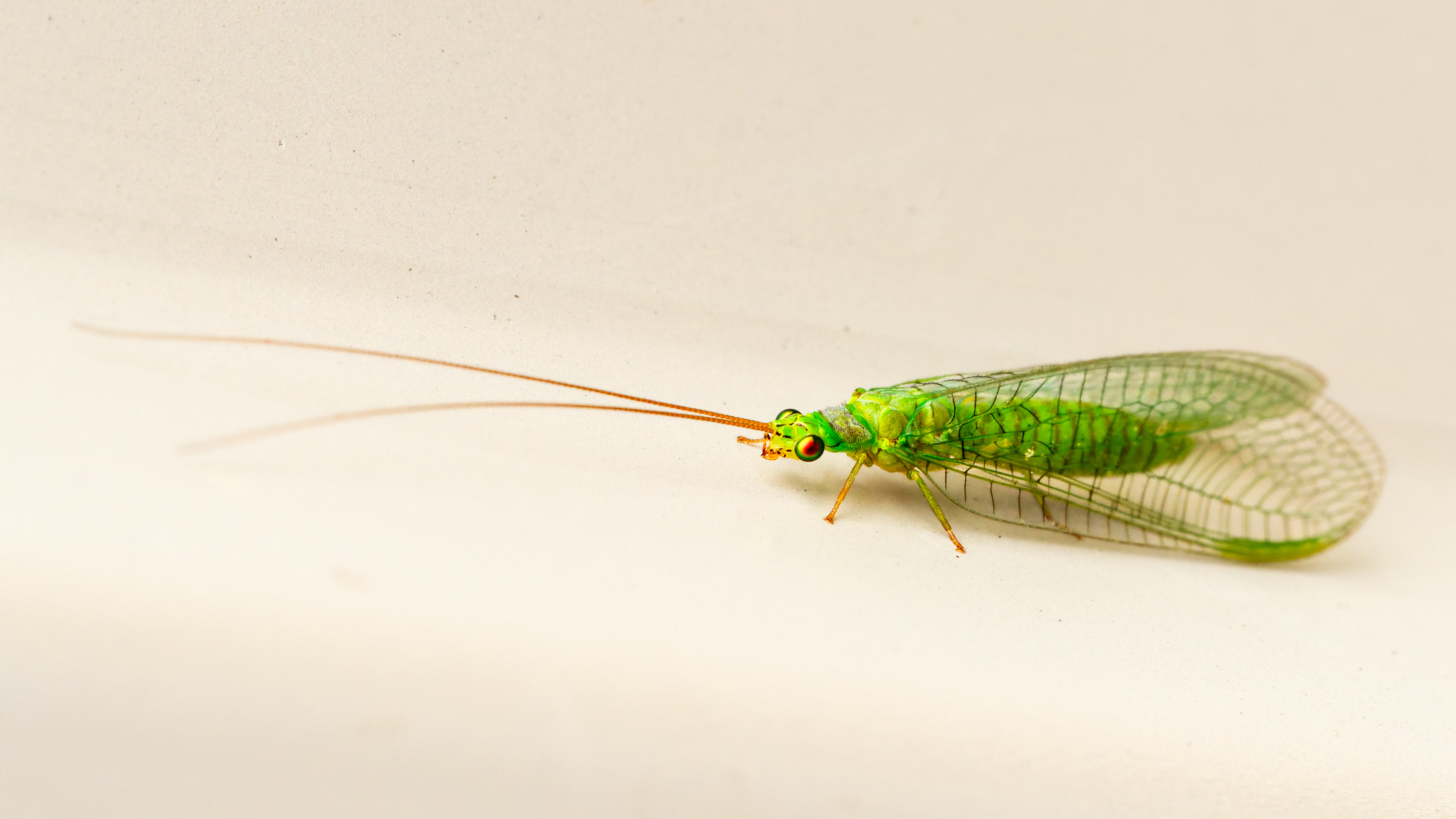
Green Lacewing, Mallada signatus. York, Western Australia.
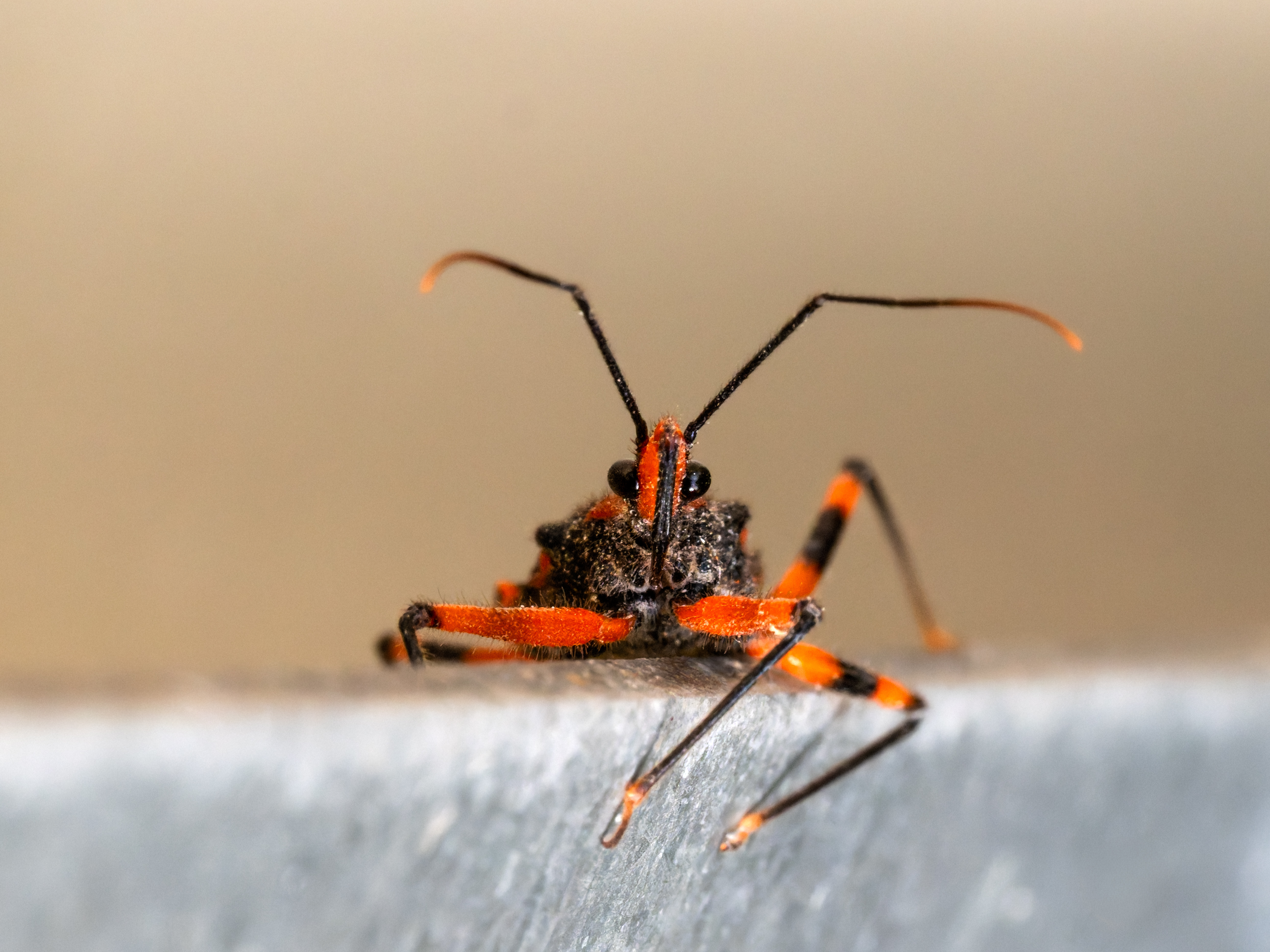
Red Tiger Assassin Bug, Havinthus rufovarius. York, Western Australia.
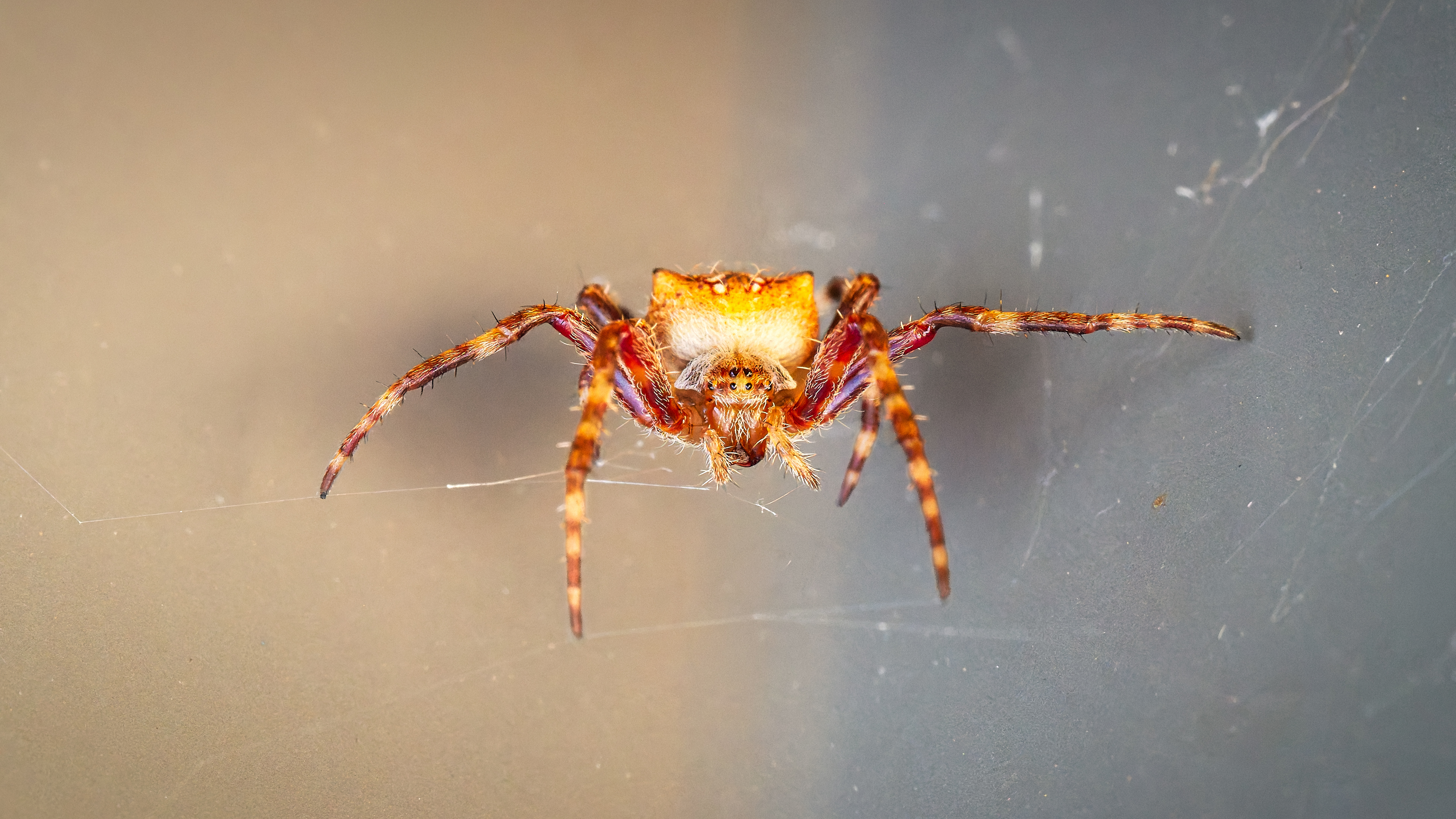
Dunno what sort of spider this is.
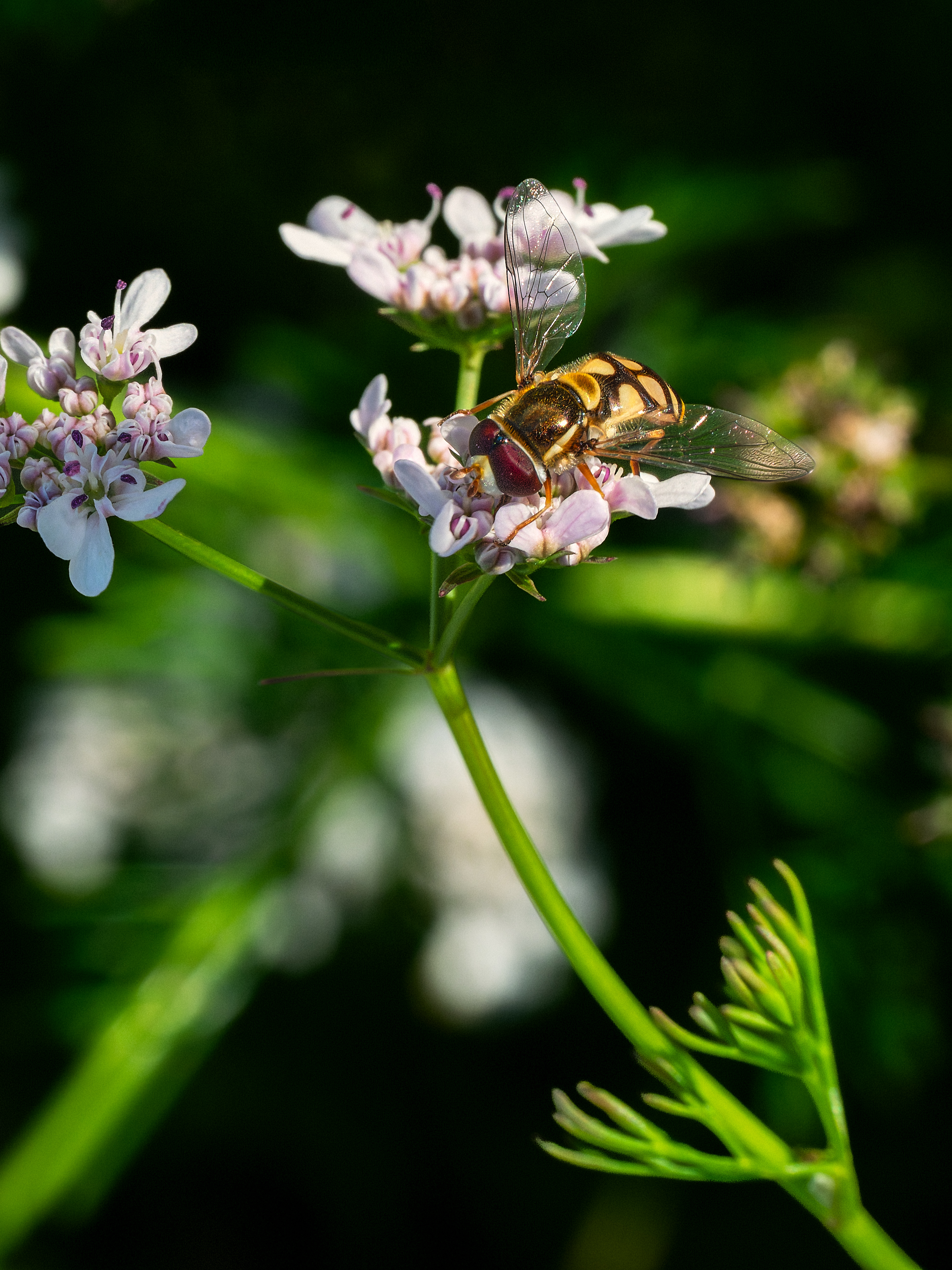
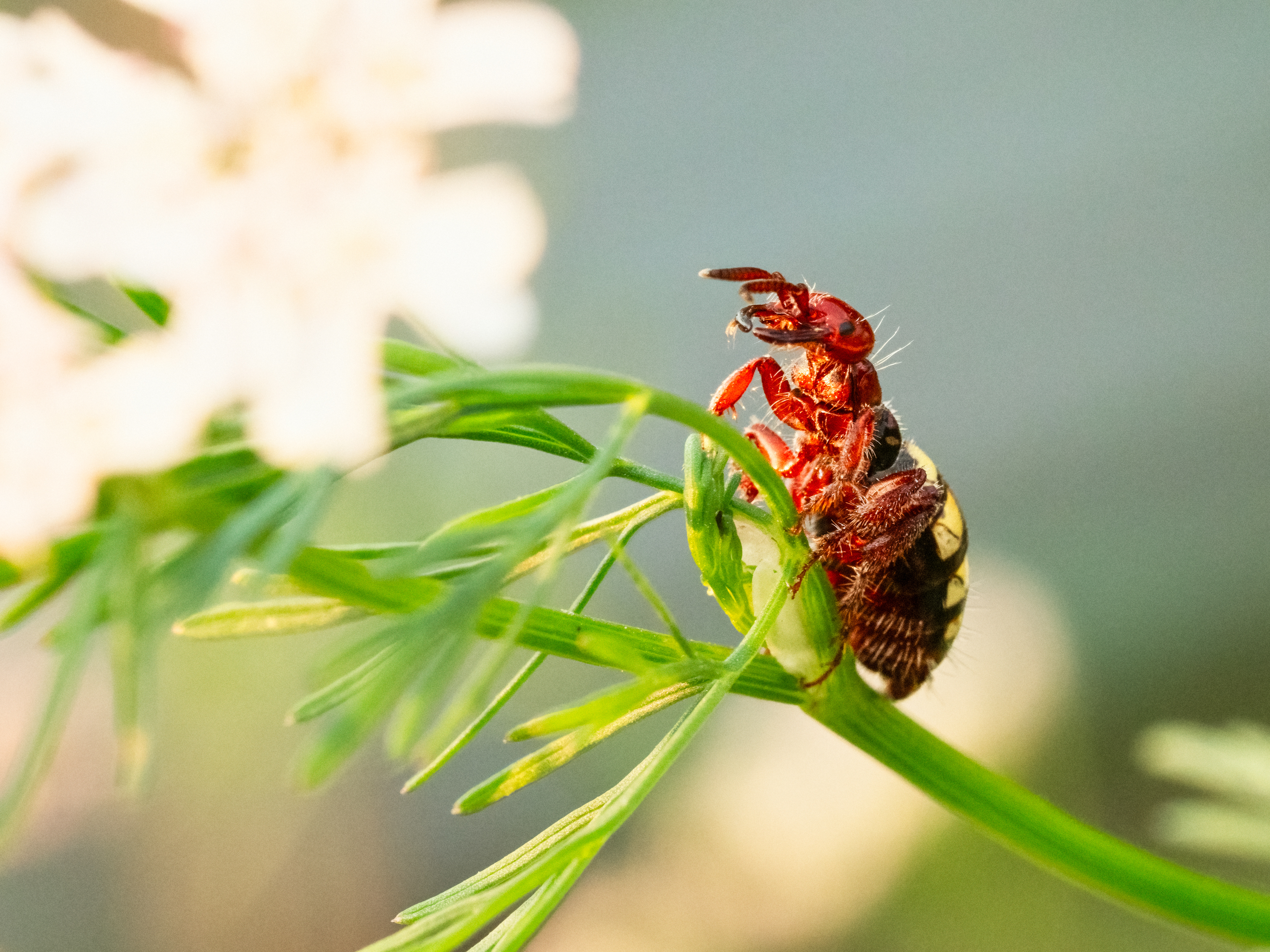
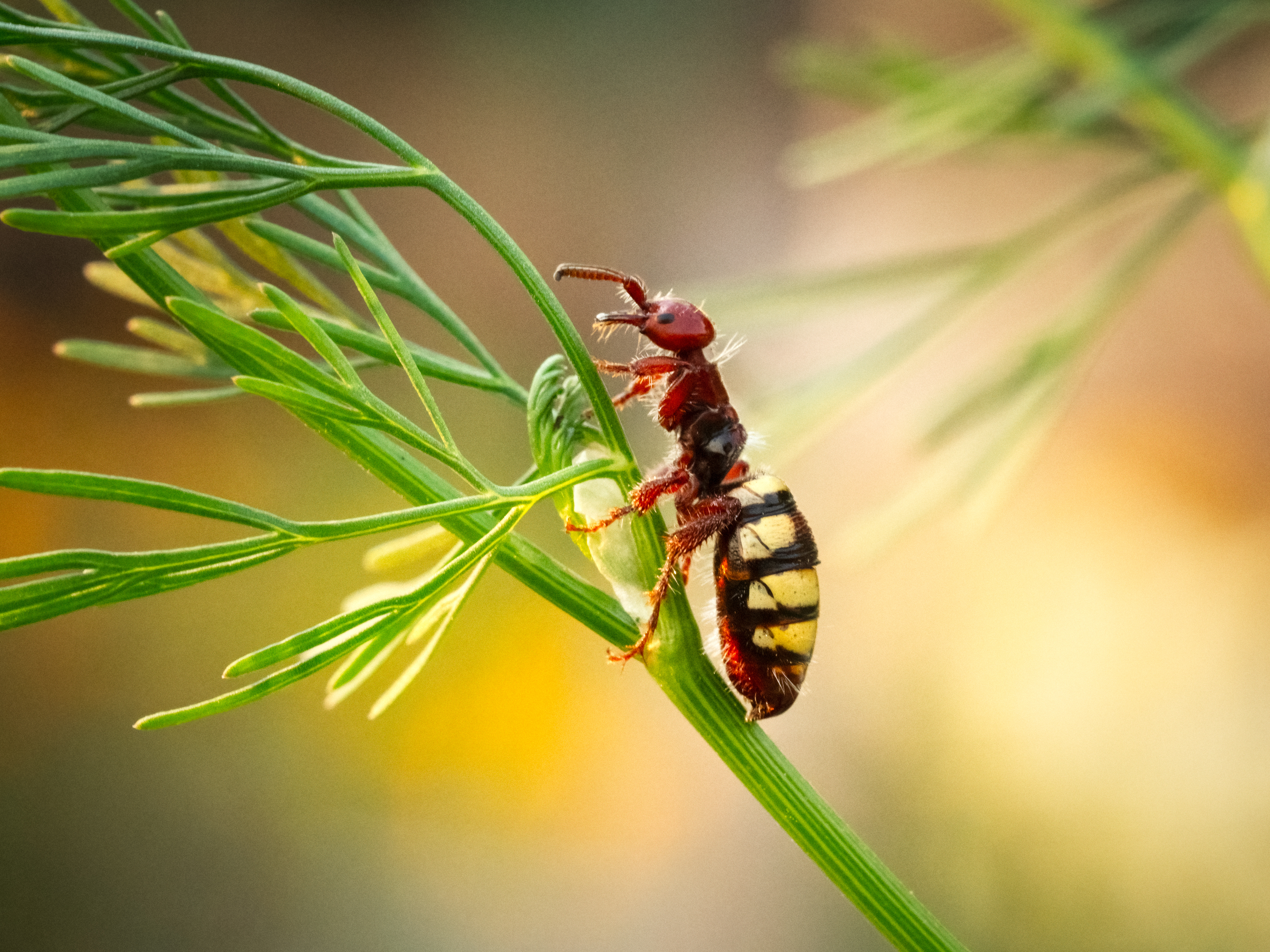
A male Yellow flower wasp feeding on the corriander.
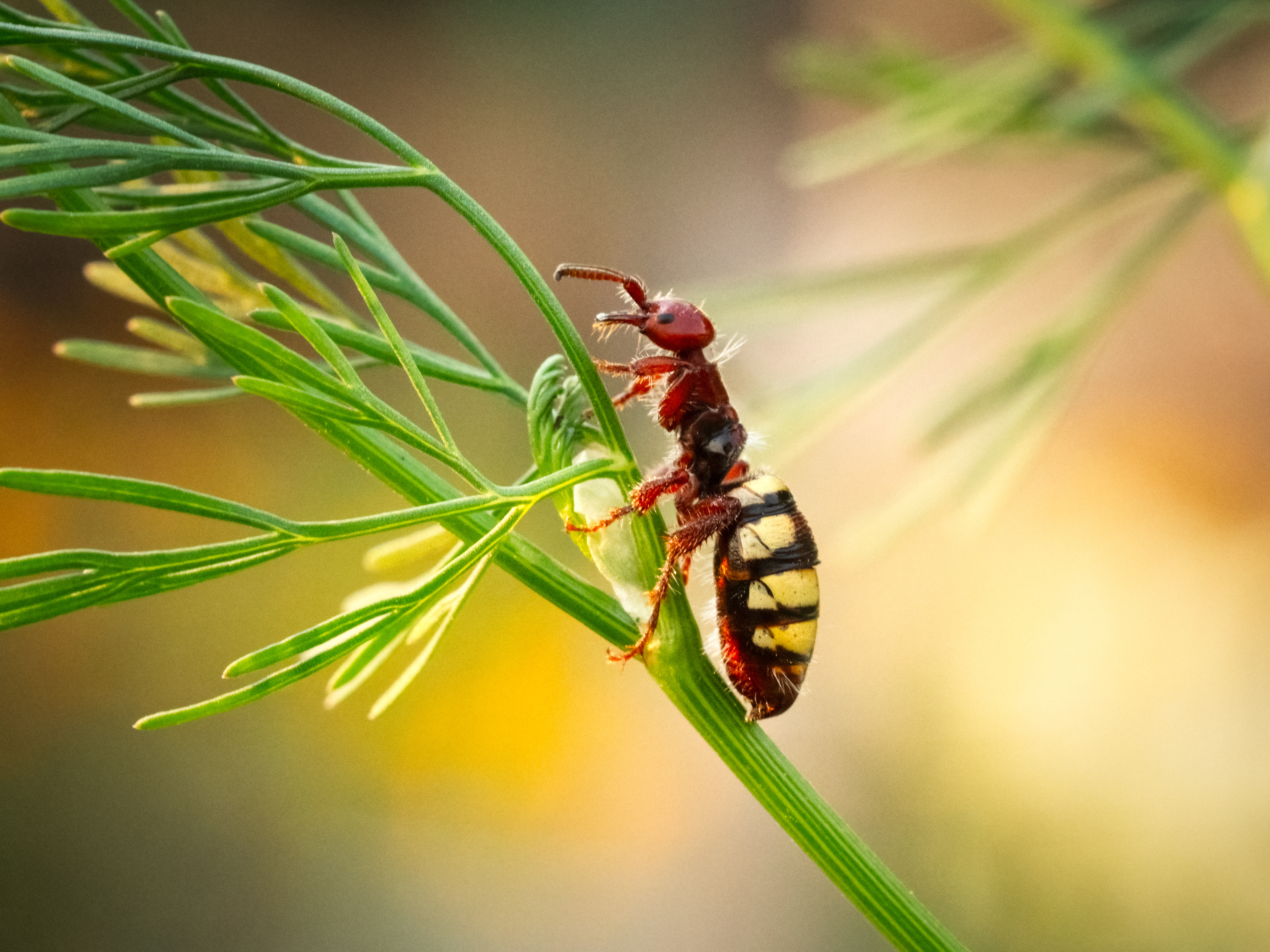
Last week I posted a photo of a mystery insect that I didn’t know what it was. Well it turns out it was a female Yellow Flower Wasp, which are flightless.
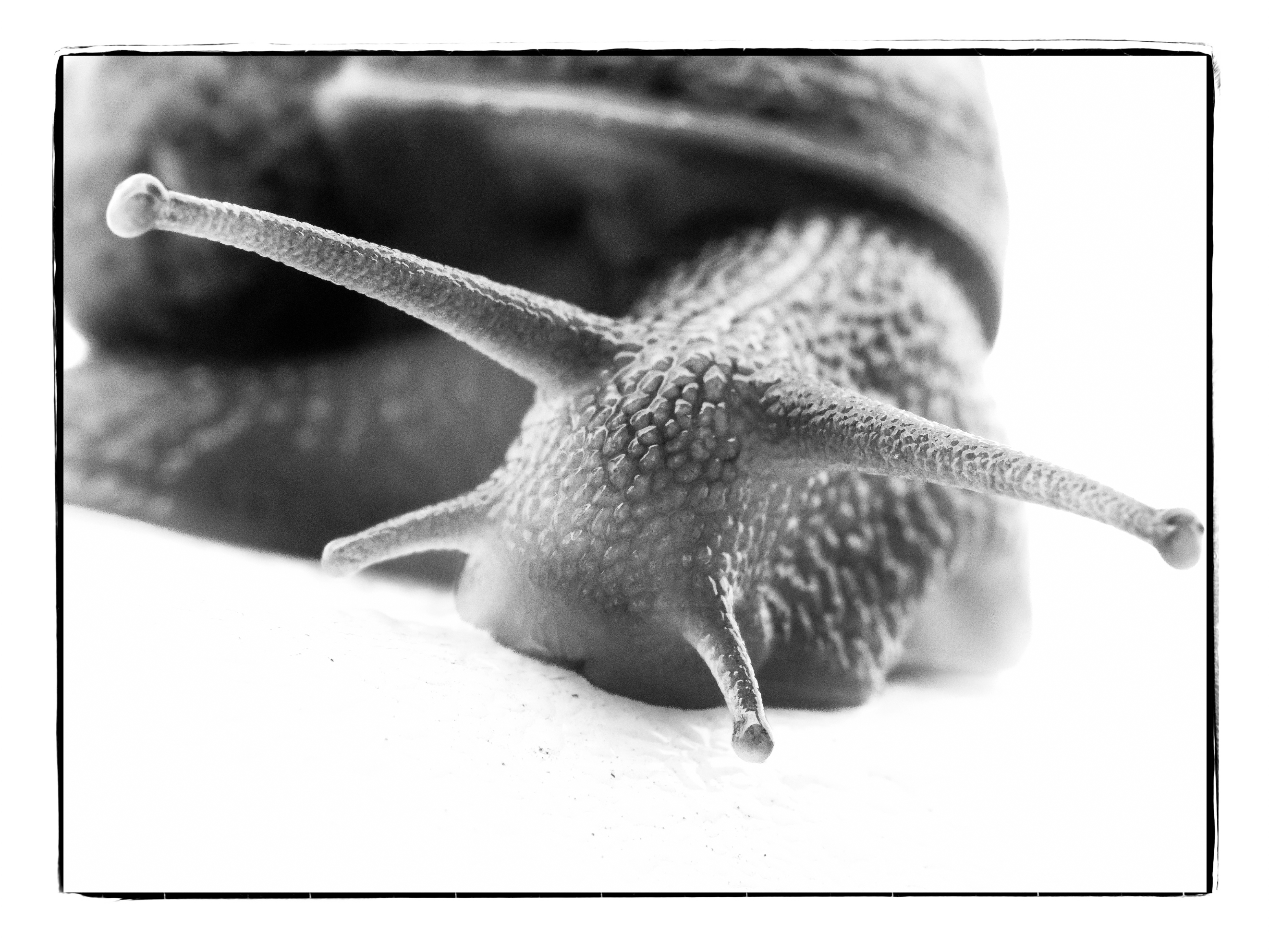
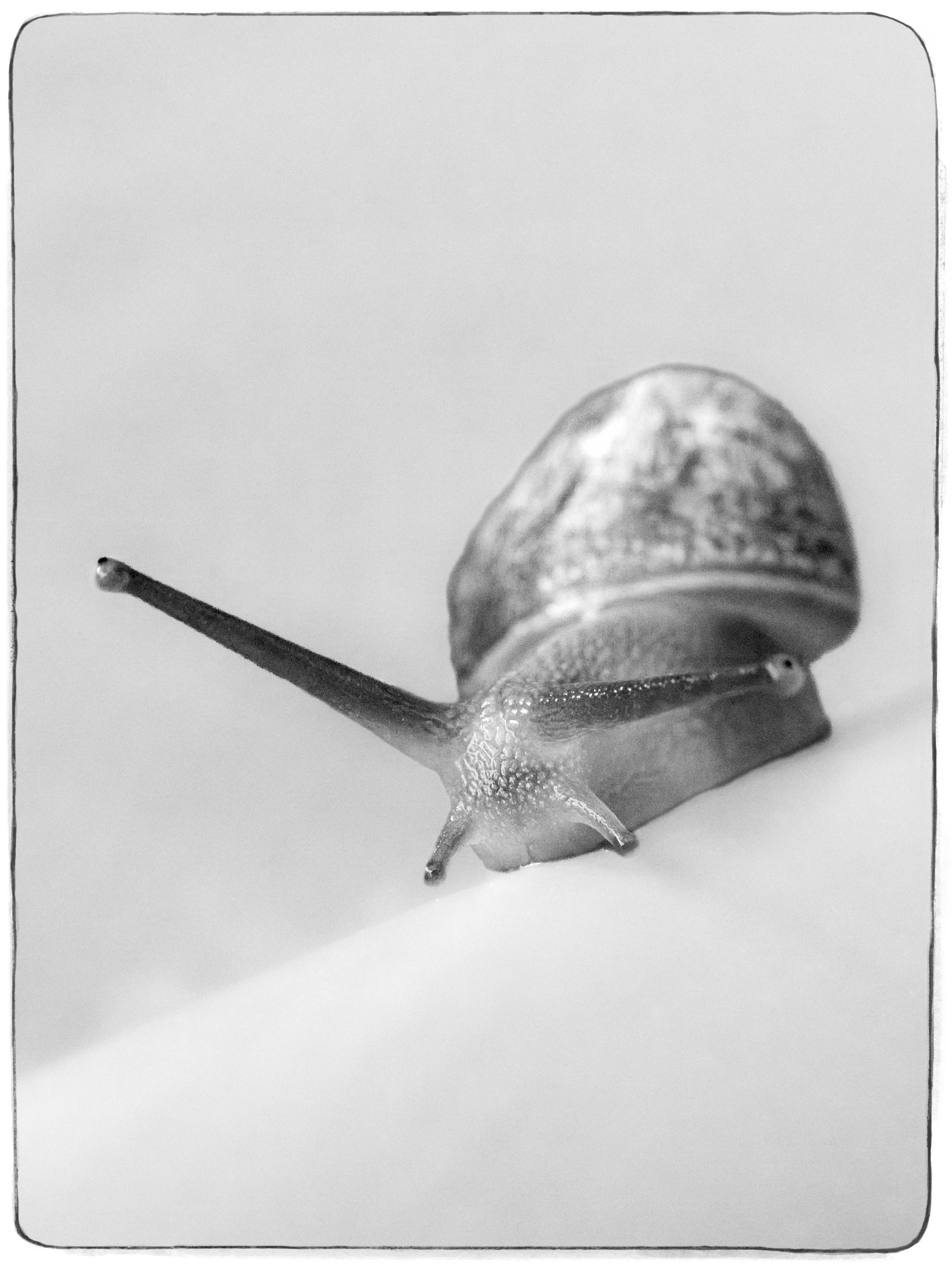
“Stay sill damn it!” Common garden snail, Cornu aspersum.
The recent orchid expeditionmade me get my macro lenses and flash out of the cupboard and consequently I’ve been playing around with it in the garden. I had this brilliant idea to improve my focus stacking technique by taking photos of snails. I mistakenly thought that they’d be a good subject as they don’t move much. I was very much mistaken. The little beggars move around quite a lot. The tentacles that their eyes are mounted on are in a constant state of motion and so my attempts at focus stacking failed. Not to be deterred I just stopped the lens down to f11 or f16 (well into diffraction territory on Micro Four Thirds) and just carried on taking picture of little critters in the garden.
Another fidgety snail.
The focus stack even failed on this. Dunno what I’m doing wrong.
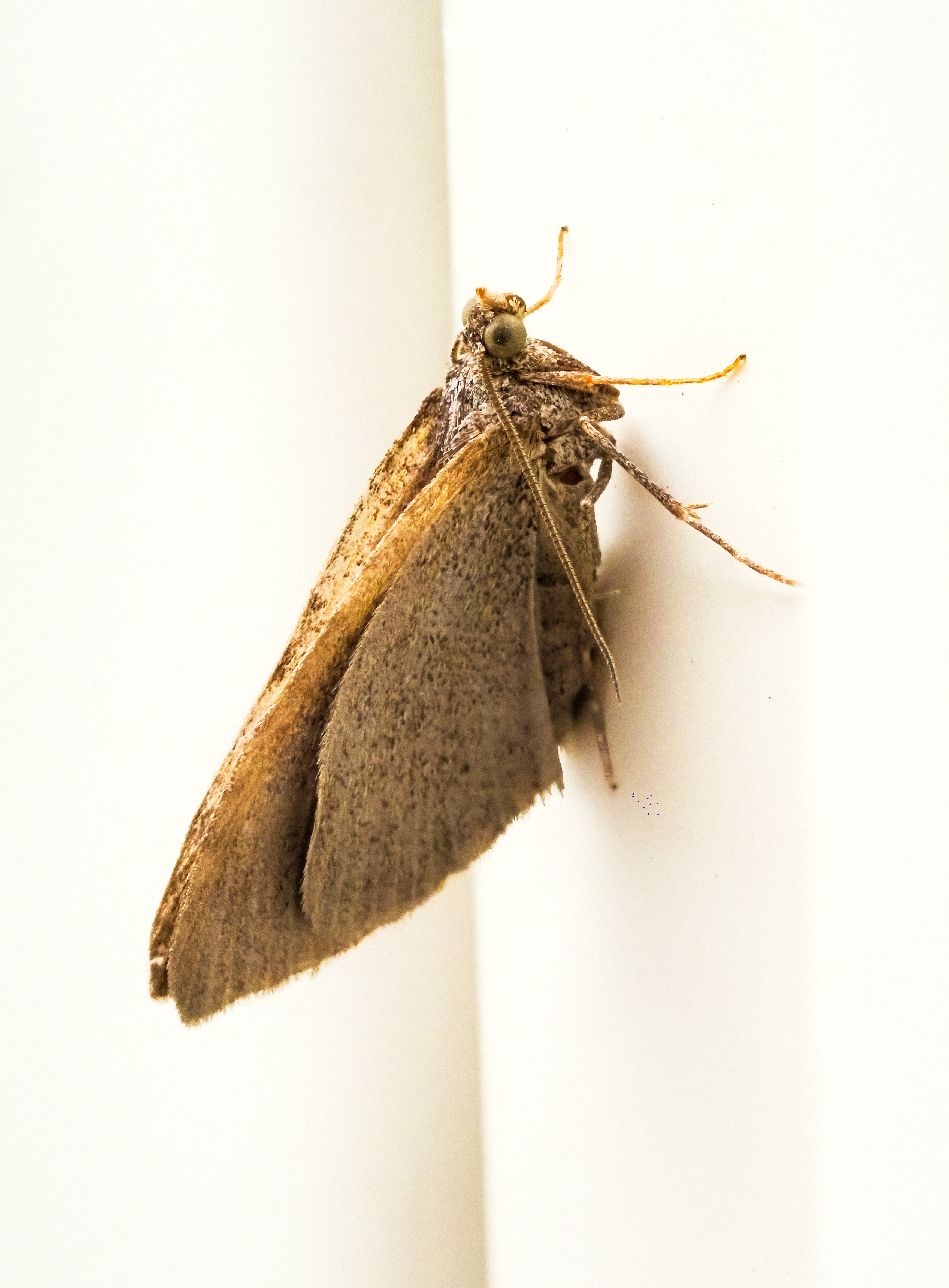
Yikes! Don’t know what this was amongst the coriander.
Looks better in profile.
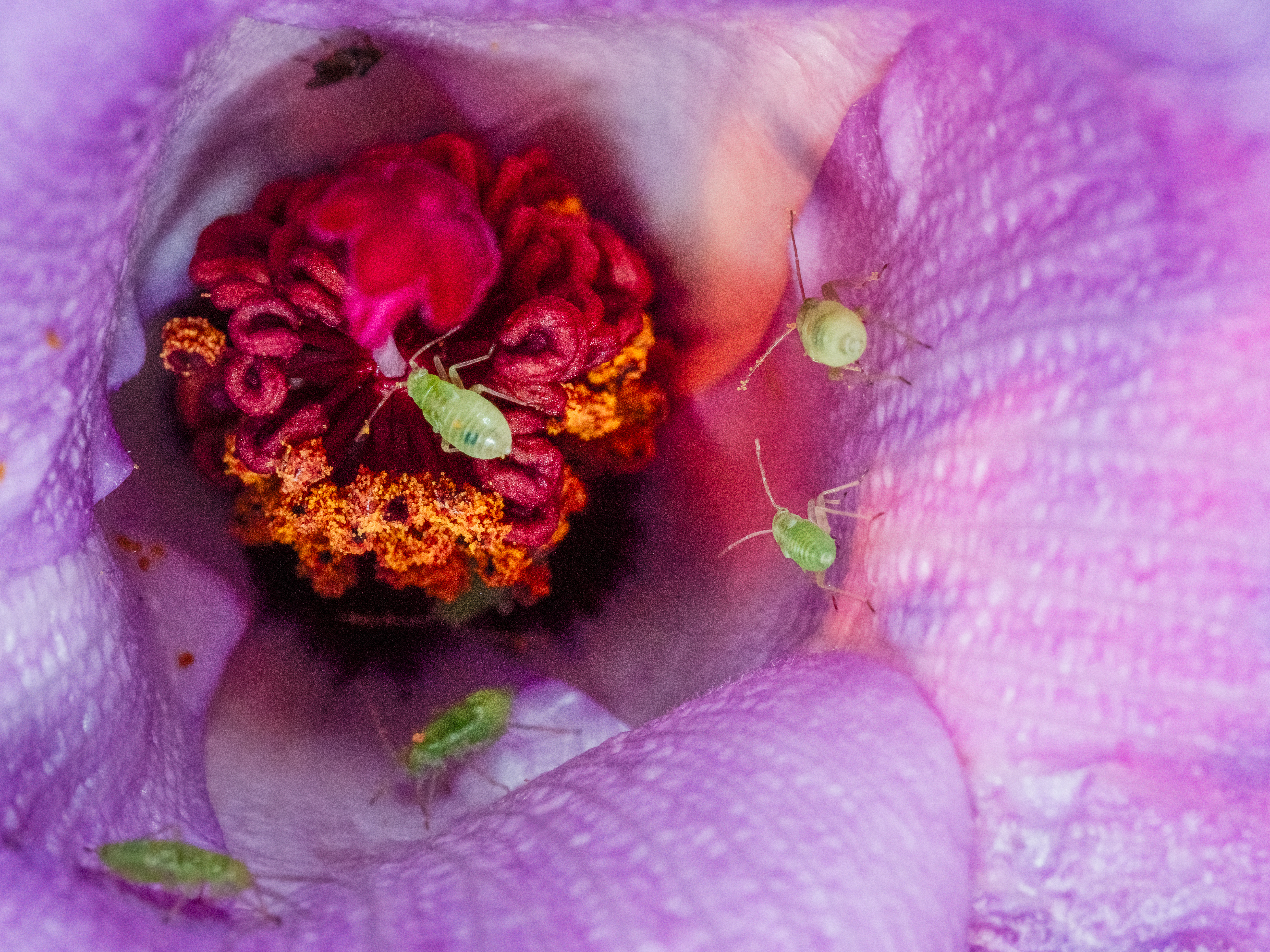
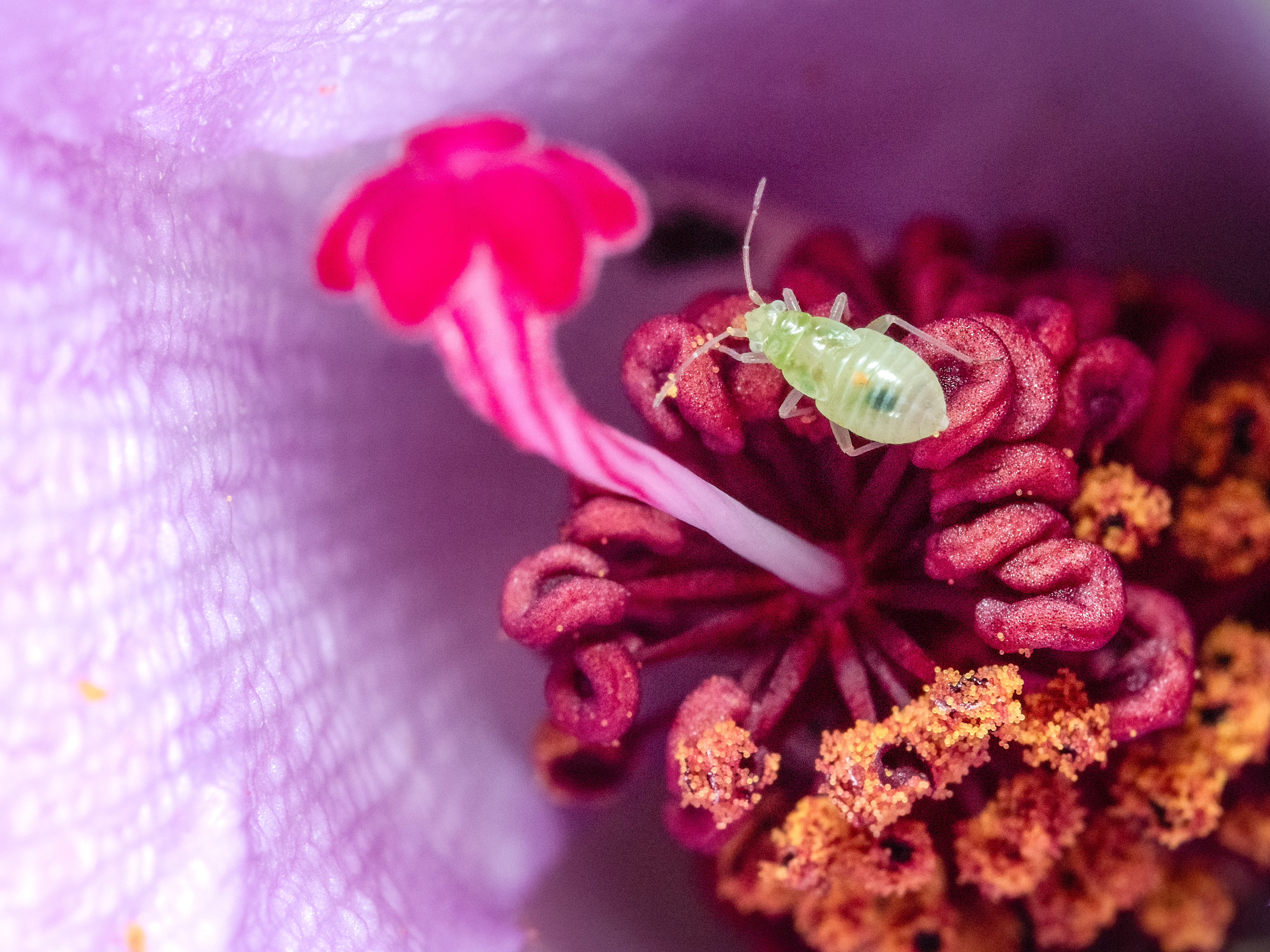
Oh dear! The Beloved Significant Other is not going to be happy with these aphids.
We were sitting on the front veranda the other evening when we heard this amazing bird song. Looking up was a bird we’d not seen in the garden before – a Spiny-cheeked Honeyeater. Of course this warranted getting a camera and taking a few shots.
A Spiny-cheeked Honeyeater, Acanthagenys rufogularis, singing his heart out. Olympus OMD EM 1 mk ii with Panasonic Leica 100-400mm lens.
Spiny-cheeked Honeyeater, Acanthagenys rufogularis. York, Western Australia.
Spiny-cheeked Honeyeater called Kwordilyang by the Nyoongar of Western Australia.
At present with the first days of spring upon us we have several birds nesting in the garden. Amongst the Bougainvillea on the back fence several white cheeked honey eaters (Phylidonyris nigra) have made nests. I’m not entirely sure how many there are in there as the thorns prevent me from having a closer look.
One of the white-cheeked honeyeaters, Phylidonyris nigra, on our lemon tree at the back of the garden.
The other avian residents of the garden are the bossy and busy white browed babblers (Pomatostomus superciliosus). They are quite raucous as they pick amongst the mulch looking for insects, spiders , small amphibians, reptiles and will also and seeds. There are three nests that I know about in the peppercorn trees and it is difficult to know exactly how many birds there are as they have quite complicated living arrangements.
“The White-browed Babbler builds a domed stick nest, with a hooded side entrance. It builds both brood (for breeding) and roost (for resting) nests. Breeding pairs are monogamous, but they form co-operative breeding groups comprising two to four breeding pairs and two to eight non-breeding helpers. Only the breeding female incubates the eggs, though other birds in the group feed her and the young birds. Cooperatively breeding groups occupy a home-range, but there are complex interactions within and between groups.”
Hills Hoist washing lines supporting birds for generations. White-browed babbler (Pomatostomus superciliosus), York, Western Australia.
All have lain eggs and the females are sitting tight on the clutches of eggs while the attentive males flit around the garden finding food for them.
About to head home with tonight’s tea. White-browed babbler (Pomatostomus superciliosus), York, Western Australia.
I observe all these antics as I hang out washing, cut the grass and other domestic human duties. It all sounds like paradise. Unfortunately just as happened in the original Garden of Eden so a pair are about to upset the apple cart so to speak. This pair aren’t snakes (they’re still asleep in the woodpile) and it definitely isn’t the resident Adam and Eve (er that’s me and the missus). No it is the two miscreants below who are to blame.
Laughing Kookaburras perched on our TV aerial looking for small animals to prey upon.
Kookaburras (Daceelo novaeguineae) normally eat small lizards, large insects and other invertebrates but they are not averse to raiding nests and taking small chicks. The babblers and honeyeaters all take cover when the Kookaburras take their observation post on the TV aerial. I think this is going to end in tears.
Australian painted lady butterfly (Vanessa kershawi). Olympus Pen EP-5 with Olympus 60mm f2.8 macro lens and Olympus FL600-R speed light.
I’m always amazed at what I can find in my back garden. This is just an ordinary suburban backyard and yet I seem to find something new to photograph on a weekly basis. If you pine for an African Wildlife safari but never have the coin I’d try getting out in the garden and seeing what you can find.
A garden katydid (Caedicia simplex) found strangely enough in my garden. Olympus Pen EP-5 with Olympus 60mm f2.8 macro lens.A cabbage white butterfly (Pieris rapae) on a lavender flower. Olympus Pen EP-5 with Olympus 60mm f2.8 macro lens and Olympus FL600-R speed light.Found in one of our raised veggie beds. The Eastern Common Frog (Crinia signifera) is a small ground dwelling frog and is one of Eastern Australia’s most common and widespread species. Olympus OMD EM-10 with Olympus 60mm f2.8 macro lens.
As always clicking on the image will take you to my online gallery.
Just playing around with the high-speed sync on my Olympus EM-10 and Olympus FL-600R flash gun. Lens was the Olympus Zuiko 60mm f2.8 macro and the exposure was aperture priority with high-speed flash sync 1/640 s at f/4.0 ISO 400.
* Honey Bee by Stevie Ray Vaughn and Double Trouble
Apian Activity. Canon EOS 550d, Sigma 105 f2.8 macro, Canon 430EX Speedlite with Stofen Omni-bounce off camera. Exposure 1/200 s at f/8.0 ISO
This year has been a very busy one for the bees. Despite what the calendars say is the official start of spring in reality here in the Avon Valley it arrived four weeks early this year with everything kicking off. I said in a previous post that most of the orchids were out early, well where there are flowers there are bees and the early start has kept them very busy. Not only have they been very busy feeding and pollinating flowers they have been busy swarming. I’ve never seen so many swarms. In one week I saw four flying around as I took the dog out on her morning walks. One particularly memorable formed in Avon Terrace, which is Yorks main drag, and made its way up the street causing chaos as people tried to avoid it before it settled on a TV aerial on the back of a caravan.
Bee Swarm
The swarm in the picture above was on a blind corner on the river walk trail and I nearly walked into it. As it was I got stung several times on the face. Despite the drama of the swarms I’ve had a lot of fun this spring just photographing the bees in my garden and here are some of the shots that I’ve taken.
Bee gathering pollen on an apricot blossom. Canon EOS 550d Sigma 105mm f2.8 macro with Canon 430EX speedlite fitted with a Stofen Omni-bounce on a flash bracket. Exposure 1/50 s at f/5.6 ISO 200.Pure Nectar. A bee feeding on the nectar from a bottle brush tree. York, Western Australia. Canon EOS5d, Sigma 105mm f2.8 macro lens, Canon Speedlite 550EX with Stofen Omnibounce on a flash bracket.Cleared For Landing. Canon EOS5d Sigma 105mm f2.8 macro lens and Canon 550EX speedlite fitted with a Stofen Omni-bounce on a flash bracket. Exposure 1/125 s at f/11.0 ISO 200.
As far as photographic technique goes it is fairly simple. I shot these using a Canon EOS550d or an EOS5d with a Sigma 105mm f2.8 macro lens. I mounted my flash on Custom Brackets Mini-RC with a Stofen Omni-Bounce as diffuser, and I connected the flash to the camera via a TTL cable and shot in aperture priority setting -1 stop exposure compensation so that the flash light is the main source as light (or key) and the ambient is the fill. The High Speed Sync function is also selected. I then select an aperture to give me sufficient depth of field – around f8 or f11. The ISO is set to give me a shutter speed of above 1/100th sec. I don’t worry about the speed of the bees when they move as the flash freezes the motion with its very short duration. Easy peasy. At this point I should point out that when doing this you should keep your mouth shut as you don’t want to be stung on the tongue and if the bees start getting upset you should back off a bit to allow them to settle. Also if you are allergic to bee stings might I suggest butterflies it may be safer.



You must be logged in to post a comment.