For the duration of our recent trip to the Great Southern we stayed in the small town of Torbay about 20Km east of Albany. It’s a beautiful spot on the eastern fringe of the karri forest region with remnant old growth forest, which inevitably means lots of interesting wildlife living in the tree canopy and the dense understory. The Torbay Agricultural Community Hall is the start 2.6Km bird walk that takes you through the bush. We weren’t able to walk it as the recent storms had brought down a few trees blocking it, but it looks as if it would be a delightful walk in spring and early summer when all the wildflowers are out. Below are a few photos taken round the Torbay area.
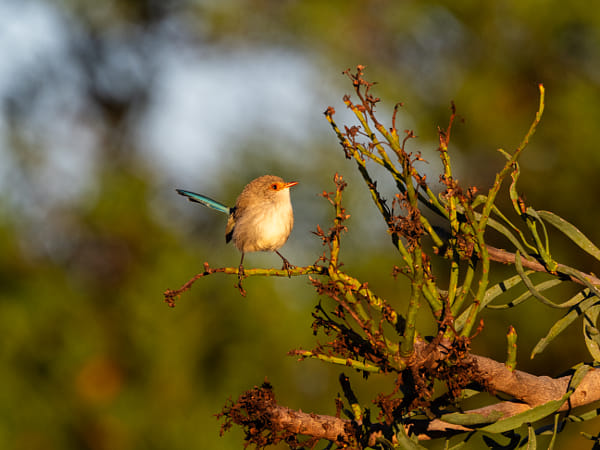
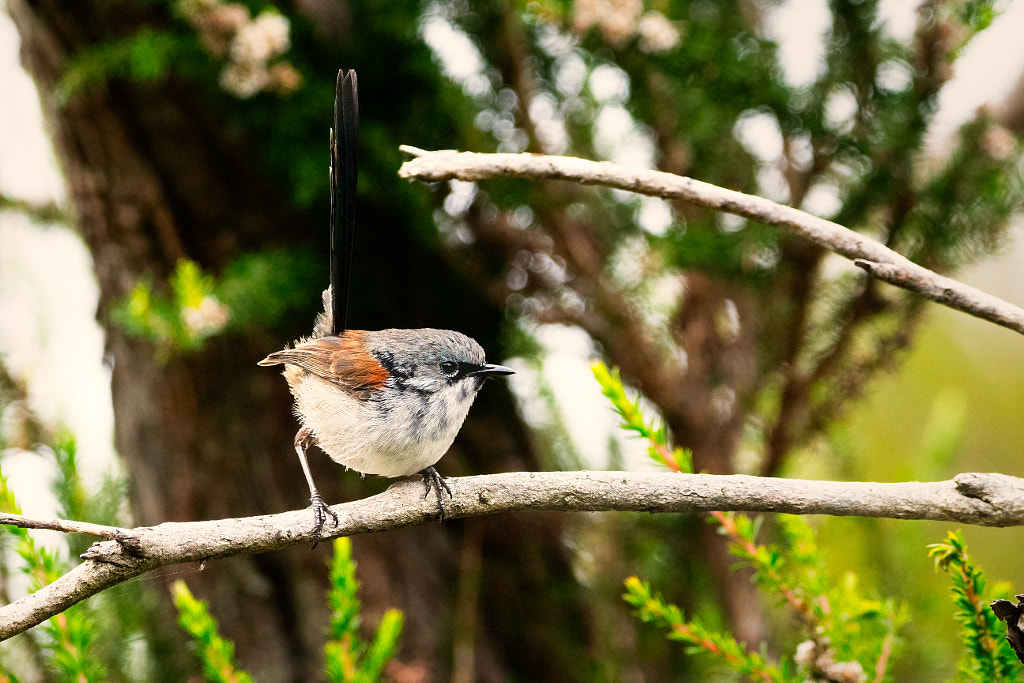
Djer-djer or Splendid Fairy-wren (Malarus splendens subsp splendens).
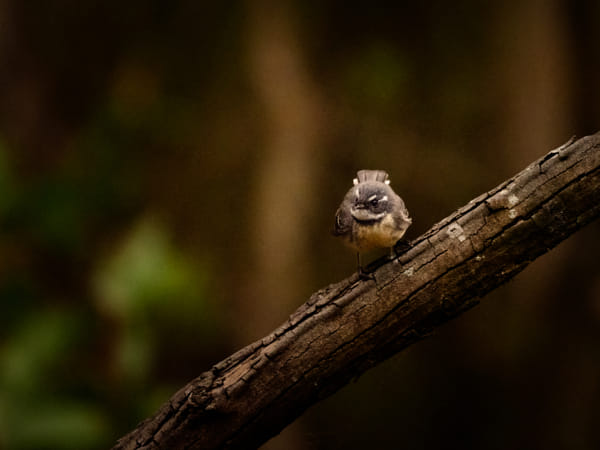
Kadjinak or Grey fantail (Rhipidura albiscapa). Torbay Bird Walk.
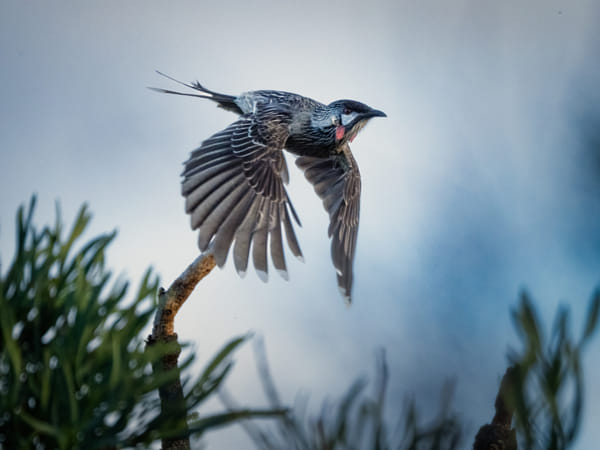
Djangkang or Red Wattlebird (Anthochaera carunculata).
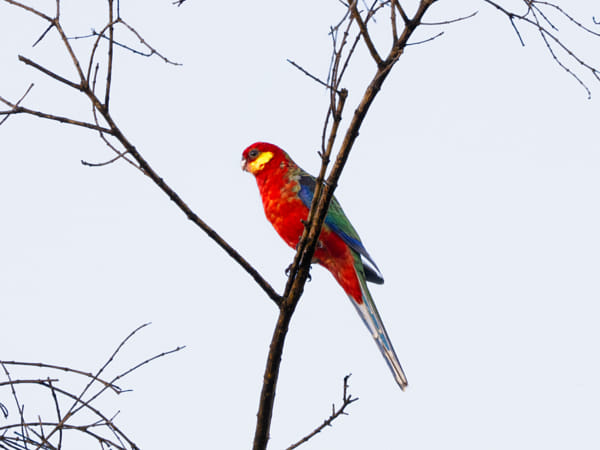
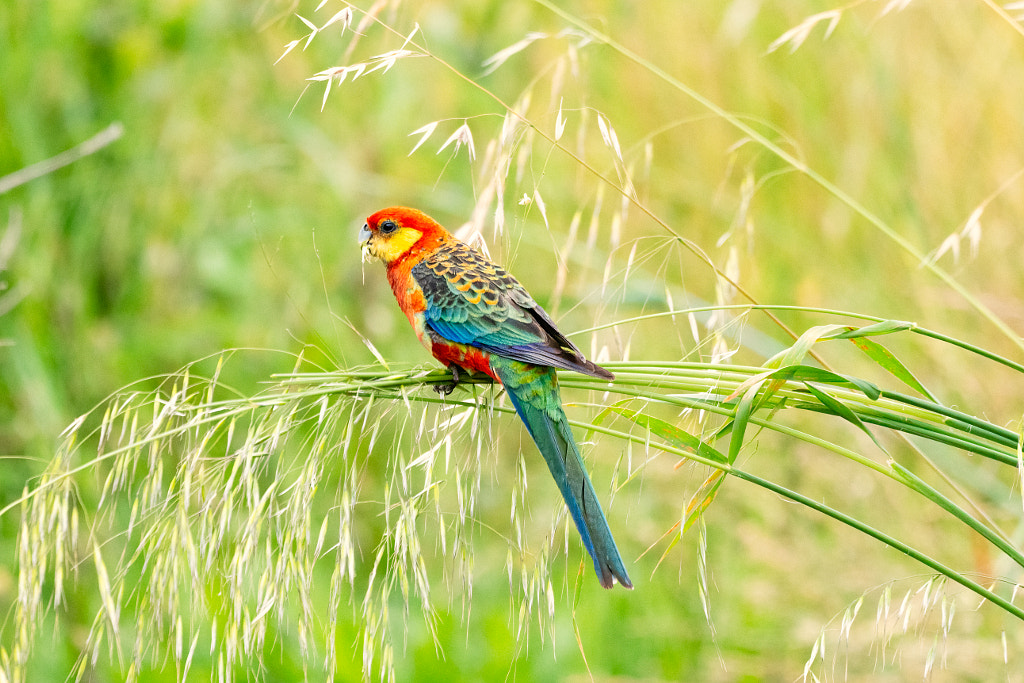
Bardinar or Western Rosella (Platycercus icterotis).
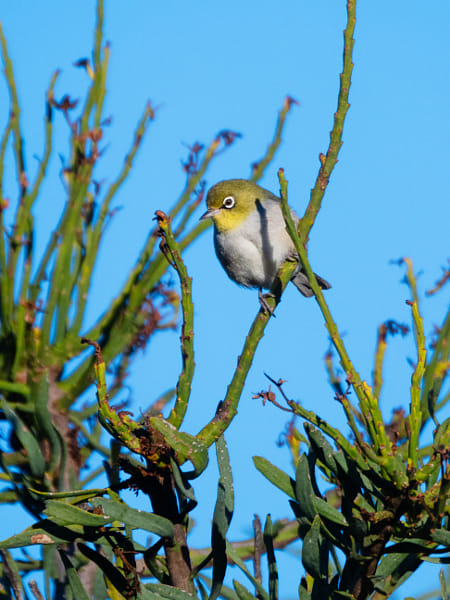
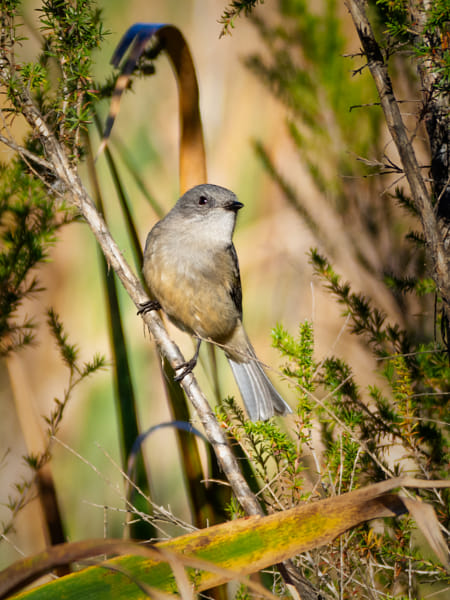
Doolor or Silvereye (Zosterops lateralis).
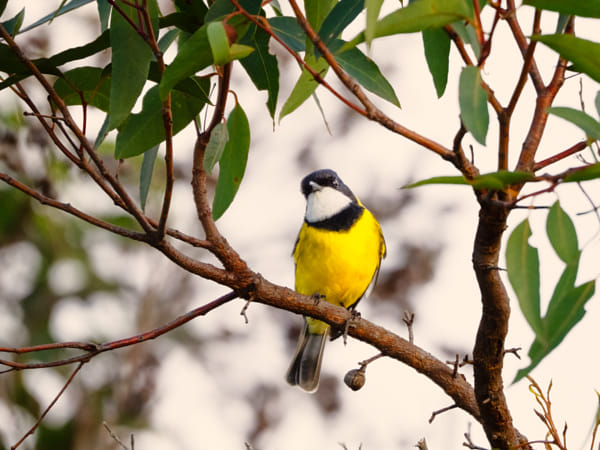
Bidilmidang or Golden Whistler (Pachycephala pectoralis).
Lake Powell is a well kept secret. We asked at the Elleker General Store, Tavern, Cafe and Servo for directions and they’d never heard of it yet as the crow flies it was only 2 minutes drive away. We could see the lake, it was the turn off to take us into the Lake Powell Nature Reserve we were looking for. After a bit of driving around we found it and made plans to go there the next morning.
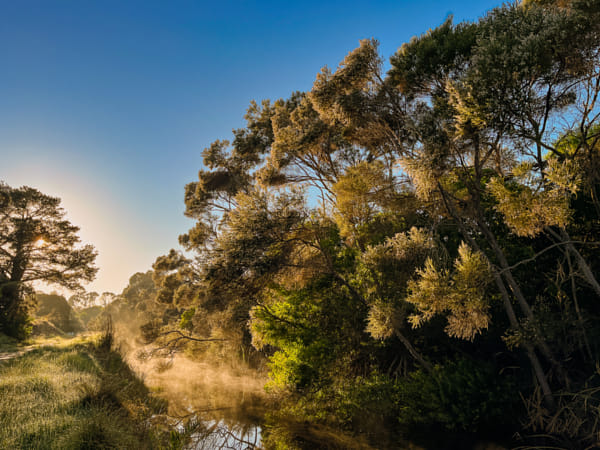
Now up to this point on our trip it had rained – and when I say rained it was the sort of torrential deluge that would make Noah start building a boat. So when we arrived at Lake Powell we were met with this magical mist over the water and a beautiful golden light filtering through it. These are the conditions you just live for as it just makes everything look bloody wonderful. Having parked the car up we walked down to the bird hide following the track beside the Grasmere Channel. Years ago when the first European settlers arrived they found a very low lying area and those bits that weren’t swamp were prone to flooding and so a whole drainage system was put in and the Grasmere Channel is part of that. But, rather than being a boring man made feature it is a wildlife haven and it feeds the lake with fresh water. When we got to the hide there was nothing much to see, it was clear that everything all the activity was along the channels that was where I concentrated my efforts. It was great morning and I was so chuffed to see a Red-eared Firetail even though I didn’t get a good photo of it.
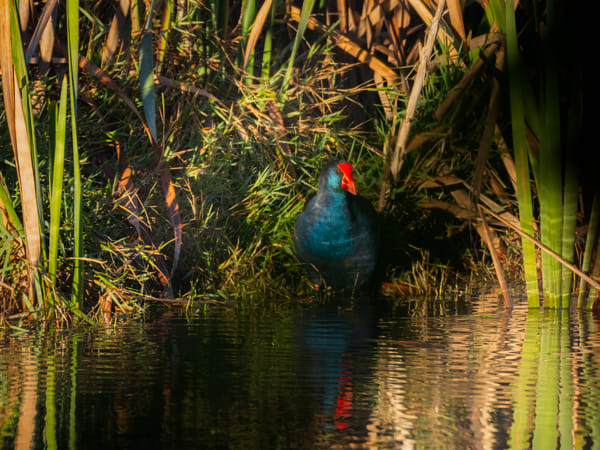
Kwirlam or Purple Swamphen (Porphyrio porphyrio). Lake Powell Nature Reserve.
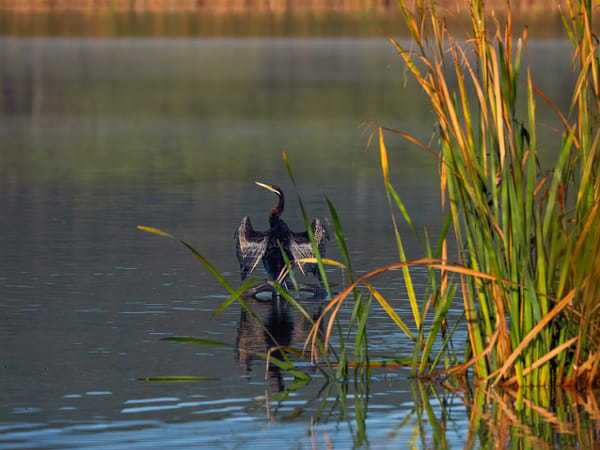
Mimal or Australian darter (Anhinga melanogaster subspecies novaehollandiae).
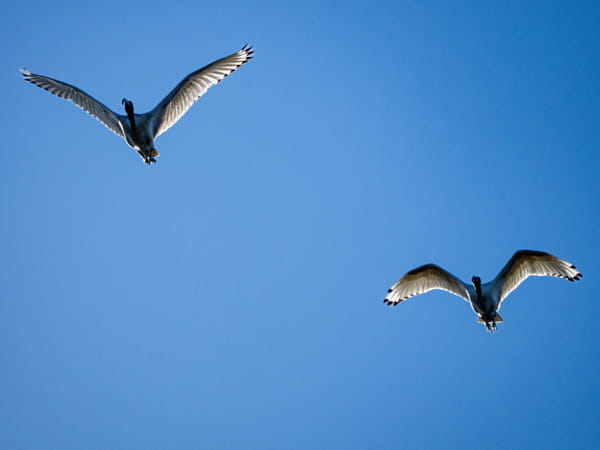
Ngalkaning or Australian White Ibis (Threskioris molucca).
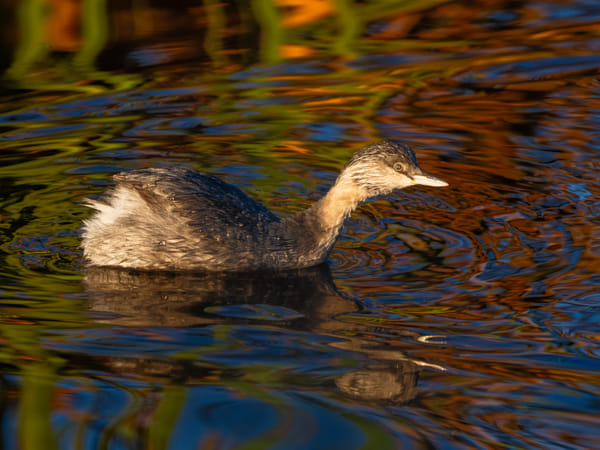
Wayooda or Hoary-headed Grebe (Podiceps poliacephalus).
Koodilang or Grey Shrike-thrush (Colluricincla harmonica rufiventris).
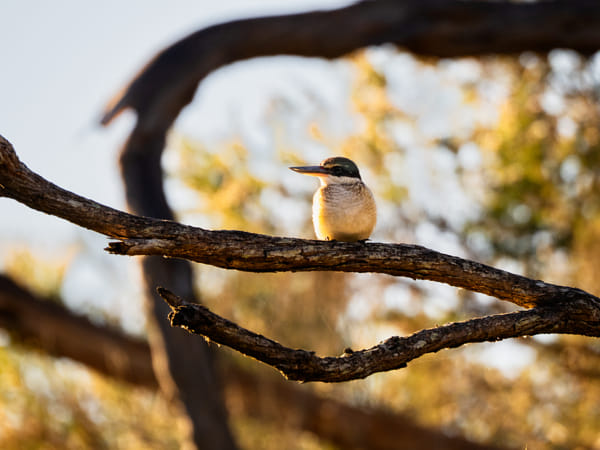
Kanyinak or Sacred Kingfisher (Todiramphus sanctus).
Not a great photo but seeing this little bird really made my day. Djiri or Red-eared Firetail (Stagonopleura oculata). Lake Powell Nature Reserve.
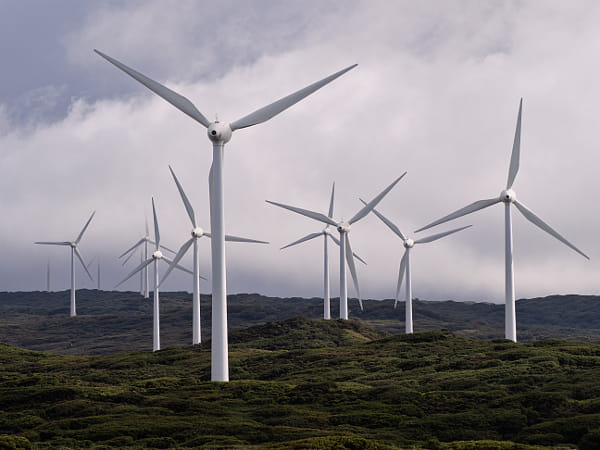
It seems a little perverse that we visited Albany Wind Farm when it was blowing a gale, but, that is what we did. Tourism Western Australia promotes this as a destination which I find quite strange, but then I’ve just found out that the old Battersea Power Station in London is now a tourist destination. If you told me 50 years ago that tourists would visit it I’d have thought you’d gone doolally tap. Albany Wind Farm doesn’t have shops and accommodation for tourists, rather it has 18 wind turbines plonked on top of 80m cliffs overlooking the Southern Ocean. We weren’t interested in the wind turbines, we were interested in the coastal heath that grows beneath them and what lives in that.
Albany Windfarm.
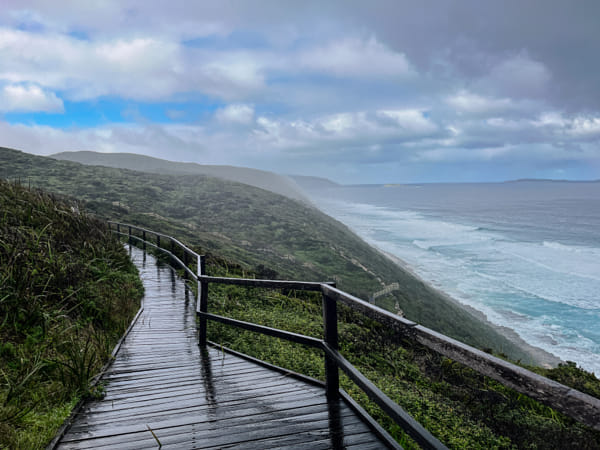
Wet, cold and windy.
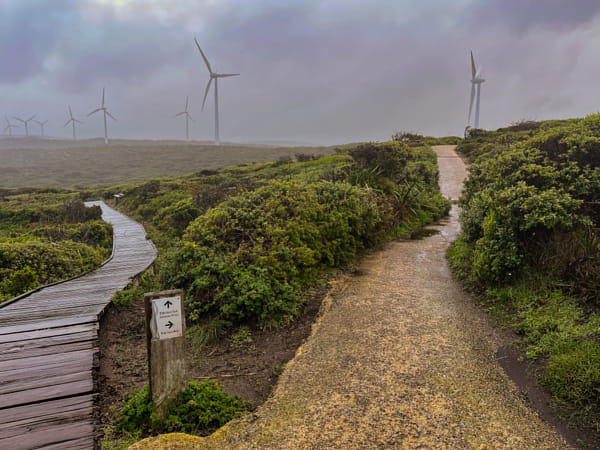
The Bibbulmun Track intersects with the Albany Wind Farm walk trail.
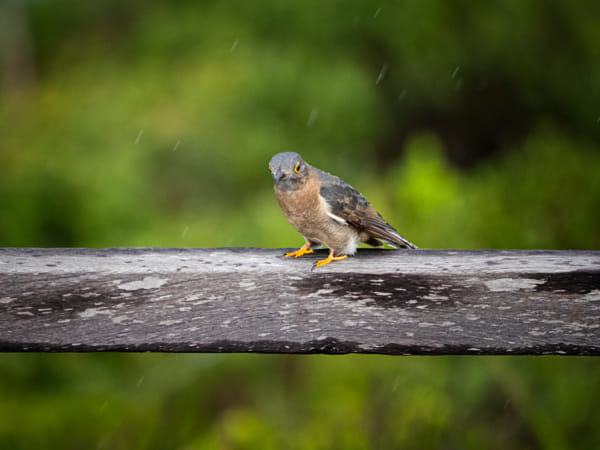
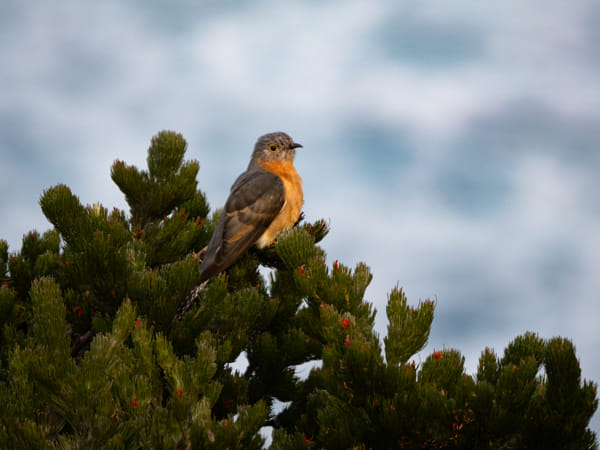
Ostensibly we were looking for the Southern Emu Wren. They are incredibly shy and difficult to find at the best of times and next to impossible when it’s blowing a gale, bucketing down and absolutely taters. The closest I got was a glimpse of the rear end of one in a bush just before it flew off. Very, very frustrating. In fact it wasn’t just the weather that was making things difficult, my camera was misbehaving as well and wouldn’t focus on anything even if it did sit still. It was not a good day out. After a regroup it was decided to return the next morning as the weather forecast was better and importantly, while we didn’t see a lot of bird activity we could hear it in the undergrowth. It wasn’t all bad as I did get a photo of a Fan-tailed Cuckoo which was a first.
Definitely not singing in the rain. Djoolar or Fan-tailed Cuckoo (Cacomantis flabelliformis).
The next morning was considerably better. The wind was still blowing, but that was to be expected as they wouldn’t have sited the wind farm here if it wasn’t windy, but most importantly it had stopped raining. It’s amazing how a bit of sunshine improves the morale. I’d also checked the autofocus settings on the camera and found that I’d been playing around with them and hadn’t put them back to what they were. AF systems in modern mirrorless cameras are so complicated and you only have to make a small change and everything can go out of whack. Live and learn.
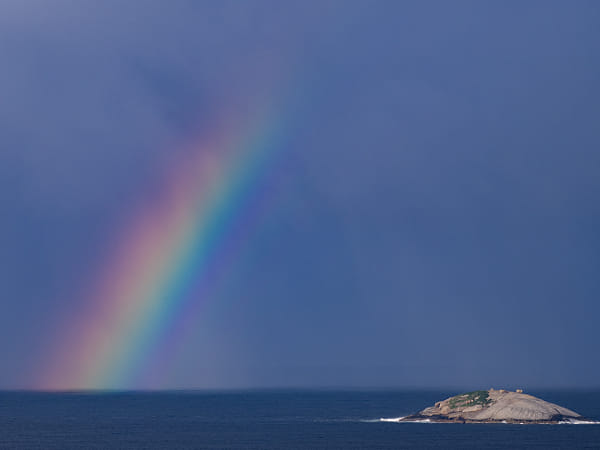
A rainbow over Stony Island viewed from the Albany Windfarm.
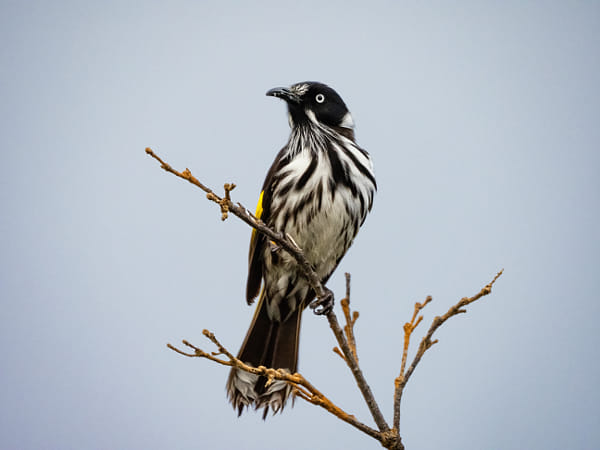
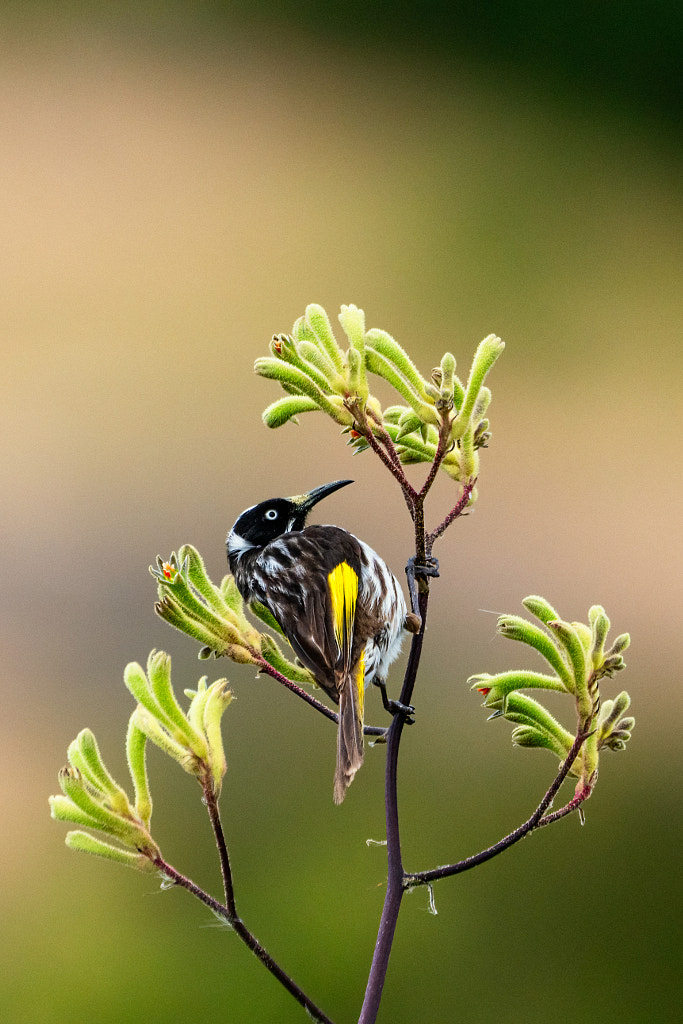
Bandiny or New Holland Honeyeater (Phylidonyris novaehollandiae). Albany Windfarm.
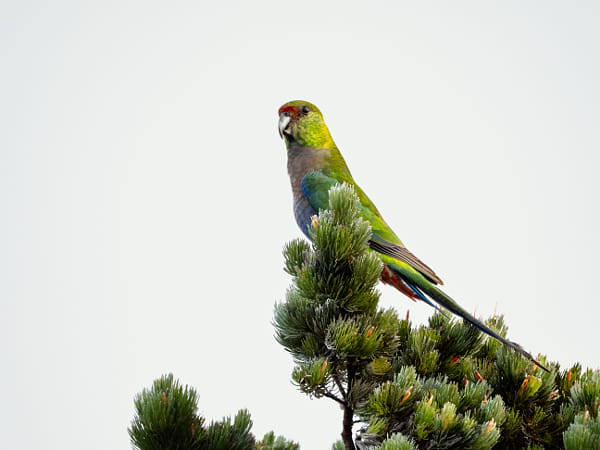
Juvenile Delyip or Red-capped Parrot (Platycercus spurius).
A happier and drier Fan-tailed Cuckoo.
On getting home after a very full week we’ve already talked about returning to the Great Southern later in the year or early next as we feel there is a lot more to see and do. I must say that on the camera front that if you intend to stand on a cliff top in the driving wind and rain and take photos then I heartily recommend you take one of the Olympus/OM System series one cameras. I’m always amazed at how well they cope with bad weather.
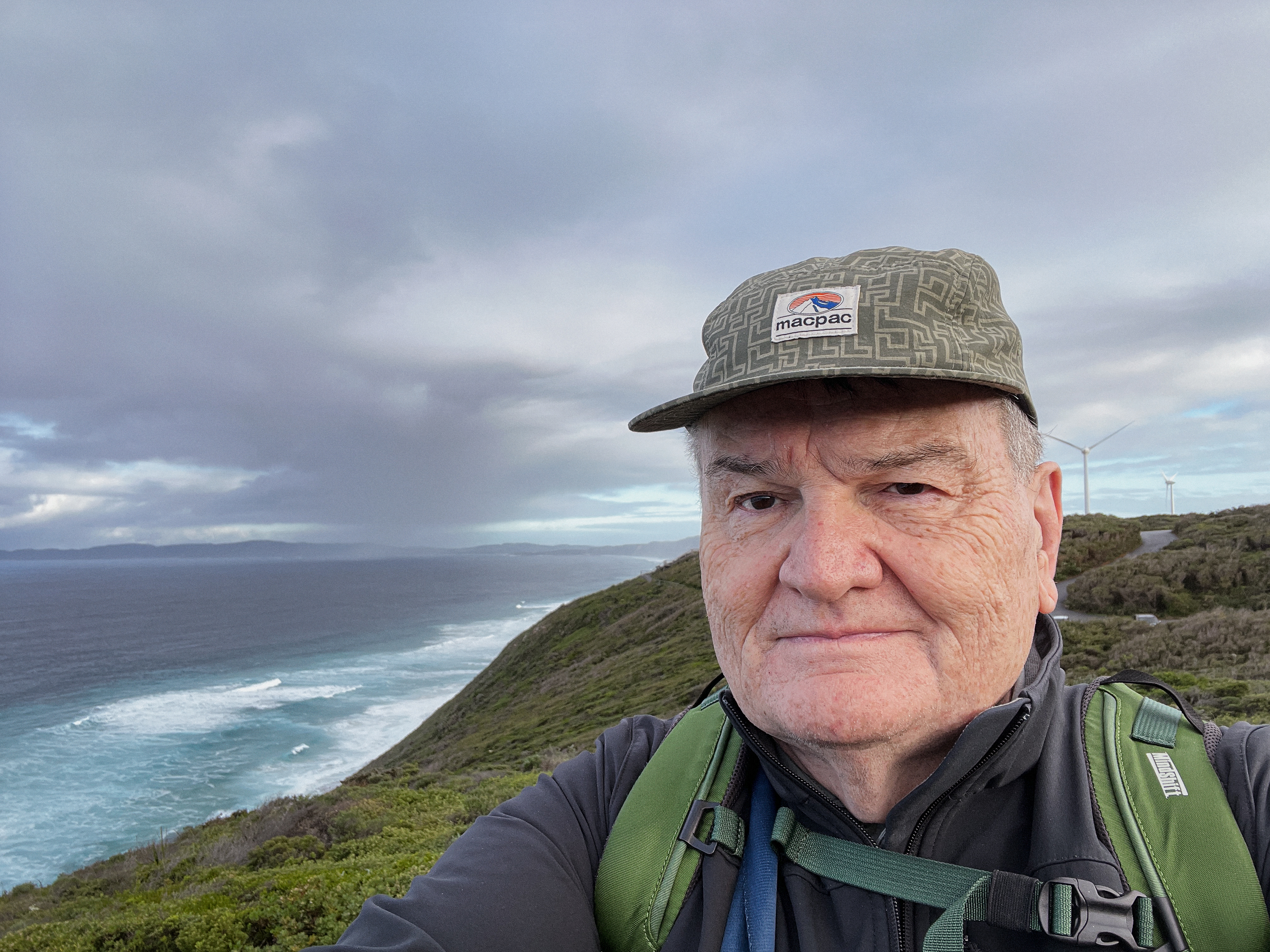
A windswept yours truly feeling a lot happier on our second visit to the Albany Wind Farm.
Recently we had a few days in Albany on the south coast of Western Australia. The opportunity to experience a 10ºC drop in temperature was too good to miss. I wanted to go and visit an Eastern Osprey nest that I’ve visited before. When I got there it was obvious that the nest had not been used for a while. This can happen for a number of reasons – the obvious is that the birds got old and died. But there maybe other reasons such as too much competition for food resources caused them to relocate. Also the tree that they’d built the nest in was no longer the best vantage point, other trees had grown around it obscuring the view. Who knows why they up and went but it does illustrate the fact that where wildlife is concerned nothing is guaranteed.
We headed out to a new location – a bird hide out at Rushy Point. Nice location but nothing was happening. Things were beginning to get a bit desperate. As we drove around there were all these road hazard signs warning about wildlife and yet we were’t seeing anything. By the last day I was feeling decidedly jacked off. It was a grotty day weather wise – windy with intermittent rain.
Warning – kangaroos. Albany, Western Australia.
Warning – turtles. Albany, Western Australia.
Warning – bandicoots. Albany, Western Australia.
Warning – pensioners. Albany, Western Australia.
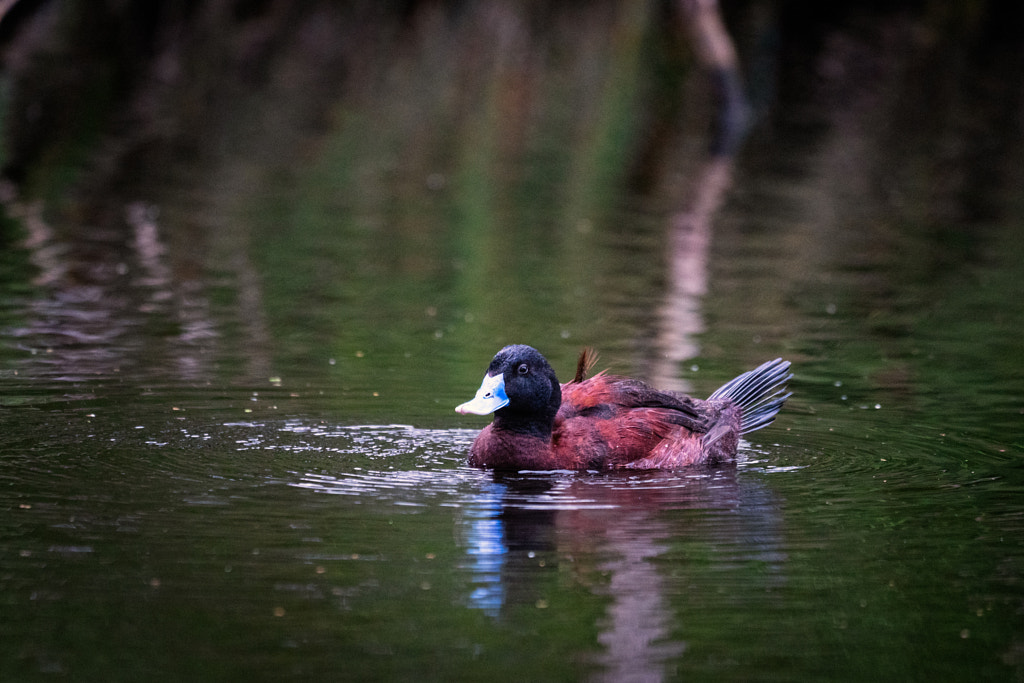
Come the afternoon we were sitting around killing time and I just wanted to get out and have a walk. Despite the weather I headed off to Lake Seppings just to walk around it as something to do. Out of habit I picked up my camera and took it with me. When I got out of the car I received a very enthusiastic welcome from a lady in the carpark wanting to know if I was there to photography the blue billed ducks. I said I would photograph anything that showed up and stood still long enough. I set out with very little expectation of finding anything worth pointing the camera when almost immediately I saw some blue ducks. I always have a feeling of anxiety when I go out to photograph, a fear of not finding anything. Getting the first image under my belt and breaking the duck (sorry about the pun) helps me relax and enjoy myself. I knew the shots wouldn’t be any great shakes, it was just important to get the process underway.Two hours I got back to the car, wet but happy that I’d seen some wildlife and managed to photograph it.
Boodoo or Blue-billed Duck (Oxyura australis). Lake Seppings, Western Australia.
Bandiny or New Holland Honeyeater, (Phylidonyris novaehollandiae). Lake Seppings, Western Australia.
An immature male Red-winged fairywren (Malarus elegans), called Djoordilya by the Nyoongar of south west Western Australia. Lake Seppings, Western Australia.
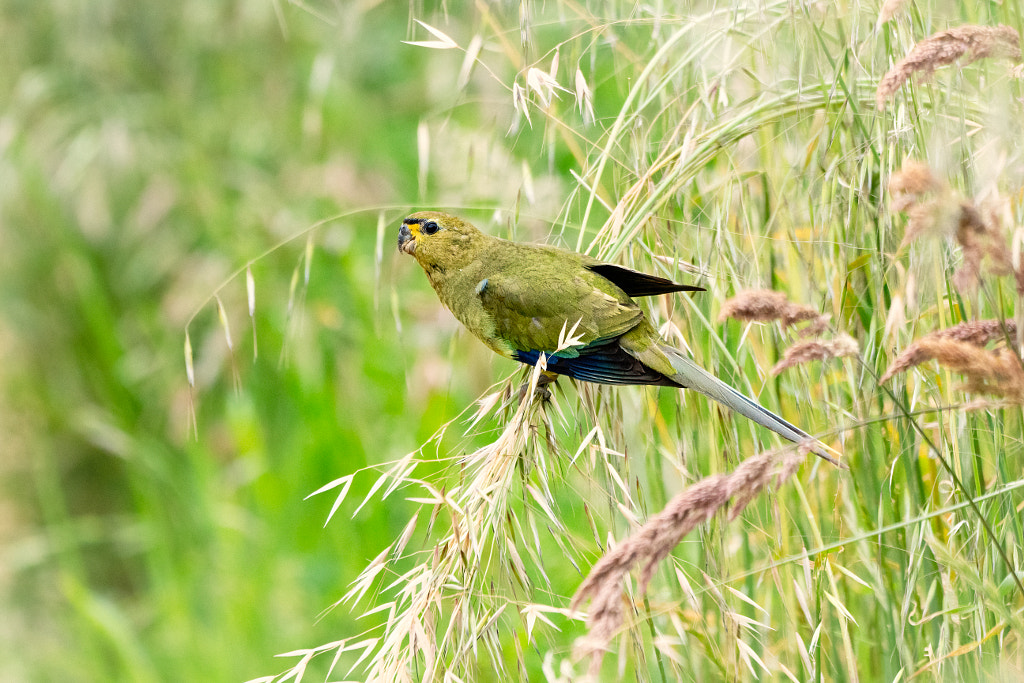
Koolyidarang or Elegant Parrot (Neophema elegans). Lake Seppings, Western Australia.
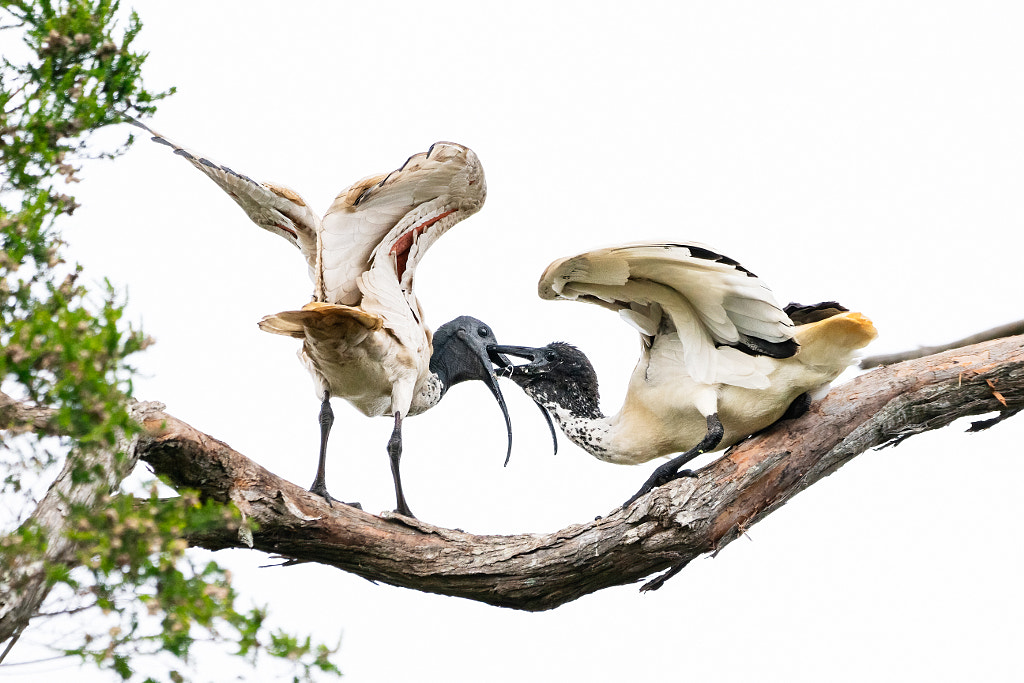
An adult Australian white ibis (Threskioris molucca) feeding a juvenile. Lake Seppings, Western Australia.
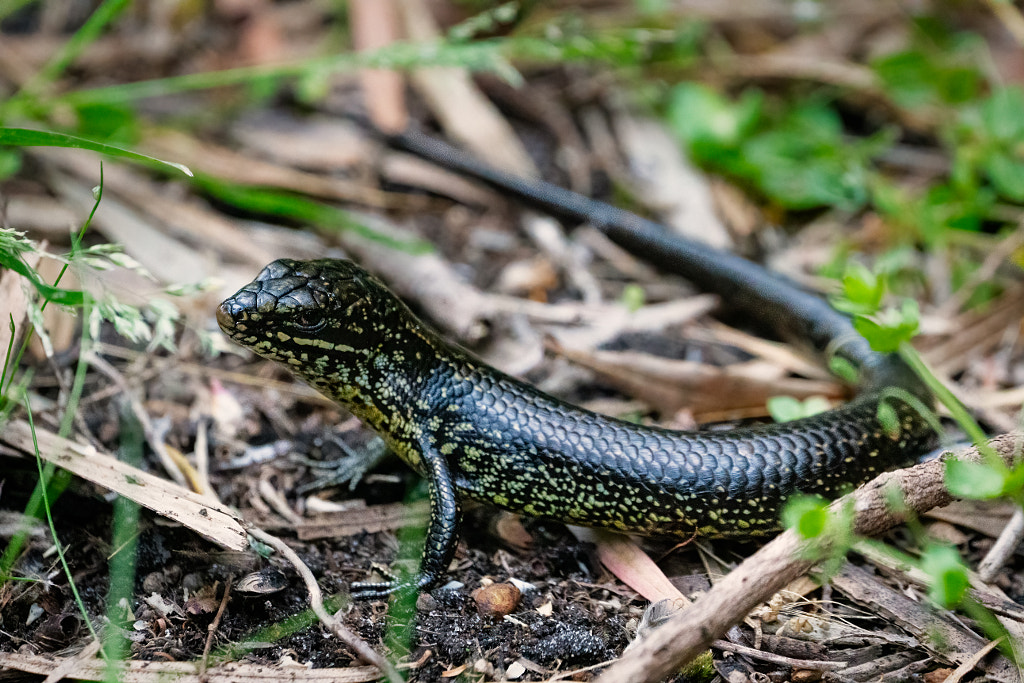
Wandy or King’s Skink (Egernia kingii). Lake Seppings, Western Australia.
Bardinar or Western Rosella (Platycercus icterotis subs icteratis). Lake Seppings, Western Australia.
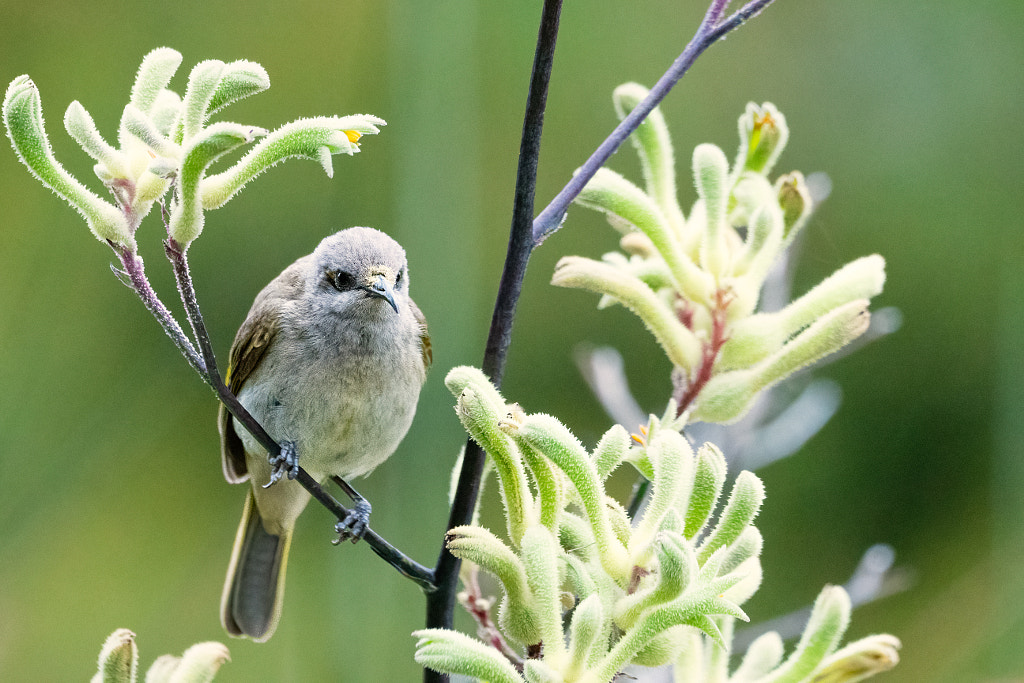
Djindjokoor or Brown Honeyeater (Lichmera indistincta). Lake Seppings, Western Australia.
The Nancy Peak Circuit takes you through dense Karri forest and up on to the granite dome of the Porongurups.
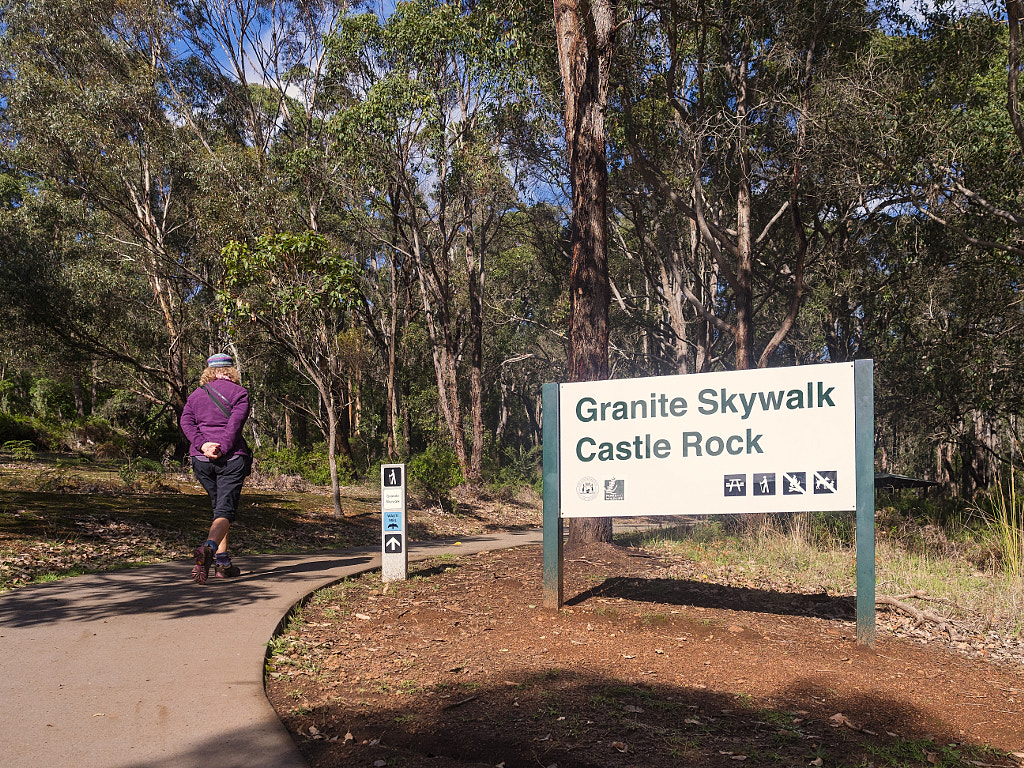
Last week I wrote about walking uptown Castle Rock and the Granite Skywalk in Porongurup National Park, this post is about the Nancy Peak Circuit also in the Porongurups.
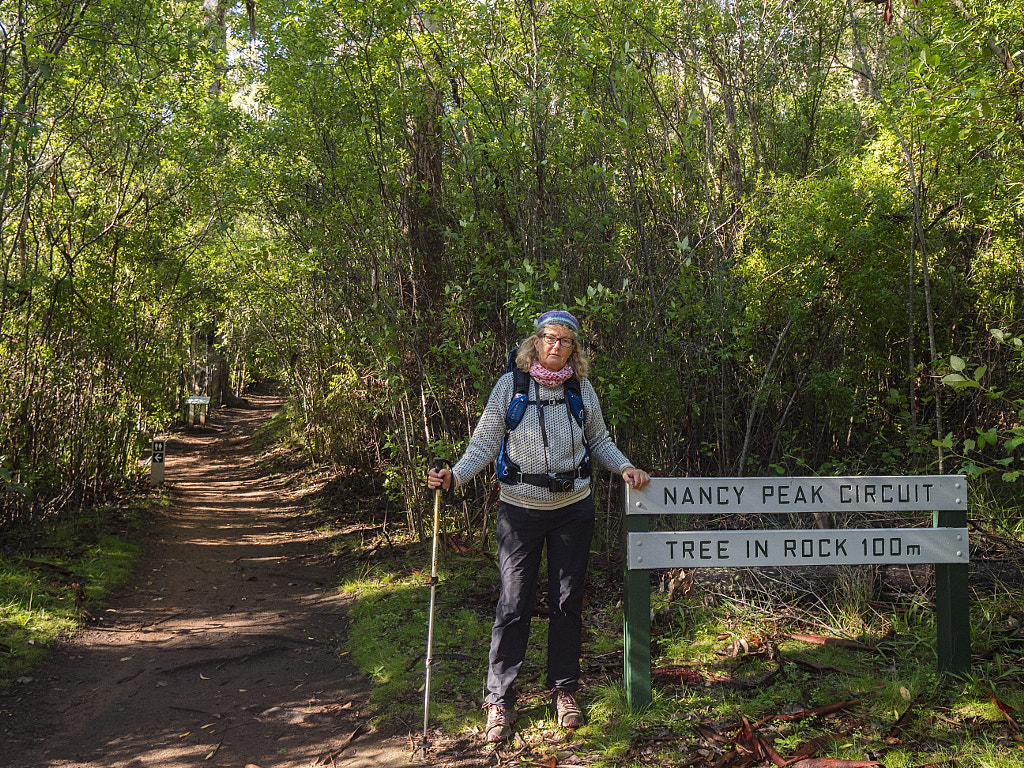
The Porongurup National Park is 359km (or 4 hours) south of Perth near Mt Barker. This 5.5 Km walk starts at the Tree-in-the-Rock car parking area which can be accessed via Bolganup Road which is a turn off from the main Porongurup Road. Until the opening of the Granite Skywalk this used to be the main entrance to the park and where the visitors came. When we went the other week the car park was deserted and we only saw one other walker on the trail. At the information area take the path for the Nancy Peak Circuit and walk on past the Tree In The Rock through the Karri Forest.
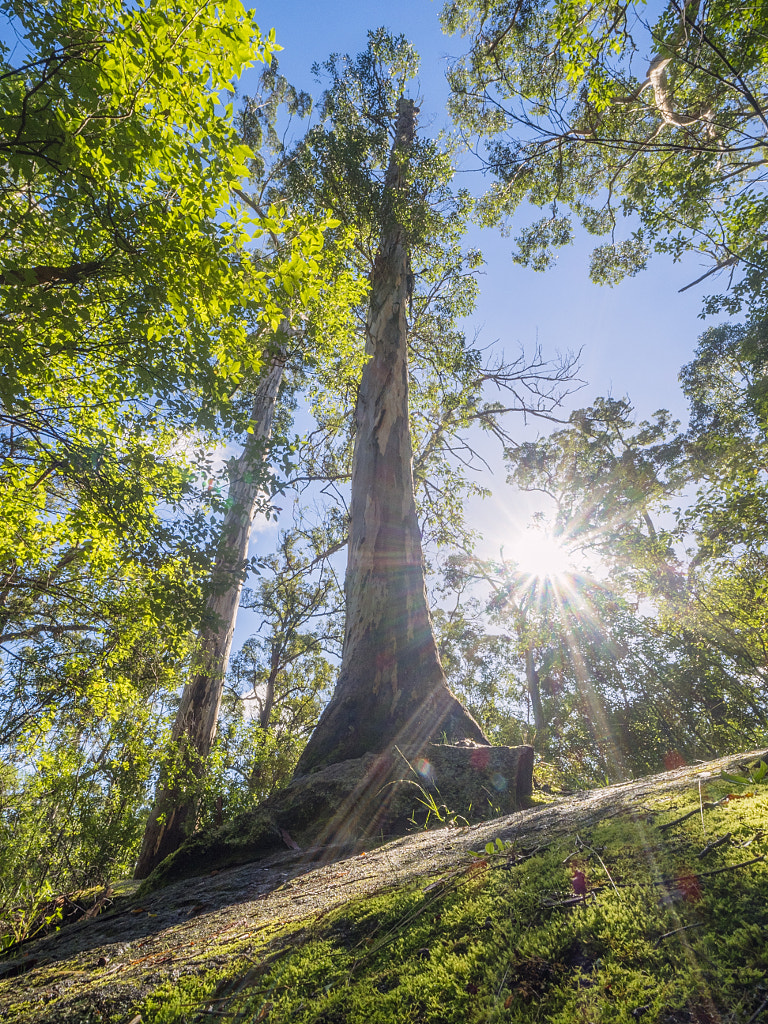
The walk takes you past the Tree in The Rock. Impressive that a tree so big could grow out of a crack in the rock.
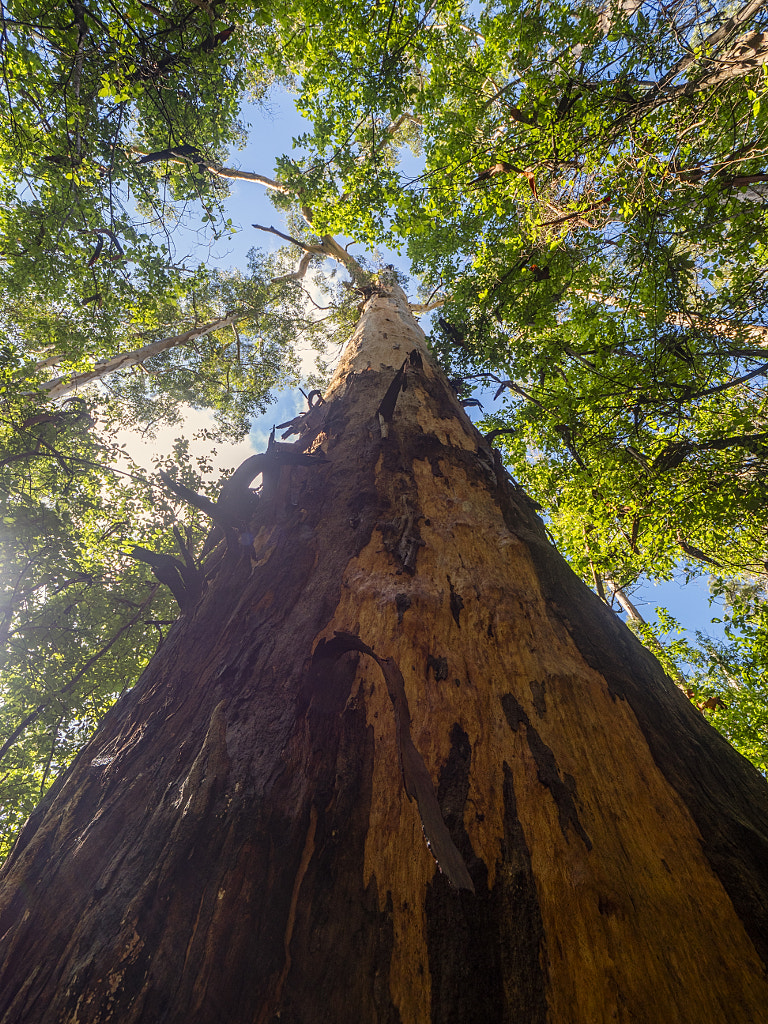
Karri trees can easily grow up to 60m in height, some have been known to reach 90m.
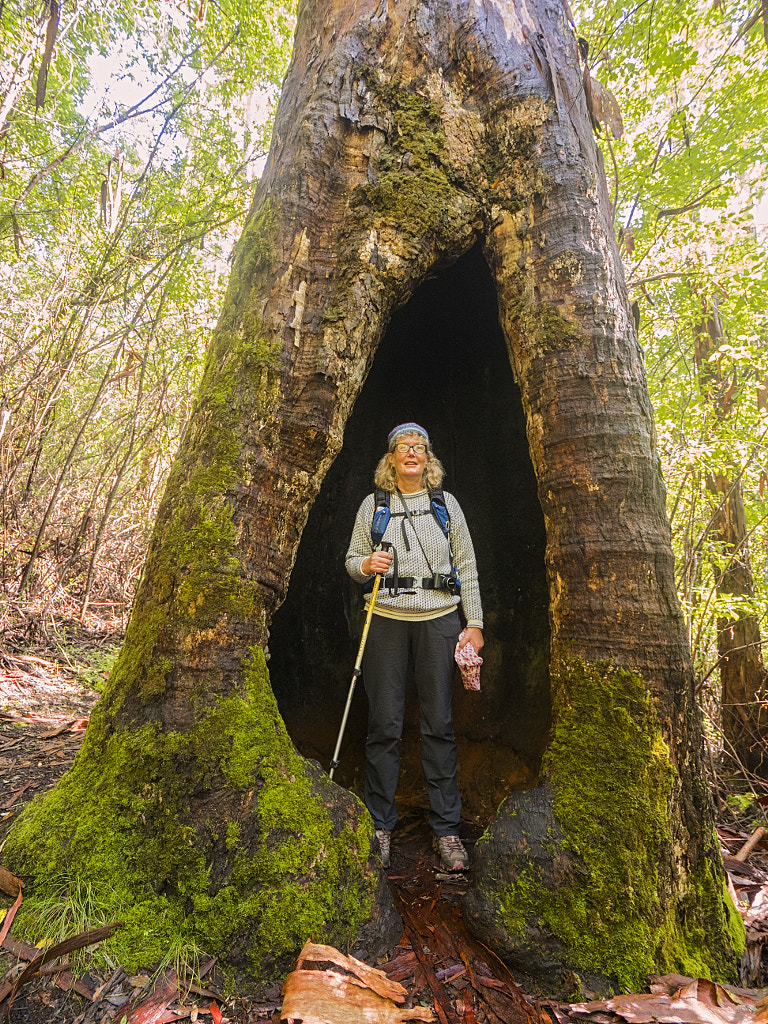
Some of the Karri trees along the trail have been damaged by bush fires. This one has had its trunk hollowed out and yet amazingly it continues to grow.
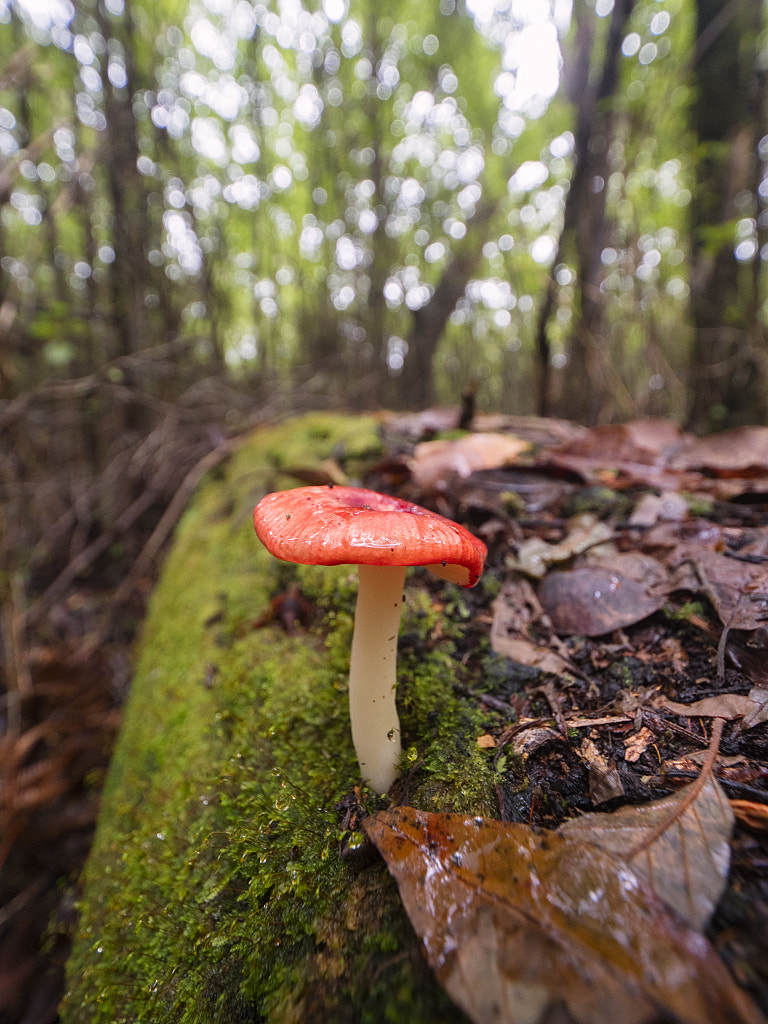
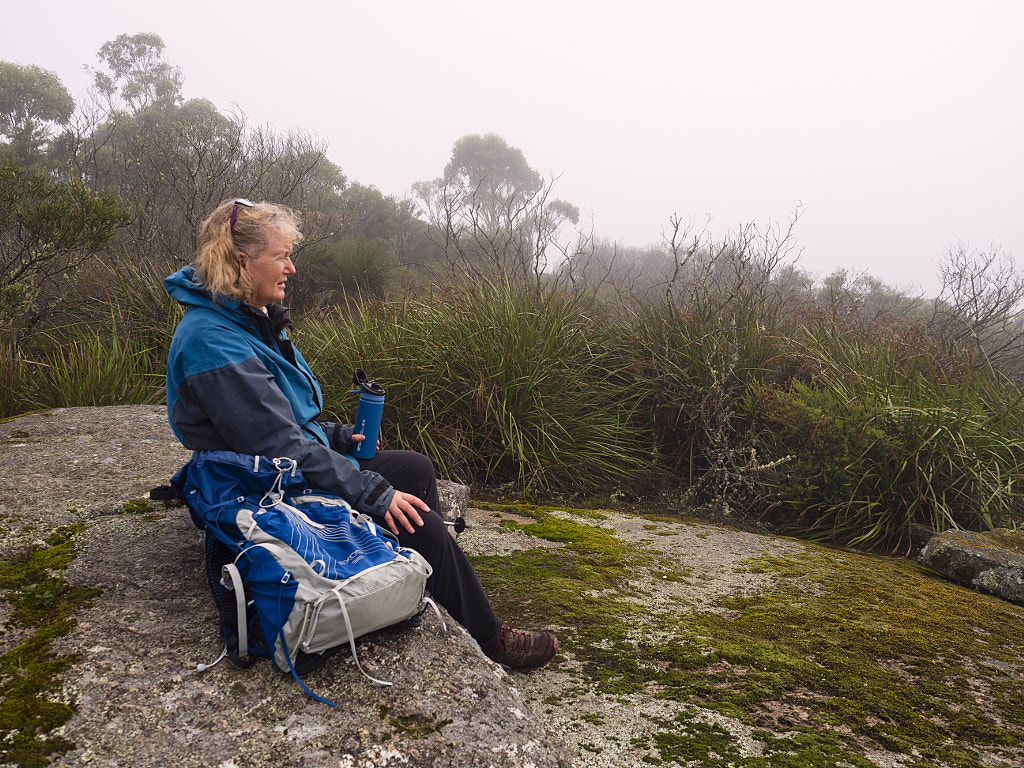
The forest was almost like a temperate rainforest – moist with a thick understory that supports mosses ferns and a huge number of fungi. It is not something you typically associate with Western Australia. In fact it felt more like Tasmania once it started raining! After about an hour you emerge from the forest onto granite ridge which connects to Nancy Peak and Morgans Peak.Once you climb up to the peaks they afford fantastic views to the Stirling Ranges in the north and Southern Ocean to the south. Of course this depends upon the weather, and as luck would have when we came out of the forest we were greeted by white out conditions caused by low lying cloud and could only see about 5m in front of us. As we slowly made our way up to Nancy Peak the clouds did part and grant us glimpses of the views.
Russula persanguinea in Porongurup National Park, Western Australia.
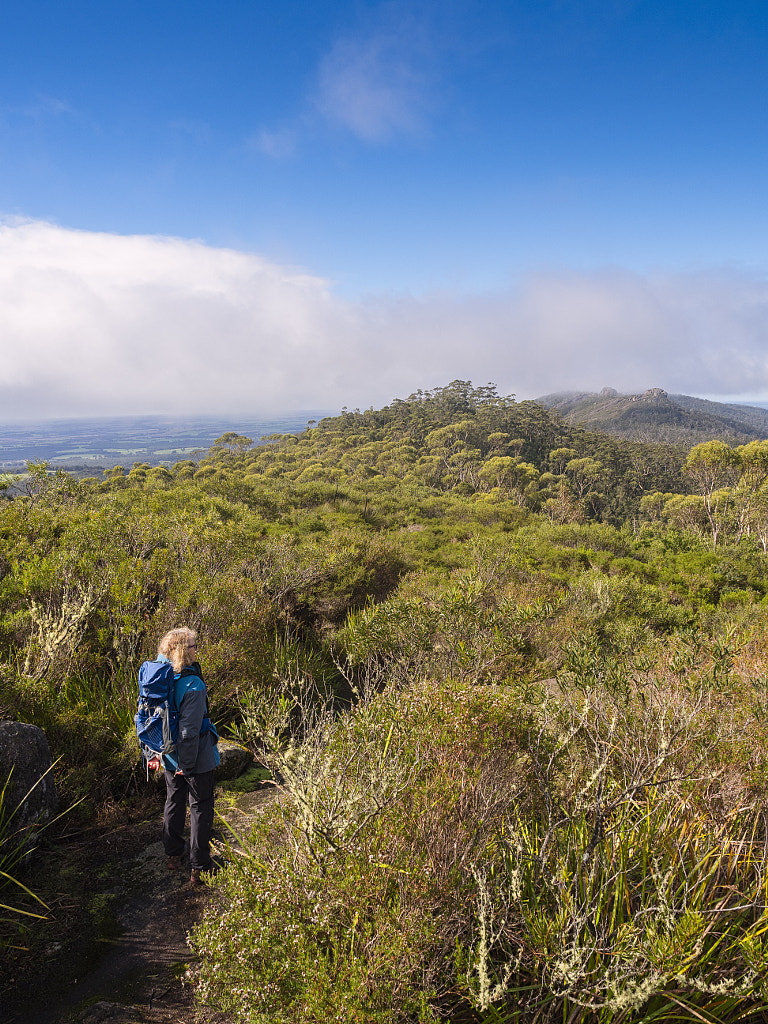
Pausing for a breather in whiteout conditions on the way up to Nancy Peak.
Looking back from Nancy Peak towards Castle Rock in the distance during a rare break in the cloud.
Carrying along the ridge from Nancy Peak across the granite outcrops, then descend into a steep valley between Nancy Peak and Devils Slide. Eventually you’ll hit a fire road that takes you back through the karri forest and on to the car park. This will take about 4 hours depending on the weather. It rained pretty hard on and off when we did the walk and this made sections of the granite incredibly slippery – it was like walking on ice – and this slowed us down a lot. The highlight of the walk was watching two wedge tailed eagles ride the thermals below us as we stood on the summit.
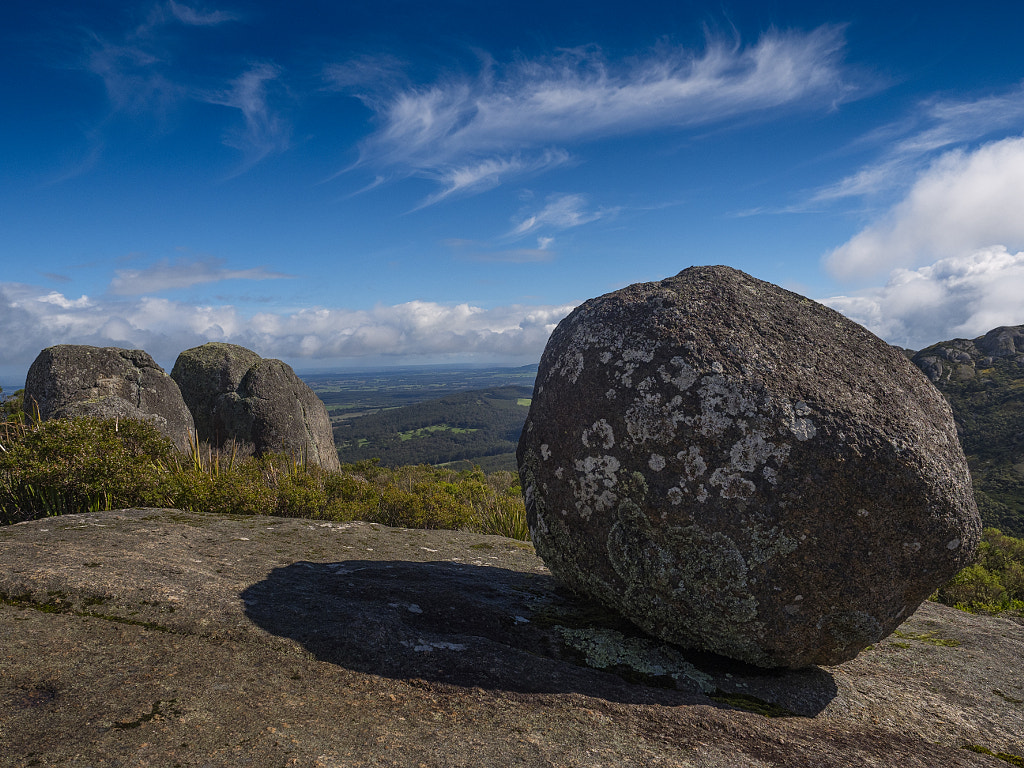
Granite boulders on top of Nancy’s Peak.
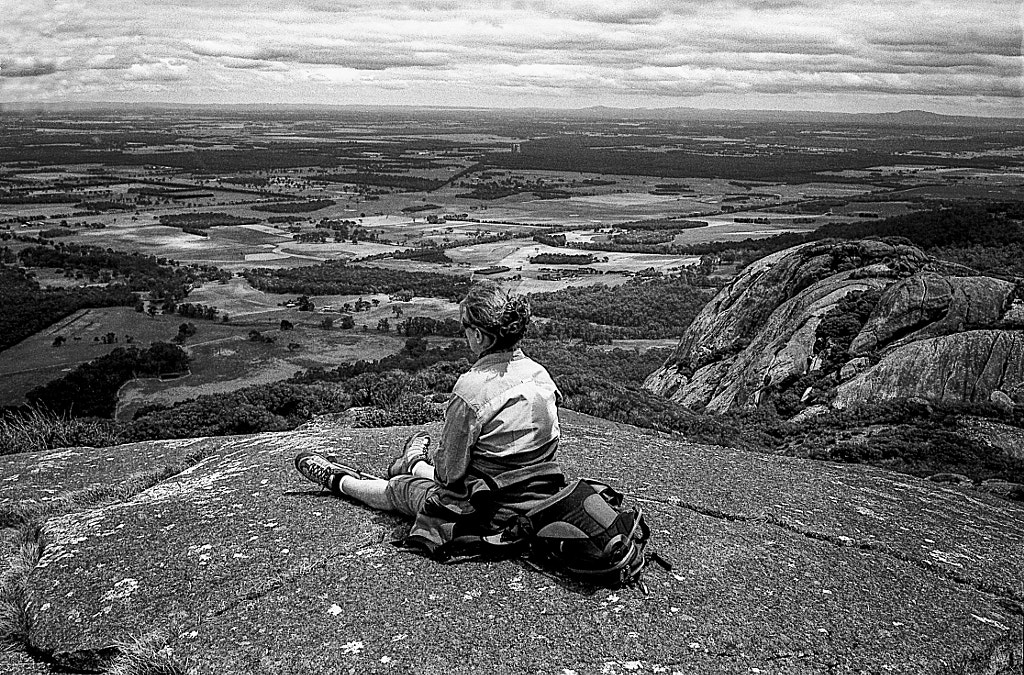
Helen enjoying the view from Nancy Peak back in 2004.
Low level cloud brings white out conditions to Bluff Knoll. Even in late spring the weather can be incredibly unpredictable. The Stirling Range is one of only a few places in Western Australia where snow falls.
Stirling Range National Park lies approximately one hours drive north of Albany in Western Australia’s Great Southern region. The reason most people visit the park is to climb Bluff Knoll which they believe to be the highest peak in Western Australia. Bluff Knoll is an imposing structure – it rises dramatically above the pan flat agricultural land surrounding the park – but the highest point in Western Australia it is not. That honour goes to Mount Meharry in Karijini National Park which is 1245m compared to Bluff Knoll’s 1093m. The other reason people visit Bluff Knoll is that it is the most easily accessible walk in the park being serviced by a road, having parking and a cafe. The trail is well signposted and is comparatively well surfaced and above all despite being steep in places anyone of reasonable fitness can do it. That cannot be said of some of the other walking routes within the park. There is good reason why Australia’s Special Air Service Regiment (SASR) train there.
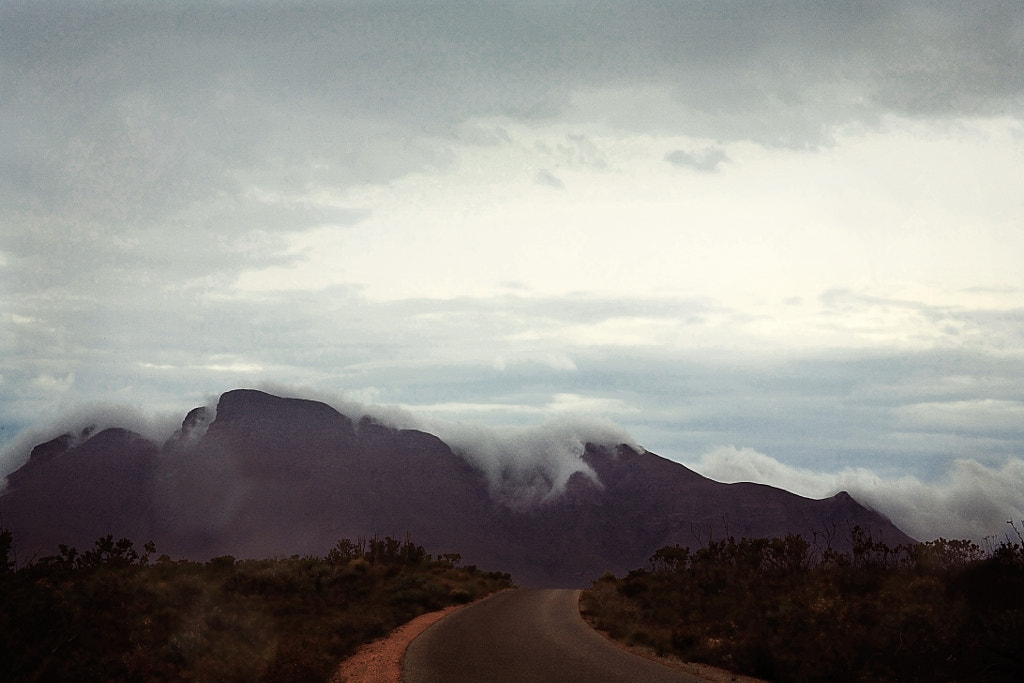
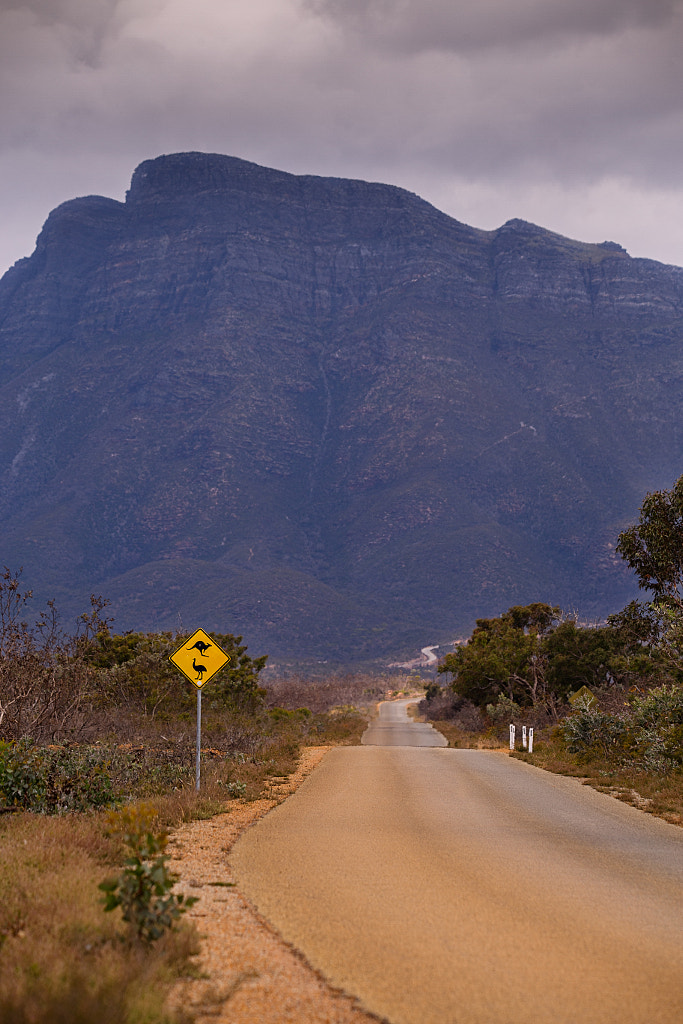
The road to Bluff Knoll in the Stirling Range National Park. At 1099m it is the highest peak in the Stirling Range. It is often surrounded by mist and low lying cloud.
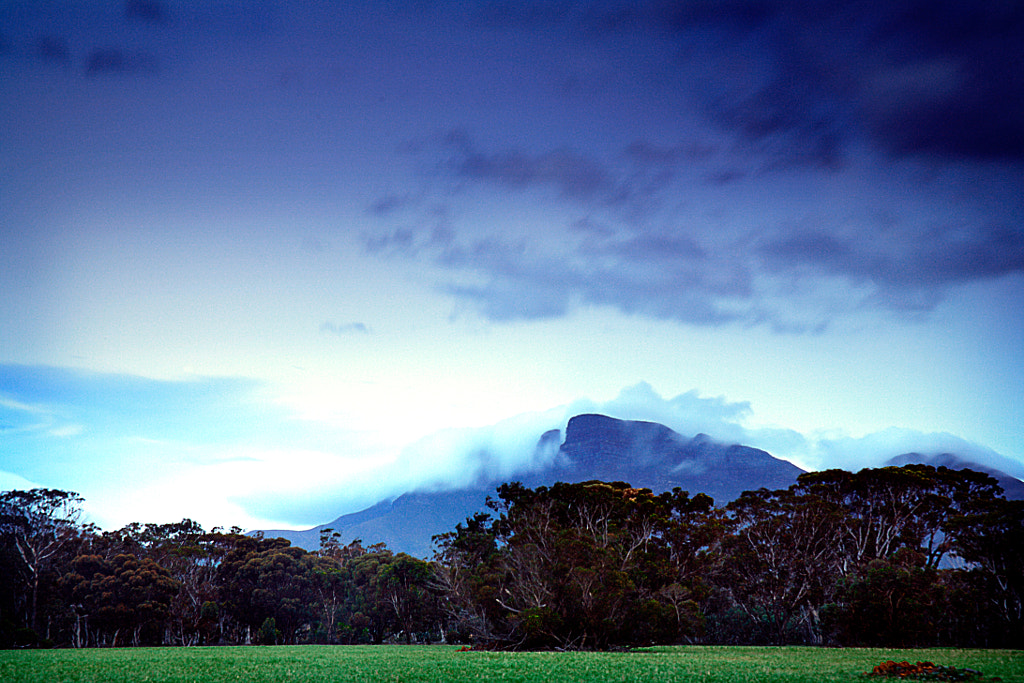
Twilight in the Stirling Range and the peak of Bluff Knoll is being buffetted by a storm.
Highland areas such as the Stirling Range always have very variable weather and often in the extremes. The Qaaniyan and Koreng groups of the Nyoongar called Stirling Range Koikyennuruff or place of the swirling mist. Low lying cloud and mist often shroud the peaks even on bright sunny days. The Nyoongar believe Noatch, the spirit of the dead, lived in the mist and that evil witches lived on the high ridges and so tended to avoid going up onto the peaks. All I know is that it can be shorts and tee shirt weather at the base of Bluff Knoll but when you get to the top it can be very cold and wet. The fact that it is the only place where it snows with any regularity in Western Australia (any time between April and November) shows how difficult the weather can be. The weather is one of the main reasons why people get into strife when climbing Bluff Knoll, most are simply under equipped and under prepared. A Swedish acquaintance once told me there was no such thing as bad weather just poor choices of clothing and that is certainly borne out here. Things aren’t much better in summer as the park is very prone to bush fires so if you wish to visit make sure you are aware of what is happening in the park and whether the trails are open by checking with the Department of Biodiversity, Conservation and Attractions Parks Alerts System and then plan accordingly. The other reason why people get into trouble is that they leave the trail looking to find a short cut and then get disorientated and lost in the scrub.
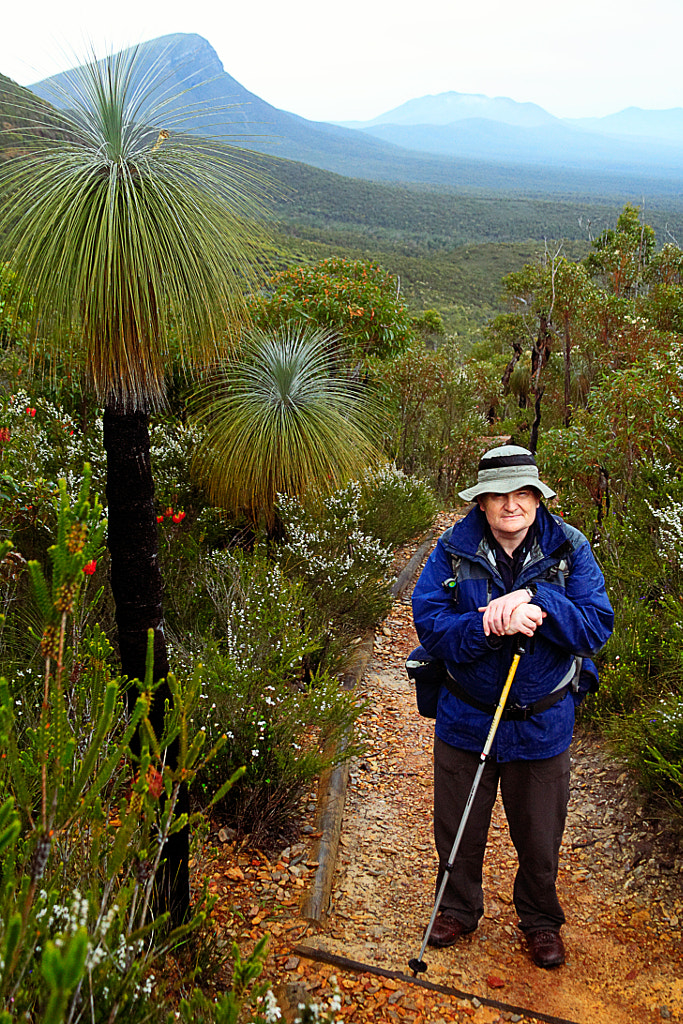
Pausing for a quick breather by a grass tree (xanthorrhoeaceae drumondii) while trudging up Bluff Knoll on a rainy morning.
I first intended to climb Bluff Knoll with my partner back in September of 2000 to celebrate her fortieth birthday but we never did it as I was run over by car. It wasn’t until October 2008 that we finally got round to doing it. Better late than never I suppose. It was a bit of a slog in cold wet weather but it was well worth the effort. We were staying at the Stirling Range Retreat which was then run by Ayleen Sands and her husband Tony. Ayleen ran orchid spotting trips and we did one and that opened my eyes to the biodiversity of the region and more specifically the amazing orchids that are found in Western Australia and I’ve been photographing orchids ever since. It was from Ayleen that we learnt that Stirling Range is an incredible biodiversity hotspot. In spring and early summer the 1500+ species of plants that can be found within the Park’s boundaries come into bloom. To put that into perspective the 1,159 km2 of the Stirling Range National Park contains more species of wildflowers that the 315,159 km2 of the British Isles.Some of these plants, such as the mountain bell (Darwinia leiostyla), are found no where else in the world. A staggering 123 species of orchid have been found in the Stirling Range National Park which works out to be about one third of the total number of orchid species that can be found inWestern Australia. There are more than 140 bird species, approximately 20 species of native animal – the most likely to be seen are western grey kangaroos. Rottnest Island isn’t the only place with quokkas they have been seen on the slopes of Bluff Knoll. The are more than 30 species of reptile and of course it would not be Australia without poisonous snakes. I initially went to climb Bluff Knoll but found so much more and have been back since and intend to go back again and again.
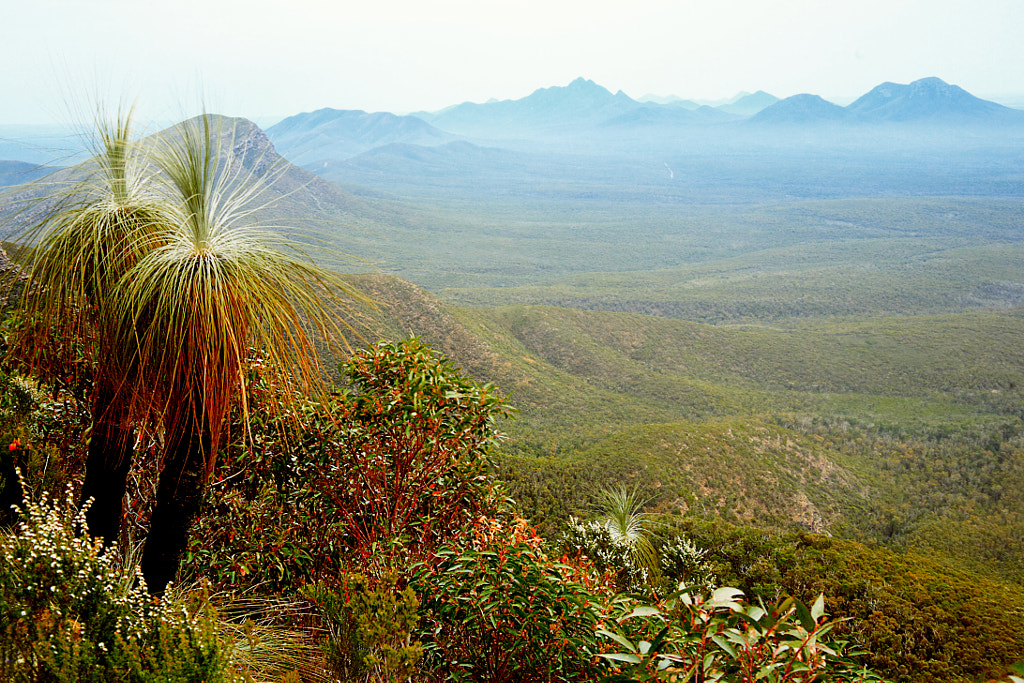
Looking west towards Yungermere Peak, Mount Success, and Coyanarup Peak while walking the traverse of Bluff Knoll. In the distance some of the early morning low lying cloud can still be seen fringing the mountain tops.
The Common Mountain Bell (Darwinia leiostyla) grows in the eastern and central Stirling Range, and can be readily seen on Bluff Knoll and Mount Trio.
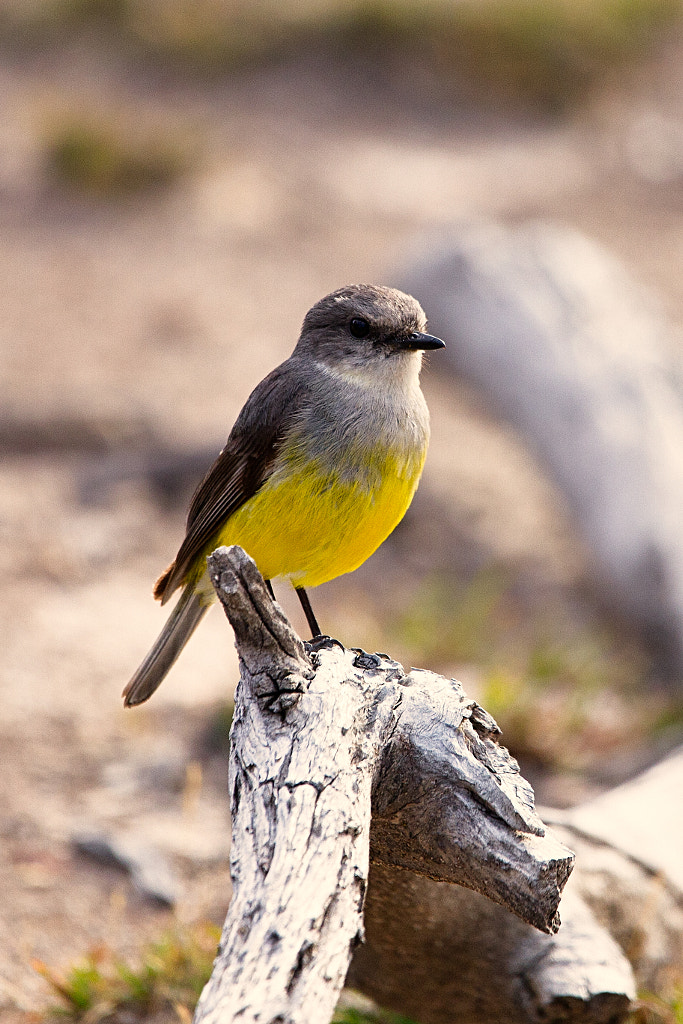
Western Yellow Robin, Eopsaltria griseogularis. Stirling Range National Park, Western Australia.
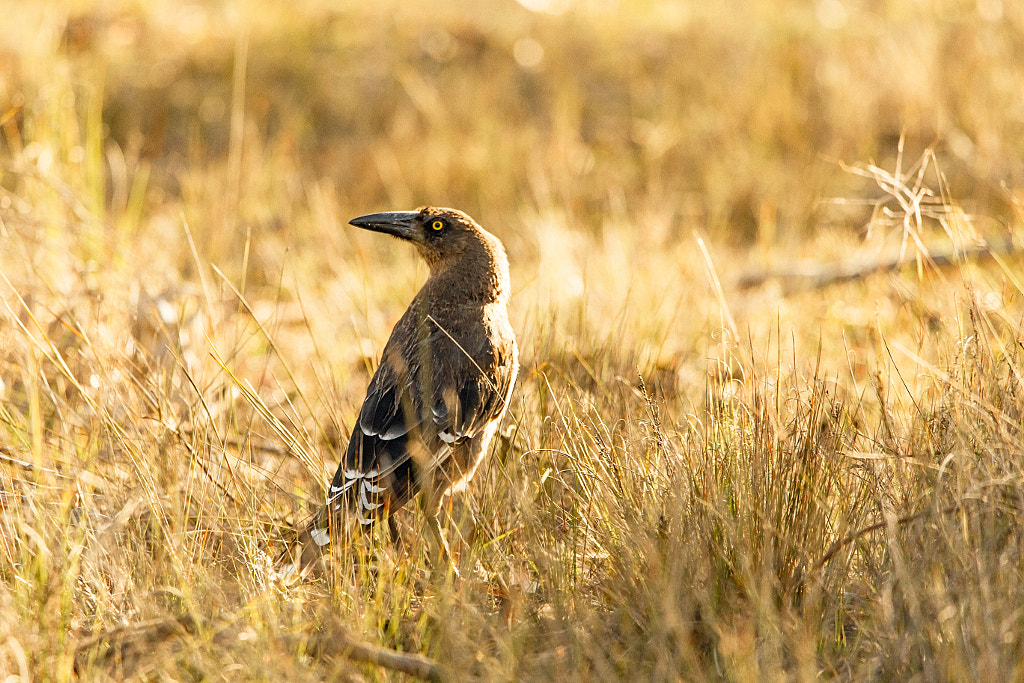
Grey Currawong, Strepera versicolor. Stirling Range National Park, Western Australia.
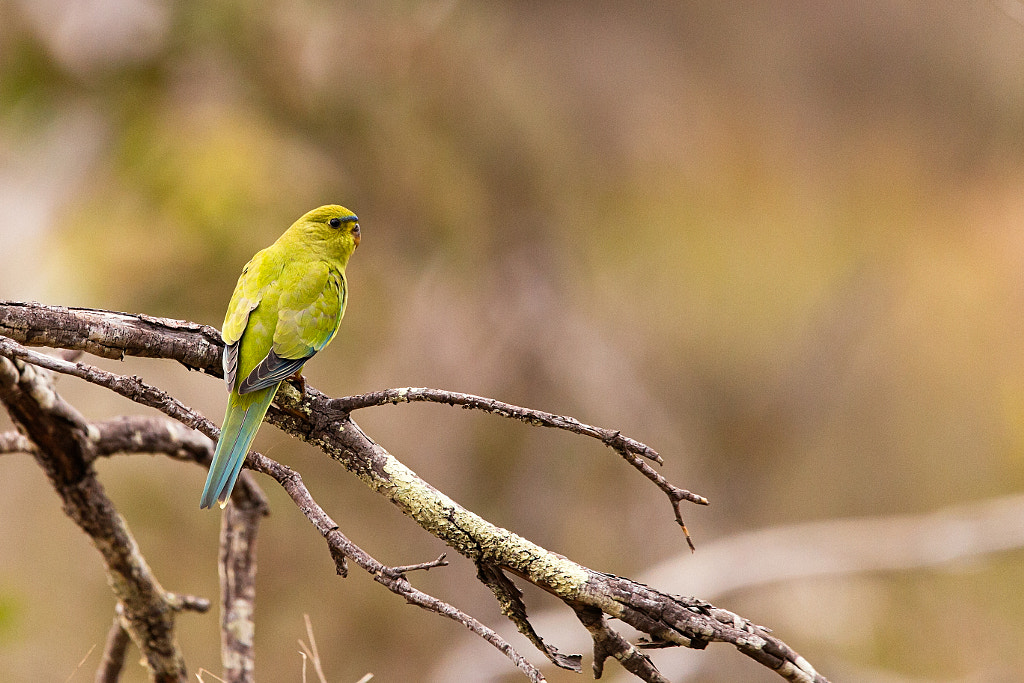
Elegant parrot, Neophema elegans subsp. carteri. Stirling Range National Park, Western Australia.
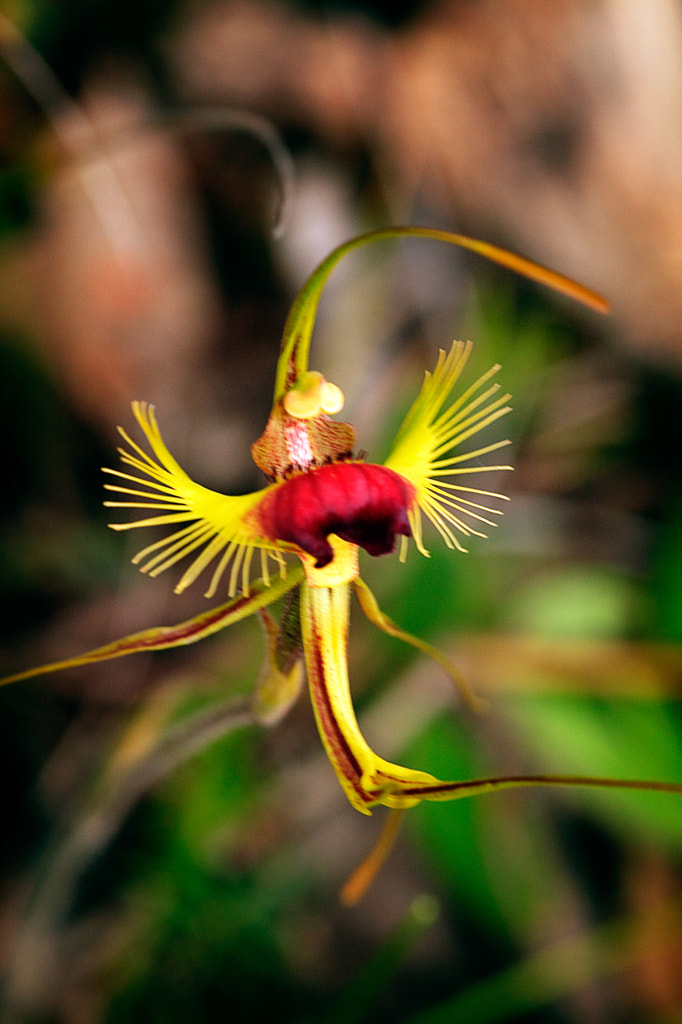
The Butterfly Orchid ((calendenia lobata)) is uncommon and rarely seen, it was first observed on Mt Toolbrunup in the Stirling Range National Park in 1991.
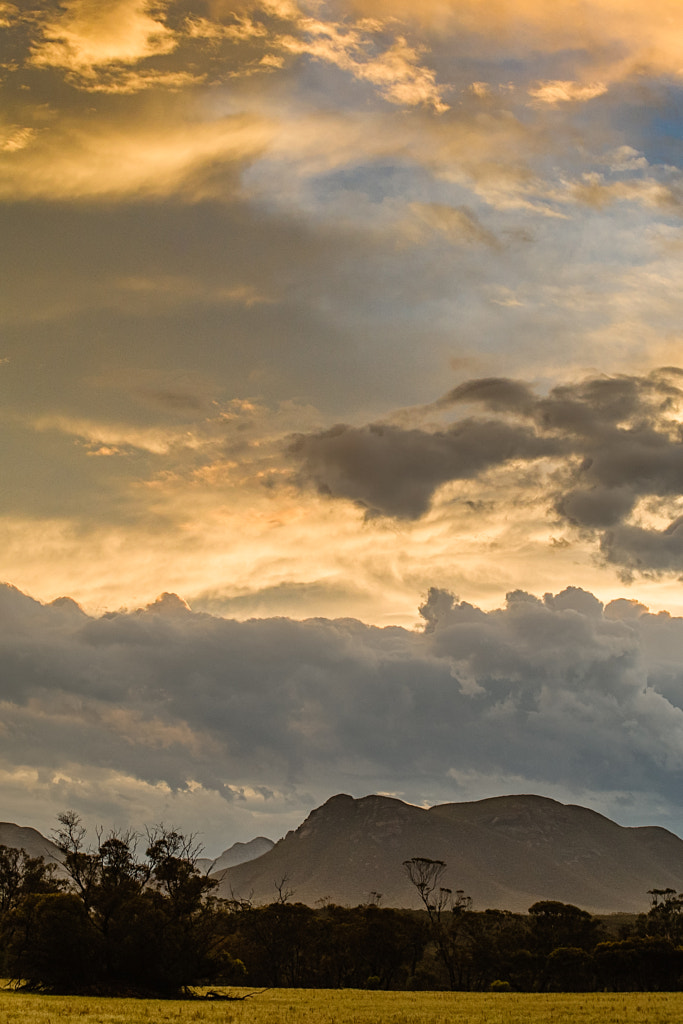
The sun sets behind Mount Trio in the Stirling Ranges of Western Australia. The everchanging weather in the Stirling Ranges can produce some dramatic skyscapes at sunset with spectacular cloud formations over the mountains.
Sometimes you come across a place so stunningly beautiful words cannot describe it adequately. Two Peoples Bay is one of those places. I’m not going to write anymore.
Little Beach at Two Peples Bay in Western Australia.
Two Peoples Bay in Western Australia
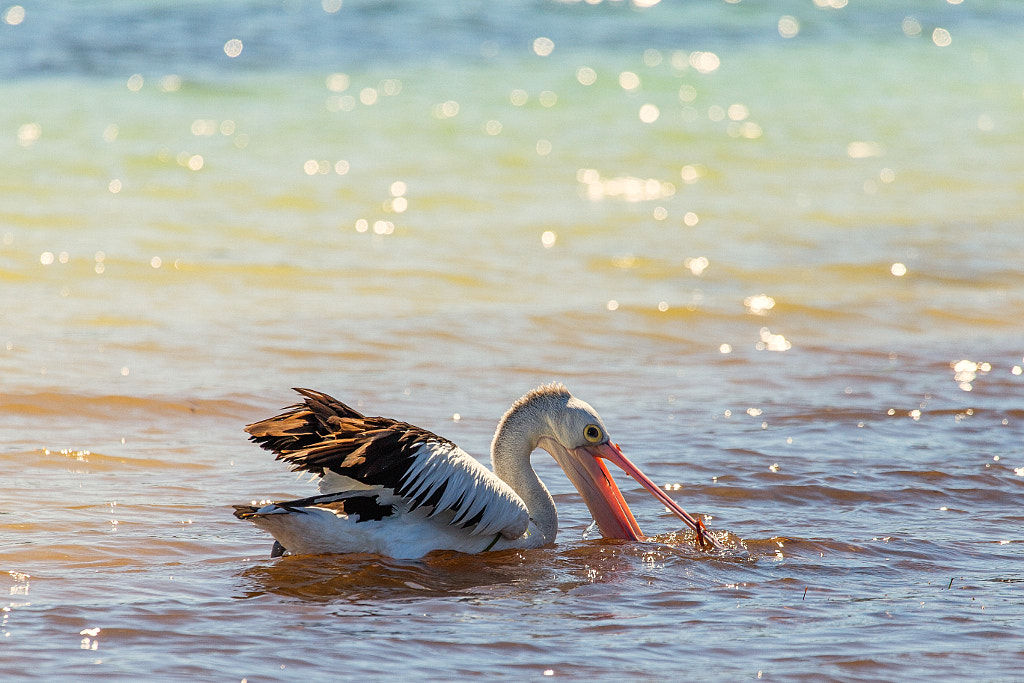
Australian Pelican, Pelecanus conspicillatus.
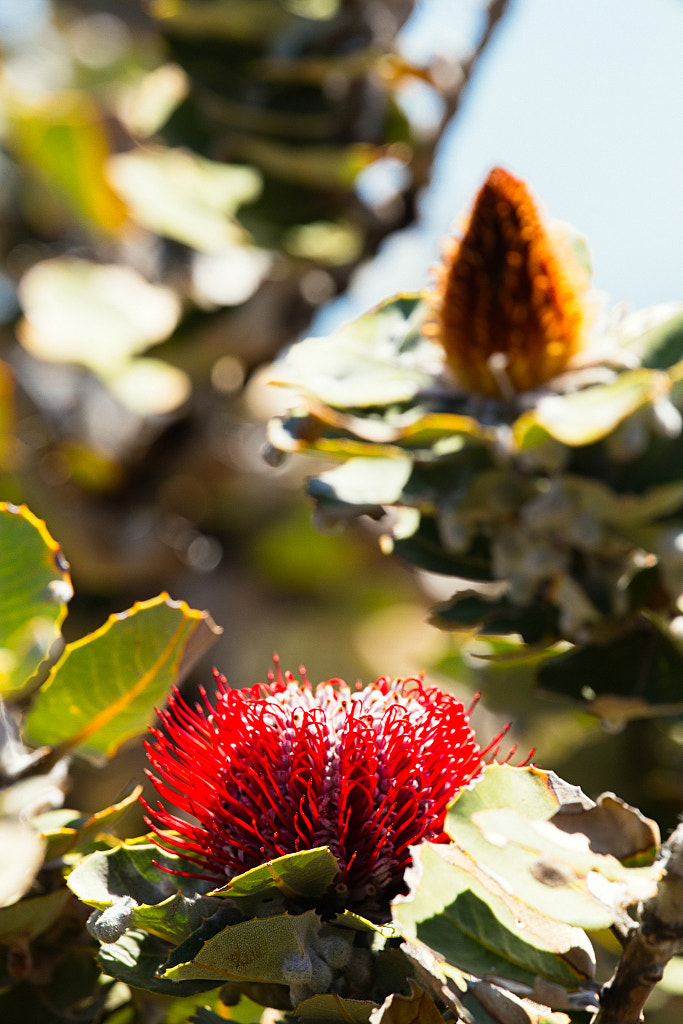
Scarlet Banksia, Banksia coccinea. Two Peoples Bay, Western Australia.
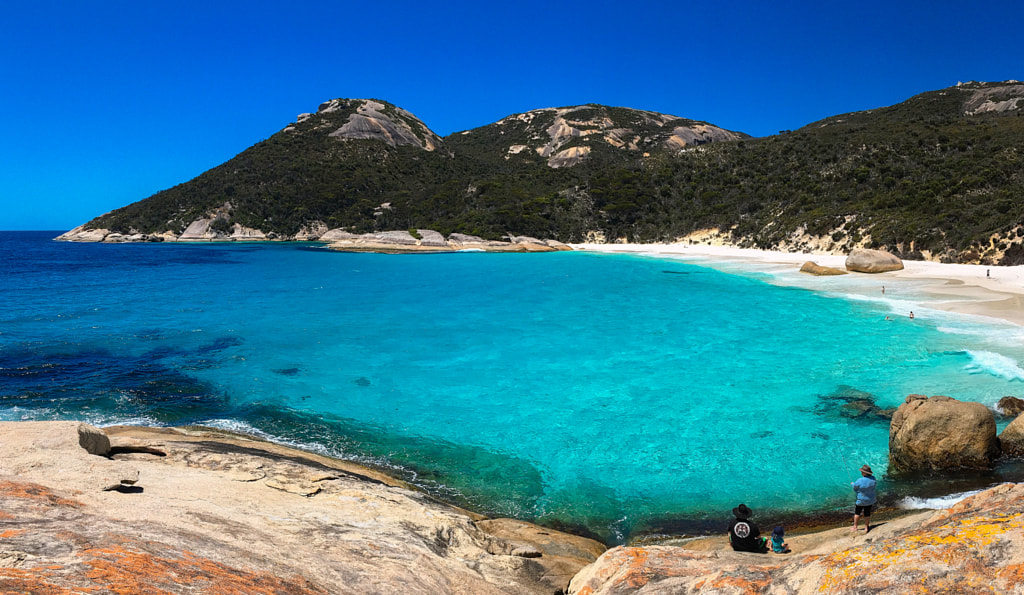
Green Pool, Wilson’s Bay National Park Denmark Western Australia. Apple iPhone SE camera in panorama mode. Exposure: 1/1400s, f/2.2, at ISO 25.
Denmark the town in Western Australia not the country. There is a lot of opportunity for trail riding in the area with several long distance trails converging on the town. So after a few days of goofing around on some of them to get the lie of the land I then put together a loop ride that would make for an epic birthday bash.
By combining the Denmark – Nornalup Heritage Trail , the Munda Biddi and some cycle path along Ocean Beach Road I ended up with a 42Km loop ride that would take me through some beautiful country.
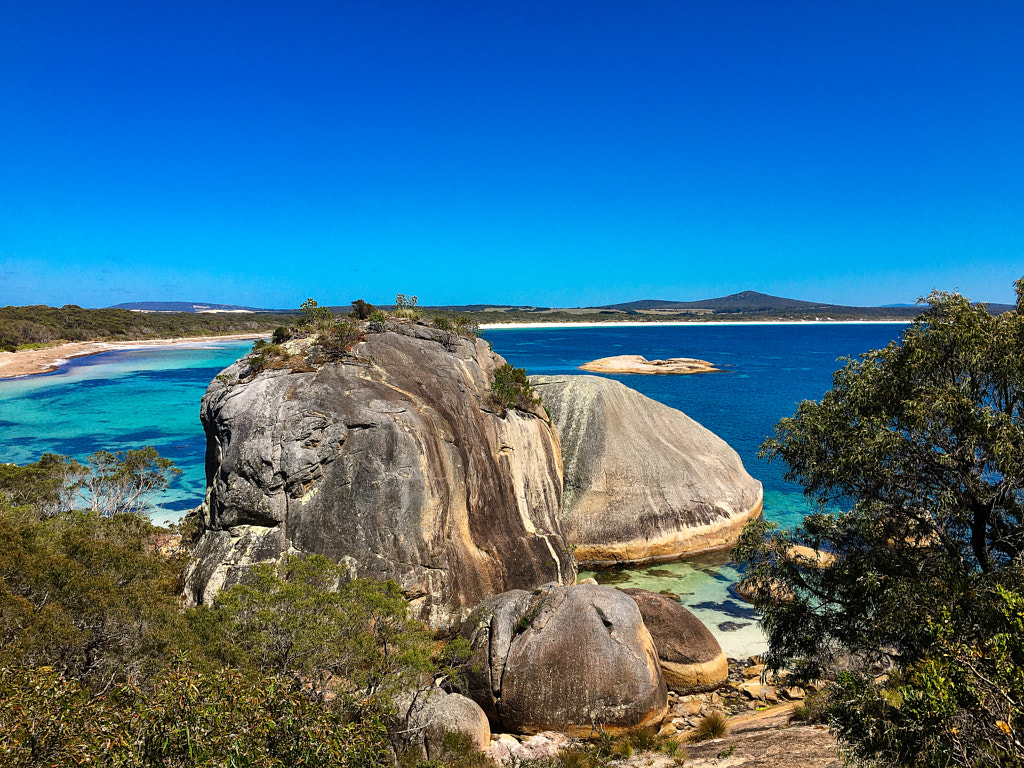
Elephant Rocks, Wilson Bay, Denmark Western Australia. Apple iPhone SE camera in panorama mode. Exposure: 1/1600s, f2.2 at ISO 25.
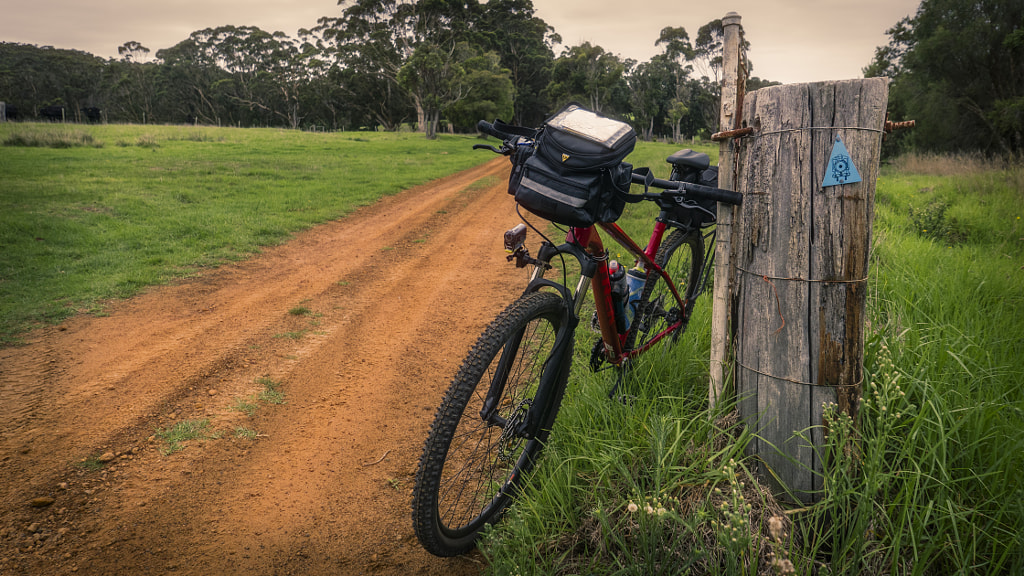
On the Nornalup Heritage trail which is a rail to trails project. Denmark, Western Australia. Leica DLux Type 109. Exposure; 1/1000s, f4 at ISO 200.
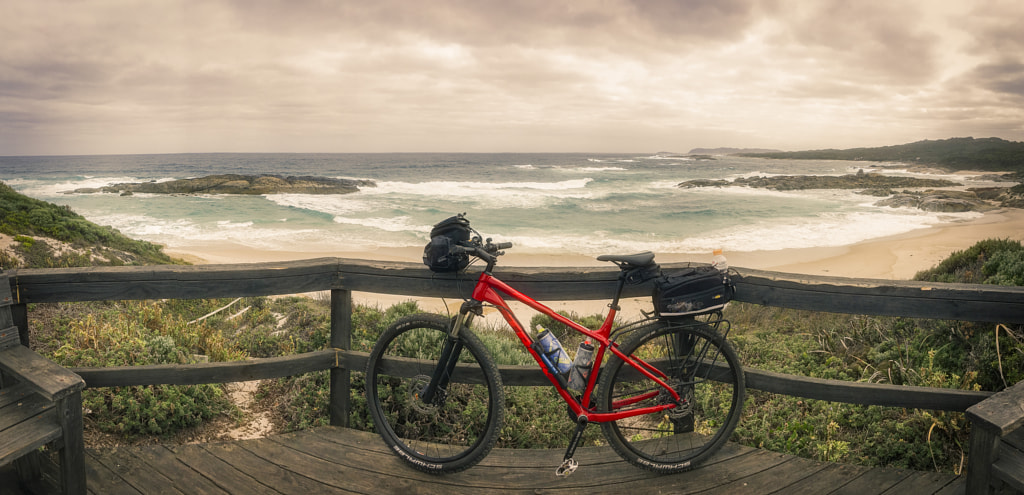
Lights Beach on the Munda Biddi Trail, Denmark, Western Australia. Apple iPhone SE. Exposure: 1/10s, f2, ISO 25.







You must be logged in to post a comment.