Karrak – the Red-Tailed Cockatoo

Karak or Red-tailed Black Cockatoo (Calyptorhynchus banksii subs samueli) feeding on Cape Lilac AKA WhiteCedar (Melia azedarch). York, Western Australia.


The last couple of weeks I’ve been thrilled to see Red-Tailed Cockatoos (Calyptorhynchus banksii), called Karrak by the Nyoongar, feeding in the Cape Lilac trees of our neighbours. 


Karak or Red-tailed Black Cockatoo (Calyptorhynchus banksii subs samueli) feeding on Cape Lilac AKA WhiteCedar (Melia azedarch). York, Western Australia.


There are four subspecies found in Western Australia – Cb. Naso (referred to as the Forest Red-tailed Black Cockatoo), Cb. Samueli (the Inland Red-tailed Black Cockatoo), Cb. macrorhynchus (sometimes referred to as the Great-billed Cockatoo, Banksian Black-Cockatoo, or Banks’ Black-Cockatoo), and the recently discovered Cb. Escondidusa. Now which species the ones in our neighbourhood are I couldn’t tell you – probably Inland or Forest Red-Tailed Black Cockatoos. All I know that is according to the experts we shouldn’t have any, but here they are.

The Nyoongar creation story for the Red-Tailed Black Cockatoo.


Ngoolyak or Carnaby’s Black-cockatoo (Calyptorhynchus latirostris). Yanchep National Park, Western Australia.


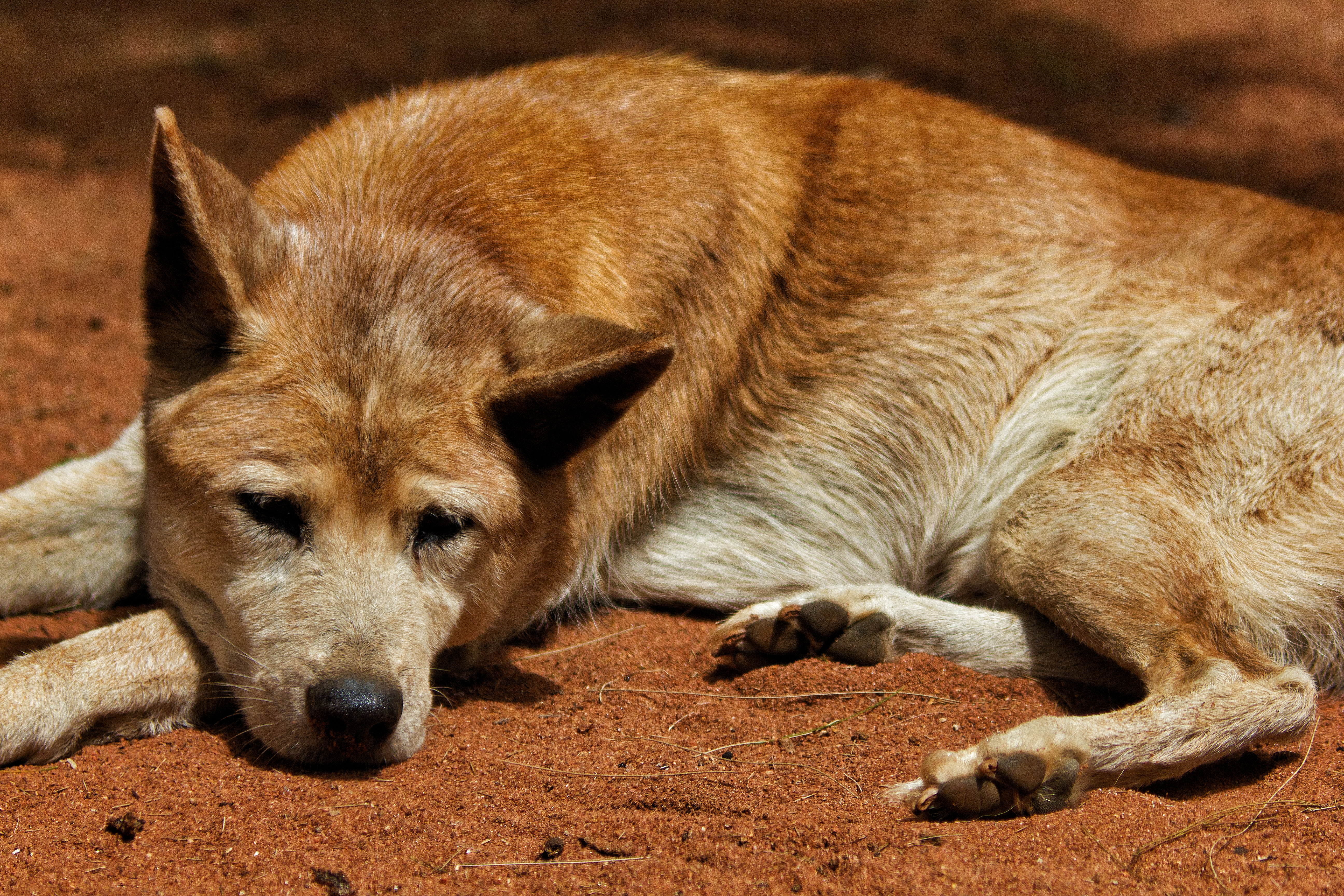
Dwert the Dingo


Djidi-djidi or Willie Wagtail (Rhipidura leucophrys). Avon Walk Trail, York, Western Australia.


Kwilom or purple swamp hen (Porphyrio porphyrio subsp bellus) picking over vegetation on shore of the lake. Lake Leschenaultia, Western Australia.


One day Ngoolyak the white-tailed black cockatoo saw a fight between Dwert the Dingo and Djidi-djidi the Willie Wagtail. Ngoolyak sided with Dwert and joined the fight. Kwilom the Purple Swamp Hen saw the commotion and tried to break them up. He picked some sedge and started beating Ngoolyak across his back to get him to back off. Ngoolyak started screaming and tried to fend off the blows by raising his tail. The sedge oozes red sap when it is cut and it left great red marks where it struck. As he screamed Ngoolyak’s voice became hoarse and he could no longer make his normal call of “wola” and the screeching sounded more like “Karrak!” instead, and that is how Ngoolyak the White-tailed Cockatoo became Karrak the Red-tailed Cockatoo.

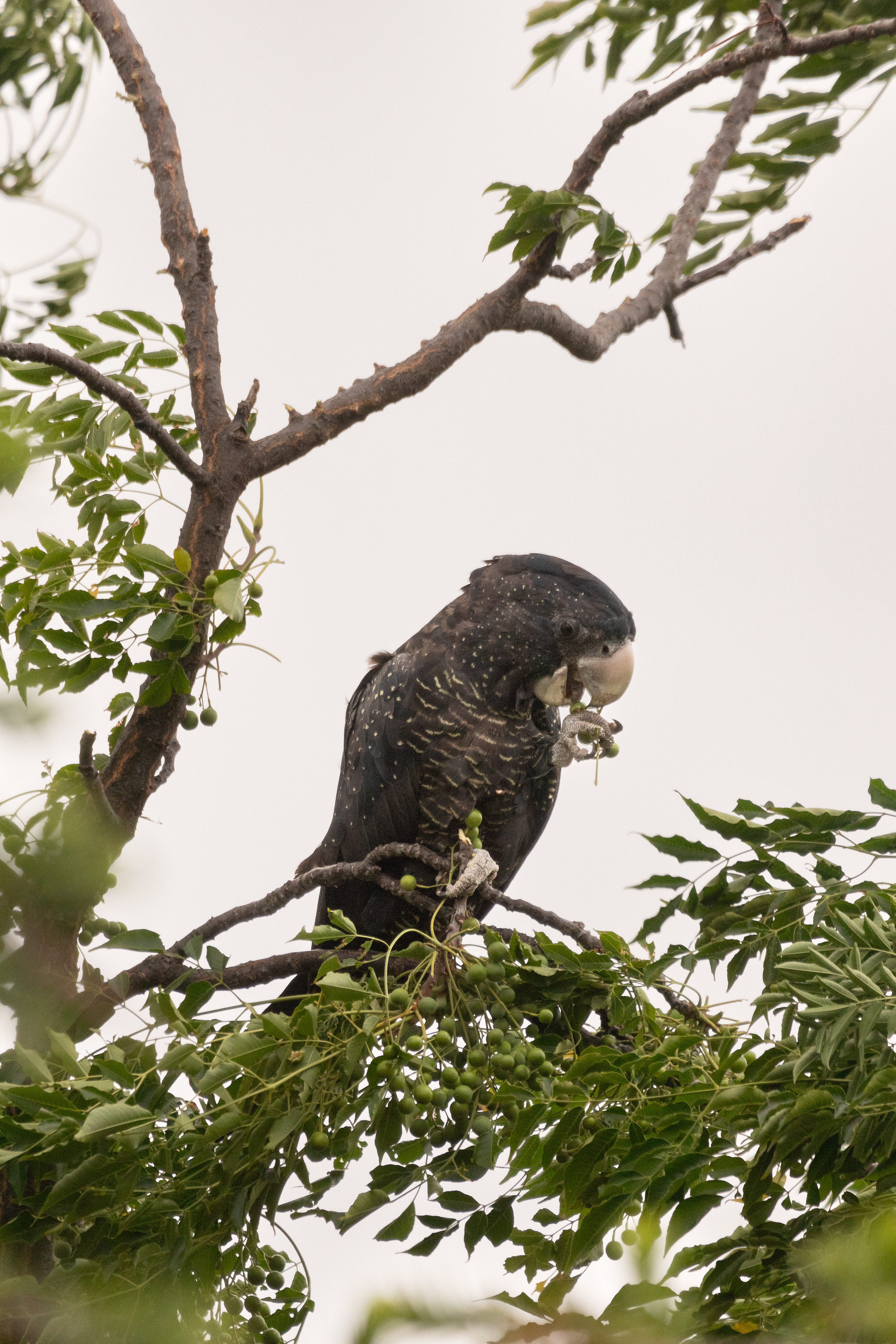
 

Karak or Red-tailed Black Cockatoo (Calyptorhynchus banksii subs samueli) feeding on Cape Lilac AKA WhiteCedar (Melia azedarch). York, Western Australia.


Karak or Red-tailed Black Cockatoo (Calyptorhynchus banksii subs samueli) feeding on Cape Lilac AKA WhiteCedar (Melia azedarch). York, Western Australia.


Pipe Dreams

Big Pipes
Stopped off at Tarraleah to admire the pipes and electricity pylons as they cross the valley.


There’s no doubt about it Australians love a dam. Build one and the accompanying recreation area will be full of happy Aussies burning sausages while commenting sagely on rainfall and water levels. On our recent jaunt around the Tasmanian North West we stopped at Tarraleah to admire the hydro and the Art Deco cottages that were built to house the workers when being constructed. They are now part of a swank resort where you can admire massive pipes and electricity pylons as they cross the valley.


Big Pipes
Big Pipes


The building of the dams polarised the community and gave birth to Australian green politics and the conservation of the Tasmanian Wilderness. Sounds odd doesn’t it? Renewable energy is supposed to be good for the environment, but not when you destroy the wilderness and make entire species extinct in the process. The Hydro Electric Commission (HEC) was set up in 1914 to capitalise on Tasmania’s topography and high rainfall which made it eminently suitable for the generation of hydro-electricity. The whole thing progressed smoothly until the HEC wanted to build three dams on the Upper Gordon River with the aim of attracting industry to the State with the incentive of cheap energy. In December 1982, the Franklin River dam site was occupied by protesters, leading to widespread arrests and world-wide dismay and condemnation. The Hydro and the Tassie government were dismissive of any criticism and saw it as outsiders meddling in Tasmanian affairs. As happened in 1930’s America where the photographs of the High Sierras by Ansel Adams were paramount in changing public opinion and convincing politicians to do more to conserve the natural environment, the photographs of Peter Dombrovskis brought the spectacular Tassie wilderness to the attention of the wider public and they were used in a media campaign that helped bring down the government of Malcolm Fraser at the 1983 election. The new government, under Bob Hawke, had promised to stop the dam from being built. The resulting stoush between the Tasmanian State government and the Australian Federal government ended up going all the way to the High Court which ended up as landmark decision in favour of the federal government. The building of the dams gave birth to Australian green politics and the conservation of the the Tasmanian Wilderness.