I’ve Broken My Duck

Ooooerrrr! That’s probably not the best thing to say in a blog about bird photography. Rest assured no ducks were harmed in the making of this blog entry.
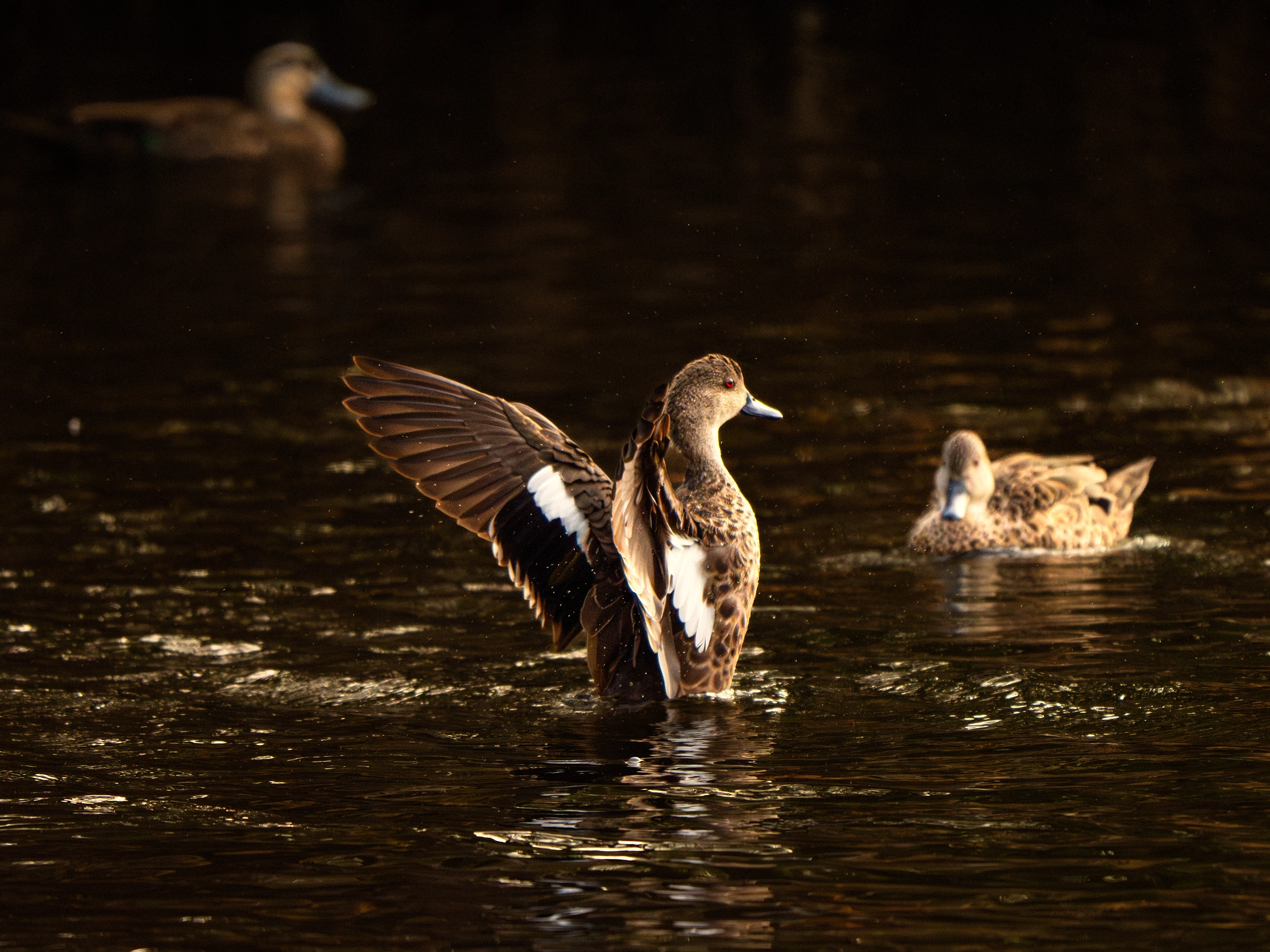
 

Ngoonan by Paul Amyes on 500px.com
No ducks were harmed in the production of this blog. Ngoonan or Grey Teal (Anas gracilis). York, Western Australia.


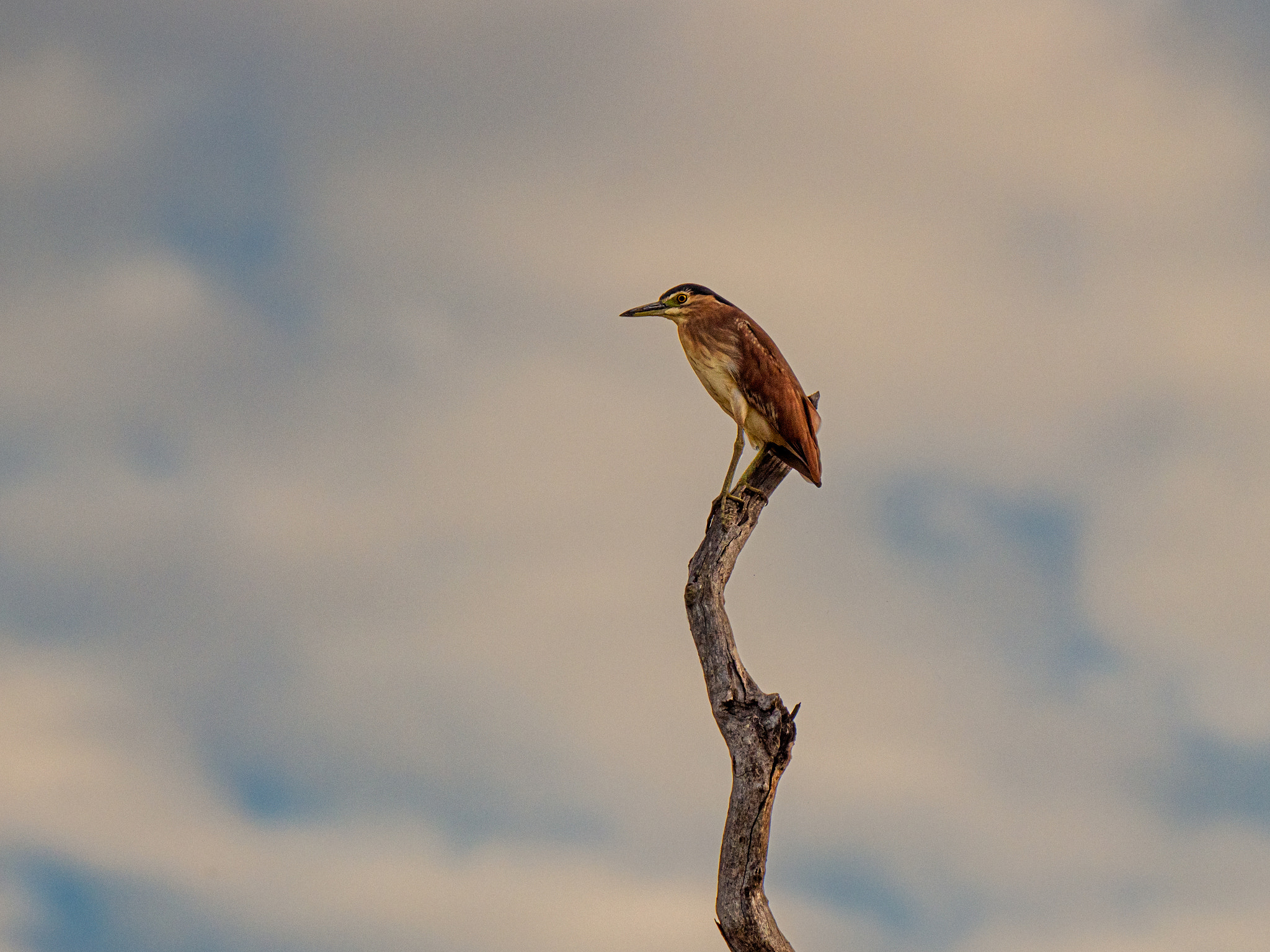
A little while ago I wrote about how my ability to photograph birds had deserted me. Well I can now report that yesterday morning I had a stonker of a morning. I parked up at my usual spot on the River Avon and before I had got my camera bag out of the car I could hear a couple of Brown Goshawks calling out to one another. I could only find one of the birds and it was obligingly sitting in the top of a tree and the first light of dawn was illuminating it nicely. I could hardly believe it! It just kept sitting there unfazed by my proximity and it was I who eventually moved on leaving it there calling out to its mate. This was the best start I’ve had in a very long time and if I’d seen nothing else this would have been tremendous. Just 20m further on and I found a pair of Nankeen Night Herons. By this time I had a grin that went from ear to ear. Walking up to Mile Pool things just got better and better.
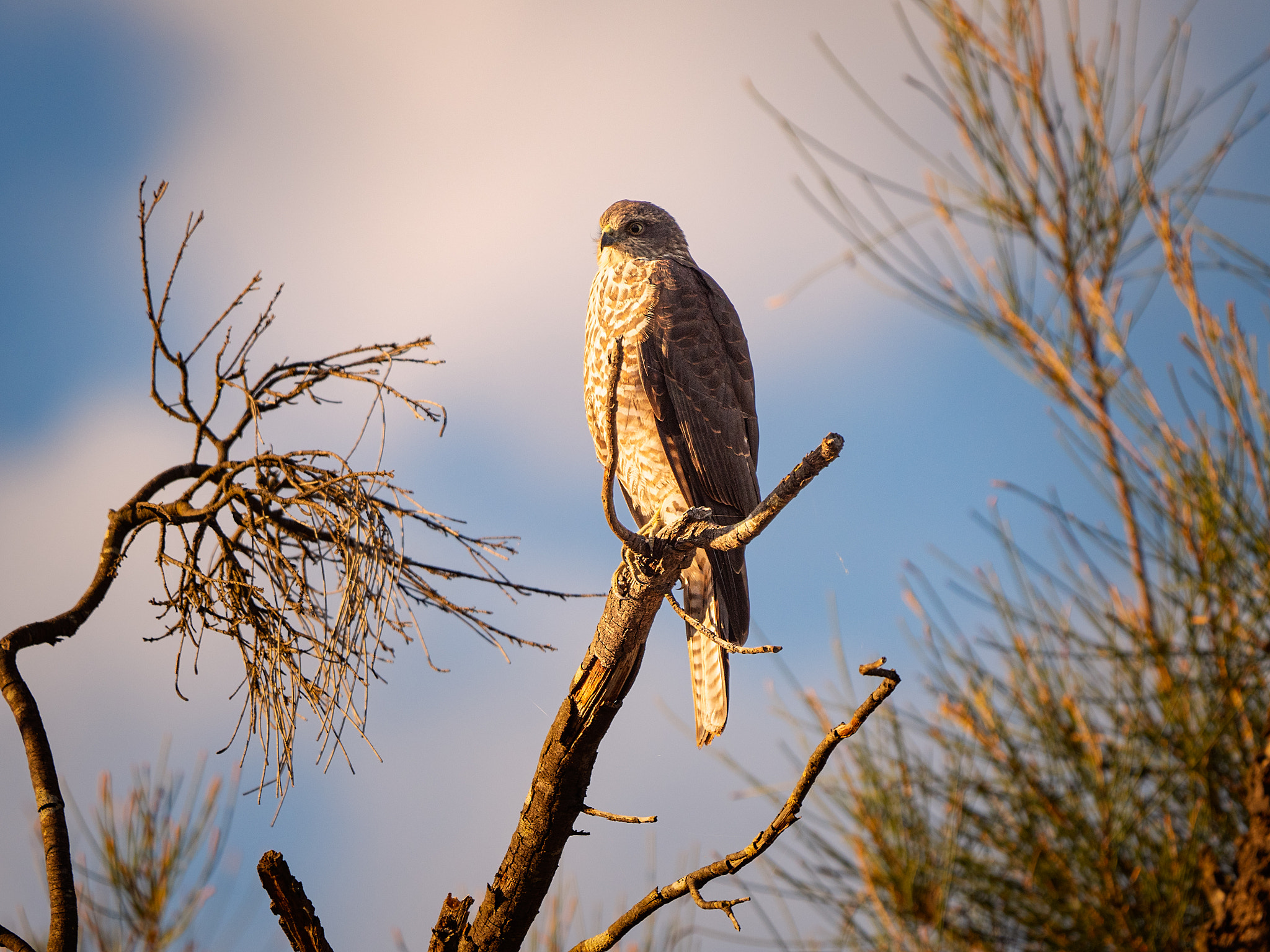
Karkany by Paul Amyes on 500px.com
Karkany or Brown goshawk (Accipiter fasciatus) basking in the dawn light. York, Western Australia.


Ngalkaning by Paul Amyes on 500px.com
Ngalkaning or Nankeen Night Heron (Nycticorax caledonicus subsp mannillenis). York, Western Australia


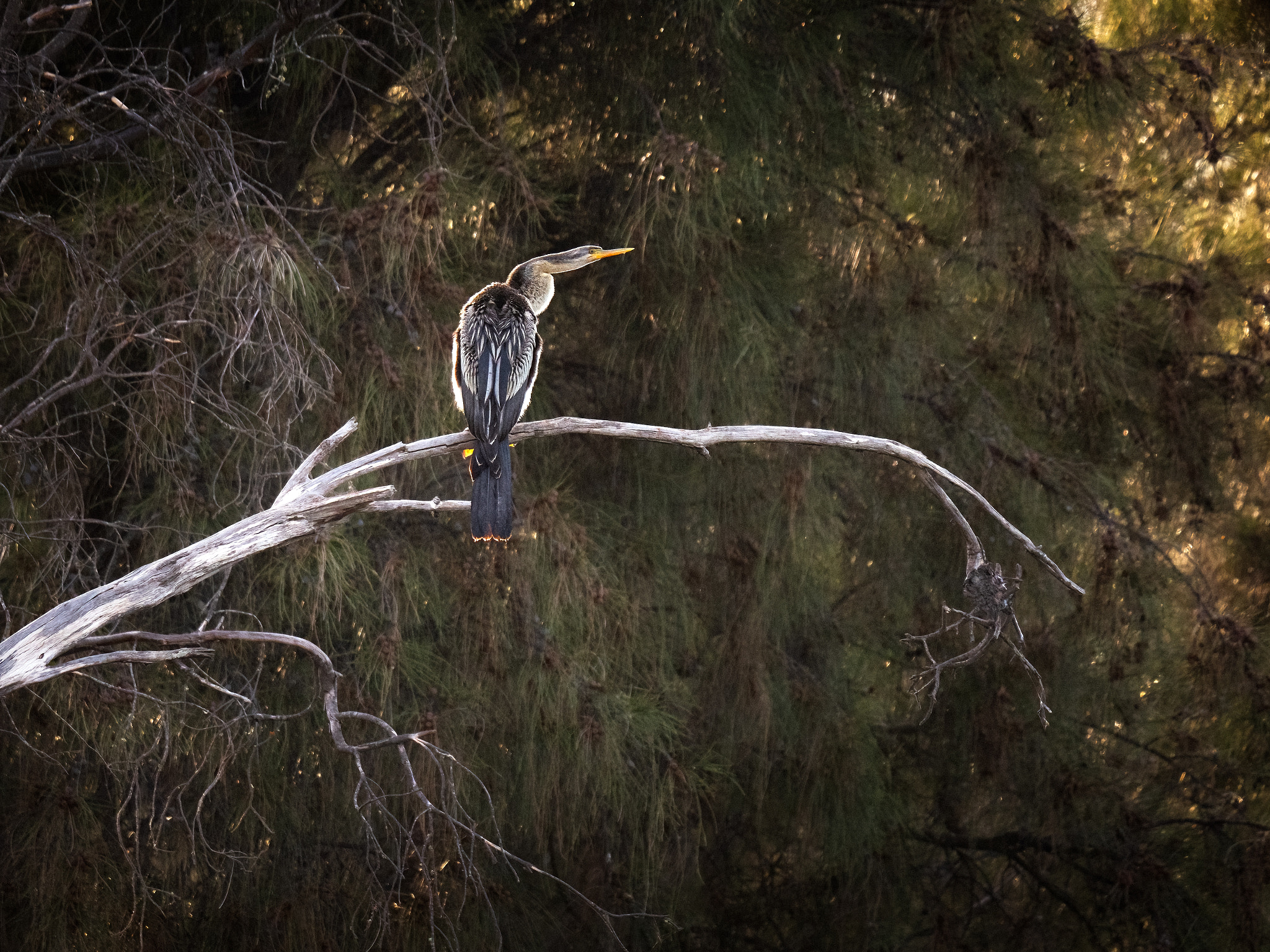
Mimal by Paul Amyes on 500px.com
Mimal or Australian Darter (Anhinga melanogaster subspecies novaehollandiae). York, WEstern Australia.


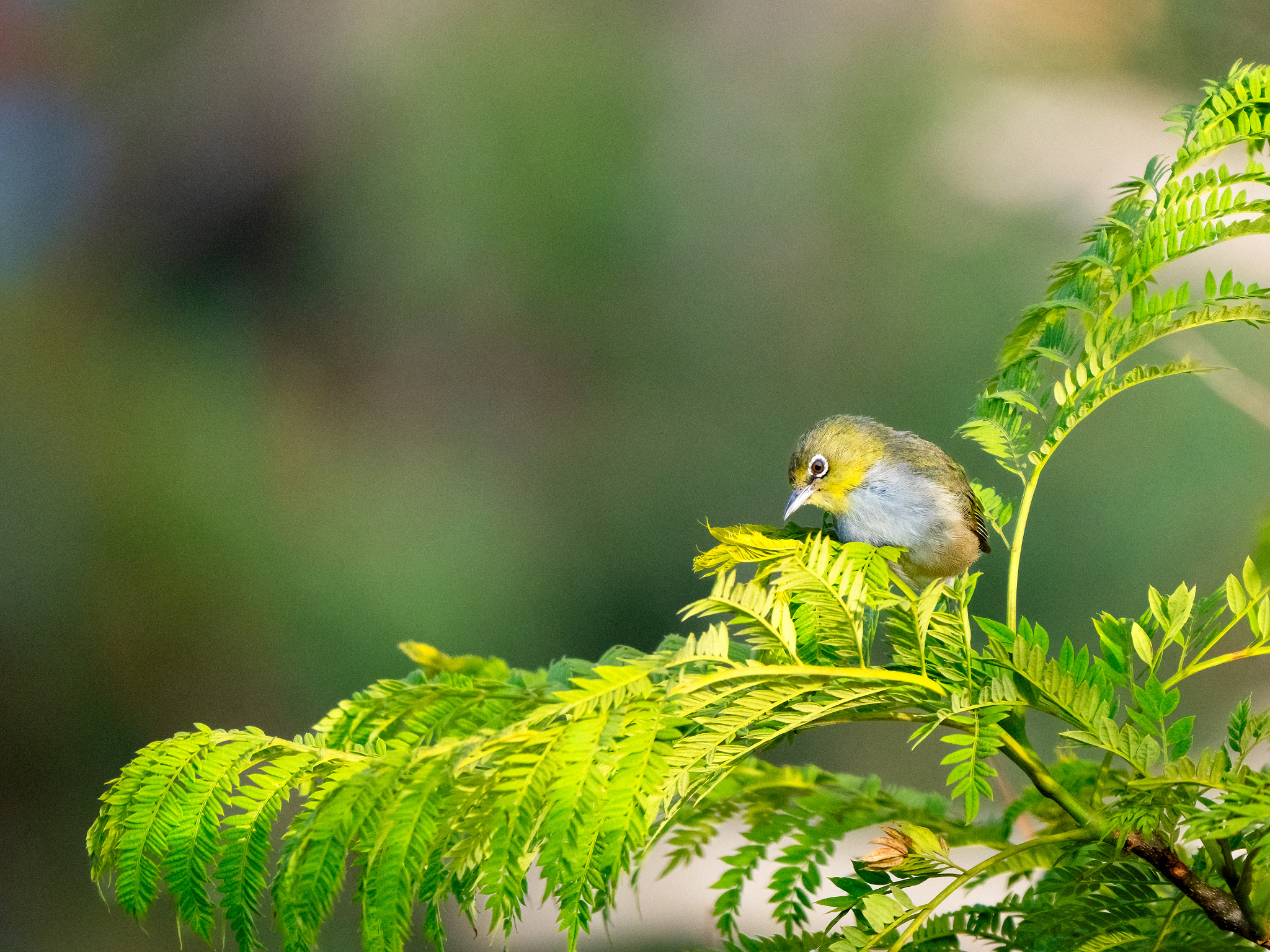
Doolor by Paul Amyes on 500px.com
Doolor or Silvereye (Zosterops lateralis). York, Western Australia.


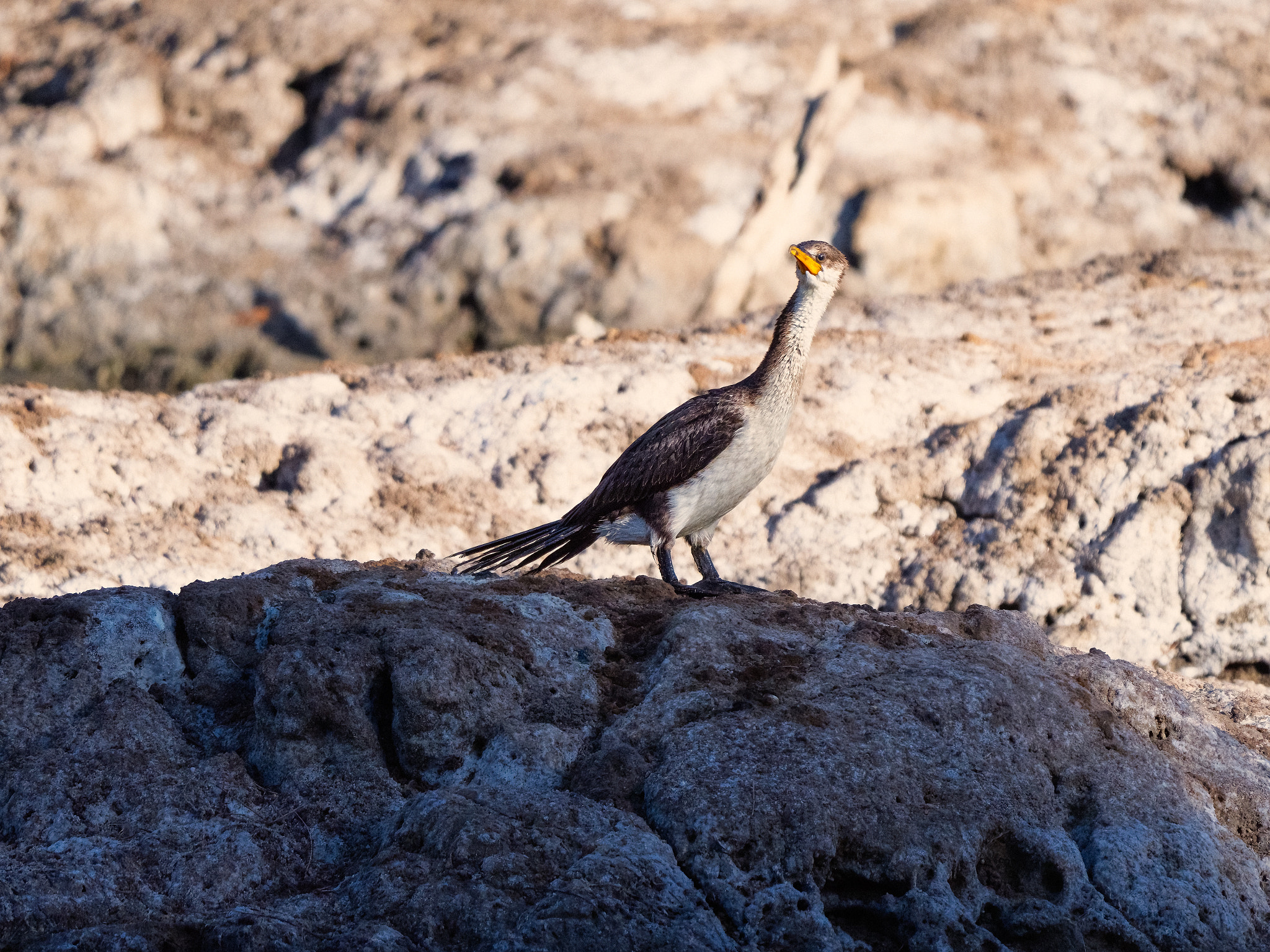
Kakak by Paul Amyes on 500px.com
Kakak or Little Pied Cormorant (Phalacrocorax melanoleucos). York, Western Australia.


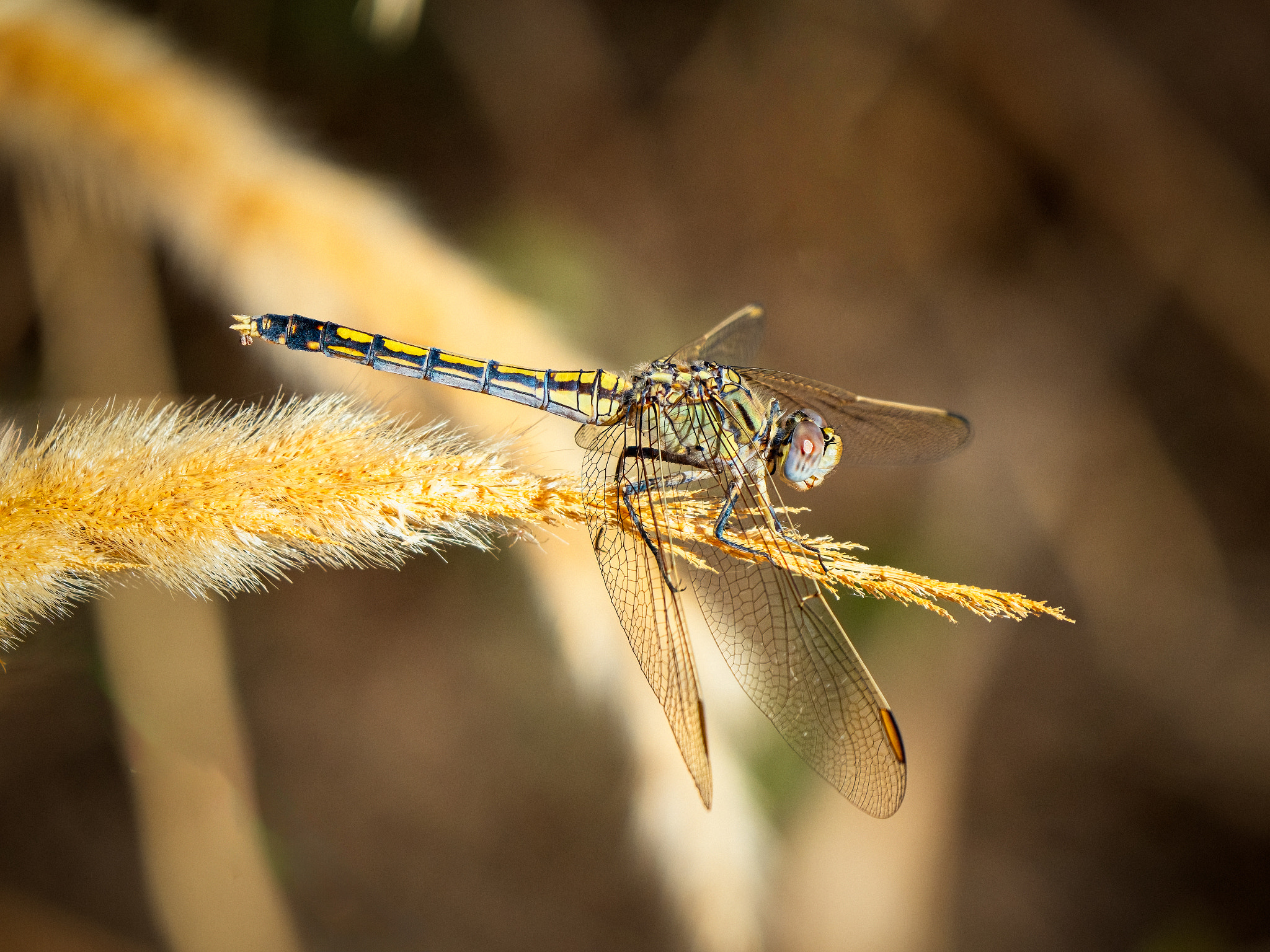
Western Inland Hunter by Paul Amyes on 500px.com
Western Inland Hunter, Austrogomphus collaris. York, Western Australia.


We’ve had some really hot days with temperatures exceeding 40ºC and this has meant there were a lot of birds congregated in the trees around the few remaining pools of water. By 8am the temperature was starting to soar and there was less bird activity. So I changed lenses and went looking for dragonflies and damselflies. I found some but the warmth had supercharged them and they were proving difficult to photograph as they would not sit still for very long. At 8:30am I decided that it was too hot and decided to call it a day. As I started to put my camera away I glimpsed a white bird sitting in the top of a dead tree. At first I thought it was just a corella, but there was something about the way it was moving made me think it was something else. Looking through the camera I could see those unmistakeable red eyes of a Black-shouldered Kite. Panic set in now as I didn’t have the right lens on. So calming myself down I changed lenses and started making my way closer to the bird. Usually what I do is wait for the bird to look in another direction then edge forward by a metre. I then stop take a few photos and then when it looks away again edge forward and take more photos. Like this I managed to get within 20m of the Kite. It looked quite relaxed spending most of its time scanning the ground below looking for food. After a little while it did a dump – birds often do this just before taking off, I suppose it lightens the load – and then took off in a lazy curve towards some taller trees. It was bloody brilliant! My only regret was that because there was insufficient cover I couldn’t get closer, but there’s always next time.
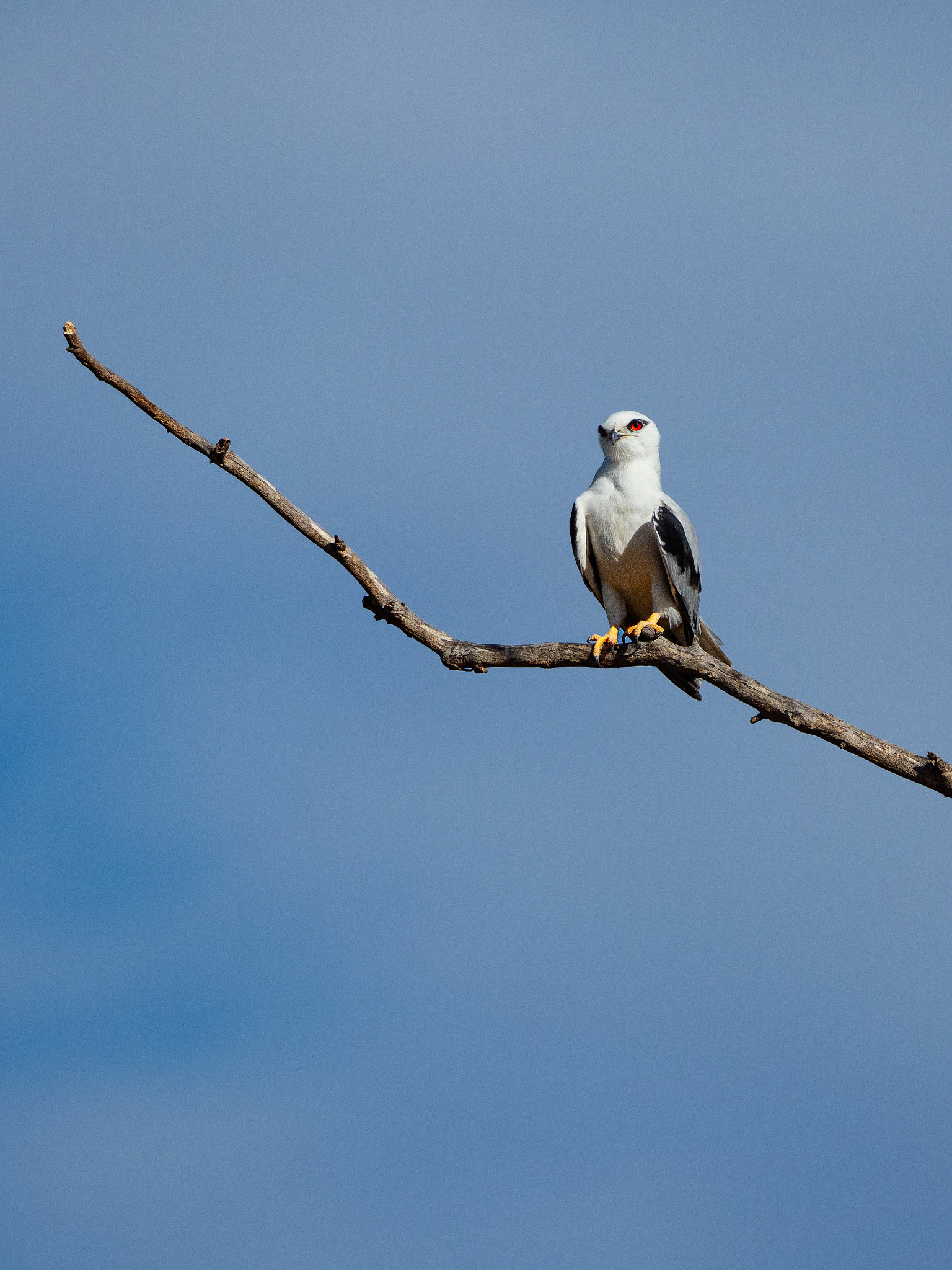
 

Black Shouldered Kite by Paul Amyes on 500px.com
Black Shouldered Kite, Elanus axillaris. York, Western Australia.


Lake Claremont


Originally what is now Lake Claremont was a swamp with a series of small pools edged with reeds and then surrounded by paperbark trees. There was abundant plant an animal life and it was an important hunting and gathering place for the Mooro clan of the Nyoongar in the warmer months of the year.


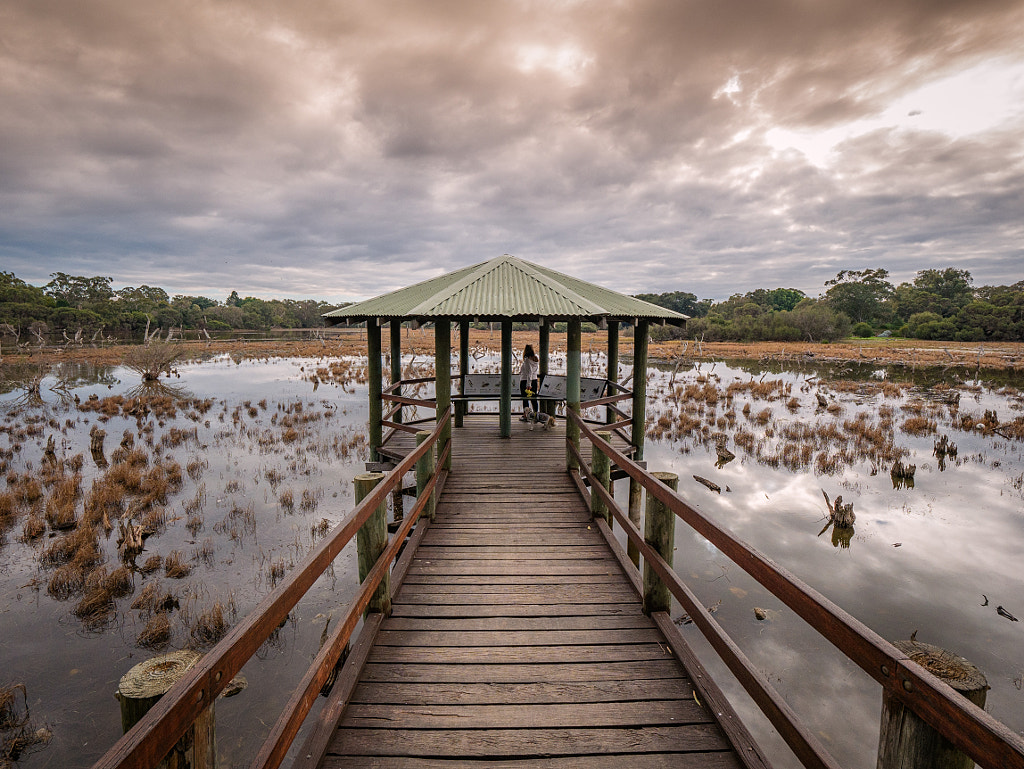
Lake Claremont by Paul Amyes on 500px.com
The bird observation platform allows visitors to watch the birds in the grasses and reeds at Lake Claremont.


In 1831 European settlers began to clear the land for farming and by the 1890’s there were market gardens and a then state of the art dairy farm. Things looked good and the area prospered. However, this state of affairs was short lived as by the turn of the Twentieth Century the water level rose and the farms were flooded and a permanent lake which rises and falls with the seasons was formed. In the 1950’s Claremont Town Council reclaimed large areas for a rubbish tip and renamed it Lake Claremont in the process. In the 1960’s it was decided to beautify the lake and its surrounds. Sections were infilled to create a golf course and the school playing fields. In time two small bird sanctuary islands were created and there has been a move to manage the the lake in a more ecological manner. The Friends of Lake Claremont are an enthusiastic and very active bunch of local residents and volunteers who have undertaken to assist in the conservation and enhancement of Lake Claremont. There activities have been crucial in weed eradication programs and revegetation projects working in tandem with pupils from  Scotch College and Graylands Primary School. They also have annual public events including Clean Up Australia Day, National Tree Day and Celebrate Lake Claremont Day (community fair). More details can be found on their website.


Lake Claremont by Paul Amyes on 500px.com
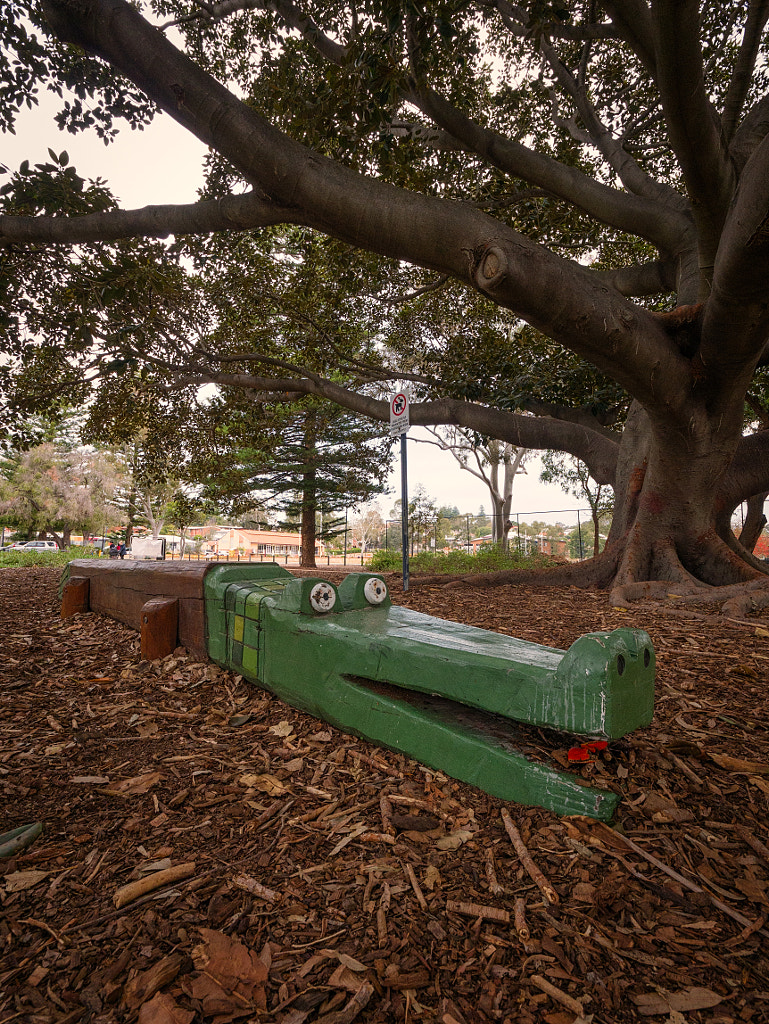
The infamous Lake Claremont crocodile. Lake Claremont, Western Australia.

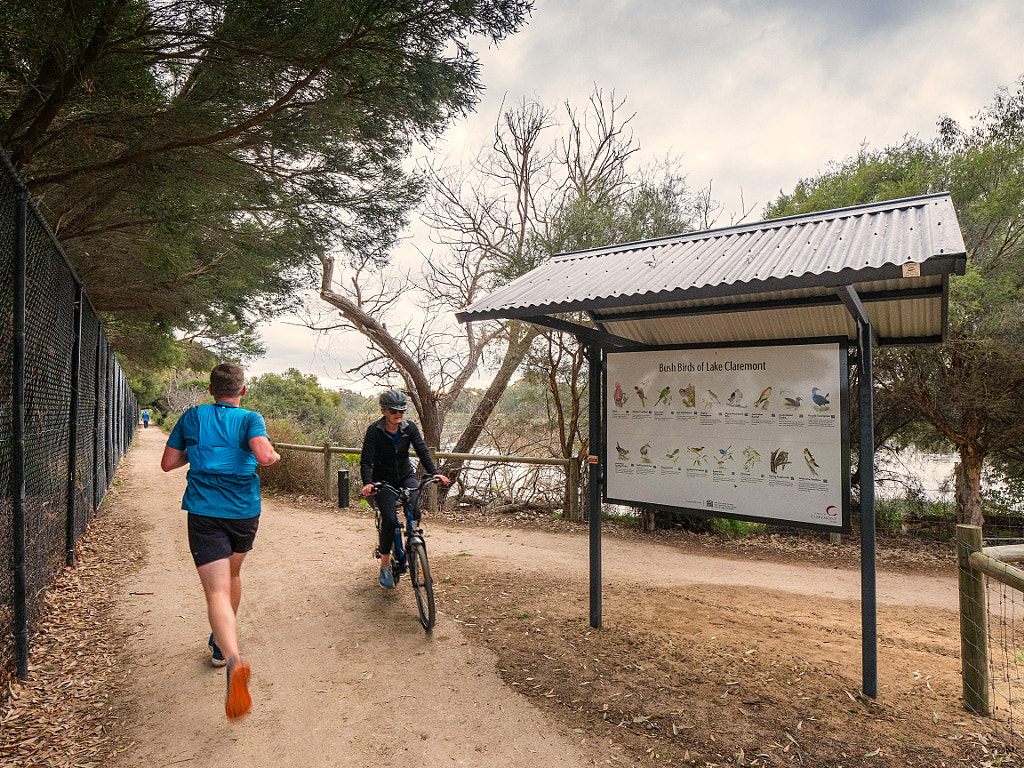
So that was then and this is now. What does the lake offer today? Well the wetlands of the Swan Coastal Plain are internationally acknowledged as a bio-diversity hotspot having a greater number of endemic species than most other regions in Australia. Since colonisation three quarters of the wetlands have been drained for urban development. Those that remain are adversely effected by the introduction of feral animals and plants. In this context Lake Claremont is like a biosphere. In the past ten years or so eBird Australia has listed 116 species of bird that can be found on or around the lake which makes it somewhat of a birders paradise. The path around the lake and the bird observation platform make it easy to spot birds all year round. To make it so that you know what you are looking for you can down load an illustrated brochure listing the birds from the Town of Claremont website.


Lake Claremont by Paul Amyes on 500px.com
Lake Claremont has a dual use path around its edge which is popular with runners and cyclists.

In addition to the nature based activities there is a 3 Km dual use path that circumnavigates the lake which is very popular with walkers, runners and cyclists. Dogs are welcome on a lead. The walk is enjoyable all year round and if you start the car park and head off in a clockwise direction then you can stop at the TeeBox Cafe shortly before returning to the car park. For the youngsters who need to burn off some energy before looking at the ducks there are two playgrounds. If dad doesn’t care for looking at the ducks then he has the option of playing a quick nine holes of golf.


Dit by Paul Amyes on 500px.com
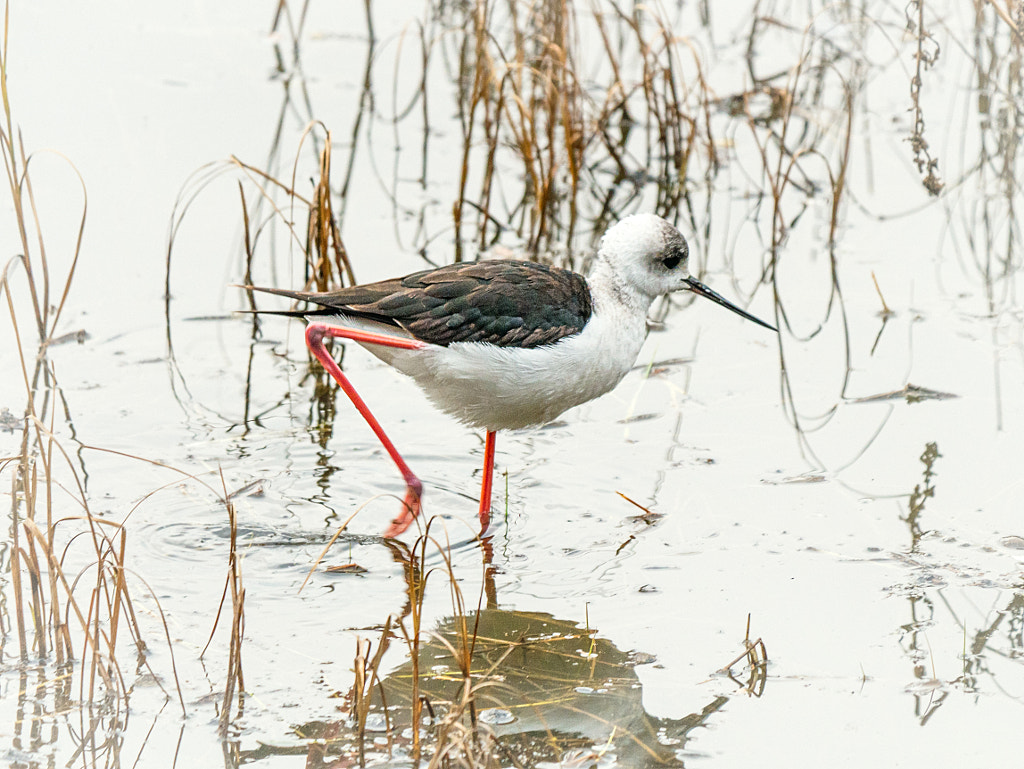
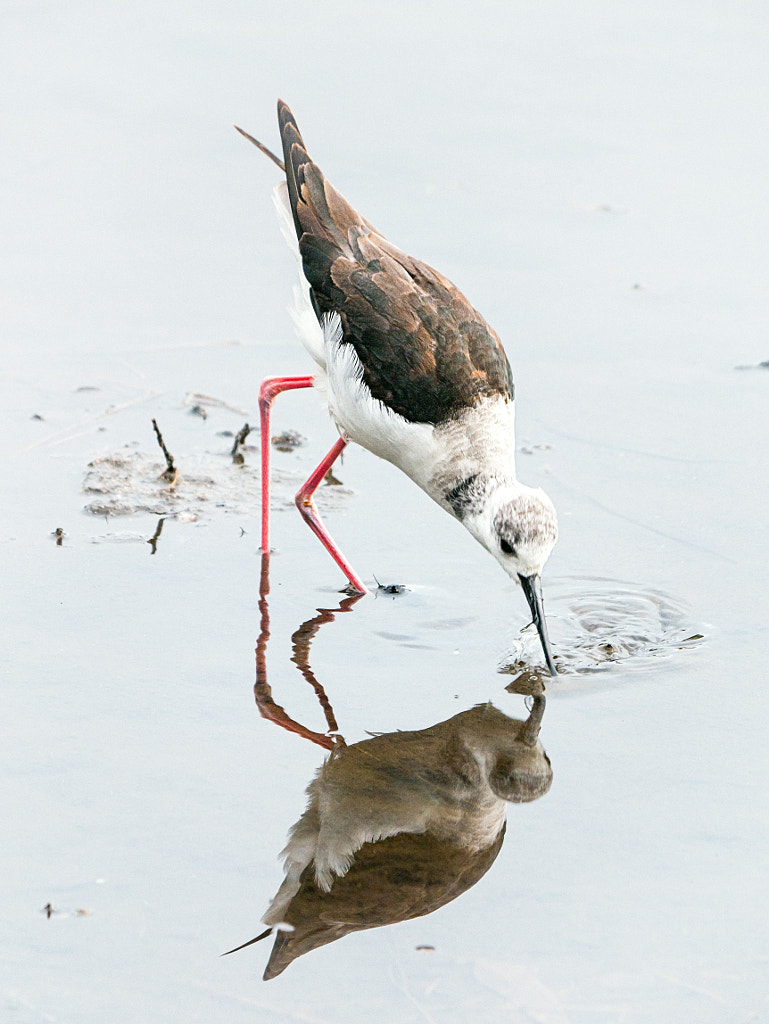
A juvenile pied stilt (Himantopus himantopus) at Lake Claremont, Western Australia.


Marli by Paul Amyes on 500px.com
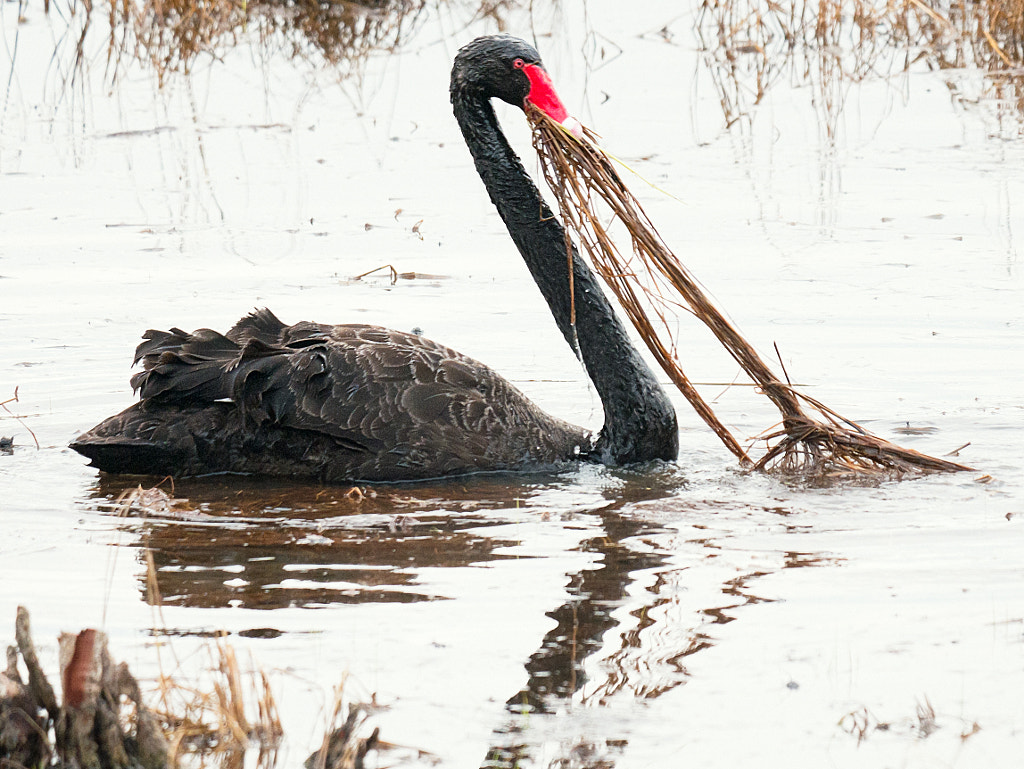
A black swan (black ) gathering nesting material at Lake Claremont, Western Australia.


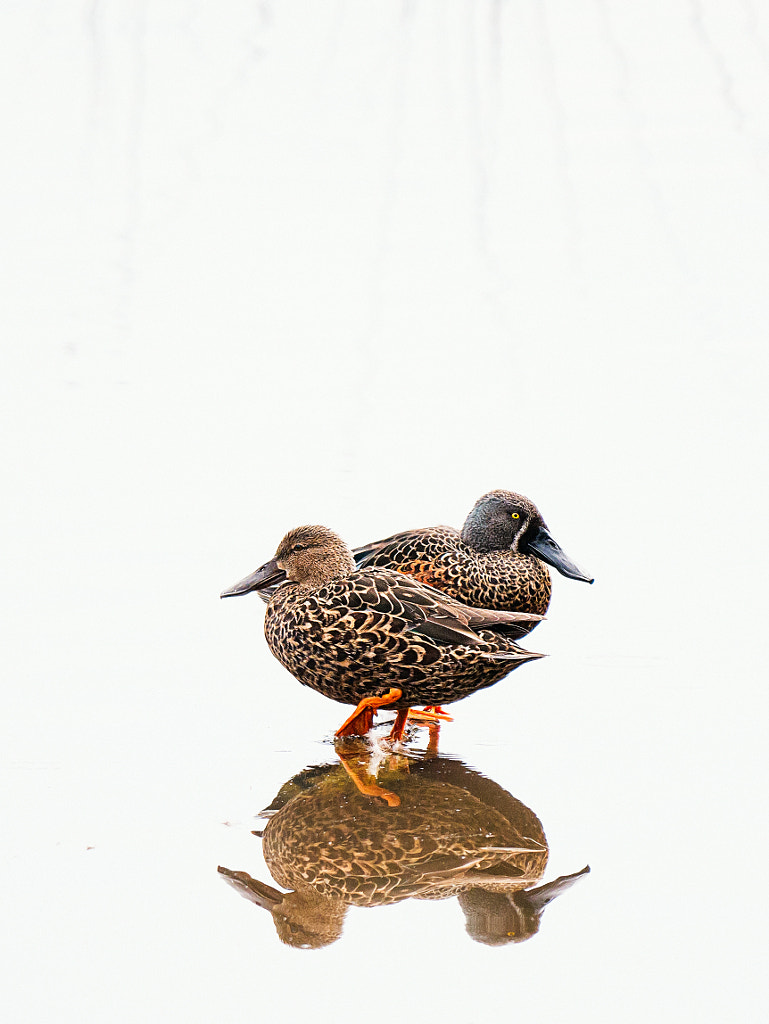
Bardoongooba by Paul Amyes on 500px.com
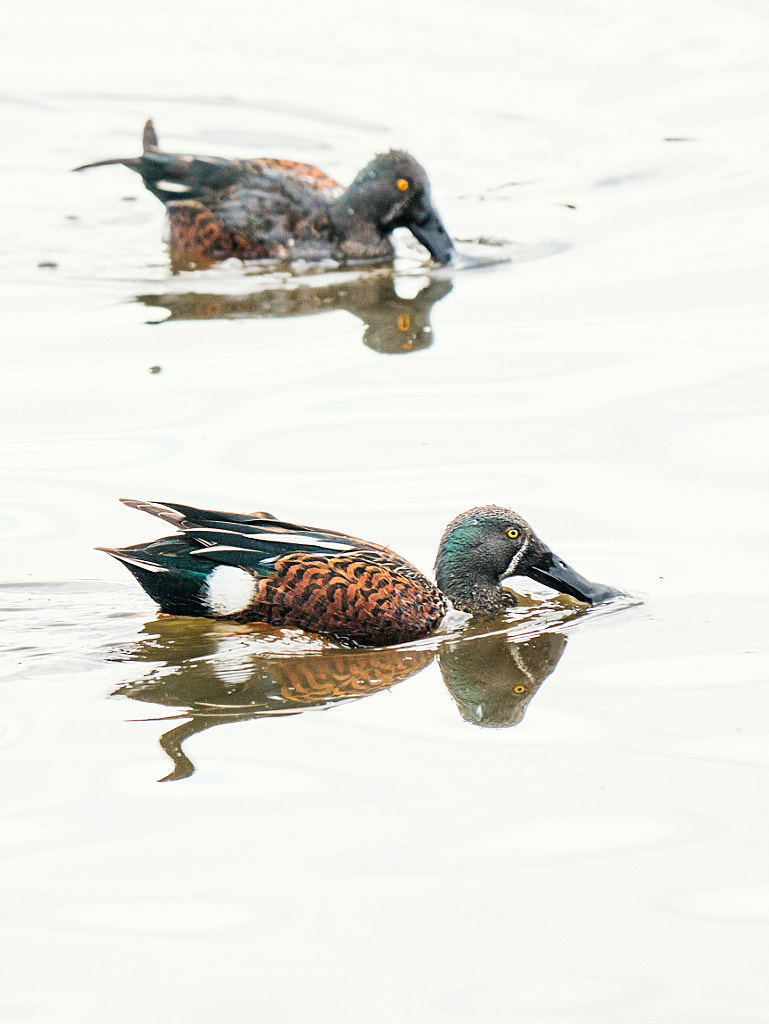
A pair of Australian Shovelers (Australian) at Lake Claremont, Western Australia.


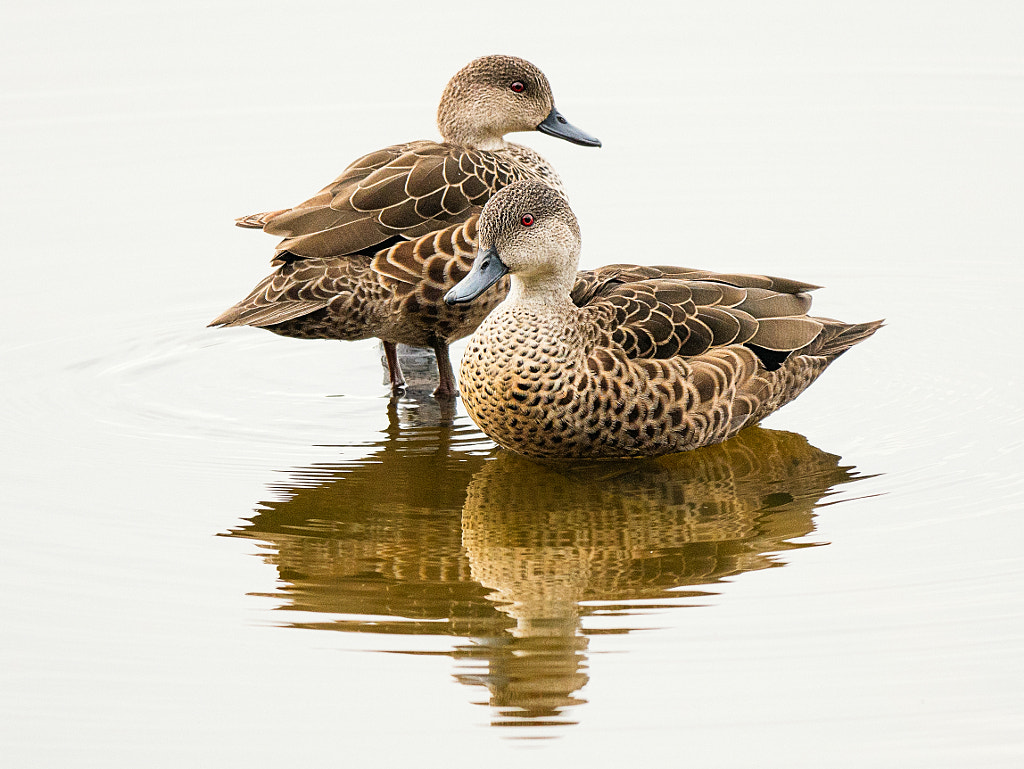
Kalyong by Paul Amyes on 500px.com
A pair of grey teals (Anas gracilis) at Lake Claremont in Western Australia.


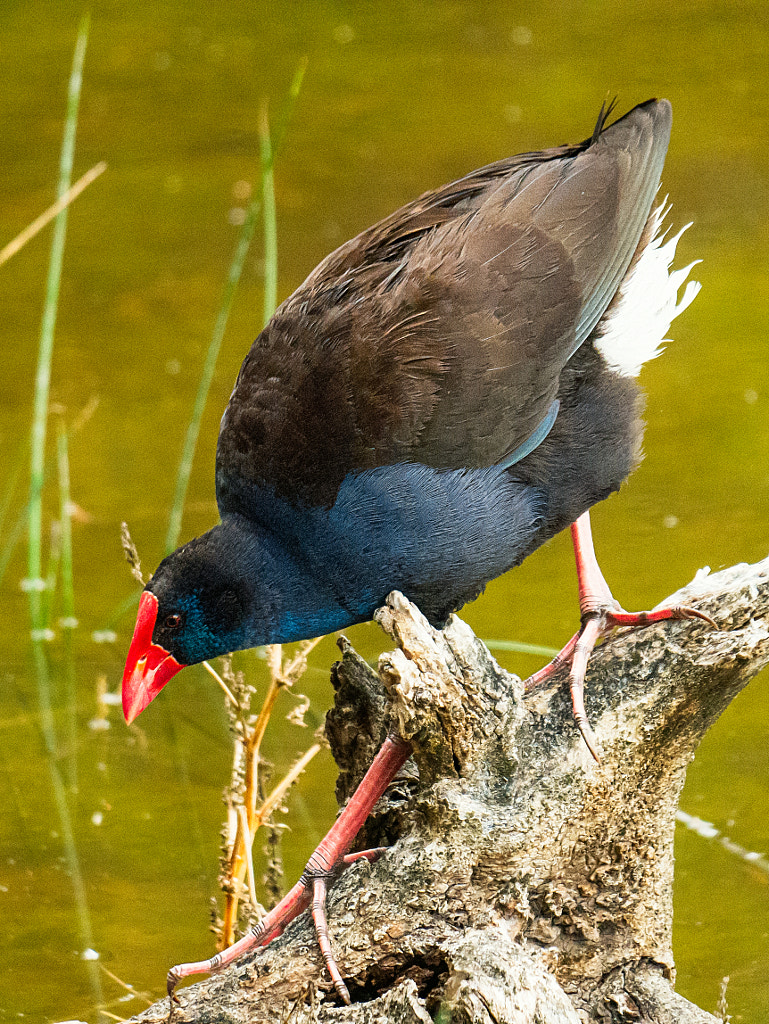
Kwilom by Paul Amyes on 500px.com
A purple swamp hen (Purple), Lake Claremont, Western Australia.


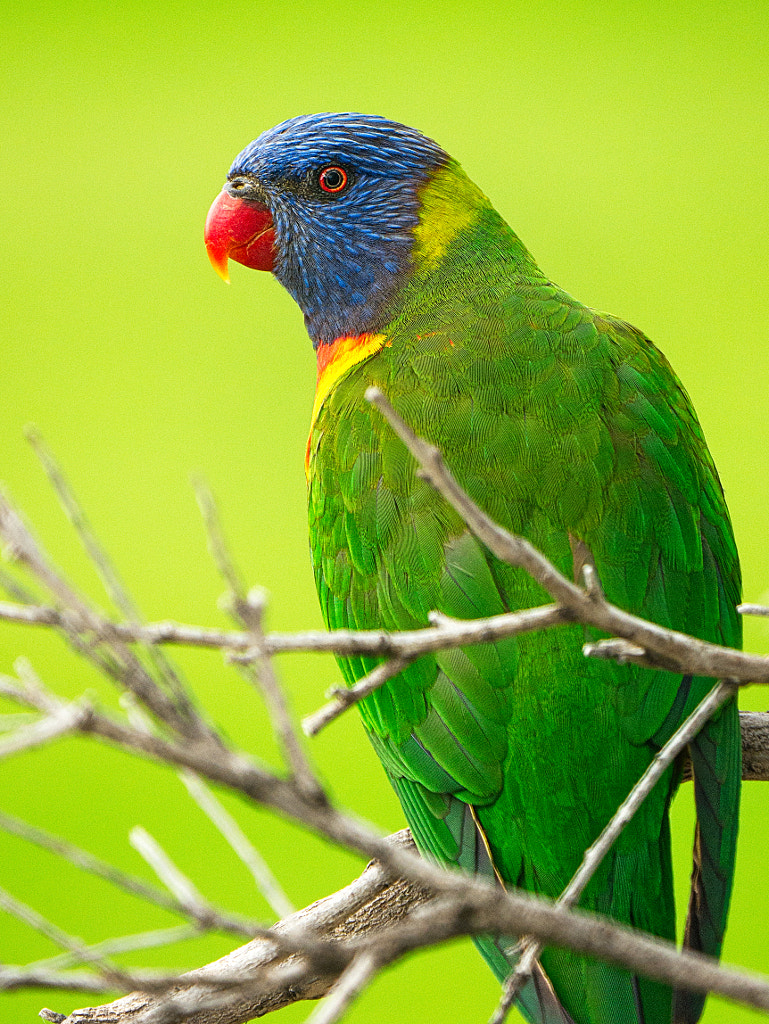
Rainbow Lorikeet by Paul Amyes on 500px.com
Rainbow lorikeets (Rain) were introduced to Western Australiafrom the eastern states of Australia. Lake Claremont, Western Australia.


Wimbin by Paul Amyes on 500px.com
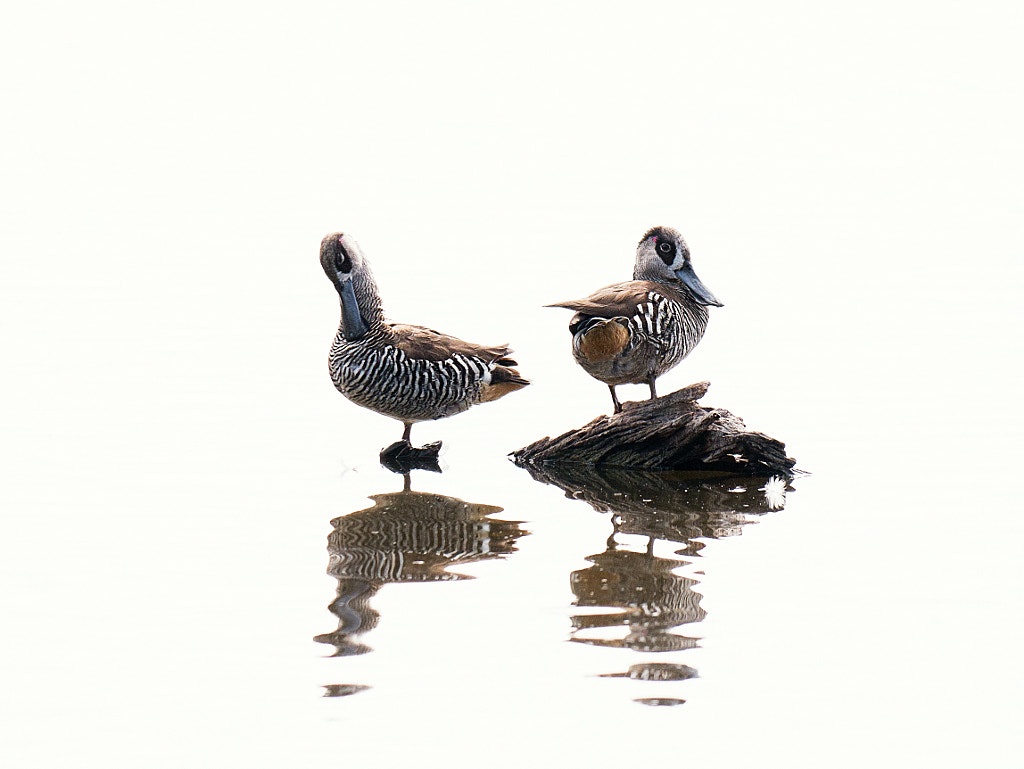
Pink-eared ducks (Malacorhynchus membranaceus) at Lake Claremont in Western Australia.


Dit by Paul Amyes on 500px.com
Called Dit by the Nyoongar this juvenile pied stilt (Himantopus himantopus) feeds at Lake Claremont, Western Australia.


Bardoongooba by Paul Amyes on 500px.com
Bardoongooba called Australian Shovelers (Anas rhynchotis) by European settlers can be readily seen on Lake Claremont.