Gathercole Reserve


This year our annual visit to the amazing nature hotspot of Wongan Hills took us to the Gathercole Reserve which is a 141 hectare granite out crop 10Km east of the Wongan Hills townsite. At the centre of the reserve is a large granite outcrop, but what makes this one so interesting is that it is unlike most others in Western Australia. Usually granite outcrops are devoid of vegetation but Gathercole has a rich variety of vegetation that forms a fringe around the rock – Rock Sheoak, Silver Princess, Sea-urchin Hakea, Scarlet Honey  Myrtle are just a few of the species – and other plants such as  Granite Kunzea that have adapted to actually live on the rock outcrop drawing their water and nutrients from the very shallow pockets of soil found in cracks and depressions. It all sounded wonderful, but with this years very dry winter the local flora wasn’t putting on much of a show. We then decided to concentrate on doing the walk trail which is an easy 2 hour walk around the rock. There are 12 interpretive panels on the trail to tell you what you are looking at. These explain how the rock outcrop was formed, how it was shaped by wind and rain, and details of the fauna and flora found there.
 

Gathercole Reserve Walk Trail by Paul Amyes on 500px.com
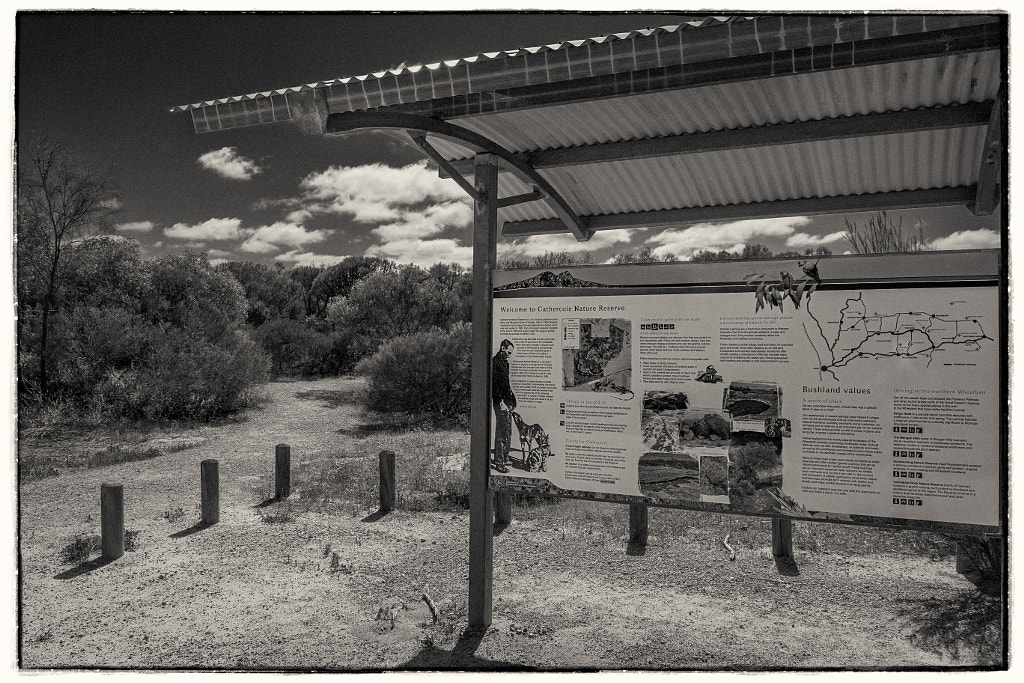
The information board at the start of the Gathercole Reserve Walk Trail in Western Australia.


Gathercole Reserve Walk Trail by Paul Amyes on 500px.com
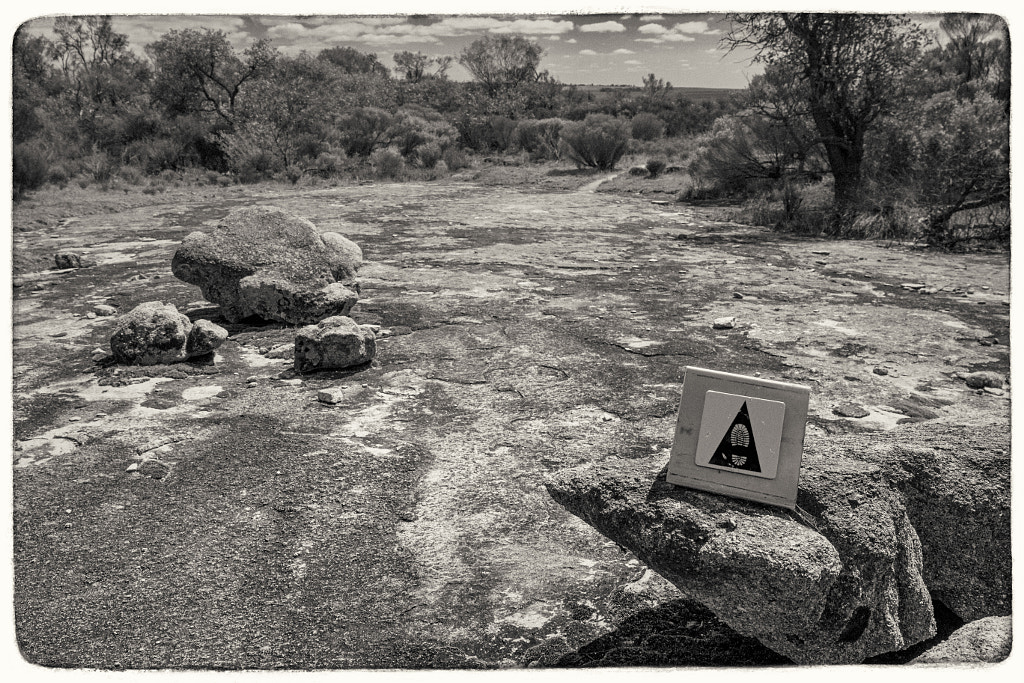
The Gathercole Reserve Walk Trail is a 3.1 km walk throgh the Gathercole Reserve and explores the granite outcrop.


Gathercole Reserve Walk Trail by Paul Amyes on 500px.com
The walk trail is clearly sign posted and it is easy to follow.


Gathercole Reserve Walk Trail by Paul Amyes on 500px.com
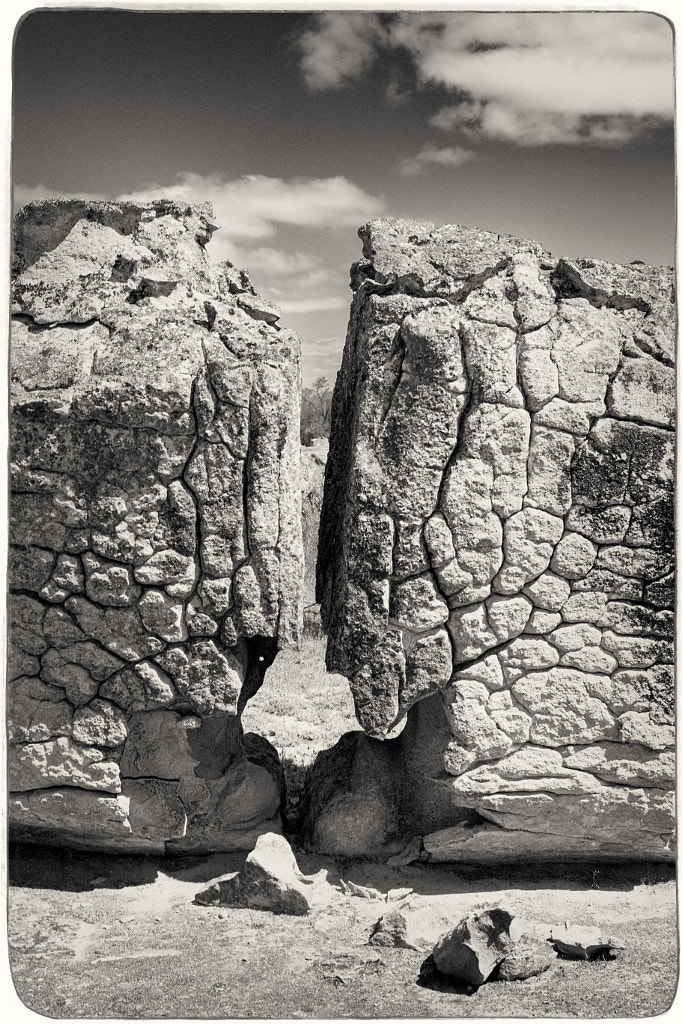
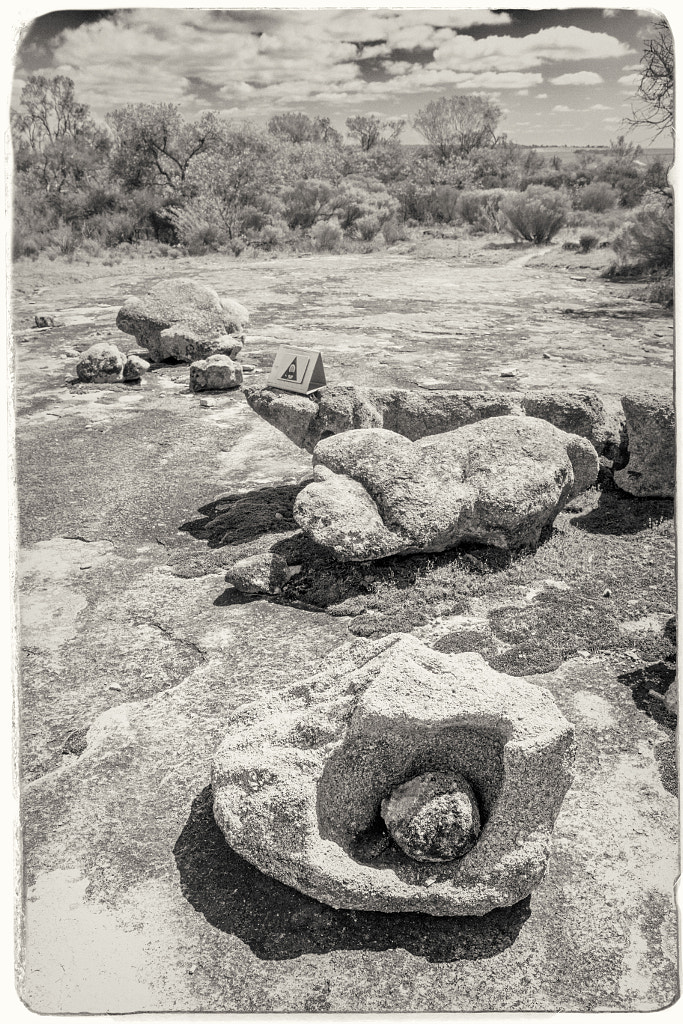
As you walk over the granite outcrop you can see different rock formations. This was caused by rapidly cooling molten rock and millenia of exposure to the elements.


Gathercole Reserve Walk Trail by Paul Amyes on 500px.com
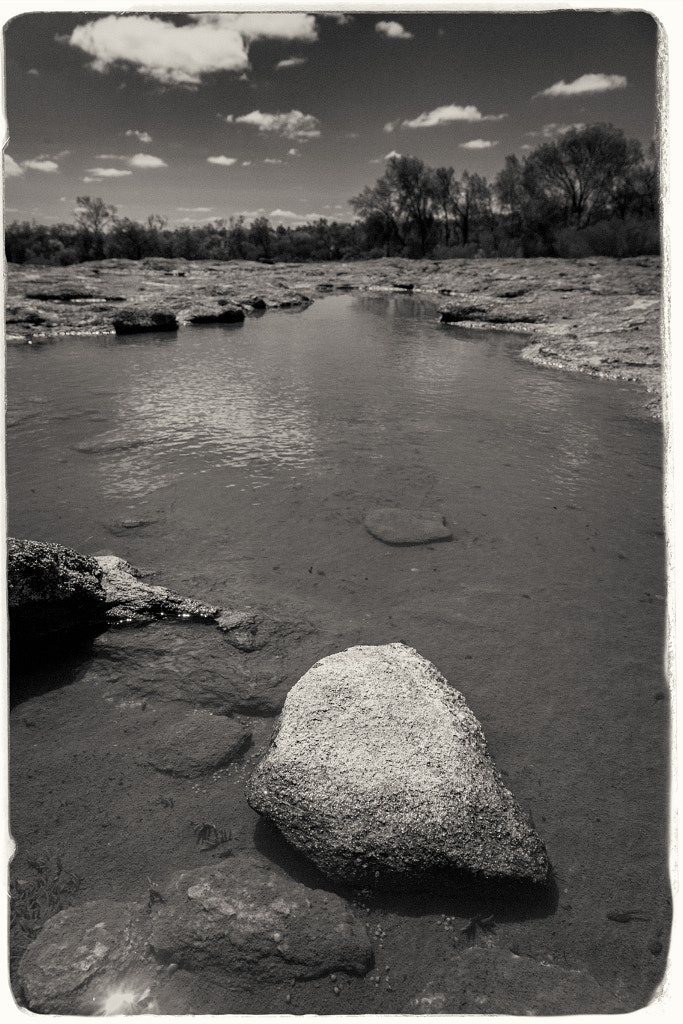
On the top of the granite outcrop water collects in the hollows during winter. These pools form the habitat for tadpoles and freshwater shrimp.


Gathercole Reserve Walk Trail by Paul Amyes on 500px.com

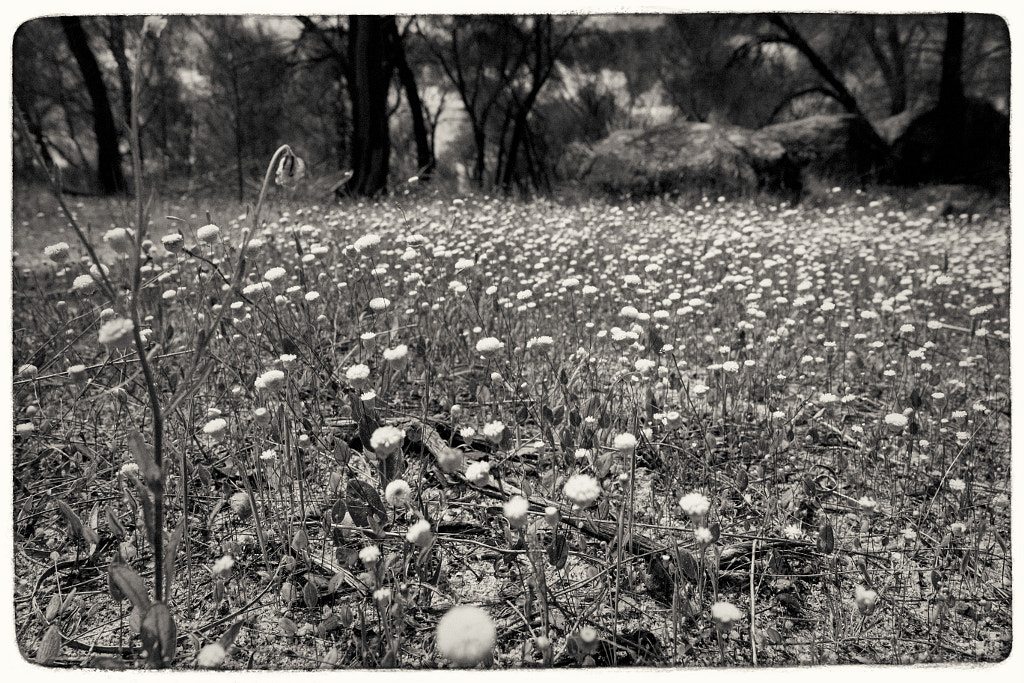
In spring the reserve puts on a spectacular show of wildflowers as evidenced by the everlasting shown here.


Photographically I felt in a bit of a rut so I decided to ditch the normal approach and just take a DSLR and one lens and shoot everything in black and white. Back in the film days I was particularly enamoured by Ilford SFX. It’s a bit of an odd ball film in that due to its extended sensitivity into the red spectrum of light it gave a mild “infrared” look without all the hassles of using infrared film which makes it ideal for day to day use. When I printed it I used glossy  Ilford Multigrade FB Warmtone paper which produced a luxuriously rich image.  I’ve not shot any film in over a decade and I’ve not had access to a darkroom for nearly twenty years so I decided to shoot digitally and emulate the look in Exposure 7. It doesn’t look quite right but it has made me think about shooting some film again. I’ve still got a couple of film cameras all I’ll need to do is find a way of scanning the negatives as I don’t want to get an enlarger and start printing again at this stage.

The Near East

At a bit of a loose end we decided to go out on the Goldfields Road to Tammin. The town’s sole raison d’être is the transportation of the surrounding areas grain crops. The grain bins and railway siding around which the town is built are the key features of the town. With the increasing industrialisation of modern agriculture farms have got bigger and bigger and employ less and less people so like many rural areas although generating a lot of wealth the town is in decline.


Derelict by Paul Amyes on 500px.com
Abandoned farmhouse on the Goldfields Road in Western Australia. Olympus Pen EP-5 with Olympus 12-50mm f3.5-6.3 lens. Exposure: 1/640 sec, f5.6 at ISO 200. Converted to monochrome in AlienSkin Exposure 4.

When I first got interested in photography I was living in the South East of England which is a very verdant and prosperous region. Naturally the first photographers who caught my eye were British ones like David Bailey, Snowdon, Patrick Litchfield and Terrance Donovan.As I went on I discovered more socially aware photographers such as Chris Killip, Graham Smith and Don McCullin. I  remember going to see Killip and Smith’s exhibition “Another Country” in 1985 and being absolutely blown away by the subject matter and the quality of the work – it was one of transcendent experiences and it altered my perception of what photography could be dramatically. It was quite a while before I turned my attention to non British photographers. When I first saw the work of Walker Evans, Robert Frank, Joel Sternfeld, Stephen Shore, and Robert Adams I couldn’t really relate to the subject matter. Their vision and representation of the USA was one that was completely foreign to me and outside that which the mainstream media presented. It wasn’t until I migrated to Australia and started to explore the rural areas seldom visited by tourists that the penny finally dropped. I started to see similar scenes and over time I have attempted to capture them. I’m never quite sure whether it should be in black and white or colour so I find myself fluctuating between the two mediums and never quite happy with the results.


Tamin by Paul Amyes on 500px.com
Tammin grain bins and railway station. Olympus Pen EP-5 with Olympus 12-50mm f3.5-6.3 lens. Exposure: 1/800 sec, f5.6 at ISO 200. Converted to monochrome in AlienSkin Exposure 4.

Which brings us to the photos in this post. They are just a small sample of the photos that I took on our road trip to Tammin. At first I processed them as colour and felt that the colour detracted from the starkness that I saw and felt. I then tried monochrome. When I worked in the darkroom I liked to use Ilford Multigrade  FB warm tone glossy paper and that is a look I try to replicate with my digital images albeit without much success. When Ilford’s digital media arm Harman Technology introduced their warm tone gloss baryta inkjet paper I thought that my prayers had been answered and I used it for a couple of exhibitions I did. It was a sad day when it was discontinued – I still have 5 sheets of A3+, not enough to do any proper work. So now I try to replicate the look in AlienSkin Exposure 4 which is what I have done with these photos. The problem is that while it looks OK on screen when you translate it to printed media it does work as it is not subtle enough. Perhaps the photos should have stayed in colour after all.


Closed by Paul Amyes on 500px.com
Empty shop front in Tammin, Western Australia. Olympus Pen EP-5 with Olympus 12-50mm f3.5-6.3 lens. Exposure: 1/100 sec, f5.6 at ISO 200. Converted to monochrome in AlienSkin Exposure 4.