Our poor old car started to sound as if it had a terminal condition. It produced an incredible range of noises from the engine and gearbox. With over 200,000 km on the clock it wasn’t surprising in someways. I took it into the mechanics and it came back with even more strange noises. So while we sorted out a replacement I’ve been somewhat grounded and most of the recent photography has taken place within the constrains of the garden. Most of it macro of various bugs that I’ve found, some of it shots of Bertie, our Miniature Bull Terrier puppy, as he plays. It’s been great fun.
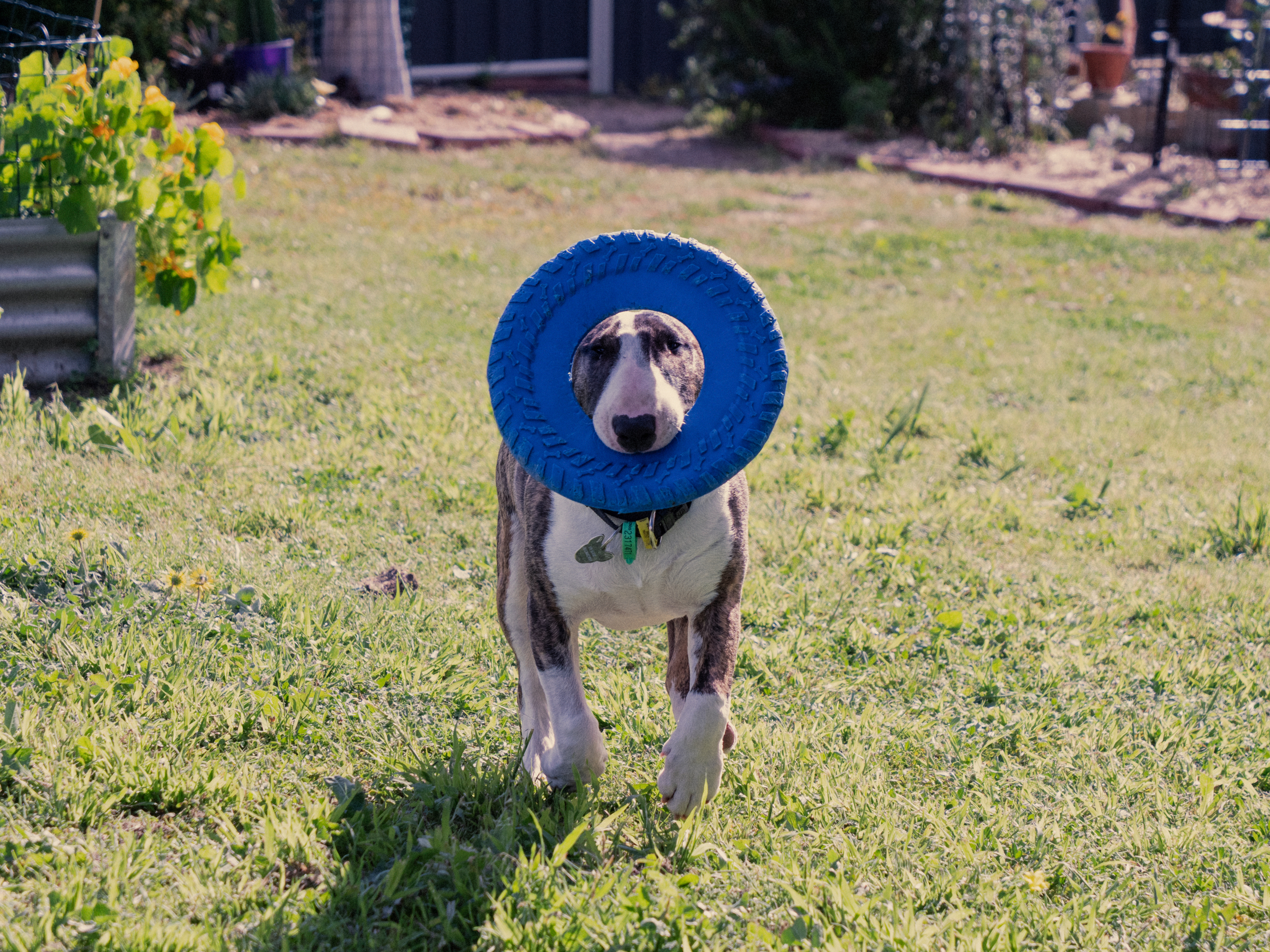
Bertie playing with his ring in the garden.
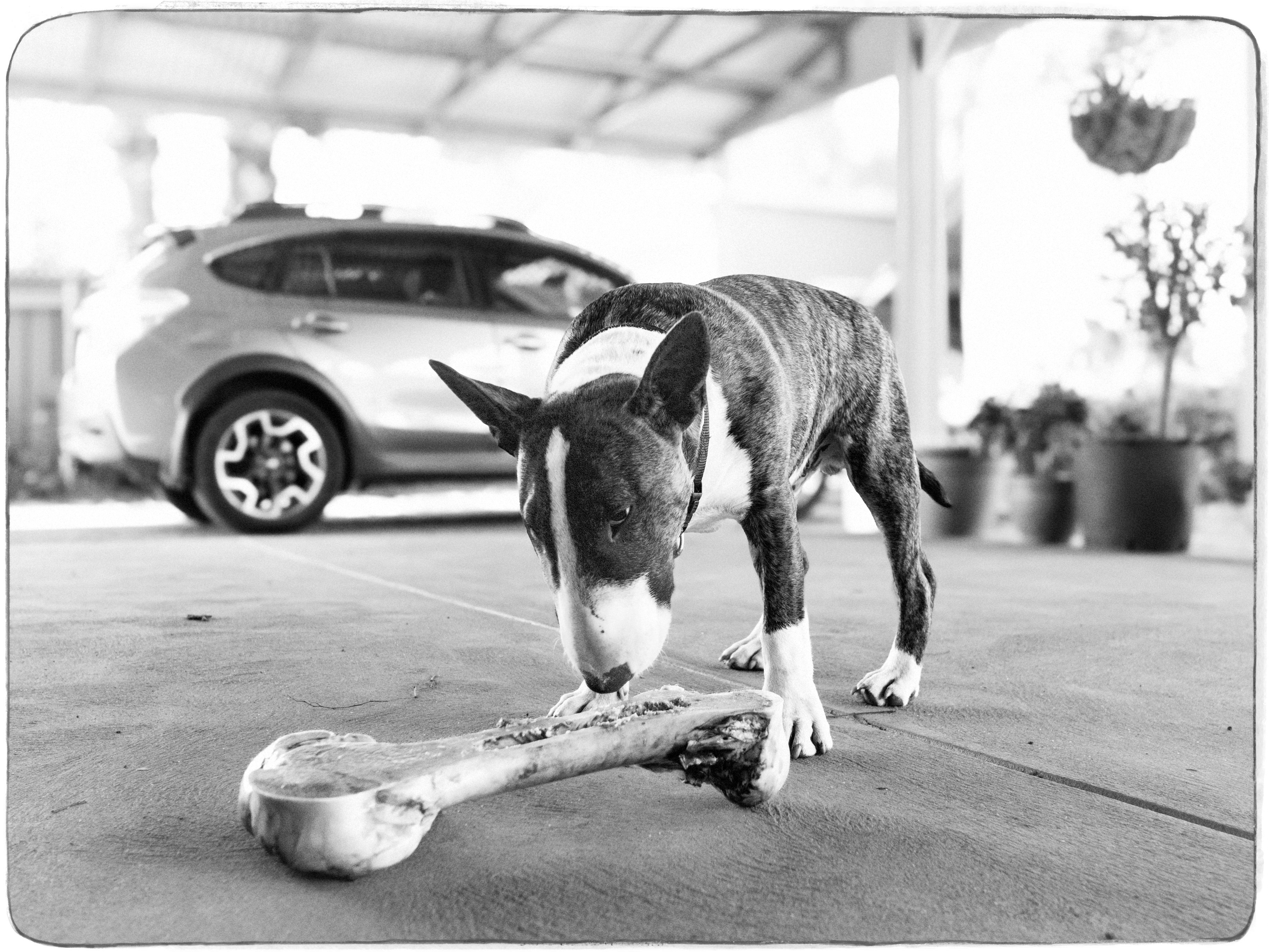
Bertie with his first marrow bone.
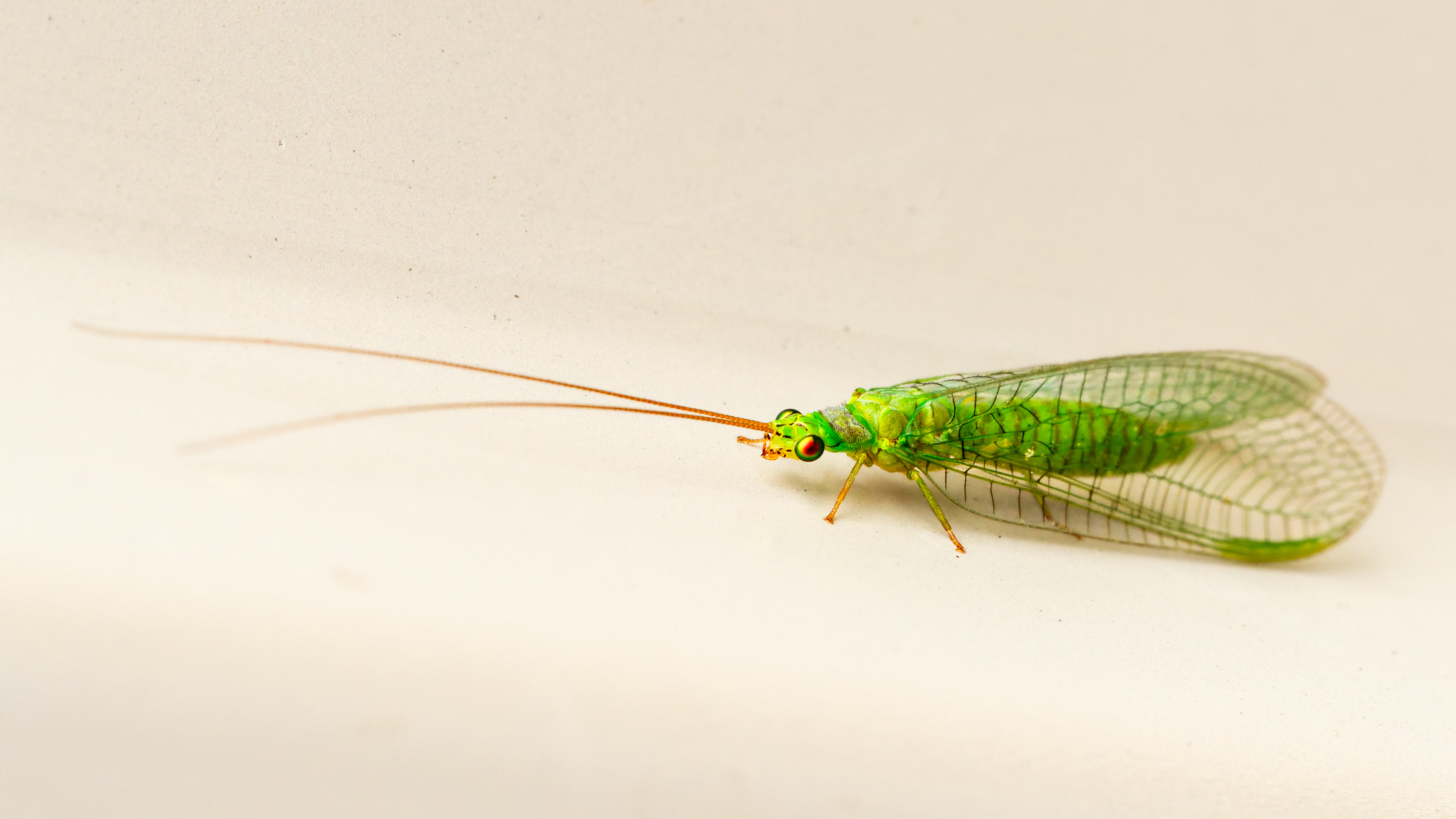
Green Lacewing, Mallada signatus. York, Western Australia.
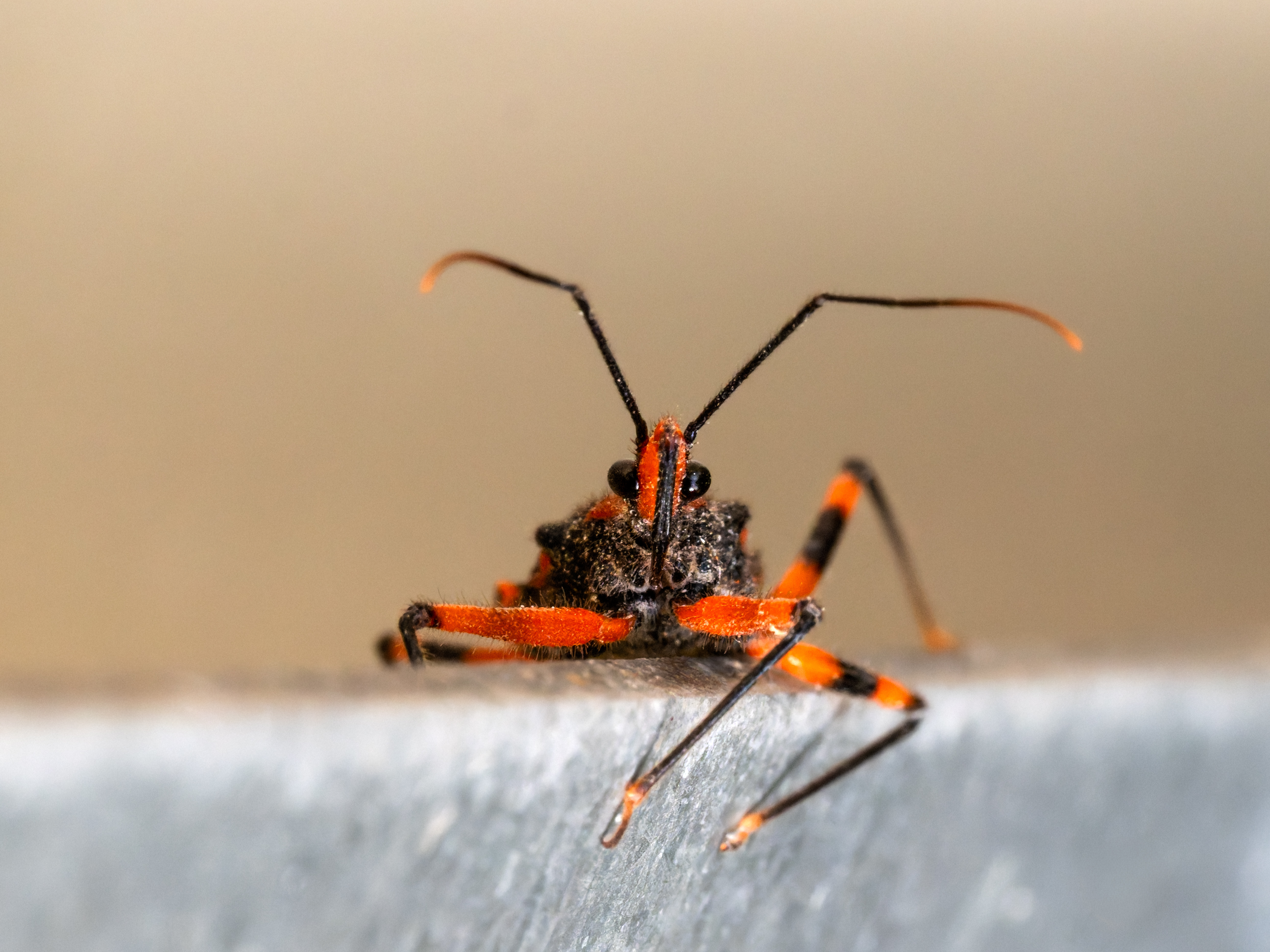
Red Tiger Assassin Bug, Havinthus rufovarius. York, Western Australia.
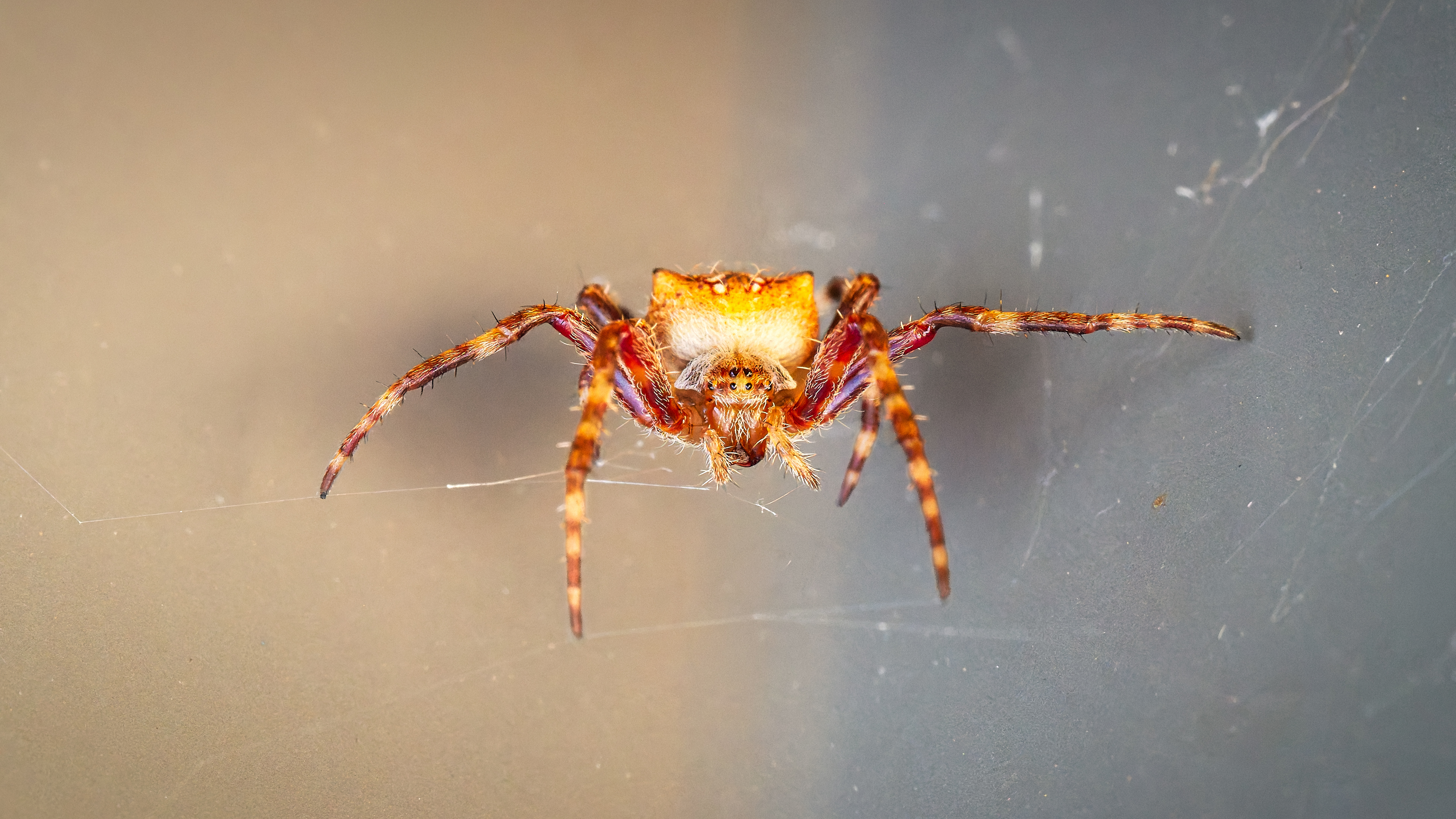
Dunno what sort of spider this is.
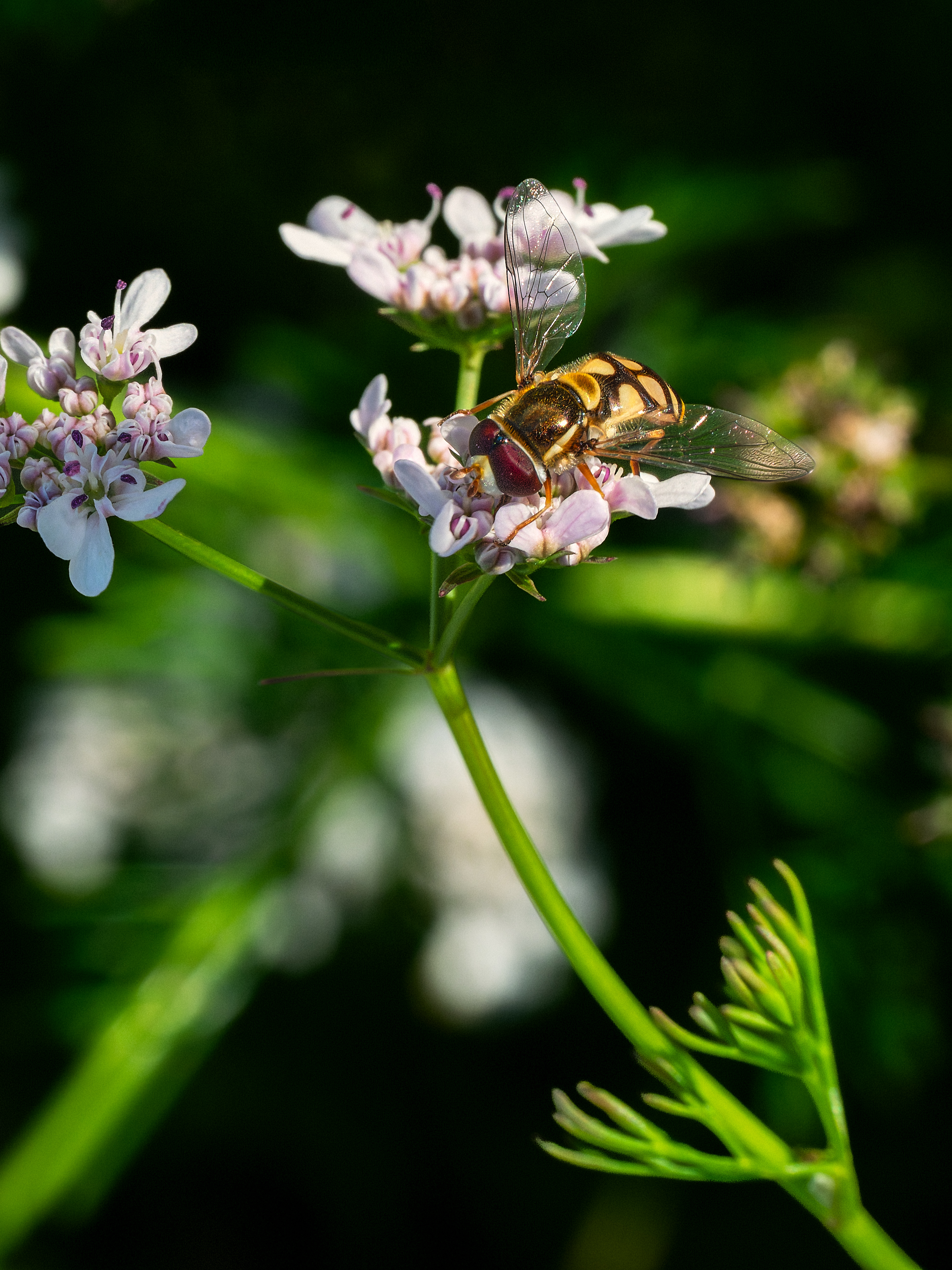
A male Yellow flower wasp feeding on the corriander.
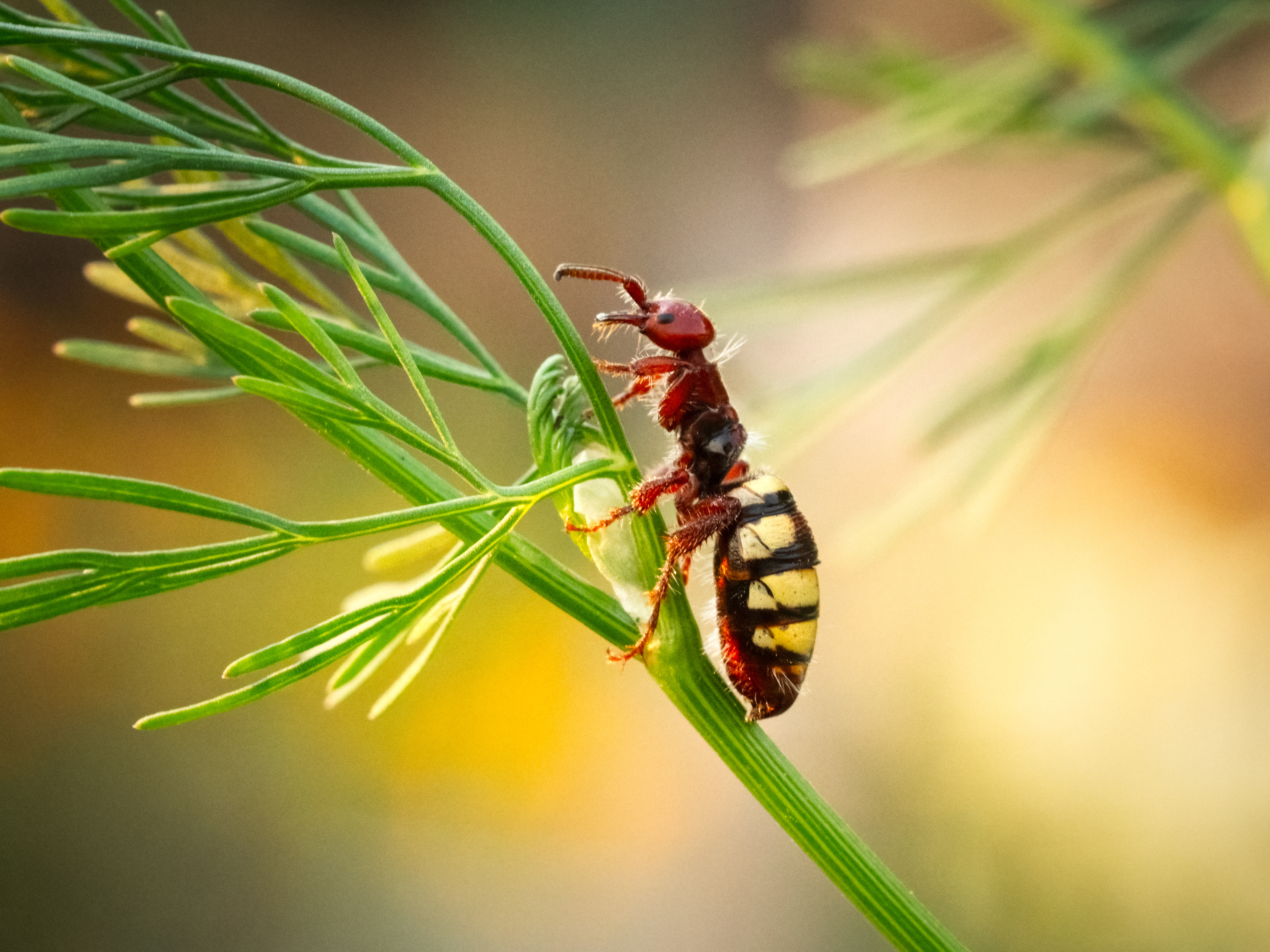
Last week I posted a photo of a mystery insect that I didn’t know what it was. Well it turns out it was a female Yellow Flower Wasp, which are flightless.
Events at home over the last few weeks have meant that I haven’t had the opportunity to do very much photography. Most of the blog entries are written a few weeks before they are published because of the vagaries of finding wildlife so that backlog came in handy for when I couldn’t get out and about. But now the well has run dry.
Crusader bug (Mictis profana) instar nymph.
What little photography I have done recently has been in our back garden. Thankfully we have quite a lot of wildlife visit that I can point a camera at. Most of it has been of the usual suspects, the more common species that can be found in gardens in this part of the world, but there have been a couple of unexpected visitors which was very nice. For the best part of a year we had a problem with stray cats killing a lot of the birds and reptiles. But one of our neighbours has taken the main culprit in and the wildlife numbers are climbing back to what they were.
Wall Skink or Fence Skink (Cryptoblepharus buchananii) cooling off in the bird bath.
Yoorn or Bobtailed Lizard (Tiliqua rugosa)
Kanyinak orSacred Kingfisher (Todiramphus sanctus) on our TV aerial with a freshly caught Bombay Runner (Periplaneta americana).
Bambon or Rufous Whistler (Pachycephala rufiventris). It is a joy to hear this bird sing every morning.
Nye-nye or Zebra Finch (Taeniopygia guttata) looking for food on the back lawn
Djida or Yellow-rumped Thornbill (Acanthiza chrysorrhoa).
Cabbage White Butterfly, Pieris rapae.
Giant grasshopper or hedge grasshopper (Valanga irregularis) resting on the garden fence.
The garden provided a great deal of solace over a difficult time and it always amazes me how restorative being in nature can be. Hopefully, over the coming weeks we’ll be able to get out and about more.
Just a few snaps from the garden this week. First up is the biggest grasshopper I’ve ever seen. An absolute whopper. Appropriately called the Giant Grasshopper. It was sitting quietly on our front veranda and obligingly let me take it’s photo.
Giant grasshopper or hedge grasshopper (Valanga irregularis).
The second photo is of a praying mantis that also was very cooperative with my photo taking.
“Let us prey.” Blackbarred Mantis (Mantis octospilota).
The last shot is of a white cedar moth that came from our next door neighbour’s white cedar tree.
I’m not talking about Downton Abbey or the town in England, I’m talking about spiders, bugs, butterflies and all manner of little wriggly things.
Cabbage White Butterfly (Pieris rapae) – the scourge of gardeners.
A few weeks ago I wrote about documenting the wildlife in our garden and that I was widening the net, as it were, and including all animals including invertebrates. Well after a few weeks of trying this I’ve come up with some observations.
A very small jumping spider on a wandoo leaf. This is the only photo I got as it kept jumping all over the place.
Firstly, as a 58 year old man with a well dodgy back the time time taken between observing the little critter and getting down onto the ground and in a position to photograph it means that it has left the vicinity. Some of these creatures can move incredibly fast when they want to and I can’t. I knew that grasshoppers and their ilk can be very quick, but I wasn’t prepared for the speed of the jumping spiders – a blink of the eye and they are just out of there.
Christmas or jewelled spider. Not known for their speed of movement but the wind catches their webs and so focusing is difficult. Getting in a position to photograph them in a way that shows off their shape and colouring requires a degree of the flexibility that I am lacking.
Secondly, you have to able to contort yourself into some pretty strange positions to get down and photograph them. Now I thought that I’d got this one covered because I do this when photographing orchids, but combine this with being quick (see point one), being stealthy so as not to frighten them and having a spine with flexibility of an RSJ it makes each session like some weird kind of yoga with a camera.
Blue Banded Bee, Amegilla cingulata. York, Western Australia.
Thirdly, a lot of these critters are small. If you look at the photo of the jumping spider resting on a Wandoo leaf, it was less than 5mm in diameter. So you need good eyesight to spot things that small. I’ve just had my eyes tested and they’re fine for distance it’s reading and close up stuff that’s the problem. You can’t rely on autofocus with macro photography and I’m here to say that manually focusing on a small critter that keeps jumping around while having dodgy eyesight is not easy. As my dear old mum used to say “It’s enough to make saint swear!”.
This locust very obligingly sat still long enough for me to take his photo.
Lastly, the benefit of photographing creepy crawlies is that you don’t need a honking great telephoto lens that resembles a small artillery piece. Macro lenses are relatively lightweight and my back is thankful for that.
Blue Skimmer dragonfly (Orthetrum caledonicum). Although they move like miniature fighter jets when flying dragon flies will take frequent breathers on a twig or stalk, often preferring to use the same one repeatedly which makes photography a lot easier.
White-cheeked honeyeater, Phylidonyris niger. York, Western Australia.
Well we’re at the start of another year. I’d like to think that it’s going to be better than the last two, but that does not seem likely. In another four weeks our borders will open and COVID will come flooding in. Most years we like to plan projects and trips, but this we haven’t as so many things get cancelled due to COVID. My partner and I have decided that the priorities for this next year will be to get the booster shot – not easy in rural Western Australia – and to hole up at home for the duration. Anything that we do undertake will be either based at home or in the locality of York. Last year I started documenting the birds that come to our garden. This next year I’m casting the net wider and am going to include all animals. In fact I’ve already started so here are few photos of our visitors.
A less than graceful landing on the fence by a juvenile Zebra Finch (Taeniopygia guttata). York, Western Australia.
Yellow paper wasp, Polistes dominulus. York, Western Australia.
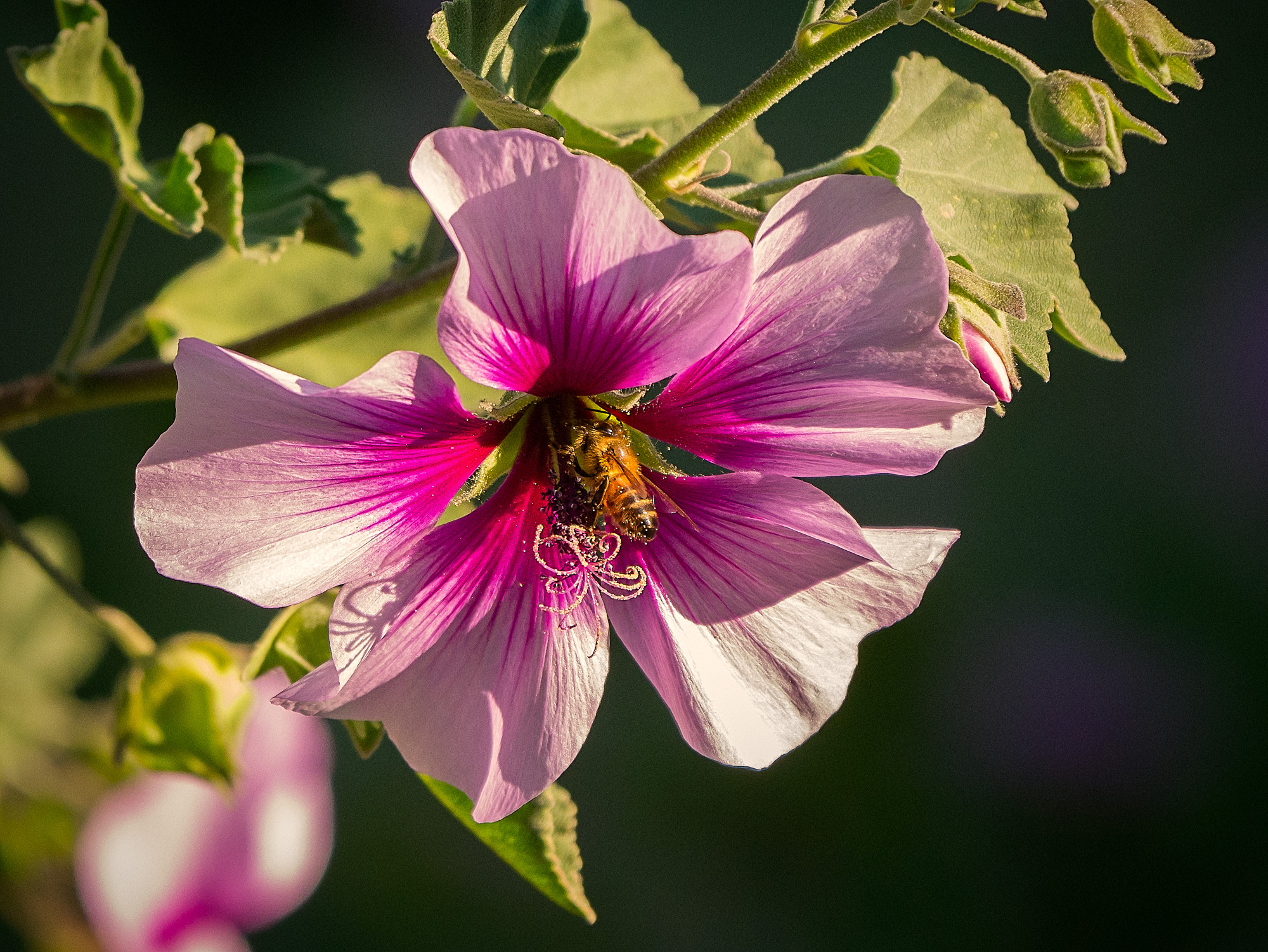
Feral honeybee (Apis mellifera) feeding on sap from a Brazillian Peppercorn tree (Schinus molle). York, Western Australia.
Blue ringtail damselfly, Austrolestes annulosus. York, Western Australia.
Gum tree Shield Bug (Poecilometis spenceri) aka stink bug. York, Western Australia.
Crusader bug (Mictis profana) instar nymph. York Western Australia.
Well the garden has sprung into action like a very springy thing. The bees are busy with all the flowers, butterflies are flitting from bloom to bloom. The birds are getting really active. The usual inhabitants, the White Browed Babblers and the New Holland Honeyeaters are in a frenzy of nest building/repairs and generally chasing each other round the garden. We’ve got a new family moved in. A pair of Rufous Whistlers have built a nest in our peppercorn tree and can be regularly seen foraging for insects in the garden beds. The other day there was a commotion – all the small birds were squawking loudly. At first I thought it was the neighbours cat, but when I went outside to have a look I saw this blur descend out of the skies, level off just before hitting the ground and dash back up onto the TV aerial. It was a Nankeen Kestrel feeding off of small skinks and geckos that were foolish enough to sun themselves. The kestrel spent about 30 minutes repeating the behaviour until it flew off. Who needs to go on a wildlife safari with all this happening.
Although considered a pest the cabbage white butterfly (Pieris rapae) is the most conspicuous butterfly in Western Australia and is a sure sign that spring has arrived.
The eponymous New Holland Honeyeaters can be seen feeding off the Geraldton Wax and grevilleas. They are quite territorial and aggressive and they chase each other around incessantly.
One of ever increasing number of White Browed Babblers eating grubs.
The rufous whistlers have made a nest in our peppercorn tree and can be regularly seen foraging in the garden for insects.
A Nankeen Kestrel (Falco cenchroides cenchroides) perching on our TV aerial watching for prey. York, Western Australia.
A Buchanan’s Snake-eyed Skink (Cryptoblepharus buchananii) sunning itself on the trellis of our patio.
* today’s blog title is a quote from the 1975 film Royal Flash which I went and saw on release at the Chichester fleapit I mean Granada Cinema. It was a spectacularly bad film and its only redeeming feature was that it gave work to some actors who would have otherwise been unemployed. The Observer’s review of it said “leaves one breathless not so much with enchantment as with boredom”. It shows how bad it is in that it has never been resurrected as a cult classic that only connoisseurs could enjoy. That I can quote lines from the film is testimony to the fact that I grew up in a town where there was very little in the way of entertainment for young people.
Australian painted lady butterfly (Vanessa kershawi). Olympus Pen EP-5 with Olympus 60mm f2.8 macro lens and Olympus FL600-R speed light.
I’m always amazed at what I can find in my back garden. This is just an ordinary suburban backyard and yet I seem to find something new to photograph on a weekly basis. If you pine for an African Wildlife safari but never have the coin I’d try getting out in the garden and seeing what you can find.
A garden katydid (Caedicia simplex) found strangely enough in my garden. Olympus Pen EP-5 with Olympus 60mm f2.8 macro lens.A cabbage white butterfly (Pieris rapae) on a lavender flower. Olympus Pen EP-5 with Olympus 60mm f2.8 macro lens and Olympus FL600-R speed light.Found in one of our raised veggie beds. The Eastern Common Frog (Crinia signifera) is a small ground dwelling frog and is one of Eastern Australia’s most common and widespread species. Olympus OMD EM-10 with Olympus 60mm f2.8 macro lens.
As always clicking on the image will take you to my online gallery.
Apian Activity. Canon EOS 550d, Sigma 105 f2.8 macro, Canon 430EX Speedlite with Stofen Omni-bounce off camera. Exposure 1/200 s at f/8.0 ISO
This year has been a very busy one for the bees. Despite what the calendars say is the official start of spring in reality here in the Avon Valley it arrived four weeks early this year with everything kicking off. I said in a previous post that most of the orchids were out early, well where there are flowers there are bees and the early start has kept them very busy. Not only have they been very busy feeding and pollinating flowers they have been busy swarming. I’ve never seen so many swarms. In one week I saw four flying around as I took the dog out on her morning walks. One particularly memorable formed in Avon Terrace, which is Yorks main drag, and made its way up the street causing chaos as people tried to avoid it before it settled on a TV aerial on the back of a caravan.
Bee Swarm
The swarm in the picture above was on a blind corner on the river walk trail and I nearly walked into it. As it was I got stung several times on the face. Despite the drama of the swarms I’ve had a lot of fun this spring just photographing the bees in my garden and here are some of the shots that I’ve taken.
Bee gathering pollen on an apricot blossom. Canon EOS 550d Sigma 105mm f2.8 macro with Canon 430EX speedlite fitted with a Stofen Omni-bounce on a flash bracket. Exposure 1/50 s at f/5.6 ISO 200.Pure Nectar. A bee feeding on the nectar from a bottle brush tree. York, Western Australia. Canon EOS5d, Sigma 105mm f2.8 macro lens, Canon Speedlite 550EX with Stofen Omnibounce on a flash bracket.Cleared For Landing. Canon EOS5d Sigma 105mm f2.8 macro lens and Canon 550EX speedlite fitted with a Stofen Omni-bounce on a flash bracket. Exposure 1/125 s at f/11.0 ISO 200.
As far as photographic technique goes it is fairly simple. I shot these using a Canon EOS550d or an EOS5d with a Sigma 105mm f2.8 macro lens. I mounted my flash on Custom Brackets Mini-RC with a Stofen Omni-Bounce as diffuser, and I connected the flash to the camera via a TTL cable and shot in aperture priority setting -1 stop exposure compensation so that the flash light is the main source as light (or key) and the ambient is the fill. The High Speed Sync function is also selected. I then select an aperture to give me sufficient depth of field – around f8 or f11. The ISO is set to give me a shutter speed of above 1/100th sec. I don’t worry about the speed of the bees when they move as the flash freezes the motion with its very short duration. Easy peasy. At this point I should point out that when doing this you should keep your mouth shut as you don’t want to be stung on the tongue and if the bees start getting upset you should back off a bit to allow them to settle. Also if you are allergic to bee stings might I suggest butterflies it may be safer.





You must be logged in to post a comment.