My last birding outing in Broome was to Town Beach – a whopping 5 minutes walk from where we were staying. It was the evening before we were due to leave Broome and I wanted to get some photos of the migratory shorebirds that are found in Broome at this time of year.
I didn’t notice the Eastern Osprey (Pandion cristatus subs leucocephalus) perching on a lamp post on the Town Beach Jetty when I took the photo. It was only when I was processing it that I saw it.
The tide was out and a long way to boot. Ideally I’d want the tide to be coming in as it would push all the birds closer to me. A receding tide would take them away from me. So the question was how to get close to the birds while avoiding the liquid mud that was between us. The obvious answer was the jetty as it extends 112m out from the shoreline. The only problem was that it is very high to account for Broome’s 10m+ tides. Then I noticed some kids playing on what appeared to be a lower level and watching them carefully I saw how they were accessing this level and I quickly took up position. Most of the birds were still a long way out – well over 500m. After watching for a while I saw that there were a few different species of bird that were closer to me, but even so I’d need to fit my 1.4 x teleconverter to my 100-400mm lens. Not ideal because of the hit on image quality and having a maximum aperture of f9 forcing the use of high ISOs and lower shutter speeds.
An assortment of shorebirds lands looking for food.
Ruddy Turnstone, Arenaria interpres. Town Beach, Broome, Western Australia.
There were quite a few different species out on the mud. There was an Eastern Reef Egret and a Little Heron poking around amongst some rocks for something to eat. A Whimbrel stayed for ages going back and forth. Every now and again a little flock of assorted birds – Rudy Turnstones, Terek Sandpipers, Greater Sand-plovers and Grey-tailed Tattlers – would land and have a bit of a feed then something would spook them and they’d all take off again. It was brilliant and time just flew past. All too soon the sun was starting to dip below the horizon and the light levels were too low to continue photographing. All in all it was an excellent end to an excellent trip.
Eastern Curlew, Numenius madagascariensis. Town Beach, Broome, Western Australia.
Eastern Reef Egret, Egretta sacra. Town Beach, Broome, Western Australia.
The title for this blog entry comes from the song by the great Robert Cray.
That would be Gantheaume Point which is 6Km from Broome’s town centre. To get the most out of a visit you need a sunny day and a very low tide. The sunny day means that the incredible red rocks are sharply contrasted with the blue sky and aquamarine sea. It is quite stunning. The very low tide means that dinosaur footprints from the Early Cretaceous can be seen. When we visited we had the sunny day, but, the tide was well and truly in.
Danger! Killer Rubber Ducks.
As I said previously we were visiting at the tail end of the wet season – think tropical storms that dump an incredible amount of water. So as we drove the final leg down to the car park along a dirt road we encountered some huge puddles. Like really big – so big that one of them had waves created by the off shore wind. At the car park we were met by a sign warning us of the dangers that were present. I could understand the one about unstable cliffs that could collapse, the one about deep holes that the unwary could fall into, but the one warning about the giant rubber ducks that pushed people off the cliffs was a bit of a mystery. Thankfully while we were there we did not see the rubber ducks and so felt quite safe.
The lighthouse at Gantheaume Point, Broome Western Australia.
Halfway up the lighthouse was an Eastern Osprey nest.
Just below the nest was an Eastern Osprey, Pandion cristatus subs leucocephalus) eating a fresh fish. Gantheaume Point, Broome Western Australia.
Eastern Osprey, Pandion cristatus subs leucocephalus) eating a fresh fish whilst perched on the Gantheaume Point lighthouse.
Walking from the car park you see the old lighthouse keeper’s house and the lighthouse itself. About halfway up the lighthouse we could see the massive pile of sticks that is an Eastern Osprey’s nest and below that was an Osprey chowing down on a big fish. Now the Eastern Osprey is quite a big bird of prey, but every couple of minutes it paused eating to scan the environment for threats. Birds such as Australian Ravens and Masked Lapwings will attack them and drive them off, but it was also probably keeping an eye open for other birds of prey that would try and steal the fish.
Everywhere we went there were thousands of dragonflies. Wandering Glider Dragonfly (Pantala flavescens). Broome South Wastewater Treatment Plant, Broome, Western Australia.
According to the Indigenous Yawuru people the wet season, Man-gala, draws to a close and the next season, Marrul, starts and one of the markers for that change are the appearance of dragonflies. Thousands upon thousands of them. They were everywhere we went. I’ve never seen so many it was absolutely incredible. Gantheaume Point was no exception, heaps of them everywhere. A lot of smaller birds of prey feed on the large insects and there were a couple of Australian Hobby, which are a variety of small falcon, doing precisely that. They put on an incredibly acrobatic display darting in and out of the rocks chasing down their prey. They didn’t even bother to land when they caught one preferring to eat it in flight. It was simply sublime watching them.
Australian Hobby, Falco longipennis, feeding on a dragonfly. Gantheaume Point, Broome Western Australia.
By now we were absolutely drenched in sweat. The temperature and the humidity had taken its toll so we headed back to the car looking forward to the relief provided by air conditioning.
The scenery was pretty impressive too. Helen exploring the rocks at Gantheaume Point, Broome Western Australia.
Ahhh! Broome in the wet season. Hot and wet it is. According to white Australians there are only two seasons in Broome – the “dry” from April to November and the “wet” from December to March. In the wet the temperature hovers around 35ºC with high humidity and sporadic rain. Considering that 75% of Broome’s 6m of rainfall occurs during the wet you can see that when it rains it certainly rains. Throw in the occasional tropical cyclone and the weather can get pretty extreme. So why on earth did we choose to visit Broome in the “wet”? One answer really. Birds. Thousands of birds fly down from northern Asia to Roebuck Bay to avoid the cold winters and we went to Broome to see them.
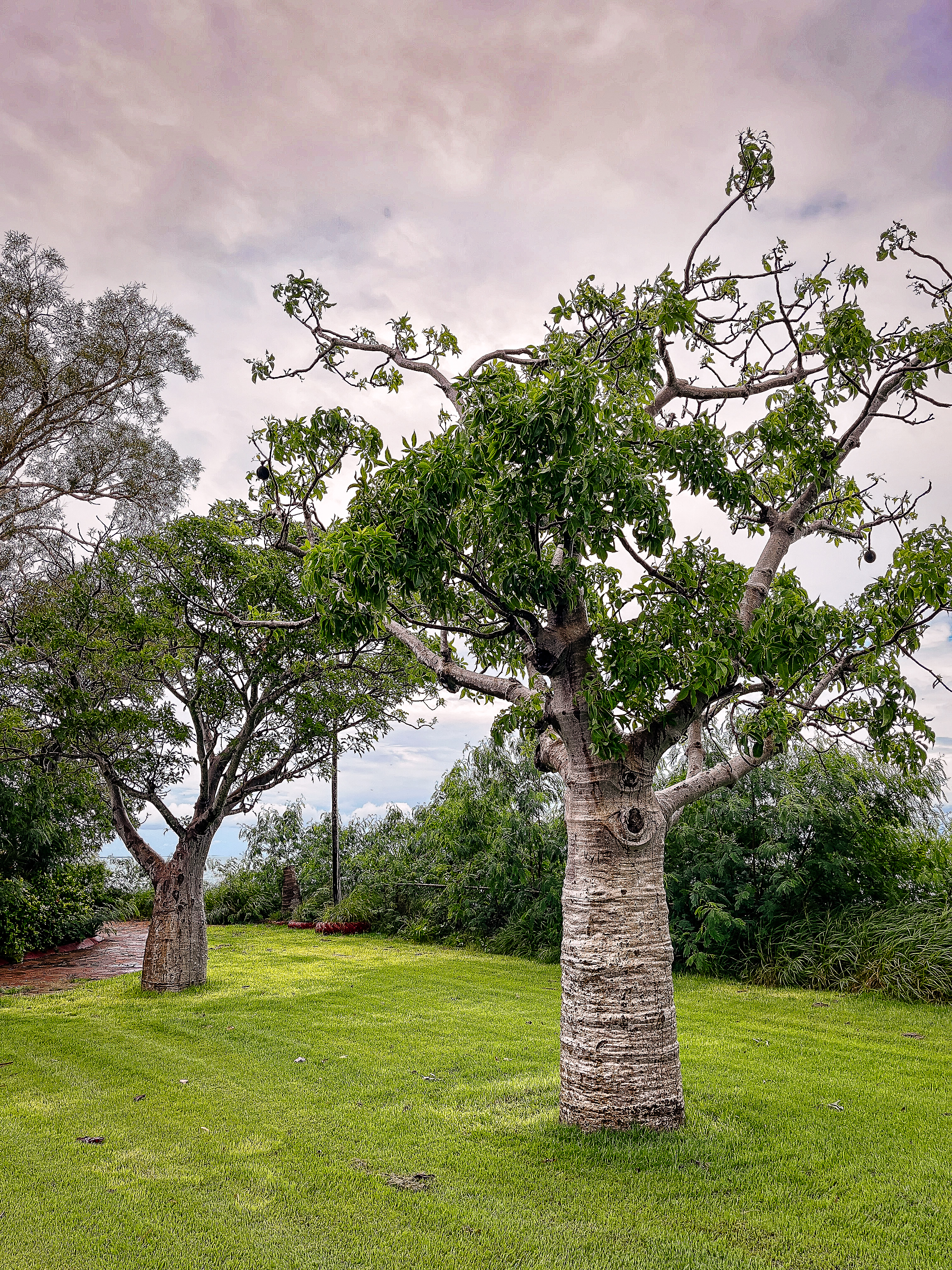
Boab trees at Discovery Parks – Broome,
Broome, for my non Aussie readers, is located in the Kimberley a vast area roughly three times the size of England yet it has a population of less than 40,000. The town is 2,046 km north of Perth, and when we said we were going all our Australian friends thought we would drive up. Yup 2000 Km is seen as just up the road. Like driving from London to Bognor Regis. We took the sensible option and flew. When we arrived in Broome we disembarked the aircraft and found that the “international” airport was a strip of tarmac and a glorified tin shed in a paddock. As we climbed down the steps onto the tarmac it was like walking into a sauna. By the time we’d walked the 30m to the building we were wringing wet with sweat. My dear old Mum used to say “Horses sweat, men perspire, and ladies glow”. Well in Broome everybody just sweats – buckets and buckets.
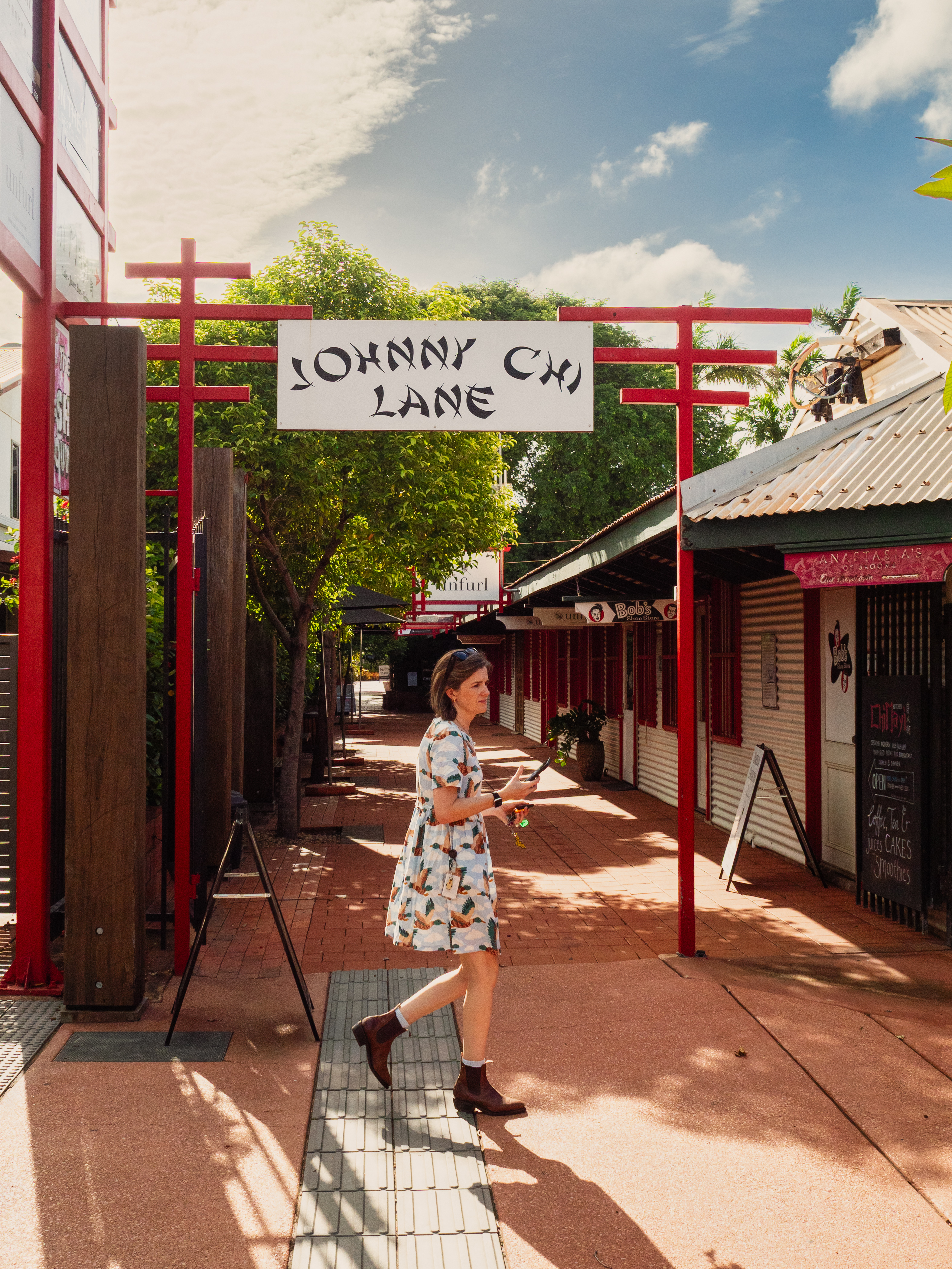
Originally Johnny Chi’s long soup kitchen back in Broome’s pearling days now it is a shopping arcade in Broome’s historic Chinatown.
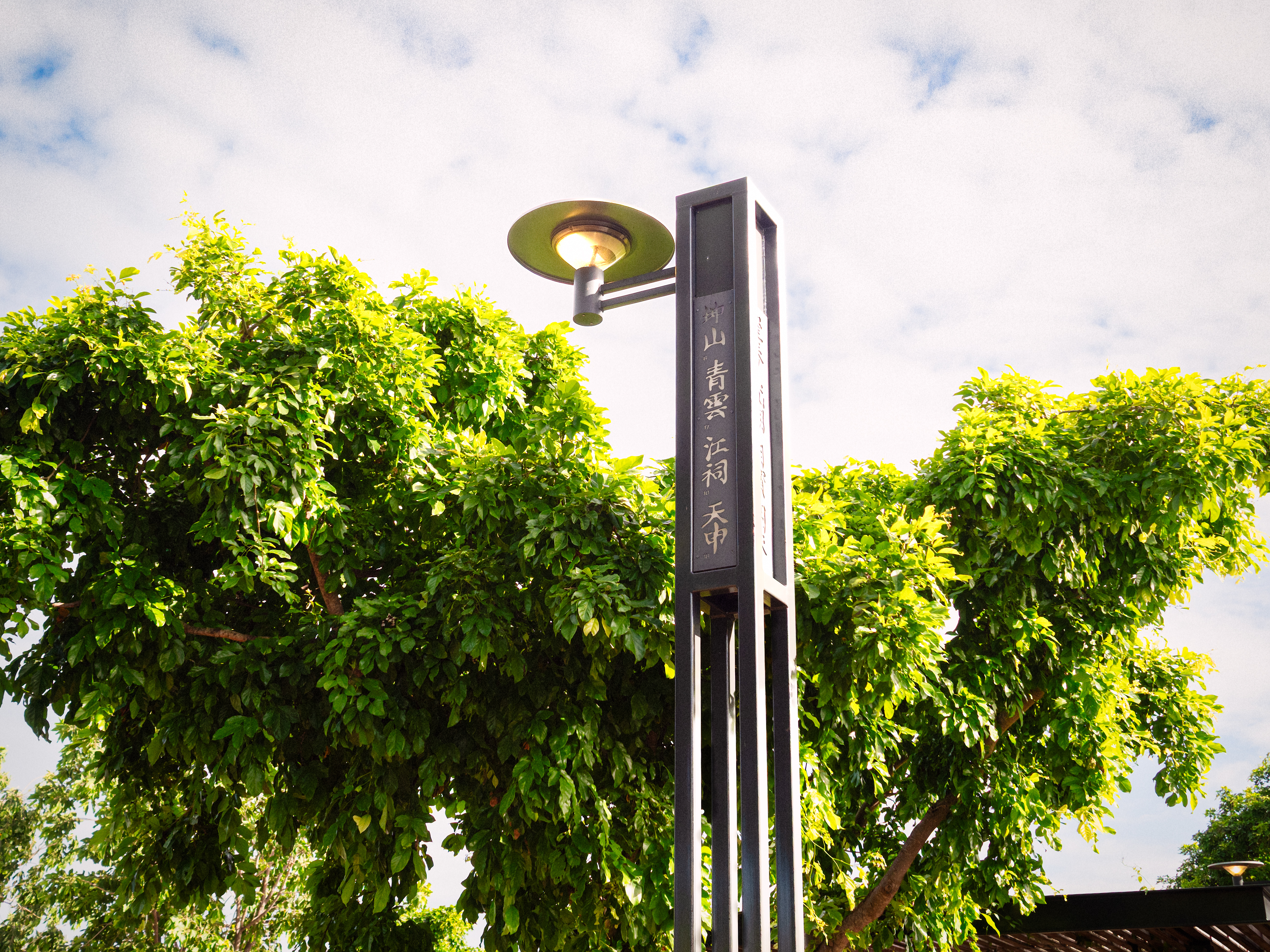
A street light in Broome’s Chinatown. Broome, Western Australia.
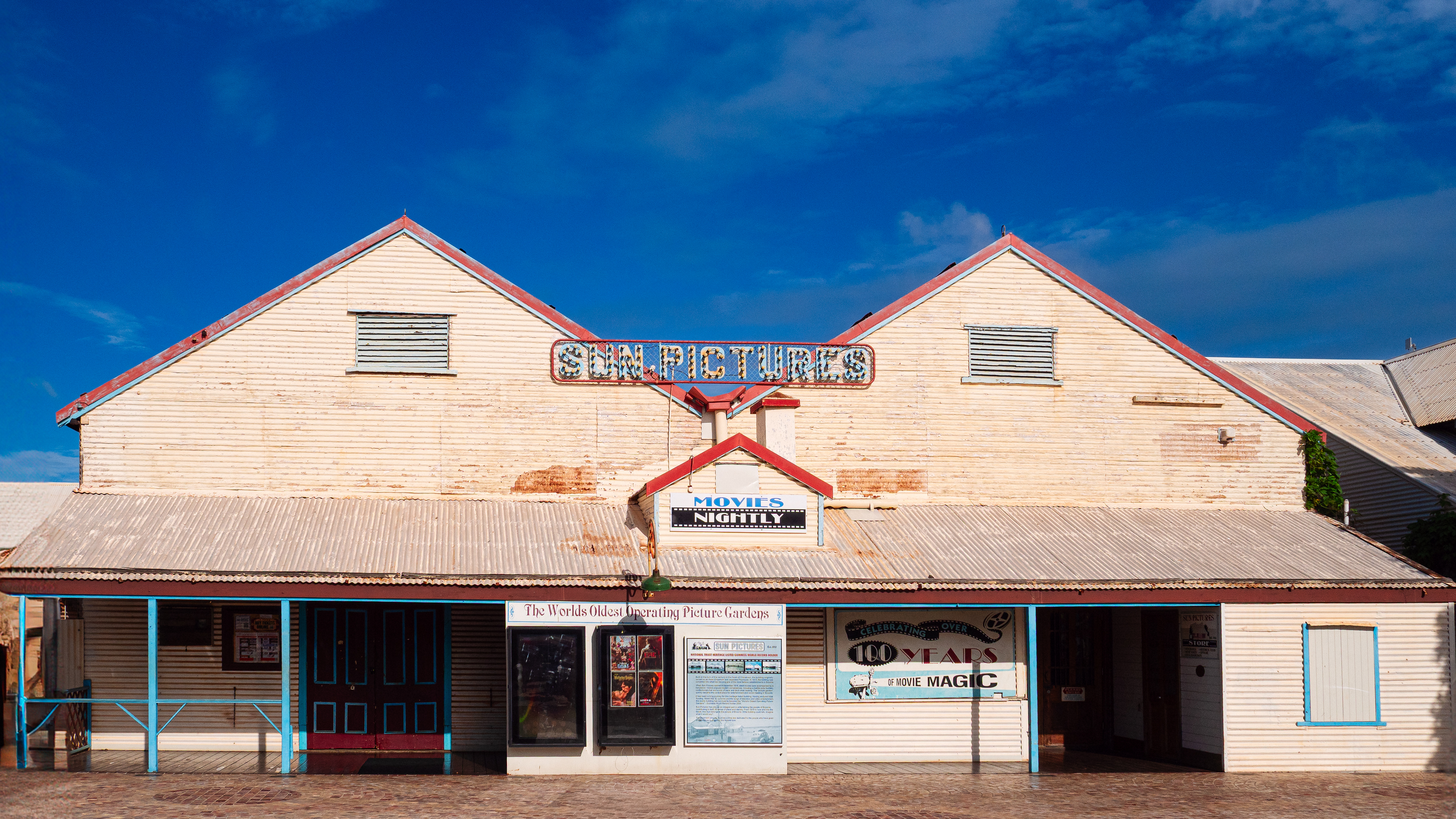
Sun Pictures located in Broome’s historic Chinatown is the world’s oldest picture garden still in operation.
Broome has an interesting history which has led to it being the multicultural place it is today. The pearling industry put it on the map and at one time there were over 300 luggers which harvested enough oysters to supply 80% of the world’s demand for mother of pearl buttons. The industry relied initially on enslaved Aboriginal people, but a change in the law prohibiting this and the fact that the oysters were less common in shallow waters meant that indentured labourers from Japan, China, Malaysia, Indonesia, and the Philippines were brought in. They did the high risk job of diving because it was felt they were more suitable to it than white people. The reality was that whites wouldn’t work for such low wages and coloureds were considered more expendable. So at this stage Broome was very much a segregated town and this continued like this well into the 1970s. It was Alistair McAlpine who transformed Broome into the tourist destination it is now in the 1980’s with the establishment and international promotion of the Cable Beach Resort Club and the Pearl Coast Zoological Gardens among others. As more and more visitors flooded into the town attitudes began to change and tourist industries were established trading on the town’s multicultural heritage.
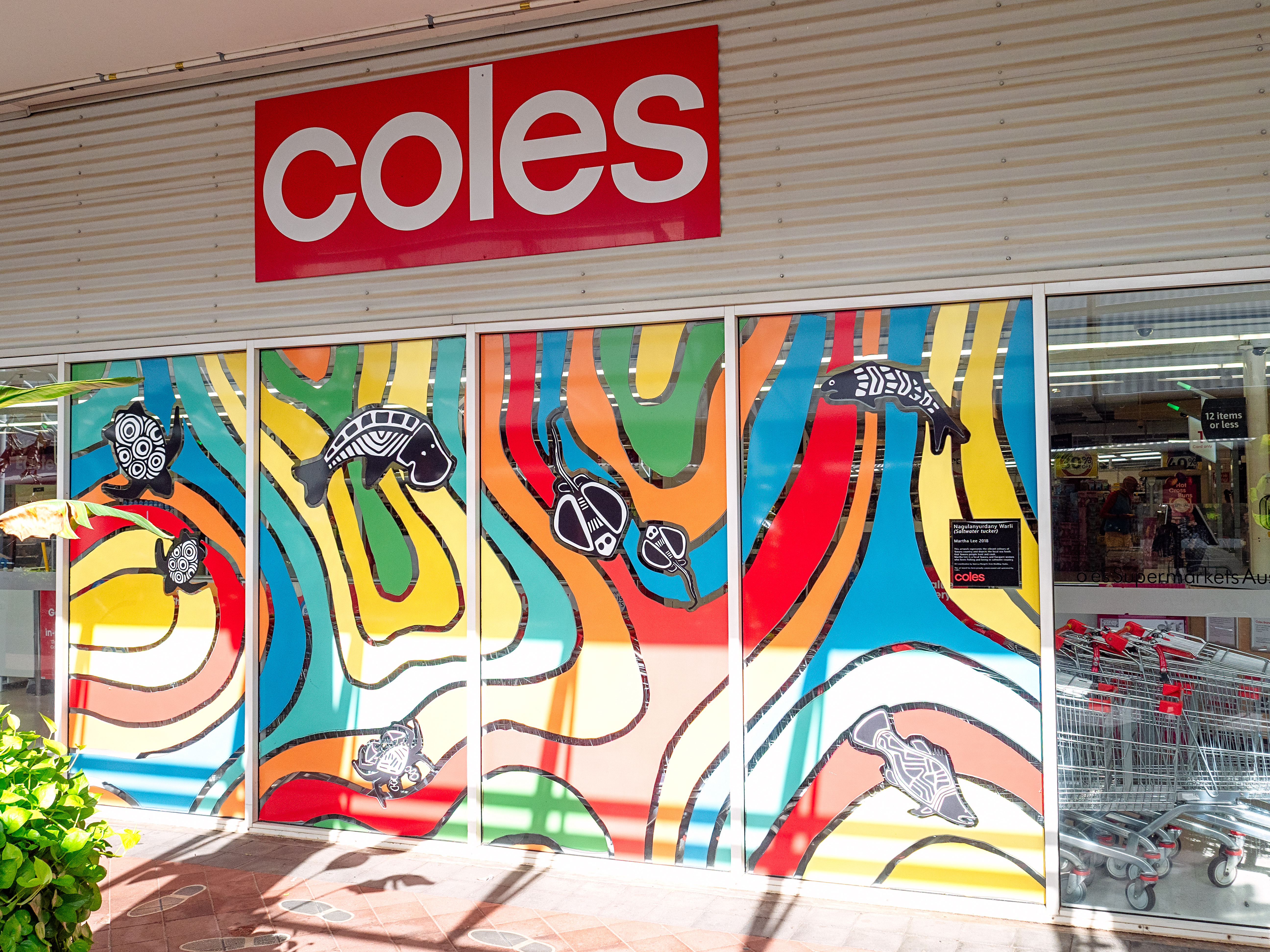
Coles store front in Broome is colourfully aboriginal. Broome Western Australia.
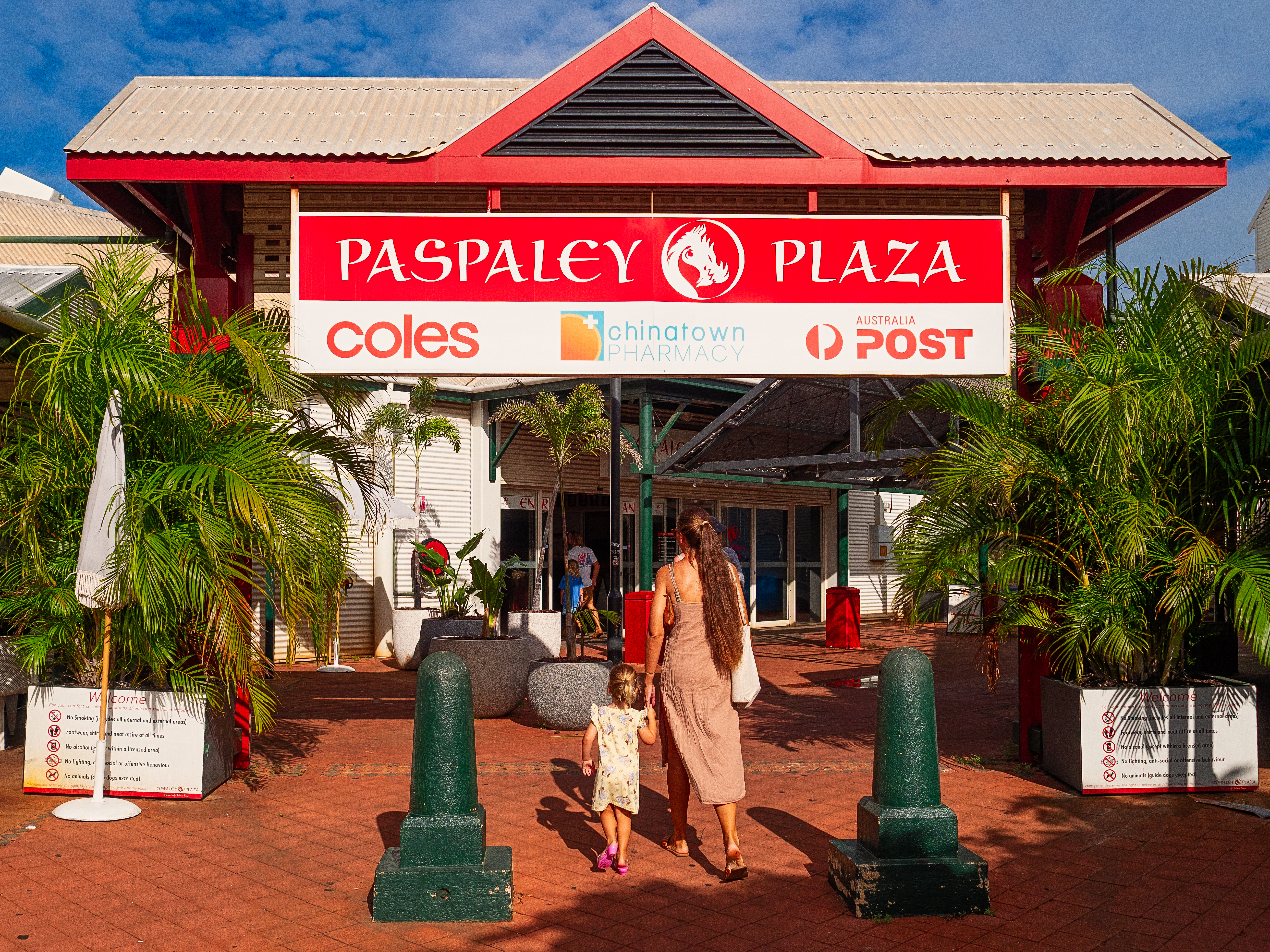
Paspaley Plaza is a shopping mall on the edge of Broome’s Chinatown.
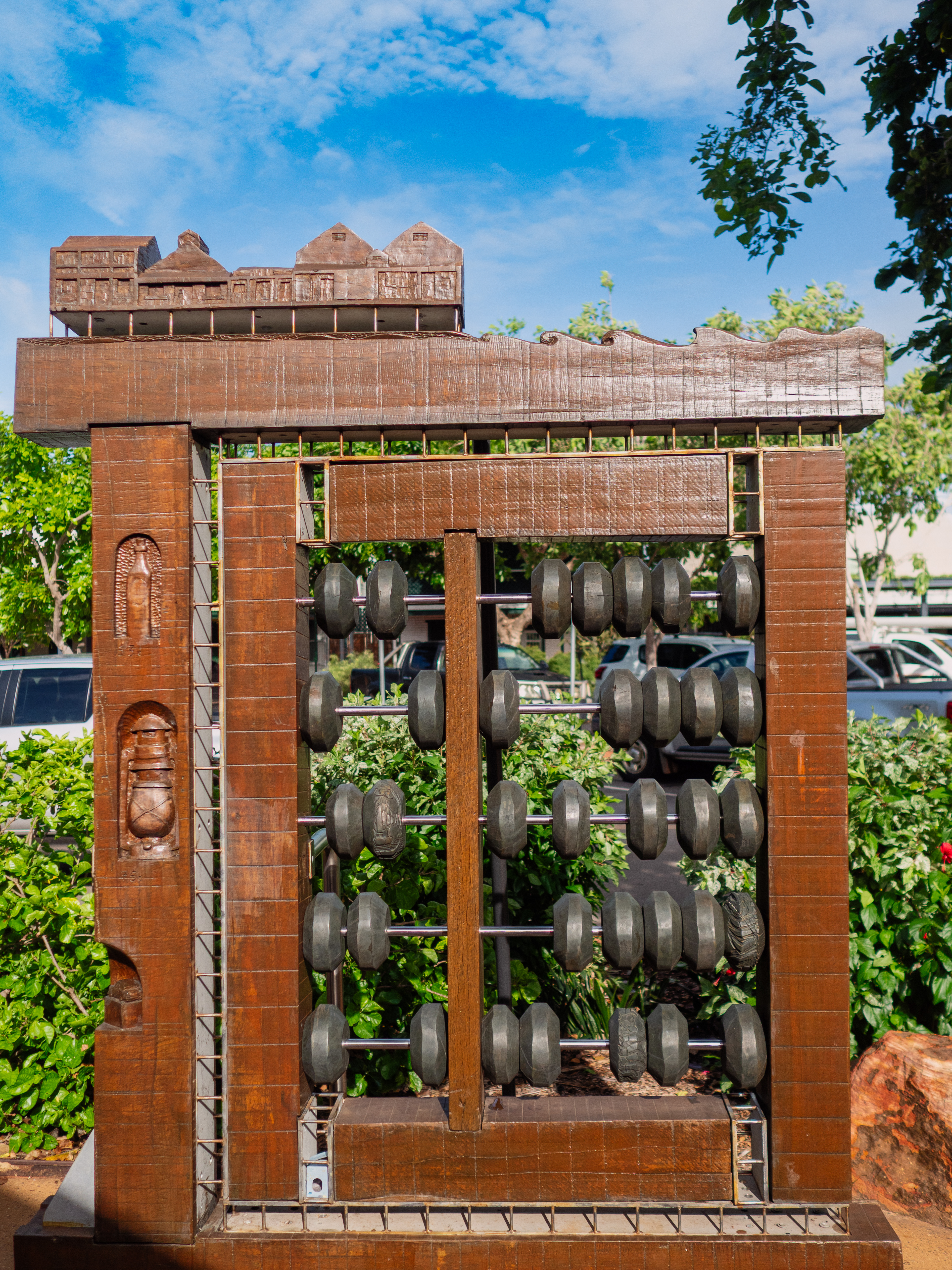
A sculpture of a traditional Chinese Suanpan or abacus in Broome’s Chinatown.
Our early flight from Perth meant that we had quite a bit of time to look around and so we visited Chinatown which was where the Asian crews of the pearl luggers lived and took their leisure – billiard saloons, opium dens and brothels. It definitely was Australia’s own wild west. It was interesting to see street signs still written using Hanzi. Even shops like Coles had entered into the multicultural vibe by using Aboriginal motifs on the windows and the staff uniform. We had a picnic lunch at Town Beach and then checked into our accommodation. An hour before sunset I walked around where we were staying and saw loads of different birds. Back at our accommodation and looking out over Roebuck Bay there was a magnificent setting sun and it was a fitting end to what had been a long day.
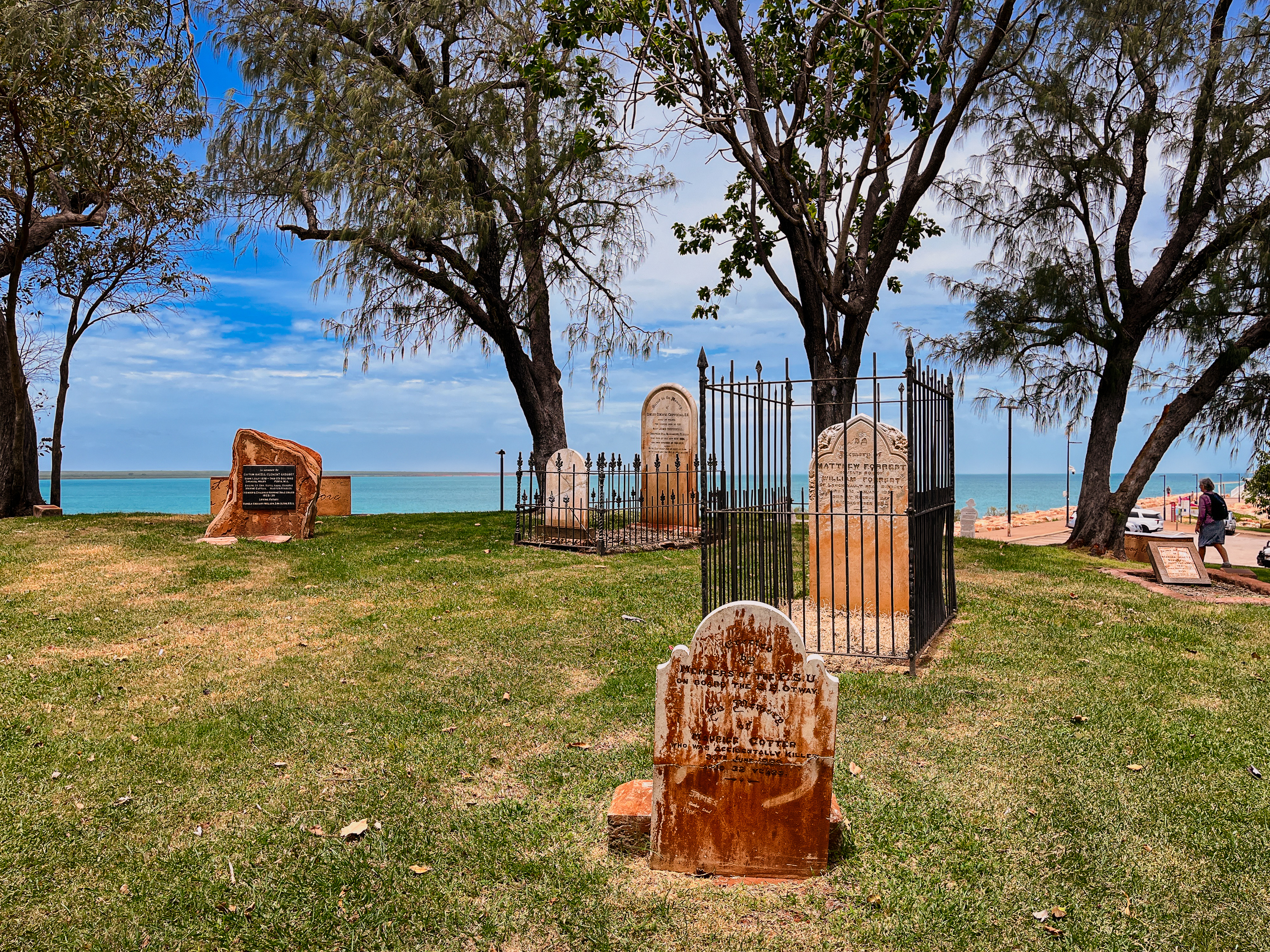
Broome Pioneer Cemetery at Town Beach overlooks Roebuck Bay.
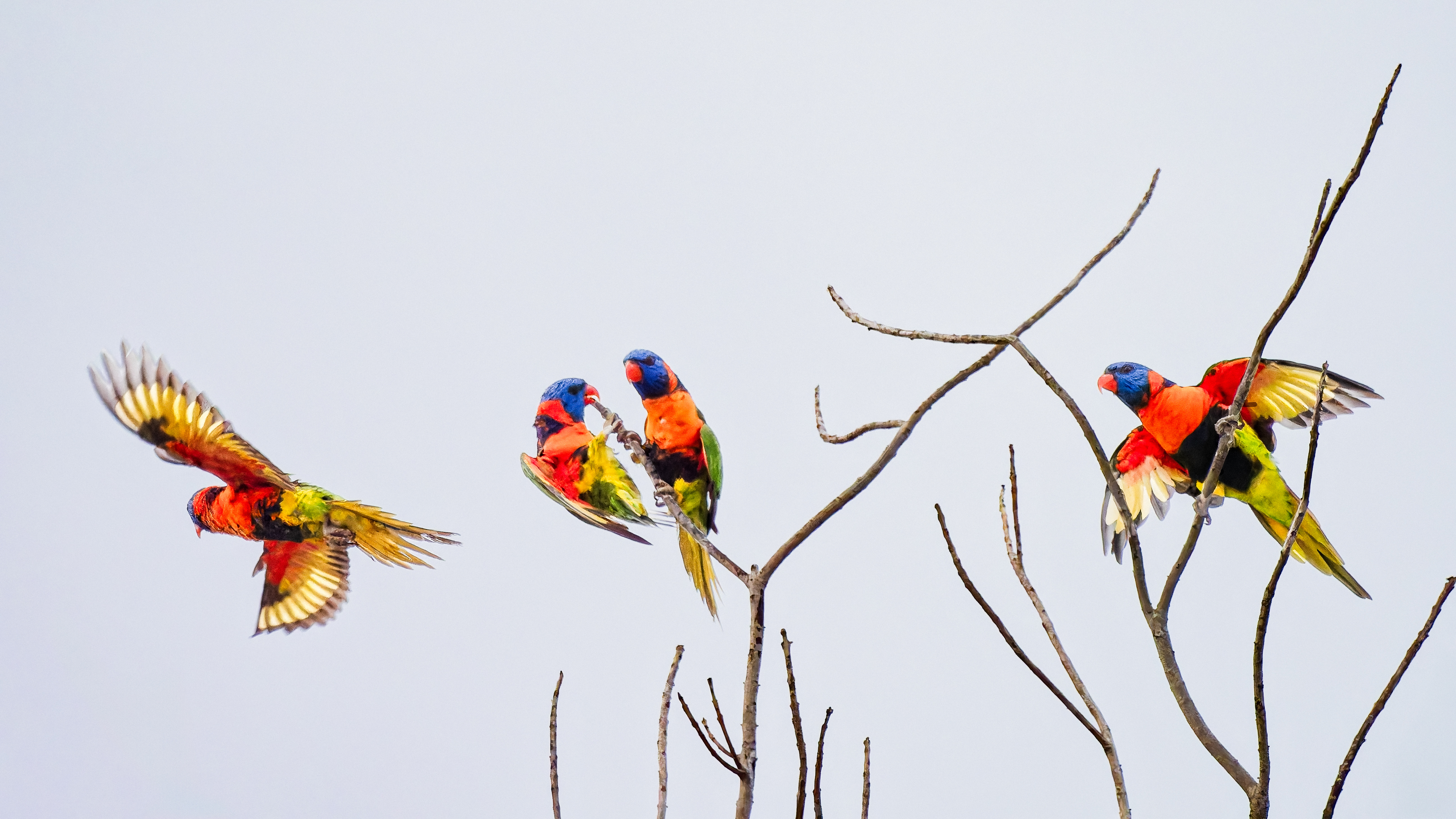
Red-collared Lorikeet, Trichoglossus rubritorquis. Discovery Parks – Broome, Western Australia.
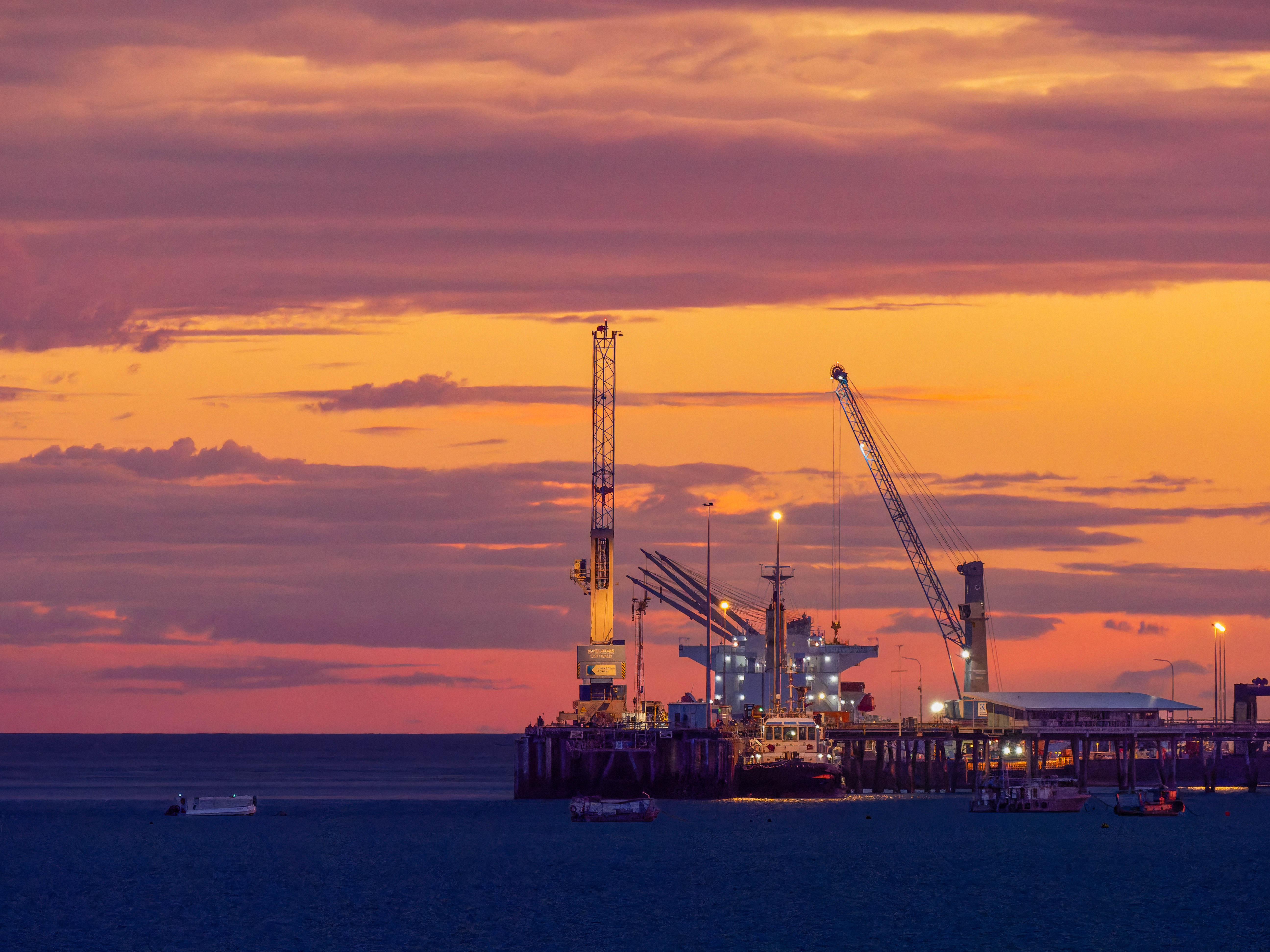
Looking out over Roebuck Bay to the Broome’s Port at sunset from Discovery Park- Broome Broome, Western Australia.
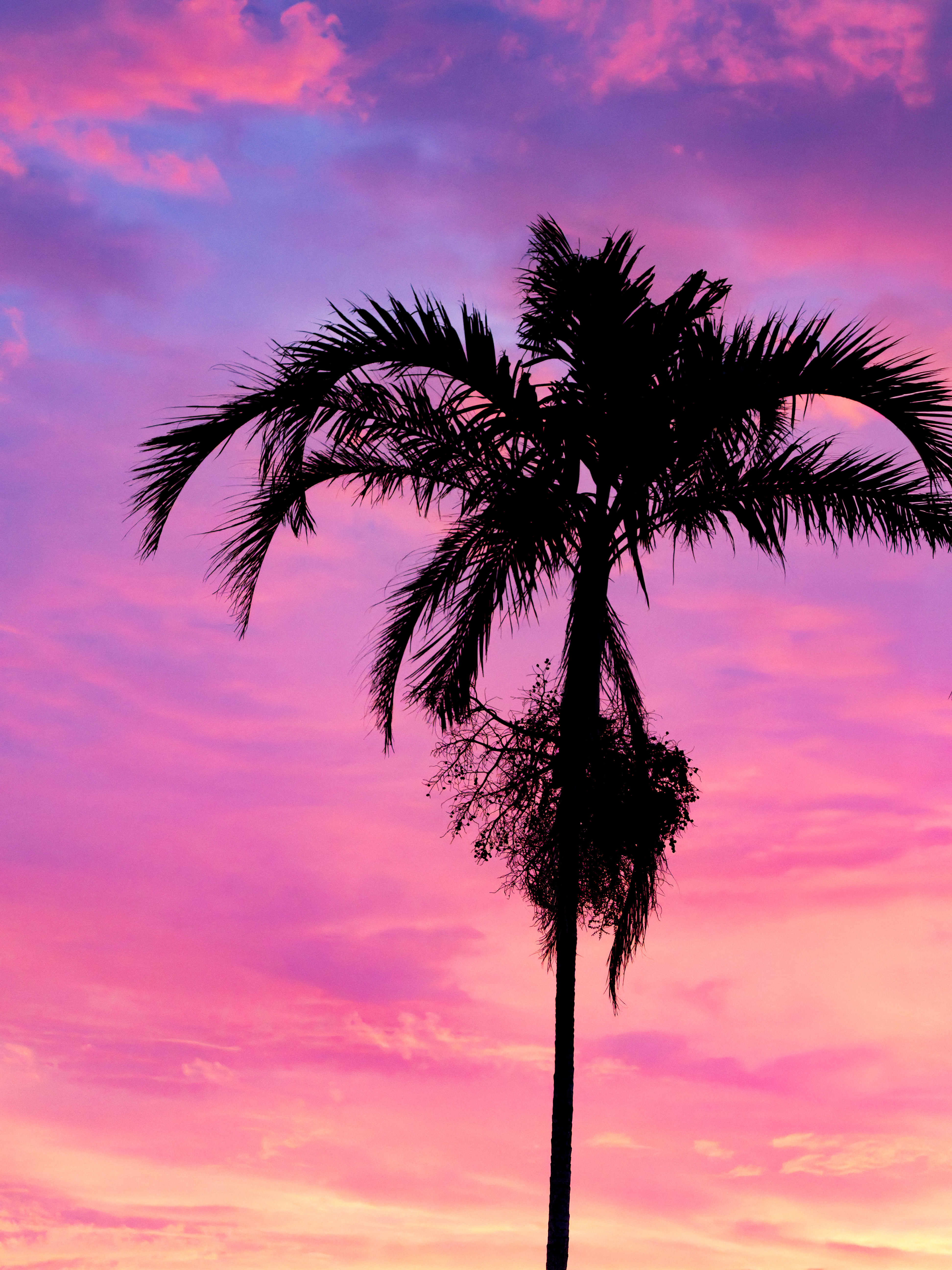
Sunset over Roebuck Bay viewed from Discovery Park- Broome. Broome Western Australia.
The title for this week’s post is a quote from Robin Williams’ Good Morning Vietnam.
At last a morning with no rain or mist. It was definitely on the chilly side, but the most important thing was the sun was out. What a difference the sun makes. Everything looked new and clean.
The morning saw us walking along the river bank in the Wheatbelt Metropolis of Northam. There was definitely a hint of spring being around the corner. Lots of birds gathering material for nests. Birds calling out to each other and pairing up. So much activity. It was just wonderful to see.
The rail bridge over the Avon River in Northam. The water levels bode well for the forth coming Avon Descent White Water Race.
Bandiny or New Holland Honeyeater (Phylidonyris novaehollandiae) collecting nesting material from the reeds. Northam, Western Australia.
This Djeringkara or Silver Gull (Larus novaehollanddiae) was also collecting nesting material. Northam, Western Australia.
Forget building nests. This pair of Marangana or Australian Wood Ducks (Chenonetta jubata) were walking around with their newly hatched clutch of 10 ducklings
Just past the weir the trees were full of Bambon or Rufous Whistlers (Pachycephala rufiventris) noisily calling out to each other trying to attract a mate. Northam, Western Australia.
Lake Powell is a well kept secret. We asked at the Elleker General Store, Tavern, Cafe and Servo for directions and they’d never heard of it yet as the crow flies it was only 2 minutes drive away. We could see the lake, it was the turn off to take us into the Lake Powell Nature Reserve we were looking for. After a bit of driving around we found it and made plans to go there the next morning.
Now up to this point on our trip it had rained – and when I say rained it was the sort of torrential deluge that would make Noah start building a boat. So when we arrived at Lake Powell we were met with this magical mist over the water and a beautiful golden light filtering through it. These are the conditions you just live for as it just makes everything look bloody wonderful. Having parked the car up we walked down to the bird hide following the track beside the Grasmere Channel. Years ago when the first European settlers arrived they found a very low lying area and those bits that weren’t swamp were prone to flooding and so a whole drainage system was put in and the Grasmere Channel is part of that. But, rather than being a boring man made feature it is a wildlife haven and it feeds the lake with fresh water. When we got to the hide there was nothing much to see, it was clear that everything all the activity was along the channels that was where I concentrated my efforts. It was great morning and I was so chuffed to see a Red-eared Firetail even though I didn’t get a good photo of it.
Kwirlam or Purple Swamphen (Porphyrio porphyrio). Lake Powell Nature Reserve.
Mimal or Australian darter (Anhinga melanogaster subspecies novaehollandiae).
Ngalkaning or Australian White Ibis (Threskioris molucca).
Wayooda or Hoary-headed Grebe (Podiceps poliacephalus).
Koodilang or Grey Shrike-thrush (Colluricincla harmonica rufiventris).
Kanyinak or Sacred Kingfisher (Todiramphus sanctus).
Not a great photo but seeing this little bird really made my day. Djiri or Red-eared Firetail (Stagonopleura oculata). Lake Powell Nature Reserve.
It seems a little perverse that we visited Albany Wind Farm when it was blowing a gale, but, that is what we did. Tourism Western Australia promotes this as a destination which I find quite strange, but then I’ve just found out that the old Battersea Power Station in London is now a tourist destination. If you told me 50 years ago that tourists would visit it I’d have thought you’d gone doolally tap. Albany Wind Farm doesn’t have shops and accommodation for tourists, rather it has 18 wind turbines plonked on top of 80m cliffs overlooking the Southern Ocean. We weren’t interested in the wind turbines, we were interested in the coastal heath that grows beneath them and what lives in that.
Albany Windfarm.
Wet, cold and windy.
The Bibbulmun Track intersects with the Albany Wind Farm walk trail.
Ostensibly we were looking for the Southern Emu Wren. They are incredibly shy and difficult to find at the best of times and next to impossible when it’s blowing a gale, bucketing down and absolutely taters. The closest I got was a glimpse of the rear end of one in a bush just before it flew off. Very, very frustrating. In fact it wasn’t just the weather that was making things difficult, my camera was misbehaving as well and wouldn’t focus on anything even if it did sit still. It was not a good day out. After a regroup it was decided to return the next morning as the weather forecast was better and importantly, while we didn’t see a lot of bird activity we could hear it in the undergrowth. It wasn’t all bad as I did get a photo of a Fan-tailed Cuckoo which was a first.
Definitely not singing in the rain. Djoolar or Fan-tailed Cuckoo (Cacomantis flabelliformis).
The next morning was considerably better. The wind was still blowing, but that was to be expected as they wouldn’t have sited the wind farm here if it wasn’t windy, but most importantly it had stopped raining. It’s amazing how a bit of sunshine improves the morale. I’d also checked the autofocus settings on the camera and found that I’d been playing around with them and hadn’t put them back to what they were. AF systems in modern mirrorless cameras are so complicated and you only have to make a small change and everything can go out of whack. Live and learn.
A rainbow over Stony Island viewed from the Albany Windfarm.
Bandiny or New Holland Honeyeater (Phylidonyris novaehollandiae). Albany Windfarm.
Juvenile Delyip or Red-capped Parrot (Platycercus spurius).
A happier and drier Fan-tailed Cuckoo.
On getting home after a very full week we’ve already talked about returning to the Great Southern later in the year or early next as we feel there is a lot more to see and do. I must say that on the camera front that if you intend to stand on a cliff top in the driving wind and rain and take photos then I heartily recommend you take one of the Olympus/OM System series one cameras. I’m always amazed at how well they cope with bad weather.
A windswept yours truly feeling a lot happier on our second visit to the Albany Wind Farm.
I first went to Gnomesville in January 2018. It was a fun experience and I used it to experiment with mounting some of my vintage (that makes me feel very old as I bought these lenses new) Olympus OM Zuiko lenses on a Sony A7r2. Well just recently we were in Balingup which isn’t far away and my partner expressed a desire to visit as she had never been. So we duly went.
This time round I was still taking the same OM Zuiko lenses, but they were being used with an Olympus OM40 film camera. The film stock I was using was the new to me Ilford Ilfocolor 400+ Vintage Tone colour negative. I must say I didn’t really understand what I was letting myself in for with this film. It has a very distinct look – muted tones with the reds boosted. More by chance than judgement the film suited the gnomes. Whether I continue to use the film stock is another question. The problem being is that the look is baked in and it doesn’t suit all subjects.
One of the things that I really miss about living in England is autumn. The shift from summer to autumn brings huge changes to natural environment – namely the leaves on the trees turn from green to yellow to reddish orange to brown and then fall. We don’t have that here as Australia’s native forests don’t have deciduous plants due to the milder winters. Yes the trees drop their leaves when they become heat stressed, but you don’t get the transformation that you do in deciduous forests.
Typical south west Western Australian forest. Not a deciduous tree in sight. Balingup Racecourse Flora Reserve. Balingup, Western Australia.
In the south west corner of Western Australia, in the Blackwood Valley lots of settlers planted deciduous trees and they thrived in the cooler damper conditions. Situated in the valley is the small town of Balingup and it has developed a healthy tourism industry based around those trees and that is how we found ourselves in Balingup last week. Just walking along the main street we were treated to a riot of autumnal colour that we had literally not seen for decades. Oak trees and plane trees were in proliferation and it was such a thrill to see them. We took ourselves out to see the Golden Valley Tree Park which is just 1.5Km outside Balingup. The park is a huge arboretum based around the old Golden Valley Homestead and within the sixty hectares there are over 3000 trees made up of some 500 different species. Twenty five hectares is devoted to Australian trees and the remainder to the World Collection. We walked the Oak Grove Walk were there were forty different species of oak tree which was pretty mind boggling.
The start of the Birdwood Park Oaks Walk at the Balingup Village Green. Balingup, Western Australia.
A close up of the glorious plane tree leaves in the Balingup Village Green.
More autumnal colour behind the chromium eagle (Aquilla nitidus). Balingup, Western Australia.
Golden Valley Tree Park in autumn living up to its name. Balingup, Western Australia.
The driveway to the holiday accomodation we had in Balingup, Western Australia.
It was great fun just soaking up all that colour. Funnily enough although I had my photo pack with digital and film cameras the camera that I used to record it all was my iPhone. It was just so convenient.





You must be logged in to post a comment.