

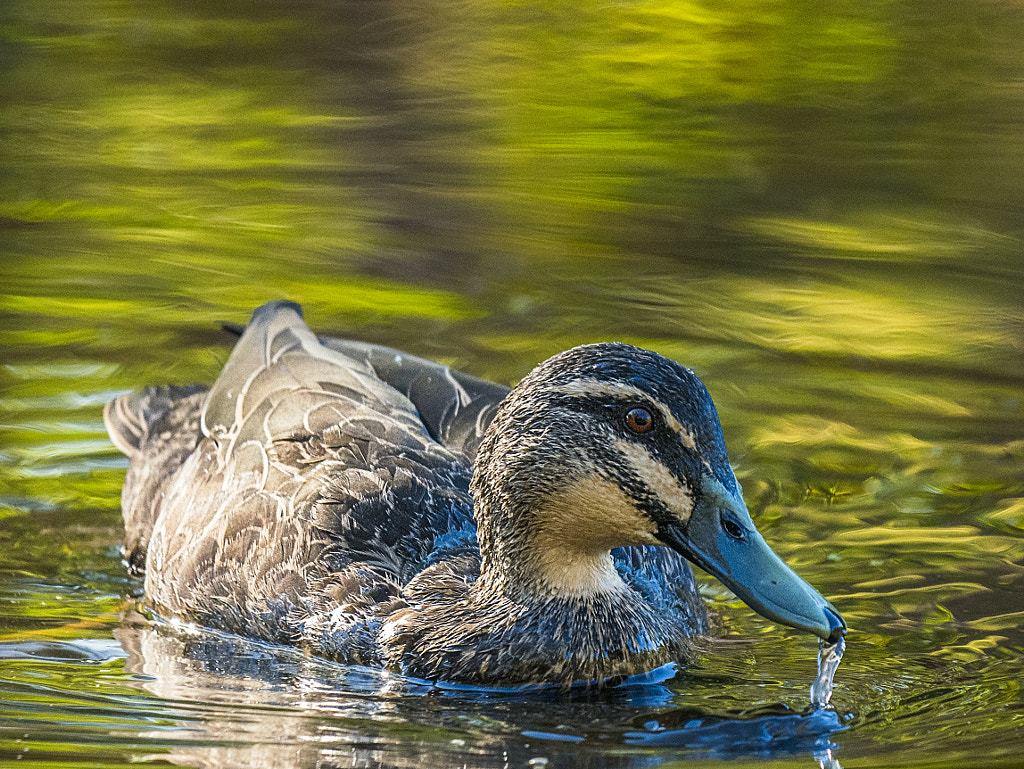
I was at Tomato Lake the other day watching the ducks while the Beloved Significant Other was working at attaining croquet excellence. After a while I came to the conclusion that in many ways people and ducks share similar behaviour. Like men the drake is up for rumpy pumpy at any time which can prove annoying for the females. When a drake gets in the mood for horizontal folk dancing he’ll start flirting. This basically involves getting the attention of a female. Drakes prefer to get amorous on the water and will shake their tail feather and bob their heads up and down. A bit like drunken males on the pull at the disco. If the hen doesn’t move in the general direction of away then the drake assumes that she is up for it and pulls out his really smooth moves. This starts with flicking water at the hen. My partner says adolescent boys do this to try and get attention from girls and it was really annoying. What happens next is a bit dependent on the species of duck, but the blue-billed ducks I was watching the other day have quite elaborate moves.

The blue-billed duck has spectacular mating display. He’ll swim up to a hen and then he presses his head into the water and blows bubbles. Having done that the next stage is to flick his head backward throwing water about with his bill. Then he’ll rise up out of the water with his back arched as if in spasm, with possibly his legs kicking water spray above his body. He’ll then have a bit of a shake check to see if his victim is still watching and then repeat the whole thing again. The human equivalent is when the bloke goes full on Travolta – you know he’s seen Saturday Night Fever, Grease, and Pulp Fiction and thinks he’s dead good at dancing. Now if the drake has been successful he’ll chase the hen and then jump her – she often gets completely submerged in the process. It’s a bit like some men think a nudge in the ribs is foreplay. Once over they straighten their feathers the hen heads off to the reeds to build a nest, lay her eggs and raise the young. The drake does a runner and chooses to hang out with his mates until another hen takes his fancy. There’s no child support payments for ducks.
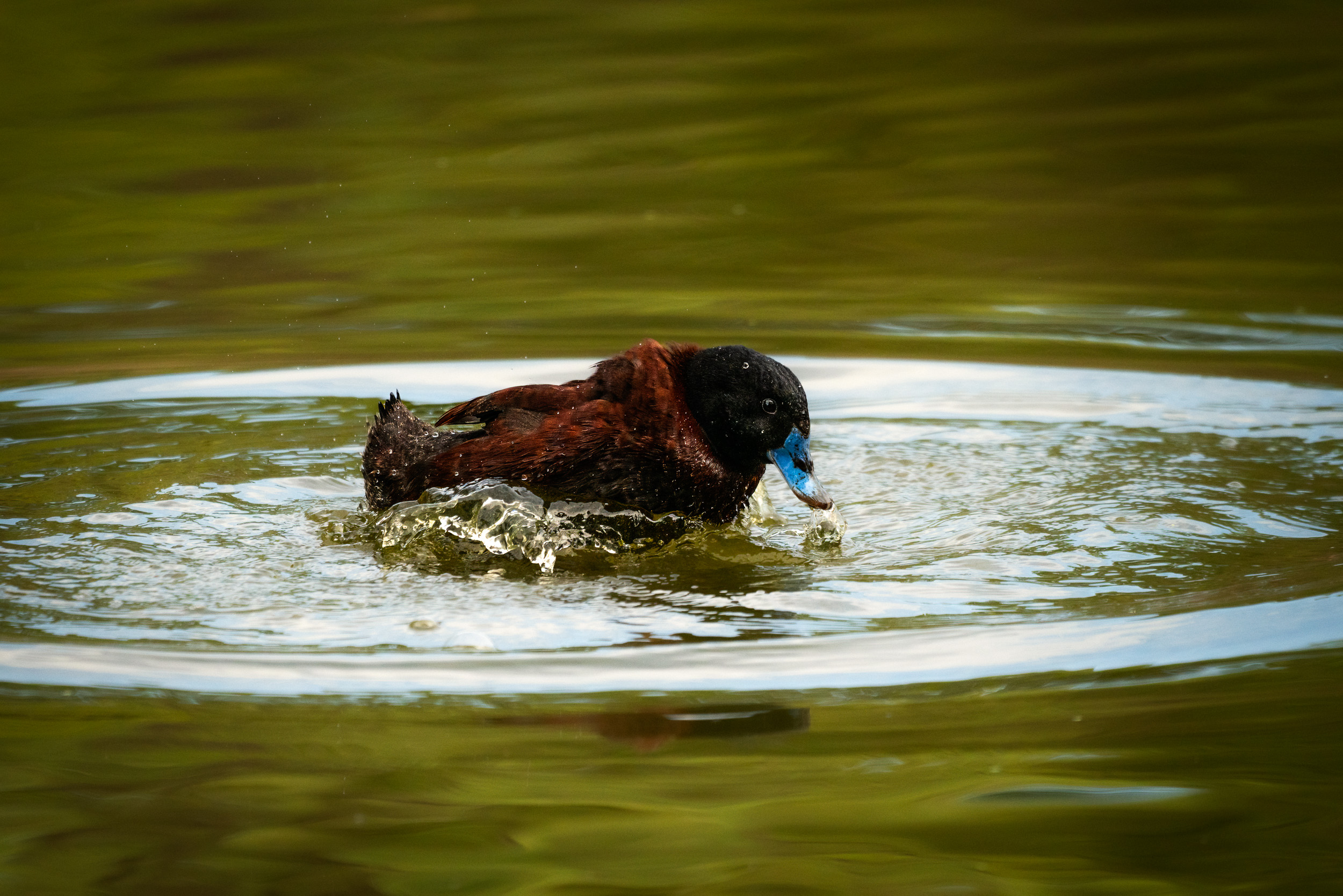

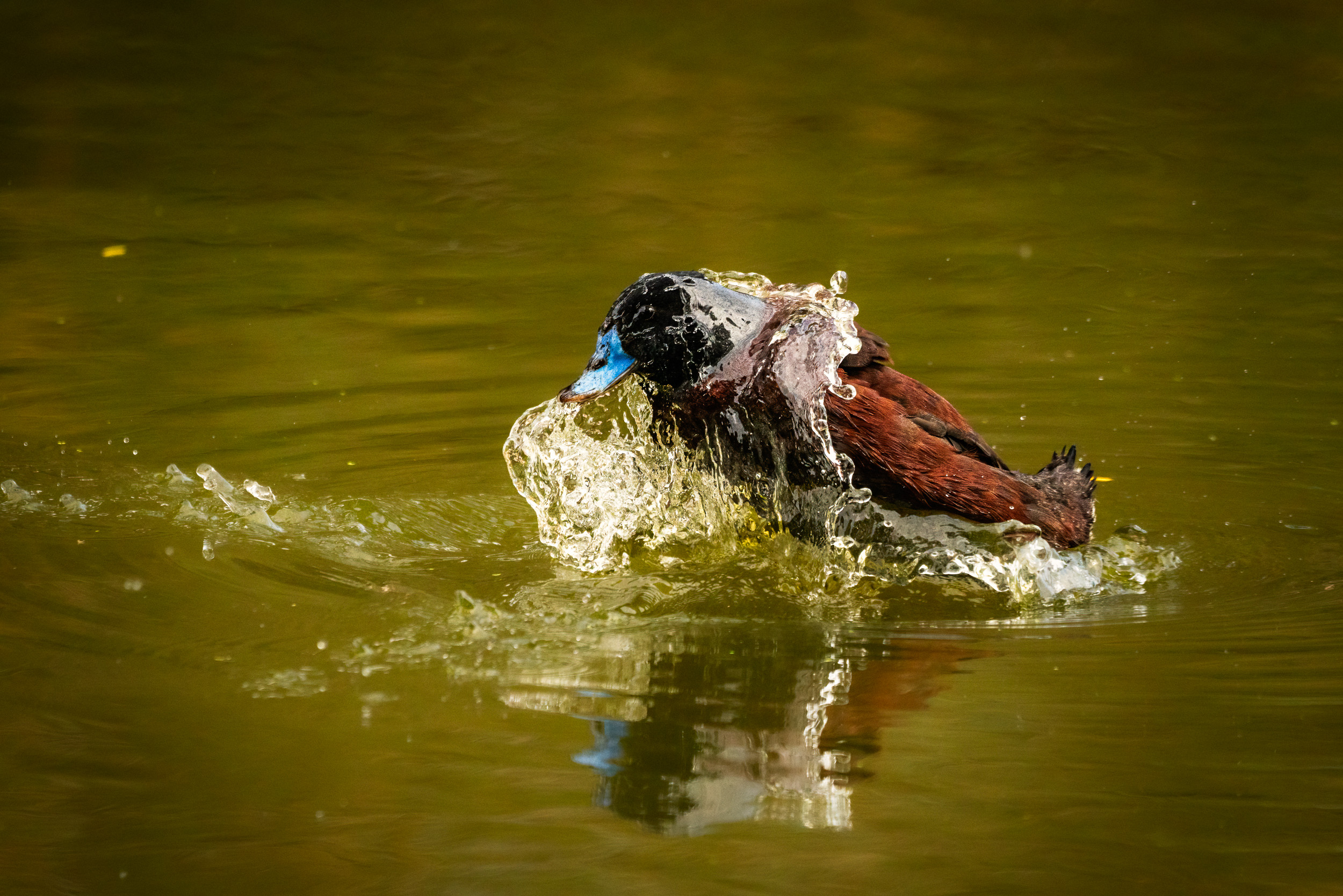
Was the drake I was watching on a promise? No the hen swam off very quickly. She was obviously out of his league.
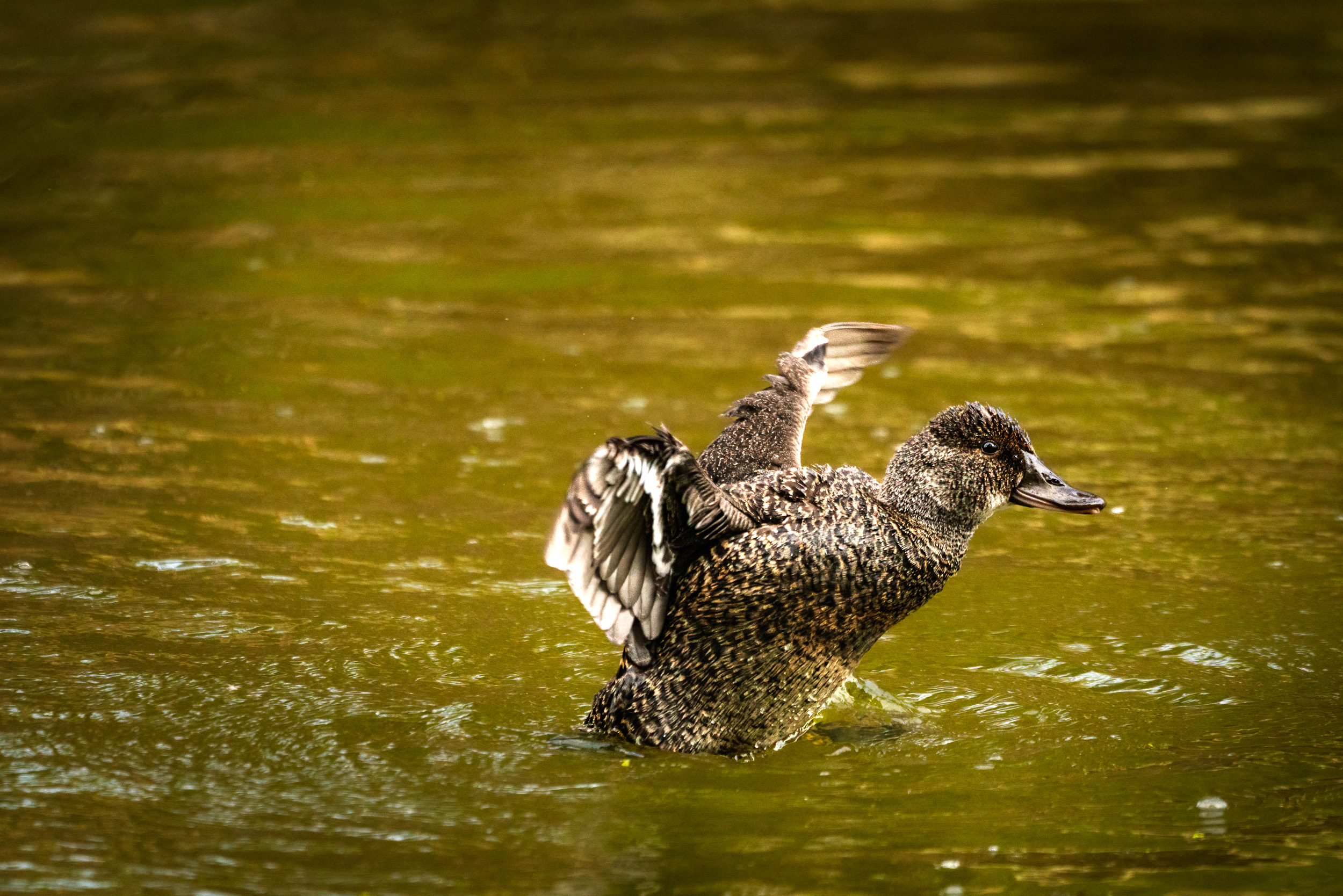
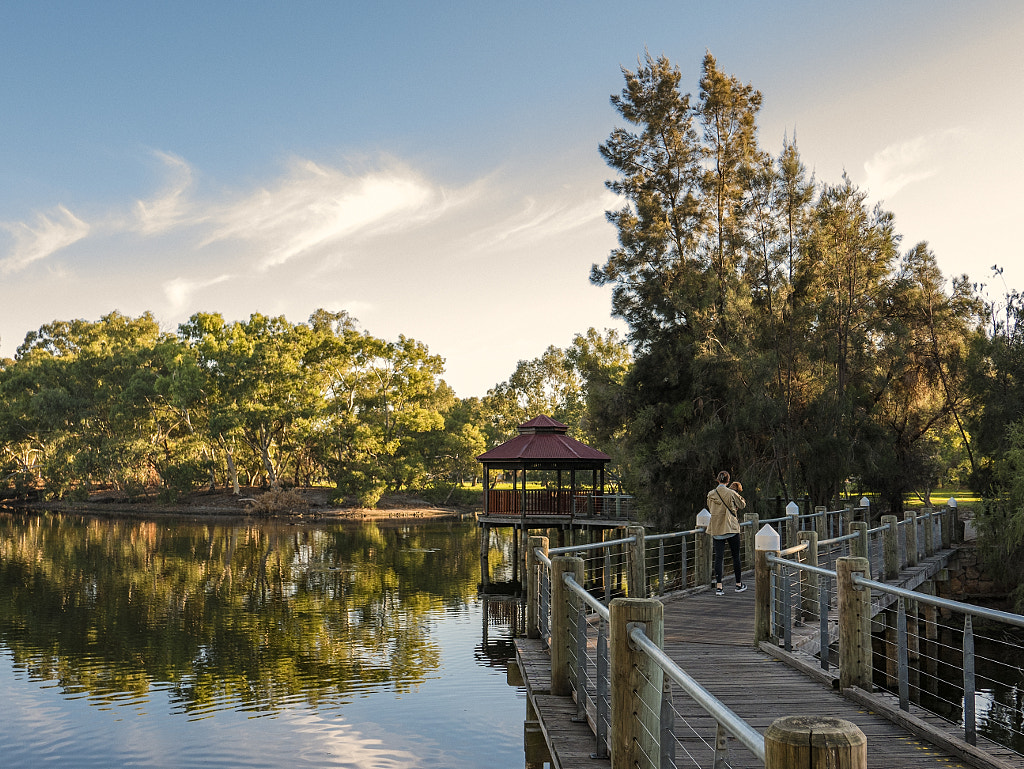
Tomato Lake is situated in the Perth suburb of Kewdale and has like many places in Western Australia been known by an assortment of names. On settlement it was called Smith’s Swamp because it was owned by a Mr Smith. Come the early 1900’s it became known as Craig’s Swamp because it was owned by a Mr Stephen Craig and it continued this way until the 1960’s when it became known by its current name Tomato Lake. No it isn’t owned by Mr Tomato! It got the name Tomato Lake because Mr Craig grew tomatoes there. Urban clearing around the lake meant it eventually dried up and became no good for market gardening and the whole place got really neglected and riddled with duckweed, an imported feral species, which choked the remaining water killing off native flora and fauna. By the mid 1970’s a local action group formed to rehabilitate the lake and now it is an important nature reserve as well as being a very popular recreational facility.
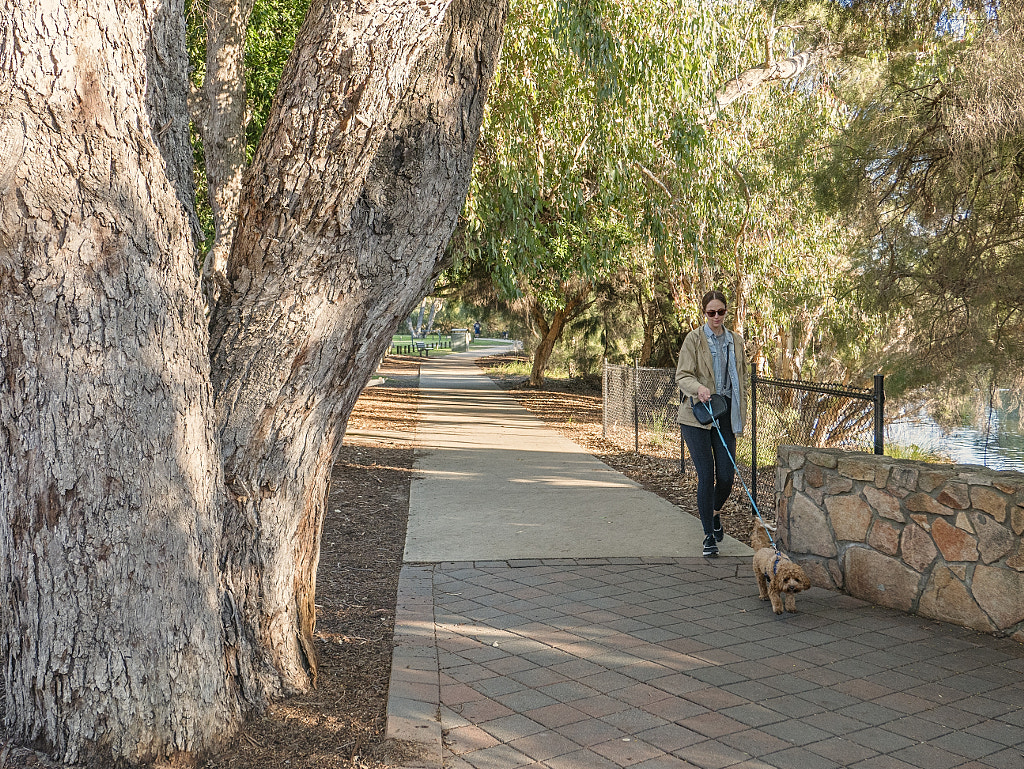
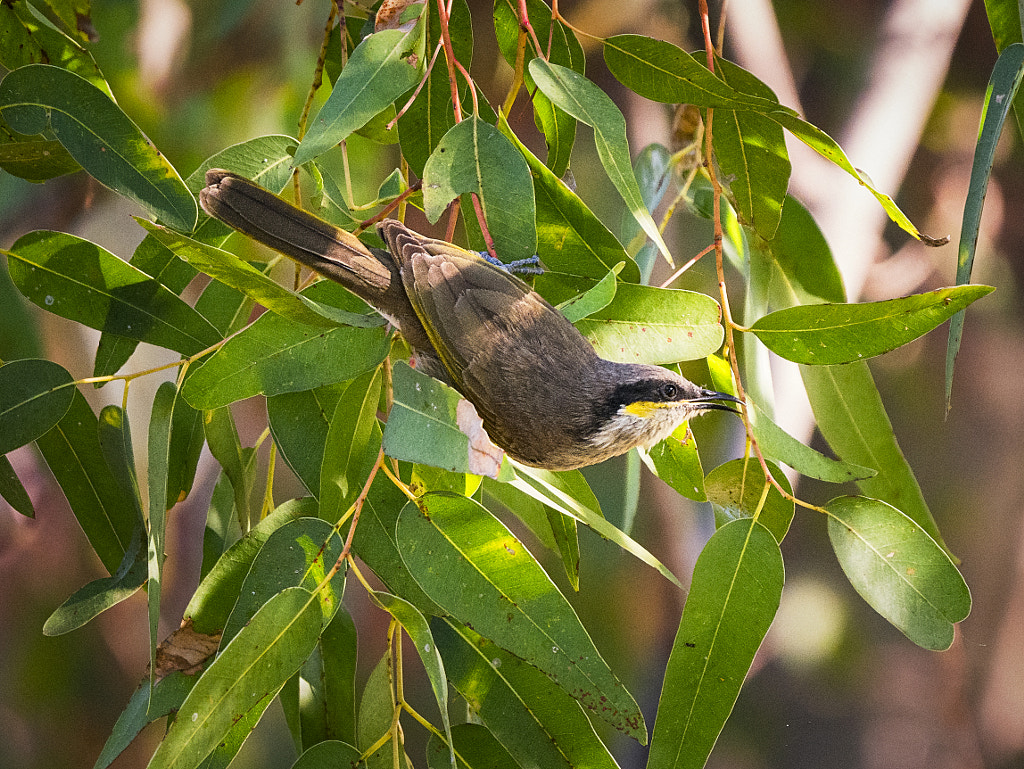
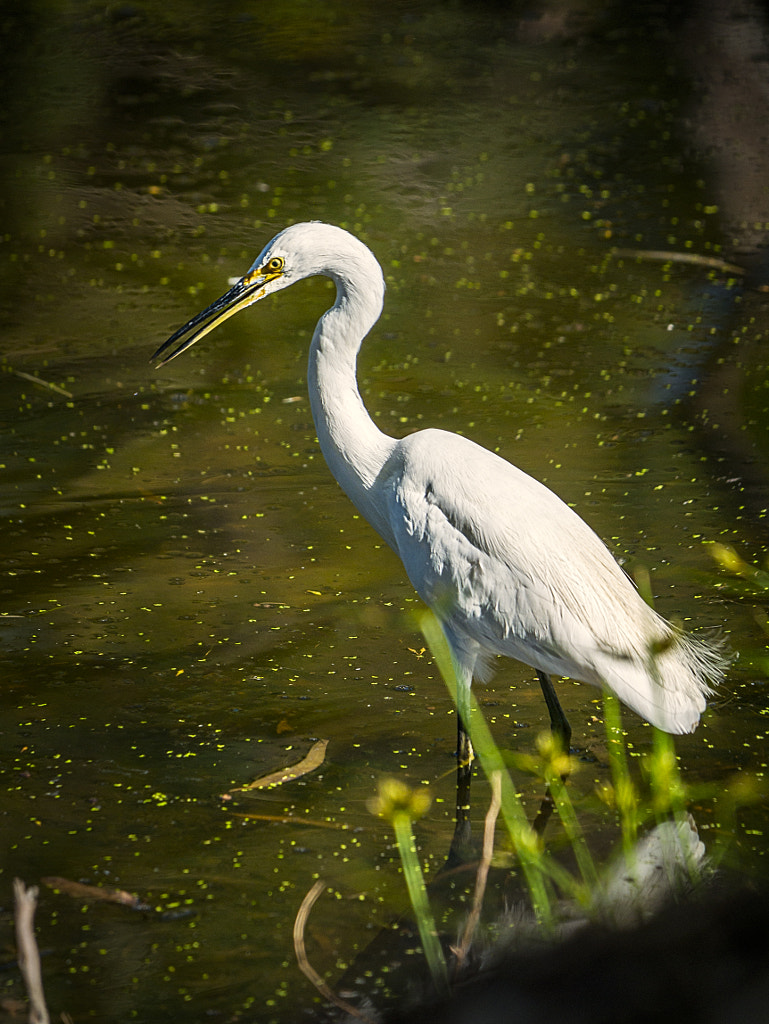
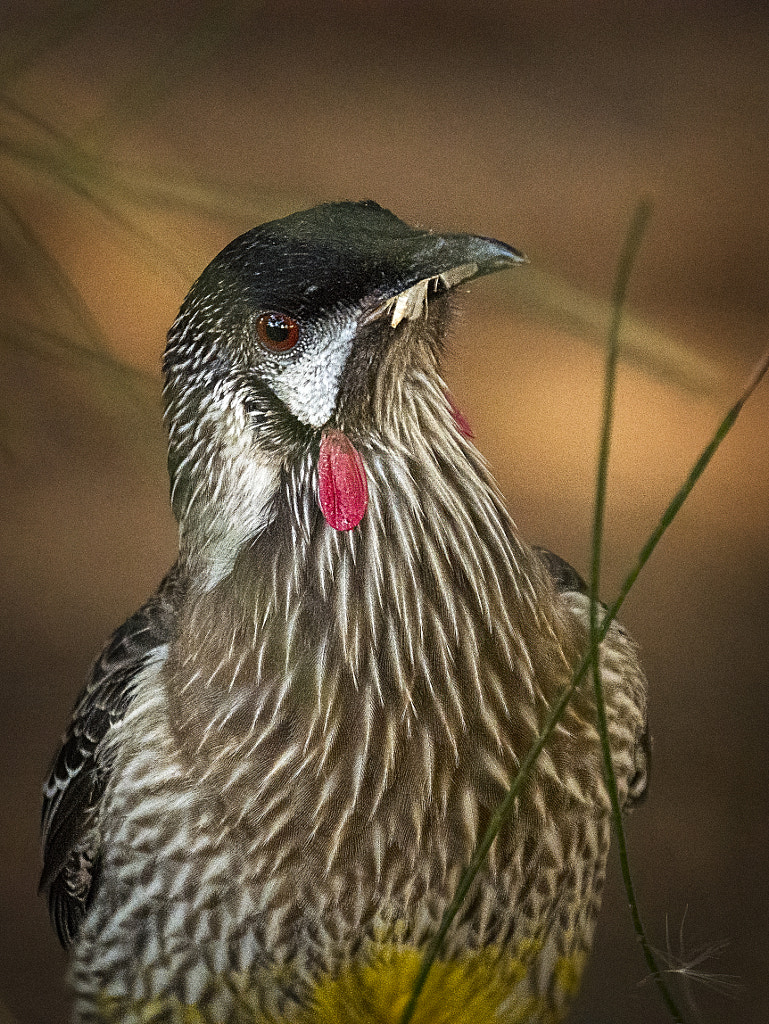
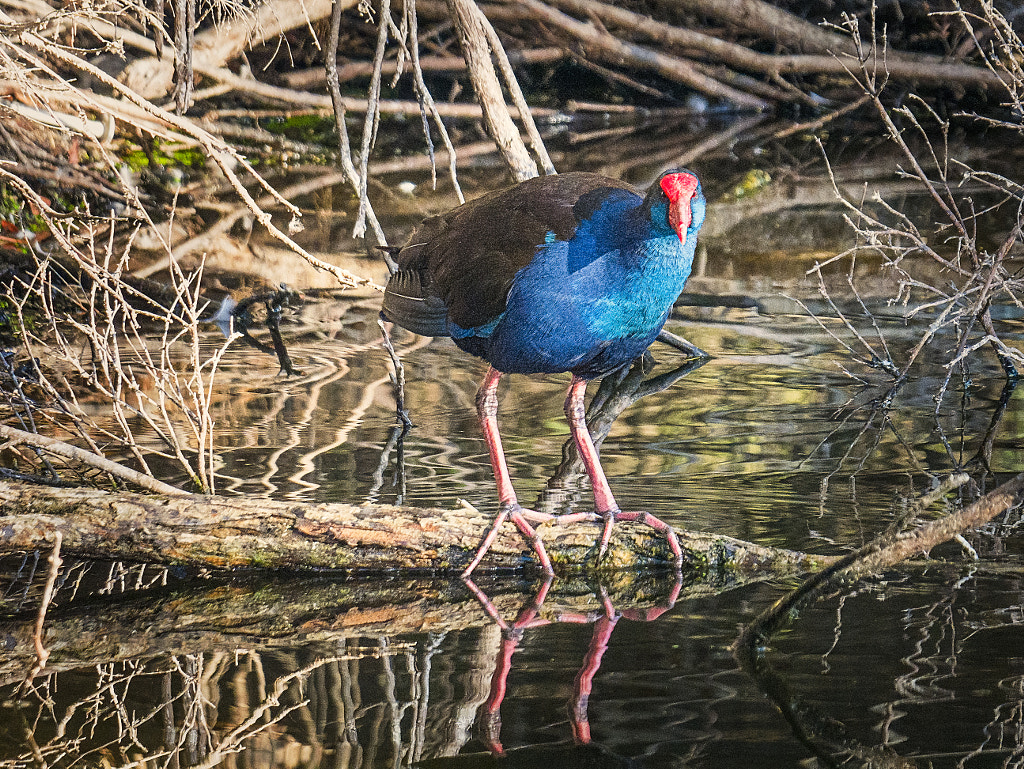
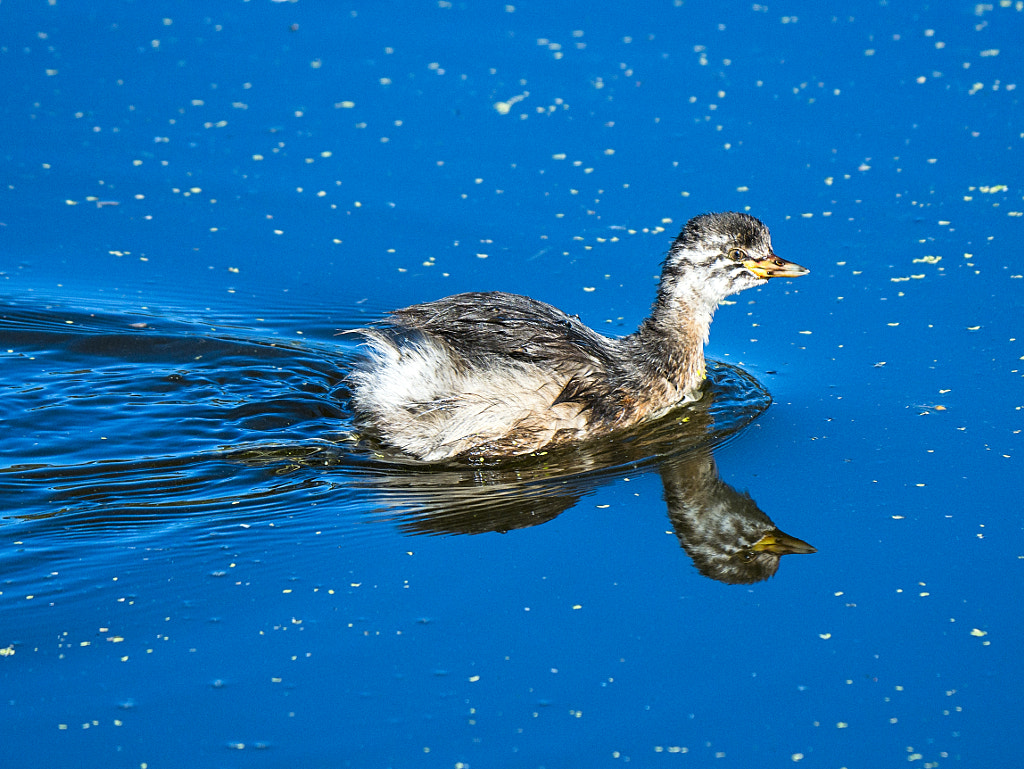
So what’s there? Well the lake is in the middle of a large reserve and it is bisected by a broad walk with pergola. There is an island in the lake which provides a breeding area for the waterbirds. The lake is circumnavigated by a 1.6 Km paved path. There are also some unpaved trails through different parts of the reserve which I added to the walk to make a 2.5Km loop. At the top of the park on the corner of Oats Street and Scenic Drive there is a cafe, BBQs and playground. The southern end of the lake is where you’ll see the bushbirds while the waterfowl can be seen over the entire lake. According to EBird Australia 83 different species of bird have been sighted there which is quite a number for such a small area. As it can be very busy at weekends, especially in wedding season, it would be best to visit midweek early in the morning or an hour before sundown.
You must be logged in to post a comment.