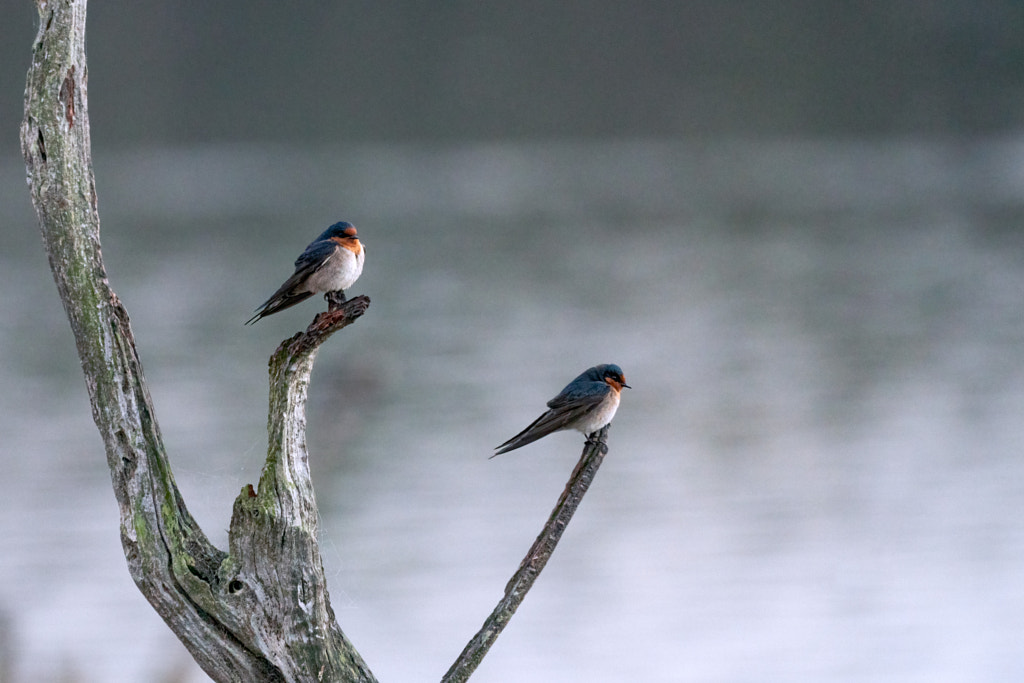
A couple of weeks ago I posted about all the Ibis nesting at Tomato Lake and how it heralded the start of the breeding season for them. Well this week the Black Swans at lake Claremont were building nests and pairing off and spring is just round the corner. It was an uninspiring morning, the rain was bucketing down and the usually frenetic Welcome Swallows looked unimpressed.
Kanamit or Welcome Swallow (Hirundo neoxxena) looking unhappy in the rain. Lake Claremont, Western Australia.
A bit further on amongst the reeds the swans were busy in spite of the inclement weather.
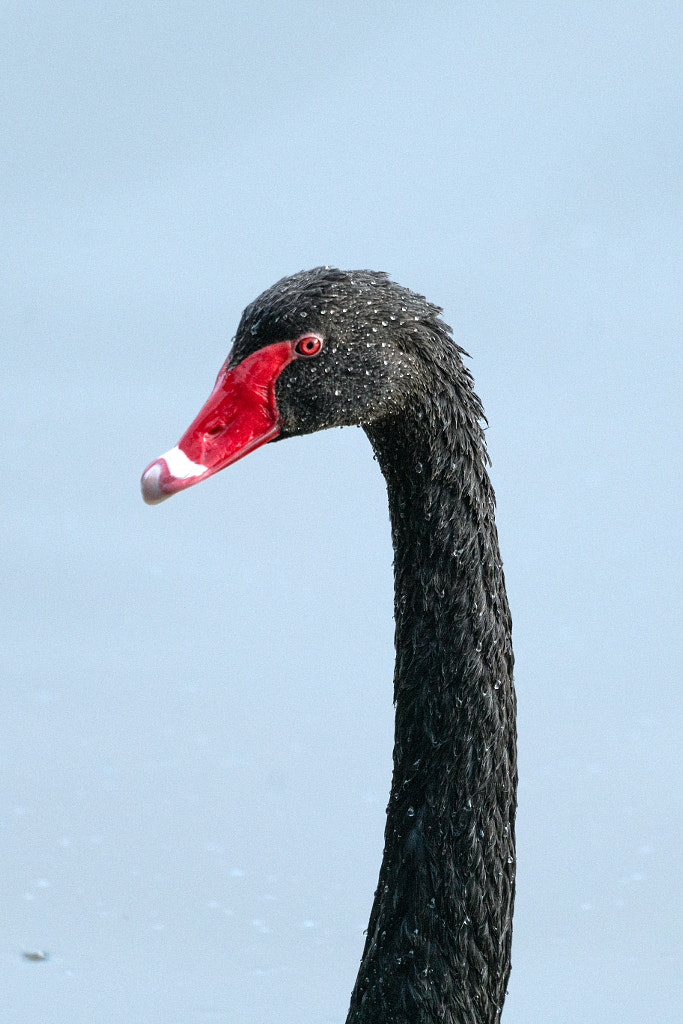
This swan was very obliging and allowed me to take its photo.
A female black swan sits on the nest while the male gathers more nesting material.
Elsewhere on the lake things were much more advanced with the Shelducks as there were several mothers escorting very young ducklings out on the water.
No water wings in sight. A Shelduck takes her young brood out for a swim on Lake Claremont.
I was a bit apprehensive about walking in the rain. My usual camera – an Olympus OMD EM1 mk ii and its Panasonic Leica 100-400mm f4-6.3 – are incredibly resistant to rain fall, but this time I was out with my Sony A7r2 and the Sigma 150-600mm whose weather sealing leaves a bit to be desired. Thankfully the combination worked flawlessly and lived to tell the tale. It was, however, its last outing. I’ve developed quite bad arthritis in my right hand, elbow, and shoulder and find the larger full frame cameras too much to handle so I’m going to put it all up for sale. Getting older really sucks sometimes.
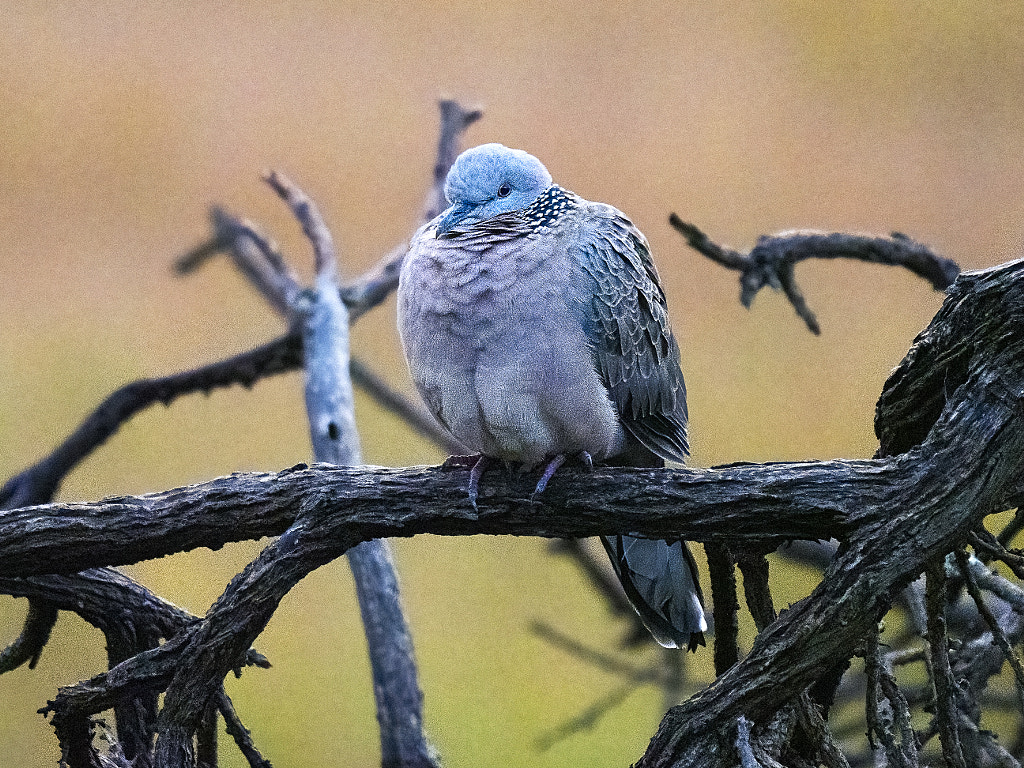
Chilly Morning. Spotted Dove, Spilopelia chinensis. Lake Claremont, Western Australia.
I was down at Lake Claremont the other morning nice and early. It was to say the least a little on the cool side. Usually there are quite a few people there walking, running or cycling. But this particular morning it was so cold that there was me and another bloke walking his dog called Daisy. I know the dog was called Daisy because every few seconds I could hear “No Daisy”, “Bad daisy”, “Daisy heel” and “Daisy how many times have I got to tell you?”. I really felt sorry for the dog.
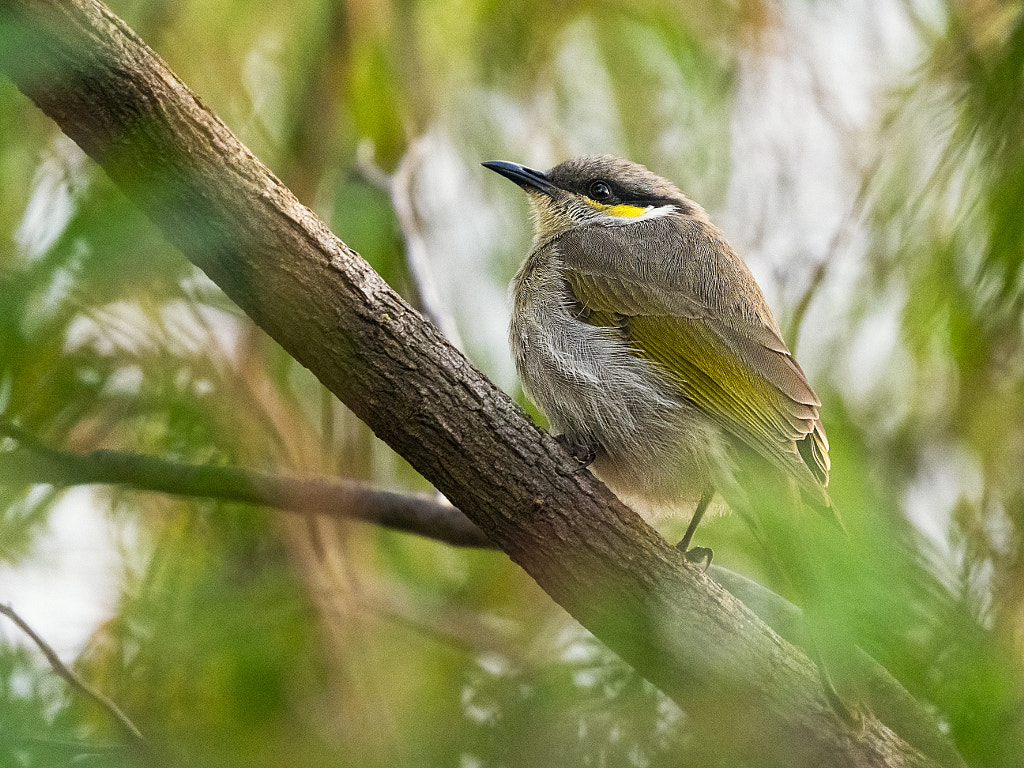
A fluffed up Singing Honeyeater waiting for it to warm up.
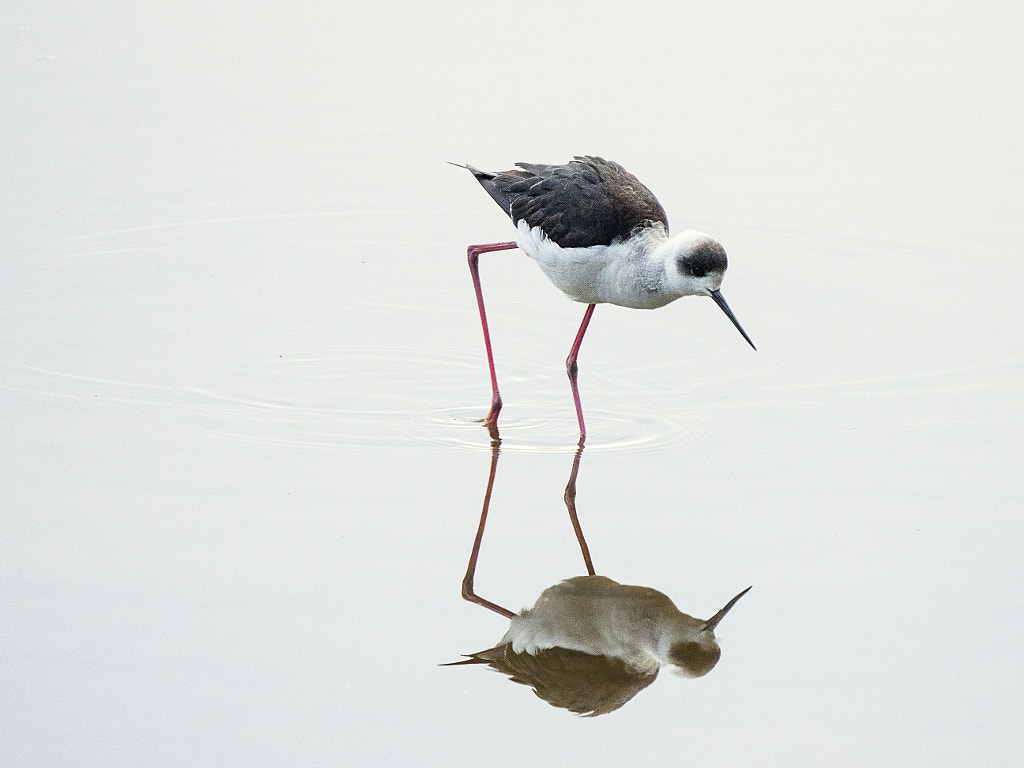
Initially the few birds that were around were all fluffed up like puff balls waiting for the sun to come out and warm them up. Unfortunately this was the best it was going to be as rain was forecast. Down at the bird viewing platform I saw a few hardy White-headed Stilts wadding in the cold water. The water looked like glass reflecting the grey sky above and this made for fantastic reflections of the birds.
The grey sky reflected in the water made for great reflections. White-headed Stilt (Himantopus himantopus subsp. leucocephalus). Lake Claremont, Western Australia.
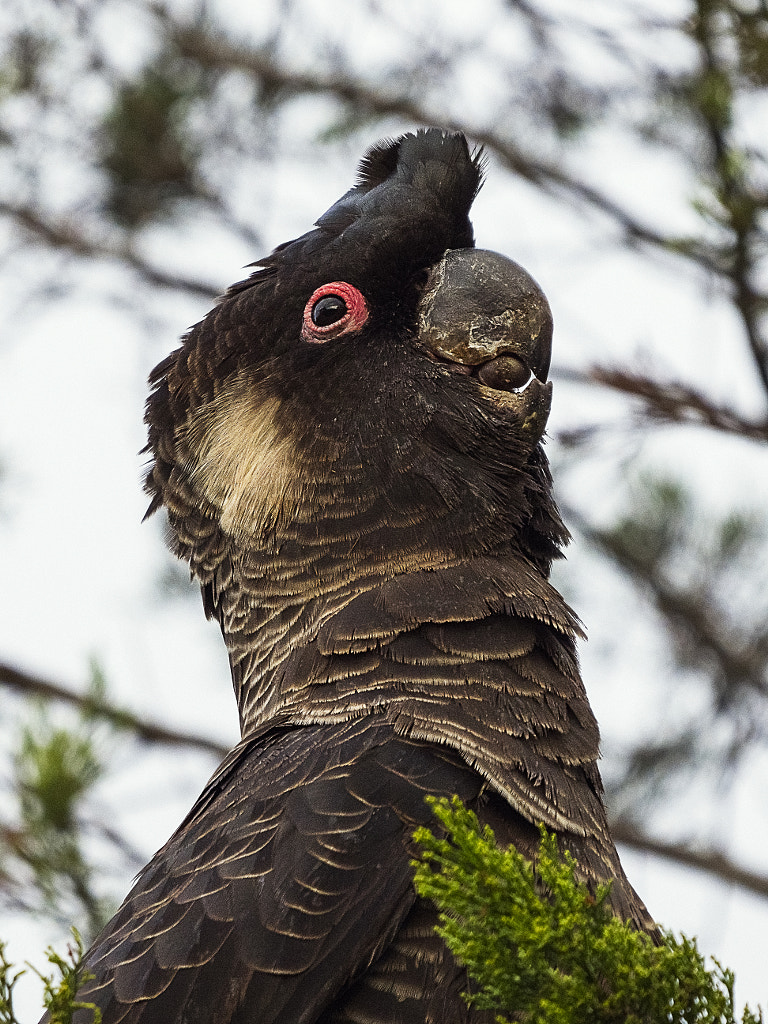
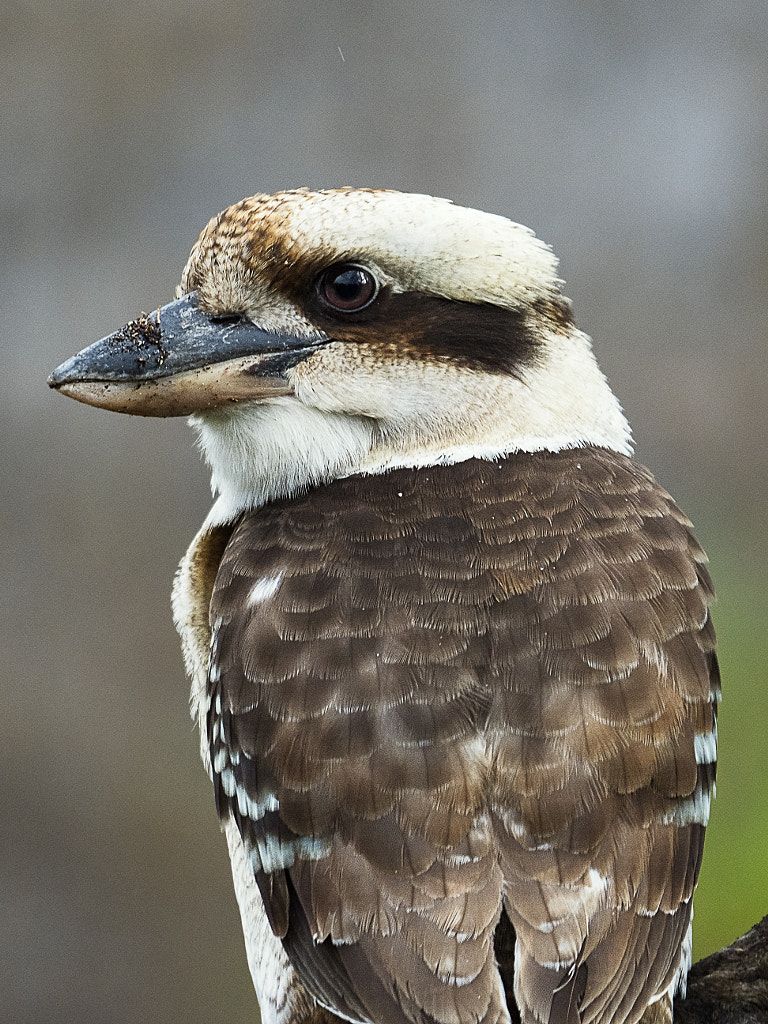
As it started to rain it got a little warmer, but not enough to entice any of the feathered residents out to have their photo taken. At this point the morning looked as if it was going to be a complete wash out so I headed off to the TeeBox Cafe for a cheering coffee with the hope that while I was there the water would abate and some birds would appear. While I was there a circumferentially challenged couple with their two dogs sat down at the table next to me and proceeded to scoff a Full English Breakfast (FEB) as if they hadn’t eaten in the last week. A waitress came out to them with a couple of rashers of bacon saying they’d been dropped on the floor and could she give it to their dogs. With a mouth chock full of said item she said “no” as it was bad for them! I’m not making this stuff up. The waitress looked like she was going to dissolve into hysterical laughter. I’m just surprised they didn’t just shovel it into their maws. After a while it was apparent that I couldn’t make a coffee last any longer so I headed back to the car at a brisk pace in the pouring rain. On the way I was met by a Carnaby’s Black Cockatoo and a Laughing Kookaburra that seemed oblivious to the weather.
Rain? What Rain? Ngolak is the name by which the Nyoongar people called the Short-billed Black Cockatoo aka Carnaby’s Black Cockatoo (calyptorhynchus latirostris). Lake Claremont, Western Australia.
Laughing Kookaburra (daceelo novaeguineae). Lake Claremont, Western Australia.
Originally what is now Lake Claremont was a swamp with a series of small pools edged with reeds and then surrounded by paperbark trees. There was abundant plant an animal life and it was an important hunting and gathering place for the Mooro clan of the Nyoongar in the warmer months of the year.
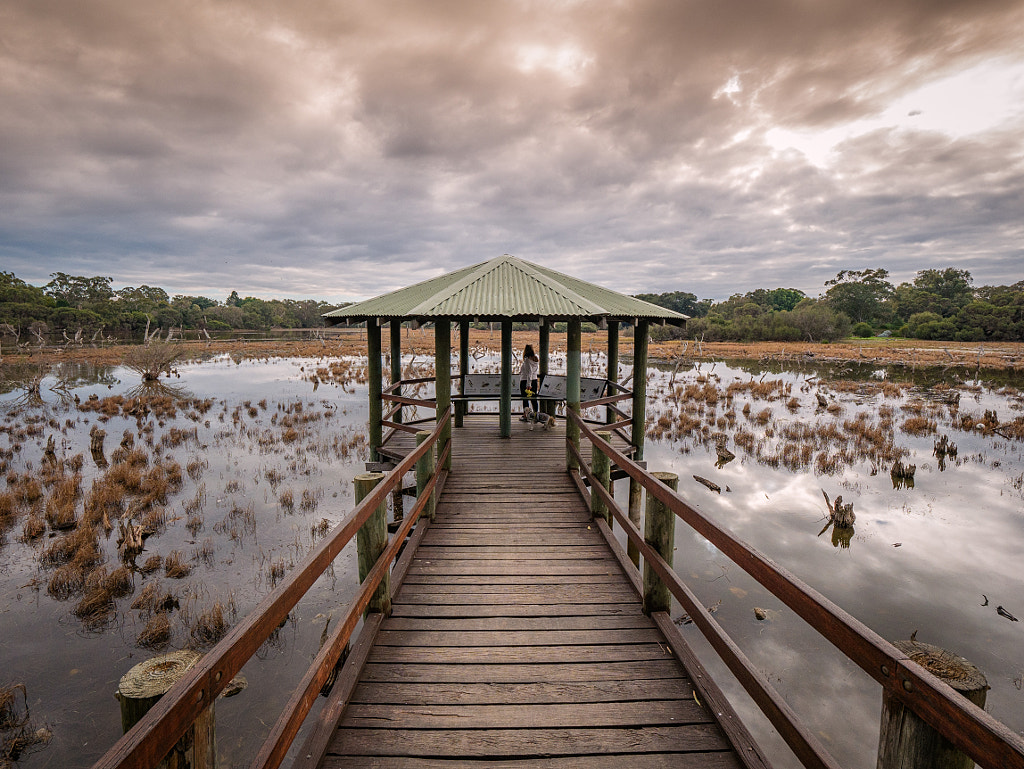
The bird observation platform allows visitors to watch the birds in the grasses and reeds at Lake Claremont.
In 1831 European settlers began to clear the land for farming and by the 1890’s there were market gardens and a then state of the art dairy farm. Things looked good and the area prospered. However, this state of affairs was short lived as by the turn of the Twentieth Century the water level rose and the farms were flooded and a permanent lake which rises and falls with the seasons was formed. In the 1950’s Claremont Town Council reclaimed large areas for a rubbish tip and renamed it Lake Claremont in the process. In the 1960’s it was decided to beautify the lake and its surrounds. Sections were infilled to create a golf course and the school playing fields. In time two small bird sanctuary islands were created and there has been a move to manage the the lake in a more ecological manner. The Friends of Lake Claremont are an enthusiastic and very active bunch of local residents and volunteers who have undertaken to assist in the conservation and enhancement of Lake Claremont. There activities have been crucial in weed eradication programs and revegetation projects working in tandem with pupils fromScotch College and Graylands Primary School. They also have annual public events including Clean Up Australia Day, National Tree Day and Celebrate Lake Claremont Day (community fair). More details can be found on their website.
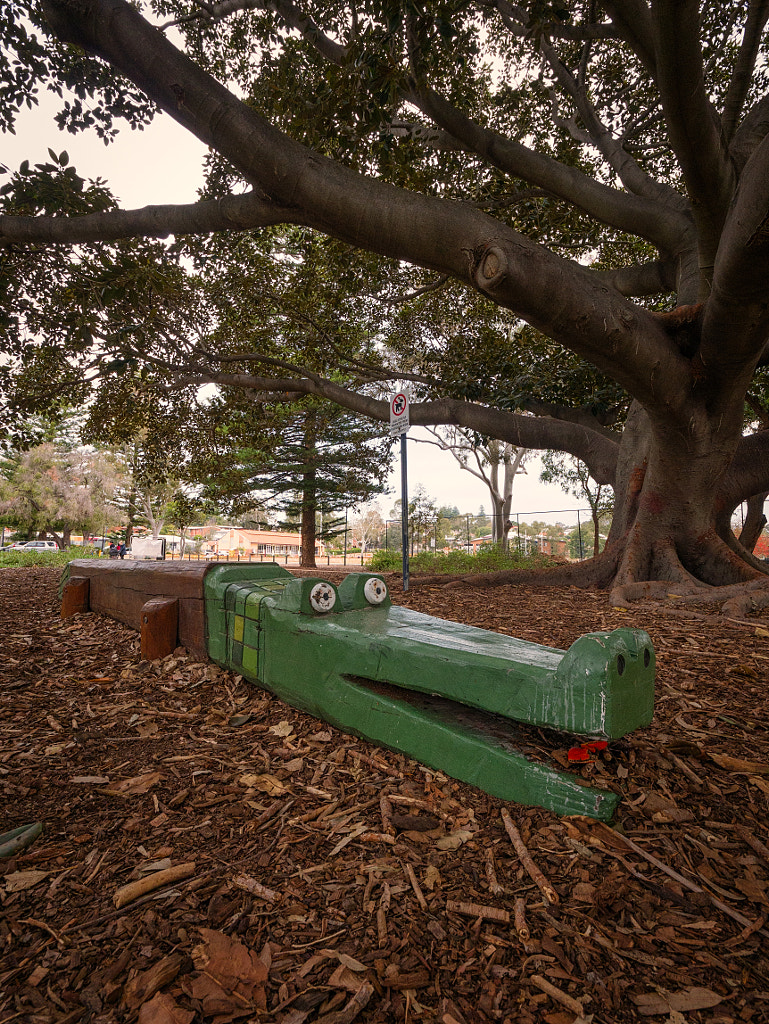
The infamous Lake Claremont crocodile. Lake Claremont, Western Australia.
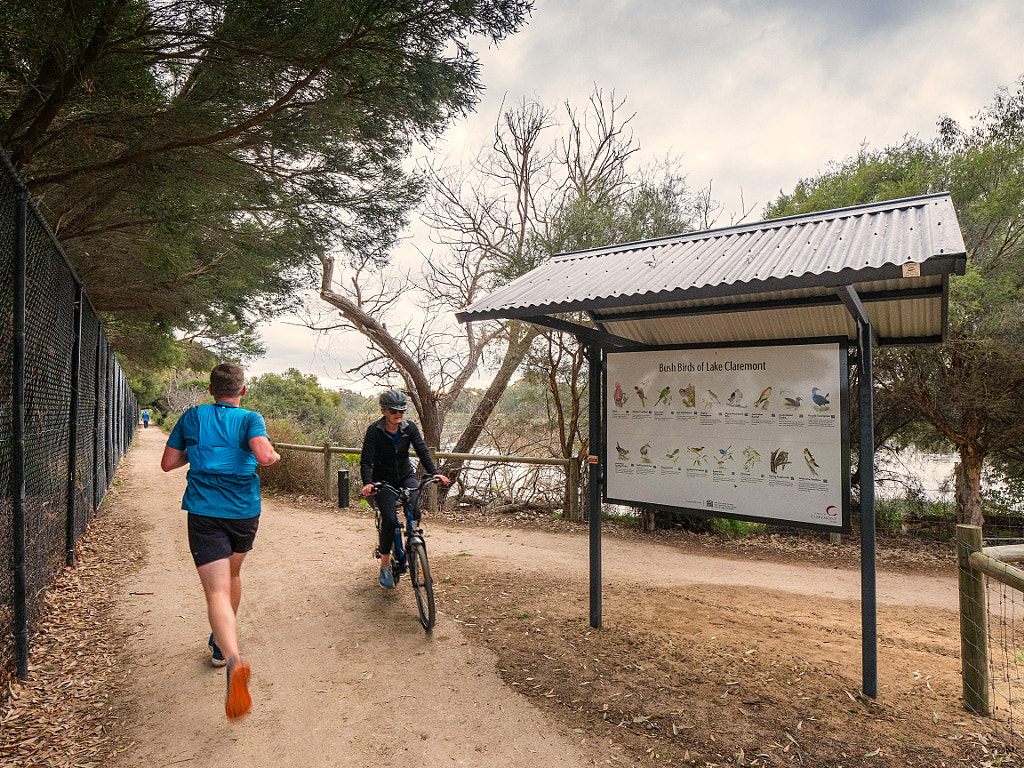
So that was then and this is now. What does the lake offer today? Well the wetlands of the Swan Coastal Plain are internationally acknowledged as a bio-diversity hotspot having a greater number of endemic species than most other regions in Australia. Since colonisation three quarters of the wetlands have been drained for urban development. Those that remain are adversely effected by the introduction of feral animals and plants. In this context Lake Claremont is like a biosphere. In the past ten years or so eBird Australia has listed 116 species of bird that can be found on or around the lake which makes it somewhat of a birders paradise. The path around the lake and the bird observation platform make it easy to spot birds all year round. To make it so that you know what you are looking for you can down load an illustrated brochure listing the birds from the Town of Claremont website.
Lake Claremont has a dual use path around its edge which is popular with runners and cyclists.
In addition to the nature based activities there is a 3 Km dual use path that circumnavigates the lake which is very popular with walkers, runners and cyclists. Dogs are welcome on a lead. The walk is enjoyable all year round and if you start the car park and head off in a clockwise direction then you can stop at the TeeBox Cafe shortly before returning to the car park. For the youngsters who need to burn off some energy before looking at the ducks there are two playgrounds. If dad doesn’t care for looking at the ducks then he has the option of playing a quick nine holes of golf.
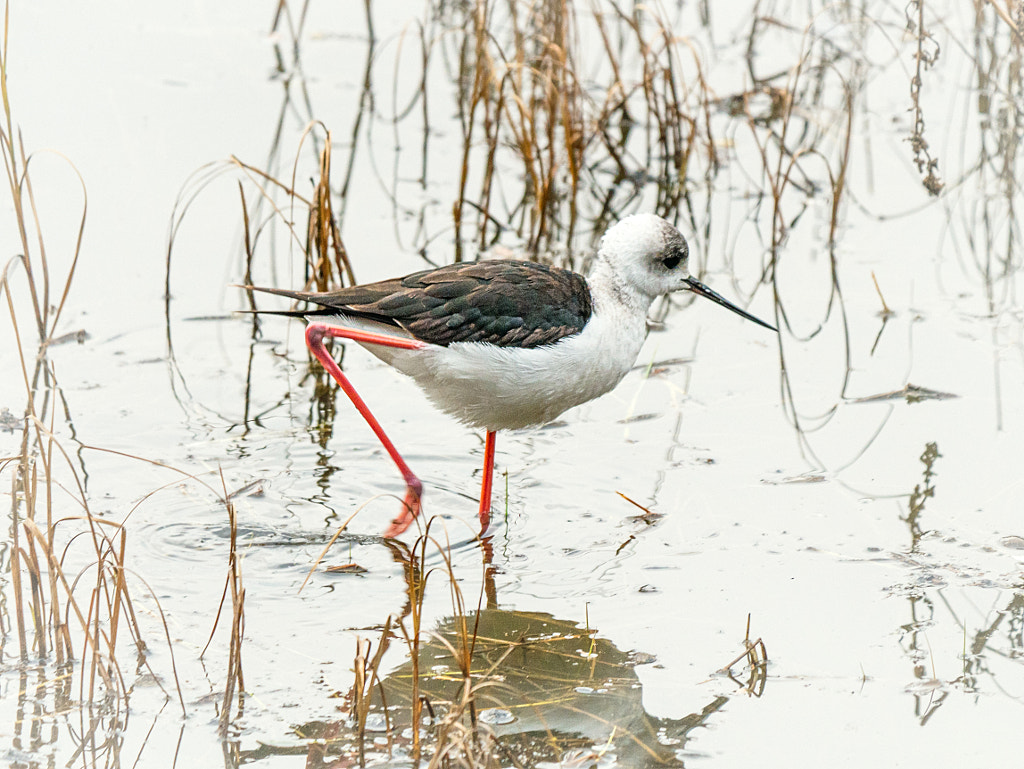
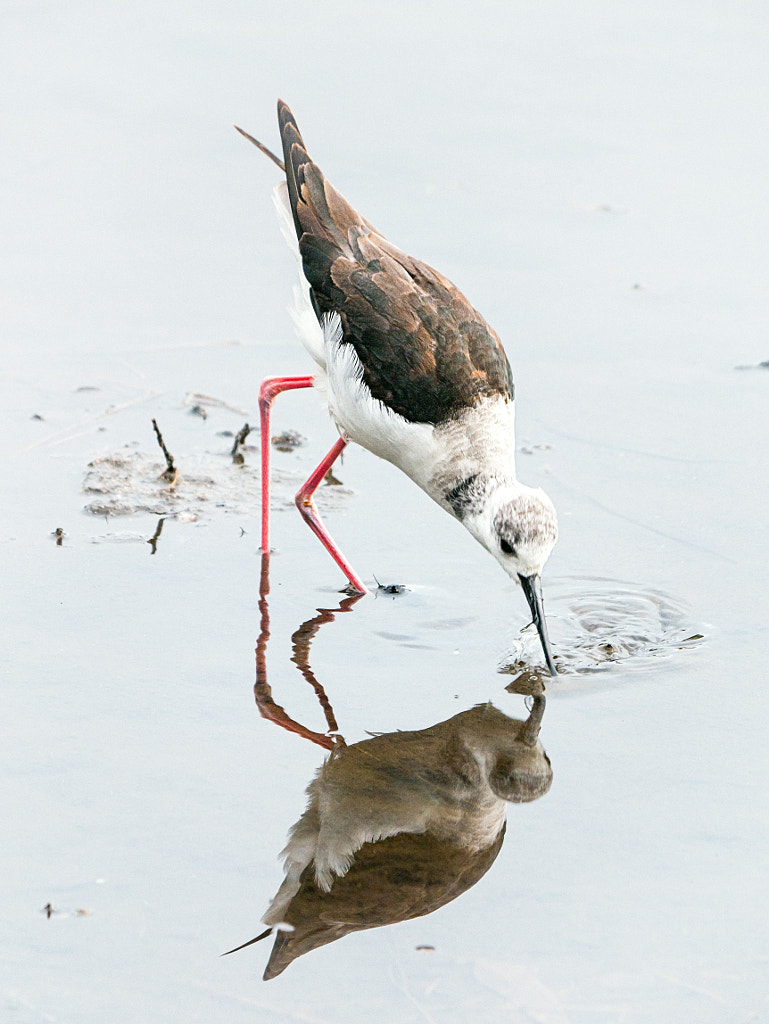
A juvenile pied stilt (Himantopus himantopus) at Lake Claremont, Western Australia.
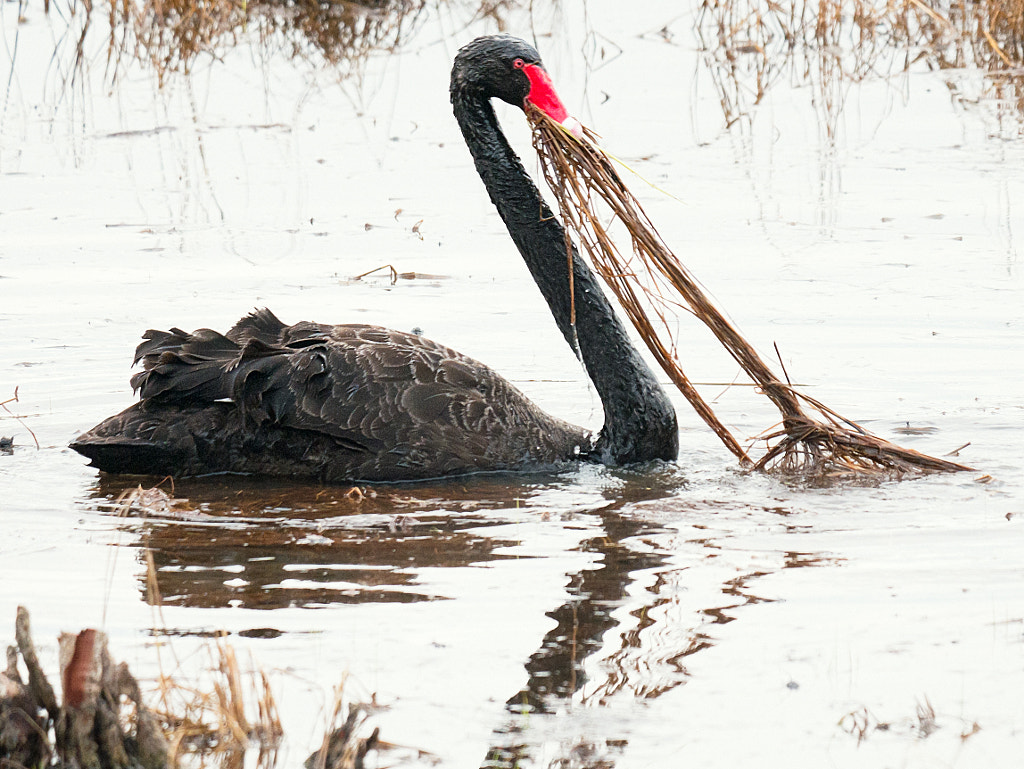
A black swan (black ) gathering nesting material at Lake Claremont, Western Australia.
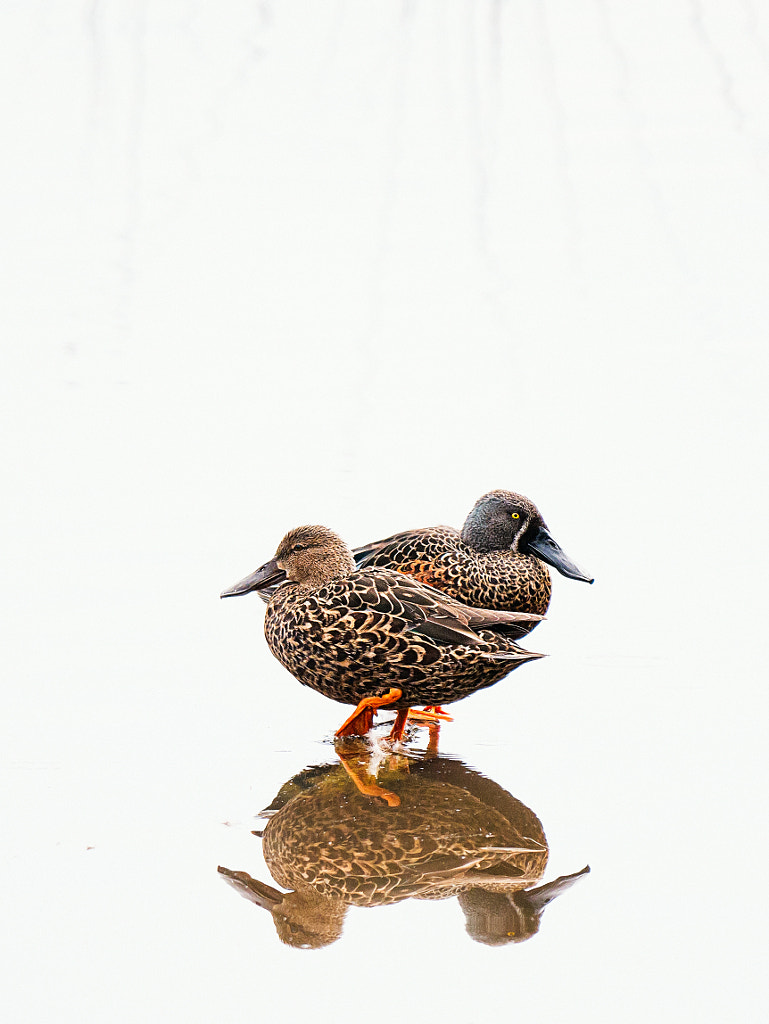
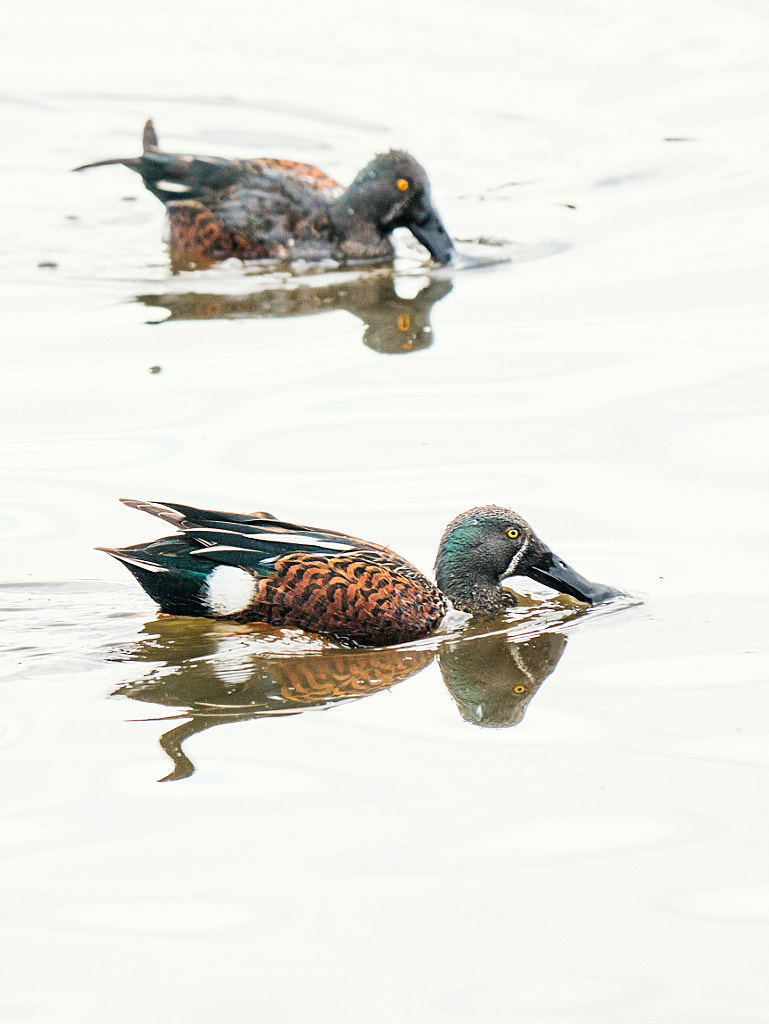
A pair of Australian Shovelers (Australian) at Lake Claremont, Western Australia.
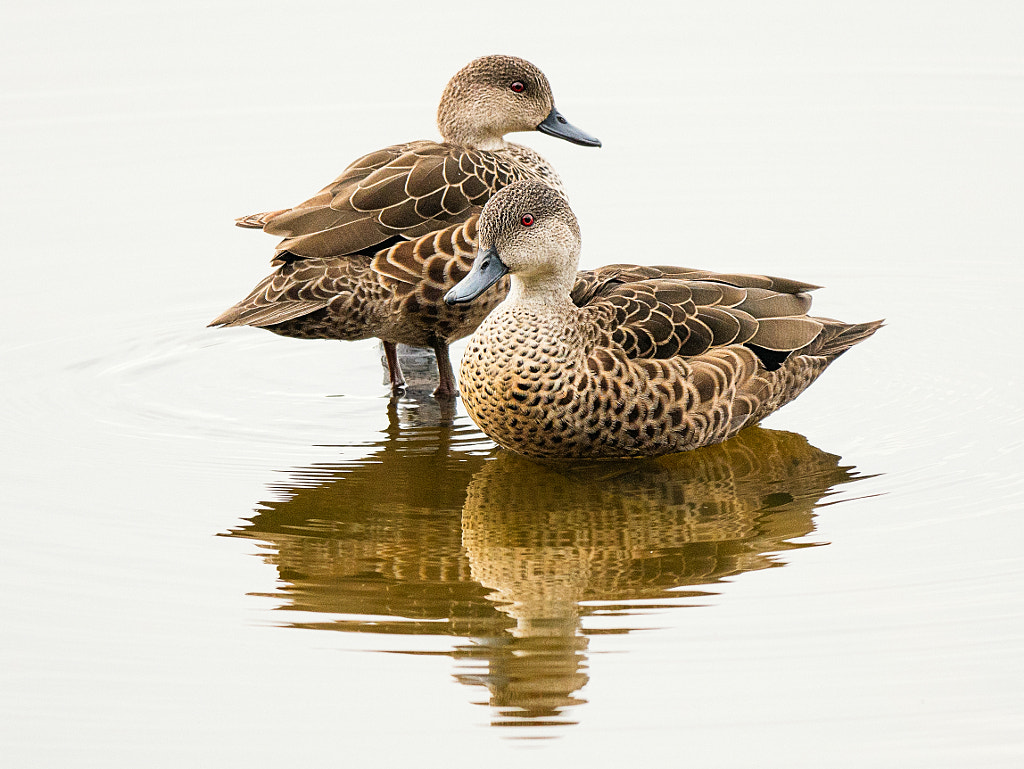
A pair of grey teals (Anas gracilis) at Lake Claremont in Western Australia.
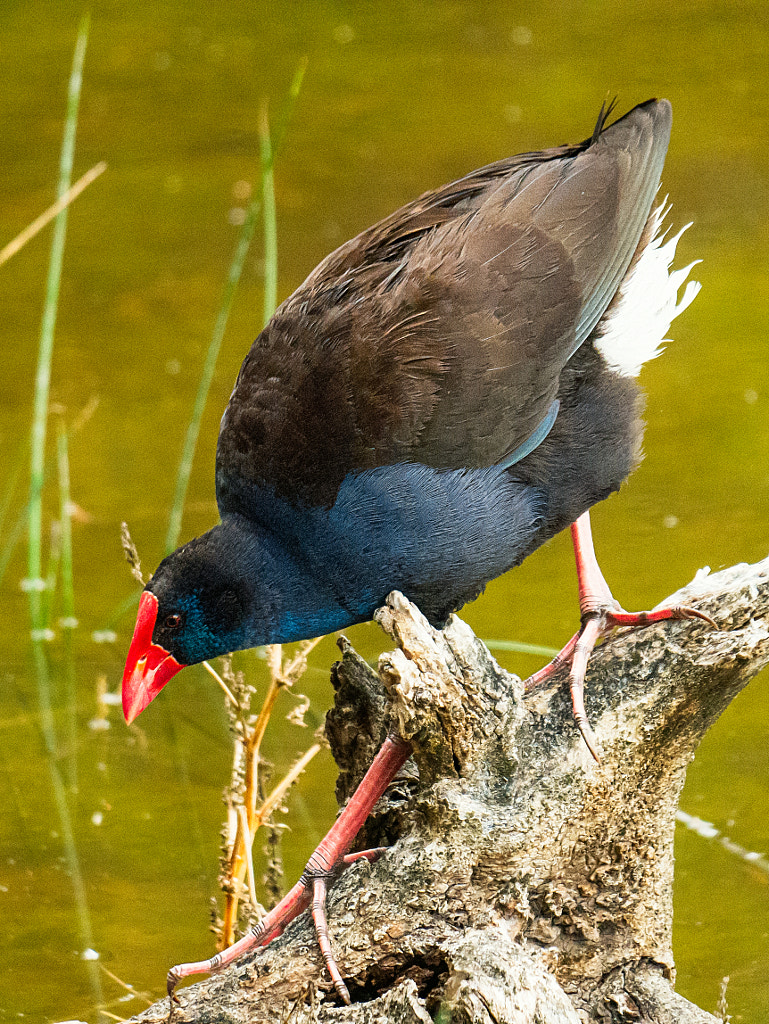
A purple swamp hen (Purple), Lake Claremont, Western Australia.
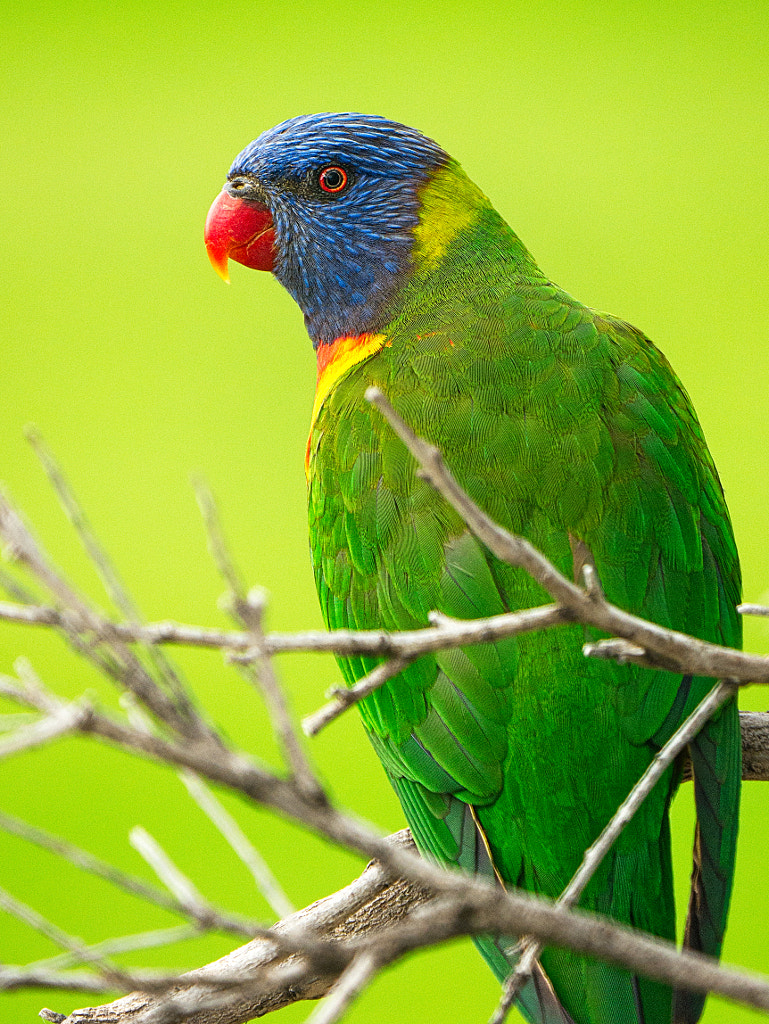
Rainbow lorikeets (Rain) were introduced to Western Australiafrom the eastern states of Australia. Lake Claremont, Western Australia.
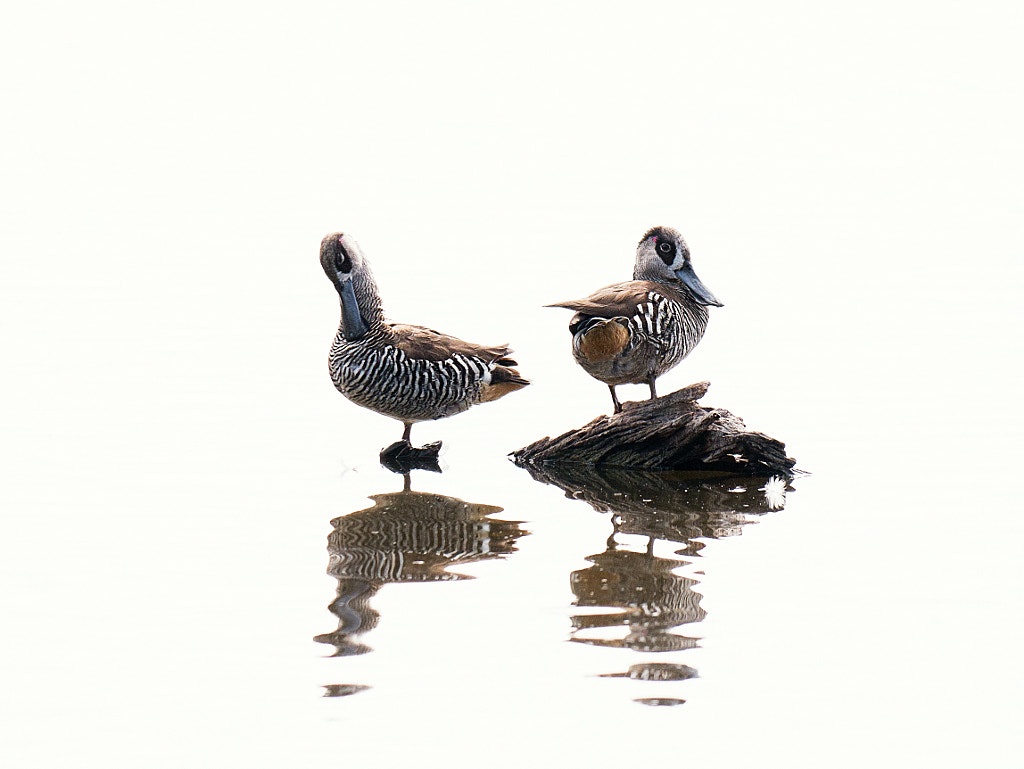
Pink-eared ducks (Malacorhynchus membranaceus) at Lake Claremont in Western Australia.
Called Dit by the Nyoongar this juvenile pied stilt (Himantopus himantopus) feeds at Lake Claremont, Western Australia.
Bardoongooba called Australian Shovelers (Anas rhynchotis) by European settlers can be readily seen on Lake Claremont.



You must be logged in to post a comment.