The Annual Pilgrimage

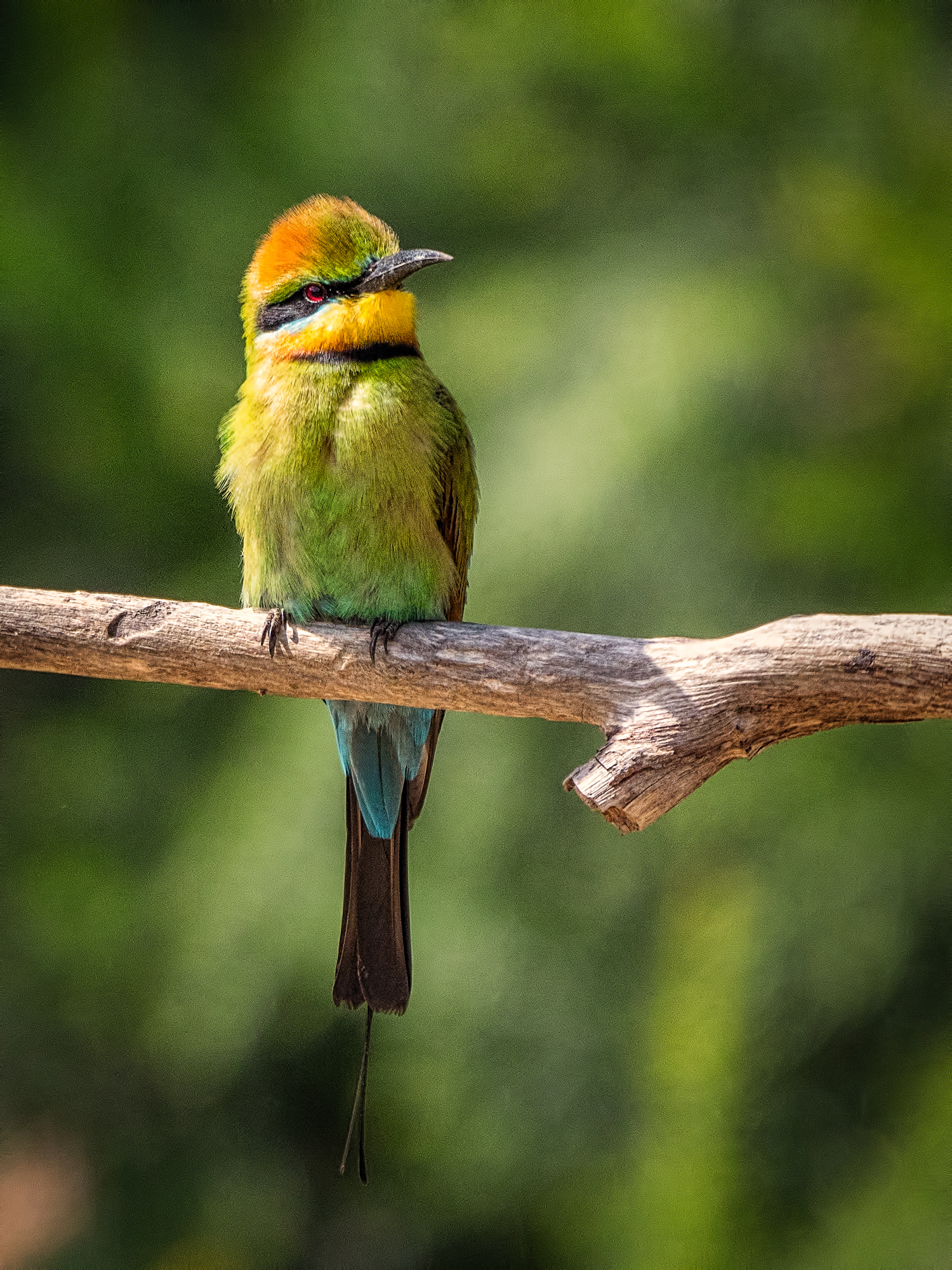
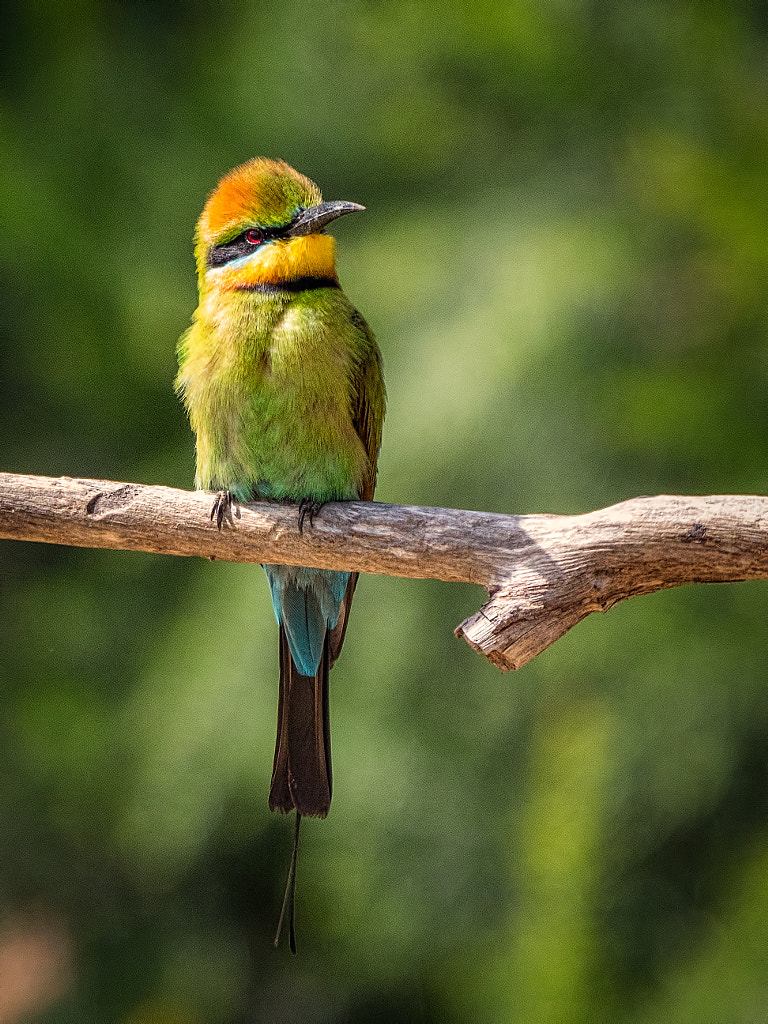
This week I made the annual pilgrimage to Lake Gwellup reserve to photograph Birinbirin or Rainbow Bee-eaters (Merops ornatus). This is a bit early for me and when I got there I could see that the breeding pairs were still digging their burrows. This meant that both female and males were out and about catching insects, working on their burrows and taking frequent rests on a suitable perch.
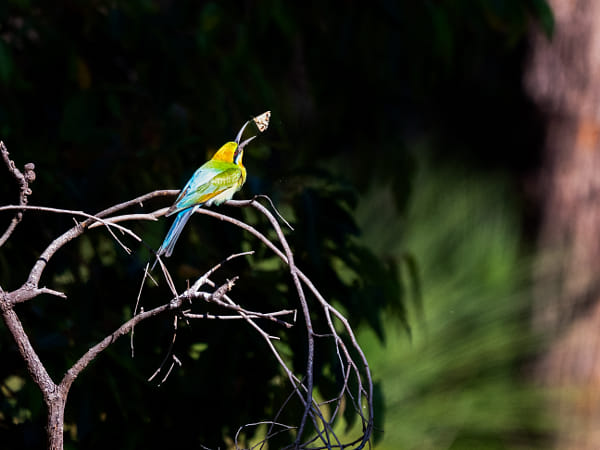
 

Birinbirin by Paul Amyes on 500px.com
A quick bite to eat for breakfast.


Photographically I tried something new. The Olympus EM1x has a feature called “Pro Capture”. On a half press of the shutter the camera buffers frames and when you fully depress the shutter saves them to the memory card. This way in theory you don’t miss a shot. There are two variations of this, a low speed one that allows autofocus with bird tracking and a high speed one that just has single AF on the press of the shutter. To use the low speed pro capture you need to use one of Olympus’ high end ‘Pro’ lenses which I have in shorter focal lengths but not as my birding lens. So I had to make do on this occasion with single AF high speed pro capture. I’ve never bothered with this feature before as I’ve felt that it wouldn’t really suit the conditions I normally work in. But, this time I envisioned taking a shot of a Rainbow Bee-eater taking off from its perch. I could set the camera up on a tripod, focus on the same place on the perch as the birds kept going back to the same spot over and over again. I set the camera to manual and selected a a shutter speed of 1/4000 to freeze the movement and an aperture of f8 to give a bit more depth of field. Then it was a case of just waiting and photographing the birds as they came and went. The down side to this method was that you go through batteries very quickly and the high speed pro capture shoots 60 fps so memory cards are filled up quickly meaning a lot of work at the editing stage. But I was happy with how it went for a first effort.
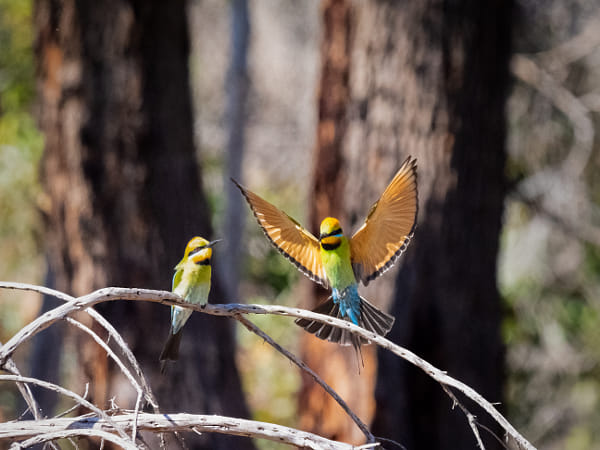
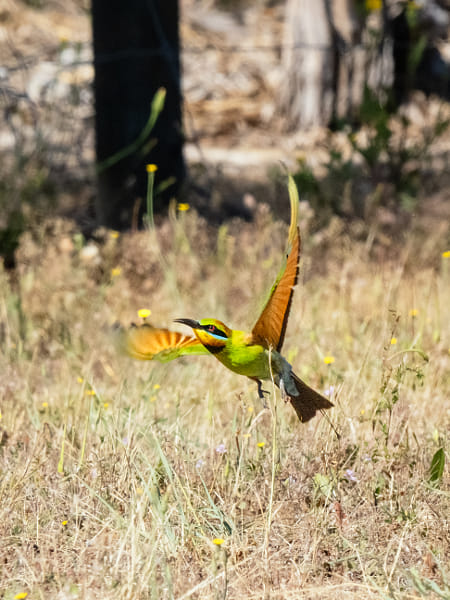
 

Birinbirin by Paul Amyes on 500px.com
Coming into land.


Birinbirin by Paul Amyes on 500px.com
Leaving the burrow.


On getting home I fired up Lightroom and looked at the memory cards. I’d taken 1261 photos. Just glancing at them enabled me to winnow them down to 110 photos which I imported into Lightroom.  Looking at the imported photos carefully to check critical focus at 100% I was able to select 36. Another look through looking a composition and I further reduced the selected photos down to 21. I then processed the photos and then looked at them carefully. They were then graded on a scale of 1 to 5 stars. Anything higher than 4 stars was selected and that gave me 8 final photos of which 4 are shown here.
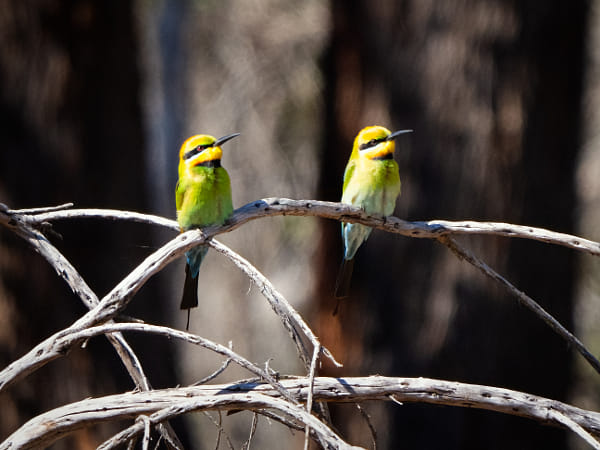
 

Birinbirin by Paul Amyes on 500px.com
The happy couple.


It’s A Knockout!!!

In the red corner we have…


the Rainbow Bee-eaters aka Merops ornatus


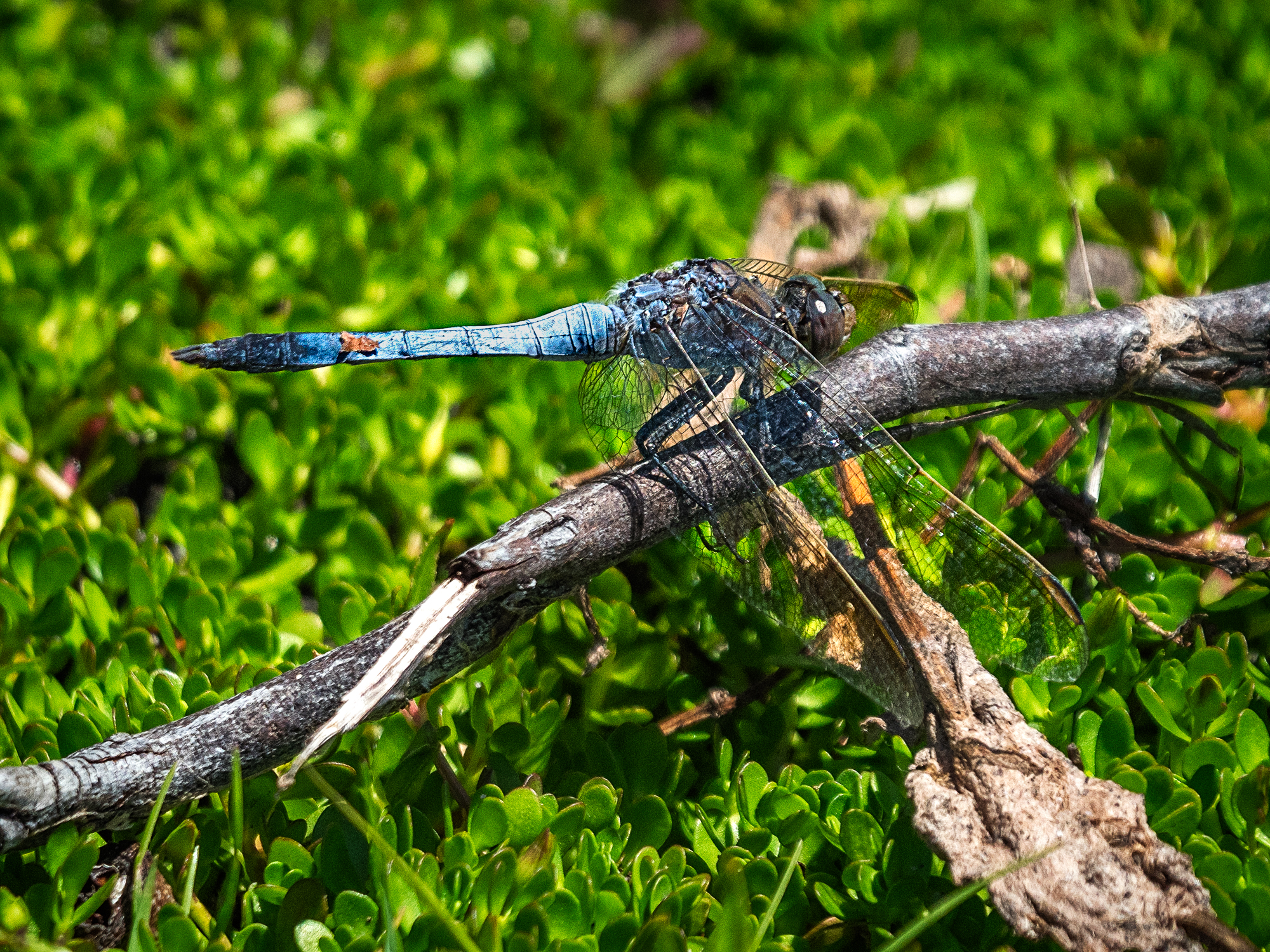
In the blue corner we have …


The Blue Skimmer aka Orthetrum caledonicum


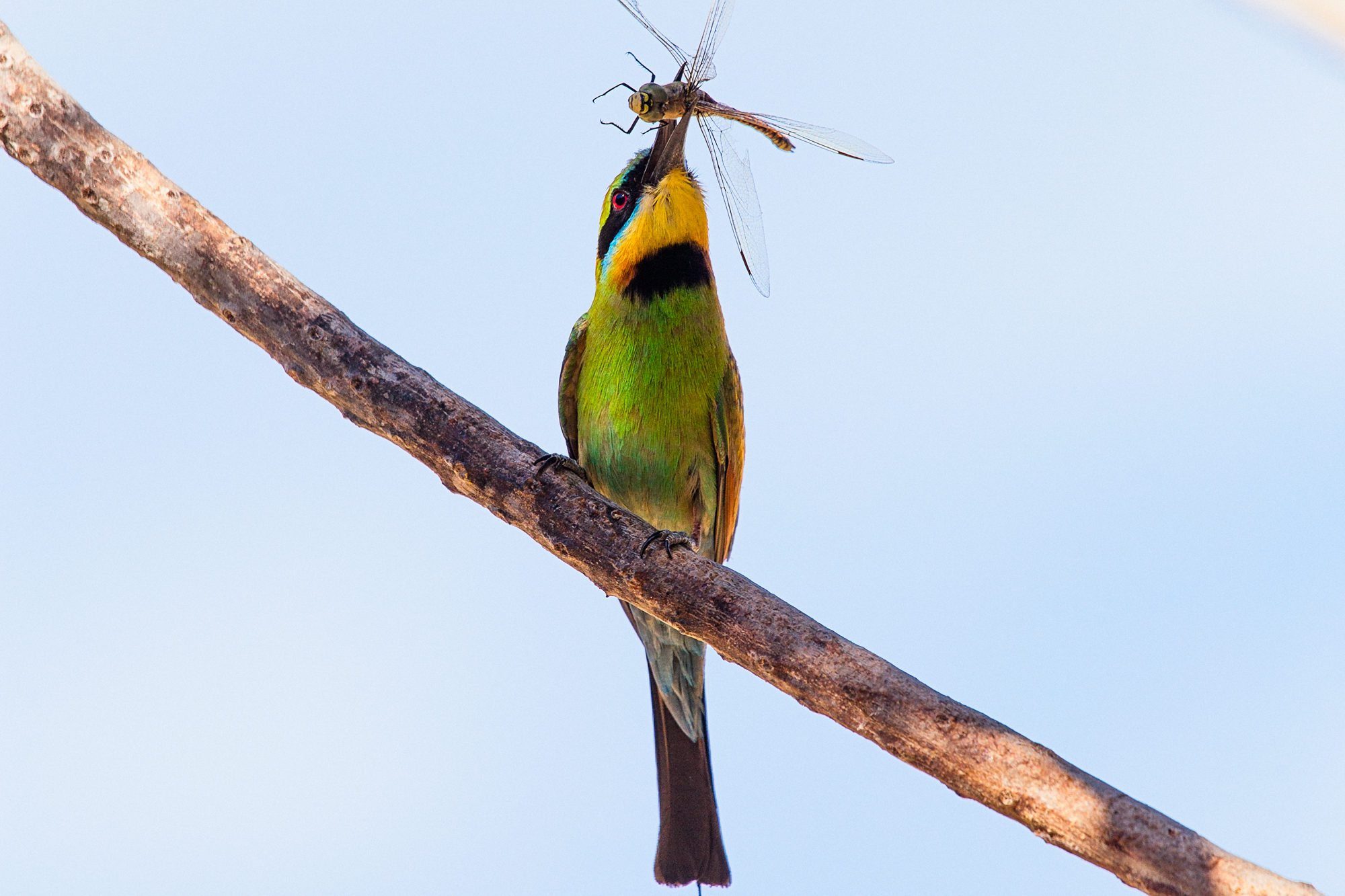
Well the Blue Skimmer walked into that one!


The Blue Skimmer is caught in a half Nelson


This is getting ugly fast!


The Rainbow Bee-eater gets the first fall.


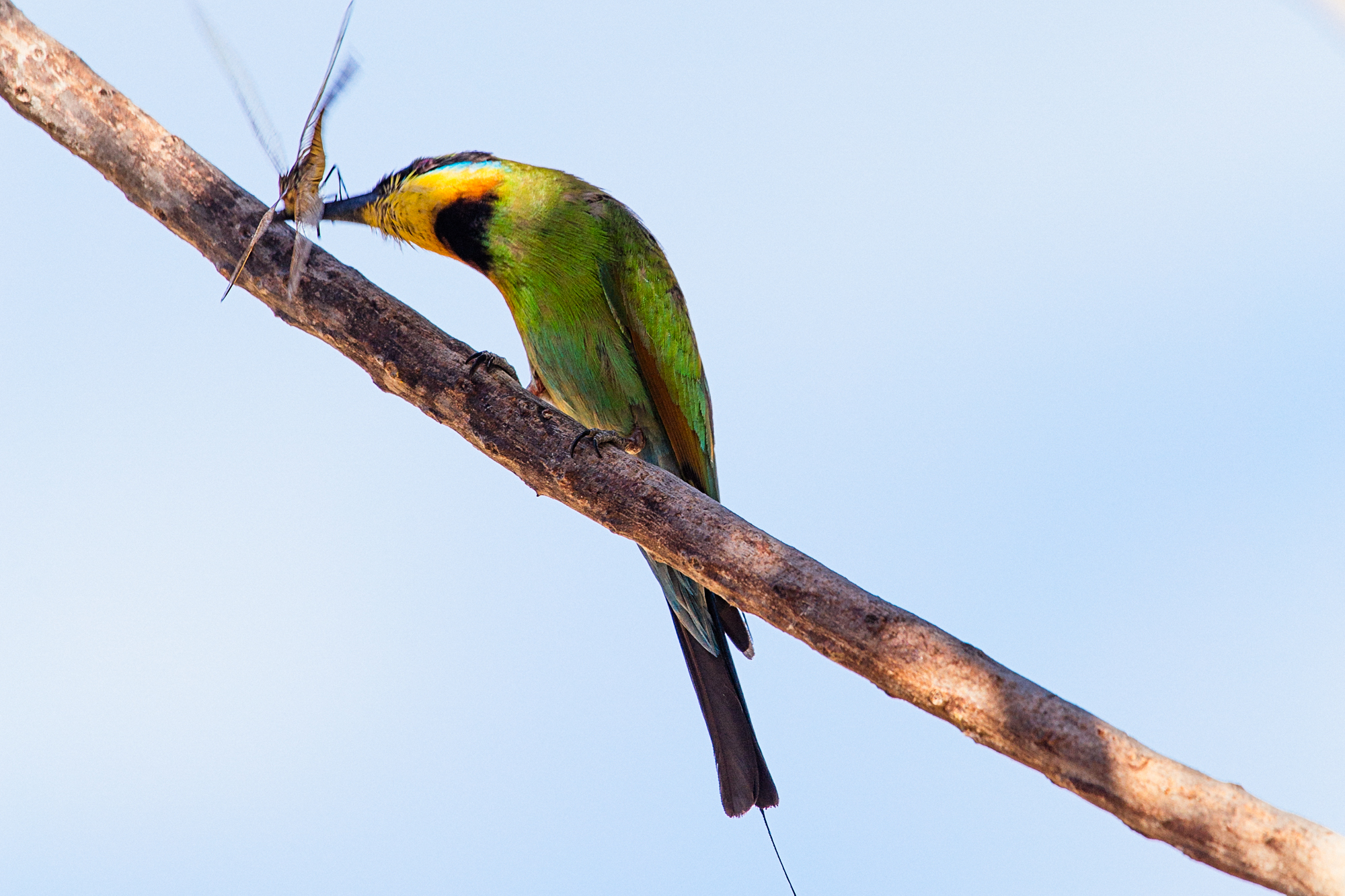
Looks like the Rainbow Bee-eater is going for the pile driver!


That’s got to hurt!


I don’t think there’s any way back from that move for the Blue Skimmer.


It’s all over folks!


It’s a knockout!!

Lake Gwelup


Lake Gwelup by Paul Amyes on 500px.com
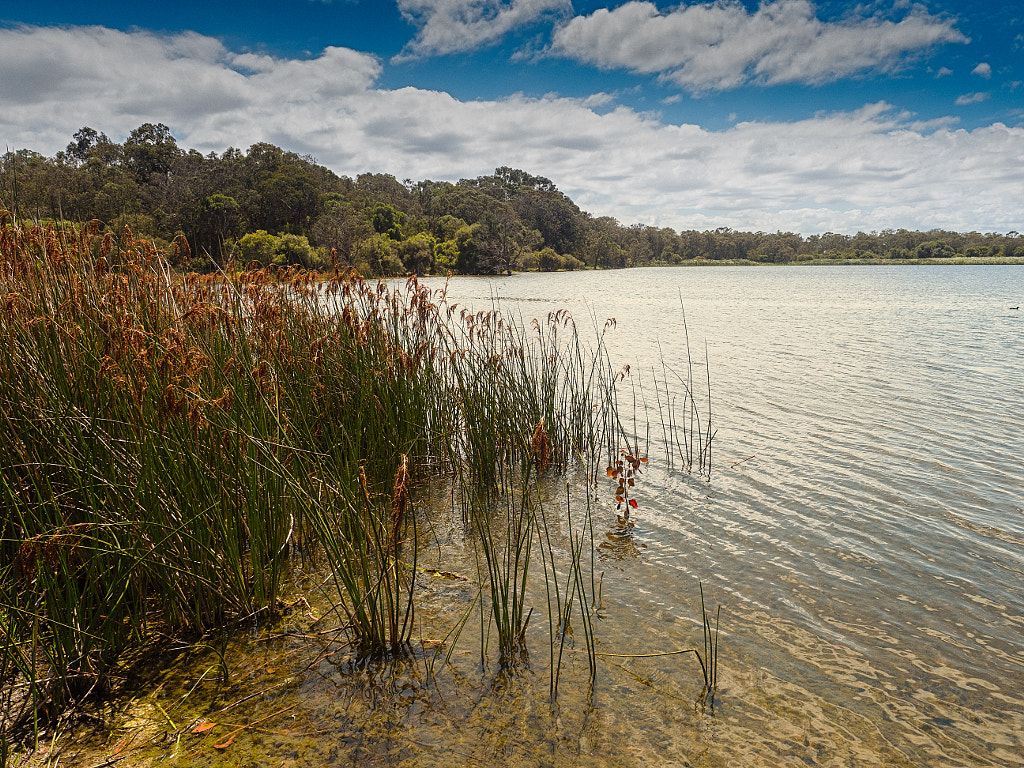
The south east bank of Lake Gwelup in Western Australia.


Lake Gwelup by Paul Amyes on 500px.com
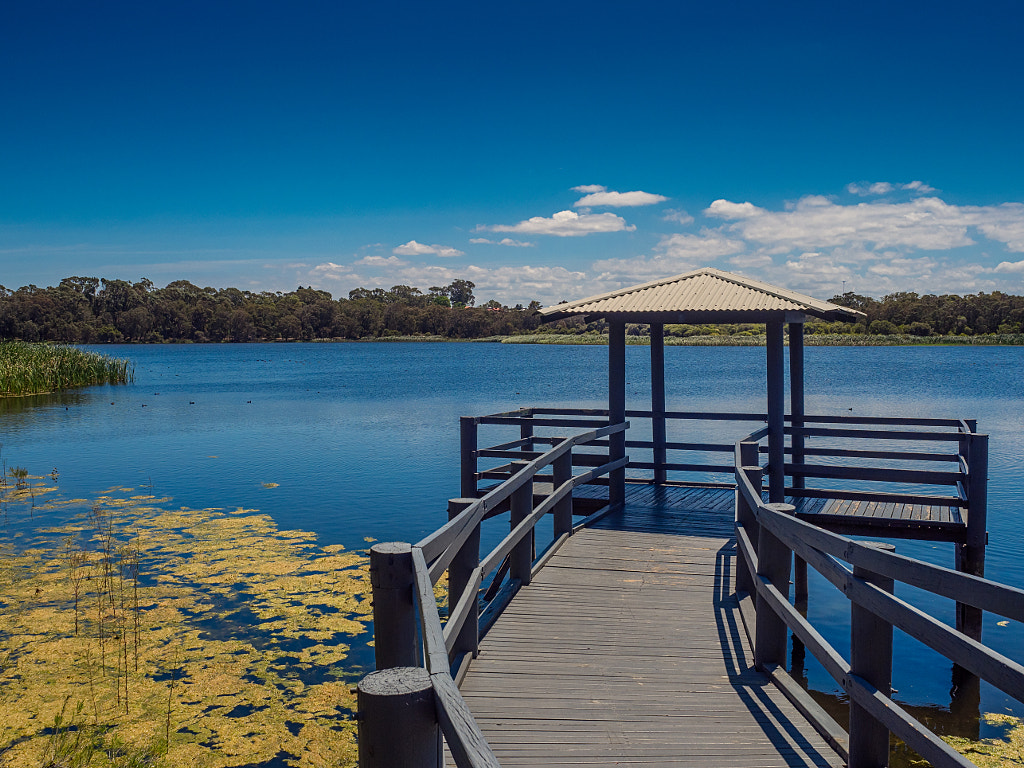
The bird observation platform that forms part of the Lake Gwelup Reserve Broadwalk on the south eastern shore of Lake Gwelup.


Lake Gwelup and the reserve that surrounds it is one of the few areas of wetland that is still relatively intact. This means that it is home to a wide variety of flora and fauna which is all the more surprising considering it is just 12 Km north of Perth’s CBD in the City of Stirling which with a population of 210,000 (2016 Census) is the largest local government area by population in Western Australia. The bush around the lake is comprised of Marri, Jarrah, Flooded Gum, Tuart (, Swamp Paperbark and several species of Banksia. The bush and the lake provided a habitat for birds (according to eBird Australia 110 species of bird have been sighted there), frogs (notably Moaning Frogs), and reptile species (e.g. dugites, skinks and long necked turtles). One of the strange facts that has prevented the land from being developed is that the peaty soils around the lake if disturbed release arsenic and iron sulphates. In the areas nearby that have been drained and reclaimed they have the highest concentrations of dissolved arsenic in the world – some 25000 ug/L (some 400 times higher than that identified as safe levels for drinking water).


Swamp Paperbark Flowers by Paul Amyes on 500px.com
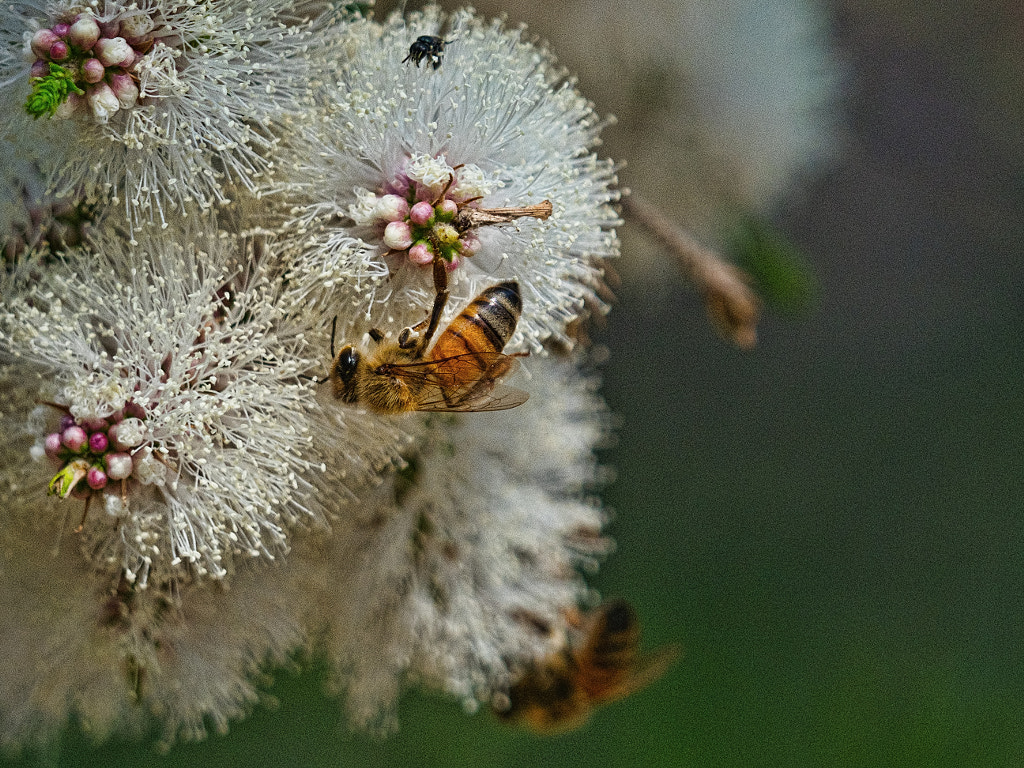
Bees feeding on the flowers of the Swamp Paperbark (Melaleuca rhaphiophylla). Lake Gwelup Reserve, Western Australia.


Blue-billed Duck by Paul Amyes on 500px.com
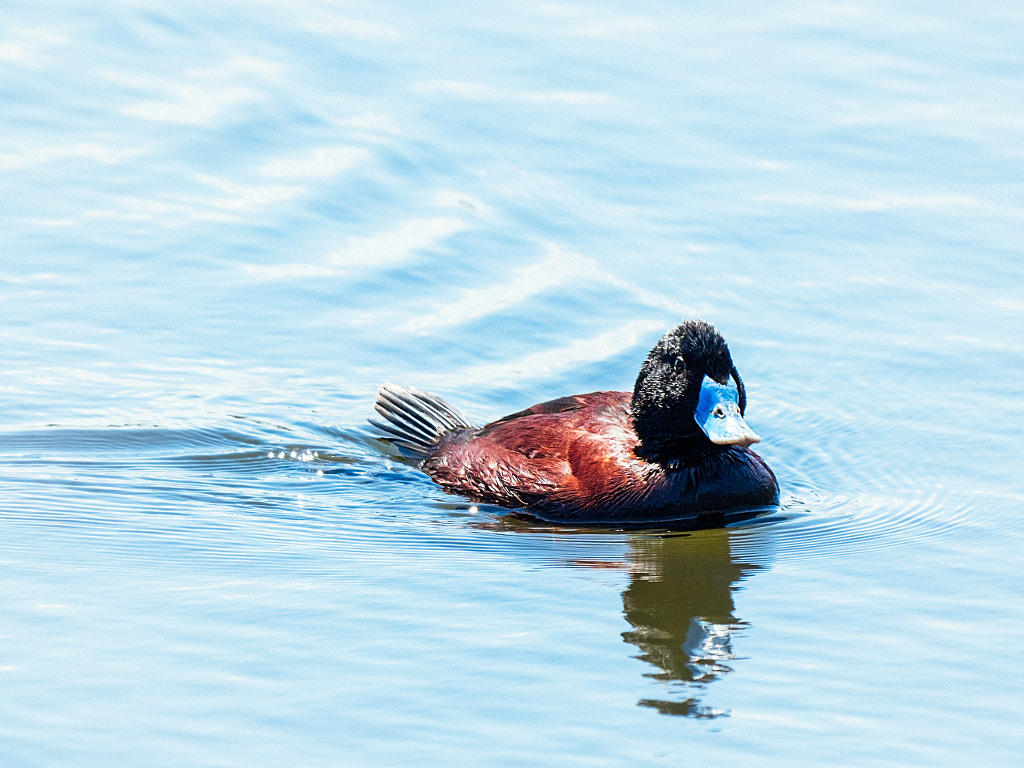
A male Blue-billed Duck (Oxyura australis) on Lake Gwelup in Western Australia.


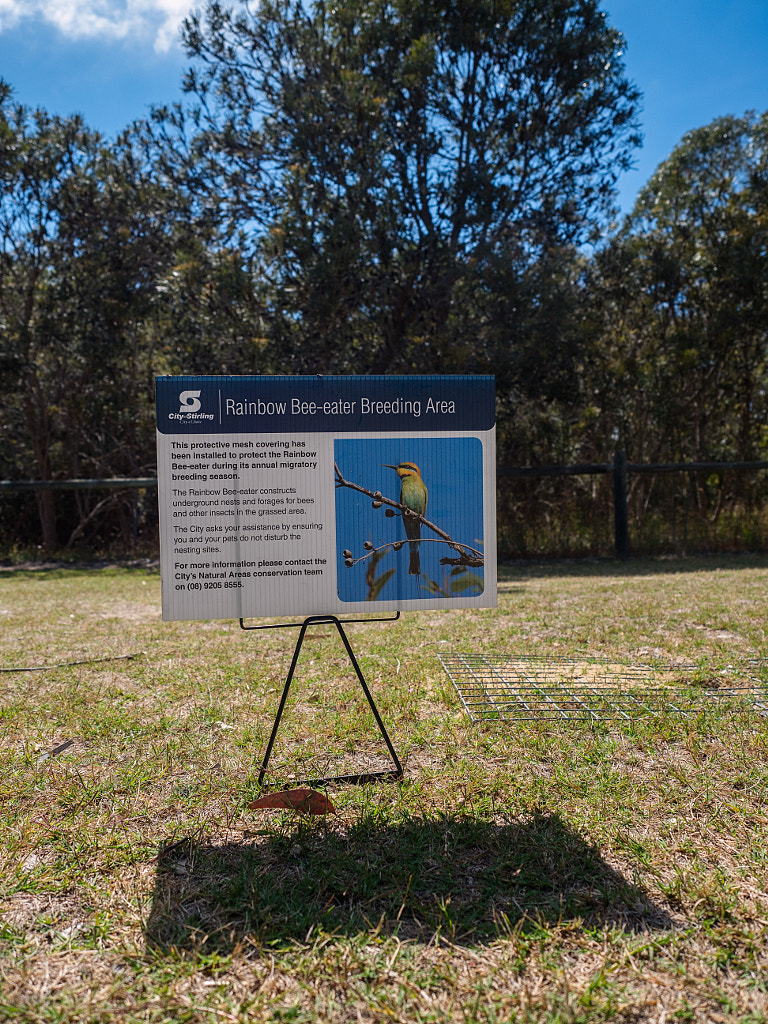
So what is there to see and do? Well there is a networks of paths around the lake and through the surrounding bushland and you can bring your best canine friend with you. There are BBQ’s and picnic shelters, public bathrooms, sail-shaded playground, sporting grounds and cricket nets for those who don’t feel the need to connect with nature. For those wanting a nature fix on the southern side is a broad walk and viewing platform that allows you to get up lose and personal with the wildlife. An interesting development is that the bush northwest of the lake is a breeding ground for Rainbow Bee-eaters. These migratory birds come from Papua New Guinea and Tropical Australia and build their nesting burrows in our summer time.  The City of Stirling has taken measures to protect the nesting sites and at the same time promote them as a feature of the reserve encouraging people to come and see them. Something that the City of Armadale could learn from with their management of Forrestdale Lake. Conservation and protection doesn’t mean you have to fence people out. So when I went the other week I put together a 3.75 Km walk around the lake that also took in the Rainbow Bee-eater nesting site. It was a loverly walk and it was great to see people out enjoying the sunshine in such beautiful surroundings.


Rainbow Bee-eater by Paul Amyes on 500px.com

The breeding colony of Rainbow Bee-eaters (Merops ornatus) is quite a feature of the Lake Gwelup Reserve in Western Australia.


Rainbow Bee-eater by Paul Amyes on 500px.com
The City of Stirling, who administer Lake Gwelup Reserve, place signage up warning people of the presence of Rainbow Bee-eaters’ underground nests.


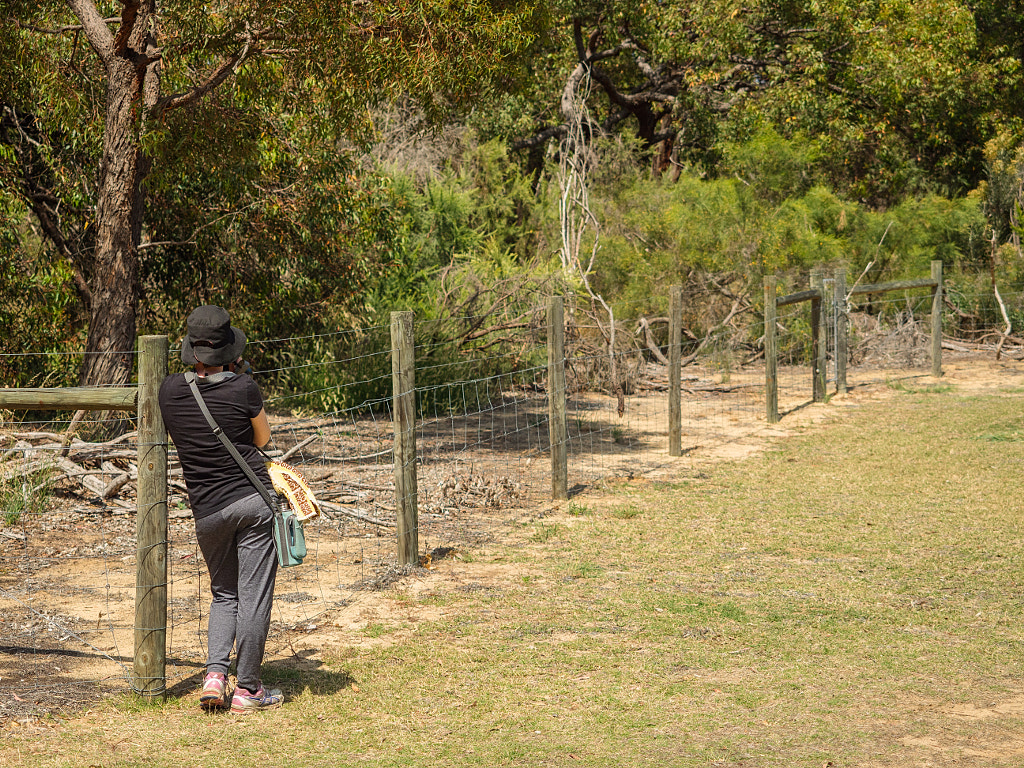
Birding by Paul Amyes on 500px.com