“A Wonderful Bird…

… is the pelican

His bill will hold more than his belican,

He can take in his beak

Food enough for a week

But I’m damned if I see how the helican.”

 Dixon Lanier Merrit, 1910 
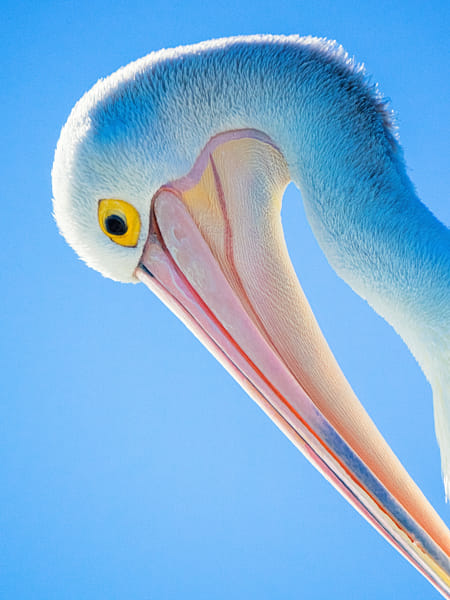
 

Boodalang by Paul Amyes on 500px.com
Boodalang is the Nyoongar name for the Australian Pelican (Pelecanus conspicillatus). Woodman Point, Western Australia.


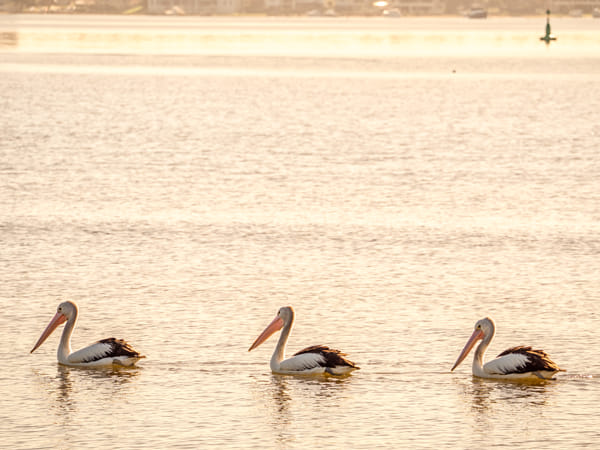
Point Walter - Blackwall Reach Walk by Paul Amyes on 500px.com
A trio of Australian pelicans swimming in formation off Point Walter on the Swan River.


The Australian Pelican is a familiar sight and can be found in waterways and coastal areas all around Australia. Basically where there are fish there are pelicans. I’m sure that I’m not alone in being slightly amused by the sight of them. That large beak and pouch looks somewhat comical and birds that size shouldn’t really be able to fly – how do they get airborne? 
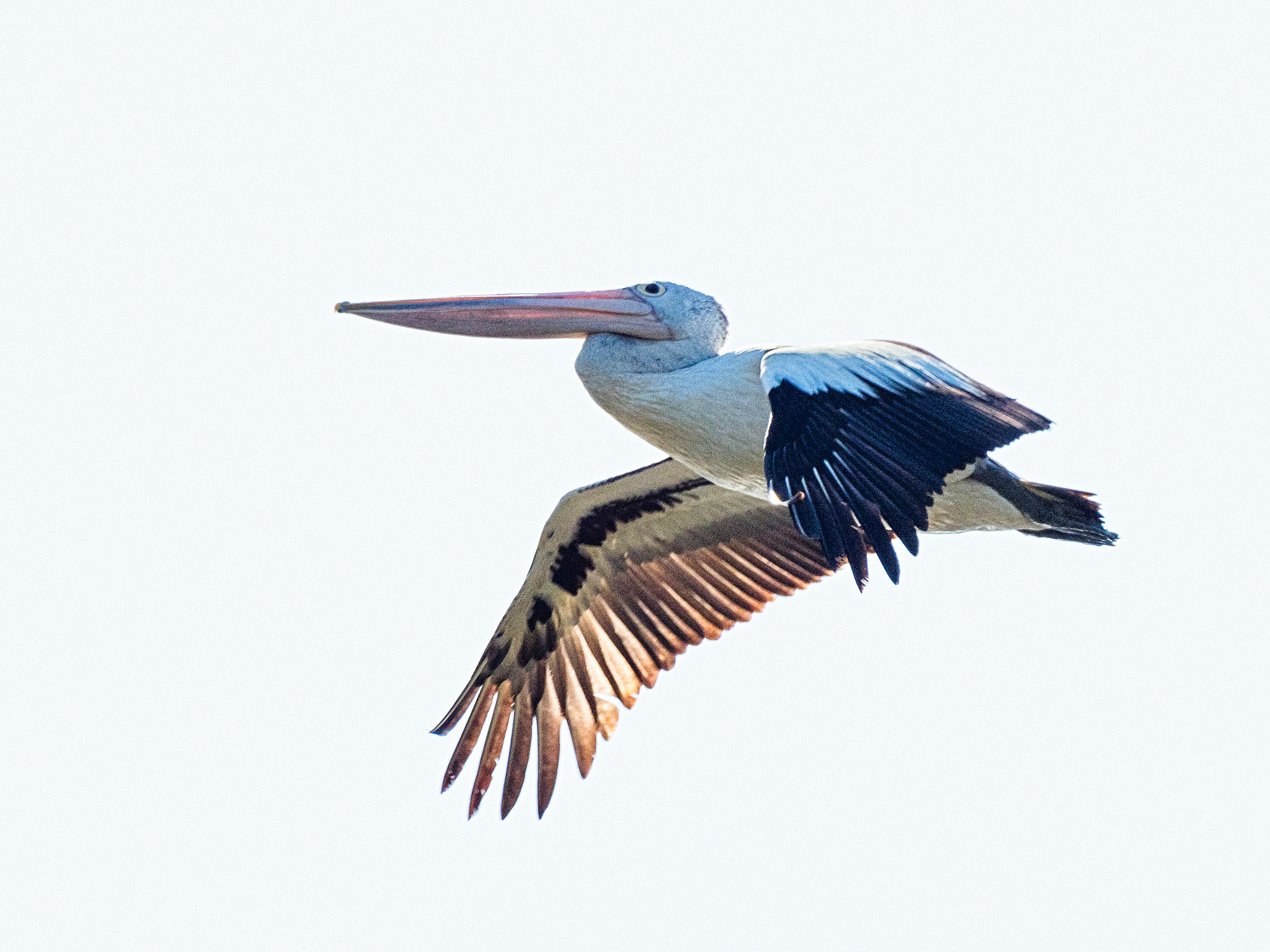
 

Australian Pelican by Paul Amyes on 500px.com
Australian Pelican, Pelecanus conspicillatus, Lake Seppings, Western Australia.


Australian pelicans are the second largest flying bird in Australia, only the brolga is bigger. Although on the small size compared to other pelican species the Aussie comes in 4-13Kg (males are larger than females) and have a wing span of up to 2.5m. That’s a lot of bird. That bill is the largest of any bird measuring up to 50cm in length. They are highly evolved animals that owe their success to a number of strange features. 
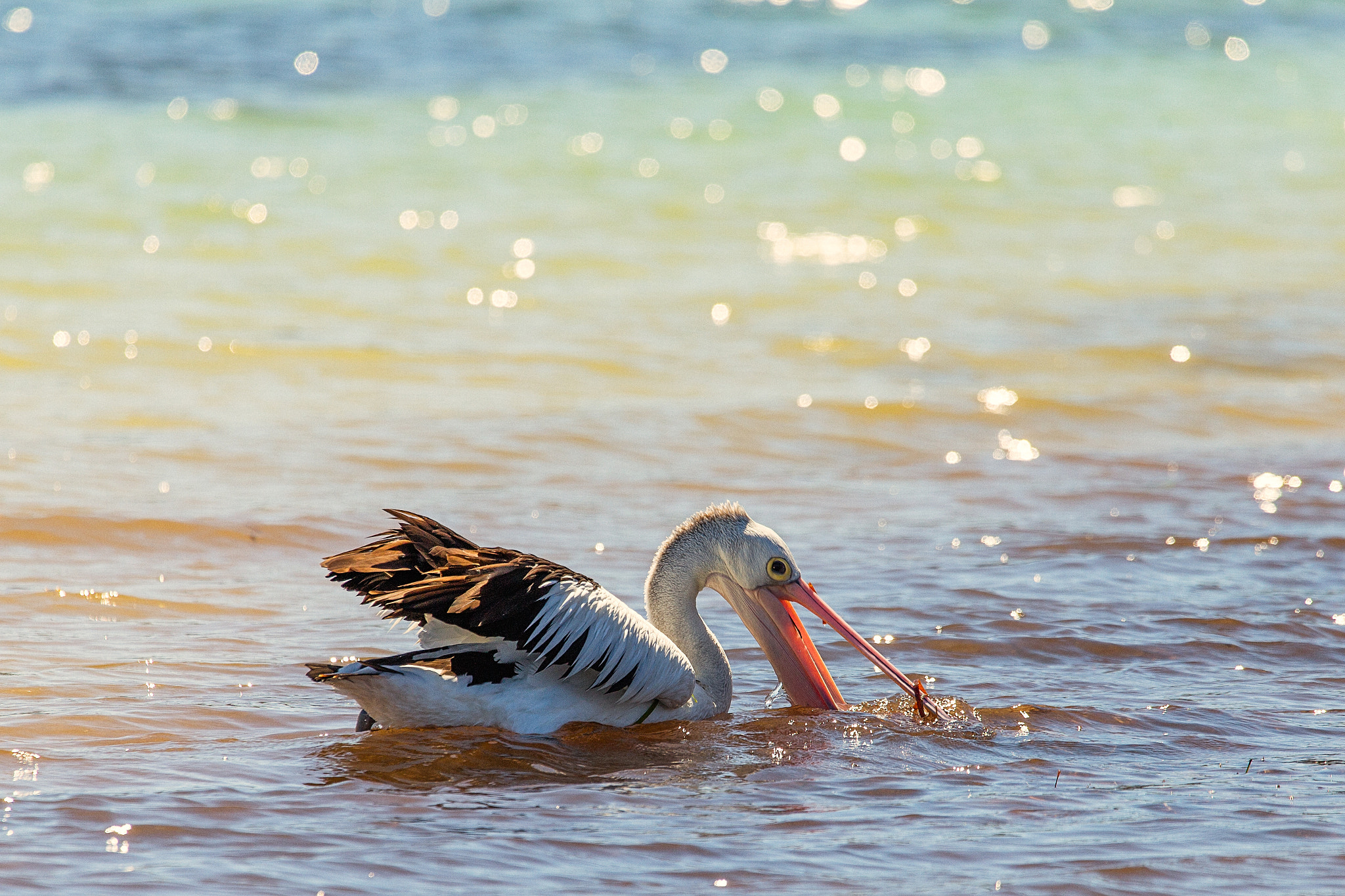
 

Boodelong by Paul Amyes on 500px.com
Trawling at Two Peoples Bay, Western Australia.


That distinctive bill and pouch is not for storing fish to eat later, but is rather used as a net to trap fish and other marine life. As the pelican trawls the pouch can hold up to 13 litres of water and food. When it is time to eat the bird lifts its bill out of the water and pushes it against its chest to expel the water and then it flips its prey around so that it can be swallowed head first. They don’t just eat marine life, they will eat small ducks, seagulls and small mammals. They will even steal the fish that other birds, such as ospreys, have caught. In all an adult pelican will eat up to 2Kg of fish a day. On a hot day the pouch is also used as a cooling system – the bird swings it about to cool down.
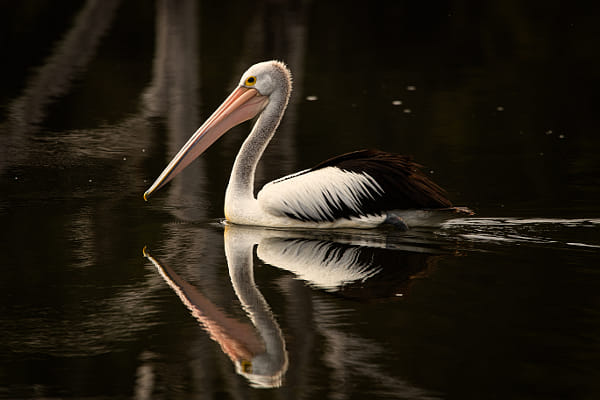
 

Australian Pelican by Paul Amyes on 500px.com
Effortlessly swimming along the Serpentine River in Mandurah, Western Australia.


Despite their size they have a light weight skeleton that has air pockets. This means that it weighs less than 10% of the total body weight which enables them to fly and remain buoyant in water. They also have a number of air cells under their skin which are connected to the respiratory system and act as floats. This gives the pelican the ability to float with very little of its body below the surface of the water which has the effect of minimising energy expenditure when swimming. 
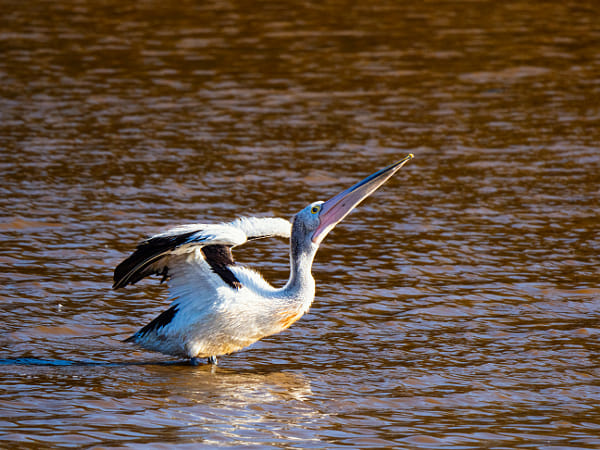
 

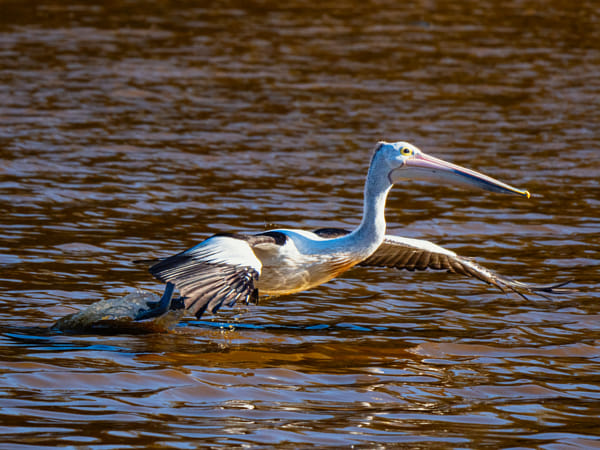
Boodalang by Paul Amyes on 500px.com
Getting ready. Alcoa Wellard Wetlands, Western Australia.


Boodalang by Paul Amyes on 500px.com
“We’re off!”


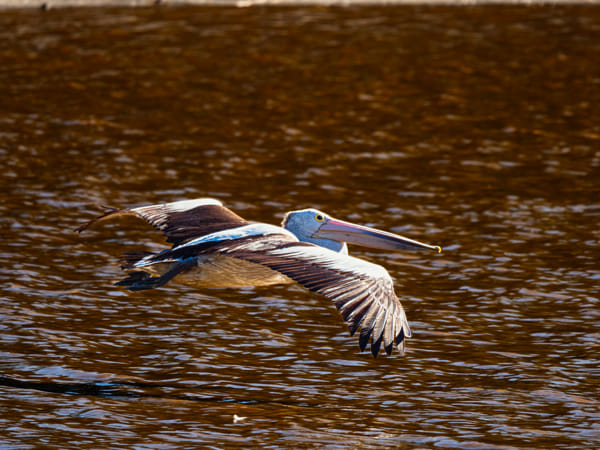
Boodalang by Paul Amyes on 500px.com


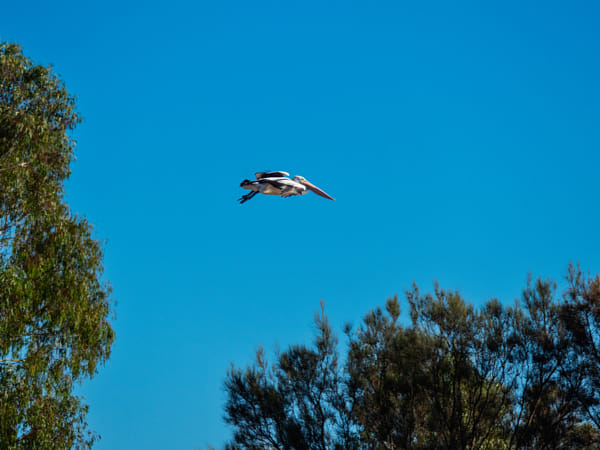
Boodalang by Paul Amyes on 500px.com
Heading home.


Perhaps the most amazing facts about the Australian pelican are when it comes to flight. Their large wings enable them to soar on thermal currents at altitudes up to 3000m and they can stay airborne like this for up to 24 hours. It makes for an incredibly efficient means of flying. When taking off a pelican will often fly incredibly low over water – they almost skim the surface. By this they take advantage of the “ground effect” which reduces drag and increases lift. The air flows between the wings and the water’s surface where it is compressed and exerts a strong upward force pushing the bird up and this again minimises the amount of energy expended. This energy efficiency is important because an adult pelican will often commute from its nesting site 150Km to find food.
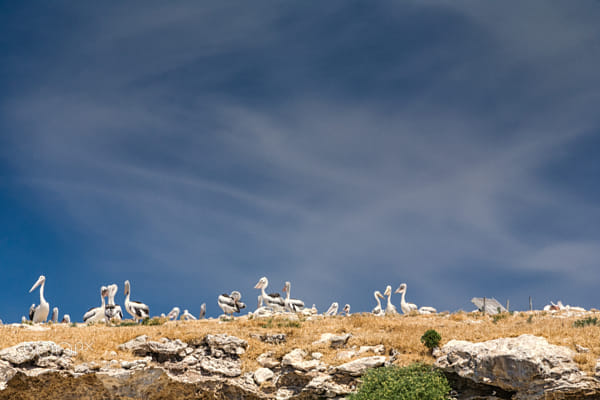
 

Penguin Island by Paul Amyes on 500px.com
Nearly a thousand Australian pelicans use Penguin Island as a nesting site and breeding colony.


The Australian pelican maybe cut a comical figure, but they look like that for very specific reasons.

Missing Wildlife

Recently we had a few days in Albany on the south coast of Western Australia. The opportunity to experience a 10ºC drop in temperature was too good to miss. I wanted to go and visit an Eastern Osprey nest that I’ve visited before. When I got there it was obvious that the nest had not been used for a while. This can happen for a number of reasons – the obvious is that the birds got old and died. But there maybe other reasons such as too much competition for food resources caused them to relocate. Also the tree that they’d built the nest in was no longer the best vantage point, other trees had grown around it obscuring the view. Who knows why they up and went but it does illustrate the fact that where wildlife is concerned nothing is guaranteed.

We headed out to a new location – a bird hide out at Rushy Point. Nice location but nothing was happening. Things were beginning to get a bit desperate. As we drove around there were all these road hazard signs warning about wildlife and yet we were’t seeing anything. By the last day I was feeling decidedly jacked off. It was a grotty day weather wise – windy with intermittent rain.


Warning – kangaroos. Albany, Western Australia.


Warning – turtles. Albany, Western Australia.


Warning – bandicoots. Albany, Western Australia.


Warning – pensioners. Albany, Western Australia.


Come the afternoon we were sitting around killing time and I just wanted to get out and have a walk. Despite the weather I headed off to Lake Seppings just to walk around it as something to do. Out of habit I picked up my camera and took it with me. When I got out of the car I received a very enthusiastic welcome from a lady in the carpark wanting to know if I was there to photography the blue billed ducks. I said I would photograph anything that showed up and stood still long enough. I set out with very little expectation of finding anything worth pointing the camera when almost immediately I saw some blue ducks. I always have a feeling of anxiety when I go out to photograph, a fear of not finding anything. Getting the first image under my belt and breaking the duck (sorry about the pun) helps me relax and enjoy myself. I knew the shots wouldn’t be any great shakes, it was just important to get the process underway.Two hours I got back to the car, wet but happy that I’d seen some wildlife and managed to photograph it.


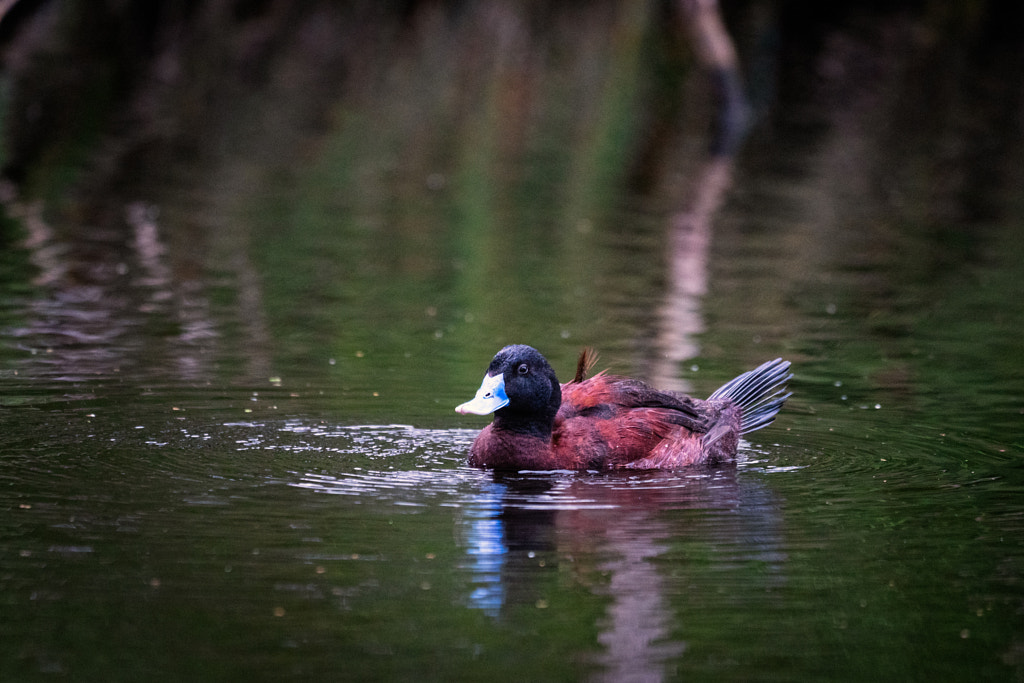
Boodoo by Paul Amyes on 500px.com
Boodoo or Blue-billed Duck (Oxyura australis). Lake Seppings, Western Australia.


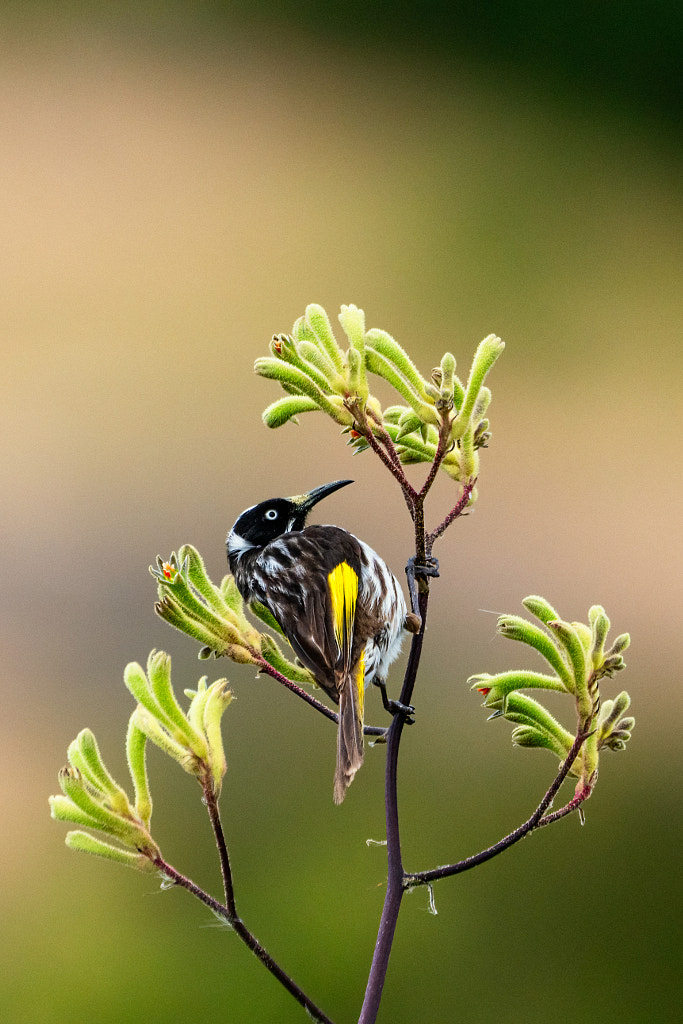
Bandiny. by Paul Amyes on 500px.com

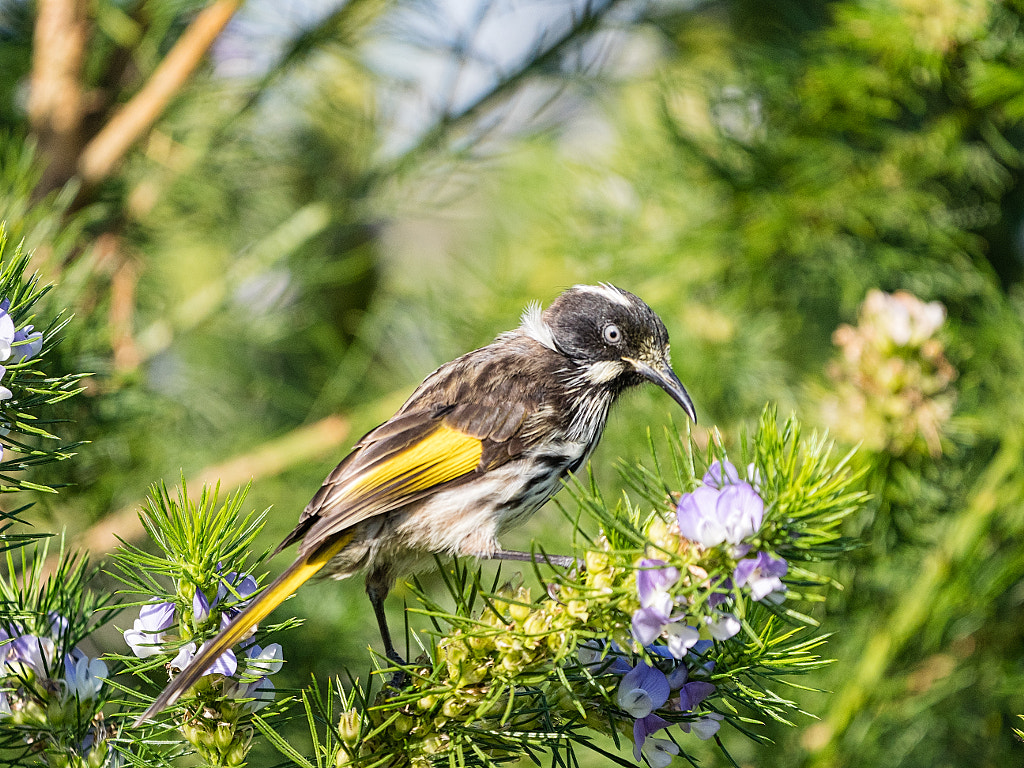
Bandiny or New Holland Honeyeater, (Phylidonyris novaehollandiae). Lake Seppings, Western Australia.


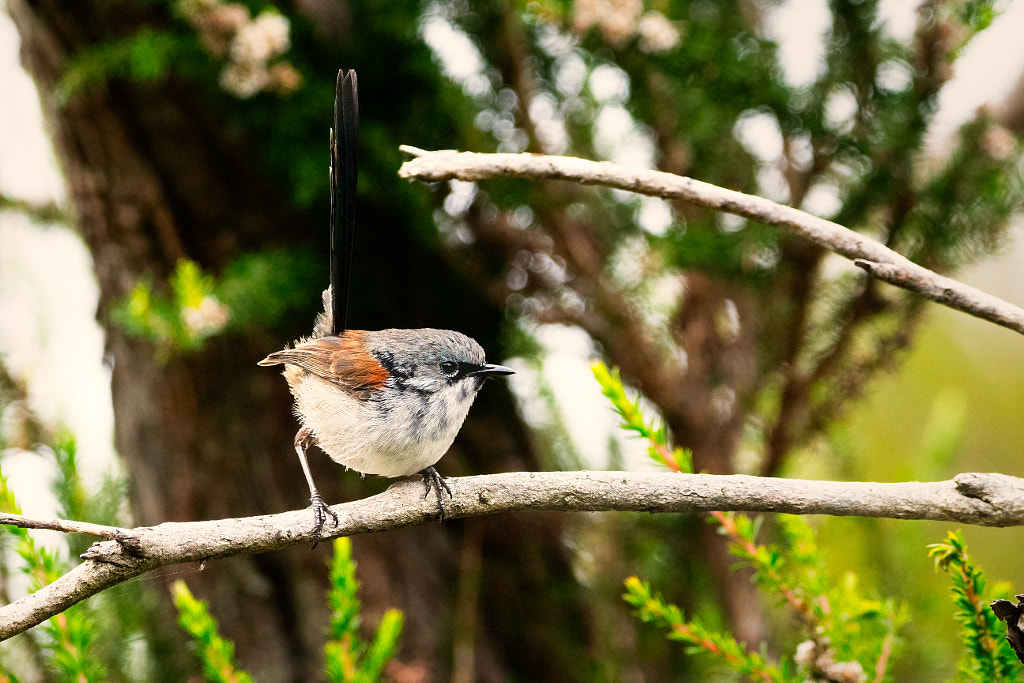
Djoordjilya by Paul Amyes on 500px.com
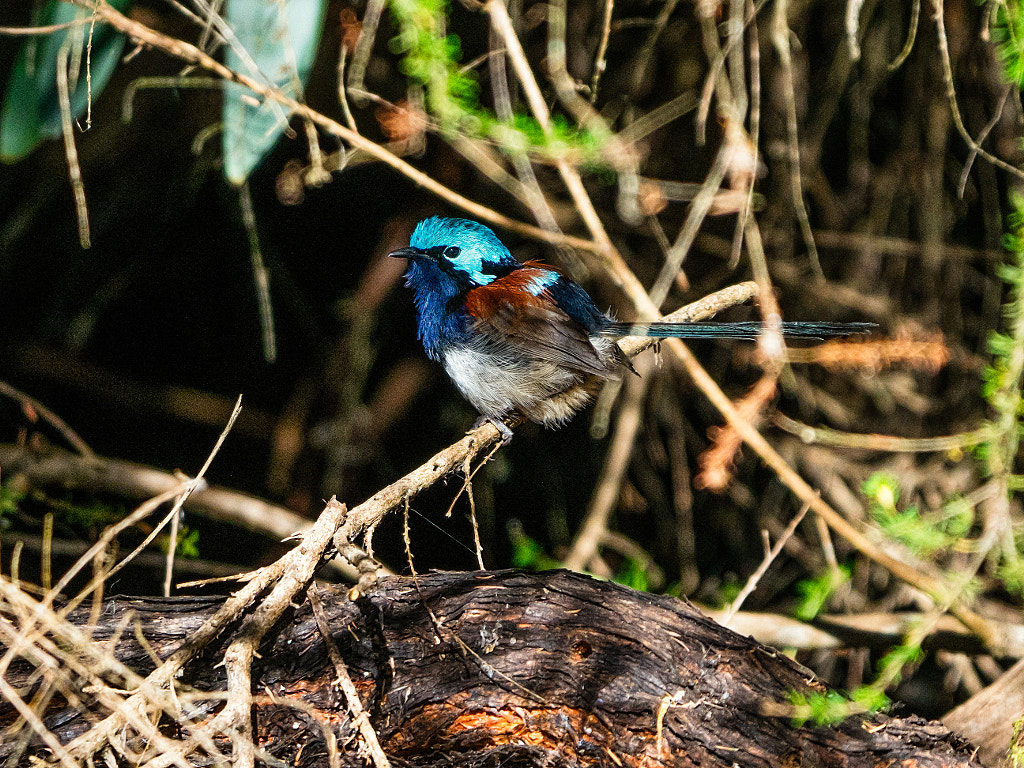
An immature male Red-winged fairywren (Malarus elegans), called Djoordilya by the Nyoongar of south west Western Australia. Lake Seppings, Western Australia.


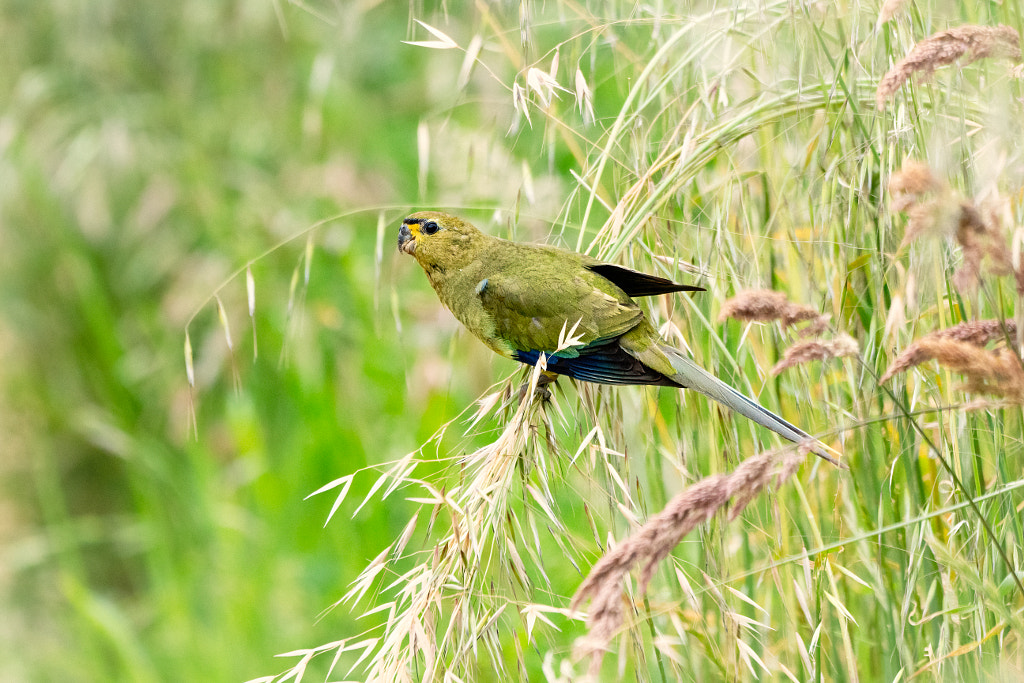
Koolyidarang by Paul Amyes on 500px.com

Koolyidarang or Elegant Parrot (Neophema elegans). Lake Seppings, Western Australia.


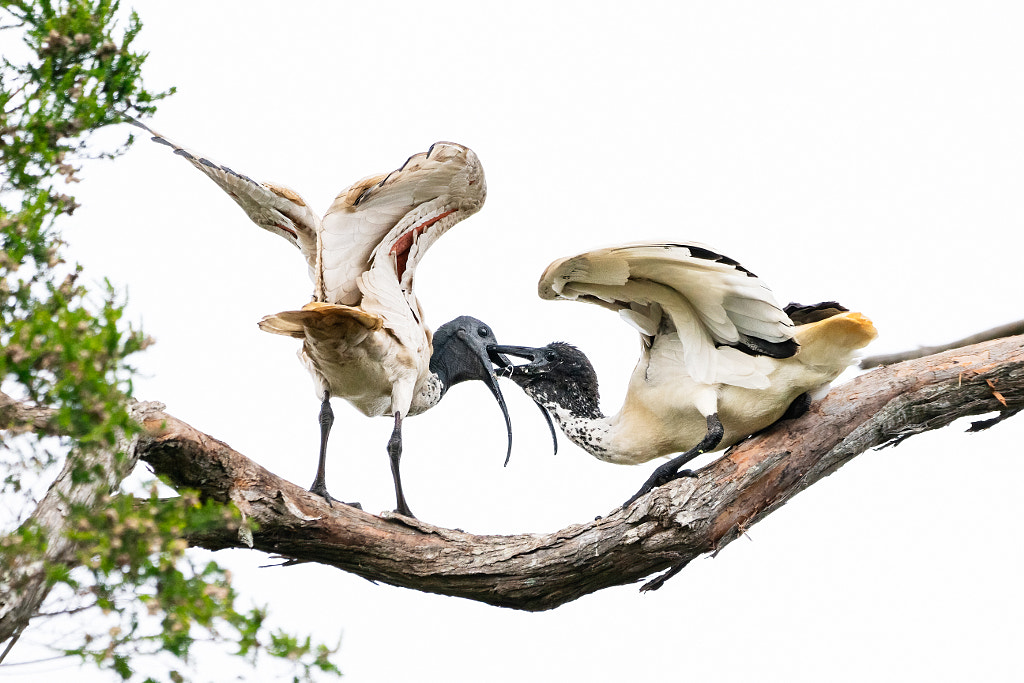
 Ngalkaning by Paul Amyes on 500px.com

An adult Australian white ibis (Threskioris molucca) feeding a juvenile. Lake Seppings, Western Australia.


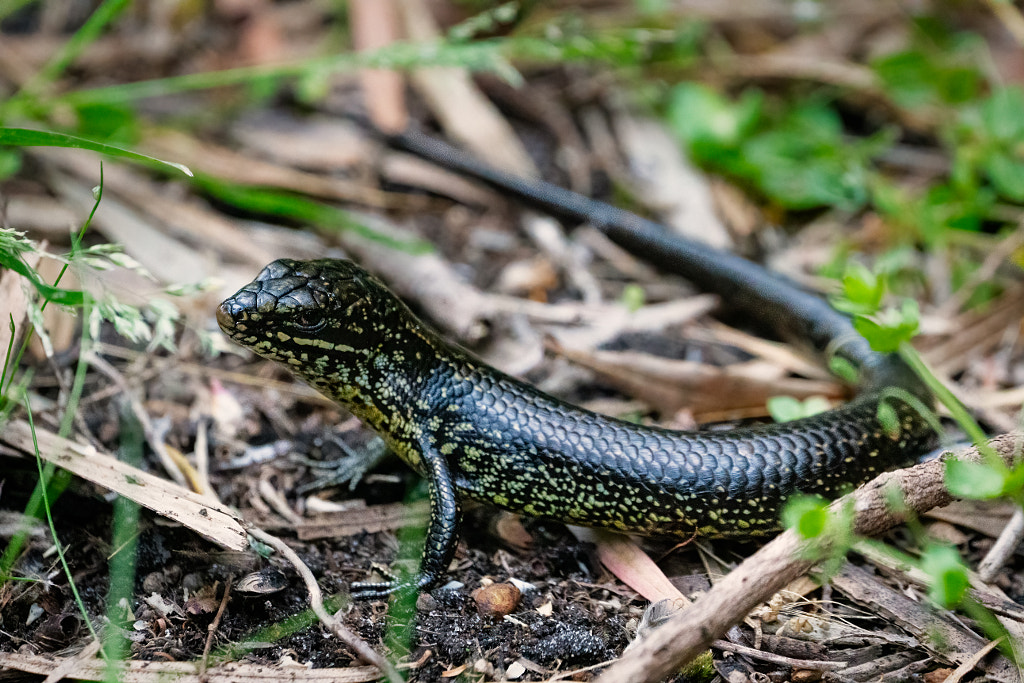
Wandy by Paul Amyes on 500px.com

Wandy or King’s Skink (Egernia kingii). Lake Seppings, Western Australia.


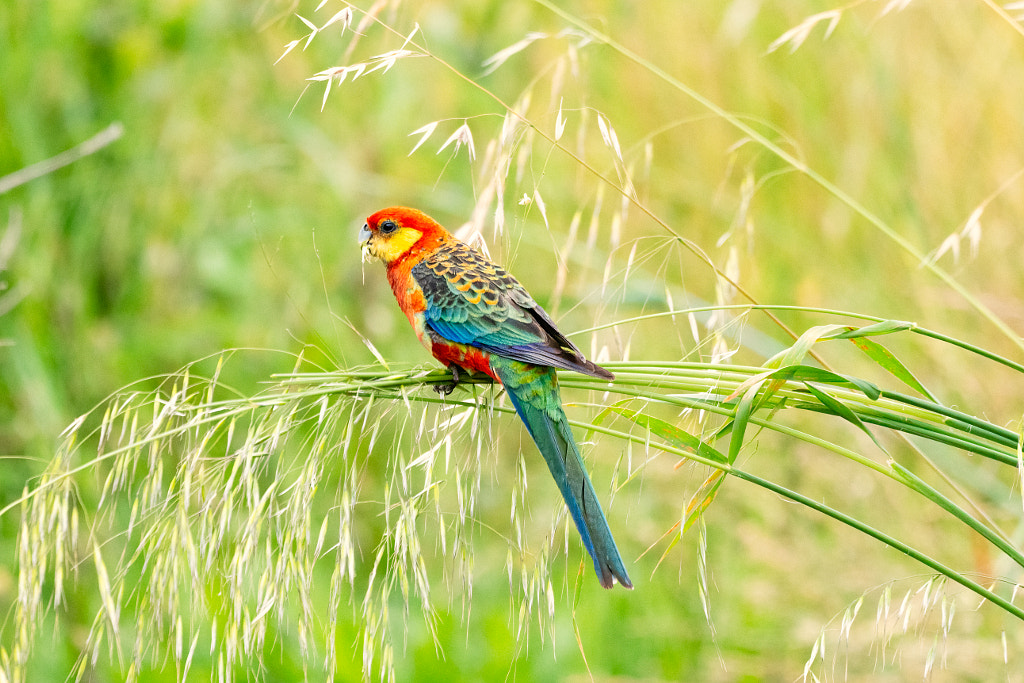
Bardinar by Paul Amyes on 500px.com

Bardinar or Western Rosella (Platycercus icterotis subs icteratis). Lake Seppings, Western Australia.


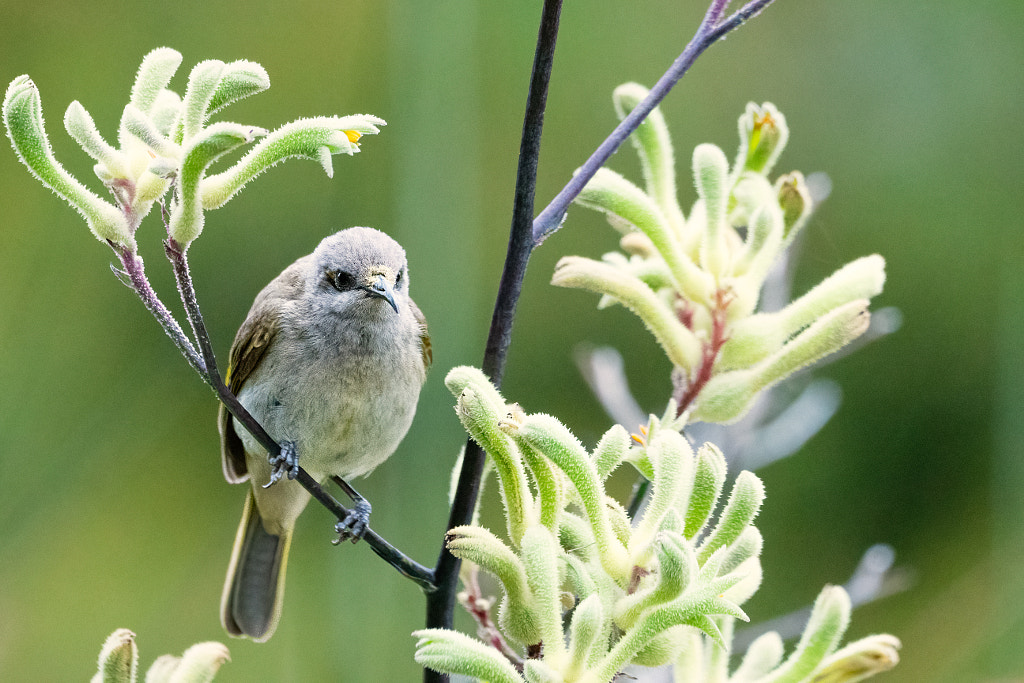
Djindjokoor by Paul Amyes on 500px.com

Djindjokoor or Brown Honeyeater (Lichmera indistincta). Lake Seppings, Western Australia.

Anastasis

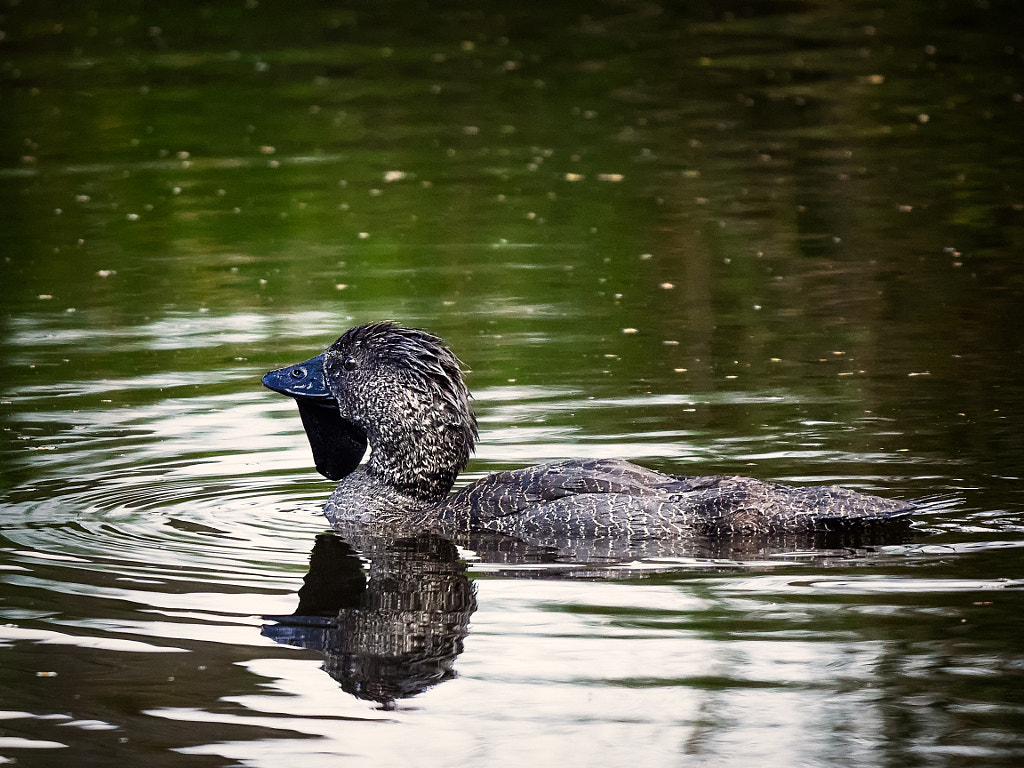
190206-Albany-0248-Edit.jpg by Paul Amyes on 500px.com
Male Musk duck (Biziura labata) at Lake Seppings, Albany, Western Australia. Olympus OMD EM1 mk ii with Panasonic Leica 100-400mm f/4-6.3 lens. Exposure: 1/1000 sec, f6.3, ISO 1600 with +0.7 stops exposure compensation


Anastasis –  from Ancient Greek ἀνάστασις (anástasis, “resurrection”).

A funny name for a blog post about Lake Seppings in Albany, Western Australia, but it does describe what happened.


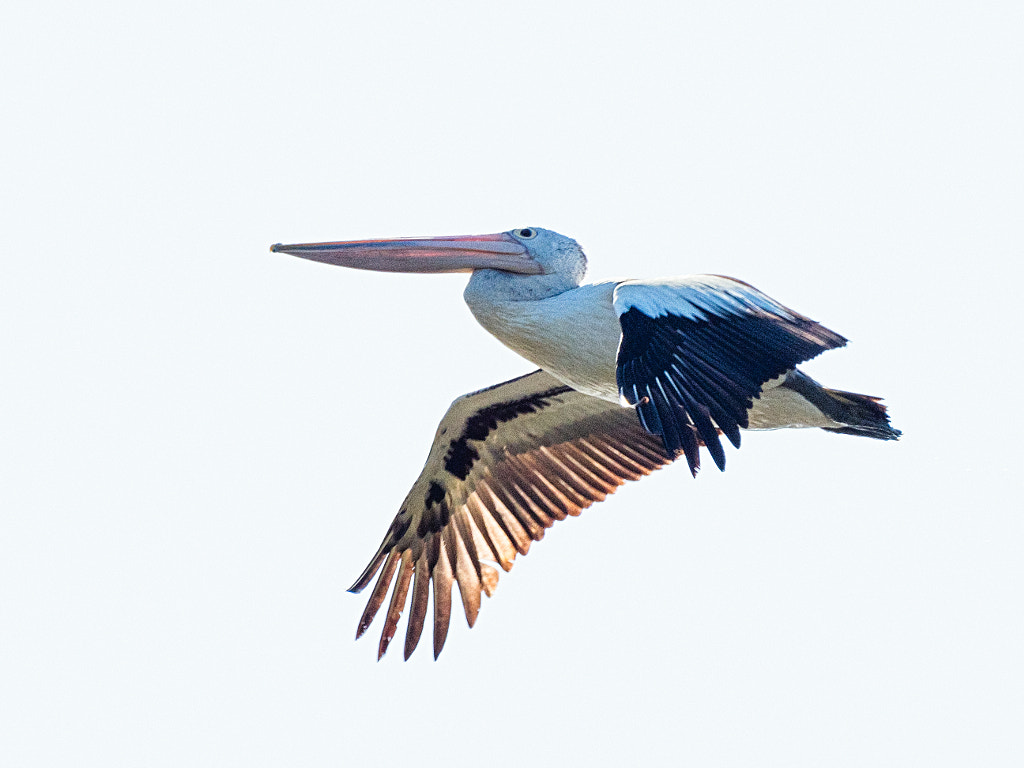
20191228-Albany-0257-Edit.jpg by Paul Amyes on 500px.com
Australian Pelican, Pelecanus conspicillatus, Lake Seppings, Western Australia. Olympus OMD EM1 mk ii with Panasonic Leica 100-400mm f4-6.3 lens. Exposure 1/1000, f10, ISO 200.


Way back in the Nyittiny (creation times) the spirit Djrat walked on the earth and created south coast of Western Australia and as he walked he left a footprint which filled with water and created a freshwater lake 1.1 Km long and 400m wide. The Minang group of the Nyoongar called this place Tjuirtgellong or “place of the long necked turtle” which was an important food source for them in the summer months. The lake was surrounded by a variety of vegetation. Fringing the lake are bullrushes, sedges, and reeds reeds. Further back were Western Australian peppermint trees, spearwoods, paperbarks, native willows, wattles, banksias and melaleuca. All this provided habitat  for over 100 different bird species including Australian white ibis, yellow-billed spoonbil,  white-faced heron, blue-billed duck, musk duck, black swan, hoary-headed grebe, Australian pelican, Eurasian coot, spotless crake, masked lapwing, dusky moorhen, purple swamphen and buff-banded rail. 


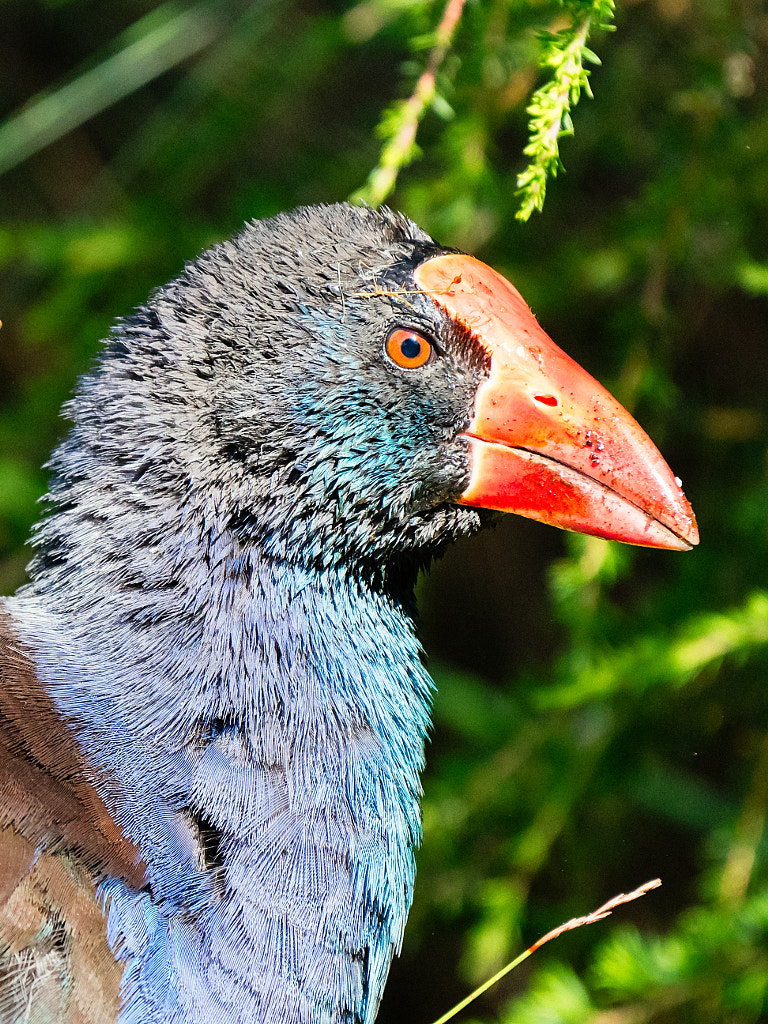
Purple swamp hen by Paul Amyes on 500px.com
Purple swamp hen, Porphyrio porphyrio, Lake Seppings, Western Australia. Olympus OMD EM1 mk ii with Panasonic Leica 100-400mm f4-6.3 lens. Exposure: 1/1000 sec, f6.3 at ISO 2000.


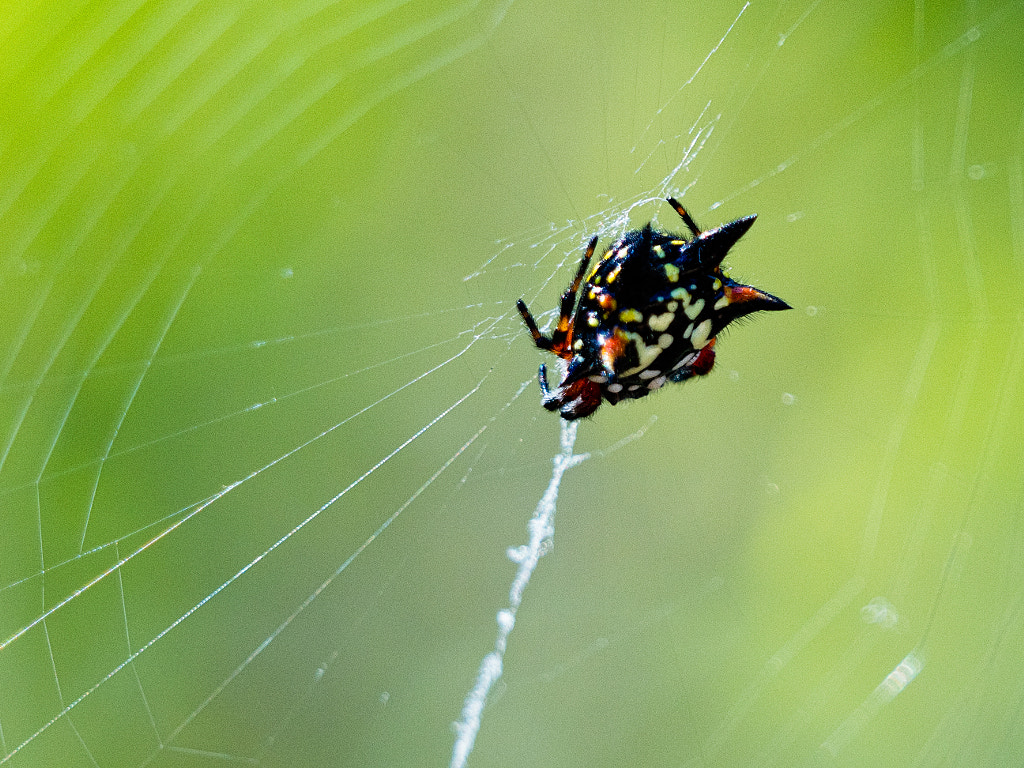
20191228-Albany-0277-Edit.jpg by Paul Amyes on 500px.com
Jewel spiders (Austracantha minax) are often called Christmas spiders as they are commonly found during December and January. Lake Seppings, Western Australia. Olympus OMD EM1 mk ii with Panasonic Leica 100-400mm f4-6.3 lens. Exposure: 1/250 sec, f8, ISO 320.


All was fine and dandy until 1790 when the British explorer George Vancouver arrived. While he was mapping King George Sound he didn’t see any Minang but saw plenty of evidence that they were around and he later wrote that he found a ‘native village; fresh food remains near a well-constructed hut; a kangaroo that had apparently been killed with a blow to the head; a fish weir across what is now called the Kalgan River; and what appeared to be systematic firing of the land.’ (R. Appleyard. ‘ Vancouver’s Discovery and Exploration of King George’s Sound’ in Early Days, Journal and Proceedings of the Western Australian Historical Society, 1986, pp.86-97). That was the start of colonial settlement. As far as the lake is concerned well initially the settlers tried to do the right thing and in 1887 the Albany Municipal Council applied to the state government for permission to make the Lake and some of its surrounding bushland a botanical park. This lasted up until 1900 when it became a rubbish dump for the city of Albany. This sad state continued until 1972 when it was decided by the department of fisheries and fauna to turn the lake into a water fowl reserve.  Very quickly the community got on board with initially a bird-walk being established by the Apex club of Albany in 1980. By 2004 a walk around the lake had been completed and the lake was given protected status. In 2018 there was a ‘community planting’ of some 22,000 trees and understory plants to provide a ‘biodiversity corridor’ and habitat for endangered wildlife such as the western ring tailed possum.


Brush Bronzeing, by Paul Amyes on 500px.com
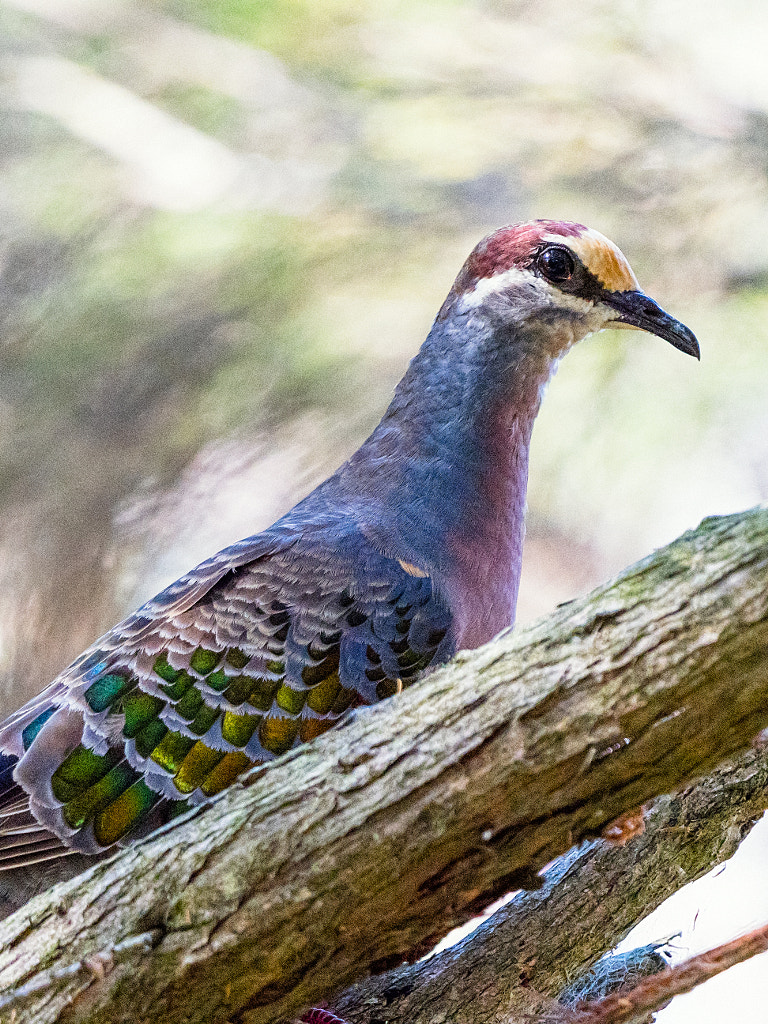
Brush Bronzeing, Phaps elegans, Lake Seppings, Western Australia. Olympus OMD EM1 mk ii with Panasonic Leica 100-400mm f4-6.3 lens. Exposure: 1/1000 sec, f5.7 at ISO 2500.


Every time we go to Albany I always visit Lake Seppings. I love walking around the edge of the lake and observing all the wildlife. I see it in many ways as a beacon of hope. The local community came together and have made a serious and worthwhile attempt to restore the lake to what it once was it still has a long way to go before it reaches its former status but it is a very good start. For the Nyoongar I hope that the recent claim for compensation for the loss of their traditional lands succeeds and can bring them some way of moving forward.


Red-winged Fairy-wren by Paul Amyes on 500px.com
Red-winged Fairy-wren, Malarus elegans, Lake Seppings, Western Australia. Olympus OMD EM1 mk ii with Panasonic Leica 100-400mm f4-6.3 lens. Exposure: 1/1000, f7.1 at ISO 1000 with -1 stop exposure compensation.


New Holland Honeyeater by Paul Amyes on 500px.com
New Holland Honeyeater, Phylidonyris novaehollandiae subsp. longirostris, Lake Seppings, Western Australia. Olympus OMD EM1 mk ii with Panasonic Leica 100-400mm f4-6.3 lens. Exposure: 1/1000 sec, f6.3at ISO 800.