A Lack Of Clarity

Wayan by Paul Amyes on 500px.com
Wayan or White-faced Heron (Ardea novaehollandiae) shrouded in the mist on the banks of the Avon River. York, Western Australia.


Early mornings along the River Avon have taken on a decidedly misty appearance. Going down to Monger’s Crossing at first light and I’ve been hard pushed to see across the river. The upside of this is that by carefully walking and crawling I can get quite close to the herons and spoonbills there. The spoonbills seem a bit more stoic than the herons. They just get on with the normal morning routine of foraging in the shallows for food. In contrast the heron looked decidedly unimpressed with the weather just standing in the long grass with its shoulder hunched up and looking forlornly at the water coming down from the weir.


Kaaka-baaka by Paul Amyes on 500px.com
Kaaka-baaka or Yellow-billed Spoonbill (Platalea flavipes) foraging on a misty morning.


Ngalkaning by Paul Amyes on 500px.com
Ngalkaning or Nankeen Night Heron (Nycticorax caledonicus subsp mannillenis) in the early morning mist.


Morning Mist by Paul Amyes on 500px.com
Looking up the Avon River with Mount Bakewell shrouded in the early morning mist. York, Western Australia.


After an hour or so the sun gradually started burn off the mist and the golden light gave a radiance to everything. The sun’s warmth began to take effect and the birds became a lot more active and I was able to get some photos of birds flying, which is always a thrill. The still and quietness of the mist was gone and replaced by the raucous noise of the corellas and the honking of the herons as they flew overhead. By 9 o’cock it was all over. The birds had settled and no activity could be seen.


Golden Web by Paul Amyes on 500px.com
Golden Orb-weaving Spider’s web lit by the golden dawn light.


Wayan by Paul Amyes on 500px.com
Wayan or White-faced Heron (Ardea novaehollandiae) flying in the warm light of dawn.


Manatj by Paul Amyes on 500px.com

Manatj or Western Corellas (Cacatua pastinator) flying over the Avon River in York Western Australia.

Riverside Evening Walks

Now we’re into the later part of January we’re having the summer we had to had – hot days with temperatures hovering in the late thirties. The Avon River is now rapidly drying out with the only water left in a series of deep pools. These pools become oasis’s for a lot of wildlife from damsel and dragon flies, turtles, water fowl and even the occasional fox. If you don’t like getting up at stupid o’clock in the morning then the best time to see all the activity is in the evening. Sometimes the temperatures don’t drop before the sun goes down and then you’re hard pushed to see any animal activity. Thankfully we’ve had some quite cool nights over the last couple of weeks and so the opportunity to photograph down at Monger’s Crossing presented itself.


Wayan by Paul Amyes on 500px.com

Wayan, aka White-faced Heron (Ardea novaehollandiae). Monger’s Crossing, York, Western Australia.


Nidoolyorong by Paul Amyes on 500px.com

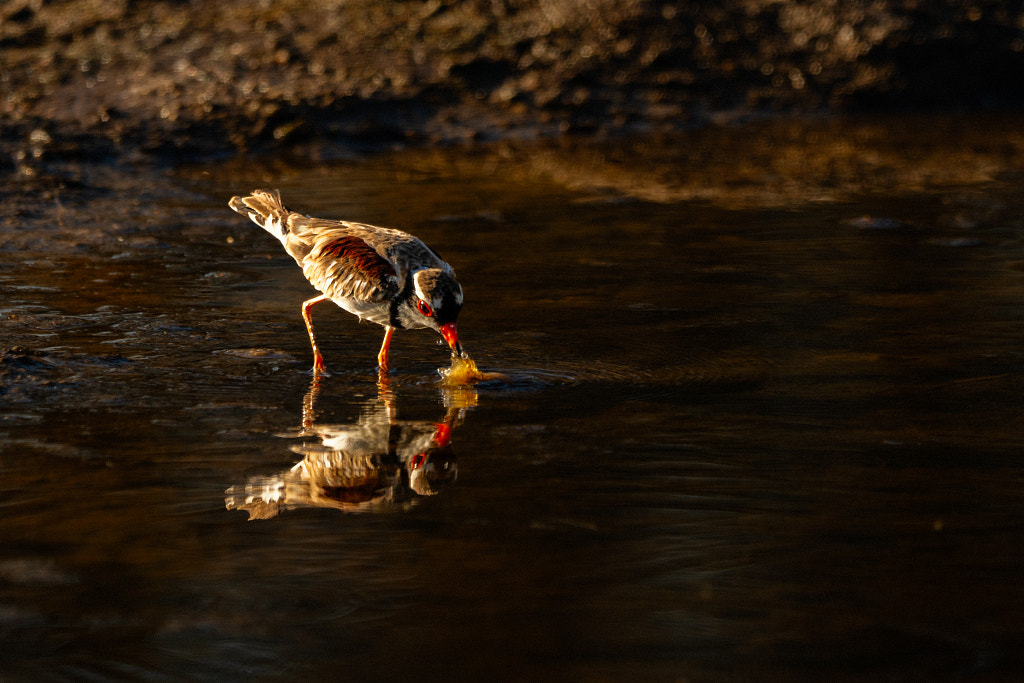
Nidoolyorong or Black-fronted Dotterel (Elseyornis melanops). Monger’s Crossing, York, Western Australia.


Koordjokit by Paul Amyes on 500px.com

Koordjokit aka Little Black Cormorants (Phalacrocorax sulcirostris). Monger’s Crossing, Western Australia.


Someone To Watch Over Me by Paul Amyes on 500px.com

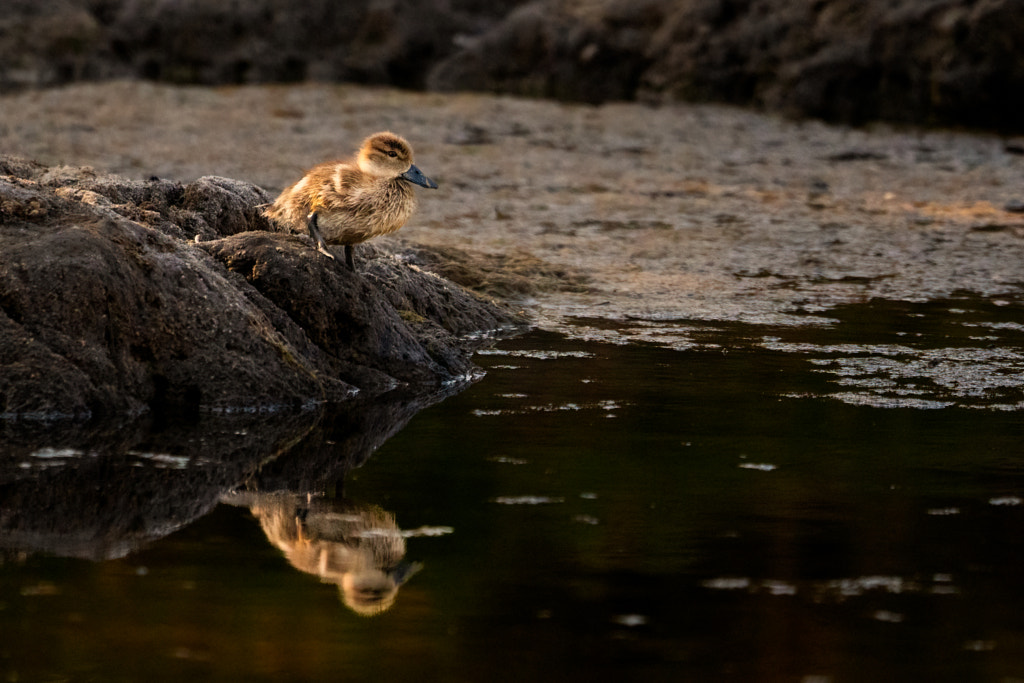
Pacific Black Duck (Anas superciliosa) ducklings swiming under the watchful eye of their mother. Monger’s Crossing, York, Western Australia.


Ngowonan by Paul Amyes on 500px.com

Pacific Black Duck (Anas superciliosa) duckling. Avon River, York, Western Australia.

Out of Town Visitors

Nidoolyorong by Paul Amyes on 500px.com
Nidoolyorong. Black-fronted Dotterel, Elseyornis melanops. Mongers Crossing, Western Australia.


We’ve lived in York since 2004 and this is the first time I’ve seen these birds. They are classified as being nomadic when it comes to habitat which obviously means they move around as conditions dictate. Both require aquatic invertebrates to feed off which means that the river is in a healthy state. As I’ve said  before in previous posts the Avon largely dries up over summer leaving a series of deep pools and  In the past at this time of year they tend to be stagnant, have algal blooms and stink. This year they have largely been free of algae, don’t smell and the larger ones are full of small fish, dragonfly and damsel fly nymphs which are all indicators of a healthy river. The arrival of the Black-fronted Dotterels and Black-winged Stilts confirms this.


Dit by Paul Amyes on 500px.com

Dit. Black-winged Stilt, Himantopus himantopus, Mongers Crossing, York, Western Australia.

Bleedin’ Taters*

The secret to time lapsing is having a comfortable chair to sit in while you wait for the shoot to finish.

Got up at “stupid o’clock” the other morning to try out a new bit of time lapsing equipment. Streuth it was cold, and as I drove down to Monger’s Crossing I mused that the brass monkey would be tucked up at home in bed if he was sensible. A Swedish friend of mine once told me that there’s no such thing as cold weather just poor clothing choices. Well I took Matts’ advice to heart and I had more layers  than an onion.  On reaching the river it was dark and foggy, not the most photogenic conditions, but I thought for the purpose of this test it would be OK.  So I set  up the camera and sat down to wait for it to shoot one frame every twenty seconds for one hour.

The Canon EOS 550d and Sigma 17-50mm f2.8 OS on the Syrp Genie Mini pan and tilt kit.The observant will have noticed that the camera is held together with gaffer tape.

I tried watching a video on my iPod but it was so cold that the battery ran flat real quick so I thought I’d take a few pictures of my companions on the river bank.


A yellow billed spoon bill searching for food on a cold and misty morning on the banks of the River Avon. York, Western Australia.


A white-faced heron wading on the banks of the River Avon on a misty winter’s morning. York, Western Australia.

As to the time-lapse, well bearing in mind it was just a test to see how it worked, well it was a reasonable first attempt. The only downside was that the camera sensor was filthy and that meant a lot of cloning in Photoshop.


* English is pretty confusing at the best of times for non native speakers. “Taters in mould” is Cockney rhyming slang for cold.