Is This A Stick I See Before Me?

Apologies to William Shakespeare – Macbeth Act 2 scene 1


Desperate to get out of the house we grabbed the opportunity to go on an overnight trip to Narrogin. This might surprise people as Narrogin is not really known as a tourist destination and it was forecast to be 40ºC. There was madness in my method. Firstly Narrogin is a good jumping off point for Dryandra (I’ll save that for a later post). Secondly to photograph wildlife in hot weather you really need to find permanent water sources and the locations we’d chosen both had that. Thirdly you have to able to reach those locations at either first or last light. Narrogin fitted the bill. So the plan was to set out mid morning and take a leisurely drive down to Narrogin, get some lunch and check into our accommodation, then about an hour before sunset head out to the Narrogin Railway Dam.
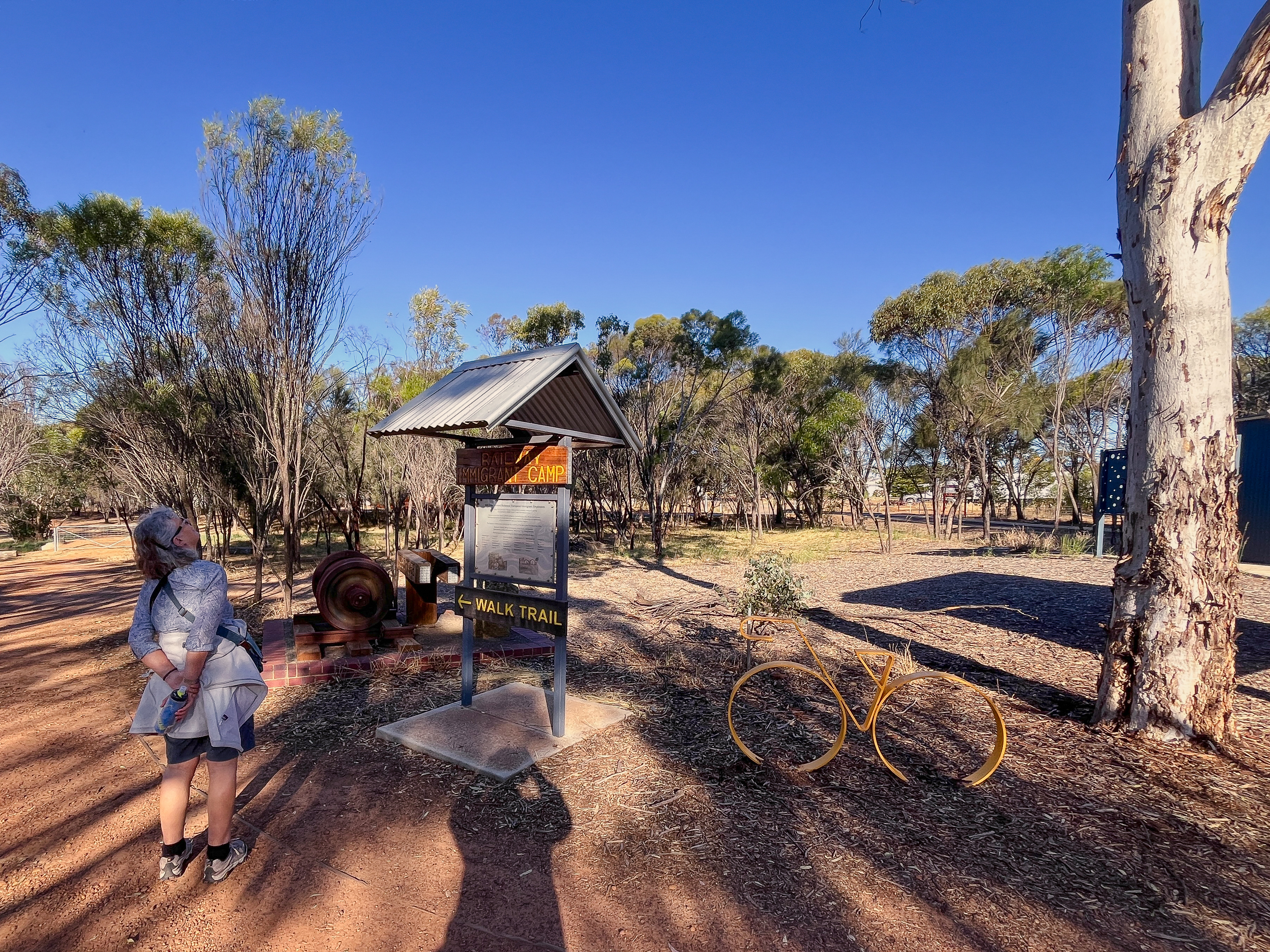
 

Helen looking for birds. Narrogin Railway Dam, Western Australia.


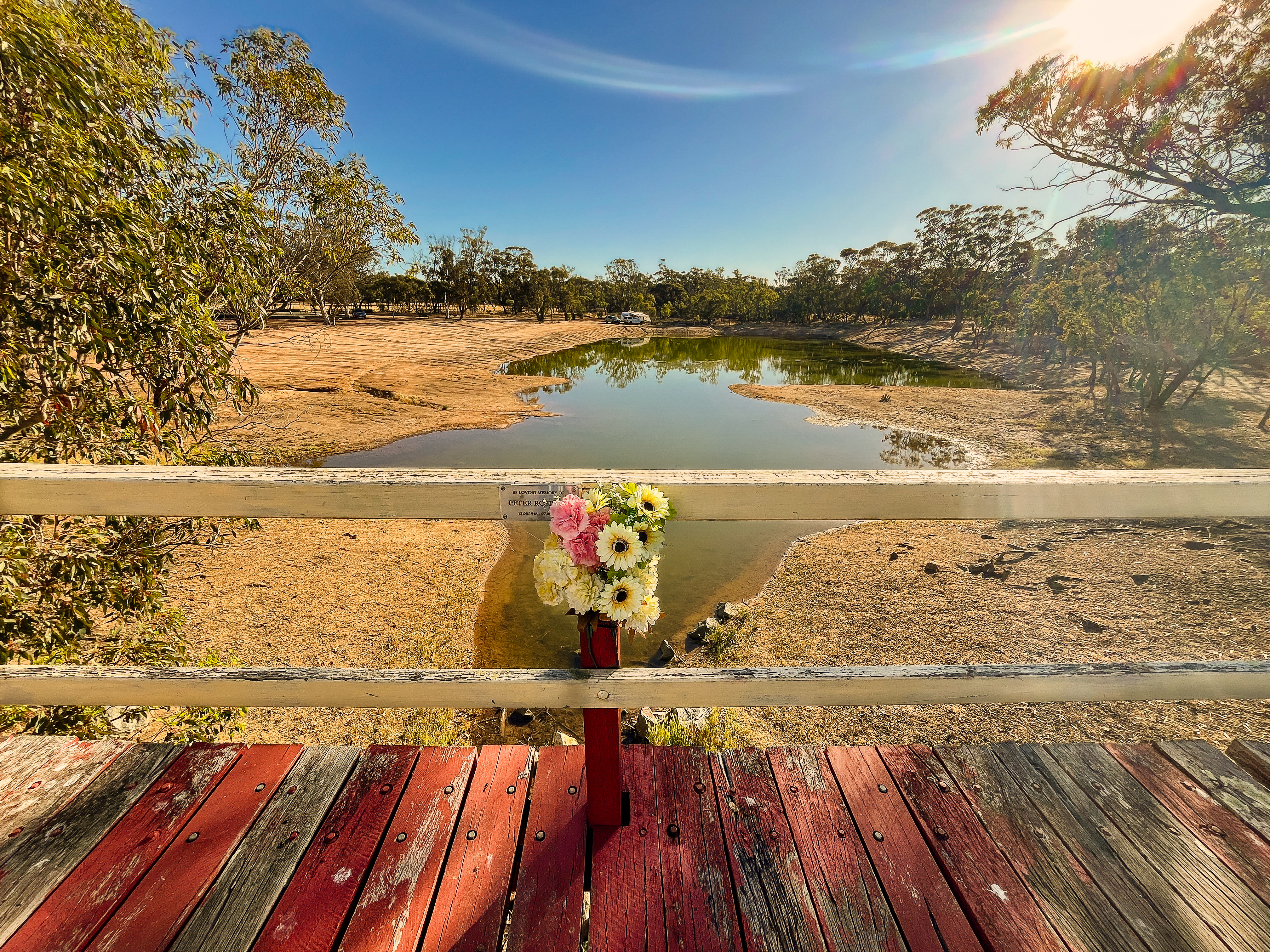
There’s not a lot of water. Narrogin Railway Dam, Western Australia.


The water level at the dam was very low, but at least there was some. So we followed the 650m Dam Walk keeping a firm eye on the canopy of the surrounding eucalypts. A lot of the birds we did see appeared very heat stressed – holding their wings out and panting. Nothing appeared to be going down to the water’s edge for a drink though. After our first lap my partner decided as it was still very hot that she’d had enough and went back to the car while I started to walk along part of the Archibald Park Trail. This was where things got very interesting.


Djakal-ngakal by Paul Amyes on 500px.com
A Djakal-ngakal or Galah (Cacatua roseicapilla) feeling the effects of the heat. Narrogin Railway Dam, Western Australia.


Kaa-kaa by Paul Amyes on 500px.com
Kaa-kaa or Laughing Kookaburra (Dacelo novaeguineae). Narrogin Railway Dam, Western Australia.


Delyip by Paul Amyes on 500px.com
Juvenile Delyip or Red-capped Parrot (Platycercus spurius). Narrogin Railway Dam, Western Australia.


Noolarko by Paul Amyes on 500px.com
Noolarko or Black-faced Cuckoo Shrike (Coracina novaehollandiae). Narrogin Railway Dam, Western Australia.


Now I’m in my 60’s and my eyesight isn’t what it once was. This has led to quite a few embarrassing moments when searching for birds. Like the time I followed this small white object moving erratically along a beach thinking it was a dotterel, but, when I finally got close I found it was a scrunched up white paper bag. I’ve lost count of the number of times I’ve stalked what I thought was a bird in a tree only to find out it was part of a dead branch. In fact I’ve come to expect that will happen every time I go out. Well this time I was walking along the path by the bank of the dam and I’d just seen a Black-faced Cuckoo Shrike and a Red Wattle Bird when out of the corner of my eye I spotted a tree with what could be if I squinted a bit a largish bird. My initial reaction come on be serious you’re seeing things again it’s a dead bit of tree. So instead of stalking it I decided to keep walking. It was only just a I drew parallel with the tree that I noticed that the stick blinked (Pro wildlife tip #1 sticks don’t blink).


Djoowi by Paul Amyes on 500px.com
A Djoowi or Tawny Frogmouth (Podargus strigoides) doing stick impressions. Narrogin Railway Dam, Western Australia.


“Oh my goodness!” Or words to that effect. I had just found a Tawny Frogmouth. Now although Frogmouths are quite common they are a tricky bird to find. Their camouflage is incredible and their habit of roosting in the forks of trees makes them very difficult to see. Their main defence is to sit completely with their head up and eyes shut  pretending to be a stick. In fact this was only the third time I’d seen one in the wild. To say I was happy would be an understatement. Unlike metal detectorists birders don’t dance when they find something – we might allow ourselves a quiet smile. I went to bed that night a very happy boy.

So, day one of the birding trip had a brilliant start – couldn’t ask for better.

Journey to Jooralying

Out and about again looking for orchids and birds. This trip took me to the Old Jooralying townsite just east of Narrogin. It was marked as such on my mud map but other than that I could find no other reference to it. When I got there there wasn’t too much to see. Amongst the scrubby rock sheoaks  were some faint trails that once could have been dirt roads, and a few old timbers from some sort of structure. A bit more investigation and I found an old car wreck. It was remarkably intact considering how long it must have been there.

Abandoned car at the Old Jooralying Townsite in Western Australia.


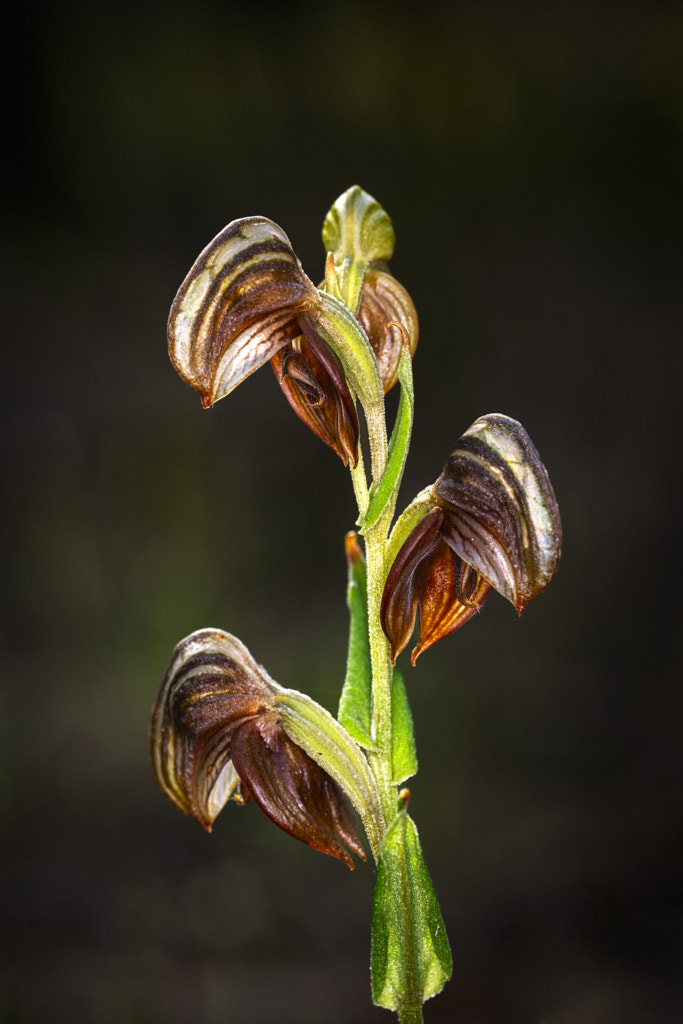
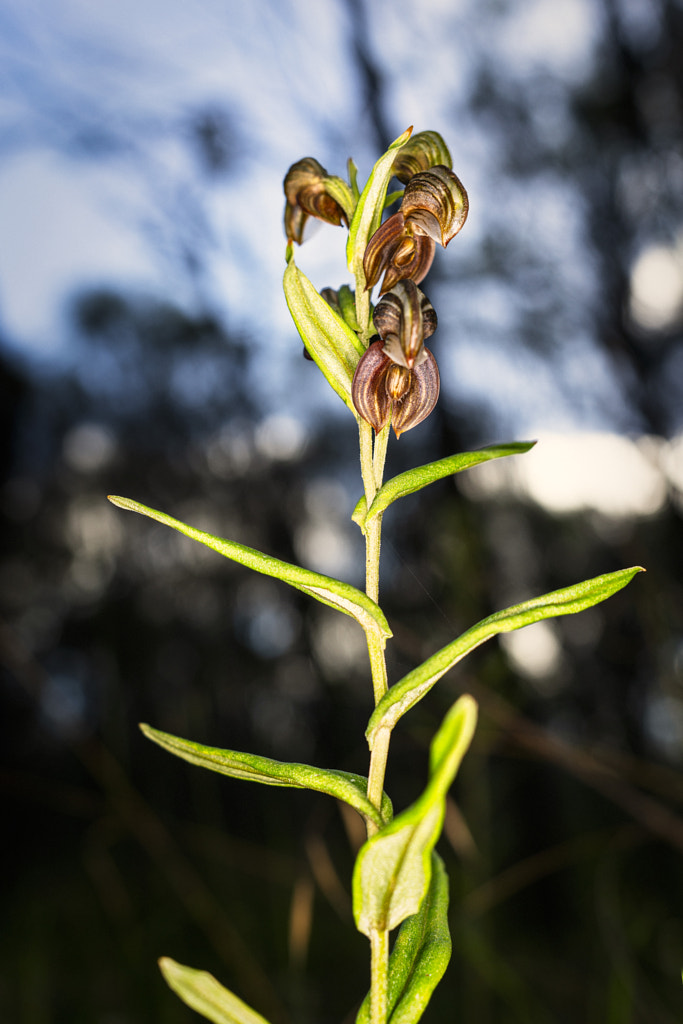
It took a while but eventually I found the orchids – a small colony of them. They’re nothing special to look at, but they are a variety I’d not seen or photographed before so that made the journey worthwhile.


Cupped Banded Greenhood by Paul Amyes on 500px.com
Cupped Banded Greenhood, Pterostylis concava. Jooralying, Western Australia.


Cupped Banded Greenhood by Paul Amyes on 500px.com

Cupped Banded Greenhood, Pterostylis concava. Jooralying, Western Australia.

Hope

Clown Orchid by Paul Amyes on 500px.com

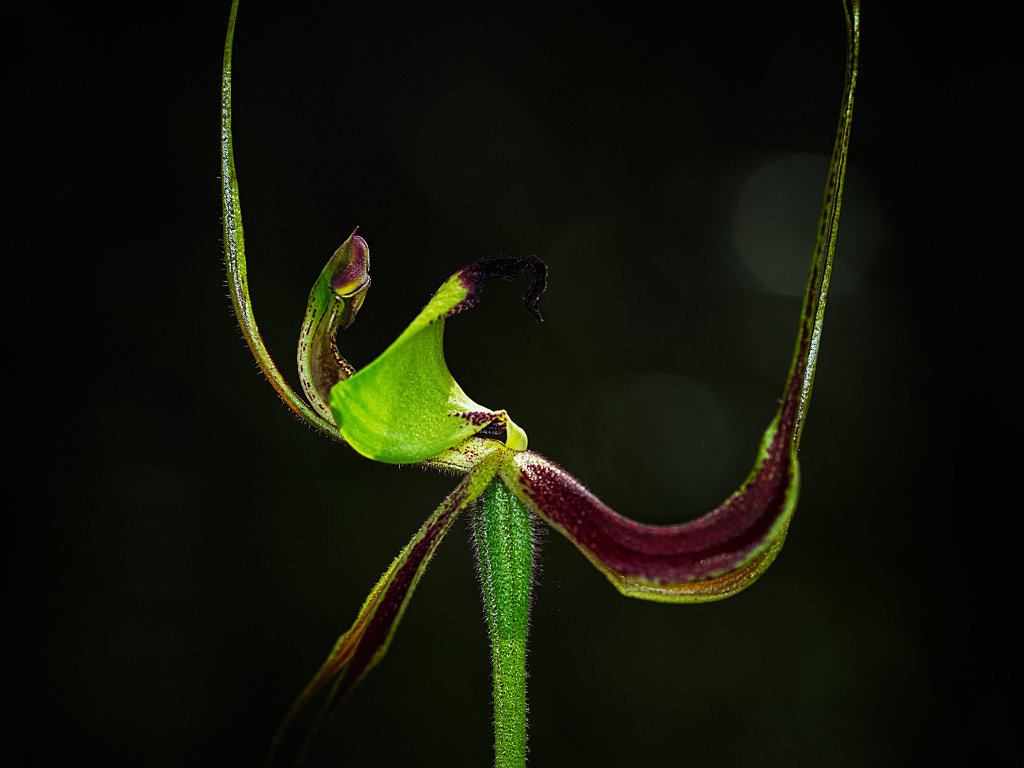
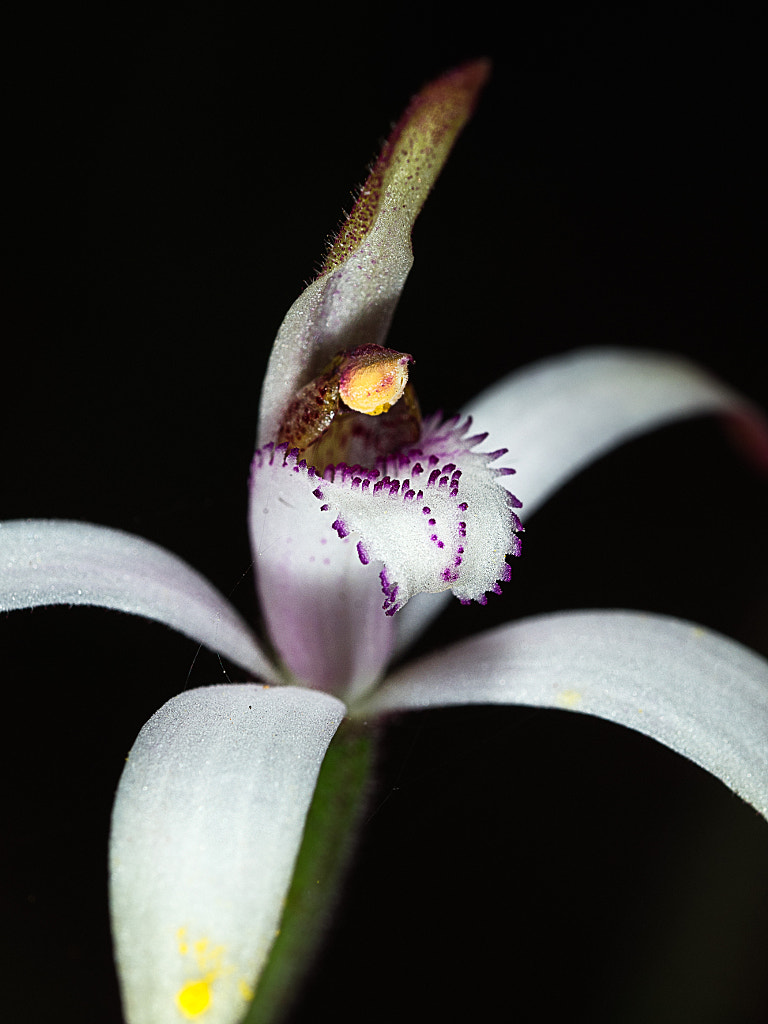
Caladenia roei goes by a number of common names which are Clown Orchid, Ant Orchid, Man Orchid, and Jack-in-the-box Orchid. Narrogin, Western Australia.


If you just look at the media you’d think that there’s not a lot of hope for the world. We’re in the middle of a global pandemic, there are bushfires raging on the west coast of America, eastern Australia was ravaged by bushfires earlier in the year, there’s a global recession – the list goes on and on. There seems very little hope left in the world. If you want to find some hope then you’re going to have to go looking for it.


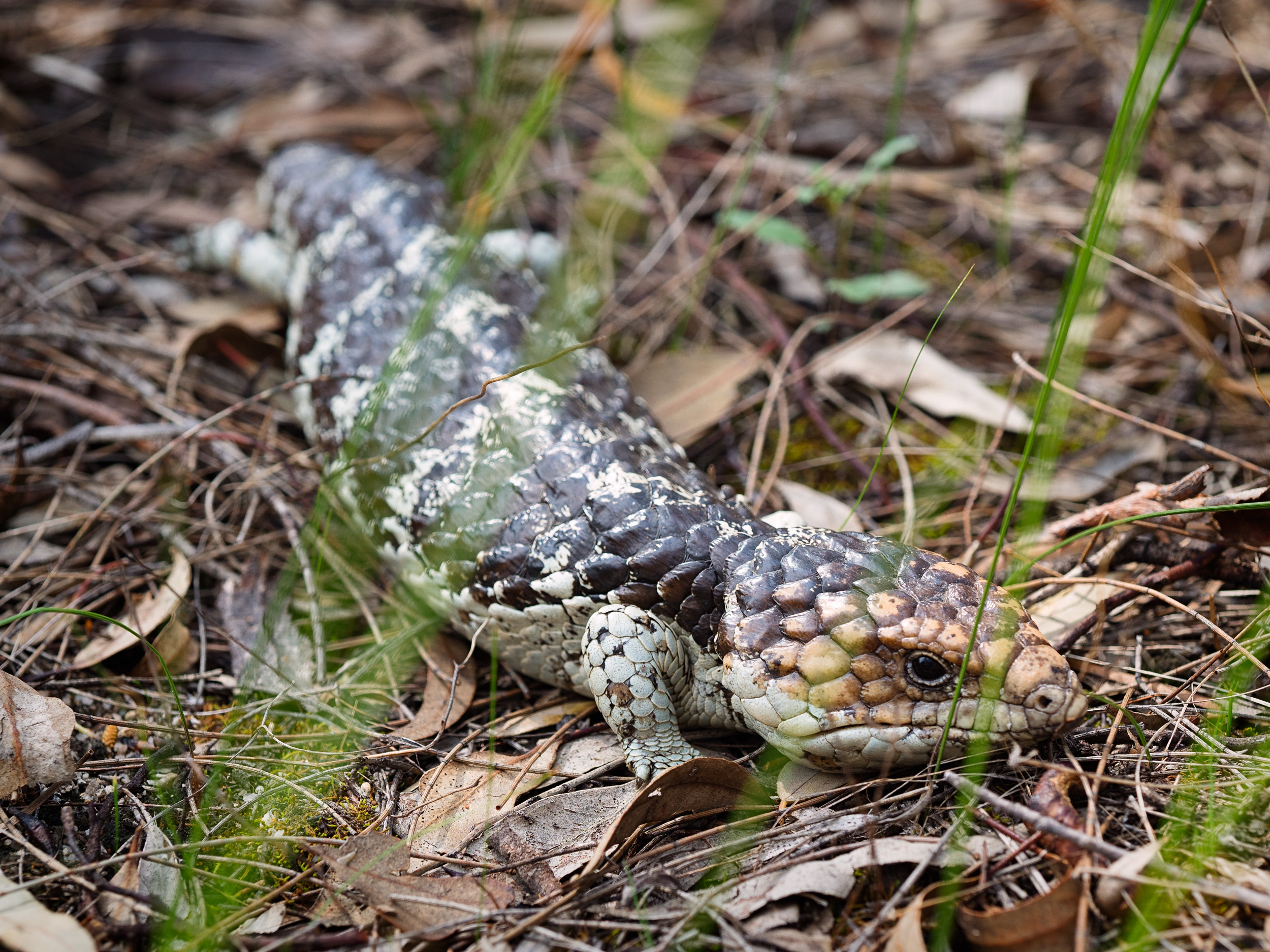
Yoorn is the Nyoongar name for the bob tailed lizard (Tiliqua rugosa). Narrogin, Western Australia.


Every now and again I come across a place that gives me hope for the present and the future.  They always take the form of a scrap of land that somebody has decided to regenerate. I’ve written about a couple of these places before – Lake Seppings and Lake Claremont.Both of these are examples of urban regeneration based around a lake. This month I’ve been out in the Wheatbelt exploring a reserve east of Narrogin. It’s a bush block in the middle of farm land that is being allowed to regenerate. To say it’s off the beaten track is an understatement. When you get there there is no access to it, no paths, no signs other than one telling you that it is a regeneration project. As you you make your way through the scrub you begin to notice something quite remarkable – there’s no evidence of any human visitation. No litter, no vehicle tracks, no foot prints. Nature is being left to itself and it is a wonderful sight. It’s not in anyway shape or form picturesque – just dense scrub fringing a granite outcrop.It’s hard country to move in as the scrub and the rocky uneven terrain make the going quite difficult in places, and then when you hit the rock it is quite steep and exposed.


The overly friendly echidna (tachyglossus aculeatus). Narrogin, Western Australia.. Narrogin, Western Australia.


Straight off the the things that were most noticeable were in the larger gaps between the trees where the sun hit the ground were amazing profusions of wildflowers – everlastings, orchids, all sorts. Then I started to stay still and just tune into the environment. The bird song was really loud and was made up the calls from lots of different species. Moving slowly I saw lots of different insects – spiders webs, butterflies,  different types of beetles that I’d never seen before. There was a lot of evidence of digging on the ground. The small holes the size of a saucer and a couple of centimetres deep were signs that kangaroos were looking for moist roots and tubers. The larger holes had me puzzled until I found the culprit- these were made by echidnas looking for ants and termites. At one point I stopped to photograph some flowers and I was lying in the leaf litter to do so when I felt something touch my foot. Ever mindful of snakes I looked and found not a snake but an echidna. I was having a close encounter of the spiny kind. As I came to the rock the trees thinned out and there were bob tailed lizards basking in the sun. On the rock itself there were crested dragons (Ctenophorus cristatus), they are virtually impossible to photograph as they are so quick in dashing to the protection of an overhanging rock or crevice.


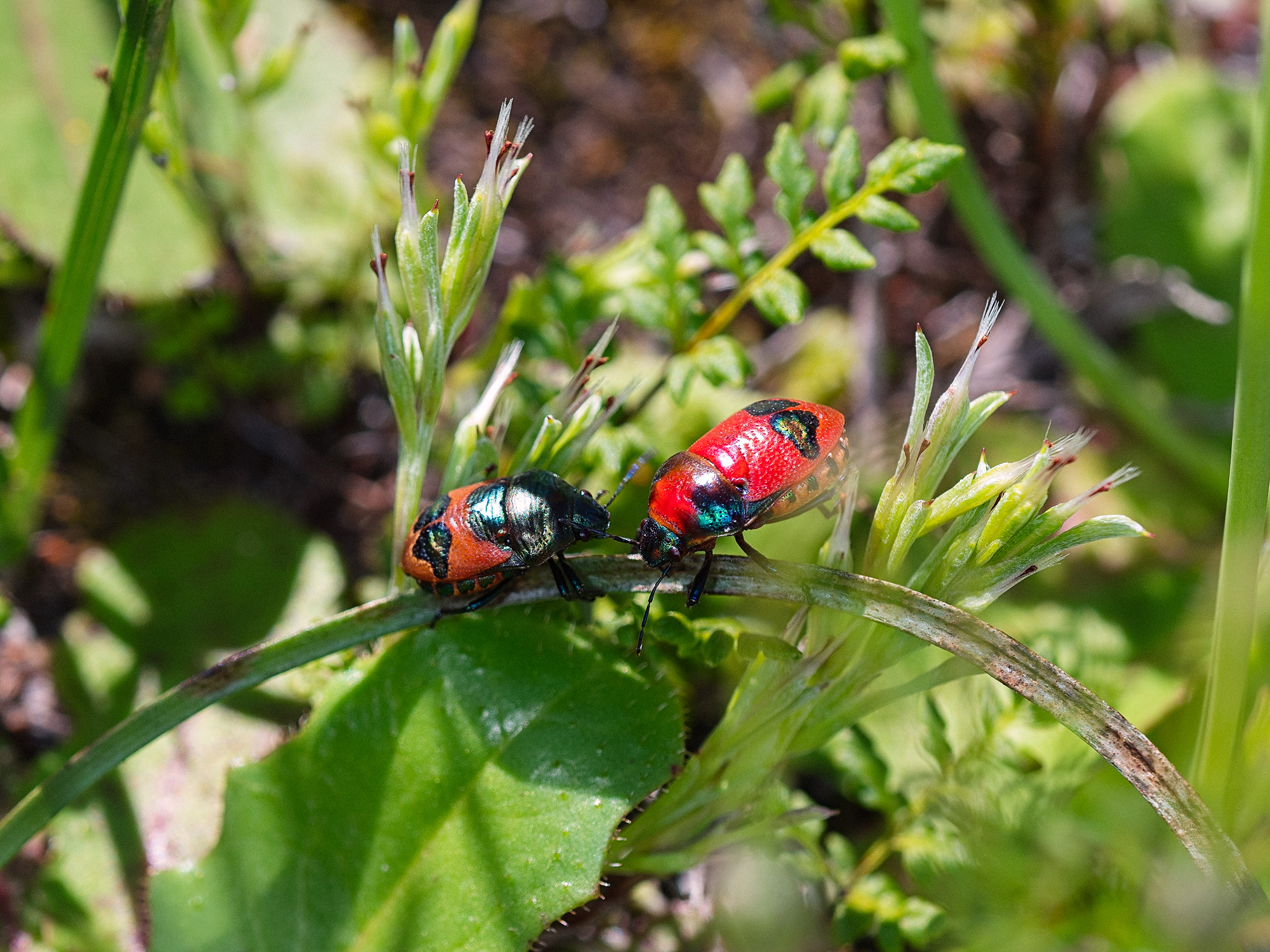
A pair of Australian Ground Shield Bugs meeting on a plant stem. Narrogin, Western Australia.


It would be tempting to over romanticise the place saying it was a return to the Garden of Eden or Paradise Regained. Looking at with a more down to each perspective it just illustrates how nature can recover if it is allowed to. There are no groups of volunteers here replanting and doing pest eradication as there was at Lakes Seppings and Claremont. It is just nature being allowed to do its thing and that is what gives me hope. So if you are feeling overwhelmed and hopeless with the current situation I can thoroughly recommend going to a nearby nature spot, or even your own garden, and thoroughly immersing yourself in it. Look up, look down, listen, even sniff. Just soak it all up and let it feed your soul.


Candy Orchid by Paul Amyes on 500px.com
Candy Orchid, Caladenia hirta subsp. hirta. Narrogin, Western Australia.

Guns and Roses


On the weekend of 19th-21st May 2017 I travelled with my significant other to the teeming Wheatbelt metropolis of Narrogin as she had entered the annual “Guns and Roses” croquet tournament put on by the Narrogin Croquet Club. Twelve of Western Australia’s best players (the “Guns”) would partner eighteen lesser ranked players (the “Roses”). Each “rose” would get the opportunity to play with a different “gun” at each round. The idea, which seems an excellent one I might add, is that inexperienced players can learn off of top players.  My role in this was the self-given task of producing a video documenting the proceedings.

Video is a fairly new medium for me, I’ve been playing around with it but I’ve really not got to grips with it. This was to be a complex multi day project and it wasn’t helped by the fact that it was bitterly cold and there was intermittent heavy rain (yes dear reader we do have cold wet weather in Australia). I ended up using my Olympus OMD EM1 mk i with the Olympus m.Zuiko 40-150mm f2.8 lens as the main camera, an Olympus Pen EP5 with the Olympus m.Zuiko 12-40mm f2.8 for wide shots, a Leica D-Lux for time lapses, and my iPhone for social video in the evenings. For sound I used shot-gun microphones (a Rode VideoMicro on the EM1 and a Rode VideoMic Pro on the EP5) to record straight into the cameras. No external audio recorder was used as I felt I had my hands full enough. By the end of the weekend I had got through nine batteries and ten 16Gb SD cards. The EM1 was used on a tripod (a Manfrotto MDEVE 755XB with Manfrotto MV500AH Fluid Video Head), the EP5 was on a video monopod (Manfrotto 562B-1 Fluid Video Monopod), and the Leica D-Lux was on a photo tripod (a very old Manfrotto 190 tripod fitted with an equally old ball head).

What I learnt from this exercise was:

  • the weather sealing on both the EM1 and the two lenses works very well. At times I got soaked in the rain and the camera just kept going with no adverse effects.
  • I should have used an audio recorder to get better sound and record some general background noise.
  • the 40-150mm f2.8 is not parfocal  (it is not sold as such) and the autofocus kept drifting and in some cases would not lock on at all. Trying to focus on the night games using just the rear screen and no peaking was hard. Either a camera that has focus peaking in video mode or a monitor that allows it would be really good.
  • I shot most of the footage at 1080 at 25fps except for that on the EP5 which only shoots 1080 at 30fps. I used Toast Titanium’s video converter to reconfigure it as 1080 25fps. On the whole it worked out well, but on two clips that I really wanted it dropped frames and lost the sound. So next time I won’t mix clips of different frame rates.
  • With four cameras, each having its own idea of what a neutral colour setting is, made life very hard during editing. This wasn’t helped by the fact that the 8 bit 4.2.0 files didn’t like being pushed too much in post as they would quickly fall apart. It would have been nice to have had a more video orientated camera with a flatter profile and more robust codec.
  • I did the slow motion in post, it would have been nice to have shot at 60fps or higher to get nicer slo-mo.
  • I should have shot more B-roll and tried to interview on camera some of the participants.

As a learning experience this was a very good exercise and I enjoyed the whole process immensely. If money were no object I’d get a more video orientated camera and a video field monitor and recorder, but being as I am fiscally challenged I’ll have to settle for some more memory cards and batteries.