It’s That Time Already ?

I must confess that since we got our new puppy – Bertie – I’ve been rather busy. Time just seems to have slipped away. So the other morning when I was reading the news on ABC I came across a story about how the orchid season in the Wheatbelt had kicked off early. It caught me completely unawares. Normally what I do is draw up a list of what I want to see with when and where and then see where there is an overlap so I can get the most bang for my buck. Then I get my orchid kit together and make sure that everything works and is ready to go. That hasn’t happened this year. A mad whirlwind of frenetic activity saw me pack my bag and find an old list that for some reason I didn’t enact. So quickly organised I headed out on my first orchid hunt of the season.


Eastern Curly-locks by Paul Amyes on 500px.com
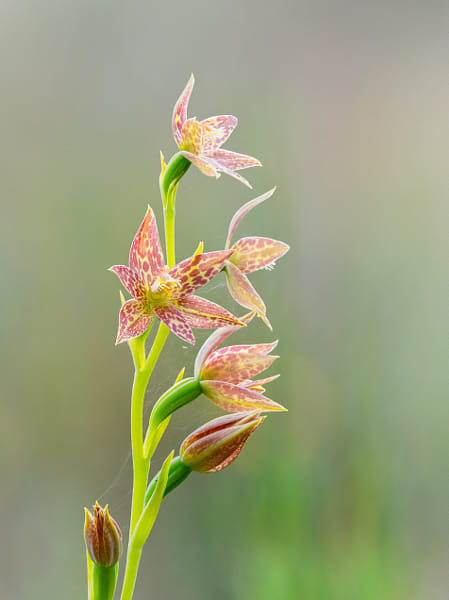
Eastern Curly-locks. Wandoo National Park, Western Australia. Olympus EM1 mk ii with Olympus M.40-150mm F2.8 + MC-14 teleconverter.


The target species was the Eastern Curly Locks (Thelymitra maculata). I know of two places where they occur. One location, Wandoo National Park, is easy to get to and the plants are easily found near the road. That means orchid poachers often dig them up for selling illegally.  The other spot I know (I won’t divulge its location) has more flowers, but,  is harder to get to and involves a lot of walking and careful searching. Wandoo National Park was chosen as this was all a bit of a last minute decision.


Dwarf Pink Fairy Orchid by Paul Amyes on 500px.com
Dwarf Pink Fairy Orchid, Caladenia reptans subspecies reptans. Olympus EM1 mk ii with Olympus M.40-150mm F2.8 + MC-14 teleconverter.


Dwarf Pink Fairy Orchid by Paul Amyes on 500px.com
Dwarf Pink Fairy Orchid. Olympus EM1 mk ii with Olympus 60mm f2.8 macro lens.


Hare Orchid by Paul Amyes on 500px.com
Hare Orchid, Leporella fimbriata. Olympus EM1 mk ii with Olympus 60mm f2.8 macro lens


Banded Greenhood by Paul Amyes on 500px.com
Banded Greenhood, Pterostylis vittata. Olympus EM1 mk ii with Olympus 30mm f/3.5 macro lens


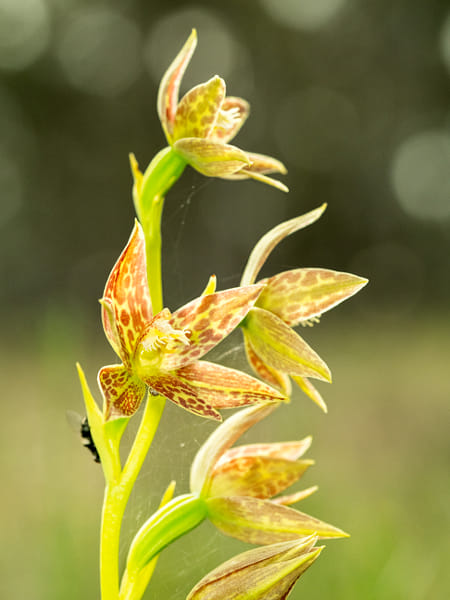
From the description in the ABC article I was expecting to see quite a show as the areas has other species of orchid that should be in flower as well. As I walked through the bush I saw very little orchid activity. Out of the 8 species that should be flowering I saw 3 and there were only a few of those. At one point I wished I’d had my birding kit as I managed to flush several quail as I walked around. The irony being when I’ve gone birding there I didn’t see any. I zig zagged through the bush and didn’t find any Eastern Curly Locks. Dejected I settled for photographing some Dwarf Pink Fairy Orchids (Caladenia reptans subspecies reptans) and some Banded Greenhoods (Pterostylis vittata). I’d promised my partner I’d only be a couple of hours so I packed my kit away and headed back to the car. I took a slightly different route back as I didn’t want to go back through the tangle of sheaoak that had slowed me down while on the outward journey. I stopped to look at some carnivorous Red Ink Sundews (Drosera erythrorhiza) when out of the corner of my eye I spied 2 Eastern Curly Locks. So I had ticked the first orchid off of this years list.

 

Eastern Curly-locks by Paul Amyes on 500px.com
Eastern Curly-locks aka Spotted Curly-locks, Thelymitra maculata. Olympus EM1 mk ii with Olympus 60mm f2.8 macro lens


Farewell 2025

It’s Christmas Eve and I’m looking back photographically on the last 12 months. I started the year with all these ideas and intentions, and to be honest they quickly evaporated. It’s been a year where I have had a great deal of difficulty being motivated to take photos. Nevertheless I plodded on regardless and although I didn’t make any great photos I made some that I enjoyed. They’re not technically perfect, but the actual process was enjoyable and I think that is important. If it is not enjoyable then why do it?


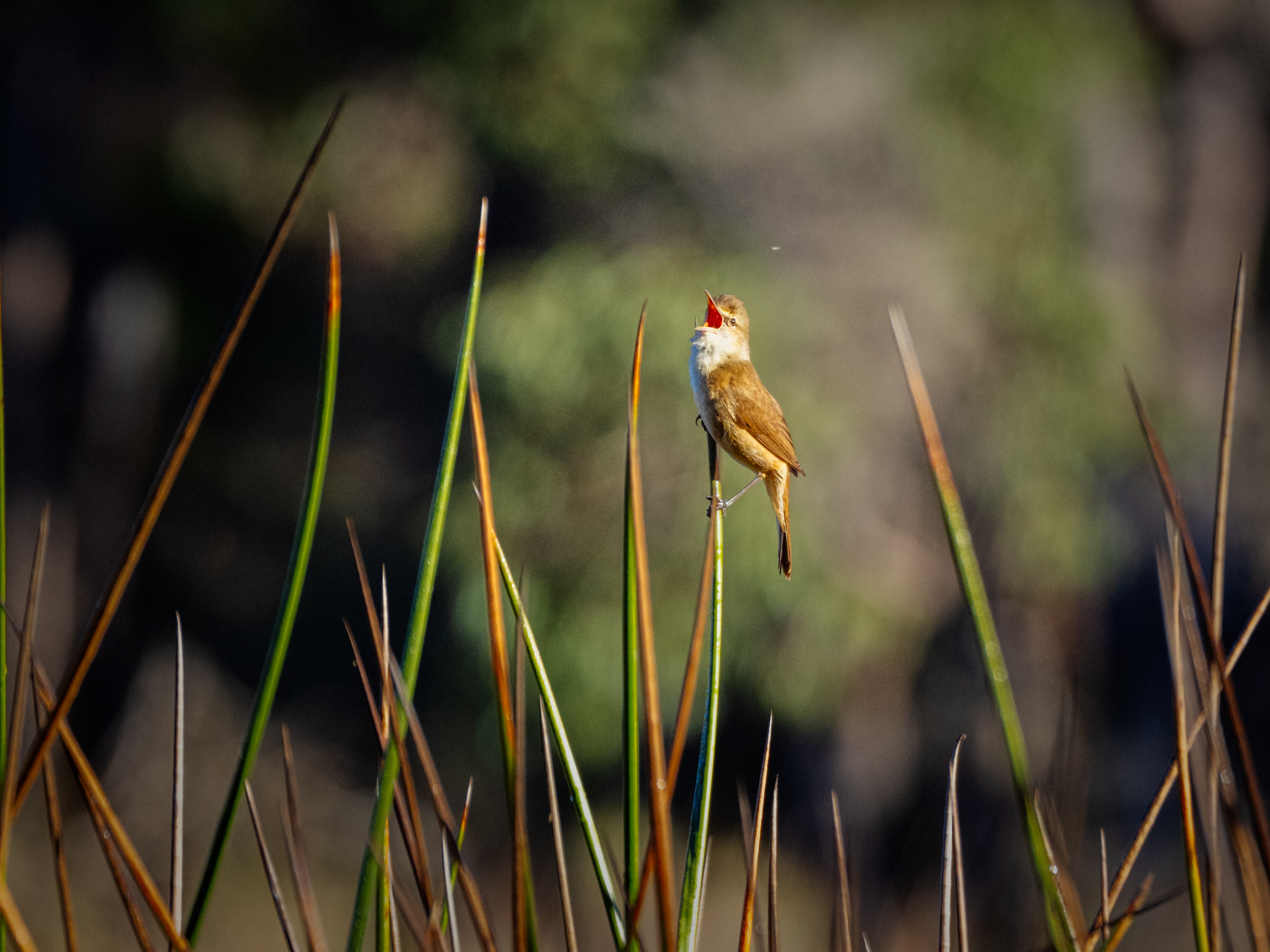
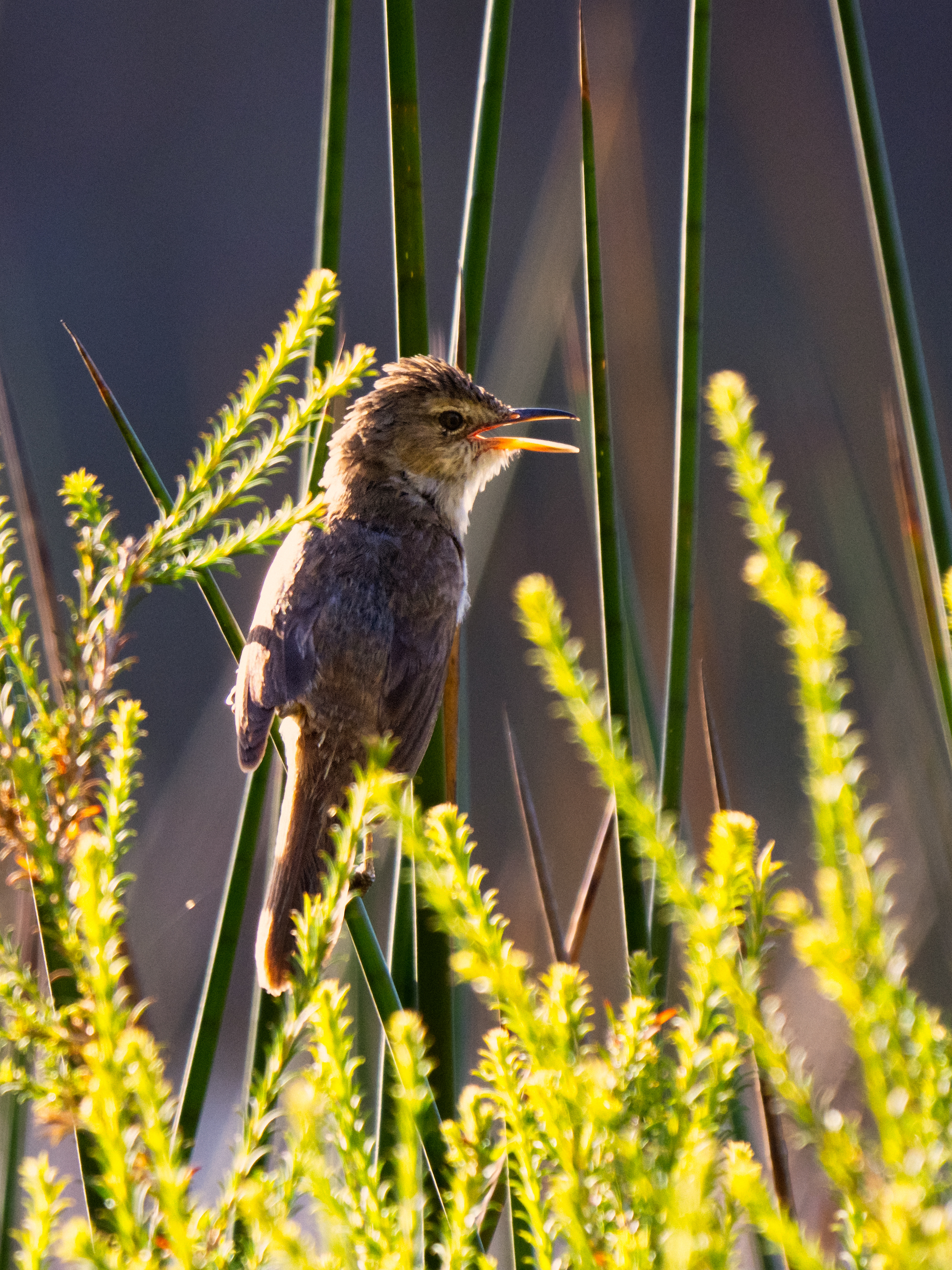
Koordji-koordji or Australian Reed Warbler (Acrocephalus australis subspecies gouldi). Lake Leschenaultia, Western Australia.


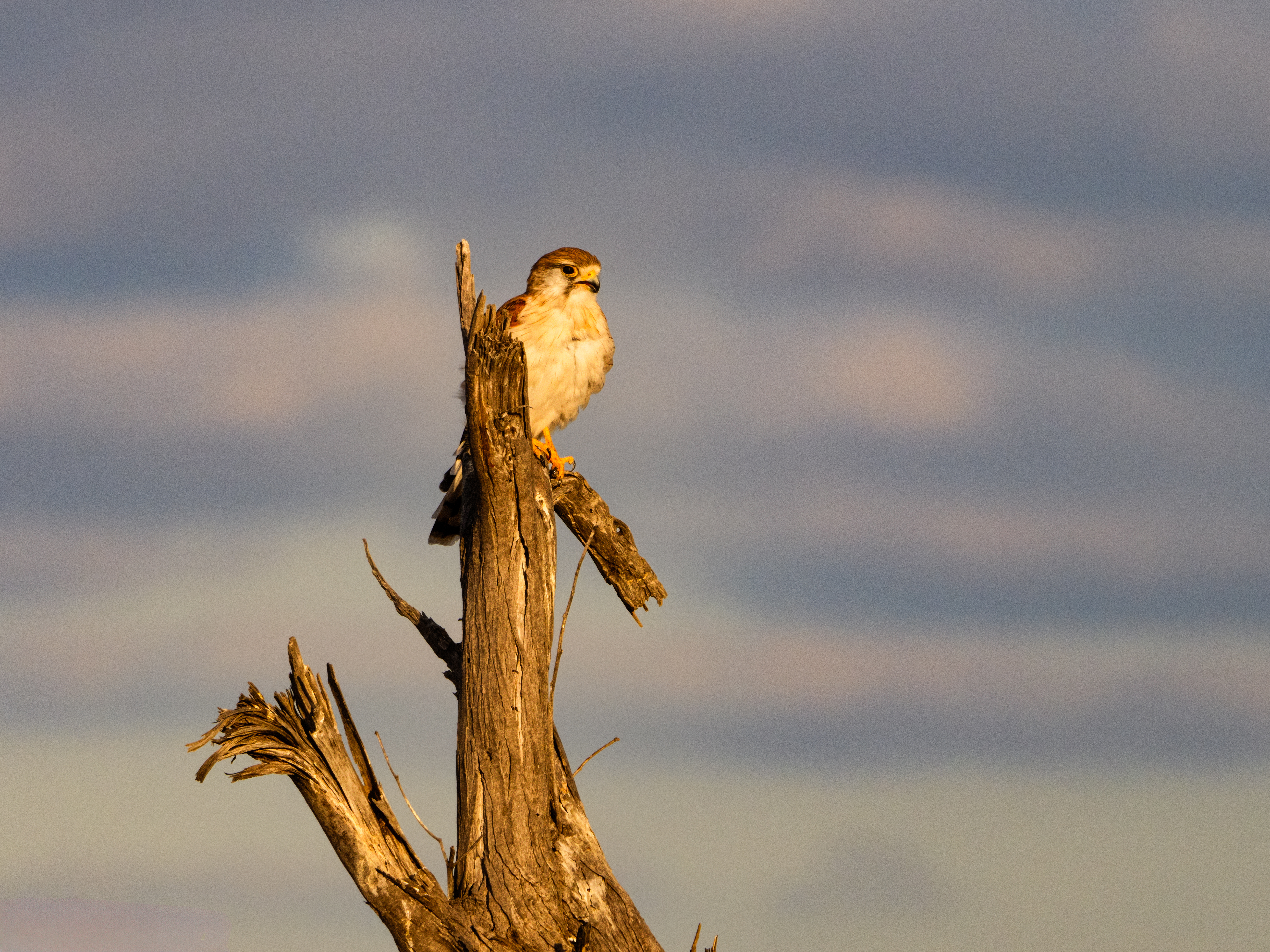
Mardiyet or Nankeen Kestrel (Falco cenchroides). Woodman Point, Western Australia.


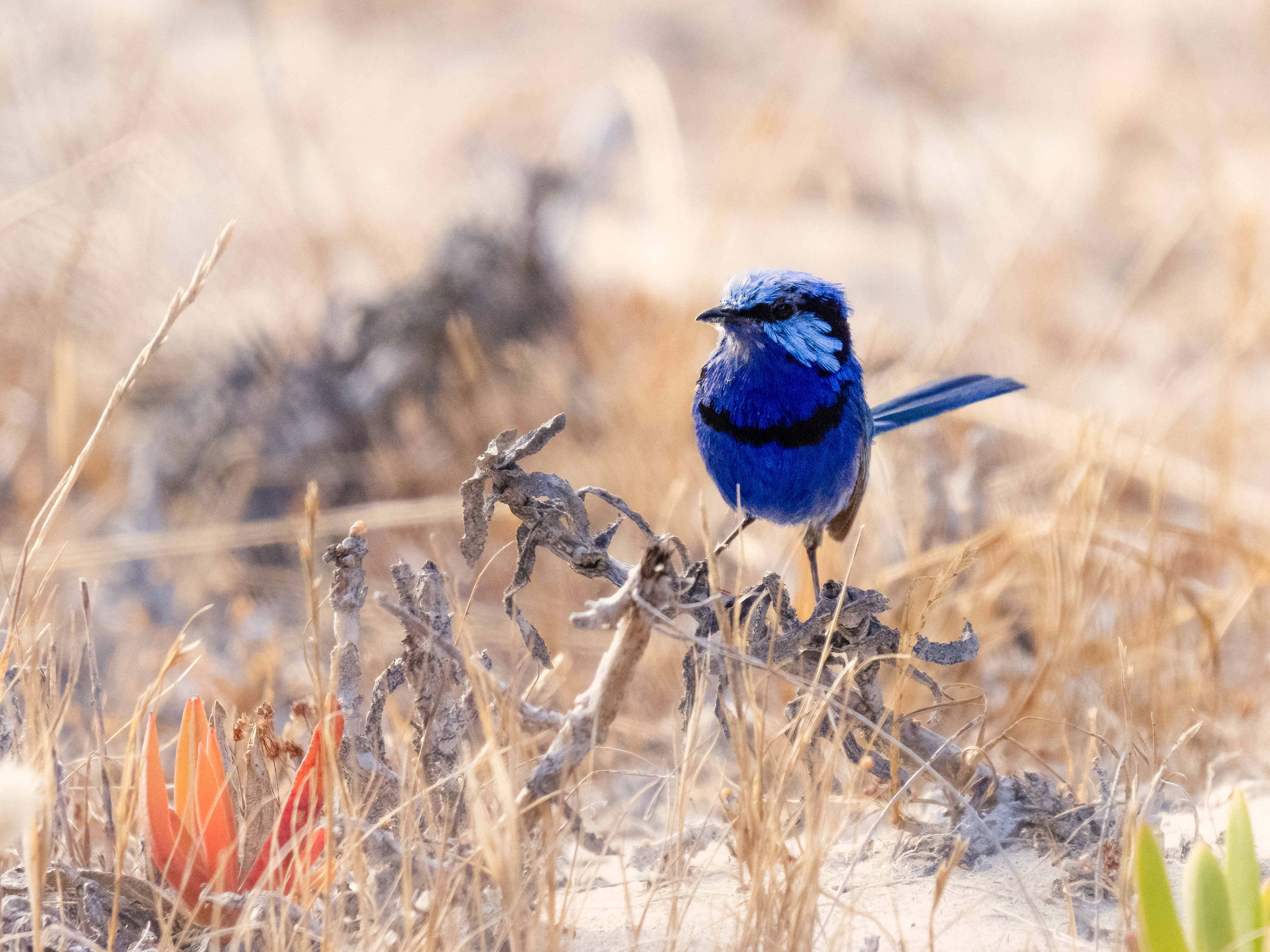
Djer-djer or Splendid Fairy-wren (Malarus splendens subs splendens). Woodman Point, Western Australia.


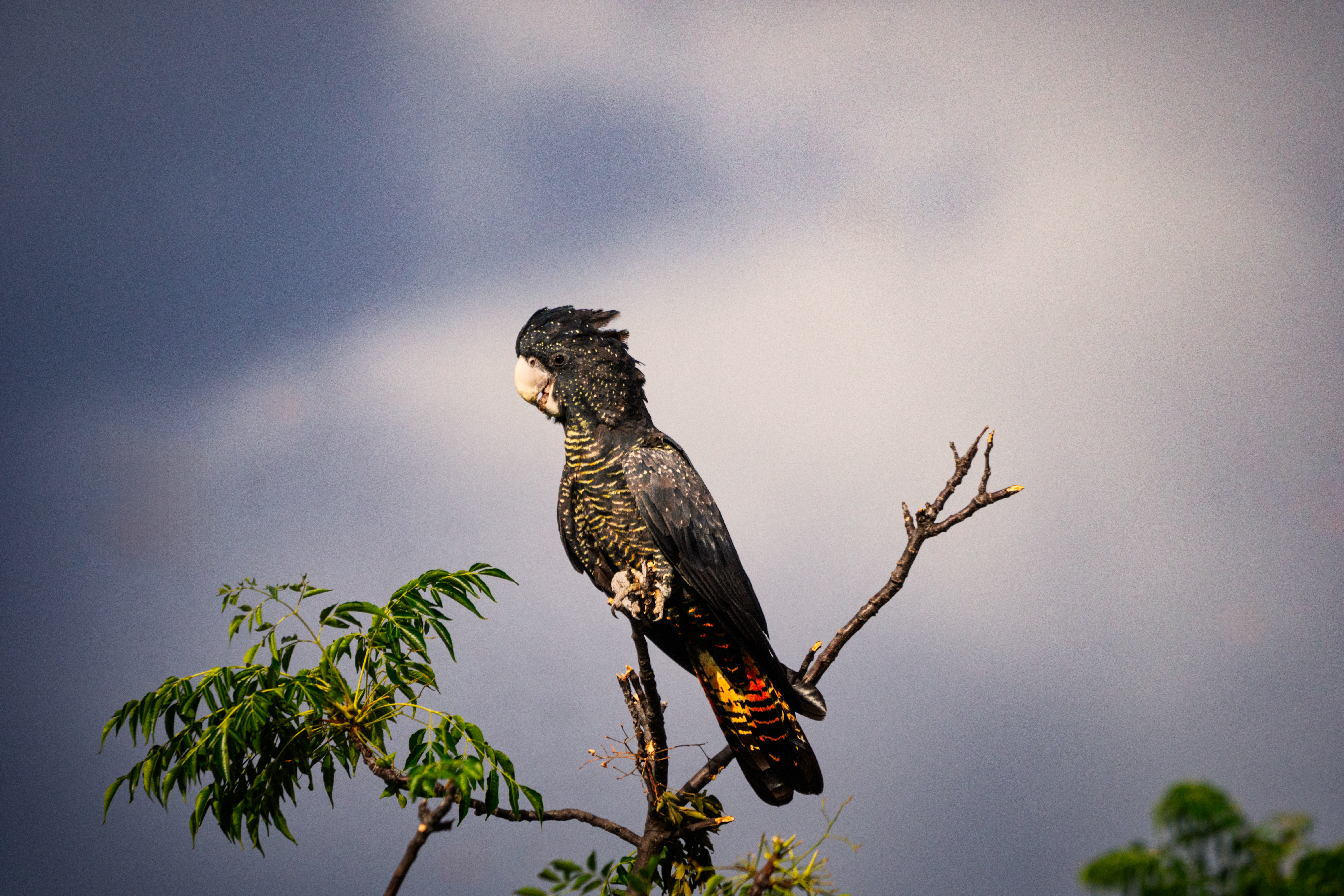
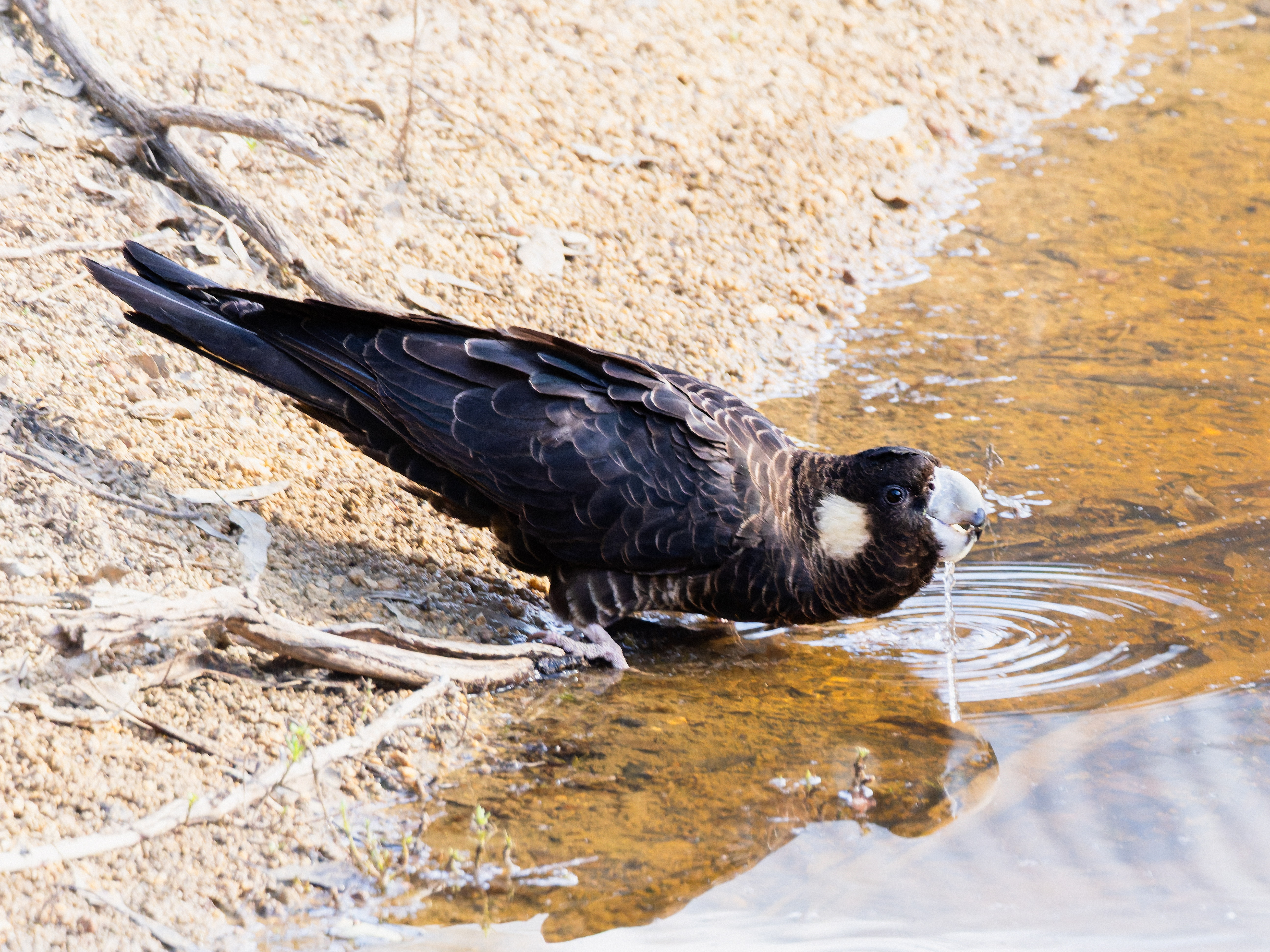
Karak or Red-tailed Black Cockatoo (Calyptorhynchus banksii subs samueli) feeding on Cape Lilac AKA White Cedar (Melia azedarch). York, Western Australia.


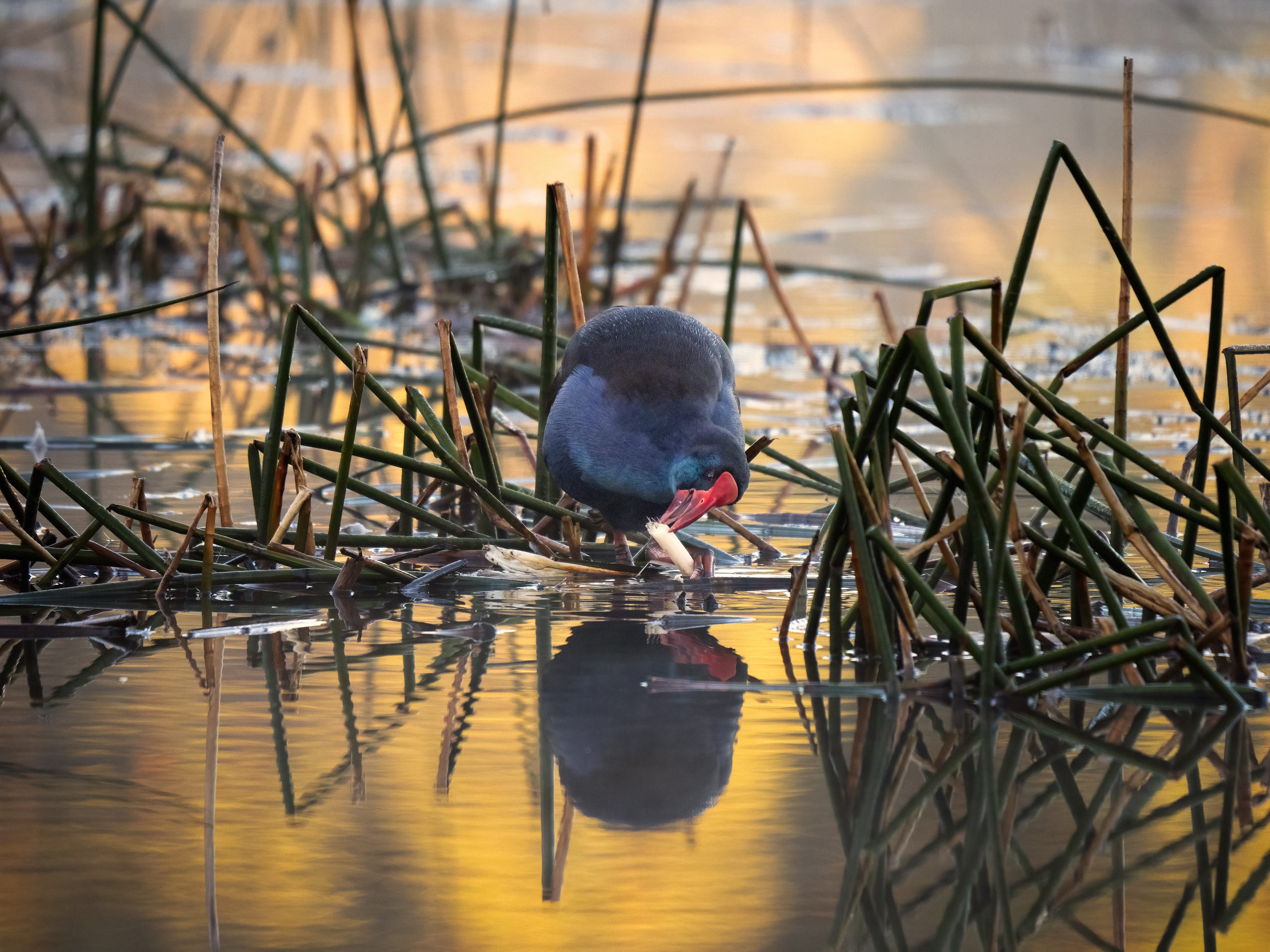
Kwirlam or Purple Swamp Hen (Porphyrio porphyrio). Lake Leschenaultia, Western Australia.


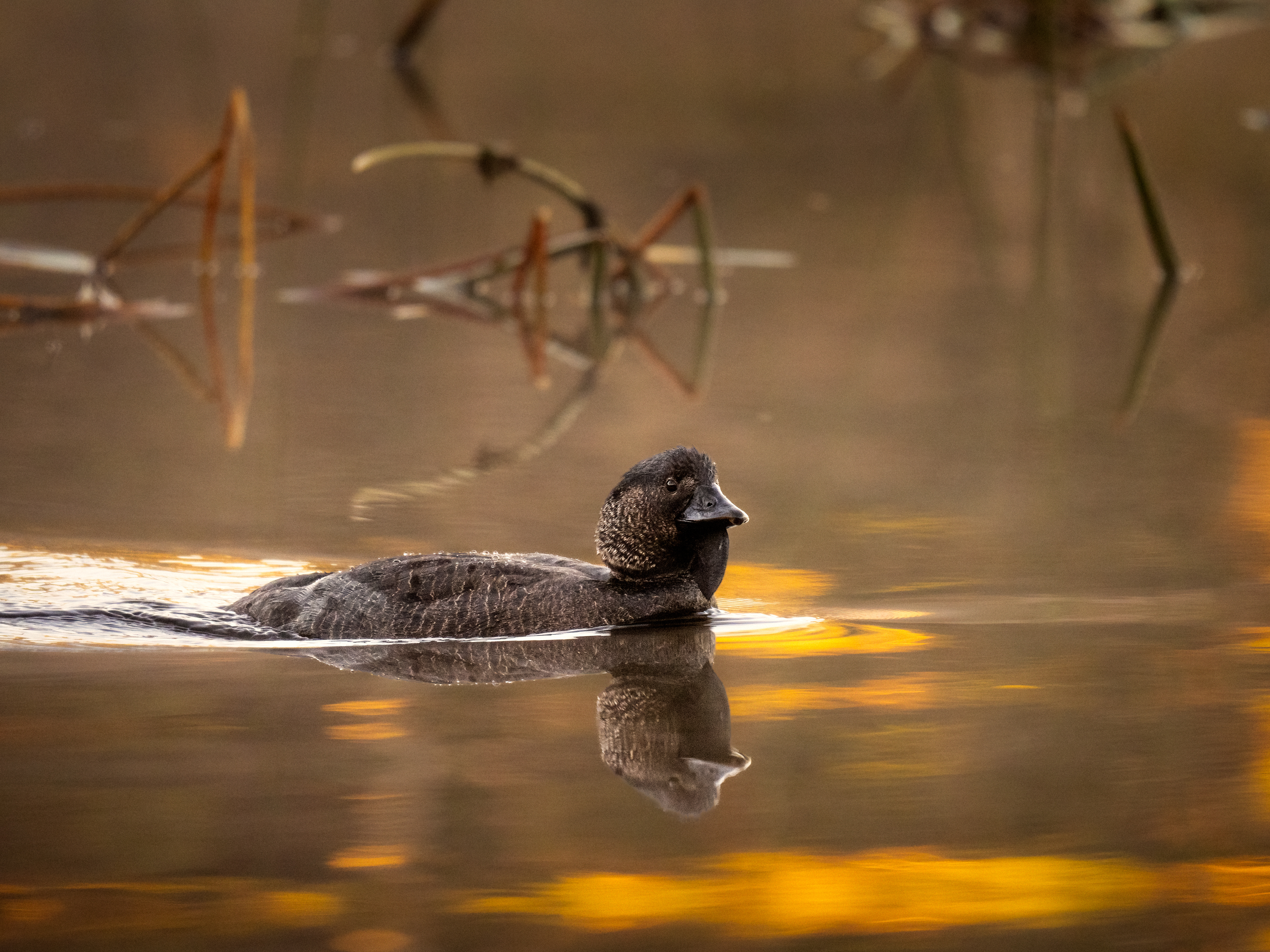
Kadar, Musk Duck (Biziura lobata). Lake Leschenaultia, Western Australia.


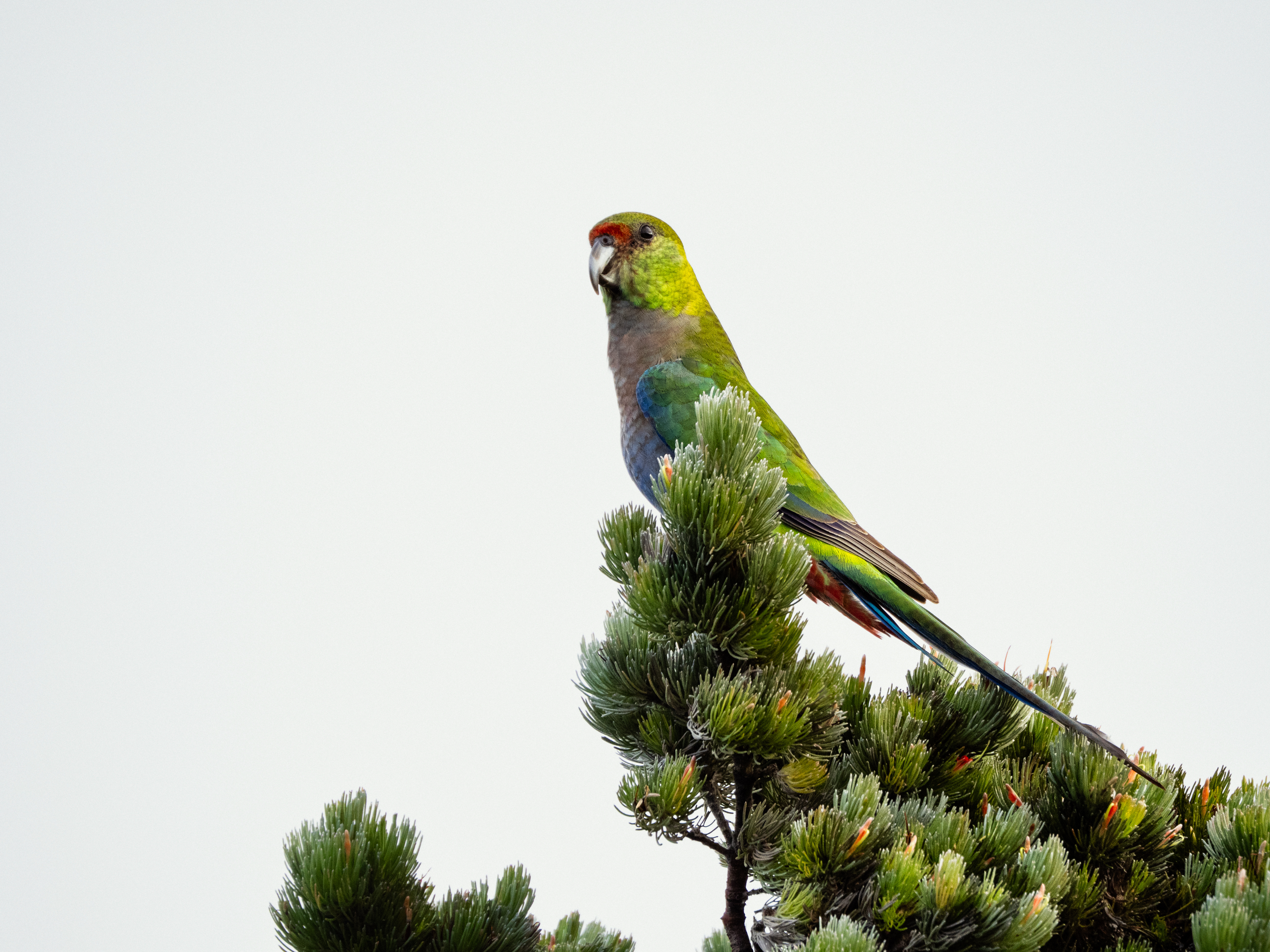
Juvenile Delyip or Red-capped Parrot (Platycercus spurius). Albany Windfarm.


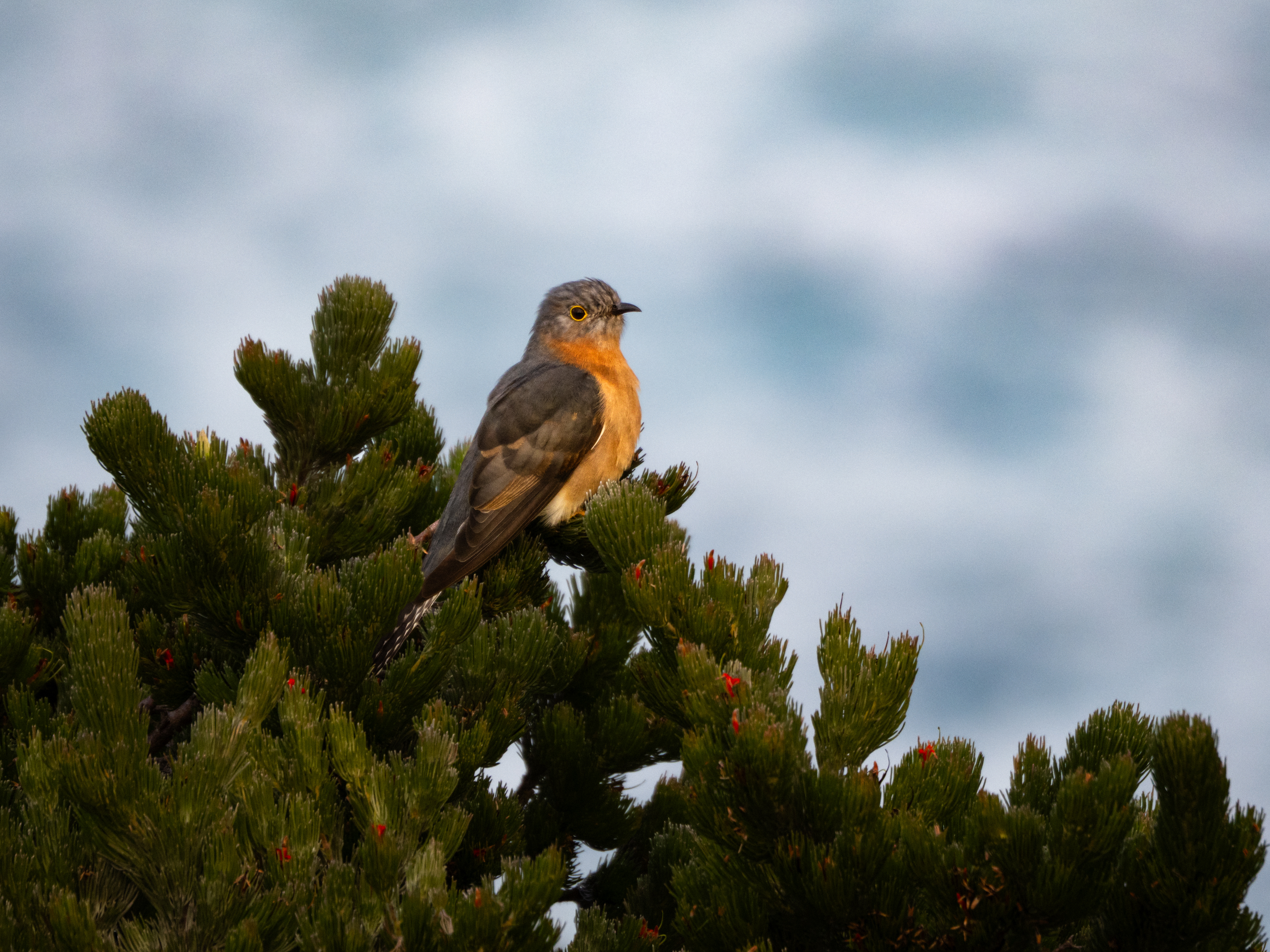
Djoolar or Fan-tailed Cuckoo (Cacomantis flabelliformis). Albany Windfarm.


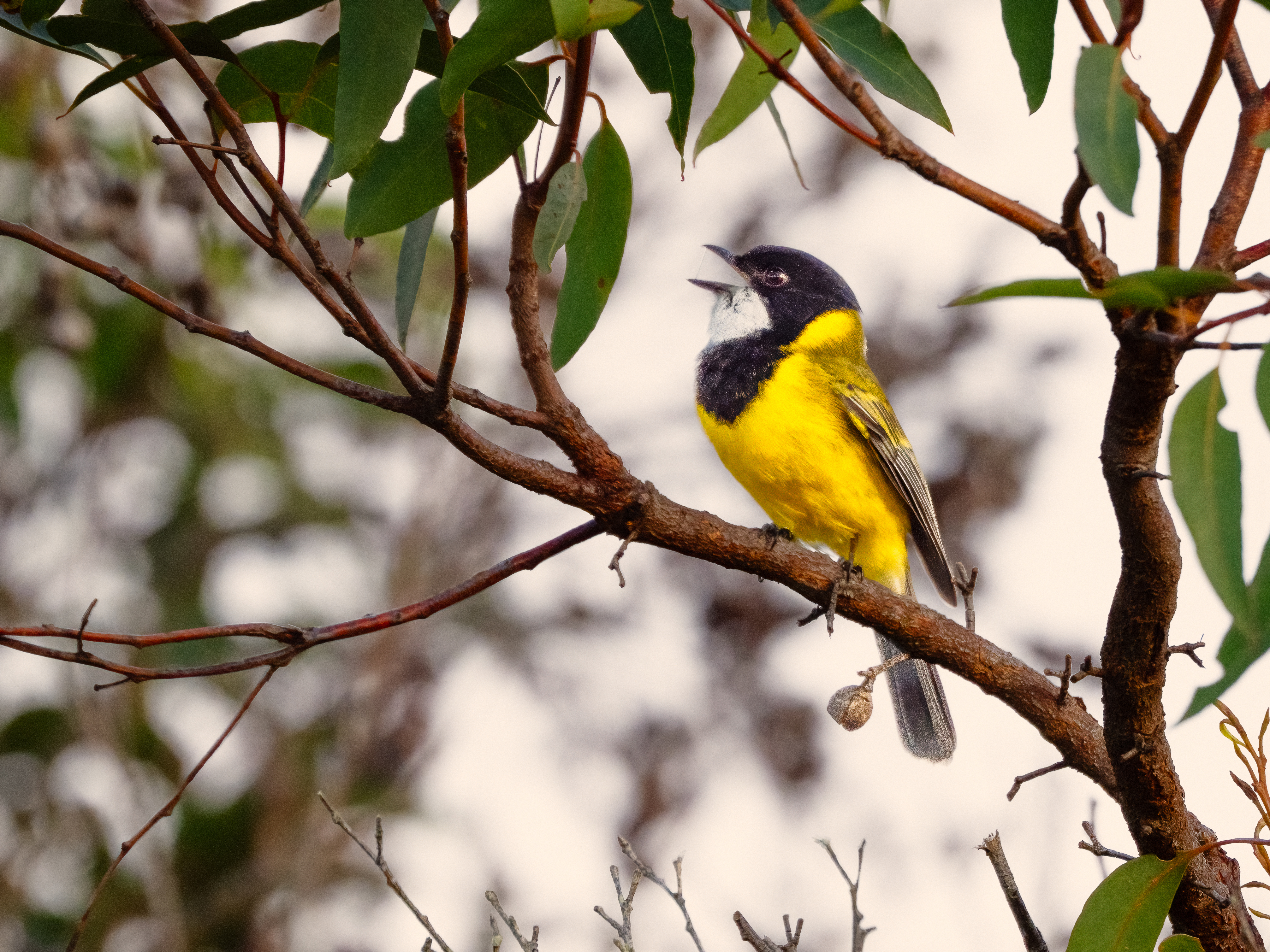
Bidilmidang or Golden Whistler (Pachycephala pectoralis). Torbay.


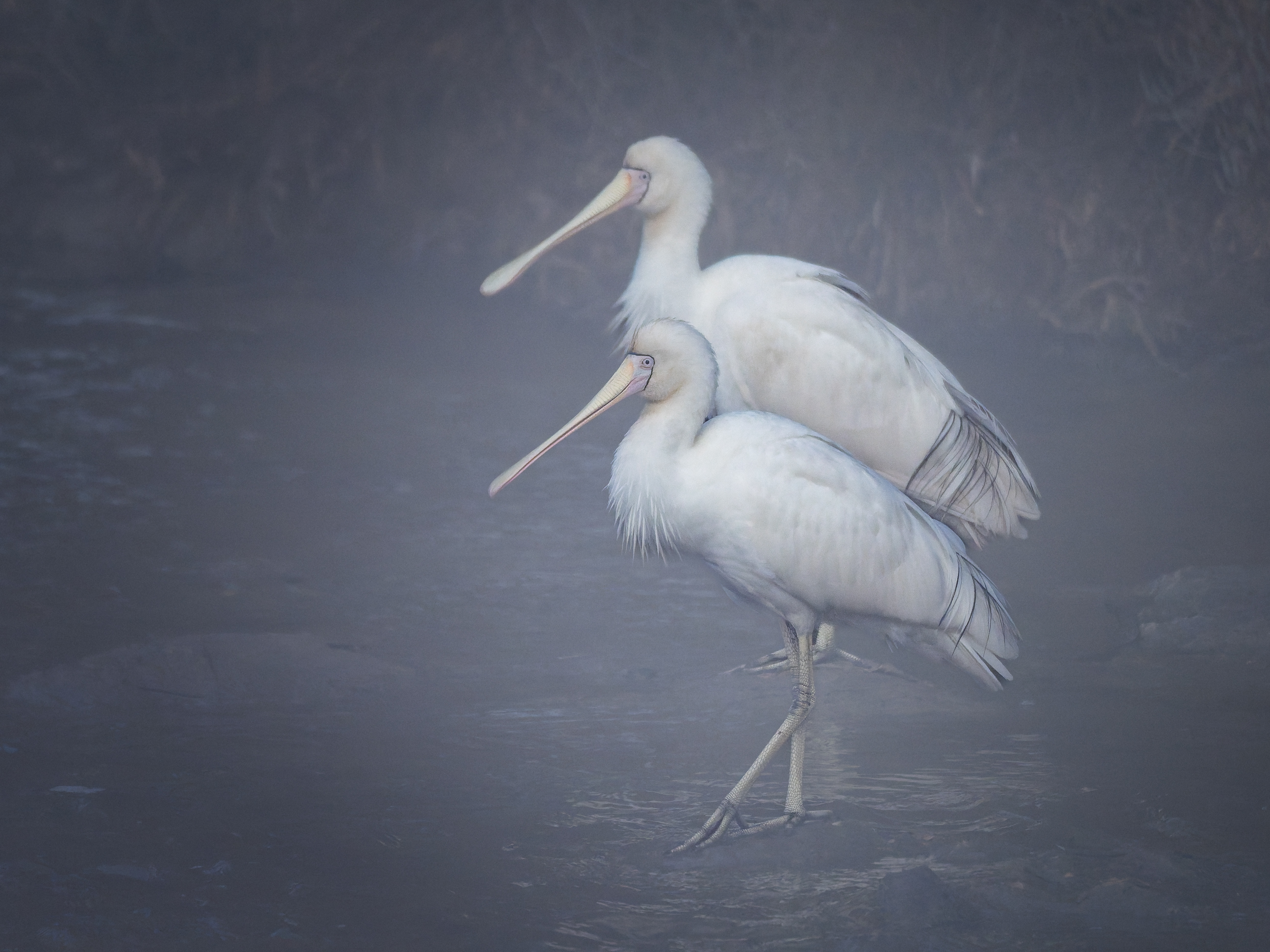
Kaaka-baaka or Yellow-billed Spoonbill (Platalea flavipes).


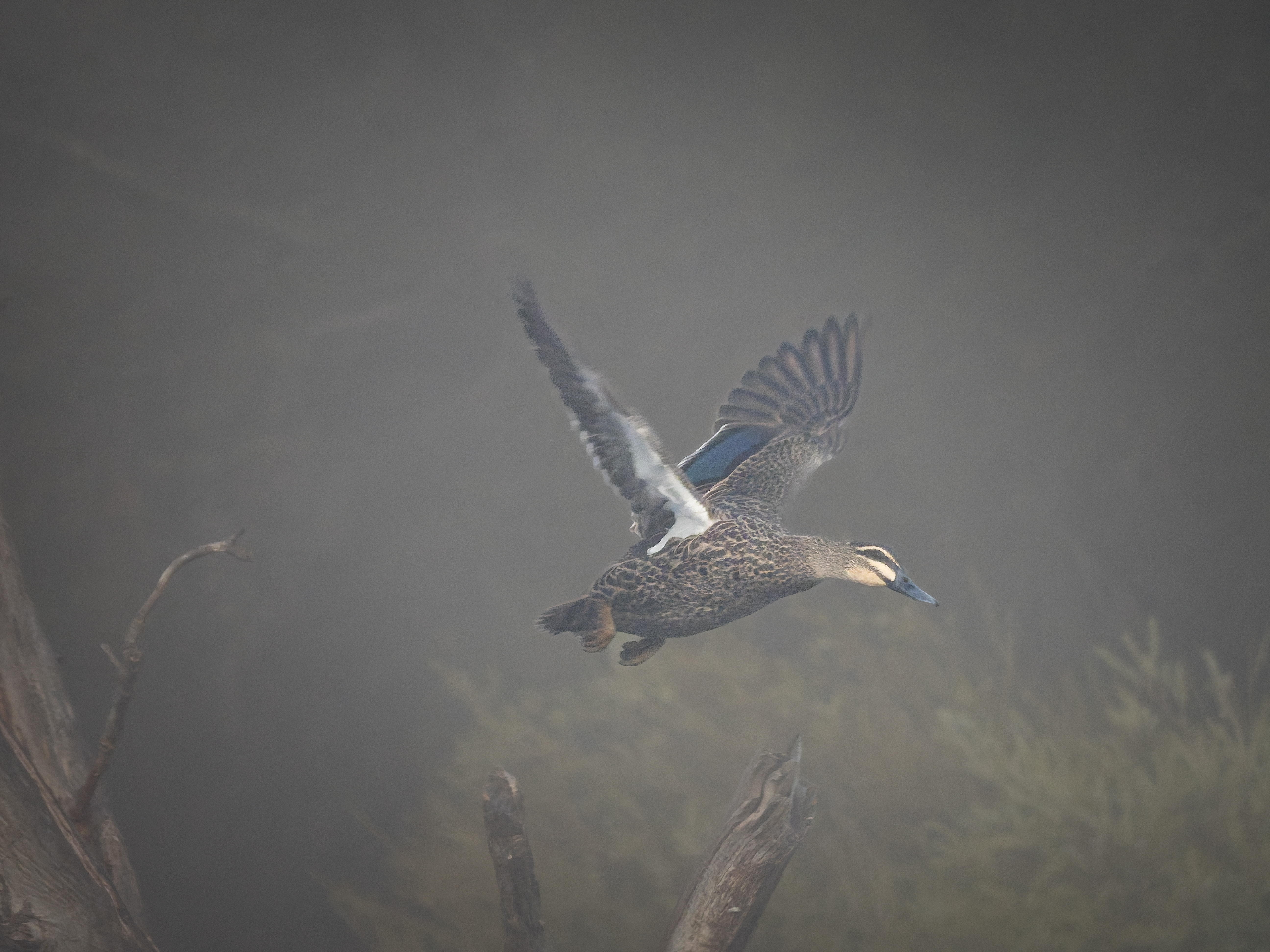
Ngowonan or Pacific Black Duck (Anas superciliosa).


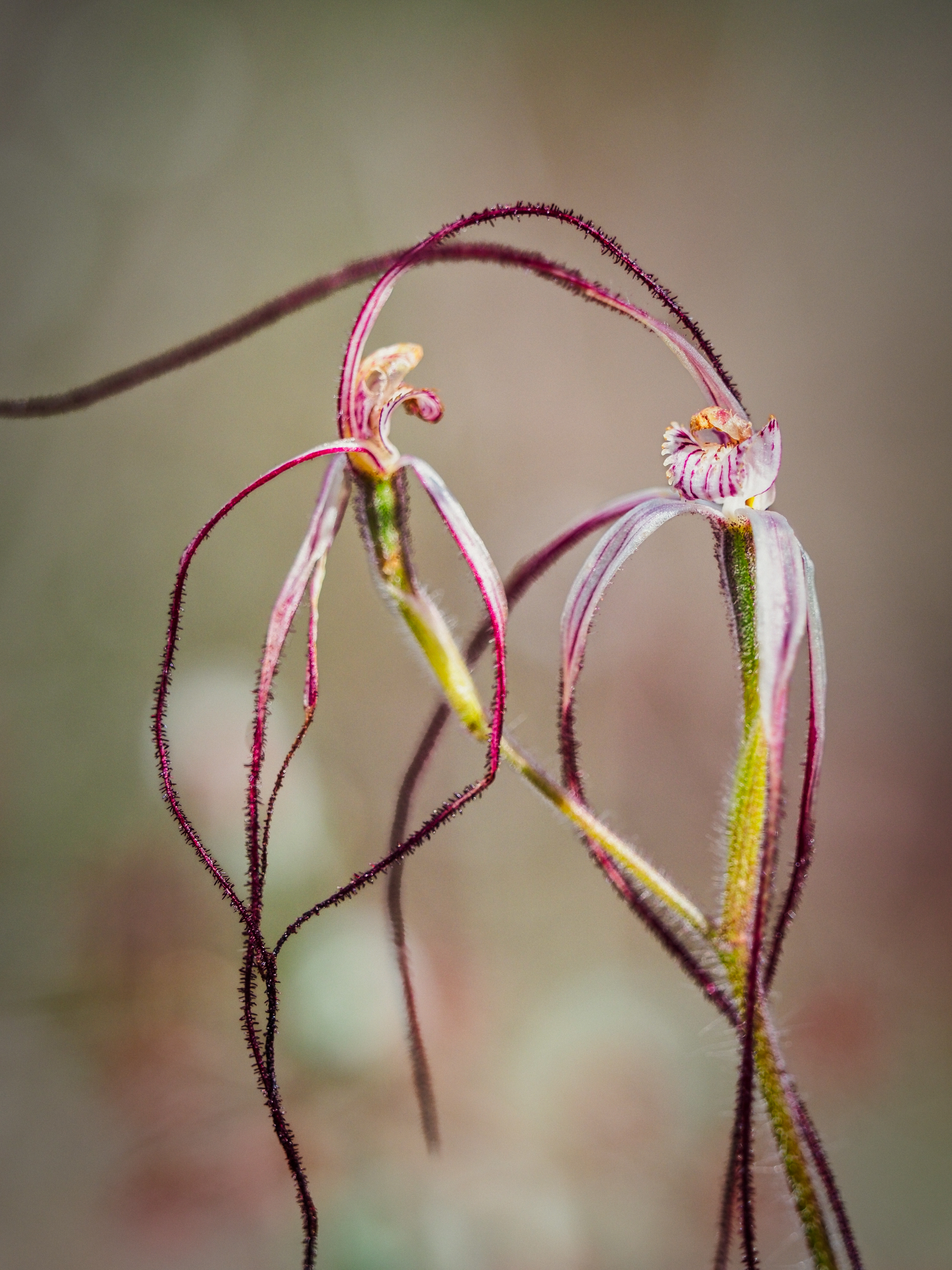
Talbot’s Spider Orchid, Caladenia pendens subsp talbotii. Kweda, Western Australia.


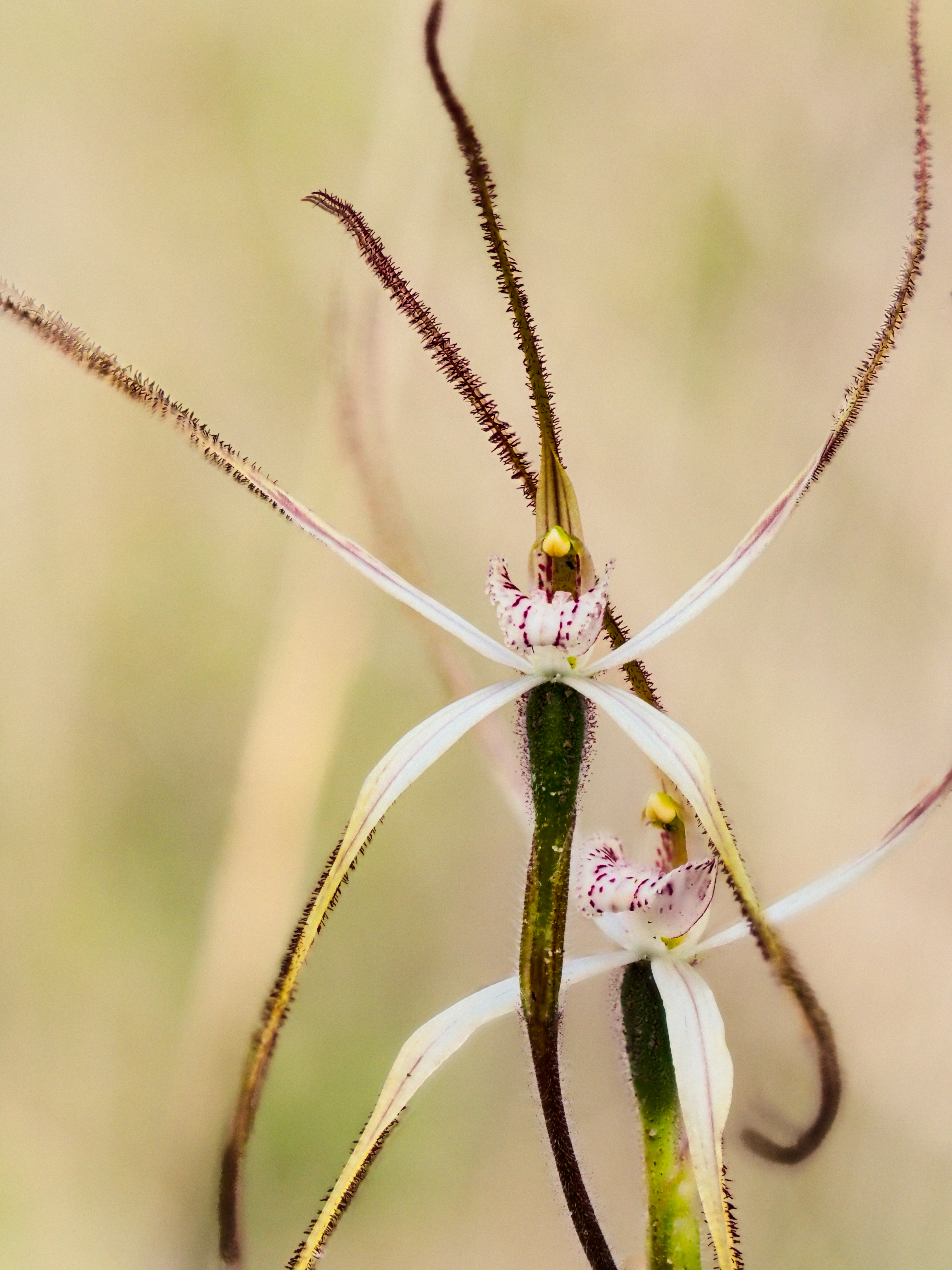
Early Wheatbelt Spider Orchid, Caladenia sp. ‘early wheatbelt’. Kweda, Western Australia.


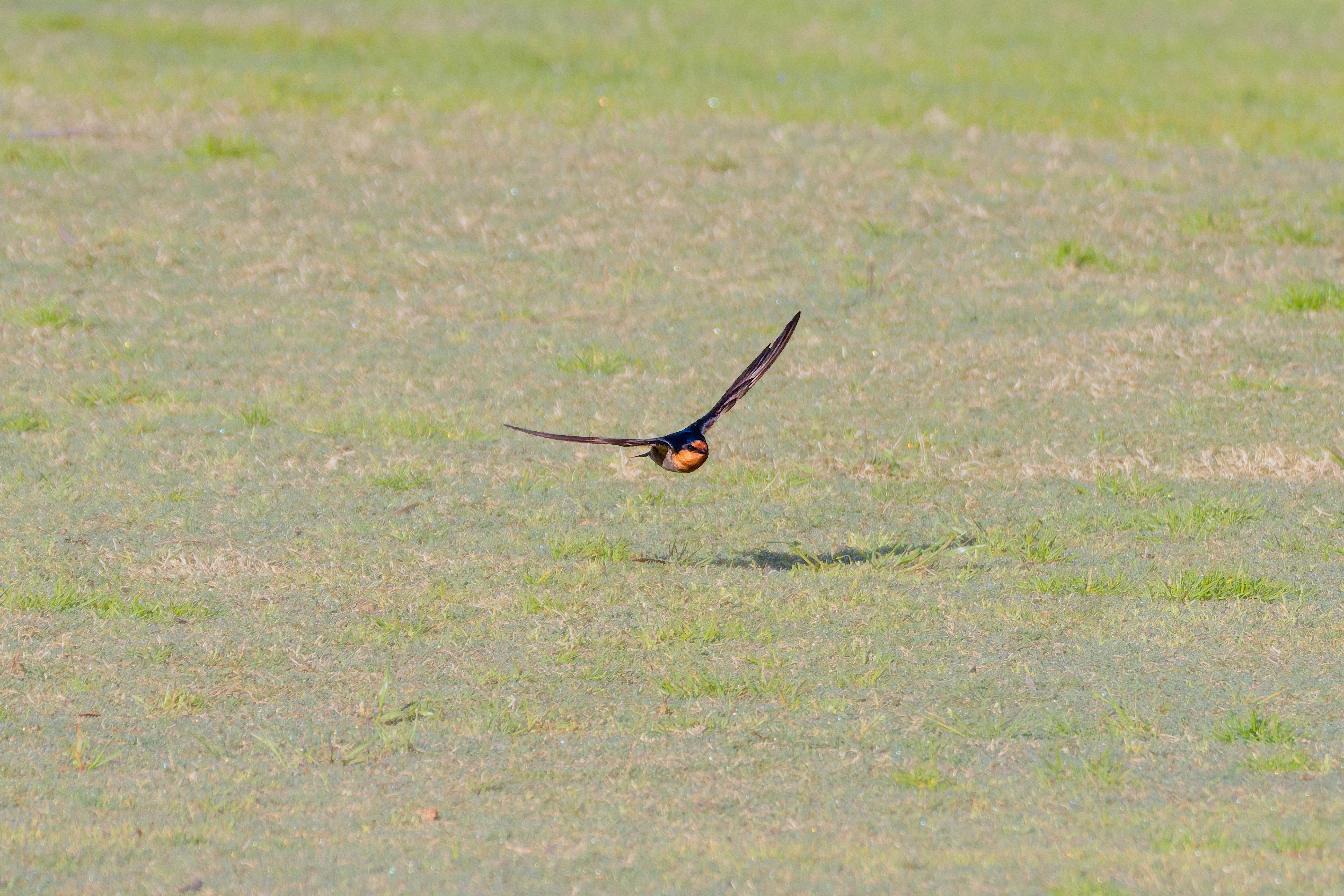
Kanamit or Welcome Swallow (Hirundo neoxxena). York, Western Australia.


Koordji-koordji or Australian Reed Warbler (Acrocephalus australis subspecies gouldi). Lake Leschenaultia, Western Australia.


Juvenile Djindjokoor or Brown Honeyeater (Lichmera indistincta). York, Western Australia.


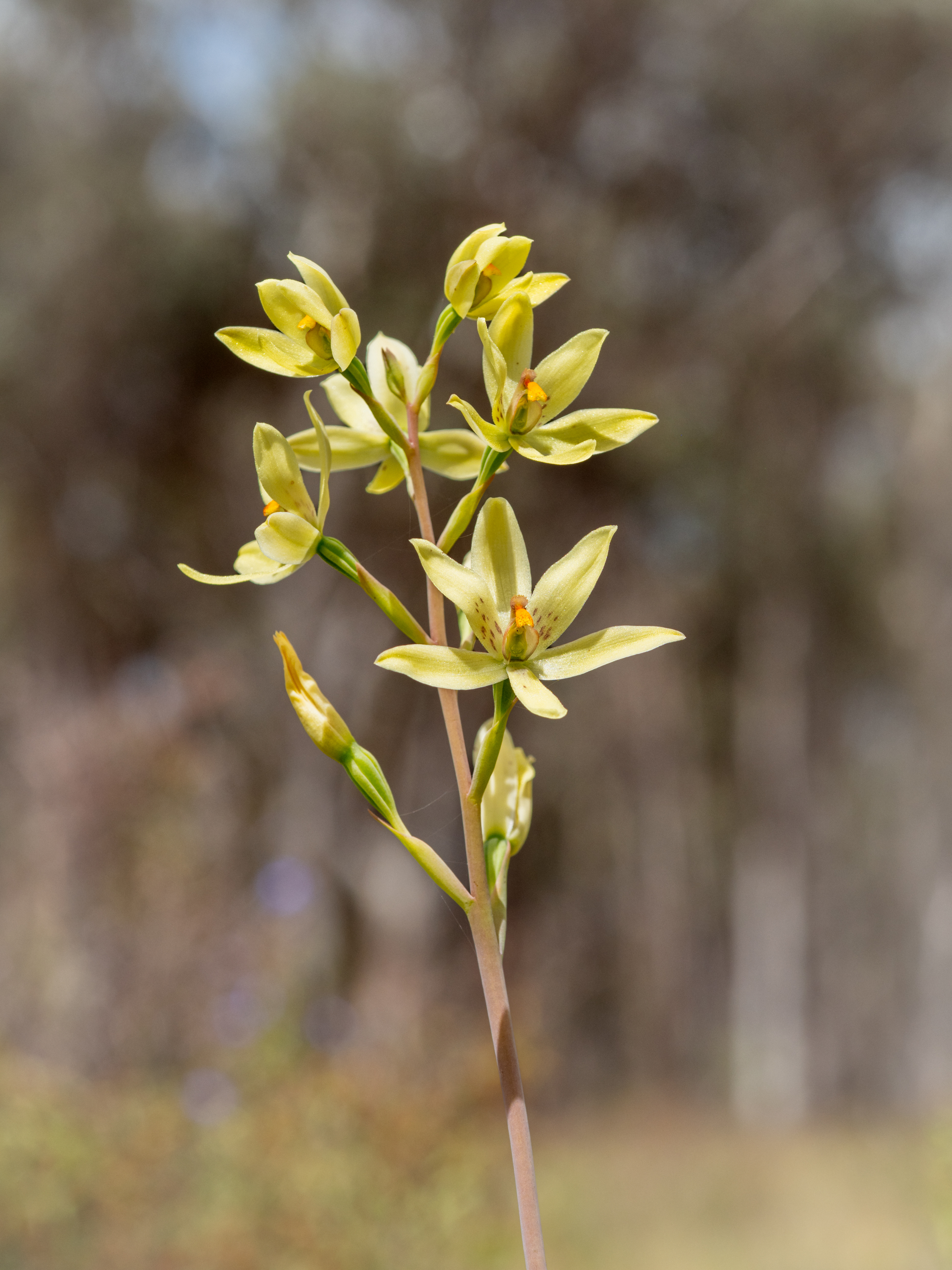
Custard Orchid, Thelymitra villosa. Wandoo National Park, Western Australia.


Kanyinak or Azure Kingfisher (Todiramphus sanctus). Northam, Western Australia.


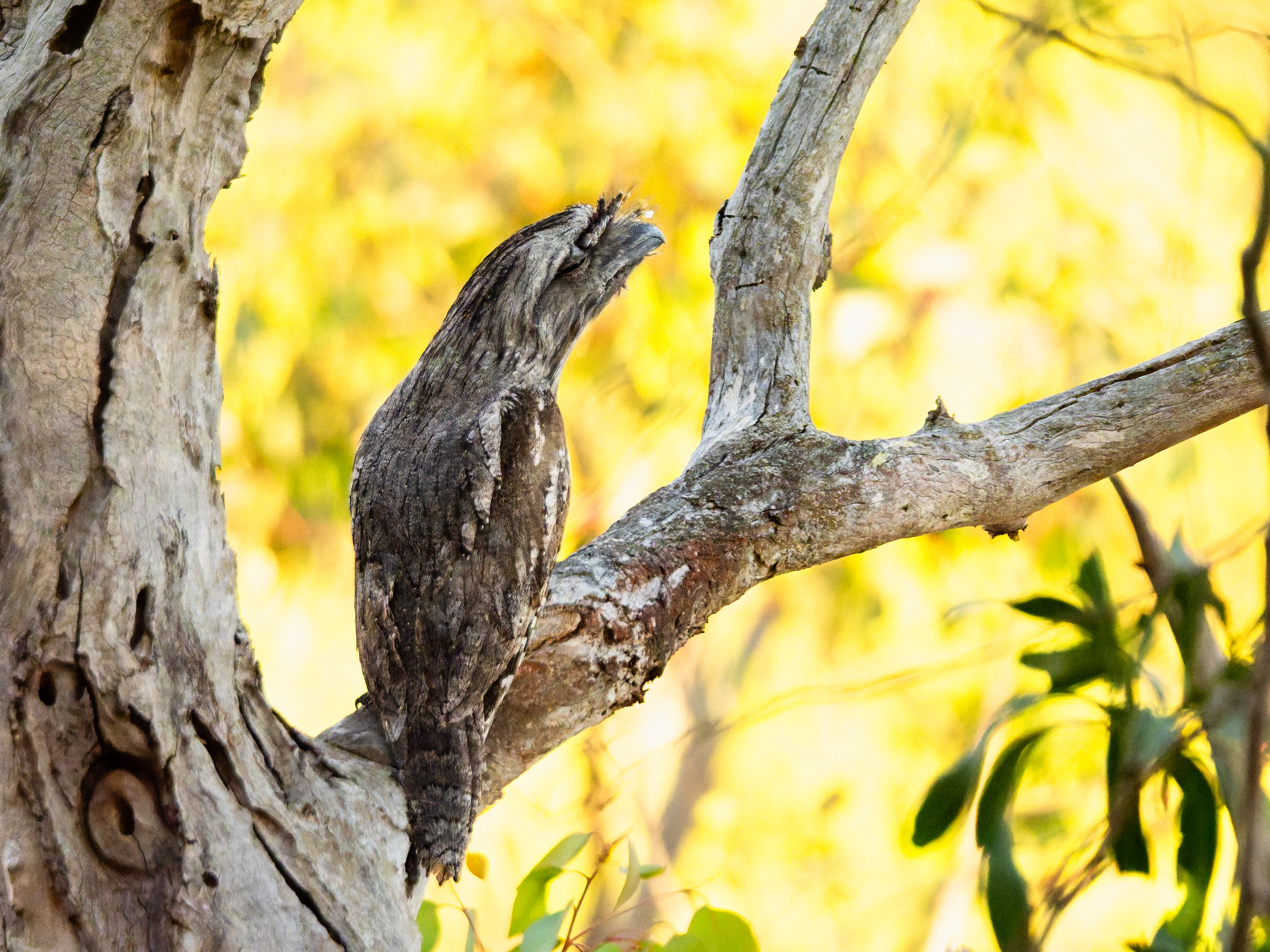
Djoowi or Tawny Frogmouth (Podargus strigoides). Narrogin Railway Dam, Western Australia.


Ngoolyak or Carnaby’s Black-cockatoo (Calyptorhynchus latirostris). Old Mill Dam, Dryandra.


Camera nerdy bit. The most used camera was the Olympus EM1x. Only two of the photos were taken with a sensor bigger than Micro Four Thirds.


I hope all of you had a good 2025 and that 2026 brings happiness and health to you all. Happy New Year.

Home On The Range

Events at home over the last few weeks have meant that I haven’t had the opportunity to do very much photography. Most of the blog entries are written a few weeks before they are published because of the vagaries of finding wildlife so that backlog  came in handy for when I couldn’t get out and about. But now the well has run dry.


Crusader Bug Nymph by Paul Amyes on 500px.com
Crusader bug (Mictis profana) instar nymph.


What little photography I have done recently has been in our back garden. Thankfully we have quite a lot of wildlife visit that I can point a camera at. Most of it has been of the usual suspects, the more common species that can be found in gardens in this part of the world, but there have been a couple of unexpected visitors which was very nice. For the best part of a year we had a problem with stray cats killing a lot of the birds and reptiles. But one of our neighbours has taken the main culprit in and the wildlife numbers are climbing back to what they were. 


Wall Skink by Paul Amyes on 500px.com
Wall Skink or Fence Skink (Cryptoblepharus buchananii) cooling off in the bird bath.


Yoorn by Paul Amyes on 500px.com
Yoorn or Bobtailed Lizard (Tiliqua rugosa)


Kanyinak by Paul Amyes on 500px.com
Kanyinak orSacred Kingfisher (Todiramphus sanctus) on our TV aerial with a freshly caught Bombay Runner (Periplaneta americana).


Bambon by Paul Amyes on 500px.com
Bambon or Rufous Whistler (Pachycephala rufiventris). It is a joy to hear this bird sing every morning.


Nye-nye by Paul Amyes on 500px.com
Nye-nye or Zebra Finch (Taeniopygia guttata) looking for food on the back lawn


Djida by Paul Amyes on 500px.com
Djida or Yellow-rumped Thornbill (Acanthiza chrysorrhoa).


Cabbage White Butterfly by Paul Amyes on 500px.com
Cabbage White Butterfly, Pieris rapae.


Giant Grass Hopper by Paul Amyes on 500px.com
Giant grasshopper or hedge grasshopper (Valanga irregularis) resting on the garden fence.


The garden provided a great deal of solace over a difficult time and it always amazes me how restorative being in nature can be. Hopefully, over the coming weeks we’ll be able to get out and about more.


Honey Bees by Paul Amyes on 500px.com
Honey Bee, Apis mellifera.


A Reconciliation…

…of sorts. I wrote recently about my attempt to abandon my Olympus cameras and move to Sony and how it was an unhappy experience. Well last weekend I went out orchid hunting in Wandoo National Park and I took my Olympus kit with me and it made for a far happier experience.


Pink Enamel Orchid, by Paul Amyes on 500px.com
Pink Enamel Orchid, Elythranthera emarginata. Wandoo National Park, Western Australia.


Pink Enamel Orchid, by Paul Amyes on 500px.com
Close up of a pink enamel orchid.


The main reason was weight. Looking for orchids in the Wandoo National Park is a matter of walking lots. It is a big park – 463.68 square Km – and while you can drive in on numerous gravel roads and 4WD tracks it only gets you so far and then you have to walk over quite varied terrain to find anything. Humping heavy photographic equipment, water, food, extra layers, first aid kit etc gets old really fast. So anything that can reduce the load is most welcome.


Little Laughing Leek Orchid, by Paul Amyes on 500px.com
Little Laughing Leek Orchid, Prasophyllum gracile. Wandoo National Park, Western Australia.


Pouched Leek Orchid by Paul Amyes on 500px.com
Pouched Leek Orchid, Prasophyllum cyphochilum. Wandoo National Park, Western Australia.


The second reason was the rear LCD panel. Having one I could actually see in bright sunlight again was in a word fantastic. Add to that it was of the flippy flappy variety which meant I could twist it to see it irrespective of the camera position meant that I didn’t have to contort myself into impossible positions. It’s amazing how such small things can make life so much easier and more pleasurable.


Custard Orchid by Paul Amyes on 500px.com
Custard Orchid, Thelymitra villosa. Wandoo National Park, Western Australia.


Custard Orchid by Paul Amyes on 500px.com
Close up of a custard orchid.


The orchids were scarce this year. Where there would be literally a carpet of custard orchids there were just one or two specimens. But, although the numbers were down there were plenty of different species to look at and photograph. I went primarily to photograph leopard orchids and I only found them after about 5 hours of looking. It was like the day’s grande finale.


Leopard Orchid, by Paul Amyes on 500px.com
Leopard Orchid, Thelymitra benthamiana. Wandoo National Park, Western Australia.


All in all I was a very happy boy when I got home.


Purple Enamel Orchid by Paul Amyes on 500px.com

Purple Enamel Orchid, Elythranthera brunonis. Wandoo National Park, Western Australia.

Harrismith – the return

Taarblin Lake by Paul Amyes on 500px.com
From my last visit to Harrismith in 20212. It all looks a bit apocolyptic.


Harrismith is a very small town (population 52)  260km east of Perth in the Wheatbelt. Now we went there some thirteen years ago looking for orchids and we didn’t find any as it was too late. I did get the photo of the animal skull on pig face on a dried lake. So this year I’ve been looking for the Western Wispy Spider Orchid (Caladenia microchila) and the Yellow Granite Donkey Orchid and that search took me Harrismith as my last chance.


When I got there it was very apparent I wasn’t going to find much – the bush was very, very dry. Walking through it sounded like walking over Cornflakes – it was so crisp. What I did find was really on it’s last legs. There had been a substantial wildflower display, but it was basically all over. I’d have been better off going at least two weeks earlier. Still it was an enjoyable walk, there was plenty of bird activity and I left feeling I’d of got better photos if I’d taken my bird kit.


Sugar Orchid by Paul Amyes on 500px.com
Sugar Orchid, Ericksonella saccharata. Harrismith, Western Australia.


Green Spider Orchid by Paul Amyes on 500px.com
There’s always a Green Spider Orchid (Caladenia falcata).


Purple Enamel Orchid, by Paul Amyes on 500px.com
Purple Enamel Orchid, Elythranthera brunonis.


Yellow Granite Donkey Orchid by Paul Amyes on 500px.com
Yellow Granite Donkey Orchid, Diuris hazeliae.


The Western Wispy continues to evade me. I’ll have to wait to early next spring to resume the search.

Oswald Sargent Reserve

Earlier this month I wrote about my first orchid expedition of the season and I ended it with saying how I really liked the combination of my Olympus 40-150mm f2.8 and the 1.4 teleconverter. Well I’ve just reset the focus stacking mode on my Olympus EM1 mk ii and I went up to the nearby  Oswald Sargent Reserve to see whether it worked. I took both my 60mm f2.8 macro and the afore mentioned 40-150mm + teleconverter.

Sugar Orchid by Paul Amyes on 500px.com
Sugar Orchid, Ericksonella saccharata. Oswald Sargent Reserve.


It was a beautiful morning and there were hundreds of orchids out – it was quite a stunning display. There were so many flowers that I could afford to be very fussy pick specimens that had good backgrounds and in good light. It doesn’t always go as well as this.

Cowslip Orchid by Paul Amyes on 500px.com
Cowslip Orchid, Caladenia flava subsp flava. Oswald Sargent Reserve.


Getting home and processing the photos I have to say that I much prefer the results from the 40-150mm combination. It’s not the sharpness of the lens, both lenses are very sharp. It is the way the lens renders the image. The way the tones in the out of focus areas merge smoothly and don’t draw attention away from the subject. When combined with focus stacking the effect is fantastic.


Chapman's Spider Orchid by Paul Amyes on 500px.com
Chapman’s Spider Orchid, Caladenia chapmanii. Oswald Sargent Reserve.


Little Pink Fairy Orchid by Paul Amyes on 500px.com
Little Pink Fairy Orchids, caladenia reptans subspecies reptans. Oswald Sargent Reserve.


Oswald Sargent was a very interesting character. While being a pharmacist here in York he was also an eminent amateur botanist and his family were pioneering photographers. His son left a large archive of photos documenting life in the town.


Green Spider Orchid by Paul Amyes on 500px.com
Green Spider Orchid

And We’re Off!!

Mid August. Get the orchid books out. Find the maps. Load the coordinates into the GPS. Dust off the macro lens. Kweda here I come!!!

It was a hair raising journey. After our heavy winter rains the dirt roads resembled cold lumpy gritty porridge and for the last 10km the car fish tailed along the road the tyres struggling to get a grip at times. It was a relief to stop and park up by the mobile phone tower which was the only bit of hard ground. Considering the conditions I was amazed that there were any orchids out as most species don’t like getting their feet wet at all.


Green Spider Orchid by Paul Amyes on 500px.com
Fringed Mantis Orchid or Green Spider Orchid (Caladenia falcata). Kweda, Western Australia.


Talbot's Spider Orchid by Paul Amyes on 500px.com
Talbot's Spider Orchid, Caladenia pendens subsp talbotii. Kweda, Western Australia.


Winter Donkey Orchid by Paul Amyes on 500px.com
Winter Donkey Orchid, Diuris brumalis. Kweda, Western Australia.


Blue Beard by Paul Amyes on 500px.com
Blue Fairy Orchid or Blue Beard (Pheladenia deformis). Kweda, Western Australia.


Early Wheatbelt Spider Orchid by Paul Amyes on 500px.com
Early Wheatbelt Spider Orchid, Caladenia sp.’early wheatbelt’. Kweda, Western Australia.


I must say I’m really, really liking using the Olympus m.Zuiko 40-150mm f2.8 with the Olympus 1.4 Teleconverter MC-14 for focus stacking. It is a beautiful lens, probably the best one I’ve got.

Big Cats and Flowers

My last wander about the local Wandoo forest didn’t yield anything much. The only plants worth getting the camera out for were some Leopard Orchids. So I did my usual full length portrait using my 40-150mm f2.8 plus MC-14 teleconverter with focus stacking. Then a tighter “head and shoulders” shot with the 60mm f2.8 macro and flash. I finished up with really tight detail shot at close to 1:1 again with the 60mm macro.


Leopard Orchid by Paul Amyes on 500px.com
Leopard Orchid, Thelymitra benthamiana. A 10 shot focus stack using the Olympus EM1 mk ii, Olympus 40-150mm f28 lens and the the Olympus MC-14 teleconverter. File assembled in Photoshop.


Leopard Orchid by Paul Amyes on 500px.com
If you look closely at the main flower there is a spider peeping out and the fly on the edge of plant is caught in its web. Leopard Orchid, Thelymitra benthamiana.


In the past I’ve used OM Workspace to do the focus stacks, but after it’s latest update it has become so slow – glaciers move quicker. So I decided to to do the stack using Adobe Lightroom and Photoshop. To say it was much faster would be a massive understatement, but the final result was a lot better as well. For the life of me I can’t work out why camera manufacturers software is so bad. It should be better as they know all the features of the cameras and how to get the best out of them. This isn’t just a whinge directed at OM Systems. Canon’s DPP is absolutely appalling as well. Adobe would’t have such a stranglehold on the market if the camera manufacturers could develop good software.

Wayfaring in Williams

Whenever I’ve stopped in Williams it always been on the way to somewhere else and I’ve always been quick to get a move on. Well the other day I gave Williams my full attention. There are a few good spots for orchids there and I wanted to visit one in particular as it is the home to the Common Dragon Orchid. Despite its name I’ve never found the Common Dragon Orchid to be very common – in fact I’d only seen a rather manky looking one some twenty years ago. That, as they say, is a long time between drinks.

The bit of scrubby land that is home to the flowers is pretty ordinary to look at. It’s situated on the corner of a busy highway and a dirt track. Judging from the car bodies, rusted metal, bottles and corrugated asbestos it’s been used for fly tipping for years. But situated under the sheaoak trees in amongst the needles were an amazing variety of orchids. Common Dragon Orchids, well they were certainly common there. There were hundreds of them.

The first three images are pretty straight photos using the Olympus 60mm f2.8 macro lens and STF-8 flash or the Olympus 40-150mm f2.8 with no flash.


Common Dragon Orchid by Paul Amyes on 500px.com
Common Dragon Orchid, Caladenia barbarossa. Williams, Western Australia.


Zebra Orchid by Paul Amyes on 500px.com
Zebra Orchid, Caladenia cairnsiana. Williams, Western Australia.


Clubbed Spider Orchid by Paul Amyes on 500px.com
Clubbed Spider Orchid, Caladenia longiclavata. Williams, Western Australia.


The last couple were done as focus stacks using the Olympus 40-150mm f2.8 and MC-14 1.4x teleconverter. The stacks were assembled in Photoshop.


Common Dragon Orchid by Paul Amyes on 500px.com
Common Dragon Orchid, Caladenia barbarossa. Williams, Western Australia.


Zebra Orchid by Paul Amyes on 500px.com
Zebra Orchid, Caladenia cairnsiana. Williams, Western Australia.