Olympus m.Zuiko 17mm f2.8 lens – a belated review

The Olympus 17mm f2.8 lens mounted on an Olympus Pen EP-2.


The Olympus 17mm f2.8 lens was the first prime lens from Olympus for its new Micro Four Thirds System and was launched in 2009 with the Olympus Pen EP-1 their first camera. I didn’t buy the EP-1 when came out, I was deeply tempted but I wanted a camera with a viewfinder. Less than a year later the EP-2 was launched and it had provision for accepting an auxiliary EVF and I promptly bought one and the 17mm f2.8 came as part of the kit and I’ve used it ever since.


The 17mm f2.8 is what is termed a pancake lens. This is where the lens specs are sacrificed to produce the smallest possible lens.


The Olympus 17mm f2.8 wasn’t well received – a lot of people felt that its minimum aperture of f2.8 was somewhat underwhelming especially compared to the Panasonic 20mm f1.7 which was launched in the same year. The Panasonic while sharper in the centre of the frame and having a faster minimum aperture (1.7 compared to 2.8) was larger, heavier, more expensive had slow noisy AF, marked chromatic aberration and didn’t behave very well with the sensor stack of Olympus cameras. There was a strange banding effect when it was used on the EM5 at higher ISO. In 2012 Olympus introduced the 17mm f1.8 which addressed all the short comings  of the older f2.8 lens which was allowed to slip silently into oblivion.


The Olympus 17mm f2.8 lens mounted on an Olympus Pen EP-5.


I wanted to upgrade to the new f1.7 but I could never find a dealer who had it in stock. The same was true when I thought I wanted the Panasonic Leica 15mm f1.7 as a replacement. In the end I bought the Sigma 16mm f1.4 DG DN which is optically a huge improvement over the little Olympus, but is physically enormous.  I kept the Old 17mm f2.8 because it served several purposes. It had a very useful close focusing capability when compared to the Sigma (0.11x compared to the Sigma’s 0.07x) and when mounted to my EP-5 it was small, unobtrusive, and would fit in a jacket pocket. The same could not be said for the Sigma.


A size comparisson between the m.Zuiko 17mm f2.8, the Sigma 16mm f1.4 which offers a similar field of view and the Olympus OM Zuiko 35mm f2 for full frame cameras.


TLDR


Vital Statistics


Lens construction of the m.Zuiko 17mm f2.8 lens.


Focal length 17mm equivalent to 34mm on full frame
Diagonal angle of view 65º
Optical construction  6 elements in 4 groups with 1 aspherical lens
Diaphragm  5 rounded blades
Minimum aperture F2.8
Maximum aperture f22
Minimum focusing distance  20cm
Maximum magnification ratio 0.11x
Filter diameter 37mm
Dimensions  ⦰ 57mm x 22mm (h)
Weight 71g
Internal focusing No
Lens hood No


The Olympus 17mm f2.8 is the same size as this Canon EF rear lens cap and body cap.


This lens is small – really small – just 22mm high and 57mm in diameter at its widest. To put that into perspective the lens is only just a little bigger than a Canon EF body and lens cap and weighs just 43g heavier. For such a small and lightweight lens it does feel surprisingly dense in the hand. The lens mount is metal and the body is plastic with no weather sealing. The only control on the lens is the focusing ring which is of the focus by wire type and is nicely dampened. Filter size is weenie – just 37mm. Olympus did not supply a lens hood and nor did they make one. I bought an after market vented metal hood which looks very spiffy when the lens is mounted on my EP-5.
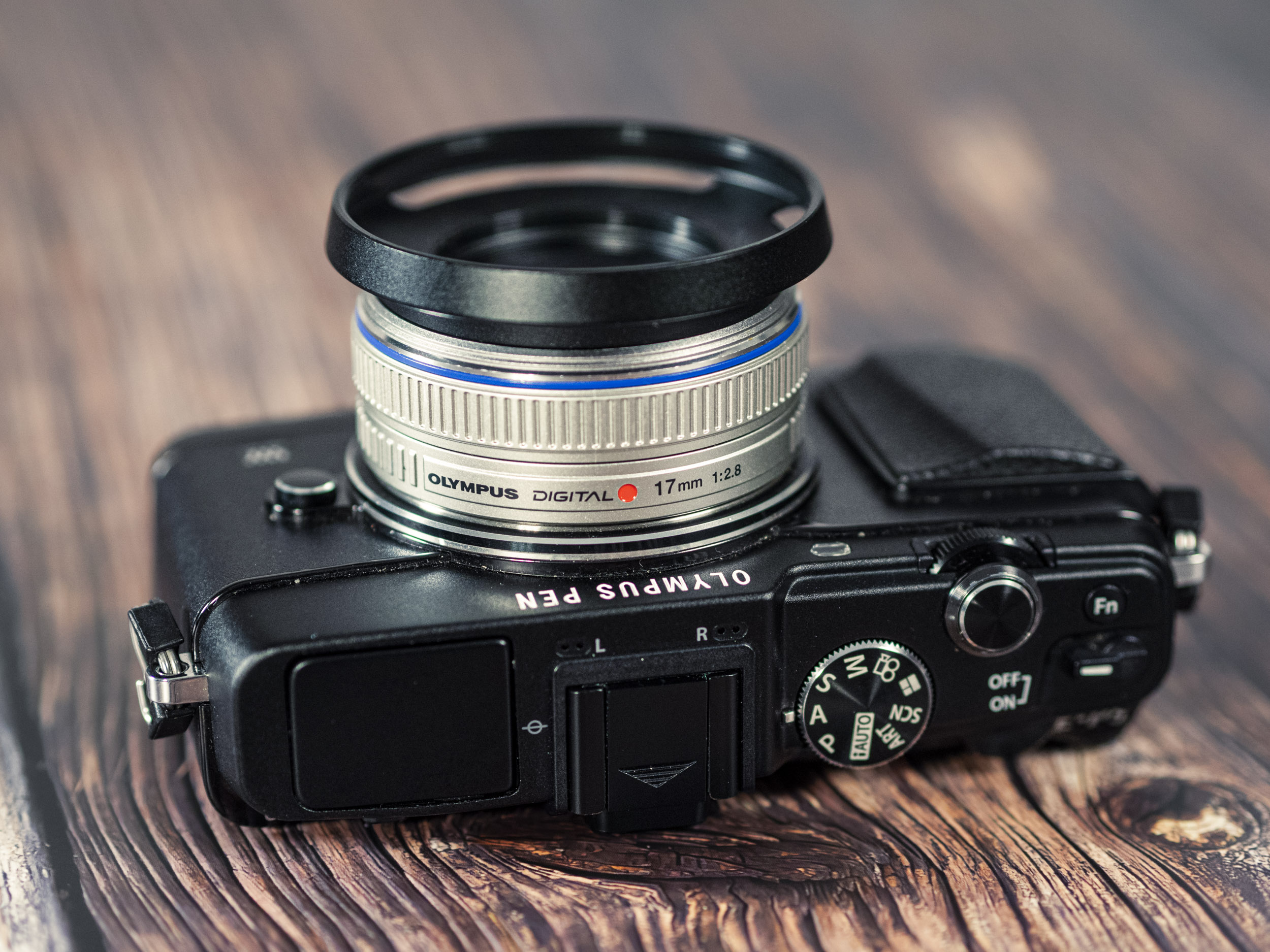
 

The Olympus 17mm f2.8 lens with vented lens hood mounted on an Olympus Pen EP-5.


Optical Performance 

f2.8


Wide open at f2.8 in the centre of the frame the image lacks a little “bite” . Stop down to f4 and sharpness and contrast improve and it remains good until f11. After that diffraction softens the image. In the corners wide open the lens is tiny bit softer than the centre. Sharpness improves at f5.6 but it is not as sharp as the centre at this aperture. 
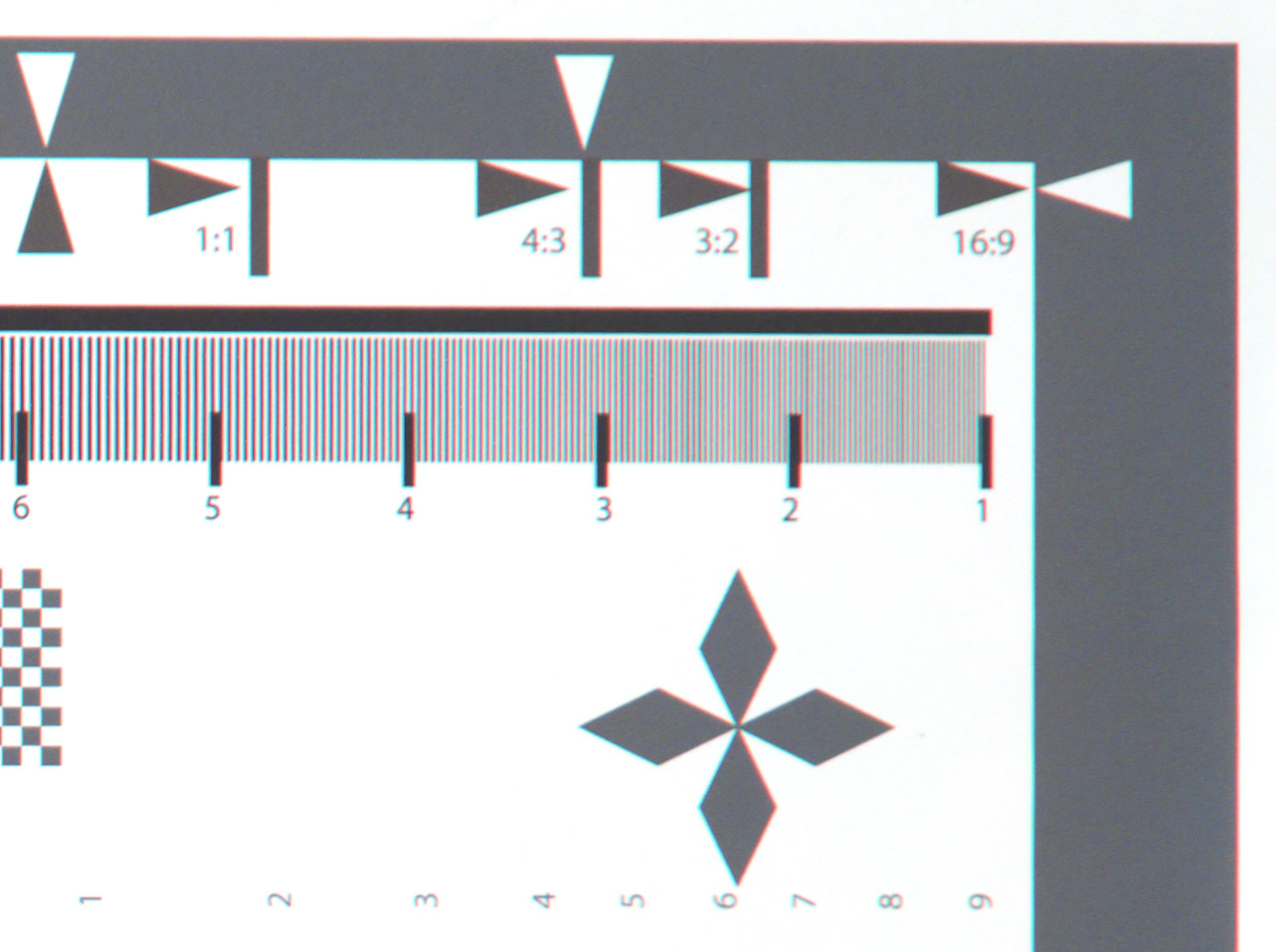
 

100% crop showing Chromatic aberation at f2.8.


Wide open lateral chromatic aberration is very apparent with magenta and cyan fringing. The modest minimum aperture of f2.8 and the wide angle of view means that there is longitudinal chromatic aberration visible. When Olympus and Panasonic established the Micro Four Thirds standard they made the lens with built in profiles which correct for distortion and vignetting. Consequently looking at an image straight out of the camera with the profile applies there is no sign of distortion or vignetting on the Olympus 17mm f2.8. Switch that profile off and the barrel distortion is very noticeable as is very slight vignetting.

 

At f2.8 with lens profile disabled. Note the lack of contrast and the prominent barrel distortion.


Diffraction spikes or sunstars at f22.


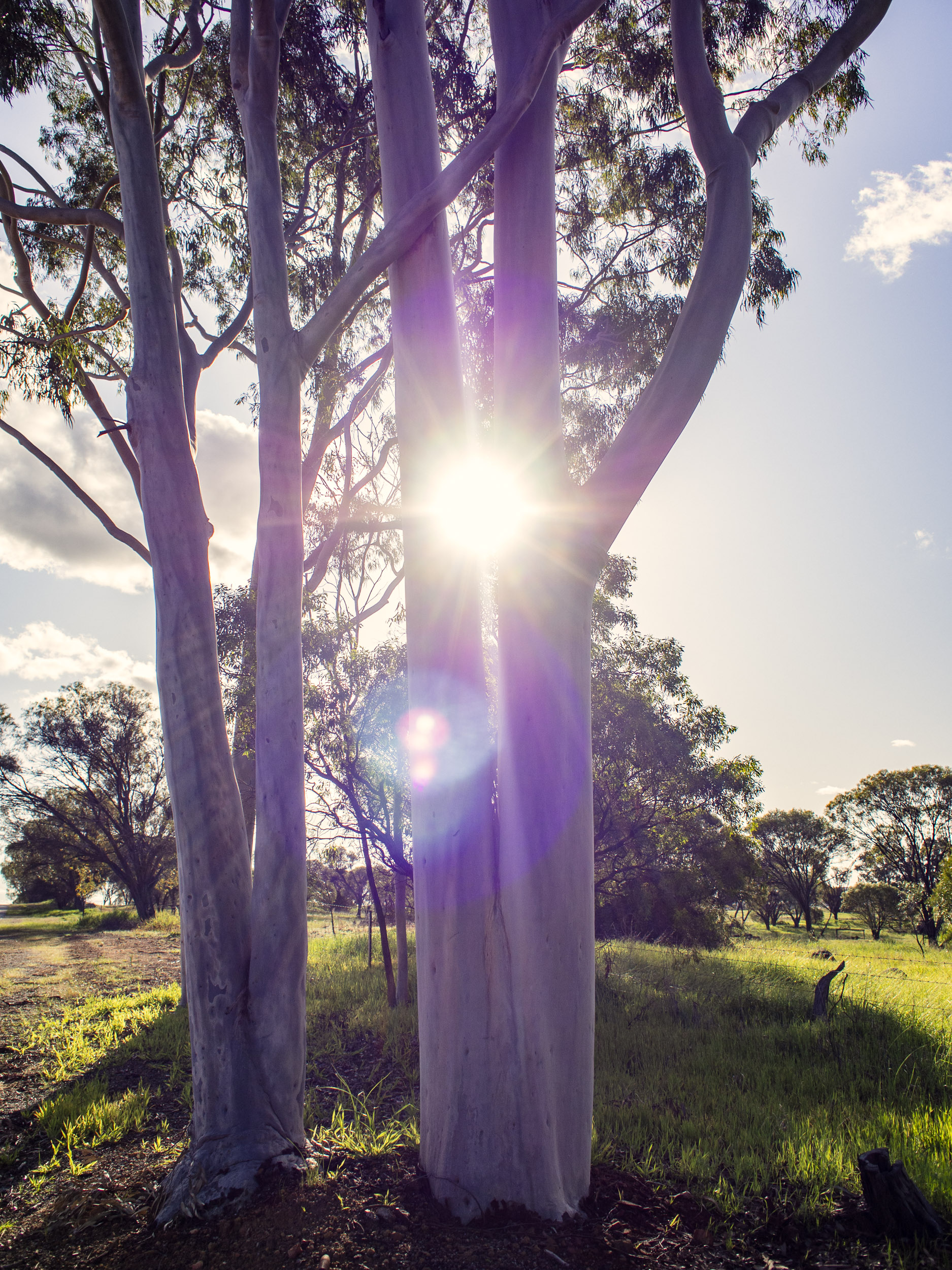
Veiling flare and reflections are quite prominent shooting into the sun wide open. The result is a significant loss of contrast.

Veiling flare and ghosting are prominent when shooting into the sun as is the loss of contrast. The diffraction spikes (aka  sun stars) are a bit pedestrian and nothing to write home about.


Bokeh balls wide open at f2.8.


When it comes to bokeh well this lens is never going to be the “Bokeh King”. The bokeh balls are consistently shaped throughout the frame but were not quite perfectly circular. While the rendering of out of focus areas is smooth it is not the most attractive that I’ve seen.


Close up of the bokeh


Autofocus Performance

When the EP-1 was introduced it and the Panasonic G1 were heading the rise of a new class of camera – the mirrorless interchangeable lens camera. The autofocus was contrast based and still in its infancy. In fact dodgy AF was one of the things that was always levelled at mirrorless cameras by DSLR users in those far off days. The AF performance of the Olympus 17mm f2.8 certainly reflects this. For point to point AF using single shot mode the lens is quick and accurate if a little noisy. It is when you switch to continuous autofocus and tracking that things become dodgier than a Balinese Rolex. The performance is very hit and miss. Even when you put it on a phase detect auto focus camera (EM1 mk ii and later) the results are only marginally better. The fault is the because of the type of motor used to move the lens elements.  It just can’t keep up with information being sent by the camera. This is why Olympus later introduced its MSC technology. MSC stands for Movie and Stills Compatible and consists of a high speed motor that can provide very small precise adjustments. So while it appears poor compared to later models this is not a lens you’re going to shoot sports with.

Video AF is also a bit pants. The lens makes a horrible noise as it rocks back and forth. It does find focus eventually its just not very elegant or confidence inspiring in the way it does it.


Conclusion

The Olympus 17mm f2.8 lens mounted on an Olympus Pen EP-5.


This lens is not what you call optically brilliant – if you want that look at the Olympus m.Zuiko 17mm f1.2 Pro which costs $1900 AUD – but that’s not what this lens is about. This is a fun lens to use. It’s so convenient to slap it onto an Olympus Pen EP-5 or EM-10 and have a great small camera lens combo that can go with you anywhere. This is what micro four thirds was all about when it was introduced. Team it up with the ridiculously compact Olympus 45mm f1.8 and you have a nice two lens outfit that will fit in a jacket pocket and produce good photos. Unfortunately 17mm f2.8 is out of production, but it can be bought second hand for about $200 AUD. Factor in $10 AUD for a lens hood and you’ve got a nice little walk about lens.


Sample Images

Royal swans near the bridge to Eaton.


Getting in touch with his inner Elvis on Brighton Beach.


Fishing boat pulled up onto the beach at Bognor Regis.


Urban Cowboy waiting at the Perth Rail Station.


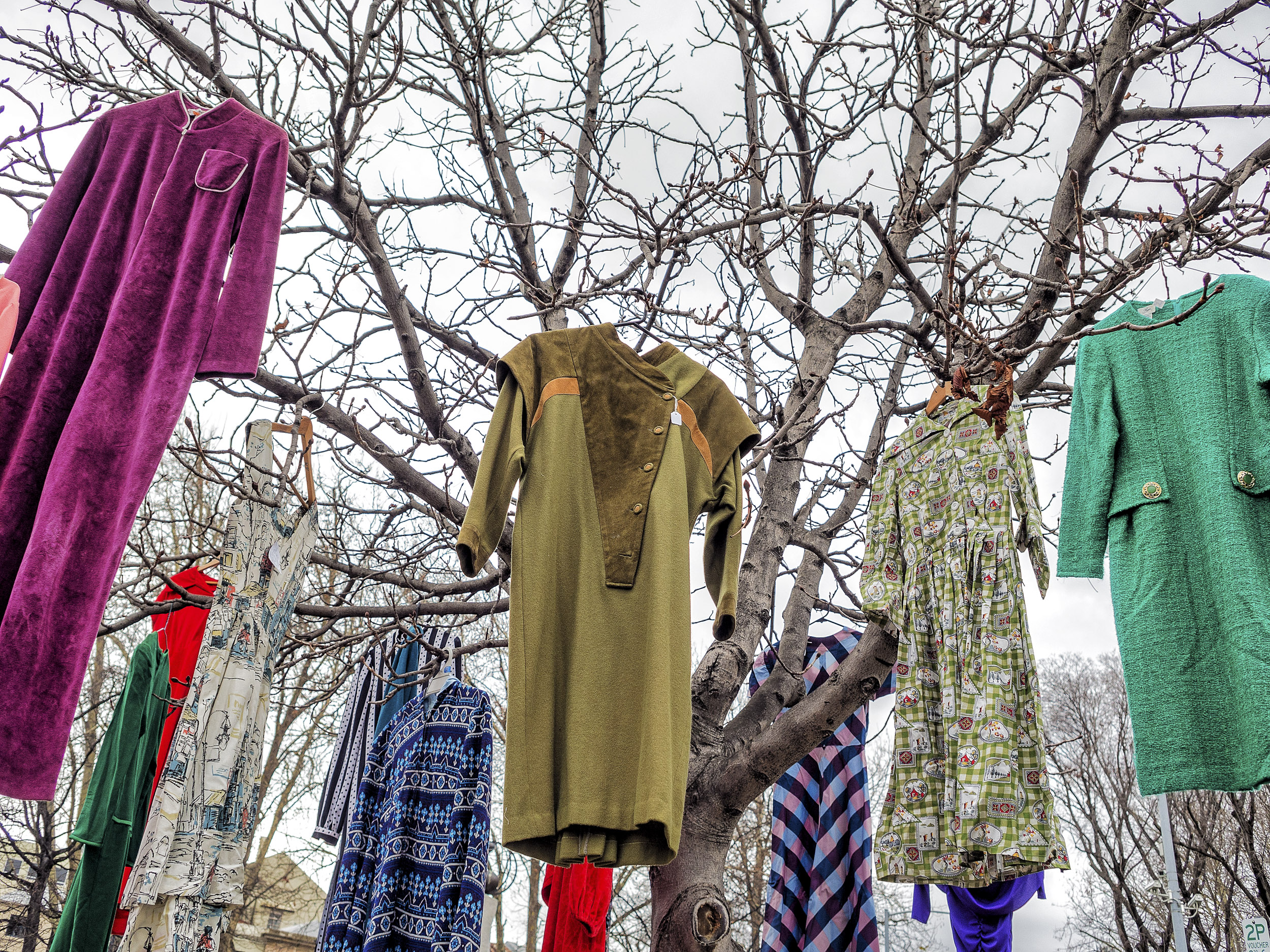
Salamnaca Market, Hobart, Tasmania.


Frida thoroughly approves of having a sofa on the verrandah.


On location filming at the Bellerive Yacht Club with the Olympus EM-10 and 25mm f1.8 lens.


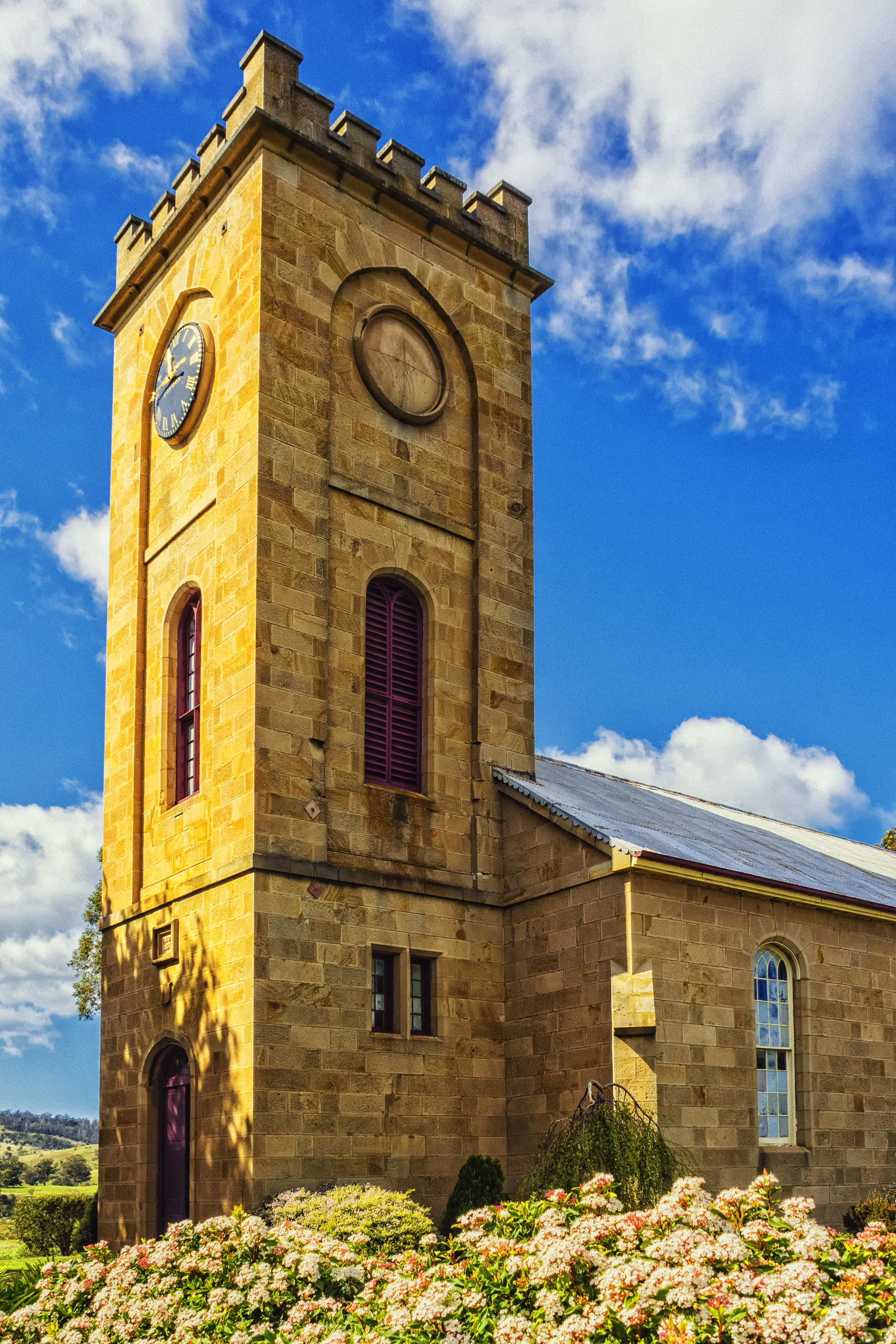
St Luke’s Anglican Church .Richmond, Tasmania.


Lavender ice cream in a waffle cone for sale in Richmond Tasmania.


First Contact , Elizabeth Quay in Perth, is a five metre tall artwork by Nyoongar artist Laurel Nannup.


St George’s Cathedral reflected in windows of a high rise building. Perth, Western Australia.


Decorating the Christmas tree on Perth Esplanade. Perth, Western Australia.


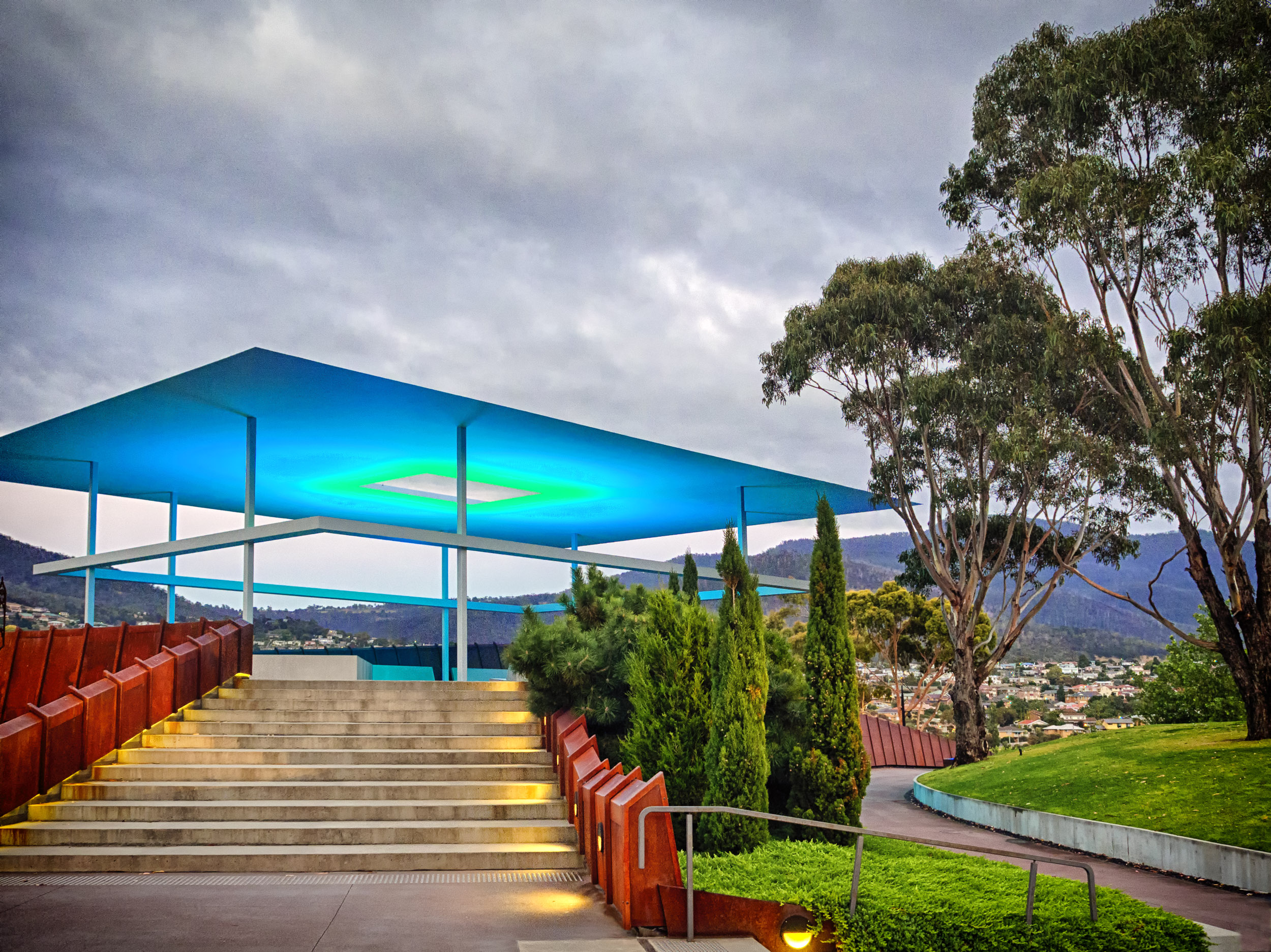
James Turrell’s Amarna at dawn. MONA, Hobart, Tasmania.

Guns and Roses


On the weekend of 19th-21st May 2017 I travelled with my significant other to the teeming Wheatbelt metropolis of Narrogin as she had entered the annual “Guns and Roses” croquet tournament put on by the Narrogin Croquet Club. Twelve of Western Australia’s best players (the “Guns”) would partner eighteen lesser ranked players (the “Roses”). Each “rose” would get the opportunity to play with a different “gun” at each round. The idea, which seems an excellent one I might add, is that inexperienced players can learn off of top players.  My role in this was the self-given task of producing a video documenting the proceedings.

Video is a fairly new medium for me, I’ve been playing around with it but I’ve really not got to grips with it. This was to be a complex multi day project and it wasn’t helped by the fact that it was bitterly cold and there was intermittent heavy rain (yes dear reader we do have cold wet weather in Australia). I ended up using my Olympus OMD EM1 mk i with the Olympus m.Zuiko 40-150mm f2.8 lens as the main camera, an Olympus Pen EP5 with the Olympus m.Zuiko 12-40mm f2.8 for wide shots, a Leica D-Lux for time lapses, and my iPhone for social video in the evenings. For sound I used shot-gun microphones (a Rode VideoMicro on the EM1 and a Rode VideoMic Pro on the EP5) to record straight into the cameras. No external audio recorder was used as I felt I had my hands full enough. By the end of the weekend I had got through nine batteries and ten 16Gb SD cards. The EM1 was used on a tripod (a Manfrotto MDEVE 755XB with Manfrotto MV500AH Fluid Video Head), the EP5 was on a video monopod (Manfrotto 562B-1 Fluid Video Monopod), and the Leica D-Lux was on a photo tripod (a very old Manfrotto 190 tripod fitted with an equally old ball head).

What I learnt from this exercise was:

  • the weather sealing on both the EM1 and the two lenses works very well. At times I got soaked in the rain and the camera just kept going with no adverse effects.
  • I should have used an audio recorder to get better sound and record some general background noise.
  • the 40-150mm f2.8 is not parfocal  (it is not sold as such) and the autofocus kept drifting and in some cases would not lock on at all. Trying to focus on the night games using just the rear screen and no peaking was hard. Either a camera that has focus peaking in video mode or a monitor that allows it would be really good.
  • I shot most of the footage at 1080 at 25fps except for that on the EP5 which only shoots 1080 at 30fps. I used Toast Titanium’s video converter to reconfigure it as 1080 25fps. On the whole it worked out well, but on two clips that I really wanted it dropped frames and lost the sound. So next time I won’t mix clips of different frame rates.
  • With four cameras, each having its own idea of what a neutral colour setting is, made life very hard during editing. This wasn’t helped by the fact that the 8 bit 4.2.0 files didn’t like being pushed too much in post as they would quickly fall apart. It would have been nice to have had a more video orientated camera with a flatter profile and more robust codec.
  • I did the slow motion in post, it would have been nice to have shot at 60fps or higher to get nicer slo-mo.
  • I should have shot more B-roll and tried to interview on camera some of the participants.

As a learning experience this was a very good exercise and I enjoyed the whole process immensely. If money were no object I’d get a more video orientated camera and a video field monitor and recorder, but being as I am fiscally challenged I’ll have to settle for some more memory cards and batteries.


Swanning Around*

Rainbow Lorikeet by Paul Amyes on 500px.com
The rainbow lorikeet (Trichoglossus haematodus) is a feral bird in Perth that commonly nests on the platforms at the base of palm fronds. Olympus Pen EP-5 with OLYMPUS M.45mm F1.8 lens. Exposure: 1/25 sec, f5.8 at ISO 200.


Warning this blog entry contains avian themes!

The other day I had to take the car into be serviced in Victoria Park near the Causeway. This meant I had time to kill so I decided to take a walk along the northern bank of the Swan River Foreshore. I hadn’t been along there for ages and there has been some recent redevelopment of the area so I decided to have a sticky beak. These are a few of the pictures I took as I wandered around.


Little Corellas by Paul Amyes on 500px.com
Little Corellas (Cacatua sanguinea) Swan River foreshore, Perth, Western Australia. Olympus Pen EP-5 with OLYMPUS M.45mm F1.8 lens. Exposure: 1/800 sec, f4 at ISO 200.


Australian darter (Anhinga novaehollandiae) by Paul Amyes on 500px.com
Australian darter (Anhinga novaehollandiae) on the Swan River foreshore, Perth, Western Australia. Olympus Pen EP-5 with OLYMPUS M.45mm F1.8 lens. Exposure: 1/2000 sec, f4 at ISO 200.


Little Dove by Paul Amyes on 500px.com
Little Dove. The Duyfken (Little Dove in English) replica moored at Elizabeth Quay on the Swan River, Perth, Western Australia. Olympus Pen EP-5 with OLYMPUS M.17mm F2.8 lens. Exposure: 1/125 sec, f8 at ISO 200.


First Contact by Paul Amyes on 500px.com
First Contact , Elizabeth Quay in Perth, is a five metre tall artwork by Nyoongar artist Laurel Nannup. The work depicts the arrival of European settlers to Perth. As the European boats arrived, the local Nyoongar people believed that these ships, were their past ancestors returning from the sea. Olympus Pen EP5 with OLYMPUS M.17mm F2.8 lens. Exposure: 1/400 sec, f8 at ISO 200.


Elizabeth Quay Bridge by Paul Amyes on 500px.com
The 20-metre high suspension bridge is an iconic architectural feature of Elizabeth Quay. The bridge forms part of the popular ‘bridges’ recreational route along the Swan River and provides a link between the promenades, the island and Barrack Street Jetty. Olympus Pen EP5 with OLYMPUS M.17mm F2.8 lens. Exposure: 1/500 sec, f8 at ISO 200.


*Swanning around and swanning about mean to move about aimlessly, irresponsibly and in a carefree manner. Related terms are swan around or about, swans around or about, swanned around or about. When the terms swanning around and swanning about first appeared in the late nineteenth century, they simply described the process of swimming like a swan. Today’s meaning of the term swanning about has its origins in World War II, interestingly. At that time, swanning around and swanning about described the movements of tanks in battle, in seemingly aimless maneuvers. The term made its way into mainstream English to mean anyone moving about in an irresponsibly carefree or aimless pattern. Swanning around and swanning about are primarily British terms, they are rarely seen in the United States.

http://grammarist.com/usage/swanning-around-and-swanning-about/