… catches the worm.
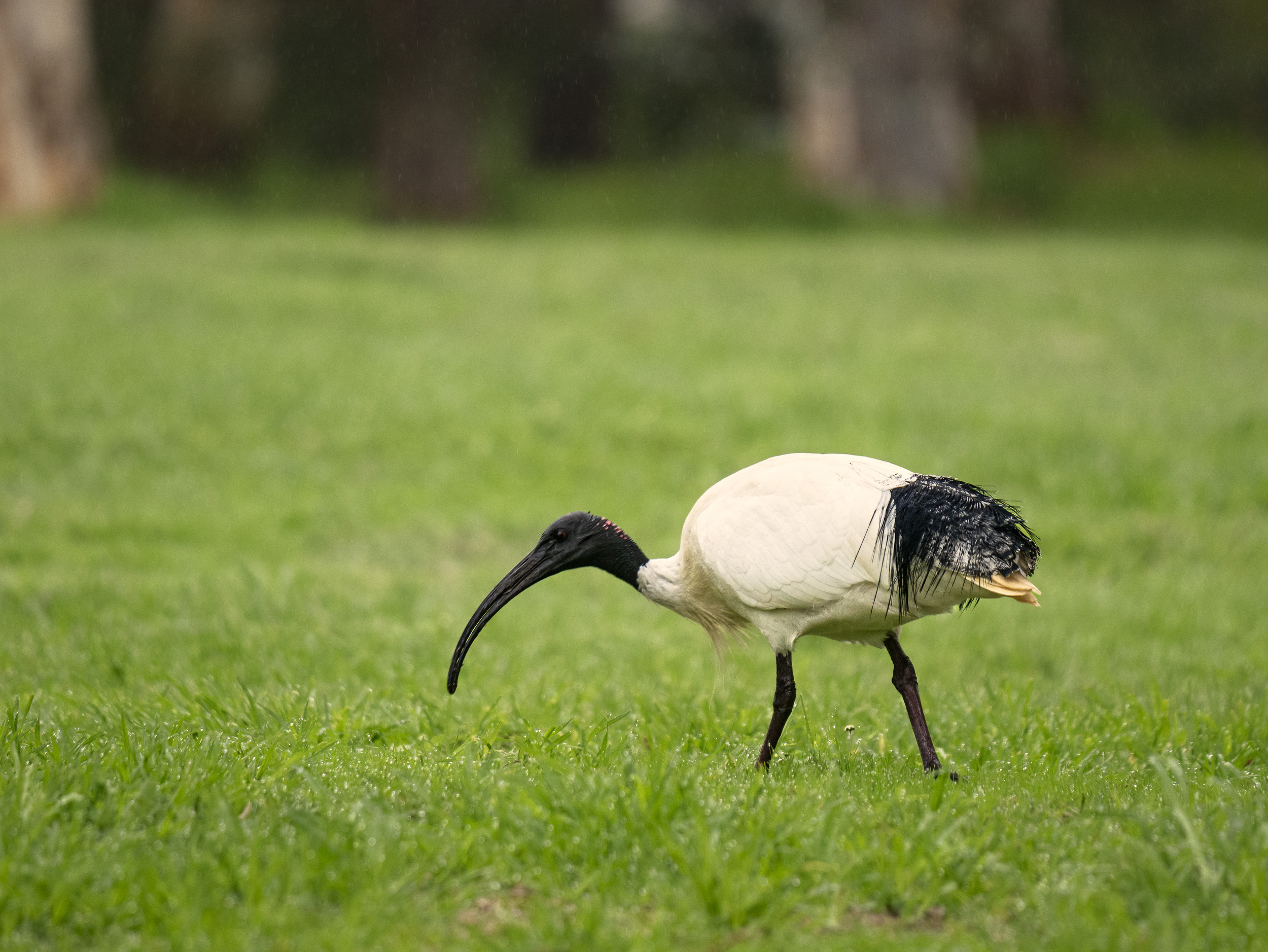
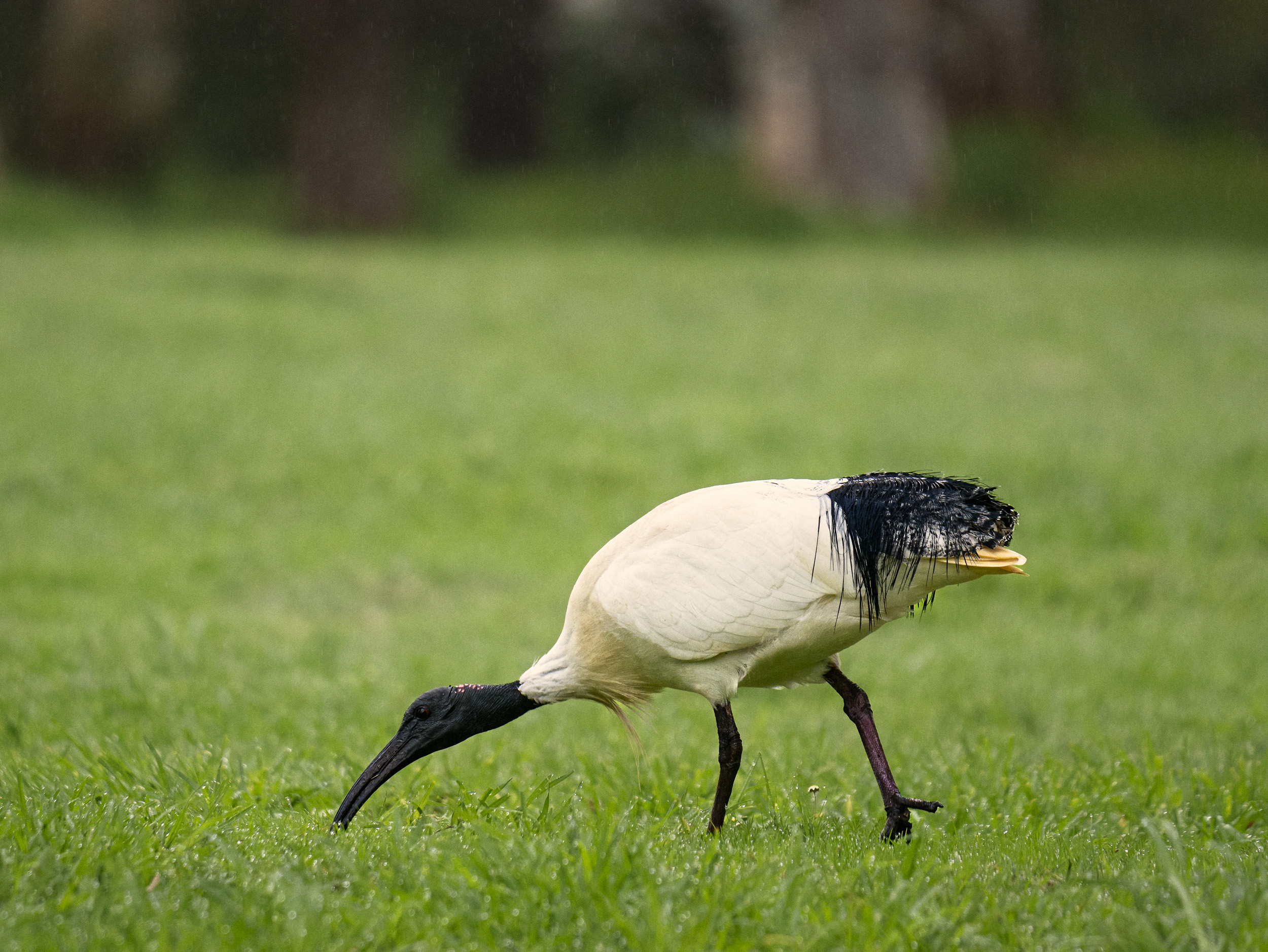



… catches the worm.
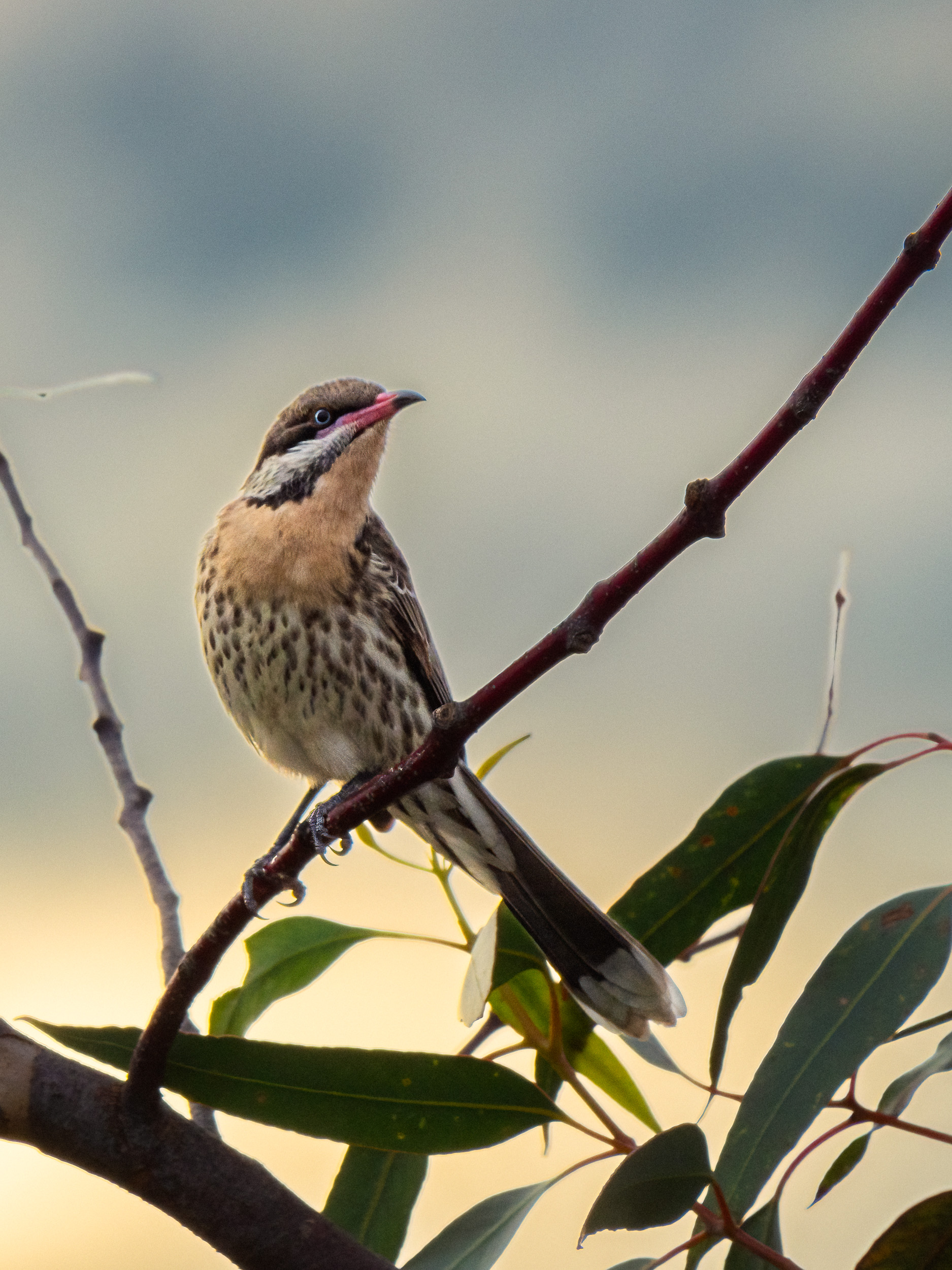
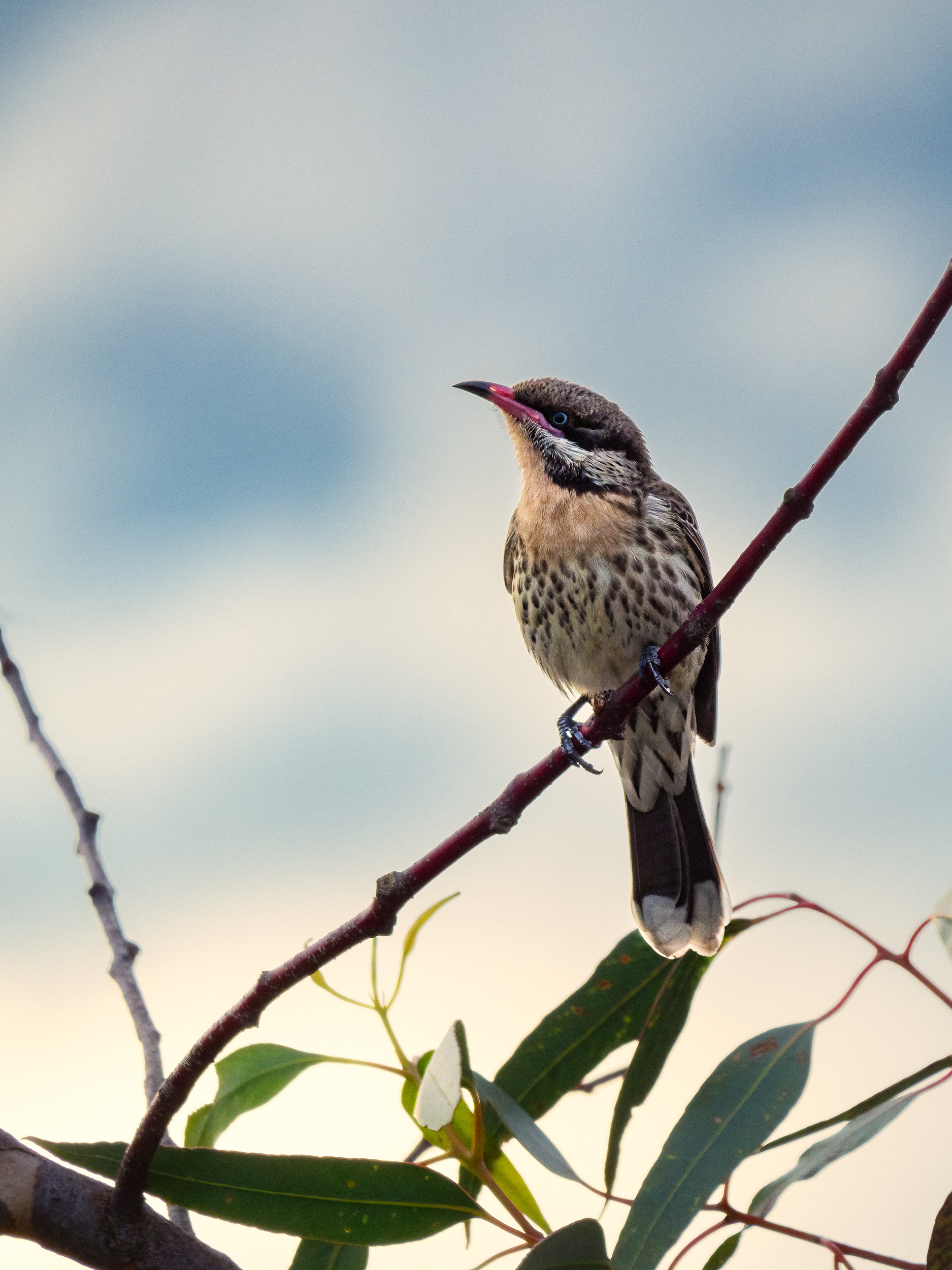
We were sitting on the front veranda the other evening when we heard this amazing bird song. Looking up was a bird we’d not seen in the garden before – a Spiny-cheeked Honeyeater. Of course this warranted getting a camera and taking a few shots.

Some places get all the attention and others are seldom mentioned. In the Sterling Range National Park everyone concentrates on climbing Bluff Knoll, but there is as I’ve said on previous occasions a lot more than Bluff Knoll. Believe it or not Bluff Knoll is one of the easier climbs in the park. Another one is Mount Trio. Climbing up Bluff Knoll is not a wilderness experience as there are far too many people. With Mount Trio if you see more than two other people its a very busy day.
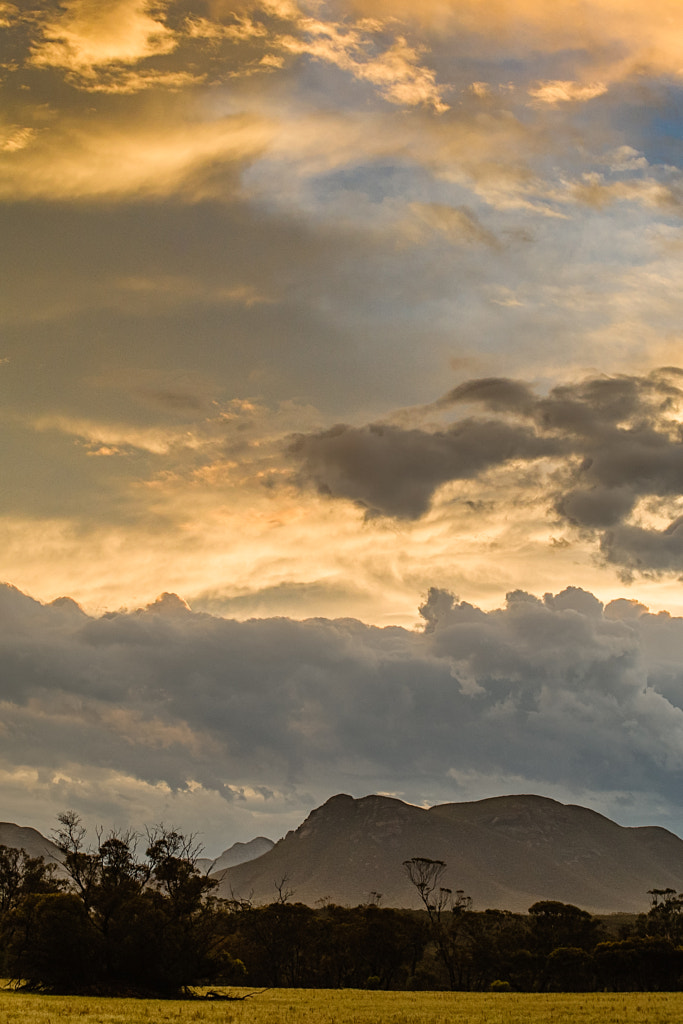
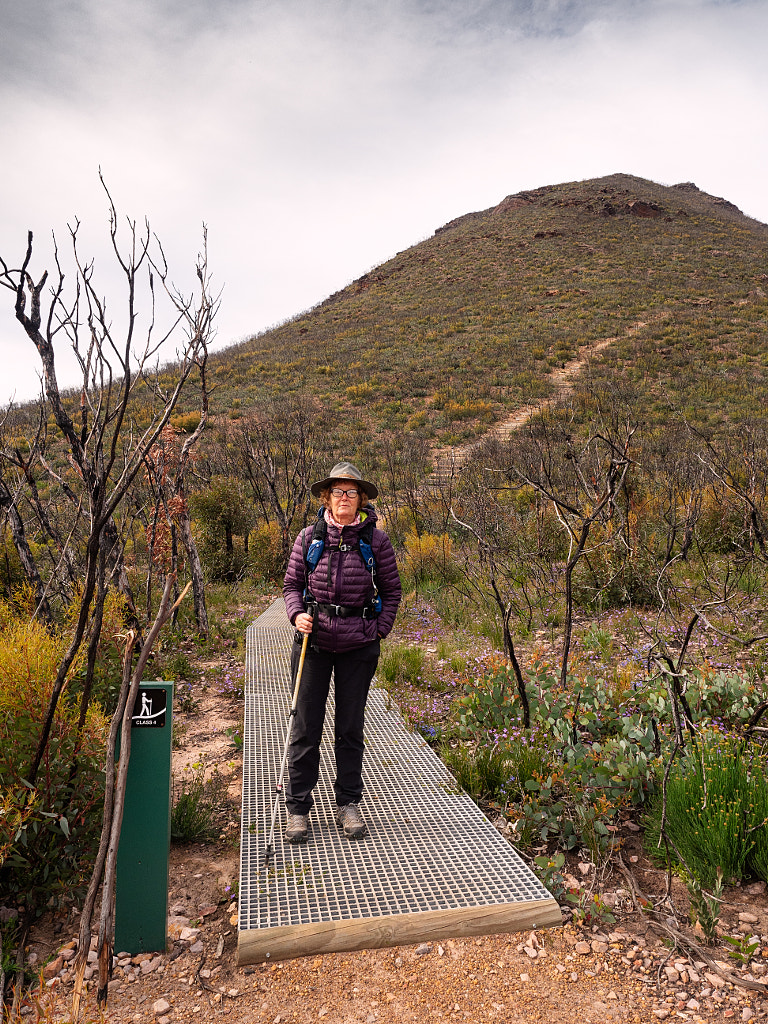
Mt Trio comprises three peaks and was once known by its Aboriginal name Warrungup, meaning “three become”. It is 3.7Km to the top and back with an ascent of 418m. The first third of the walk is very steep with irregularly spaced steps. Wildflowers, including the endemic mountain bells (Darwinia leiostyla), are a feature of this walk. Montane thicket on the upper levels of the peaks puts on a colourful display of wildflowers in spring and early summer although we didn’t see this as the area was still recovering from a devastating bushfire and was like walking through a landscape of charcoal sticks.
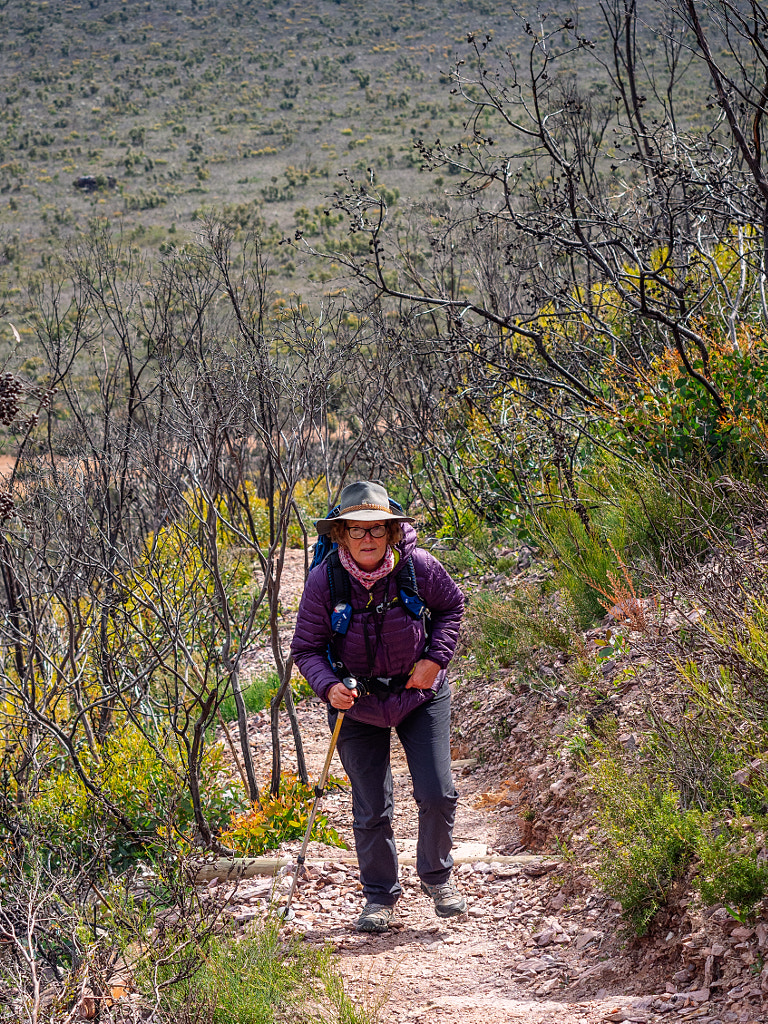

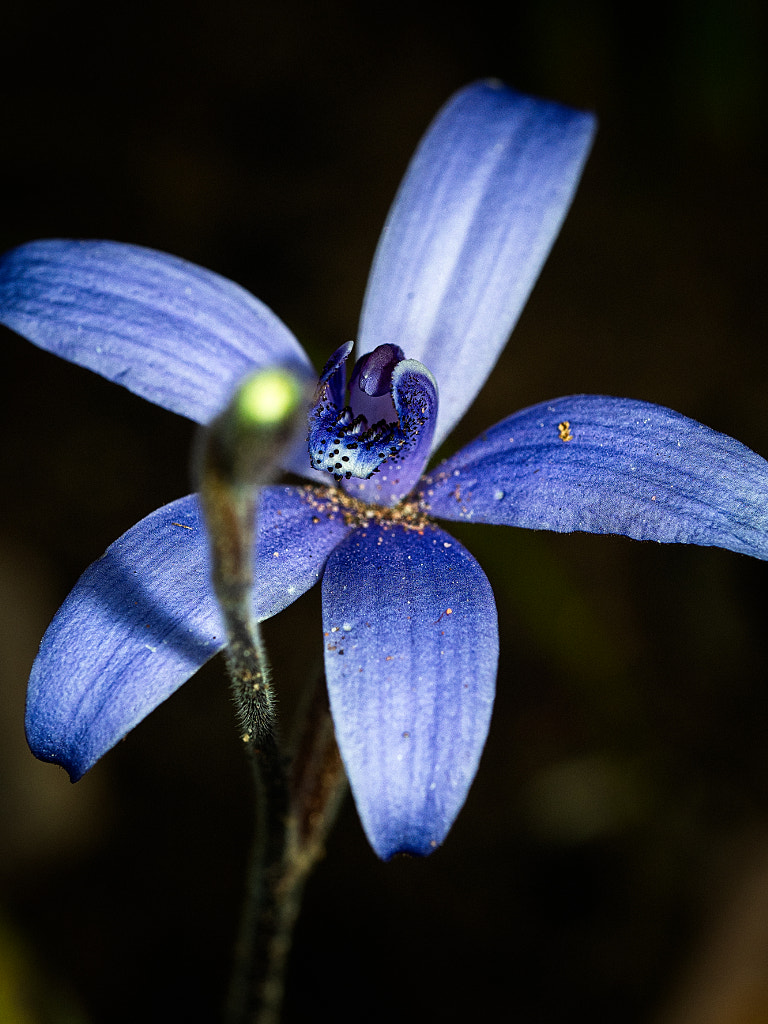
The going gets easier once you hit the saddle between the east peak and the north peak. The saddle between the cols is covered in Drumsticks (Kingia australis). These grass trees were often called Black Gin trees, a derogatory racist term now not used. The Nyoongar name for them is Pulonok. The track then follows a more gentle slope to the highest (northern) point at 856 metres. At the summit there is a small cairn of stones which people add to on getting there. From the summit on a clear day you get views of Mt Toolbrunup the second highest peak in the range at 1052m. Then all it is a matter of retracing your footsteps back to the start.
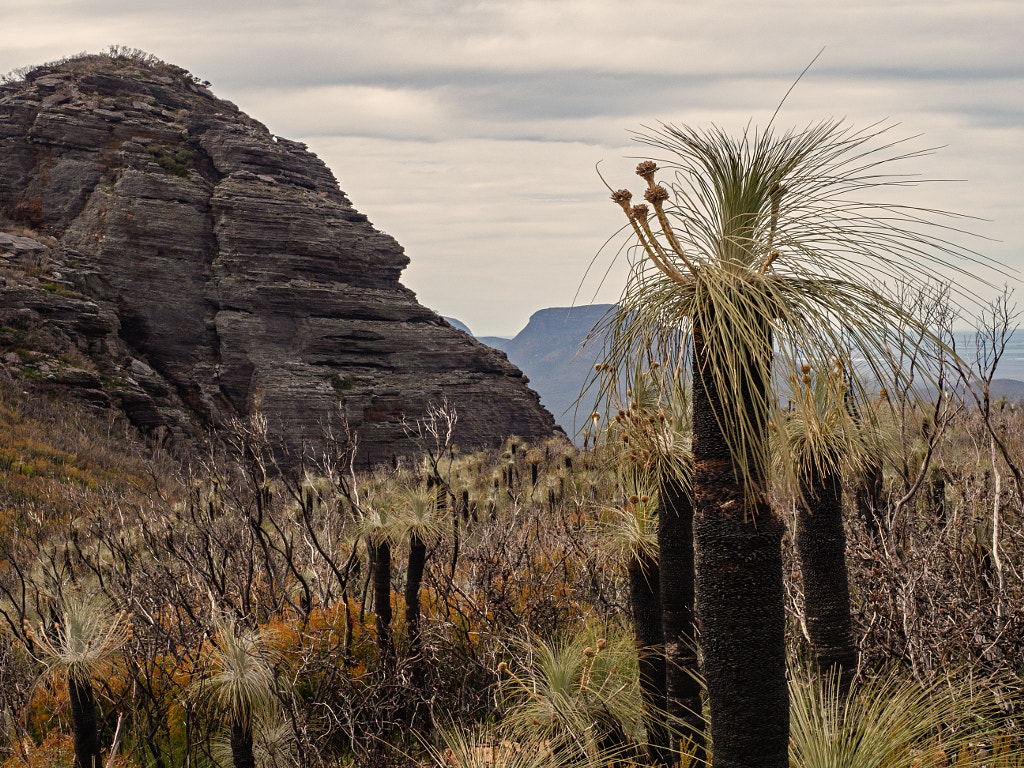
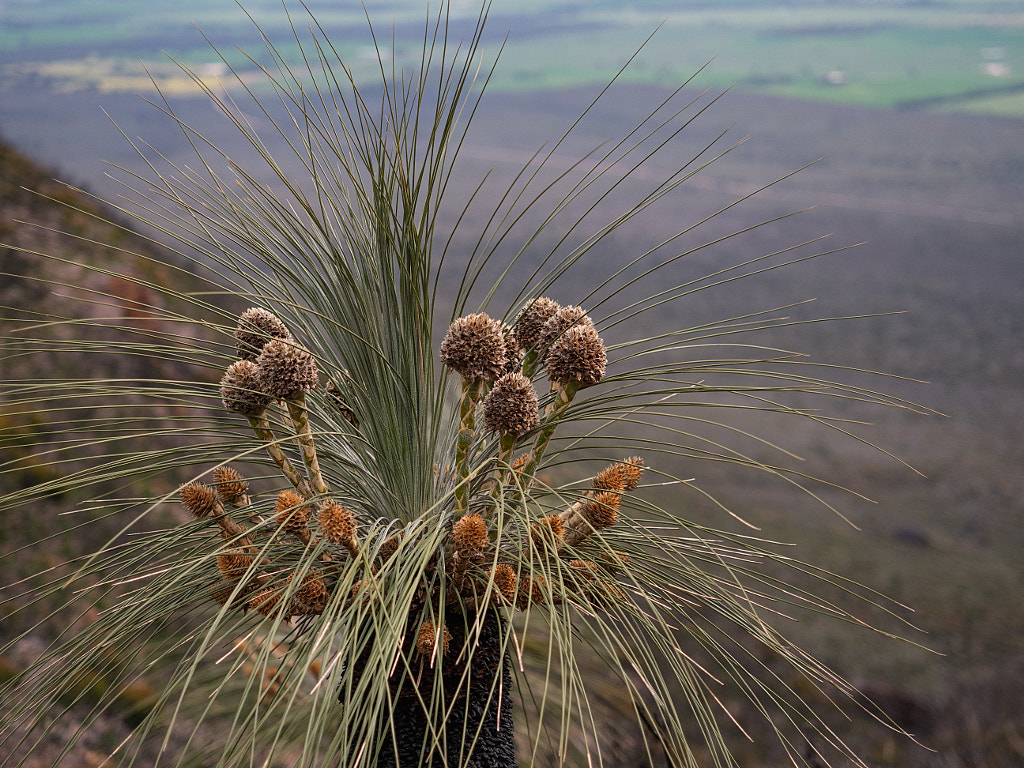
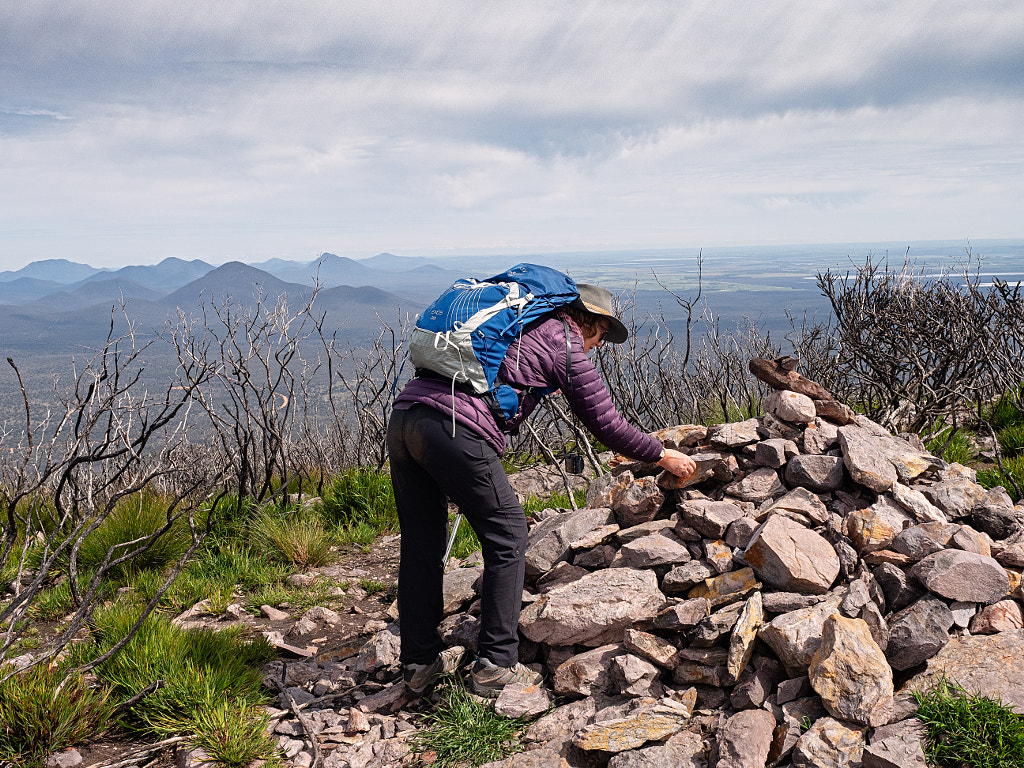
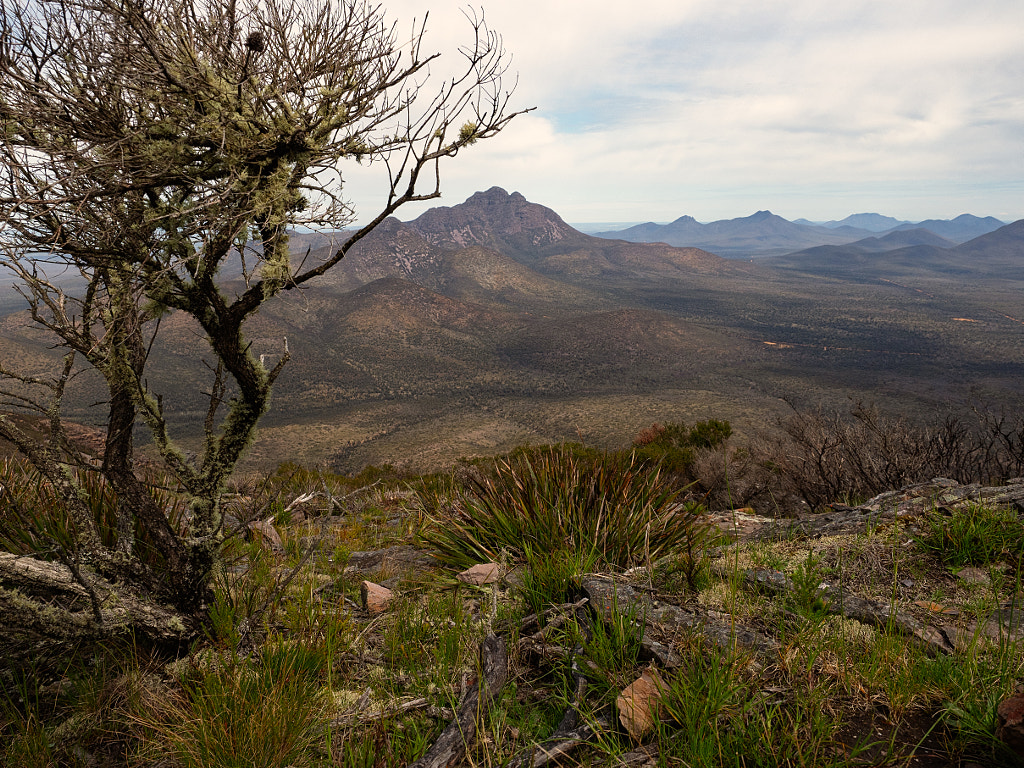
Climbing up was pretty taxing on the legs muscles – all those steps were like a sadistic form of step aerobics. Those steps were even more murderous on the way down. It was the muscles that were complaining this time it was my knee joints. At about 500m from the end my knees announced that they were going to divorce me on the basis of cruelty. Thankfully from this point we could clearly see the car in the car park below us and it spurred us on to one last final effort.
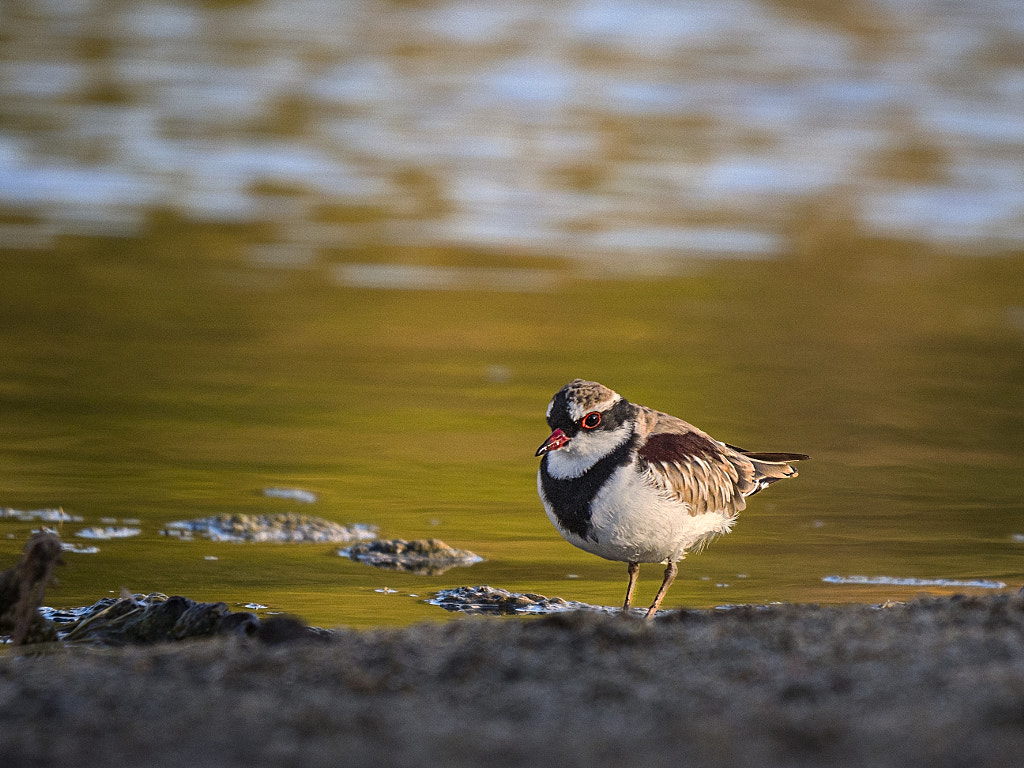
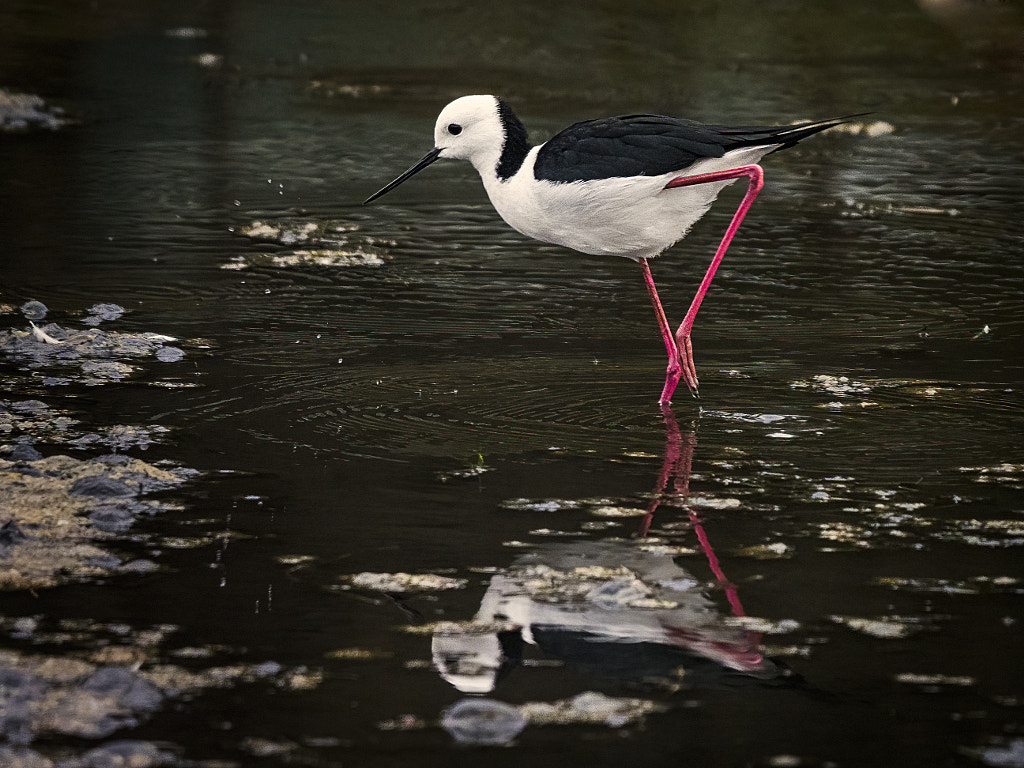
We’ve lived in York since 2004 and this is the first time I’ve seen these birds. They are classified as being nomadic when it comes to habitat which obviously means they move around as conditions dictate. Both require aquatic invertebrates to feed off which means that the river is in a healthy state. As I’ve said before in previous posts the Avon largely dries up over summer leaving a series of deep pools and In the past at this time of year they tend to be stagnant, have algal blooms and stink. This year they have largely been free of algae, don’t smell and the larger ones are full of small fish, dragonfly and damsel fly nymphs which are all indicators of a healthy river. The arrival of the Black-fronted Dotterels and Black-winged Stilts confirms this.
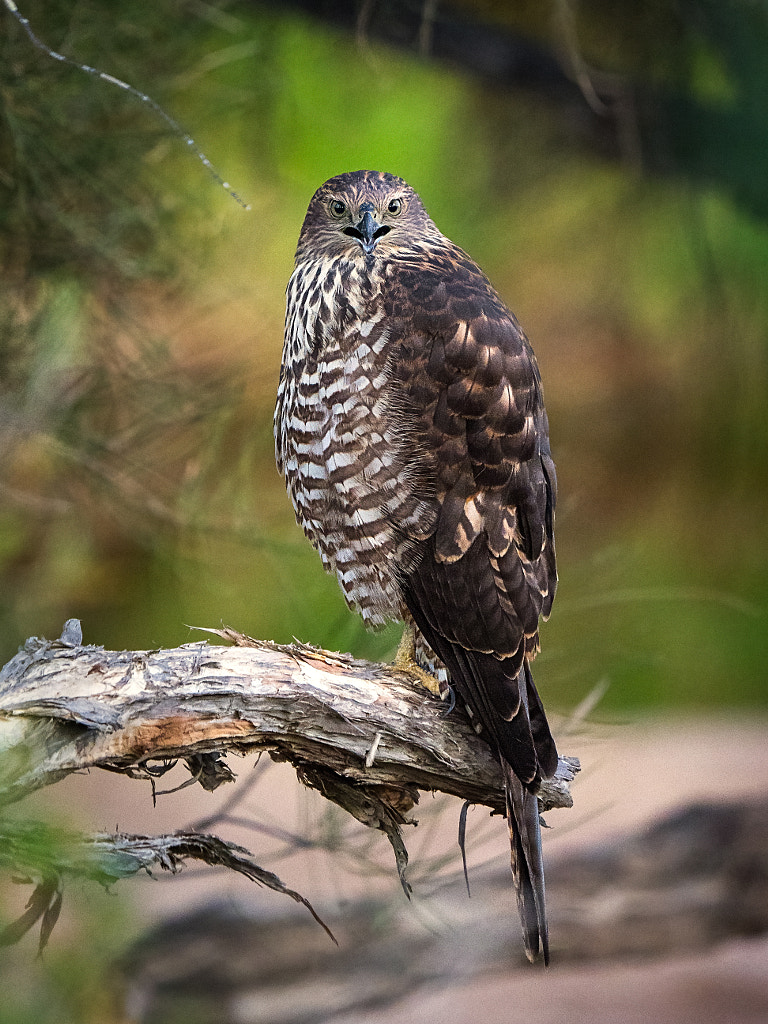
While day time temperatures have ranged from hot to bloody hot (46ºC) here in the Wheatbelt metropolis of York we have had some very cool mornings around the 14ºC mark. I was out the other day on one of those mornings, it was almost too cold and I was tempted to go back to the car. A few days prior while walking the dog along the Avon River I’d noticed piles of feathers underneath a couple of tall trees. At first I thought that the birds had been killed by a fox or a cat but a closer look convinced me that the birds hadn’t been killed there and there were no wings, legs or head. Just a pile of feathers. So I decided to to go out and see if I could find the culprits. As I got close to where I’d previously found the bird remains I could hear a couple of goshawks calling out to each other – they can be quite vociferous – but I was quite confused as to where they were. I was scanning the the branches above me without seeing anything and as I kept walking the noise got louder. Then I realised that the calls weren’t coming from above me, but rather to the left and slightly below the river bank. So I got down on the ground and slowly crept towards the source of the noise and there on a paperbark tree were a male and female Brown Goshawk. The smaller male took off almost immediately but the female was all puffed up against the cool air just sat there watching me and continuously calling out to her mate. I stayed for about half an hour and then headed back to the car and home.
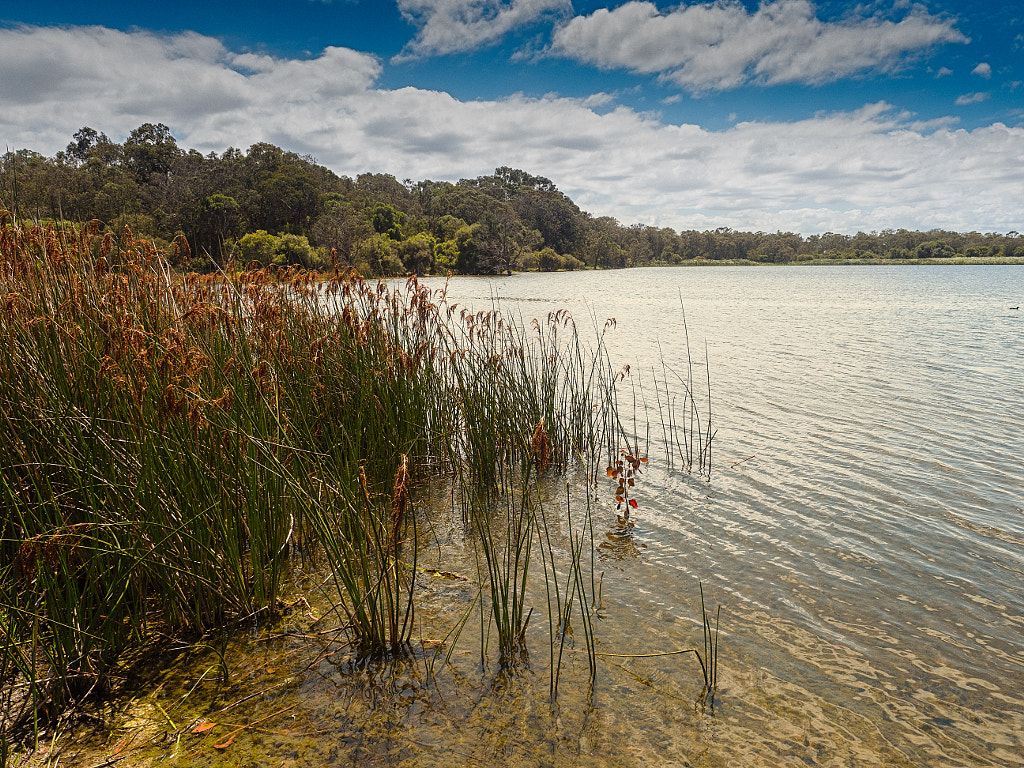
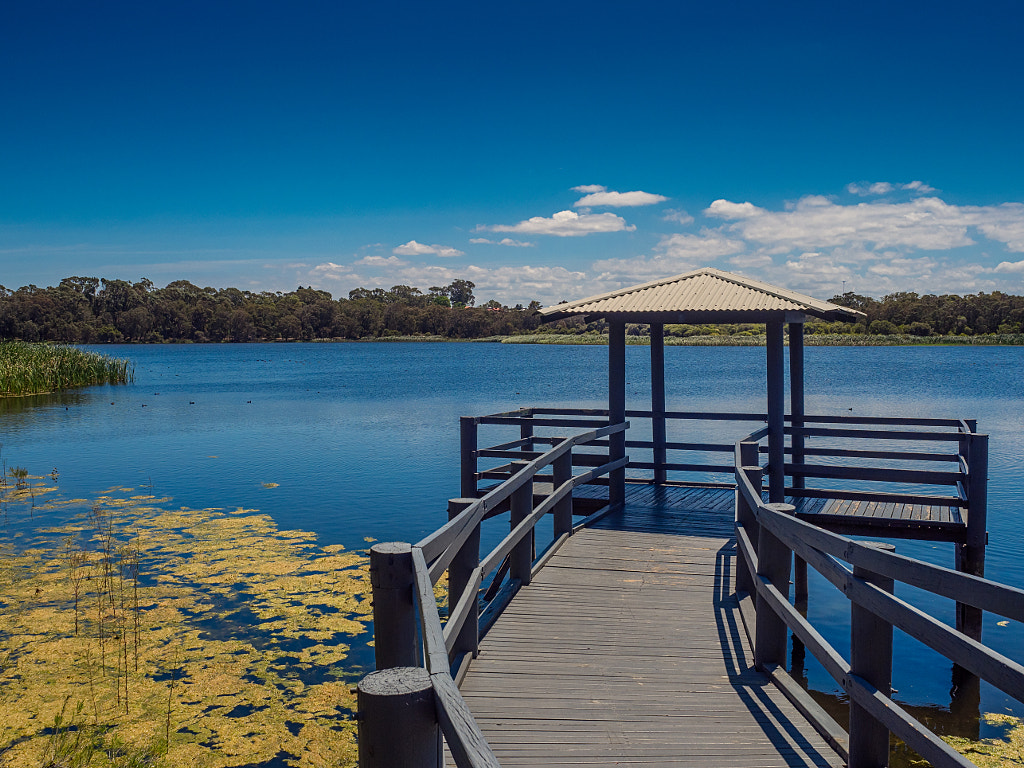
Lake Gwelup and the reserve that surrounds it is one of the few areas of wetland that is still relatively intact. This means that it is home to a wide variety of flora and fauna which is all the more surprising considering it is just 12 Km north of Perth’s CBD in the City of Stirling which with a population of 210,000 (2016 Census) is the largest local government area by population in Western Australia. The bush around the lake is comprised of Marri, Jarrah, Flooded Gum, Tuart (, Swamp Paperbark and several species of Banksia. The bush and the lake provided a habitat for birds (according to eBird Australia 110 species of bird have been sighted there), frogs (notably Moaning Frogs), and reptile species (e.g. dugites, skinks and long necked turtles). One of the strange facts that has prevented the land from being developed is that the peaty soils around the lake if disturbed release arsenic and iron sulphates. In the areas nearby that have been drained and reclaimed they have the highest concentrations of dissolved arsenic in the world – some 25000 ug/L (some 400 times higher than that identified as safe levels for drinking water).
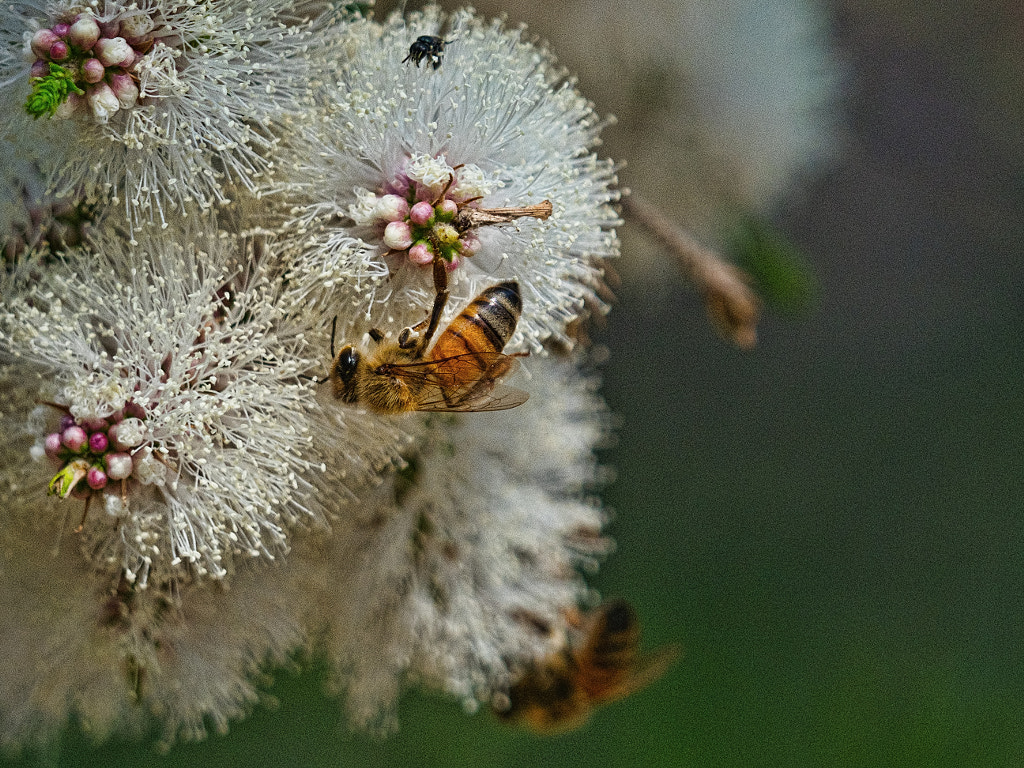
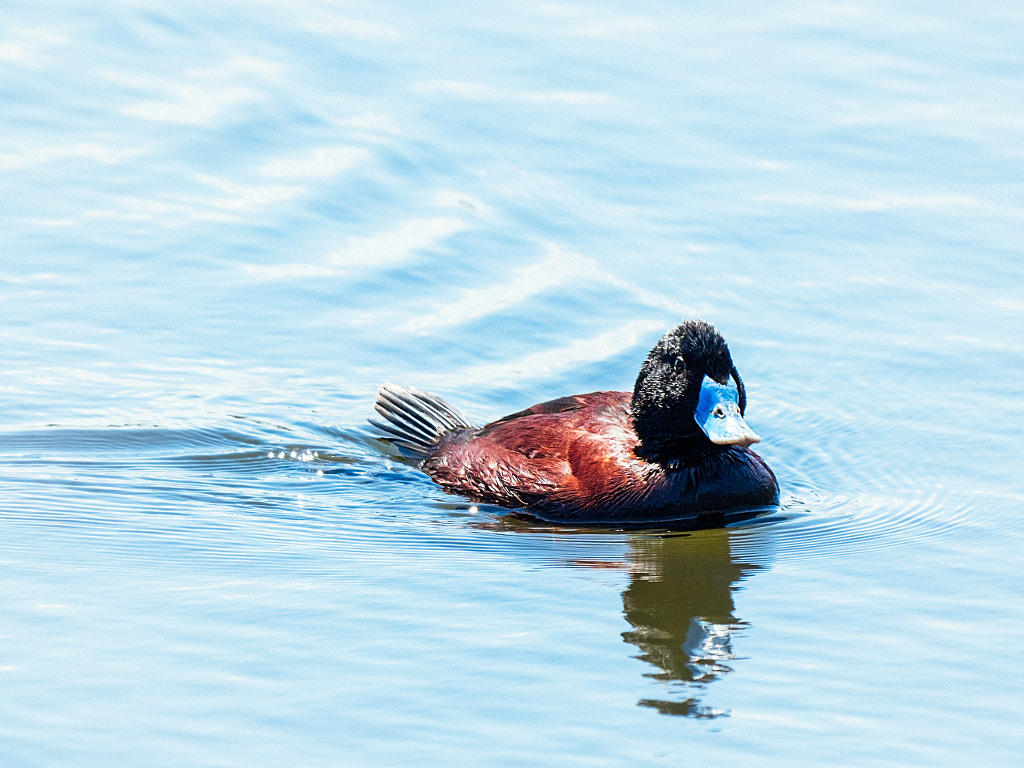
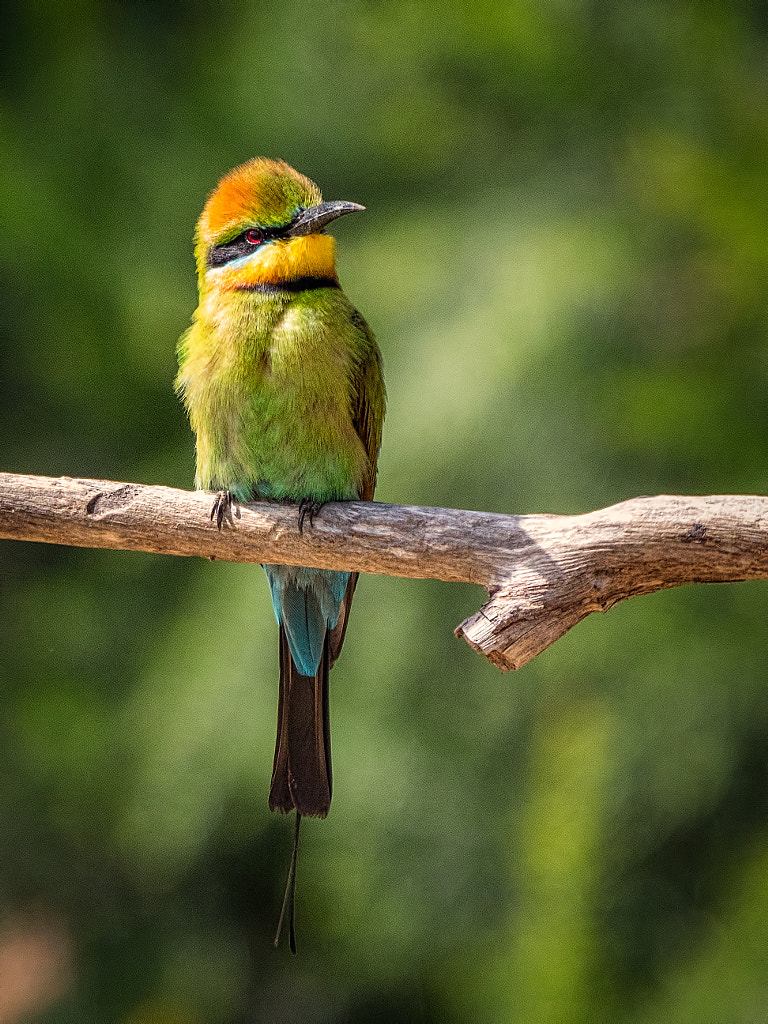
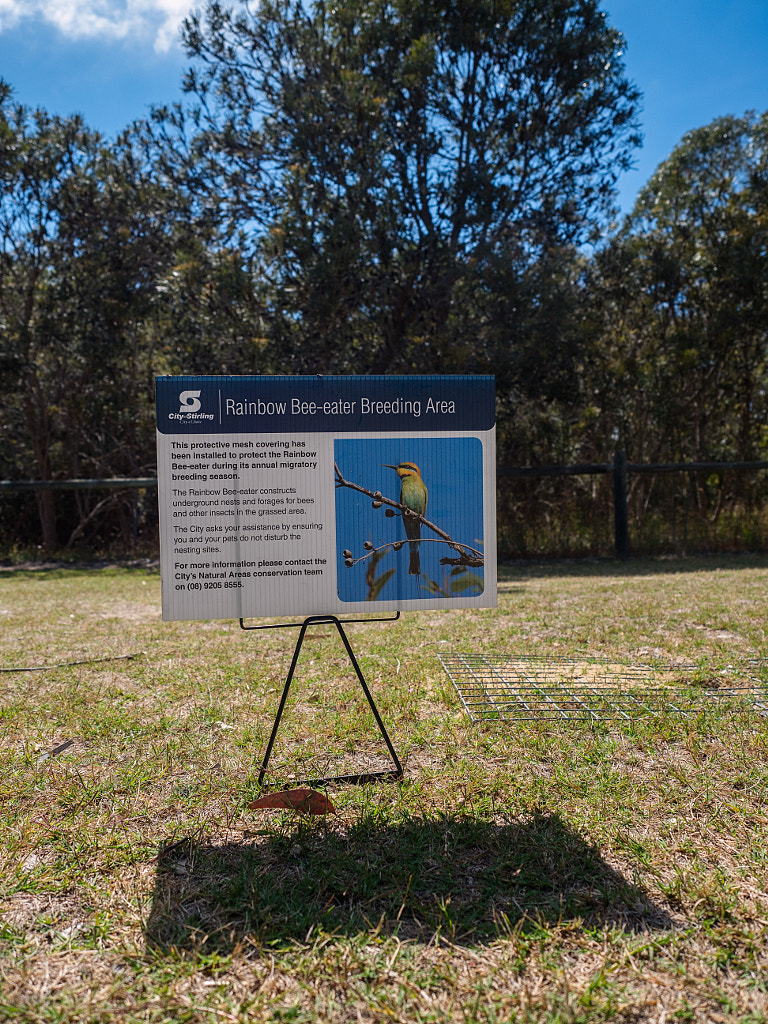
So what is there to see and do? Well there is a networks of paths around the lake and through the surrounding bushland and you can bring your best canine friend with you. There are BBQ’s and picnic shelters, public bathrooms, sail-shaded playground, sporting grounds and cricket nets for those who don’t feel the need to connect with nature. For those wanting a nature fix on the southern side is a broad walk and viewing platform that allows you to get up lose and personal with the wildlife. An interesting development is that the bush northwest of the lake is a breeding ground for Rainbow Bee-eaters. These migratory birds come from Papua New Guinea and Tropical Australia and build their nesting burrows in our summer time. The City of Stirling has taken measures to protect the nesting sites and at the same time promote them as a feature of the reserve encouraging people to come and see them. Something that the City of Armadale could learn from with their management of Forrestdale Lake. Conservation and protection doesn’t mean you have to fence people out. So when I went the other week I put together a 3.75 Km walk around the lake that also took in the Rainbow Bee-eater nesting site. It was a loverly walk and it was great to see people out enjoying the sunshine in such beautiful surroundings.
Forrestdale Lake (originally Lake Jandakot, it was renamed in 1973) lies within the Forrestdale Lake Nature Reserve which is about 25 kilometres south of the Perth CBD on the southern fringes of the Perth metropolitan area. The lake is shallow and seasonal with a large area 220 to 245 hectares of open water when full. In June or July, Lake Forrestdale starts to fill, and about the end of September, it reaches its maximum depth which is somewhere between 200 and 500mm depending upon the winter rains and it usually dries out by mid-summer. That was not always the case as the lake used to hold a lot more water than it does now, and some years it did not dry up at all. Diminishing rainfall, and ground water extraction from government and private bores are some of the reasons for the lake’s decreasing water levels.
Before white fellas came Lake Forrestdale was a special place for the Whadjuk Nyoongar who camped around its shores and hunted long-necked turtles, waterfowl and their eggs; koonacs and gilgies, possums, kangaroos, quendas and many other animals that are now locally extinct. The first white settlers were William and Alfred Skeet in 1885 and they had a licence to fell and sell timber. Shortly after most of the land around the lake was cleared for farming and grazing despite that the lake continued to be a major breeding site, migration stop-over and semi-permanent drought refuge area for waterbirds so in 1957 the lake was gazetted as an “A” class nature reserve for the conservation of flora and fauna and to provide a location for recreational sailing. On 7 June 1990, along with Thomsons Lake 10 kilometres to the west, it designated under the Ramsar Convention as a wetland of international importance and both lakes form the Forrestdale and Thomsons Lakes Ramsar Site. It’s easy to see why. More than 20,000 waterbirds have been recorded on Forrestdale Lake. It regularly supports more than 1% of the national population of five shorebirds: red-capped plover (with up to 1,300 recorded at any one time), black-winged stilt (3,840), red-necked avocet (1,113), long-toed stint (up to 80), and curlew sandpiper (2,000). In some years it supports more than 10,000 ducks, including Australian shelduck (up to 1,650 counted), Pacific black duck (5,500), grey teal (9,000), Australasian shoveler (2,000), and hardhead (1,053). The lake is one of the few sites in Western Australia where little ringed plover and little stint have been recorded more than once, and it is the only location in the state where white-rumped sandpiper has been recorded. A comprehensive list of all the bird species seen at the reserve can be seen at eBird Australia.
 The entyrance to the Forrestdale Lake Nature Reserve.
So when BSO (Beloved Significant Other) announced she was mounting a campaign to achieve croquet world domination I would use the opportunity of a weekend in Perth to have a gander at Forrestdale Lake Nature Reserve. So a quick peruse of the interwebs told me that the best place to start was was at the parking bay at the Skeet Memorial Park on Moore Street in Armadale. There I would find a comprehensive information board about the area and would also give me quick access to the bird observation platform. Having read all about all the different birds that use the lake I was expecting a birding nirvana. Unfortunately we’d had a dry winter and the water line was a good 600m from the platform which meant I had Buckley’s chance of seeing any water birds up close and personal.
 The bird observation platform at Forrestdale Lake.
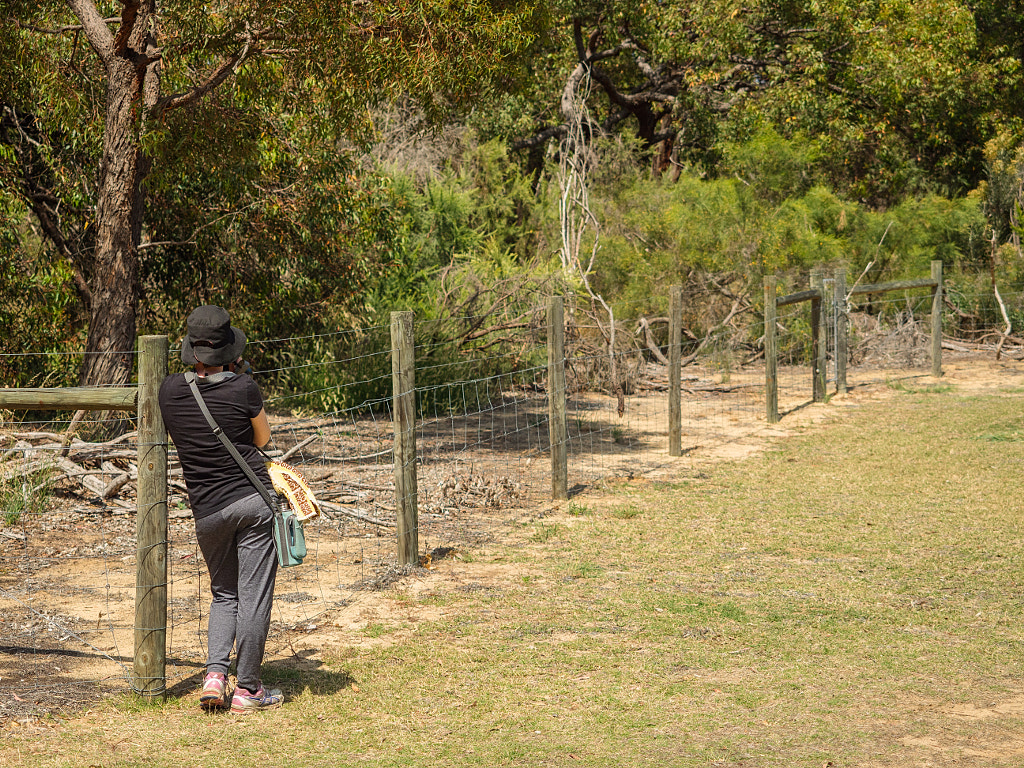
Fall back plan was to walk around the lake and just photograph what I found on the way. Once you leave the main entrance area there is little signage except for the keep out variety which is attached to the continuous fence designed to, funnily enough, keep people out. It was quite a frustrating experience – I could hear plenty of bird activity on the other side of the fence but I had no way of getting closer. For much of the walk you are in a narrow corridor of about 5 or 6 metres between two substantial fences with signs saying you are under surveillance – it’s hardly a nature experience. I’ve been to military bases which are more friendly. I feel this is a hugely wasted opportunity. Thomson’s Lake is much more accessible to visitors, and the Spectacles also makes much of it Aboriginal cultural significance. I’ve written previously that if people are having less and less opportunities to interact with nature that will create an antipathy towards the natural world and consequently they will cease to care about it. So to get people to be more aware of environmental issues they must be encouraged to reconnect with nature. There is very little opportunity for the casual visitor to interact with all that Forrestdale Lake offers so in many ways it defeats its stated purpose of raising public awareness about the importance of this chain of wetlands. Normally I am very positive about these types of reserves and have written about them in the past in glowing terms. I don’t like being negative or critical, but I really do feel that this is a waste of resources.
 One of the many signs that warn you about unauthorised access.
 The fence that rings the lake preventing unauthorised access.
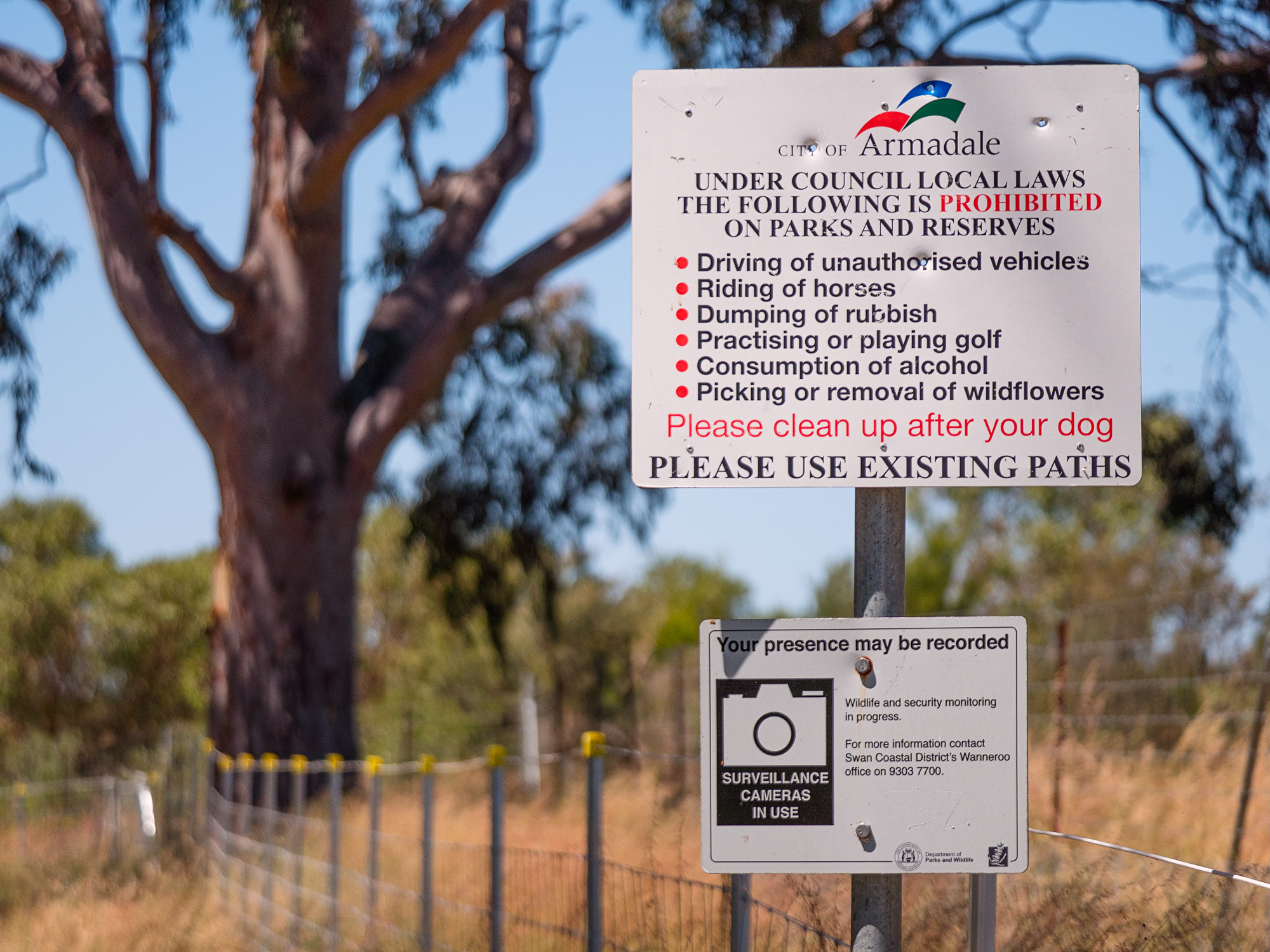 Big brother is in full surveillance mode at Forrestdale Lake Nature Reserve.
Can I recommend the place as worth a visit? If you want a a bit of a walk with a nature experience then I would suggest that are better places and I’ve written about quite a few of them. If you are a die hard birder then I’d find out what the water levels are before visiting. There is little point in visiting if there is no water in the lake.
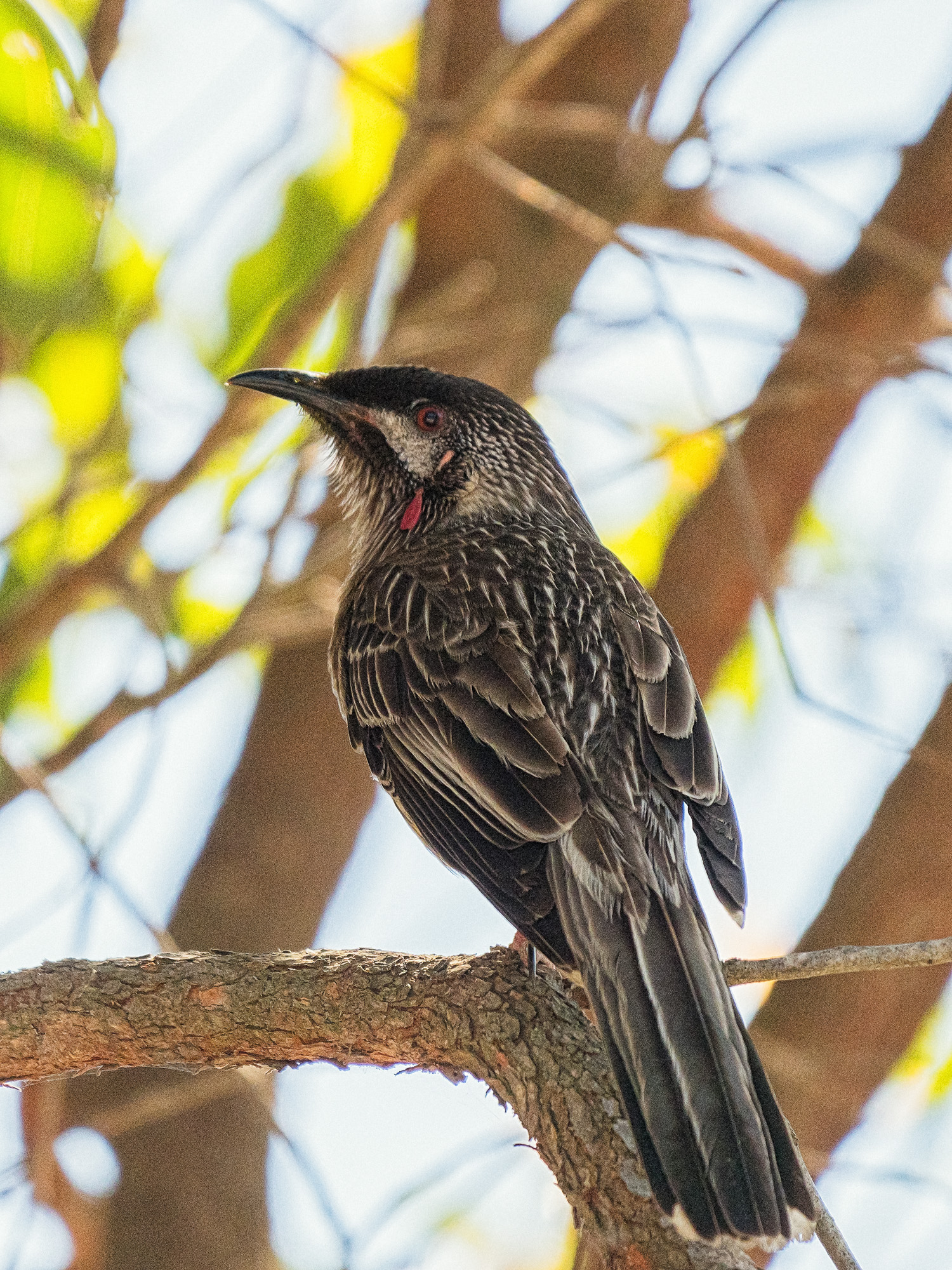 Red Wattlebird, Anthochaera carunculata subspecies woodwardi, at Forrestdale Lake Nature Reserve.
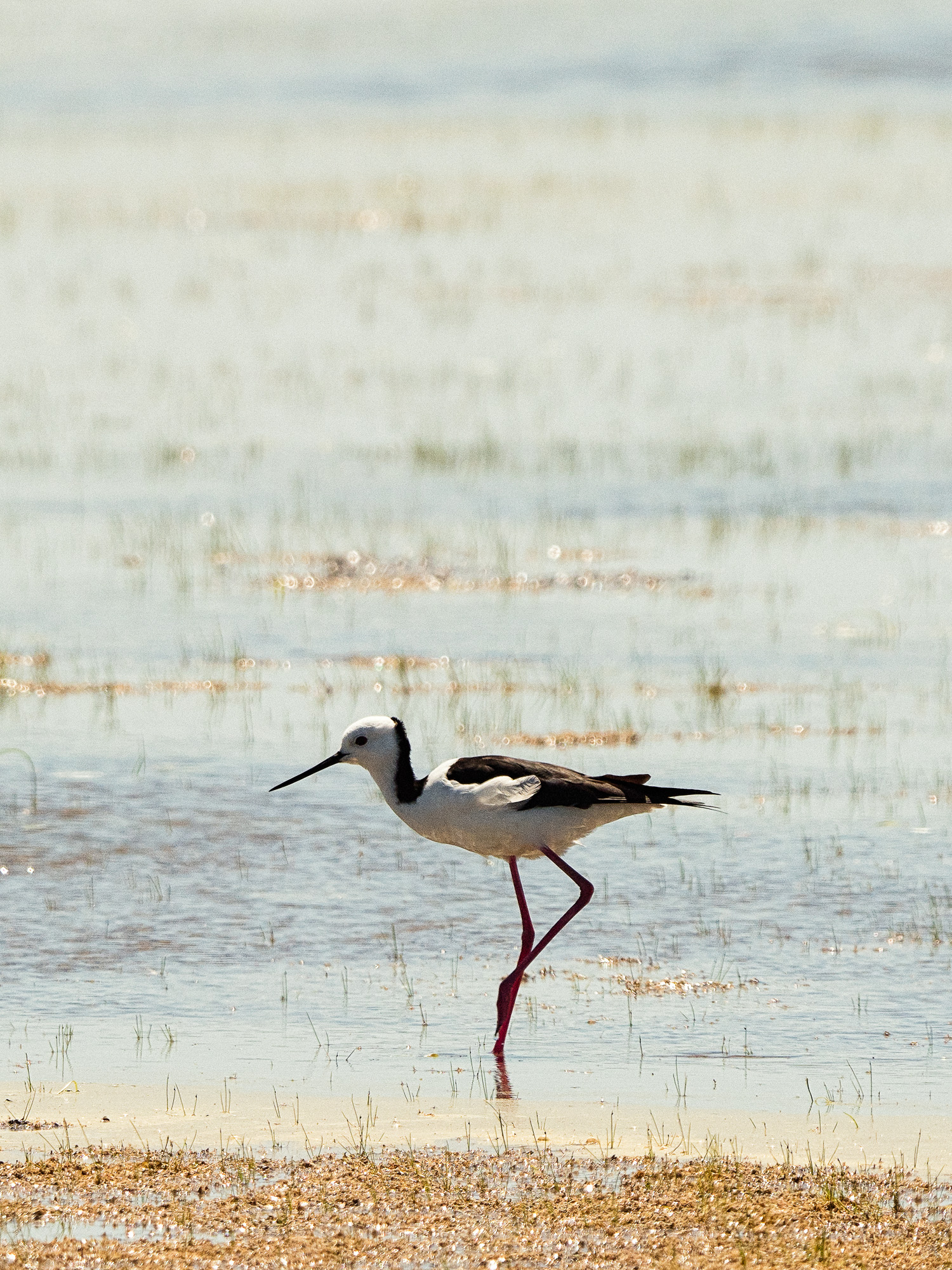 White-headed Stilt, Himantopus himantopus subsp. leucocephalus, Forrestdale Lake Nature Reserve.
 Grey fantail, Rhipdiura albiscapa, Forrestdale Lake Nature Reserve.
 Grey Butcherbird, Cracticus torquatus, Forrestdale Lake Nature Reserve.
Oh and BSO (Beloved Significant Other had a better time of it than I did and achieved world croquet domination – well she won the State Mixed Doubles for Golf Croquet.
 2020 Croquetwest GC State Mixed Doubles. Forest Park Croquet Club, Mount Lawley, Western Australia.
 2020 Croquetwest GC State Mixed Doubles. Forest Park Croquet Club, Mount Lawley, Western Australia.

You must be logged in to post a comment.