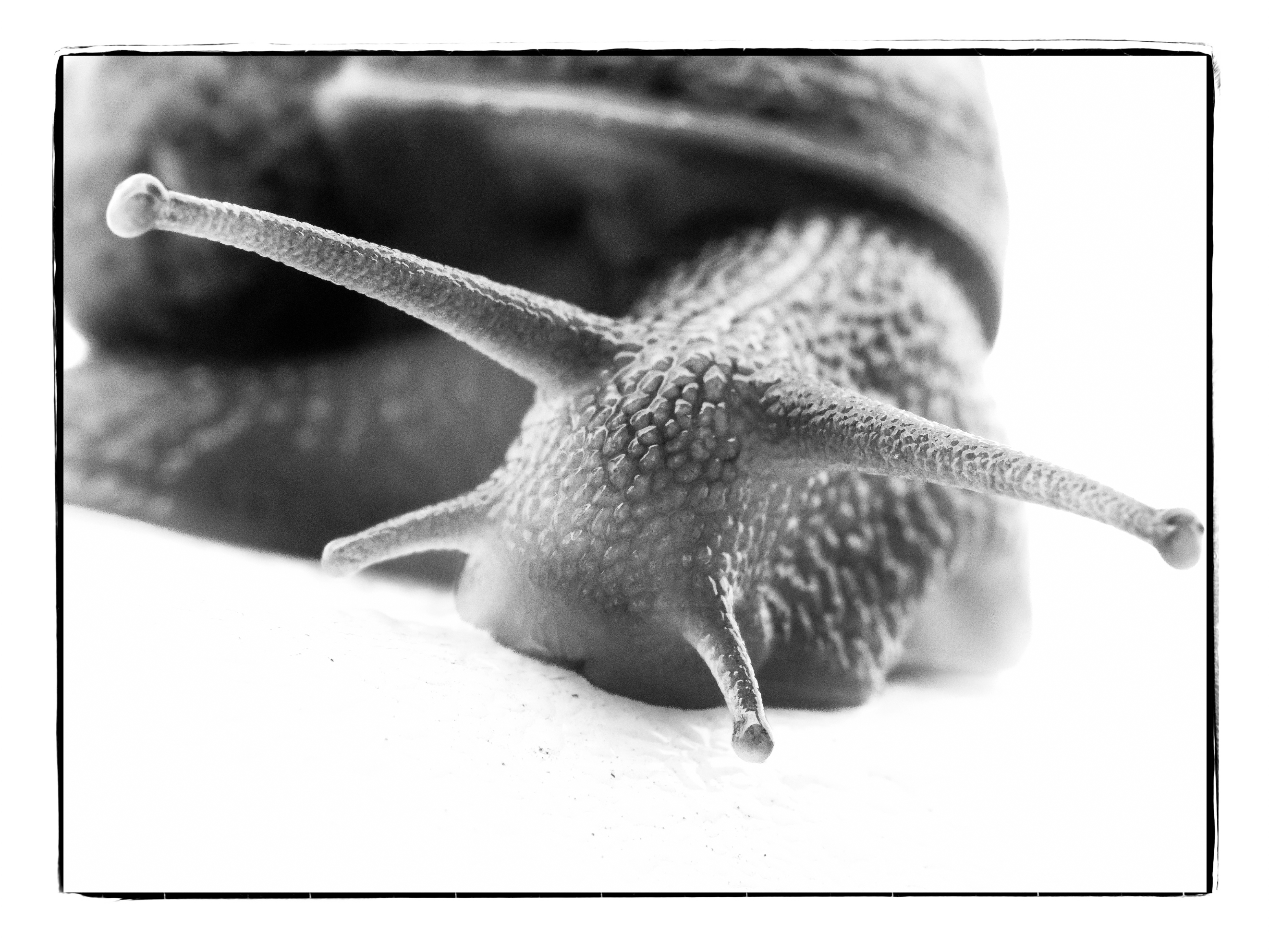
“Stay sill damn it!” Common garden snail, Cornu aspersum.
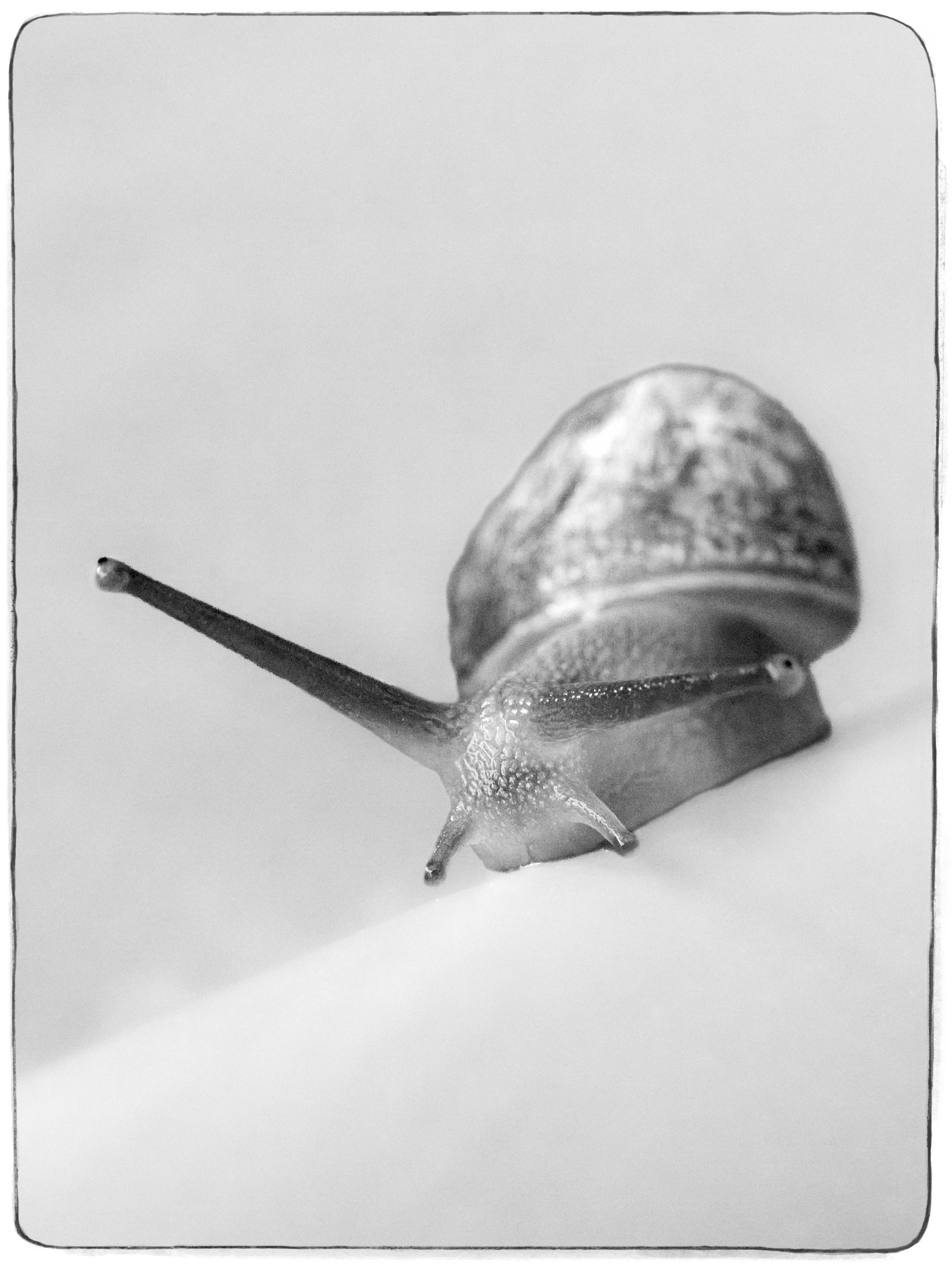
The recent orchid expeditionmade me get my macro lenses and flash out of the cupboard and consequently I’ve been playing around with it in the garden. I had this brilliant idea to improve my focus stacking technique by taking photos of snails. I mistakenly thought that they’d be a good subject as they don’t move much. I was very much mistaken. The little beggars move around quite a lot. The tentacles that their eyes are mounted on are in a constant state of motion and so my attempts at focus stacking failed. Not to be deterred I just stopped the lens down to f11 or f16 (well into diffraction territory on Micro Four Thirds) and just carried on taking picture of little critters in the garden.
Another fidgety snail.
The focus stack even failed on this. Dunno what I’m doing wrong.
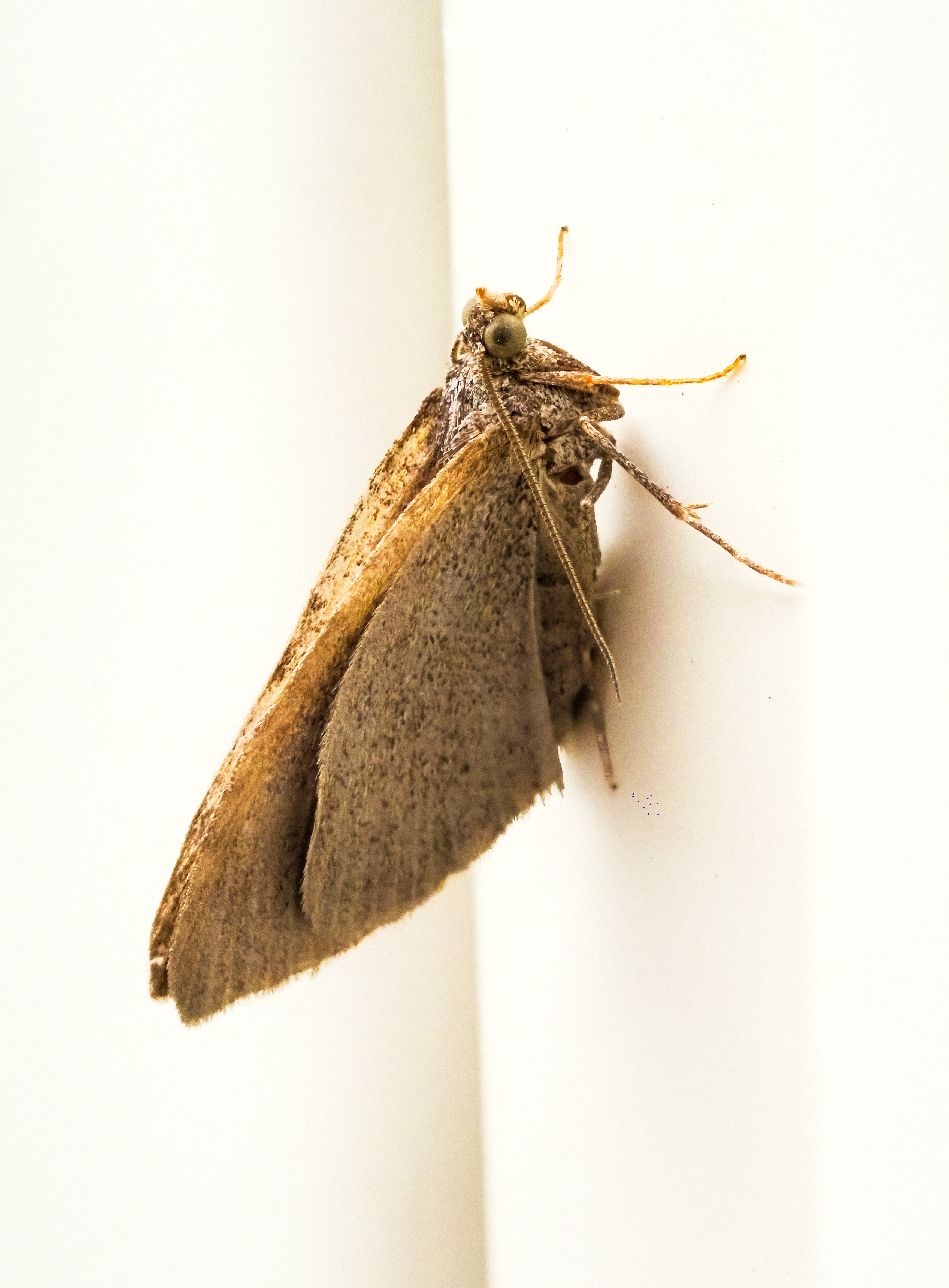
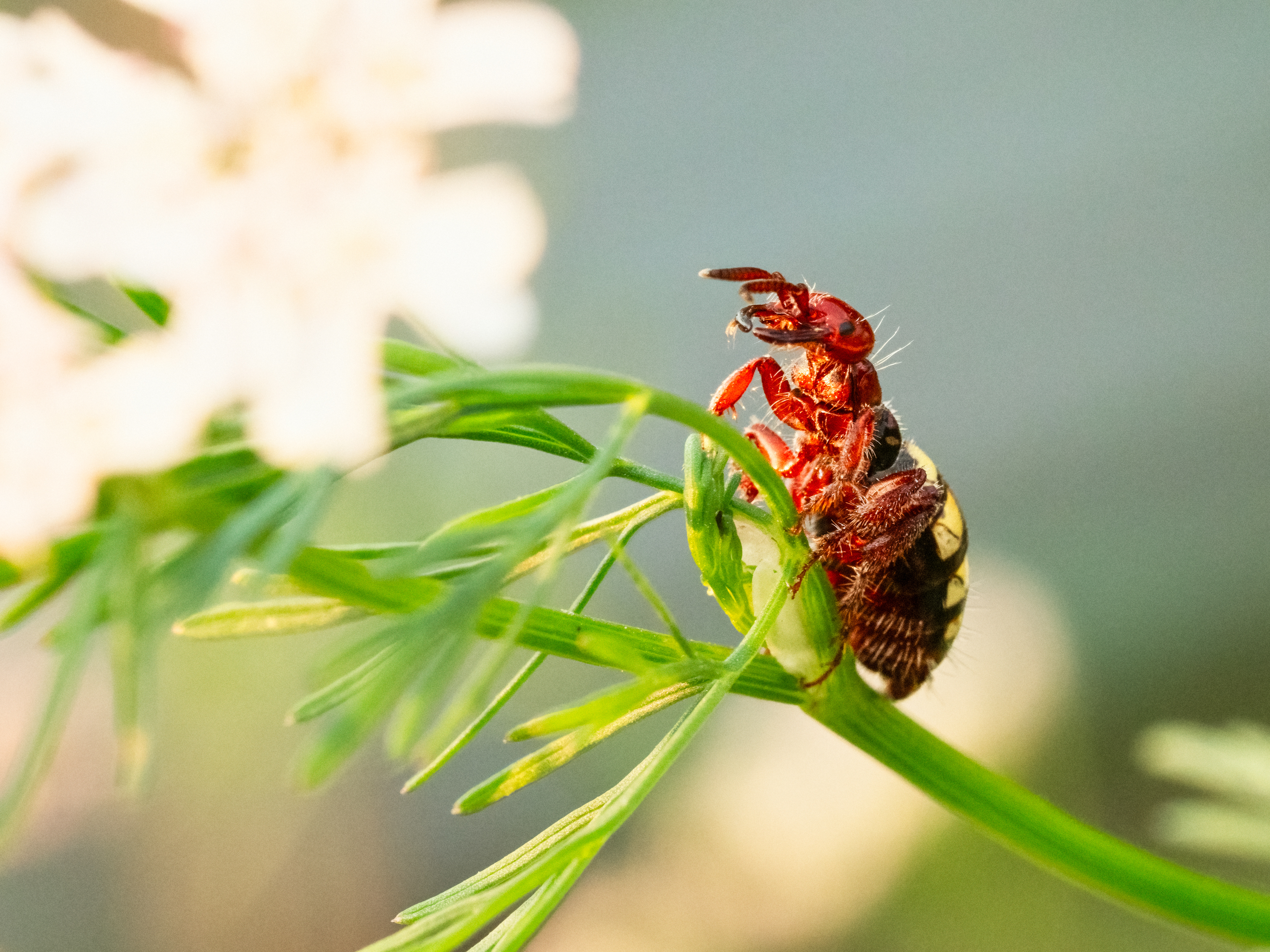
Yikes! Don’t know what this was amongst the coriander.
Looks better in profile.
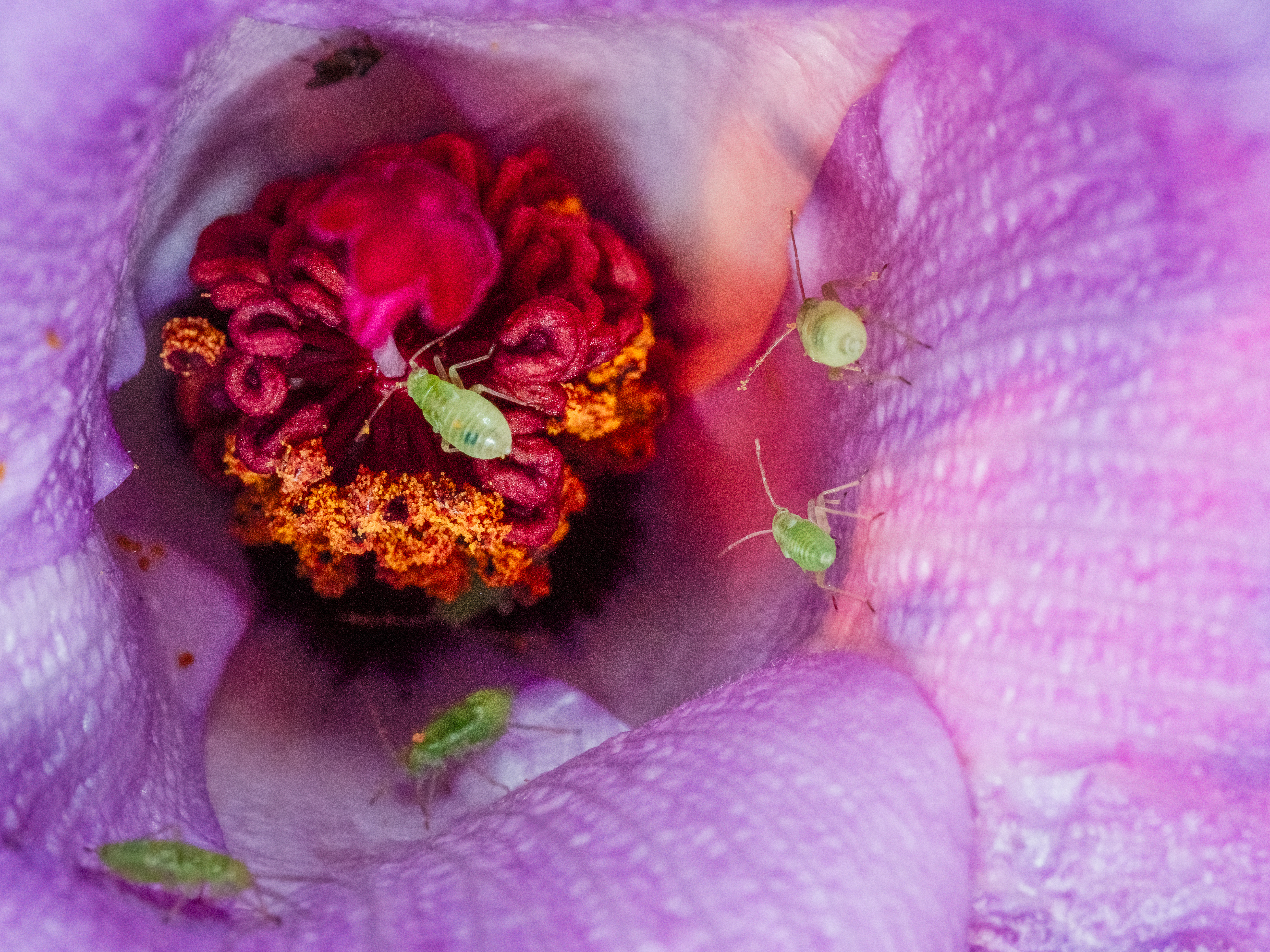
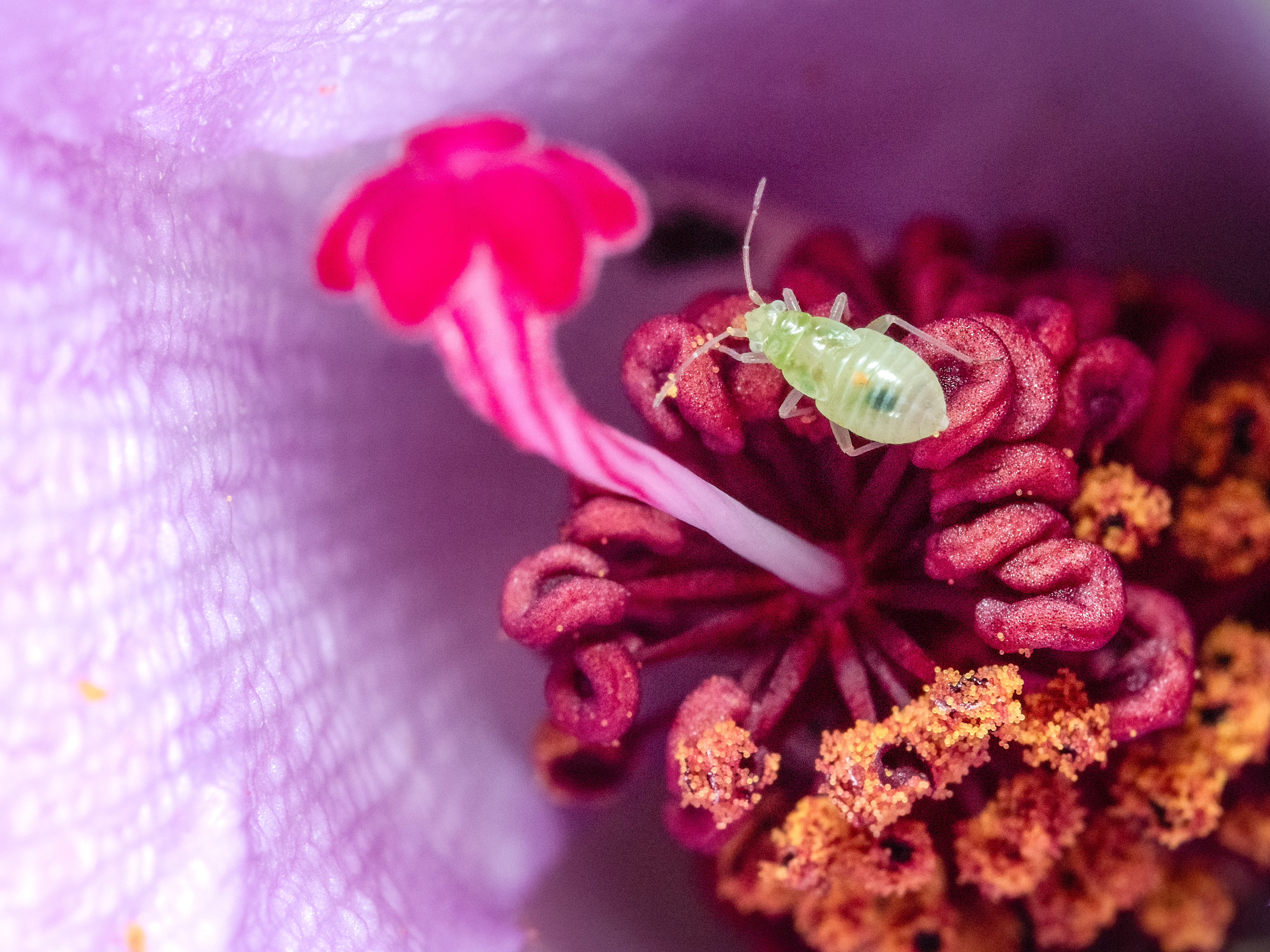
Oh dear! The Beloved Significant Other is not going to be happy with these aphids.
Willian Shakespeare. A Midsummer Night’s Dream (Act 2, Scene 2)
“Run Harry! Run!”
I must say at the outset that I don’t like spiders very much. The bloody great hairy jobs in the Hobbit, Lord of The Rings and Harry Potter movies didn’t help much either. Coming to Australia has meant that the chances of coming into contact with some horrible large spider with a venomous bite have increased. However, of late that maybe changing. That could be because I’ve seen some rather cute jumping spiders and the rather spectacular looking Jewel Spiders. It maybe that I’ve just become desensitised by seeing so many, referred to as “flooding” in psychotherapy. Nah! Got to be honest the large hairy ones still give me the heebie-jeebies.
Shaggy Red-headed House Hopper (Hypoblemum villosum) sitting on the flex of our iron in the laundry. They grow between 4-8mm long.
A different view of the Shaggy Red-headed House Hopper (Hypoblemum villosum). They grow between 4-8mm long.
A male jumping spider (Sandalodes superbus), another species of Jumping Spider, found in the garden. I like the way they look up at you.
I think it was the jumping spiders that made me more comfortable about spiders as they are sort of cute with that turret head and the way that they look at you. I was particularly enamoured with the Shaggy Red-headed House Hopper (Hypoblemum villosum) I found in the laundry. He was tiny, no bigger than 5mm. Since then I’ve seen other varieties around the garden – they’re a bit bigger but I can tolerate them.
Jewel spiders (Austracantha minax) are often called Christmas spiders as they are commonly found during December and January. Oyster Bay, Western Australia.
Christmas spiders or jewel spiders (Austracantha minax) can be readily found in the usndergrowth surrounding Thomsons lake in Western Australia.
The Christmas Spider or jewel spider (Austracantha minax) is associated with the comming of Christmas in Western Australia.
The jewel spiders are also quite attractive to look at. They come out around Christmas time, hence their more common name of Christmas Spider. What they and the jumping spider have in common is that they are not large nor are they poisonous.
The Golden orb weaving spider, Nephila edulis., is so called because of its web that takes on a golden sheen. York Western Australia.
A female Golden Orb-weaving Spider (Nephila edulis) in our front garden. That messy tangled bit hanging down is the larder.
Male Nephila edulis or Golden Orb Web Spider. He’s only 6mm in length while his mate can be up to 4cm. Let’s hope he doesn’t end up in the larder after the deed is done. Oswaild Sargent Reserve, York, Western Australia.
The next spider I’ve become reasonably tolerant to is the Golden Orb Weaver (Nephila edulis). Now these are big – well the females are at 4cm in body length, the males don’t get much bigger than 6mm. Thankfully they are very reluctant to bite and when they do according to the Australian Museum “Symptoms are usually negligible or mild local pain, numbness and swelling. Occasionally nausea and dizziness can occur after a bite. Seek medical attention if symptoms persist.”. Re-reading that I now don’t feel reassured. The webs are what attracts me to them. They are magnificent creations at over 1 metre in diameter and the golden silk that they are made from shimmers spectacularly in the early morning light. I can’t walk past one without stopping to take a photo. So it’s very convenient that I’ve got one just outside the front door.
The huntsman spider (Delena cancerides) can grow to the size of the palm of your hand and is often found in peoples homes. You don’t need a macro lens to photograph these. As far as I’m concerned a long telephoto helps keep the distance between me and it.
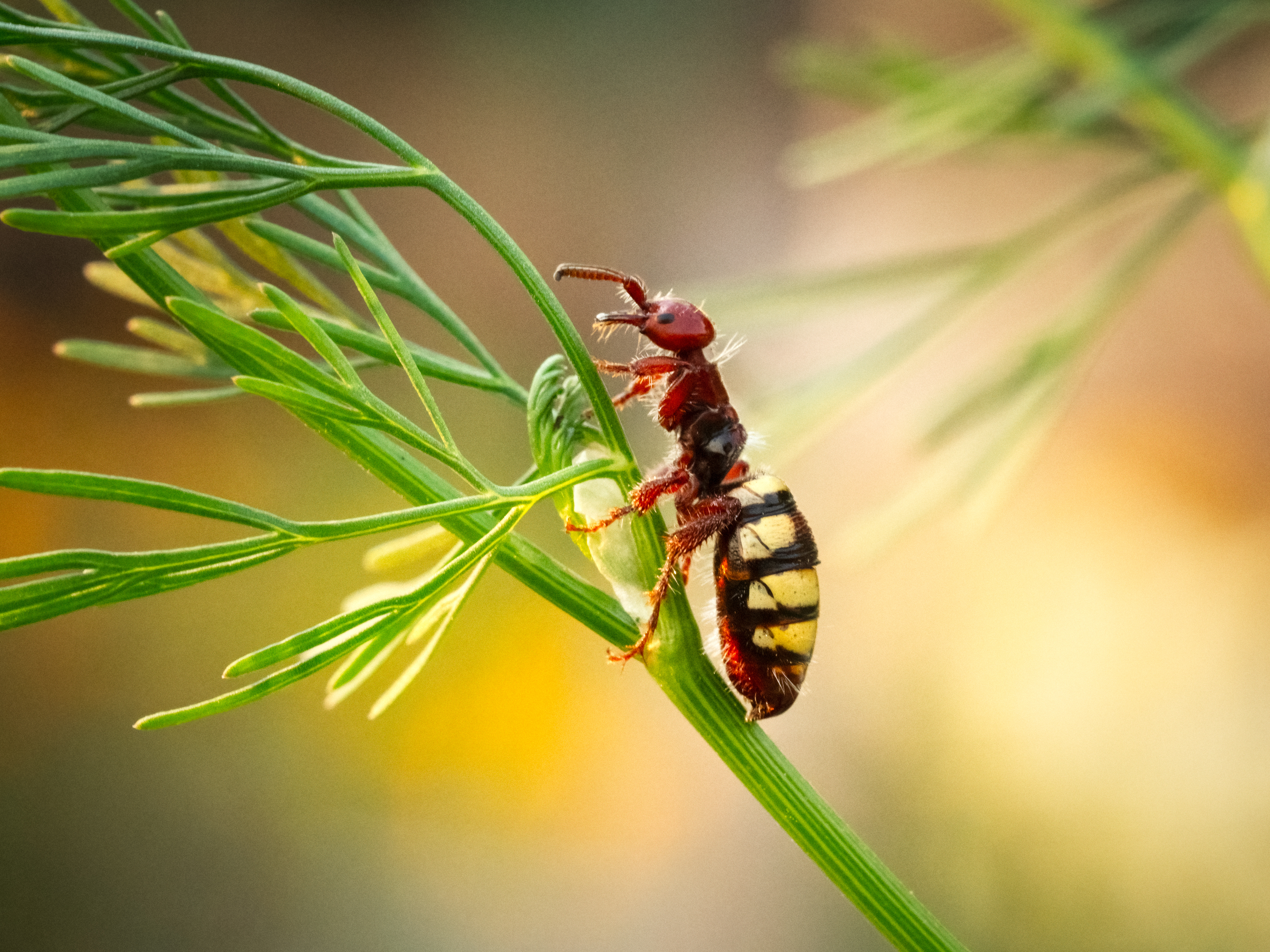
So far it sounds like I’m fairly tolerant to spiders. Well let me tell you there is one species that can induce a full on panic reaction that is the Huntsman Spider. It’s not that they are big – they are flippin’ big and have a leg span of 15cm and a large hairy body to boot. It’s the way they move and the speed of them as they run across the walls and disappear behind the sofa. They are the stuff of scary movies. If you should try and swat one with a rolled up newspaper or magazine they’re just as likely to snatch it off you and give you a good walloping. I don’t care how beneficial they are to have in the garden or that they are relatively harmless. “Relatively harmless” – who decides these things? That’s like saying Donald Trump is relatively harmless unless you live in the Middle East. Sorry I’ve gone off piste. Huntsman Spiders – well I don’t like having them in the house. They make me do the spider dance – it’s where you manically hop from leg to leg while swating the imaginary spiders on your body and screaming like an adolescent girl in a slasher B movie. Thankfully we have our resident house geckos and spider wasps to keep them away.
My saviour! Bibdjool or Marbled Gecko, aka house gecko (Christinus marmoratus) on our back window at a previous house. York, Western Australia.
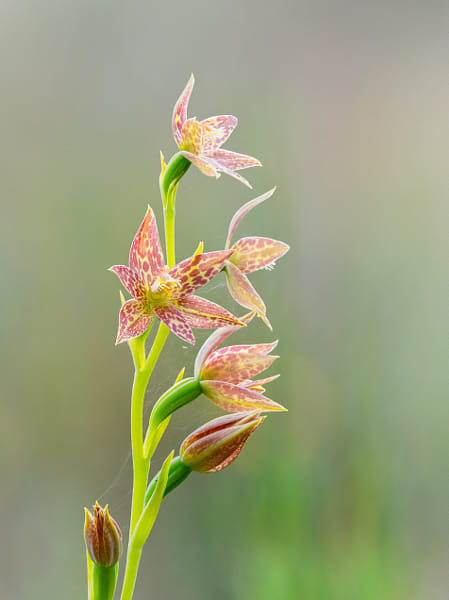
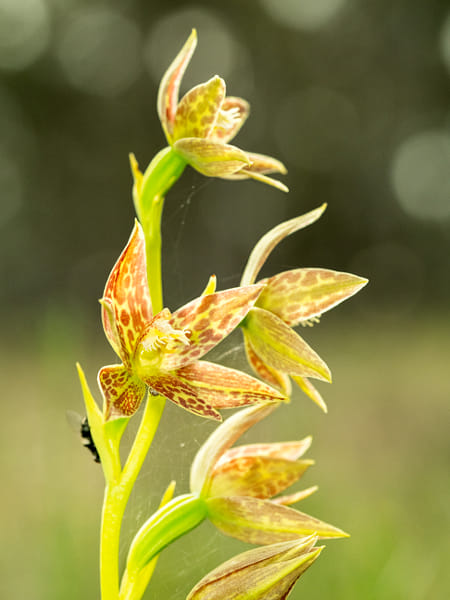
My last wander about the local Wandoo forest didn’t yield anything much. The only plants worth getting the camera out for were some Leopard Orchids. So I did my usual full length portrait using my 40-150mm f2.8 plus MC-14 teleconverter with focus stacking. Then a tighter “head and shoulders” shot with the 60mm f2.8 macro and flash. I finished up with really tight detail shot at close to 1:1 again with the 60mm macro.
Leopard Orchid, Thelymitra benthamiana. A 10 shot focus stack using the Olympus EM1 mk ii, Olympus 40-150mm f28 lens and the the Olympus MC-14 teleconverter. File assembled in Photoshop.
If you look closely at the main flower there is a spider peeping out and the fly on the edge of plant is caught in its web. Leopard Orchid, Thelymitra benthamiana.
In the past I’ve used OM Workspace to do the focus stacks, but after it’s latest update it has become so slow – glaciers move quicker. So I decided to to do the stack using Adobe Lightroom and Photoshop. To say it was much faster would be a massive understatement, but the final result was a lot better as well. For the life of me I can’t work out why camera manufacturers software is so bad. It should be better as they know all the features of the cameras and how to get the best out of them. This isn’t just a whinge directed at OM Systems. Canon’s DPP is absolutely appalling as well. Adobe would’t have such a stranglehold on the market if the camera manufacturers could develop good software.



You must be logged in to post a comment.