Ducks Aren’t Nice

Most people think ducks are quasi comical animals that are quite cute. This perception comes from being taken to feed the ducks at a local pond when we were small children and watching cartoons such as Donald Duck or Daffy Duck. Psychologist Richard Wiseman and colleagues at the University of Hertfordshire, UK, finished a year-long LaughLab experiment, concluding that of all animals, ducks attract the most humour and silliness; he said, “If you’re going to tell a joke involving an animal, make it a duck.” The word “duck” may have become an inherently funny word in many languages, possibly because ducks are seen as silly in their looks or behaviour. But ducks, particularly the males aka drakes have a very, very dark side.

In the duck world males, or drakes, outnumber females, or hens, by a considerable margin. This means that females can afford to be very choosey. Indeed, according to Yale ornithology Professor Richard O. Prum  “For a male duck to land a female, he must boast colourful plumage plus have an elaborate dance mating ritual and beautiful mating calls. In other words, he needs to be a beauty, plus a great singer and dancer.” Unfortunately most drakes don’t make the grade. So what’s a terminally frustrated young drake going to do? Well they hang out with a bunch of other drakes and wait for a hen to get within range and then they gang rape her. According to Professor Prum “These are socially organised ‘gang rapes’ that are ‘violent, ugly, dangerous and even deadly’ and even sometimes end in the death of the female.”.


Eroodoo
Eroodoo or Hardhead Duck aka White-eyed Duck (Aythya australis). Northam, Western Australia.


This was precisely the scenario that played out on my visit to Bernard Park the other day to photograph Australian Reed Warblers. In the swan enclosure at the eastern end of the park, there were a number of ducks. The first I saw was a Hardhead hen and her brood of ducklings calmly cruising and looking for food. There were also four Pacific Black Duck drakes milling around on the water. I didn’t pay much attention because they are ubiquitous on Australian waterways and I was there photographing Reed Warblers.  Suddenly a huge commotion erupts when a hen Pacific Black Duck lands on the water. The drakes suddenly spring into action and give chase. All four proceed to rape her. It was incredibly violent and the poor hen was left barely able to drag herself to shore and hide under some bushes.


Ngowonan
“Help! Help!” A female Ngowonan or Pacific Black Ducks (Anas superciliosa) being chased by a drake. Northam, Western australia.


Ngowonan
She’s quickly pounced on by three sexually frustrated drakes.


Ngowonan
It gets really rough at this point as the males will try and hold her underwater to subdue her while they rape her.


Ngowonan
All four force themselves on her.


Mandurah Madness

The recent lock downs for the COVID 19 outbreak had a very strange effect. Living in York we don’t visit the coast very often, but as soon as the Western Australian government said we could leave our region all I wanted to do was go to the coast. I suppose it’s a bit like being on a diet and then spending all day obsessing over food. Well with the lockdown over we put the dog in kennels and headed down to Mandurah for a couple of days to get an oceanic fix.


Now the plan was to spend three days visiting some reserves around, but as Robert Burns once said “The best laid schemes o’ mice an’ men / Gang aft a-gley.”. The first spot we went out to was Lake McLarty, but there was no water in the lake and no birds to be seen. To cap it all the weather was grim – a storm front was closing in. So we decided to cut our losses and head in land to Pinjarra and walk along the Murray River and visit the Edenvale Heritage Tearoom. Well the tearooms were still shut because of COVID so we settled for a walk along the the river.


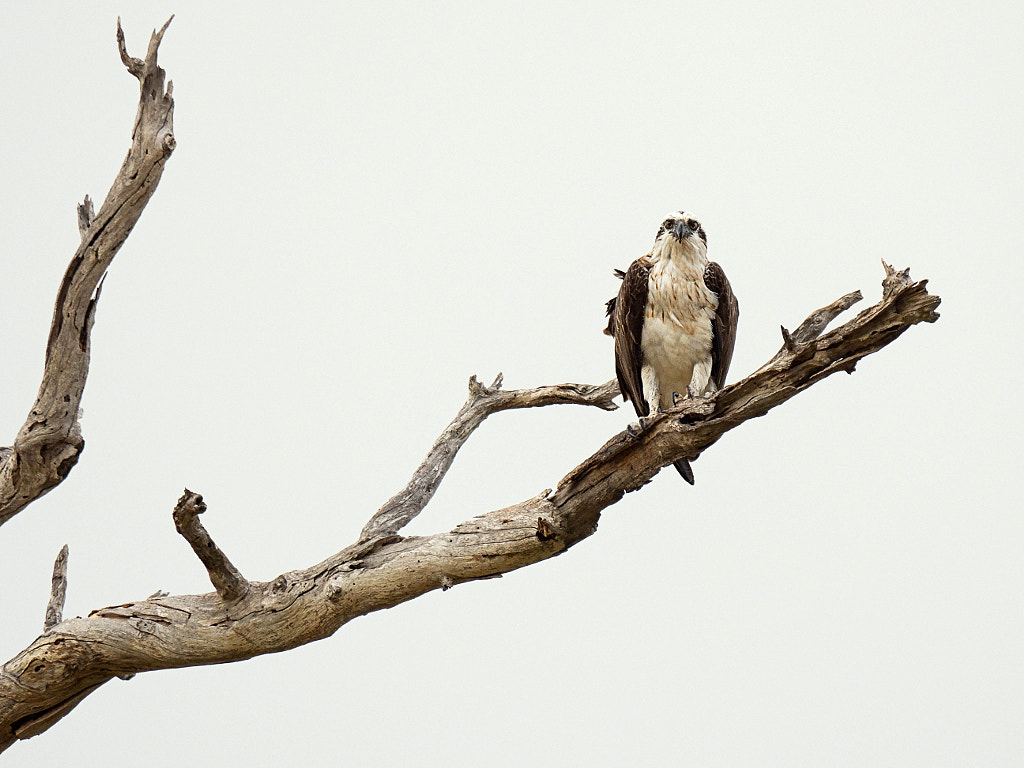
Eastern Osprey by Paul Amyes on 500px.com

Eastern osprey (Pandion cristatus subs leucocephalus) at Lake McLarty Nature Reserve near Mandurah in Western Australia. Olympus OMD EM1 mk ii with Panasonic Leica 100-400mm lens. Exposure: 1/500, f7.1 ISO 320.


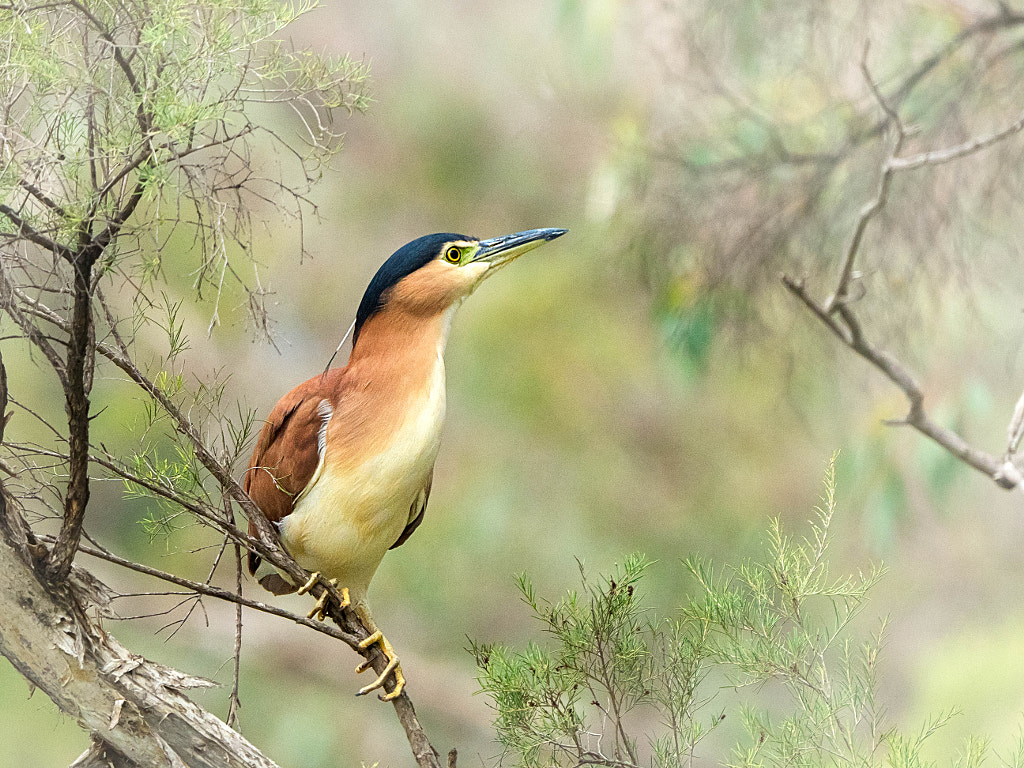
Nankeen Night Heron by Paul Amyes on 500px.com

Nankeen Night Heron, Nycticorax caledonicus subsp mannillenis. Pinjara, Western Australia. Olympus OMD EM 1 mk ii with Panasonic Leica 100-400mm lens. Exposure: 1/500, f6.3, ISO 1600.


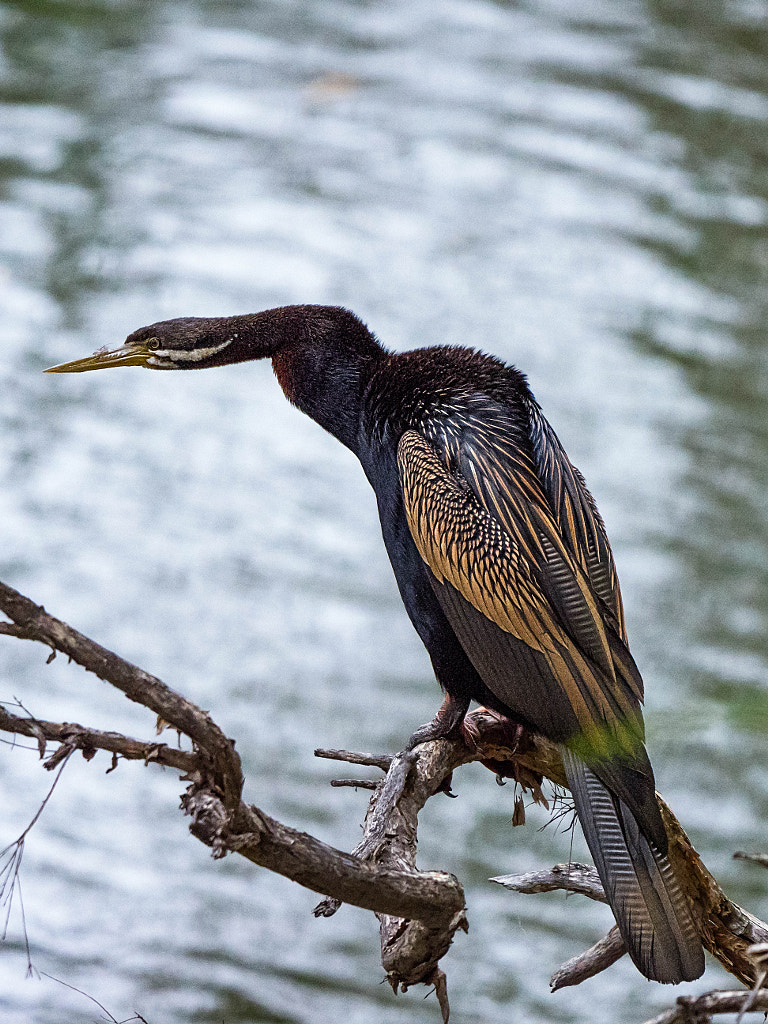
Australian Darter by Paul Amyes on 500px.com

A male Australian darter (Anhinga melanogaster subspecies novaehollandiae) aka as the snake bird. Pinjarra, Western Australia. Olympus OMD EM 1 mk ii with Panasonic Leica 100-400mm lens. Exposure: 1/500 sec, f6.3 at ISO 3200.


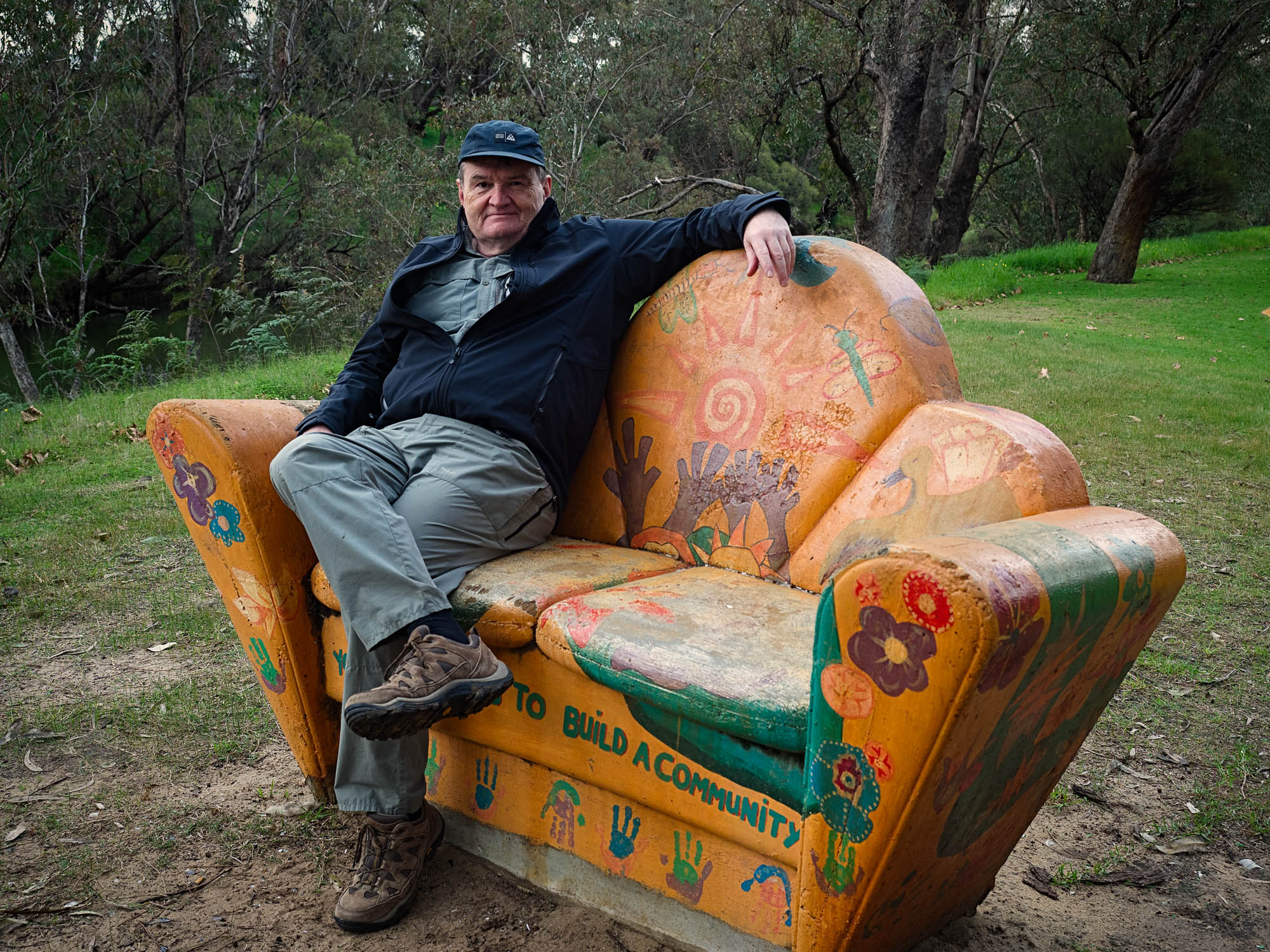
Paul Amyes taking it easy from the rigours of bird watching on a concrete sofa on the banks of the Murray River in Pinjarra, Western Australia. The sofa is part of the “Take Your Seat Art Project by Fremantle Arts Centre and Alcoa.


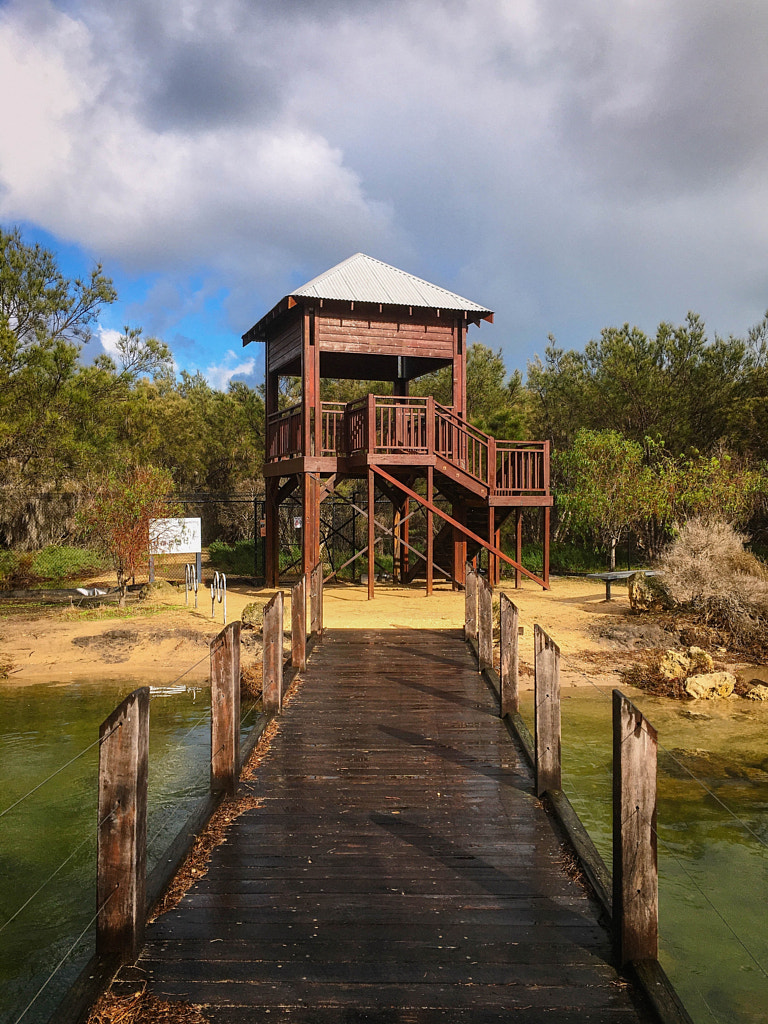
The next day the weather was grimmer than the previous day’s. We were wearing enough clothes to make Captain Scott of the Antarctic fame look severely underdressed. The morning’s activities were to be based at the Creery Wetlands Reserve which was only a short way from where we were staying. Although wet and bitterly cold we had more success than the previous day. It is amazing how much wildlife can be packed into a small area just minutes from a city centre. If you are in the area it is well worth visiting, don’t let the fact that the entrance makes it look like an off-shore detention camp put you off. As you cross the bridge you get the feeling a couple of Border Force goons could jump out of the bushes and indefinitely detain you. Once in side you can commune with nature to your hearts content.


Creery Wetlands Nature Reserve by Paul Amyes on 500px.com
The entrance to Creery Wetlands Nature Reserve in Western Australia.


Creery Wetlands Nature Reserve by Paul Amyes on 500px.com
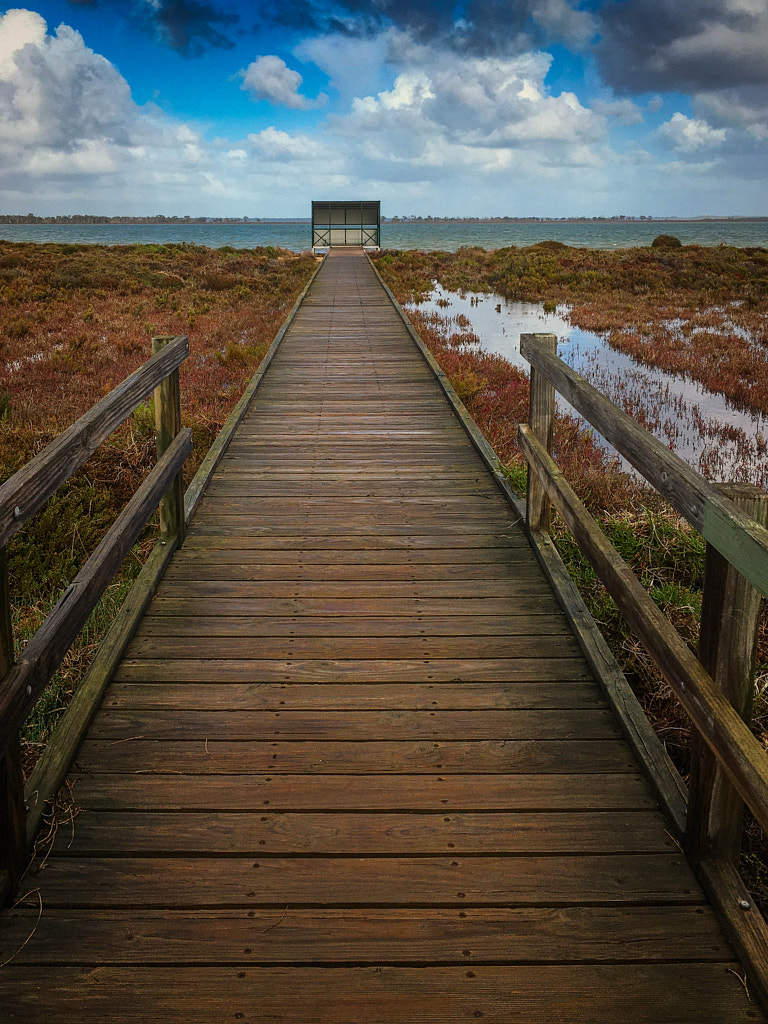
One of the two bird hides at Creery Wetlands Nature Reserve in Western Australia.


Helen bird watching at the Creery Wetlands Nature Reserve, Mandurah, Western Australia.


Pacific Black Duck by Paul Amyes on 500px.com
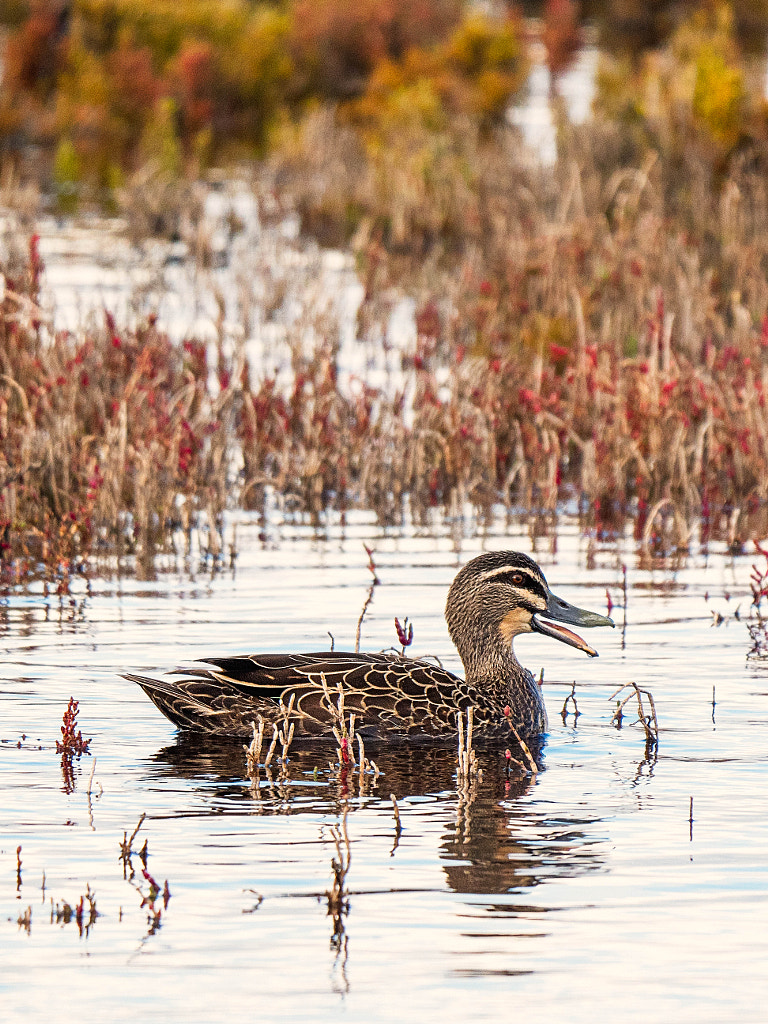
Pacific black duck, Anas superciliosa. Creery Wetlands Nature Reserve, Western Australia.


Western Gerygone by Paul Amyes on 500px.com
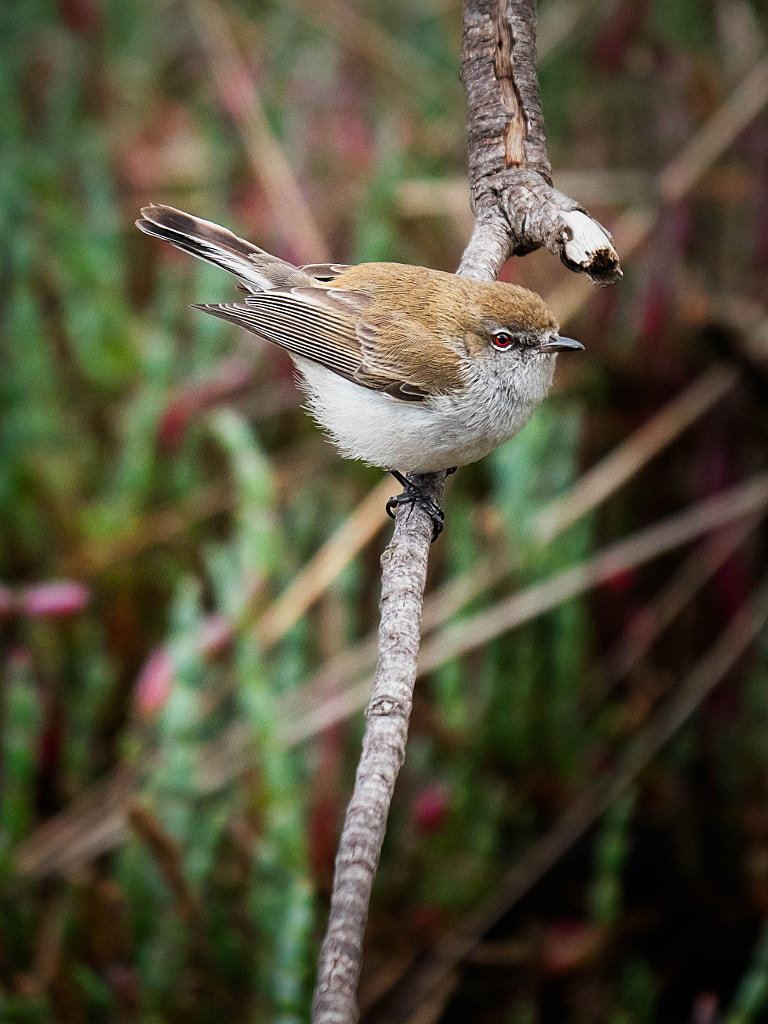
Western Gerygone, Gerygone fusca. Creery Wetland Reserve, Western Australia.


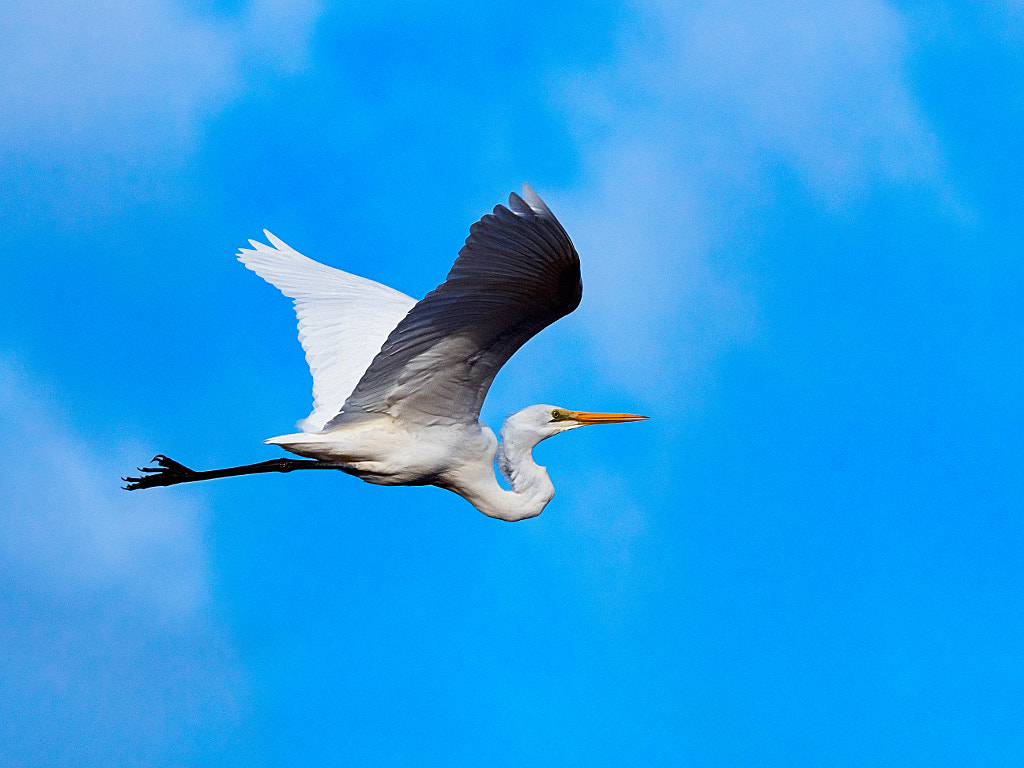
Great Egret In Flight by Paul Amyes on 500px.com
A great egret (Ardea alba modesta) flying over the Creery Wetlands Nature Reserve in Western Australia.


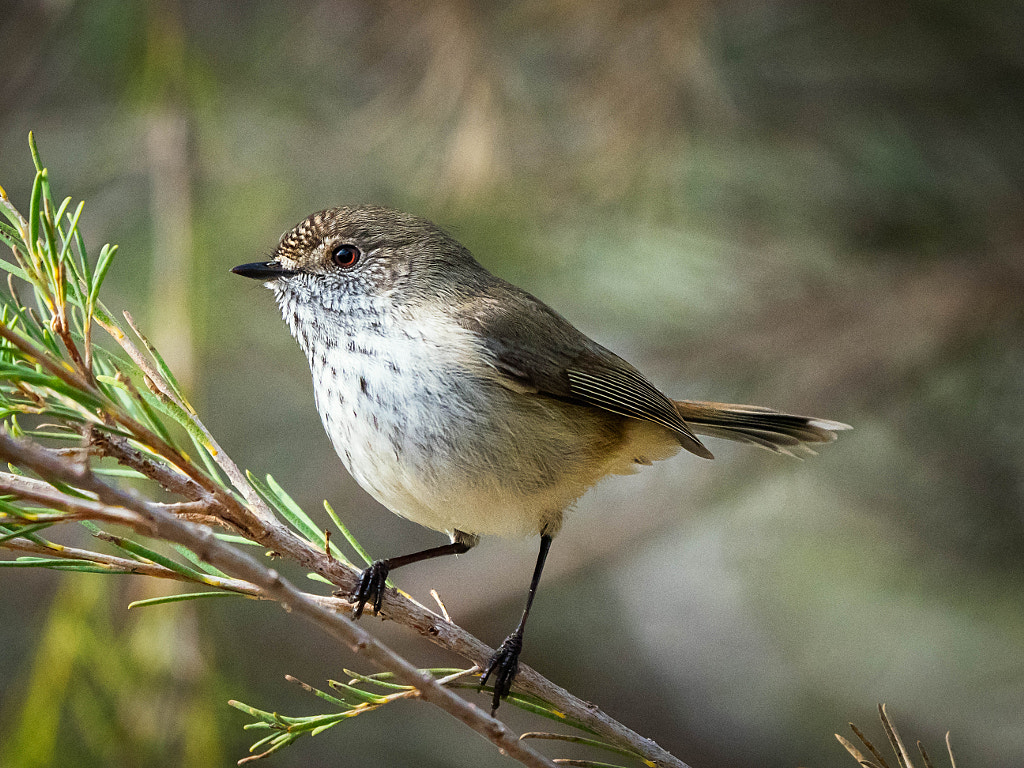
Inland Thornbill by Paul Amyes on 500px.com
Inland Thornbill, Acanthiza apicalis. Creery Wetlands Nature Reserve, Western Australia.


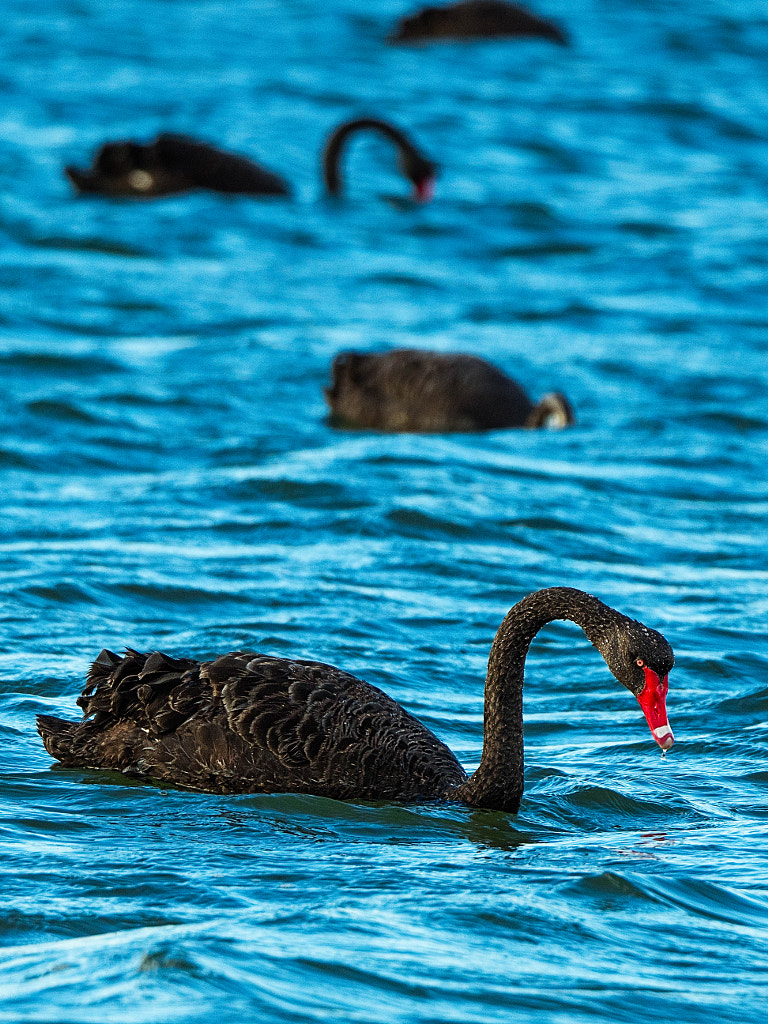
Black Swans by Paul Amyes on 500px.com
Black swans (Cygnus atratus) feeding. Creery Wetlands Reserve, Western Australia.


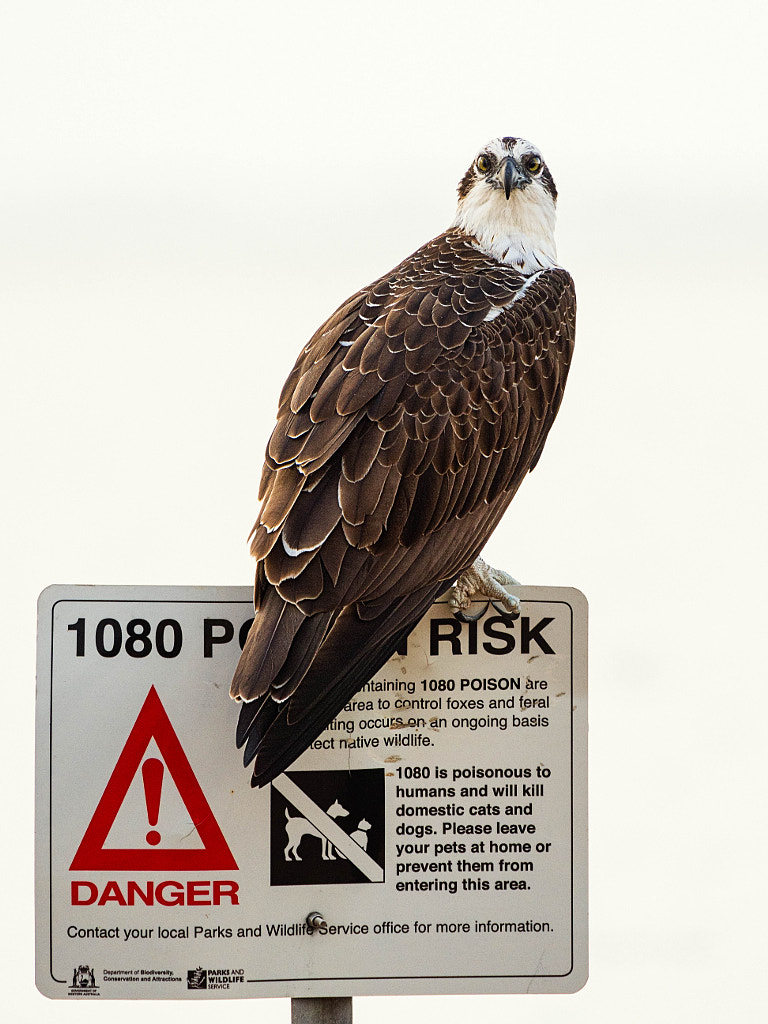
1080 Poison Risk by Paul Amyes on 500px.com
An eastern osprey, Pandion cristatus subs leucocephalus, perched on a sign warning about 1080 baiting. Creery Wetalnds Nature Reserve, Mandurah, Western Australia.


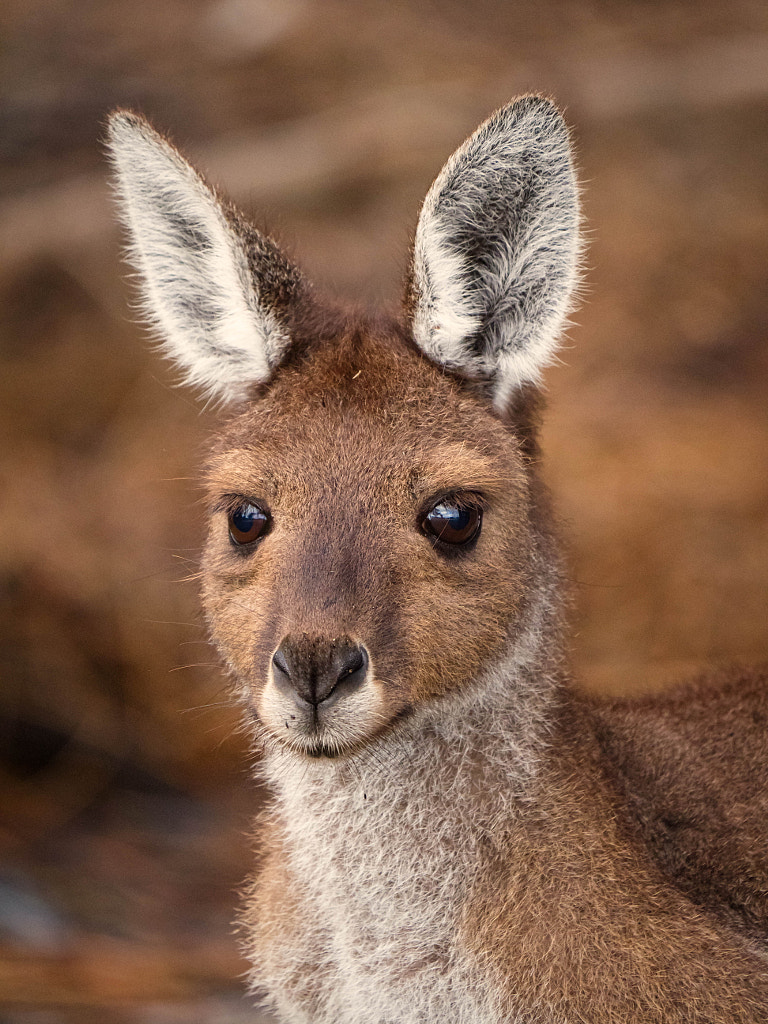
Western Grey Kangaroo by Paul Amyes on 500px.com
Western Grey Kangaroo, Macropus fuliginosus. Creery Wetlands Nature Reserve, Western Australia.