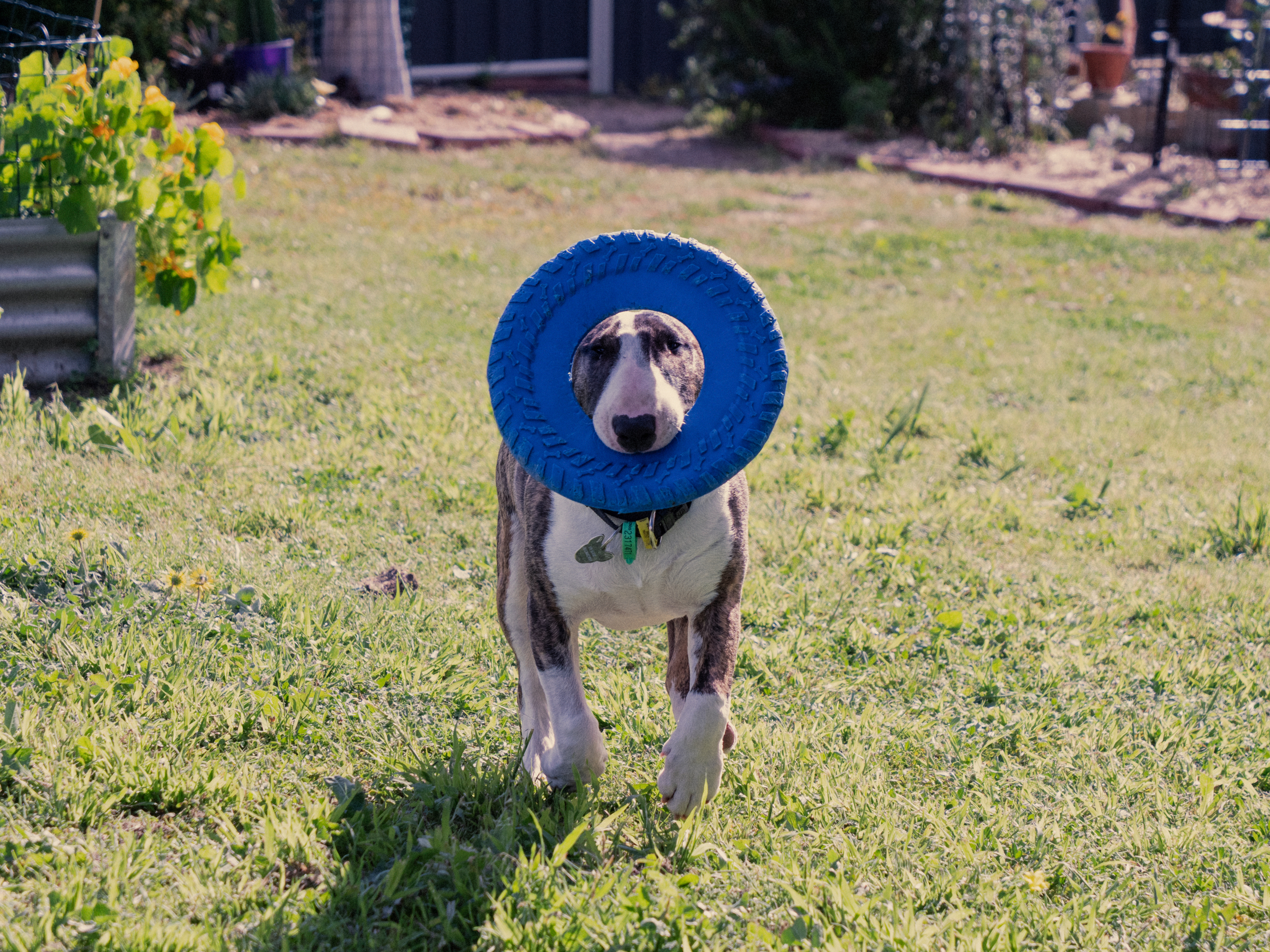
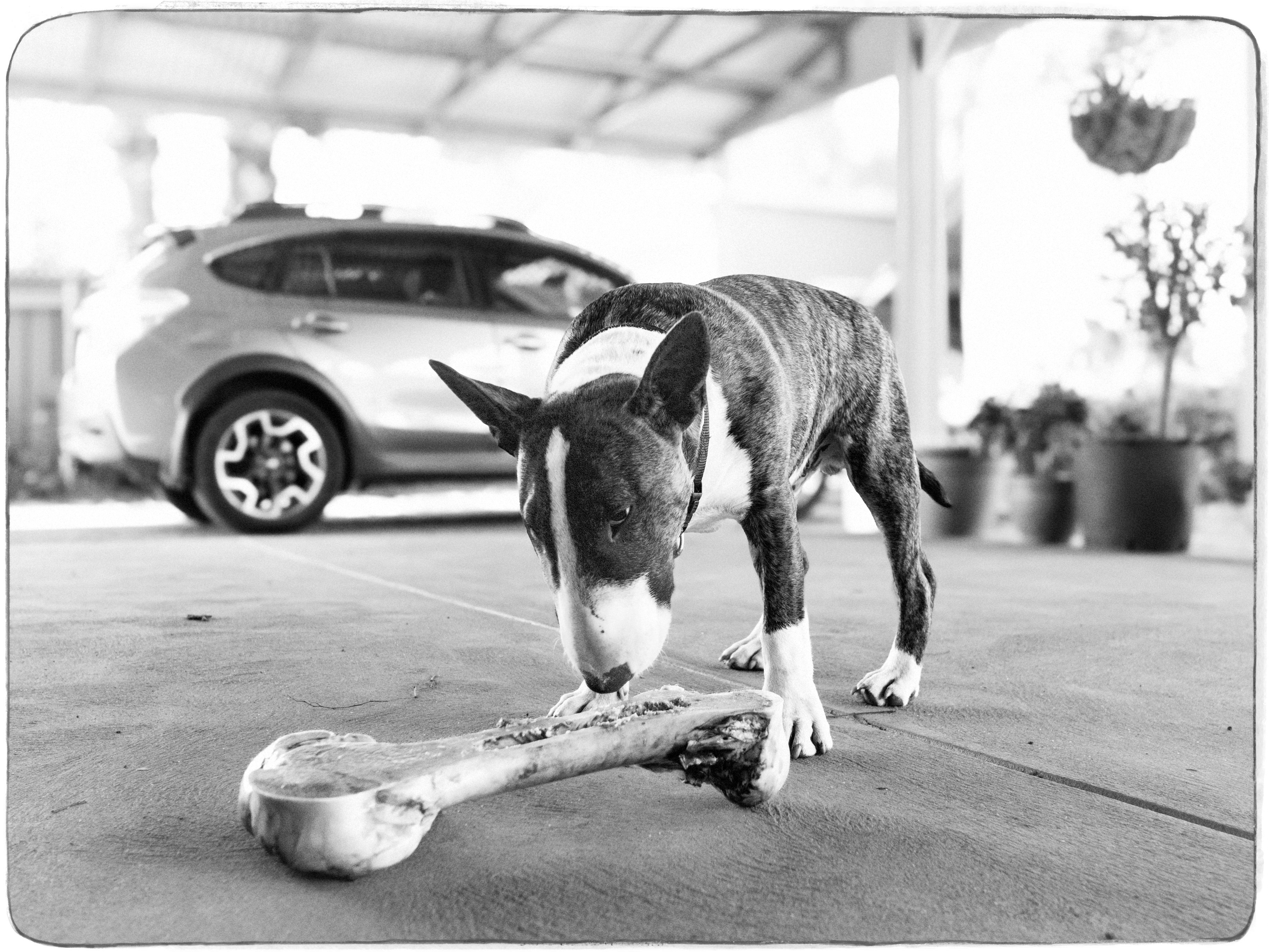
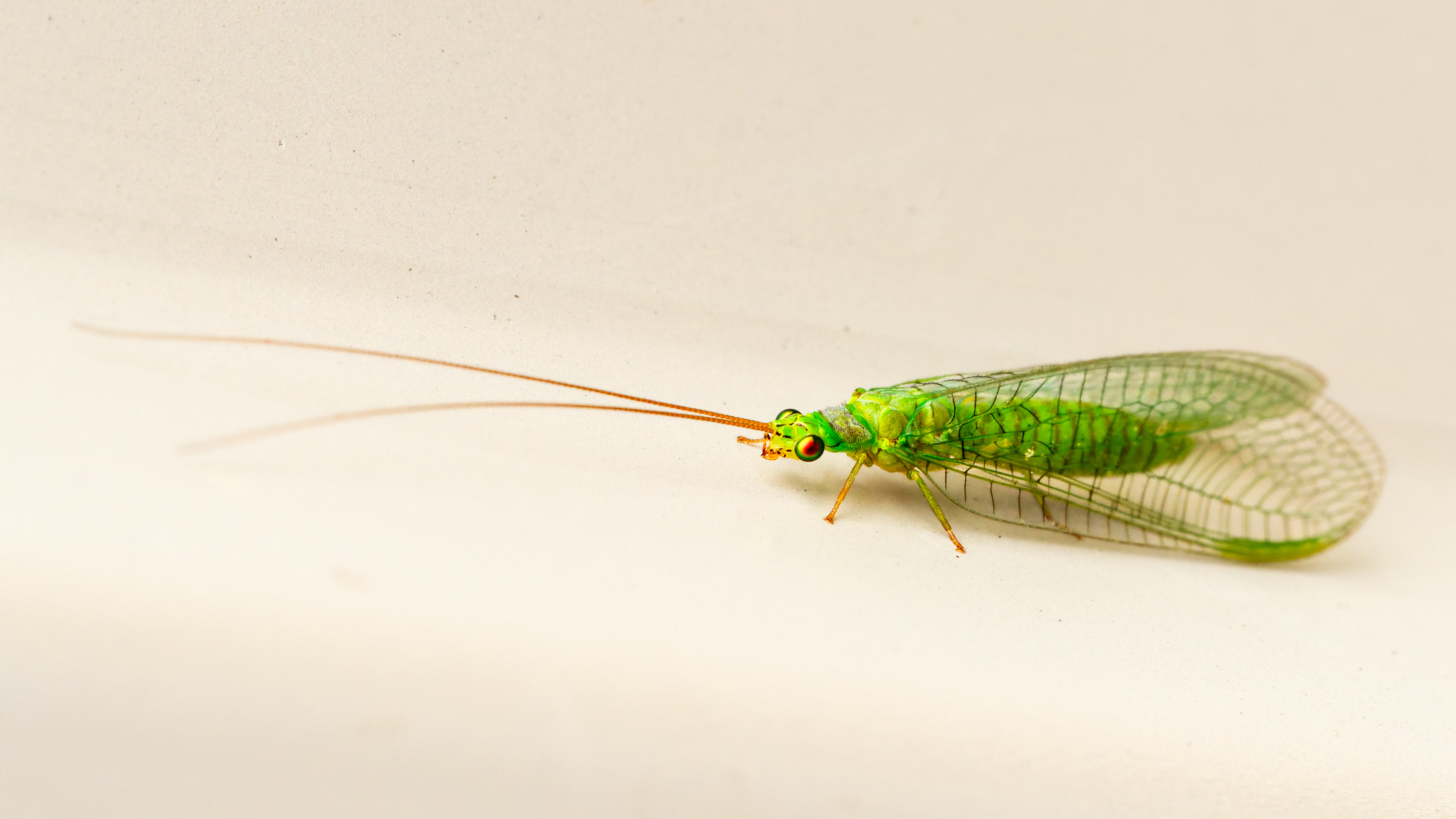
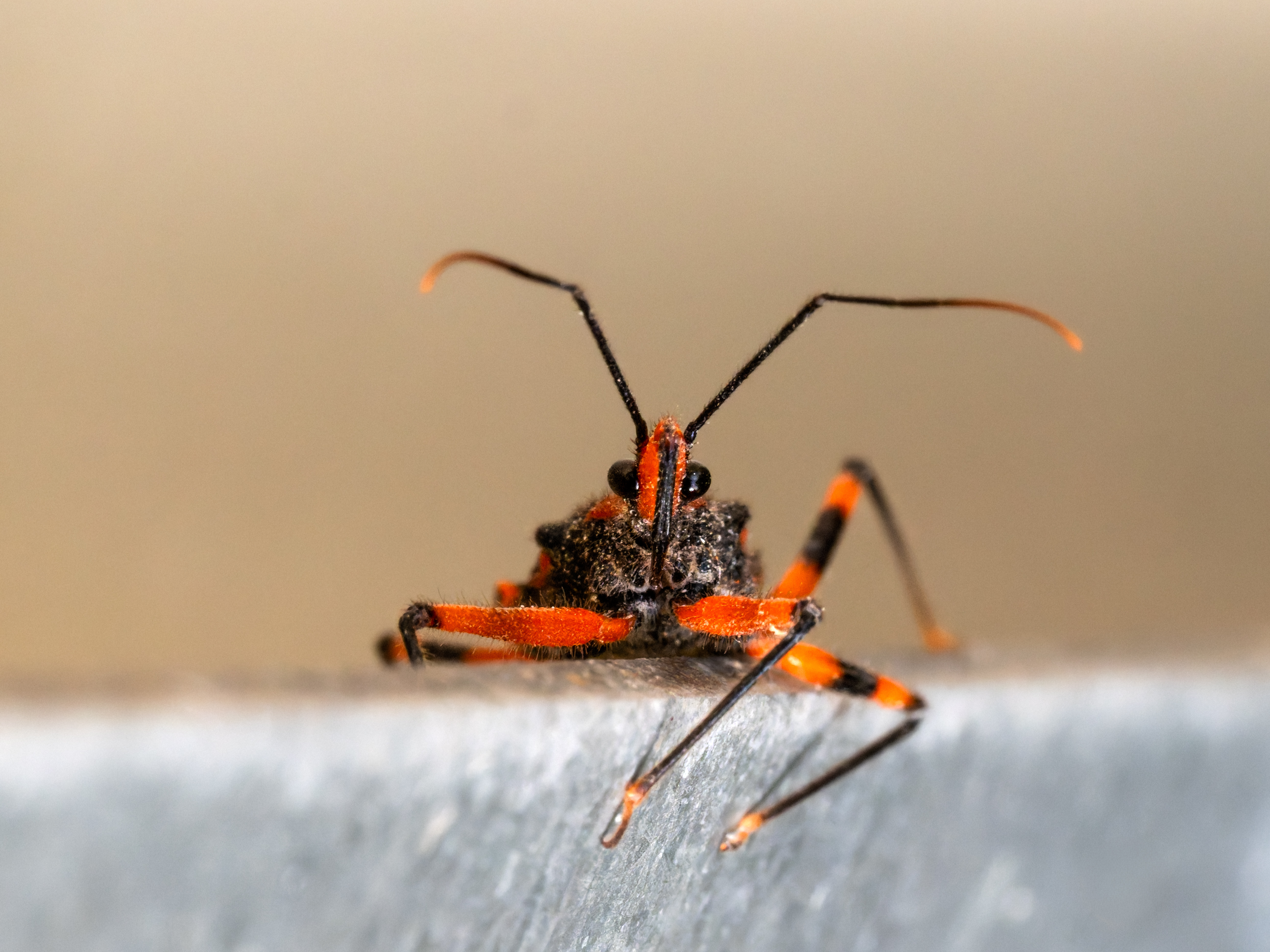
Our poor old car started to sound as if it had a terminal condition. It produced an incredible range of noises from the engine and gearbox. With over 200,000 km on the clock it wasn’t surprising in someways. I took it into the mechanics and it came back with even more strange noises. So while we sorted out a replacement I’ve been somewhat grounded and most of the recent photography has taken place within the constrains of the garden. Most of it macro of various bugs that I’ve found, some of it shots of Bertie, our Miniature Bull Terrier puppy, as he plays. It’s been great fun.
Bertie playing with his ring in the garden.
Bertie with his first marrow bone.
Green Lacewing, Mallada signatus. York, Western Australia.
Red Tiger Assassin Bug, Havinthus rufovarius. York, Western Australia.
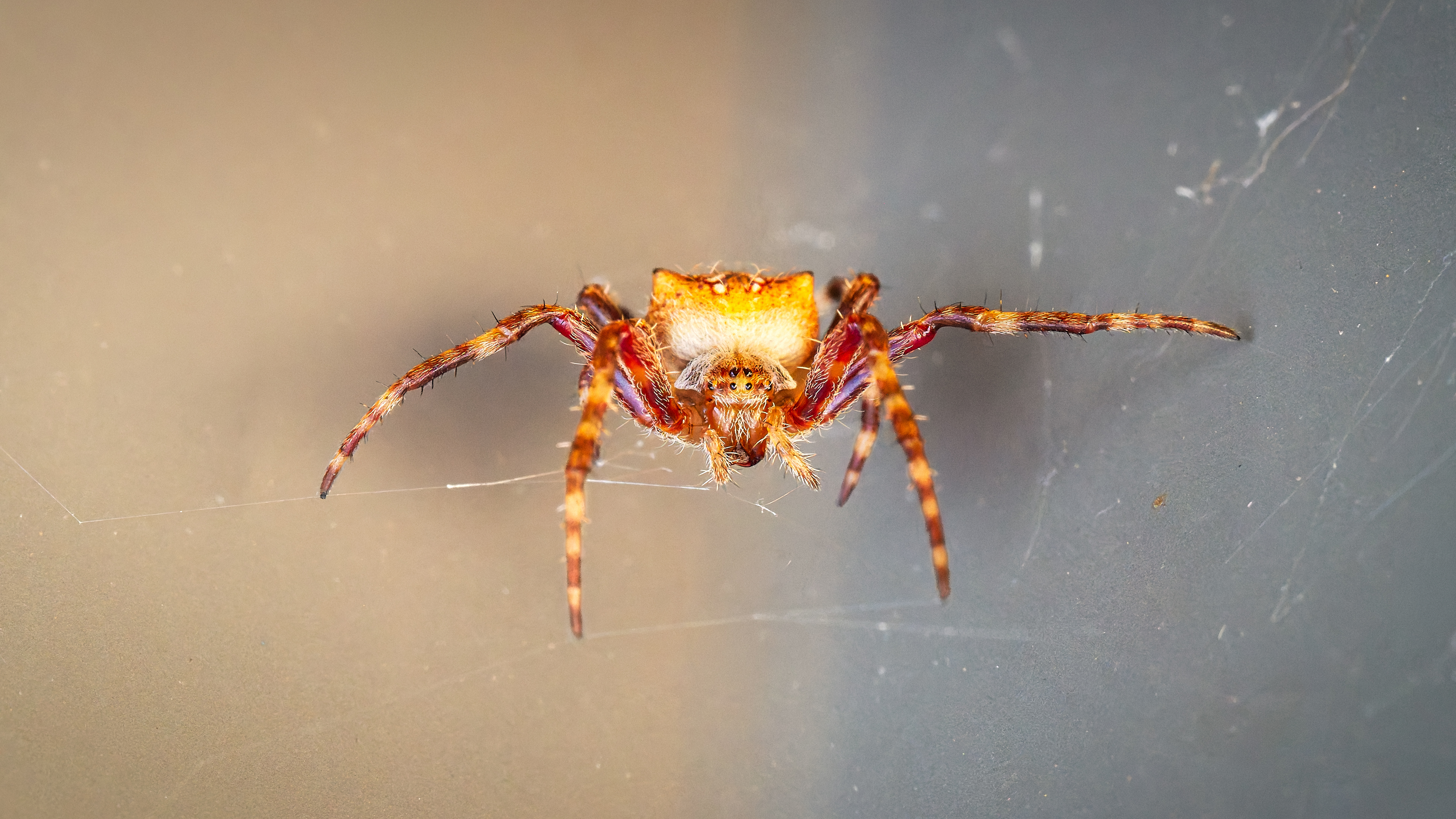
Dunno what sort of spider this is.
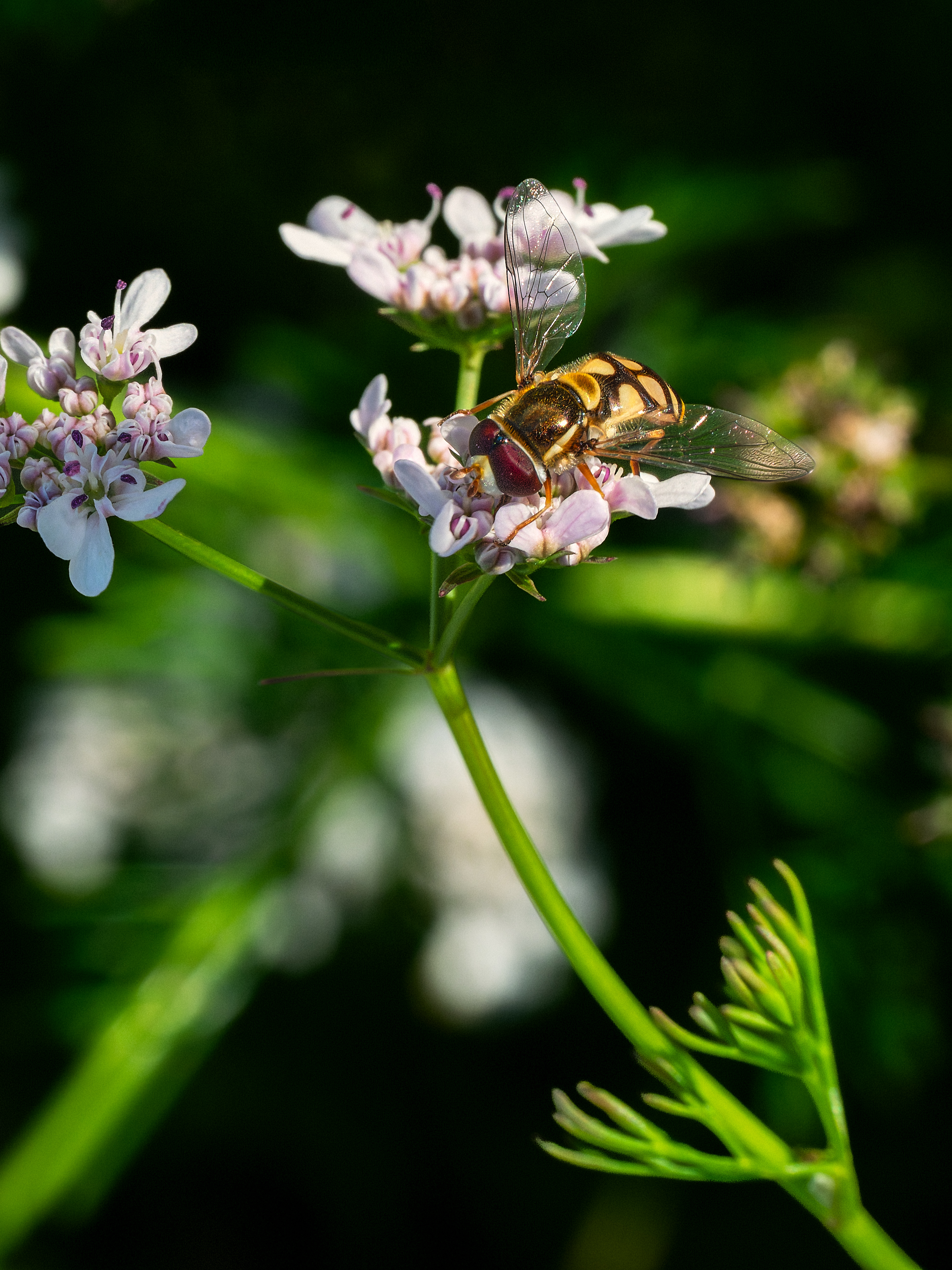
A male Yellow flower wasp feeding on the corriander.
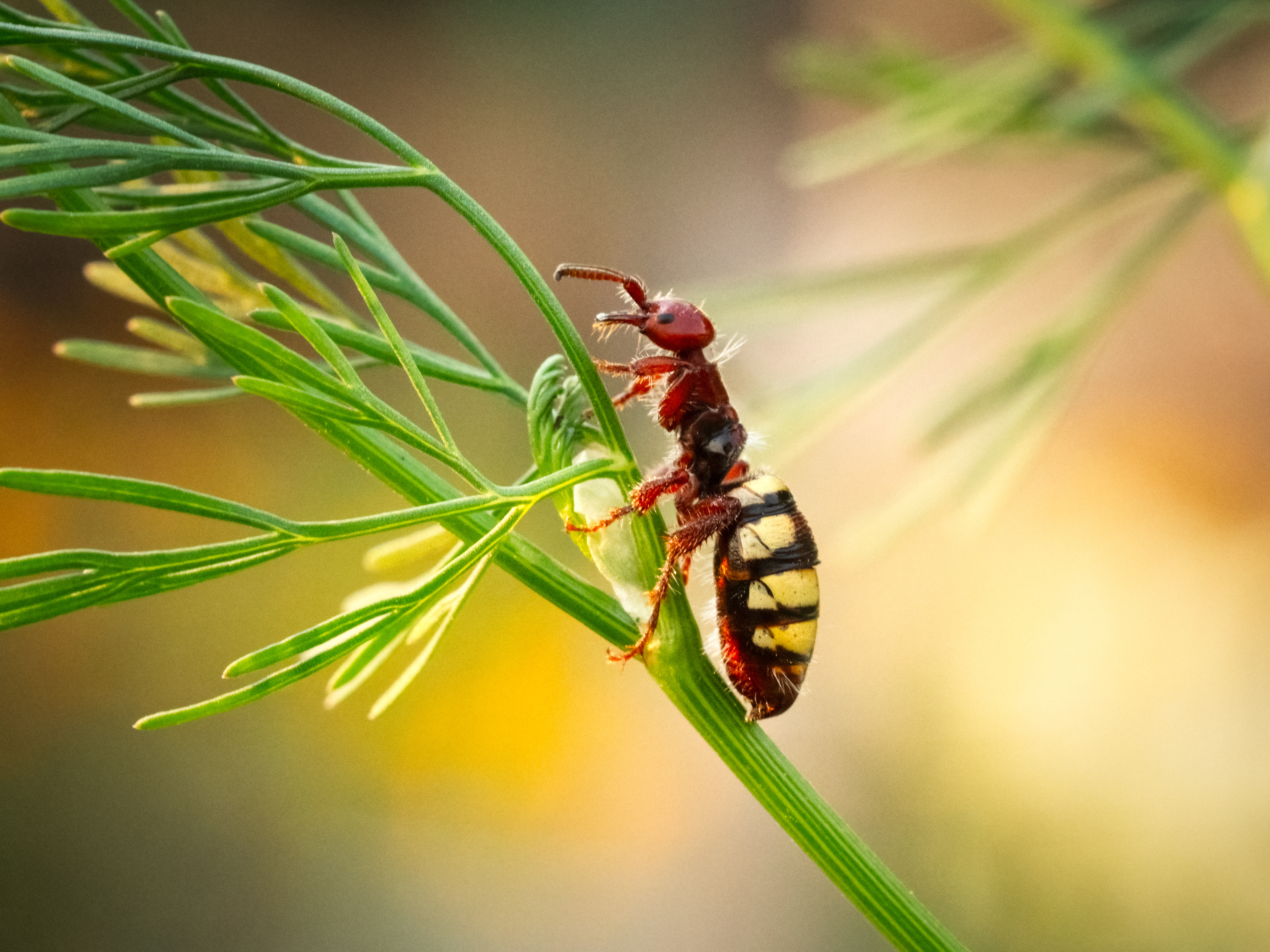
Last week I posted a photo of a mystery insect that I didn’t know what it was. Well it turns out it was a female Yellow Flower Wasp, which are flightless.
Things have taken a dire turn at Paul Amyes Photography. For some reason the links to the images are all of a sudden broken. I’m not sure what has happened, but it does mean that I’m having to go through all 616 pages and re-link the photos. It is a mammoth undertaking and will keep me occupied for some while.
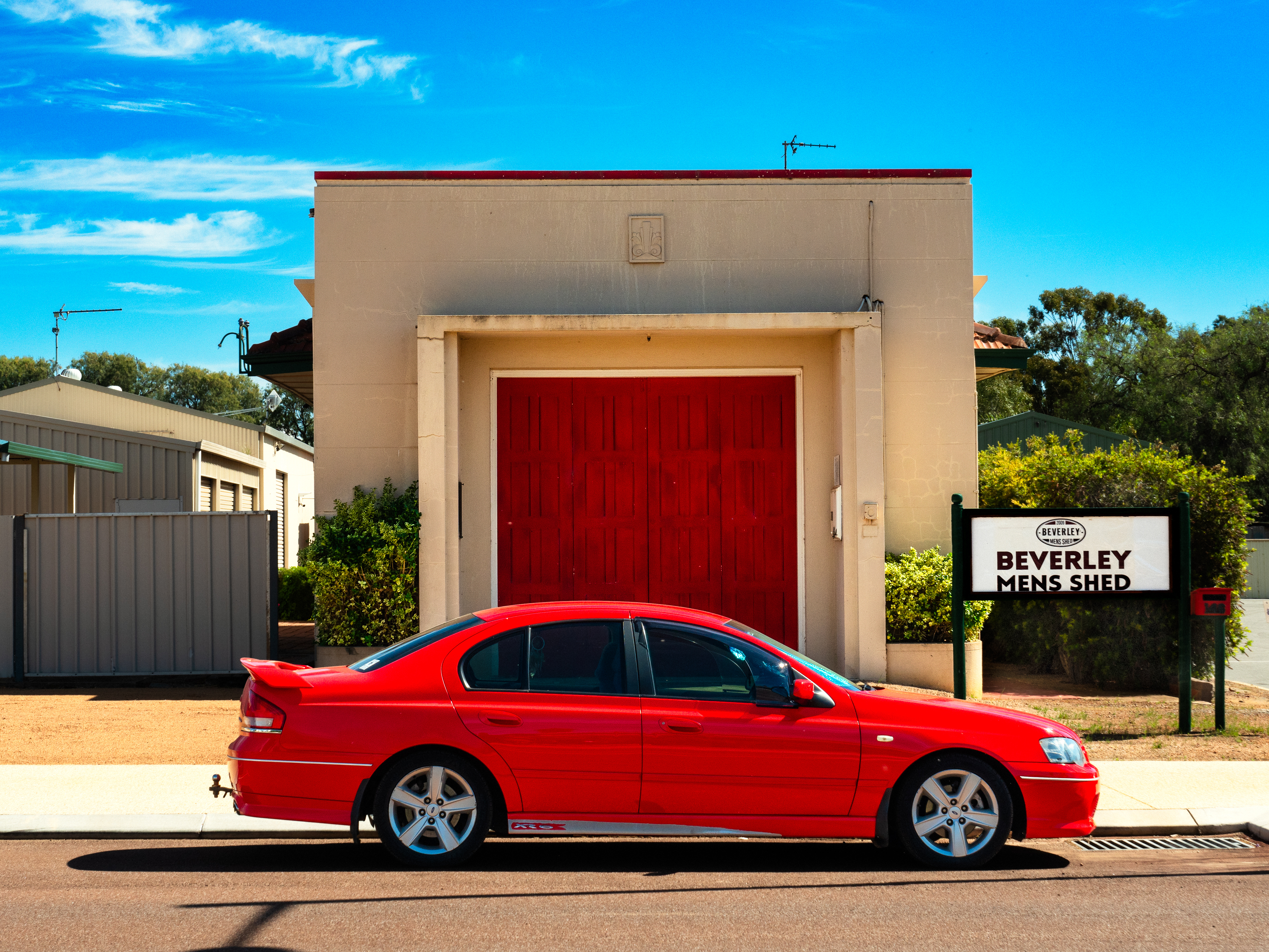
I saw the accompanying image when we went to Beverley for the Spring Equinox Flower Festival. I couldn’t resist the red and the blue. It was taken with one of my everyday cameras. I did take some photos of the flower exhibits, but, they were a bit meh when compared to this one.
The morning mist on the Avon River. Western Australia. Panasonic G9 with Panasonic Leica 12-60mm f2.8-4 lens.
I like the pass of the seasons. I like how everything changes and provides different experiences. I like going out down the Avon River on a cold winters morning with thick mist. The experience is very different – vision is limited to around 5-10m and sounds are strangely muted. When looking for wildlife you think that nothing is near and then suddenly it looms out of mist. Sometimes I wonder who is more surprised at the encounter, me or the animal.
A femaleAustralian Wood Duck (Chenonetta jubata) and her twenty one ducklings swiming in the Avon River. Two weeks later I saw her and had just five remaining ducklings. Panasonic Lumix G9 mk ii with Panasonic Leica 100-400mm f4.5-6.3 lens.
Kakak or Little Pied Cormorant (Phalacrocorax melanoleucos). Panasonic Lumix G9 mk ii with PanaLeica 100-400mm lens.
A male Bambon or Rufous Whistler (Pachycephala rufiventris). Panasonic Lumix G9 mk ii with PanaLeica 100-400mm lens.
A female Bambon or Rufous Whistler (Pachycephala rufiventris). Panasonic Lumix G9 mk ii with PanaLeica 100-400mm lens.
The sun making an effort to break through the mist creates a warm haze. Doornart or Ring-necked Parrot (Barnardius zonarius subspecies semitorquatus). Panasonic Lumix G9 mk ii with PanaLeica 100-400mm lens.
Doolor or Silvereye (Zosterops lateralis) waiting for the sun to break through. Panasonic Lumix G9 mk ii with PanaLeica 100-400mm lens.
Living in a farming community the topic of conversation often turns to the weather. Right now people are talking about how little rain there has been, how cold it is, how they’re looking forward to summer, and how they’re worried about the forthcoming mother of all El Niño’s is coming with forecast temperatures for the Wheatbelt being in the mid to high 40sºC. The local farmers I’ve spoken with are all saying that crop yields will be severely impacted. Generally El Niños don’t effect us in Western Australia like they do in the Eastern States so hopefully this summer won’t too much of a feat of endurance.



You must be logged in to post a comment.