The morning mist on the Avon River. Western Australia. Panasonic G9 with Panasonic Leica 12-60mm f2.8-4 lens.
I like the pass of the seasons. I like how everything changes and provides different experiences. I like going out down the Avon River on a cold winters morning with thick mist. The experience is very different – vision is limited to around 5-10m and sounds are strangely muted. When looking for wildlife you think that nothing is near and then suddenly it looms out of mist. Sometimes I wonder who is more surprised at the encounter, me or the animal.
A femaleAustralian Wood Duck (Chenonetta jubata) and her twenty one ducklings swiming in the Avon River. Two weeks later I saw her and had just five remaining ducklings. Panasonic Lumix G9 mk ii with Panasonic Leica 100-400mm f4.5-6.3 lens.
Kakak or Little Pied Cormorant (Phalacrocorax melanoleucos). Panasonic Lumix G9 mk ii with PanaLeica 100-400mm lens.
A male Bambon or Rufous Whistler (Pachycephala rufiventris). Panasonic Lumix G9 mk ii with PanaLeica 100-400mm lens.
A female Bambon or Rufous Whistler (Pachycephala rufiventris). Panasonic Lumix G9 mk ii with PanaLeica 100-400mm lens.
The sun making an effort to break through the mist creates a warm haze. Doornart or Ring-necked Parrot (Barnardius zonarius subspecies semitorquatus). Panasonic Lumix G9 mk ii with PanaLeica 100-400mm lens.
Doolor or Silvereye (Zosterops lateralis) waiting for the sun to break through. Panasonic Lumix G9 mk ii with PanaLeica 100-400mm lens.
Living in a farming community the topic of conversation often turns to the weather. Right now people are talking about how little rain there has been, how cold it is, how they’re looking forward to summer, and how they’re worried about the forthcoming mother of all El Niño’s is coming with forecast temperatures for the Wheatbelt being in the mid to high 40sºC. The local farmers I’ve spoken with are all saying that crop yields will be severely impacted. Generally El Niños don’t effect us in Western Australia like they do in the Eastern States so hopefully this summer won’t too much of a feat of endurance.
The world has become a very grim place at the moment now that the Mango Menace has unleashed “Operation Epic Fury” (really who comes up with these ridiculous names?) which means we have to take out a mortgage to buy a tank of petrol if we canfind a servo with any in stock. So we decided to launch “Operation Numbat” whose sole function was to produce joy.
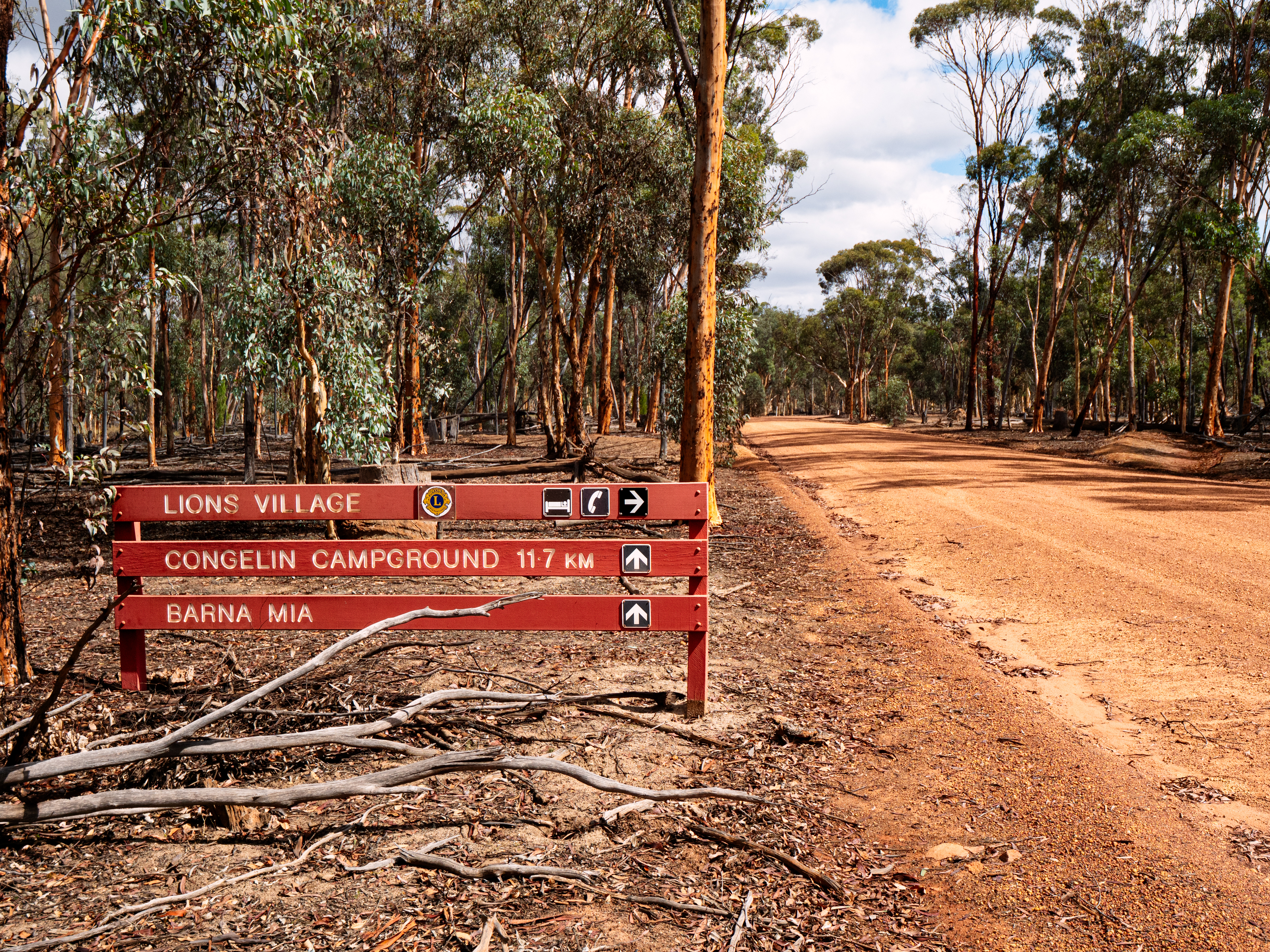
Dryandra, Western Australia.
The goal was to spend a couple of nights at Dryandra and find a numbat. Easier said than done as we have been looking for around thirty years and never seen one. A numbat for the uninformed is smallish, about 30-40 cm long, marsupial that eats termites. It was once quite common across southern Australia, but was driven to the point of extinction when somebody thought that introducing foxes to Australia would be a good idea. There now exist only a few small isolated populations in Australia and Dryandra is one of them. The Western Australian state government introduced Operation Western Shield (another silly name) to protect vulnerable native fauna from feral foxes and cats. In Dryandra this is done with a combination of 1080 baiting and trapping. It’s reckoned that the programme has reduced the fox population by 80% (Marlow et al., 2015).
We weren’t there just for the numbats, we there for Woylies, Echidnas, birds and everything and anything wildlife related.
Day 1
Helen on the Wandoo walk at Dryandra, Western Australia.
We arrived at Dryandra at at lunch time and once we’d eaten we set off to walk the Wandoo Walk (day walk) the start of which is located at the Old Mill Dam. The walk is 2.7 Km long and takes about 1 1/2 hours – more if you are looking for animals like we were. It is touted as being good for wildlife with a chance of seeing Numbats. Now the great thing about Numbats is that unlike other small marsupials they are diurnal, and to cap it off like sunning themselves in open areas which in theory should make them easier to see. I say in theory as we have been looking for over thirty years without any luck and I was hoping that this trip would be fruitful. It was a really enjoyable walk and we saw loads of birds – in fact I’d never seen so many Rufous Treecreepers in one day. But, when it came to Numbats we saw neither hide nor hair.
Jacky Winter, Microeca fascinans. Dryandra, Western Australia.
Djini or Rufous Treecreeper (Climacteris rufa), Dryandra, Western Australia.
Just before sunset we decided to walk around the large open paddock adjacent to the Dryandra Lions Village where we were staying. Western Grey Kangaroos were grazing on the grass and then we saw something we’d never seen before. We’d spotted an Echidna wandering round looking for ants when it encountered another Echidna. Now Echidnas are incredibly solitary animals and are rarely seen in the company of others. The two animals sniffed each other carefully and then went on their separate ways continuing their search for ants. As I continued walking along the perimeter of the paddock I found another Echidna and it came quite close allowing me to get some nice close ups.
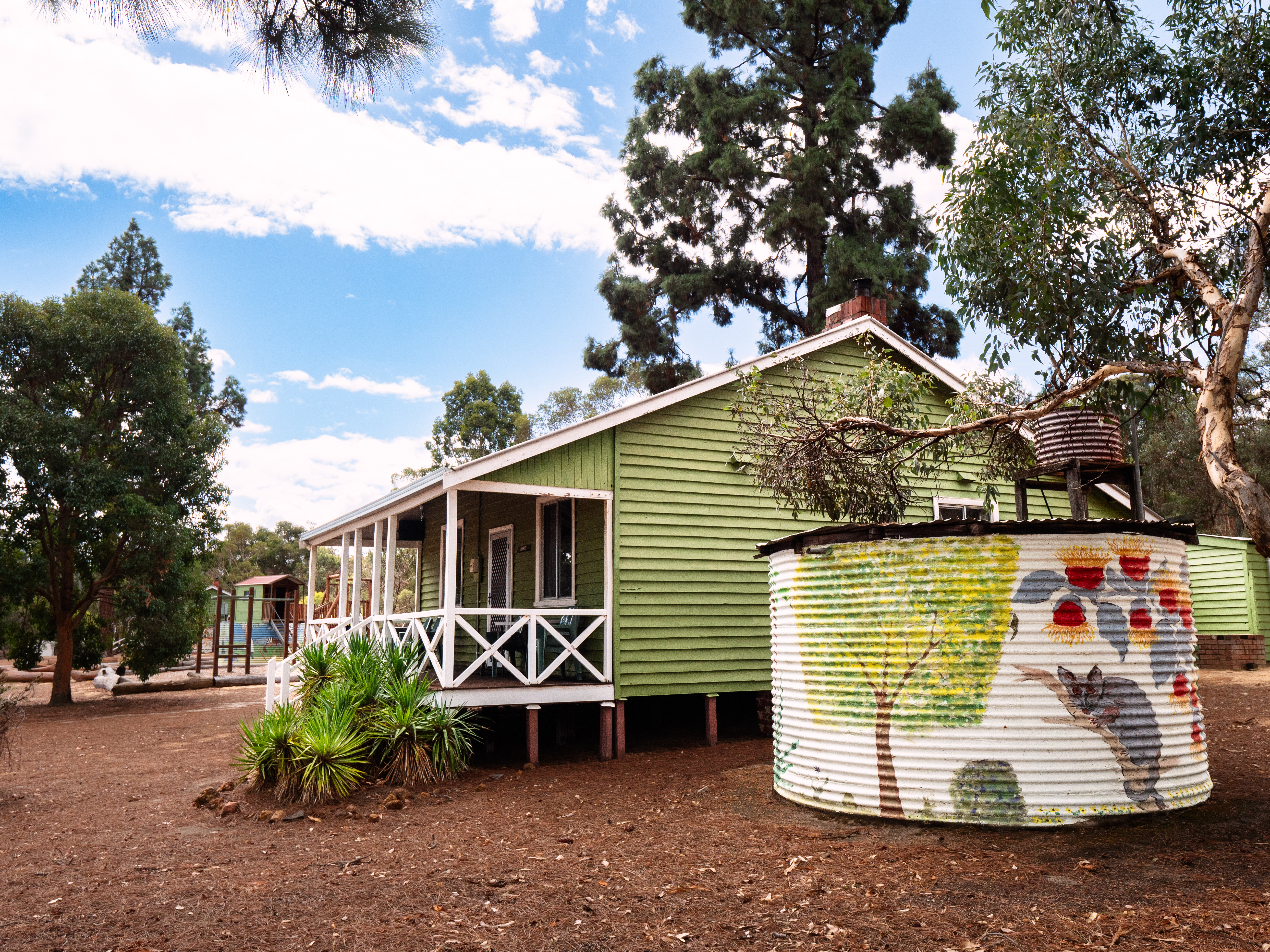
Dryandra Lions Village is comprised of old forestry bush cottages.
A pair of Nyingarn or Short Beaked Echidnas aka Spiny Anteaters (Tachyglossus aculeatus). Dryandra, Western Australia.
Nyingarn or Short Beaked Echidna.
Day 2
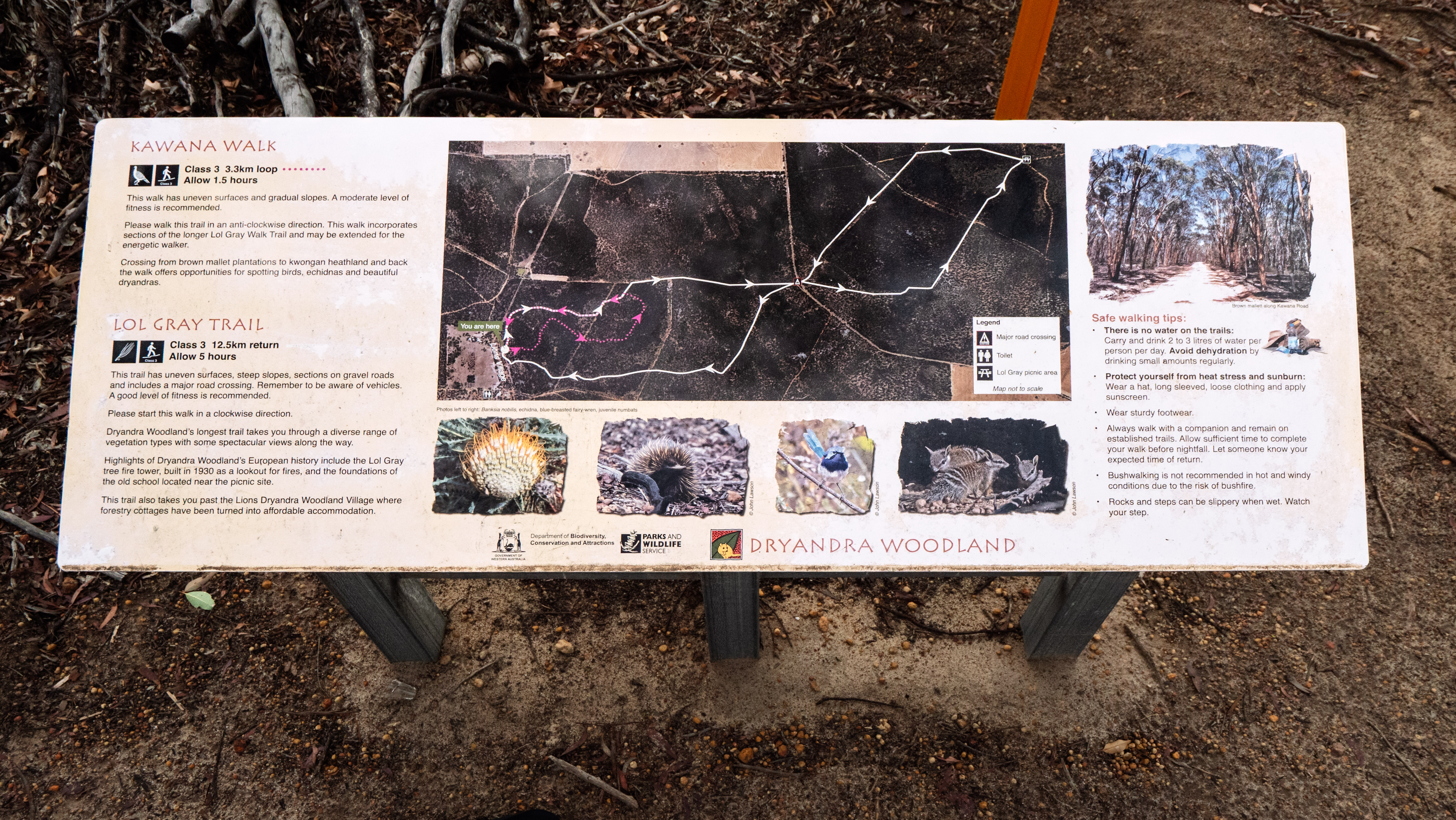
Kawana Trail information board. Dryandra, Western Australia.
The morning saw us out on the Kawana Walk which is a 3.3Km walk through the Brown Mallet plantation, through the kwongan heath and then back through the Mallet trees. The varied landscape gives great opportunity to spot different birds, Kangaroos, Echidnas and fingers crossed Numbats. Again, like yesterday’s walk, we saw loads of wildlife – birds, kangaroos, and skinks – but no Numbats. It was hard not to feel a little dispirited at this stage. You plan trips and hope to see certain animals, like we did in our recent trip to Broome, but when you don’t find them you can feel very deflated even though you saw other animals.
More Rufous Treecreepers
Miyamit or Yellow-plumed Honeyeater (Ptilotula ornatus).
Yongka or Western Grey Kangaroo (Macropus fuliginosus).
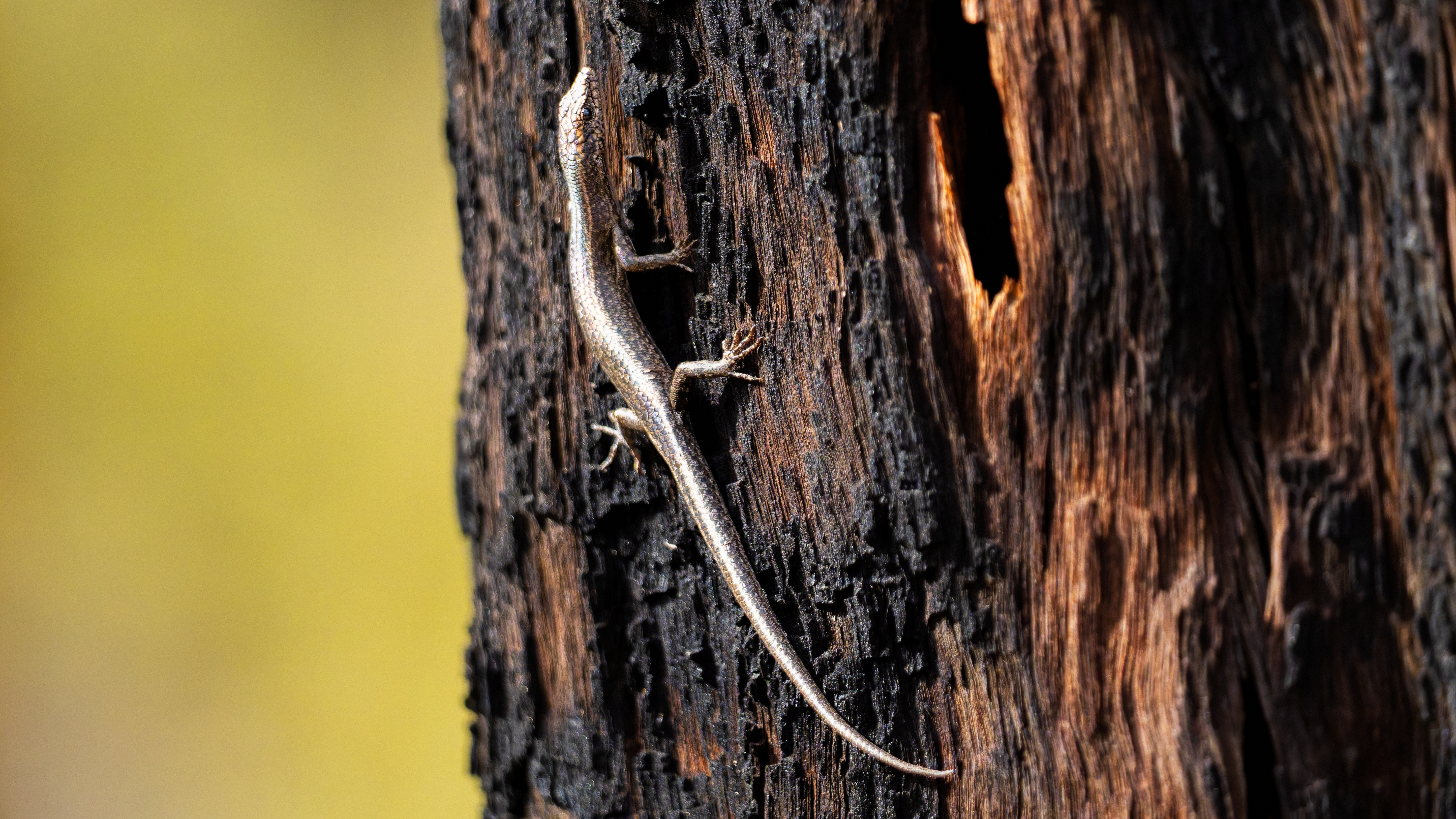
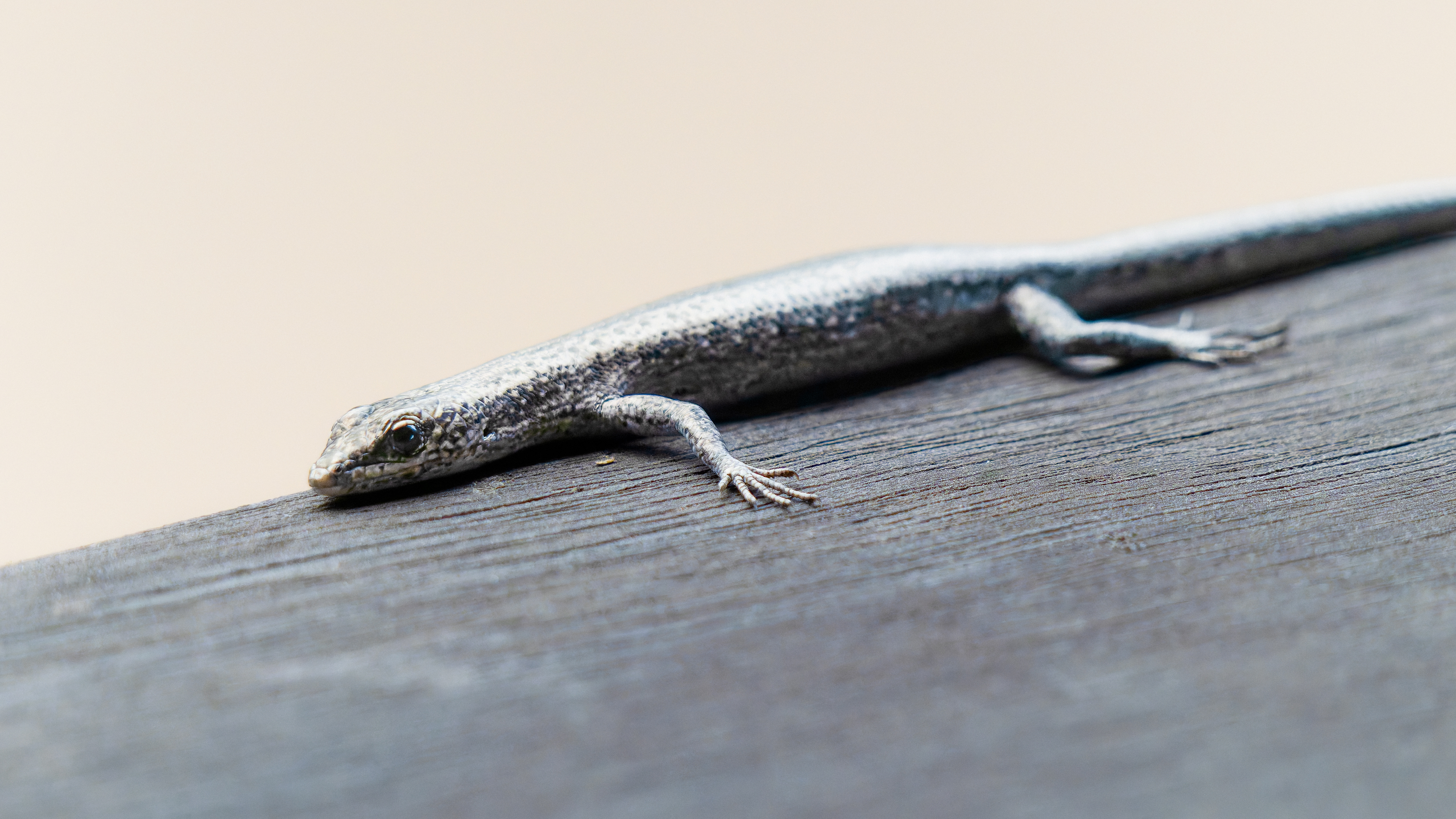
Buchanan’s snake-eyed skink, Cryptoblepharus buchananii. Dryandra, Western Australia.
My companion in the Old Mill Dam hide – a Southern Slider (Lerista dorsalis). Dryandra, Western Australia.
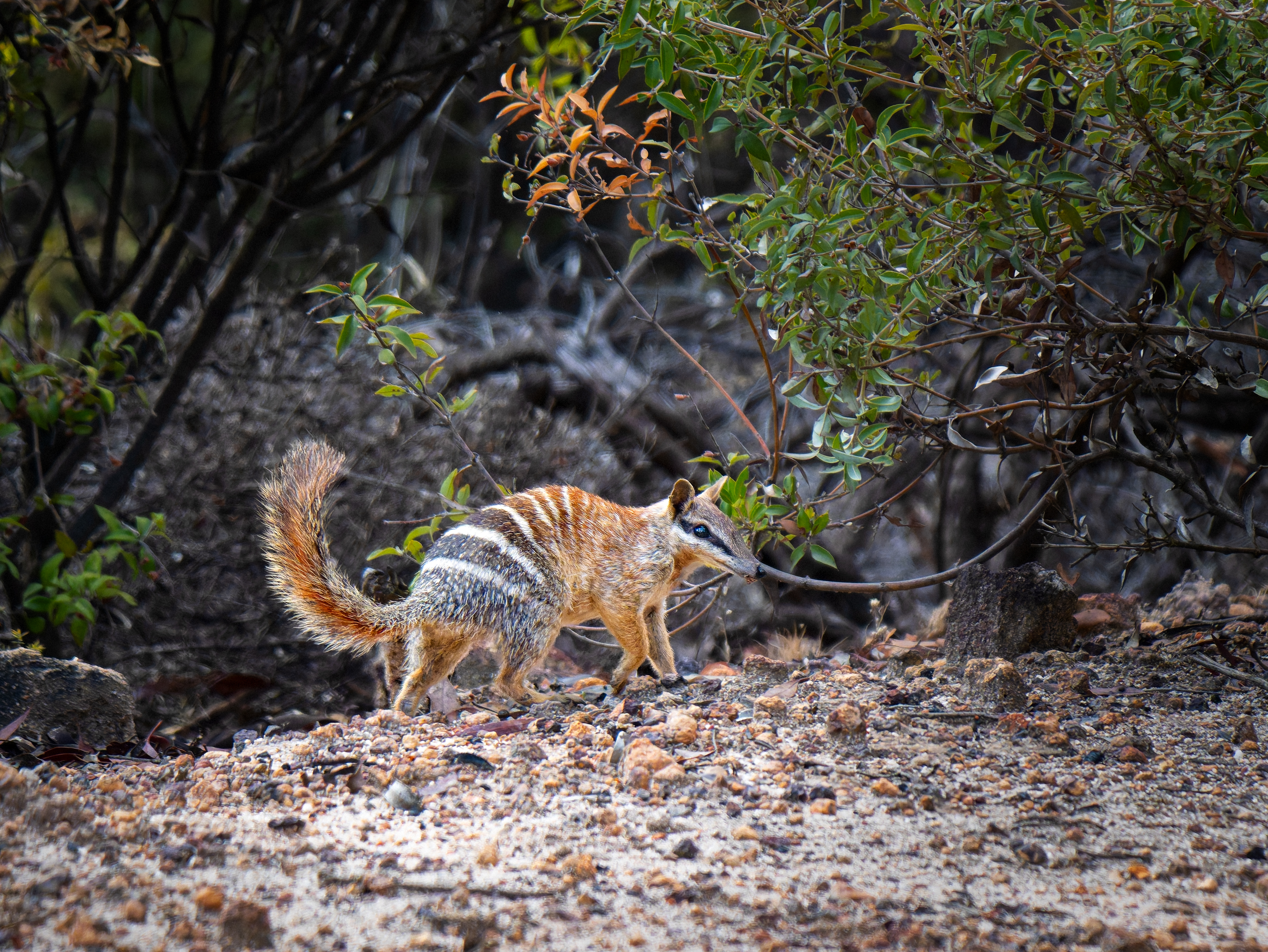
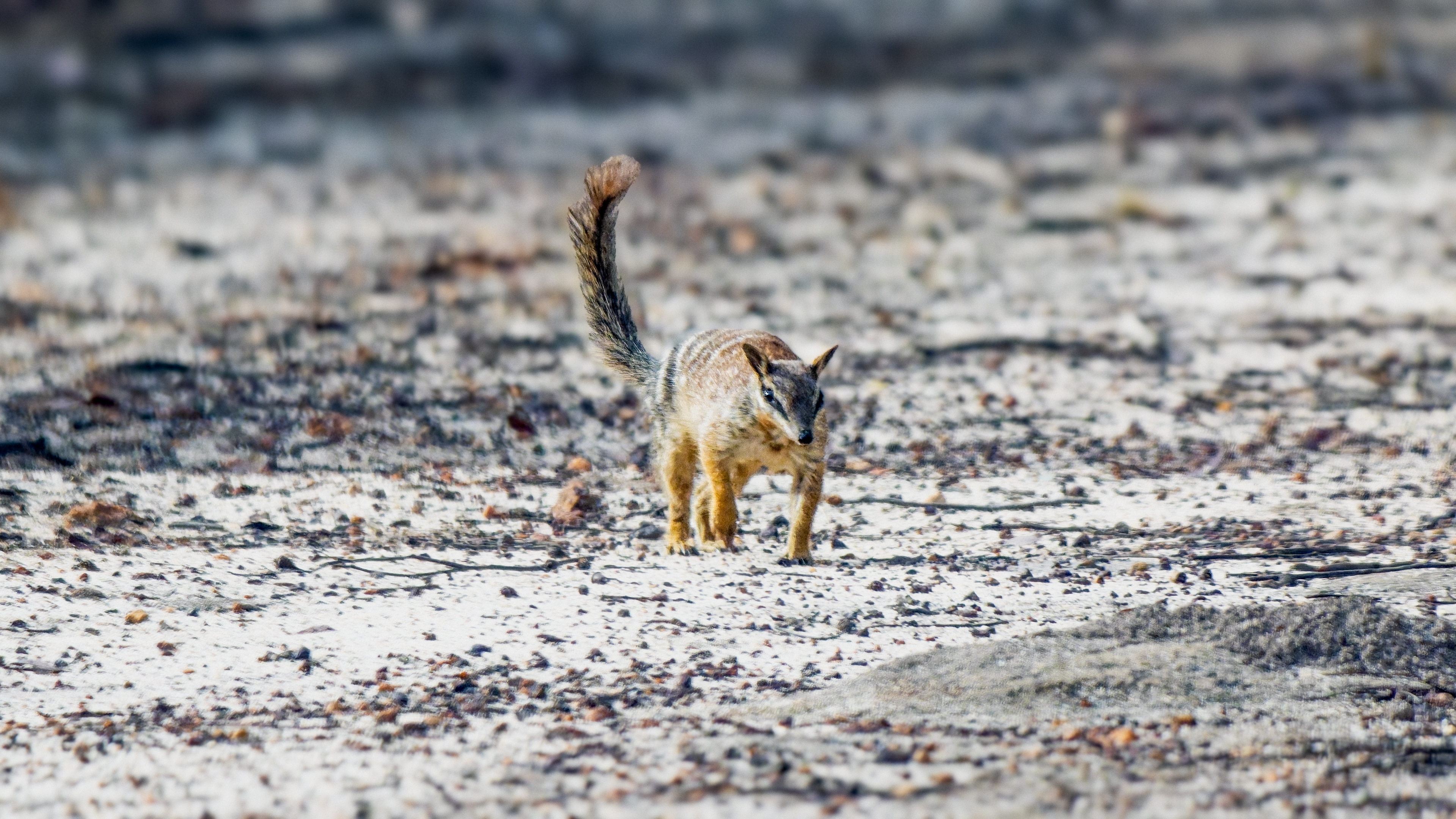
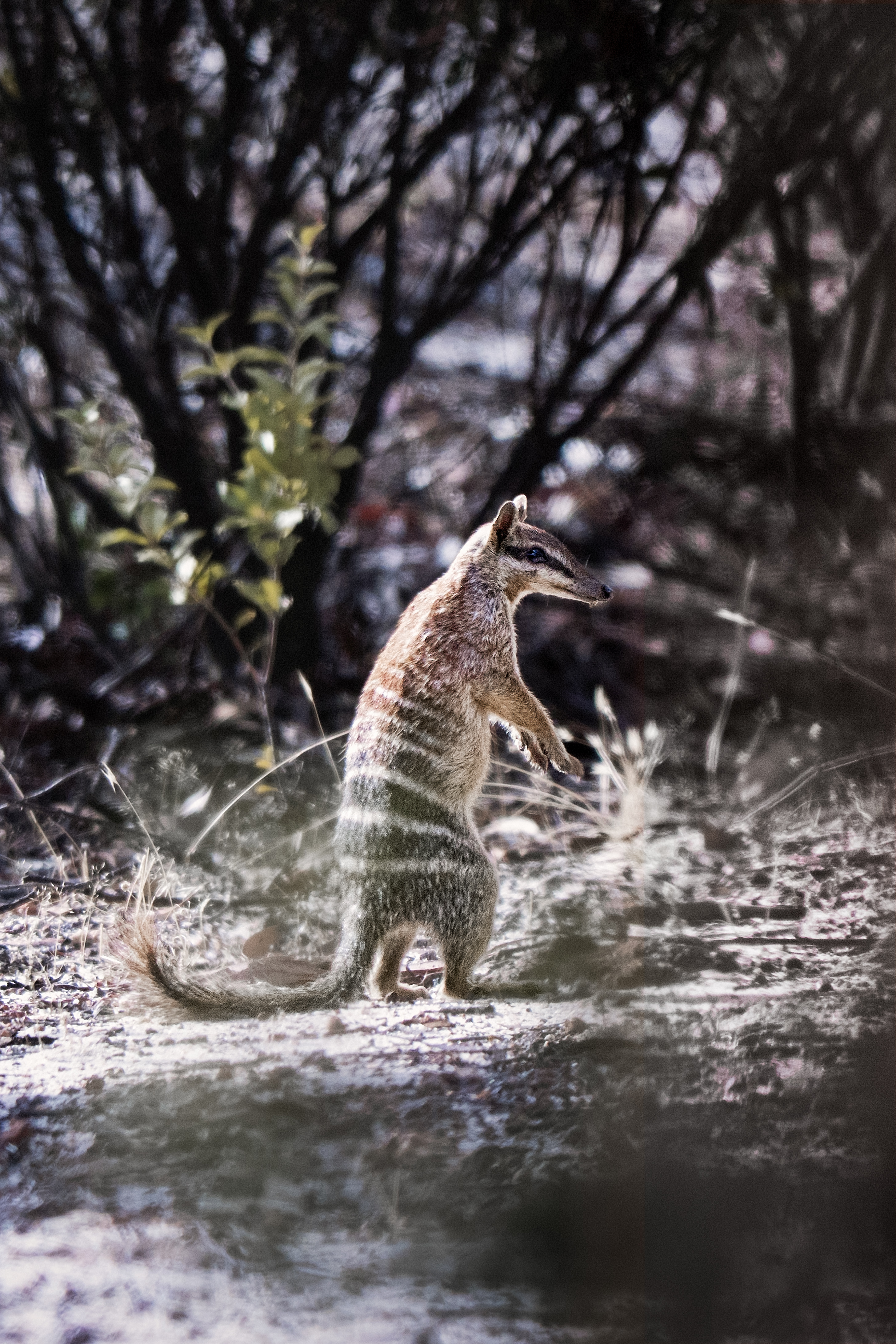
After grabbing a quick drink I set off to walk down to the Old Mill Dam and sit in the hide there. Apart from seeing a Southern Slider Skink and a dragonfly I saw nothing. Desperation was really starting to set in now, so at 4pm we decided to go on a very slow drive around the park in the hoping that we’d see something. Driving along a deeply corrugated gravel road at 20Kph is enough to shake your fillings out of your teeth. It was torturous. At this stage your mind starts to play tricks on you. You so want to see that animal and you are desperately willing it to happen and every time a branch moves or a bird flies just above the ground you think NUMBAT! Your head twitches backwards and forwards trying to get a better glimpse of what wasn’t there. Suddenly at a junction just standing there as cool as you like was a Numbat just 20 metres away from the car. Gently stopping the car and winding the front passenger window down I managed to rattle off a few frames before it started moving. As it walked further round I could no longer shoot through the open window and I was having to use the front passenger quarter light window. At the time I knew this would seriously degrade the image quality, but I continued anyway in the hope that I might be able to salvage the images in post later. Then within 5 or 10 seconds it was off into the bush and we lost sight of it. We were both exhilarated – we had huge grins on our faces. We’d seen a Numbat! We had really seen a Numbat. Operation Numbat had been a huge success.
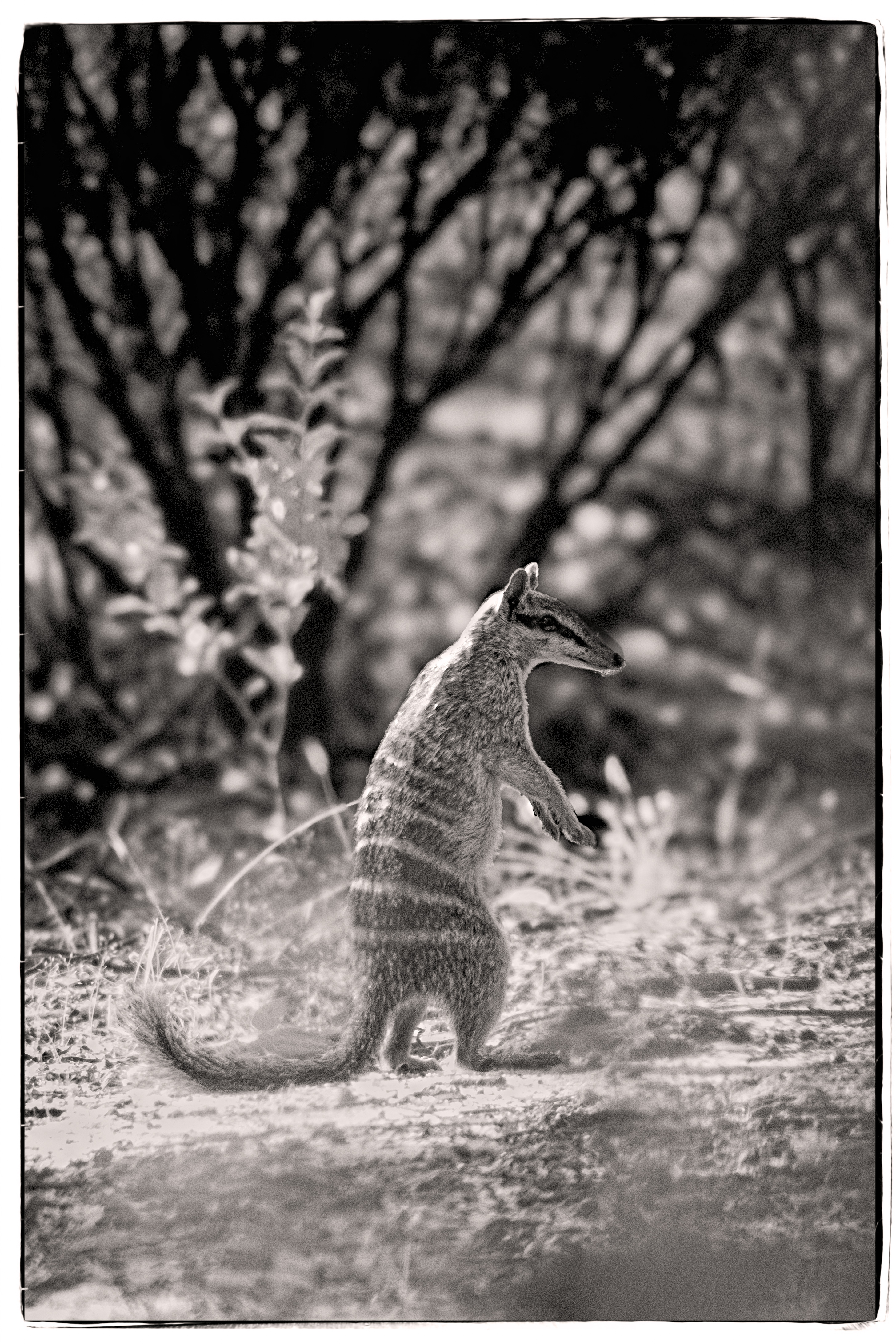
At long last! A Numbat (Myrmecobius fasciatus). Dryandra, Western Australia.
Numbat on the move. Shooting through the glass of a car window gives less than optimum image quality.
I love this pose, but the image quality is shot to hell.
Maybe it works better as a black and white.
It’s now a week since that sighting and the memory of it still brings a huge smile to my face and a feeling of excitement. One Numbat isn’t enough – I want to back and see and photograph more. Hopefully it won’t take another 30 years to do it.
Events at home over the last few weeks have meant that I haven’t had the opportunity to do very much photography. Most of the blog entries are written a few weeks before they are published because of the vagaries of finding wildlife so that backlog came in handy for when I couldn’t get out and about. But now the well has run dry.
Crusader bug (Mictis profana) instar nymph.
What little photography I have done recently has been in our back garden. Thankfully we have quite a lot of wildlife visit that I can point a camera at. Most of it has been of the usual suspects, the more common species that can be found in gardens in this part of the world, but there have been a couple of unexpected visitors which was very nice. For the best part of a year we had a problem with stray cats killing a lot of the birds and reptiles. But one of our neighbours has taken the main culprit in and the wildlife numbers are climbing back to what they were.
Wall Skink or Fence Skink (Cryptoblepharus buchananii) cooling off in the bird bath.
Yoorn or Bobtailed Lizard (Tiliqua rugosa)
Kanyinak orSacred Kingfisher (Todiramphus sanctus) on our TV aerial with a freshly caught Bombay Runner (Periplaneta americana).
Bambon or Rufous Whistler (Pachycephala rufiventris). It is a joy to hear this bird sing every morning.
Nye-nye or Zebra Finch (Taeniopygia guttata) looking for food on the back lawn
Djida or Yellow-rumped Thornbill (Acanthiza chrysorrhoa).
Cabbage White Butterfly, Pieris rapae.
Giant grasshopper or hedge grasshopper (Valanga irregularis) resting on the garden fence.
The garden provided a great deal of solace over a difficult time and it always amazes me how restorative being in nature can be. Hopefully, over the coming weeks we’ll be able to get out and about more.
Spring is now almost over and most of the wildlife has now settled down to domestic duties – having and raising young.
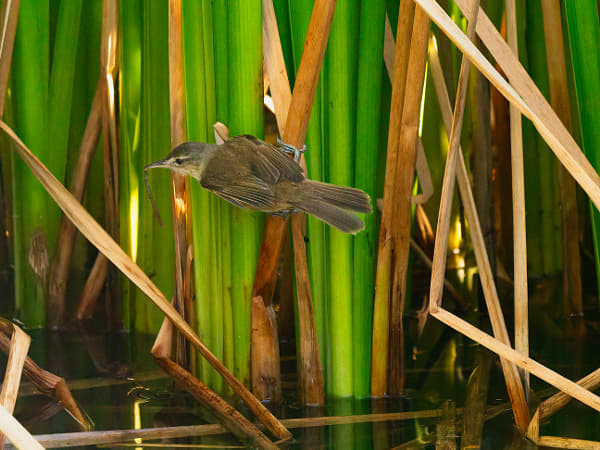
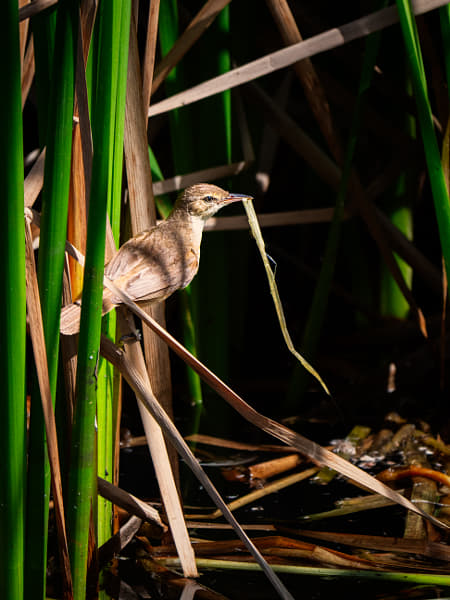
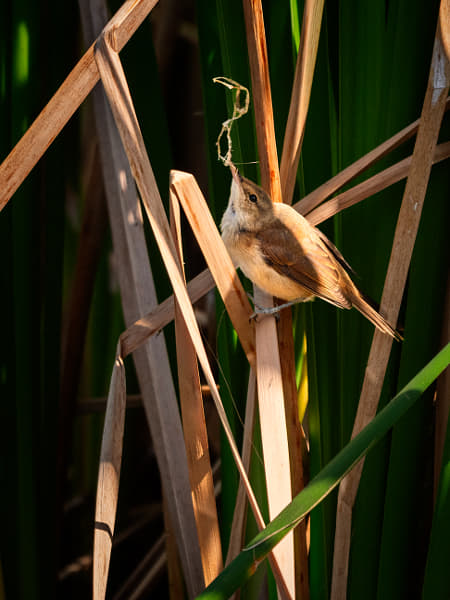
A recent visit to Bernard Park in the Wheatbelt metropolis of Northam showed this to be true. The Australian Reed Warblers were still building nests and it won’t be long before the serious business of egg laying starts.
Koordji-koordji or Australian Reed Warbler (Acrocephalus australis subspecies gouldi) gathering nesting material. Northam, Western Australia.
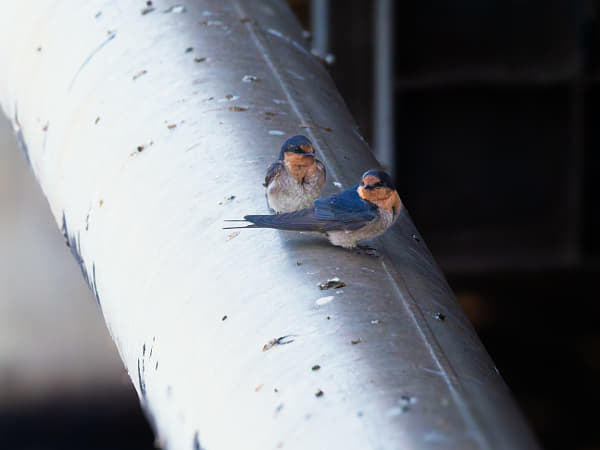
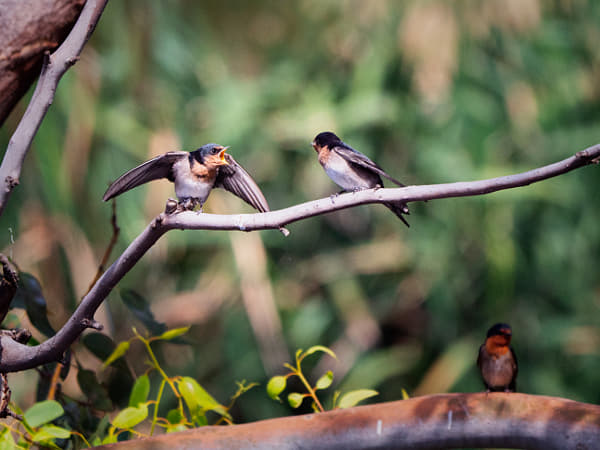
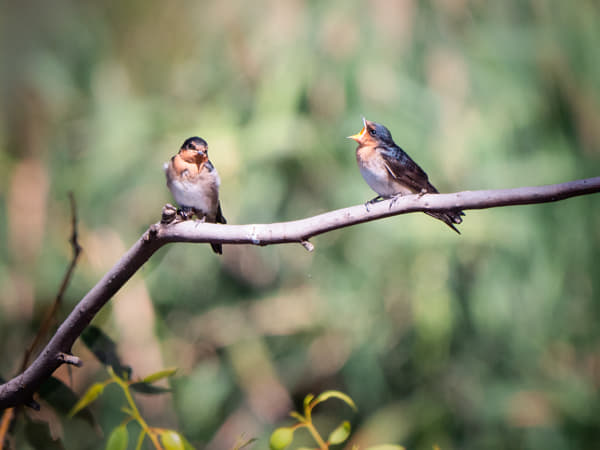
The Welcome Swallows were mostly content to hang out together between hunting forays, but we did see a couple which did seem to be in the middle of a domestic alternately screeching at each other. Do birds separate and divorce? No idea. Perhaps I anthropomorphising them too much, but it is hard not to project human feelings into animal interactions.
A contented pair of Kanamit or Welcome Swallows (Hirundo neoxxena) taking a breather under the Peel Terrace Bridge. Northam, Western Australia
These two seemed to be in some sort of domestic dispute.
It wasn’t one sided either. Both were carrying on like pork chops in a frying pan. Perhaps a referral to Relationships Australia is in order?
Bit of an odd morning today. It was a distinctly grey day and I wasn’t intending to take any photos. While getting set to take the dog out for a walk along the river at Blandstown the Beloved Significant Other said she was taking her binoculars to look for birds. I thought about taking mine but when I saw that they were in a pouch with my camera I just grabbed the whole shebang.
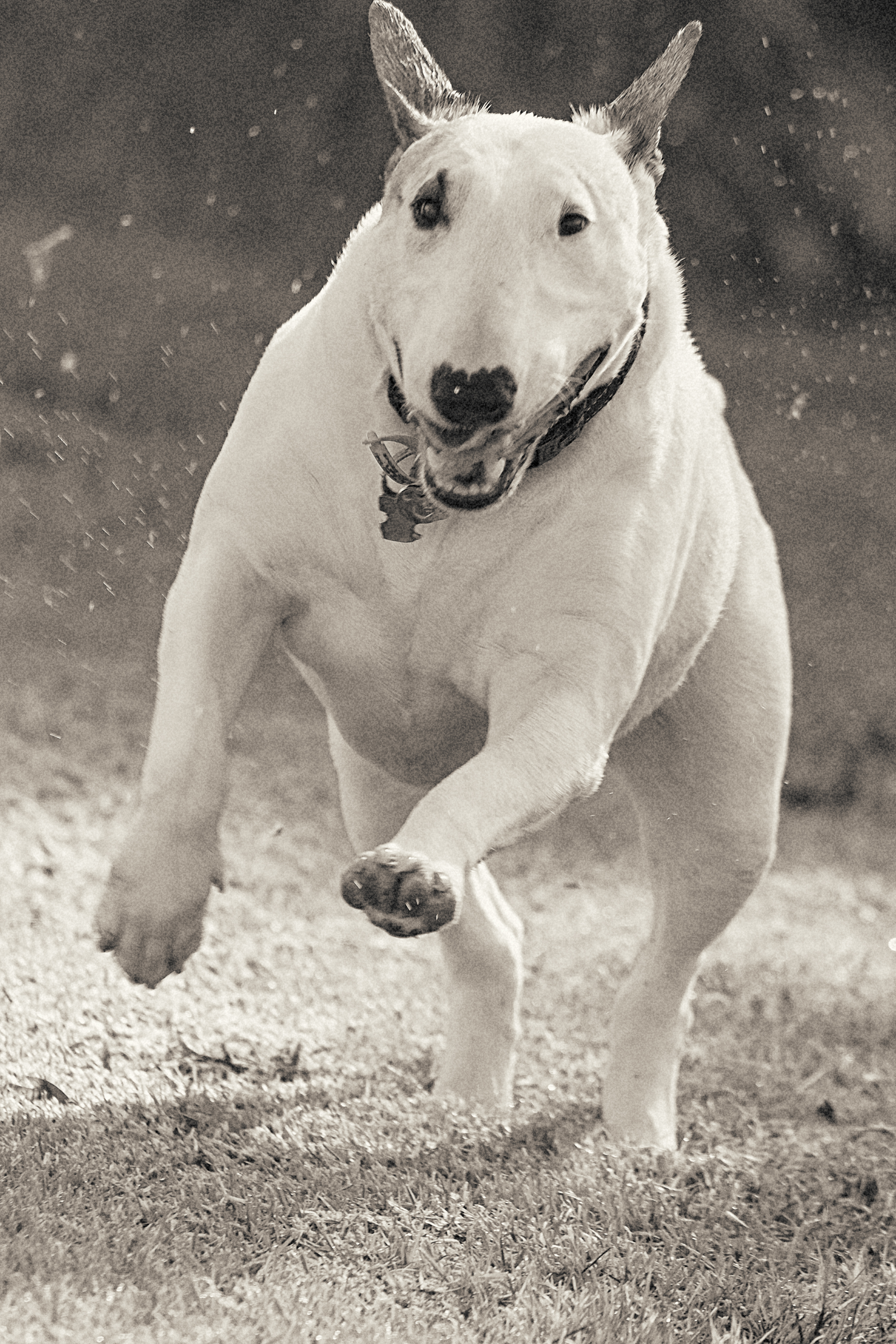
When we got there I wasn’t sure whether Frida – our dog – would walk. She is very old now and has to all intents and purposes given up on walking. She loves a ride in the car, but you can’t guarantee that she’ll get get out for a walk. With a bit of assistance she got out and was quite happy to head towards the river. When she was young long grass would send her silly and she would madly runabout causing mayhem. At 13 with arthritis in one of her back legs and kidney problems it doesn’t happen very often anymore but all that long grass along the river and she was off!
A hairy wrecking ball with four legs. Frida mid bully run when she was a lot younger.
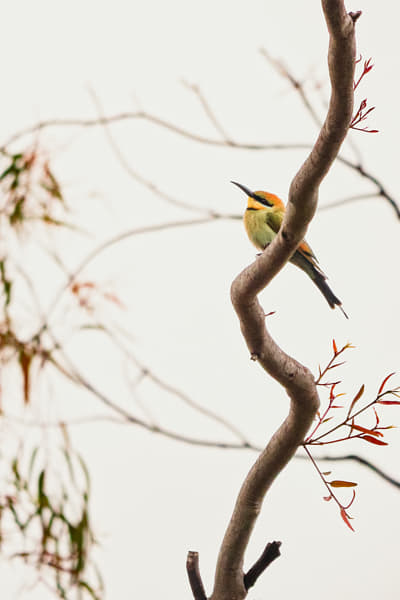
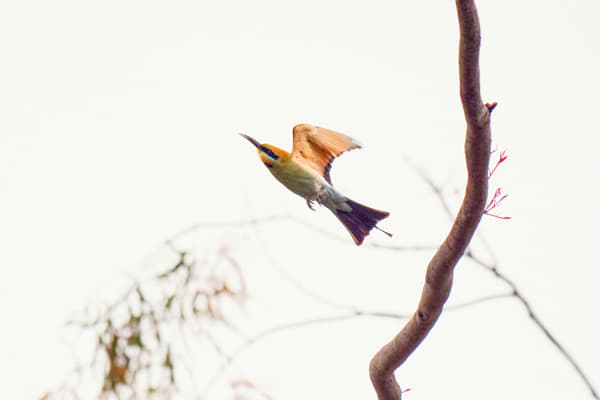
While trying to avoid being bowled over by a deranged bull terrier the Beloved Significant Other said she thought she could see a Rainbow Bee-eater. Oh how I scoffed. “Impossible” said I. “They don’t arrive back from Northern Australia and Papua New Guinea until November.” I added being all ‘knowledgeable’. But when I raised the camera up and looked there was a female Rainbow Bee-eater, and listening very carefully I could just make out the chirping call of another. Never had I seen one this early in York before. I’d read that in some areas of southern Australia the winters are becoming much milder and some of the birds aren’t migrating north in autumn. Whether that applied to these birds I don’t know.
Birin-birin or Rainbow Bee-eater (Merops ornatus). York, Western Australia.
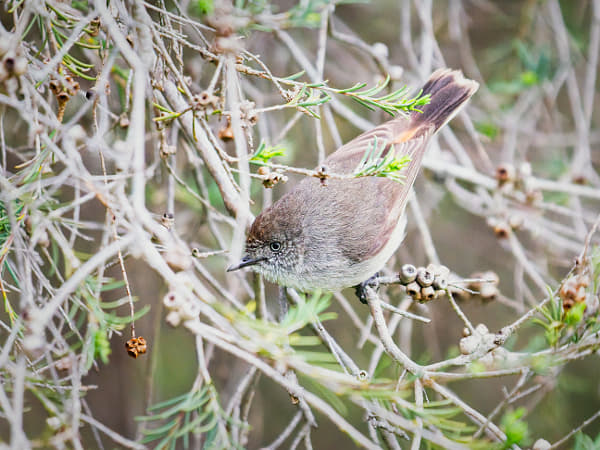
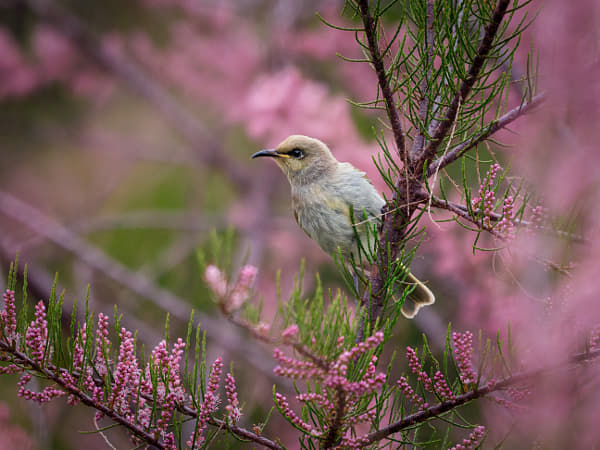
So as we headed home I couldn’t work out what had made me the happier. The fact that Frida had just had a bully run or that I’d seen the Rainbow Bee-eater. Probably both. Oh! I did photograph some other birds. Here they are below.
Chestnut-rumped Thornbill, Acanthiza uropygialis. York, Western Australia.
Juvenile Djindjokoor or Brown Honeyeater (Lichmera indistincta). York, Western Australia.
At last a morning with no rain or mist. It was definitely on the chilly side, but the most important thing was the sun was out. What a difference the sun makes. Everything looked new and clean.
The morning saw us walking along the river bank in the Wheatbelt Metropolis of Northam. There was definitely a hint of spring being around the corner. Lots of birds gathering material for nests. Birds calling out to each other and pairing up. So much activity. It was just wonderful to see.
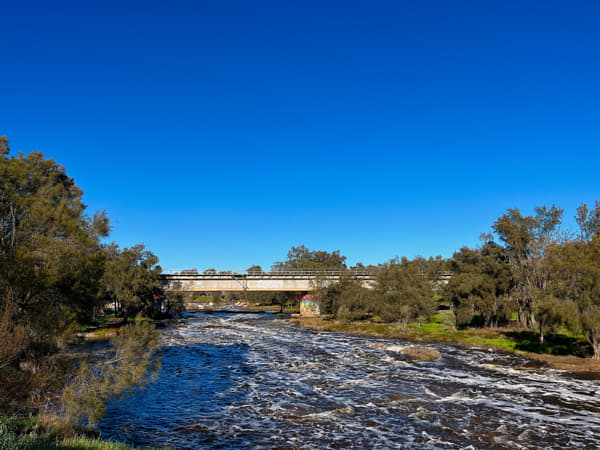
The rail bridge over the Avon River in Northam. The water levels bode well for the forth coming Avon Descent White Water Race.
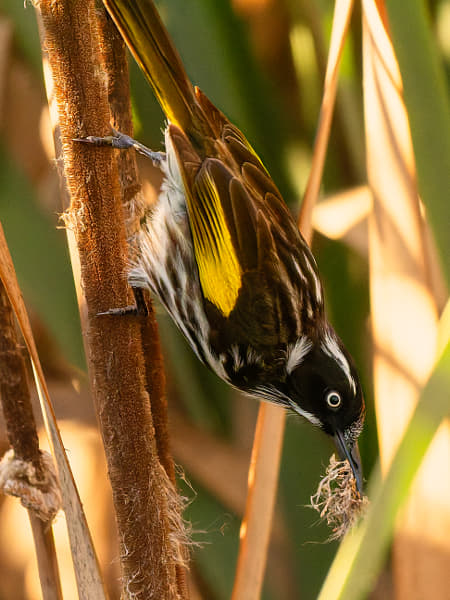
Bandiny or New Holland Honeyeater (Phylidonyris novaehollandiae) collecting nesting material from the reeds. Northam, Western Australia.
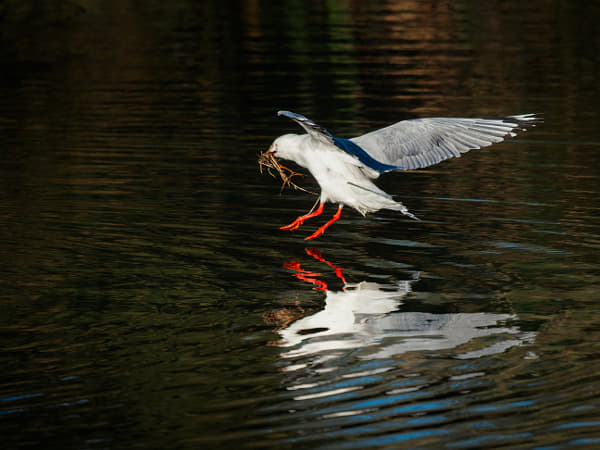
This Djeringkara or Silver Gull (Larus novaehollanddiae) was also collecting nesting material. Northam, Western Australia.
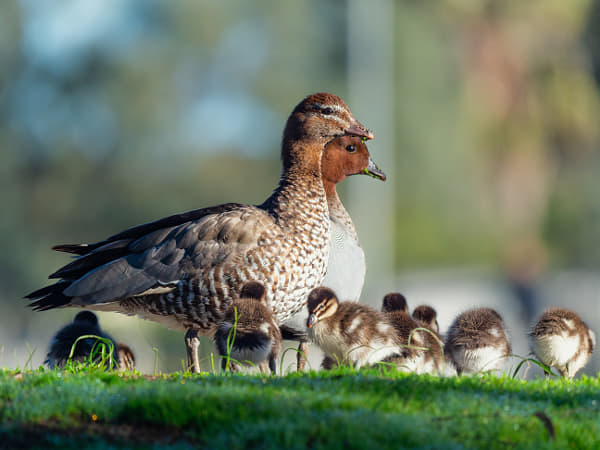
Forget building nests. This pair of Marangana or Australian Wood Ducks (Chenonetta jubata) were walking around with their newly hatched clutch of 10 ducklings
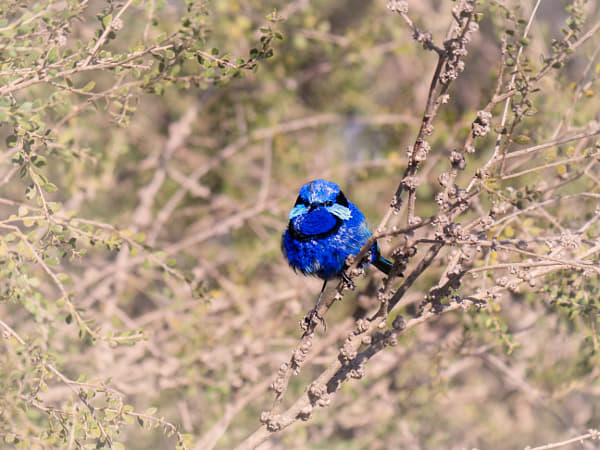
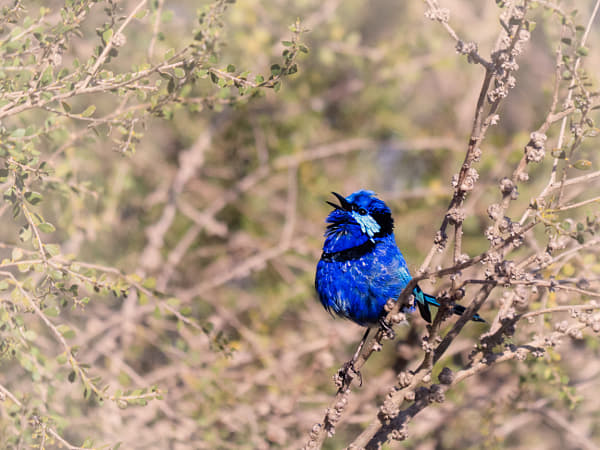
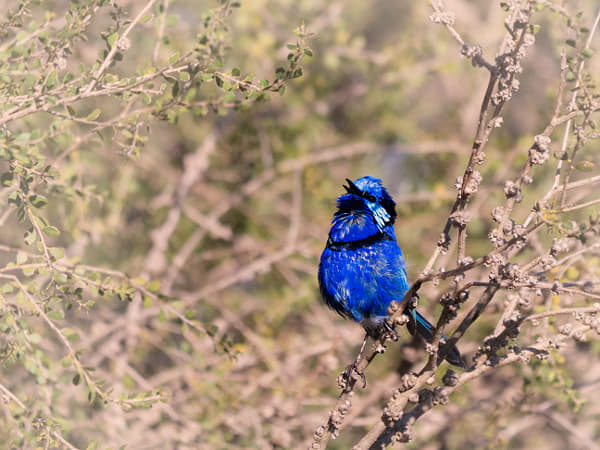
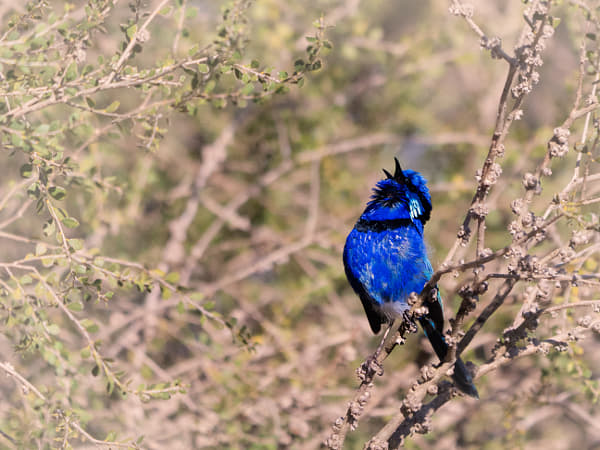
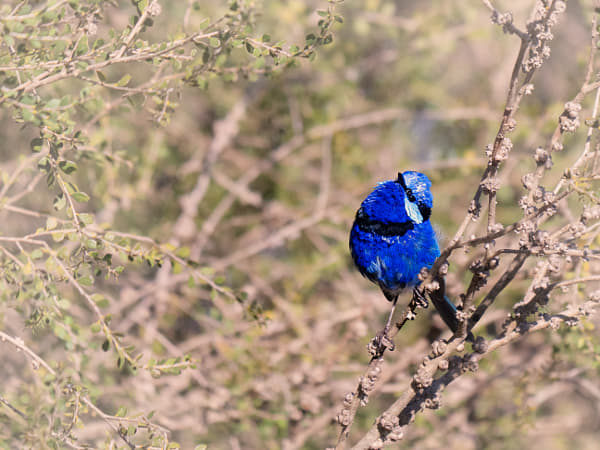
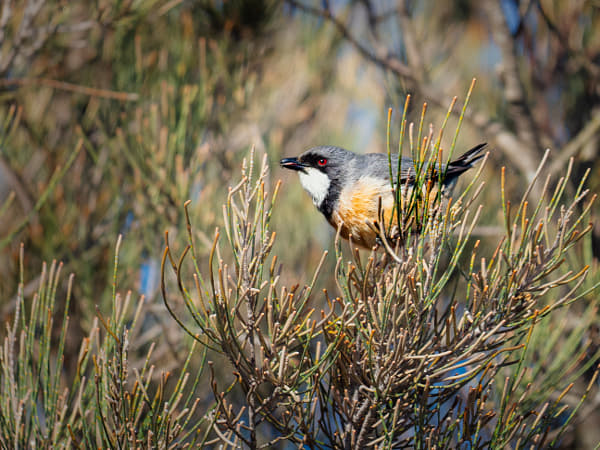
Just past the weir the trees were full of Bambon or Rufous Whistlers (Pachycephala rufiventris) noisily calling out to each other trying to attract a mate. Northam, Western Australia.











You must be logged in to post a comment.