According to the Cambridge Dictionary to say someone is as “high as a kite” is to say they are either intoxicated or extremely happy. Currently I’m in the extremely happy category as we have been having regular visits from a juvenile Black-shouldered Kite. It spends mosts of its time perched on the TV aerial and can often be heard chattering away – sort of a cross between a chirp and a squawk. We had a bit of a mouse plague earlier and this bird is probably the result of that. Normally Black-shouldered kites breed only once a year in the period August to January, but when there is an abundance of food they will breed twice.
A juvenile Black Shouldered Kite, Boorh-ga in Nyoongar, perching on our TV areial. (Elanus axillaris). York, Western australia. Olympus EM1x with OM System 100-400mm lens.
The photos are the best I’ve managed to get so far, but the up the chuff view point (a bird photography technical term) is never a good look. I’ve seen it hunting over the open fields in front of us so hopefully I’ll manage to get some birds in flight shots soon.
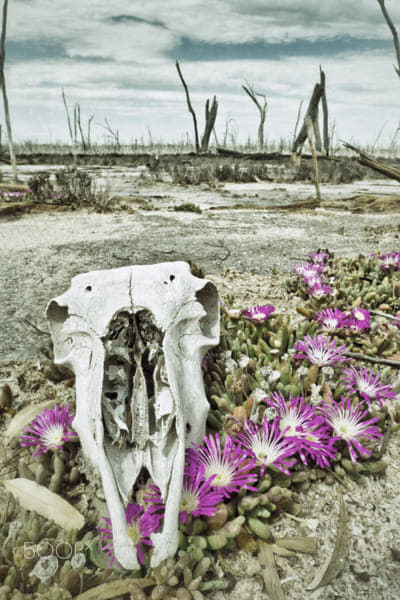
From my last visit to Harrismith in 20212. It all looks a bit apocolyptic.
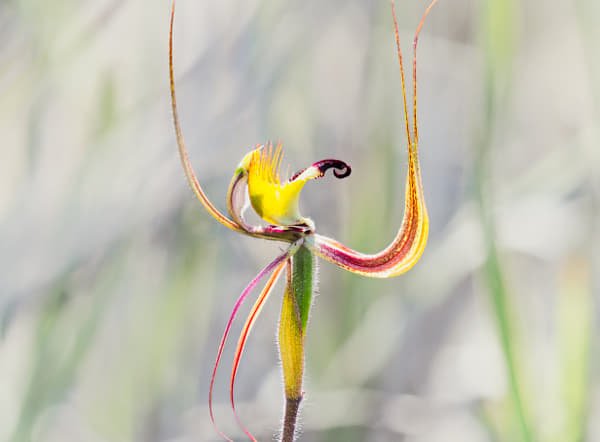
Harrismith is a very small town (population 52)260km east of Perth in the Wheatbelt. Now we went there some thirteen years ago looking for orchids and we didn’t find any as it was too late. I did get the photo of the animal skull on pig face on a dried lake. So this year I’ve been looking for the Western Wispy Spider Orchid (Caladenia microchila) and the Yellow Granite Donkey Orchid and that search took me Harrismith as my last chance.
When I got there it was very apparent I wasn’t going to find much – the bush was very, very dry. Walking through it sounded like walking over Cornflakes – it was so crisp. What I did find was really on it’s last legs. There had been a substantial wildflower display, but it was basically all over. I’d have been better off going at least two weeks earlier. Still it was an enjoyable walk, there was plenty of bird activity and I left feeling I’d of got better photos if I’d taken my bird kit.
Sugar Orchid, Ericksonella saccharata. Harrismith, Western Australia.
There’s always a Green Spider Orchid (Caladenia falcata).
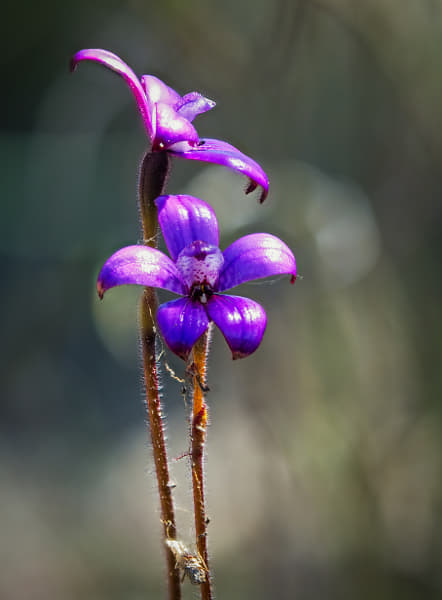
Purple Enamel Orchid, Elythranthera brunonis.
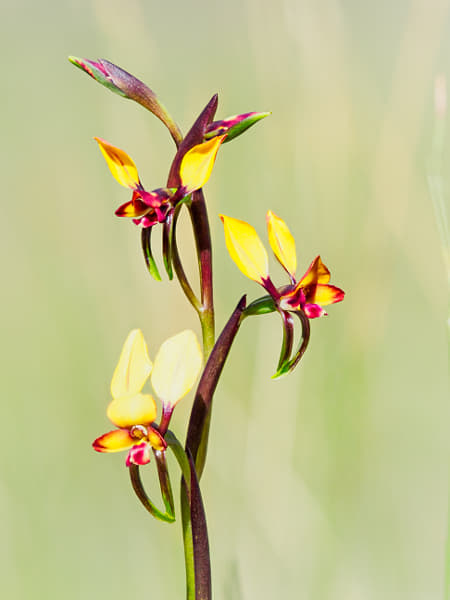
Yellow Granite Donkey Orchid, Diuris hazeliae.
The Western Wispy continues to evade me. I’ll have to wait to early next spring to resume the search.
Bit of an odd morning today. It was a distinctly grey day and I wasn’t intending to take any photos. While getting set to take the dog out for a walk along the river at Blandstown the Beloved Significant Other said she was taking her binoculars to look for birds. I thought about taking mine but when I saw that they were in a pouch with my camera I just grabbed the whole shebang.
When we got there I wasn’t sure whether Frida – our dog – would walk. She is very old now and has to all intents and purposes given up on walking. She loves a ride in the car, but you can’t guarantee that she’ll get get out for a walk. With a bit of assistance she got out and was quite happy to head towards the river. When she was young long grass would send her silly and she would madly runabout causing mayhem. At 13 with arthritis in one of her back legs and kidney problems it doesn’t happen very often anymore but all that long grass along the river and she was off!
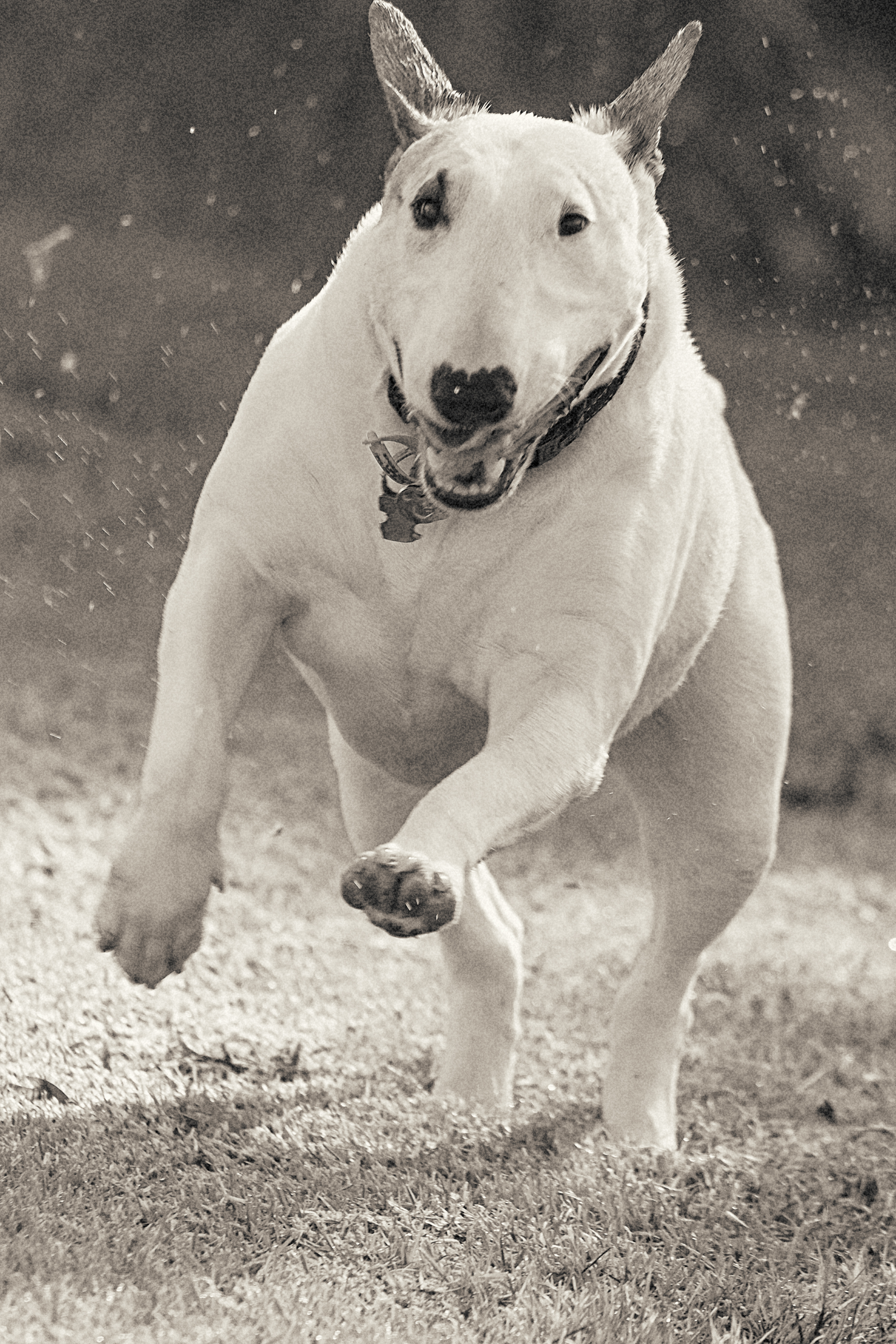
A hairy wrecking ball with four legs. Frida mid bully run when she was a lot younger.
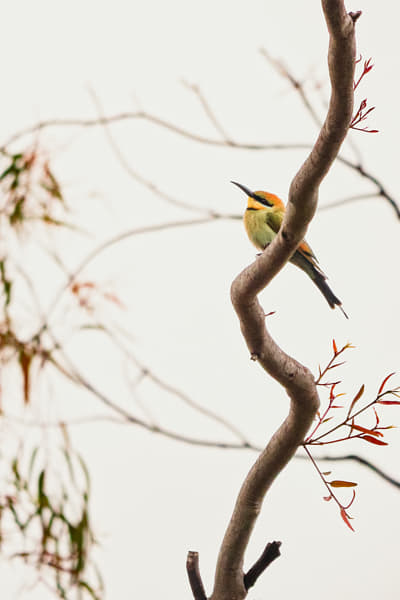
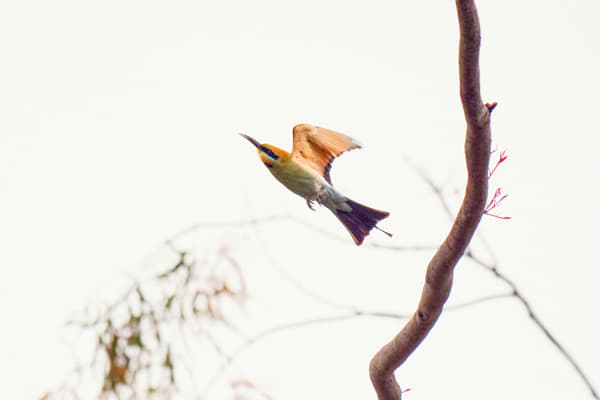
While trying to avoid being bowled over by a deranged bull terrier the Beloved Significant Other said she thought she could see a Rainbow Bee-eater. Oh how I scoffed. “Impossible” said I. “They don’t arrive back from Northern Australia and Papua New Guinea until November.” I added being all ‘knowledgeable’. But when I raised the camera up and looked there was a female Rainbow Bee-eater, and listening very carefully I could just make out the chirping call of another. Never had I seen one this early in York before. I’d read that in some areas of southern Australia the winters are becoming much milder and some of the birds aren’t migrating north in autumn. Whether that applied to these birds I don’t know.
Birin-birin or Rainbow Bee-eater (Merops ornatus). York, Western Australia.
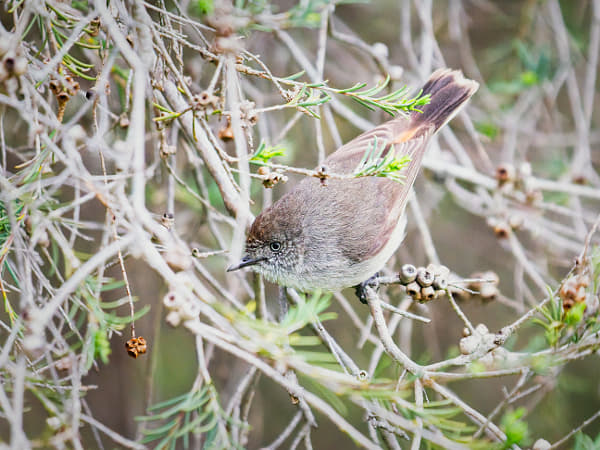
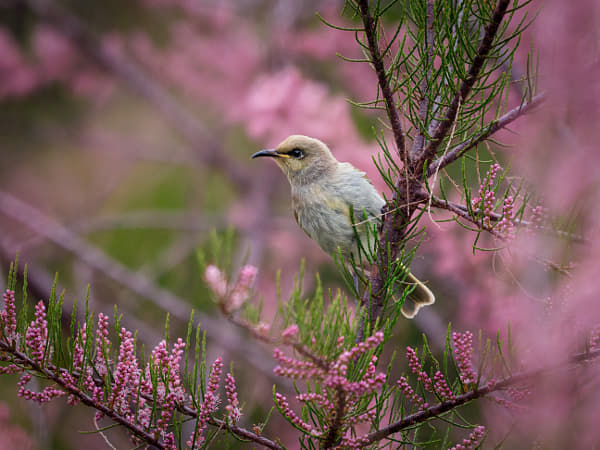
So as we headed home I couldn’t work out what had made me the happier. The fact that Frida had just had a bully run or that I’d seen the Rainbow Bee-eater. Probably both. Oh! I did photograph some other birds. Here they are below.
Chestnut-rumped Thornbill, Acanthiza uropygialis. York, Western Australia.
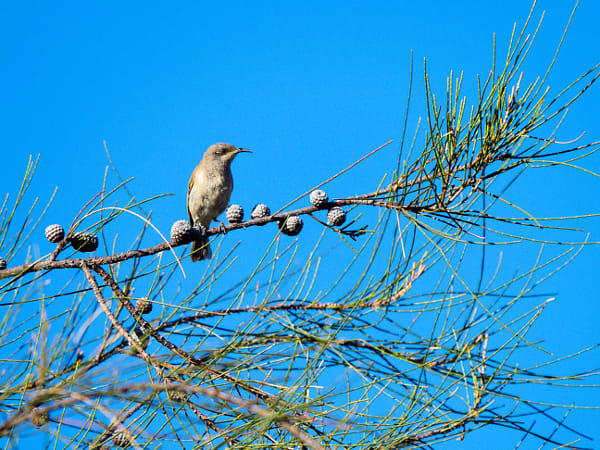
Juvenile Djindjokoor or Brown Honeyeater (Lichmera indistincta). York, Western Australia.
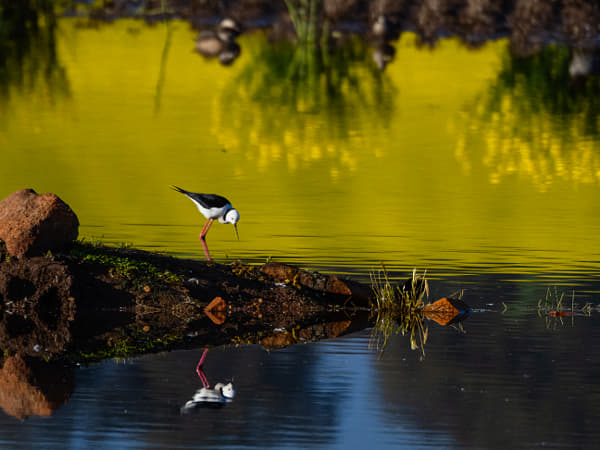
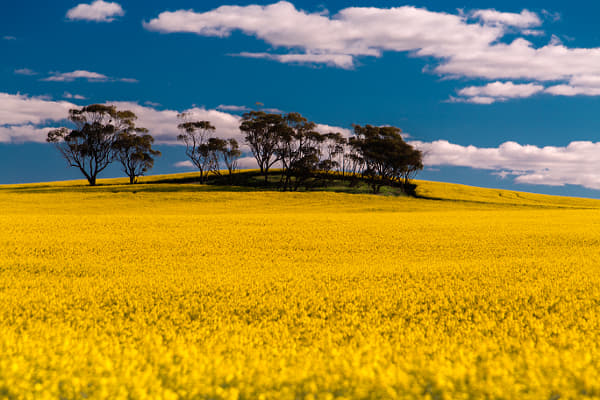
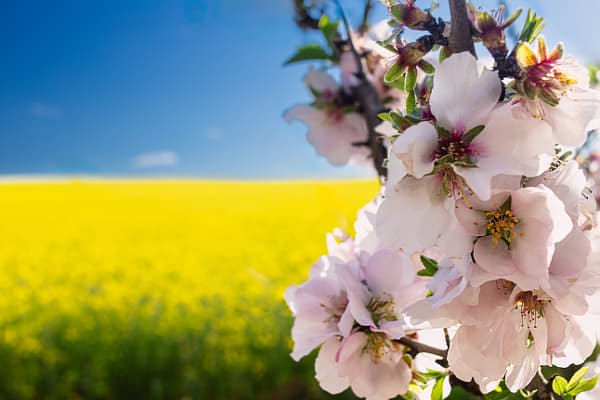
It’s quite hard to believe that flowering canola can be a tourist attraction, but judging from the number of people taking selfies of themselves in front of fields of it certainly confirms it. So here are my gratuitous canola themed photos.
Djandjarak or Black-winged Stilt (Himantopus himantopus) with canola reflections.
Mid August. Get the orchid books out. Find the maps. Load the coordinates into the GPS. Dust off the macro lens. Kweda here I come!!!
It was a hair raising journey. After our heavy winter rains the dirt roads resembled cold lumpy gritty porridge and for the last 10km the car fish tailed along the road the tyres struggling to get a grip at times. It was a relief to stop and park up by the mobile phone tower which was the only bit of hard ground. Considering the conditions I was amazed that there were any orchids out as most species don’t like getting their feet wet at all.
Fringed Mantis Orchid or Green Spider Orchid (Caladenia falcata). Kweda, Western Australia.
Talbot's Spider Orchid, Caladenia pendens subsp talbotii. Kweda, Western Australia.
Winter Donkey Orchid, Diuris brumalis. Kweda, Western Australia.
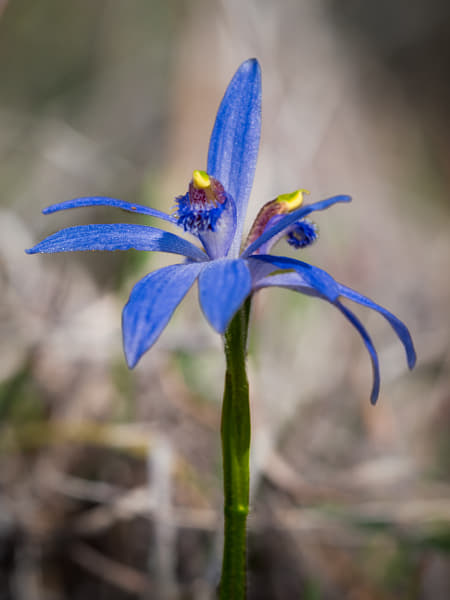
Blue Fairy Orchid or Blue Beard (Pheladenia deformis). Kweda, Western Australia.
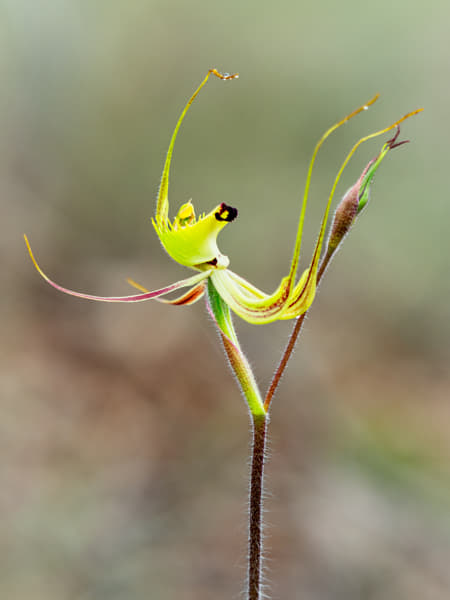
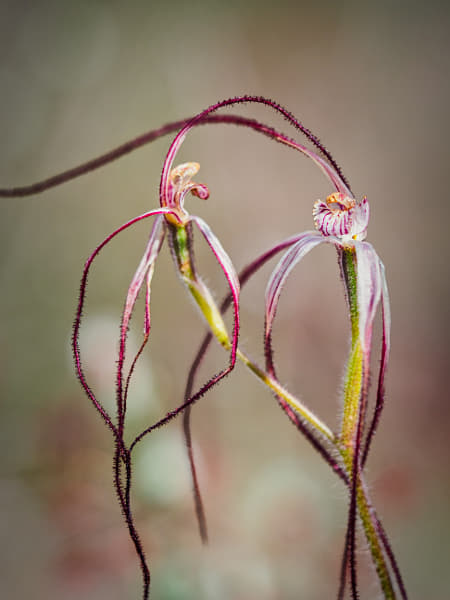
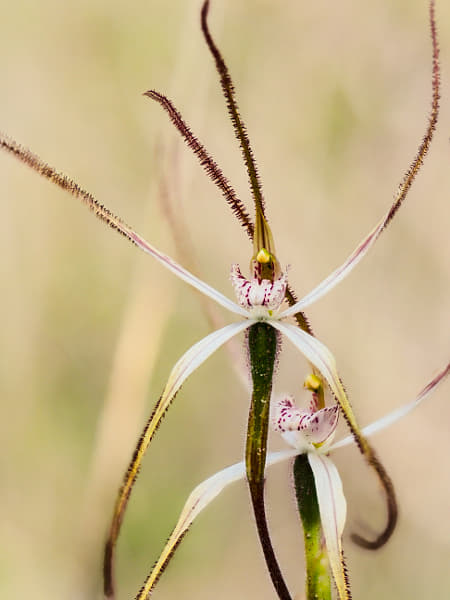
Early Wheatbelt Spider Orchid, Caladenia sp.’early wheatbelt’. Kweda, Western Australia.
I must say I’m really, really liking using the Olympus m.Zuiko 40-150mm f2.8 with the Olympus 1.4 Teleconverter MC-14 for focus stacking. It is a beautiful lens, probably the best one I’ve got.
For the duration of our recent trip to the Great Southern we stayed in the small town of Torbay about 20Km east of Albany. It’s a beautiful spot on the eastern fringe of the karri forest region with remnant old growth forest, which inevitably means lots of interesting wildlife living in the tree canopy and the dense understory. The Torbay Agricultural Community Hall is the start 2.6Km bird walk that takes you through the bush. We weren’t able to walk it as the recent storms had brought down a few trees blocking it, but it looks as if it would be a delightful walk in spring and early summer when all the wildflowers are out. Below are a few photos taken round the Torbay area.
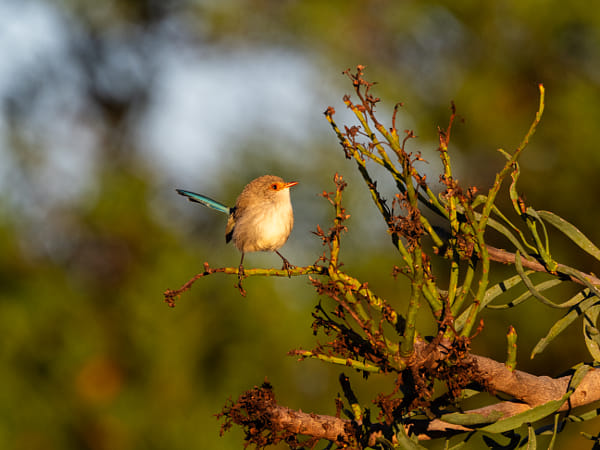
Djer-djer or Splendid Fairy-wren (Malarus splendens subsp splendens).
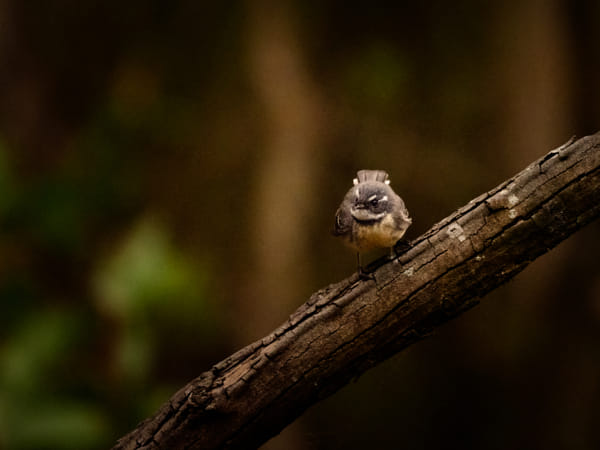
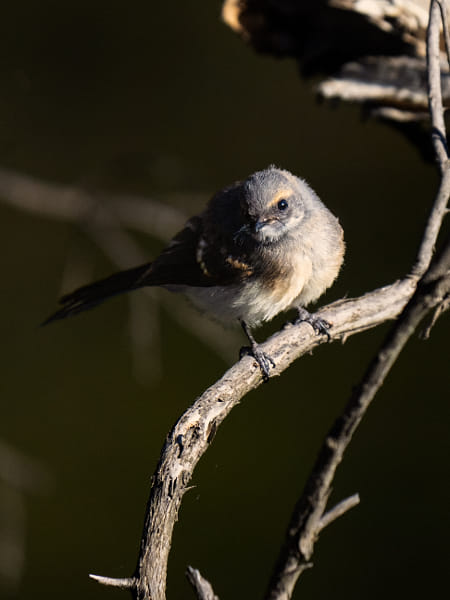
Kadjinak or Grey fantail (Rhipidura albiscapa). Torbay Bird Walk.
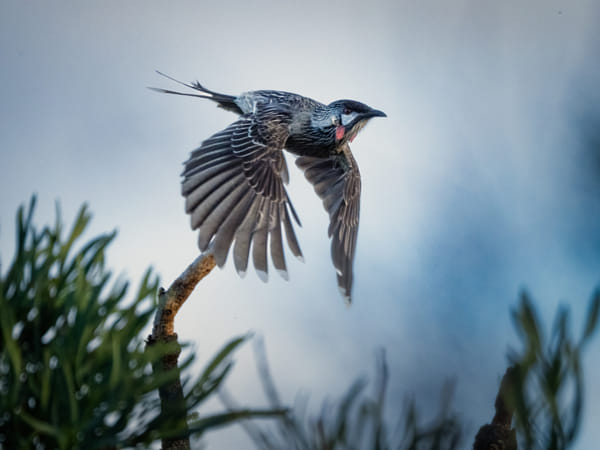
Djangkang or Red Wattlebird (Anthochaera carunculata).
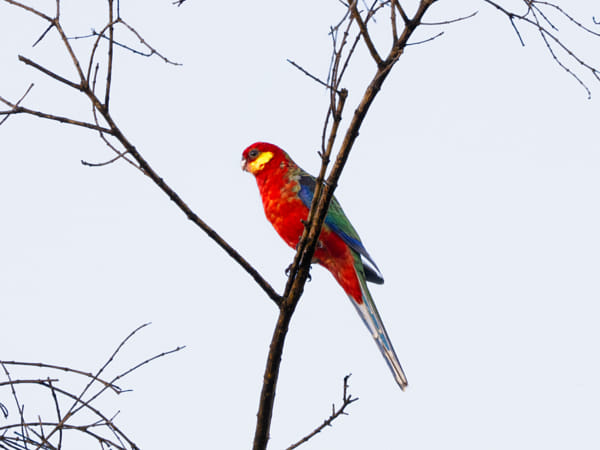
Bardinar or Western Rosella (Platycercus icterotis).
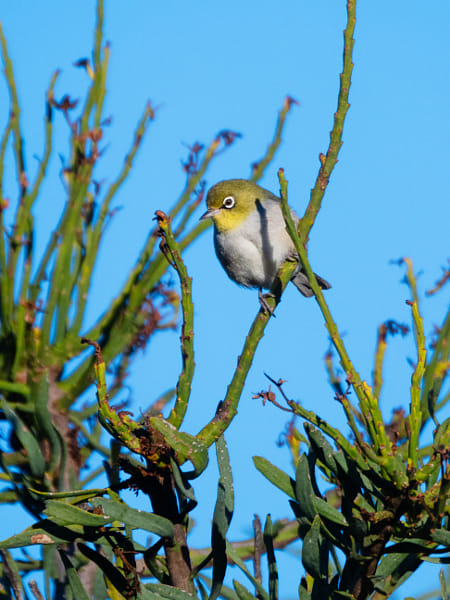
Doolor or Silvereye (Zosterops lateralis).
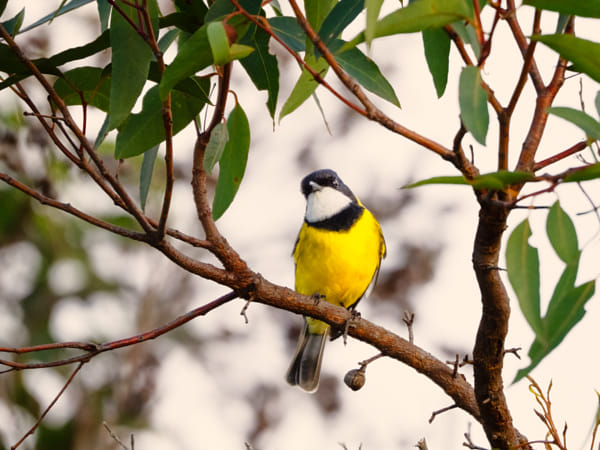
Bidilmidang or Golden Whistler (Pachycephala pectoralis).
Burlong Pool is about 4.5 Km south west of the Wheatbelt Metropolis of Northam and is one of the termini of the Dorntj Koorliny or Walking Together Track. The Ballardong Nyoongarbelieve that it is a significant place for the Dreamtime Wagyl or Rainbow Serpent. The Wagyl created the landscape of the South West of Western Australia, looks after the fresh water and also helps bring the rains. Burlong pool was/is the Wagyl’s summer resting place and is regarded as a sacred site.
We’ve been visiting the site for years as we often take the dog with us to Northam when we go shopping (not in summer) and we use it as a walk place for her and to stretch our legs. Every time we went we’d see a lot of wildlife and I always came away thinking I must go and take some photos. Well that time came and we headed out early one morning. On getting there we were met with raucous calling from an enormous flock of corellas. We stayed for a bit watching them and the other birds and then we started walking the Dorntj Koorliny Track towards Northam. Even though the weather was very warm it was an enjoyable walk and we saw heaps.
Kadjinak or Grey Fantail (Rhipidura albiscapa). Dorntj Koorliny, Burlong Park, Northam, Western Australia.
Dorntj Koorliny, Burlong Park, Northam, Western Australia.
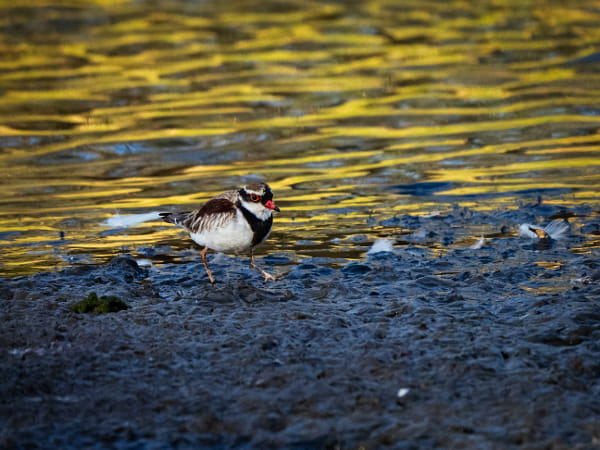
Nidoolyorong or Black-fronted Dotterel (Elseyornis melanops). Dorntj Koorliny, Burlong Park, Northam, Western Australia.
Djindjokoor or Brown Honeyeater (Lichmera indistincta). Dorntj Koorliny, Burlong Park, Northam, Western Australia.
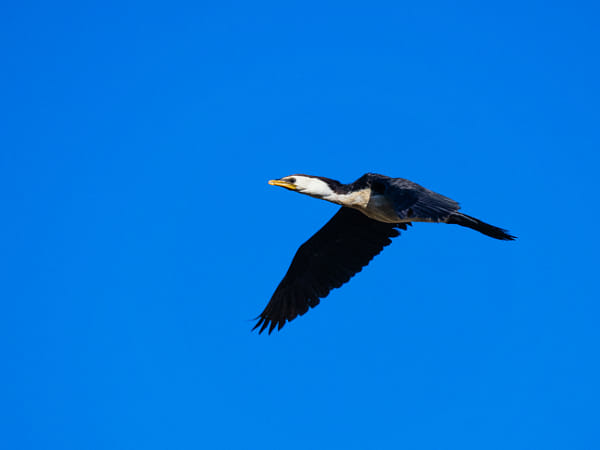
Kakak or Little Pied Cormorant (Phalacrocorax melanoleucos). Dorntj Koorliny, Burlong Park, Northam, Western Australia.
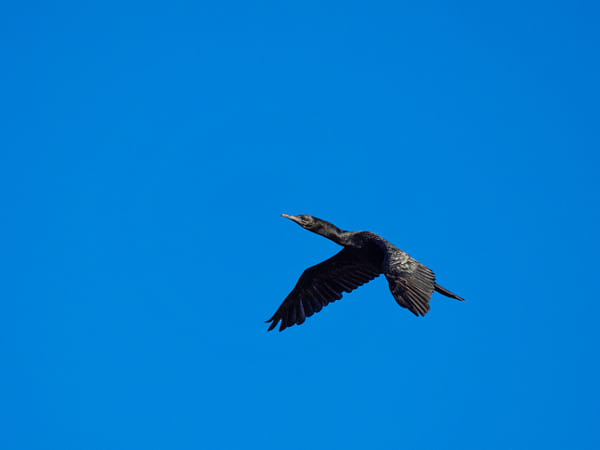
Koordjokit or Little Black Cormorant (Phalacrocorax sulcirostris). Dorntj Koorliny, Burlong Park, Northam, Western Australia.
The Bilya (Noongar – River) Walk Track was created by the Toodyay Friends of the River and follows the Avon River for 6.5Km on its western bank. For me one of the highlights of the walk is walk from from Millard’s Pool (which is the largest pool on the river and was the site of Toodyay’s first swimming pool) to John Masters Bird Hide by Red Banks Pool a Nyoongar heritage site. If the wildlife and the wonderful walk aren’t enough of a draw card then know this – no visit to Toodyay is complete without a stop off at the amazing Toodyay Bakery.
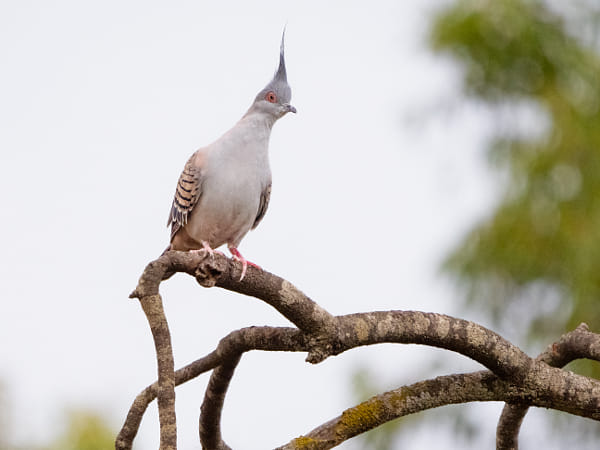
Kakara or Crested Pigeon (Ocyphaps lophotes). Bilya Walk Track, Toodyay, Western Australia.
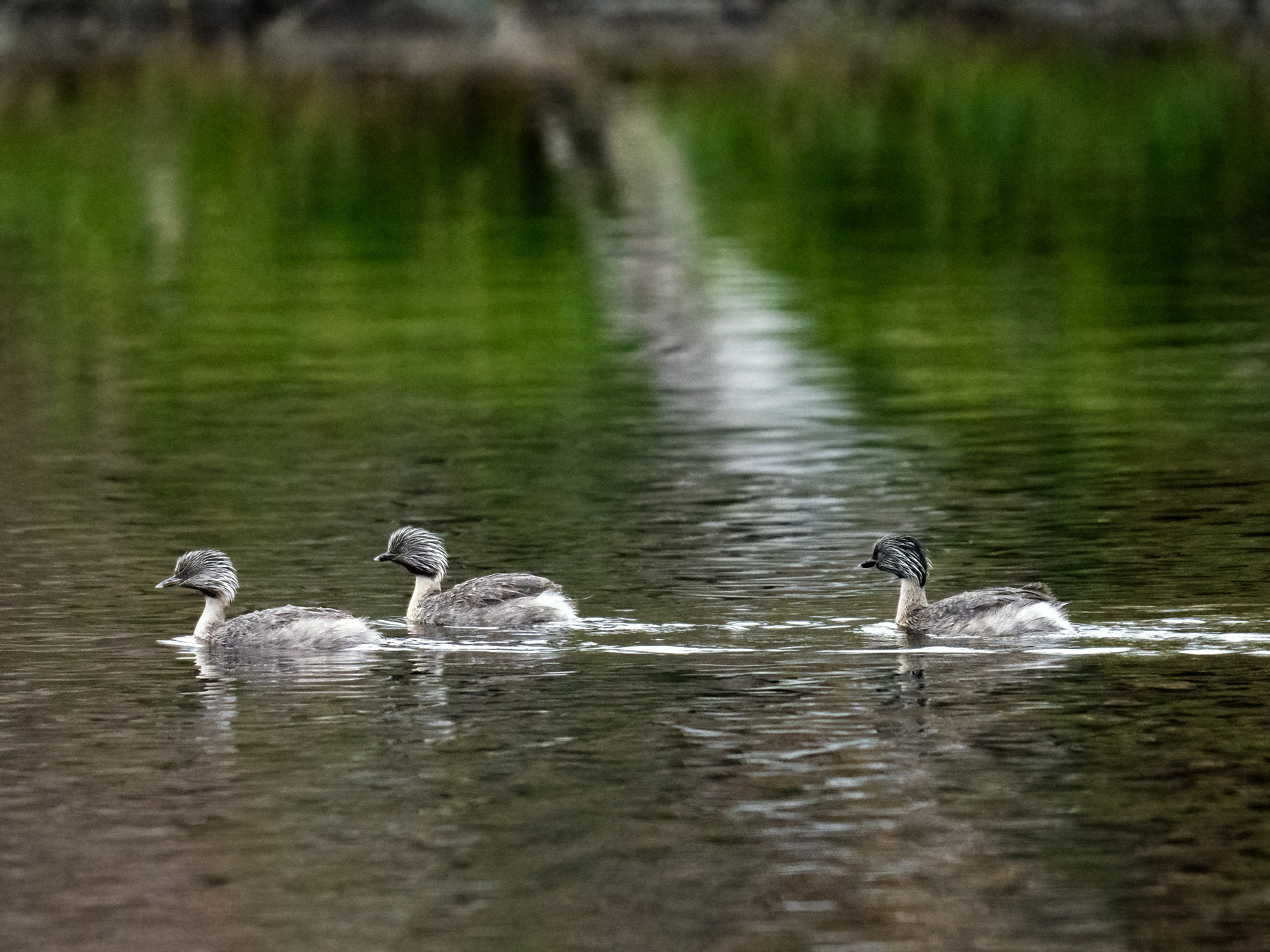
Wayooda or Hoary-headed Grebe (Podiceps poliacephalus). Bilya Walk Track, Toodyay, Western Australia.
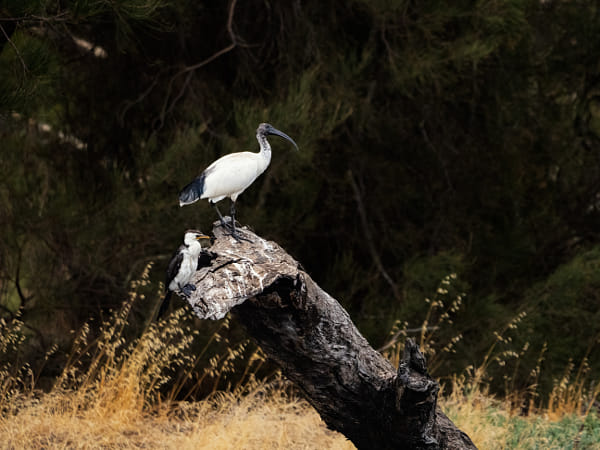
Kakak or Little Pied Cormorant (Phalacrocorax melanoleucos) and Ngalkaning or Australian White Ibis (Threskioris molucca) Bilya Walk Track, Toodyay, Western Australia.
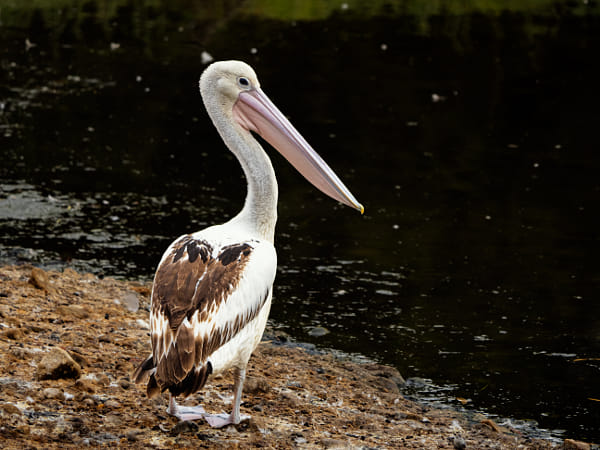
Boodalang or Australian Pelican (Pelecanus conspicillatus). Bilya Walk Track, Toodyay, Western Australia.





You must be logged in to post a comment.