
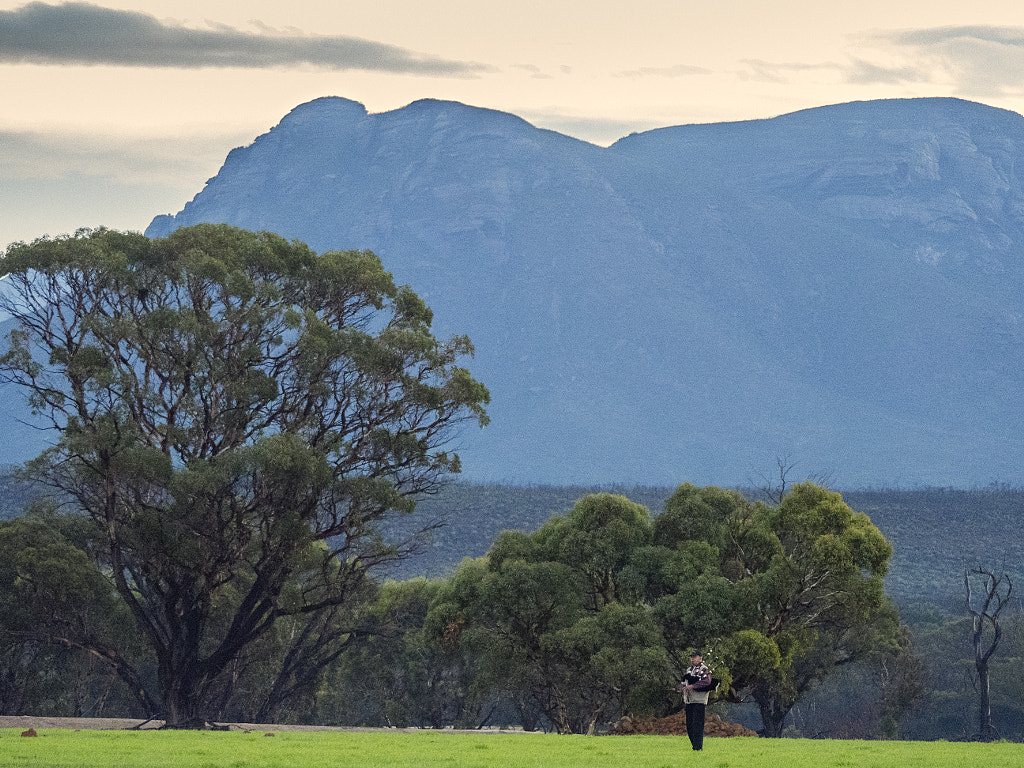
The Lone Piper

The Lone Piper by Paul Amyes on 500px.com

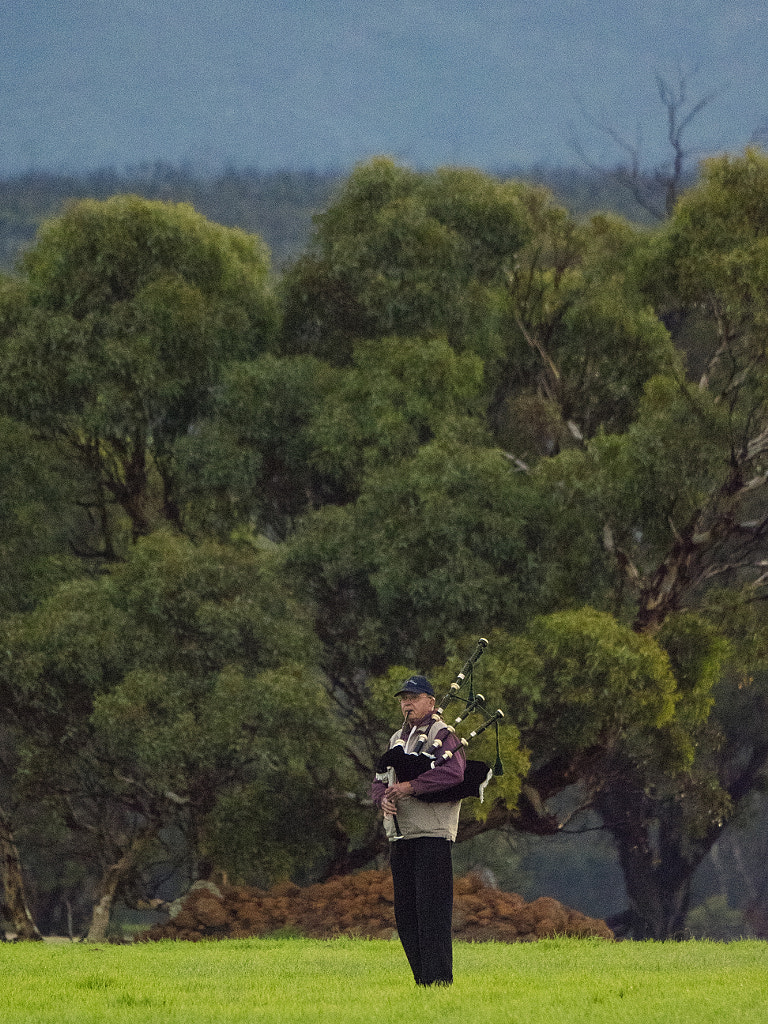
Just before sunset a lone piper can be heard at the Stirling Range Retreat.


We’ve just come back from the Stirling Range. While we were there every evening just before the sunset we could hear the skirl of the pipes. At first we thought it was the bloke a few doors down playing Scottish music in his chalet, but on further inspection we found that it was indeed the bloke a few doors down but he was standing in the middle of the field next door playing the bagpipes. He did this  every day we were there come rain or shine.
 

While the British were in India they were responsible for some awful things but to my mind the worst crime against humanity they perpetrated was the introduction of bagpipes. Anyone who has been in India during wedding season will have witnessed or heard wedding processions through the streets which were accompanied by marching bands containing at least one bagpiper. If you were exceptionally lucky the piper was half way competent but the usual pattern was to have several pipers who were barely able to play. What they lacked in skill they made up for in enthusiasm. The thing was they’d play with great gusto but none of them in time and seldom in tune. It was absolute torture as it would go on all night. We thought we’d escaped the pipers clutches when we went to Nepal. Oh no dear reader. Despite having never been part of the British Empire Nepal has firmly embraced the bagpipes during wedding season. Since then the sound of bagpipes has always made me grit my teeth.
Now it may surprise you to know that the Scots don’t have a monopoly on the pipes and indeed didn’t even invent them. The earliest reference to bagpipes is a sculpture that has been found on a Hittite slab at Euyuk in Anatolia, dated to 1000 BC. The Roman emperor Nero who enjoyed burning Christians so as to provide garden lighting at his parties, who also murdered his mother, and who early commentators described as having been dressed in fancy costume playing the fiddle while singing  the “Sack of Ilium” as Rome burnt down around him. But his biggest crime, according to the Roman historian Suetonius is that he played the tibia an ancient form of pipes that he played by tucking a bladder beneath his armpit – in other words bagpipes. The first reference to Scottish bagpipes was their use at the Battle of Pinkie in 1547. My last fun packed bagpipe fact is that Pakistan is the world’s biggest producer of the instrument where the industry was worth $6.8 million in 2010. So not only did Pakistan shelter Osama Bin Laden but it is responsible for exporting terror in the form of Bagpipes.
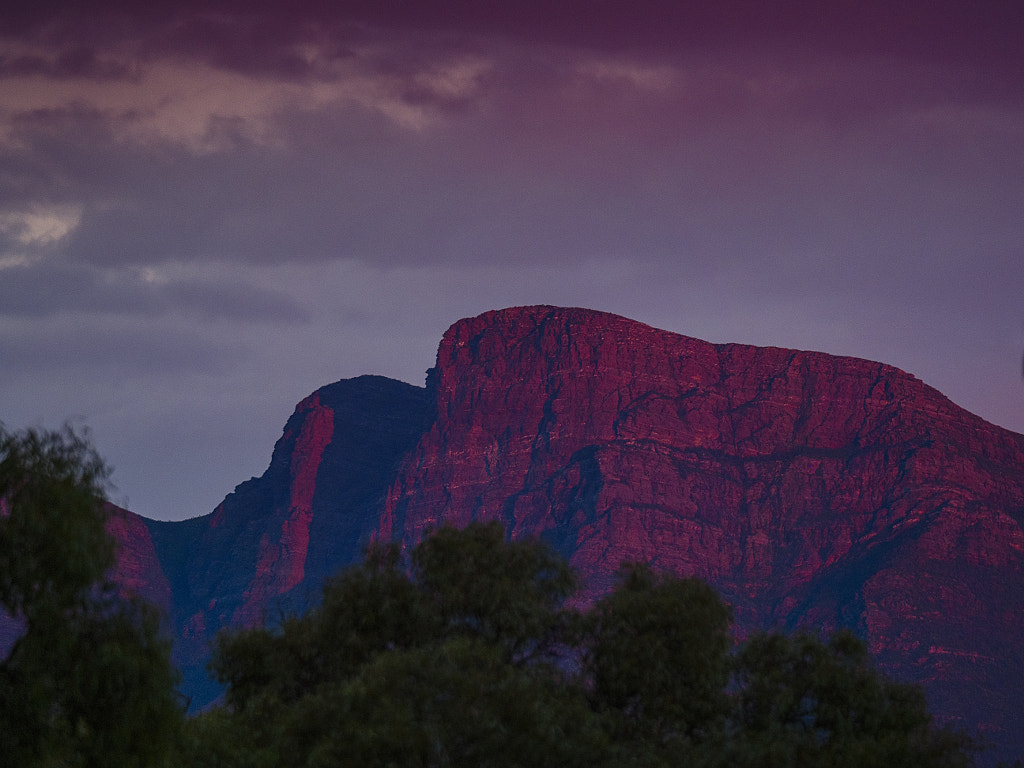
Enough of the rant lets get back to the Lone Piper of the Stirling Range. What was he doing? Well, it has become a tradition in Scottish regiments that a lone piper takes the place of a bugler to signal the day’s end to the troops. While he was marking the end of the day he was facing Bluff Knoll the highest mount in the Stirling Range. The colours of the sunset are reflected on Bluff Knoll and are truly wonderful and if anything deserves an accompaniment it is that.
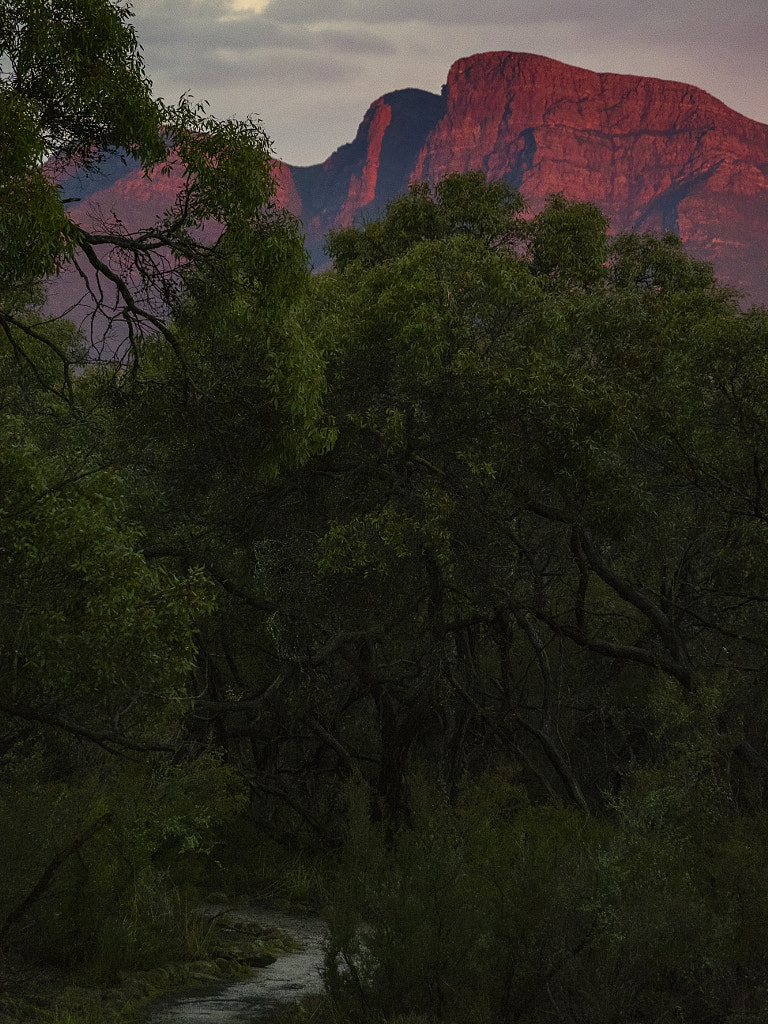
Bluff Knoll by Paul Amyes on 500px.com

Bluff Knoll, in the Stirling Range, reflecting the sunset.
 

The Highlands of Tasmania

ST ANDREWS RICHMOND HIGHLAND GATHERING


Now according to Wikipedia the Highlands of Scotland are:

“…north and west of the Highland Boundary Fault, although the exact boundaries are not clearly defined, particularly to the east. The Great Glen divides the Grampian Mountains to the southeast from the Northwest Highlands. The Scottish Gaelic name of A’ Ghàidhealtachd literally means “the place of the Gaels” and traditionally, from a Gaelic-speaking point of view, includes both the Western Isles and the Highlands.”


ST ANDREWS RICHMOND HIGHLAND GATHERING


The other day I knew that I was in the Georgian Town of Richmond in Tasmania, Australia, but you could be forgiven for looking out over the Coal River Valley at the distant hills and imagining that you had suddenly been transported 17,324 km (10764 miles) to the Scottish Highlands. This was particularly reinforced when the skirl of the pipes was to be heard floating across the valley. The reality was not that I had been suddenly swept up in Gaelic daydream and astral planed to a far off land but I was at the St Andrews Richmond Highland Gathering where all things Scottish were being celebrated. According to their Facebook page:

“The St Andrew Society Hobart Incorporated was formed in 1960 by a group of people who wanted to keep alive the traditions, dancing, music, sports and literature of Scotland. The motto of the Society is “Cairdeas”, a Gaelic word meaning “Friendship”. Membership of the Society is open to persons who are interested in fostering the objectives of the Society. “


ST ANDREWS RICHMOND HIGHLAND GATHERING


The Scots are the third largest migrant group in Tasmania and they were numerous among the early settlers lured across by the prospect of farming in the Midlands of Tasmania which reminded them of their homelands. Prior to 1830 most Scots who migrated were farmers and landowners who were trying to escape the economic recession of the 1820’s. Other Scots came because they had served in the British Colonial forces and they stayed on when their term of service ended. From the 1830’s onwards the working poor joined the diaspora and they headed for Hobart to work in the industries there. This rate of migration has remained steady throughout the Twentieth Century and into the Twenty First.


ST ANDREWS RICHMOND HIGHLAND GATHERING


So it was no wonder that as we pulled up in Richmond that the town was positively heaving with visitors. Now Richmond is well and truly on tourist route number 1 in Tasmania and can be busy throughout most of the year, especially so in summer. But nothing prepared us for this. I struggled to find a parking space, but luckily after a slow lap of the town I found a spot down by the Coal River and just a short walk from the village green where the action was happening.


ST ANDREWS RICHMOND HIGHLAND GATHERING


At this point I feel compelled to make a public disclosure. When I was a young lad I had been exposed to the bagpipes through attending things like the The Royal Tournament at Earls Court in London. At that point I was fairly bagpipe neutral – I neither liked or disliked them. Then in December of 1987 we were in Kathmandu, Nepal, during the wedding season. Part of the wedding ceremony is to have a procession through the streets which is led by a marching (and I use the term loosely here as most seemed rather shambolic) band. Here I was subjected to bag pipe-playing of the most hideous nature. There are not words in the English language that adequately describe how bloody awful it was. The nearest I can get is to imagine a cat with a soprano voice being fed through a mangle while gargling on razor blades whilst having its nether regions probed by red-hot pokers and that doesn’t nearly describe the aural torture that I experienced. Ever since then I would rather slide down a banister rail made out of razor blades using my testicles as brakes rather than listen to bagpipes. It was, then, with some trepidation that I approached the green. The first thing I saw was the Scottish dancing with young tartan clad girls deftly defying gravity as they leapt and pranced on the stage. A walk around the perimeter of the green found a plethora of stalls selling on manner of Scottish items ranging from Celtic crosses to your clan’s genealogy. In the centre of the green there were competitions for the best pipe band, the best piper, the best pipe major, the best dressed band, demonstrations of Scottish country dancing and a choir. The strange thing was that I really enjoyed it. There was no sound of screaming mangled cats – it was all a thoroughly enjoyable experience.


ST ANDREWS RICHMOND HIGHLAND GATHERING


ST ANDREWS RICHMOND HIGHLAND GATHERING


ST ANDREWS RICHMOND HIGHLAND GATHERING


ST ANDREWS RICHMOND HIGHLAND GATHERING


ST ANDREWS RICHMOND HIGHLAND GATHERING


ST ANDREWS RICHMOND HIGHLAND GATHERING


So if you ever find your self in Southern Tasmania in February nip up to Richmond for the Highland Gathering its a fun day out.


ST ANDREWS RICHMOND HIGHLAND GATHERING