Matagarup

What do you do when you have to take your car into Perth to get it serviced but don’t want to hang around in the city and catch COVID? Go on a safari of course!!


My safari took me to Point Fraser and Heirisson Island. Heirisson Island is a small island of 285,600 sq. metres in the Swan River between East Perth and Victoria Park. Most people will know of it through crossing the Causeway which is the bridge over the river. It wasn’t always called Heirisson Island. Long before European explorers and colonists arrived there was a few smaller islands and some mudflats which was called Matagarup by the Beeloo Nyoongar. The name means one leg deep. The first known European visitors were led by Willem de Vlamingh in 1696. He and some of his crew rowed up the river and saw the black swans which led him to name the river the Swan River (Zwaanenrivier in Dutch). They got as far as the mudflats and island and could go no further. In 1801 Nicolas Baudin  from the French ship Le Naturaliste traveled up river and he named the island after his midshipman François-Antoine Boniface Heirisson. Since the early arrivals the river has been dredged and there has been a lot of land reclamation which has seen the mudflats disappear and the formation of the present island.
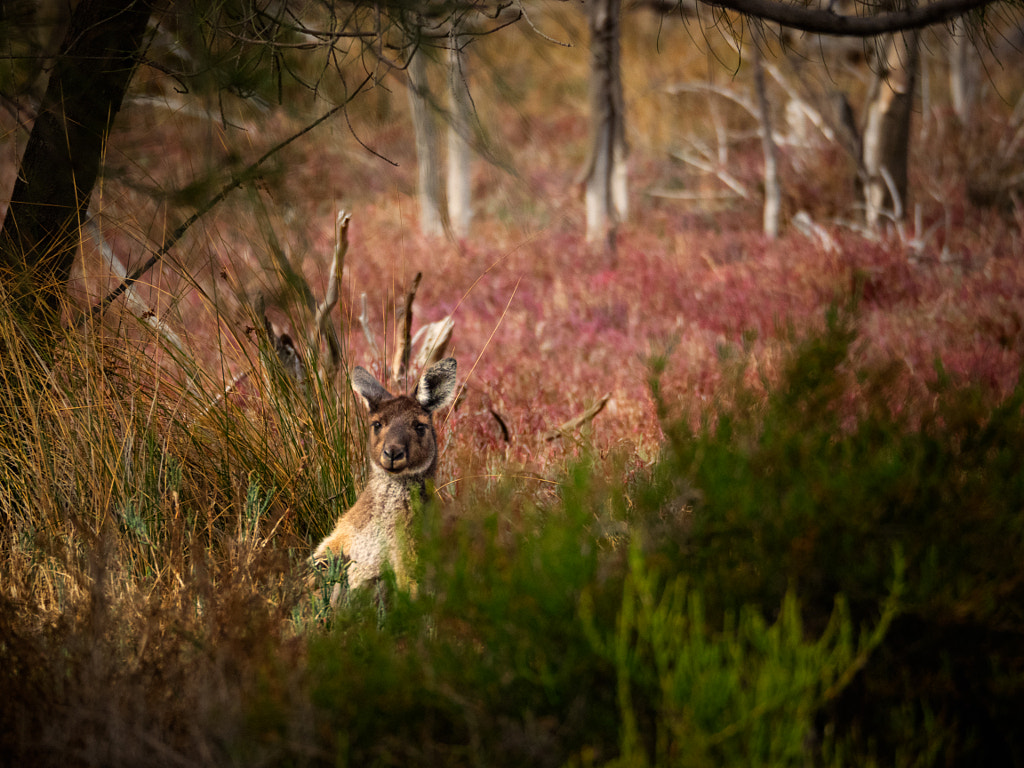
 

Yongka by Paul Amyes on 500px.com
Yongka or Western Grey Kangaroo, Macropus fuliginosus. Herrison Island, Western Australia.


There is a footpath round the island which is 2 Km in length which makes it perfect for an inner city safari. As far as the wildlife goes 92 different species of bird have been observed on the island and there is a resident population of Western Grey kangaroos which were introduced in 1998. Funnily enough I’ve walked round the island several times over the years and not seen a single kangaroo. Amazing considering that it’s a small island and they’re relatively large animals. But kangaroos are very good at making themselves scarce during daylight hours. This visit was different I saw three female kangaroos, two lazing around in the bushes and one grazing. In fact the one that was grazing was very curious and came right up to me – I think it was an attempted mugging because as soon as she realised I didn’t have anything worth stealing in the way of food she was off.
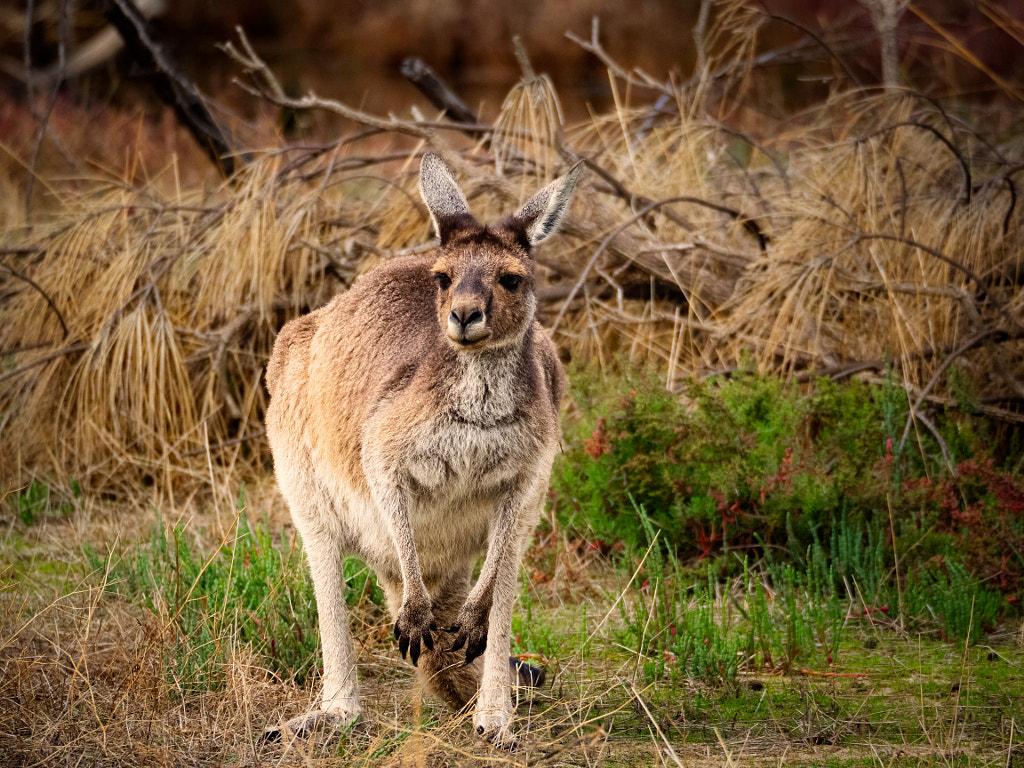
 

Yongka by Paul Amyes on 500px.com
This female checked me out to see what food offerings were available. I was a bit of a disappointment as I had nothing.


I must say it was a very pleasant way to pass the time and I’m looking forward to going again – hopefully to coincide with dawn or dusk.
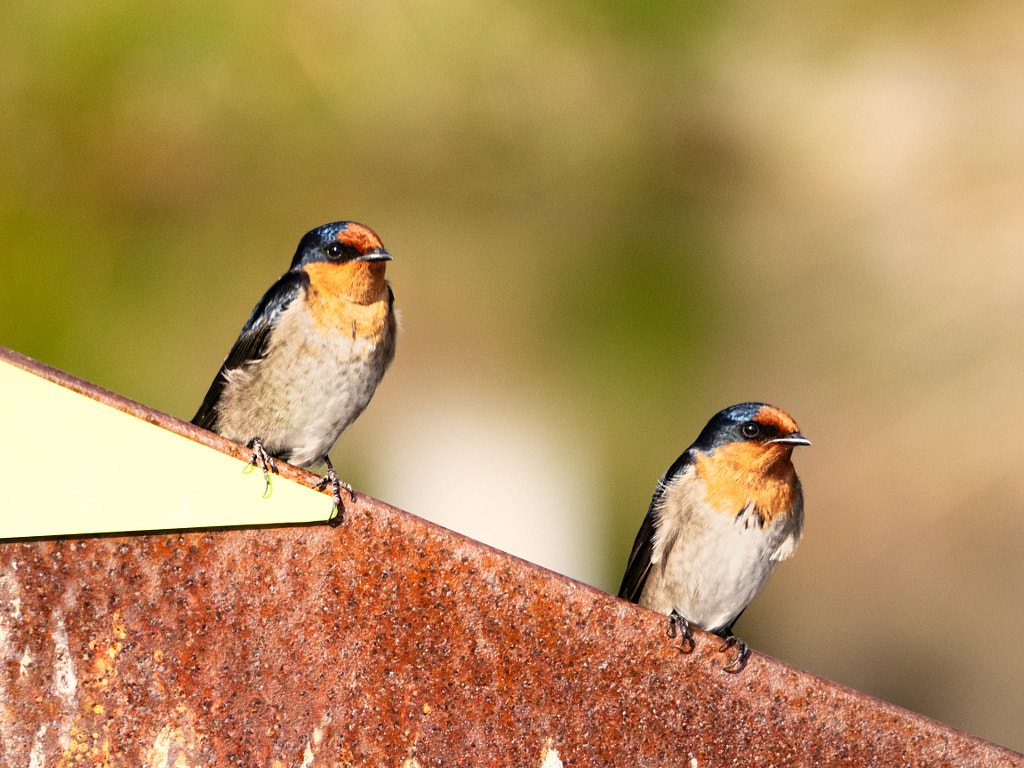
 

Koonamit by Paul Amyes on 500px.com

These two welcome swallows were very obliging and let me take their photo.
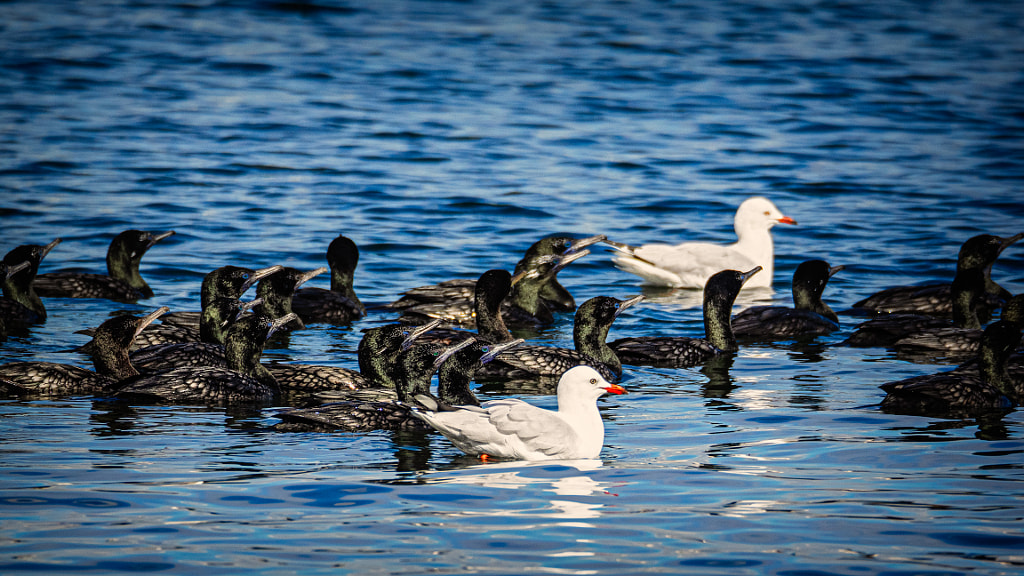
 

Black and White by Paul Amyes on 500px.com

The Swan River Cormorants Club does not discriminate on the basis of colour or species – all are welcome.
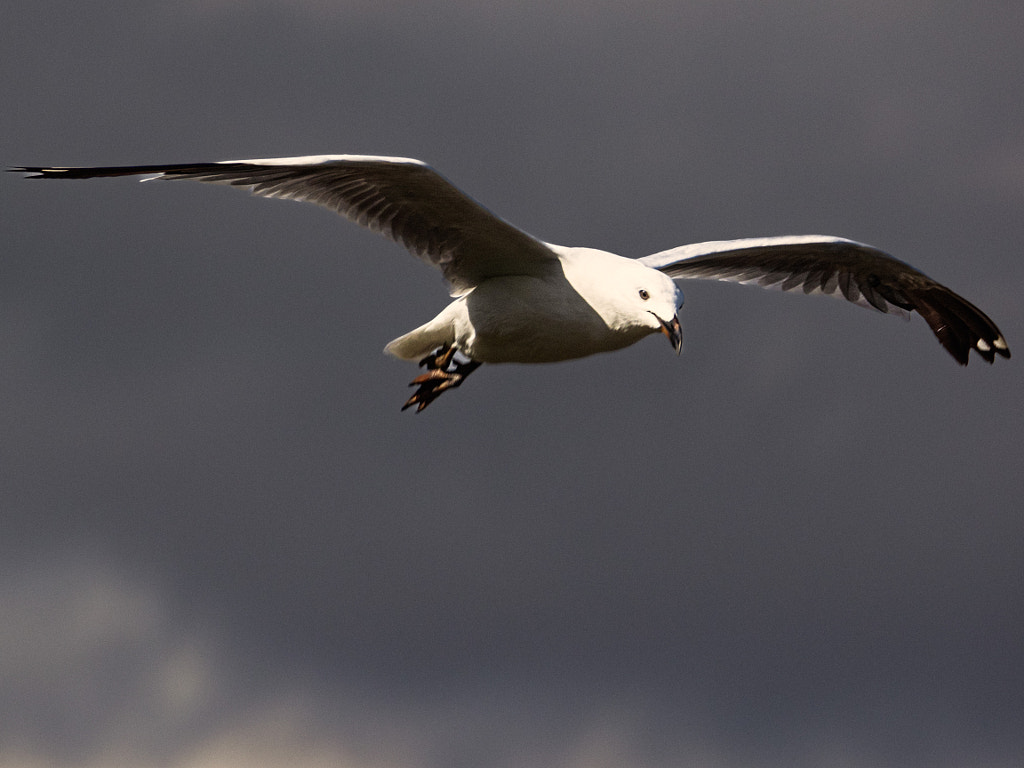
 

Djidjinook by Paul Amyes on 500px.com

Not having any chips meant this silver gull just kept flying past.
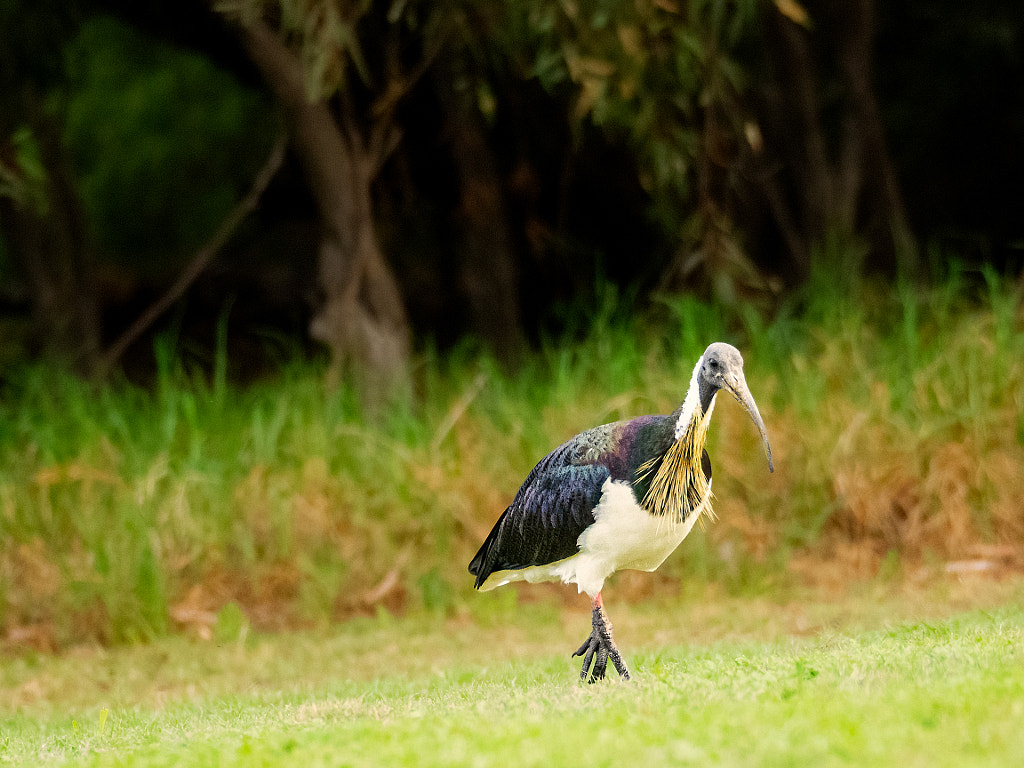
 

Straw-necked Ibis by Paul Amyes on 500px.com

Straw-necked Ibis, Threskiornis spinicollis. Herrison Island, Western Australia.
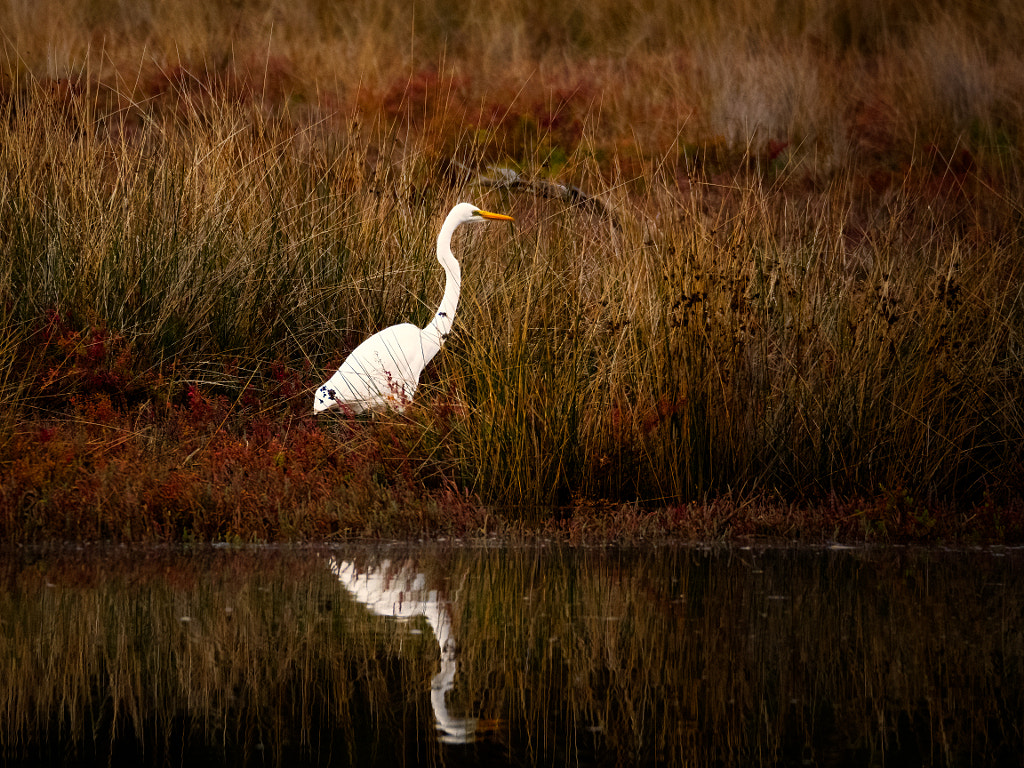
 

Great Egret by Paul Amyes on 500px.com

Great Egret, Ardea alba modesta. Herrison Island, Western Australia.
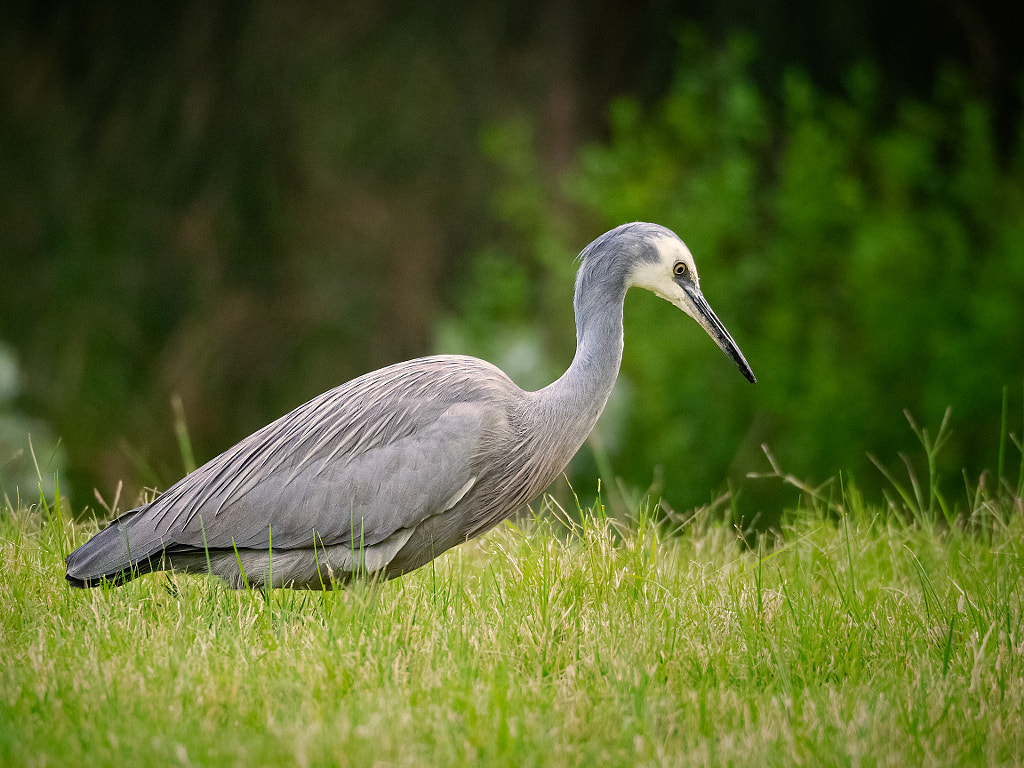
 

Wyan by Paul Amyes on 500px.com

White-faced heron, Ardea novaehollandiae. Point Fraser, Western Australia.
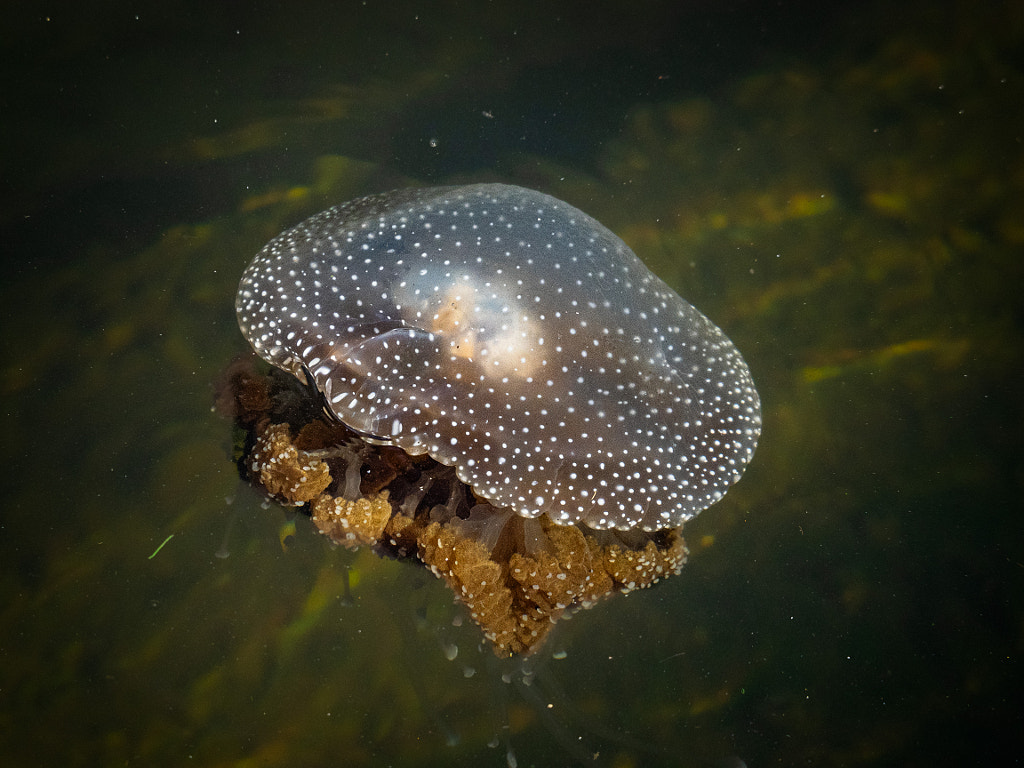
 

Brown Jellyfish by Paul Amyes on 500px.com

No visit to the Swan River is complete without the ubiquitous Brown Jellyfish (Phyllorhiza punctata).

The Long And The Short Of It

The Olympus M.ZUIKO DIGITAL ED 75-300mm f/4.8-6.7 II mounted on an OMD EM-10.


The Olympus m.Zuiko 75-300mm f4.8-6.7 mk ii (which shall now on referred to as the 75-300) is an updated version of their original super telephoto zoom for the micro four thirds format.Yes I said super telephoto zoom because that is what it is as it is equivalent to a 150-600mm lens in 35mm sensor terms.

The Olympus M.ZUIKO DIGITAL ED 75-300mm f/4.8-6.7 II mounted on an OMD EM-10.


The Olympus M.ZUIKO DIGITAL ED 75-300mm f/4.8-6.7 II compared with Canon EF 75-300 f4.5-5.6 IS for comparison. The Olympus gives an equivalent focal length of 150-600mm.

Keeping up with the m4/3s promise of smaller cameras and lenses this lens does not disappoint. It fits comfortably in the hand is quite a bit smaller than my Canon 75-300mm f3.5-5.6 IS which only covers half the focal range when mounted on my EOS5d. There are rumours on the various forums that the lens is designed and built by Sigma, but there is no evidence of that fact when looking at it. The 75-300 is largely constructed from engineering plastic and has a metal mount. There is no weather sealing. The lens extends while zoom, roughly doubling its length, there is no lens creep which is nice. While not heavy it feels reassuringly dense in the hand and not at all cheap and wobbly like some budget zoom lenses.The filter diameter is 58mm which it shares with the 40-150mm f4-5.6 and means that filters won’t be too pricey. Optically the lens has 18 elements in 13 groups, two of which are ED glass and one is Super ED (extra low dispersion). These exotic elements are there to minimise chromatic aberration throughout the zoom range. They certainly do the job for when I open up images shot with the 75-300 in Lightroom they are remarkably free of CA. The lenses elements are coated with Olympus propriety ZERO (Zuiko Extra-low Reflection Optical) coatings and I’ve found the lens to be quite resistant to backlit flare, however flare can be induced by bright light sources just outside of the frame so I would heartily recommend the use of a lens hood. Unfortunately Olympus does not include one in the box.


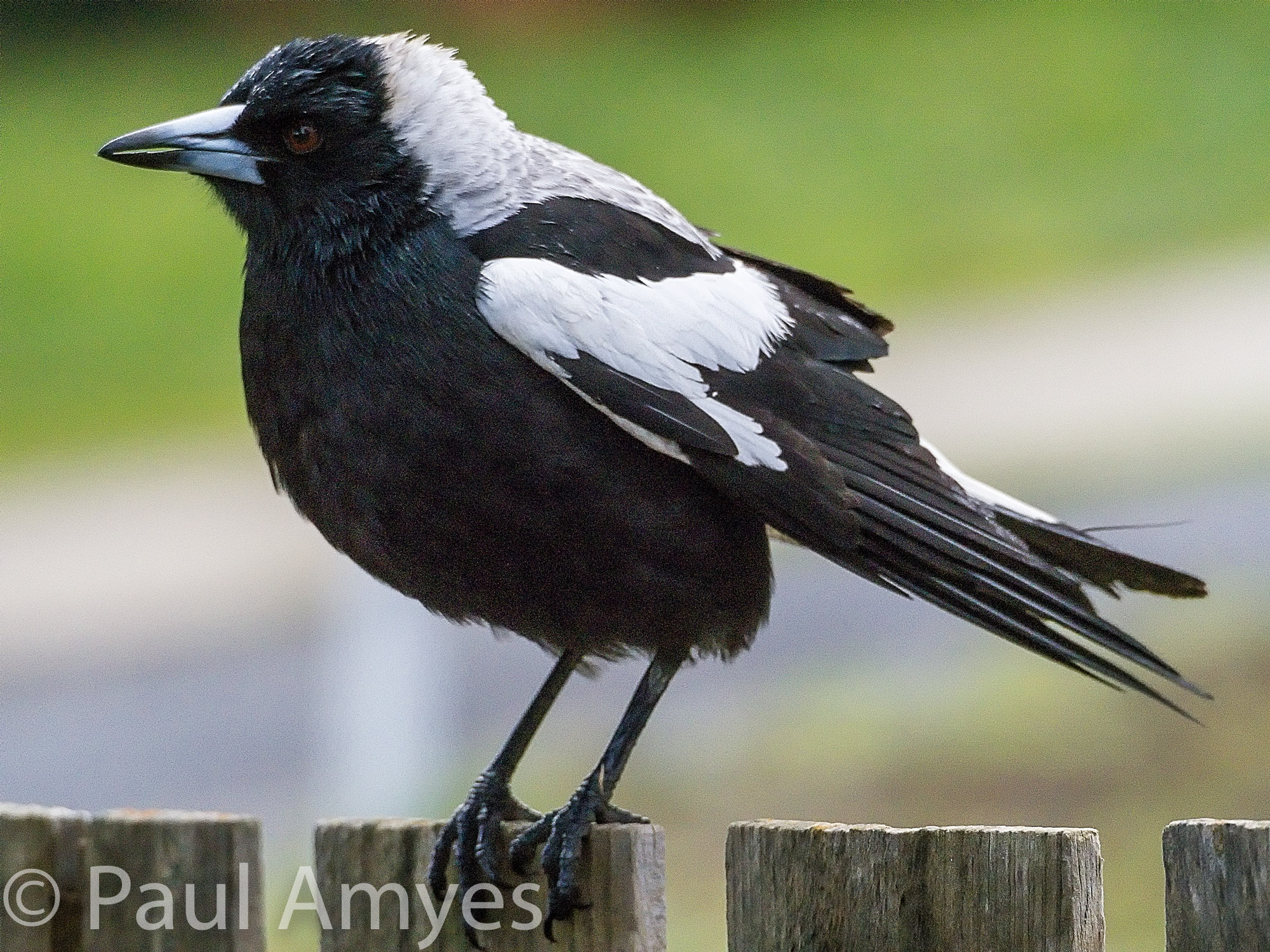
Cracticus tibicen hypoleuca is a subspecies of white backed magpie found on Tasmania, King and Flinders Islands.


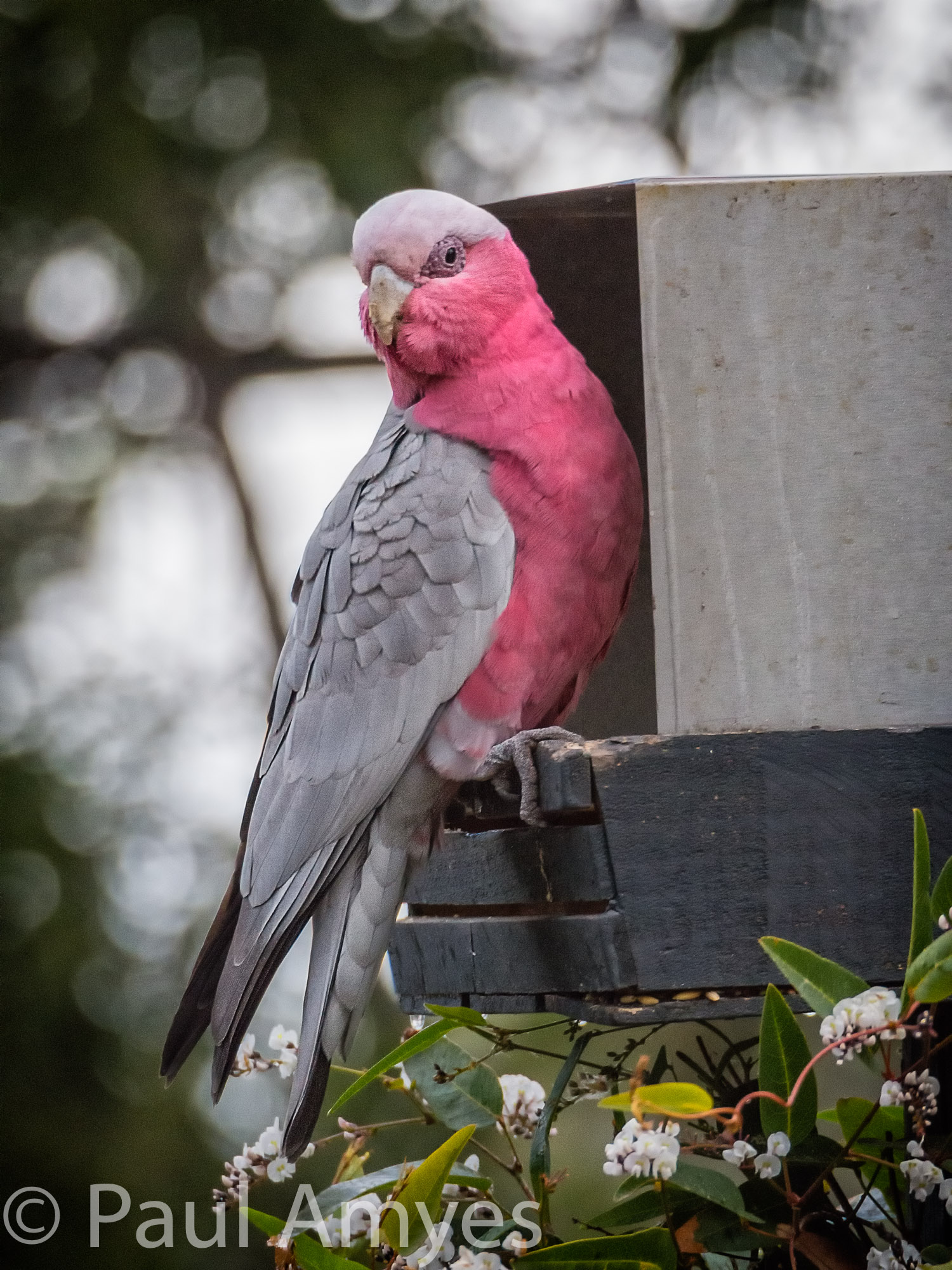
A pink and grey galah at our bird table.


Performance wise the 75-300 is remarkably good for a lens of this price and zoom range. The AF is quick and precise when shooting stills on both my EM-10 and EP-5, and quite a lot slower when shooting video. Optically the lens is very sharp up until the 200mm mark and then it does soften slightly, but this is not at all unusual with zoom lenses, which is unfortunate because this lens will be bought more for its uses at 300mm than 75mm. There is not a lot of love for this lens on the internet forums where it is harshly criticised for it performance at the long end, but from my experience with it it’s not as bad as people make out. I wonder whether camera shake is a contributing factor here. While Olympus bodies have In Body Image Stabilisation (IBIS) there is a limit to what it can achieve and we have to remember that this is the equivalent of a super telephoto 600mm lens in full frame terms and not many people would expect to handhold one of those and get tack sharp results. When using the lens on a tripod and monopod it certainly delivers the goods. When handholding I would certainly recommend not using a shutter speed of lower than 1/300th sec even when using IBIS.


Kite surfing off Park Beach in Tasmania.


Kite surfing off Park Beach in Tasmania.

Downsides of the 75-300. Well the slow maximum aperture will be a drawback for many, and I’ve read many threads where people have stated they would have preferred a constant f4. This all very well but lens design is a compromise and such a lens would be very large and heavy and cost considerably more. Personally I don’t mind using higher ISOs to keep the shutter speeds up as I’m happy to clean up my images with Niksoft’s Denoise. Another downside is when shooting video – this is not really a lens for run and gun style shooting, it is much to long to effectively control shooting handheld. Even on a tripod the lens showed up the failings of my fluid head for when panning there was quite a pronounced shudder when using it at its longest end.

Overall I feel that the few drawbacks are outweighed by the positives and I like this lens a lot. It is a very good lens when one considers the price. In Oz a full frame equivalent will cost at least double. I would recommend the 75-300 to anyone who was prepared to accept the trade offs involved i.e compact size and affordability versus the slow maximum aperture and the slight softening of the image at the long end. At the time of writing this there is only one other alternative, the Panasonic Lumix G.Vario 100-300mm f4-5.6 OS, which is at the same price point and has a similar performance. I would only consider the Panasonic over the Olympus if I was shooting on a Panasonic camera which has no IBIS. Both Olympus and Panasonic are introducing higher performance lenses at the 300mm focal length at some time in the near future, but I think we’ll find they are considerably bigger and more expensive.


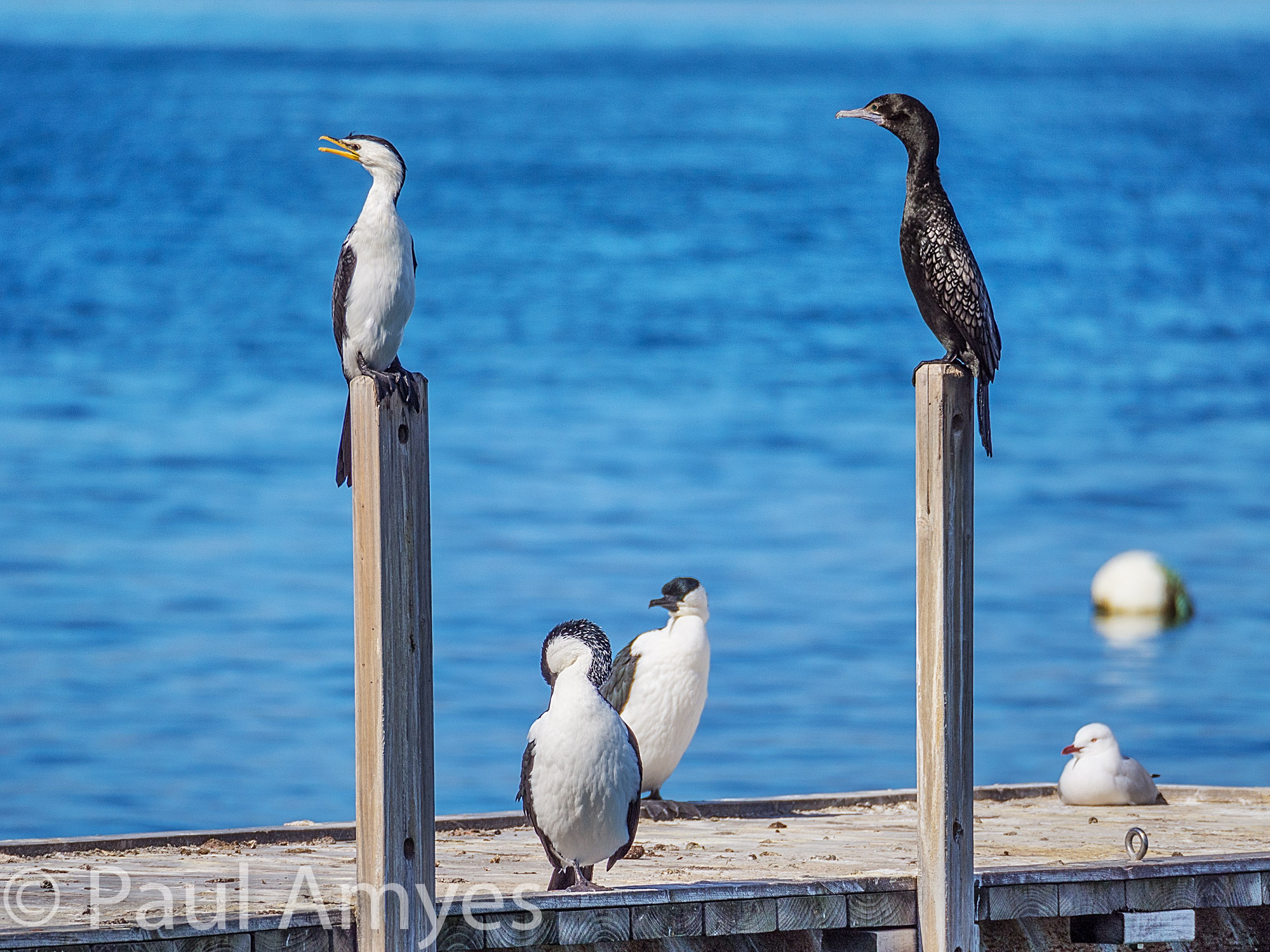
Two black faced cormorants, a little black cormorant, and a little pied cormorant hang out while a silver gull watches on. Lewisham, Tasmania.


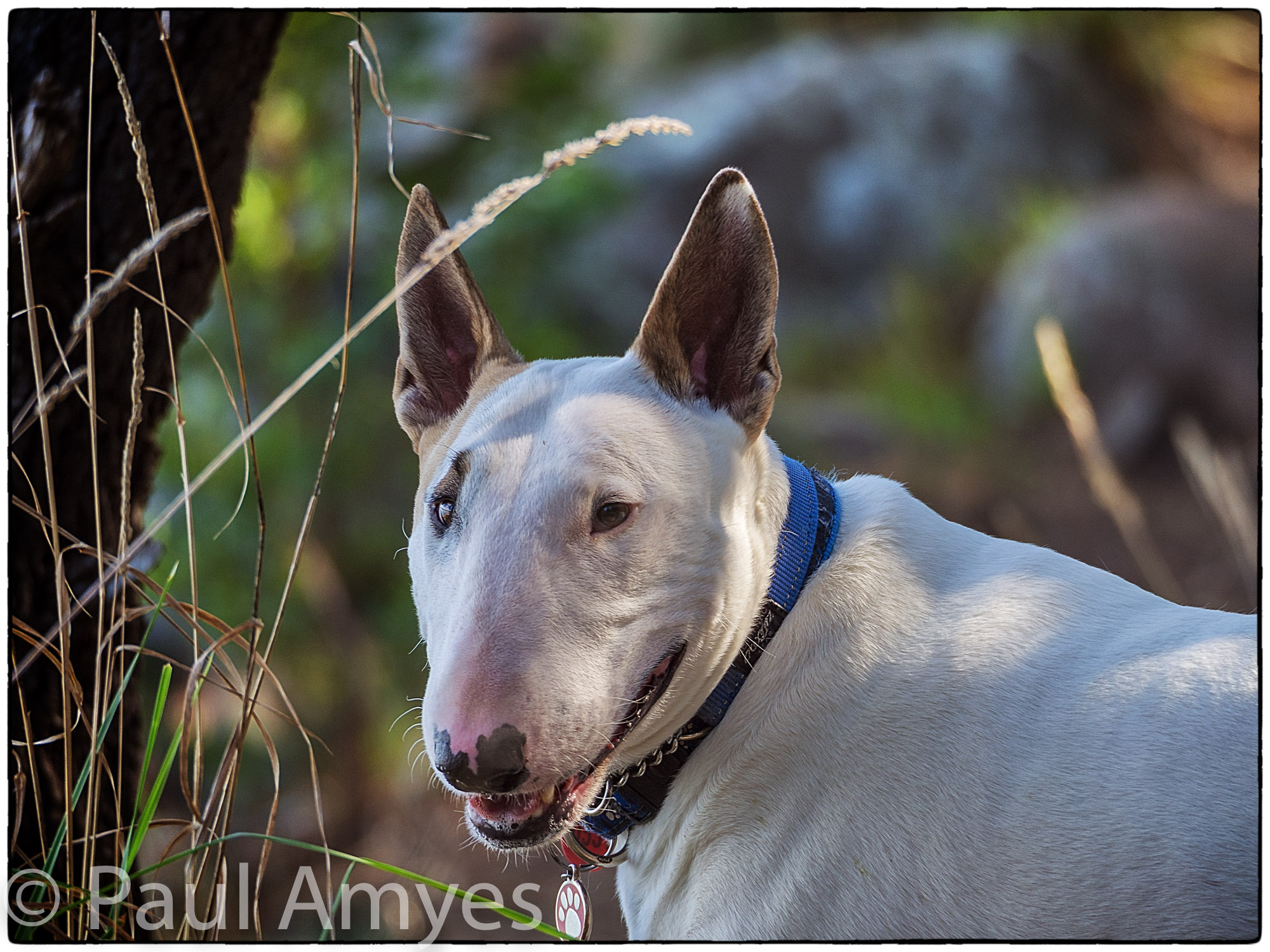
Frida giving me a cheeky grin while waiting for me to catch up.

So if you fancy doing a bit of sport or wildlife photography then I would thoroughly recommend this lens to all Olympus users.