Y Viva Espana

At the Casa del Amyes we’ve gone a bit mad for things Spanish. The Spanglish is flying thick and fast and we’re even thinking of actually going there COVID 19 permitting. What’s brought on all this exuberant celebration of all things Iberian? Well a little while ago I posted about a Spanish inheritance. Well we’ve not inherited anything yet despite it going on for two years now. It’s what you get when your father-in-law played Monopoly in a small Spanish village with real houses and who developed the local aversion to all things to do with property titles, land taxes and capital gains taxes. Throw into the mix a convoluted legal system, dodgy Spanish lawyers weird inter family dynamics and we’ll probably not get our hands on anything for a few decades yet.
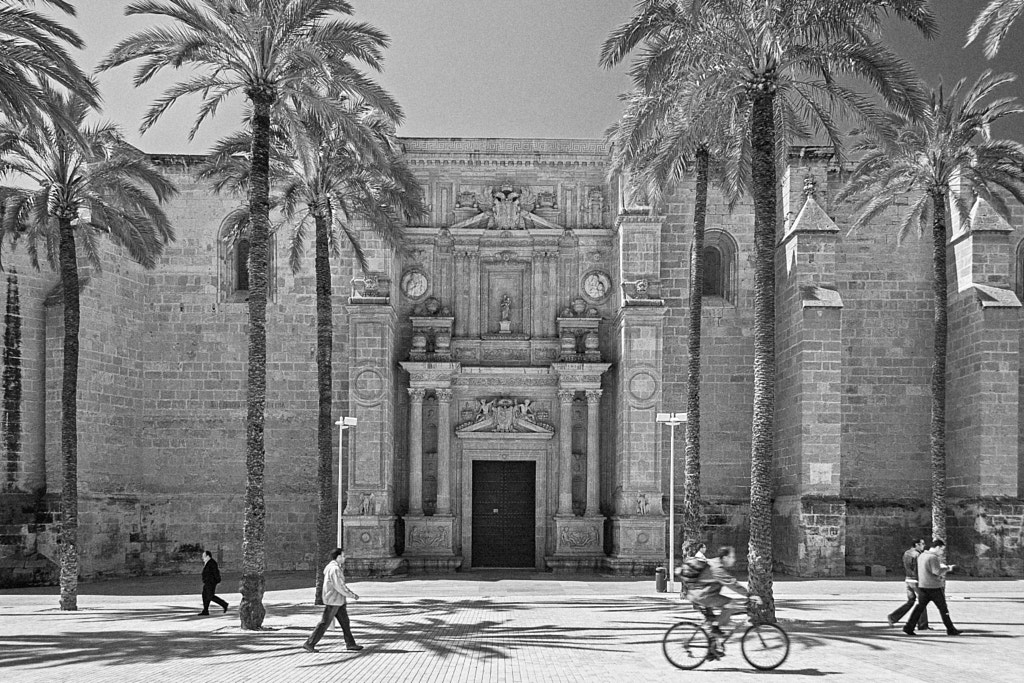
 

Imposing by Paul Amyes on 500px.com
Catedral de la Encarnación de Almería.


We’ve been to Spain before. I can’t say it’s my favourite country to visit, but that’s probably due to the fact on my first visit a member of the Spanish Guardia Civil (the ones who wear Micky Mouse ears) was under the misapprehension that I was an English football hooligan and decided to introduce me to his truncheon – repeatedly – when I was really an innocent British InterRail tourist who was having a kip on a bench. I digress. So as I practically go everywhere with a camera I’ve started looking at my Spanish photos. A lot were taken on film (black and white, colour slide, and colour print) and then as technology advanced digitally. Now as the last time we visited was 2004, which was back in the Stone Age as far as digital photography is concerned, a lot has changed especially when it comes to software used to edit photos. So I’ve been re-interpreting those old 6 Mp (which was pretty bloody cutting edge back in 2004) with the latest iterations of Adobe Lightroom, AlienSkin’s Exposure and Topaz DeNoise AI.
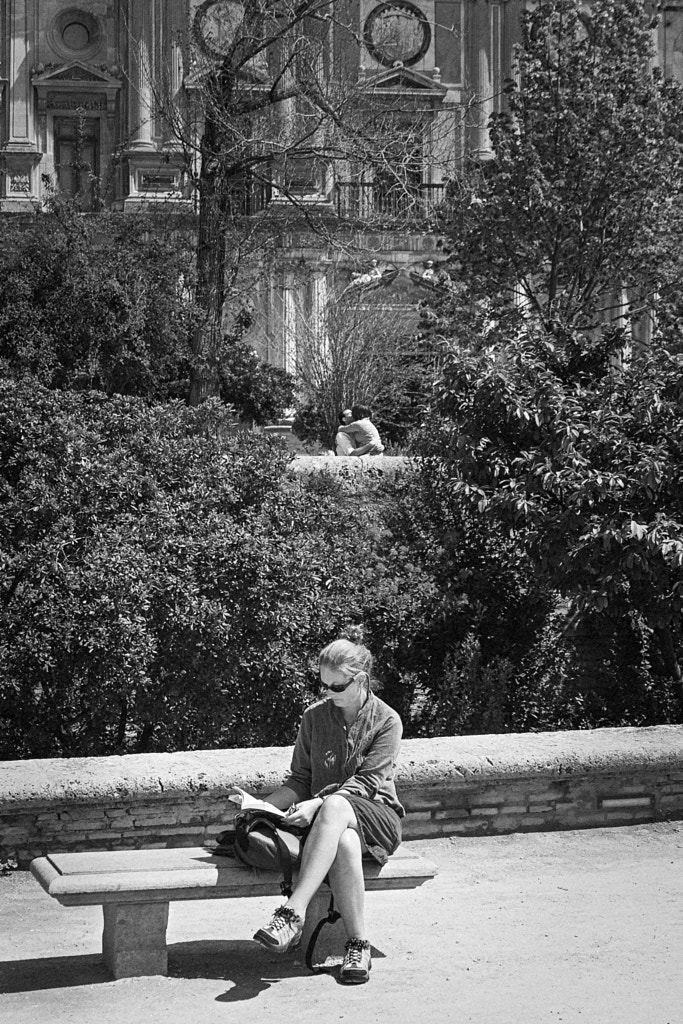
 

Romance Novel by Paul Amyes on 500px.com
Reading in the gardens outside the Charles V Palace – Alhambra, Granada.


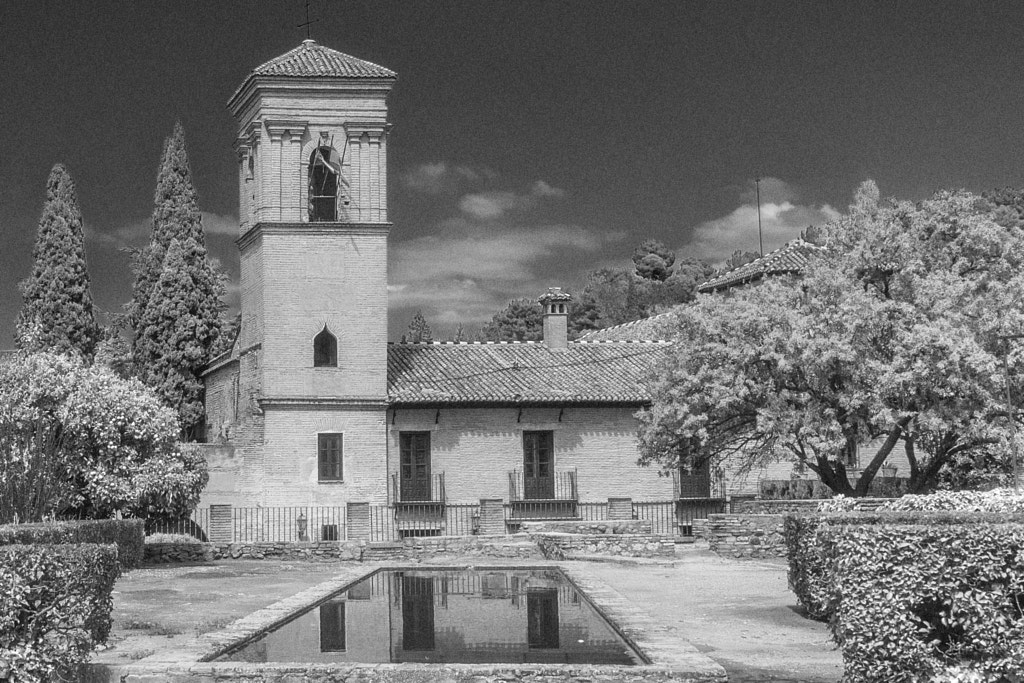
Convento de San Francisco by Paul Amyes on 500px.com
The Convento de San Francisco in the gardens of the Alhambra in Granada.


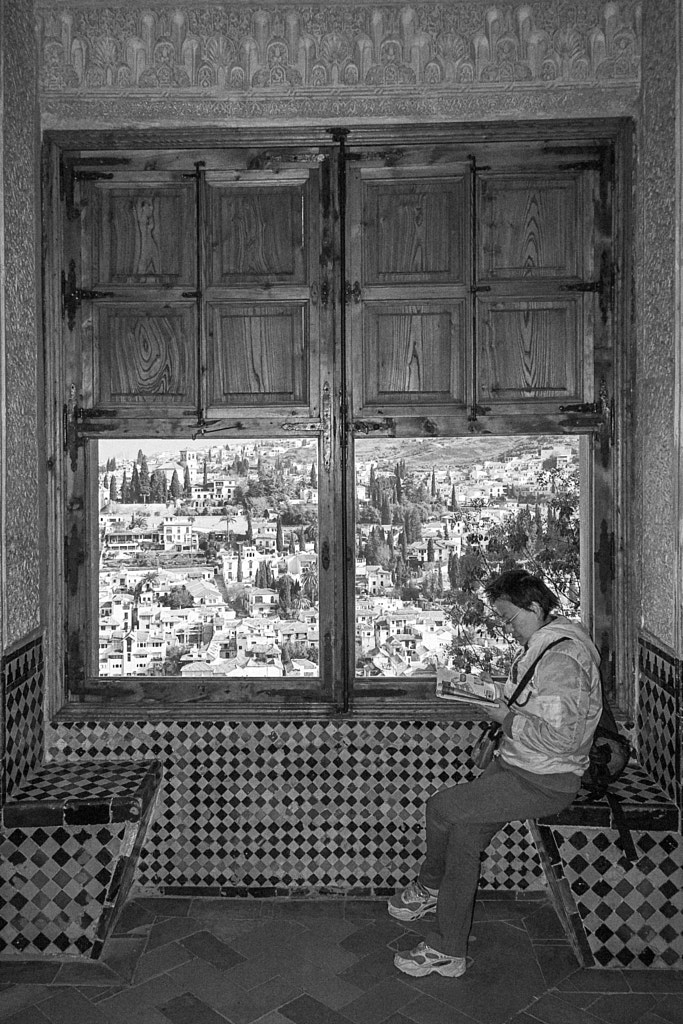
The Guidebook by Paul Amyes on 500px.com

A tourist pauses to study the guidebook in La torre de Comares at the Alhambra. It’s amazing how using up to date applications such as Lightroom can recover highlight and shadow detail.
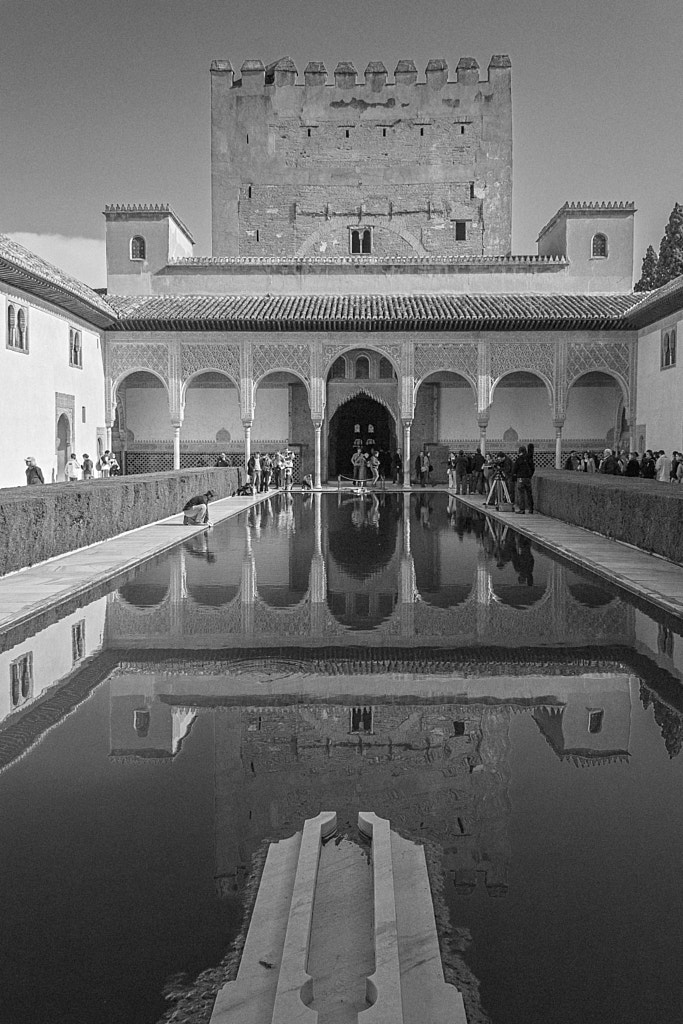


The Court of the Myrtles by Paul Amyes on 500px.com
Tourists and a film crew visit the Court of the Myrtles in the grounds of the Alhambra.


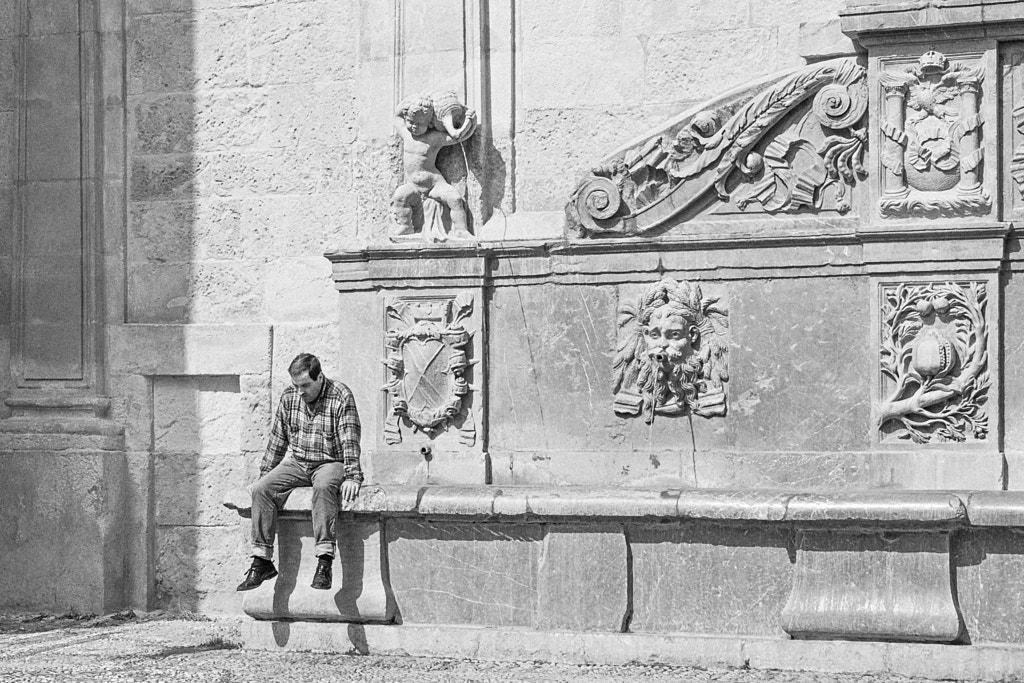
Waiting by Paul Amyes on 500px.com

Sitting on the fountain at the Pilar de Carlos V at the Alhambra in Spain.


All the above photos were taken using a Canon EOS 300d which had by today’s standard poor dynamic range and poor high ISO performance. The difference is quite marked. So I’d honestly say it is worth revisiting your picture archive to see the quality you can wring out of those files using modern software.


Todays title is of course from the 1974 hit song Y Viva España, performed in English by Sylvia Vrethammar which was a cover of the Dutch song Eviva España by Belgian singer Samantha (Christiane Bervoets). It became a staple of drunken British tourists on the Costa Del Sol.

 

Muerte e Impuestos…

… which translates from Spanish as “Death and Taxes”, which is in itself a paraphrase of Christopher Bullock’s line from the The Cobbler of Preston written in 1716:

“’Tis impossible to be sure of any thing but Death and Taxes”.


Well all I can say is that Bullock had never been to Spain or he’d have added solicitors and notaries to the quote. By now regular readers will be well and truly confused. Well I shall try and explain.


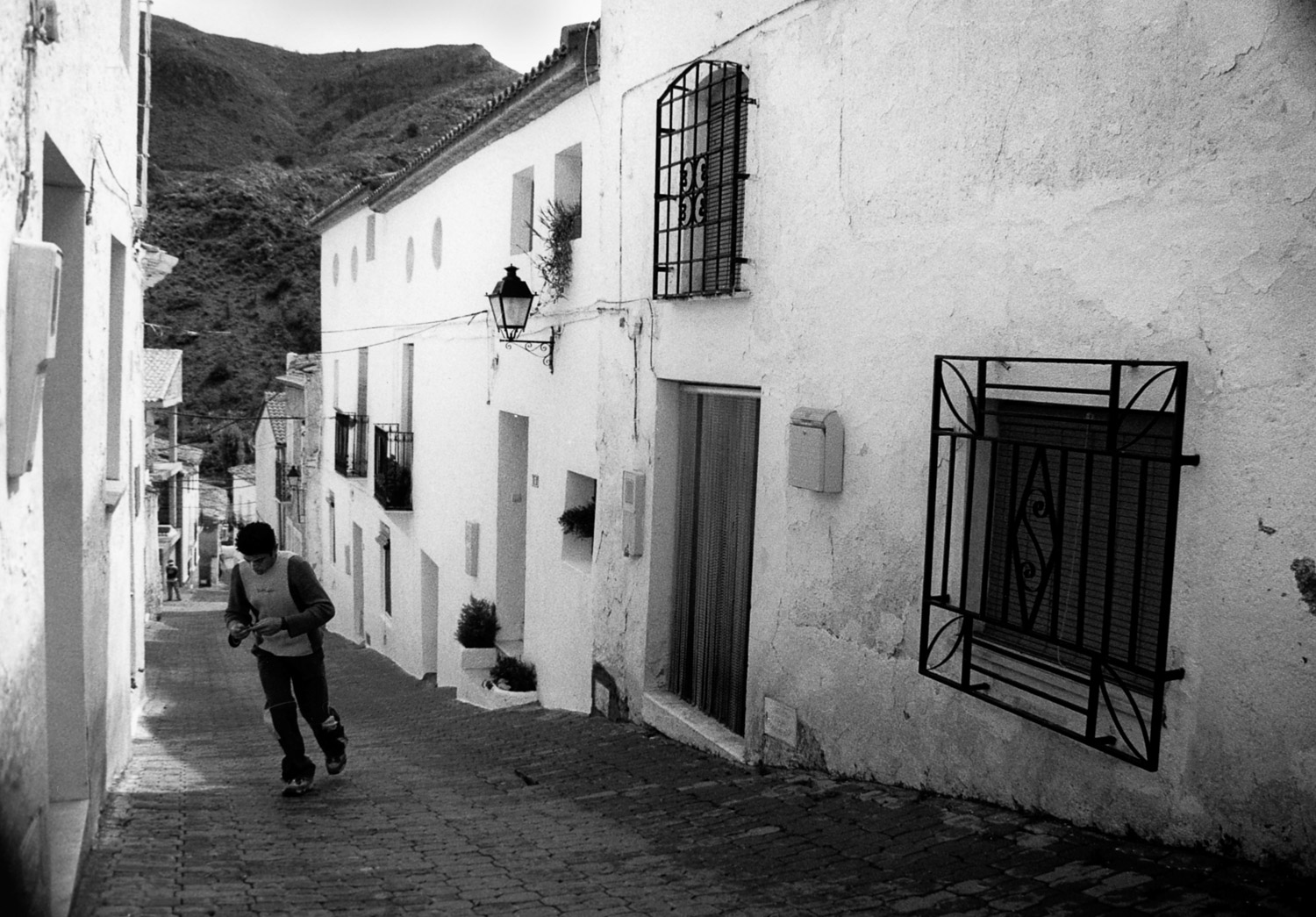
Cóbdar is a small village of 140 situated in the Sierra de los Filabres in the Spanish province of Andalusia.


Nearly forty years ago my partner’s father moved to Spain, initially to Mallorca, but later he moved to the small Andalusian village of Cóbdar in the Sierra de los Filabres where he happily lived for about twenty four years before succumbing to old age just a few weeks ago. For my partner the news of his passing produced both visceral grief and a great sense of relief. The grief being a natural expression of sadness at loosing a parent and the relief that the anxieties of his predicament regarding Brexit were over and that he was able to pass away in his own home with his partner by his side. The feelings of grief were nothing compared to depths of despondency that ensued when trying to navigate the murky waters of the Spanish legal system. The long and the short of it is that in Spain everything bureaucratic in nature requires the use of umpteen solicitors, legions of notaries and of course taxation like you would not believe. Spanish solicitors charge like a wounded bull, being a Spanish notary is a licence to print money and the government has a tax for just about every eventuality. Just when you feel that navigated the system in it’s entirety then you find out that if your inheritance includes any property – no matter how small a share – then you have to write a Spanish will, whether you are resident or not, so you can inflict the whole process on your descendants. A Spanish inheritance is the gift that keeps on taking. It is not surprising that nearly 40% of Spanish inheritances are passed over.


Cóbdar is laid out more formally than other villages in the region. Although small and isolated it continues to be a working village.


Brooke and Helen walking along Río de los Molinos in Cobdar. Cóbdar is situated at the base of a mountain that is quarried for marble. The marble gleams white in the sunlight and can be seen in the background of the picture.


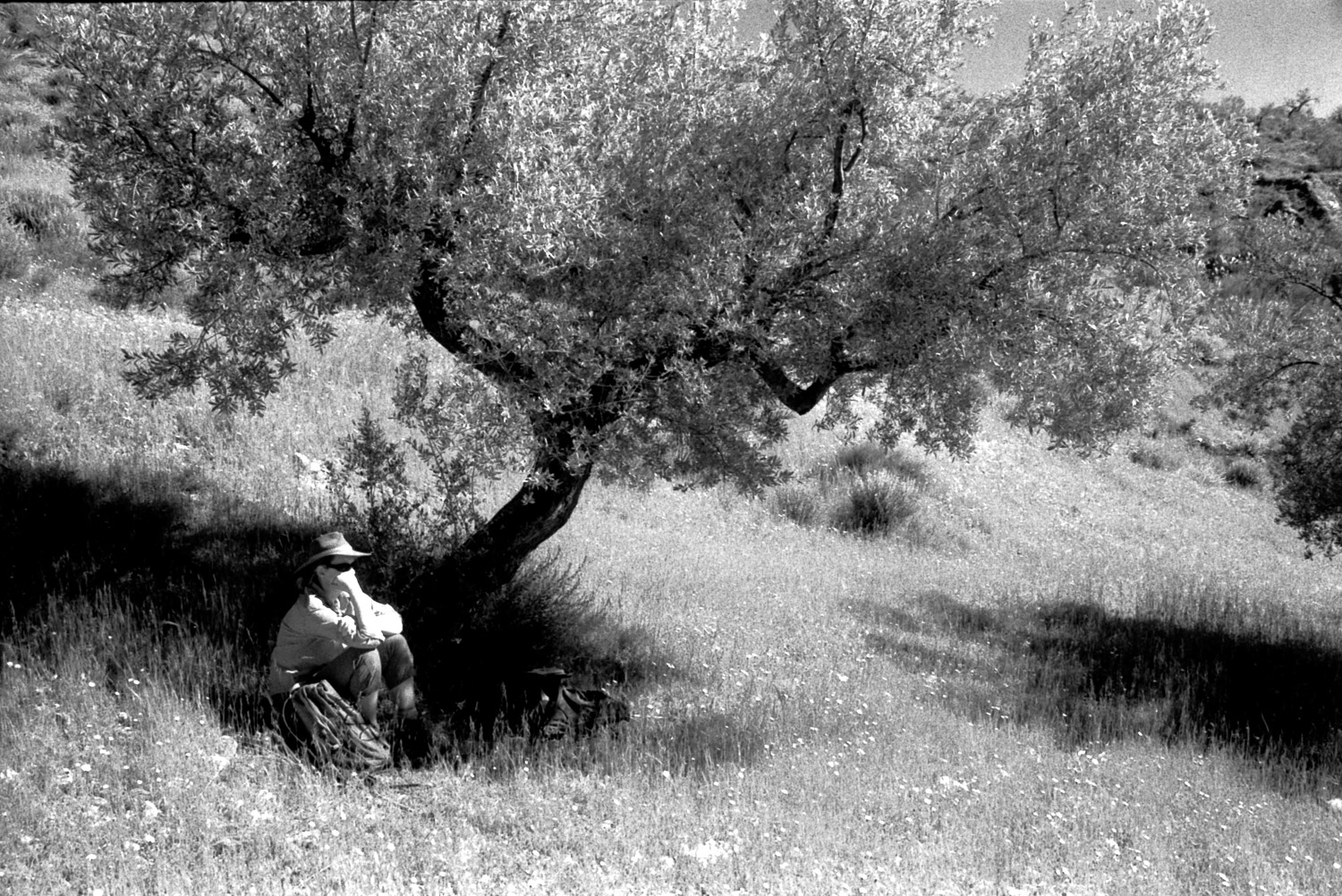
Helen taking a break in the shade under an olive tree. Cobdar, Spain.


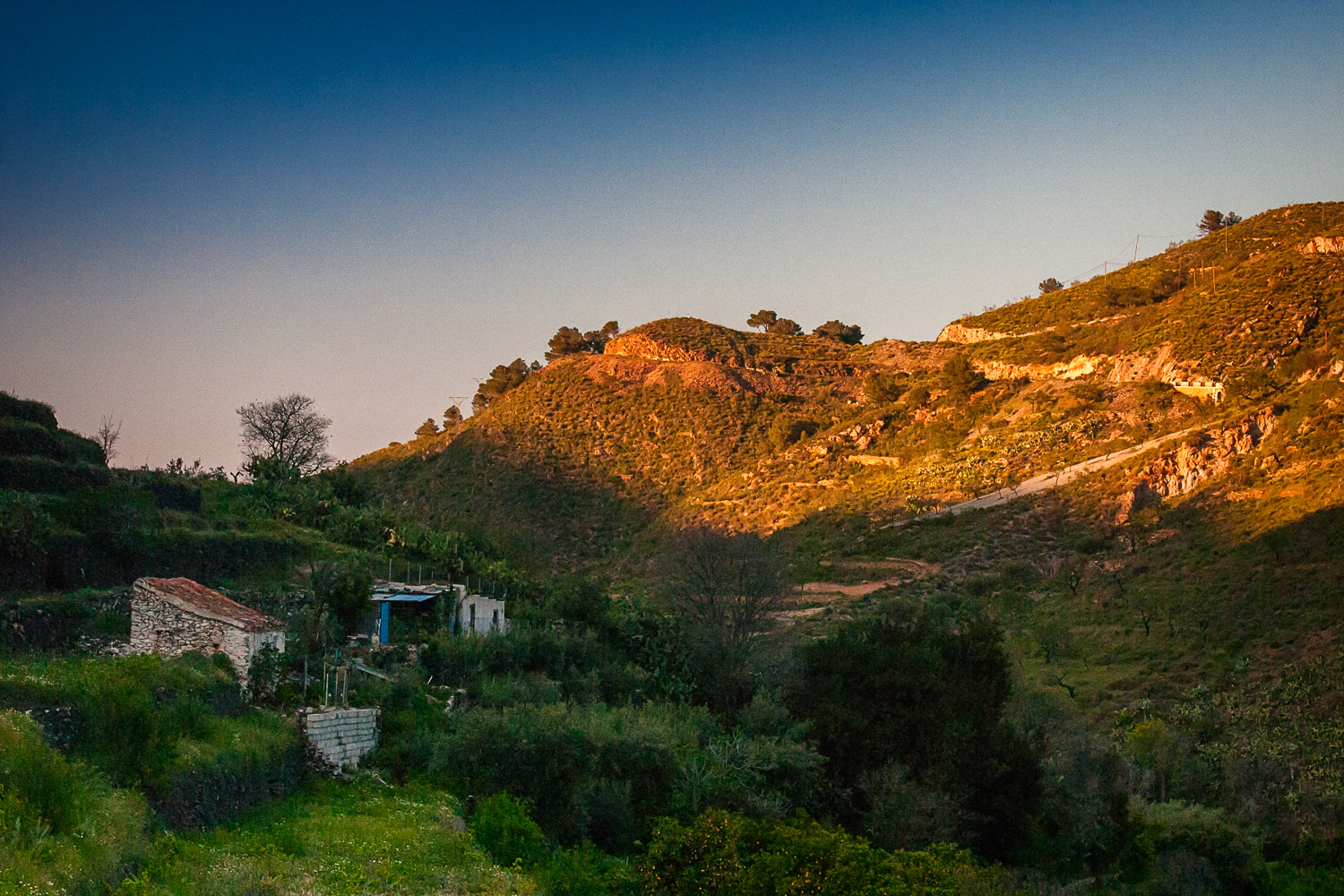
The Rabit man’s house on the edge of the Andalusian village of Cobdar.


Every time I think of the situation I have the mental image of Basil Fawlty erupting in rage and frustration.