
What do you do when you have to take your car into Perth to get it serviced but don’t want to hang around in the city and catch COVID? Go on a safari of course!!
My safari took me to Point Fraser and Heirisson Island. Heirisson Island is a small island of 285,600 sq. metres in the Swan River between East Perth and Victoria Park. Most people will know of it through crossing the Causeway which is the bridge over the river. It wasn’t always called Heirisson Island. Long before European explorers and colonists arrived there was a few smaller islands and some mudflats which was called Matagarup by the Beeloo Nyoongar. The name means one leg deep. The first known European visitors were led by Willem de Vlamingh in 1696. He and some of his crew rowed up the river and saw the black swans which led him to name the river the Swan River (Zwaanenrivier in Dutch). They got as far as the mudflats and island and could go no further. In 1801 Nicolas Baudin from the French ship Le Naturaliste traveled up river and he named the island after his midshipman François-Antoine Boniface Heirisson. Since the early arrivals the river has been dredged and there has been a lot of land reclamation which has seen the mudflats disappear and the formation of the present island.
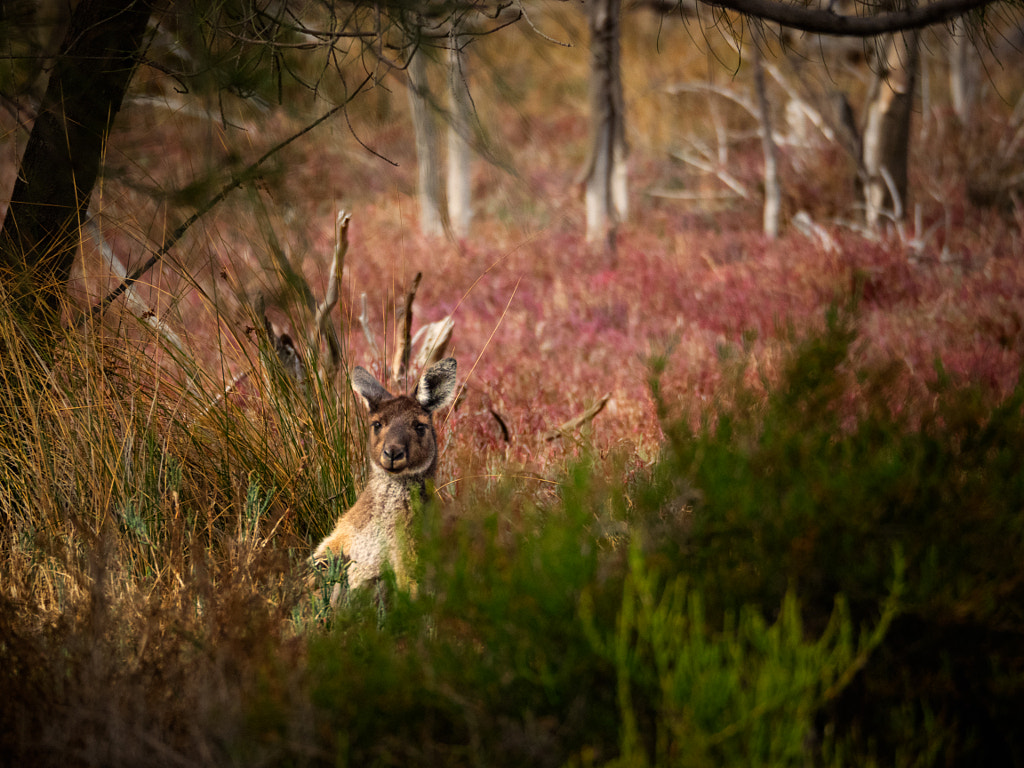
There is a footpath round the island which is 2 Km in length which makes it perfect for an inner city safari. As far as the wildlife goes 92 different species of bird have been observed on the island and there is a resident population of Western Grey kangaroos which were introduced in 1998. Funnily enough I’ve walked round the island several times over the years and not seen a single kangaroo. Amazing considering that it’s a small island and they’re relatively large animals. But kangaroos are very good at making themselves scarce during daylight hours. This visit was different I saw three female kangaroos, two lazing around in the bushes and one grazing. In fact the one that was grazing was very curious and came right up to me – I think it was an attempted mugging because as soon as she realised I didn’t have anything worth stealing in the way of food she was off.
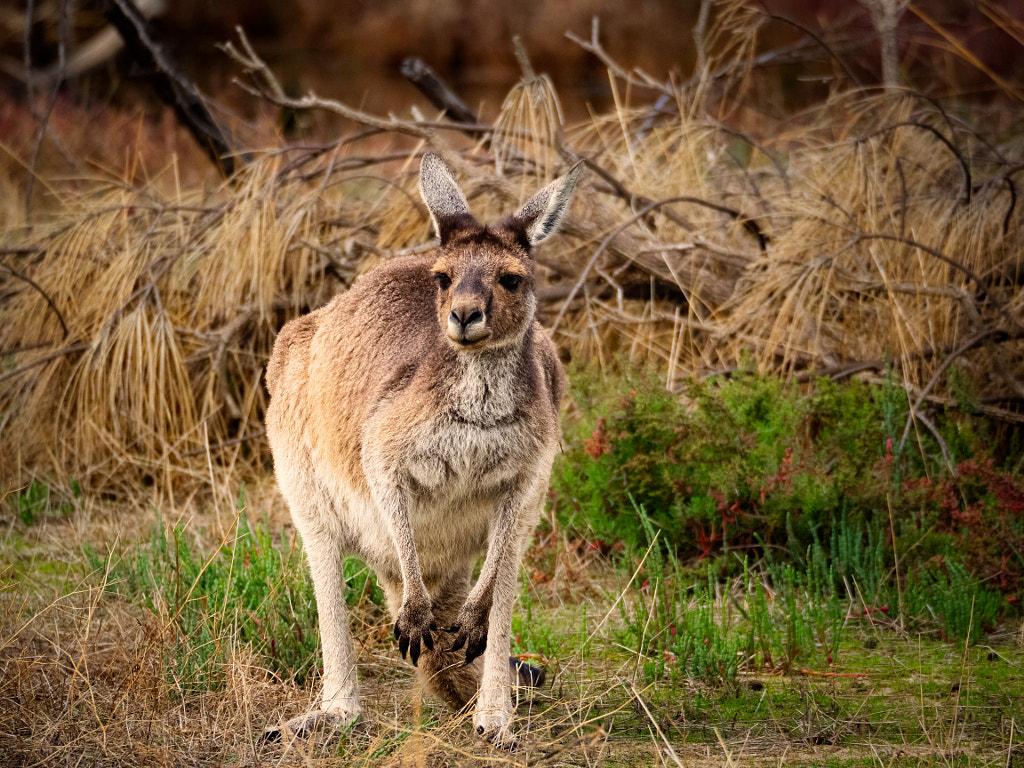
I must say it was a very pleasant way to pass the time and I’m looking forward to going again – hopefully to coincide with dawn or dusk.
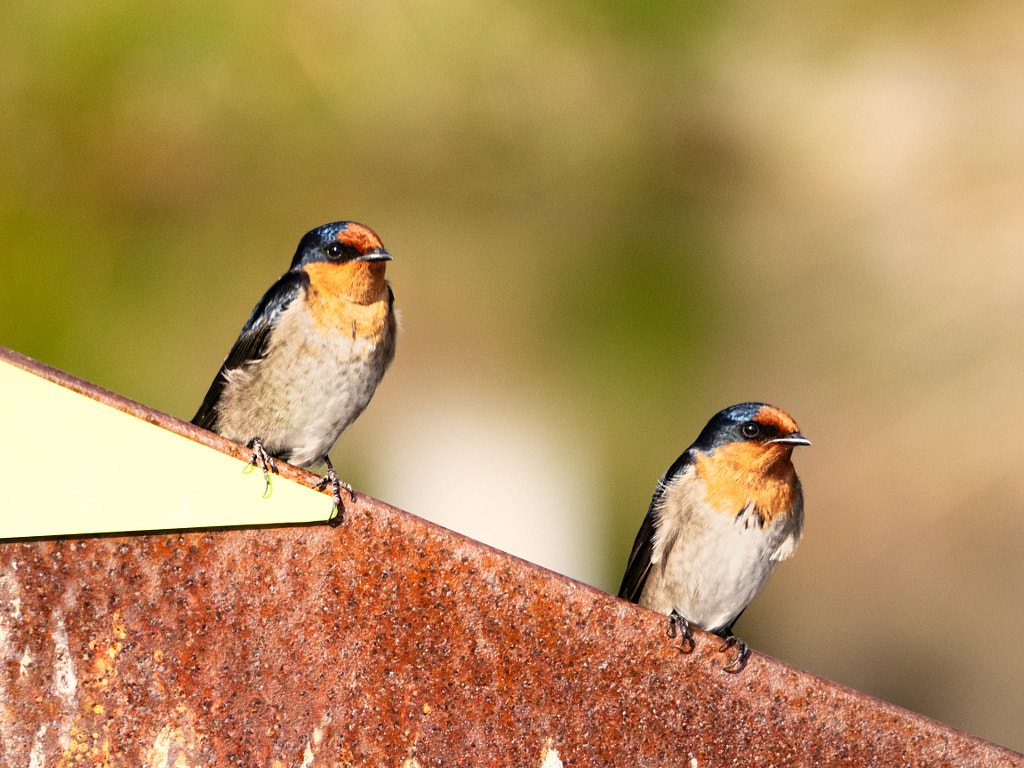
These two welcome swallows were very obliging and let me take their photo.
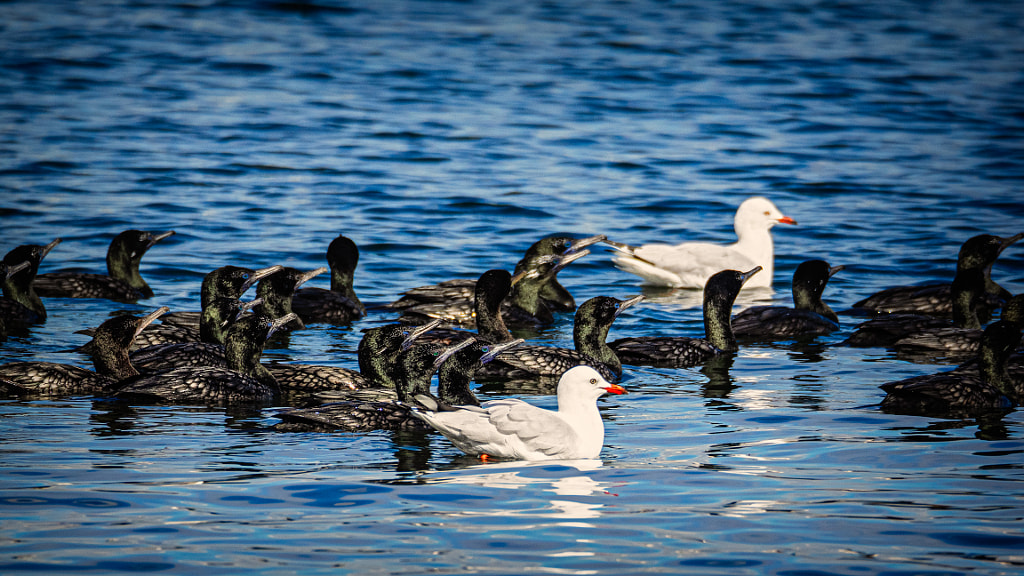
The Swan River Cormorants Club does not discriminate on the basis of colour or species – all are welcome.
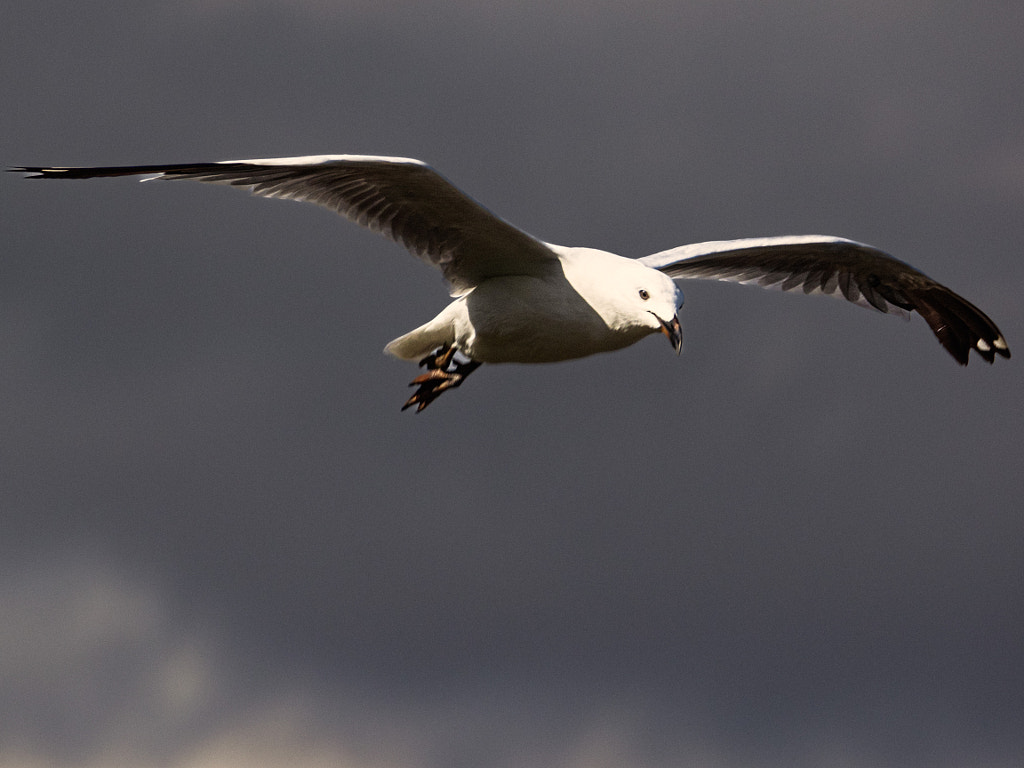
Not having any chips meant this silver gull just kept flying past.
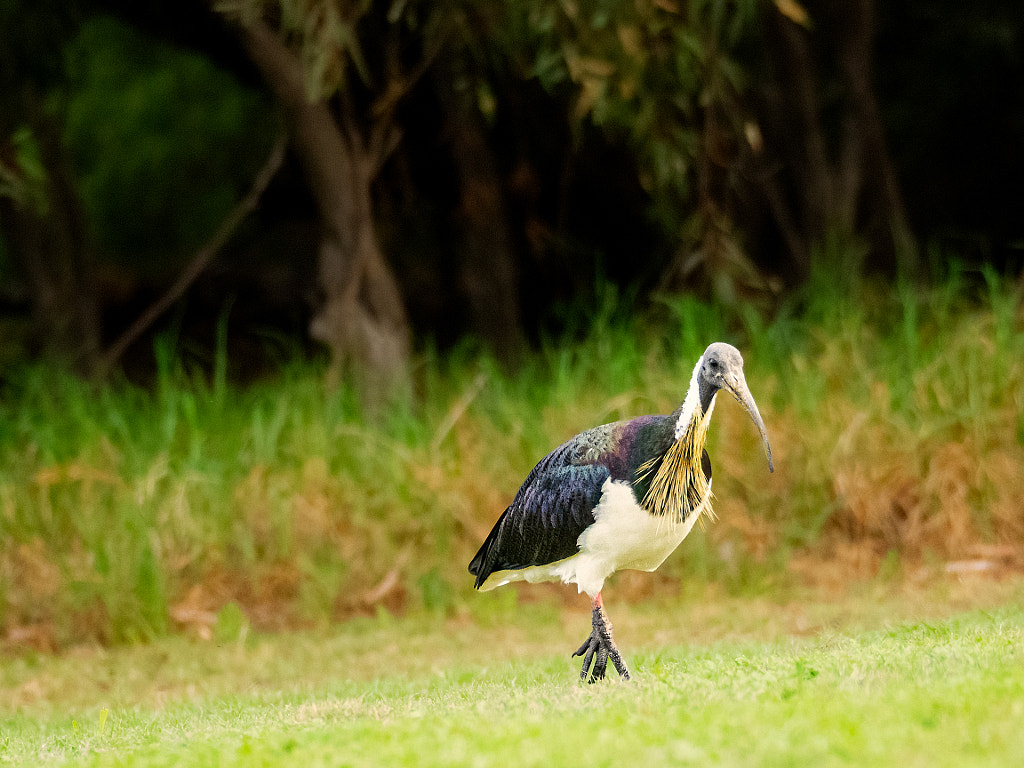
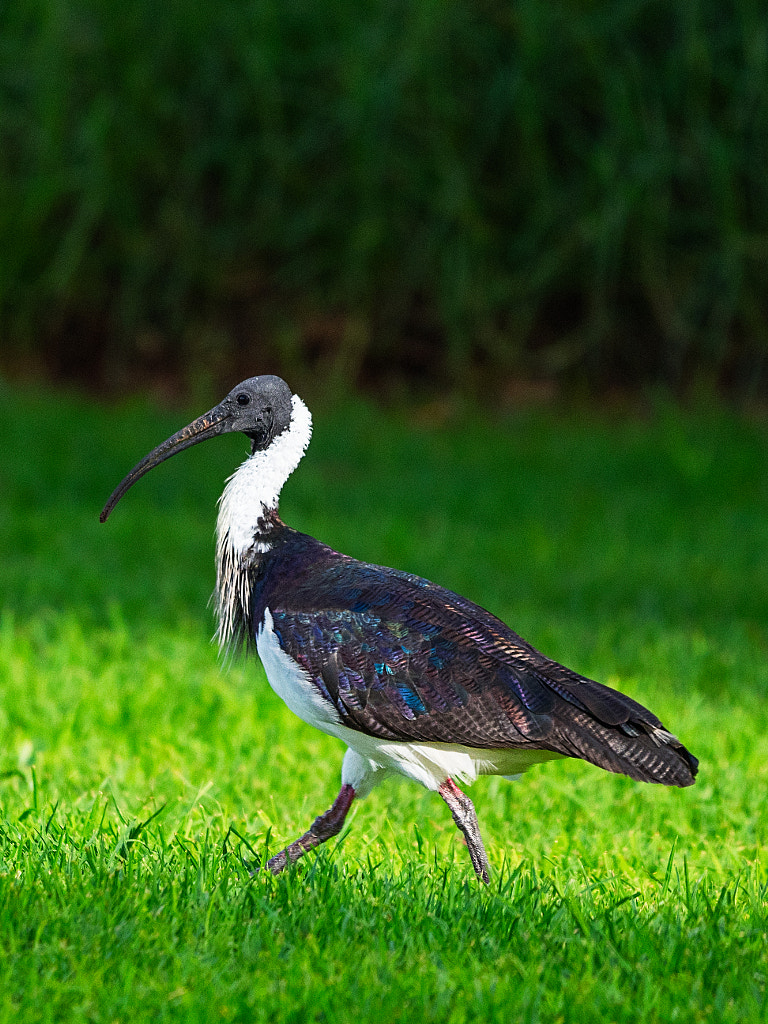
Straw-necked Ibis, Threskiornis spinicollis. Herrison Island, Western Australia.
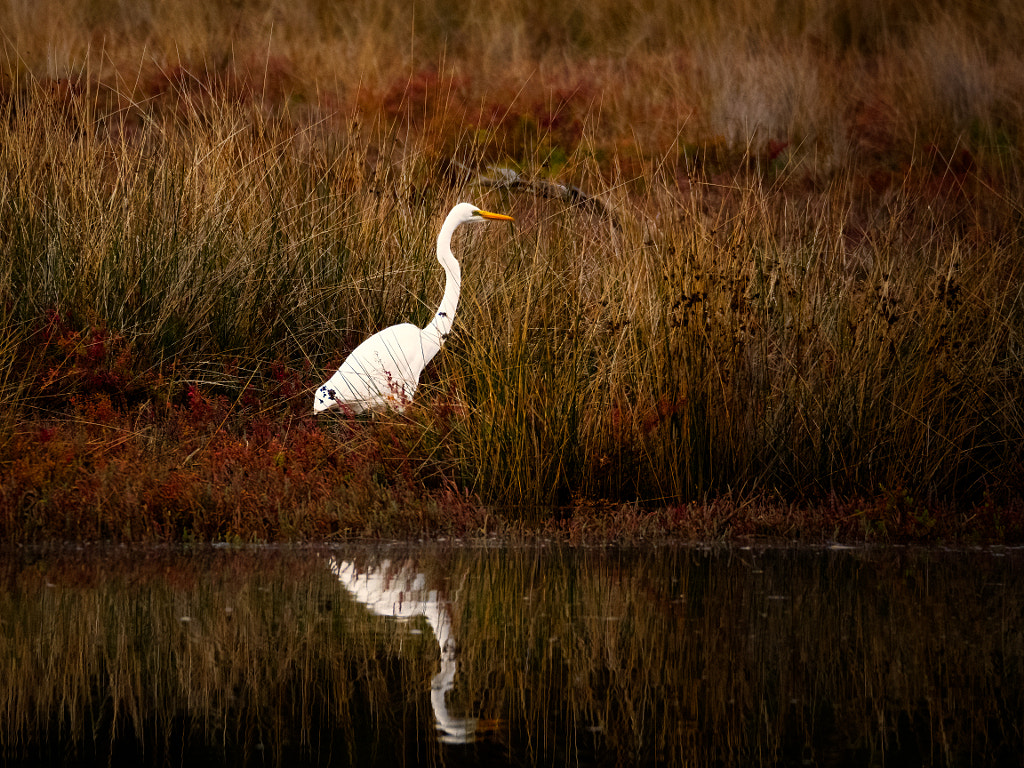
Great Egret, Ardea alba modesta. Herrison Island, Western Australia.
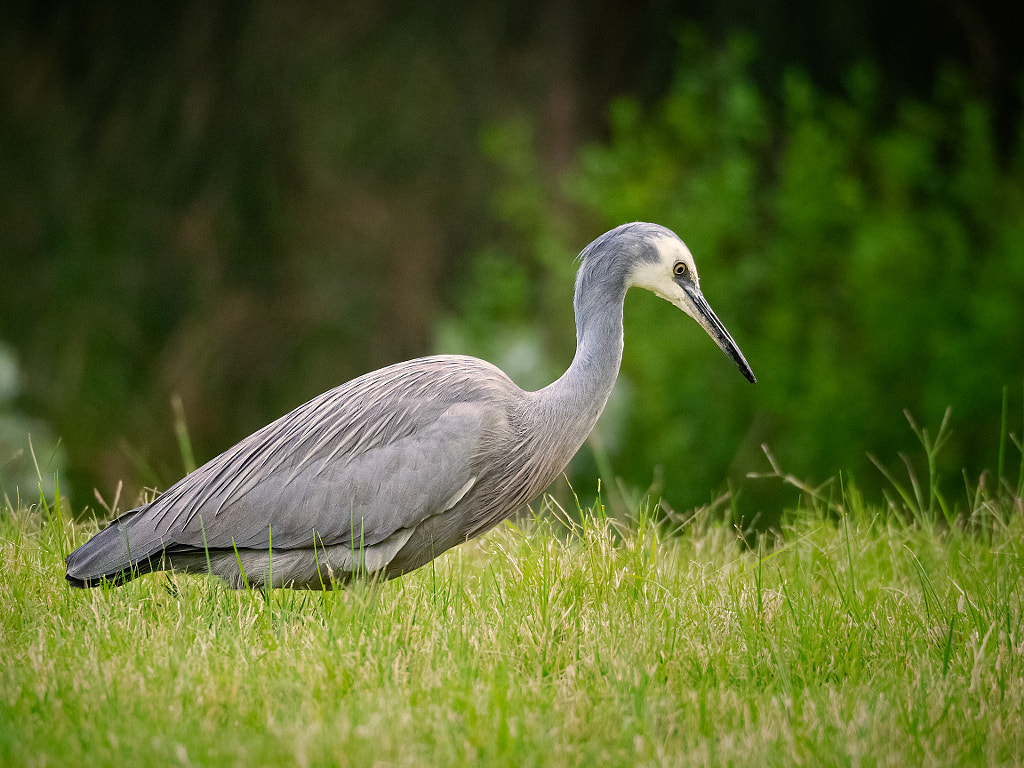
White-faced heron, Ardea novaehollandiae. Point Fraser, Western Australia.
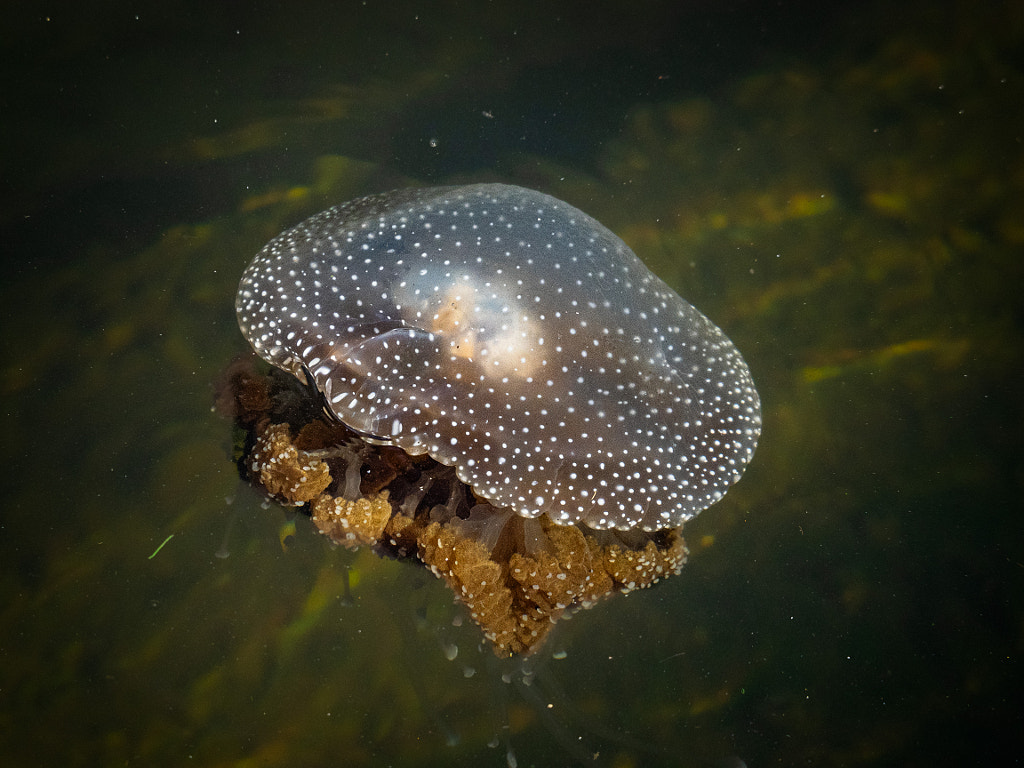
No visit to the Swan River is complete without the ubiquitous Brown Jellyfish (Phyllorhiza punctata).
You must be logged in to post a comment.