Well it seems that the COVID-19 restrictions have been in place for an age. Here in Western Australia the social distancing requirements aren’t as strict as some places, but we still aren’t able to go where we want and do what we want. It makes me more appreciative of what my parents went through growing up in the Great Depression and then after that the Second World War. But anyway to keep myself from going totally mad I’ve been working on a few projects. This one is to document all the birds that come into our backyard. I’ve not got them all by any means. Some are very elusive and just don’t want their photos taken for some reason. Can’t imagine why. Here is a selection form the last couple of weeks.
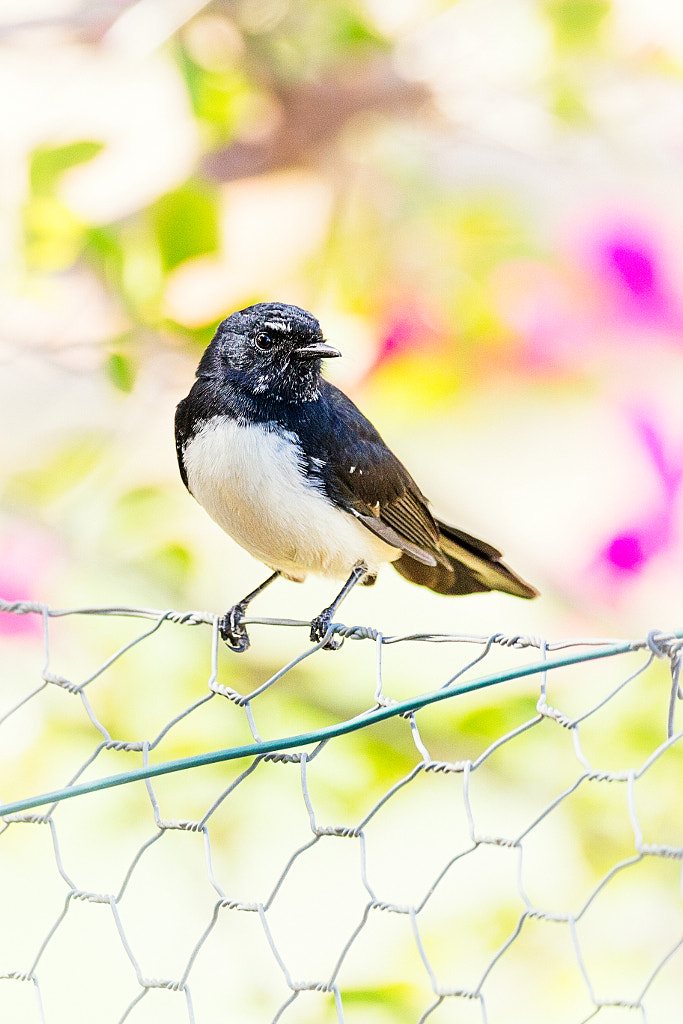
Willie Wagtail on the back fence. York, Western Australia. Canon EOS 6d with Sigma 150-600mm f5-6.3 Contemporary lens. Exposure: 1/500 sec, f7.1 at ISO 1600.
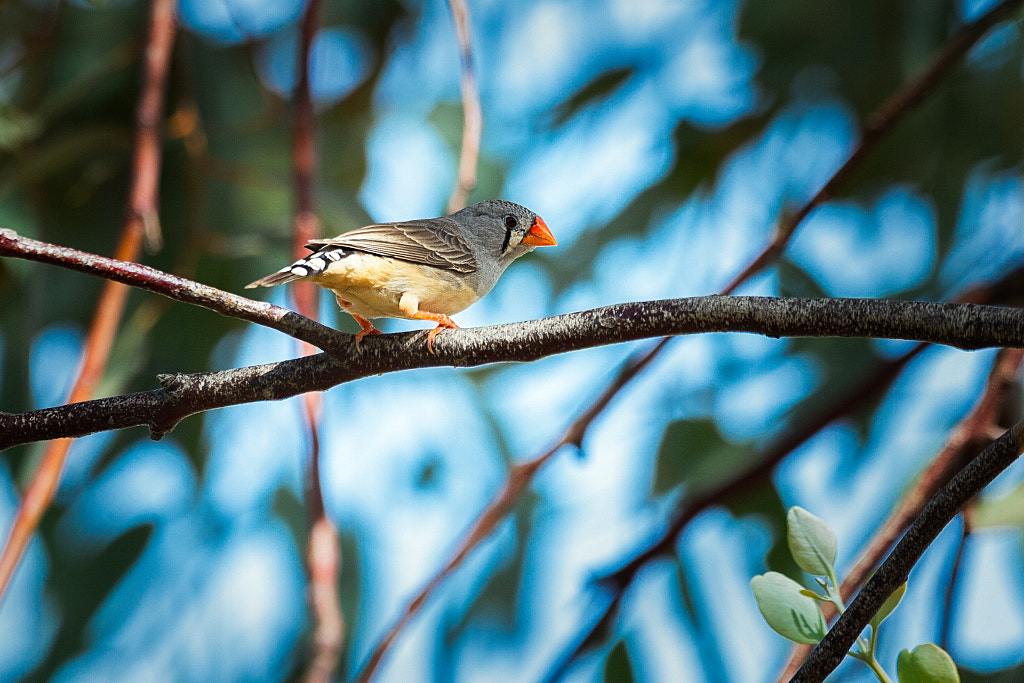
Zebra finch, Taeniopygia guttata. York, Western Australia. Canon EOS 6d with Sigma 150-600mm f5-6.3 Contemporary lens. Exposure: 1/500 sec, f6.3 at ISO 400.
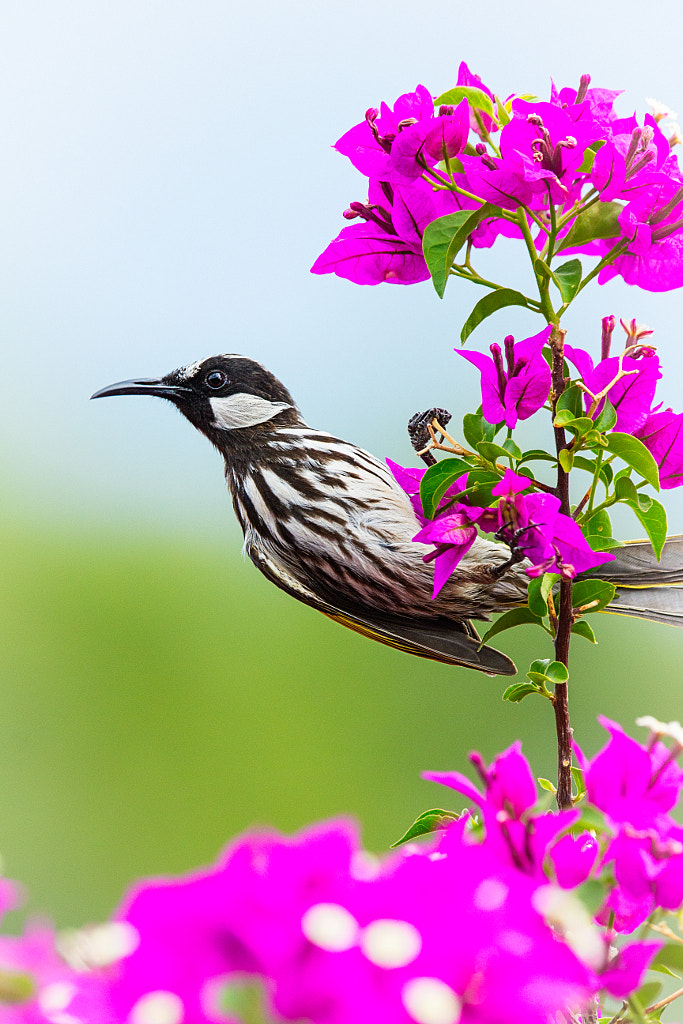
White-cheeked Honeyeater, W, in my back garden. York, Western Australia. Canon EOS550d with Sigma 150-600mm f/5-6.3 DG OS HSM Contemporary lens. Exposure: 1/500 sec, f7.1 at ISO 500.
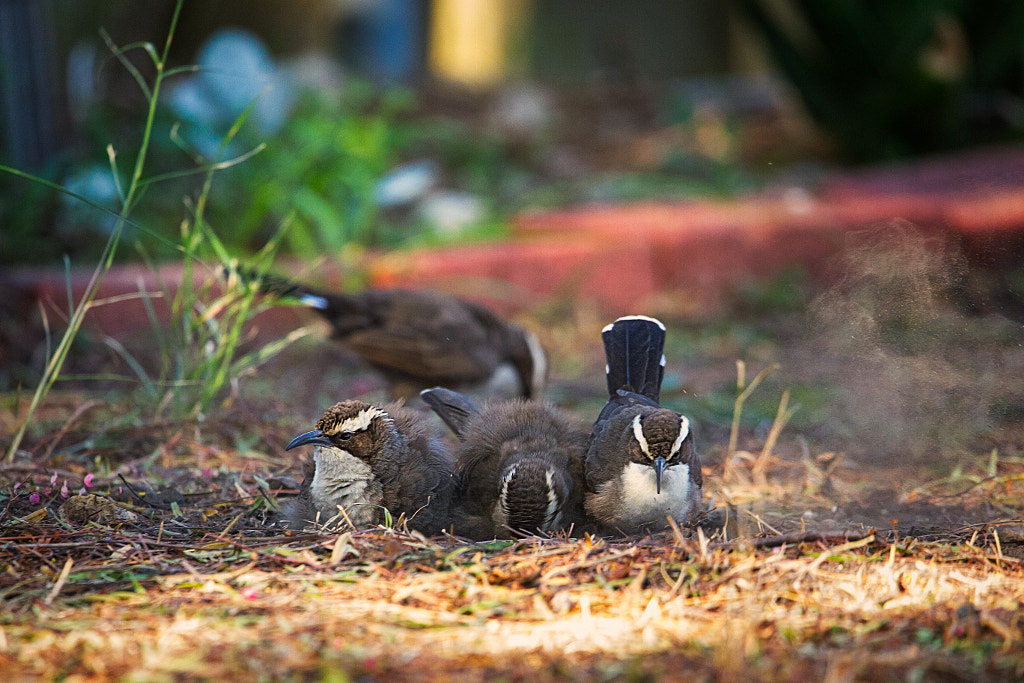
White browed babblers (White) breaking the social distancing rules by communal dust bathing. York, Western Australia. Canon EOS 6d with Sigma 150-600mm f5-6.3 lens. Exposure: 1/500 sec, f6.3 at ISO 5000.
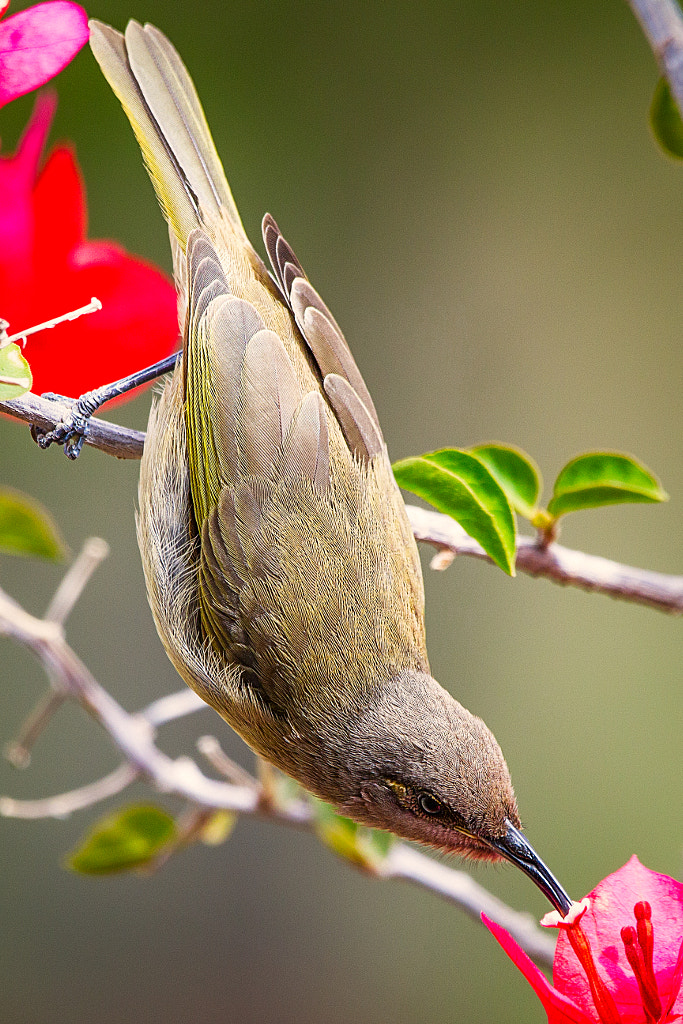
Brown Honeyeater, Brown, in my back garden. York, Western Australia. Canon EOS 550d with Sigma 150-600mm f5-6.3 lens. Exposure: 1/500 sec, f6.3 at ISO 320.
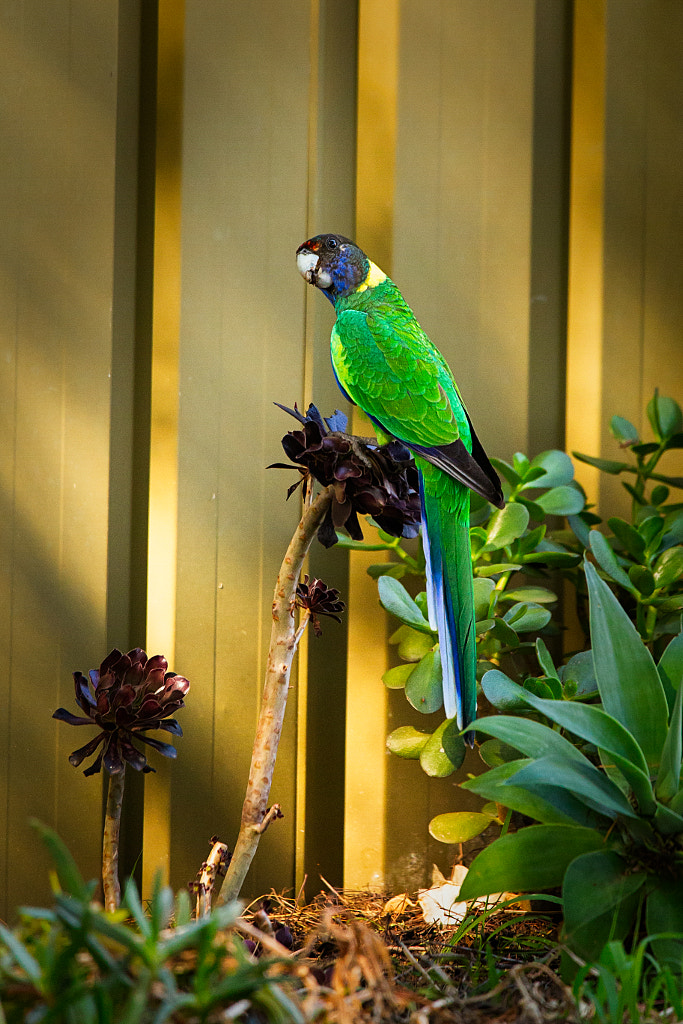
Australian Ringneck aka twenty-eight parrot,Aus. York, Western Australia. Canon EOS 6d with Sigma 150-600mm lens. Exposure: 1/500 sec, f6.3, at ISO 6400.
Well that’s it for this week. Stay safe, keep positive and try and keep busy.
… or not to twitch. That is the question. I fear I could be on the brink of another obsessive hobby – photographing birds. It is a worry. Oh well at least it’s not train spotting! Now where did I put my parka and thermos?
A striated pardalote (Pardalotus substriatus) found on the Avon Walk Trail in York, Western Australia. Olympus OMD EM-1 with OLYMPUS M.75-300mm F4.8-6.7 II lens. Exposure: 1/2000th sec, f7.1 at ISO 800.
White-faced heron ( Egretta novaehollandiae) on the banks of the Avon in York, Western Australia. Olympus OMD EM-1 with OLYMPUS M.75-300mm F4.8-6.7 II lens. Exposure: 1/1600th sec, f8, ISO 800 and +1.7 stops exposure compensation.
Red-capped robins (Petroica goodenovi) can be found in the sheoak trees on the banks of the Avon River. York, Western Australia). Olympus OMD EM-1 with OLYMPUS M.75-300mm F4.8-6.7 II lens. Exposure: 1/1250th sec, f7.1, ISO 800 with +0.7 stop exposure compensation.
Willie wagtails (Rhipidura leucophrys leucophrys) can be seen bobbing around catching insects along the banks of the Avon River, York, Western Australia. Olympus OMD EM-1 with OLYMPUS M.75-300mm F4.8-6.7 II lens. Exposure: 1/160th sec, f8, ISO 800 with +1.3 stops exposure compensation.
A female zebra finch (Taeniopygia guttata) perched near the Avon River in York. They are not native to the mid Wheatbelt, but can be found further north. They are common in York and are most likely the offspring of escaped cage birds. Canon EOS 6D with EF70-200mm f/2.8L IS USM +2x converter. Exposure: 1/2000th sec, f7.1 Iso 800.



You must be logged in to post a comment.