The Streets Are Paved With Photos

Something strange afoot … Raúl Cañibano’s Habana, 2023.


I came across a wonderful little piece in the Guardian the other about a photographer whom I’d never heard of before, but on looking at his work I was completely enthralled. The photographer is Raúl Cañibano from Cuba. His work falls into the categories of humanism and surrealism and follows in the traditions of Henri Cartier-Bresson, Elliot Erwitt, Walker Evans, Josef Koudelka and Sebastião Salgado. It is wonderful stuff and I would urge you to have a look at his work and maybe buy his books.

This genre of photography is one that for a number years I really wanted to practice without much success. There is this assumption that it is very easy – all you have to do is walk around and point your camera at everything you see and you’ll end up with “art”. It takes a great deal of dedication, patience and an eye that can spot “a significant moment in the continuous flux of life and captures it in a fraction of a second”. (p 104 Badger, G. 2007 “The Genius of Photography – how photography has changed our lives” Quadrille Publishing Ltd, London). Or to put it another way that nanosecond when all the individual elements of a photograph come together to create meaning. For years I have wanted to take a certain photograph that for me epitomises this ethos. I can see the image in my minds eye, but, I can never manage to make it happen. It is a simple concept but it has eluded me.
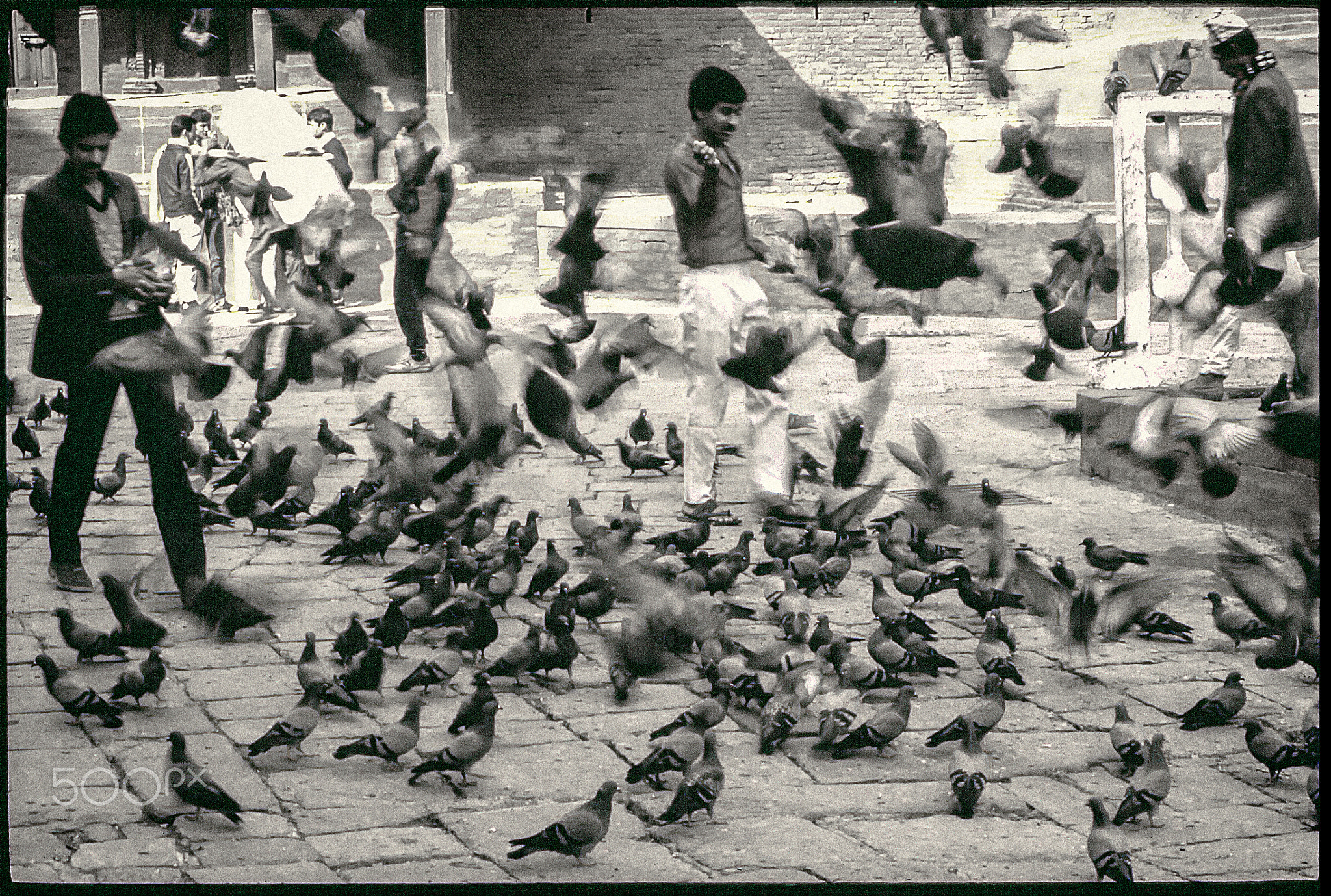
 

Durbar Square by Paul Amyes on 500px.com
Walking through the feeding pidgeons in Durbar Square Kathmandu. Olympus OM4 with Sigma 75-210 lens, Kodak Ektachrome 100.


The idea is that a person walks into a large flock of pigeons that are feeding on the ground and as they do the birds take flight and we have a photo of a person surrounded by a swirling mass of birds.  As I said it is a very simple concept and not original in any shape or form. The occurrence happens frequently yet I just can’t nail it. The best attempt so far is one that I took in Nepal in 1987 (yes it’s been going on that long!). It’s an OK shot on one level, but it is really too cluttered to work. Fast forward to Monday and I was in Perth walking through Forest Place where there was a flock of pigeons feeding on the ground. Suddenly alert to the possibilities I caught out of the corner of my eye a small boy running around in that state of hyper excitement that only small boys can have. I immediately thought that at last it is finally going to happen. So as the little lad approached the birds I quickly framed up and set an appropriate aperture and shutter speed and waited for the decisive moment of the child scattering the flock and them taking flight around him. I could just see the finished photograph. So what happened? Well the little lad did indeed run among the pigeons and they just didn’t react. The whole episode was a tremendous anticlimax. Maybe one day it will happen.

 

The Kid Among The Pigeons
The Kid Among The Pigeons. Forest Place, Perth, Western Australia. Canon 5d with Canon EF 50mm f1.8 ii.

The Decisive Moment

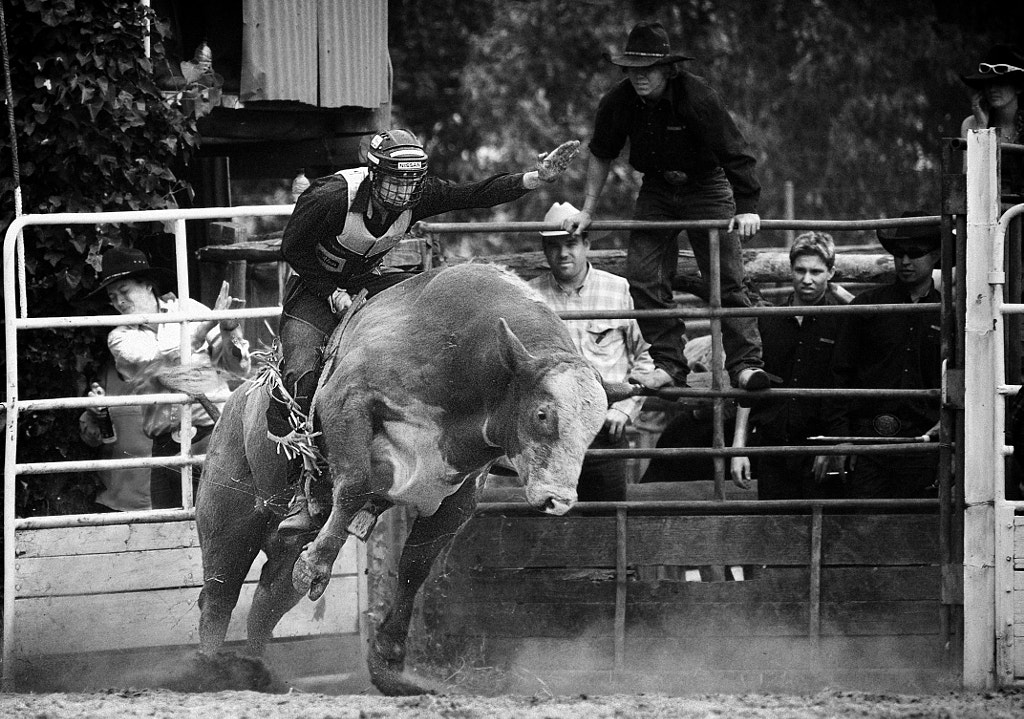
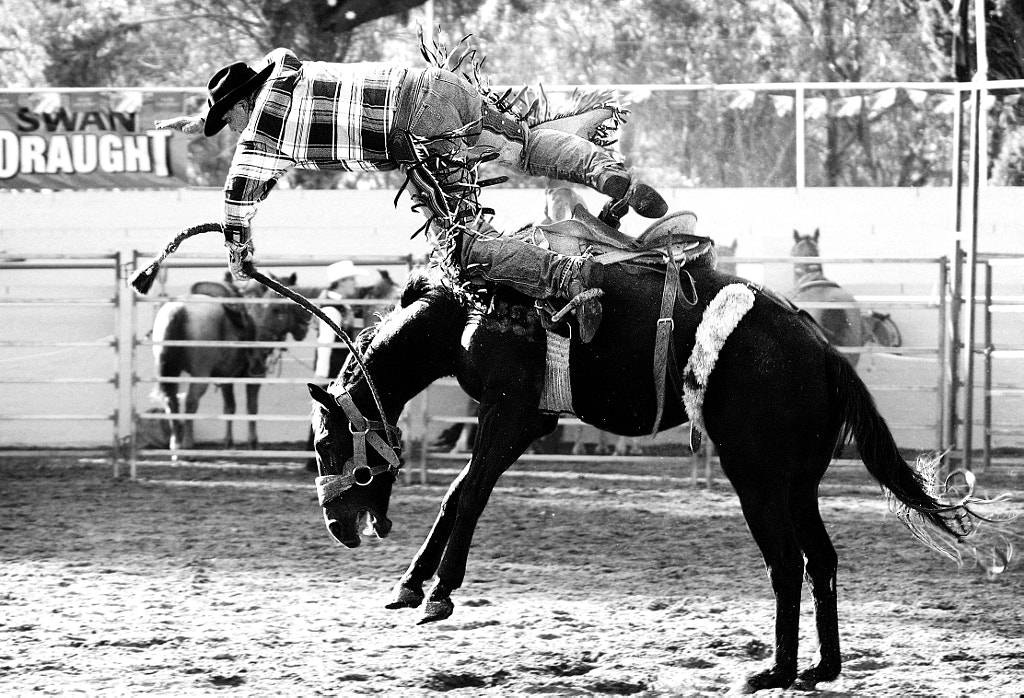
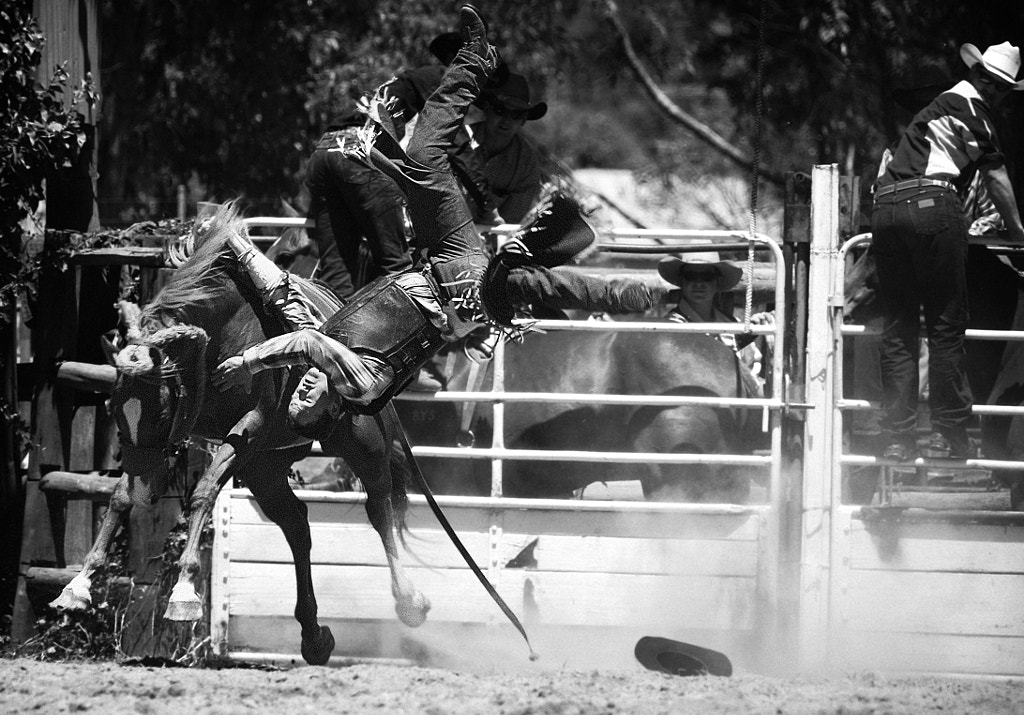
8 Seconds Is A Long Time by Paul Amyes on 500px.com
They say that Bronco riding is like holding on to the exterior door handle of a car doing 50 Km per hr. No wonder that 8 seconds seems such a long time.


Recently I put the above image up on my Instagram feed from a project I did back in 2004-8 called Broncos and Bulls. It elicited the following response:


“the rodeo is ALWAYS going to give you the opportunity of dramatic photos. …”


Initially I was going to put a short witty reply up, but then I started to think about it. “Will the rodeo always give the opportunity of dramatic photos?”.

In 1952 a French photographer by the name of Henri Cartier-Bresson is credited with coming up with the notion of the decisive moment. In fact it was the English title of his book of photographs. The original French title was “Images à la Sauvette” which is quite an awkward phrase to translate into English. It has been variously translated as “images on the run”, “stolen images” and “images on the fly”. In the end it was Bresson’s American publisher who settled on the phrase the “decisive moment“. The book is hugely influential and Bresson has become one of the Titans of Twentieth Century photography and the phrase has come to define a whole genre of photography. Unfortunately it is misunderstood because it doesn’t just mean capturing the apex of action but rather it is “the instant when a prescient photographer anticipates a significant moment in the continuous flux of life and captures it in a fraction of a second”. (p 104 Badger, G. 2007 “The Genius of Photography – how photography has changed our lives” Quadrille Publishing Ltd, London). Or to put it another way when all the individual elements of a photograph come together to create meaning. Reams and reams of literature have been published by far cleverer people than I debating the whole notion and Bresson himself was only too aware that the whole concept could be corrupted.

Behind the Gare Saint-Lazare by Henri Cartier-Bresson. Considered by many to be one of the most influential photos of the Twentieth Century because it became the epitome of Cartier-Bresson’s “Decisive Moment”.

Jean Clair (Director of the Musée Picasso in Paris) in his essay that is included in the major retrospective book about Bresson ( pp47-55 Galassi, P; Delpire, R. et al, 2003, ‘Henri Cartier-Bresson – the man, the image, and the world’ Thames Hudson, London) likened the decisive moment to the ancient Greek word kairos  which was used to describe how an archer using intuition would let an arrow fly to hit the right spot.  This I feel is a flawed analogy because it reinforces the notion of the photographer as hunter stalking his prey with the one singular intention, but photography is not that simple. The American photographer Sam Abel in his 2008 book ‘The Life of a Photograph’ (National Geographic Society, Washington) states that are a whole series of acts which culminate in a photograph.  Firstly the photographer has to pre-visualise the photo, then they have to seek out the opportunity and put themselves into the position when all the elements of lighting and composition come together, and then after the picture has been taken select the picture that most captures the intention. So rather than a singular point of time the photographer is looking at a series of decisive moments which have to evolve. After the photograph has been taken and published/viewed then the photograph takes on a whole new life and is imbued with new meaning by its viewers. 


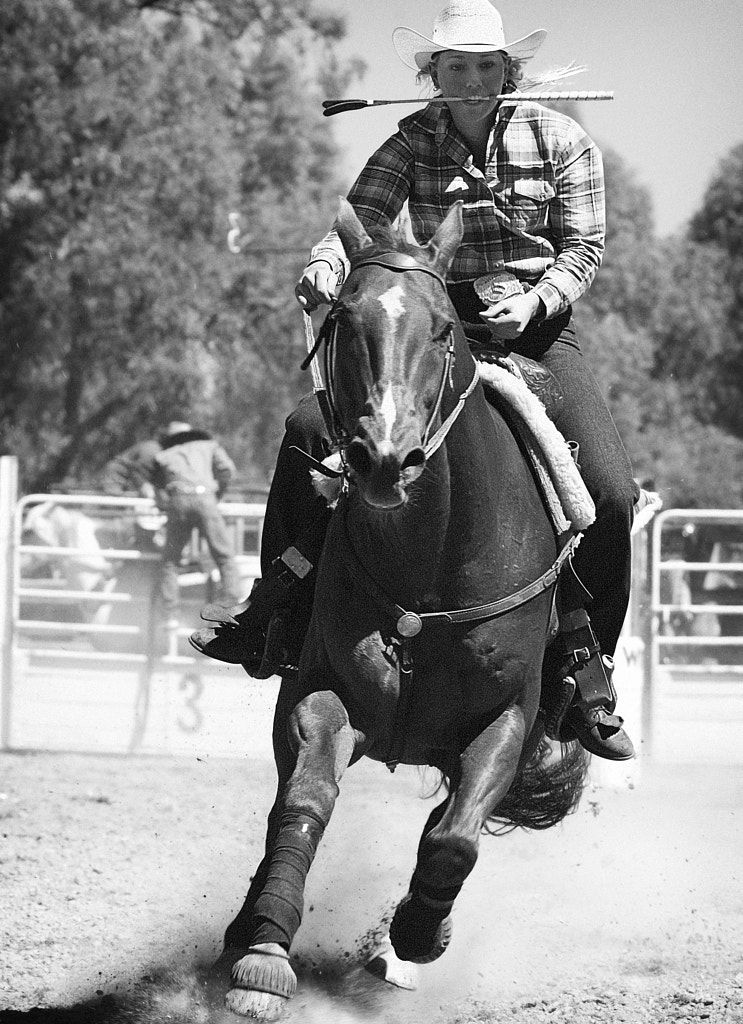
Ride Hard by Paul Amyes on 500px.com
Barrel racing at Boddington Rodeo.

So getting back to the original statement “the rodeo is ALWAYS going to give you the opportunity of dramatic photos. …” the answer is yes and no. The event gives an opportunity it is up to the photographer to seize that opportunity through preparation, creative vision, and technical capability. Just turning up at a rodeo with a camera doesn’t mean that you’ll come away with a good photo. Just like going to MacDonalds won’t make you a hamburger.

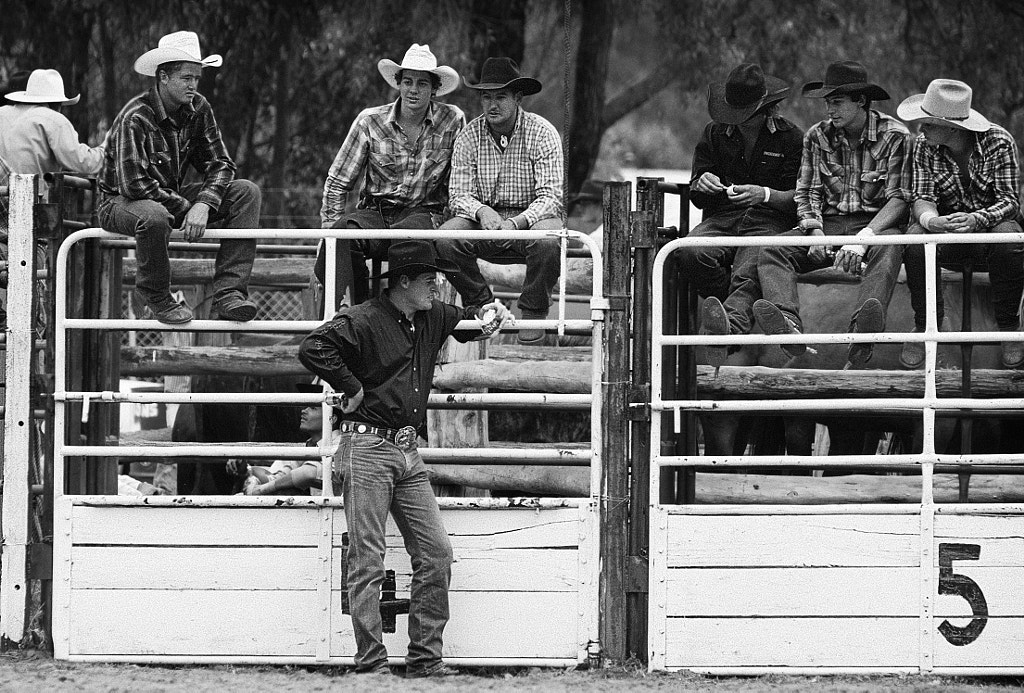
 by Paul Amyes on 500px.com
Waiting for the start.

I’ve included the rest of the photos from the project Broncos and Bulls because the whole series was shot using the principle of the decisive moment to form a visual story. As I said previously this was done in 2004-8 and since then I have moved away from the subject and the style, but my current photographic interests are still based upon Bresson’s ideas.


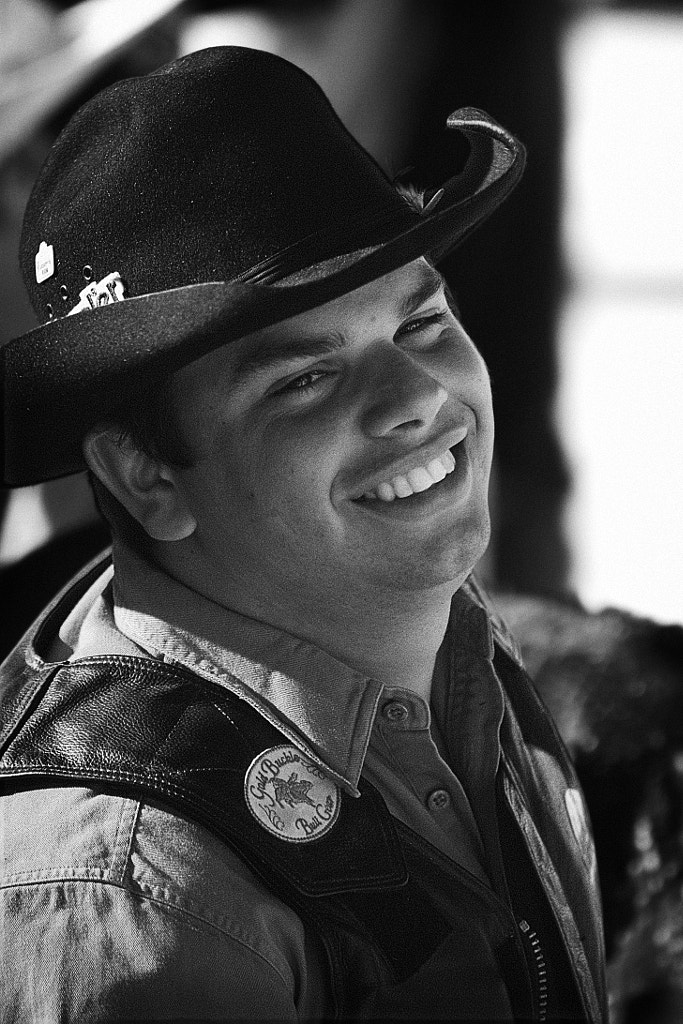
The Next Generation by Paul Amyes on 500px.com
The Next Generation. Rodeos are are big event in Western Australian country towns and attract an audience of all ages.


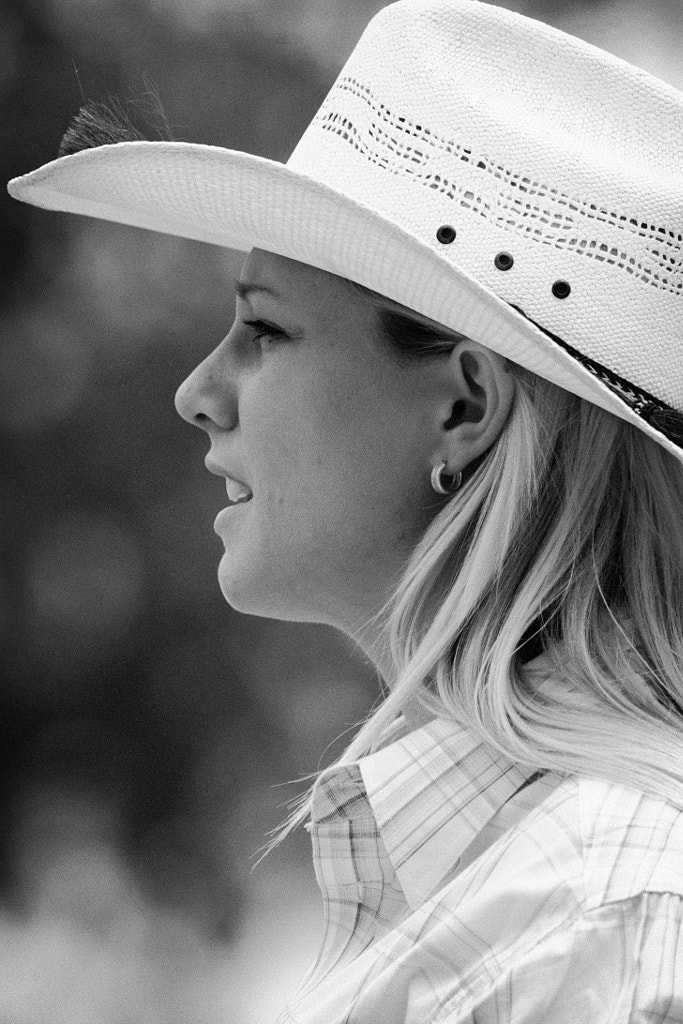
Nice Hat by Paul Amyes on 500px.com
Nice Hat! Spectators dress for the occaision at the Boddington Rodeo.


Matt's Free Fall by Paul Amyes on 500px.com
Matt’s Free Fall. Matt, El Caballo’s Extreme Rodeo compere tries his hand at bronco riding with catastrophic results.


Chilled Out by Paul Amyes on 500px.com
Damon Metcalf relaxes behind the chutes before the pro bull riding event.


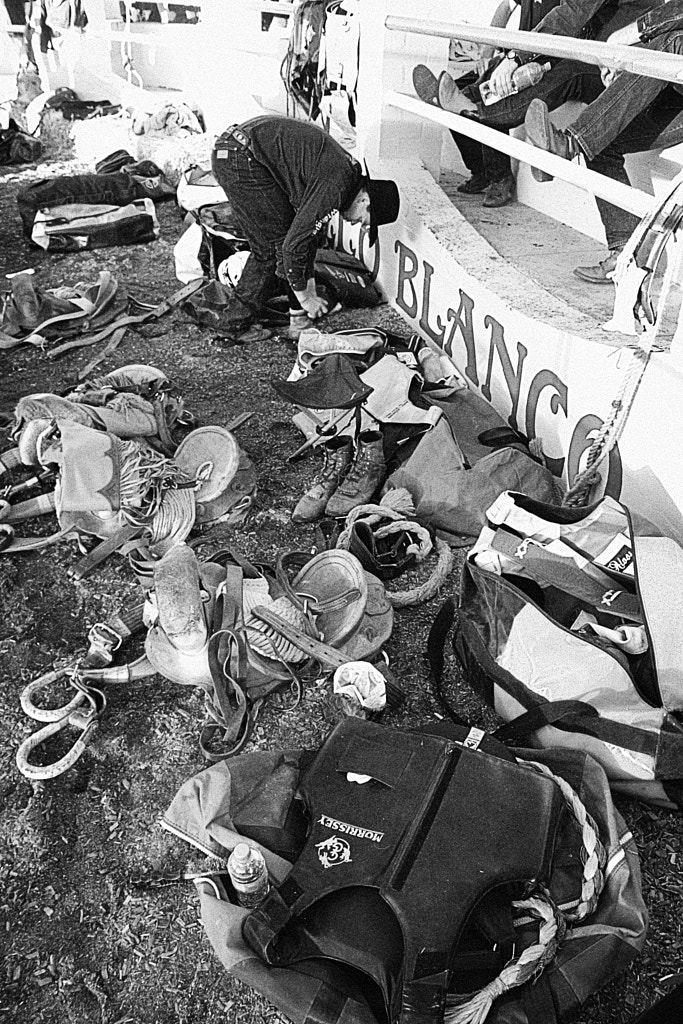
Sorting The Kit Out by Paul Amyes on 500px.com
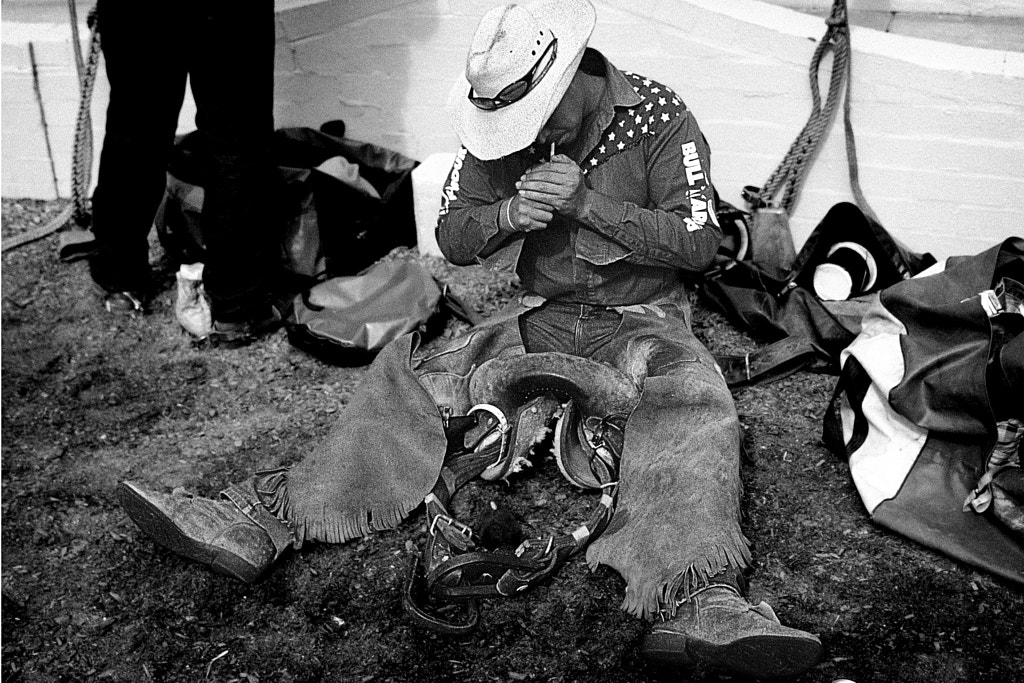
Preparation is the name of the game and the competitors at El Caballo Rodeo meticulously sort through their kit before competing.


Rodeo Clowns Clowning by Paul Amyes on 500px.com
The rodeo clowns had a ball.


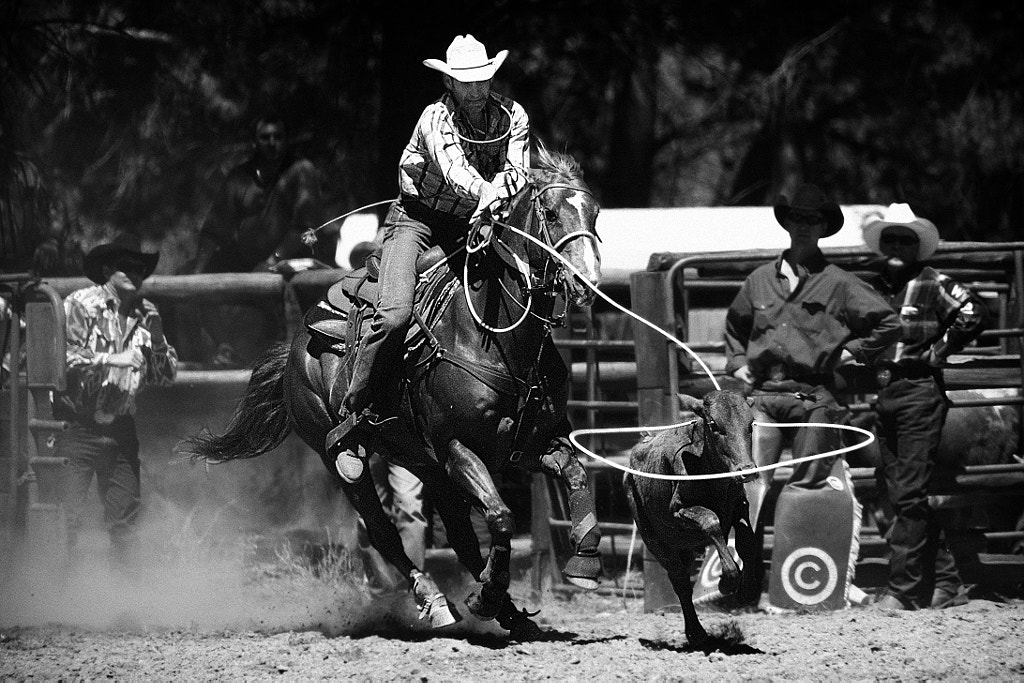
Gotcha!!! by Paul Amyes on 500px.com
Gotcha!!! Steer roping competition. Boddington Rodeo, Western Australia.


Smoko by Paul Amyes on 500px.com
Having a quick smoko while getting ready. El Caballo.


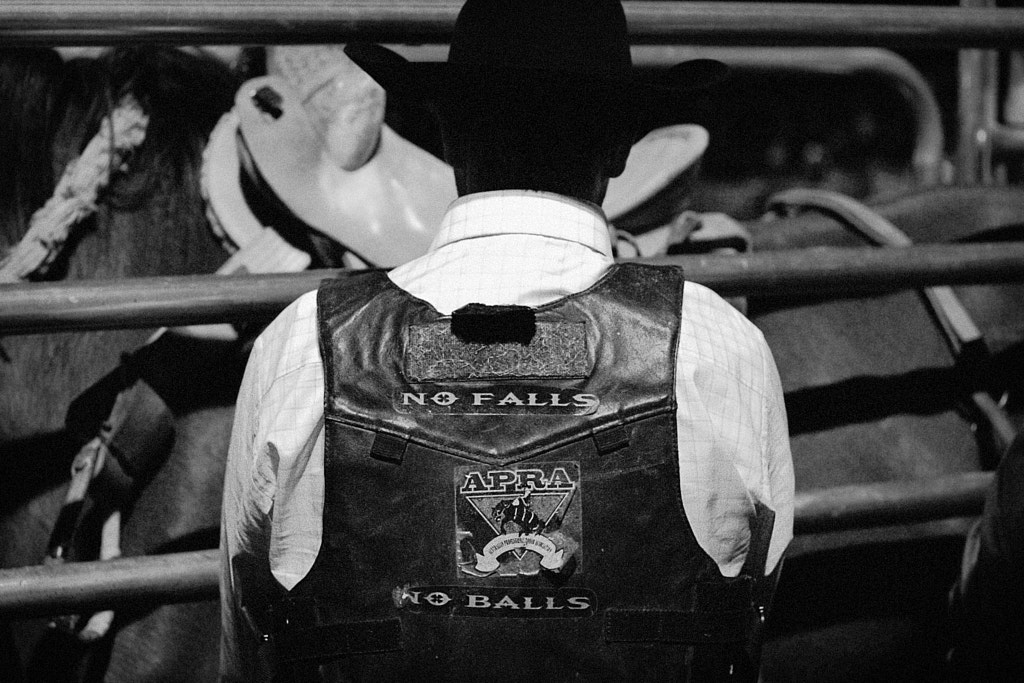
No Falls No Balls. by Paul Amyes on 500px.com
No Falls No Balls. Attitude is everything at the rodeo. El Caballo, Western Australia.


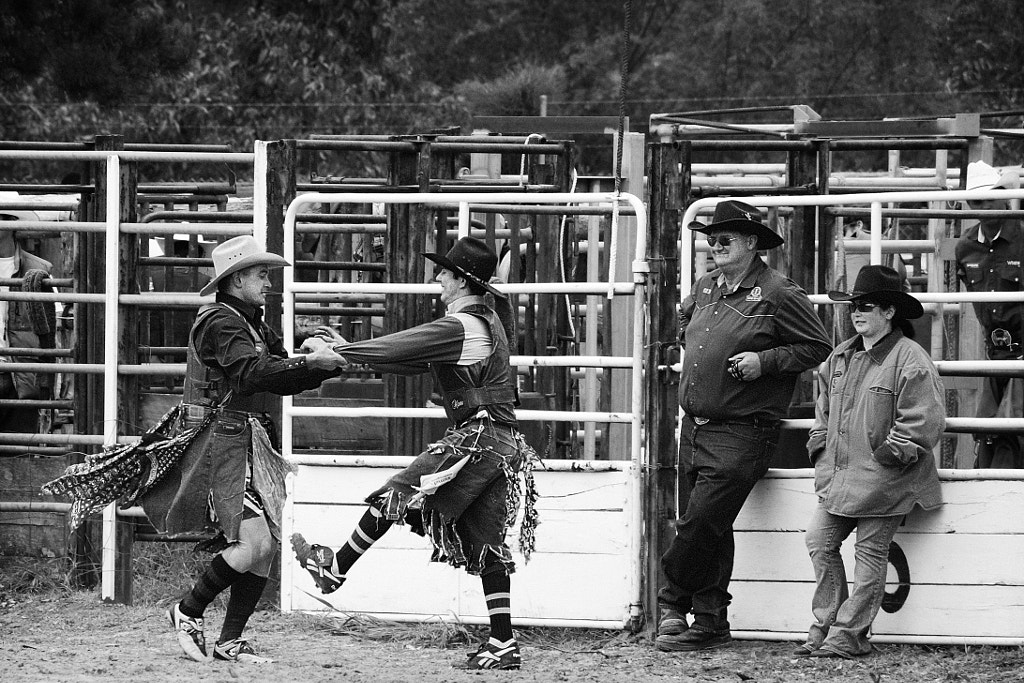
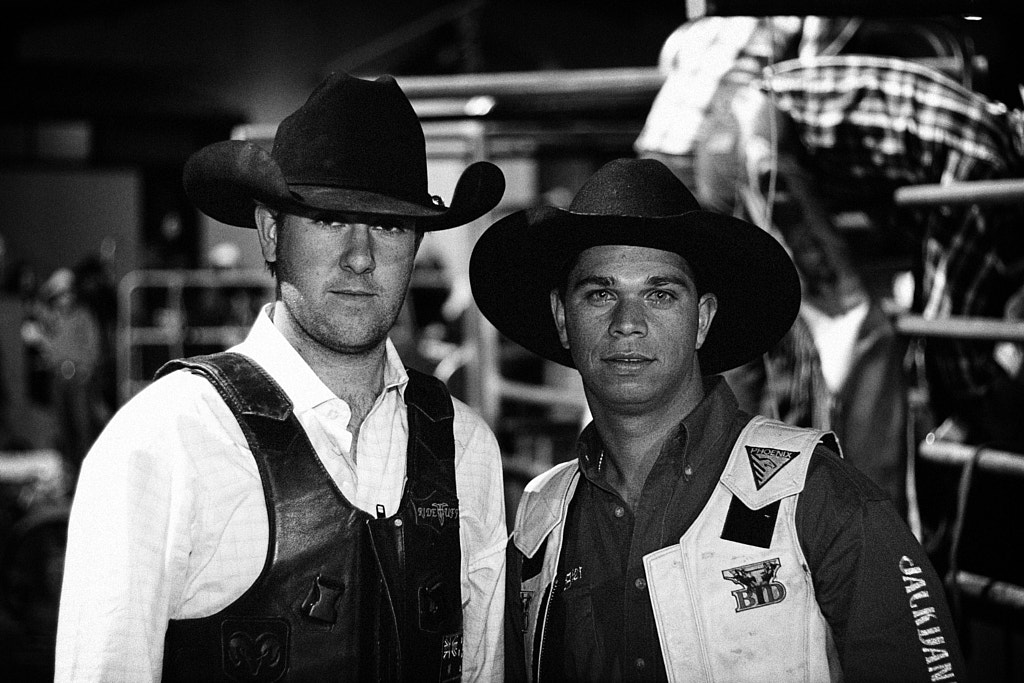
The Liquorice Allsorts by Paul Amyes on 500px.com
These two called themselves liquorice all sorts. El Caballo, Western Australia.


Apprehensive by Paul Amyes on 500px.com
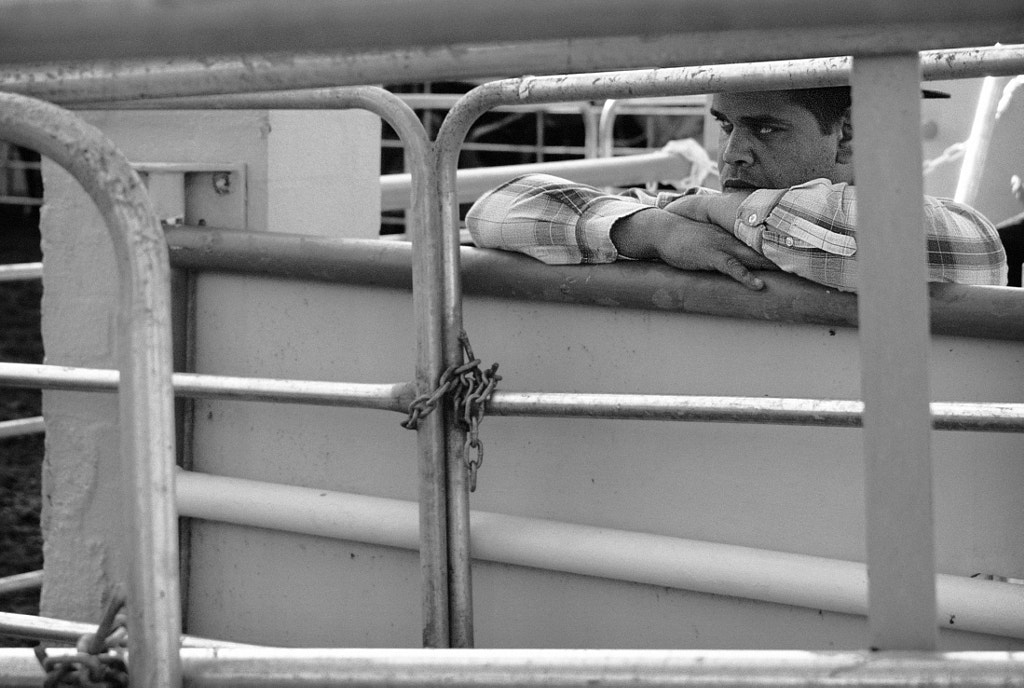
Waiting in the chutes. El Caballo, Western Australia, 2007


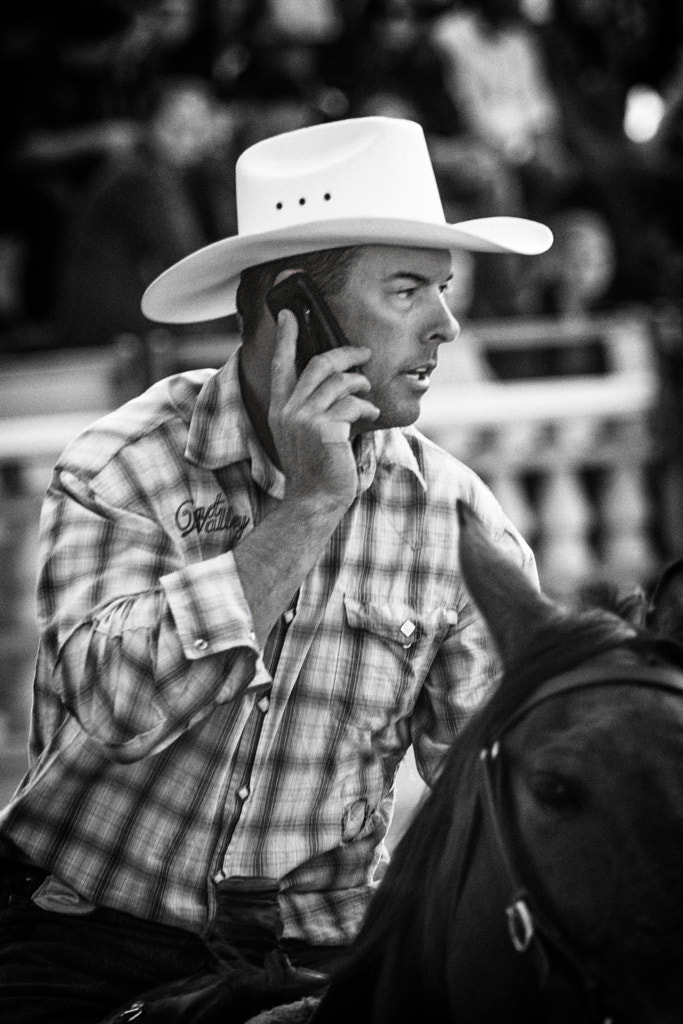
No Hands Free On A Horse by Paul Amyes on 500px.com

No Hands Free On A Horse. “Can you call back later – I’m kinda busy.”

A Sense Of Place part 1

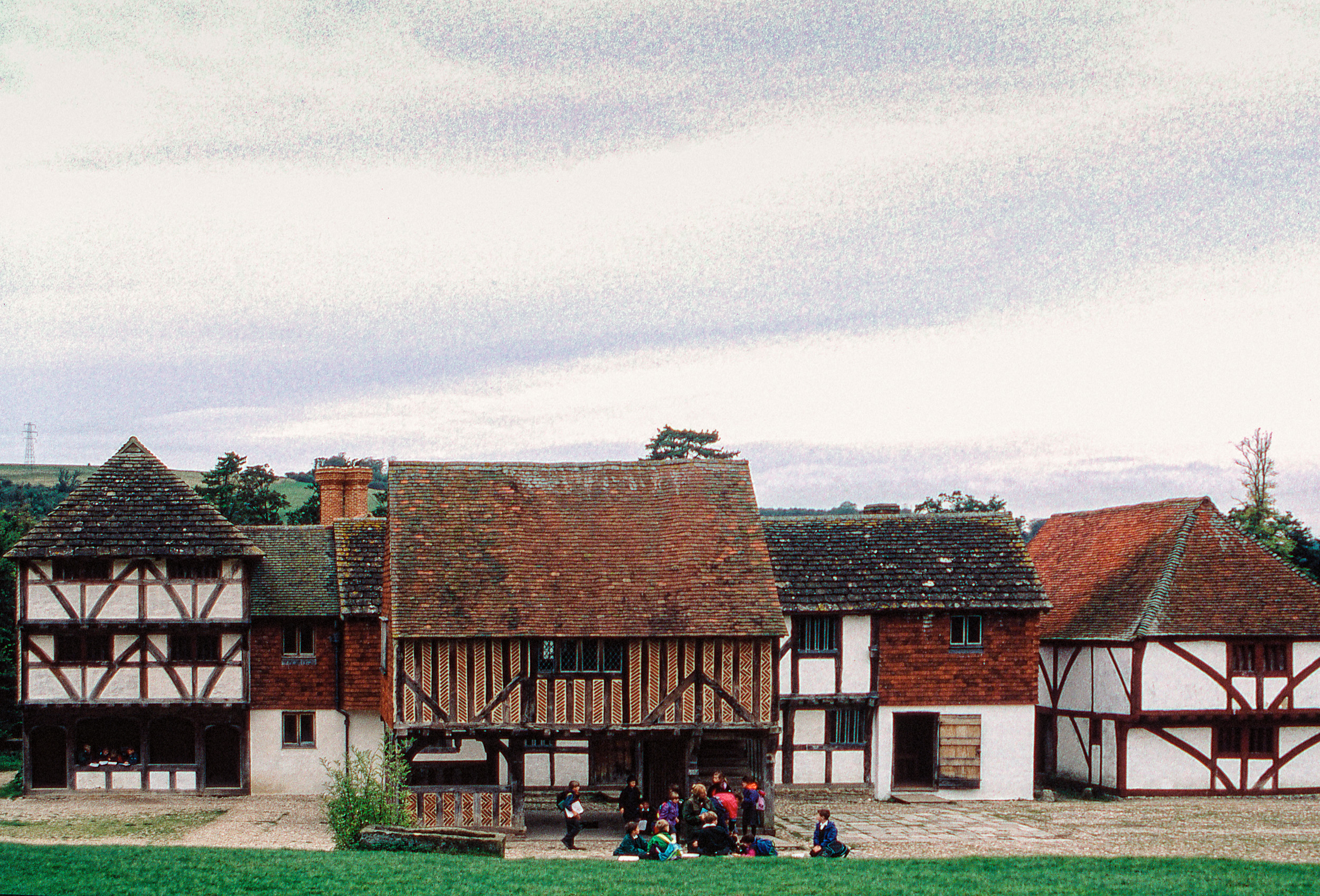
Not a quaint English village but a museum. The Weald and Downland Museum at Singleton in West Sussex.


The other night I had trouble getting off to sleep so I had a look at Australia’s National Broadcaster’s – the ABC – catch up TV service on the internet which is called iView. I was looking for something not too exciting, that would be soothing and comfortable. So I was trawling through the arts documentaries and I found a program called the Repair Shop and the one particular episode that appealed featured the restoration of a 1930’s portrait of Shihan Yukio Tani who is the man largely credited with introducing and establishing Japanese martial arts in England so I tuned in to watch. The history of the painting and its restoration was vaguely interesting but it was the location of the filming that was particularly engrossing. It was filmed at one of my favourite places – The Weald and Downland Museum in Singleton, West Sussex, England. The museum is comprised of a collection of fifty vernacular buildings from the south-east of England that were built between 950AD and the 19th century, along with gardens, farm animals, walks and a mill pond.  I was last there in 1991 and so the the TV program was a huge nostalgia trip for me.


The market square with from left to right Horsham Medieval Shop, Titchfield Market Hall, Crawley Hall and North Cray Medieval House.


As a consequence I started thinking about the museum, the village it is based in and when I worked there in 1981. The next morning I scuttled off to look at my photo archive and find some pictures that I took on my last visit. It was really nice to revisit through those photos, it was almost like reliving the past. Gerry Badger the photographic curator and critic in his 2007 book “The Genius of Photography – how photography has changed our lives” said that there were “basically three photographic subjects – people, things and places” (page 131). So obviously my photos of the museum fall into the places category. However Badger goes onto quote from the American landscape photographer Robert Adams who said:

“Landscapes can offer us, I think, three verities – geography, autobiography and metaphor. Geography is, if taken alone, sometimes boring, autobiography is frequently trivial, and metaphor can be dubious. But taken together … the three kinds of representation strengthen each other and reinforce what we all work to keep intact – an affection for life” Robert Adams (p 154, Badger, G: 2007, The Genius of Photography)


The mill pond


The geography is simple the museum is located in Singleton which I’ve always regarded as the quintessential Sussex village. Well it was until the mega rich started buying rows of cottages and knocking them into one large house only then not to live in them but visit once in a blue moon. The village is roughly seven miles north of Chichester, the town where I lived from age 10 to 23, on the South Downs. The autobiography is that I went to work at the museum as a summer job in 1981 with my then girlfriend. She worked in the tearooms and I was a general dogsbody. It is the job I’ve enjoyed the most out of all the jobs I have done and I really enjoyed working with the people there. The dubious metaphor I suppose is that the museum presents an idealised view of what the ideal English village should be like – quaint old buildings nestled among bucolic rolling green hills inhabited by happy people. But all that doesn’t matter in many ways because to me it was and is a special place and the fact that 57 year old self still appreciates it as much as my 18 year old self is important.


Bayleaf Tudor Farmhouse