Cum On Feel The Noize*

Unfortunately I have an unfortunate conflation of two factors that negatively impact upon image quality.


Kanamit by Paul Amyes on 500px.com
Kanamit or Welcome Swallow (Hirundo neoxxena). Northam, Western Australia. Taken at ISO 4000.


The first is that because I do a lot of wildlife photography which mostly requires being out at dawn and dusk to capture the action I often use high ISOs. While in itself high ISO doesn’t cause noise in an image the use of them amplifies the signal coming off of the camera sensor and this makes it more visible leading to luminance noise (graininess) and chromatic noise (colour noise or speckles). Good articles on image noise can be found here and here.

Micro Four Thirds cameras despite being fantastically specced are not known for their high ISO performance.


The second factor is that I predominantly use the Micro Four Thirds system of cameras and lenses. This means that if I compare the image files from my 20Mp Olympus EM1x and my 20 Mp Canon EOS 6d – same ISO, same shutter speed, and same aperture – grain is more apparent on the M4/3 file because it has to be magnified more than the full frame file.

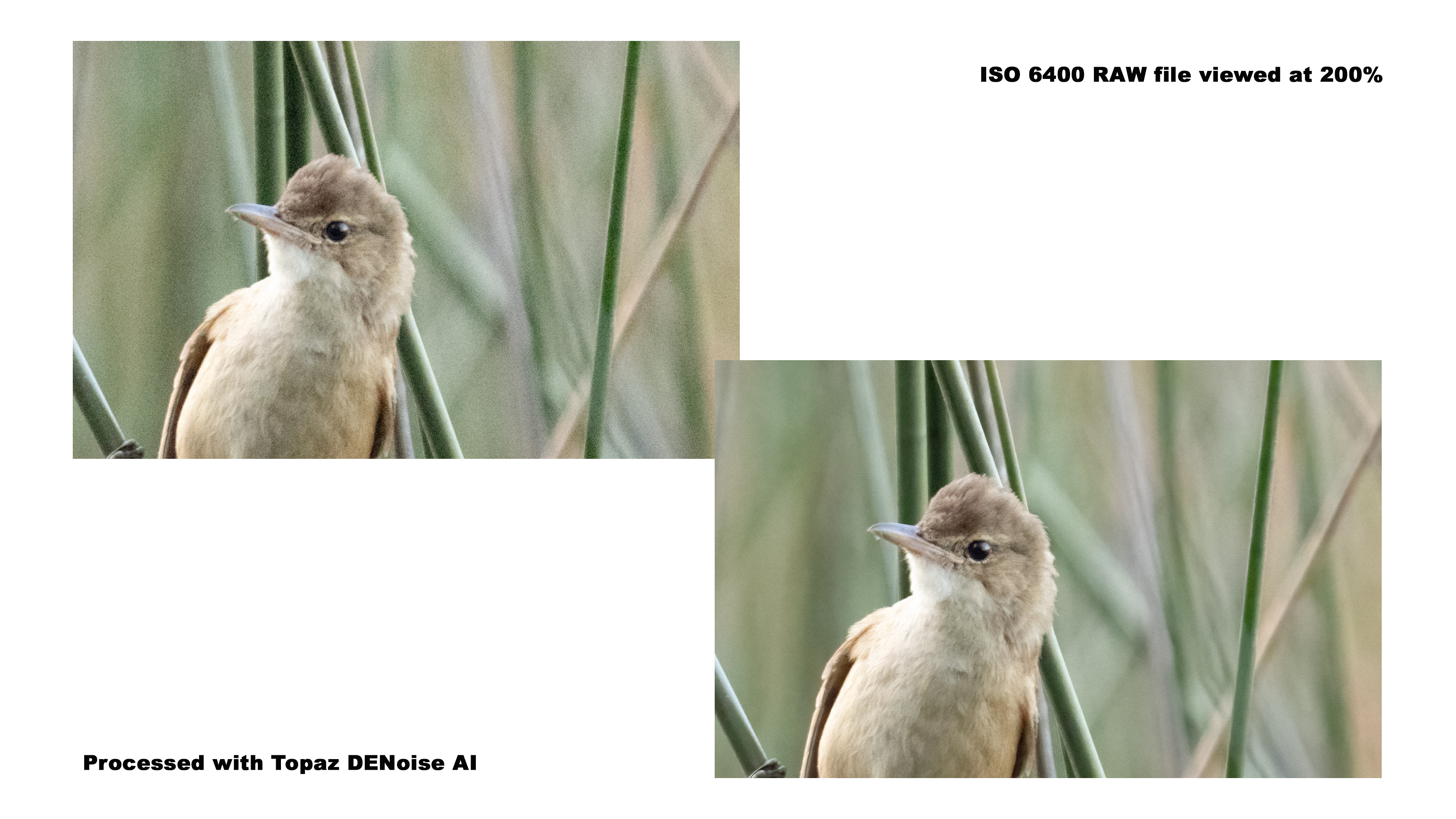
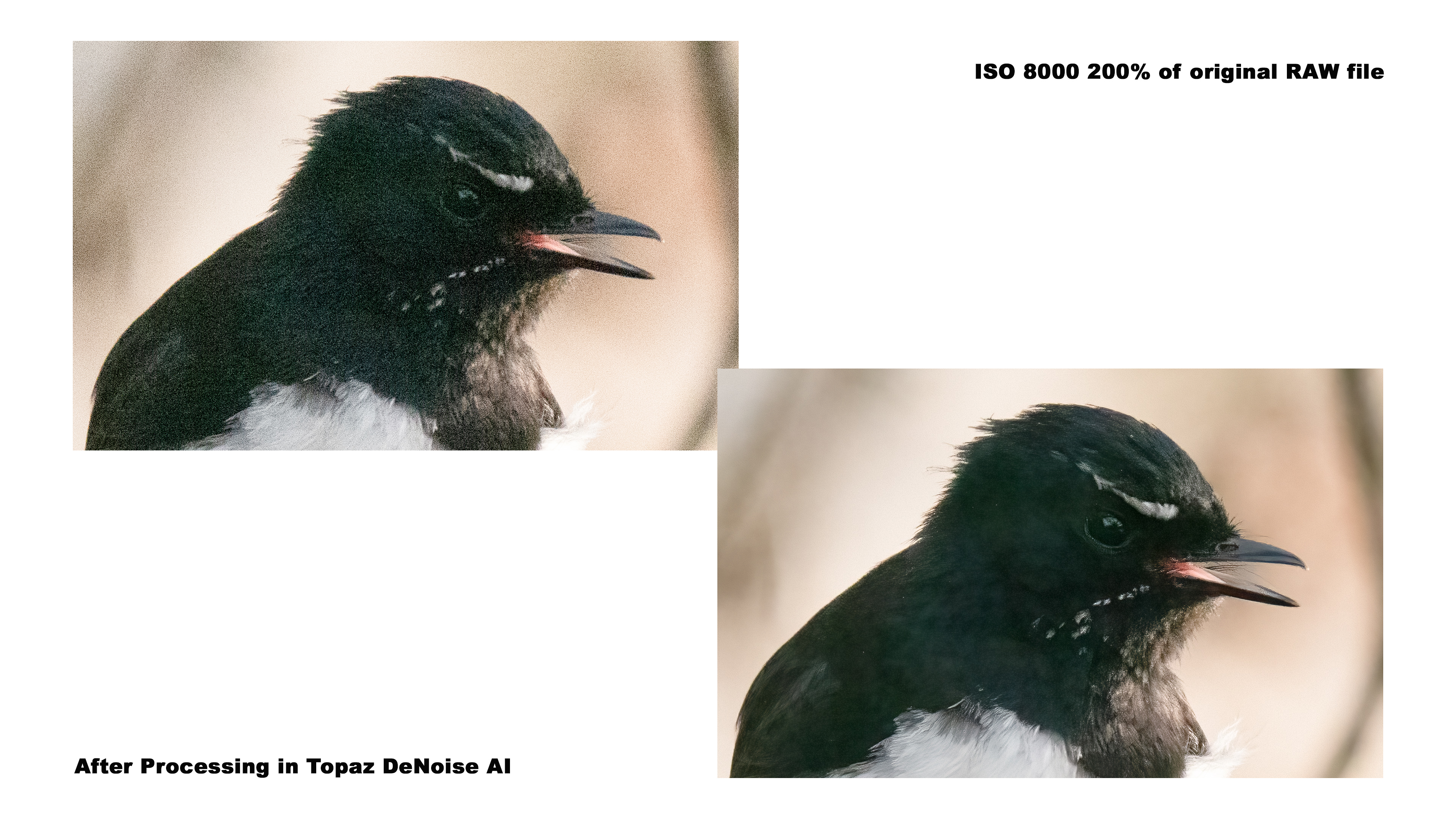
Combine the two and things can get ugly real fast. When I first started using micro four thirds I was using the noise reduction in Photoshop and Lightroom and it wasn’t too flash smearing the details badly at ISOs over 1600. So that had me questioning my choices. Then I started hearing about Topaz DeNoise AI. I gave it a go and I was pretty impressed. Now I was happy to shoot at 3200 and occasionally use 6400. I was quite happy with that and used DeNoise as plugin from 2020 until this year. Topaz discontinued DeNoise as a stand alone app and wrapped it up with some other apps under the name Topaz Photo. I tried it but wasn’t happy with the results – they were a bit too crispy and crunchy giving a very “digital” look.

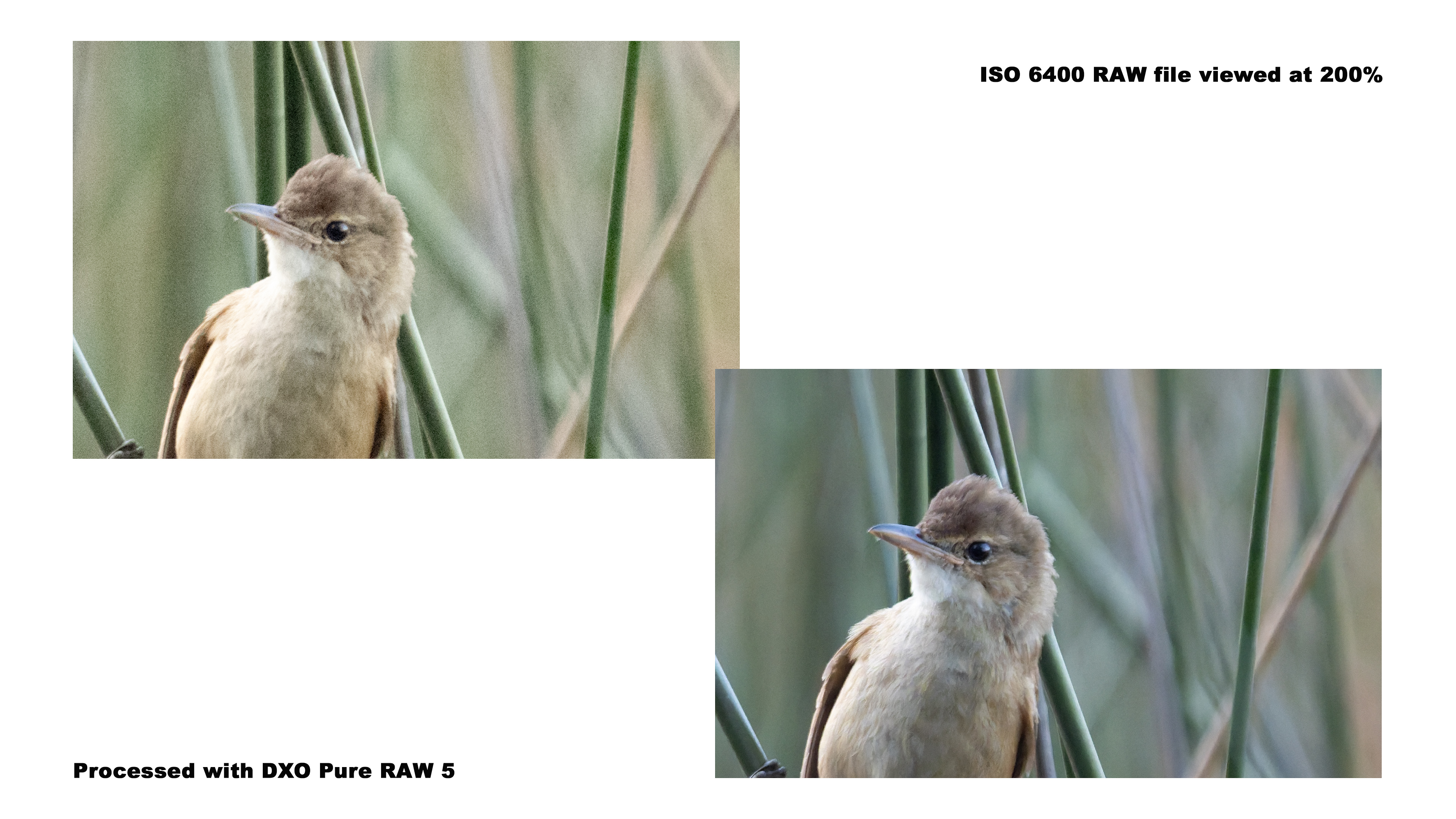
After a couple of months I learnt that quite a few of the OM System ambassadors were touting DXO Pure Raw 5. I gave it whirl on a free trial and was impressed. So impressed that I stumped up my own cash and bought it. It’s a one off payment so no subscription which is nice. I don’t know how it does what it does – it could be magic for all I care – but the results are fantastic. Click on the images below to see them larger.


Yongka or Western Grey Kangaroo (Macropus fuliginosus). Heirisson Island, Western Australia.


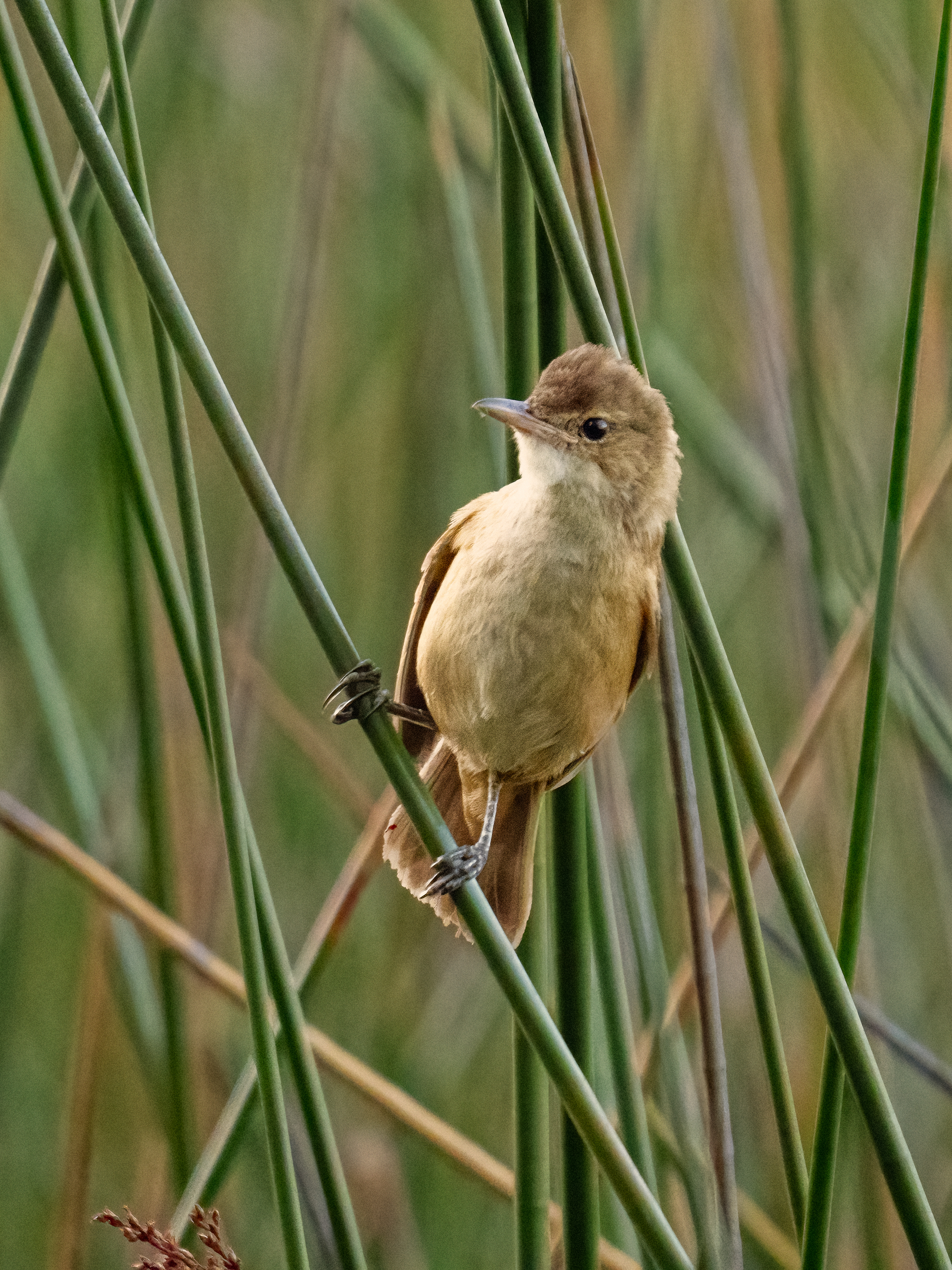
Koordji-koordji or Australian Reed Warbler (Acrocephalus australis subspecies gouldi). Lake Leschenaultia, Western Australia.


Djidi-djidi or Willie Wagtail (Rhipidura leucophrys). York, Western Australia.


Bandiny or New Holland Honeyeater (Phylidonyris novaehollandiae). Northam, Western Australia.


After a few months I’ve learnt that most of the time you can just rely on the auto settings, but every now and again you will need to fiddle about with the settings, but it’s all very easy to use. Of course you can use the apps on your full frame images and they will benefit too. 


*The title of this entry is referencing the 1973 song by Slade.


Having watched the video the music has dated well, but the clothes! Some fashions deserve to be consigned to the dustbin of history.
Y Viva Espana

At the Casa del Amyes we’ve gone a bit mad for things Spanish. The Spanglish is flying thick and fast and we’re even thinking of actually going there COVID 19 permitting. What’s brought on all this exuberant celebration of all things Iberian? Well a little while ago I posted about a Spanish inheritance. Well we’ve not inherited anything yet despite it going on for two years now. It’s what you get when your father-in-law played Monopoly in a small Spanish village with real houses and who developed the local aversion to all things to do with property titles, land taxes and capital gains taxes. Throw into the mix a convoluted legal system, dodgy Spanish lawyers weird inter family dynamics and we’ll probably not get our hands on anything for a few decades yet.


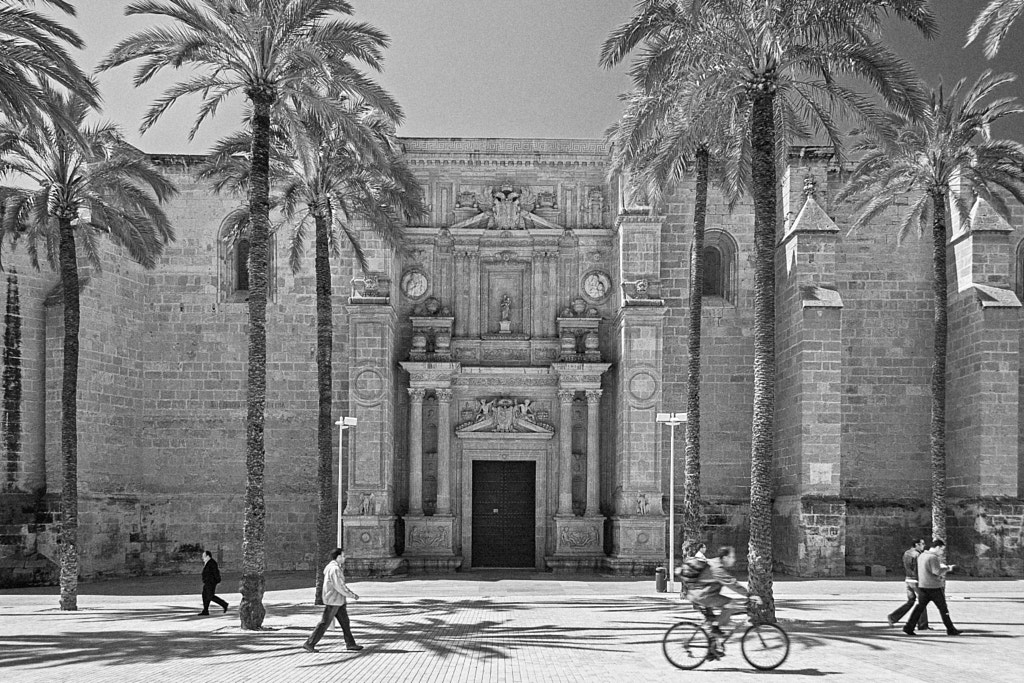
Imposing by Paul Amyes on 500px.com
Catedral de la Encarnación de Almería.


We’ve been to Spain before. I can’t say it’s my favourite country to visit, but that’s probably due to the fact on my first visit a member of the Spanish Guardia Civil (the ones who wear Micky Mouse ears) was under the misapprehension that I was an English football hooligan and decided to introduce me to his truncheon – repeatedly – when I was really an innocent British InterRail tourist who was having a kip on a bench. I digress. So as I practically go everywhere with a camera I’ve started looking at my Spanish photos. A lot were taken on film (black and white, colour slide, and colour print) and then as technology advanced digitally. Now as the last time we visited was 2004, which was back in the Stone Age as far as digital photography is concerned, a lot has changed especially when it comes to software used to edit photos. So I’ve been re-interpreting those old 6 Mp (which was pretty bloody cutting edge back in 2004) with the latest iterations of Adobe Lightroom, AlienSkin’s Exposure and Topaz DeNoise AI.


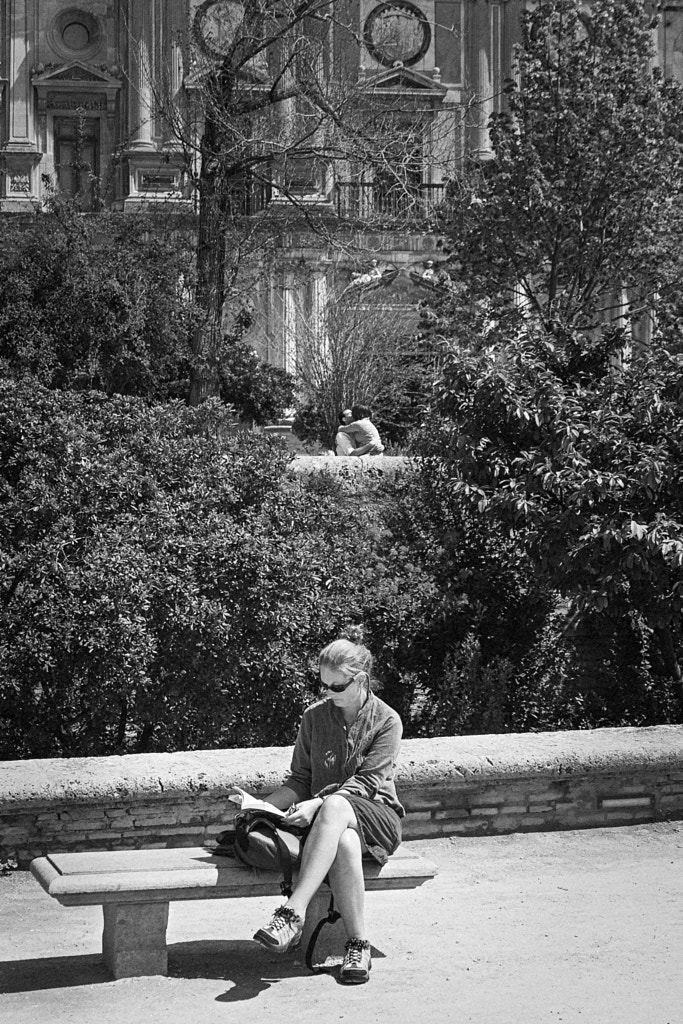
Romance Novel by Paul Amyes on 500px.com
Reading in the gardens outside the Charles V Palace – Alhambra, Granada.


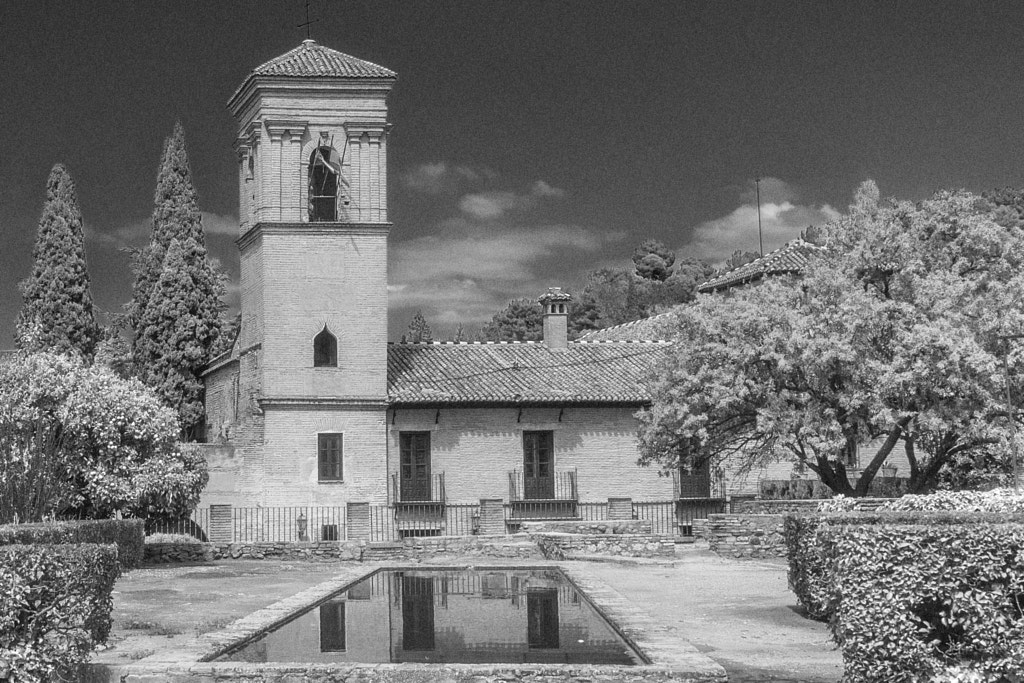
Convento de San Francisco by Paul Amyes on 500px.com
The Convento de San Francisco in the gardens of the Alhambra in Granada.


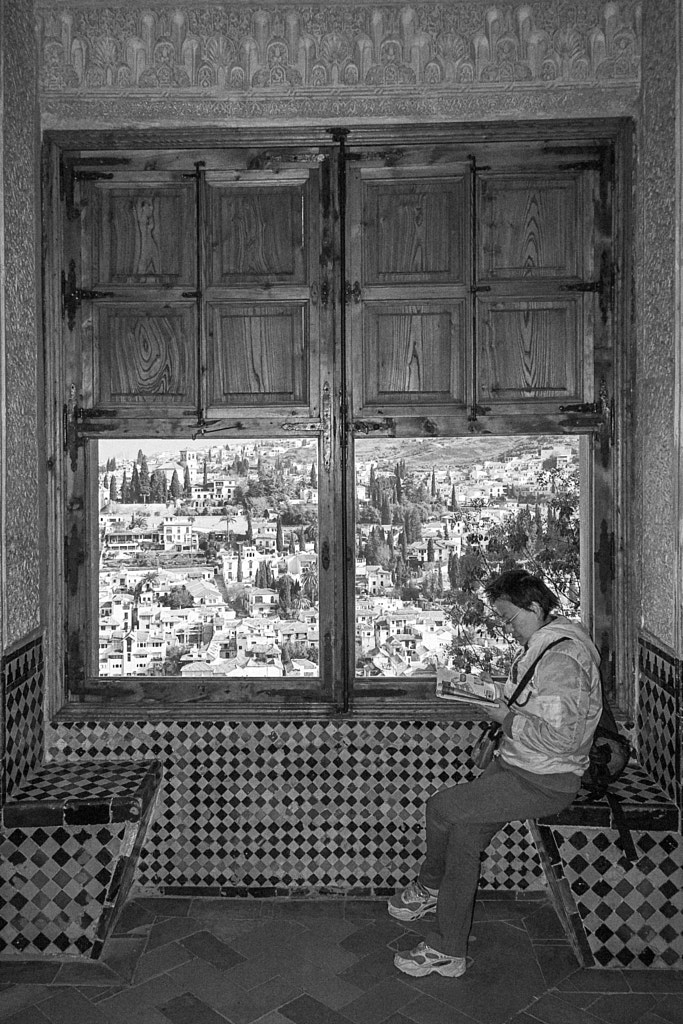
The Guidebook by Paul Amyes on 500px.com

A tourist pauses to study the guidebook in La torre de Comares at the Alhambra. It’s amazing how using up to date applications such as Lightroom can recover highlight and shadow detail.


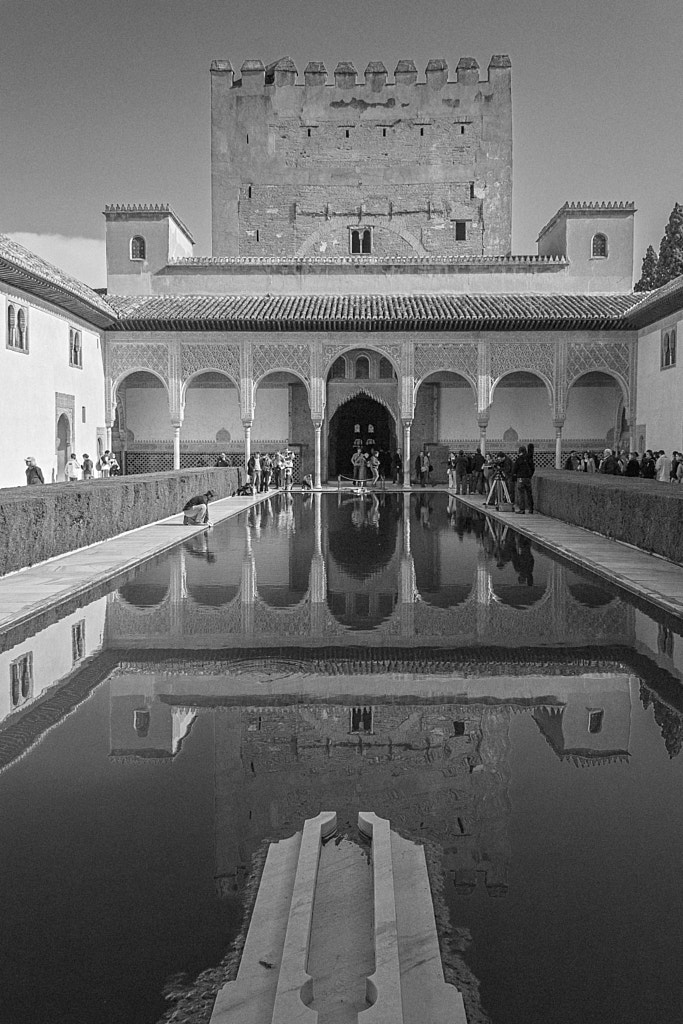
The Court of the Myrtles by Paul Amyes on 500px.com
Tourists and a film crew visit the Court of the Myrtles in the grounds of the Alhambra.


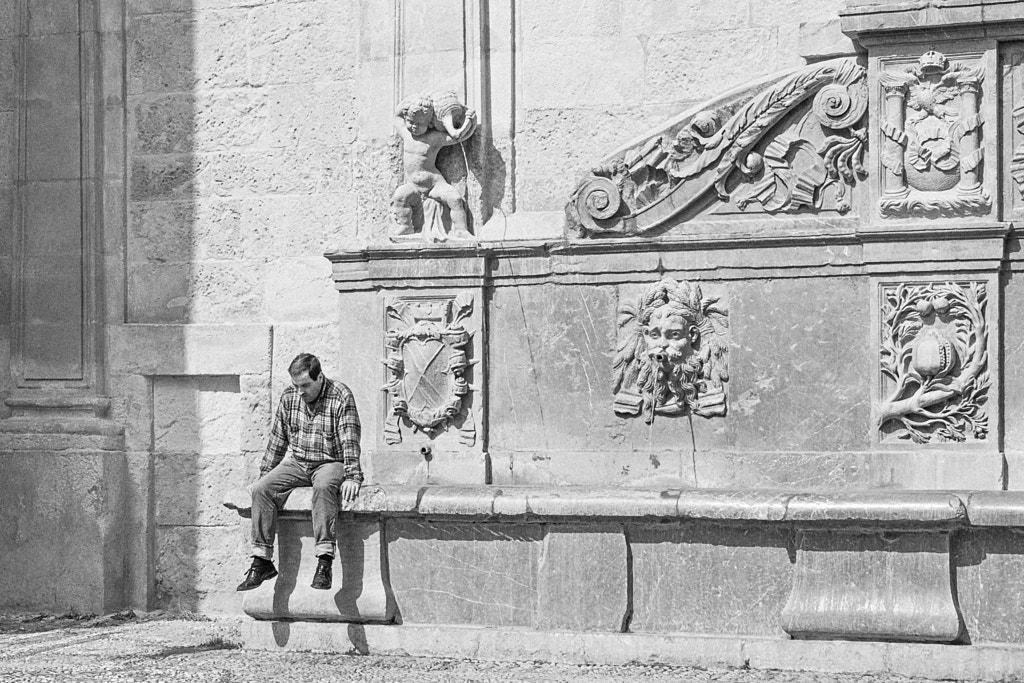
Waiting by Paul Amyes on 500px.com

Sitting on the fountain at the Pilar de Carlos V at the Alhambra in Spain.


All the above photos were taken using a Canon EOS 300d which had by today’s standard poor dynamic range and poor high ISO performance. The difference is quite marked. So I’d honestly say it is worth revisiting your picture archive to see the quality you can wring out of those files using modern software.


Todays title is of course from the 1974 hit song Y Viva España, performed in English by Sylvia Vrethammar which was a cover of the Dutch song Eviva España by Belgian singer Samantha (Christiane Bervoets). It became a staple of drunken British tourists on the Costa Del Sol.