Waiting for the tide to turn

“I’m waiting

Waiting for the tide to turn

Patience, patience, patience

Is one sure thing that I’ve learned”

By

Robert Cray, Mike Vannice and Dennis Walker


My last birding outing in Broome was to Town Beach – a whopping 5 minutes walk from where we were staying. It was the evening before we were due to leave Broome and I wanted to get some photos of the migratory shorebirds that are found in Broome at this time of year.


Town Beach Jetty by Paul Amyes on 500px.com
I didn’t notice the Eastern Osprey (Pandion cristatus subs leucocephalus) perching on a lamp post on the Town Beach Jetty when I took the photo. It was only when I was processing it that I saw it.


The tide was out and a long way to boot. Ideally I’d want the tide to be coming in as it would push all the birds closer to me. A receding tide would take them away from me.  So the question was how to get close to the birds while avoiding the liquid mud that was between us. The obvious answer was the jetty as it extends 112m out from the shoreline. The only problem was that it is very high to account for Broome’s 10m+ tides. Then I noticed some kids playing on what appeared to be a lower level and watching them carefully I saw how they were accessing this level and I quickly took up position. Most of the birds were still a long way out – well over 500m. After watching for a while I saw that there were a few different species of bird that were closer to me, but even so I’d need to fit my 1.4 x teleconverter to my 100-400mm lens. Not ideal because of the hit on image quality and having a maximum aperture of f9 forcing the use of high ISOs and lower shutter speeds. 


20260305-Broome-0328-Edit by Paul Amyes on 500px.com
An assortment of shorebirds lands looking for food.


Ruddy Turnstone by Paul Amyes on 500px.com
Ruddy Turnstone, Arenaria interpres. Town Beach, Broome, Western Australia.


There were quite a few different species out on the mud. There was an Eastern Reef Egret and a Little Heron poking around amongst some rocks for something to eat. A Whimbrel stayed for ages going back and forth. Every now and again a little flock of assorted birds – Rudy Turnstones, Terek Sandpipers, Greater Sand-plovers and Grey-tailed Tattlers – would land and have a bit of a feed then something would spook them and they’d all take off again. It was brilliant and time just flew past. All too soon the sun was starting to dip below the horizon and the light levels were too low to continue photographing. All in all it was an excellent end to an excellent trip.


Eastern Curlew by Paul Amyes on 500px.com
Eastern Curlew, Numenius madagascariensis. Town Beach, Broome, Western Australia.


Eastern Reef Egret by Paul Amyes on 500px.com
Eastern Reef Egret, Egretta sacra. Town Beach, Broome, Western Australia.


The title for this blog entry comes from the song by the great Robert Cray.


Birding In Broome

Red-collared Lorikeet, by Paul Amyes on 500px.com
Red-collared Lorikeet, Trichoglossus rubritorquis. Discovery Parks – Broome, Western Australia.


I enjoyed our trip to Broome immensely, it was great to see a region we’d never seen before at a time of year most people avoid. From a bird photography point of view things didn’t turn out how I’d expected them to. I must say that this is probably my fault as I’d been wanting to go for a while and as a result of reading numerous articles and watching countless videos on birding in Broome my expectations were probably too high.


Crested Pigeon by Paul Amyes on 500px.com
Crested Pigeon, Ocyphaps lophotes. Broome Golf Course, Western Australia.


Little Friarbird by Paul Amyes on 500px.com
Little Friarbird, Philemon citreogularis. Broome, Western Australia.


We saw plenty of birds including eight new to me species. Photographing them was another thing all together. The first thing that made this difficulty was the heat and the humidity – lenses would fog up and take ages to clear. There was a lot of heat haze which combined with long focal lengths meant quite a lot of photos were unsharp. We didn’t experience these problems in Darwin, but then again we visited there at the end of the dry season. One of the ways to overcome this was by getting close to the subject and don’t shoot them at ground level. This worked very well with small bush birds and I got some nice photos with plenty of detail. The real problems set in when shooting the shorebirds. Firstly the tidal range in the Kimberley is huge –  Town Beach has 10m+ tides and it can be 1 Km or more between the high tide mark and the water. You can of course walk out on the mud, but eventually it gets too soft and you sink into it – I speak from personal experience here. So a lot of the time the birds were a speck on the horizon and the OM System 100-400mm mk ii wasn’t long enough. I did try slapping on the 1.4 x teleconverter, but that magnified the heat haze problem and detail disappeared.


Brown Honeyeater, by Paul Amyes on 500px.com
Brown Honeyeater, Lichmera indistincta. Minyirr Park, Broome, Western Australia.


Brown Honeyeater, by Paul Amyes on 500px.com
Brown Honeyeater, Lichmera indistincta. Minyirr Park, Broome, Western Australia.


Rainbow Bee-eater by Paul Amyes on 500px.com
Rainbow Bee-eater, Merops ornatus. Minyirr Park, Broome, Western Australia.


The best locations we visited were Kabbarli Lookout (Entrance Point and Port [Broome]), Minyirr Park and Town Beach. We didn’t go to the Broome Bird Observatory as the dirt road becomes almost impassable during the wet and the hire car companies don’t like you going down it. We’ll leave that one for a dry season visit. So yes I would love to go again.


Black Kite by Paul Amyes on 500px.com
Black Kite, Milvus migrans. Minyirr Park, Broome, Western Australia.


Common Sandpiper by Paul Amyes on 500px.com
Common Sandpiper, Actitis hypoleucos. Kabbarli Lookout, Broome, Western Australia.


Mucking About In The Mangroves

Mangroves are a very new experience for me. My first real experience of them was in 2024 when we went to Darwin in the Northern Territory. So I was looking forward to having a look at the mangroves in Broome.


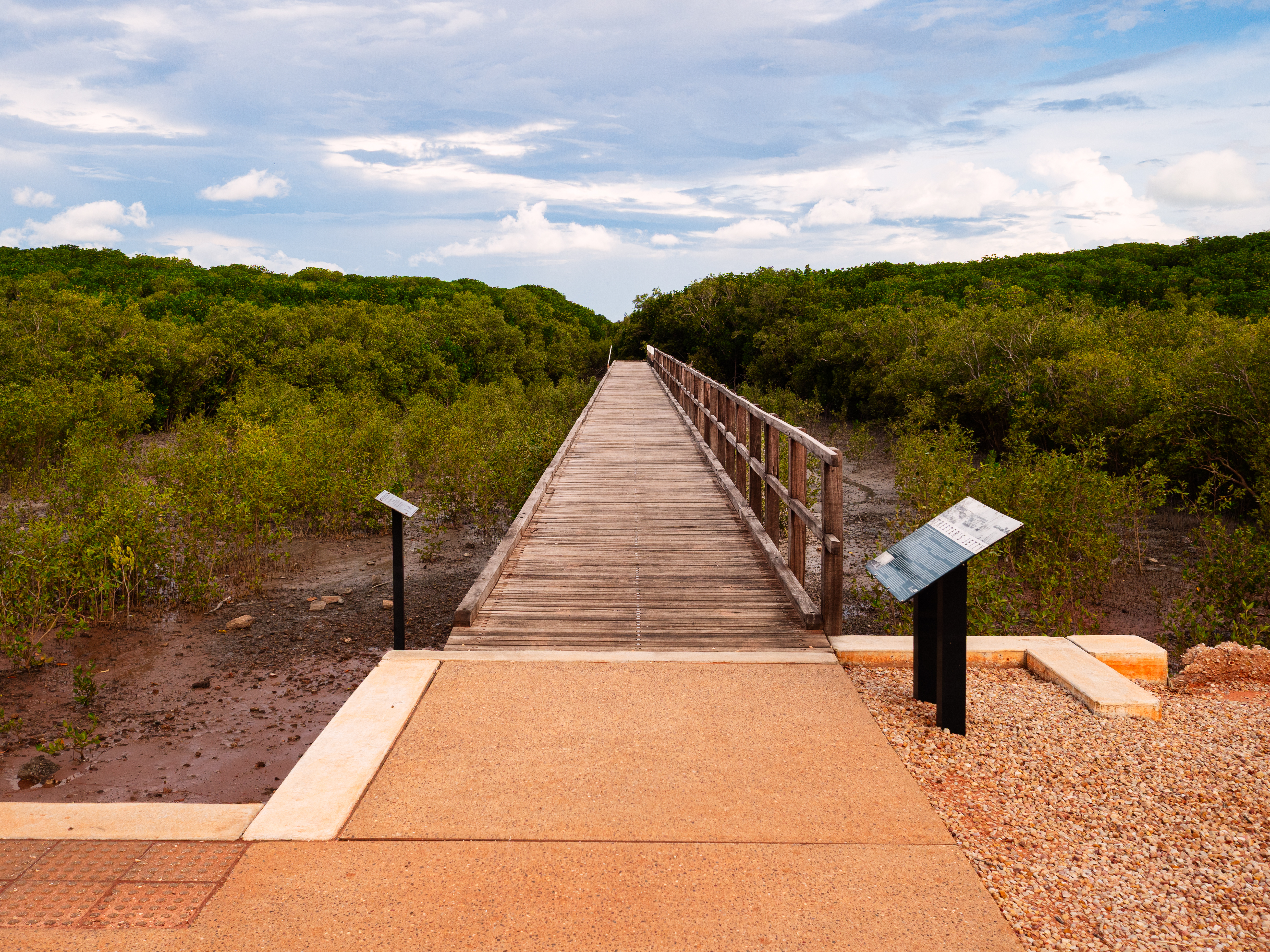
Streeter’s Jetty takes you out among the Broome Mangroves. Broome Western Australia.


Mangroves are basically shrubs or trees that have adapted to living in the upper tidal zone in saline or brackish water. Their root systems have developed so they can resist tidal forces and cope with saltwater immersion. They stabilise coastal areas preventing coastal erosion and protect from tsunamis. At the same time they provide an important ecosystem that support an incredible diversity of species. In Broome the mangrove systems occur east and south of Roebuck Bay. The tidal range is huge which means a vast expanse of mud can be exposed at low tide. Now there were two things that put me off exploring when the tide was out. The first was that the mud is soft. I’d seen Reef Egrets and Striated Herons sink quite deep into it. The other was salt water crocodiles. They live in the tidal rivers, creeks, and mangroves around Broome. At Streeter’s Jetty there was a sign warning of the dangers of crocodiles and the Jetty does get closed if there is a sighting. So as you can see my exploration was a bit limited, but it was enjoyable and it was nice to see and photograph something a bit different.


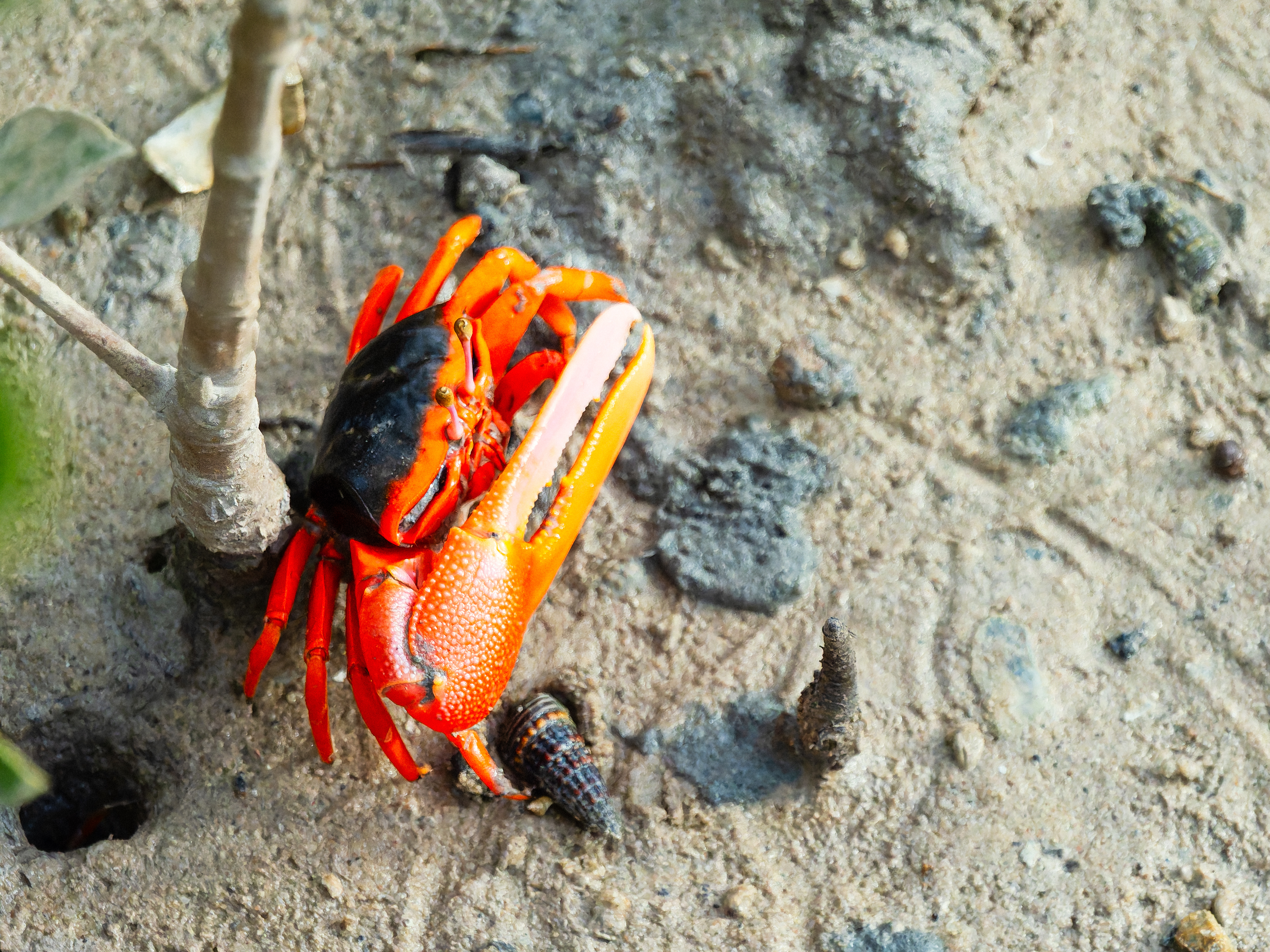
Flame-backed Fiddler Crab, Tubuca flammula. Streeter’s Jetty, Broome, Western Australia.


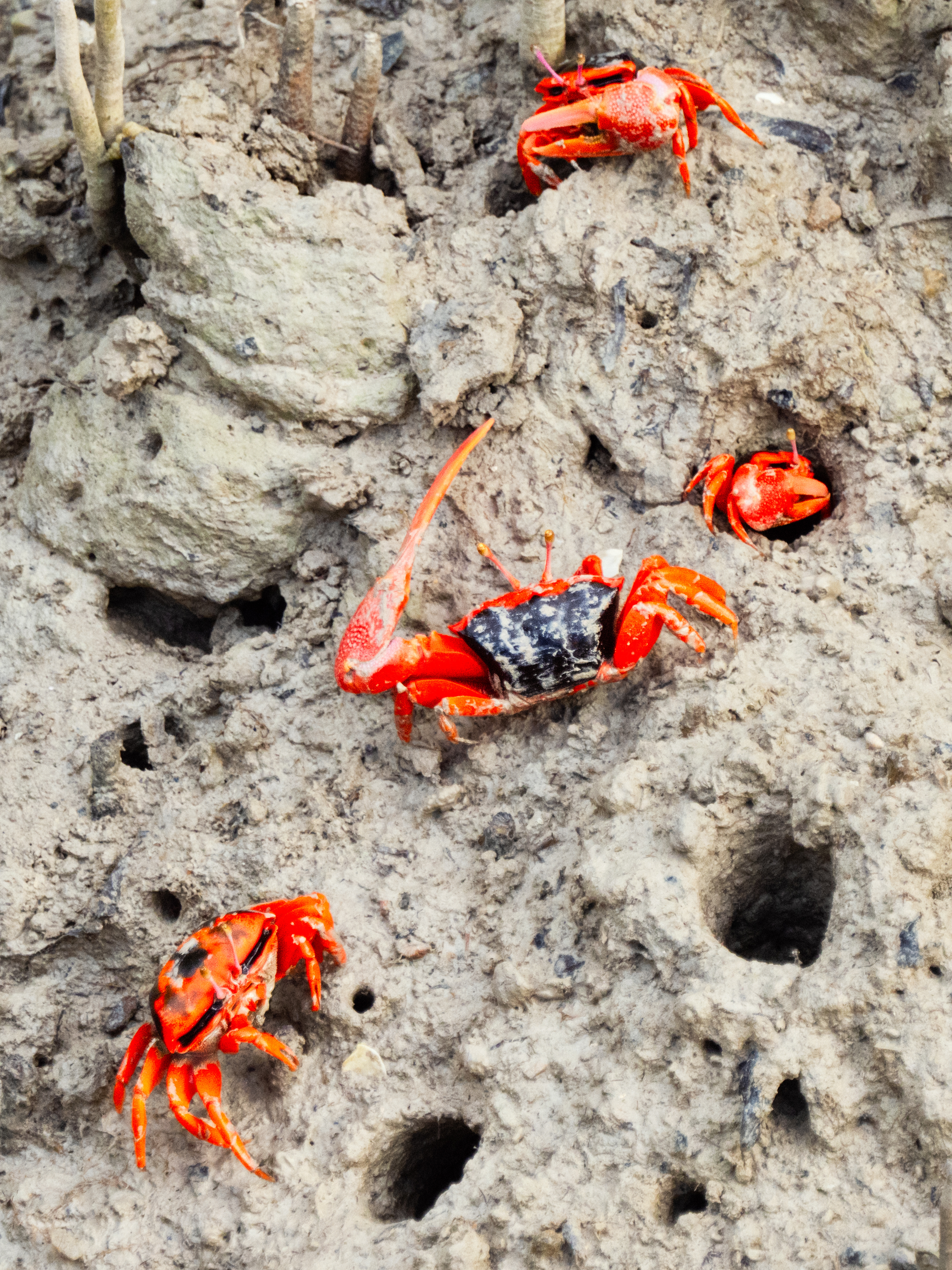
Flame-backed Fiddler Crab, Tubuca flammula. Streeter’s Jetty, Broome, Western Australia.


Mangrove Climbing Crab, Metopograpsus latifrons. Streeter’s Jetty, Broome, Western Australia.


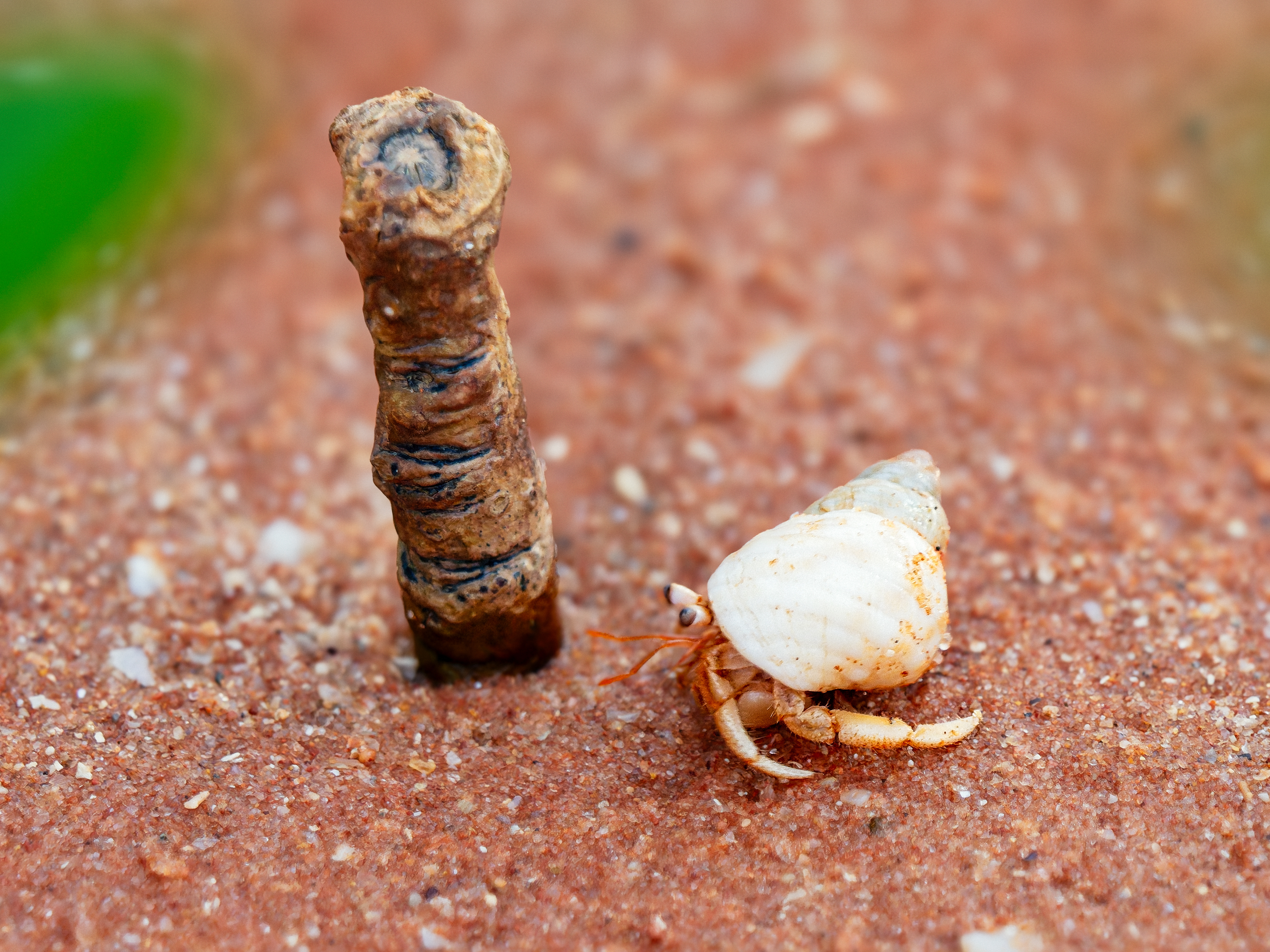
Australian land hermit crab (Coenobita variabilis). The mangroves at Town Beach in Broome, Western Australia.


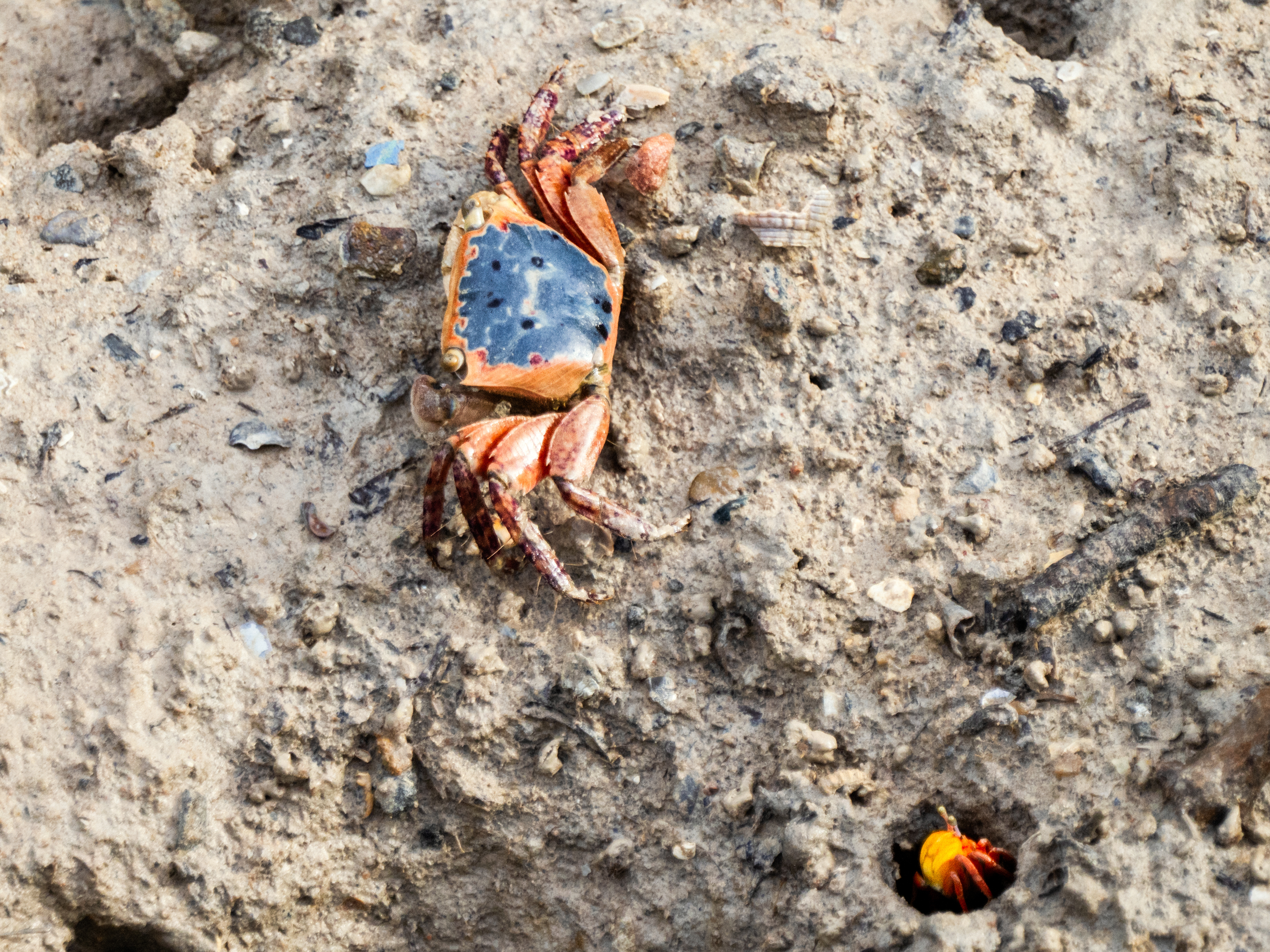
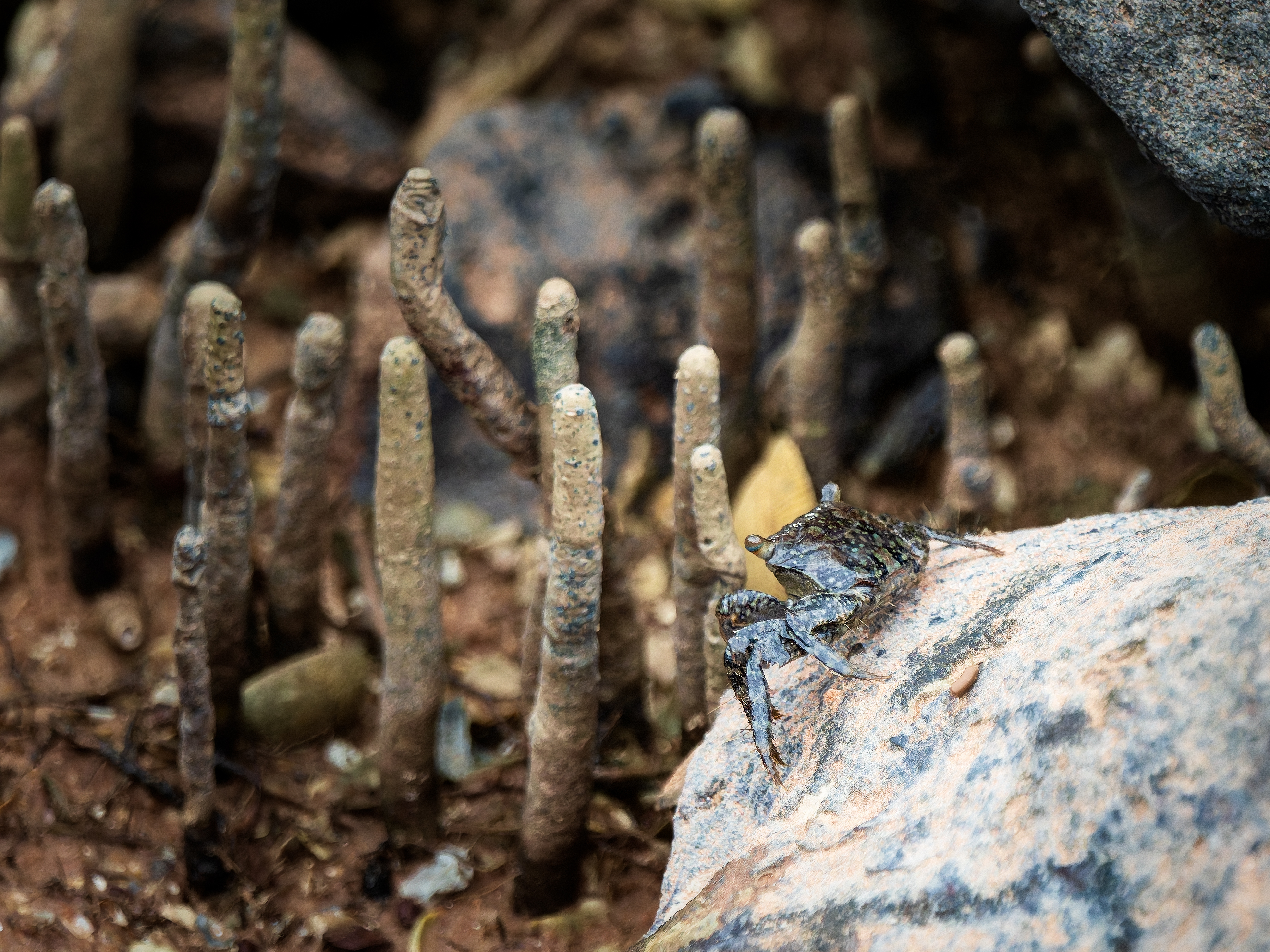
Purple Climber Crab, Metopograpsus frontalis. The mangroves at Town Beach in Broome, Western Australia.