Refractory Blues

Like most things in Australia the Clackline Refractory came into being more by luck than planning. In 1898 Western Australia was undergoing a gold rush and two blokes by the names of John Ford and James Murray were prospecting in the eastern end of the Darling Range. About 80Km east of Perth they decided to sink an exploratory shaft and instead of finding gold they found fire-clay. Disappointed they moved on. Fast forward a couple of years and it must of dawned upon them that they had stumbled upon a valuable commodity as they decided to extract the clay from what on closer inspection was a limitless supply. Why was the clay so valuable? Well fire-clay is used to make bricks for furnaces and kilns. It is used in the manufacture of crucibles for smelting. Before this discovery Australia was having to import bricks made of fire-clay from Britain at some considerable cost. The refractory was built to produce the bricks and it was found they were more durable than the imported ones. You’d think that having a ready made monopoly would have meant that Messrs Ford and Murray would be laughing all the way to bank. Well no and the refractory changed hands several times before being completely shut down in 1992.
 

Clackline Refactory Brickworks by Paul Amyes on 500px.com
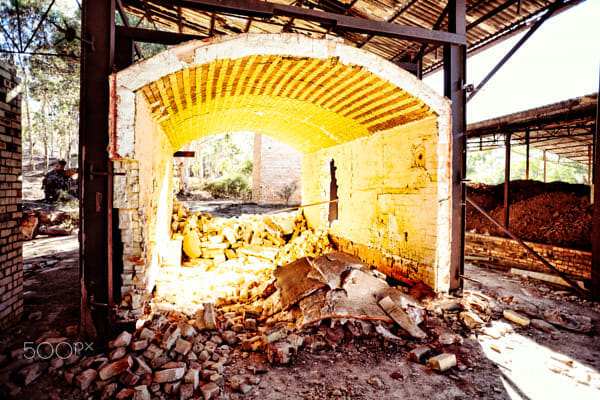
The suns rays reflected on the white walls of a derelict brick kiln at the Clackline Refractory.


Clackline Refactory Brickworks by Paul Amyes on 500px.com
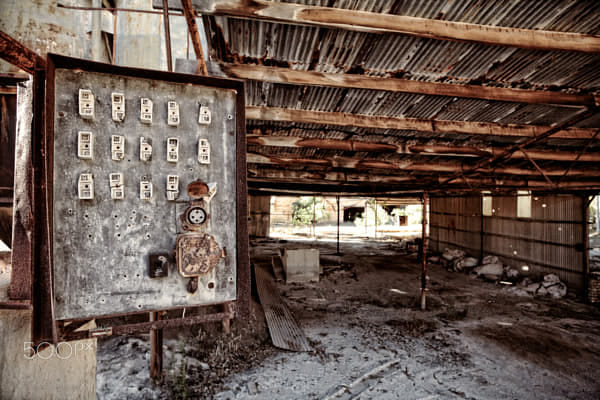
The remains of an electrical control panel at the Clackline Refractory.


I discovered the Refractory completely by accident. I was cycling along the Kep Track and as I was approaching Clackline I saw an enormous brick chimney rising out of the trees. It was definitely industrial looking so I decided to have a shufty and found this huge post industrial site. It had only been shut for a couple of years at that stage and everything looked pretty intact. I went back a few days later and photographed the place early in the morning and the sunlight shining through the huge kilns was magical. On further research I wasn’t surprised to learn that it had been given a heritage listing.

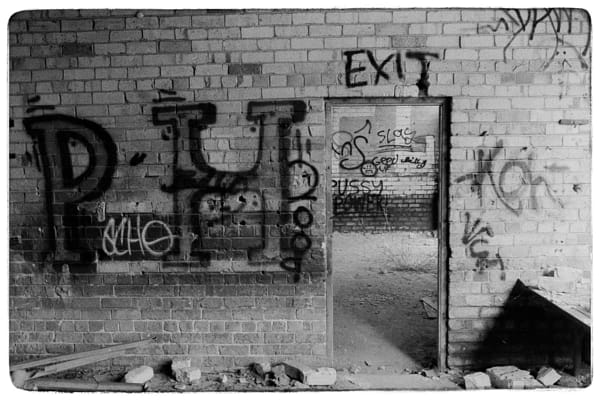
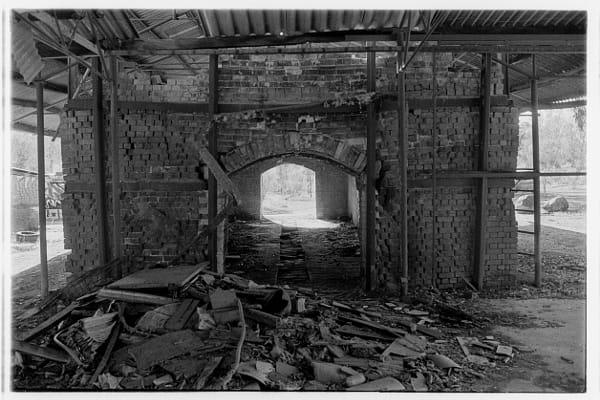
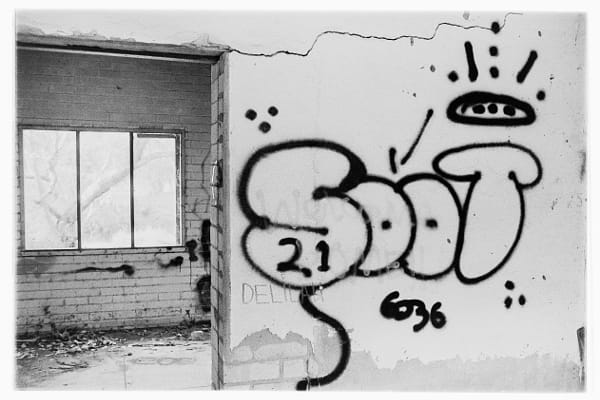
I didn’t think about the refractory again until a couple of months ago. I just purchased a new to me secondhand camera and I wanted to put a roll of film through it to see if it was working OK. My partner wanted to visit Clackline to get some material for a project she’s working on so I decided that the refractory was where I’d test the new camera. When we got there I wasn’t prepared for how much the site had changed. Everything of value had been stripped out, the buildings were in a dreadful state, there was graffiti everywhere along with drug paraphernalia. To add to the sombre mood we met a family there who were visiting to see where a relative had died just a couple of days previously. You couldn’t more get a more gothic atmosphere if you tried and this suited the black white film perfectly. All in all it was quite a strange experience and we moved on after I had shot the roll.
 

Clackline Refractory by Paul Amyes on 500px.com
One of the old kilns at Clackline Refractory.


Clackline Refractory by Paul Amyes on 500px.com
SOOT. Clackline Refractory.
Clackline Refractory by Paul Amyes on 500px.com
Exit. Clackline Refractory.


Clackline Refractory by Paul Amyes on 500px.com
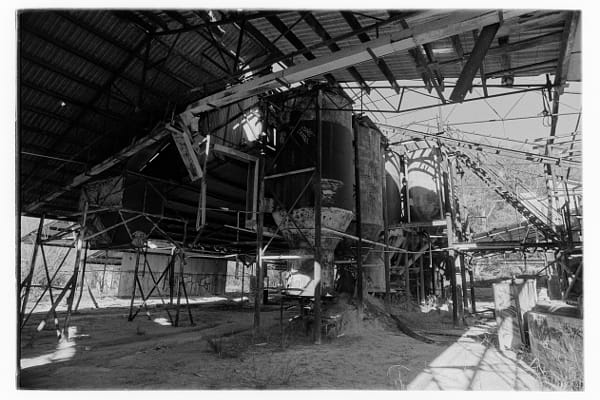
Where the clay was mixed prior to being moulded and then fired.


Clackline Refractory by Paul Amyes on 500px.com
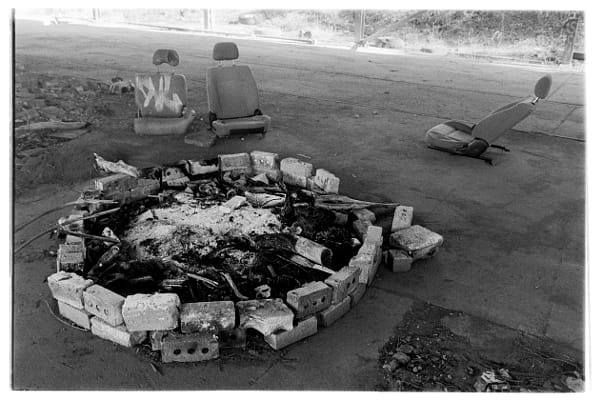
Site of a campfire in the kiln shed.


Clackline Refractory by Paul Amyes on 500px.com
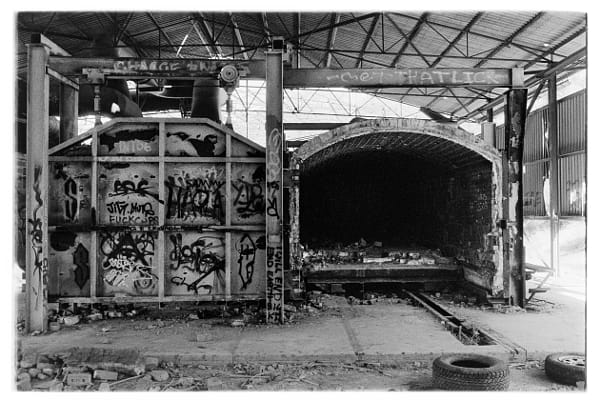
One of the “newer” kilns at Clackline Refractory.


Clackline Refractory by Paul Amyes on 500px.com
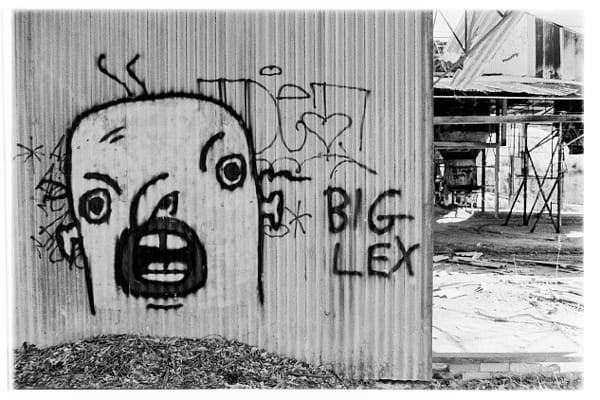
Big Lex. Clackline Refractory.


Clackline Refractory by Paul Amyes on 500px.com
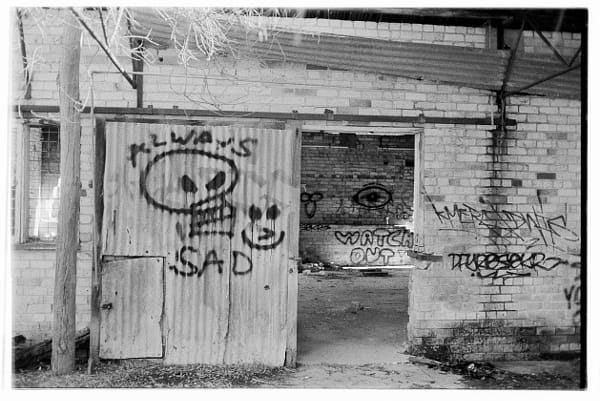
Always Sad. Clackline Refractory.


After Midnight

Night time at the old York drive in movie theatre. Canon EOS 5D with Canon EF20mm f/2.8 USM. Exposure 64.0 s at f/4.0 ISO 800.

Apologies to the late, great JJ Cale, who wrote the absolutely sublime song “After Midnight”, but I have been prowling around after dark with my camera and tripod. Every summer I do this because endless blue skies and fields of sun bleached wheat stubble do not make for very interesting photographs. Shooting at night can make the mundane look strangely beautiful and ethereal.

CBH Nocturne, York, Western Australia. Canon EOS 550D & Sigma 17-50mm f2.8 OS EX. Exposure; manual mode 30.0 s at f/4.0 ISO 3200.

Most of the time the images are straight, i.e. I just set the camera up on my tripod and make an exposure, like the two images above. Sometimes I like to play a little with light painting and flash to make something a little more out there.

In the wreckers yard at night. York, Western Australia. Canon EOS 5D, Canon EF24mm f/2.8 lens, Canon 550EX Speedlite and Canon 430EX Speedlite . Exposure: manual mode 30.0 s at f/2.8 ISO 400.

This image and the one below used flash with gels attached and fired by a set of el cheap “Poverty Wizards” I bought off of Ebay. I keep meaning to get a couple more old manual speedlites and some more wireless receivers to achieve more complicated lighting effects, but what usually happens is that summer ends and I stop going out at night and I quickly forget about it. Maybe this year.

Toxic Waste. Something’s happening in York’s drains!!! York Western Australia. Canon EOS5d with EF20mm f/2.8 USM lens, 430EX Speedlite, and 550EX Speedlite. Exposure 251.0 s at f/5.6 ISO 400.

What makes this fun is that it is experimental, you’re never completely sure how the image is going to turn out. Also with exposures knocking around 30 to 240 seconds it is a slow process and that makes it a more thoughtful exercise as it is not just a case of blazing away and hoping. I find because it can take up to twenty minutes making test exposures and then the final image I become  thoughtful about composition. It is not unusual to have been out for a couple of hours and only make four or five images.

As always clicking on an image will take you through to my online gallery.